• Shogun Day 16: Nara to Kyoto

    Watch the Relive video here:https://www.relive.com/view/v26Md7KJE3O

    On the Road – Distance 75km / 47mi | Elevation 1479m / 4853ft

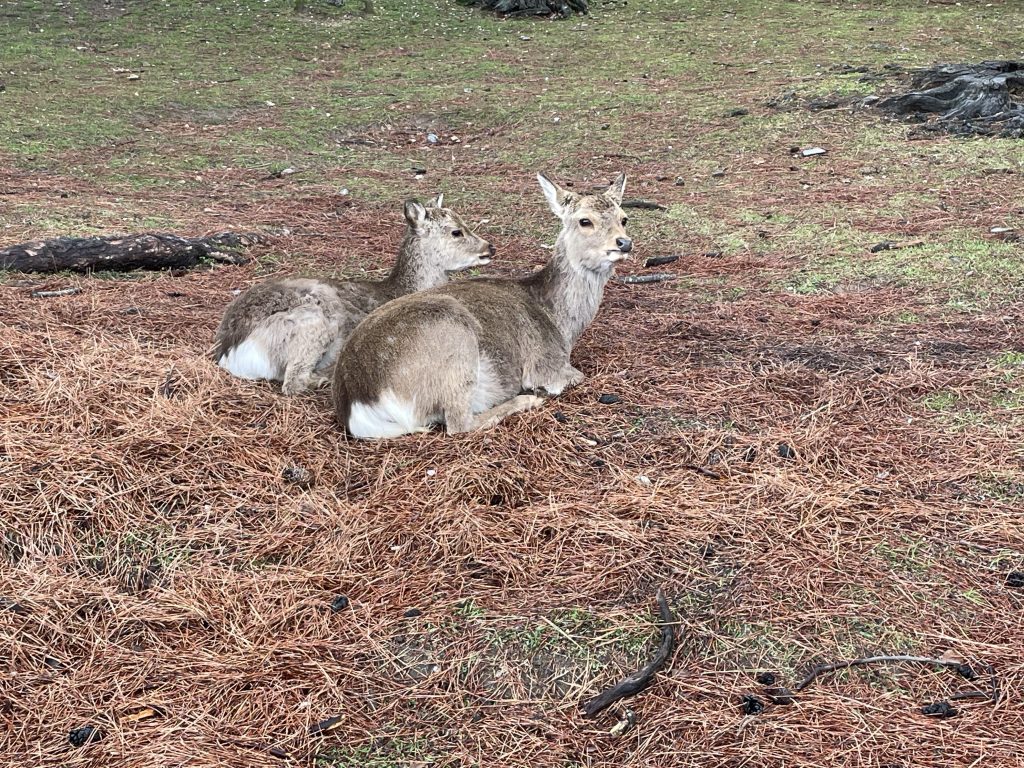
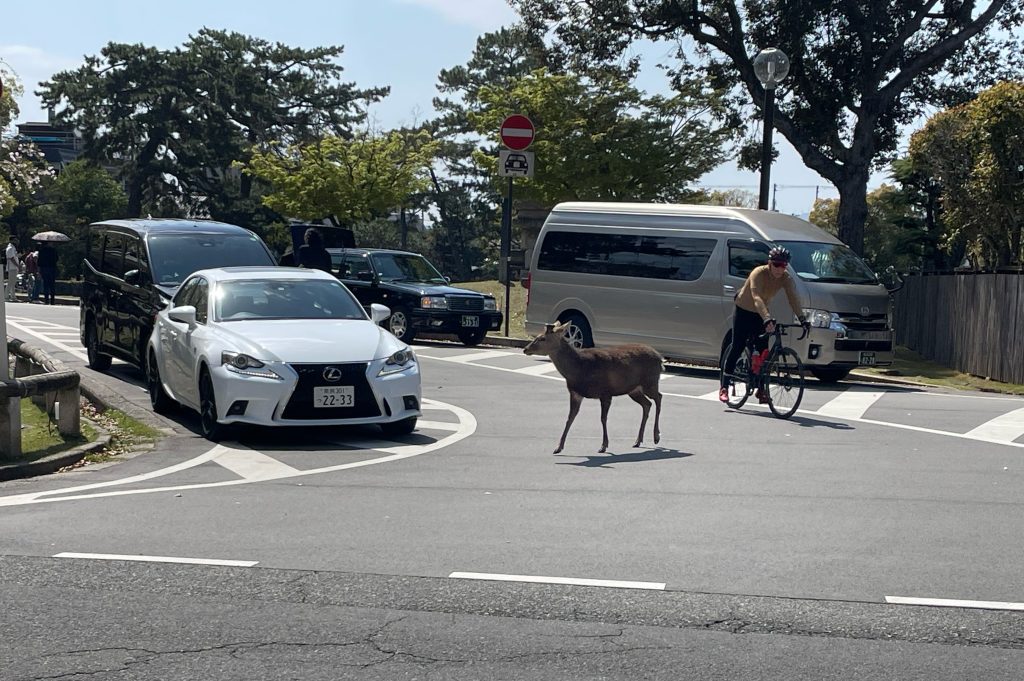
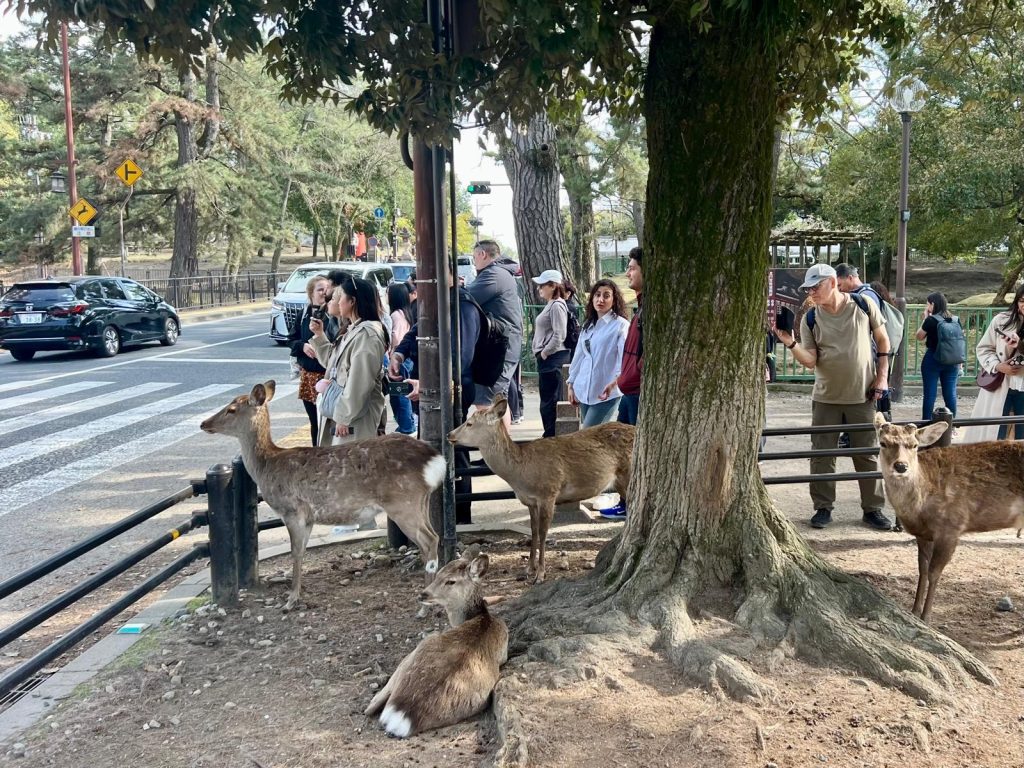
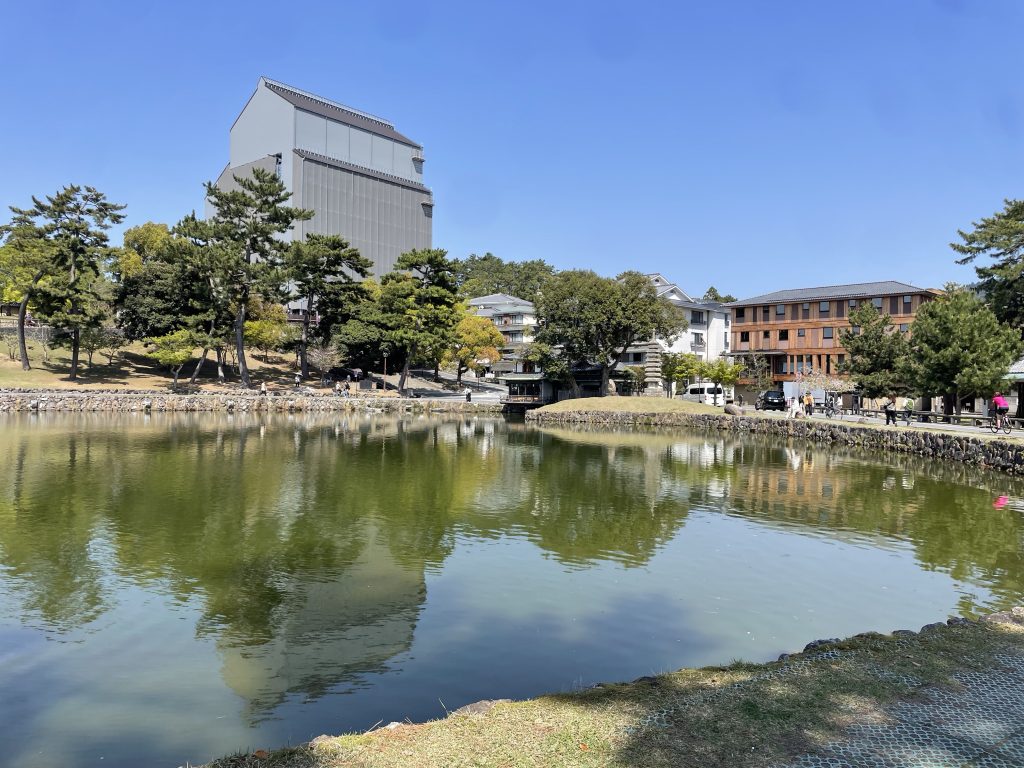
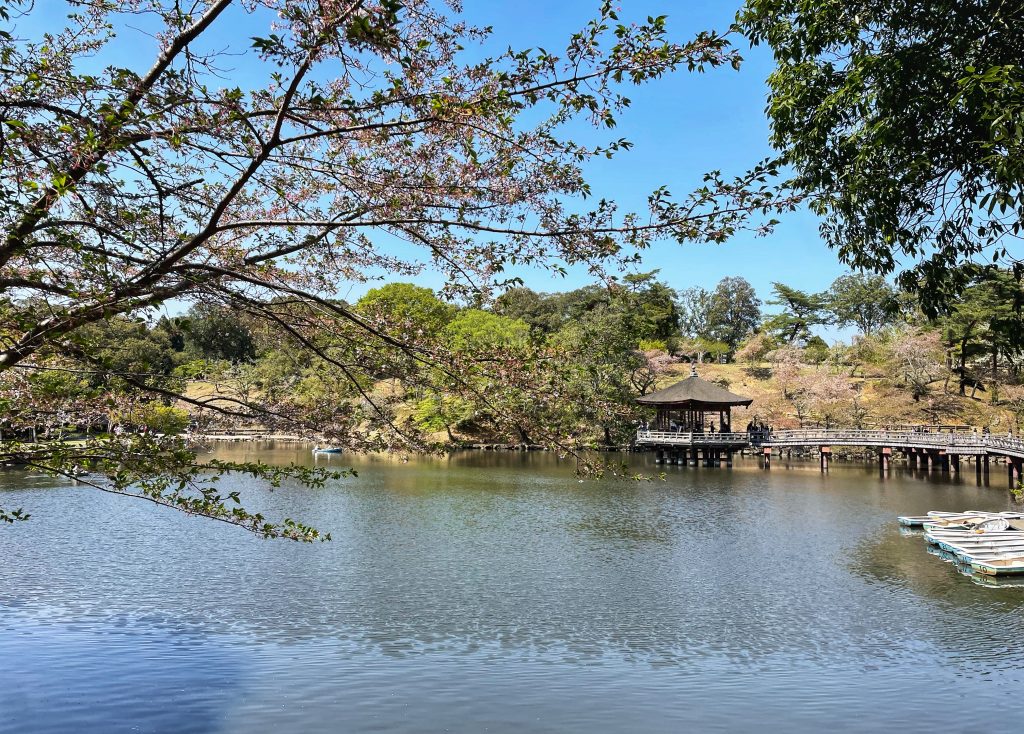
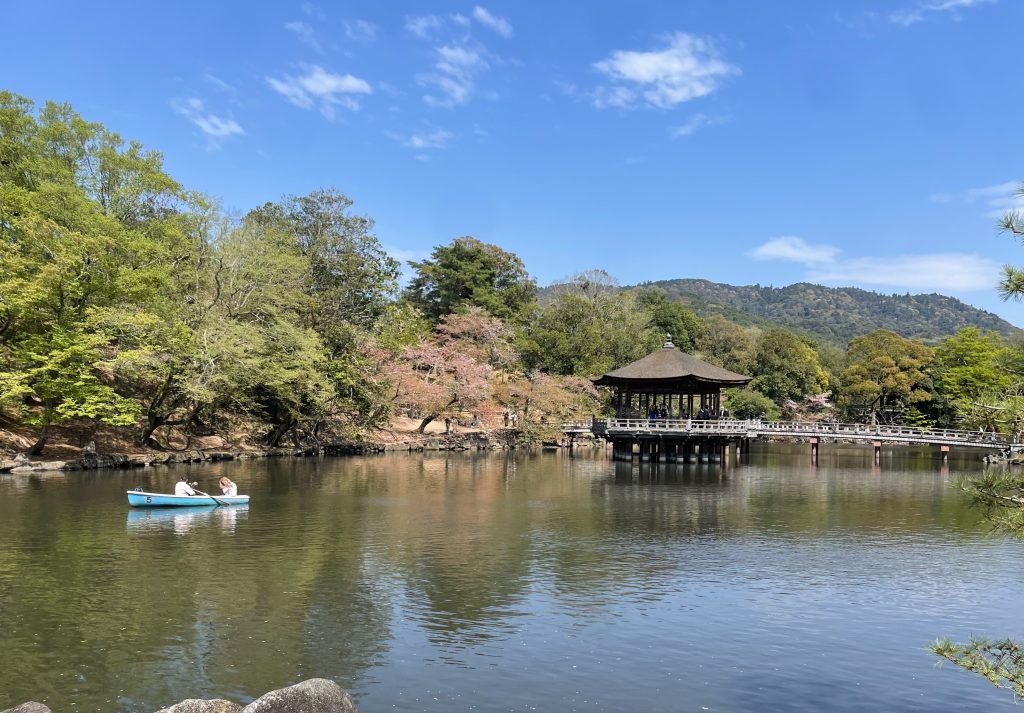
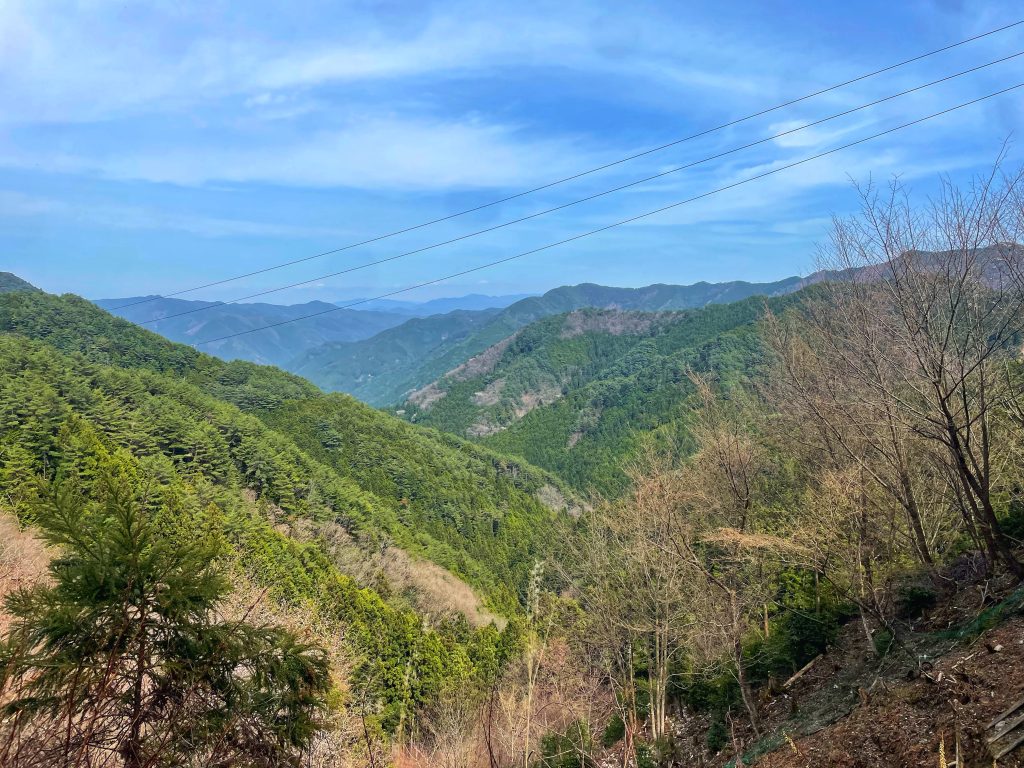
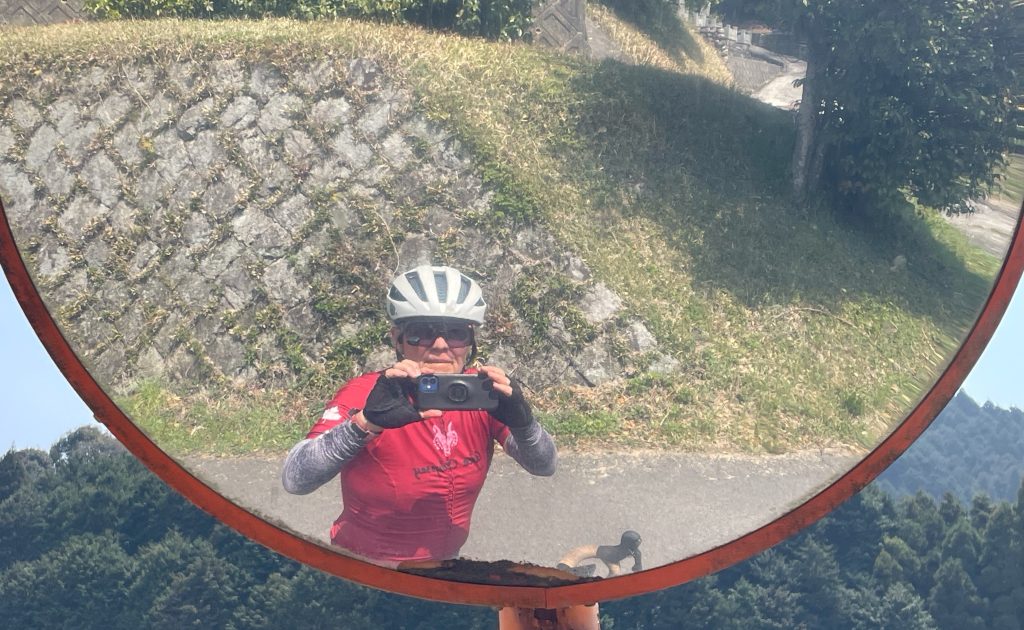
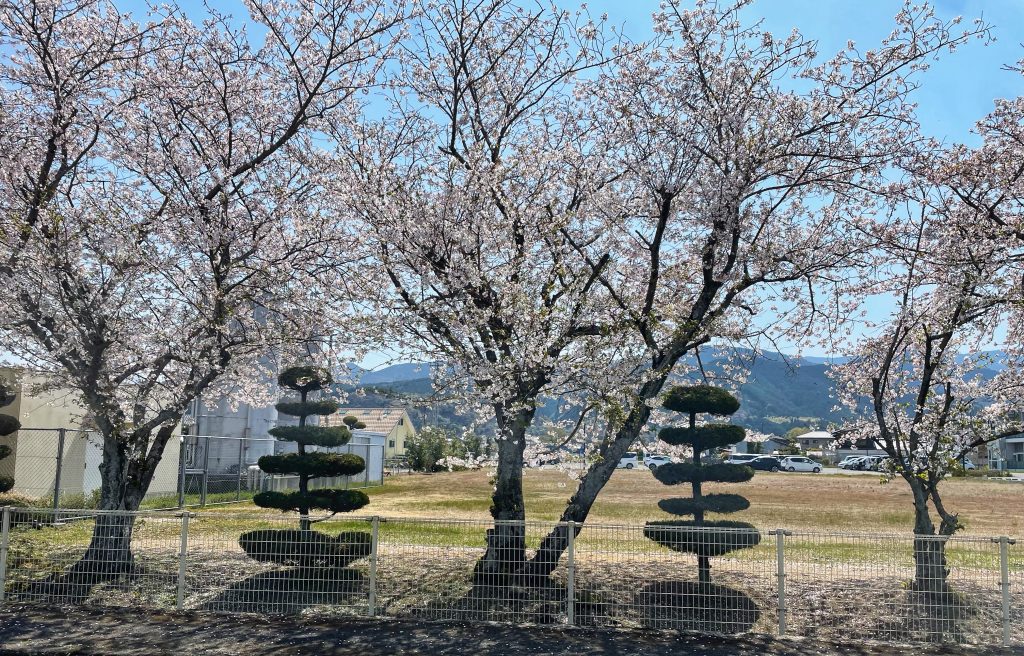
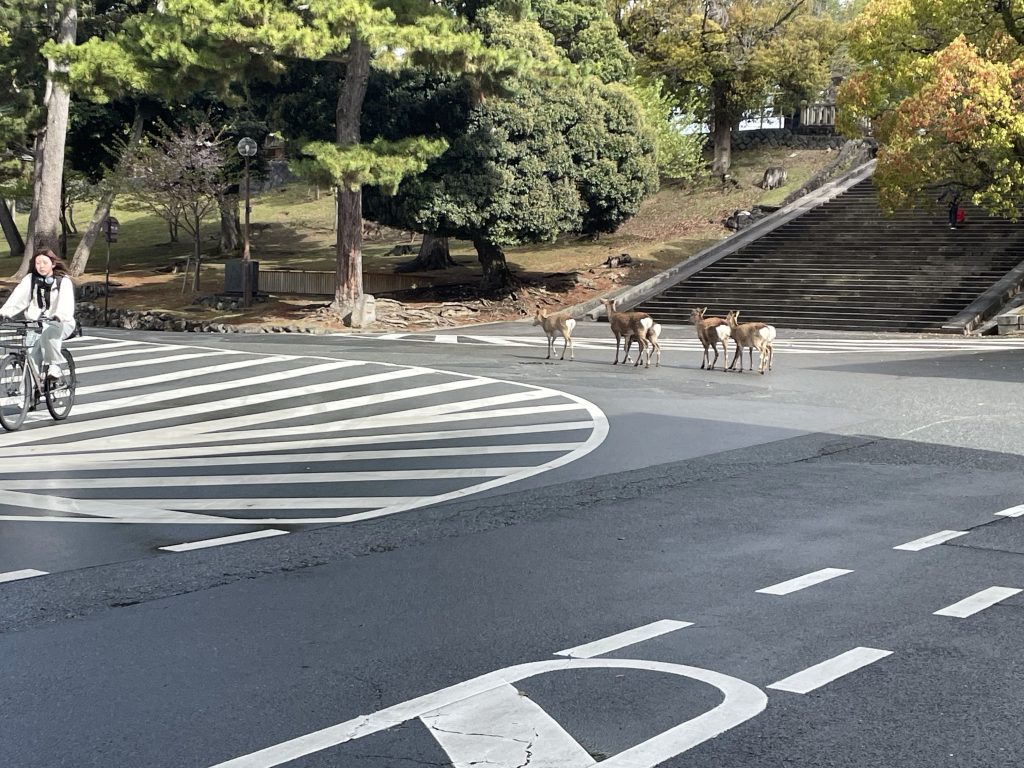
    Today had a mixed forecast, starting out with a cold drizzle as we departed this city through Nara deer park where the animals roam, fed by locals and tourists alike. They are protected and have right of way!
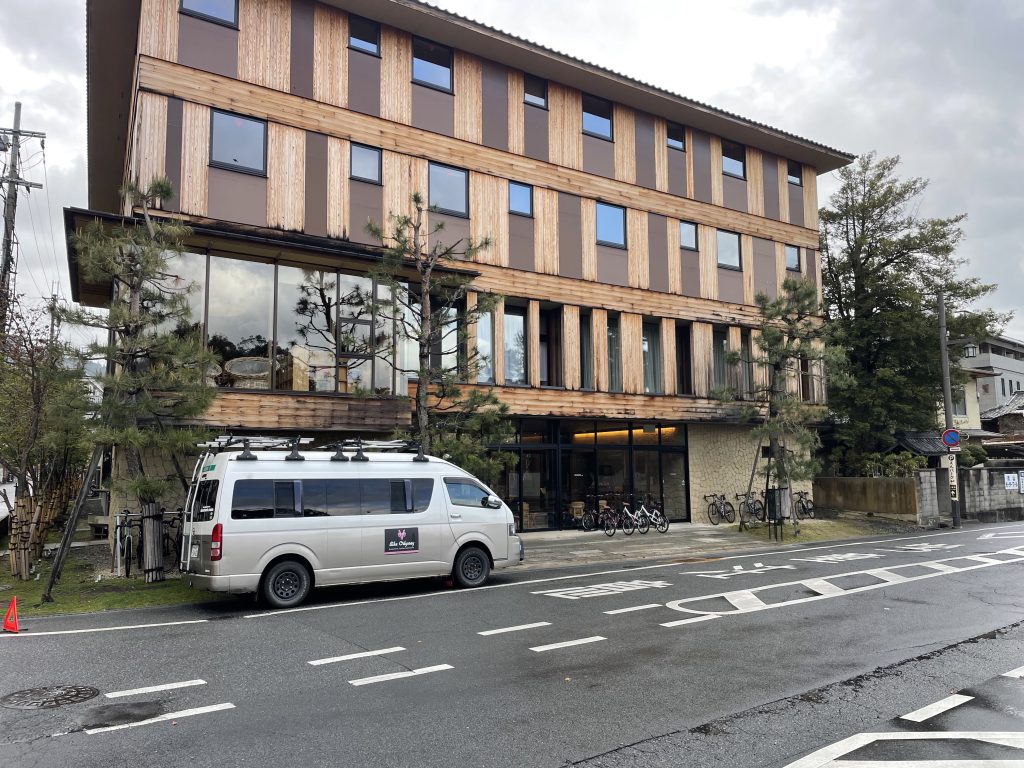
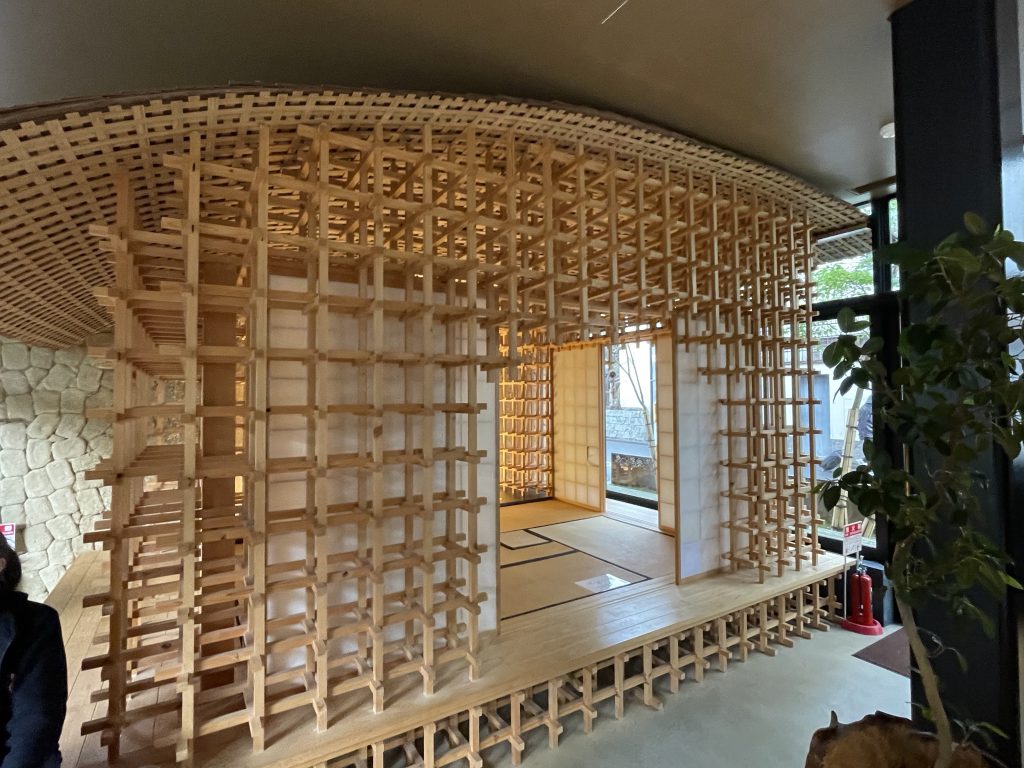
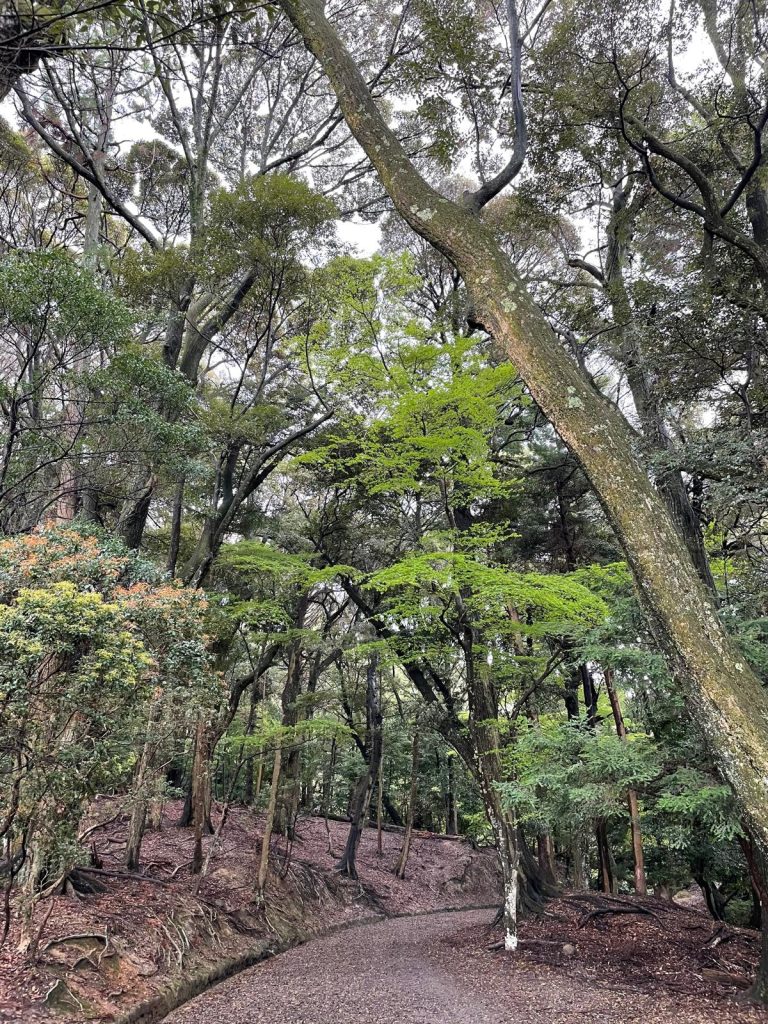
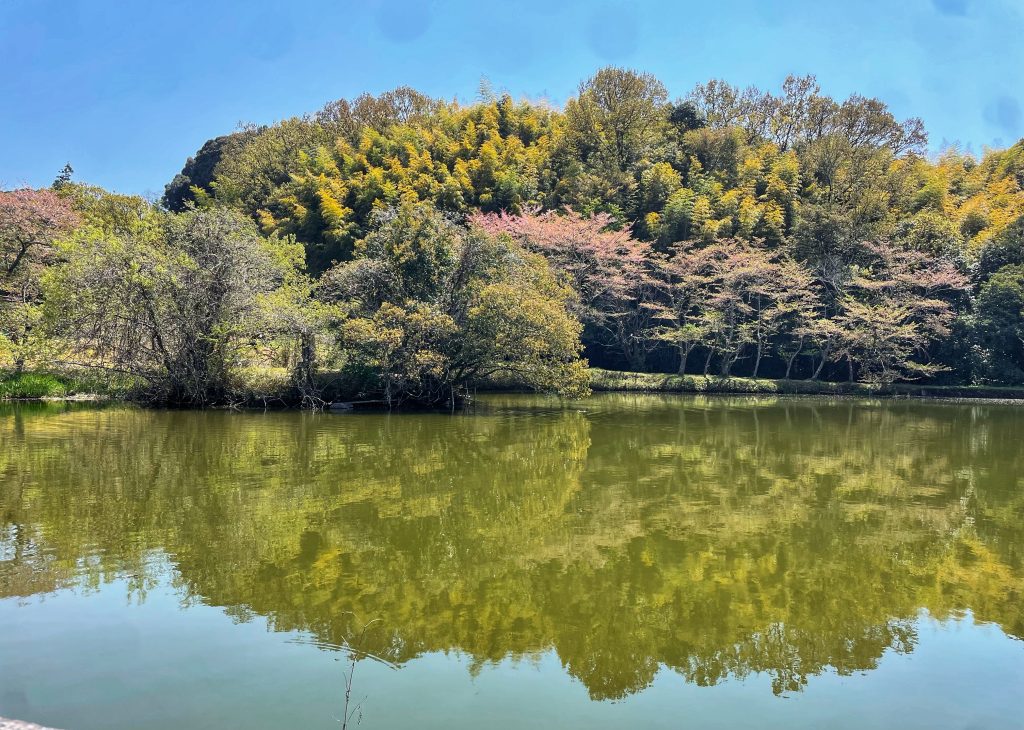
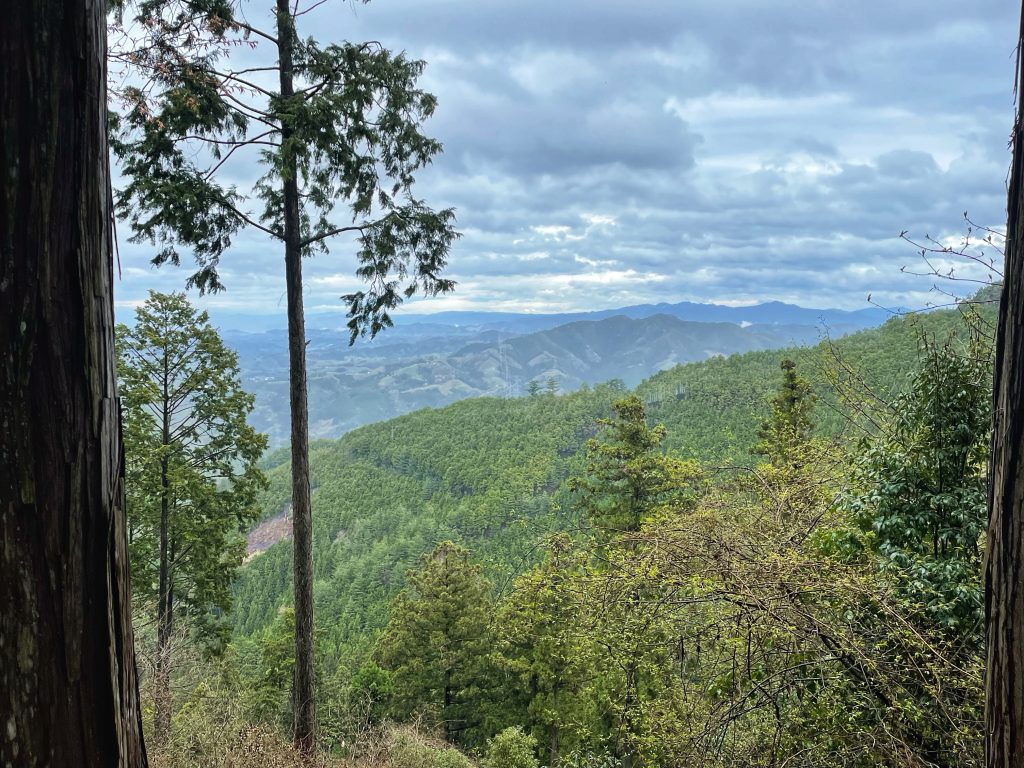
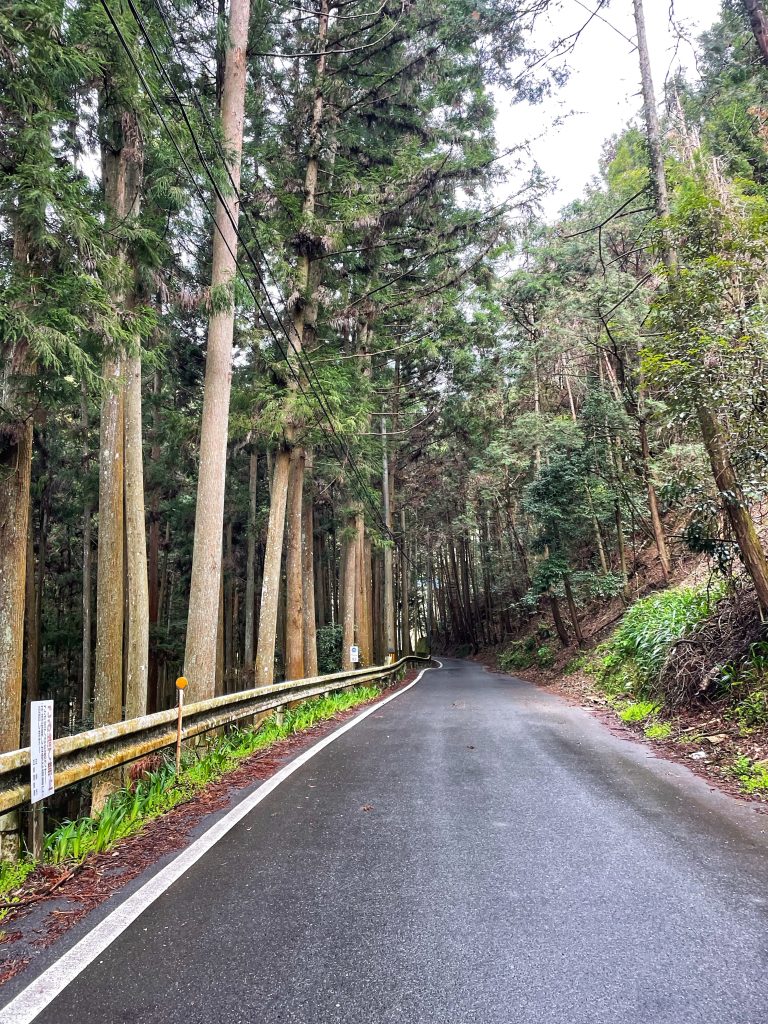
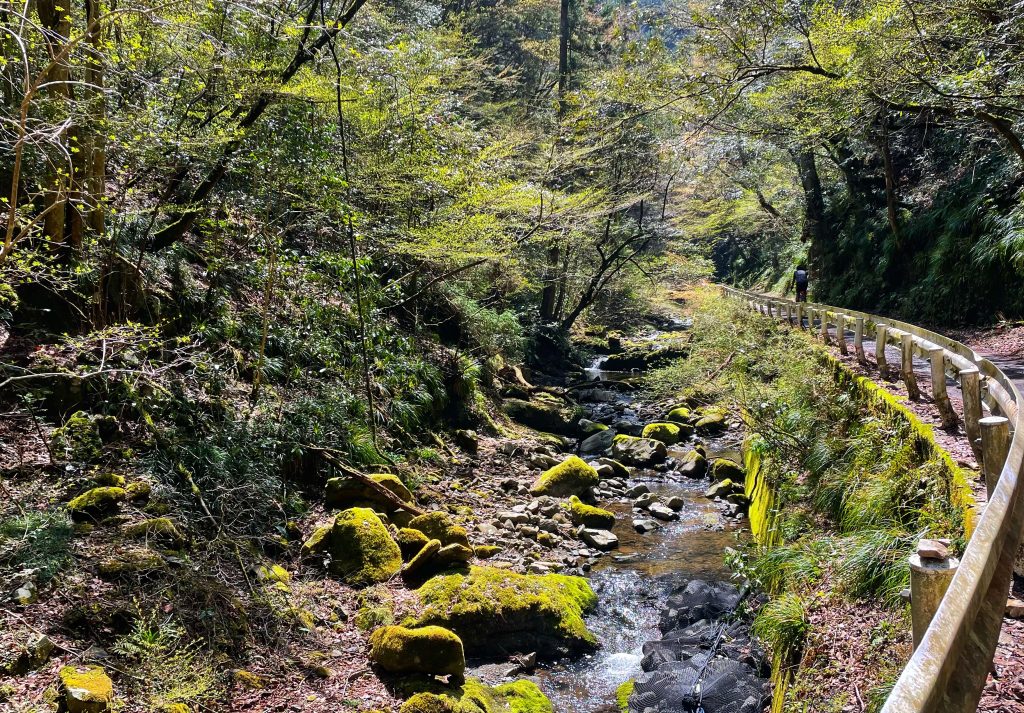
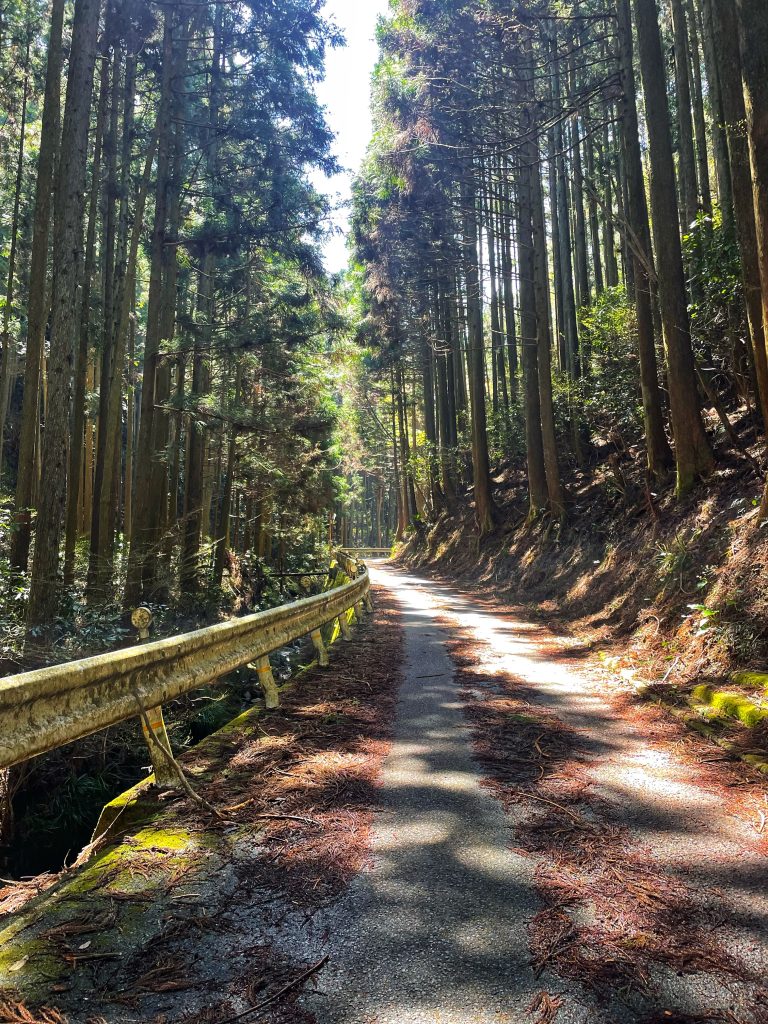
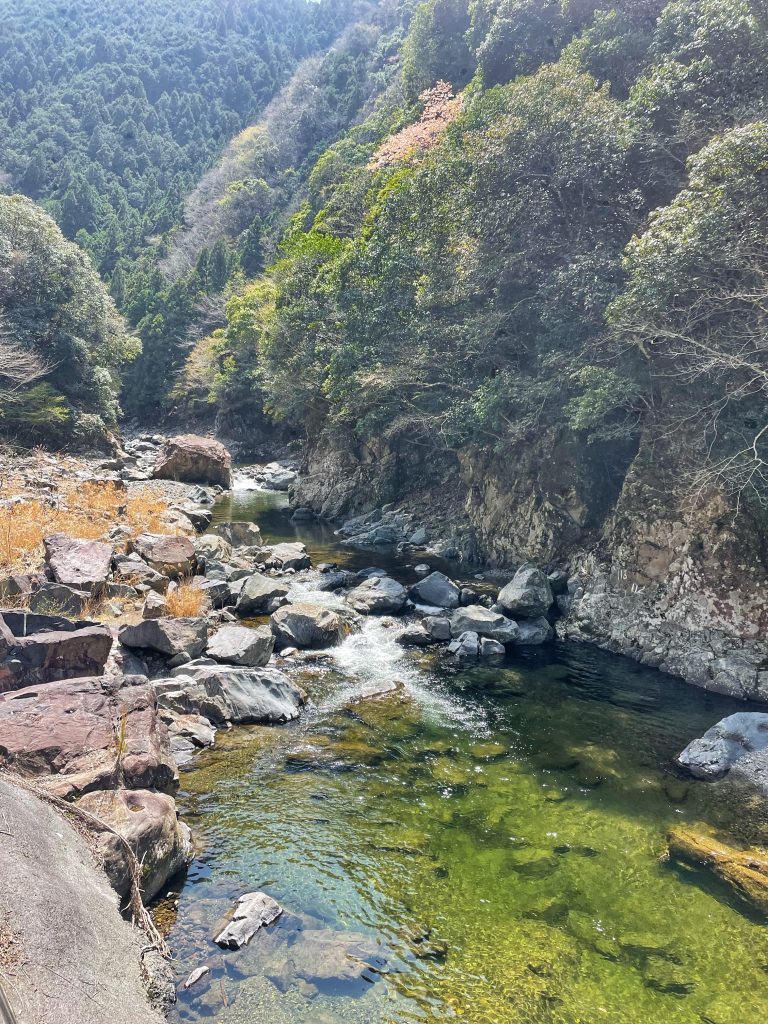
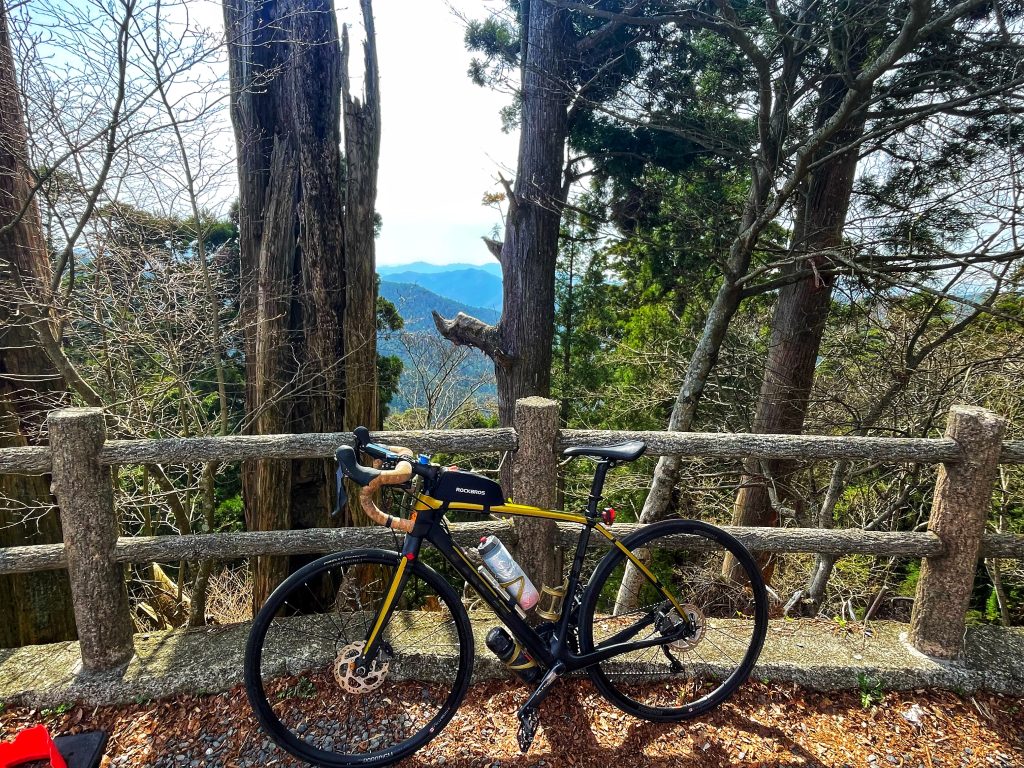
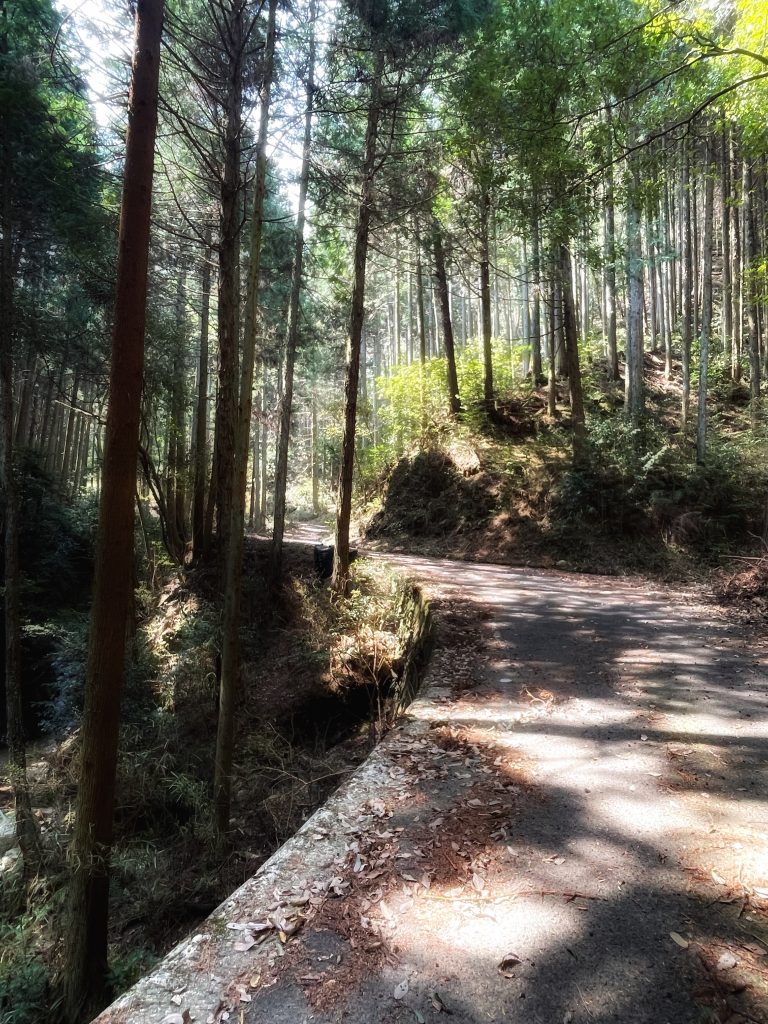
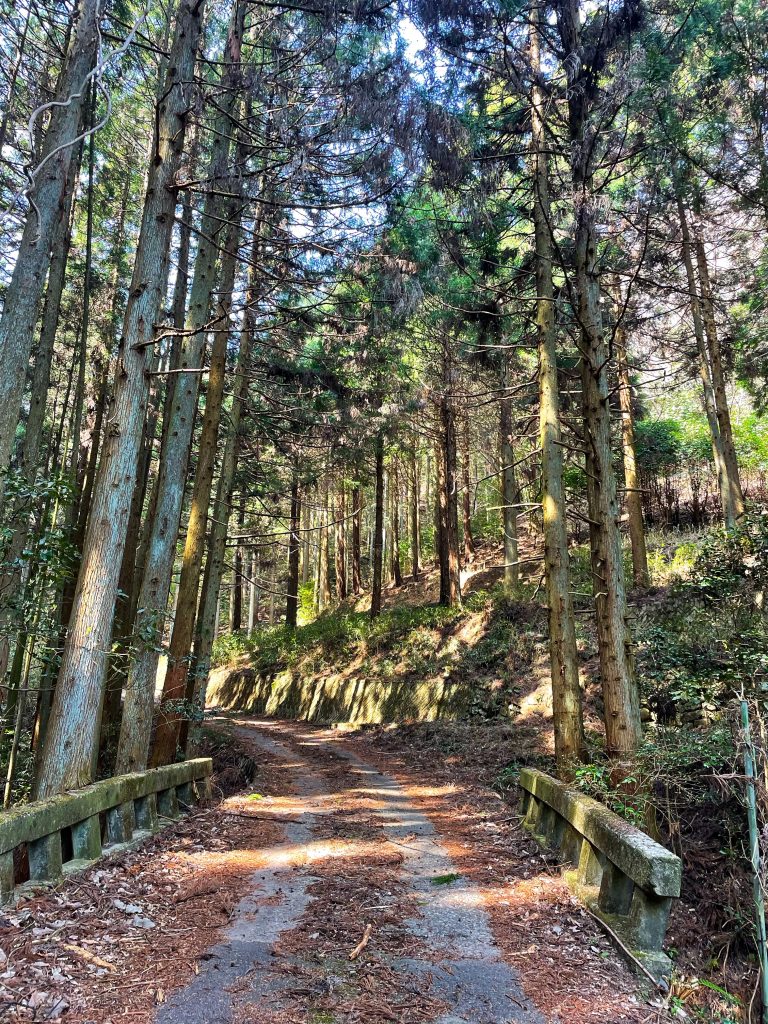
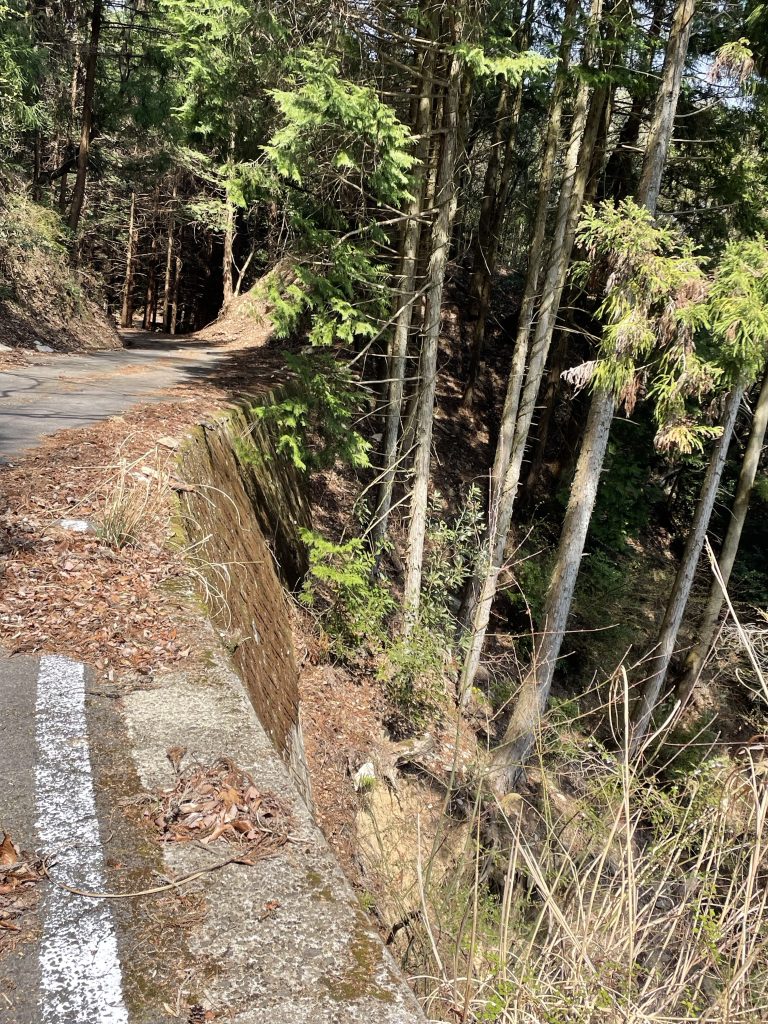
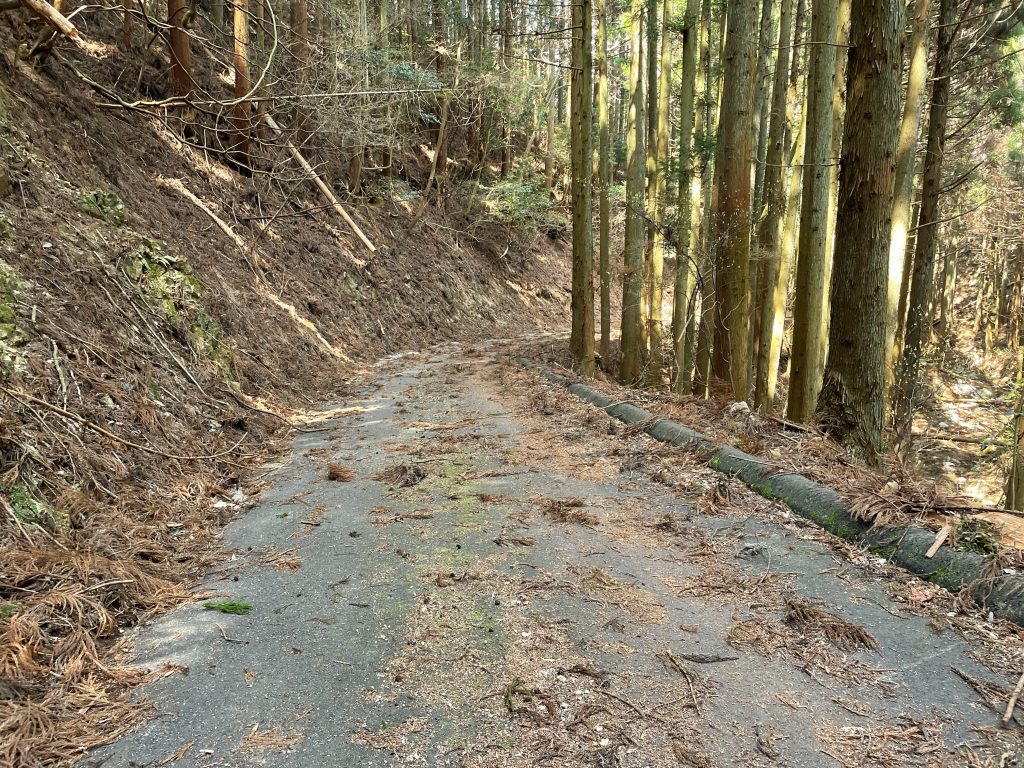
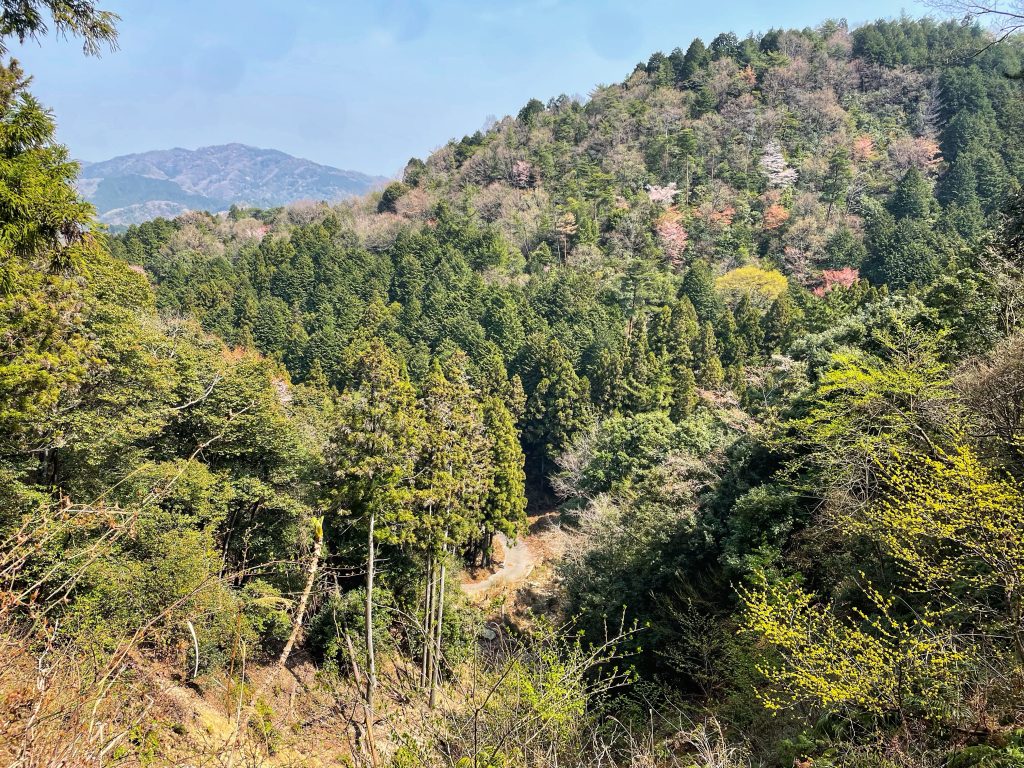
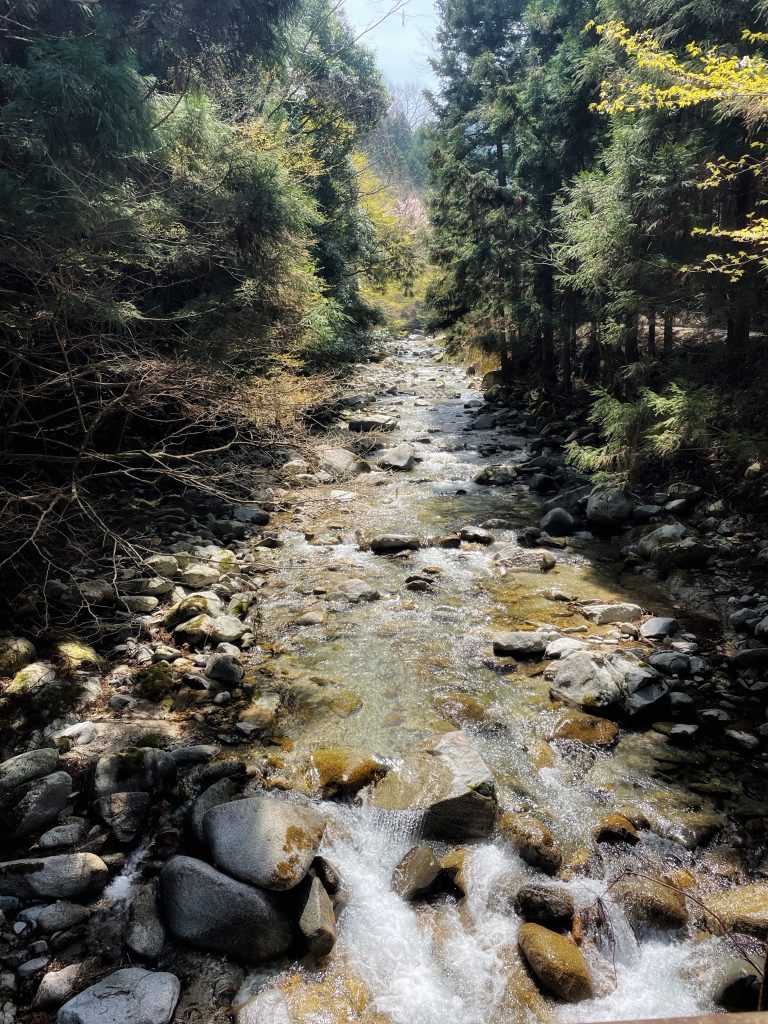
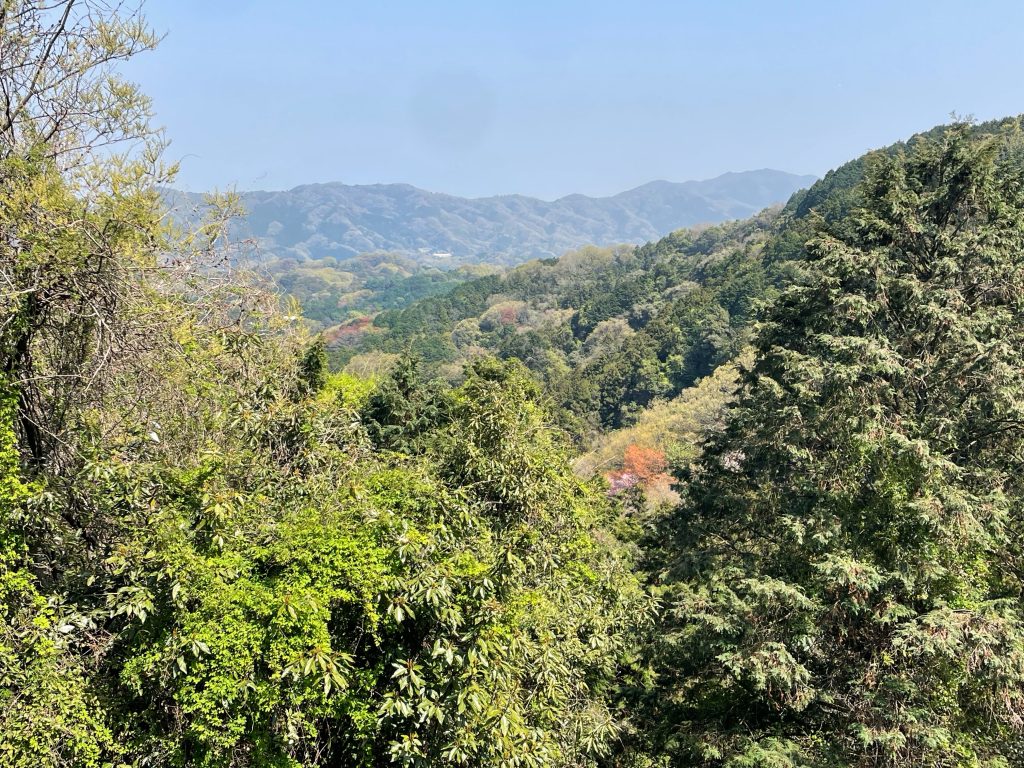
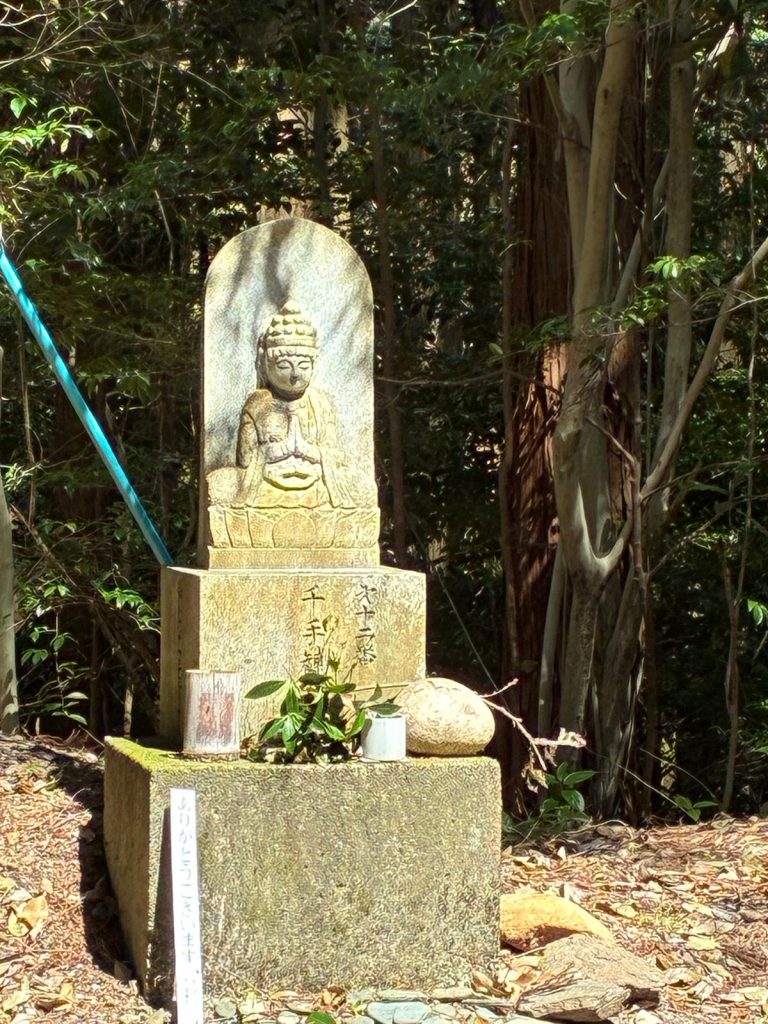
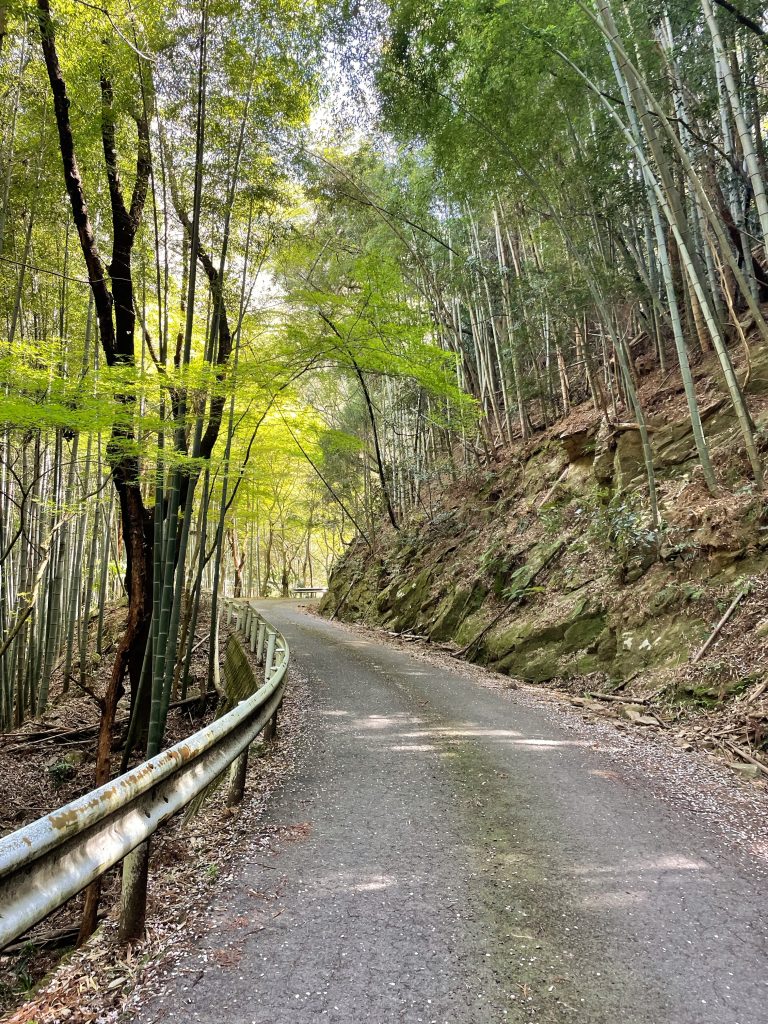
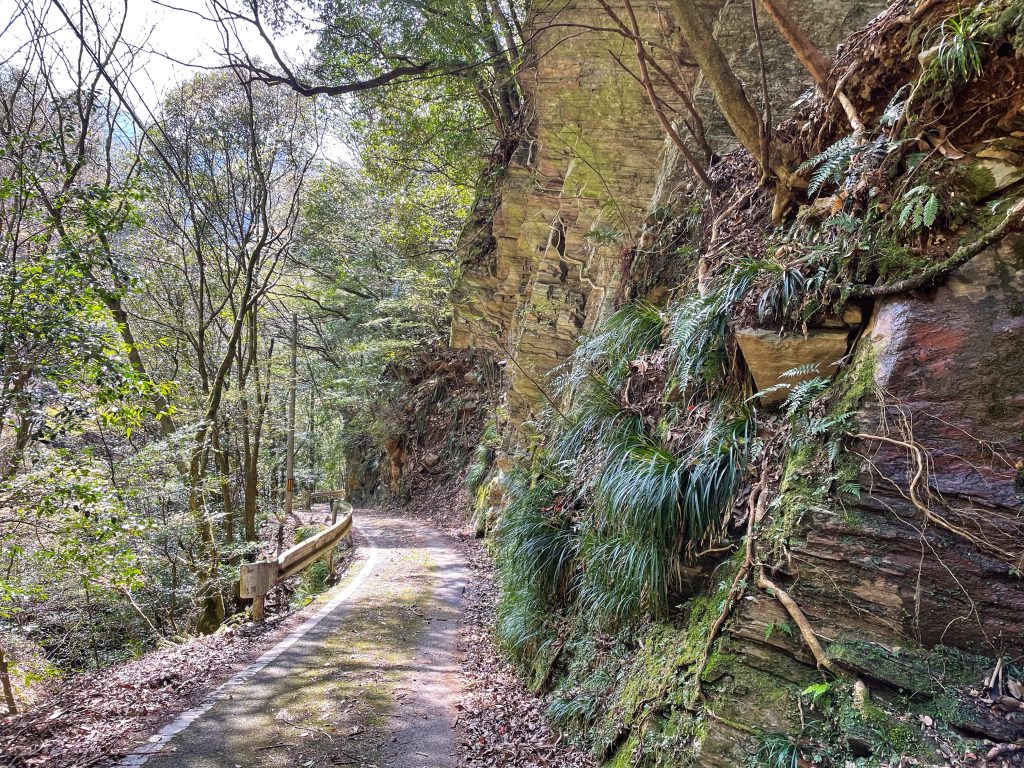
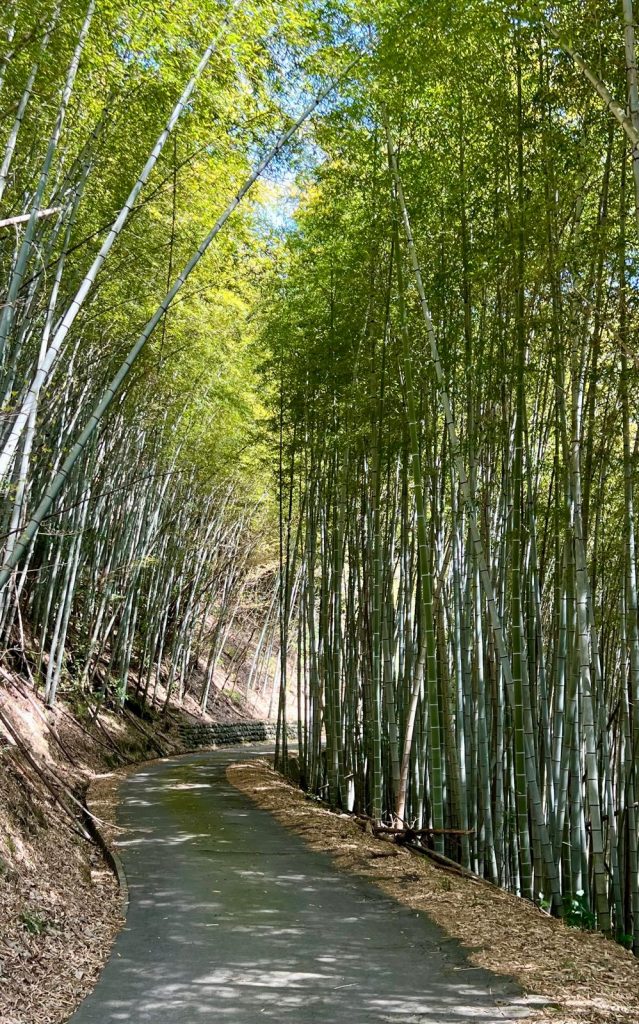
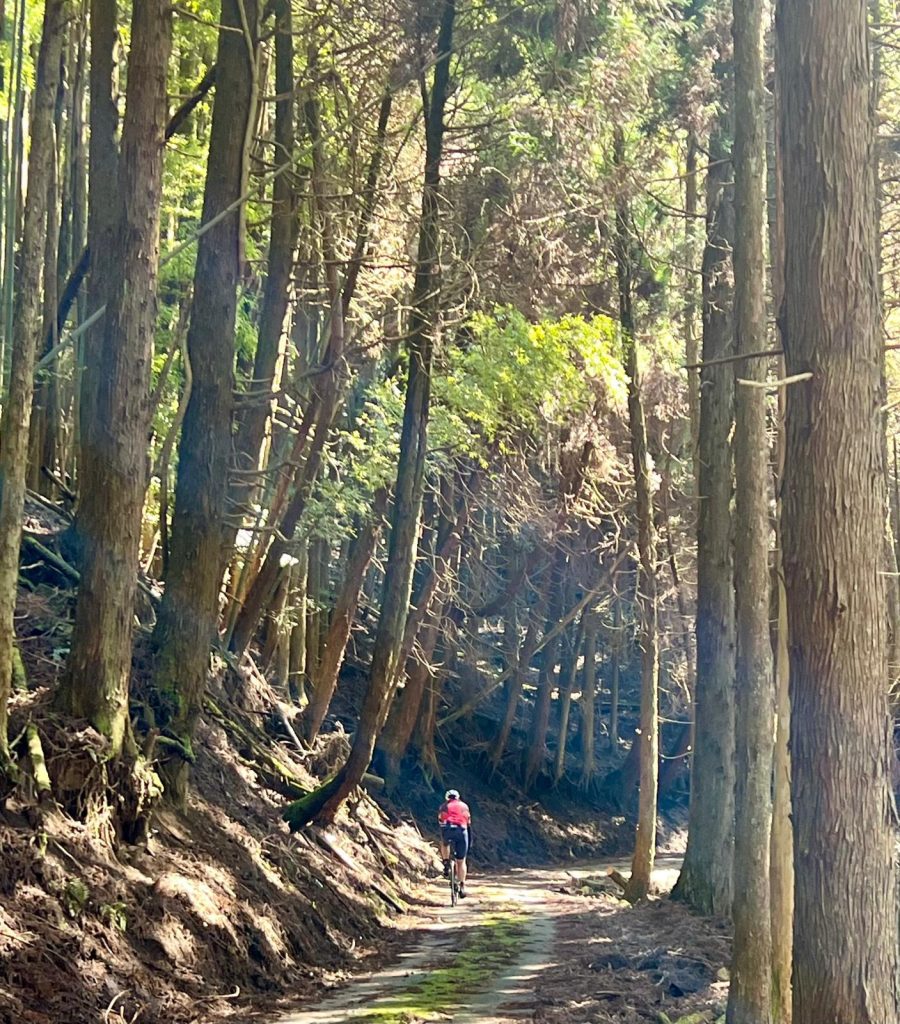
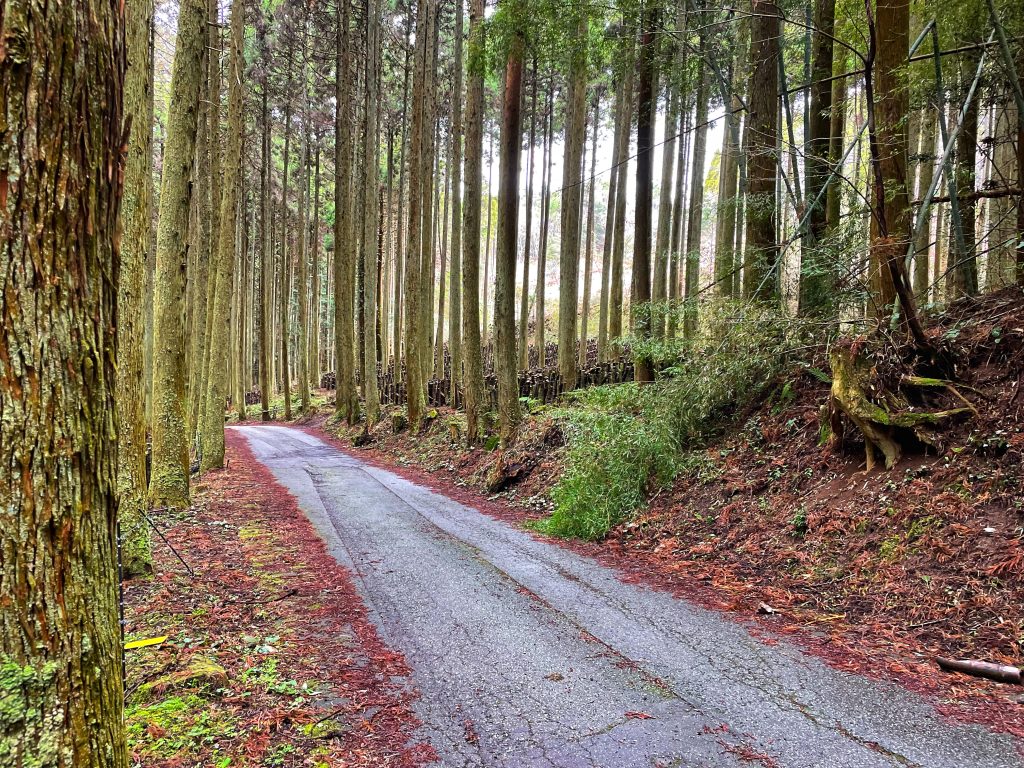
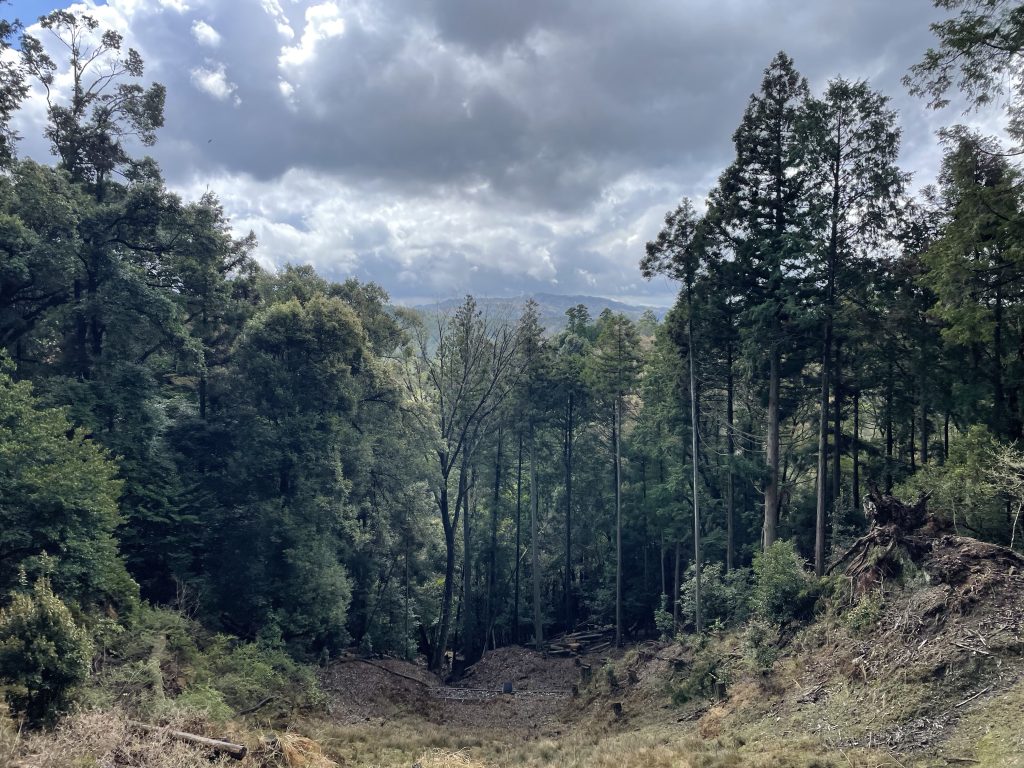
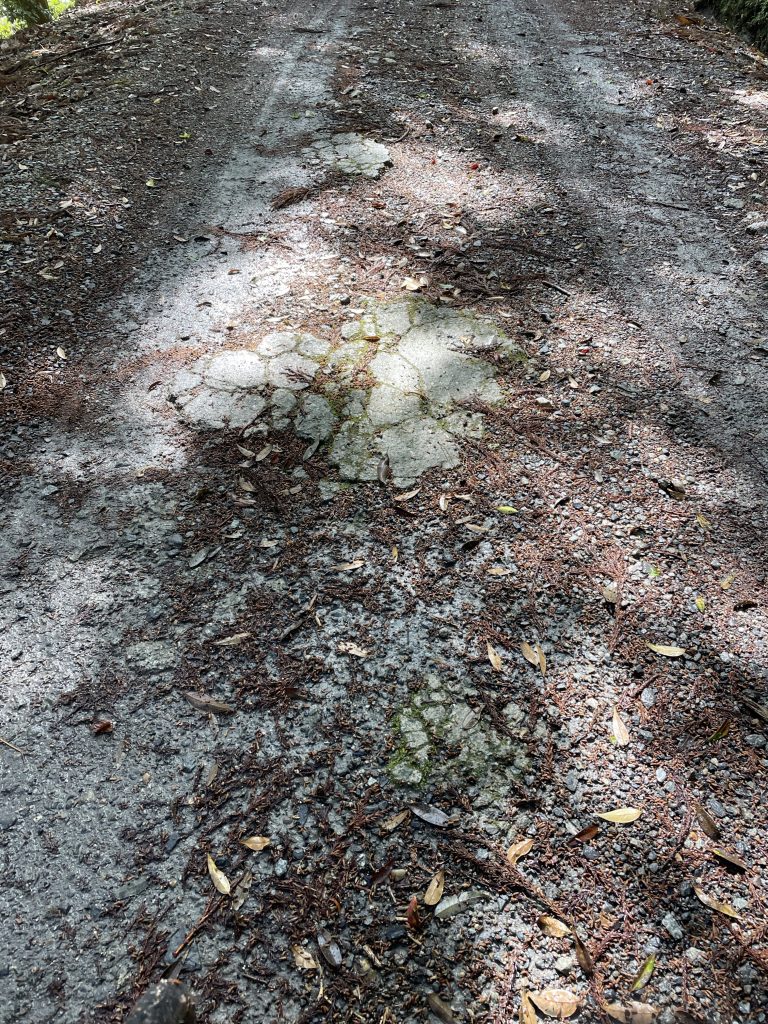
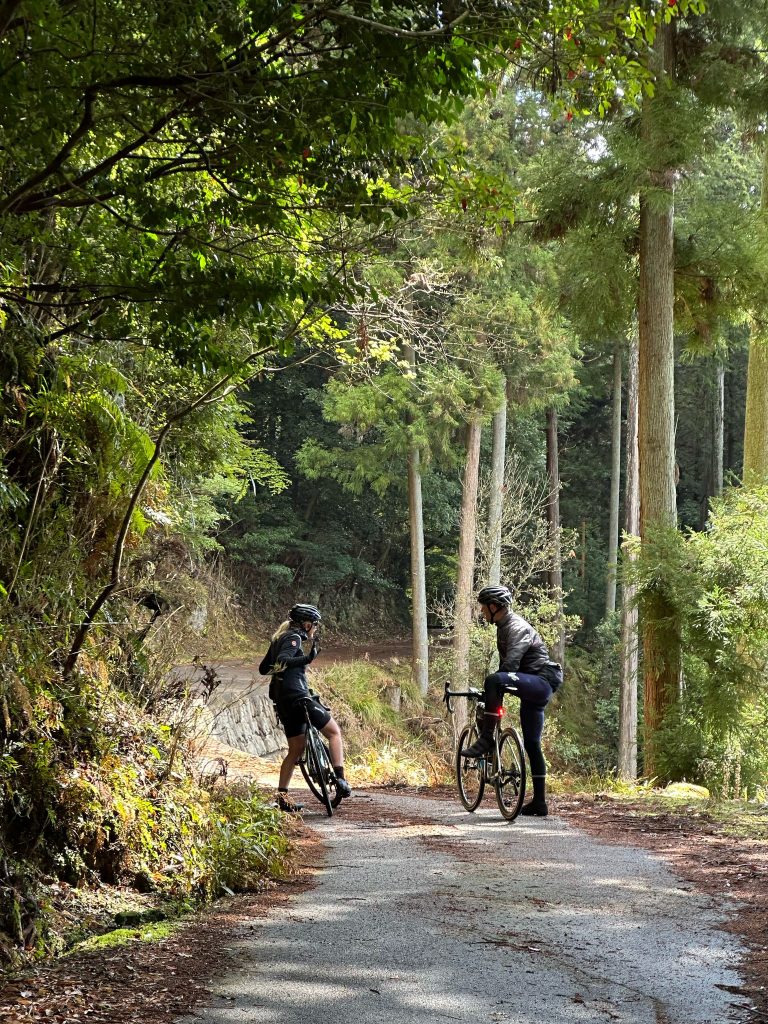
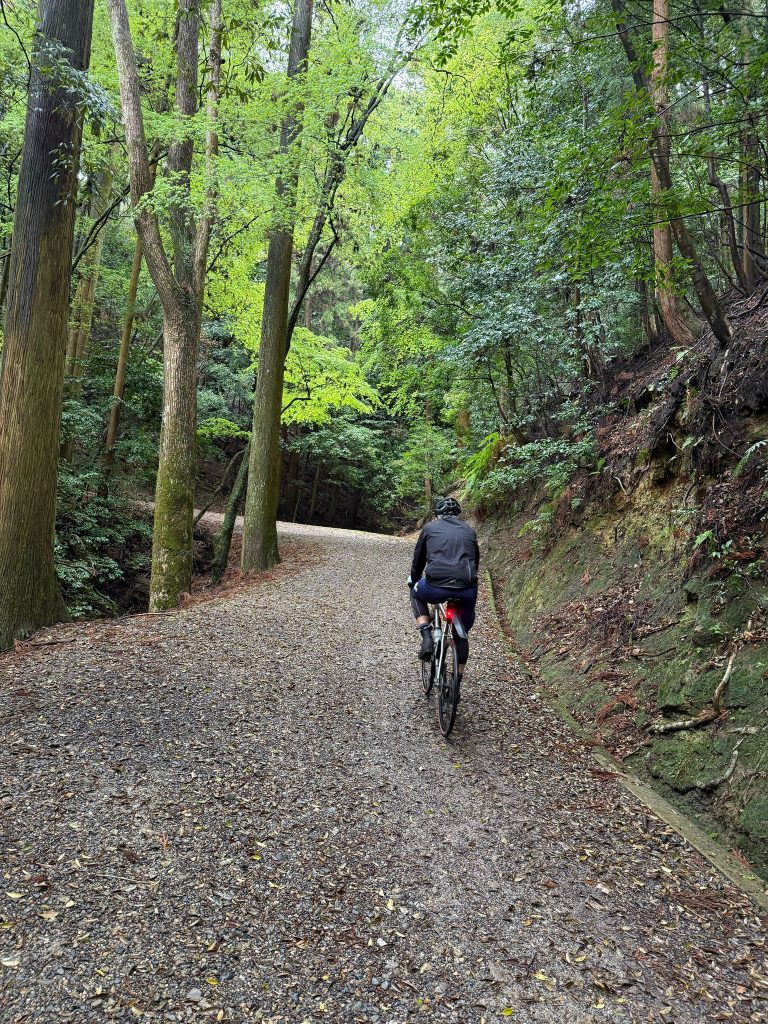
    Shortly after leaving the hotel we started the first and largest climb of the day, 10 km with 6km on gravel through a UNESCO protected forest. The sun filtered down through the forest for one of the few times we saw the sun. The gravel road was wet and rocky.
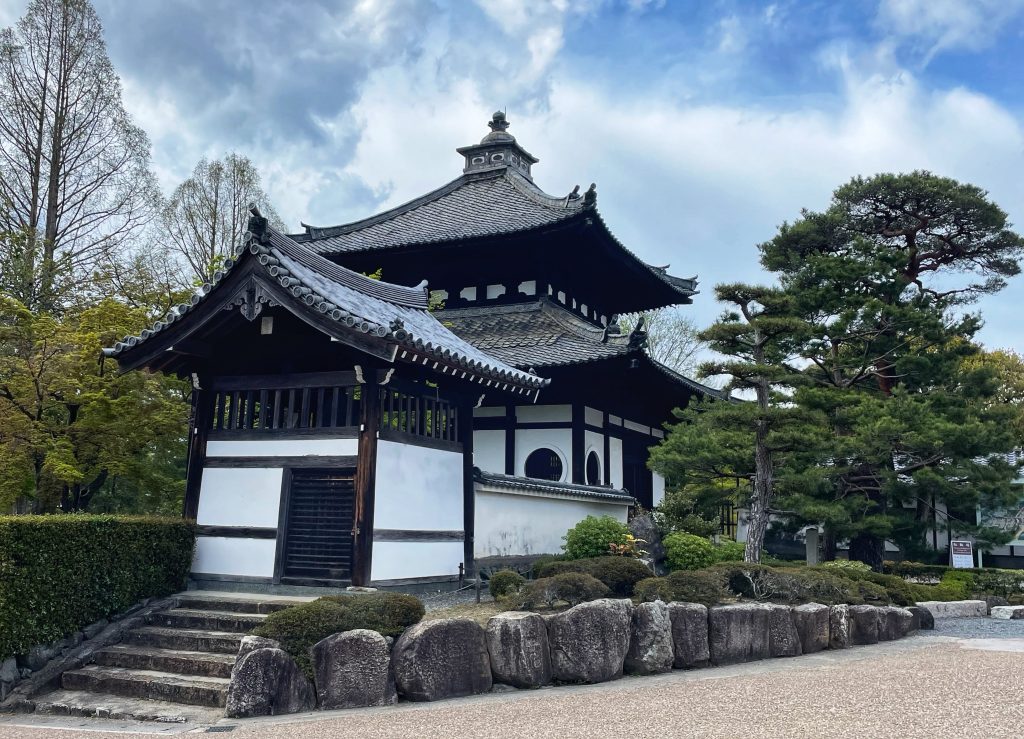
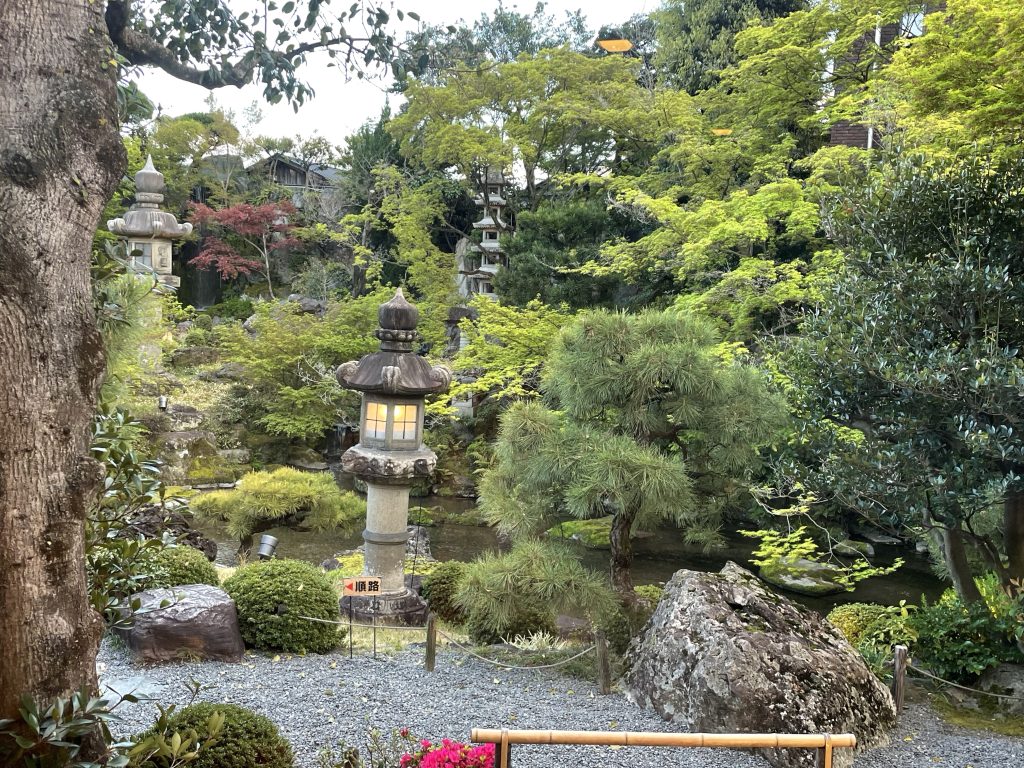
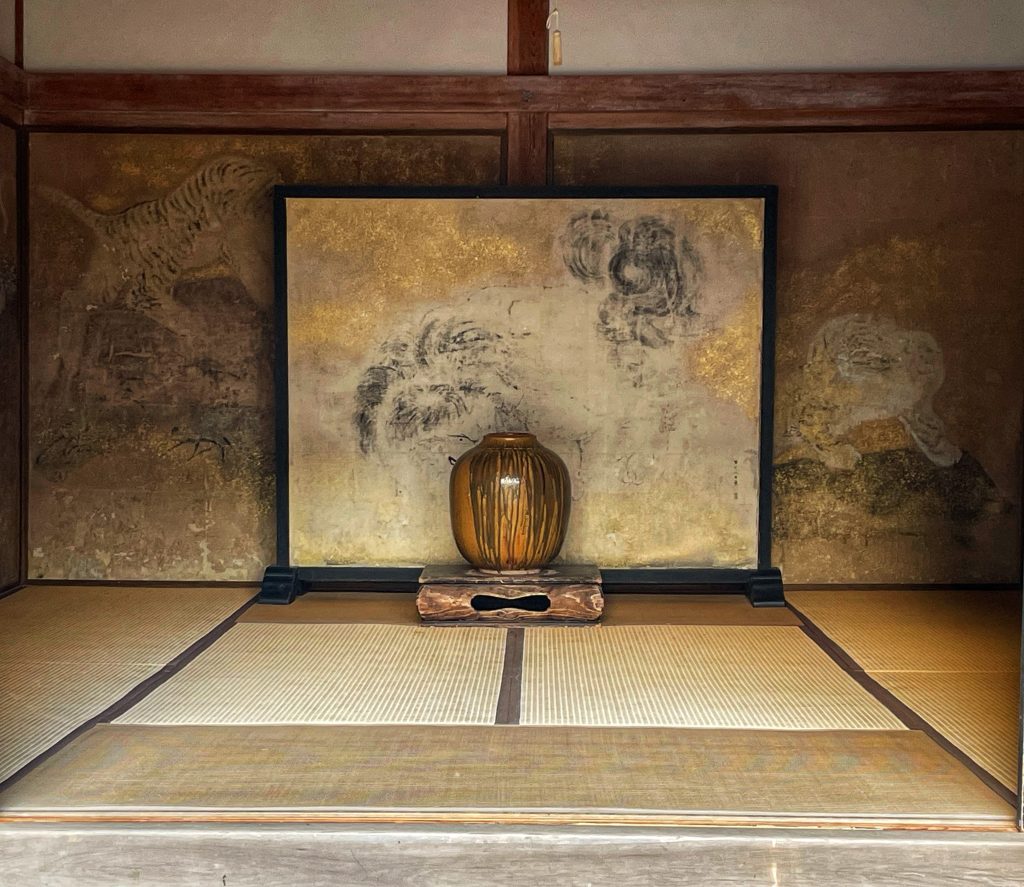
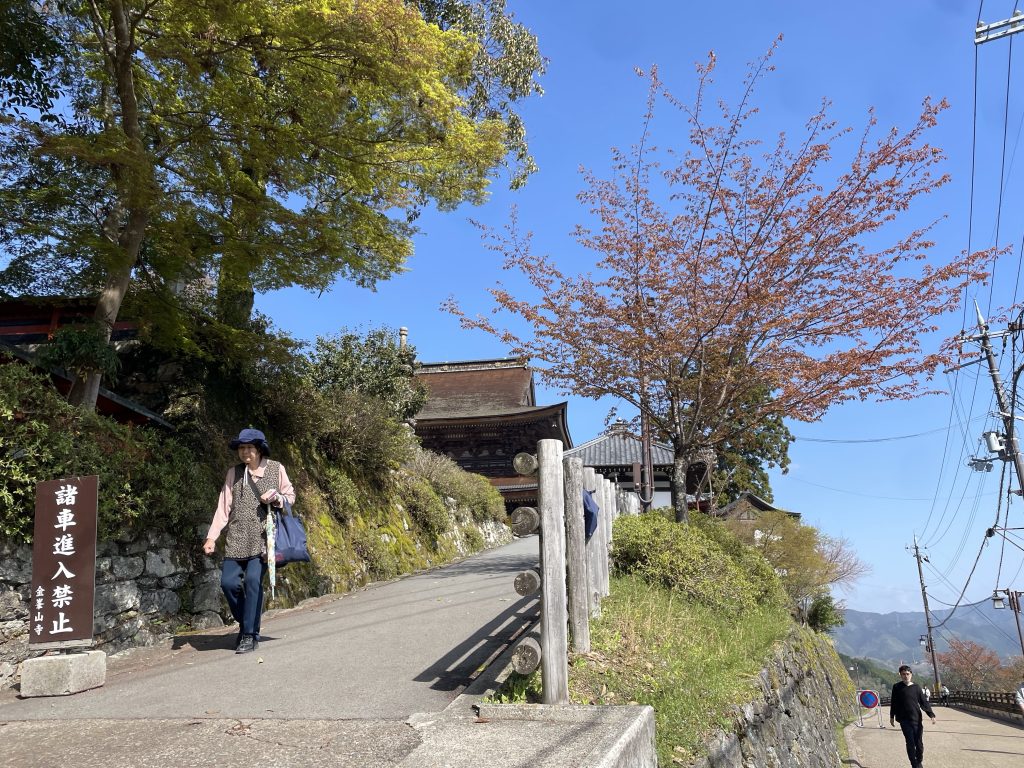
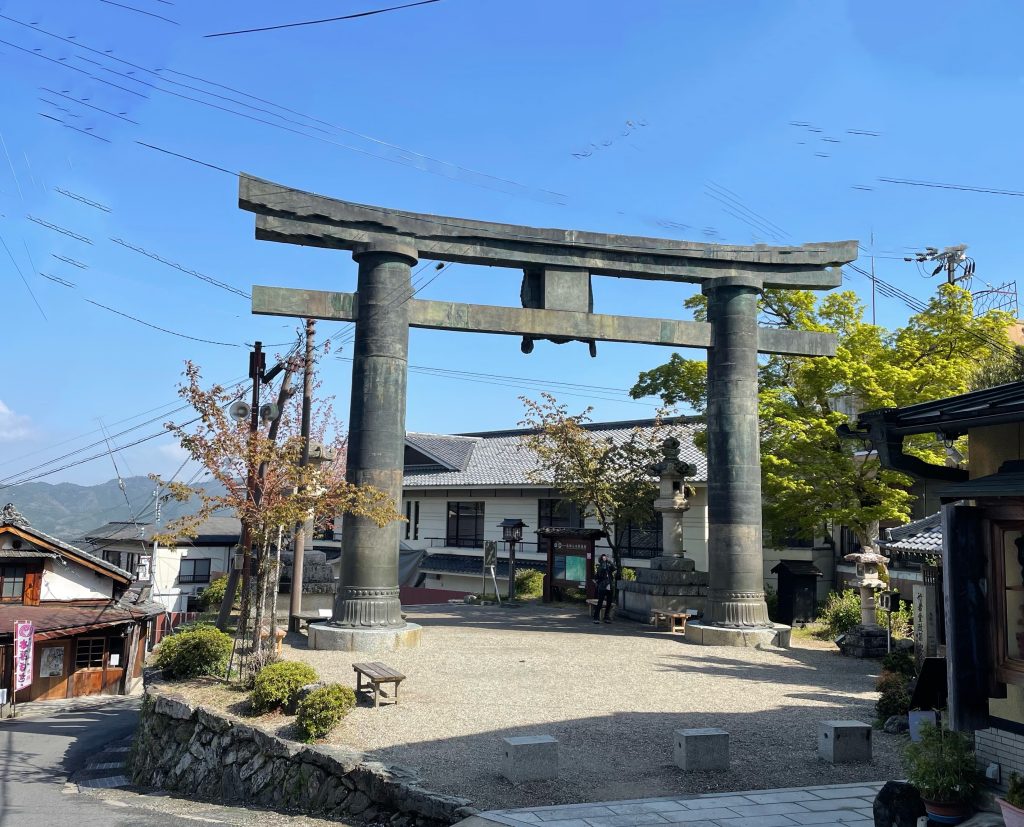
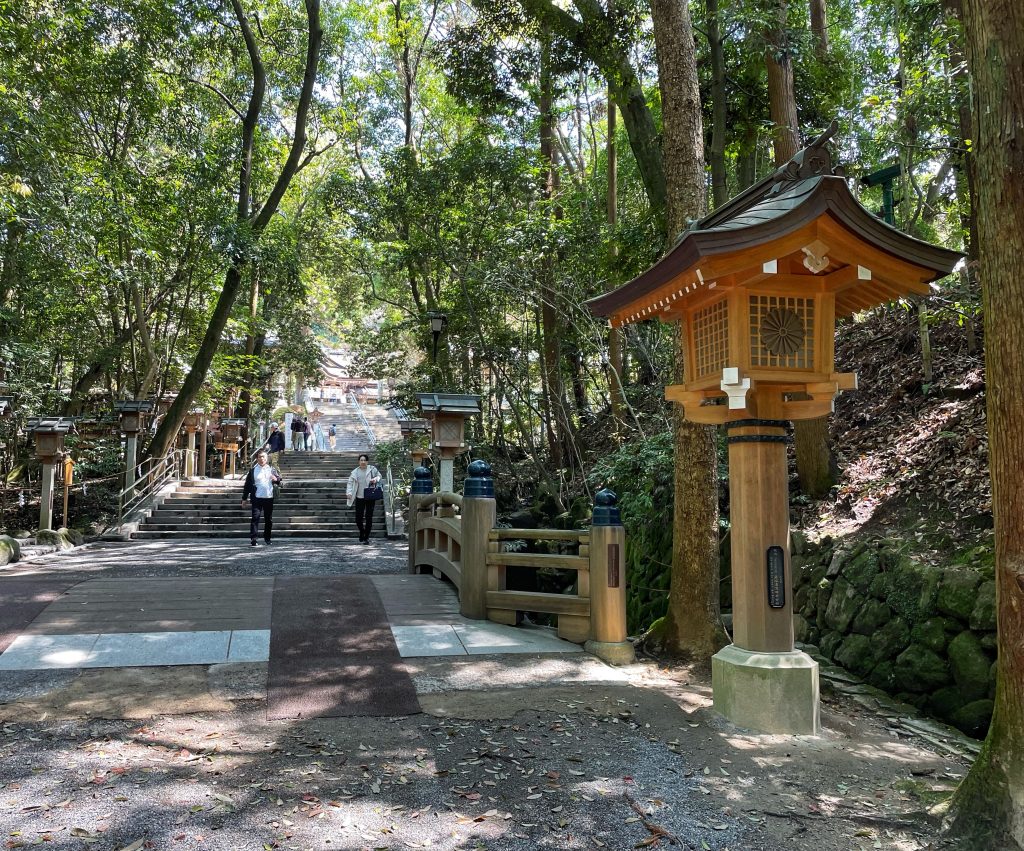
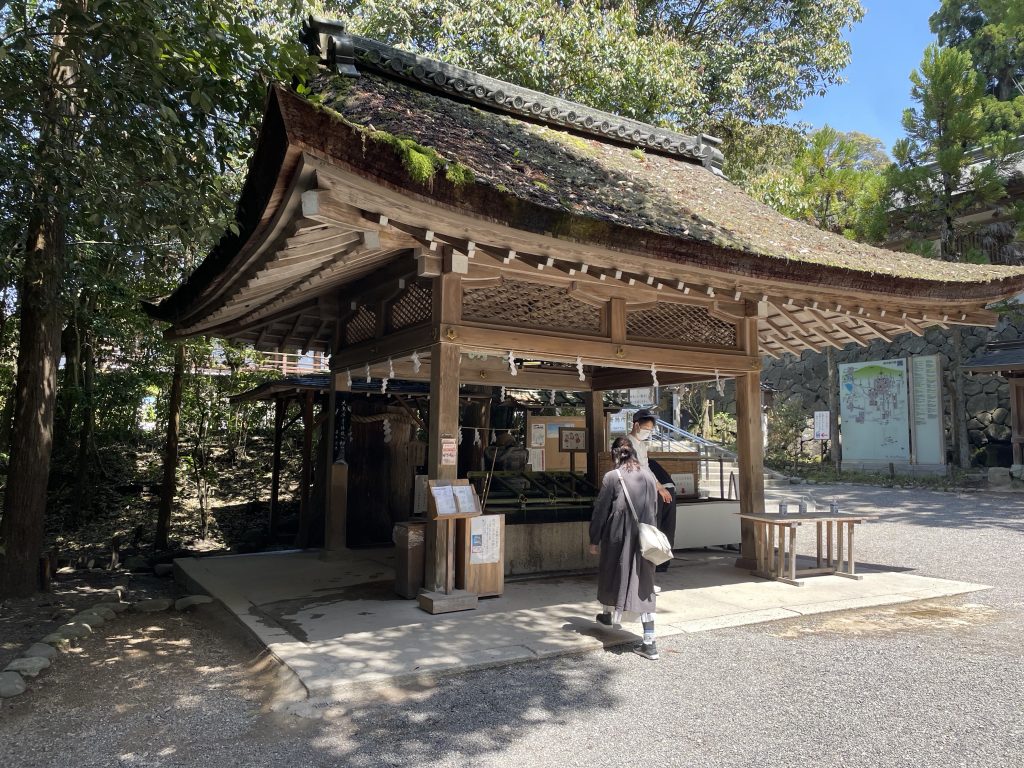
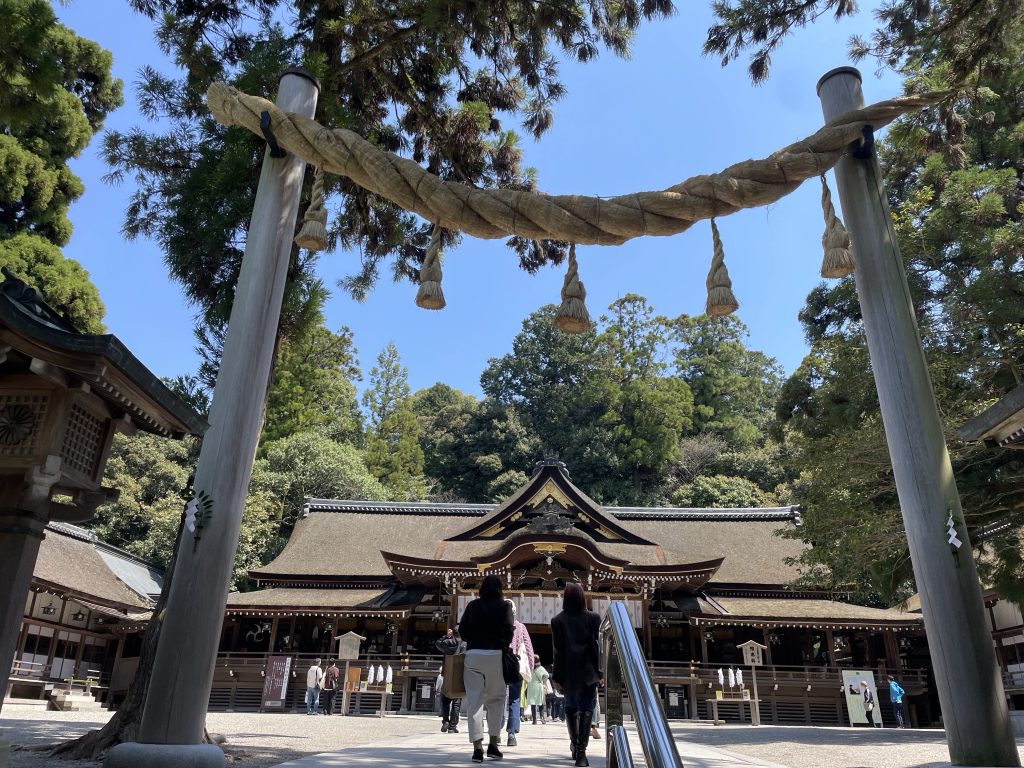
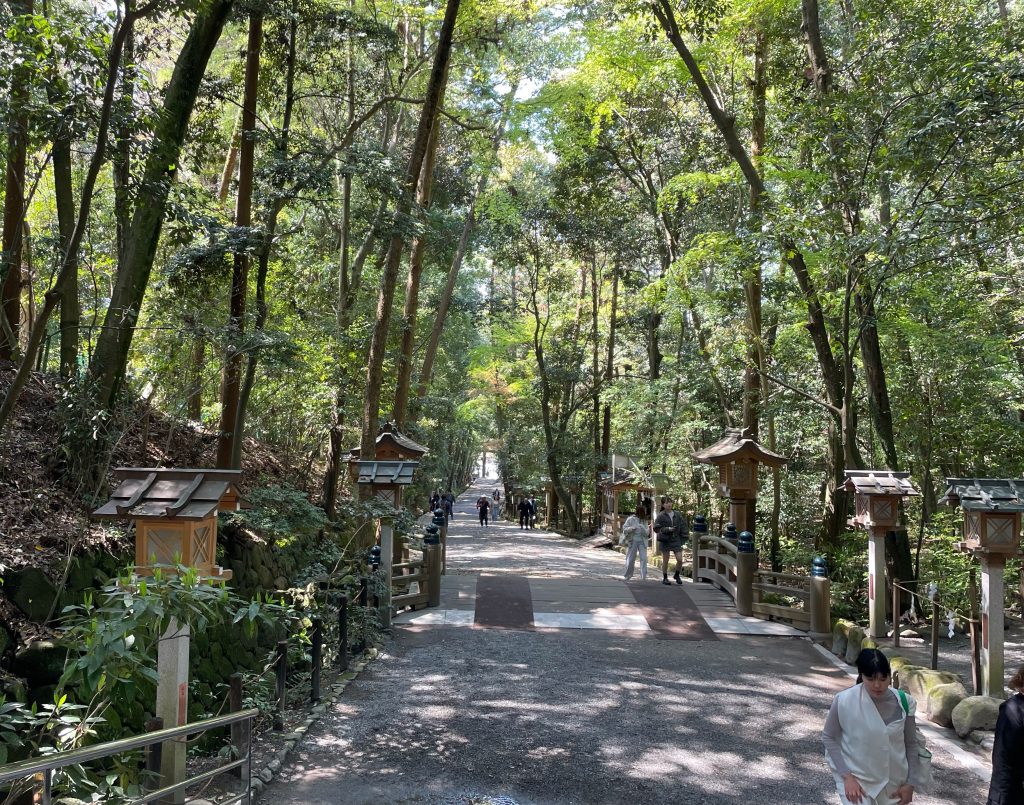
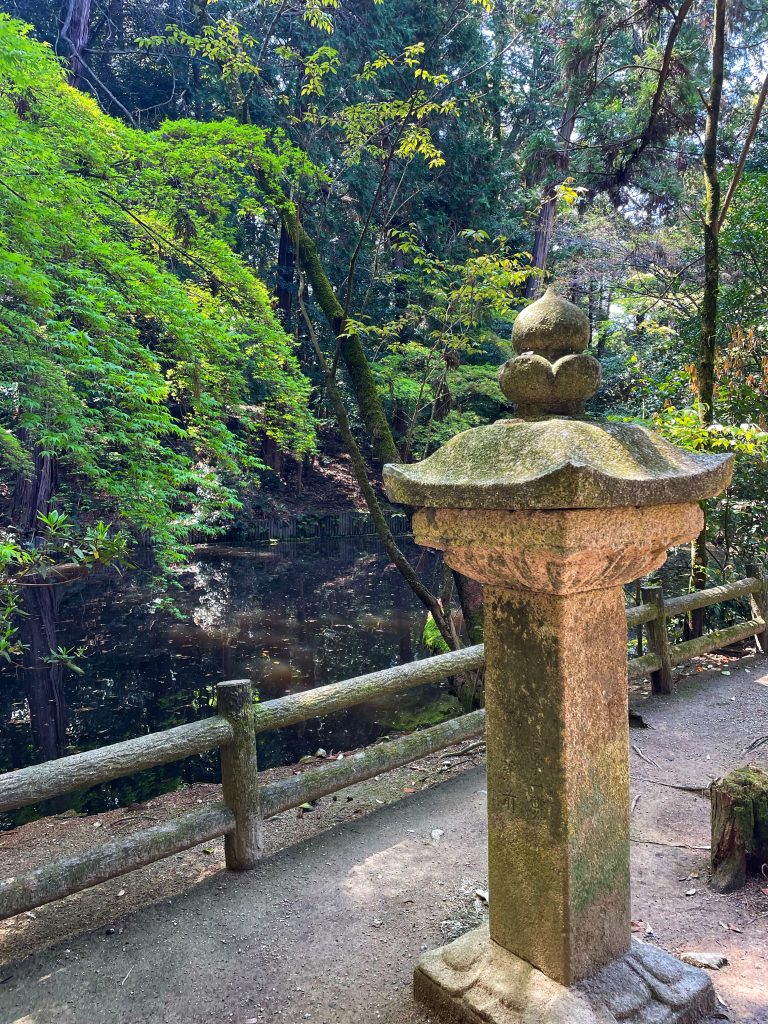
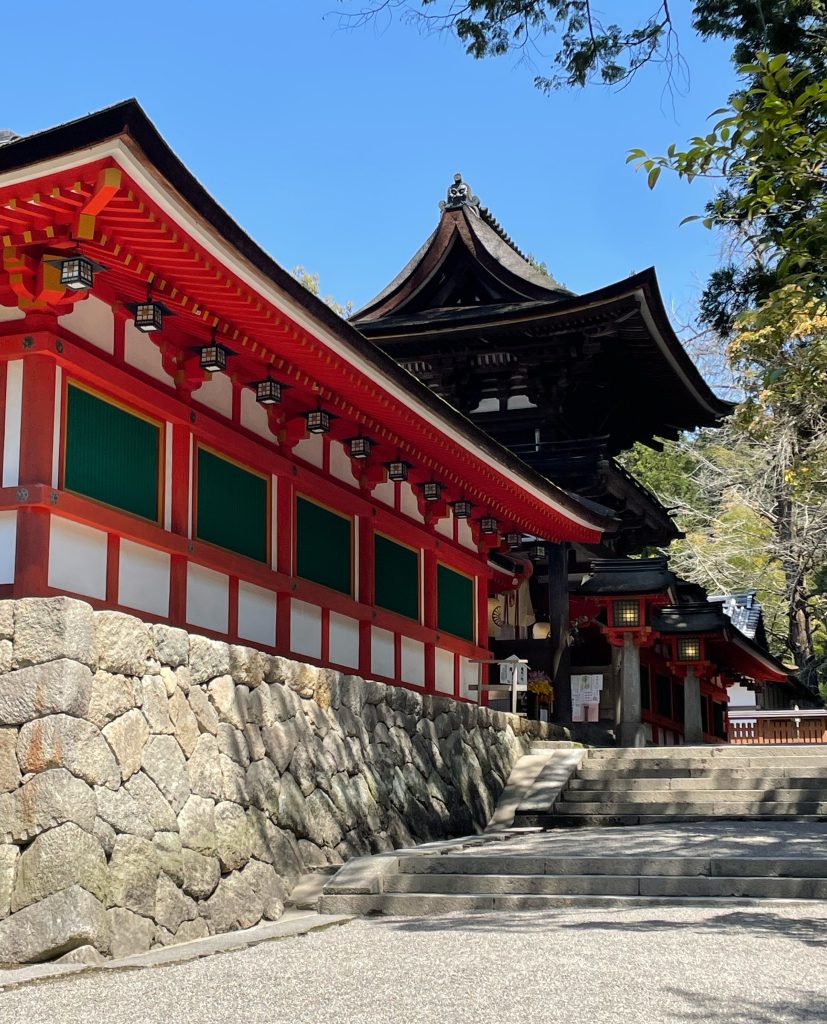
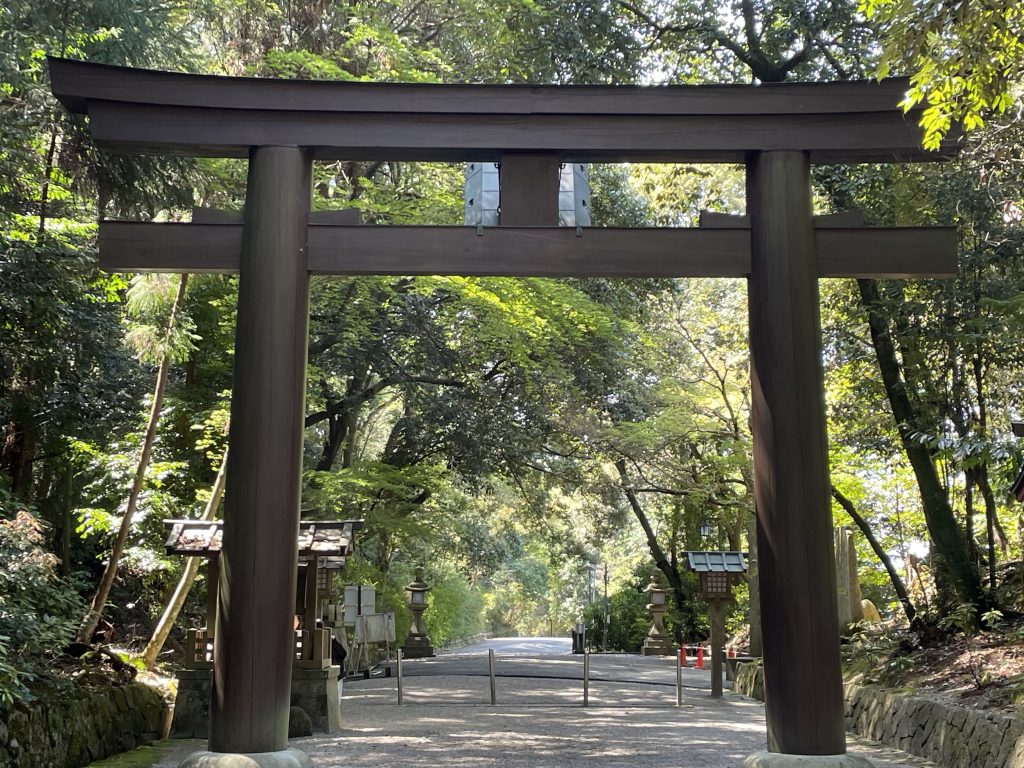
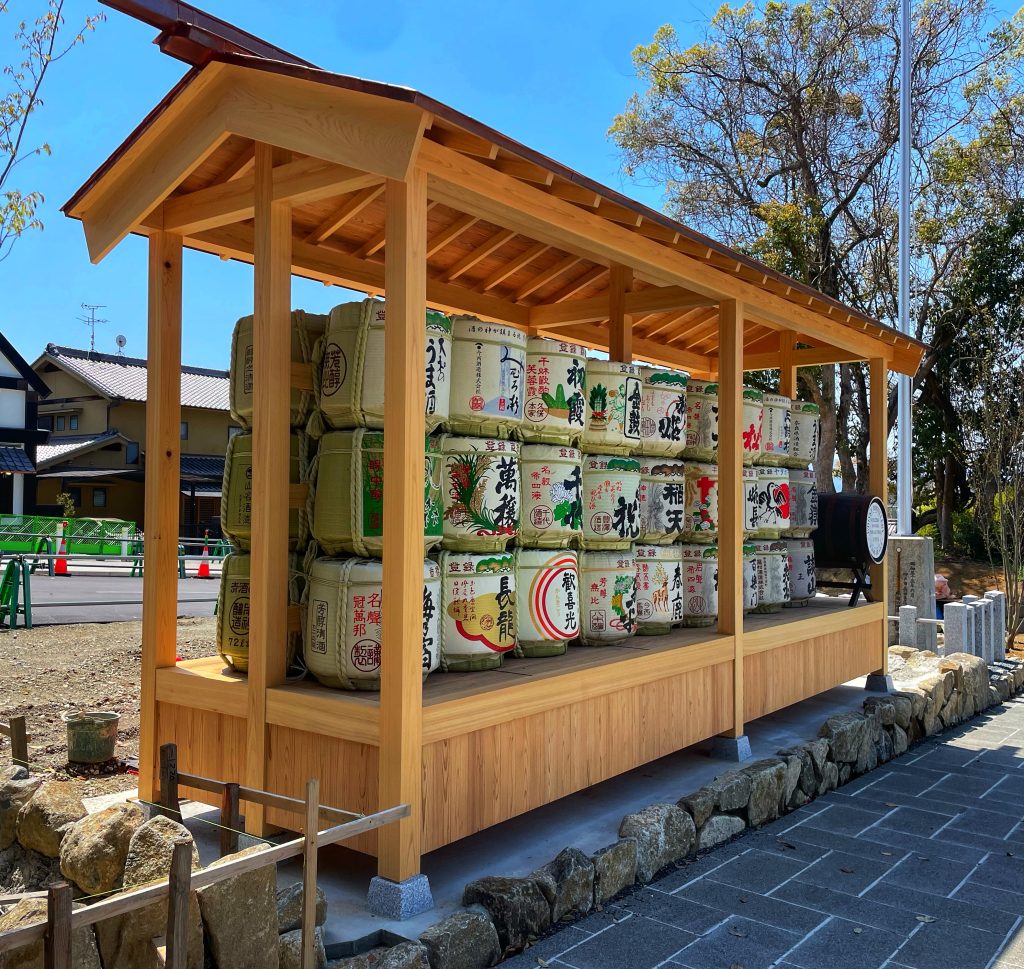
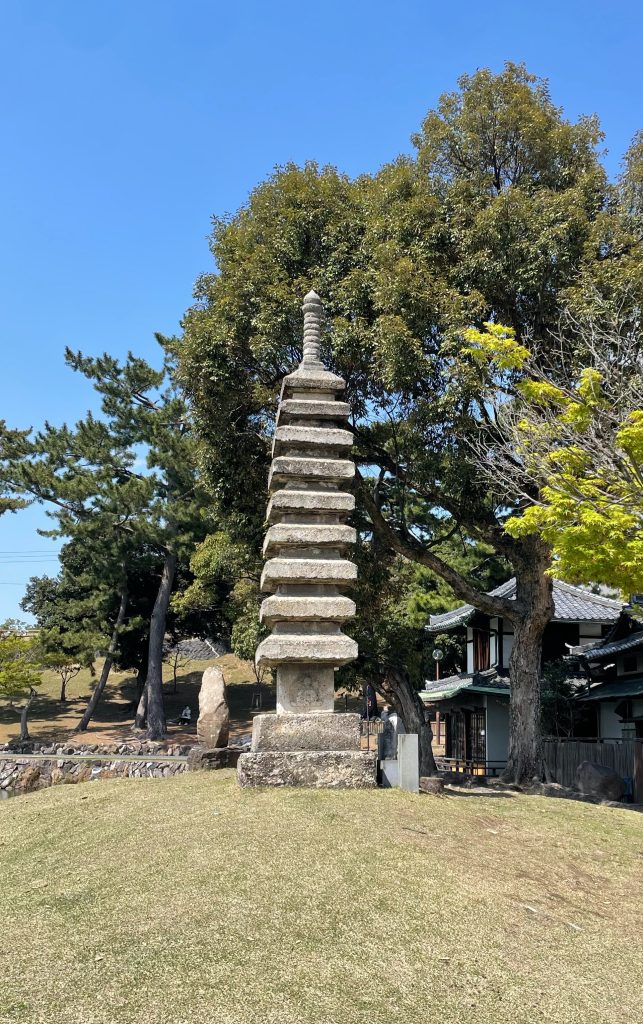
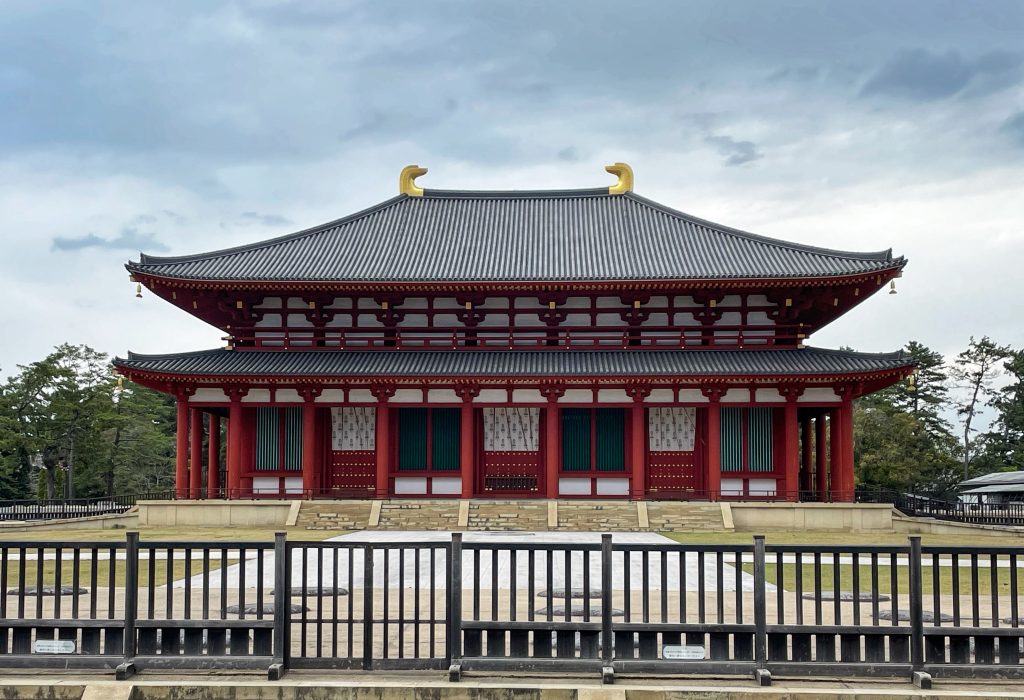
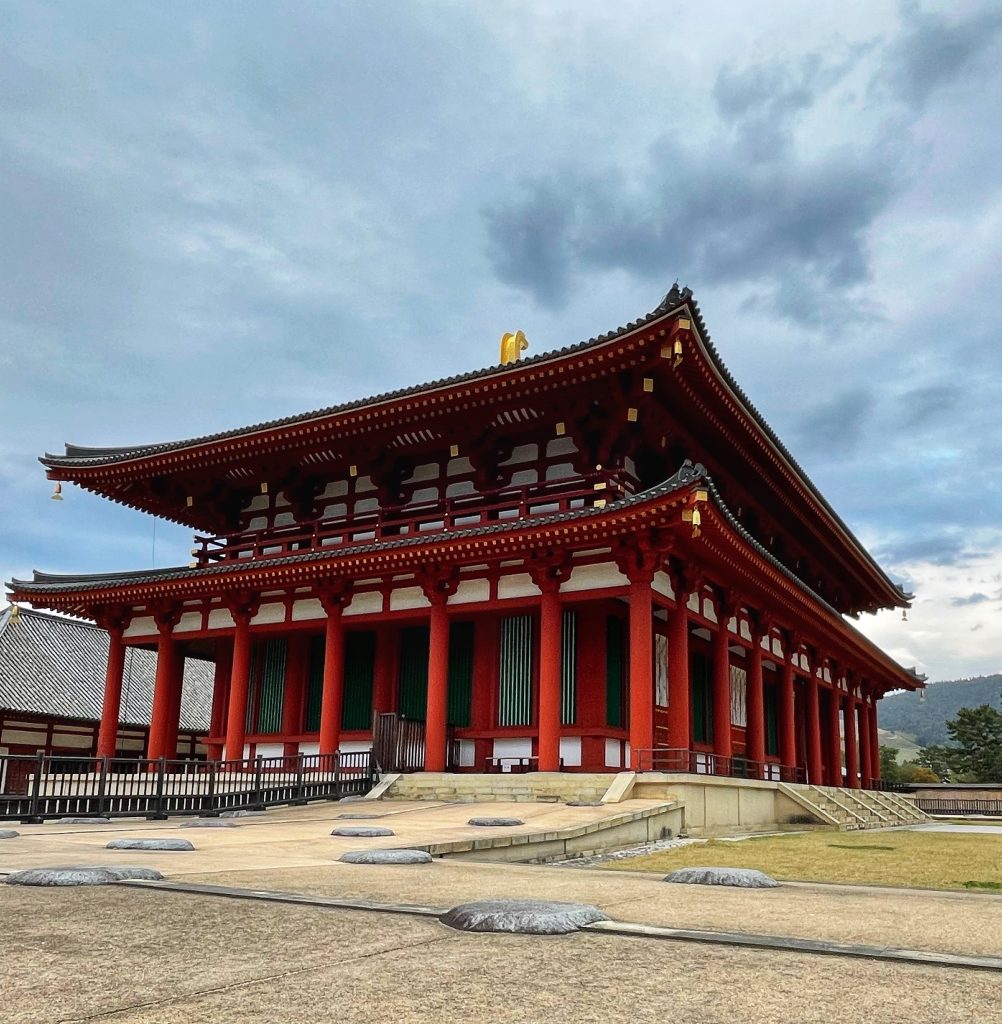
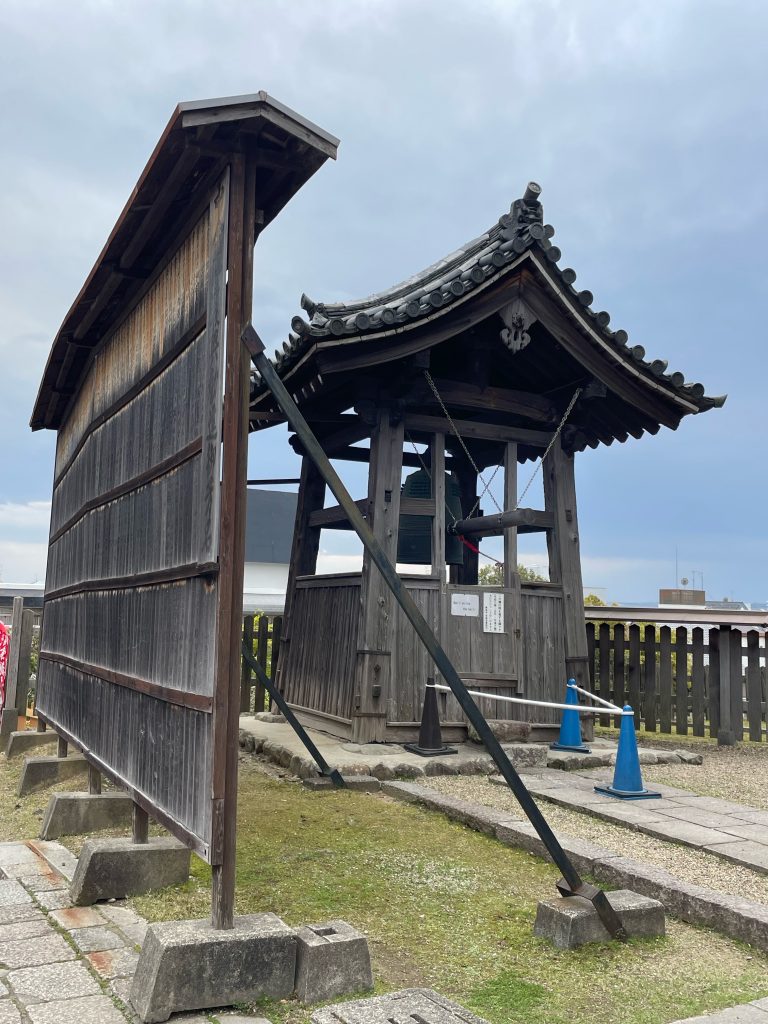
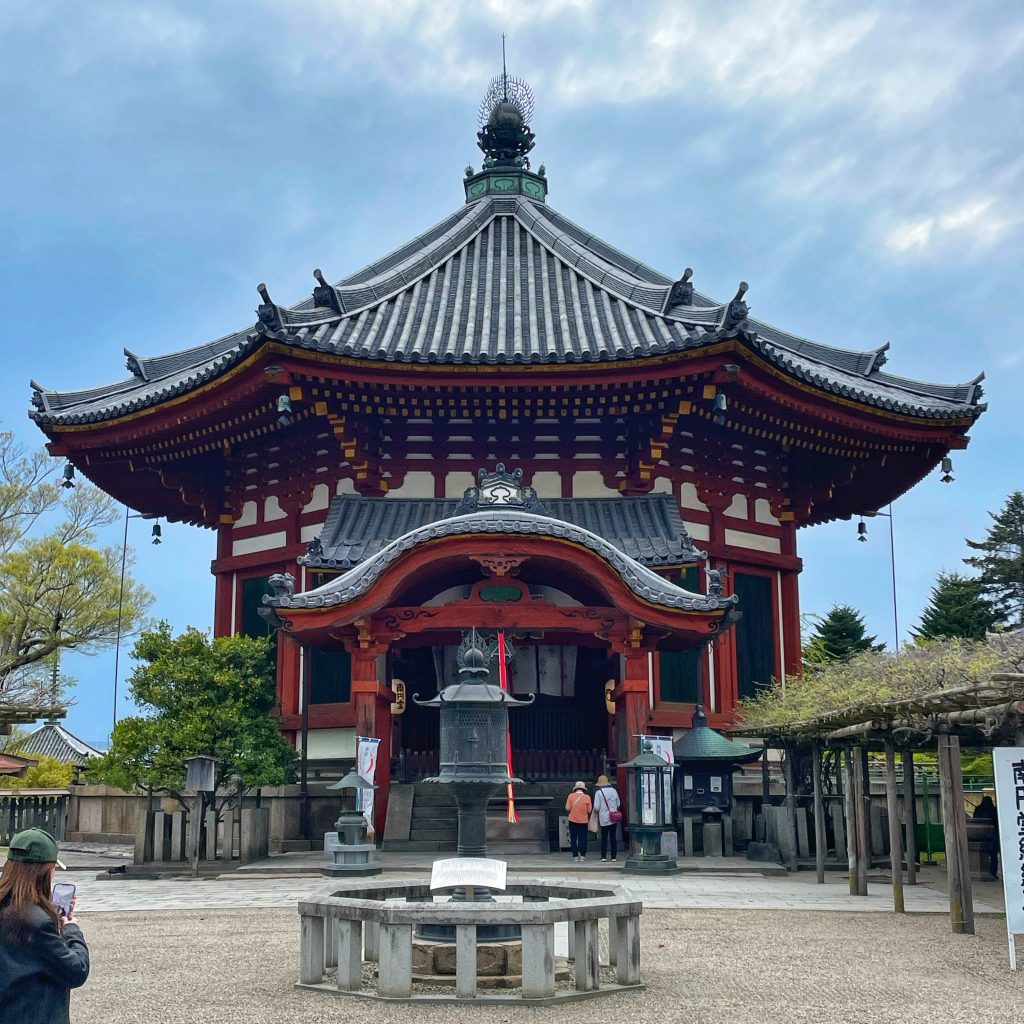
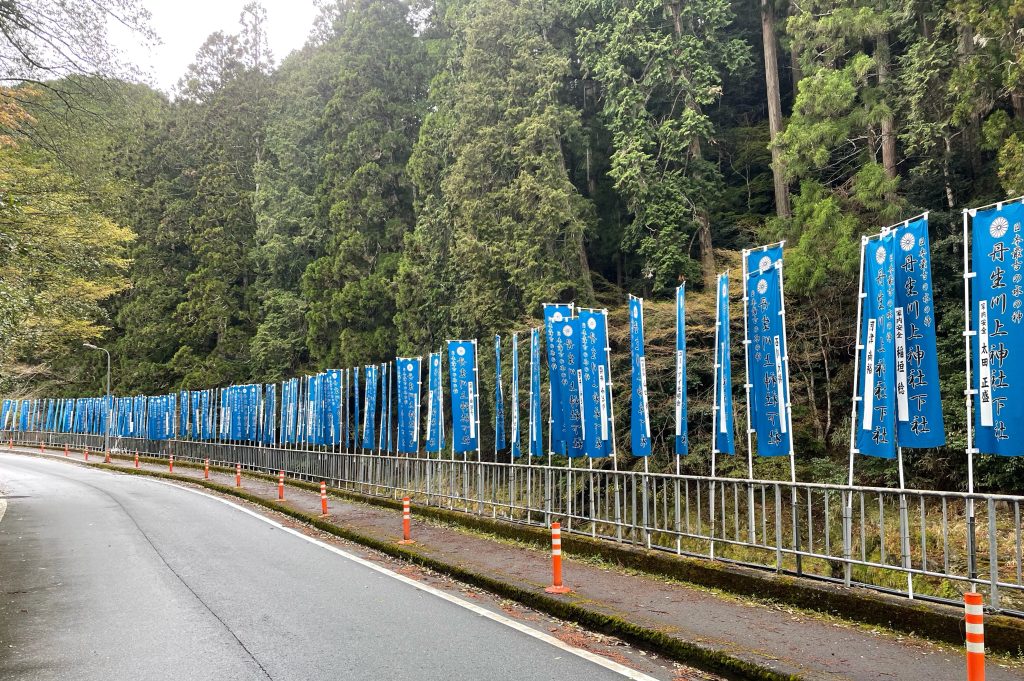
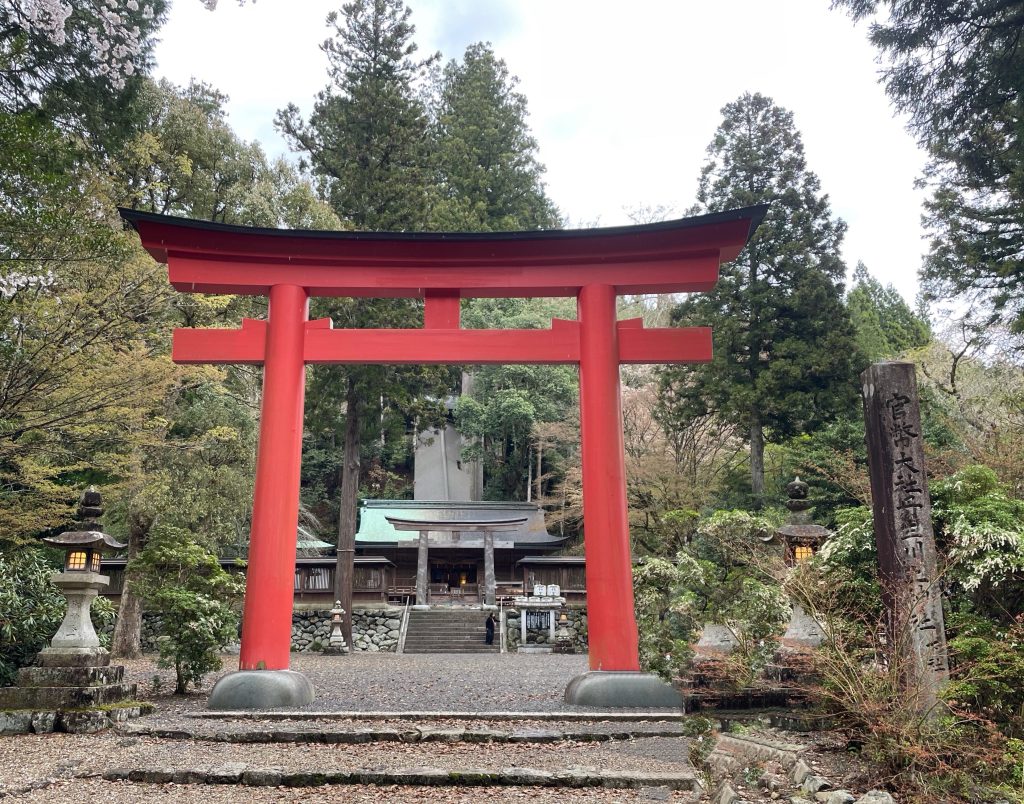
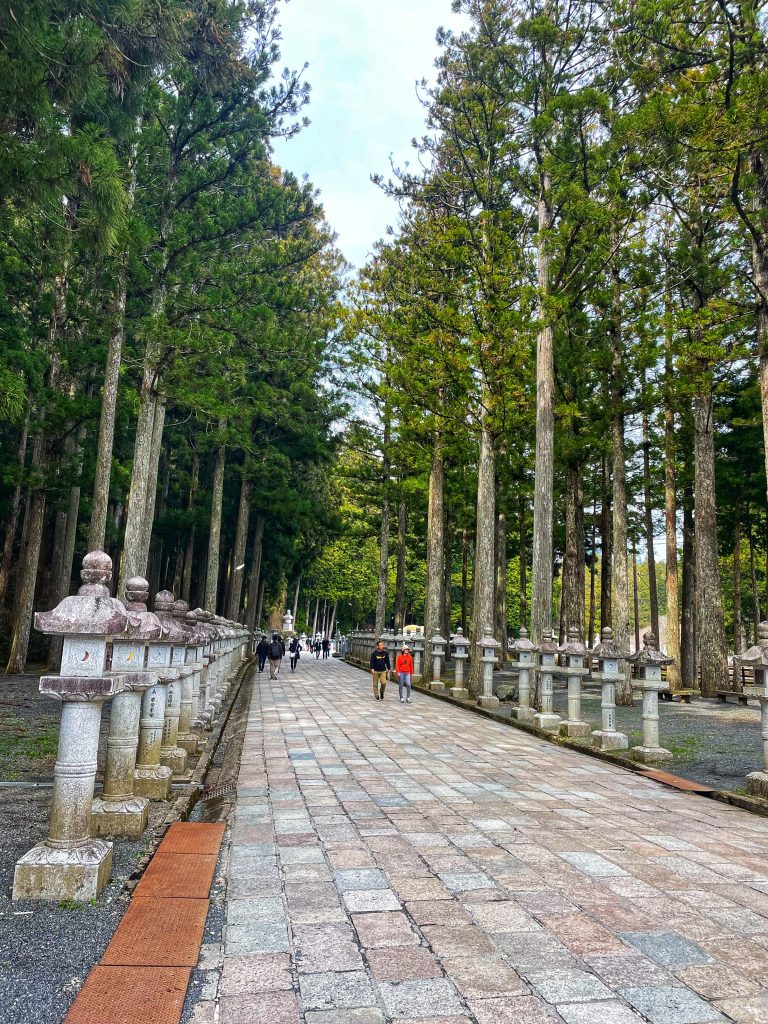
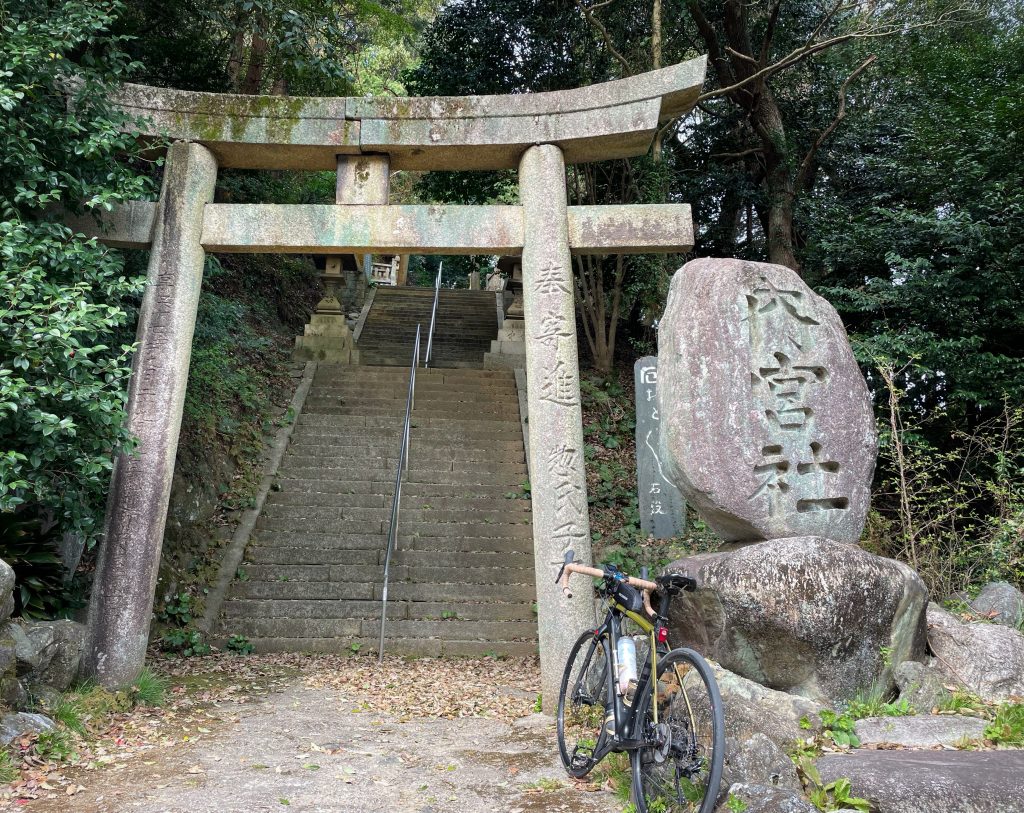
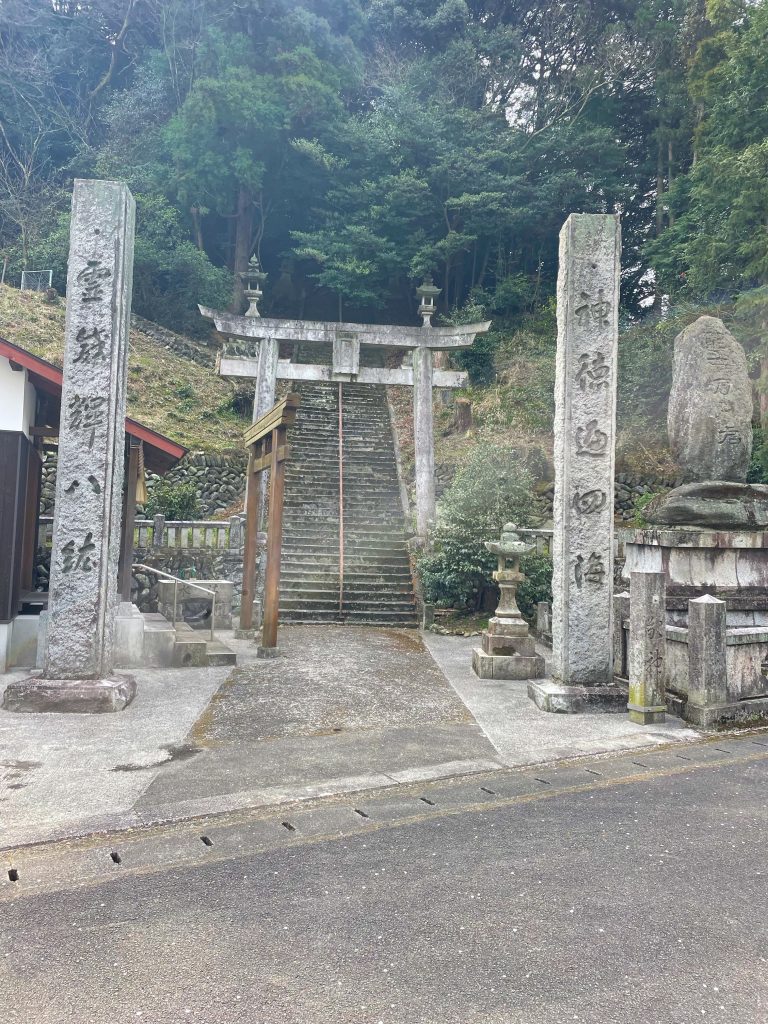
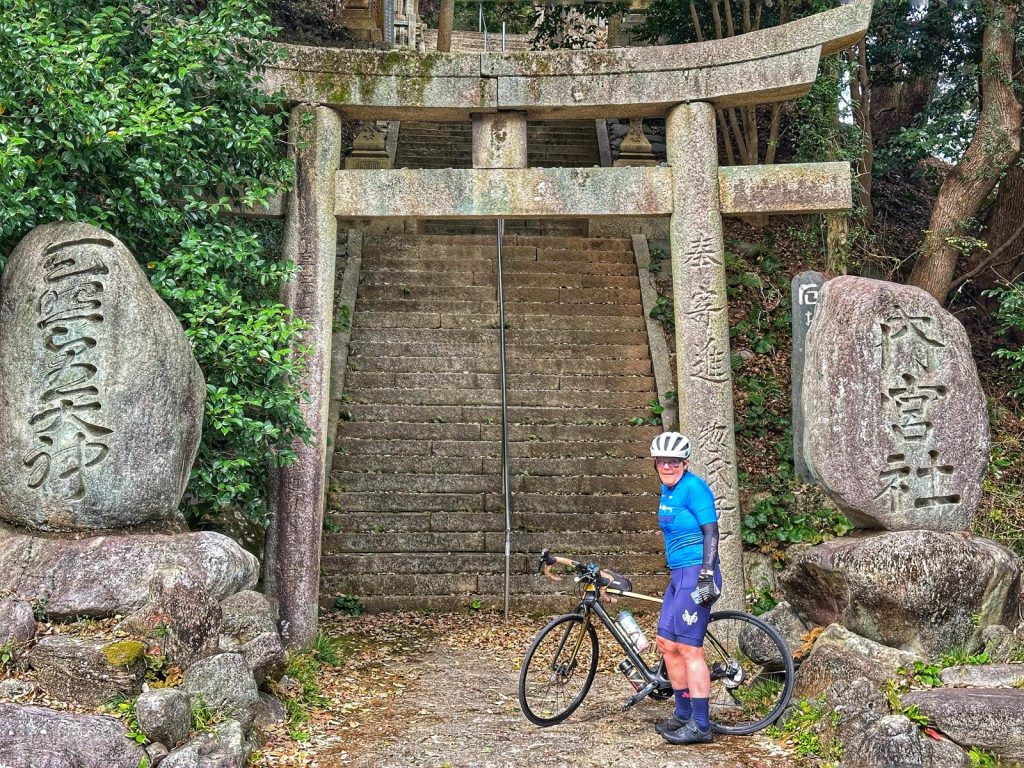
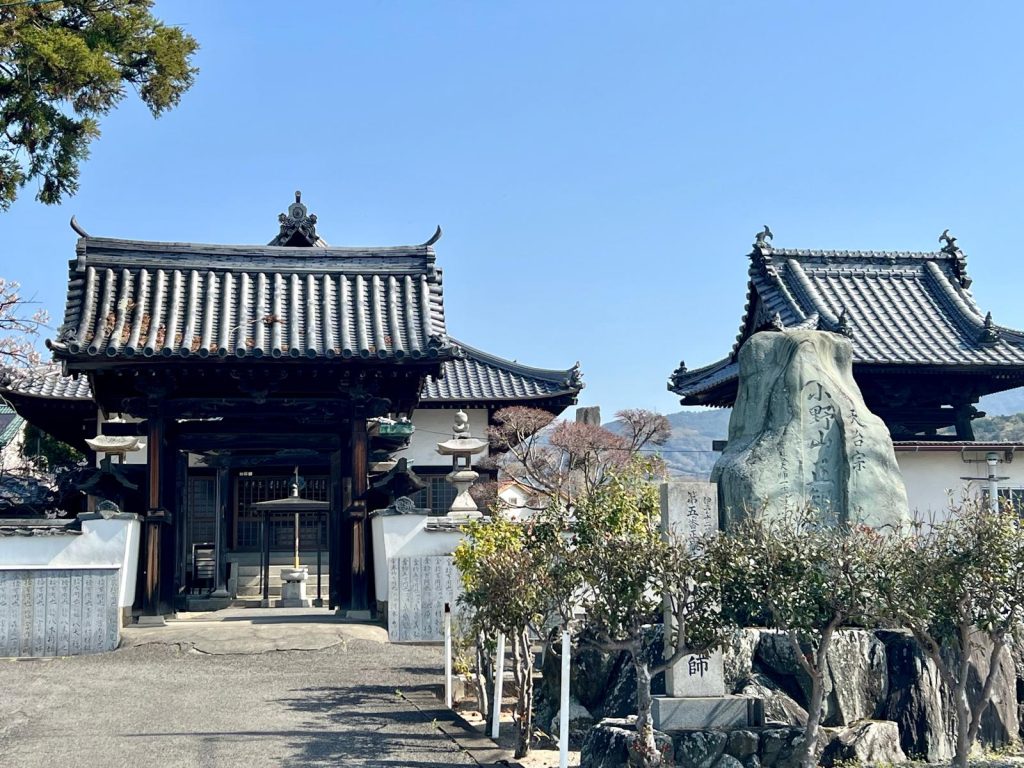
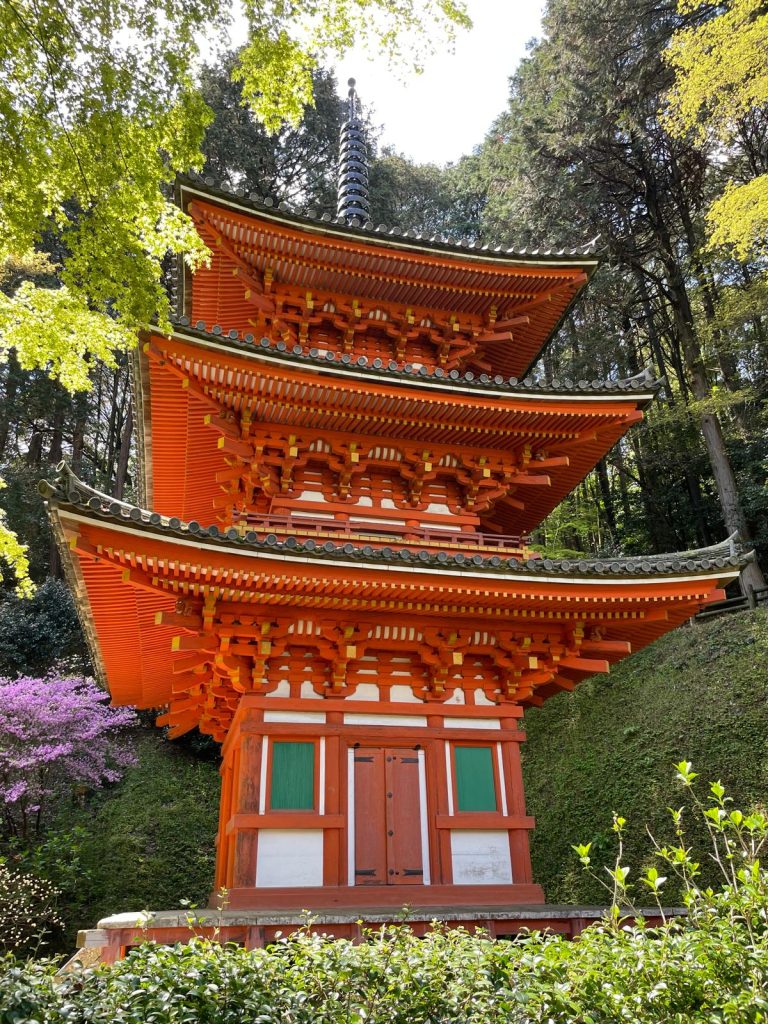
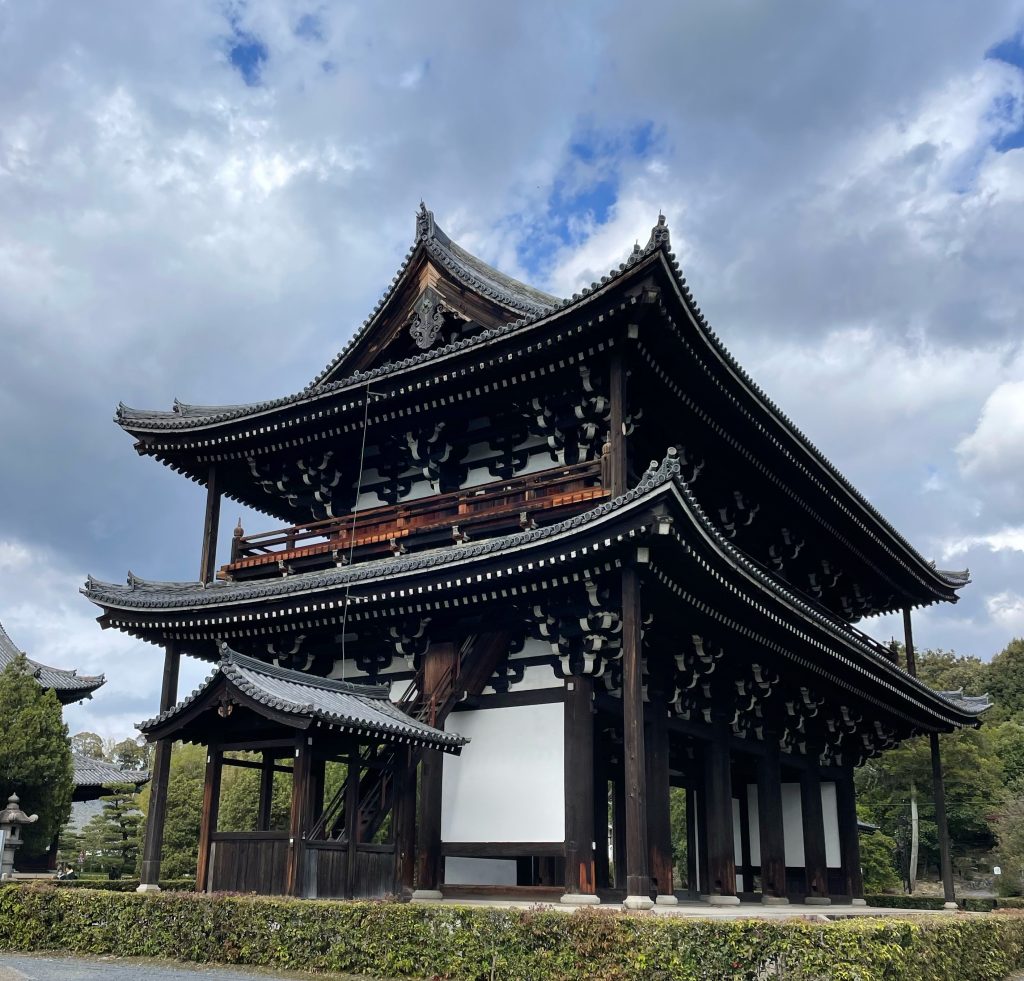
    Temples and shrines are numerous in the area…

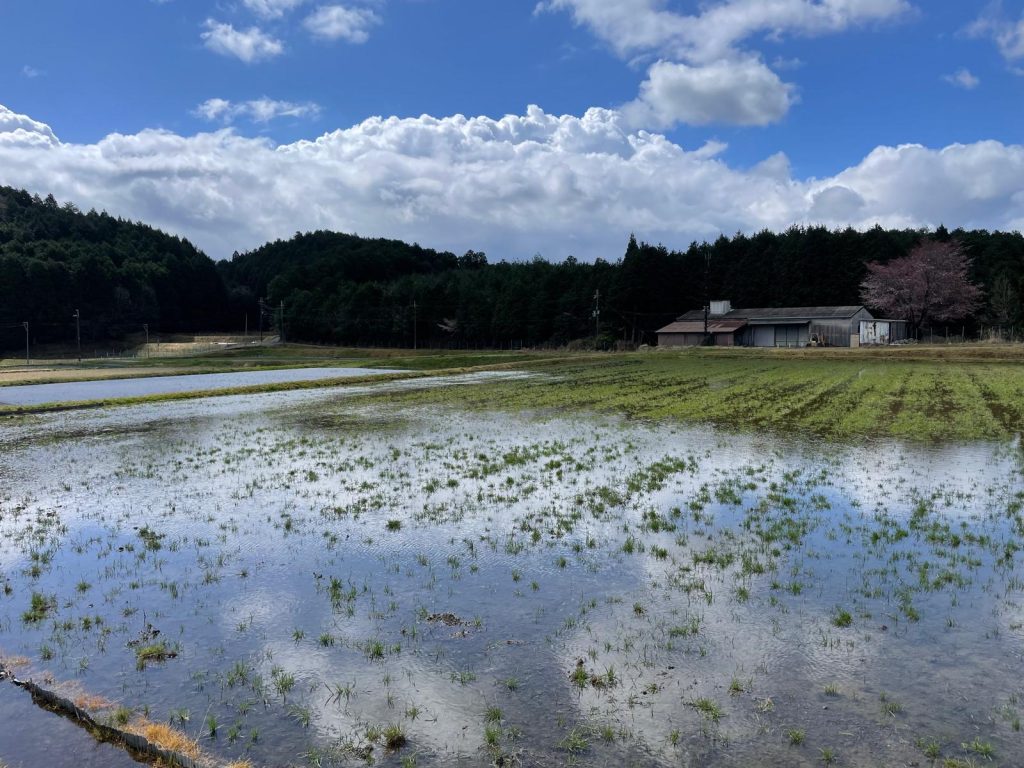
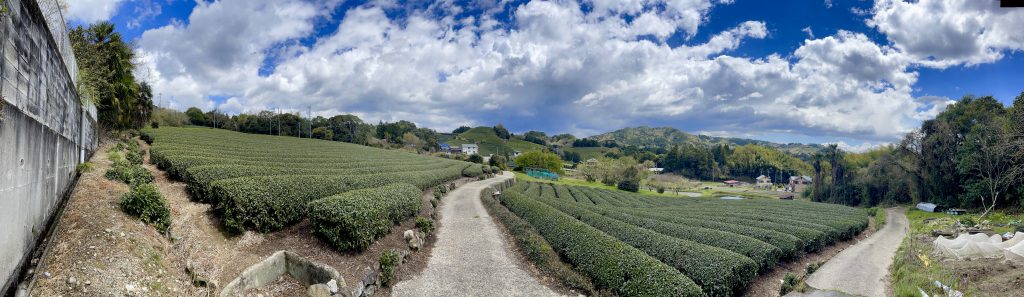
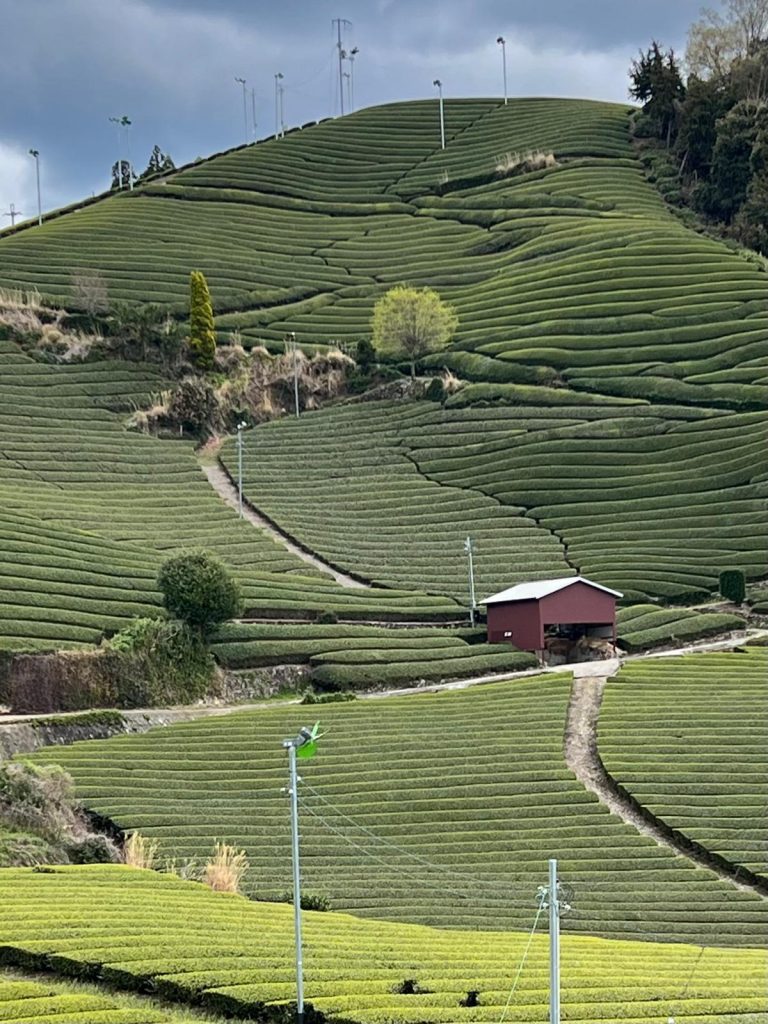
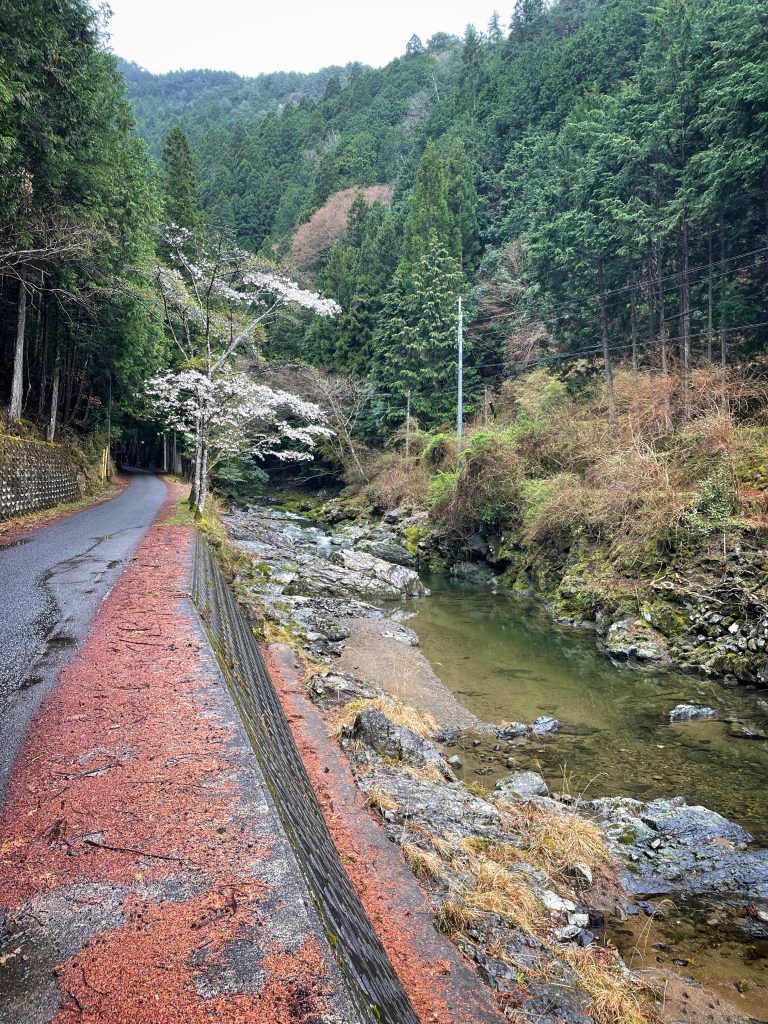
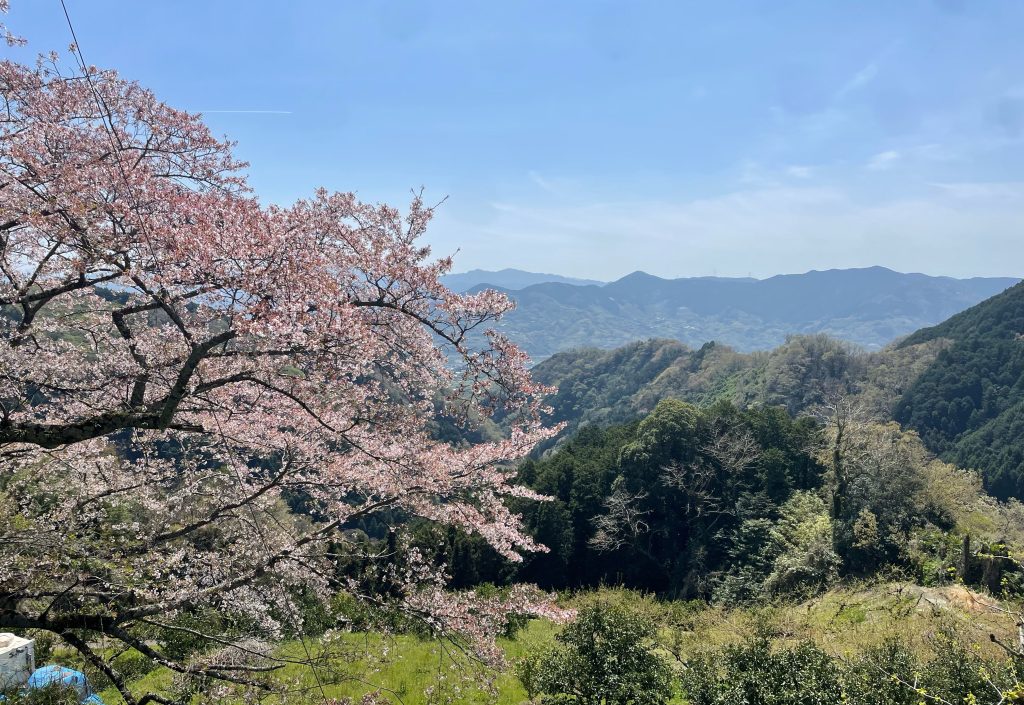
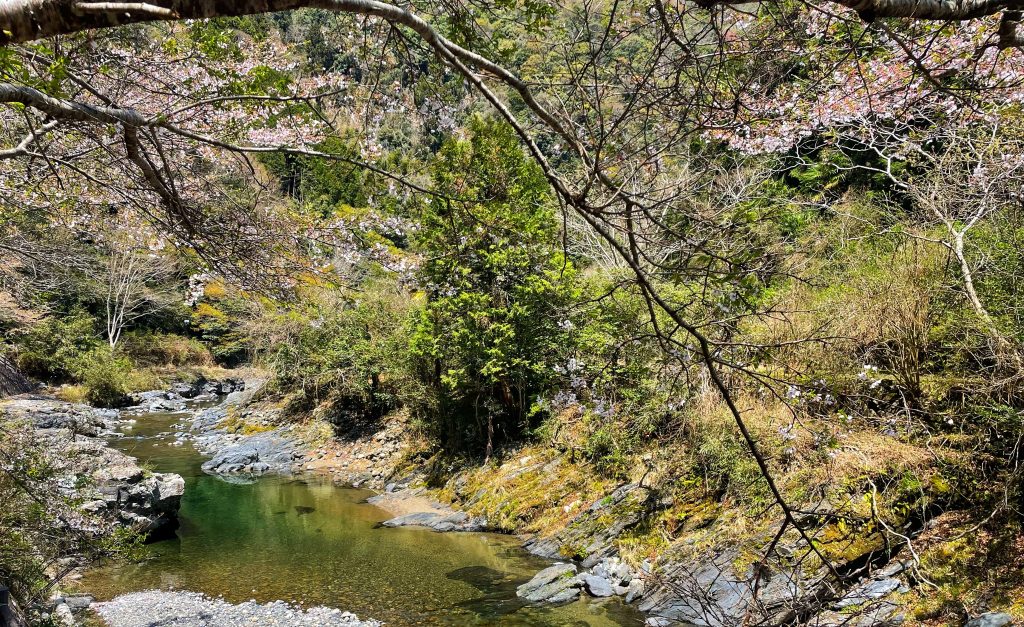
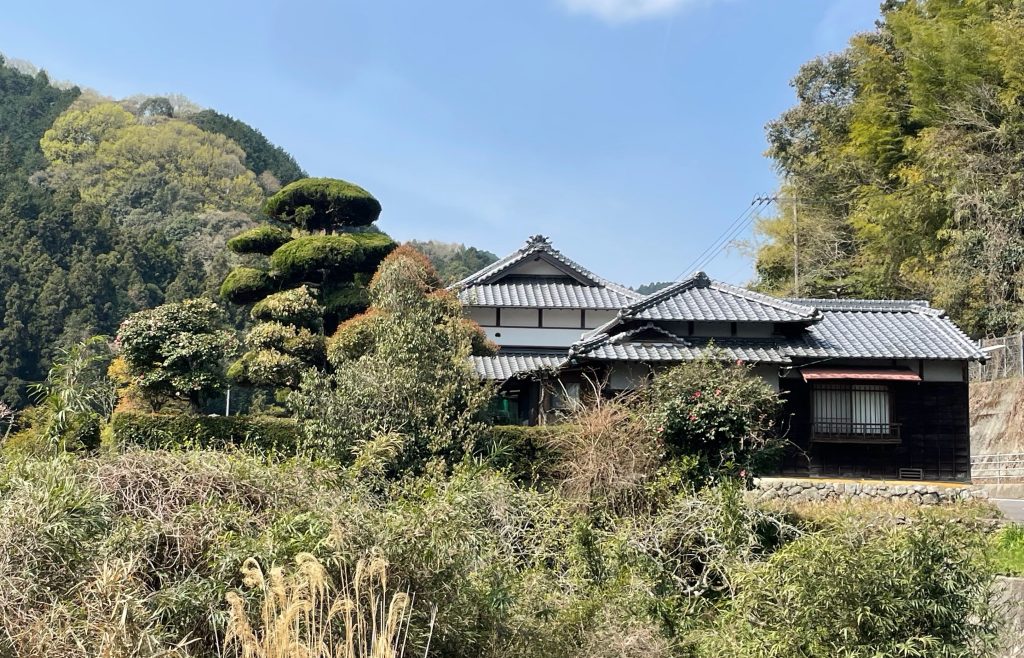
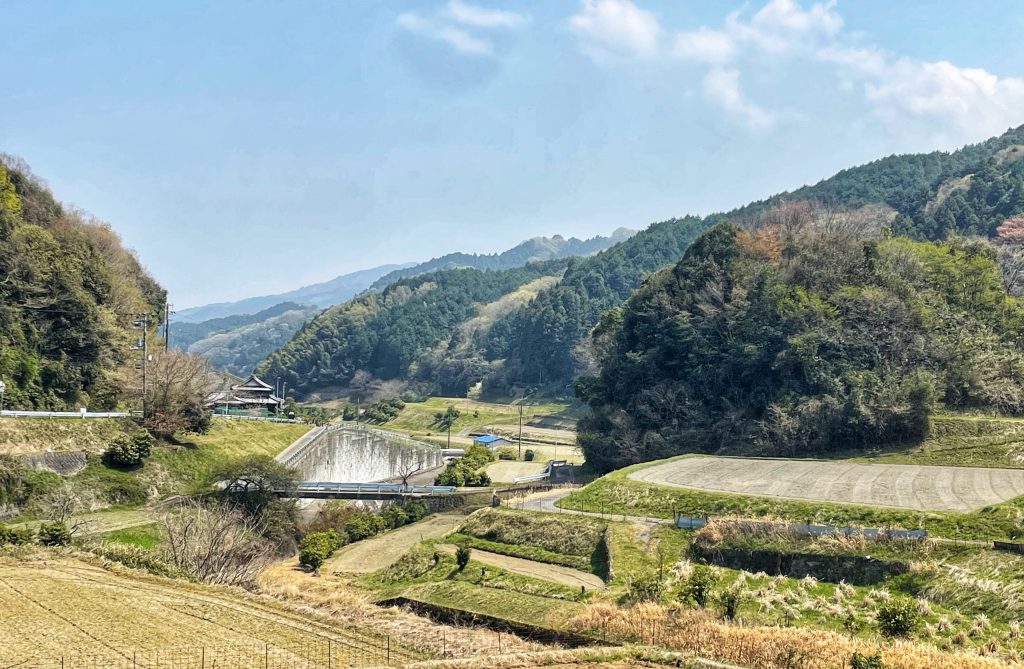
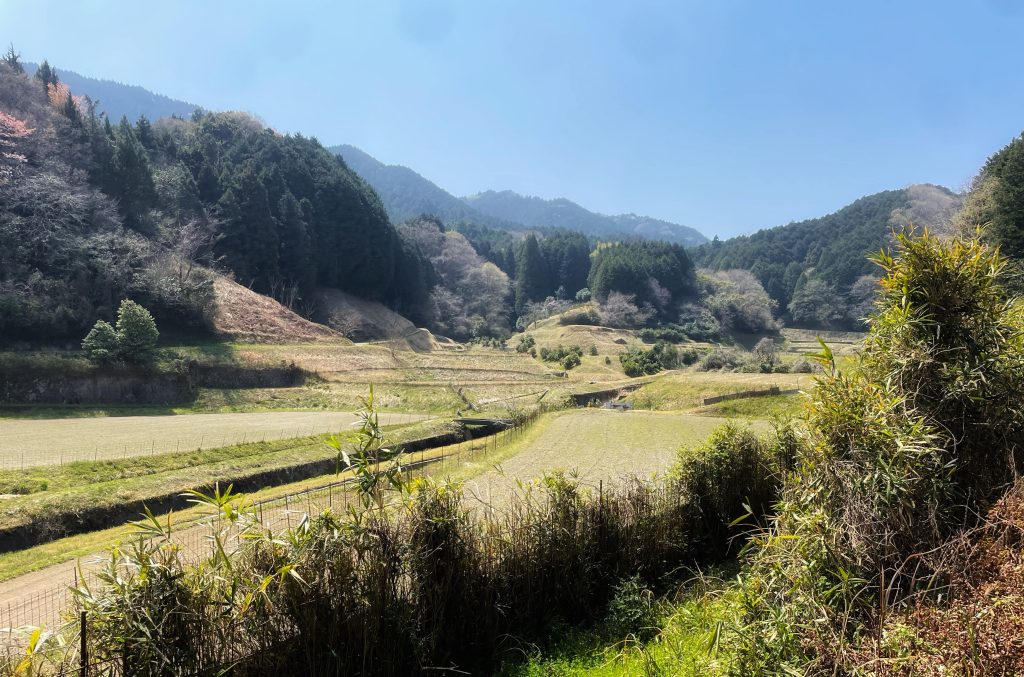
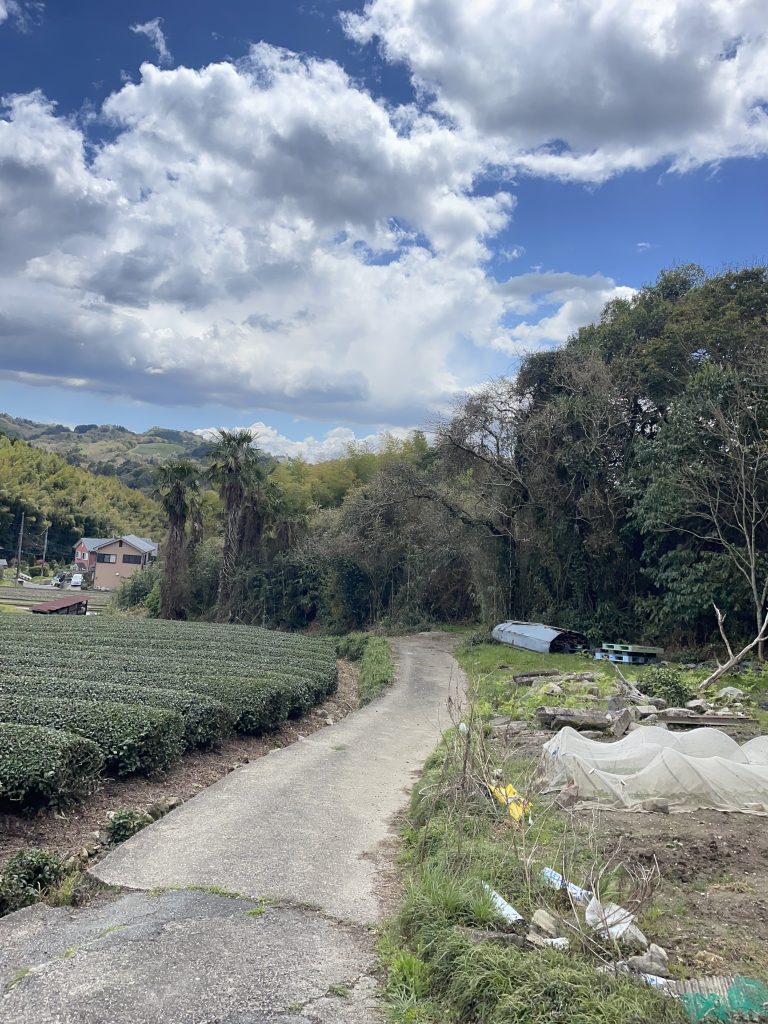
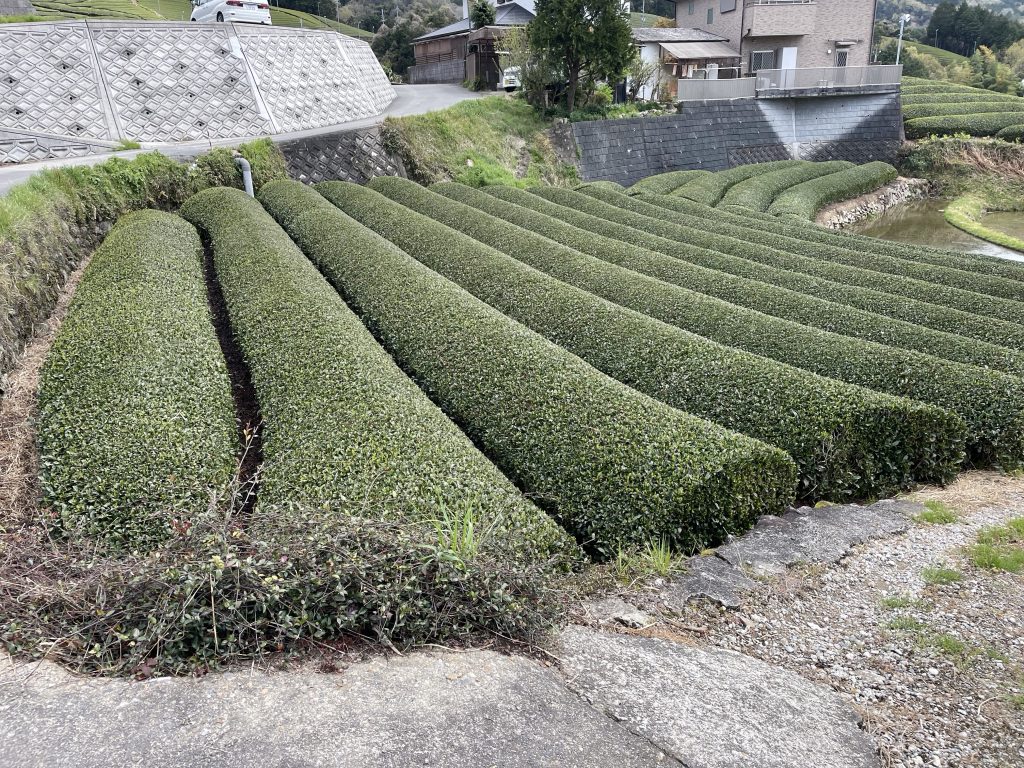
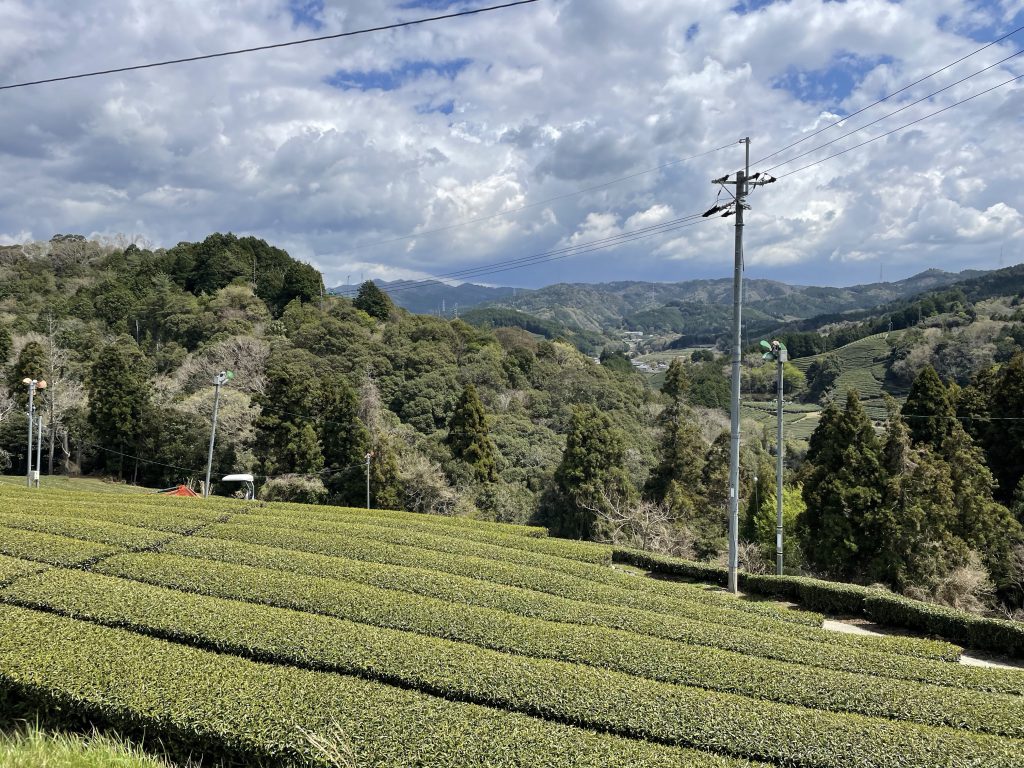
     Continuing north our roads were tiny – winding and rolling through matcha tea fields. The systematic planting of this crop is reminiscent of the cork trees of Portugal or vineyards of Tuscany, creating a stunning cycling landscape filled with memorable vistas and earthy aromas.
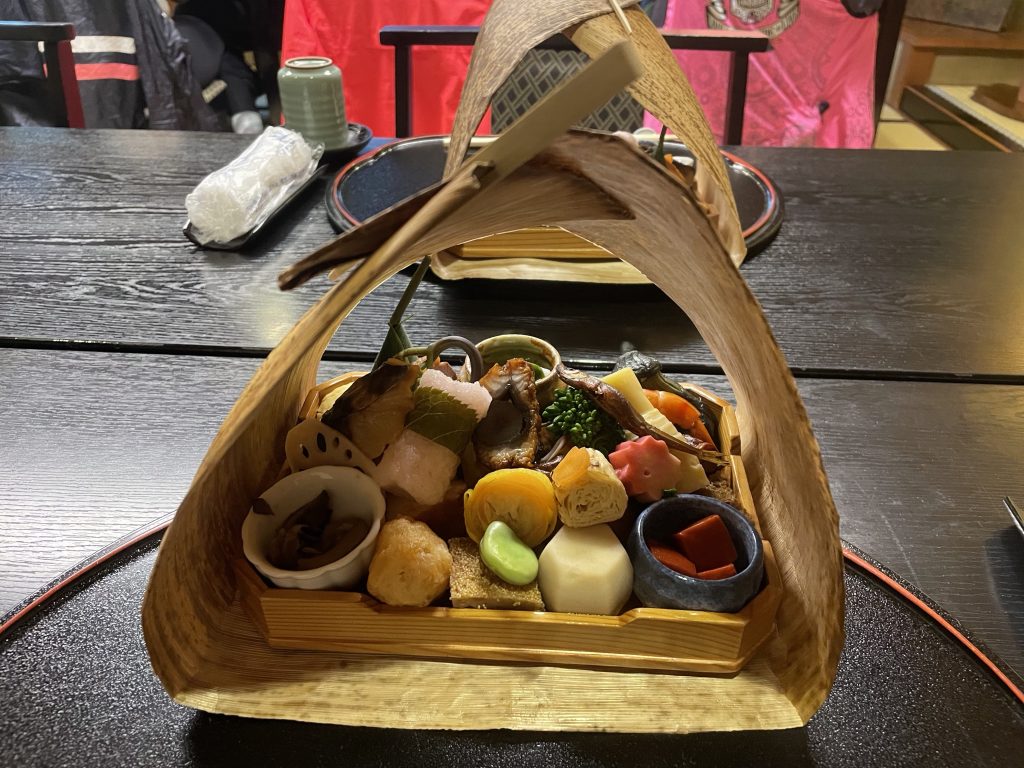
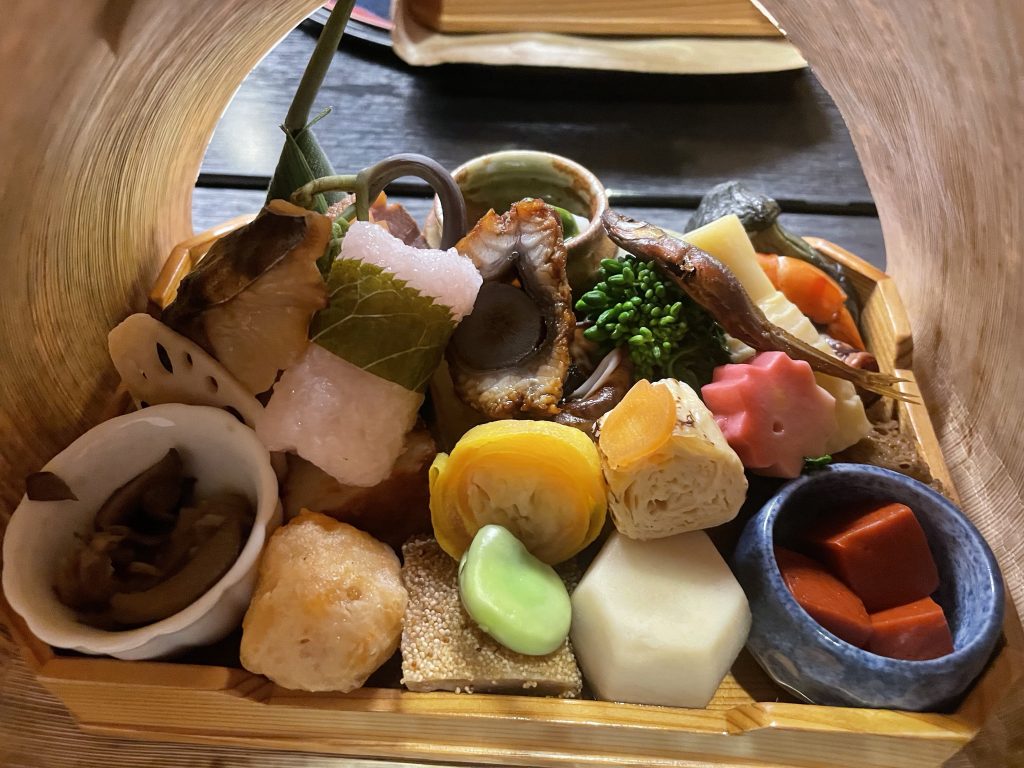
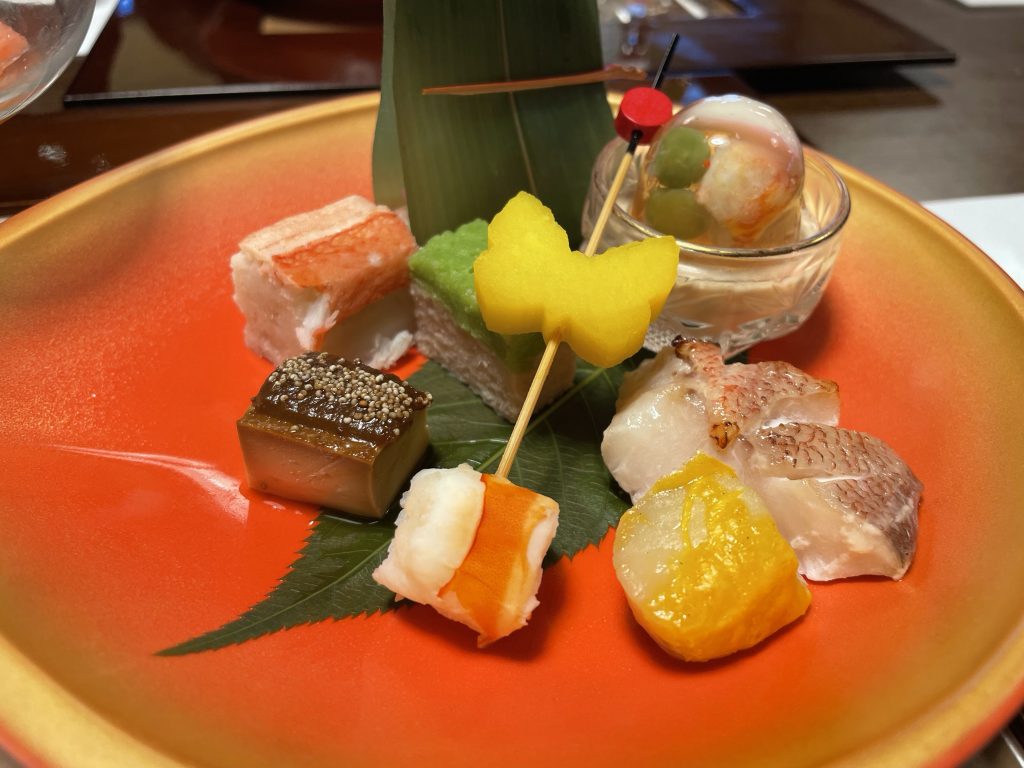
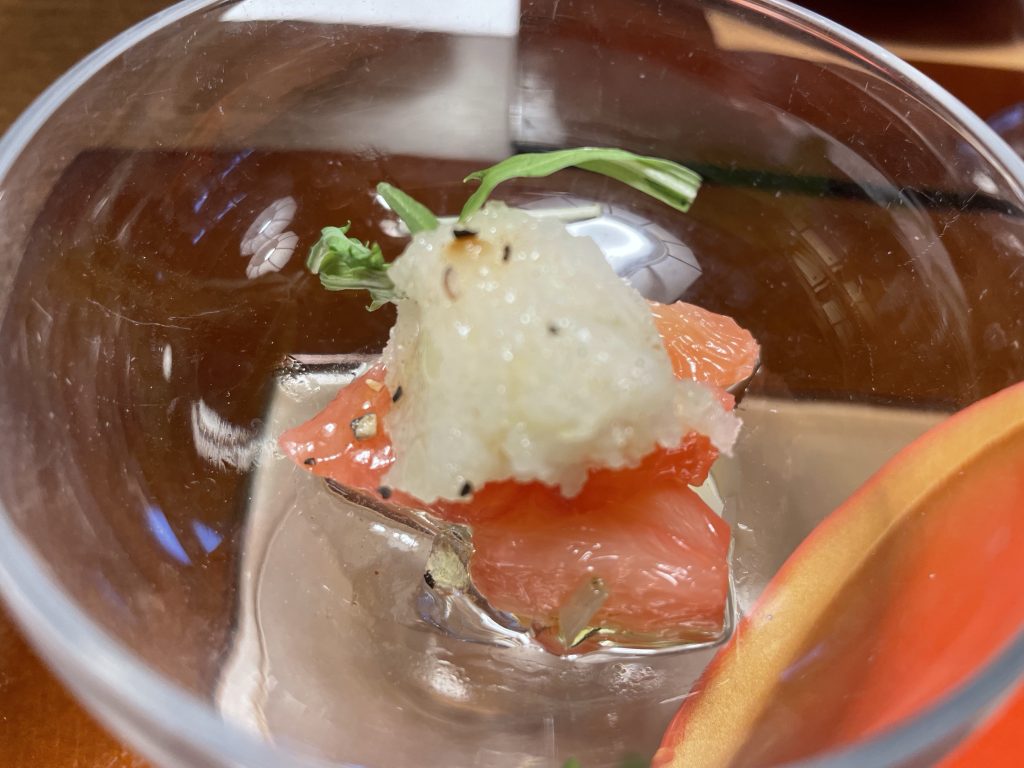
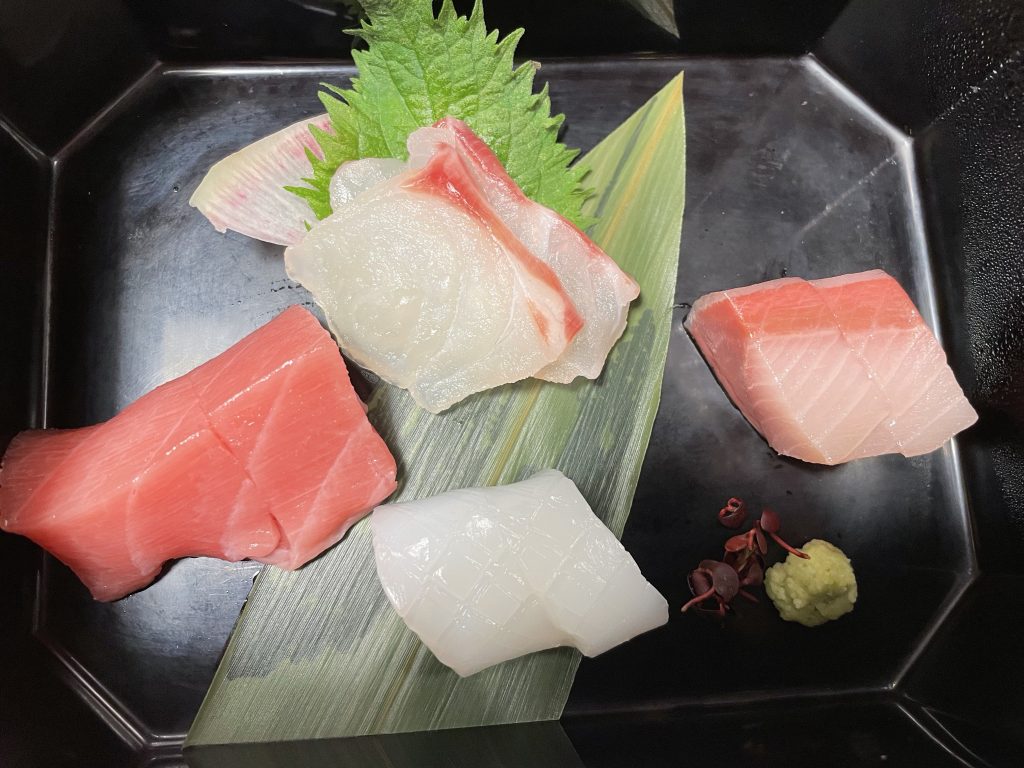
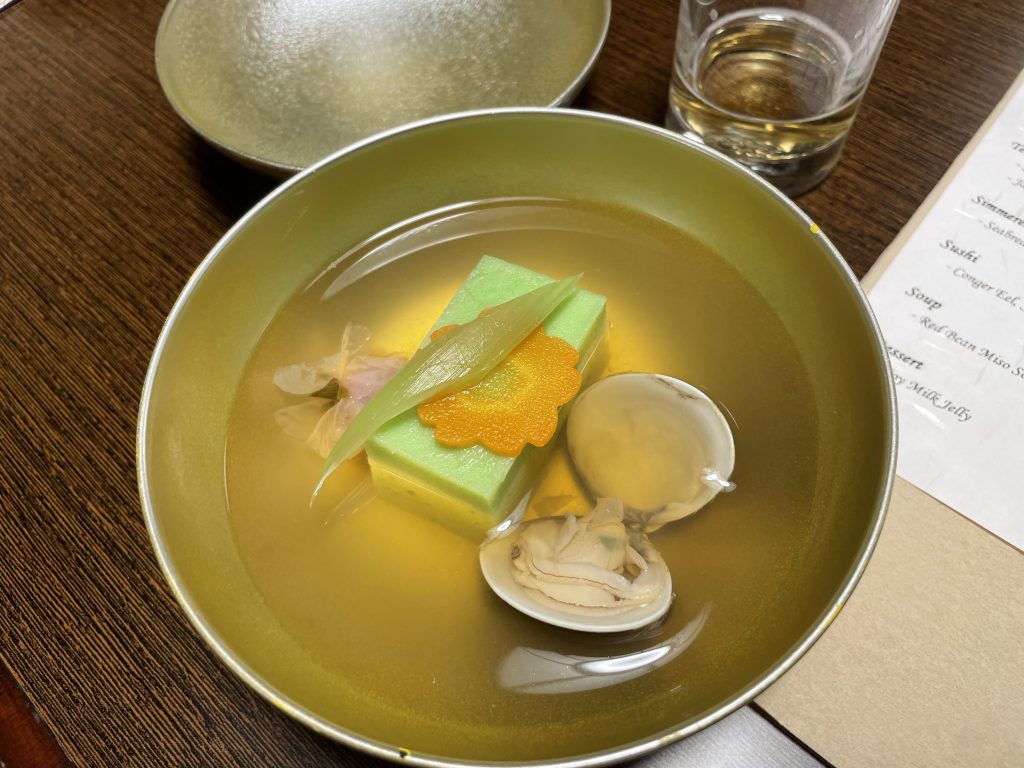
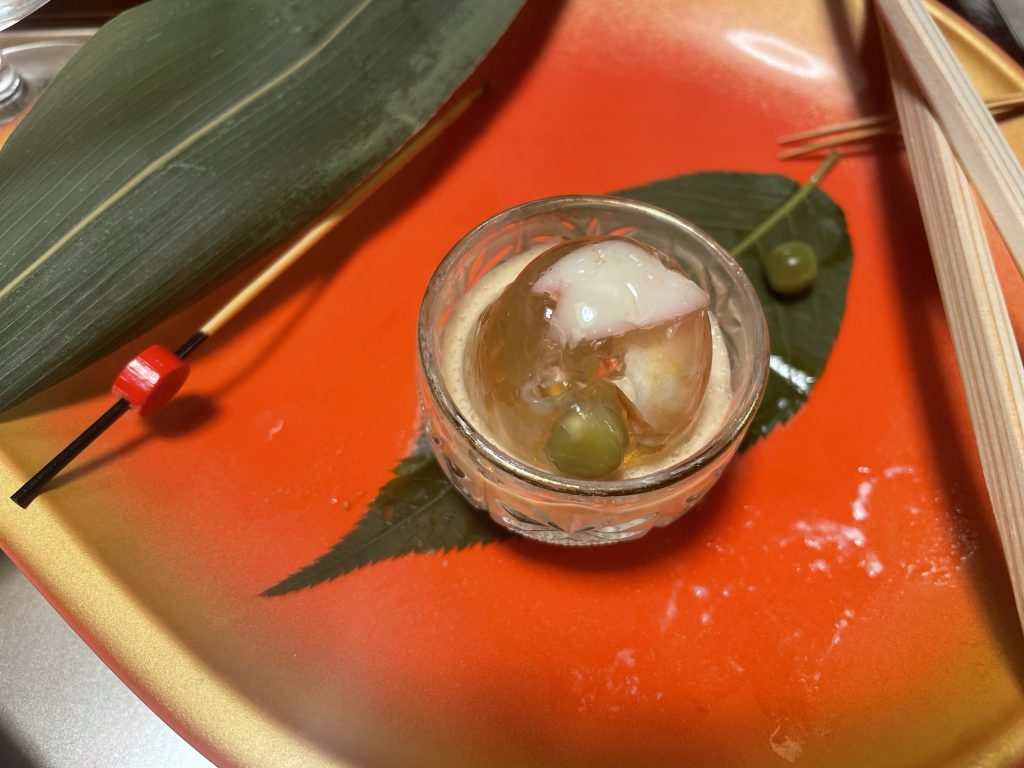
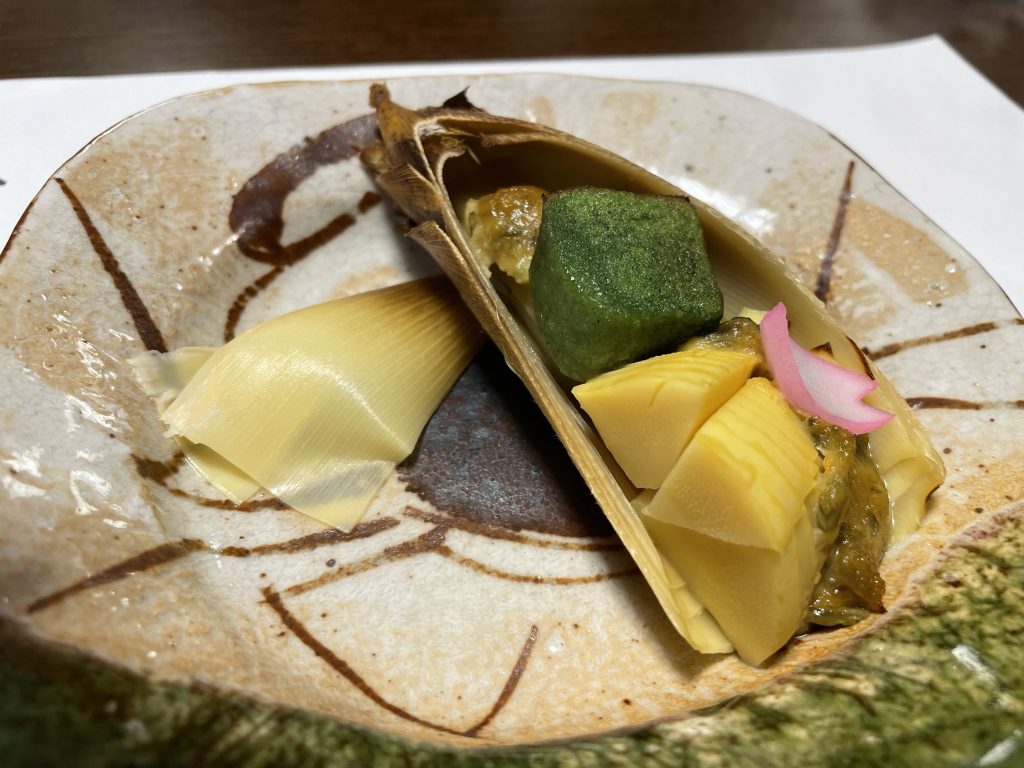
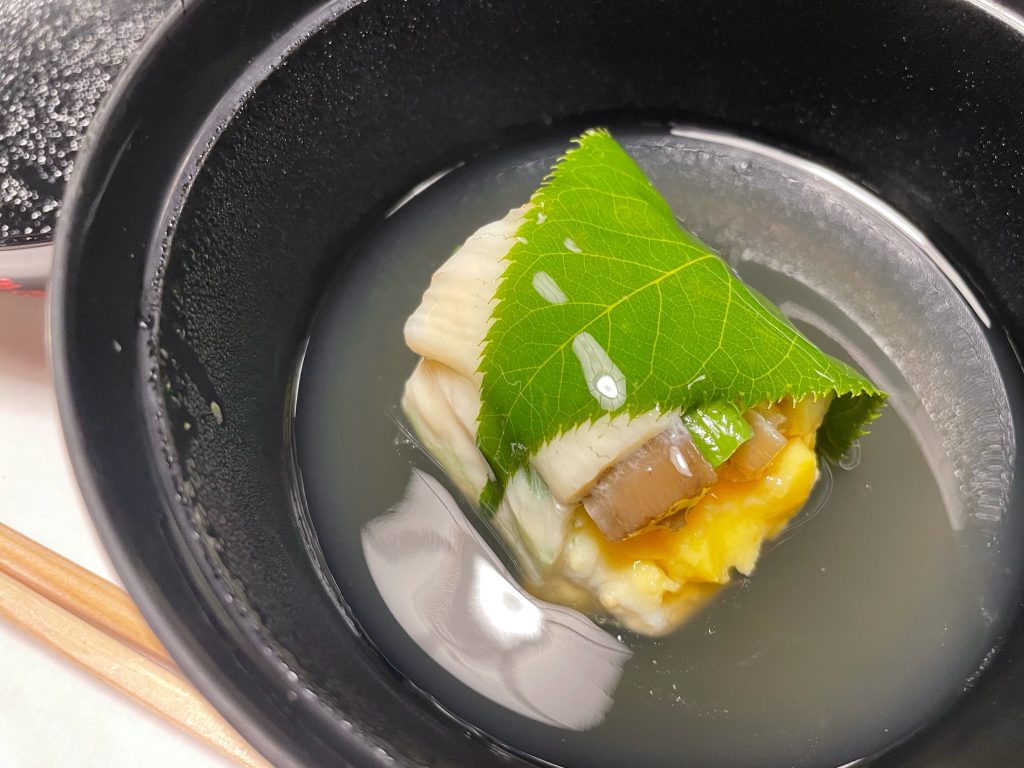
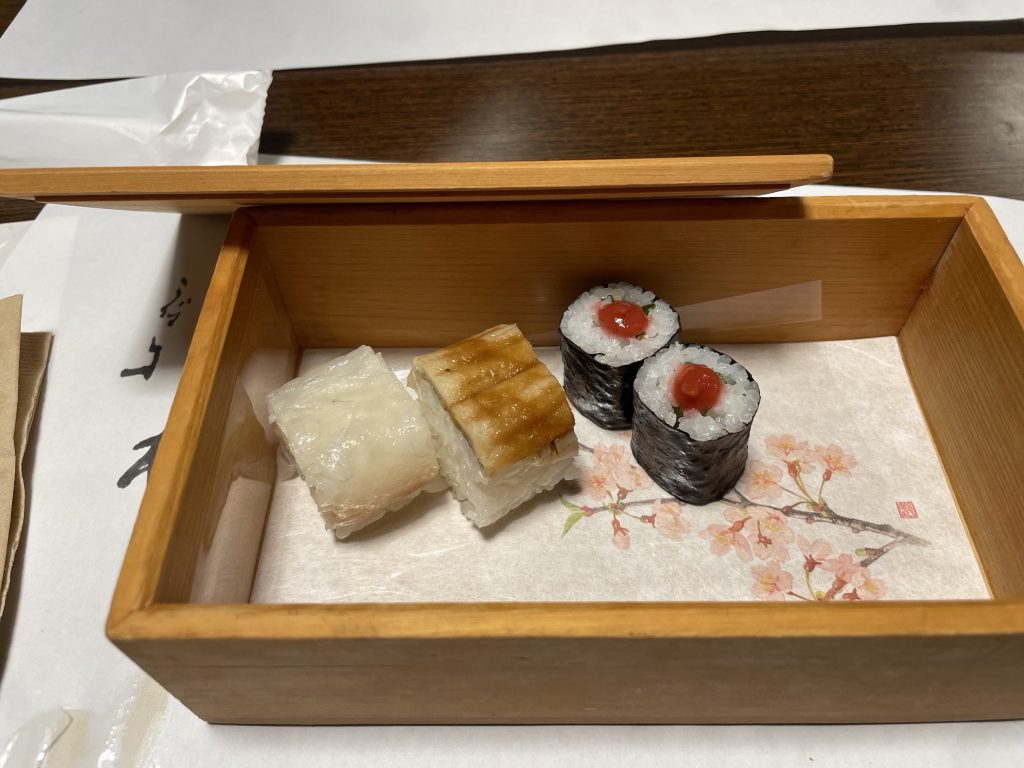
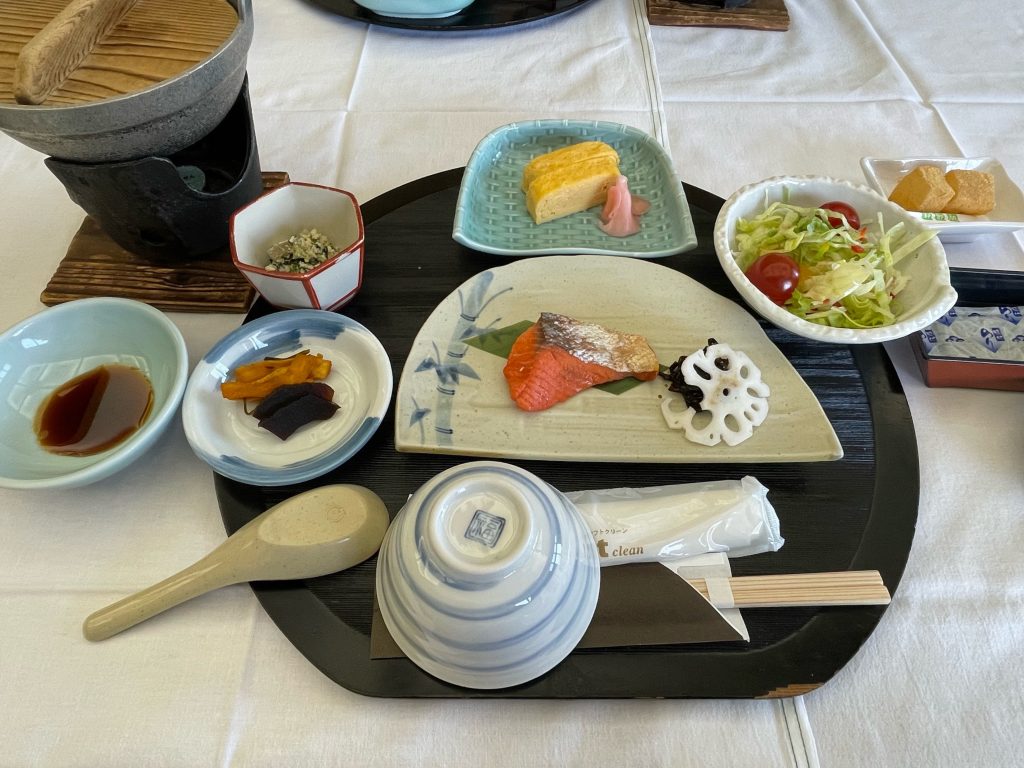
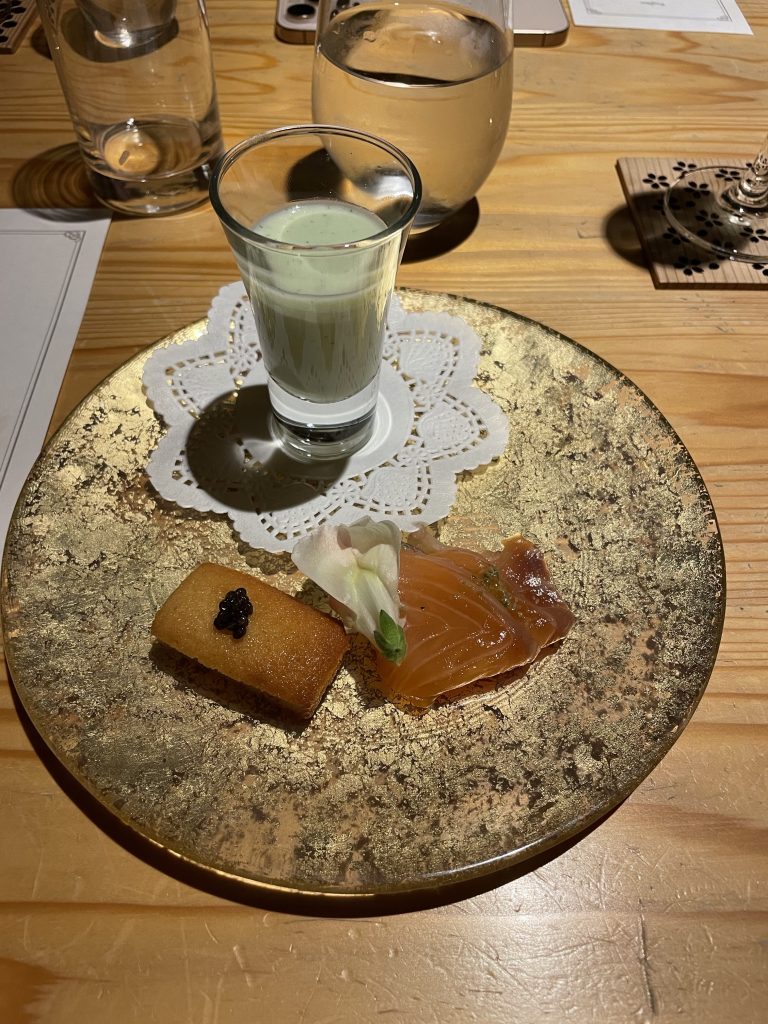
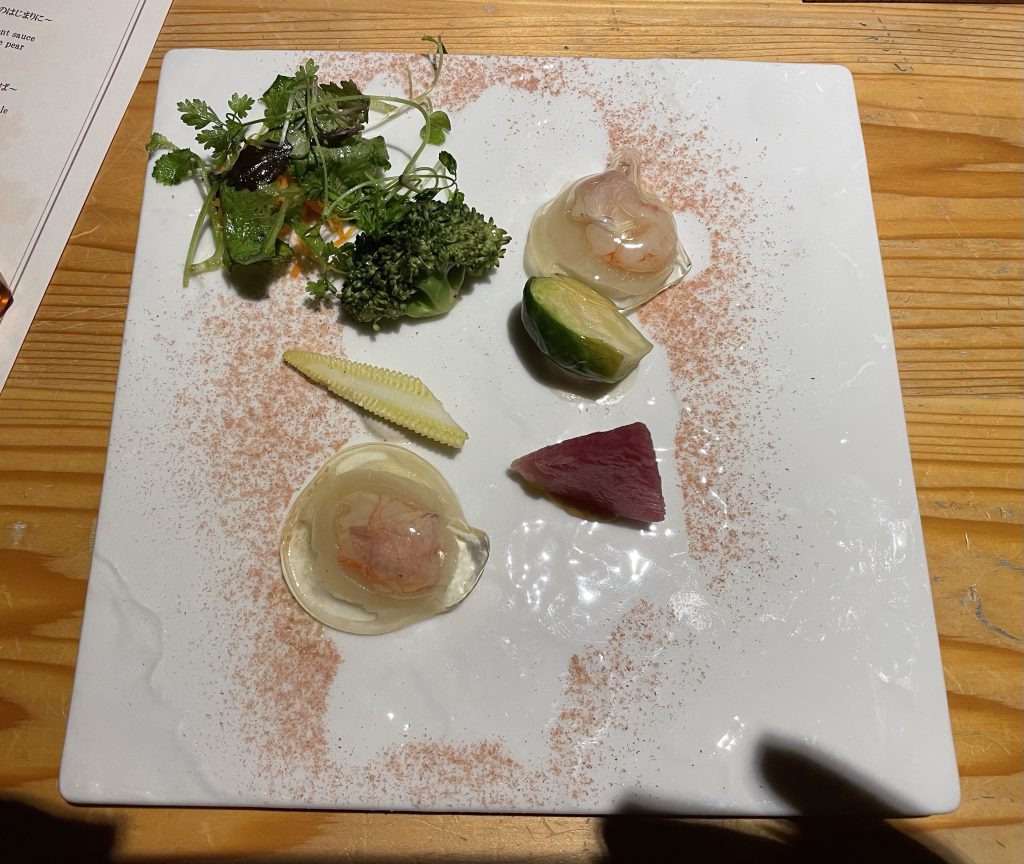
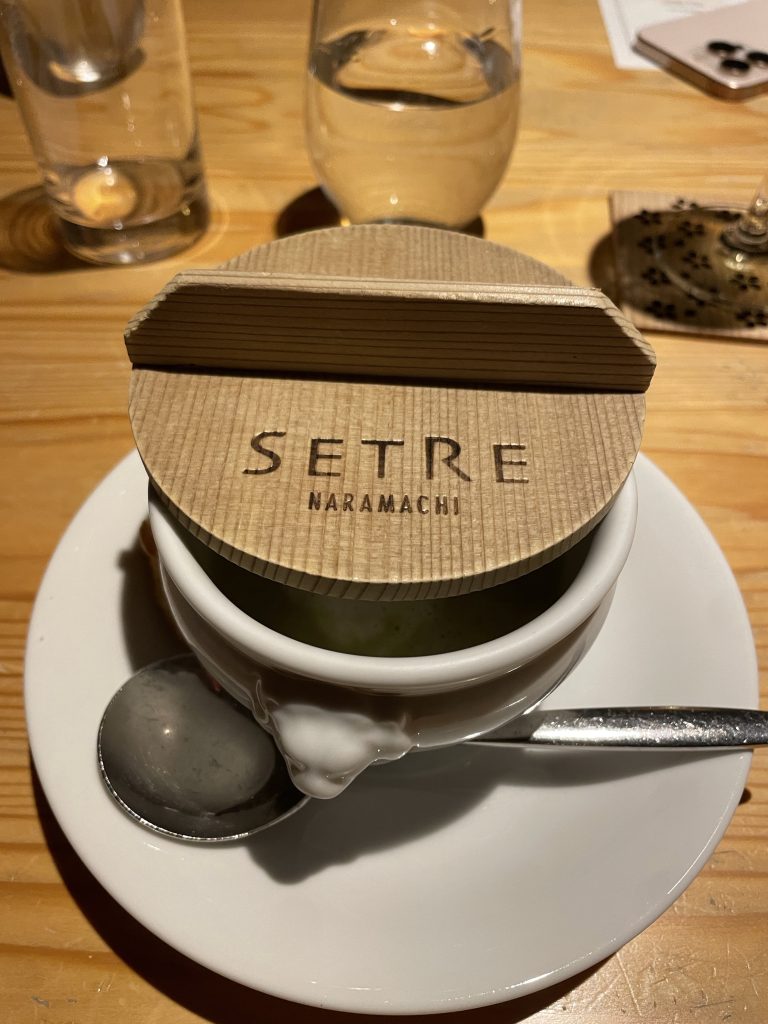
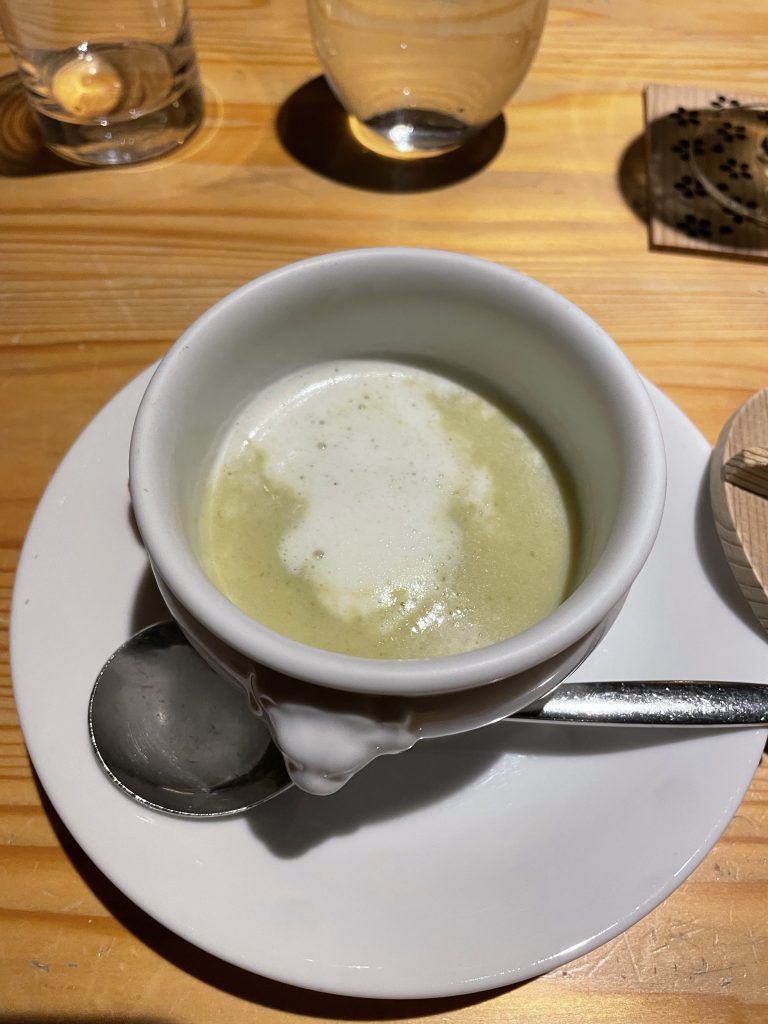
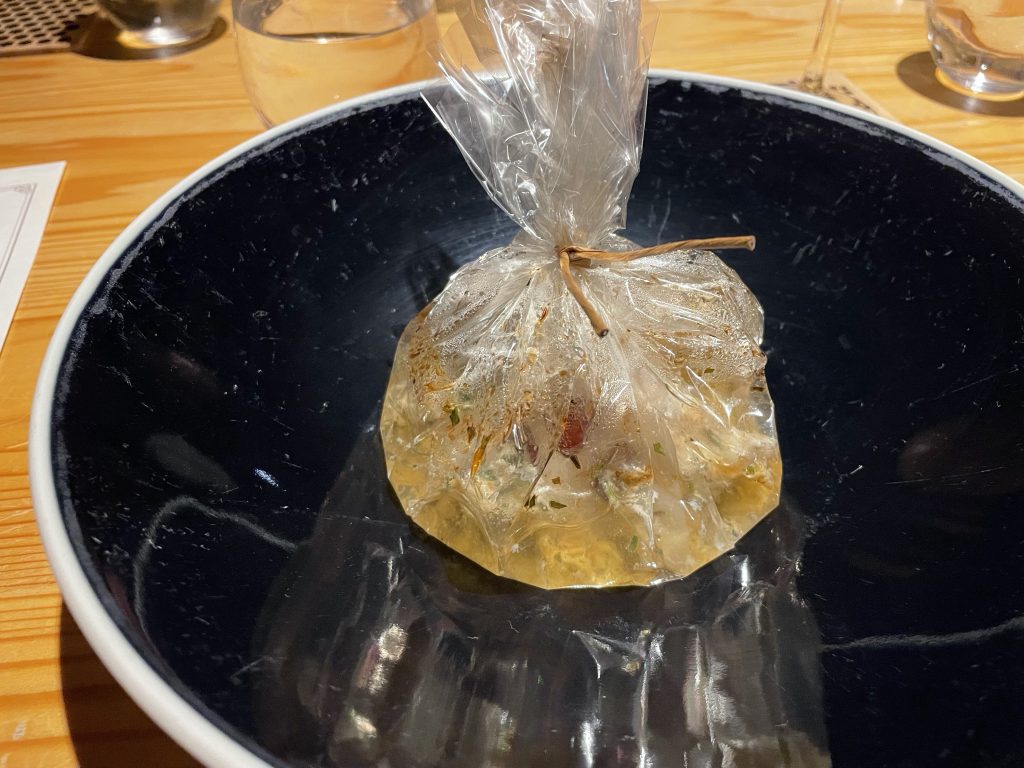
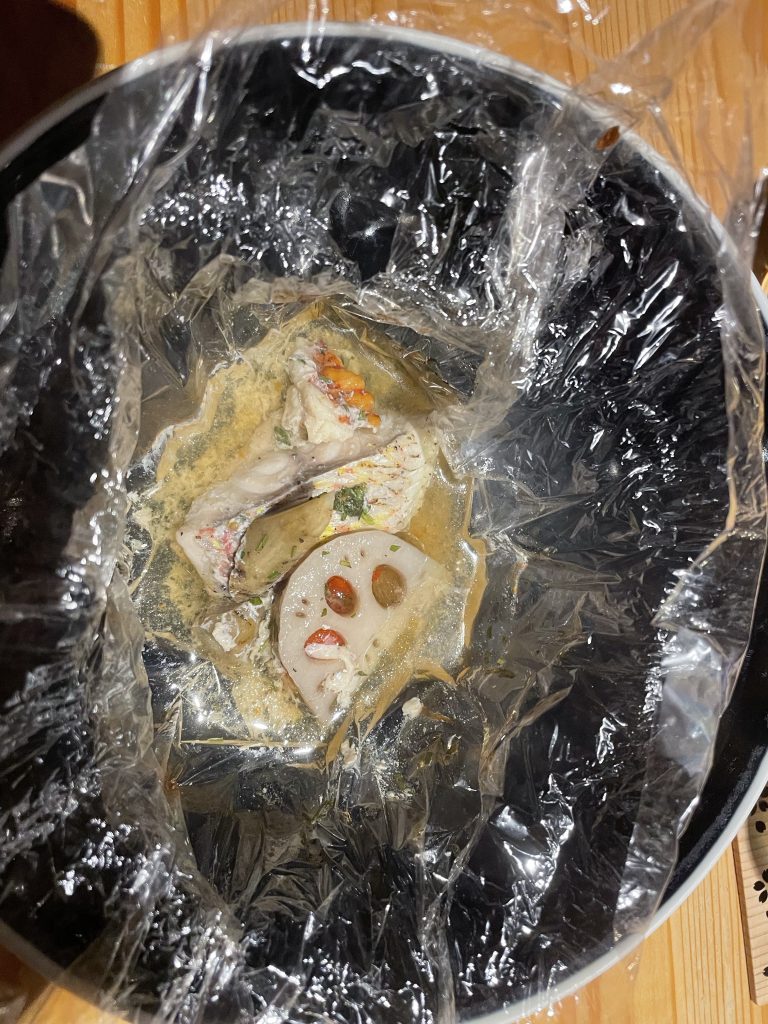
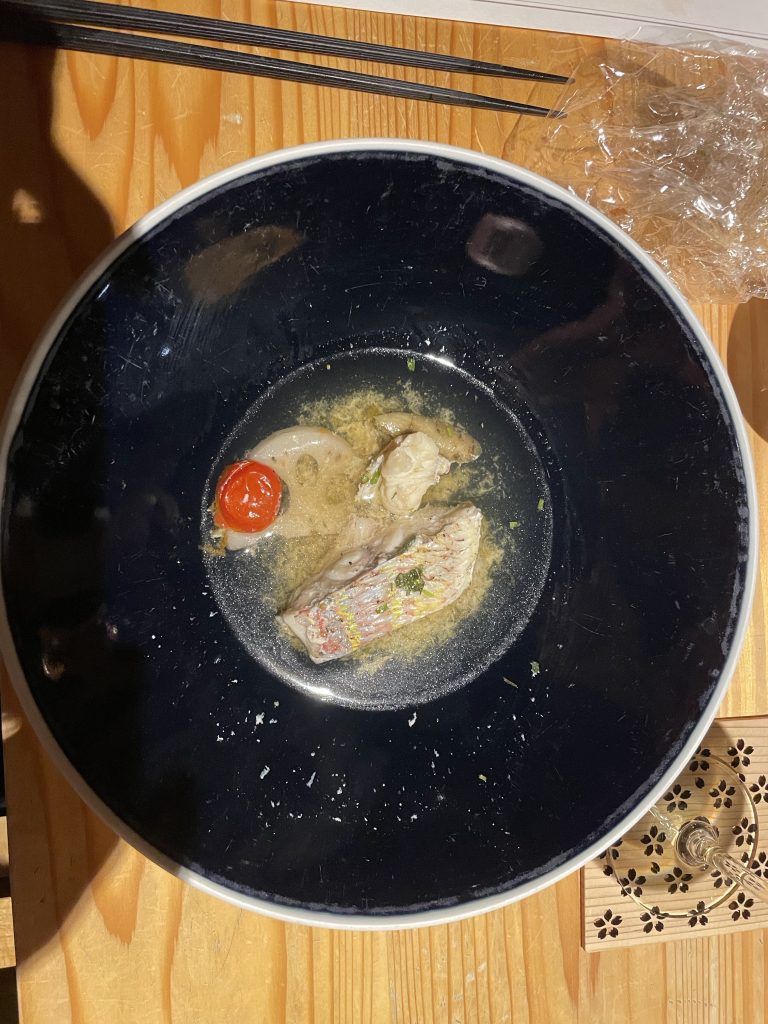
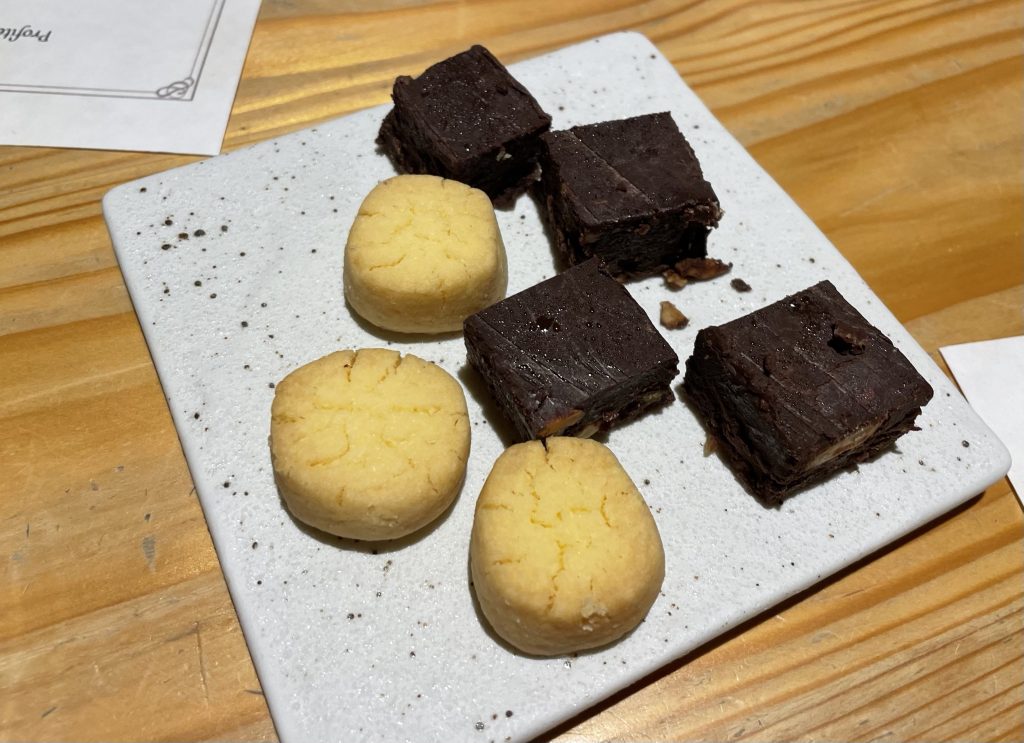
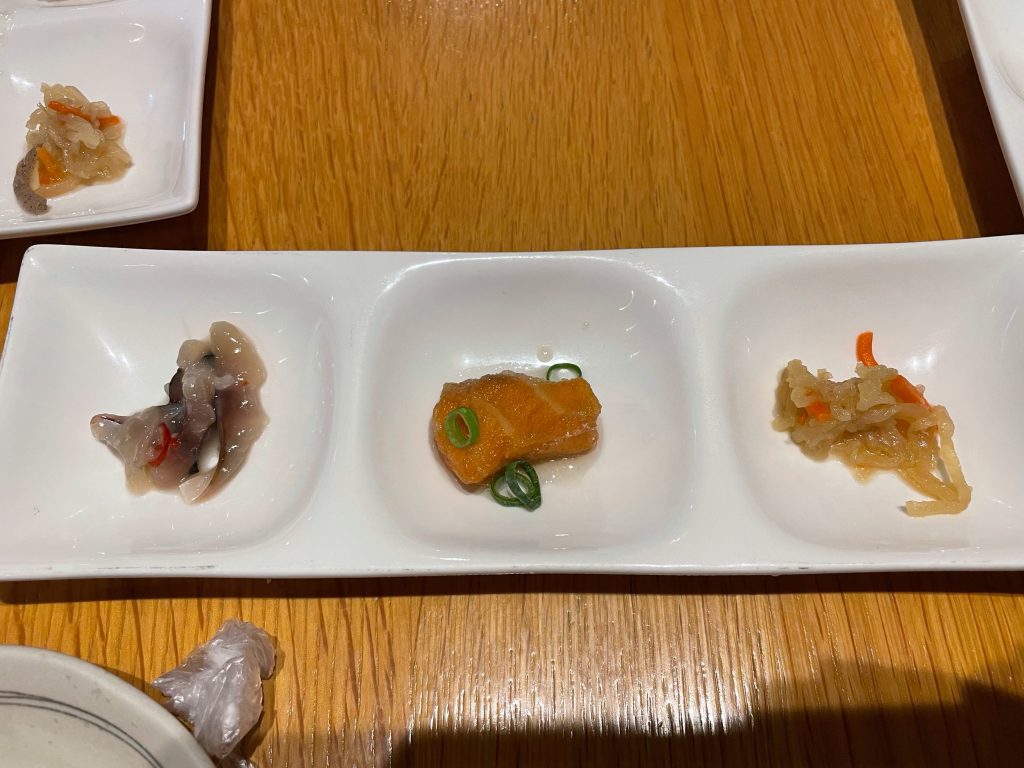
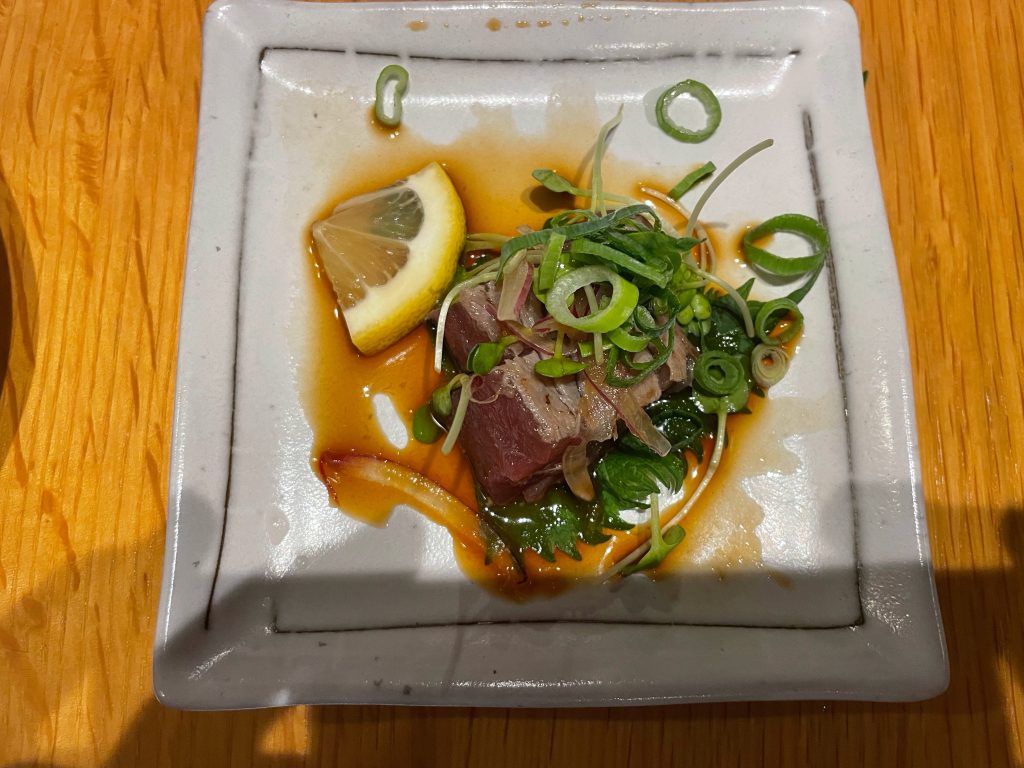
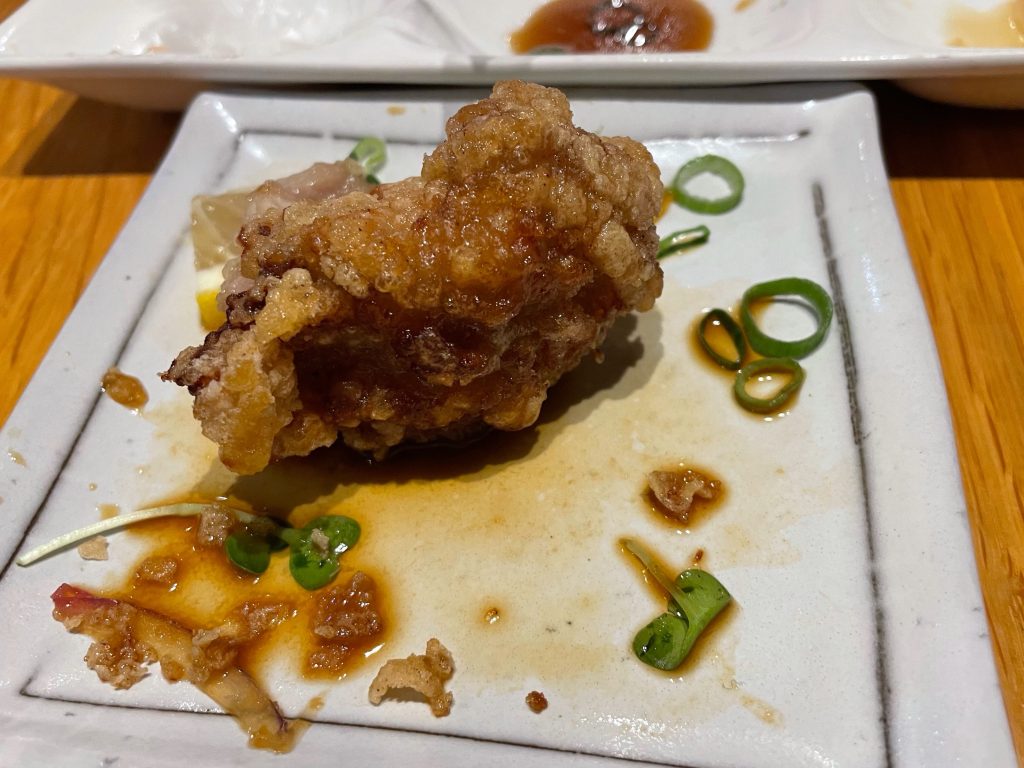
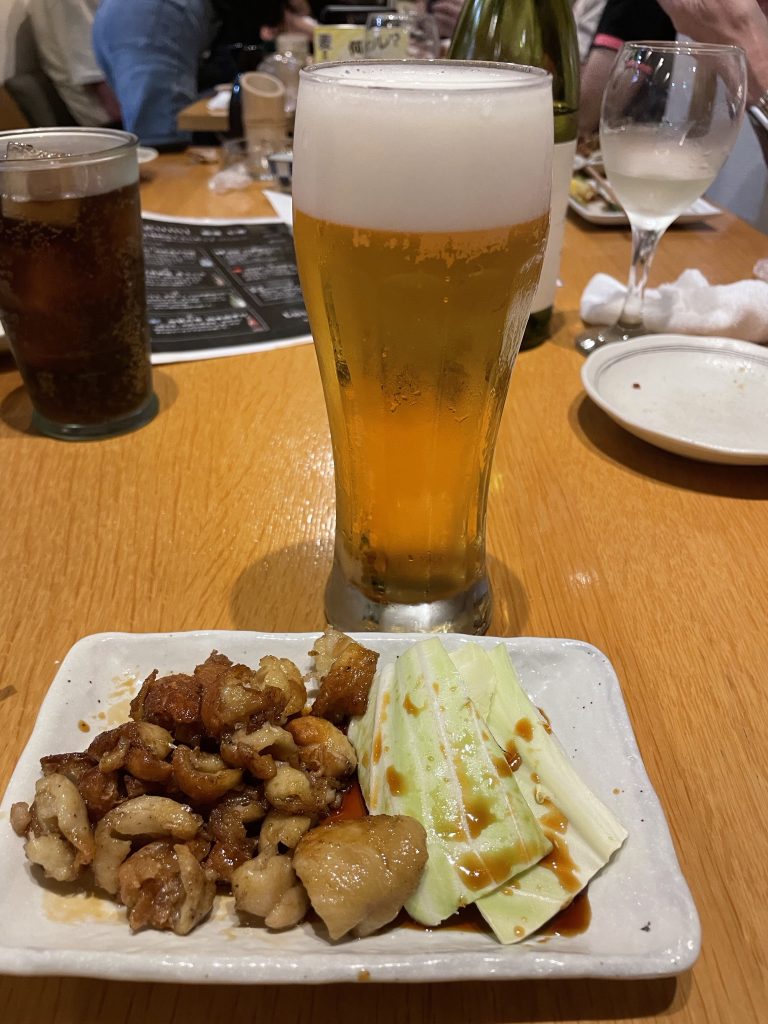
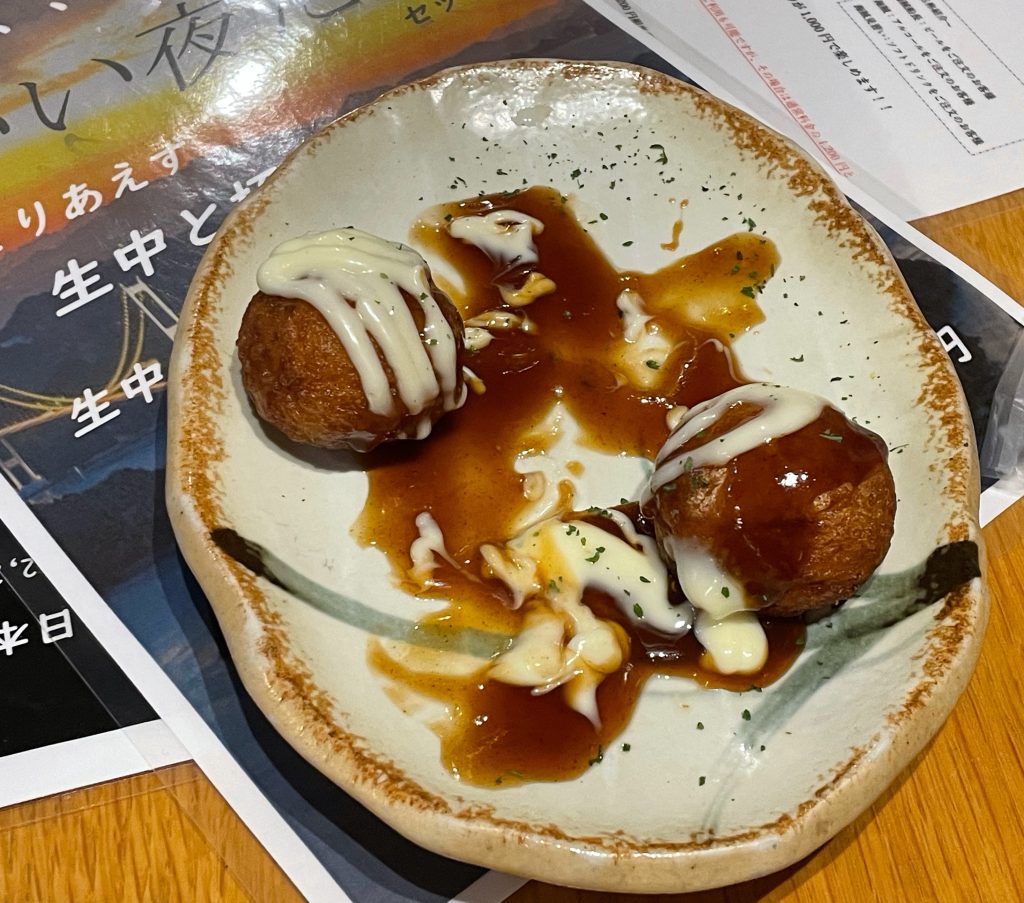
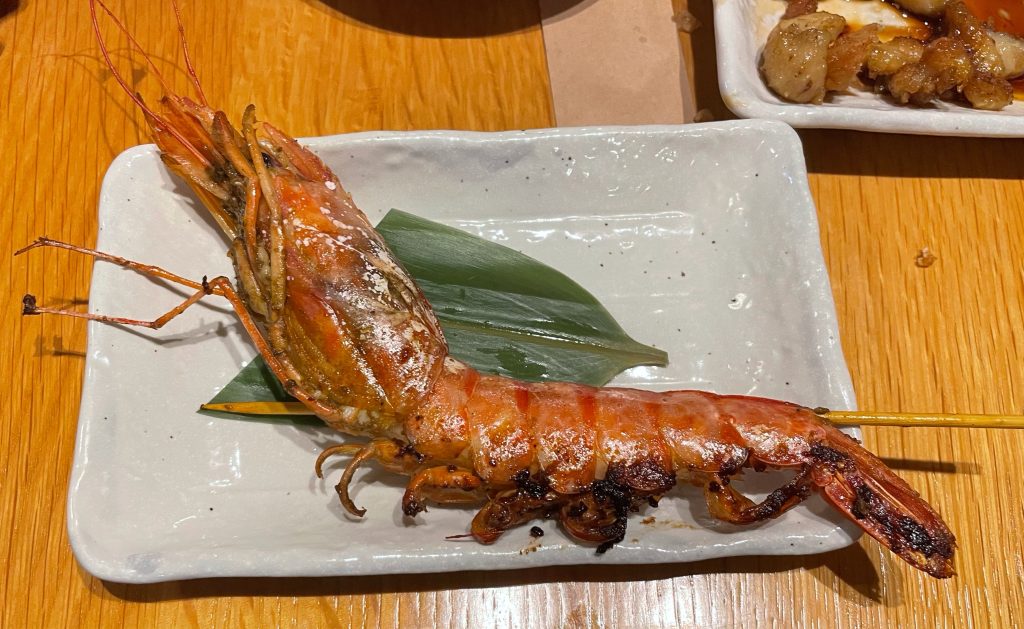
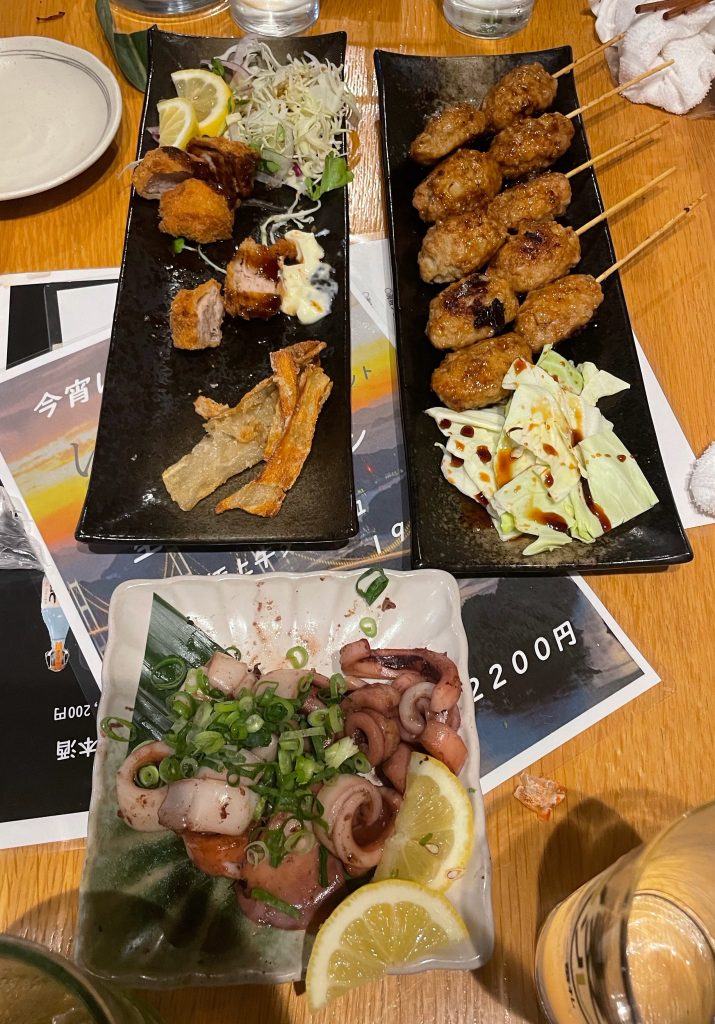
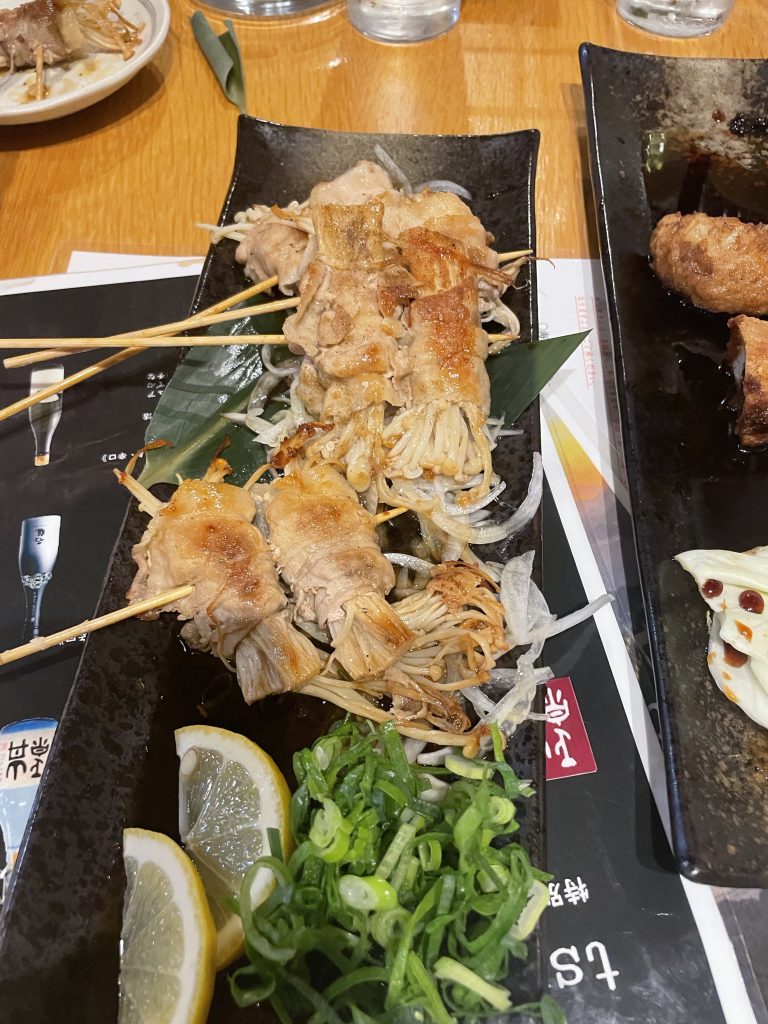
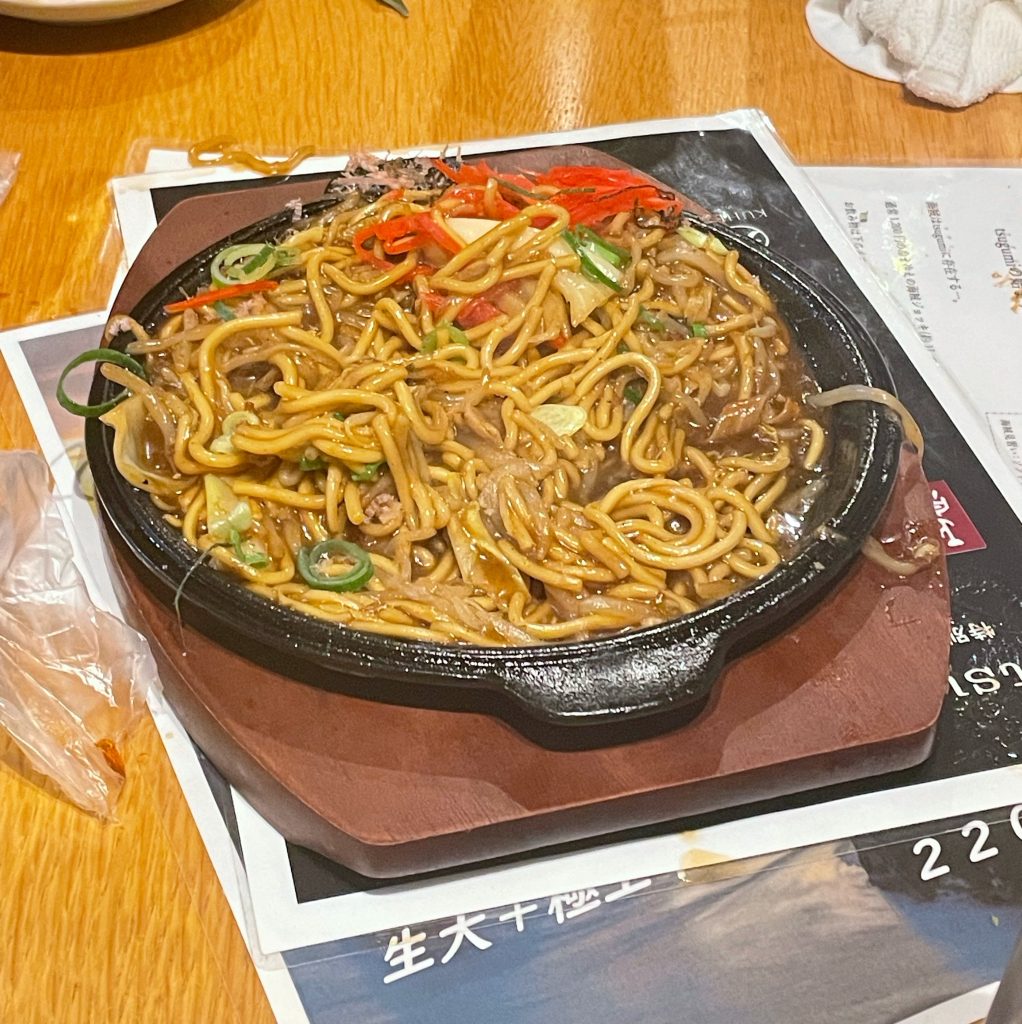
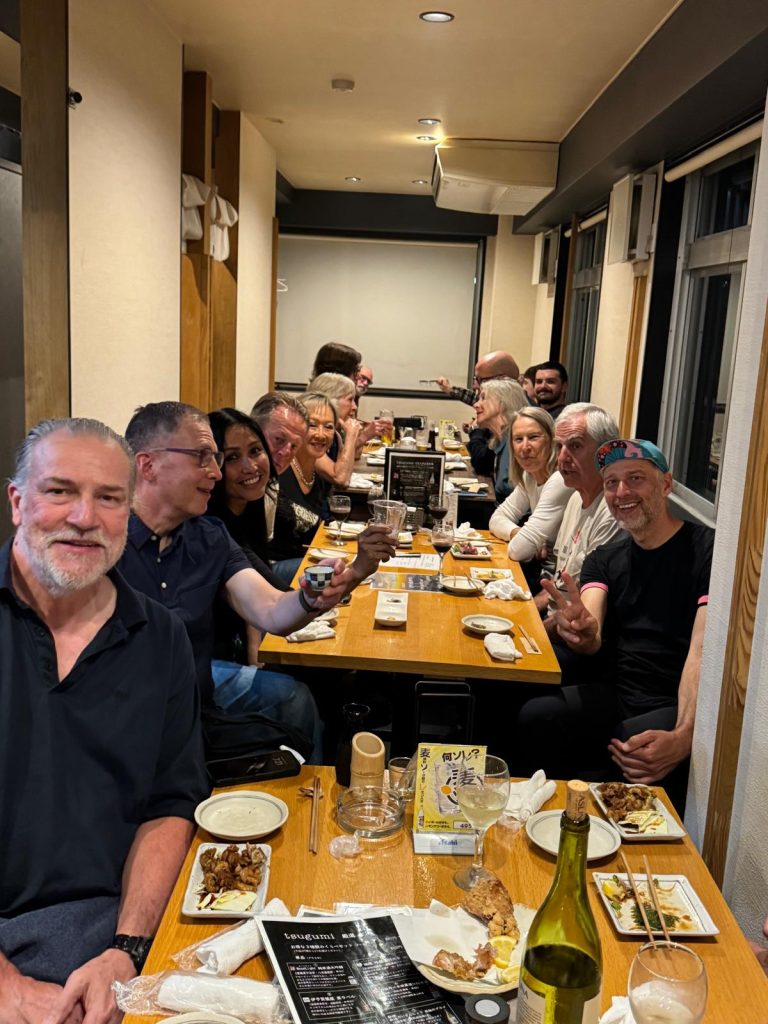
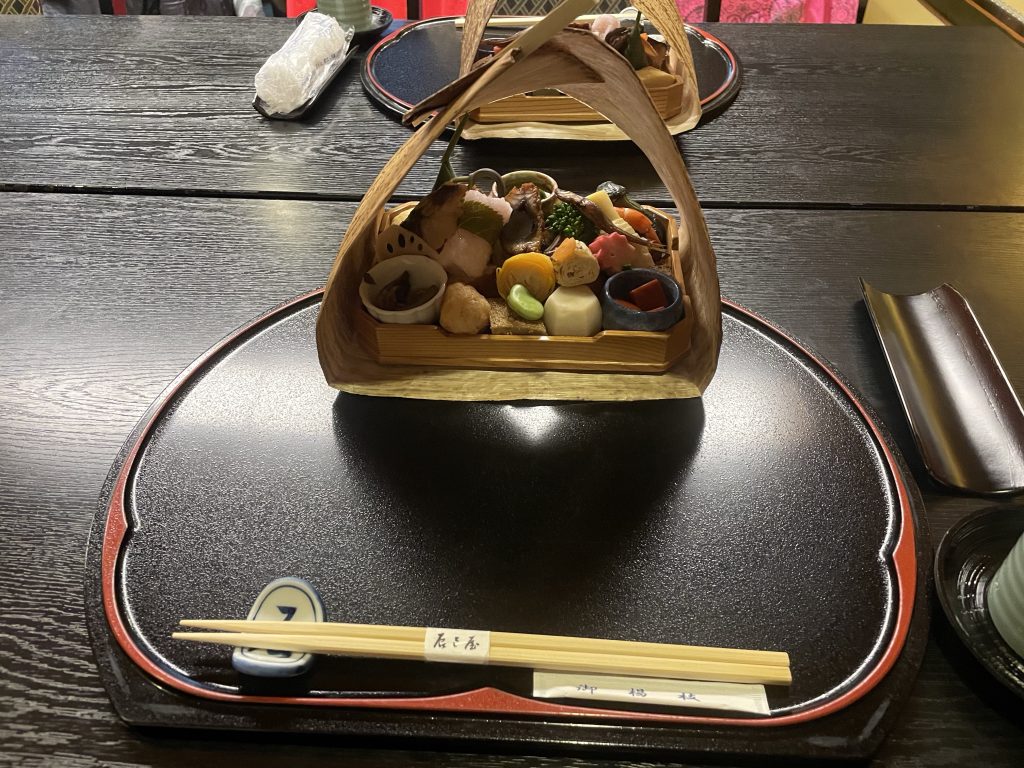
    Lunch was at a very nice restaurant with a set menu, a variety of Japanese ‘tapas’.
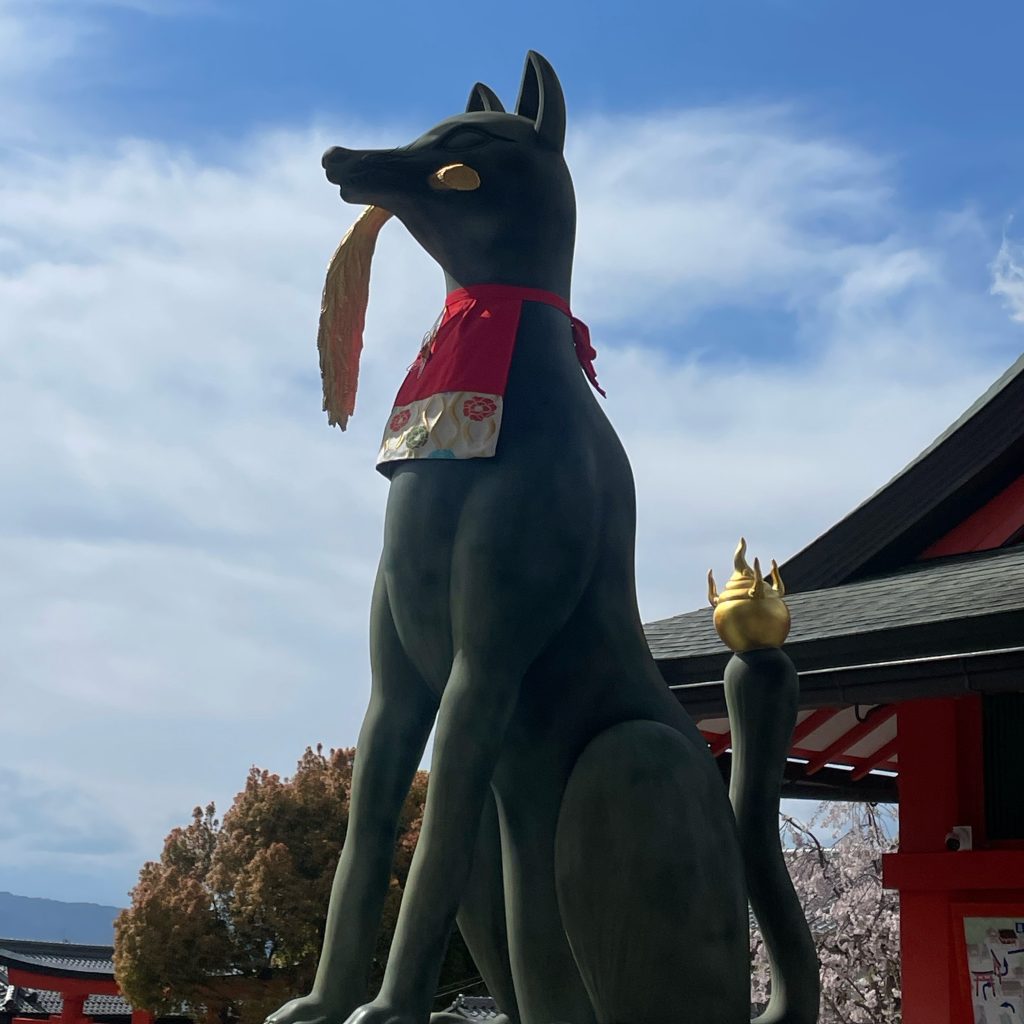
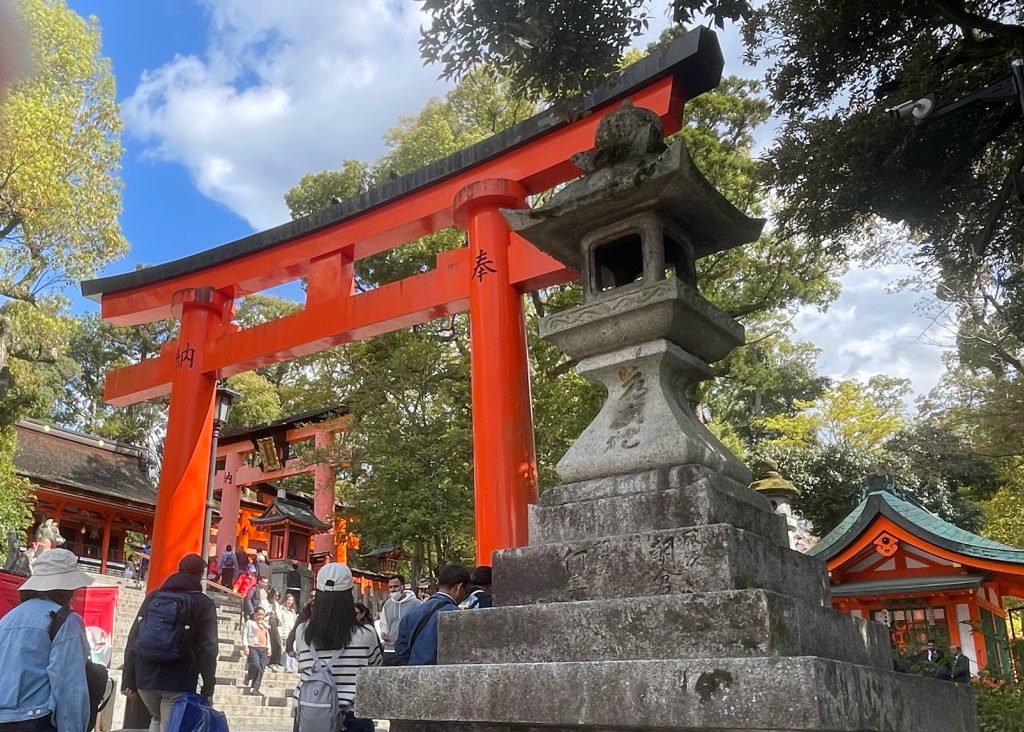
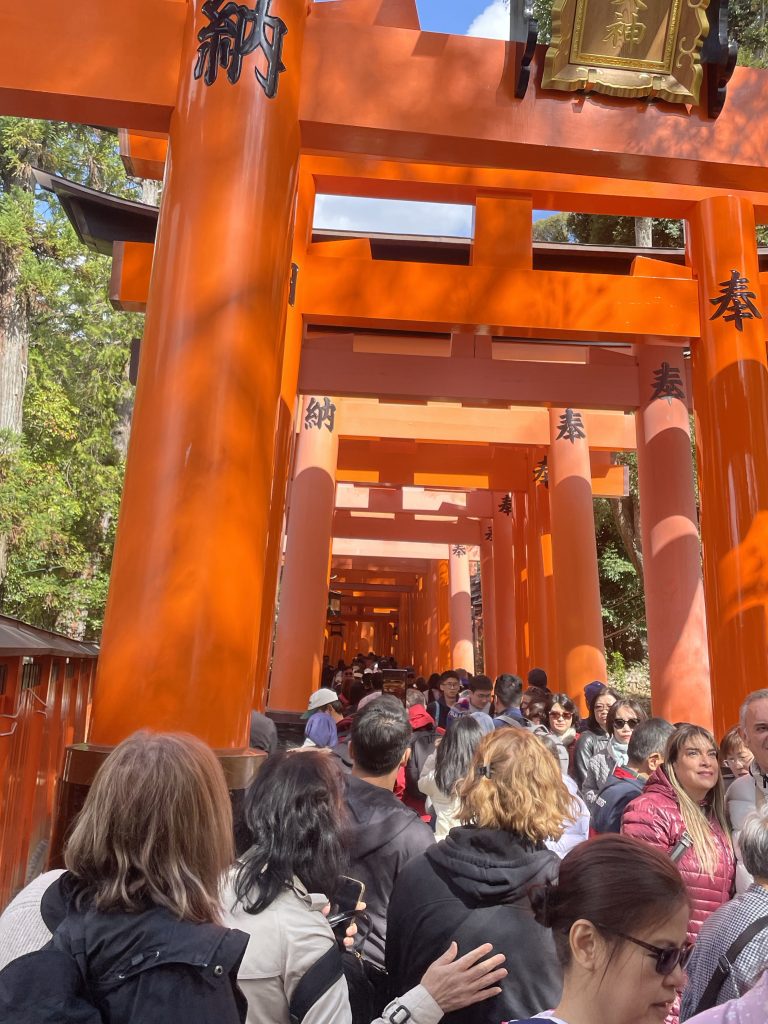
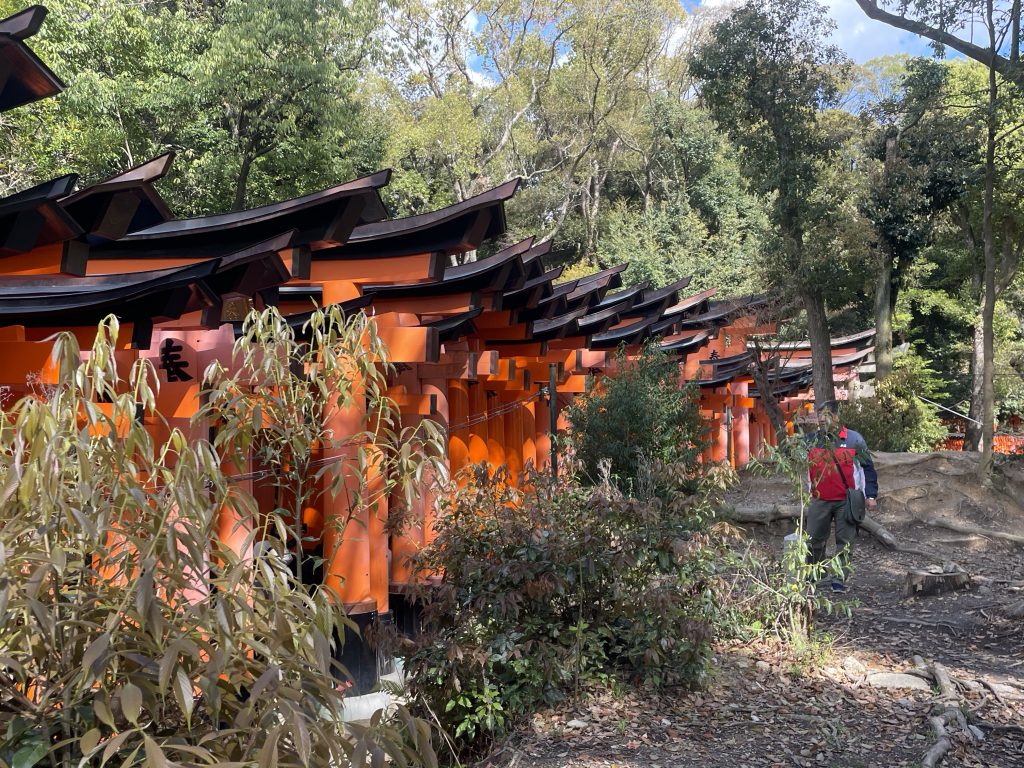
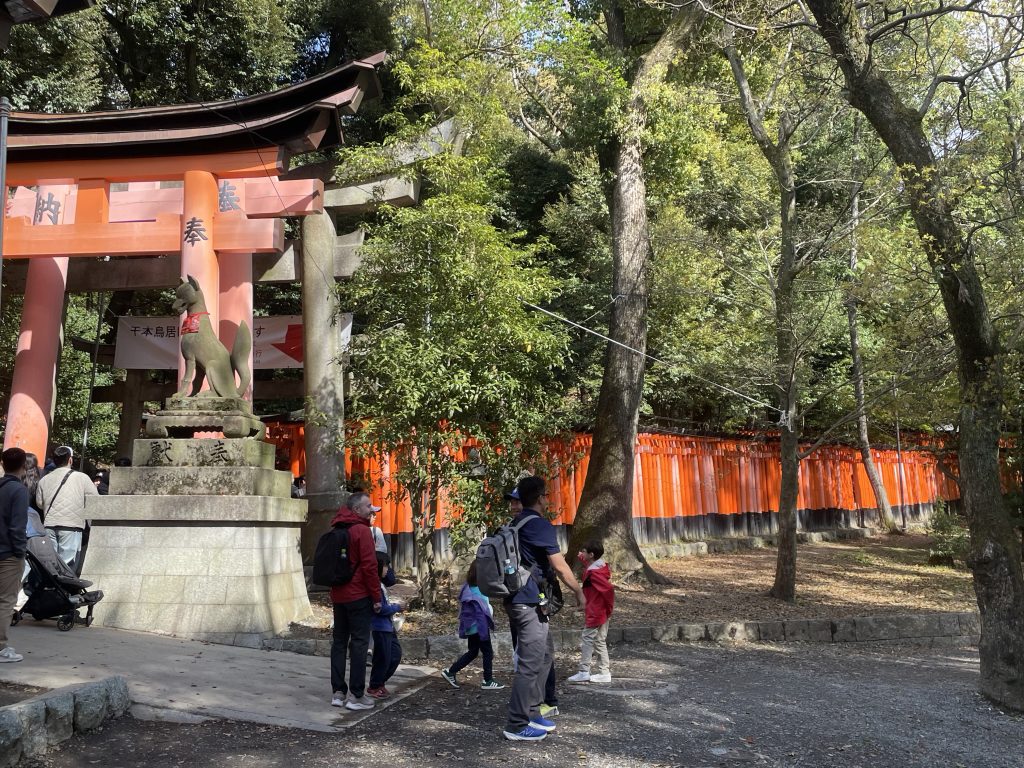
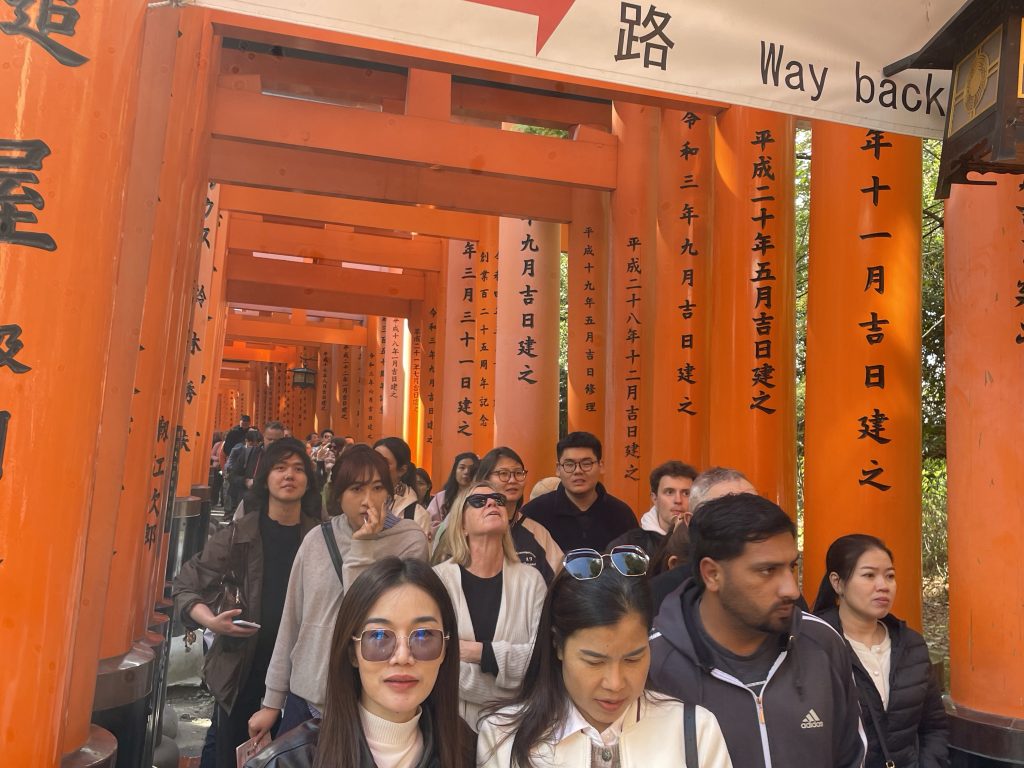
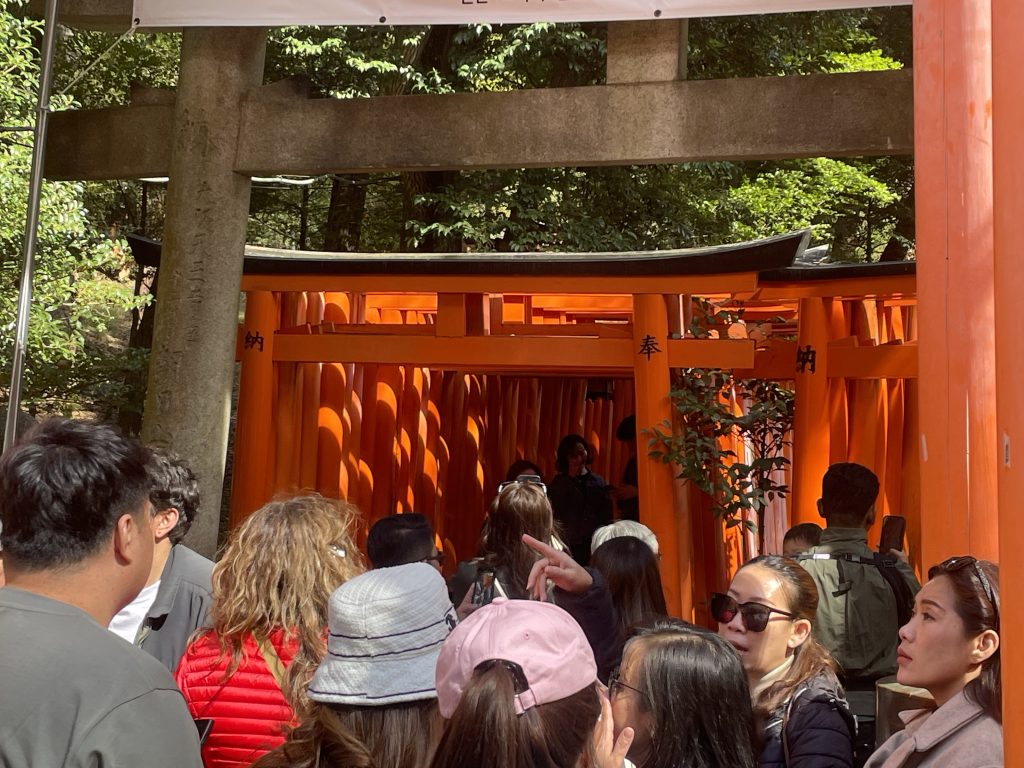
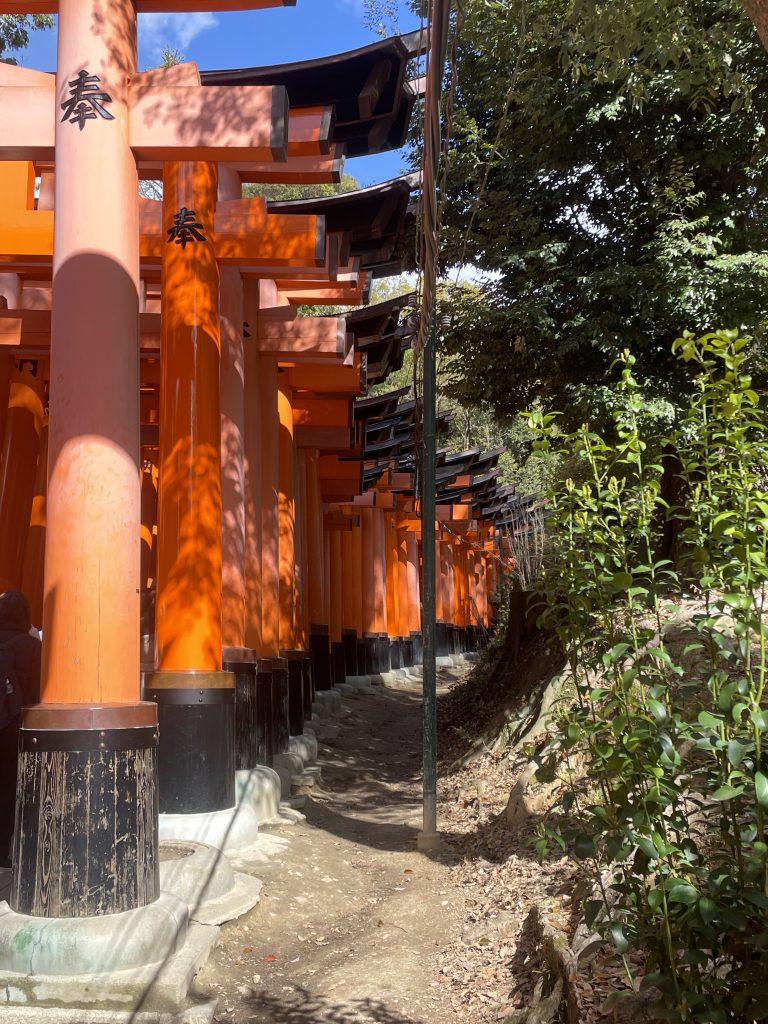
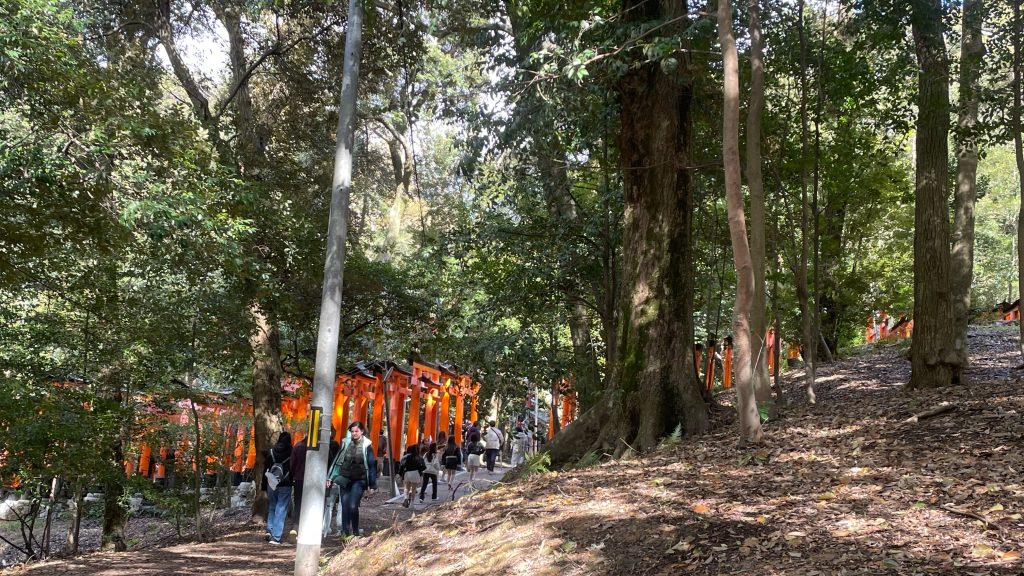
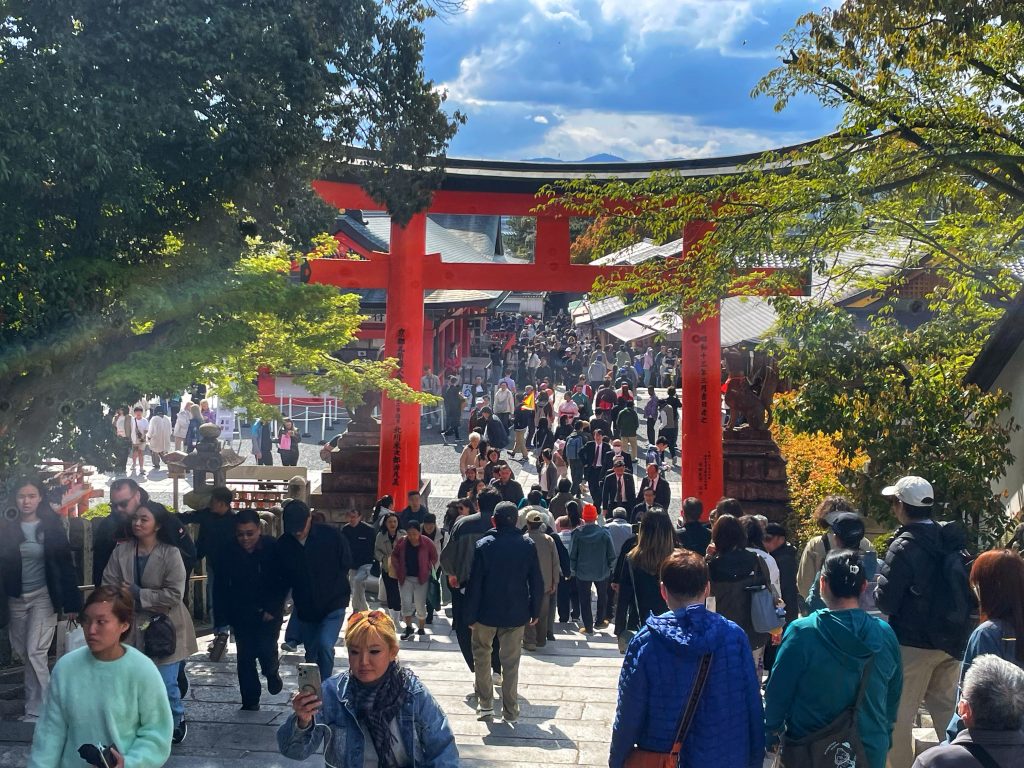
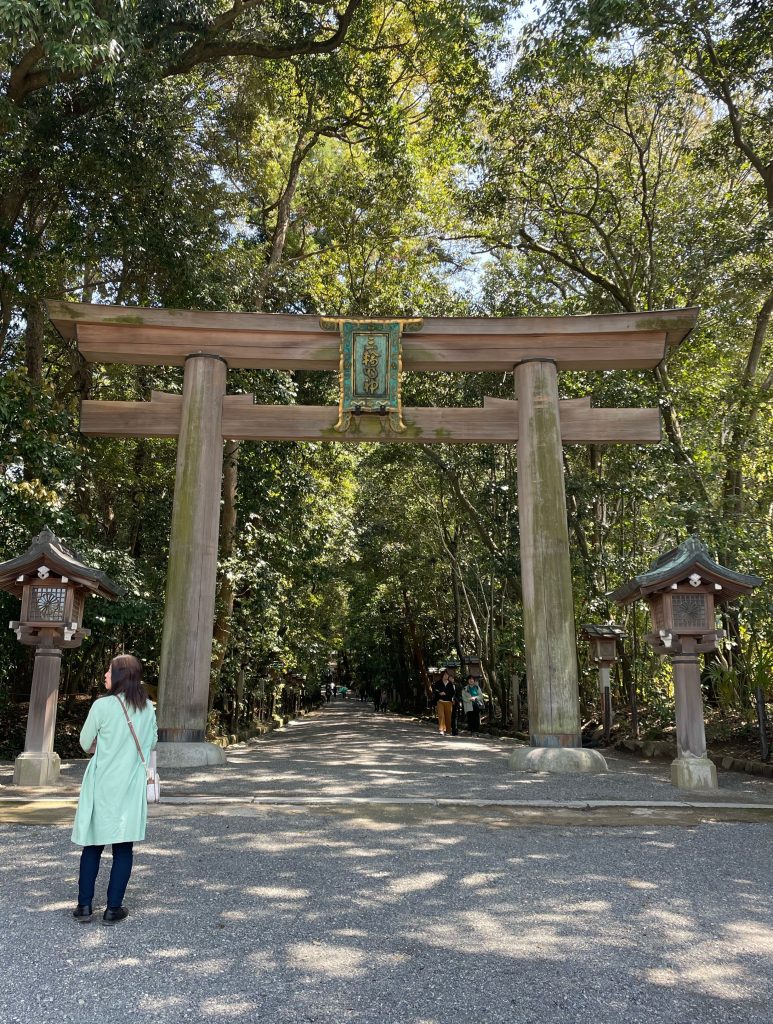
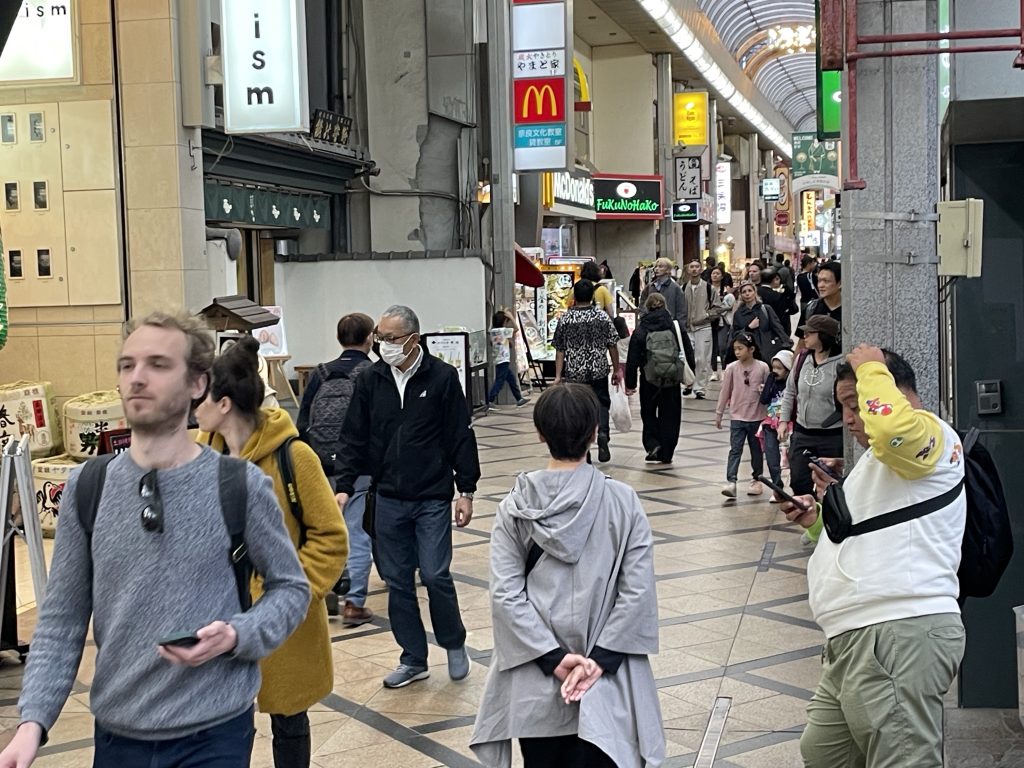
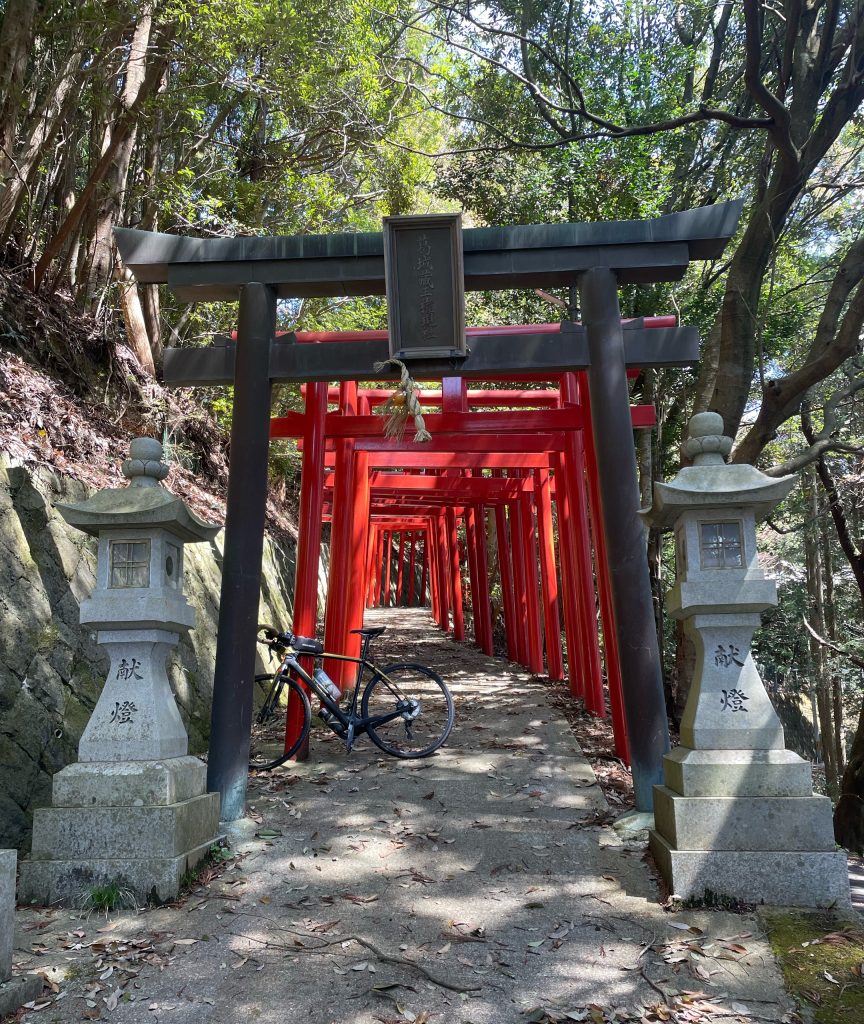
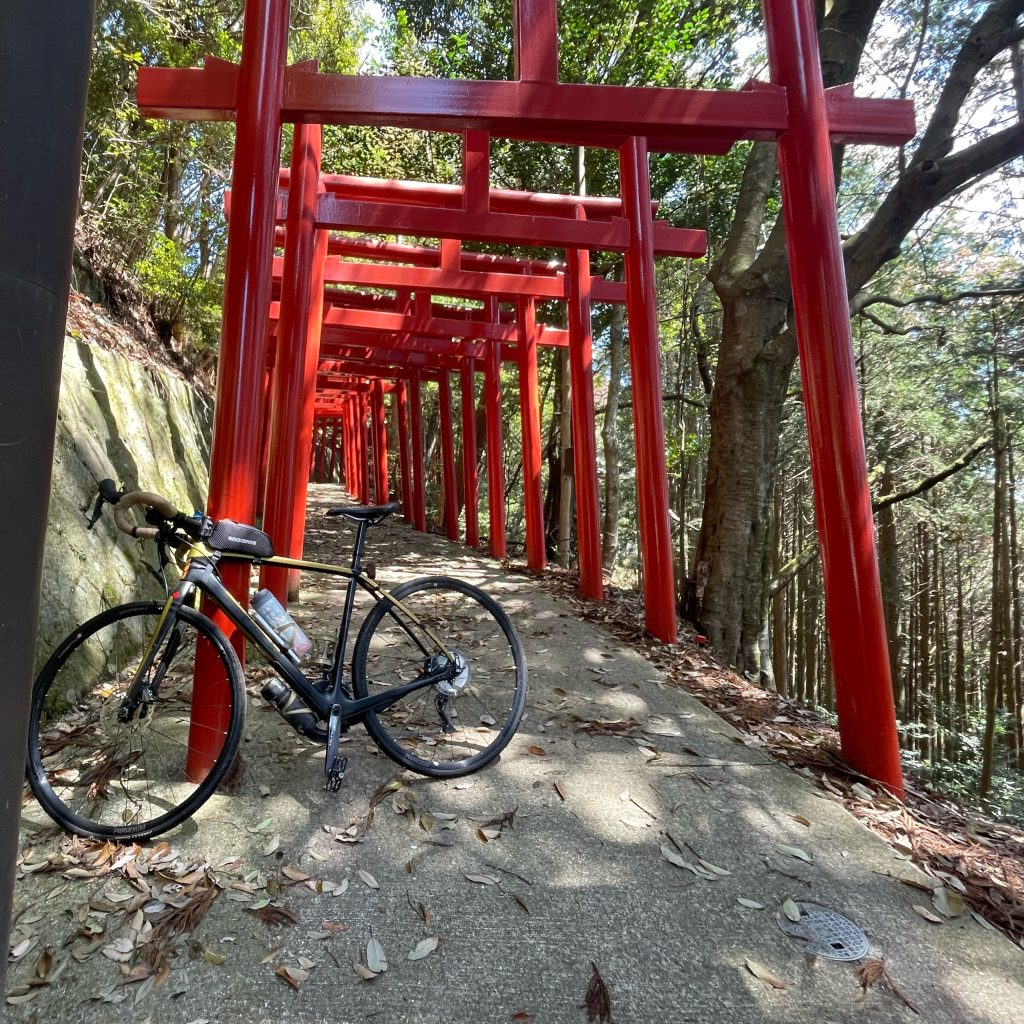
    Eventually we came to the river pathways and back streets that lead us to Kyoto where we’ll spend a wonderful 2 nights. Along the way we passed by the largest Temple in Japan with almost 10,000 Torri gates, each one progressively built closer together and smaller. As you can see, it was extremely crowded.
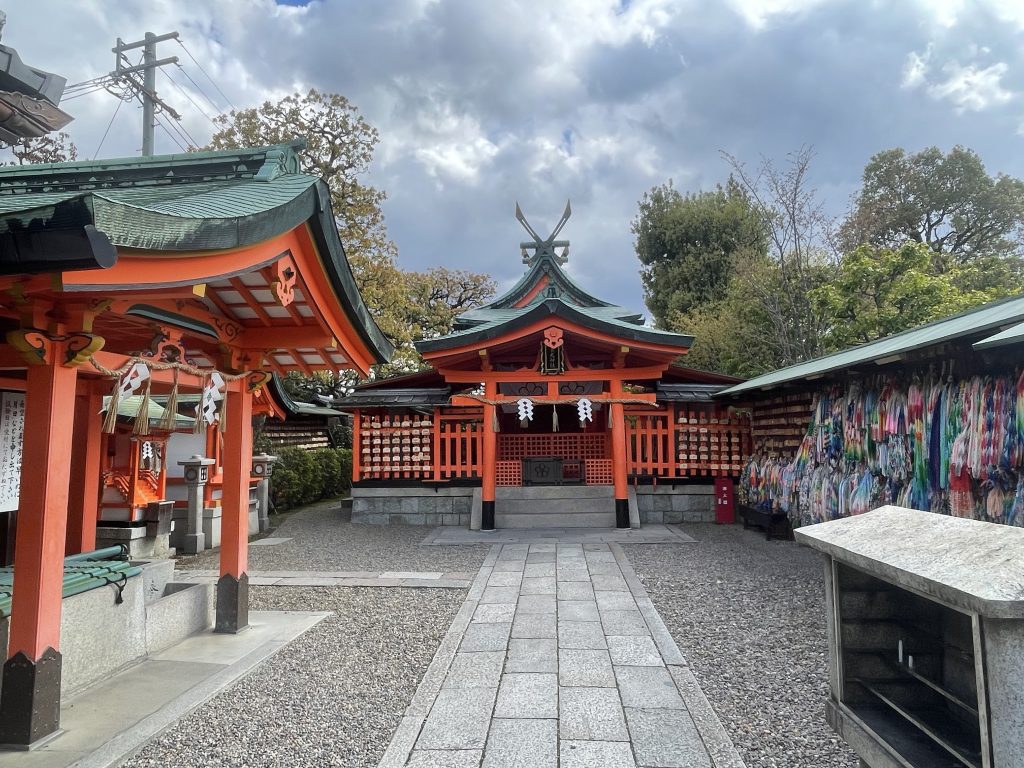
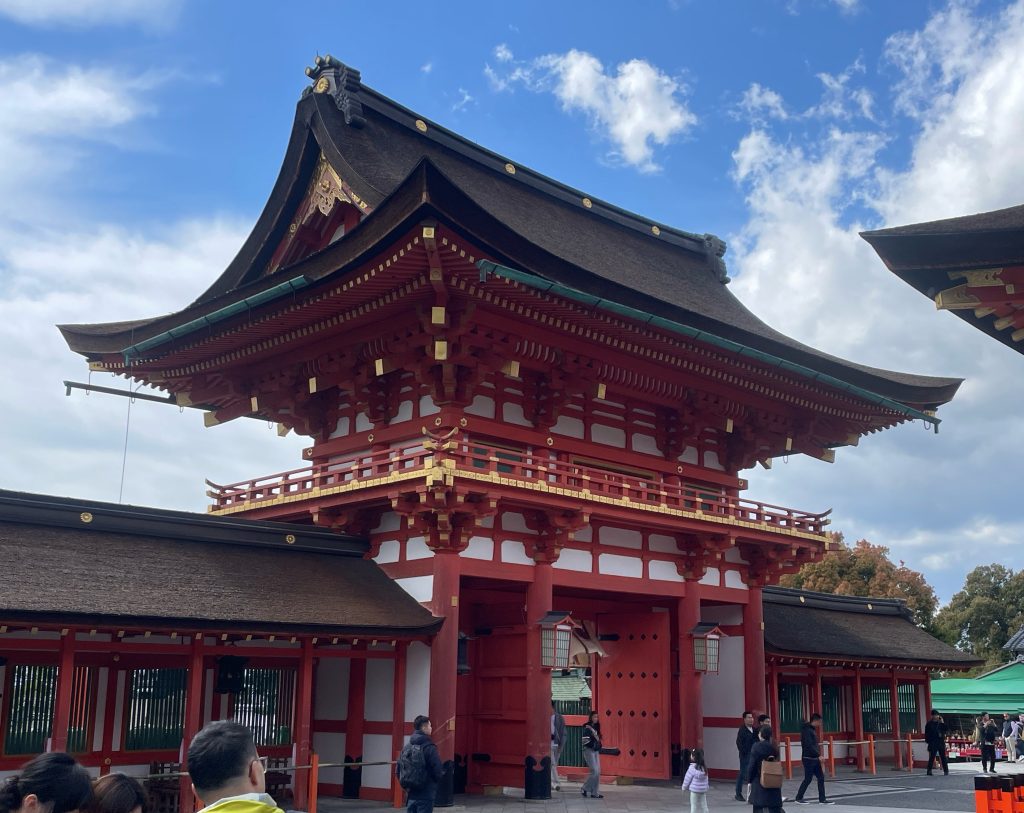
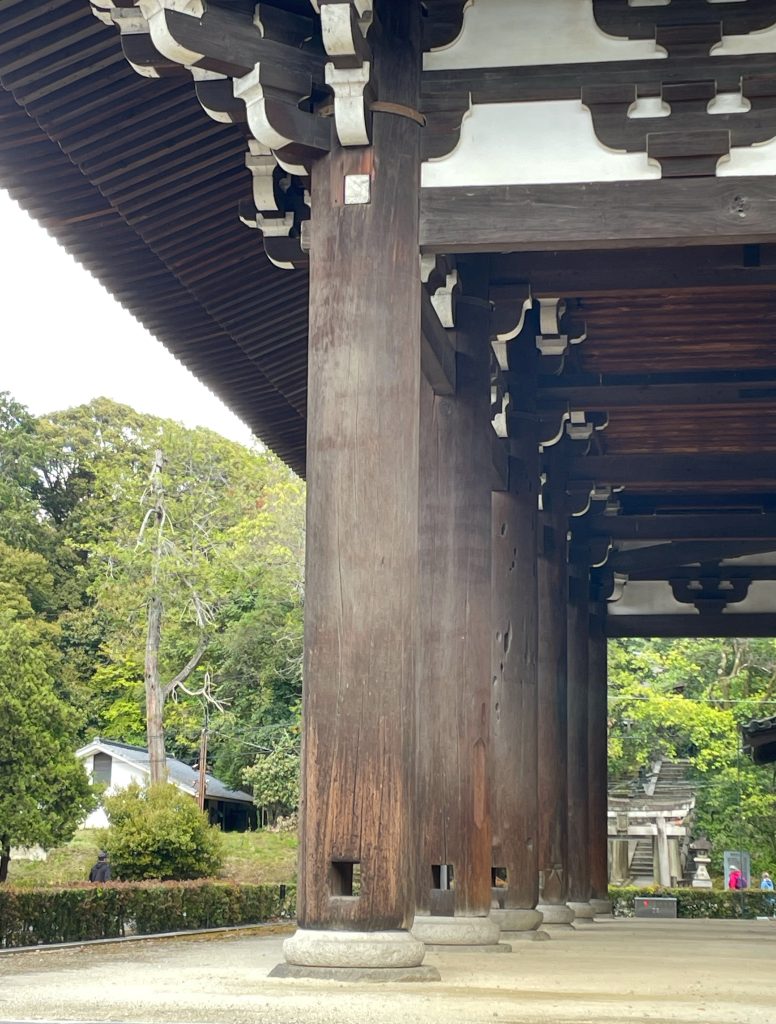
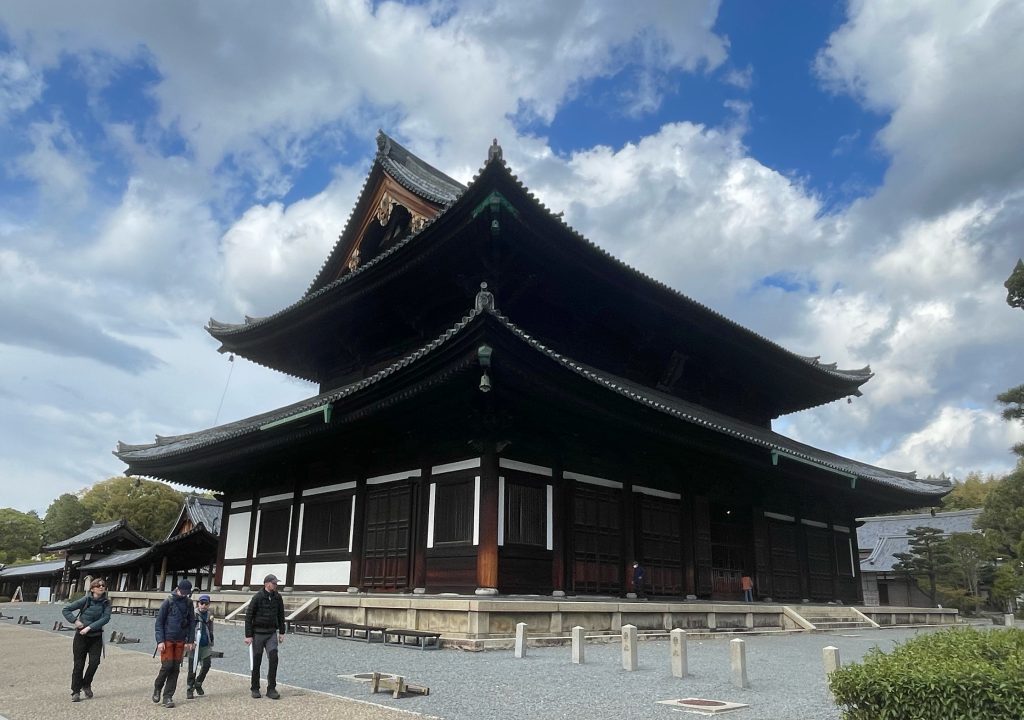
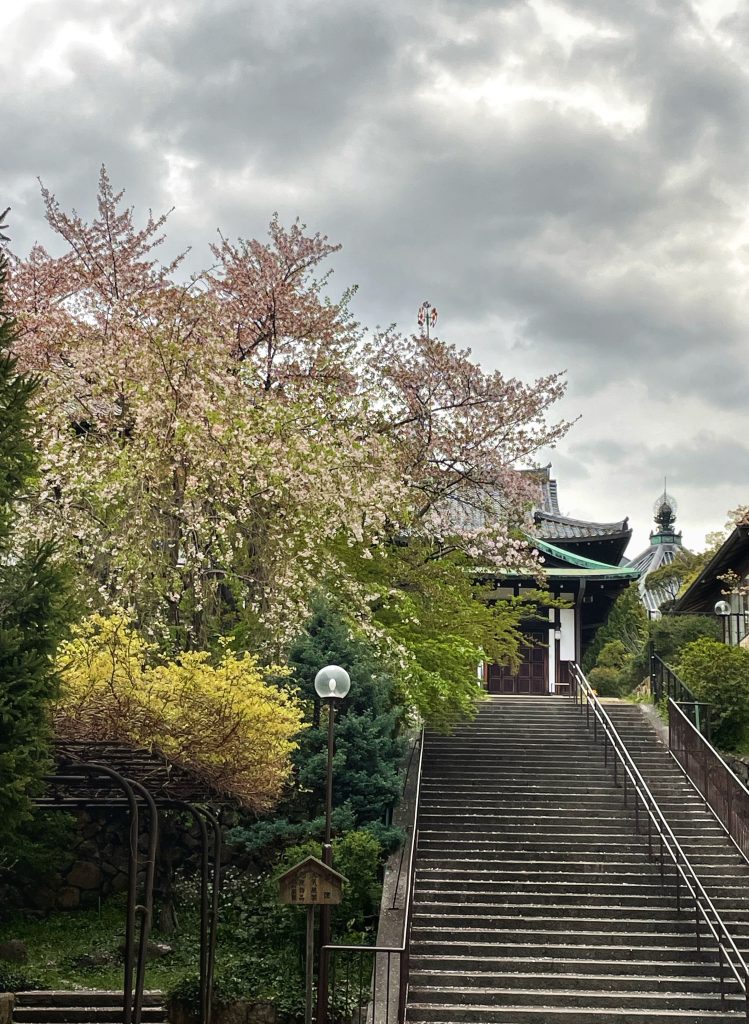
    Blocks away where more temples and shrines, and much less crowded
    Matcha Tea

    A Japanese green tea powder made from finely powdered dried tea leaves. It has a slightly bitter, vegetal taste and a vibrant green color that results from the leaves’ high chlorophyll levels. It’s been the cornerstone of traditional Japanese tea ceremonies for centuries, but it recently became popular elsewhere because of its health benefits. 

    Regular green tea is already touted as an antioxidant powerhouse, but matcha has even more benefits. Here’s why: when you make other forms of green tea, you steep the leaves in hot water and then discard them. When you make matcha, you whisk the powder into hot water or milk. As a result, you actually consume the entire tea leaf when you drink it. The antioxidants it contains supposedly lower blood pressure, reduce your risk of heart disease, and even boost your metabolism.

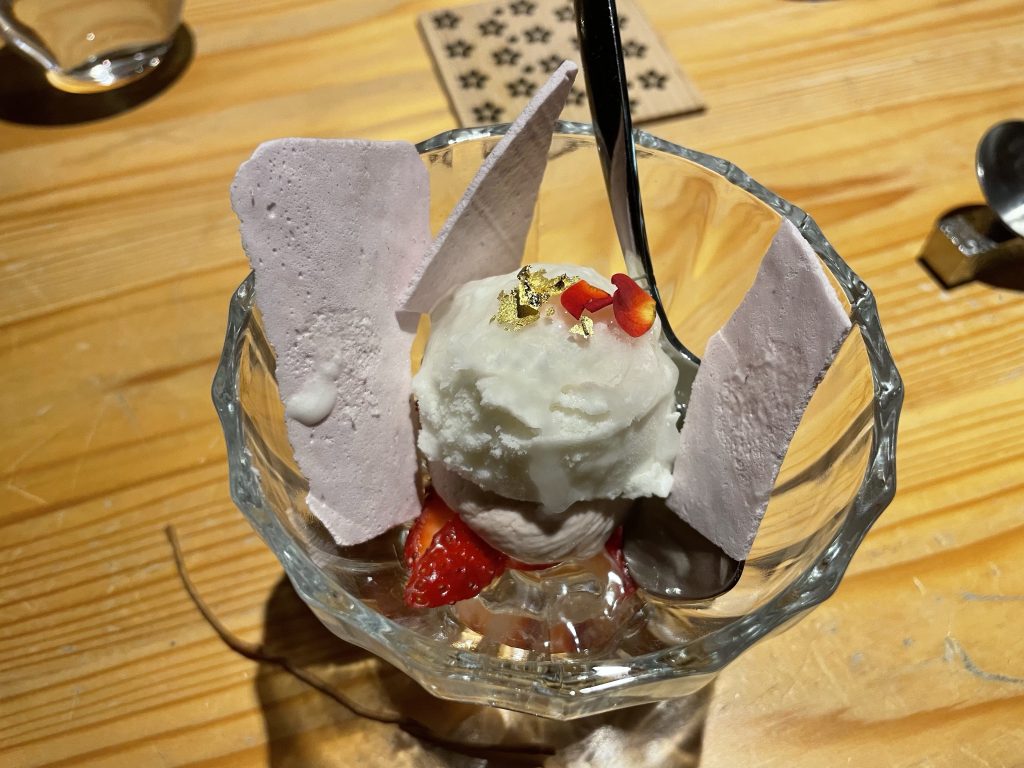
    However I think most people drink it just for its vibrant colour! We suggest the matcha ice-cream if you aren’t a tea drinker, it is certainly worth a try.

    Tea Ceremony with a Geisha

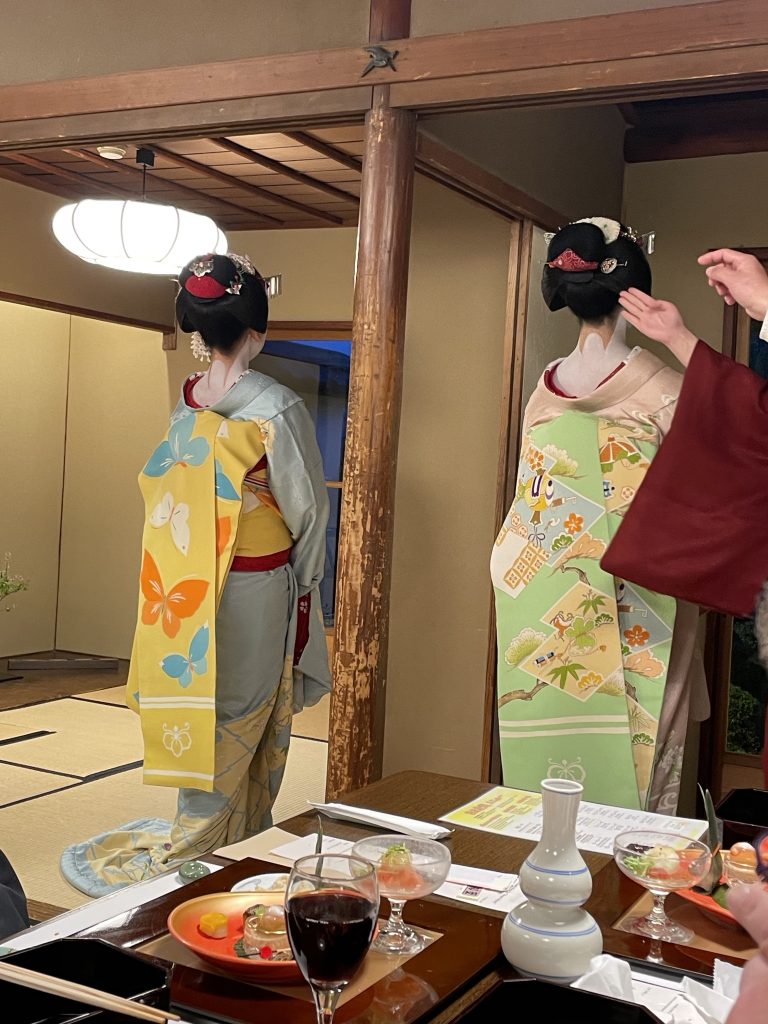
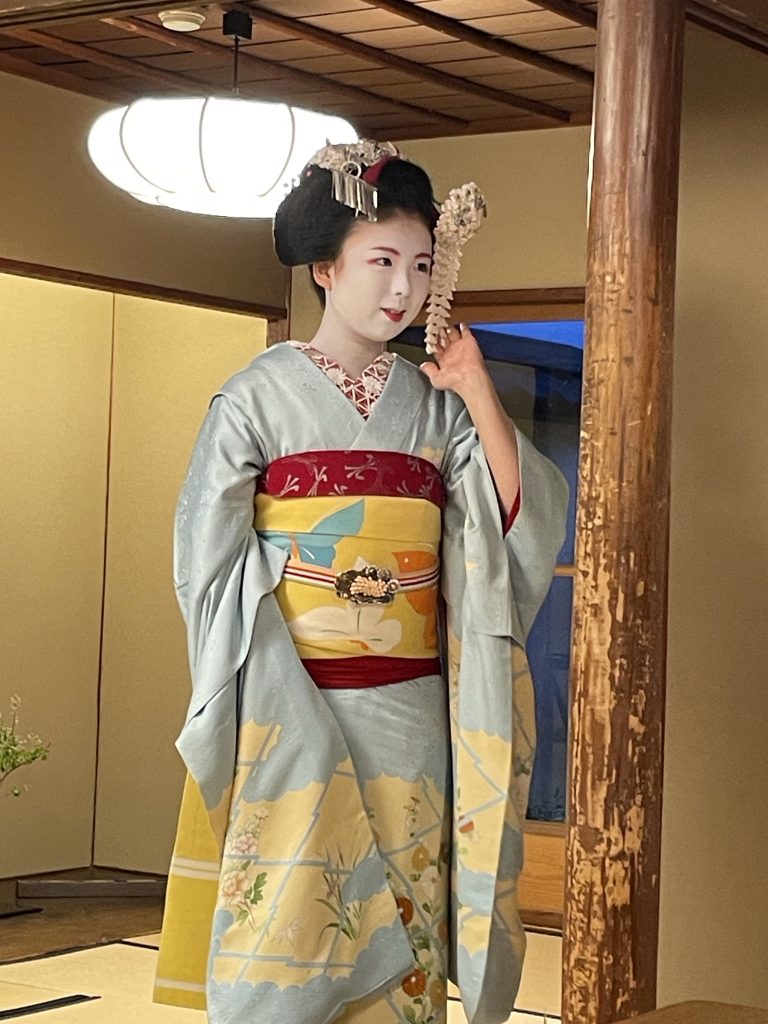
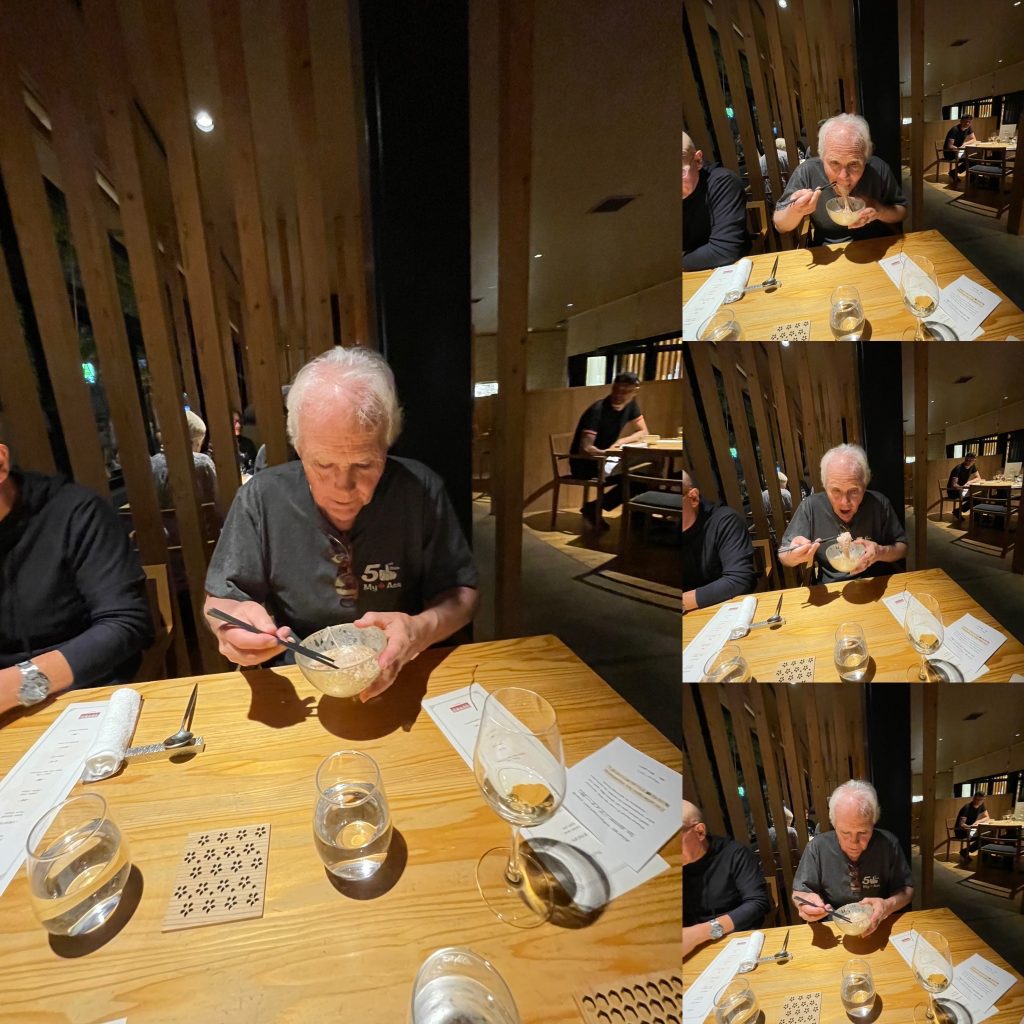
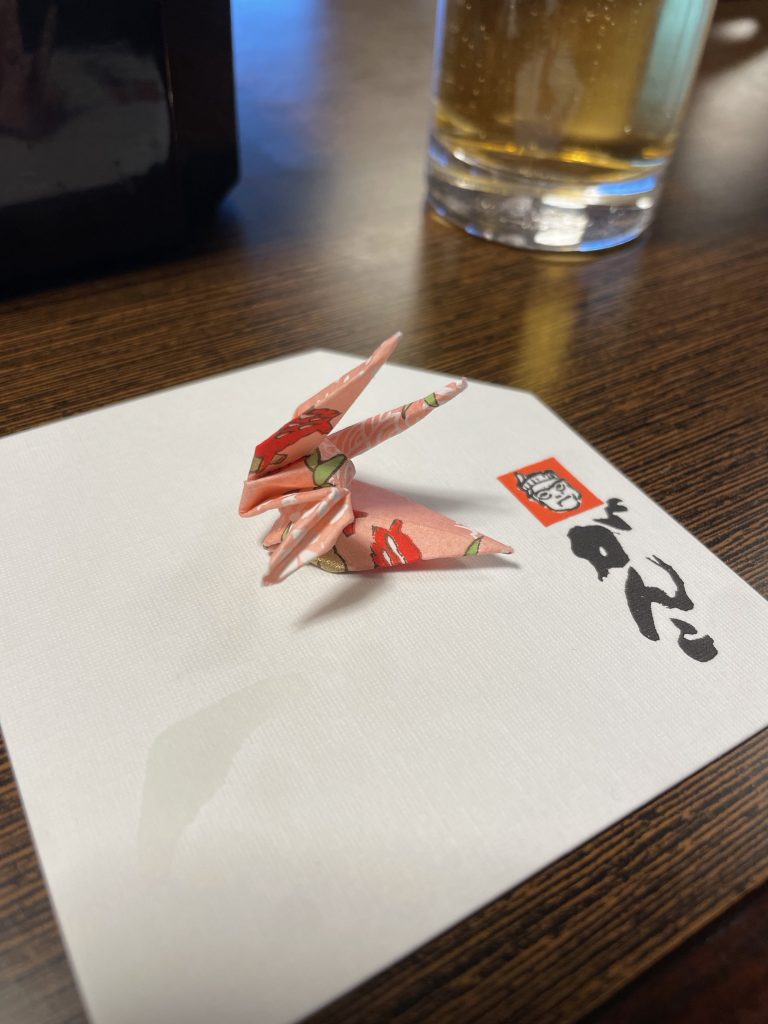
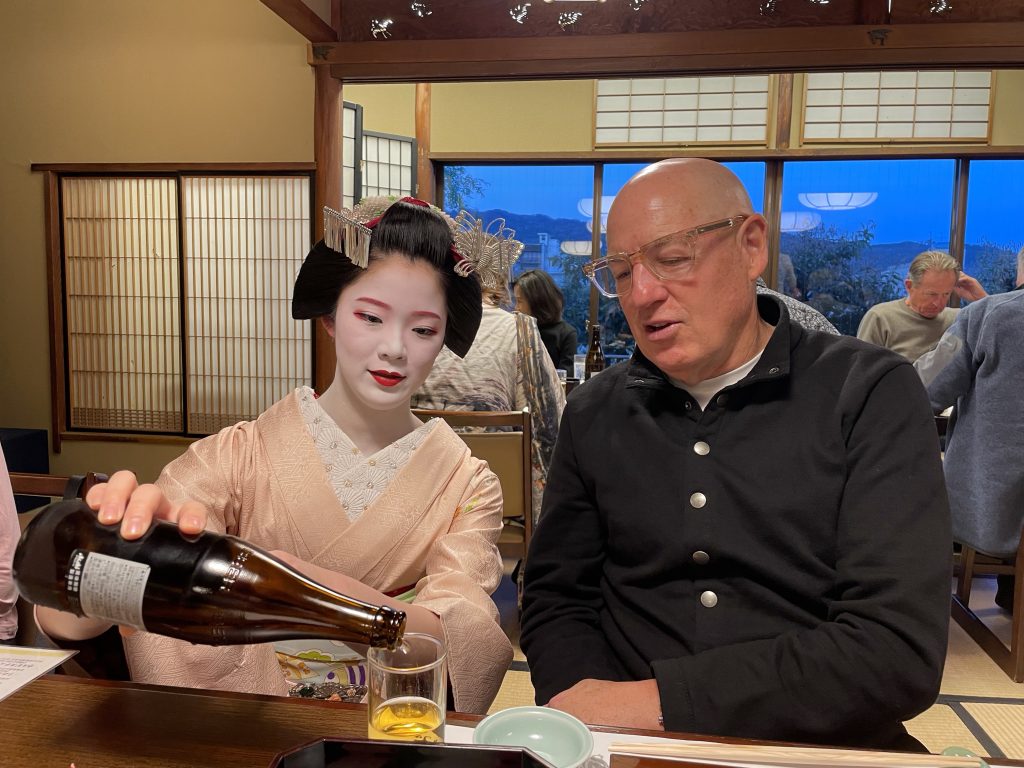
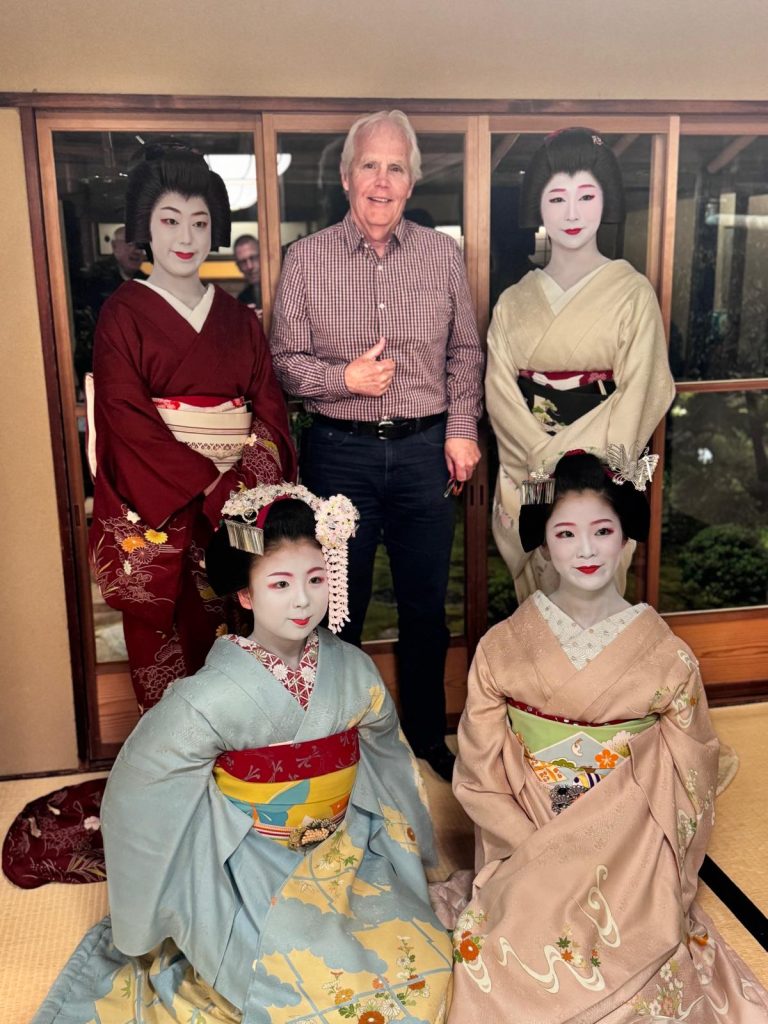
    Tonight we will head to the Gion District of Kyoto to experience one of Japan’s most ancient arts. We enjoyed dinner and an authentic traditional tea ceremony hosted by a real Kyoto geisha, also called a geiko, or their apprentice called a maiko! 
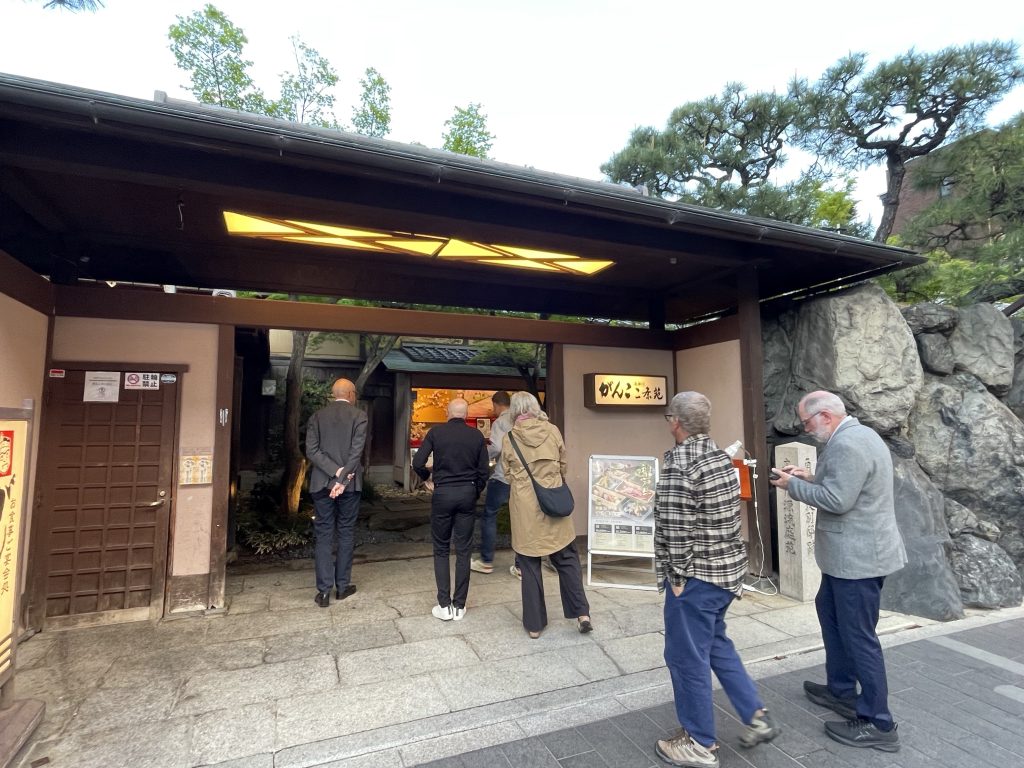
    This was a great experience and view into ancient Japan!
    What is a Giesha?

    Geisha (芸者) means “Person of Art” or “Artist.” Also called geiko (sounds like geico) in Kyoto dialect, they still maintain a traditional lifestyle similar to the Edo Period. While geishas are sometimes mistaken for concubines in the Western literature, geishas are well respected cultural performers in Japan because of their skills that require so much training and effort. According to historian Lesley Downer, first geisha were males who emerged in the 1600s as theatrical entertainers that performed skits on the riverbed of Kamogawa in Kyoto. Later in the 1700’s geisha became elite dancers and teahouse owners creating the floating world where everything is run and controlled by women. Today geisha are the cultural ambassadors of Japan and the symbol of Kyoto.
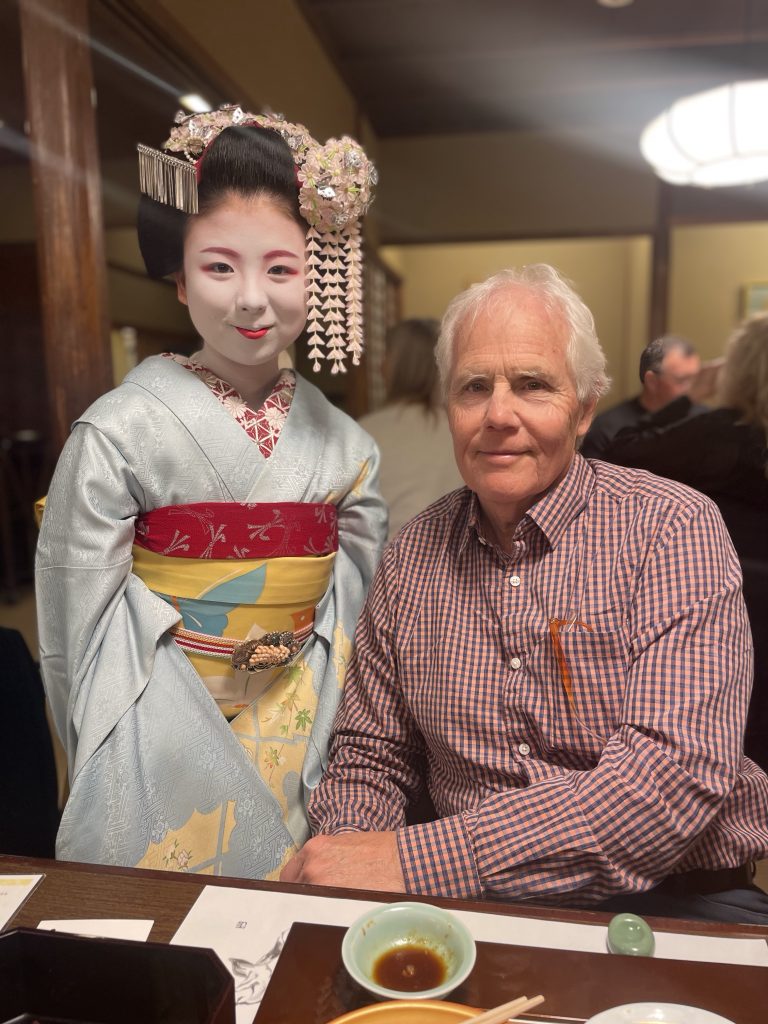
    Geishas dedicate their lives to traditional Japanese arts such as tea ceremony, flower arrangement and buyo dance. Geishas entertain their guests with dance, music, conversation, and other arts at banquets held at teahouses. While these terms are quite vague, they have come to be identified with highly trained women who entertain exclusive clientele in special districts. Each geisha is registered to work in a Hanamachi (花街), which means “Flower Town,” and will live and train in these districts while they remain active in the profession. Geisha take classes in various art forms six days a week and get two days off from work each month. The number of geisha is 254 (by April, 2020) based on the figures provided by Ookini Zaidan down from tens of thousands in the early 1900’s. Among the existing geisha, around 70 are called maiko or “apprentice geisha” who mostly come from different towns outside Kyoto. There are some rumors that some maiko may quit after the Coronavirus pandemic.
    A welcomed Rest day tomorrow.

    Life is good in Kyoto!

    Sayonara

  • Shogun Day 15: Mt. Yoshino to Nara…Oh Deer!

    Watch the Relive video here:https://www.relive.com/view/vKv2dQjDEo6

    On the Road – Distance 100.5 km / 63mi | Elevation 1705m / 5594f

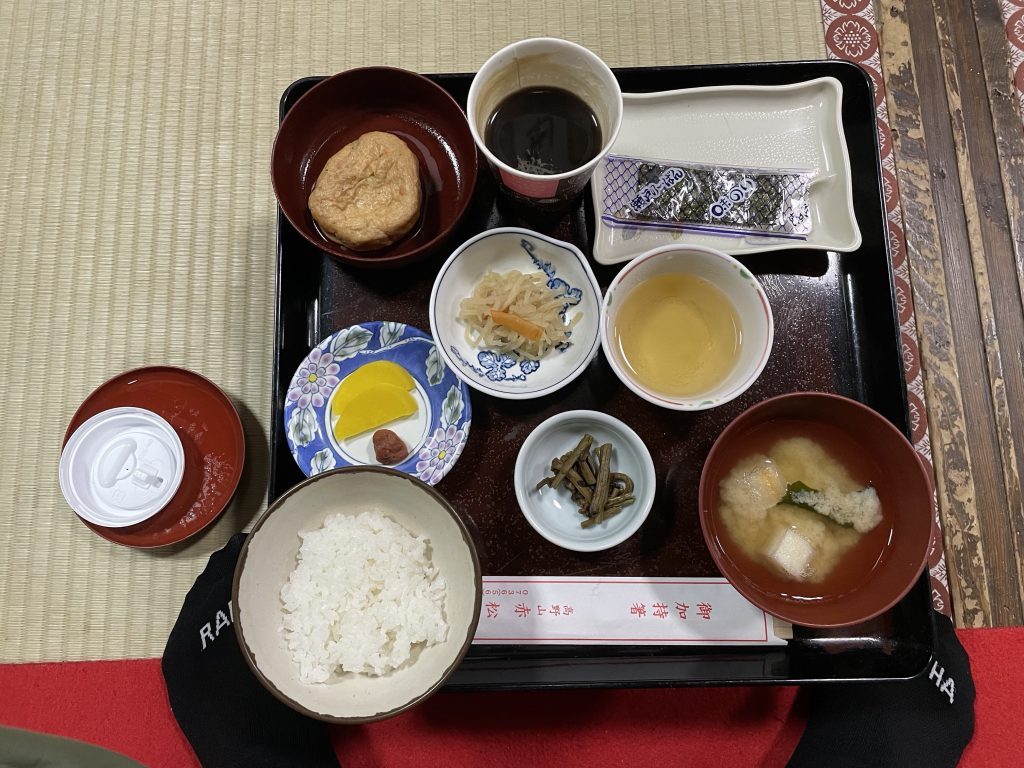
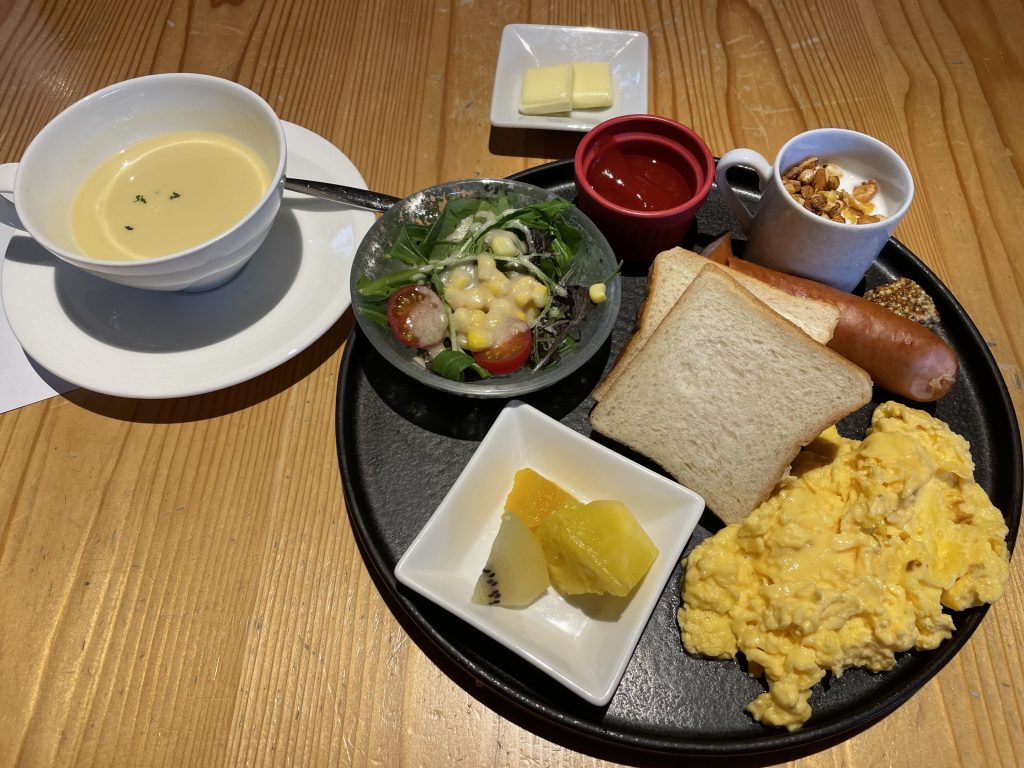
    A sunny morning but cool morning greeted. After a good Japanese breakfast.

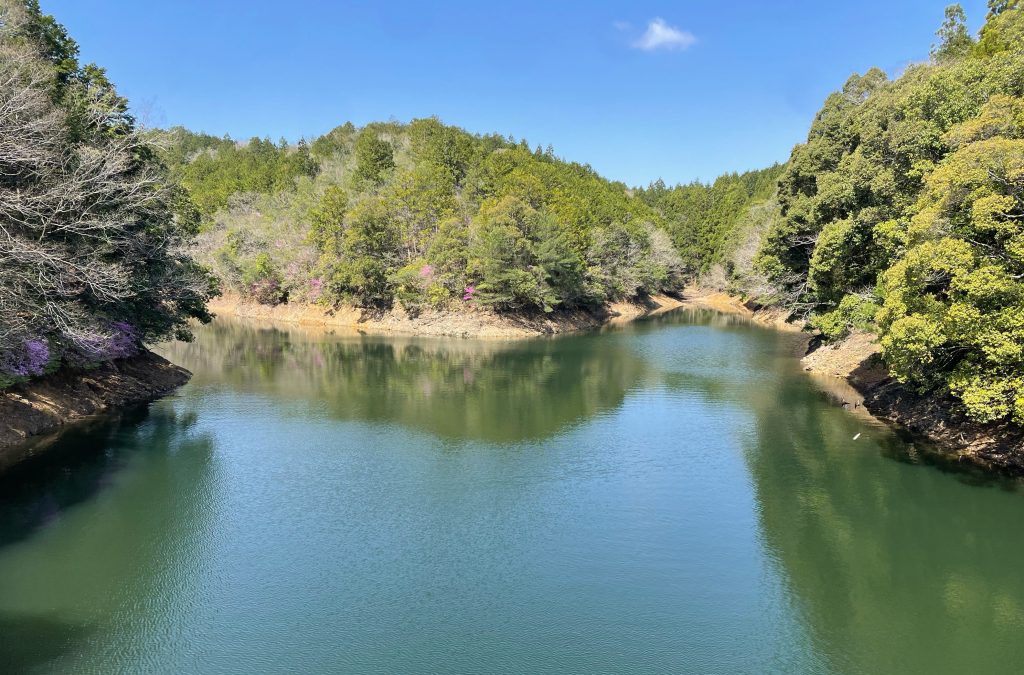
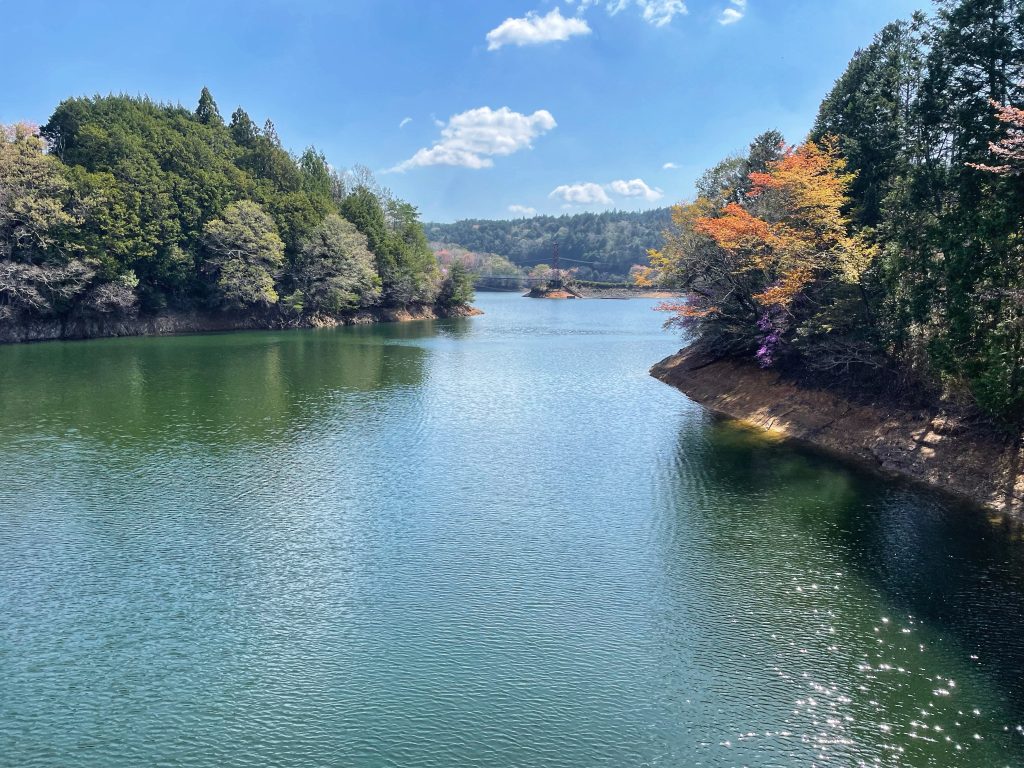
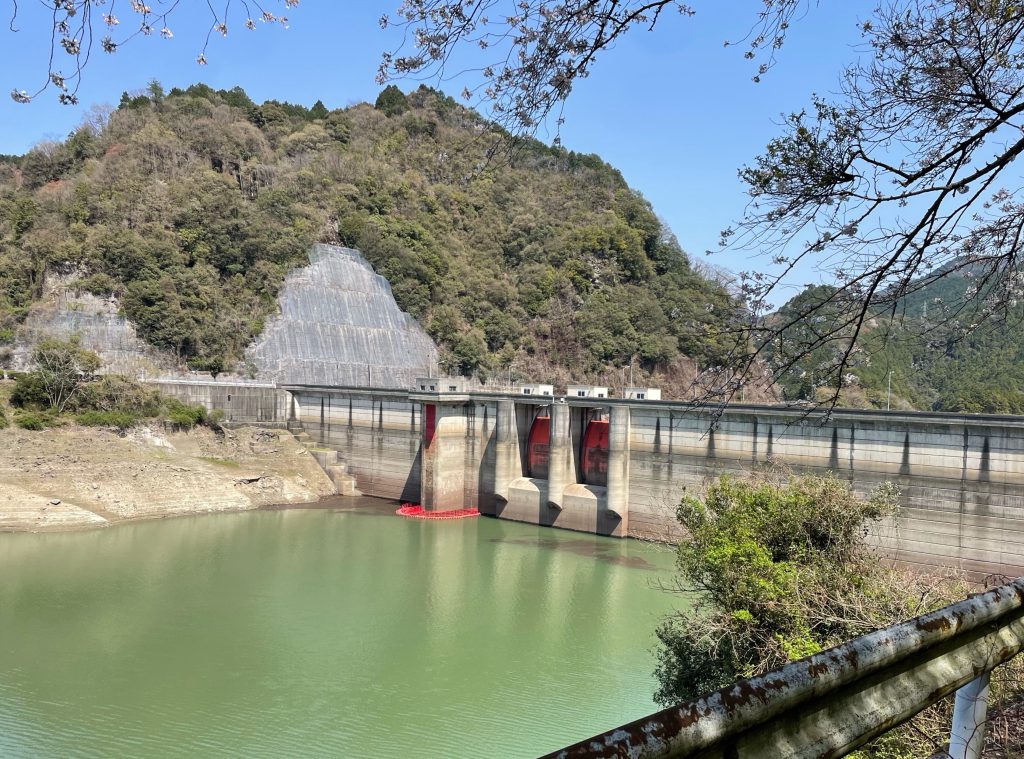
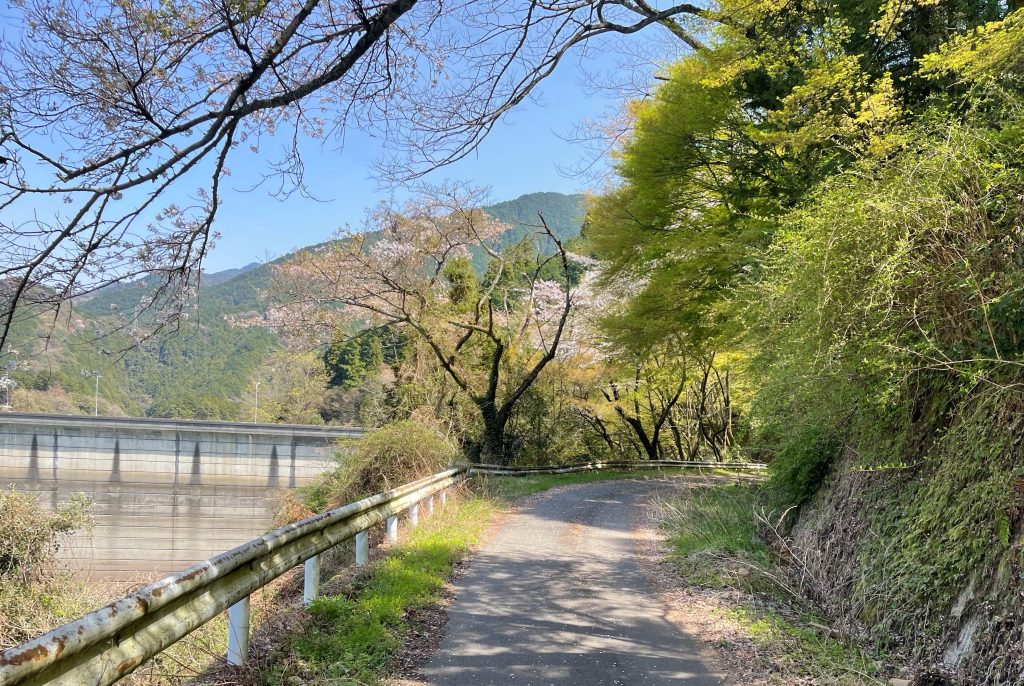
    A genuinely fantastic day exploring on the bike with scenery that changed around every corner. Heading out of the Kii Mountain Range we descended past Lake Tsiburo along another magic forested rindo road.

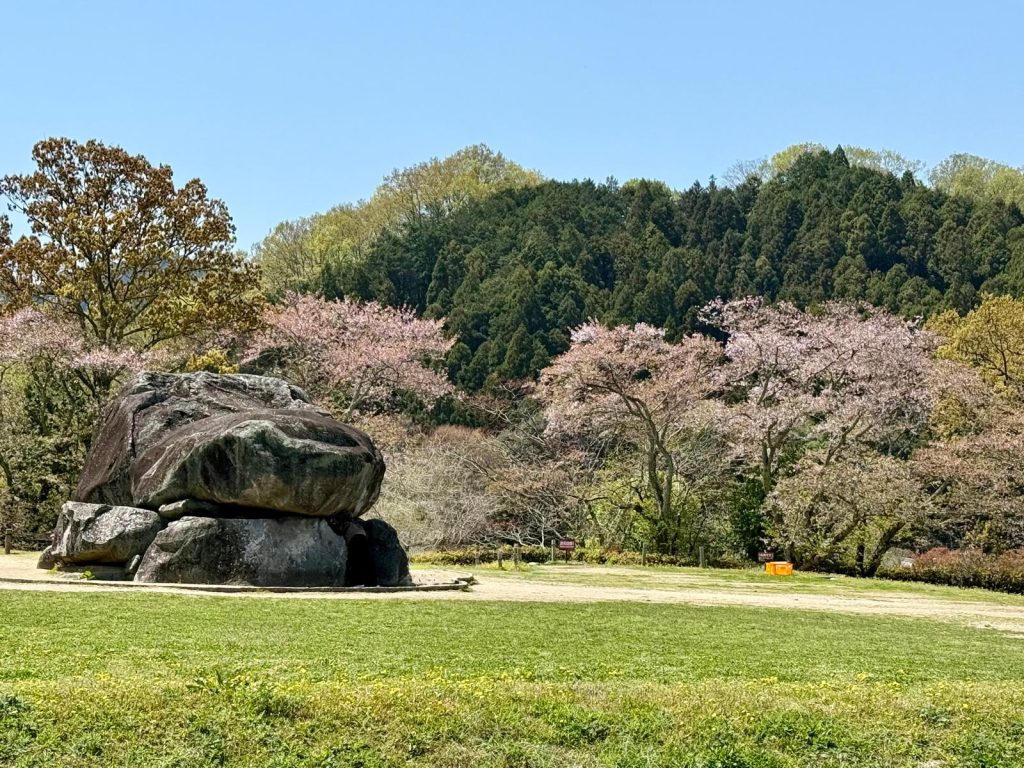
    The ride was dramatic as we rolled through Asuka and Sakurai – the region known as the Cradle of Japanese Civilization.

    It is here where the first Japanese emperors established their capitals and where many of the country’s oldest shrines, temples, tombs, stone monuments and archaeological excavations can be found.


    Soon the ride changed as we levelled out and slipped past rice fields and authentic villages with shrines and temples dotting the landscape.

    Continuing north, we headed for Nara, the ancient capital of Japan. We are staying i

    Asuka and Sakurai

    Kyoto served as the Japanese capital for over a thousand years froma 794 to 1868, and Nara was the first permanent capital from 710 to 784. Before 710, the center of power was first located in the area around Sakurai and then around Asuka. During the period, there was much influence from the Asian mainland, and Buddhism was introduced to the country via the Korean peninsula. 

    Destination Nara

    Japan’s first permanent capital, Nara (奈良) is one of the country’s most rewarding destinations. The biggest draw is the awe-inspiring Daibutsu (Great Buddha), a towering effigy first cast in the 8th century. Historically important temples and shrines house treasures of Buddhist art, and more can be found in the excellent Nara National Museum. All of this occupies a compact area in and around Nara-kōen, a large, grassy park home to many (somewhat) tame deer.

    Tōdai-ji

    Nara’s star attraction is its Daibutsu (Great Buddha), one of the largest bronze statues in the world. It was unveiled in 752, upon the completion of the Daibutsu-den (大仏殿, Great Buddha Hall), built to house it. Both have been damaged over the years; the present statue was recast in the Edo period. The Daibutsu-den is the largest wooden building in the world; incredibly, the present structure, rebuilt in 1709, is a mere two-thirds of the size of the original.


    The Daibutsu stands just over 16m high and consists of 437 tonnes of bronze and 130kg of gold. It is an image of Dainichi Nyorai (also known as Vairocana Buddha), the cosmic Buddha believed to give rise to all worlds and their respective Buddhas. Historians believe that Emperor Shōmu ordered the building of the Buddha as a charm against smallpox, which ravaged Japan in preceding years. Over the centuries the statue took quite a beating from earthquakes and fires, losing its head a couple of times (note the slight difference in colour between the head and the body).

    As you circle the statue towards the back, you’ll see a wooden column with a hole through its base. Popular belief maintains that those who can squeeze through the hole, which is exactly the same size as one of the Great Buddha’s nostrils, are assured of enlightenment. There’s usually a line of children waiting to give it a try and parents standing ready to snap their picture. A hint for bigger ‘kids’: try going through with one or both arms above your head – someone on either end to push and pull helps, too.


    Another fine dinner on our next to last day of Stage 1.


    Life is Good in Nara!

    Sayonara

  • Shogun Day 14: Koyasan to Mt. Yoshino…A to B Dilemna and Temple to Temple

    Watch the Relive video here:https://www.relive.com/view/vevY7Jn7ZJ6

    On the Road – Distance 69km / 43mi | Elevation 1639`m / 5578ft

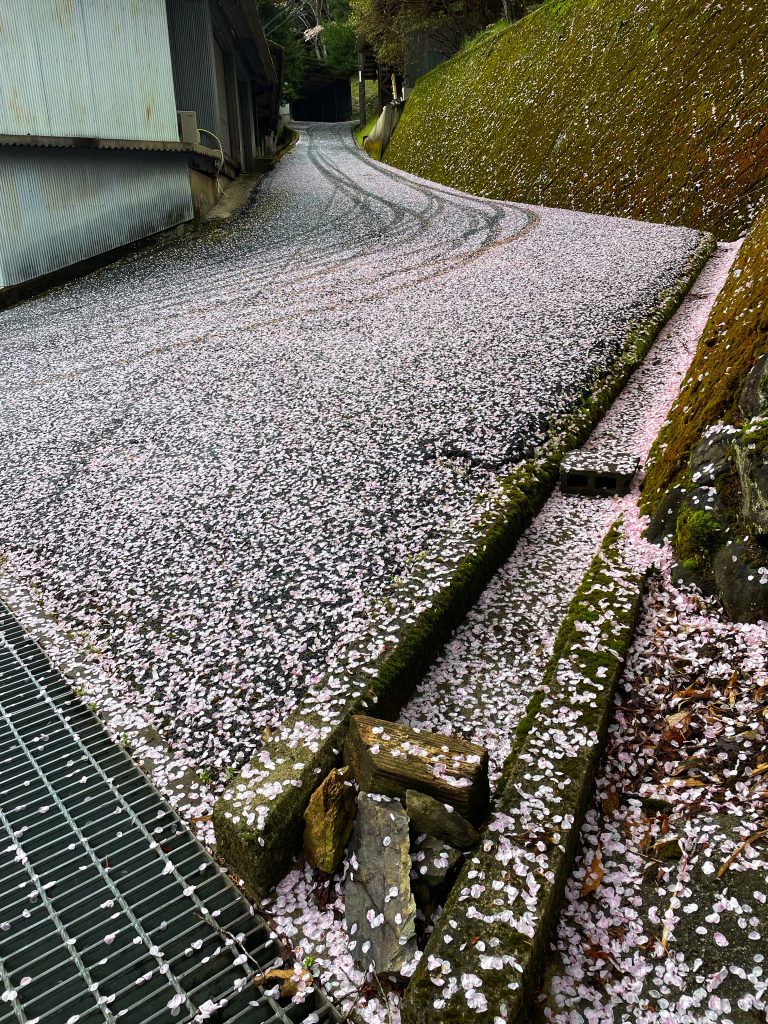
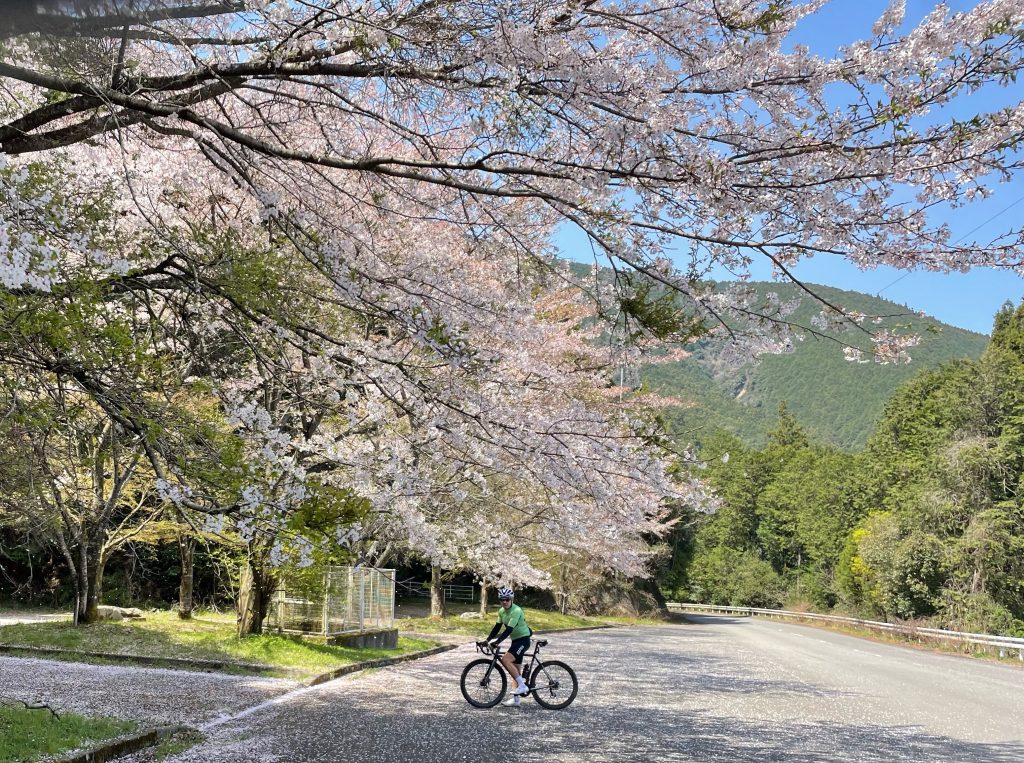
    Light rain dampened our start today and made the roads wet and somewhat slippery when riding on fallen cherry blossoms and pine needles. The forest was darker because of this. We started out in rain gear after a vegetarian breakfast and coffee served at the temple

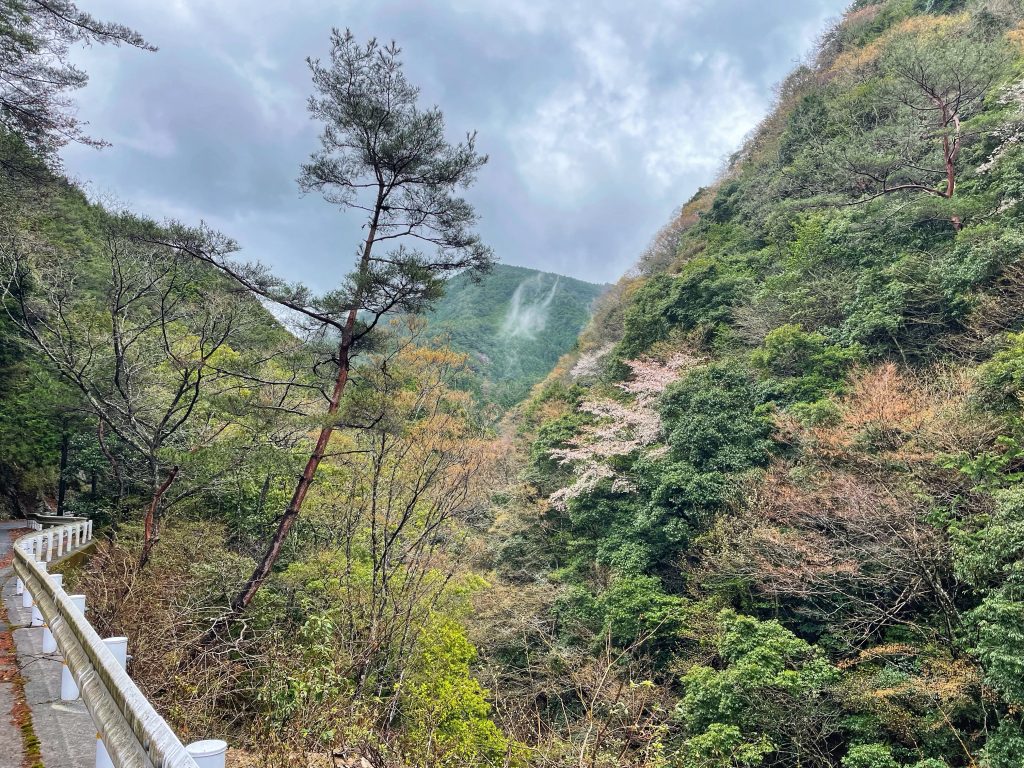
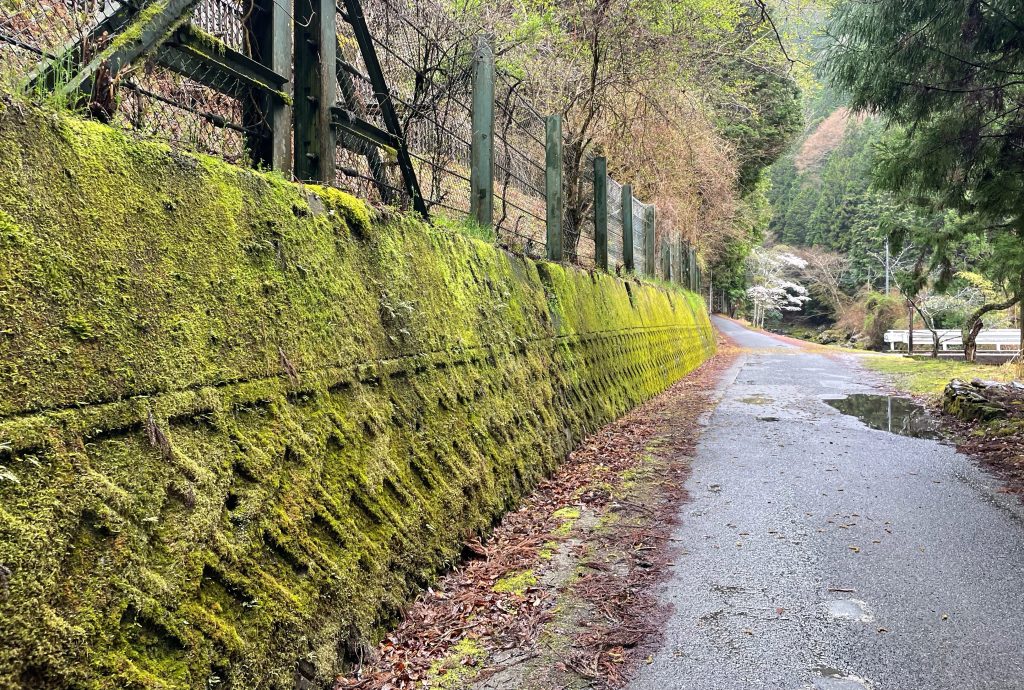
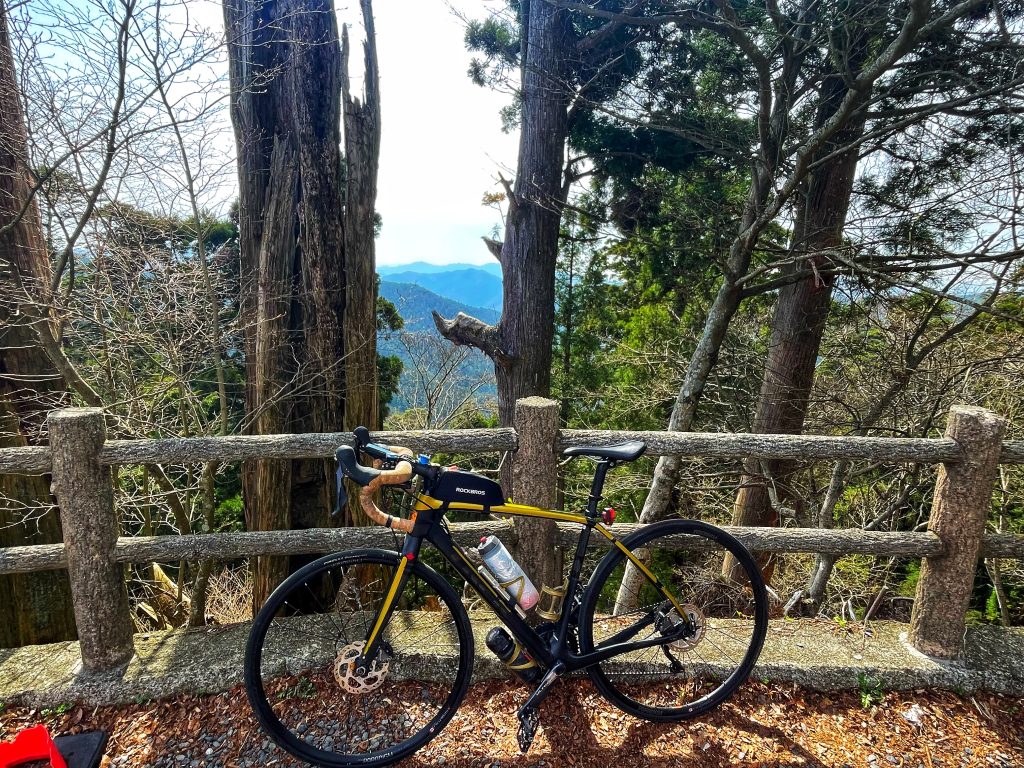
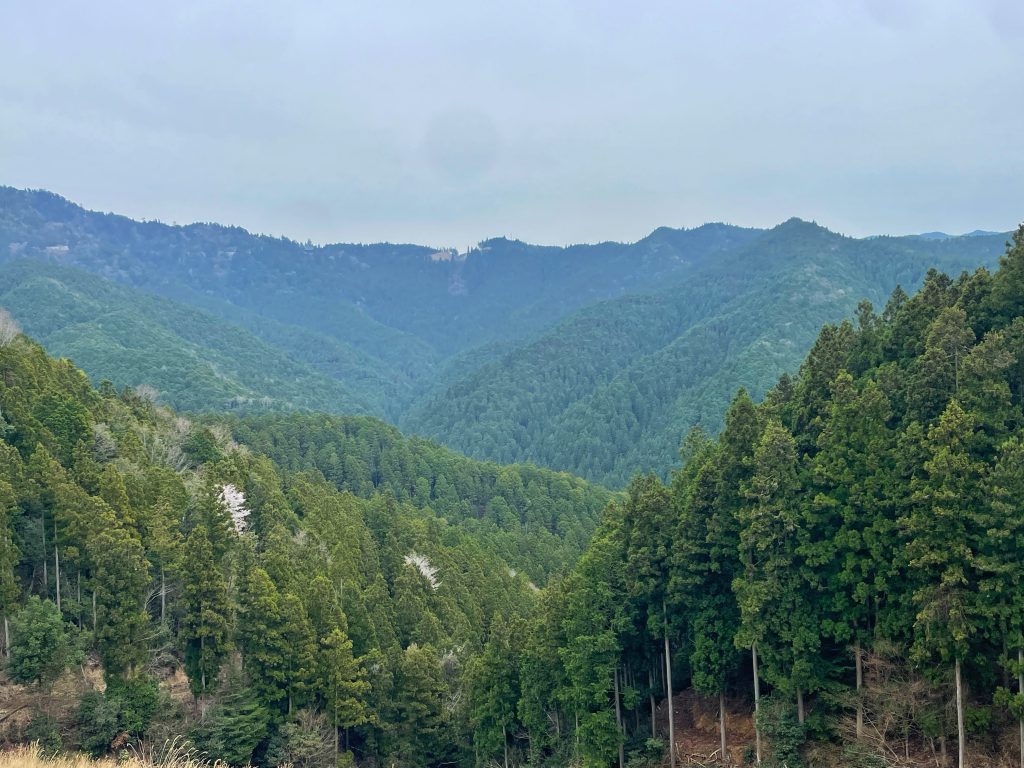
    Remote rindo roads made this a special day on the bike as we descended down the Kii Mountains.  We rarely left single lane roads today as we rode through dense, lush forests, along rivers and through tiny villages.


    It was a great day on the bike despite the rain and wind, it felt Iike a ‘rolling recovery’ day with only 69km in the saddle. But it still had over 5,500 ft of climbing!

    The day began with a short and steady descent leveling into undulating terrain with a couple of slowly rising gradients gently weaving through the countryside. 

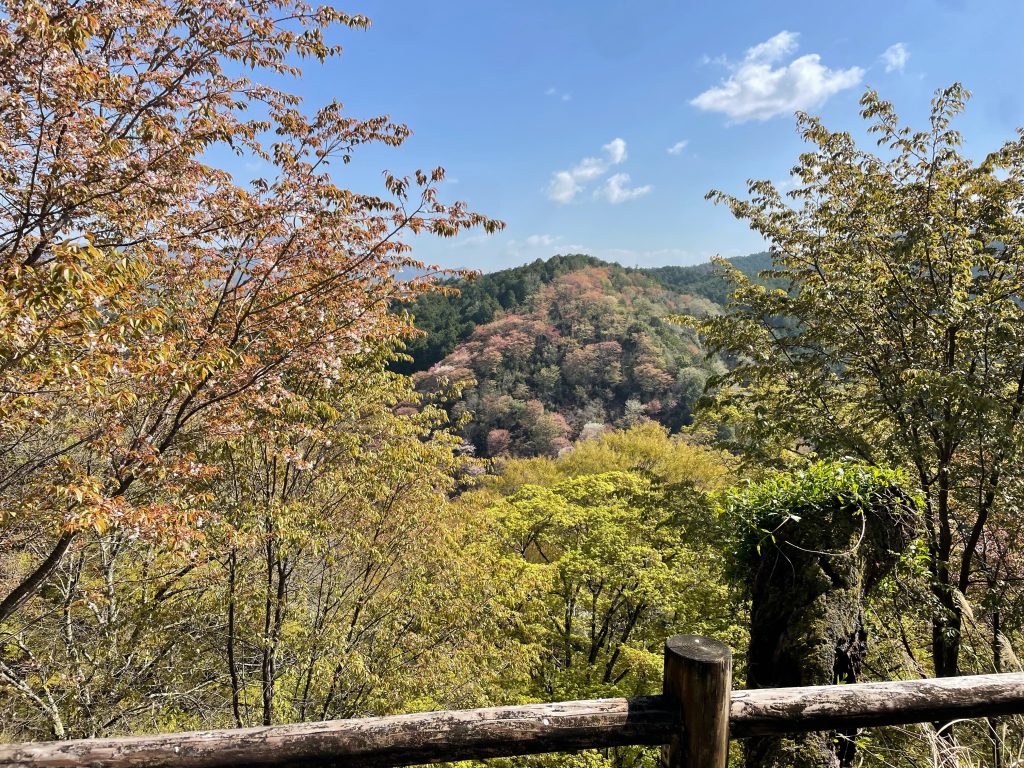
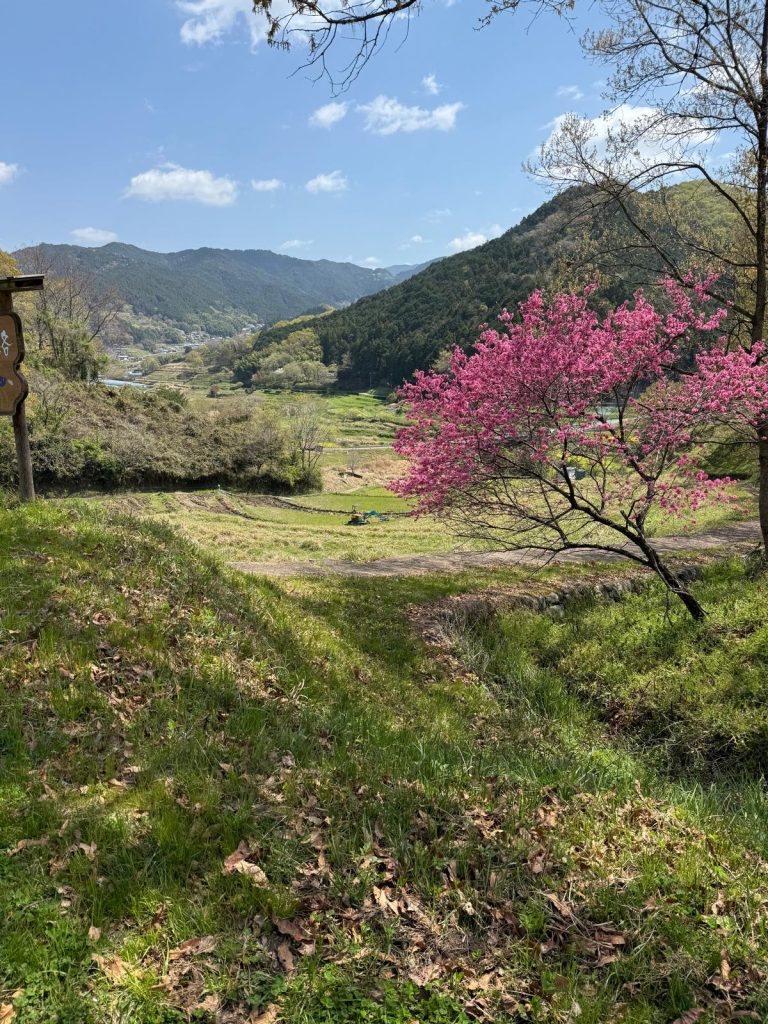
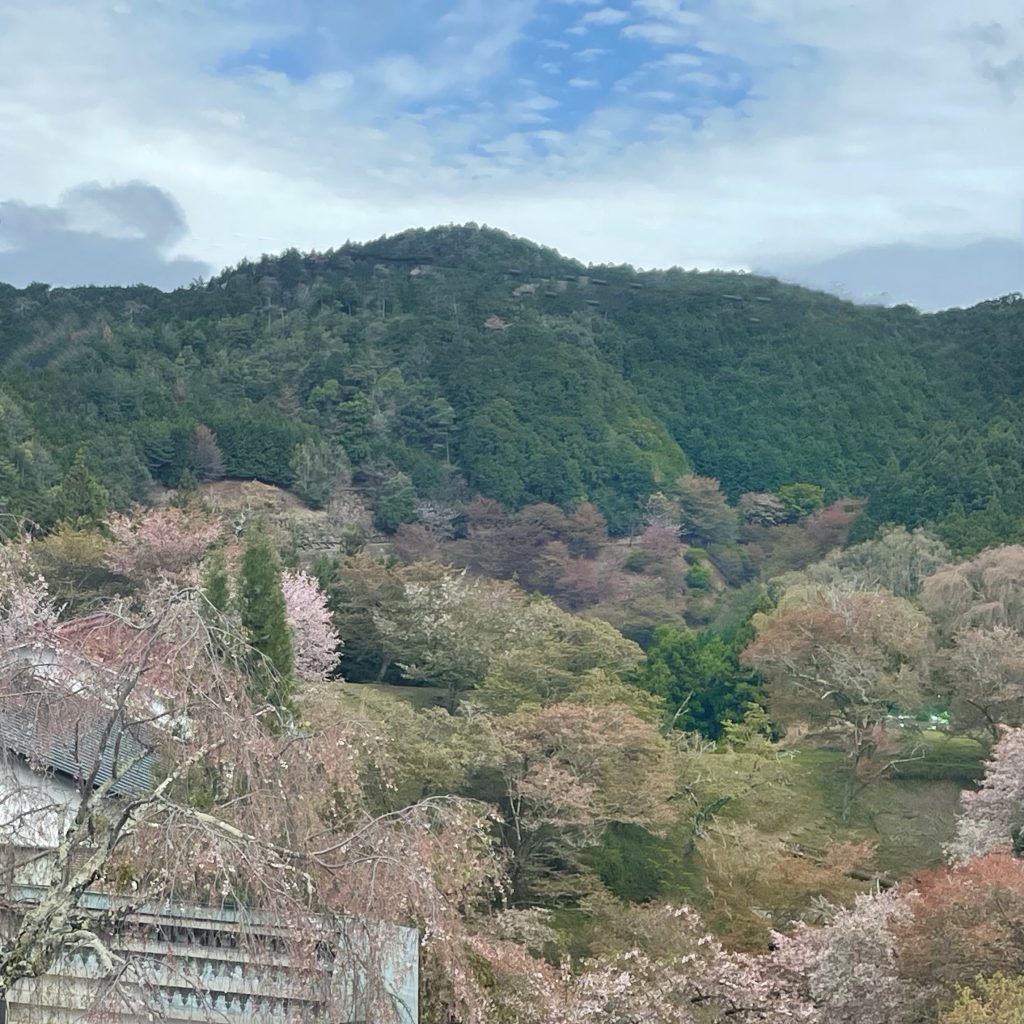
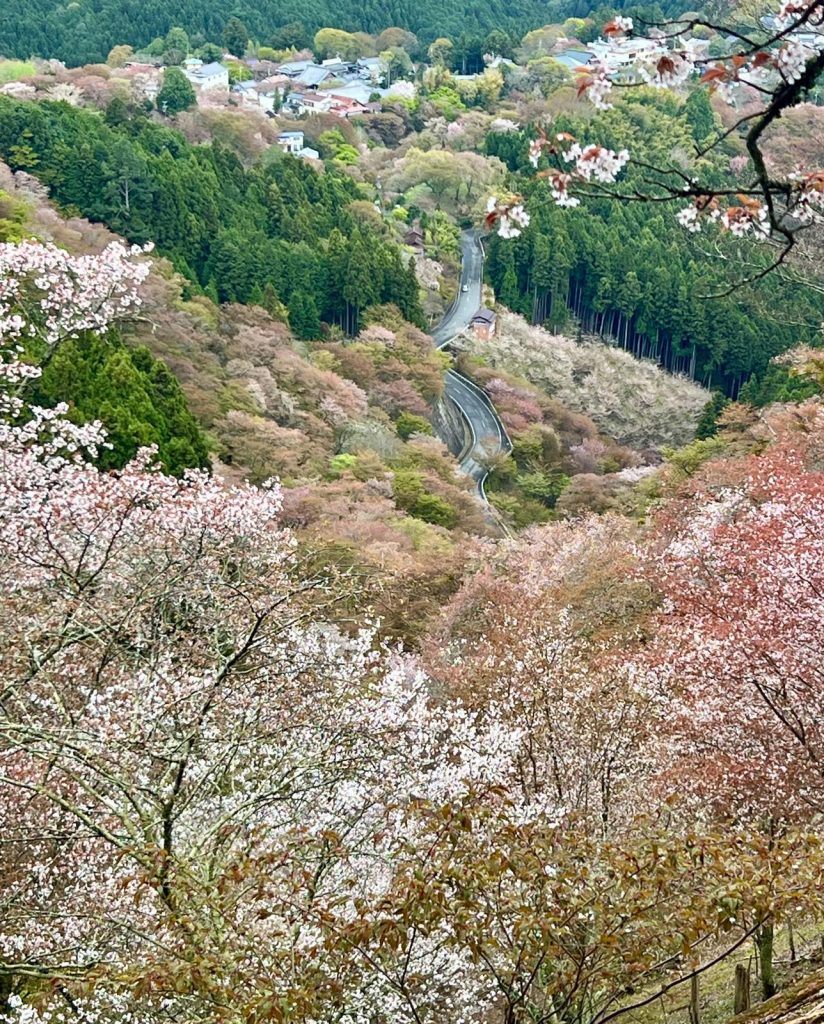
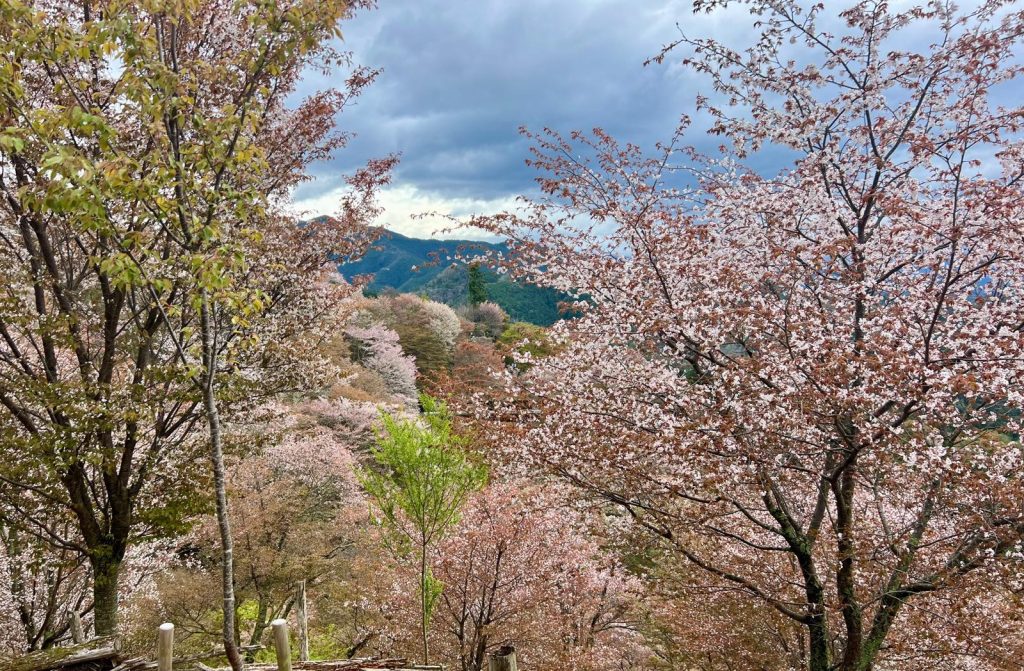
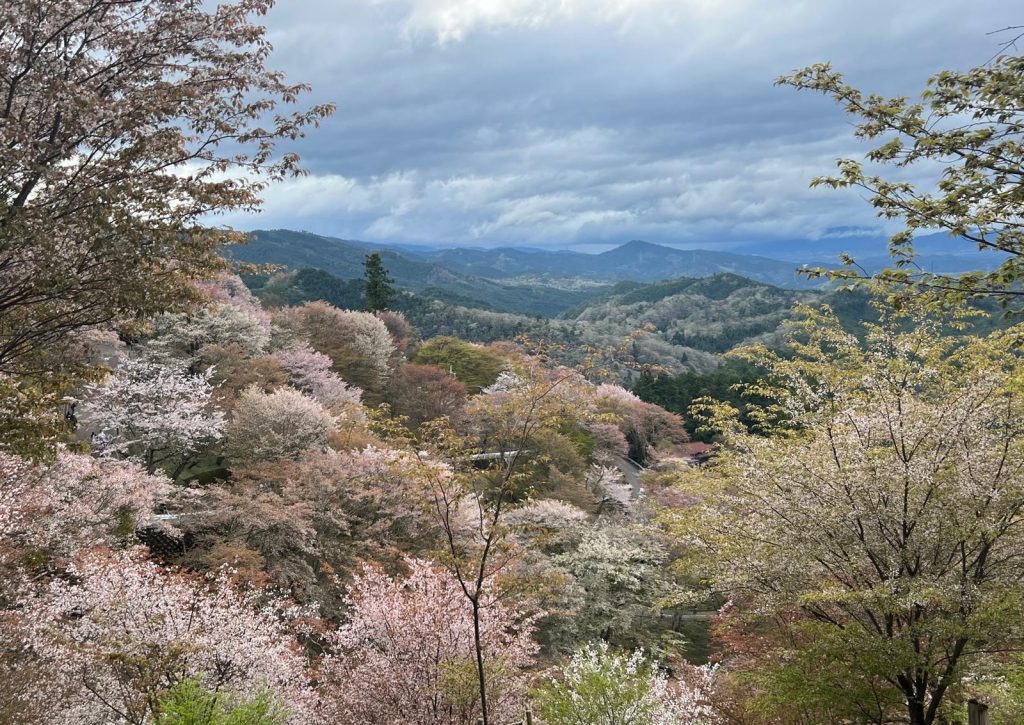
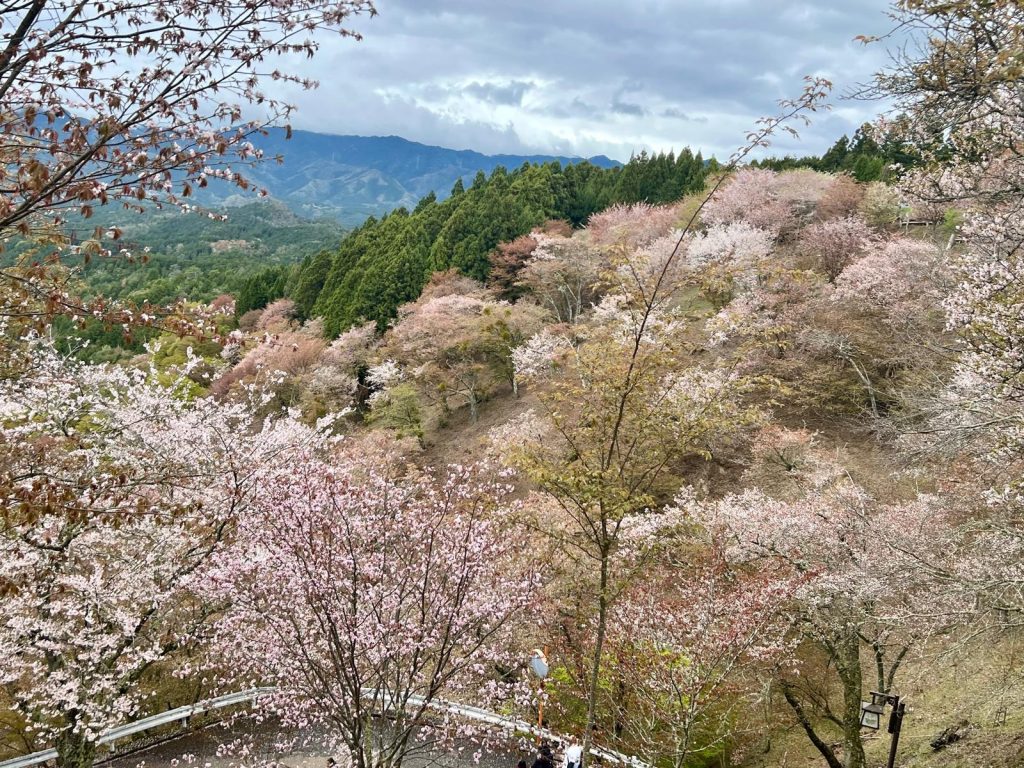
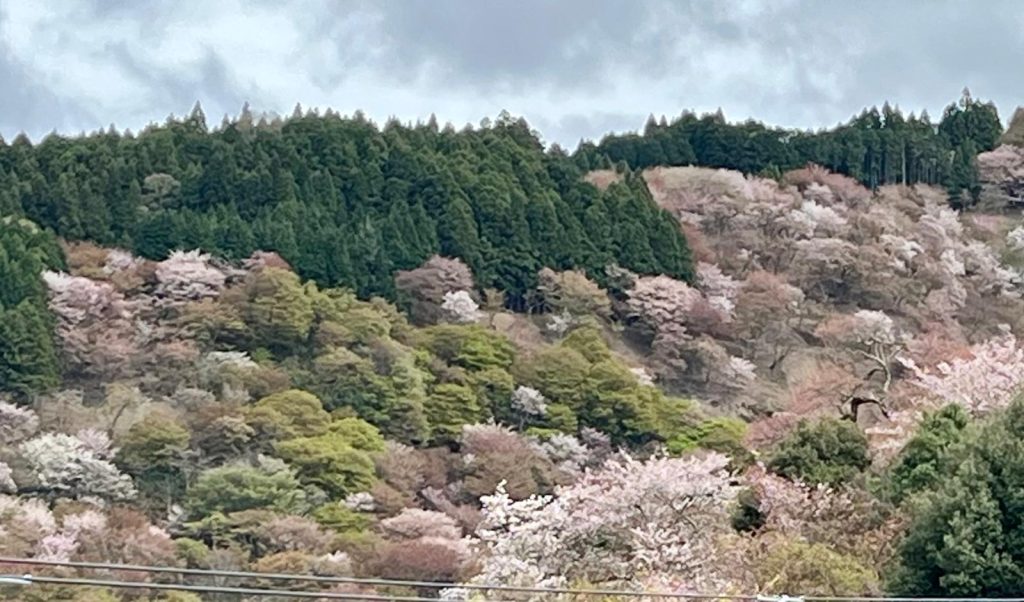
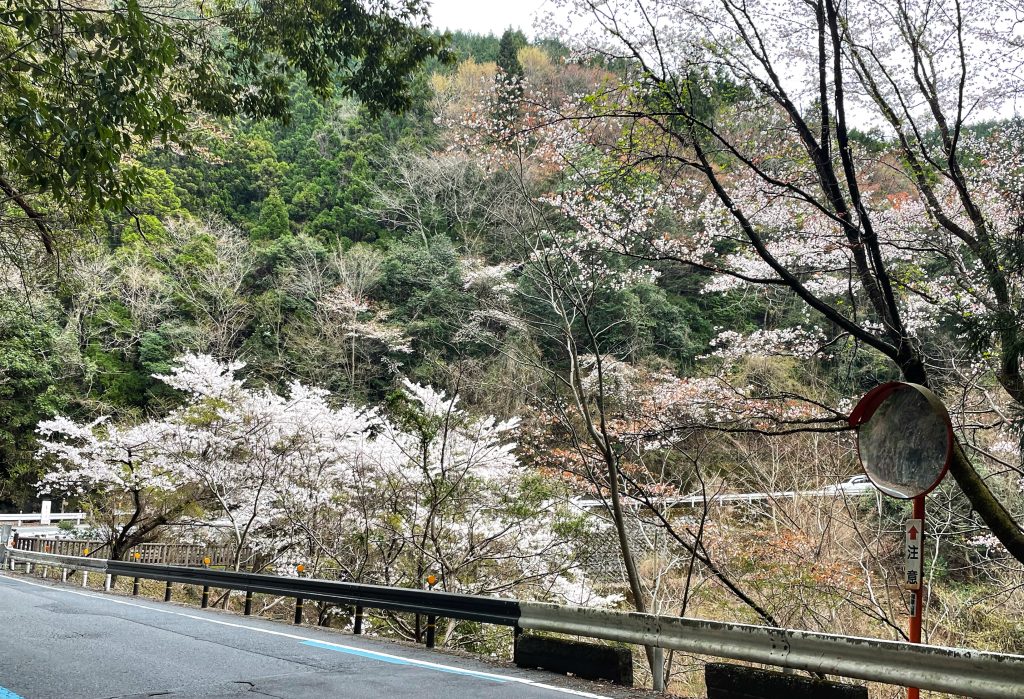
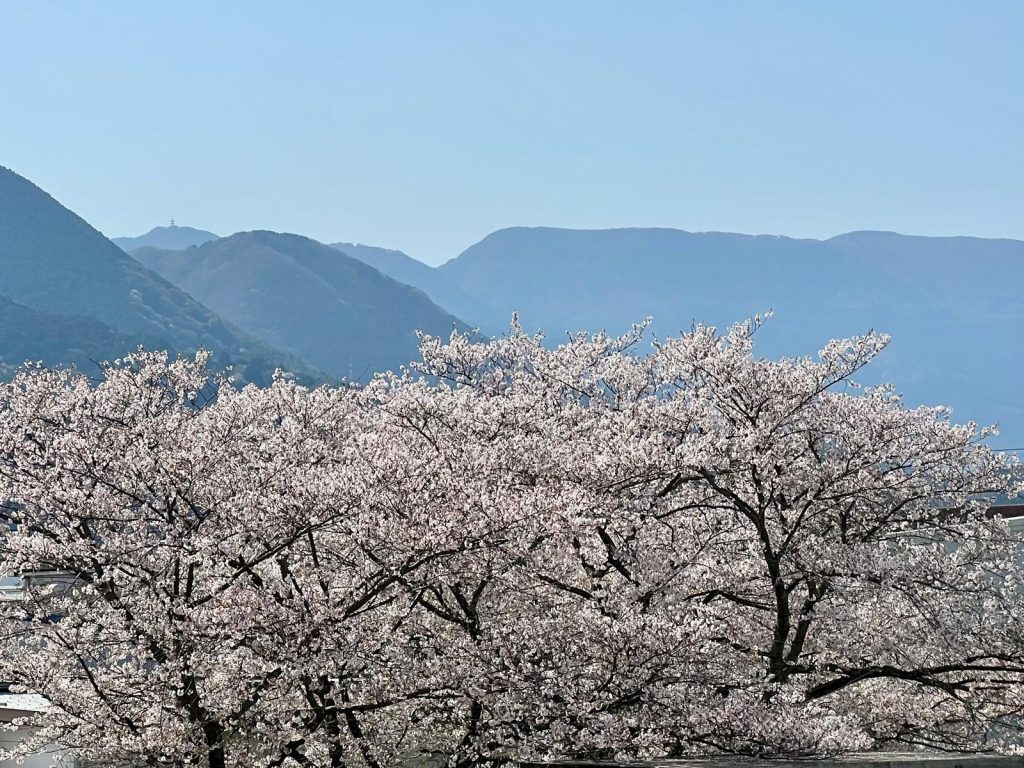
    Even in the inclement weather we saw stunning, and famous, cherry blossoms as we rode into Mount Yoshino .  Over 30,000 cherry trees were planted around the slopes which visitors can admire as they walk along the roads that lead up the mountain.


    Mount Yoshino – Japan’s most famous cherry blossoms?

    Mount Yoshino (吉野山, Yoshinoyama) has been Japan’s most famous cherry blossom spot for many centuries. It is said that the first trees were planted along its slopes more than 1300 years ago, and today the mountain is covered by approximately 30,000 cherry trees of many different varieties, especially of the Yamazakura variety.

    Rather than a free standing mountain, Yoshinoyama is a north-facing mountain slope. It is divided into four areas: the Shimo Senbon (lower 1000 trees) at the base of the mountain, Naka Senbon (middle 1000 trees), Kami Senbon (upper 1000 trees) and Oku Senbon (inner 1000 trees) at the top of the mountain. Visitors can enjoy the cherry trees as they ascend the mountain.

    Yoshinoyama’s cherry blossoms typically start opening in late March or early April and reach full bloom around early to mid April. Because of the range of elevation, the blooming season is staggered by a couple of days between the Shimo (lower), Naka (middle) and Kami (upper) Senbon areas as the blossom front gradually moves up the mountain. The trees in the Oku Senbon area open considerably later. 

    Our route took us up to the higher regions along a quiet back road, avoiding the cherry blossom traffic! However we still got to see a lot and if you want more it is easy to find!

    Yoshino also offers a rich history, which makes it an interesting destination at any time of the year. As the base of the pilgrimage trail to sacred Mount Omine, Yoshinoyama has been a center of Shugendo mountain worship for many centuries. The remote town also served various historical personalities as a refuge, including Emperor Go-Daigo who established a competing second imperial court there in the 14th century.

    In 2004, Yoshino, together with Mount Koya (our previous destination) and Kumano, was designated a cultural UNESCO World Heritage Site named the “Sacred Sites and Pilgrimage Routes in the Kii Mountain Range”.

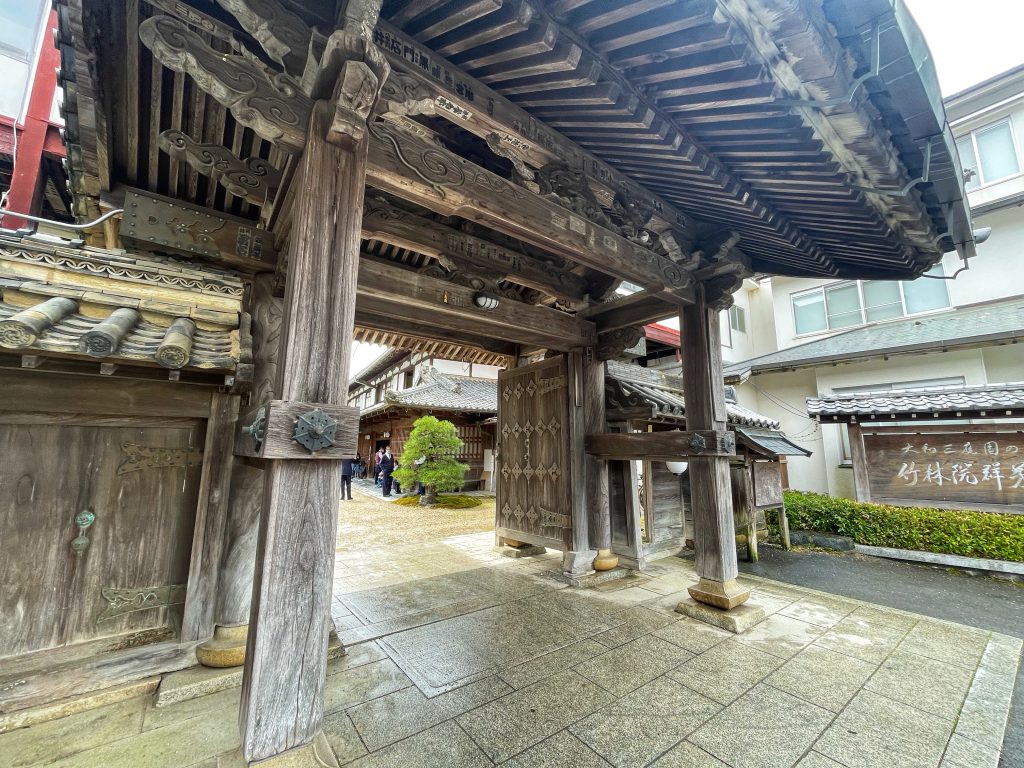
    Check in at Chikurin-in Gunpoen

    Chikurin-in (竹林院) is a Buddhist temple along the border of the Naka and Kami Senbon areas of Mount Yoshino. Having served for many years as accommodation for the practitioners of the Shugendo mountain worship, Chikurin-in these days also serves as an attractive ryokan open to all types of travelers. Like most accommodations in Yoshino, Chikurin-in gets booked out far in advance during the busy cherry blossom season.

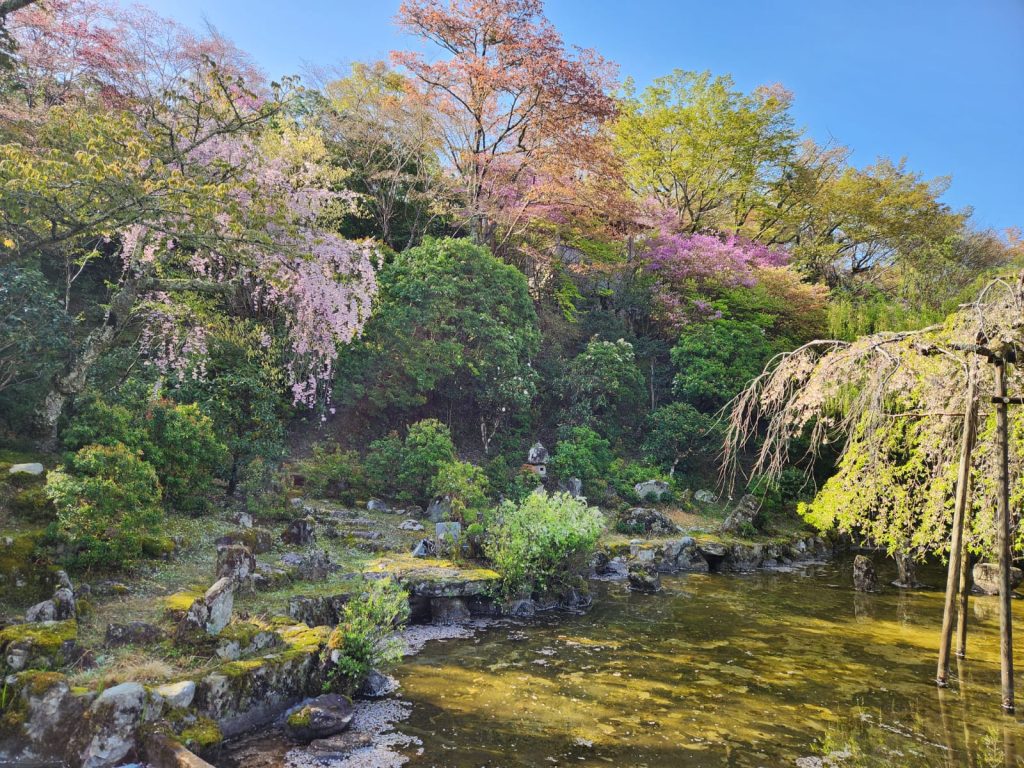
    The temple is also well known for its beautiful landscaped garden, Gunpoen, which is said to have been designed by the famous tea master Sen-Rikyu. The garden surrounds a large pond lined by dozens of cherry trees and is open to visitors. Walking trails lead up the hill behind the pond to an archery ground, tranquil rest areas and viewpoints from where you can see out over the mountain slopes to Kinpusenji Temple.

    Unfortunately shortly after checking in to the temple a hard rain started again.

    Sen Rikyū

    Sen Rikyū (born 1522, Sakai, Japan—died March 21, 1591, Kyōto) was a Japanese tea master who perfected the tea ceremony and raised it to the level of an art.

    Sen Rikyū redefined the tea ceremony in all its aspects: the rules of procedure, the utensils, the teahouse architecture (of which he designed several styles), and even the tea-garden landscaping. He returned to the utter simplicity practiced by Shukō, a 15th-century monk who founded the Japanese tea ceremony. He firmly established the concepts of wabi (deliberate simplicity in daily living) and sabi (appreciation of the old and faded) as its aesthetic ideals. During his time the teahouse became smaller (from Shukō’s 4 1/2-mat room to a 2-mat room—i.e., 6 feet square [2 metres square]) and more secluded with the introduction of the small door. The tea bowls produced under his direction were characterized by a rustic simplicity. Rikyū’s influence on both artistic standards and social etiquette (his tea school was also a kind of finishing school for soldiers from the provinces) was so great that he has been considered one of the leaders of Japanese cultural history.

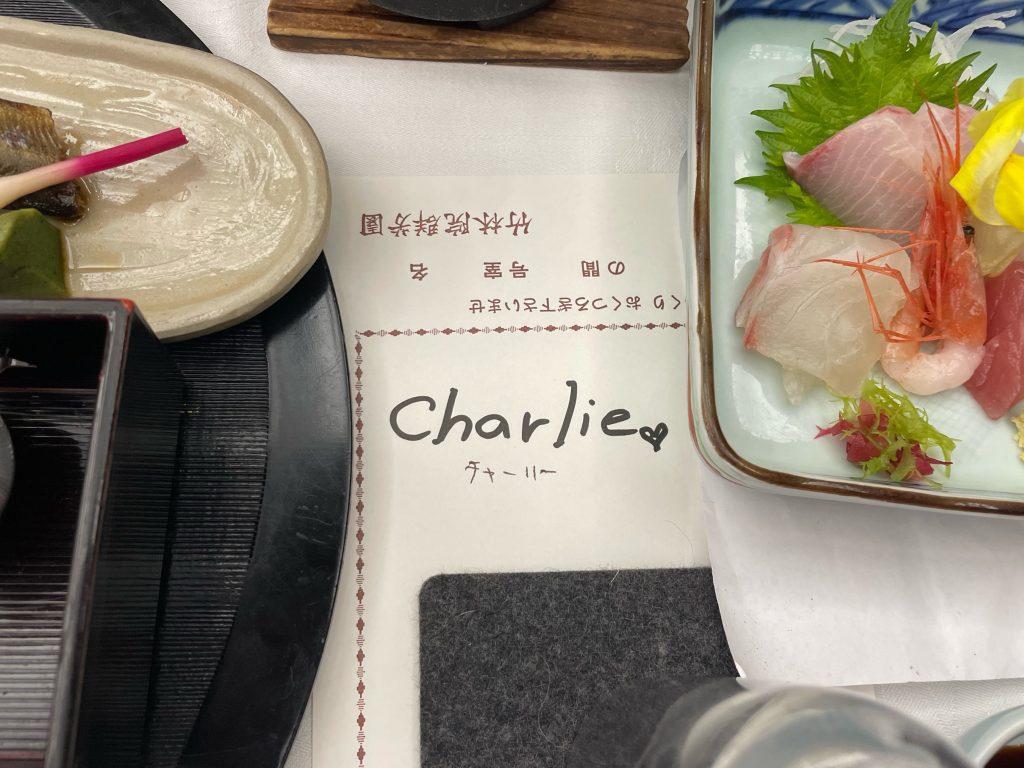
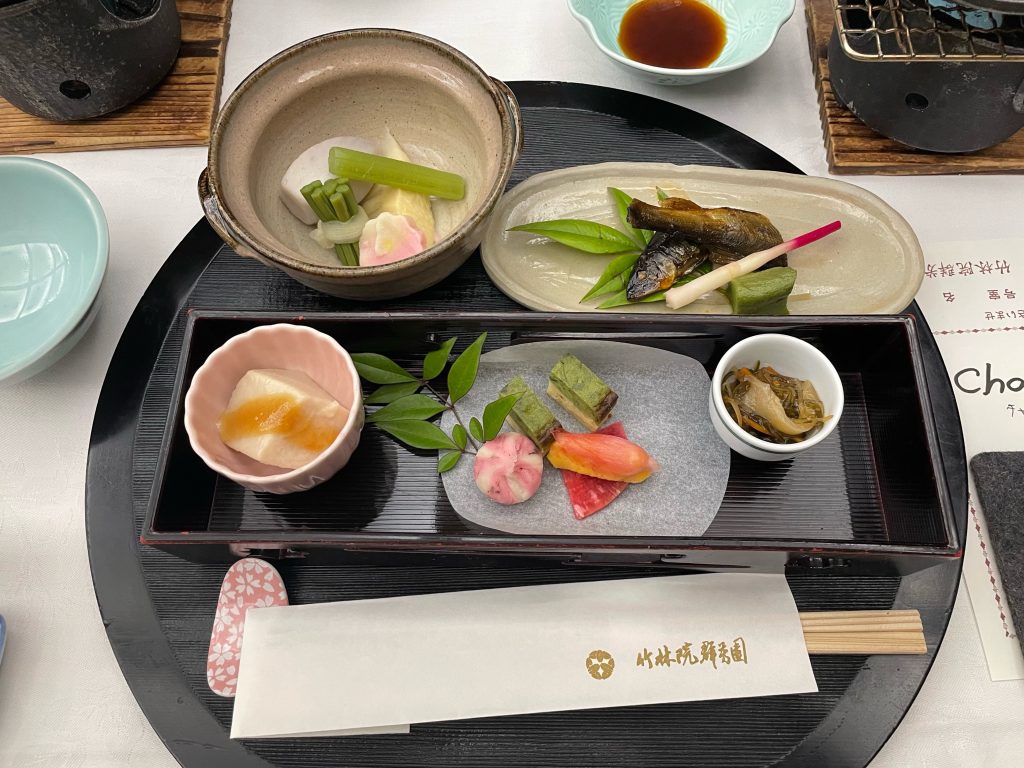
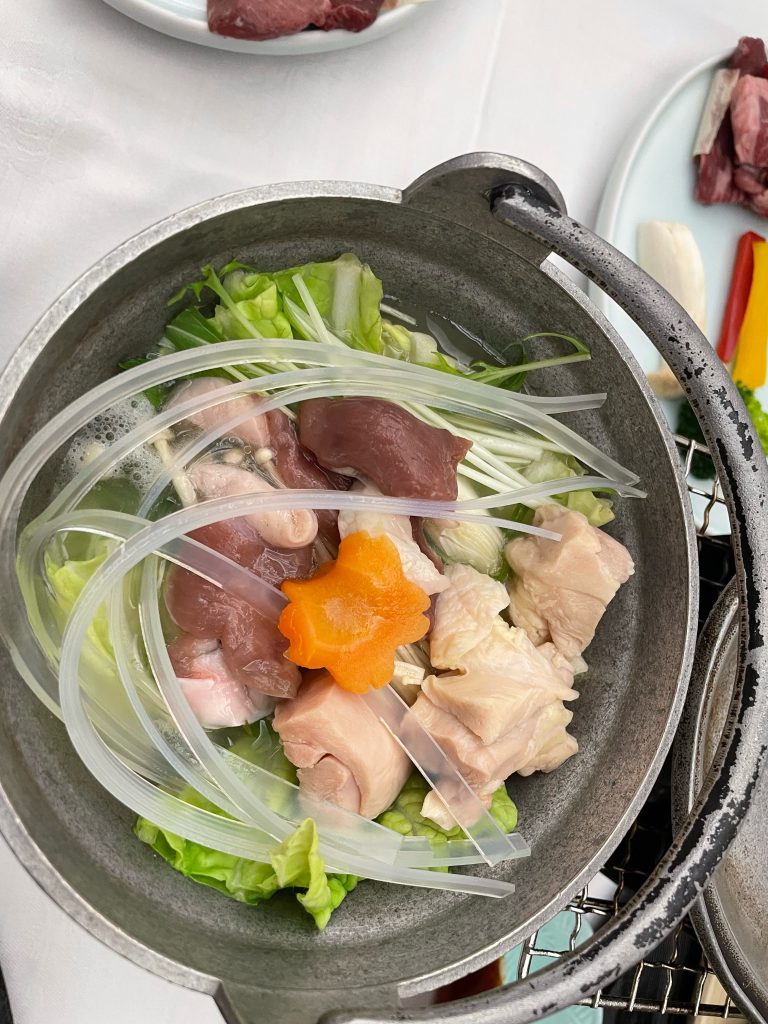
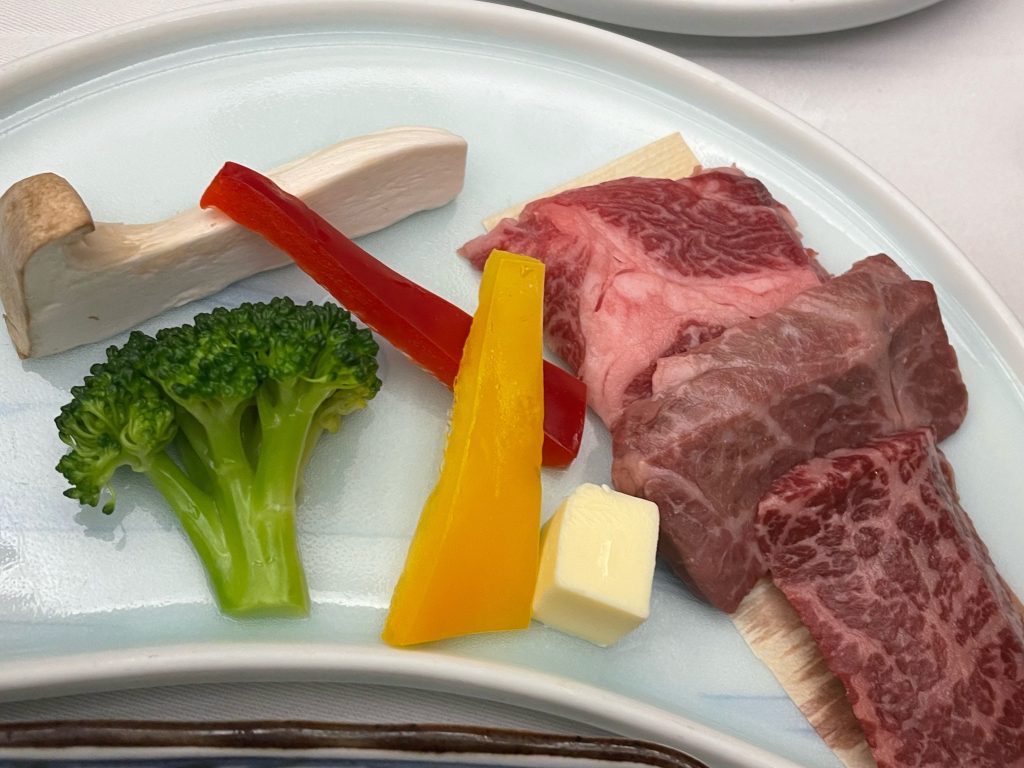
    Dinner Japanese style…you know, for a change!…sushimi, sushi, wagu beef, Japanese chicken noodle soup, the latter 2 dishes we cooked ourselves.

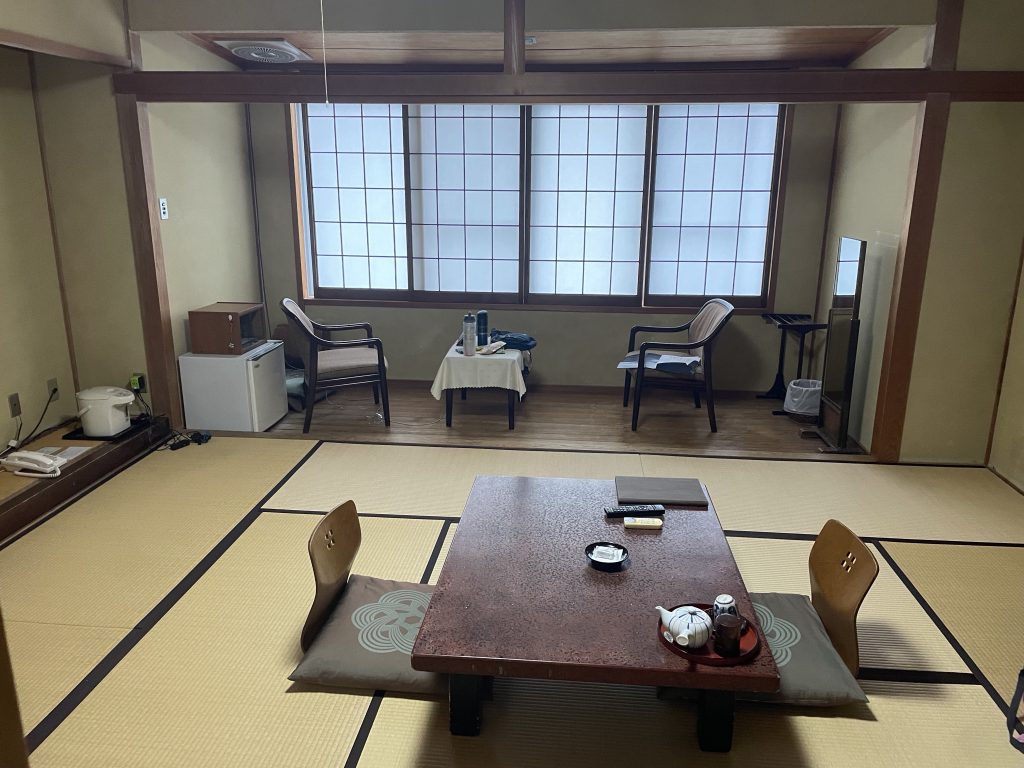
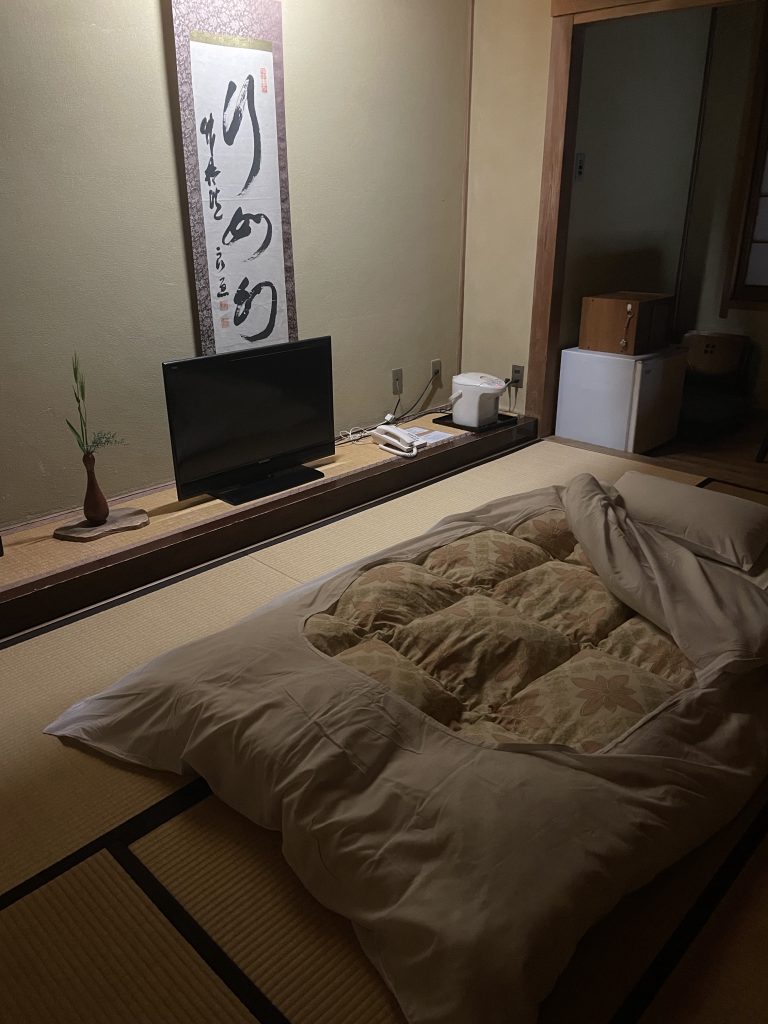
    My room in the temple…while we are at dinner the room attendant will make a bed on the floor.


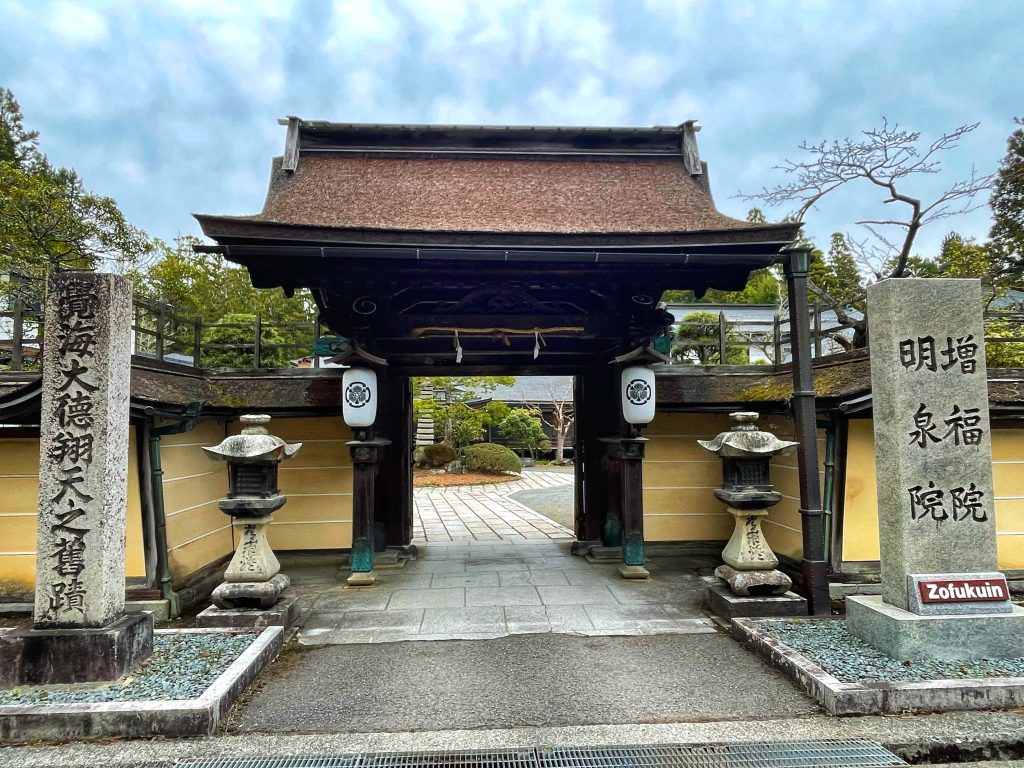
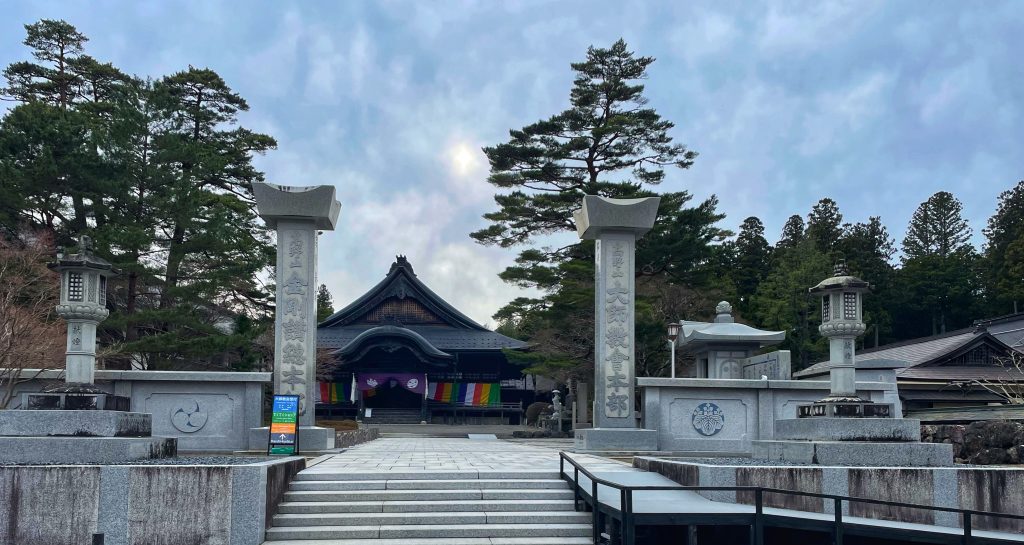
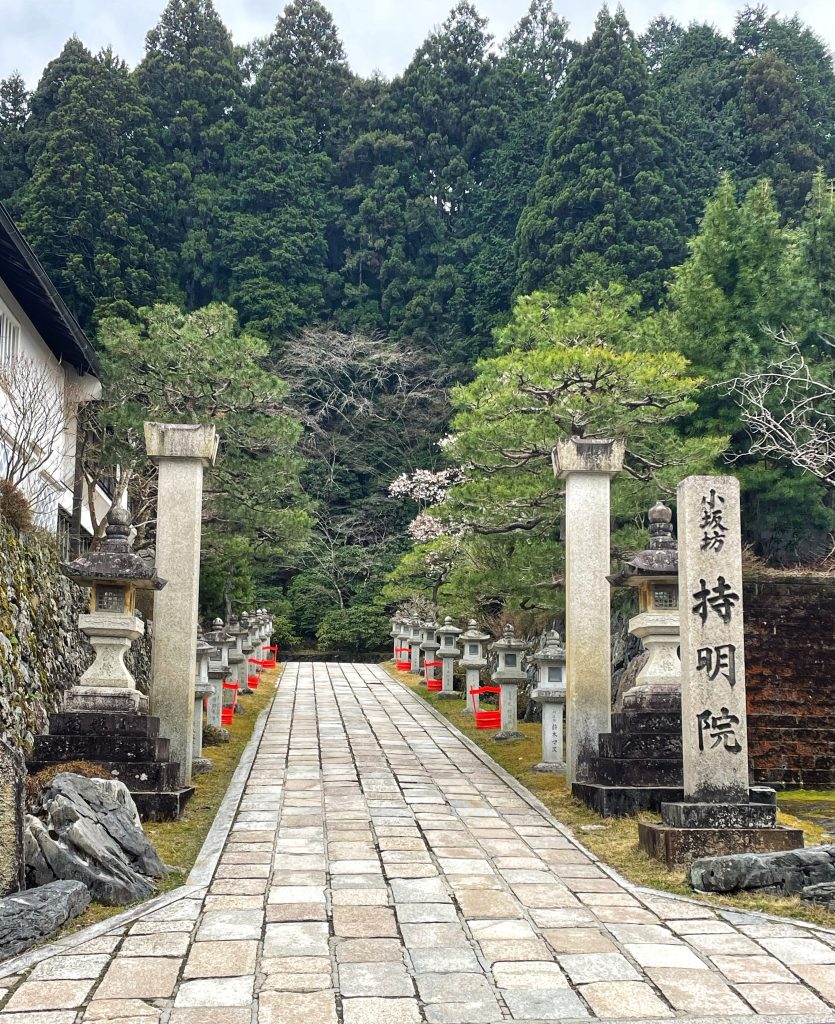
    so we have done a temple to temple ride, a spiritual experience!

    Life is Good on Mt. Yoshino!

    Sayonara
  • Shogun Day 13: Osaka to Koyasan

    Watch the Relive video here: https://www.relive.com/view/vXOnAK2X1Bv

    On the Road – Distance 65km / 40mi | Elevation 2200m / 7288 ft

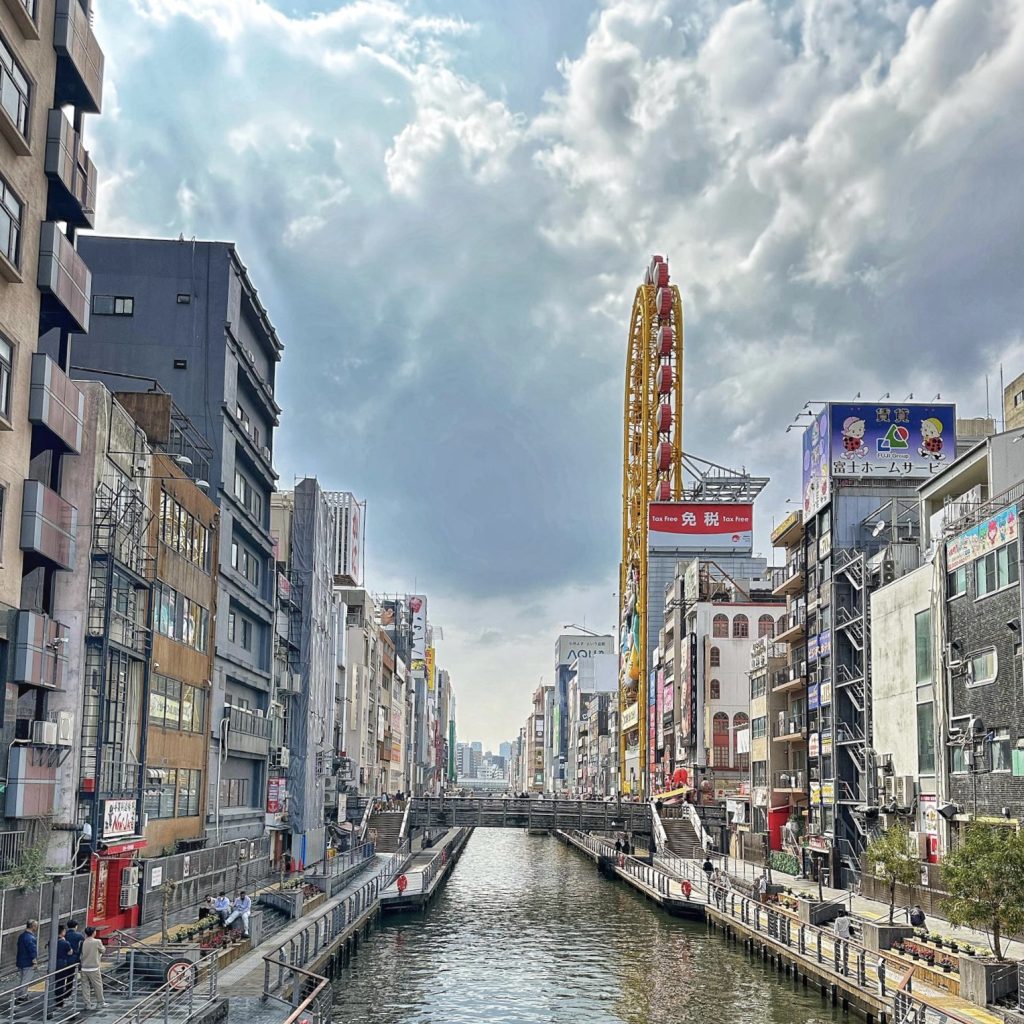
    Dotombori to Mikkaichicho 

    Japan has an amazing train network so we took advantage of this early morning rise to get from the heart of Osaka to start of our next ride adventure. 

    Upon arrival in Mikkaichicho, our bikes were waiting.

    On the outskirts of Osaka, we began our ride with a slow, gentle climb towards the Kongo Range along a lovely rindo road and down again across the Wakayama Valley.


    We ascended the Kii Mountains enjoying the peaceful tranquility after leaving one of the world’s busiest cities and cycling through lush rolling hills, dotted with remote temples.

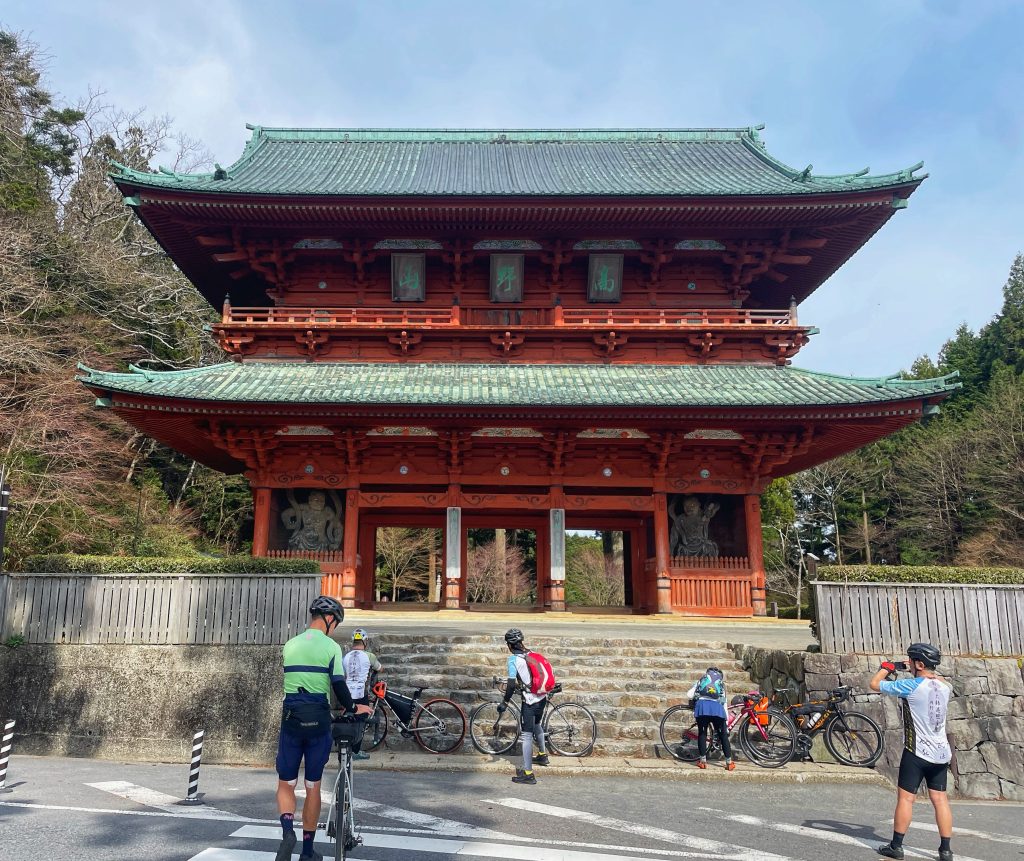
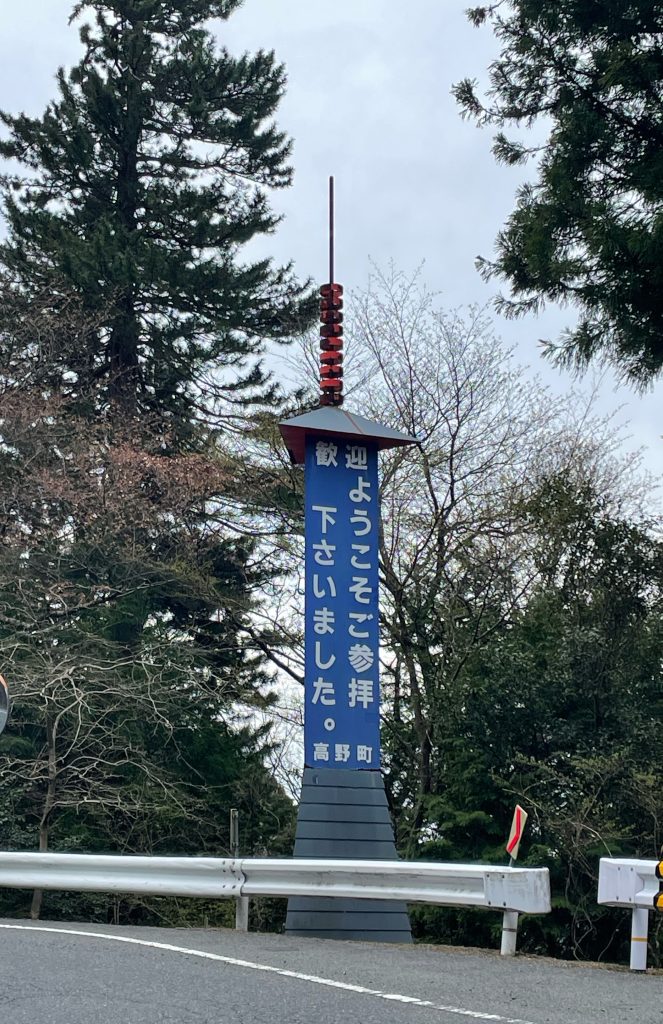
    At the end of the uphill climb we arrived in Japan’s most sacred town – Koyasan. This is genuinely magic riding and a fantastic and unique destination.

    An optional 20km loop for me from Koyosan, at the end of our day’s ride from Koyasan.


    Destination Koyasan

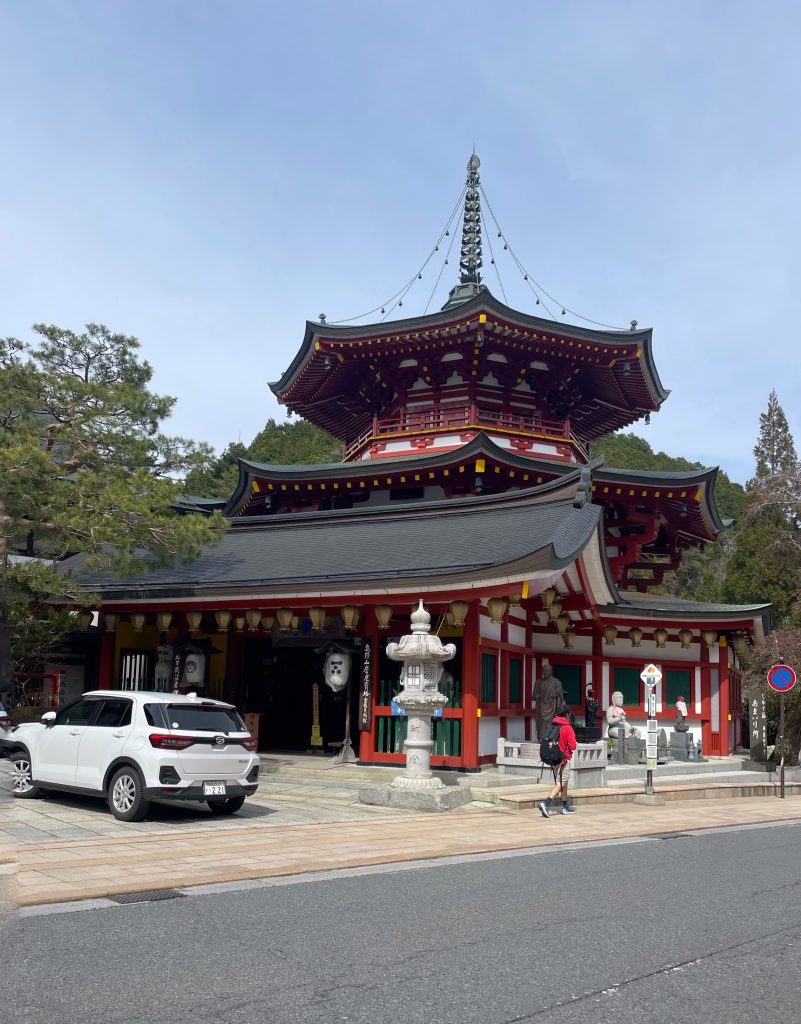
    Mount Koya (高野山, Kōyasan) is the center of Shingon Buddhism, an important Buddhist sect which was introduced to Japan in 805 by Kobo Daishi (also known as Kukai), one of Japan’s most significant religious figures. A small, secluded temple town has developed around the sect’s headquarters that Kobo Daishi built on Koyasan’s wooded mountaintop. It is also the site of Kobo Daishi’s mausoleum and the start and end point of the Shikoku 88 Temple Pilgrimage.

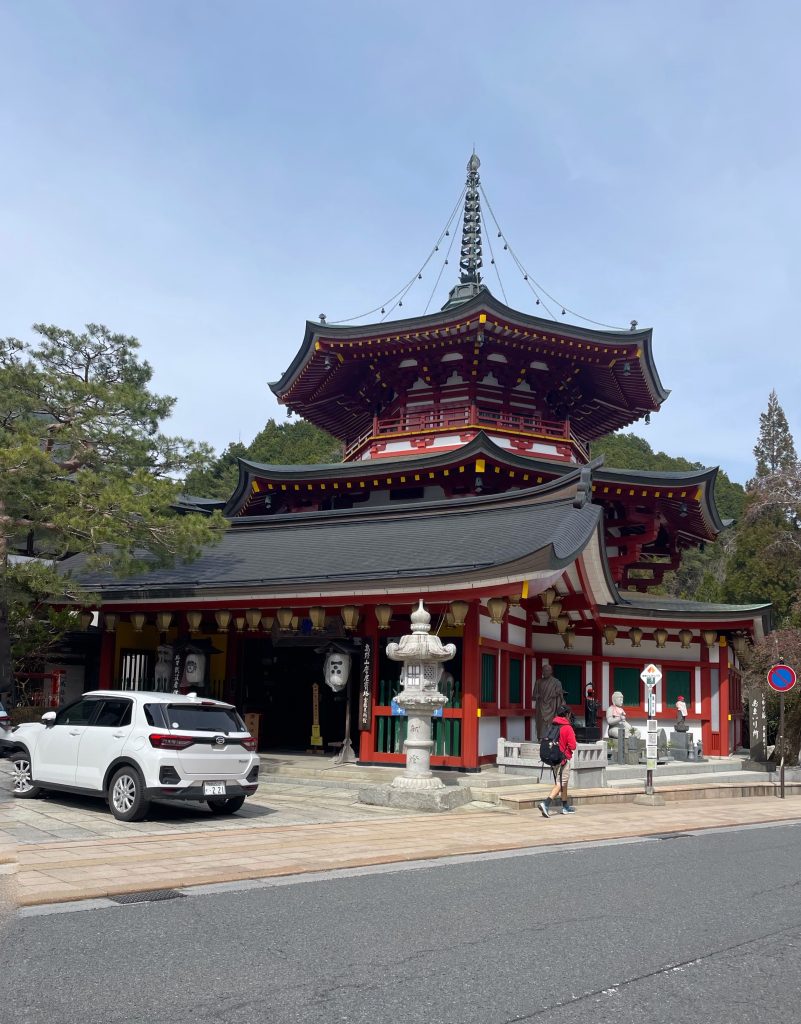
    Kobo Daishi began construction on the original Garan temple complex in 826 after wandering the country for years in search of a suitable place to center his religion. Since then over one hundred temples have sprung up along the streets of Koyasan. The most important among them are Kongobuji, the head temple of Shingon Buddhism, and Okunoin, the site of Kobo Daishi’s mausoleum.

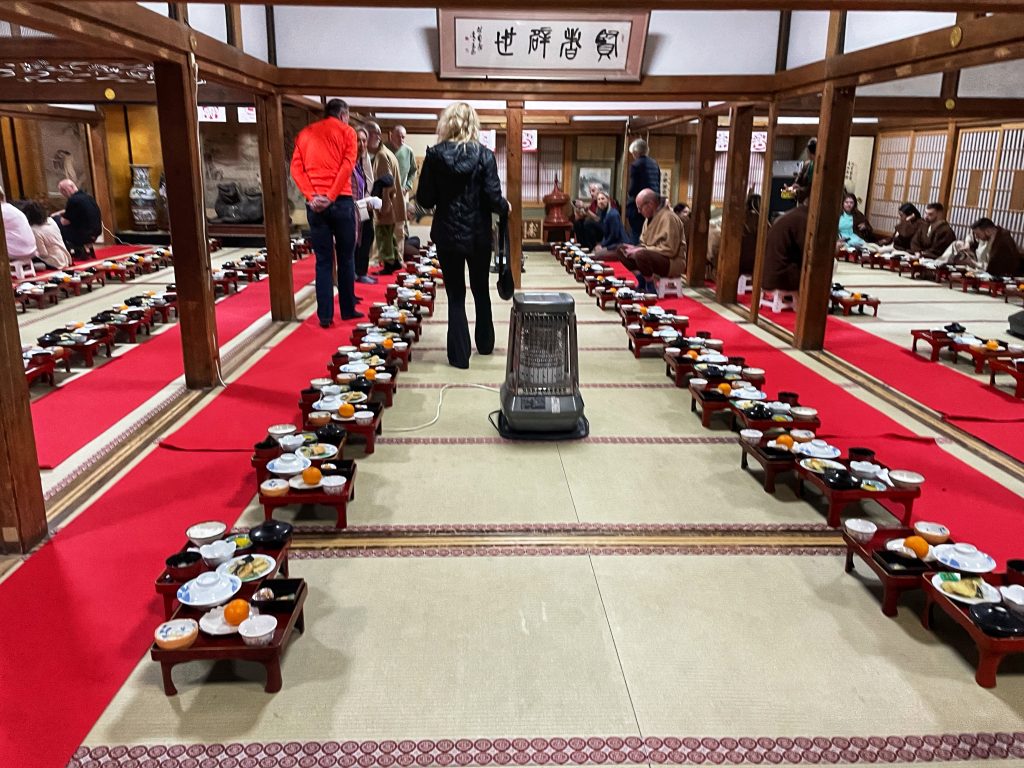
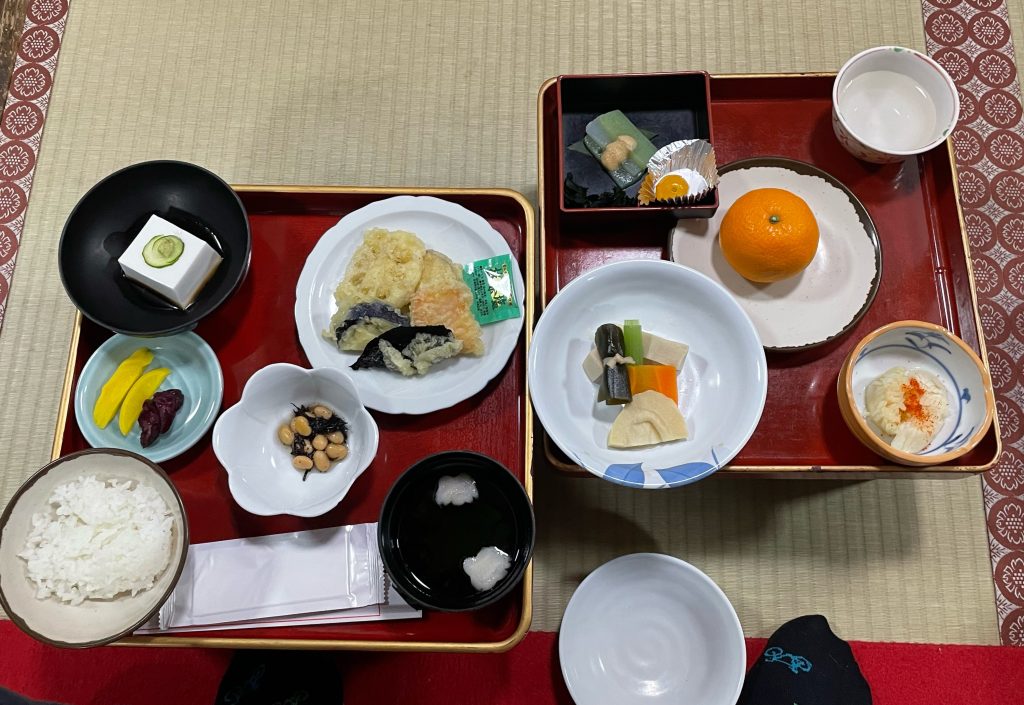
    Koyasan is also one of the best places to experience an overnight stay at a temple lodging (shukubo) where we got a taste of a monk’s lifestyle, eating vegetarian monk’s cuisine (shojin ryori) and attending the morning prayers.  Our temple accommodation and vegetarian dinnner for the night

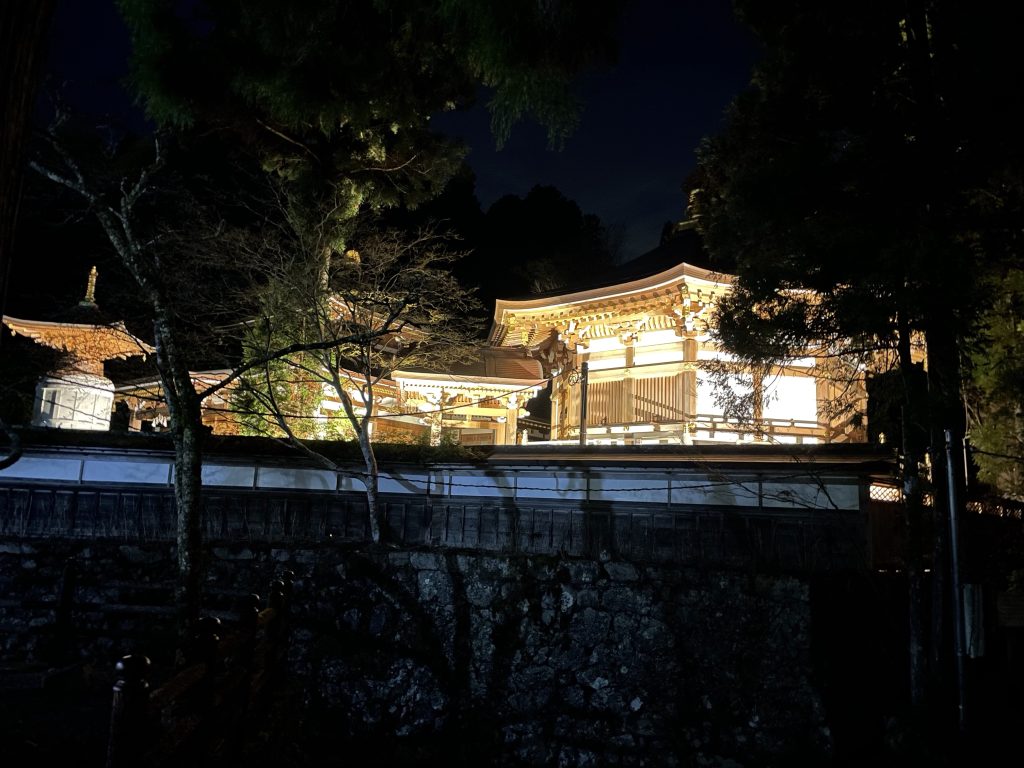
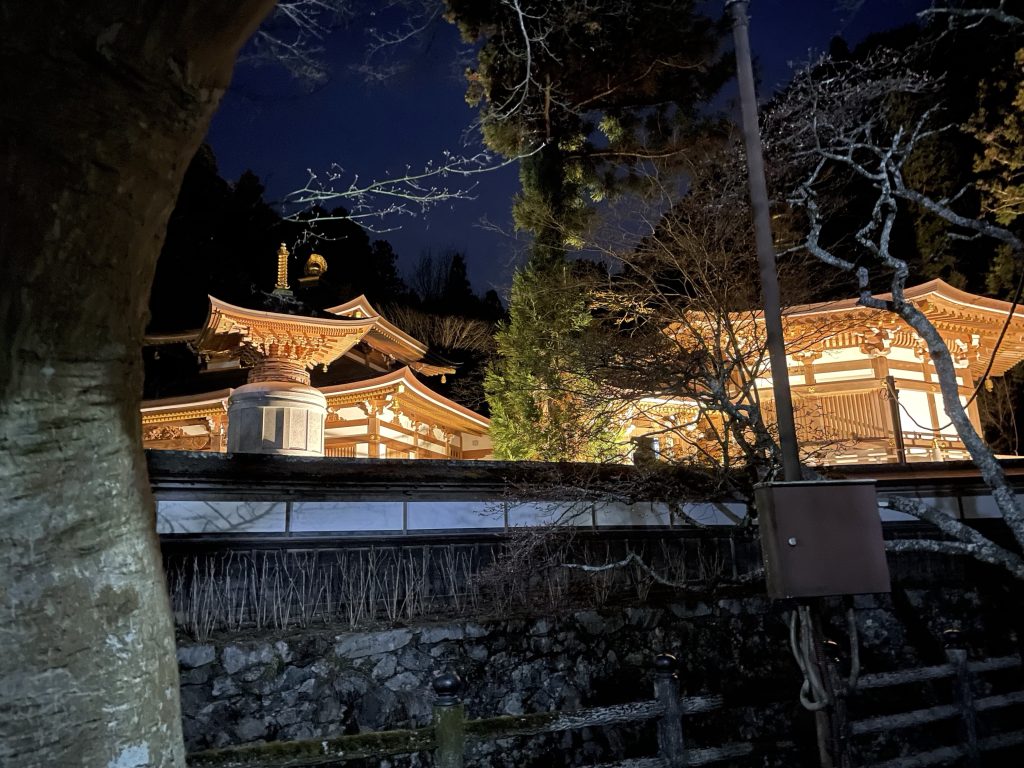
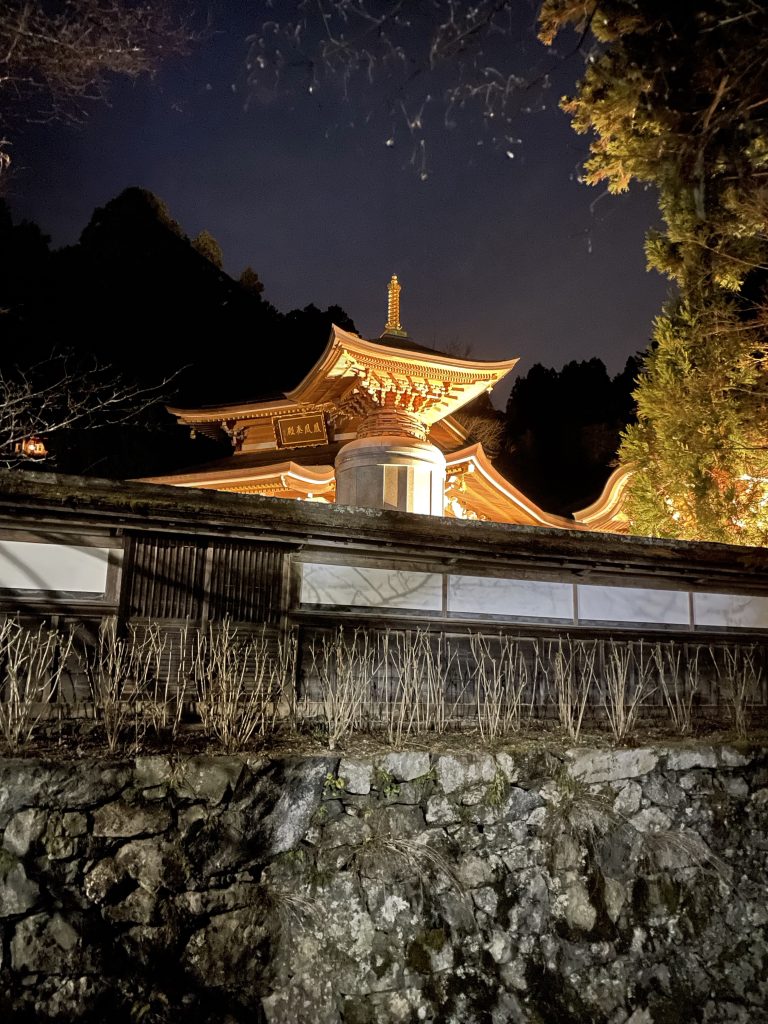
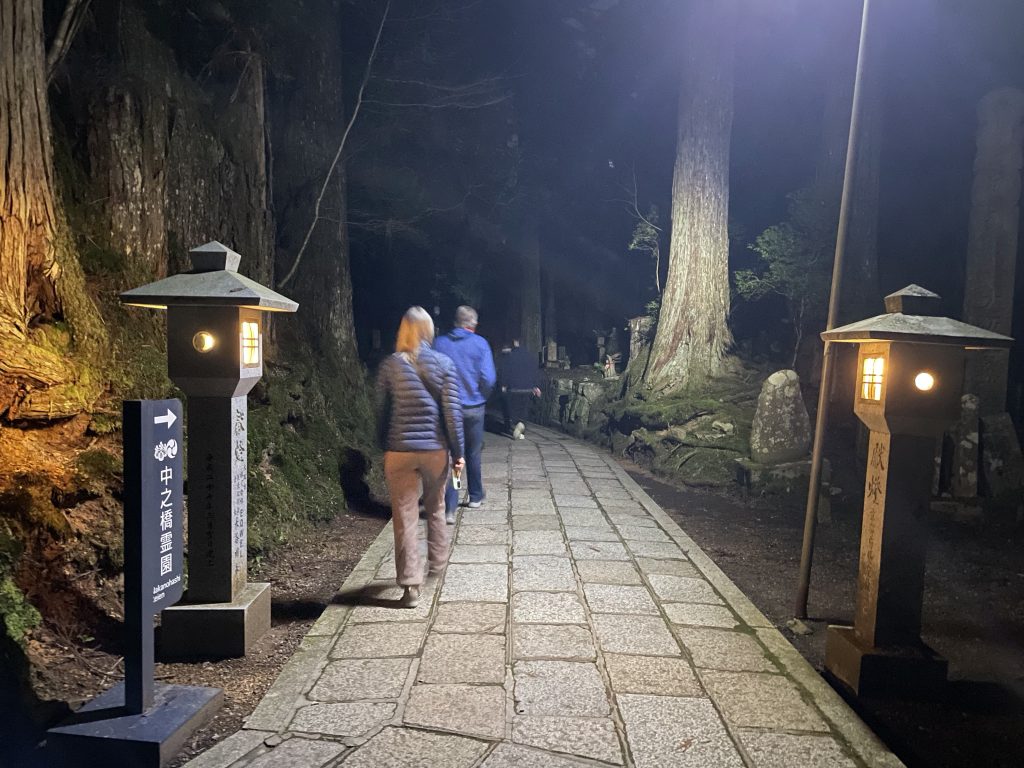
    Night walking tour – Okunoin 

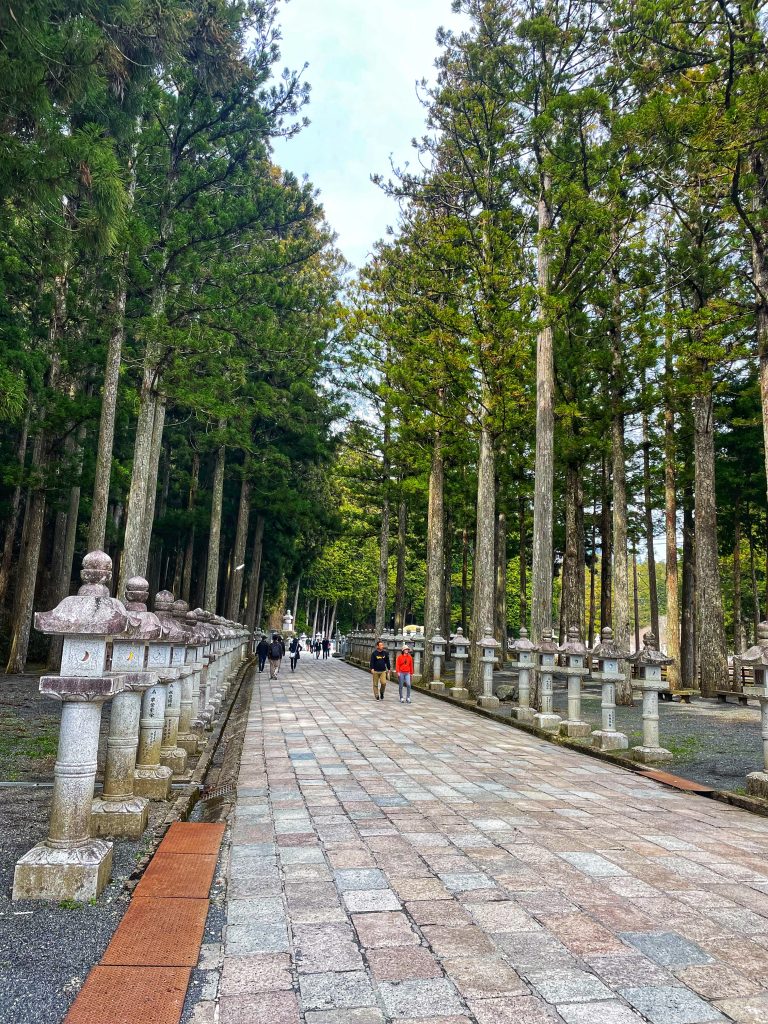
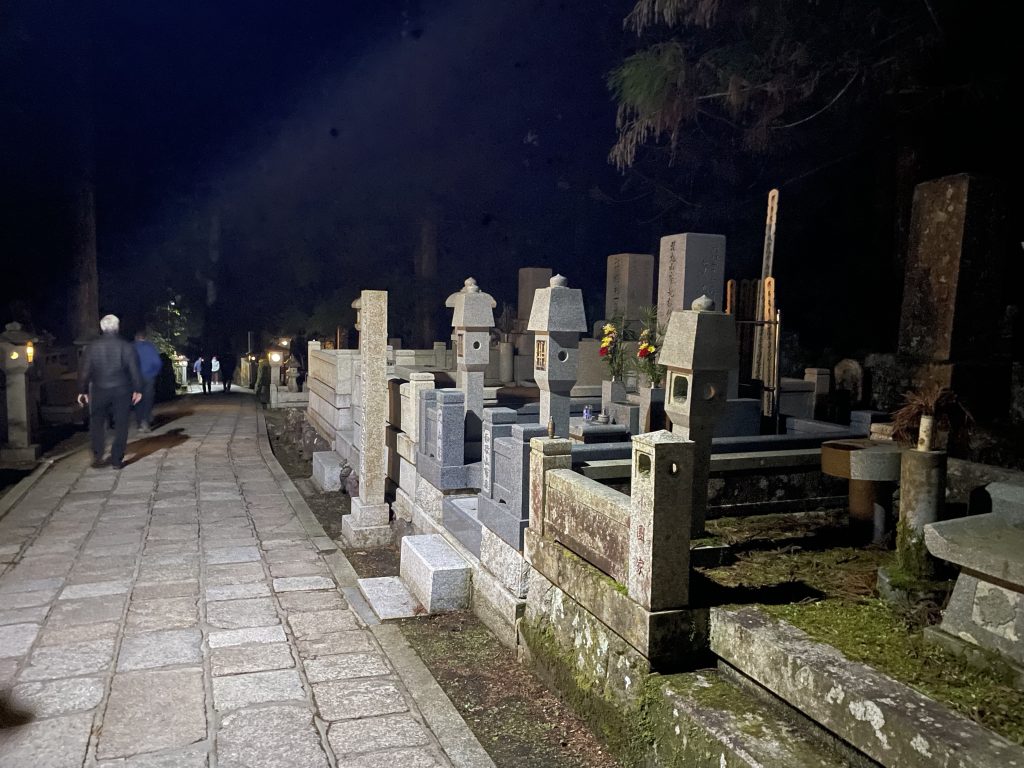
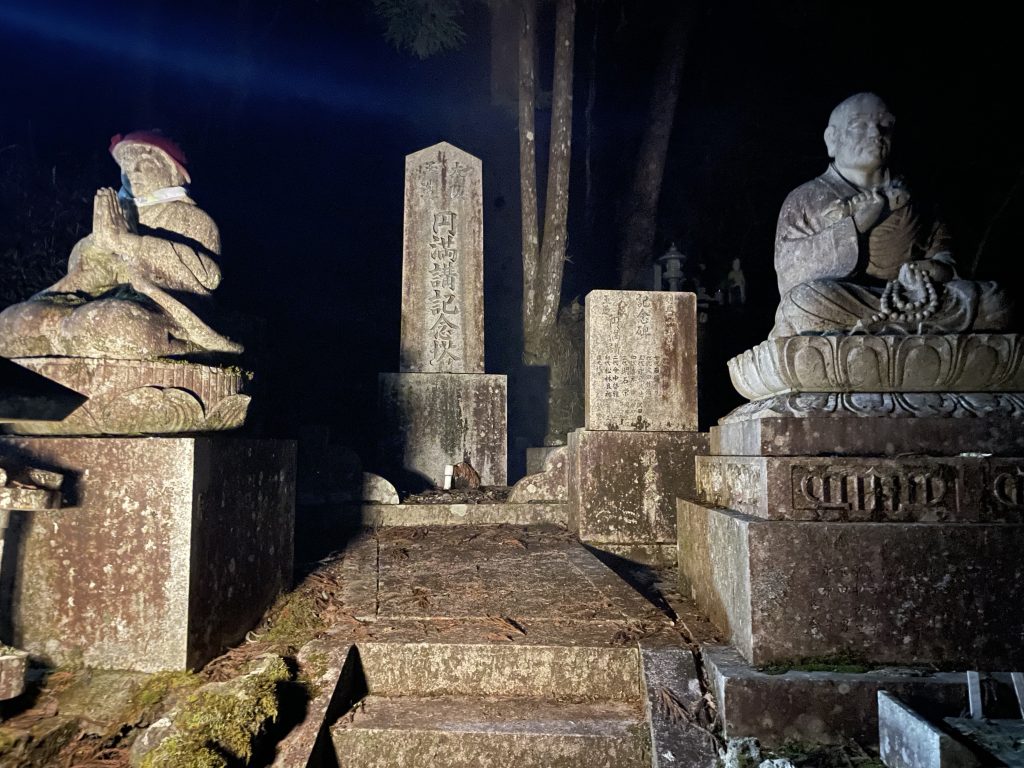
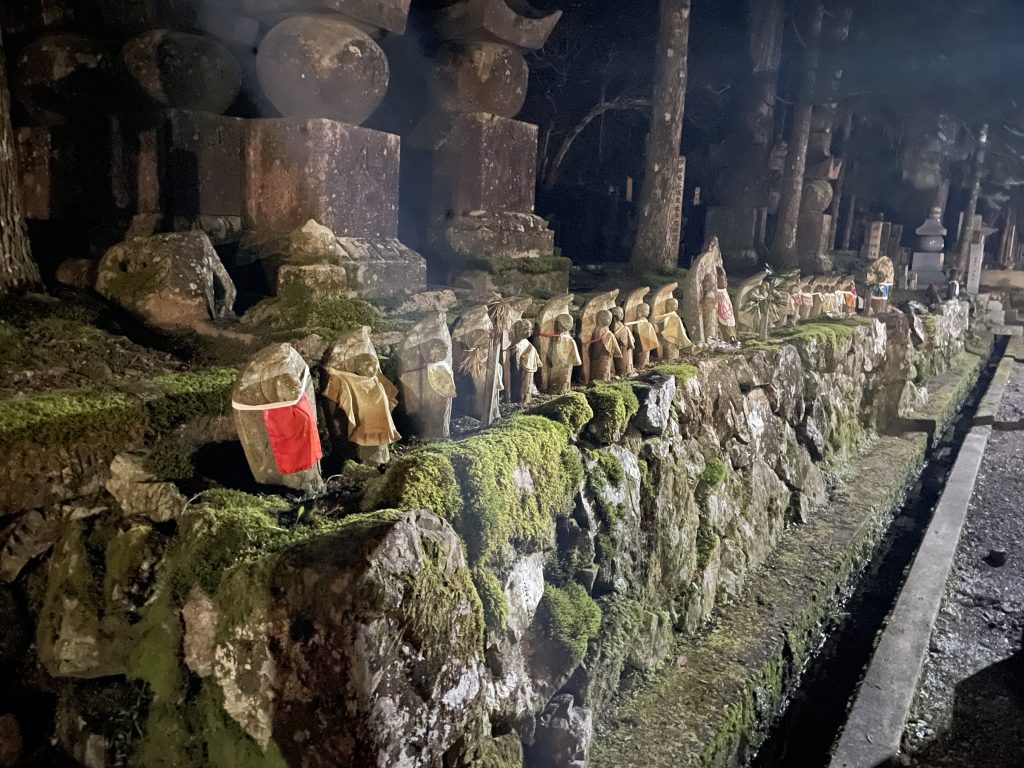
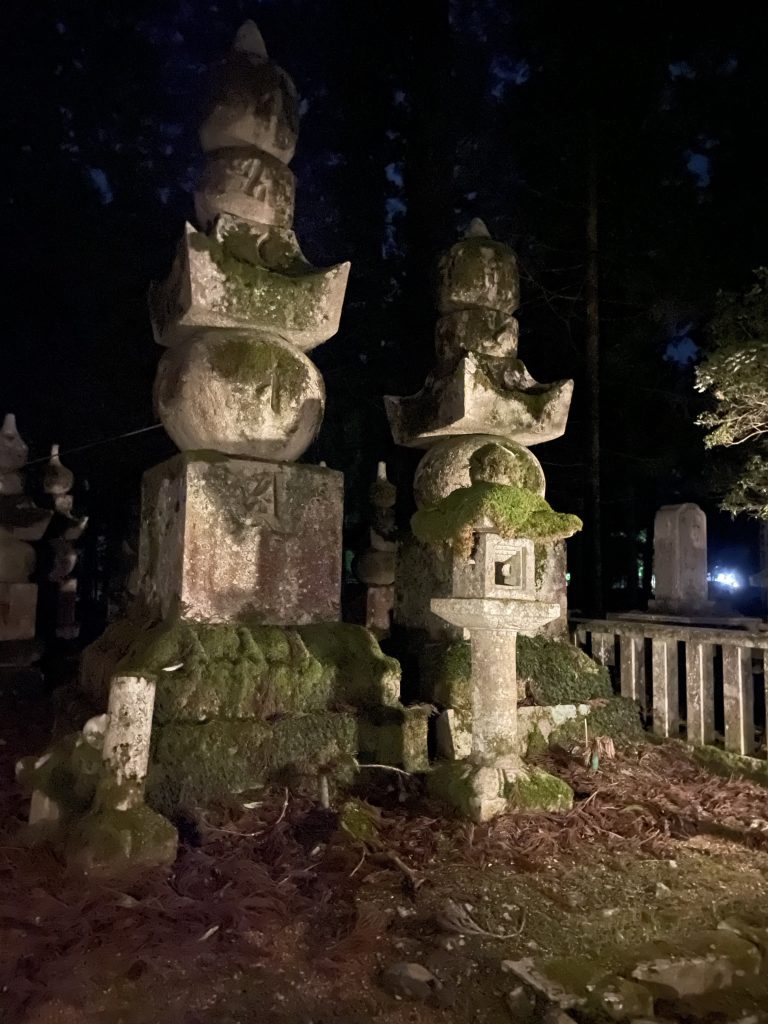
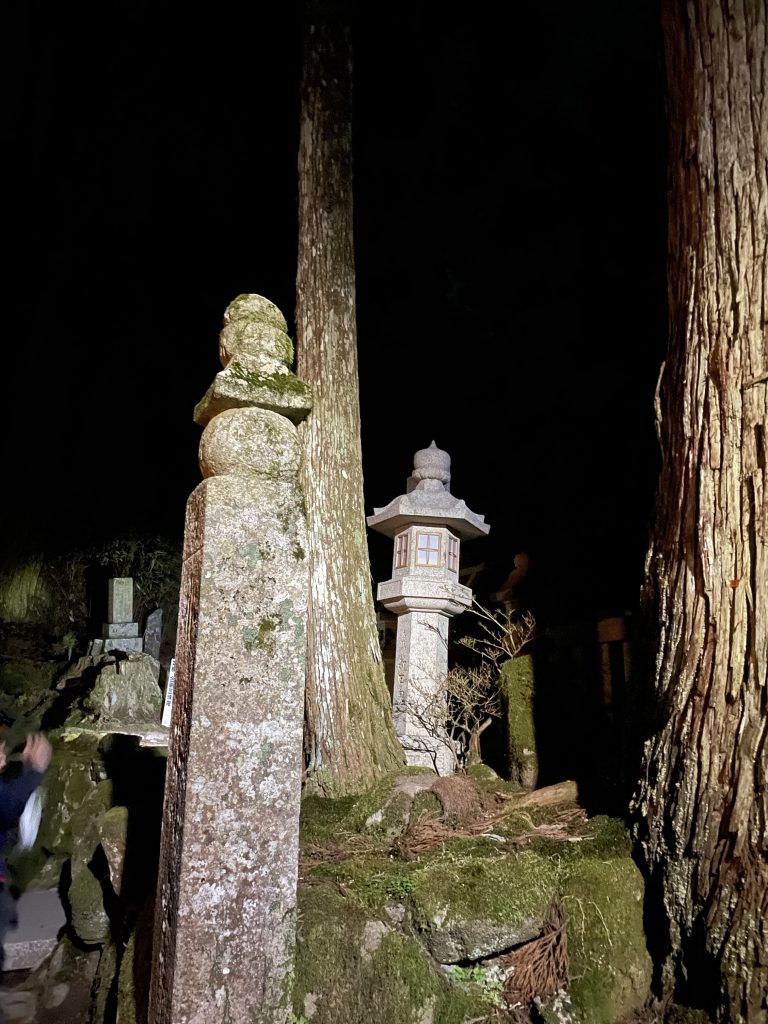
    This is genuinely one of the great sites of not only Japan but the world. An amazing atmospheric graveyard best experienced in the night or very early morning when you have it to yourself. Wandering here is magic and one of our team’s favourite locations anywhere.


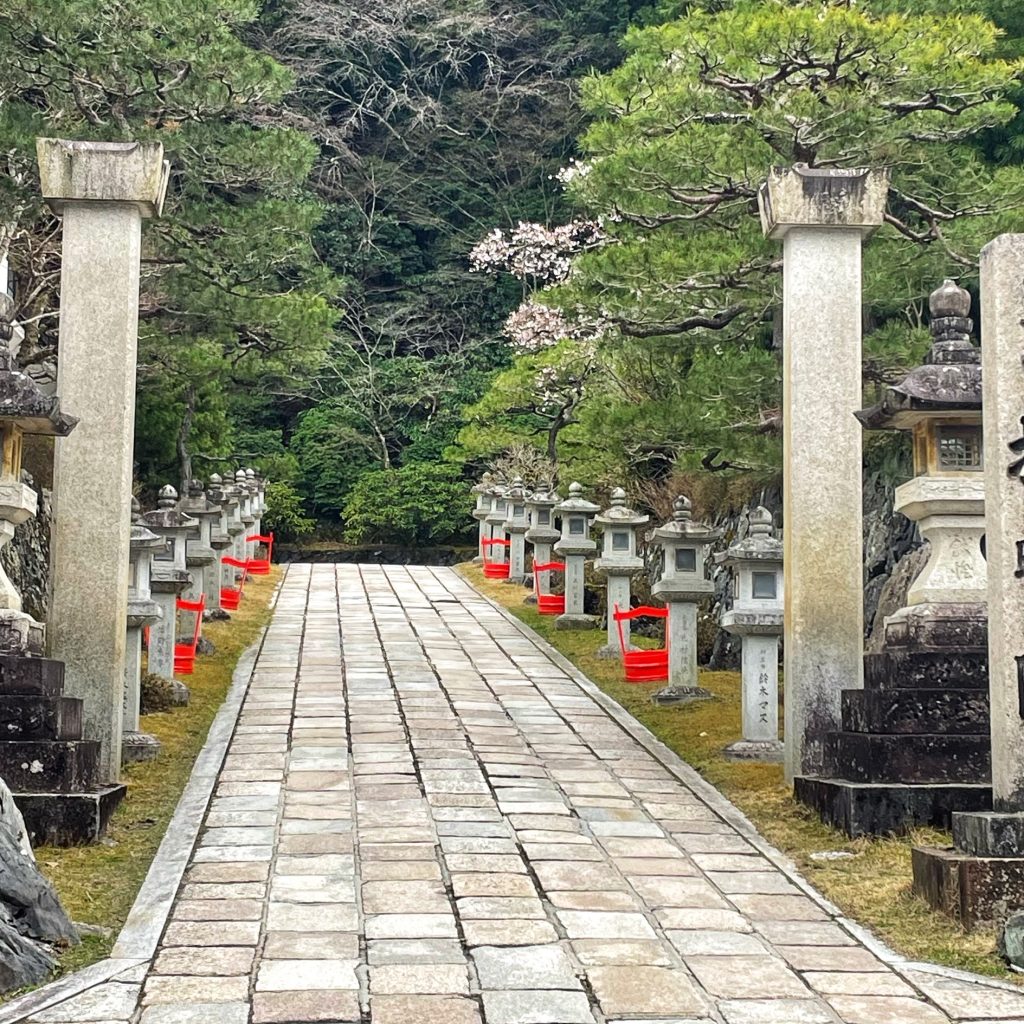
    The Shingon (esoteric) sect of Buddhism that resides on Mount Koya has a succinct view of those who have passed, wherein their graveyard Okunoin is not home to the dead, but waiting spirits. Buddhism doesn’t consider the body and the spirit to be separate, but as one entity intertwined to form a complex individual. The bridge to Okunoin serves as a boundary between worlds, and the cedar trees lining the path seem to open a barrier that welcomes you into the spirit world.

    Traditionally, a Japanese grave consists of only a headstone and a collection of wooden sticks engraved with the posthumous Buddhist names belonging to the family. These headstones have a compartment to store the ashes of the deceased and a dedicated area for flowers, incense and the family seal. As such, a grave is considered a peaceful last resting place with members of the family visiting to routinely clean the headstone and leave drinks or snacks. 

    Venture deep into Okunoin and we encountered many different graves, some that don’t even match any of the previous descriptions. This is because there are more than 200,000 different graves gathered around the mausoleum of the founder of Shingon Buddhism, Lord Kukai (known posthumously as Kobo Daishi). Mount Koya’s temple complex is another creation of Kukai, to serve as the centre of Shingon Buddhism and as a retreat from worldly affairs.

    The spectacular growth of Okunoin is attributed to his massive spiritual influence, inspiring many from all over Japan to request that their remains be placed as close to the mausoleum as possible. To the Shingon Buddhist sect, Kukai has not passed on but is in a state of eternal meditation. Food is offered to him every day and certain monks will enter the mausoleum once a year to trim his hair and change his clothing. 

    While Kukai’s mausoleum is considered to be the most important location in the graveyard, there are some other interesting artifacts to be found in Okunoin. The best time to learn about the stories surrounding this mystical final resting place is at night during one of the special tours offered by resident monks, where the lit lanterns at dusk really make it feel as though you have stepped into the home of spirits. There, your guide will teach you about the cemetery’s famous superstitions and otherworldly objects, such as the Miroku Stone, a large stone at the centre of Okunoin that judges your sins–heavier for the sinful and light for the righteous, challengers must attempt to lift it with just one hand.

    It is interesting to note that not only monks are buried here. In fact, anyone regardless of background is permitted a final resting place on the mountain. Still, if eternity is too big of a commitment for now, the Shingon Buddhists of Mount Koya run various temple retreats known as Shukubo that give visitors a glimpse into what life is like on Mount Koya. Each temple has its own charm, but what stays the same is the spiritual experience. Entering the mountain and seeing the light shine through the thick forest canopy on the mossy ground really makes you feel like you have been transported to a different world.

    One of the core beliefs of Shingon Buddhism is a love of present life and a search for the truth. Being in the presence of veneered spirits brings inspiration and knowledge to celebrate life and understand its mysteries. Shingon in Japanese means ‘true word’, because it challenges its followers to get closer to the unwritten eternal wisdom of Buddha. Thus, a visit to Mount Koya allows you to see the daily efforts of the monks up close and even participate. We invite you to open yourself to the mysticism of the mountain and the spiritual power of the more than 200,000 monks before you. .

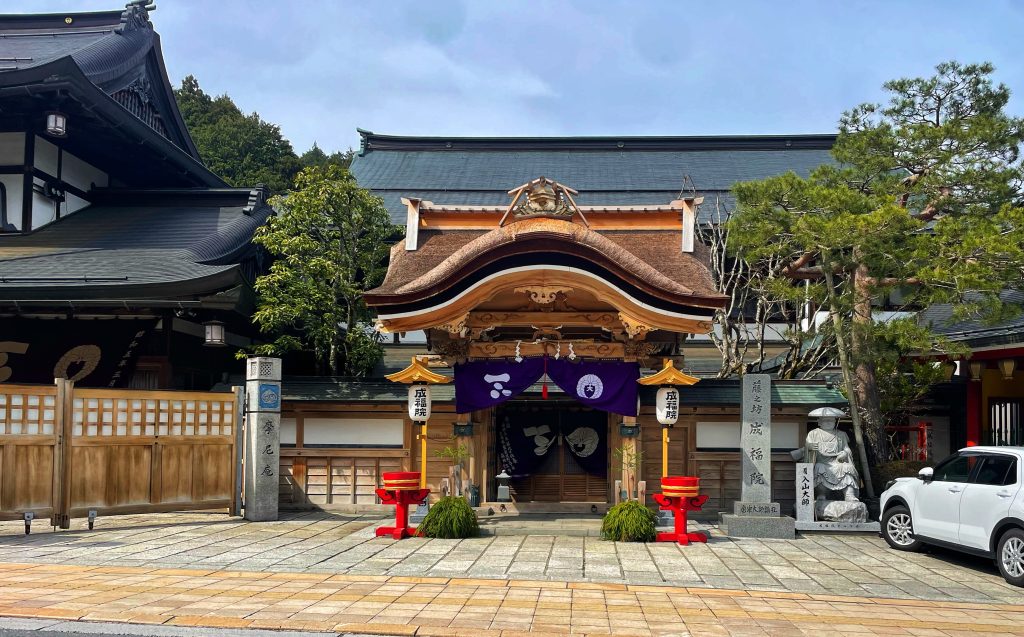
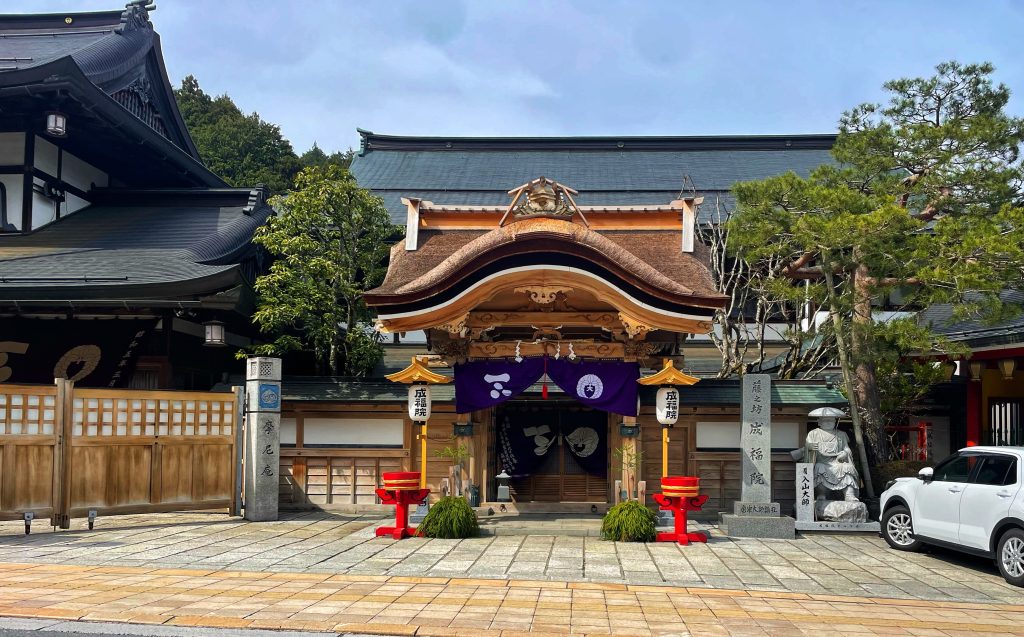
    Check in at Sekisho-in Temple

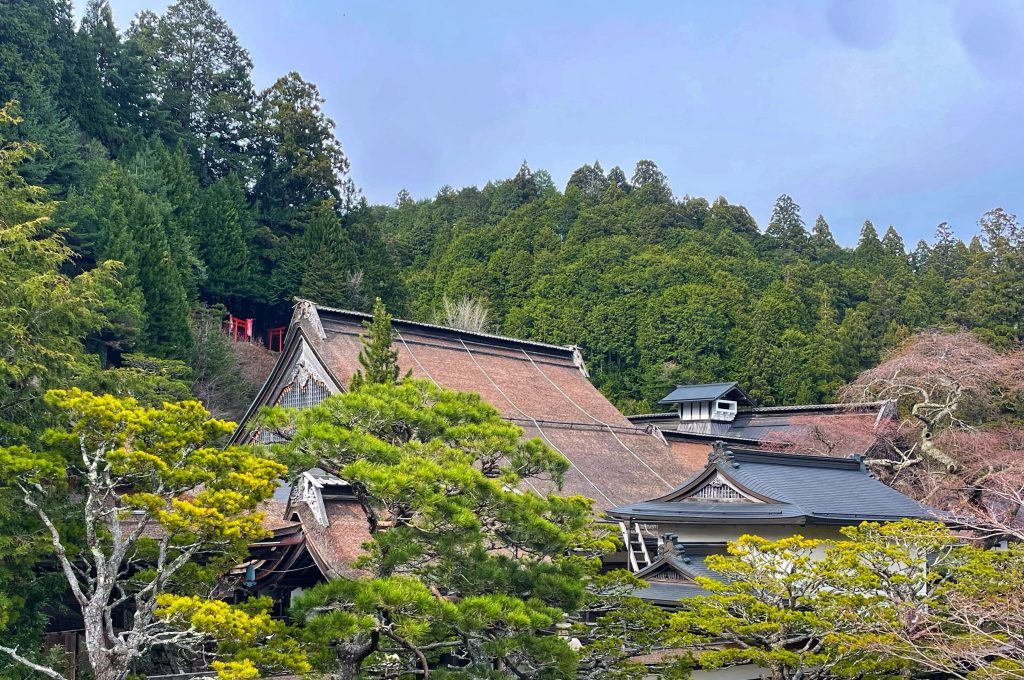
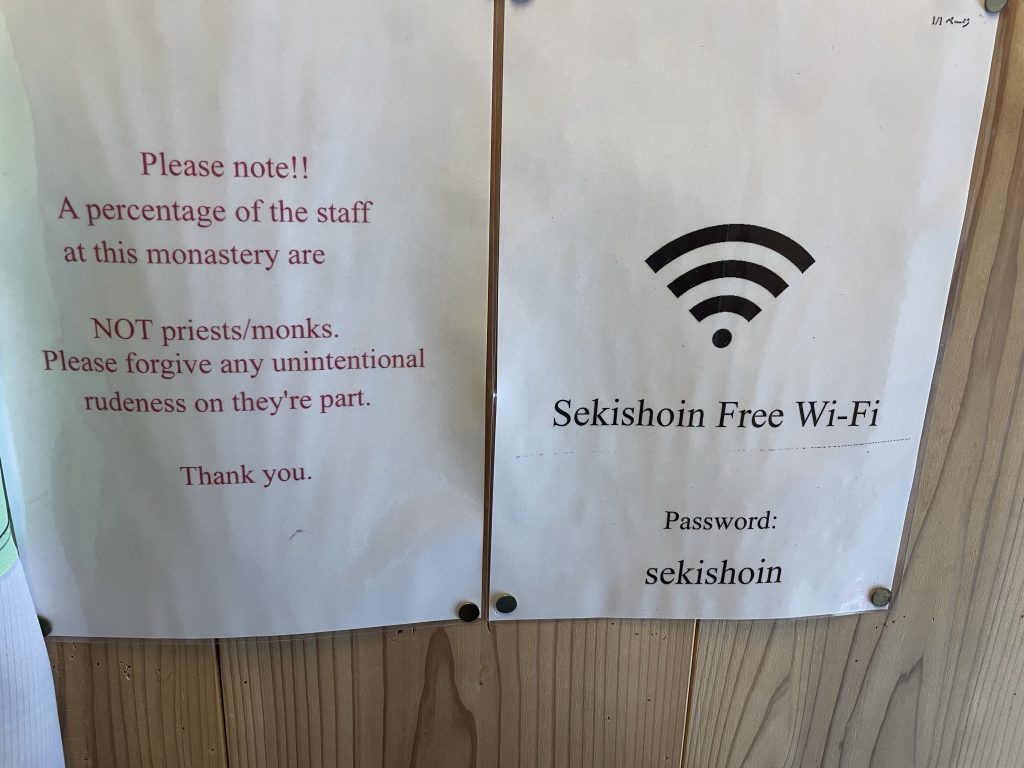
    Sekishoin was founded by Seikai Ajari about 1,100 years ago. It was originally called “Yamamotobo.” In the Muromachi period, one of Emperor Godaigo’s sons, Prince Moriyoshi, became the chief Buddhist monk at the temple. One of his guards, Akamatsu Norimura, followed his master and also became a monk, adopting the name Enshin Nyudo. Renamed “Sekishoin,” the temple has been holding memorial services for the Akamatsu family ever since. (“Sekisho” is an alternative reading of the characters for “Akamatsu.”)

    The temple’s main highlight is its vast 21,690 sq. ft garden. The garden is renowned for being one of the most beautiful places at Mt. Koya. The scenery takes advantage of the proximity to Okunoin Temple, and rewards visitors with stunning views of trees and a pond in perfect harmony with the surrounding landscape, with red maple leaves in autumn. The garden is home to a tea ceremony room that is famous for its “uguisubari” corridors, whose floors make a sound like birds singing as you walk on them.

    Life is Good in Koyasan!

    Sayonara
  • Shogun Day 12: Osaka Rest

    Even though this was the second test day in just a few short days, it was welcomed!
    Osaka is such a contrasting environment to our last few days of riding and is a huge amount of fun. Osaka proper has a population in excess of 2.7 million and the Osaka Prefecture is 8.8.million.


    If Kyoto was the city of the courtly nobility and Tokyo the city of the samurai, then Osaka (大阪) was the city of the merchant class. Osakans take pride in shedding the conservatism found elsewhere in Japan, and this spirited city – Japan’s third-largest – is a place where people are a bit brasher, and interactions are peppered with playful jabs. 

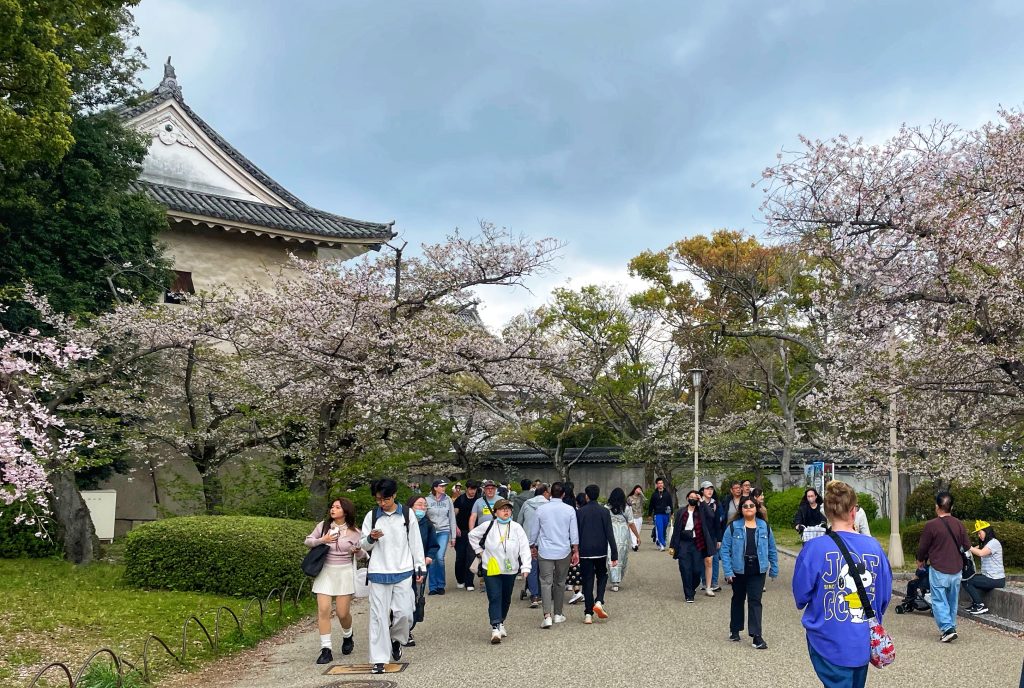
    After last night’s heavy rain, this morning turned out be mostly sunny and warm, and of course the cherry blossoms Wes on their regal splendour!
    Four us set out after breakfast to find the Himeji Castle. It was worth the visit and good that we got there early before the crowds started to build…

    Himeji Castle

    Himeji Castle (姫路城, Himejijō), also known as White Heron Castle (Shirasagijo) due to its elegant, white appearance, is widely considered Japan’s most spectacular castle for its imposing size and beauty and its well preserved, complex castle grounds. The castle is both a national treasure and a world heritage site.

    Unlike many other Japanese castles, it was never destroyed by war, earthquake or fire and survives to this day as one of the country’s twelve original castles.

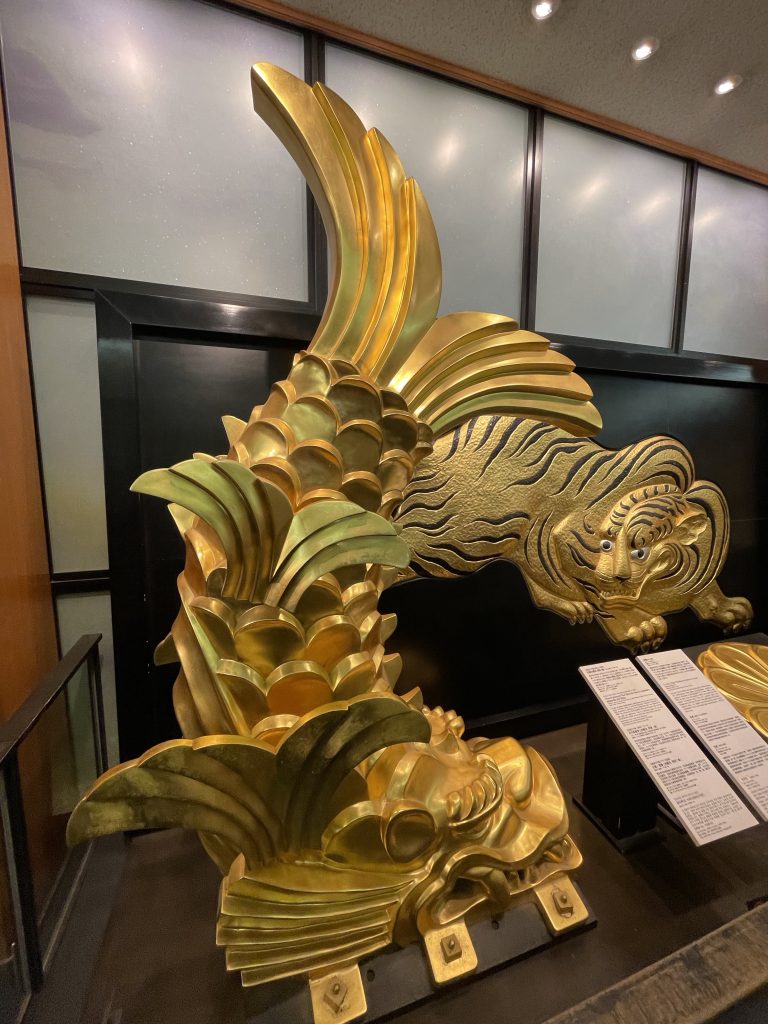
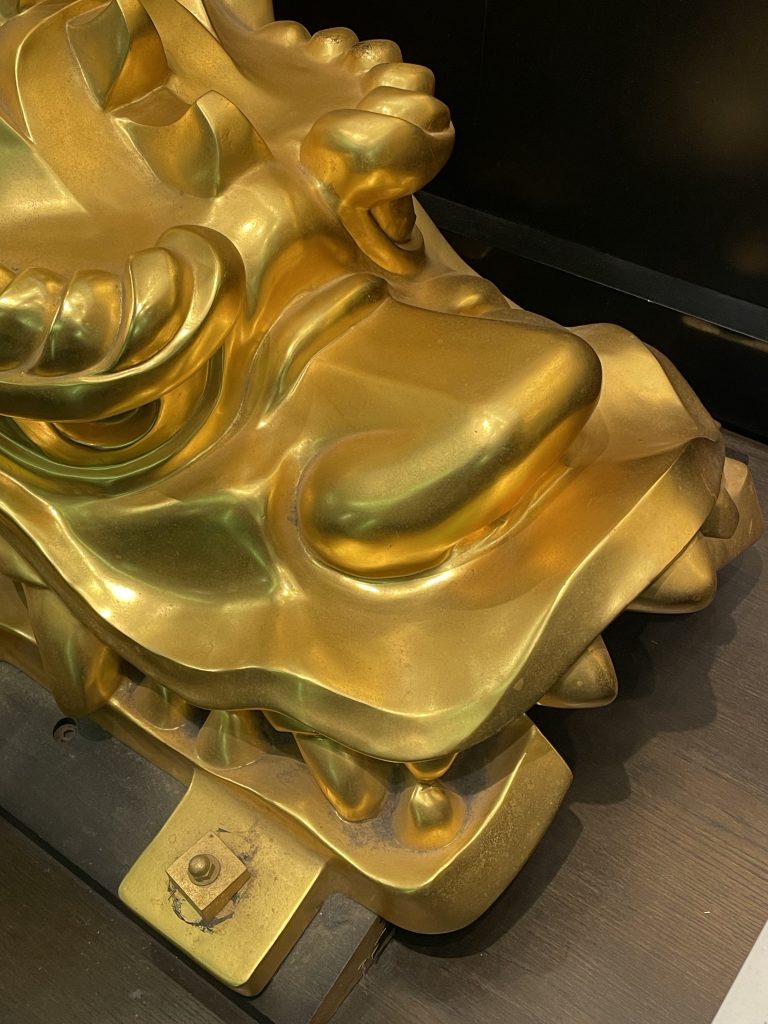
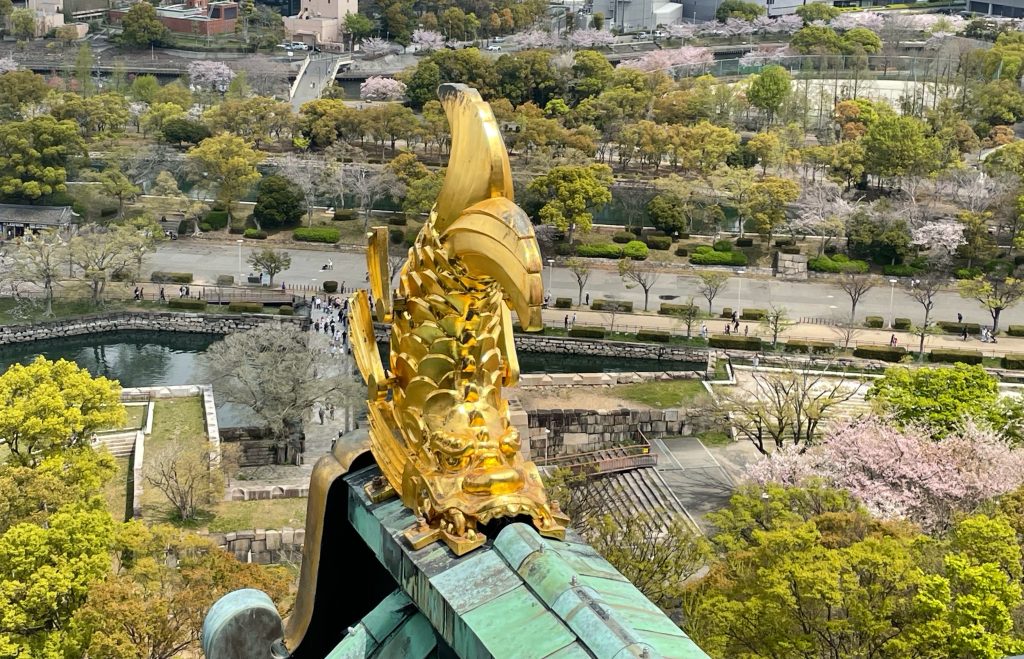
    Himeji Castle lies at a strategic point along the western approach to the former capital city of Kyoto. The first fortifications built on the site were completed in the 1400s, and were gradually enlarged over the centuries by the various clans who ruled over the region. The castle complex as it survives today was completed in 1609. It is made up of over eighty buildings spread across multiple baileys, which are connected by a series of gates and winding paths. Most of the castle was destroyed during the Summer Wars in 1600, and rebuilt in 1604. The main emblem of the rulers of the castle is this mythical ocean fish with a dragon’s face and sharp scales…it adorns the outside in many places.

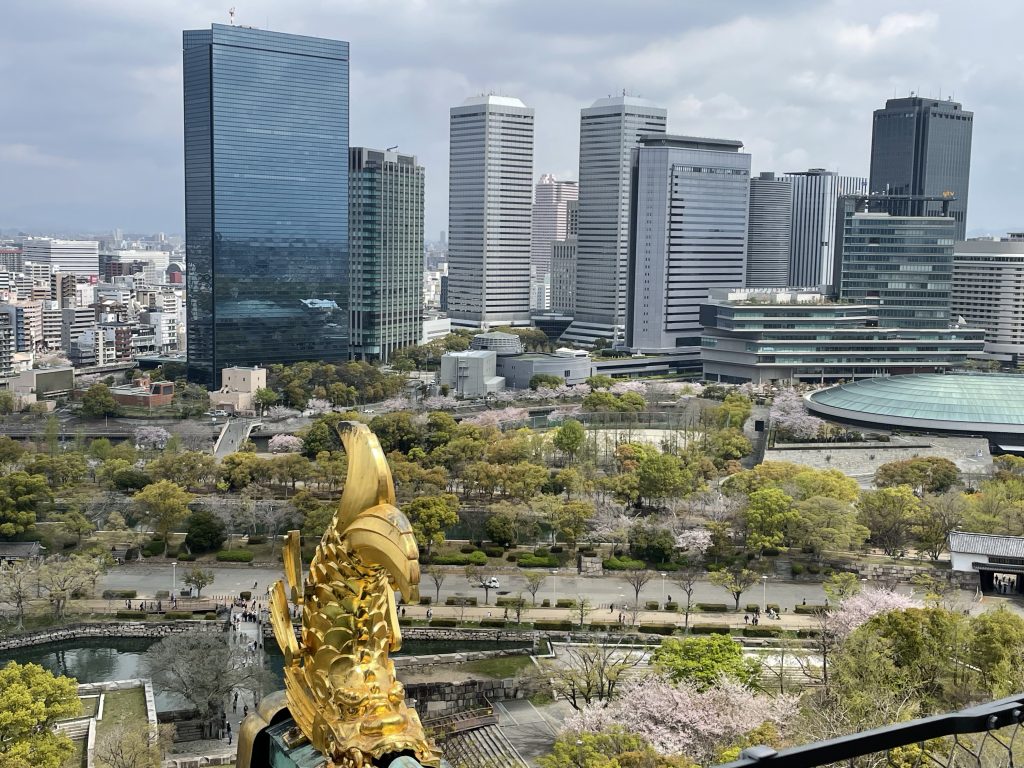
    The castle is genuinely magnificent and you can walk all the way to the top floor, about 10 stories. From the top a 360 degree view of the grounds of the castle and the city of Osaka.


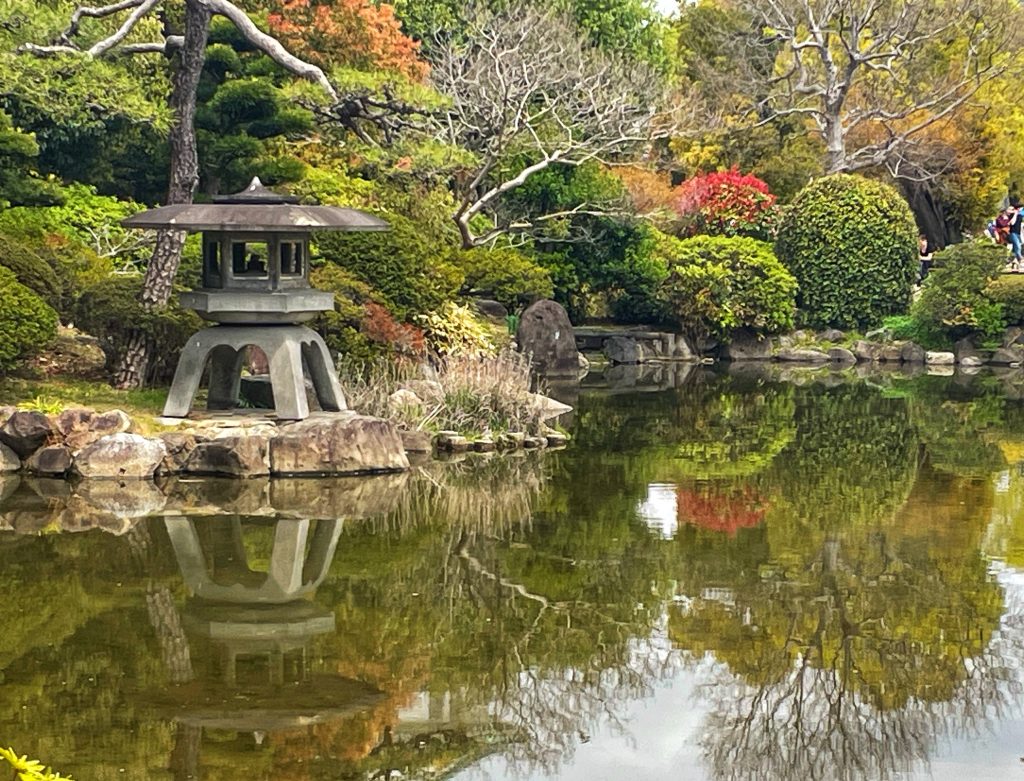
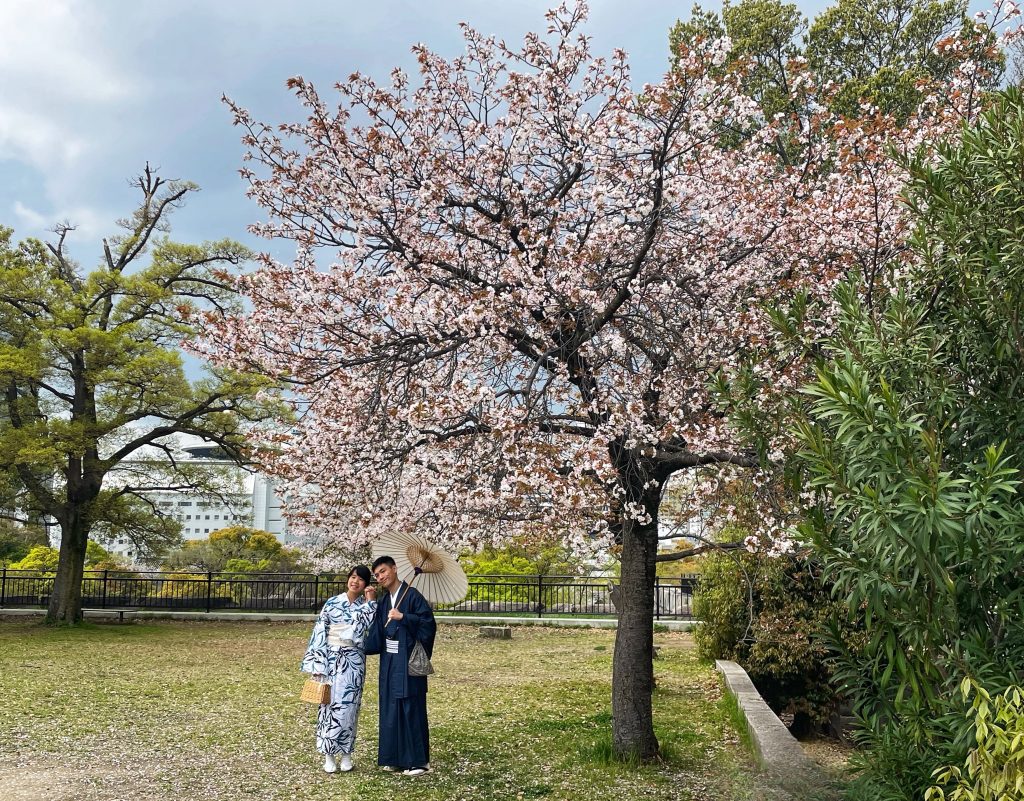
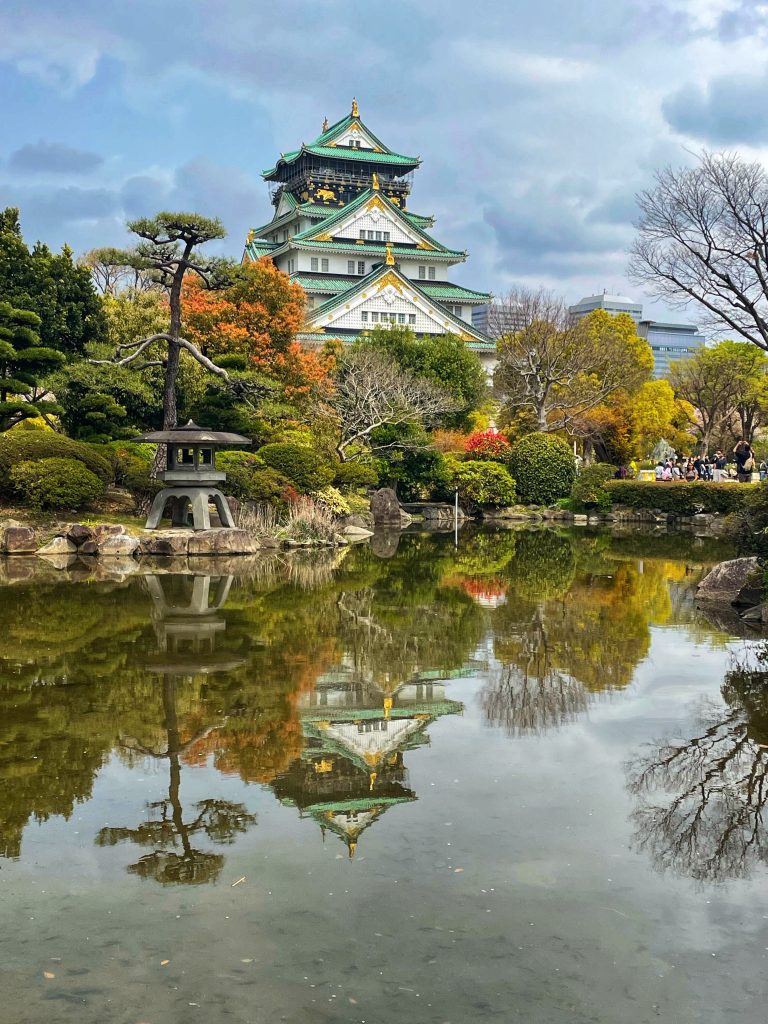
    A walk through the Gardens on our way out…a great spot for wedding photos and reflecting ponds


    We decided to take the subway back to about 2km from the hotel, then some lunch….early to bed, the fun starts again in the morning!

    Life is good in Osaka

    Sayonara
  • Shogun Day 11: Imabari to Osaka

    Watch the Relive video here:https://www.relive.com/view/vRO7ZJRPMKv

    On the Road – Distance 92km / 57 mi | Elevation 1098 m / 3602ft


    Note 7 climbs below…the last 6 indicate the climbs up to the bridges.

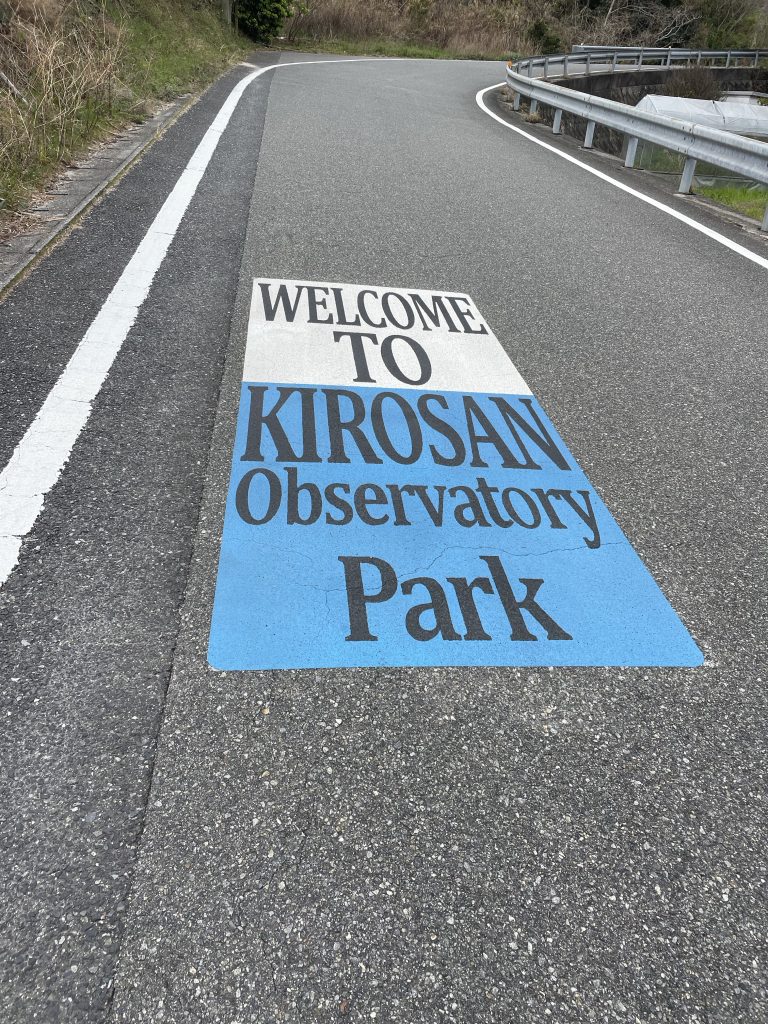
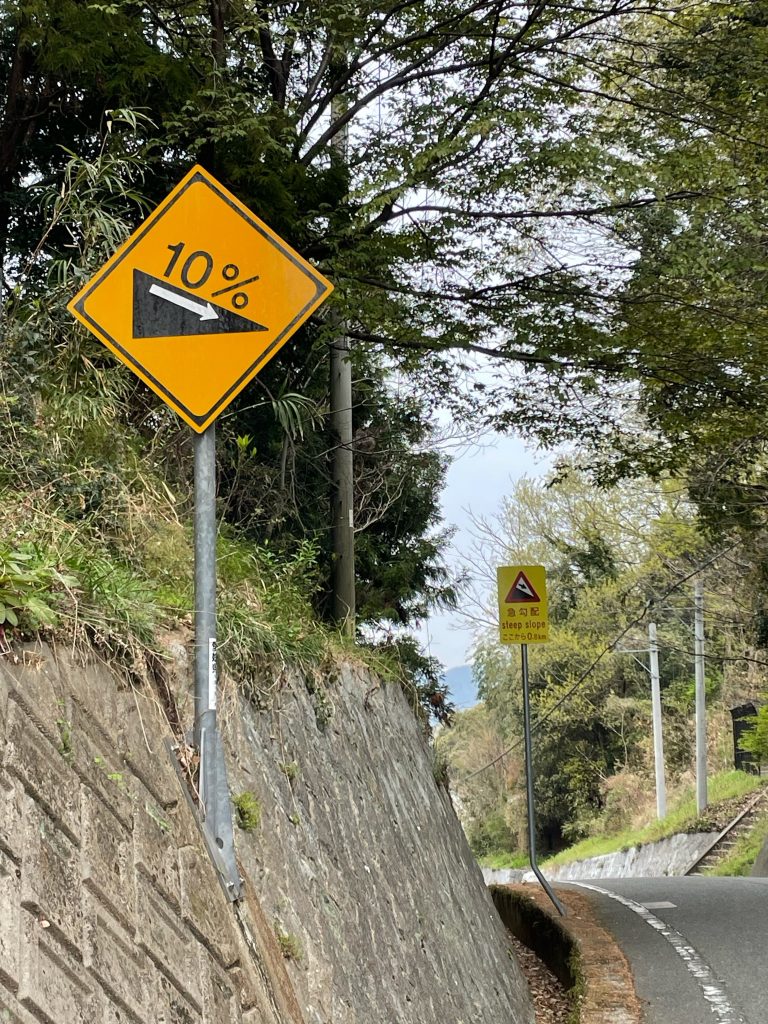
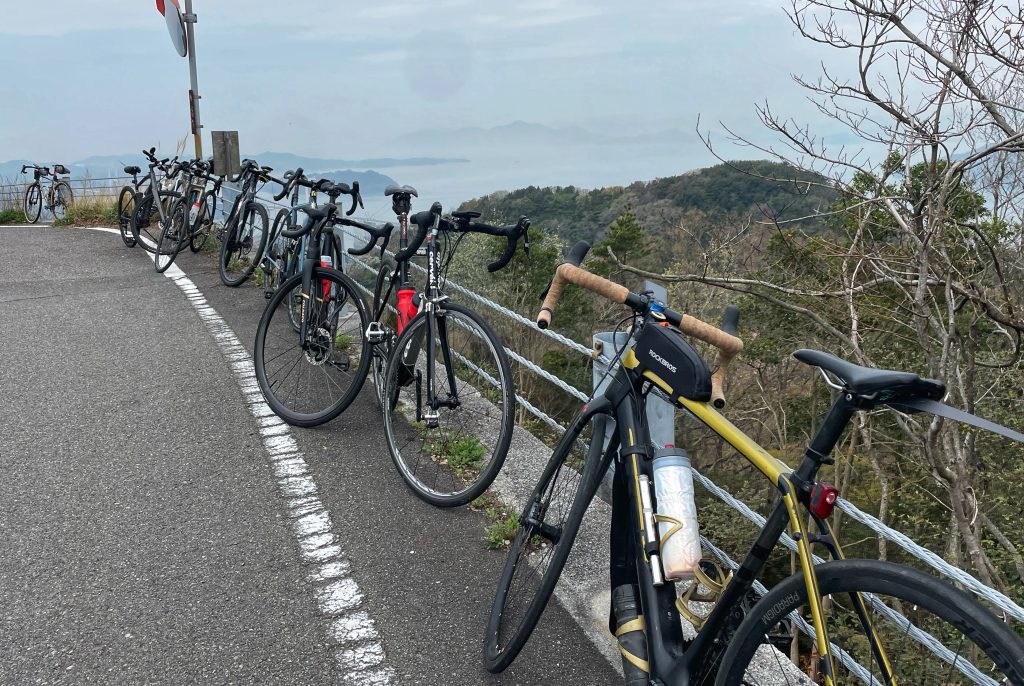
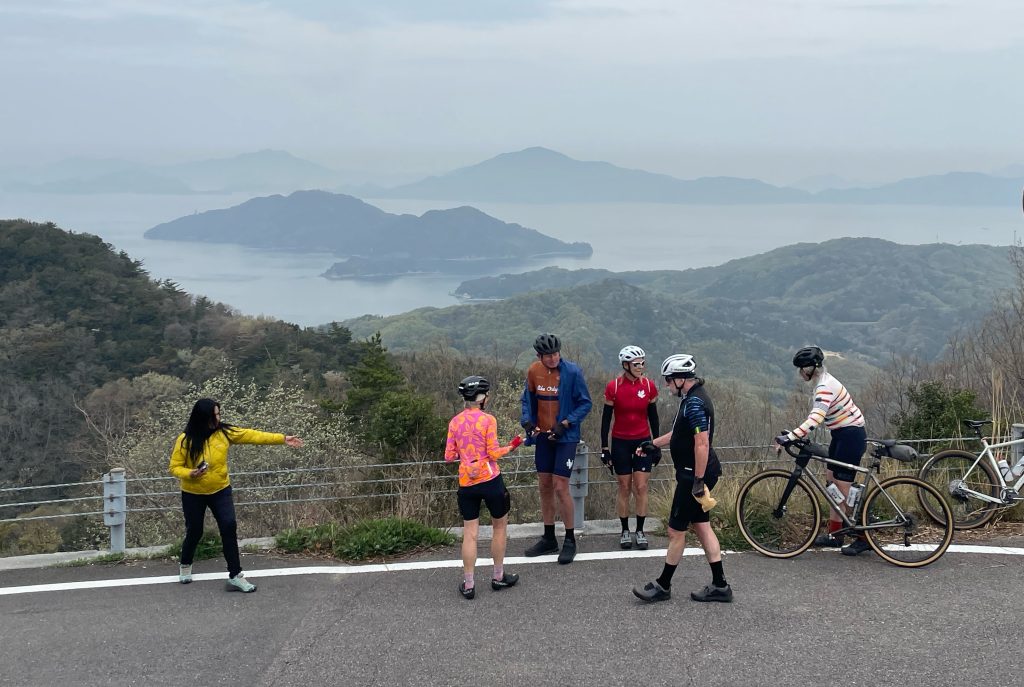
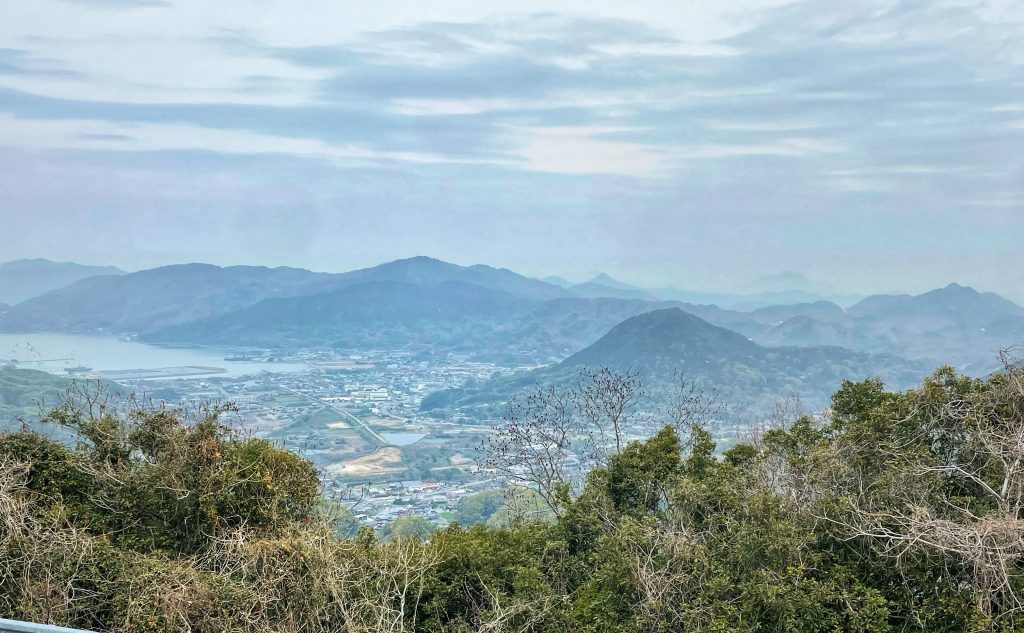
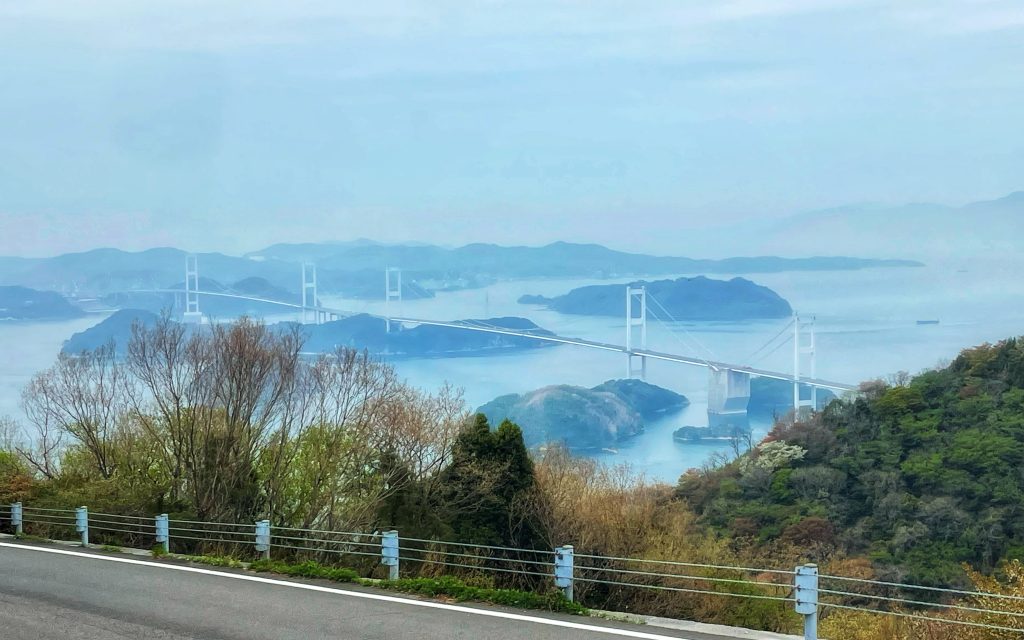
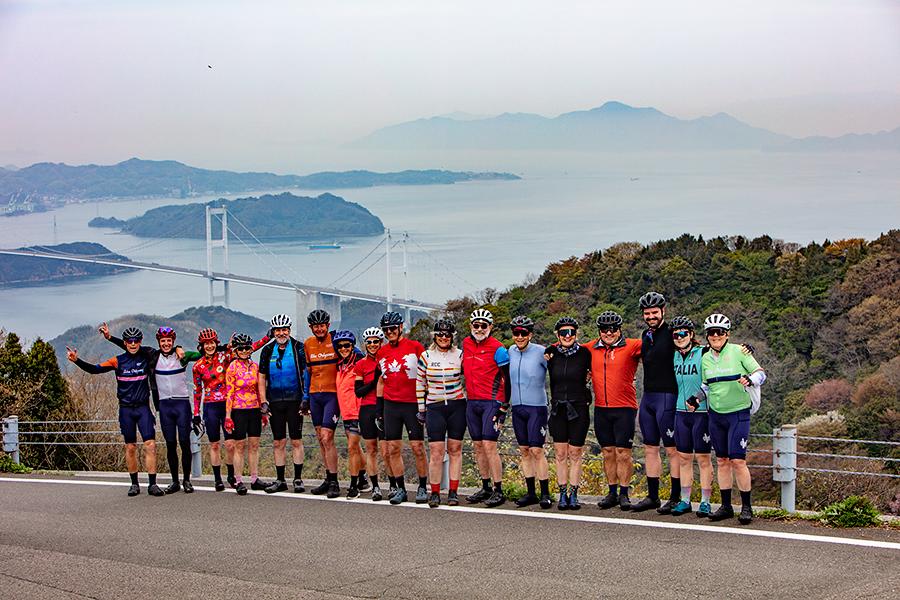
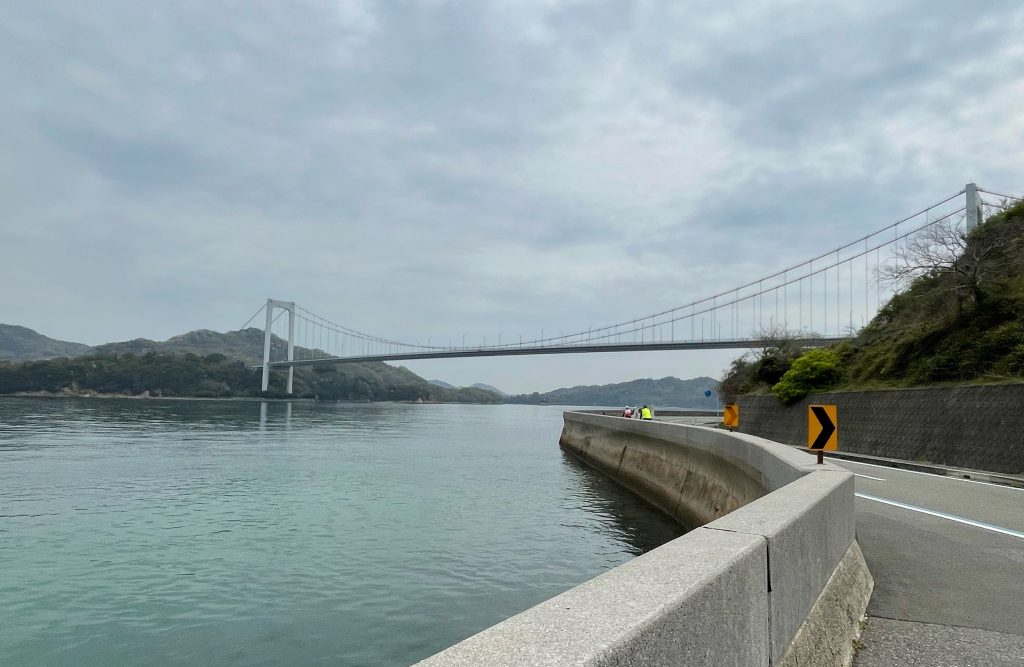
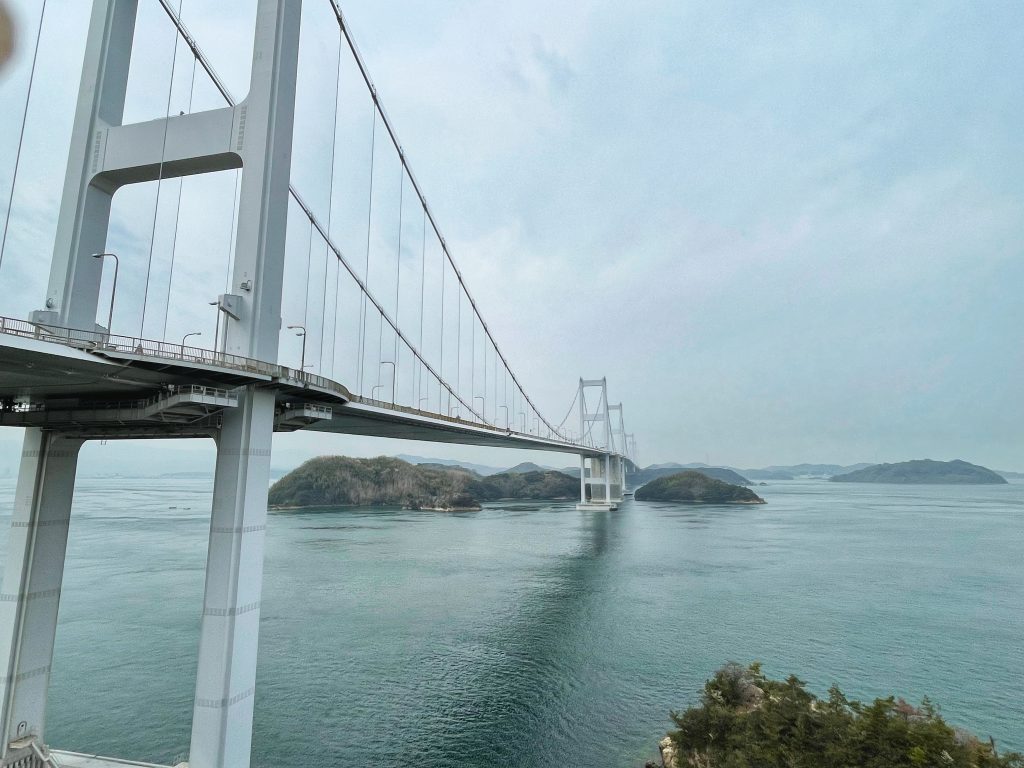
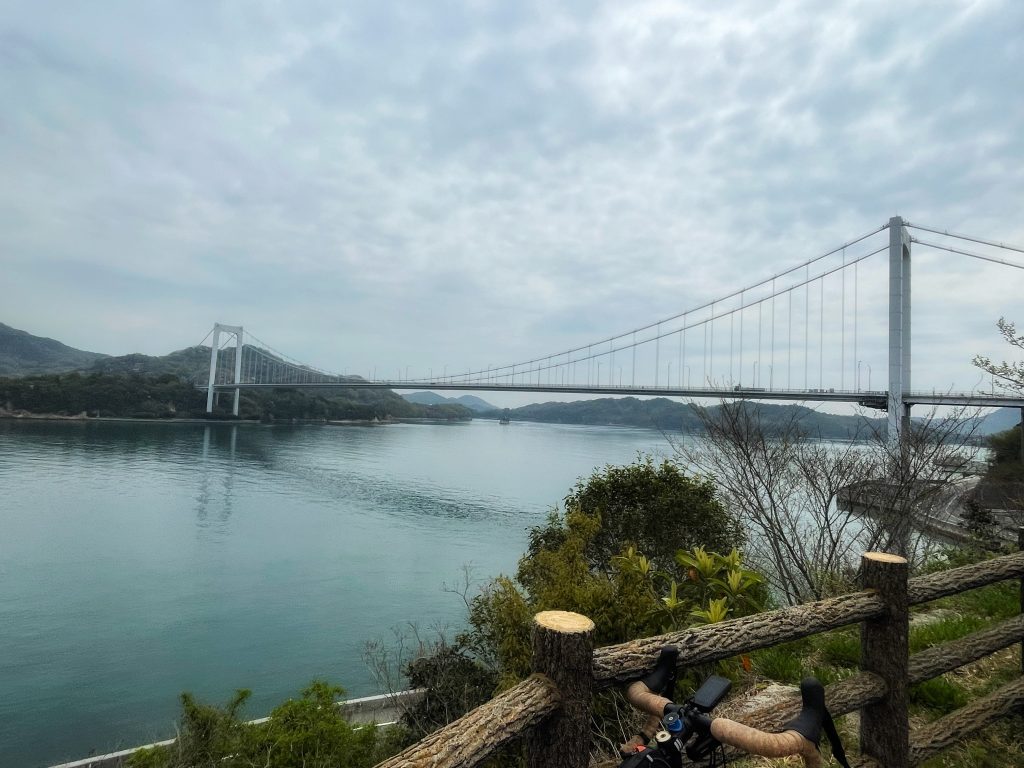
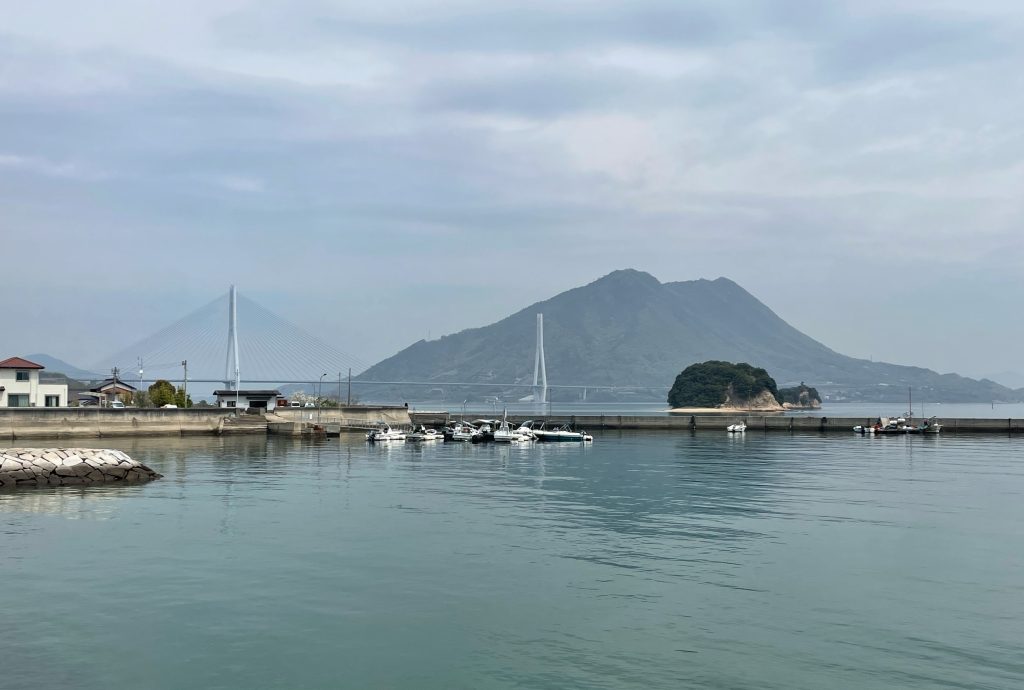
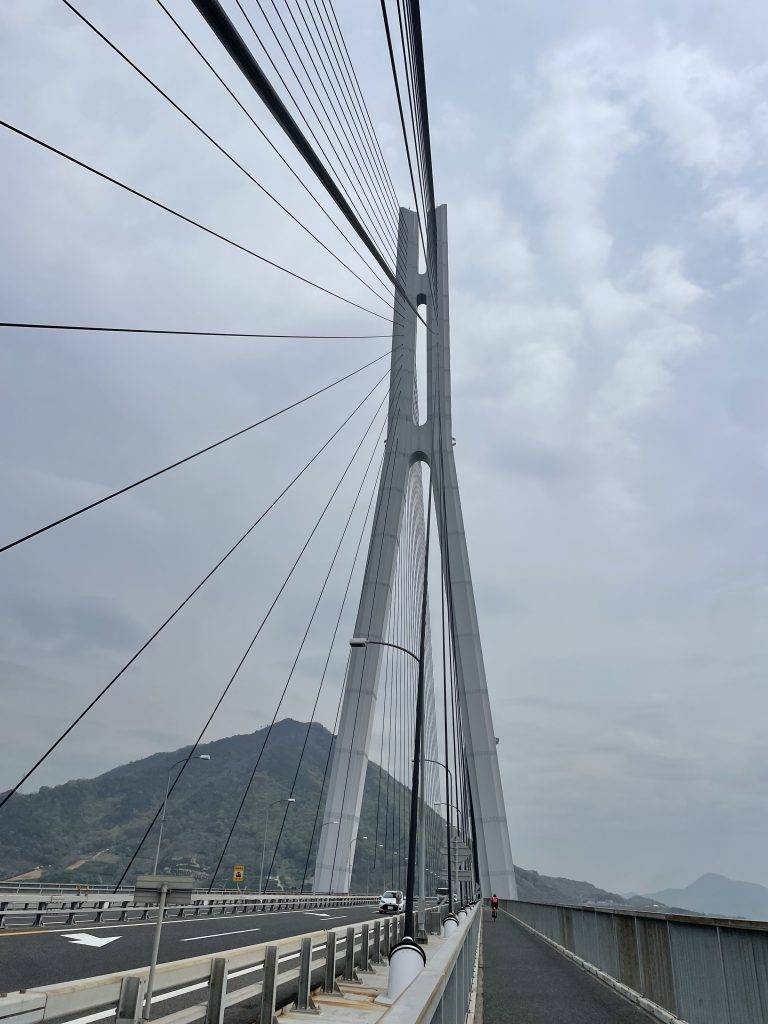
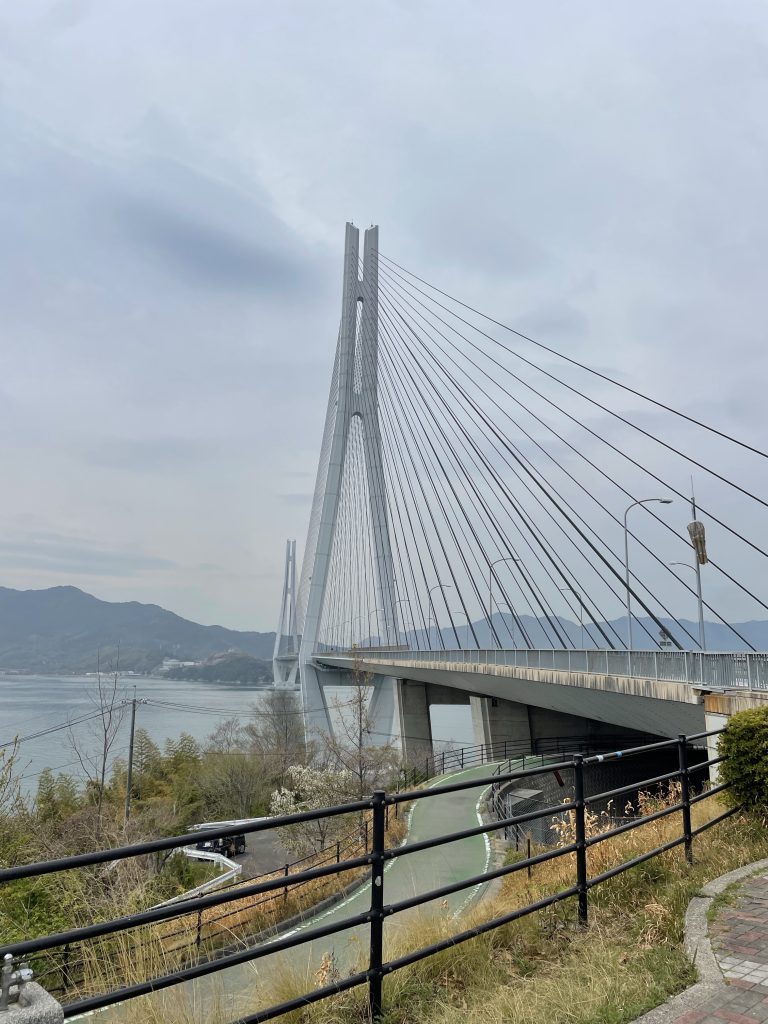
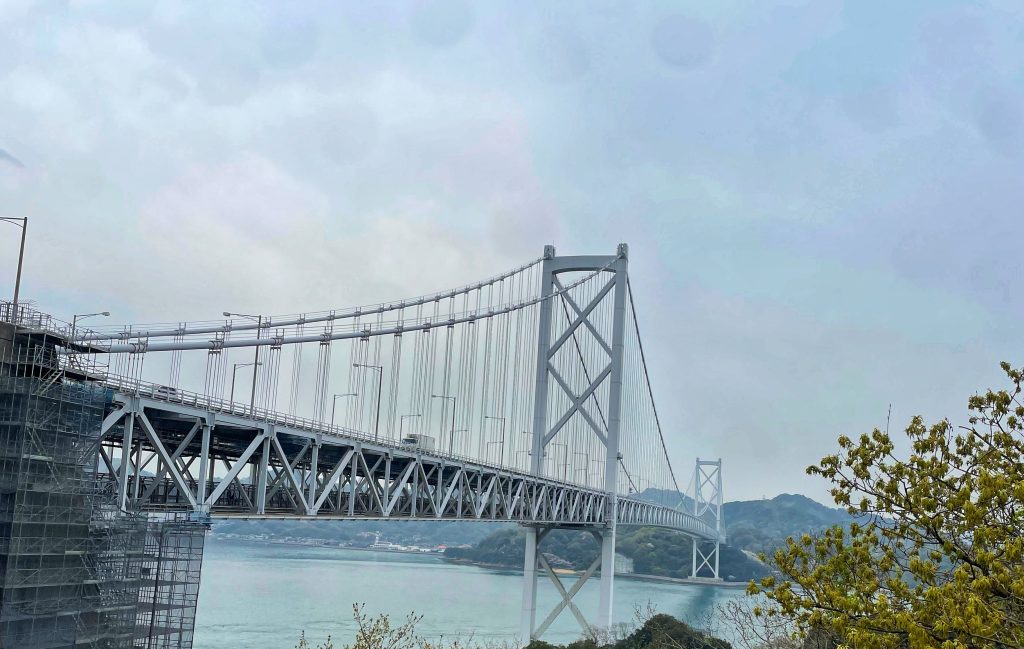
    The day started by cruising out of Imabari after our last night in prefecture Shikoku and onto the immense bike path along Japan’s second biggest suspension bridge(6km long!). But before that we climbed 7 km @ 9-11% grade up to Kirosan Observatory to a lookout point giving us a panoramic view of several islands. Even with overcast skies all day, the views were still spectacular.

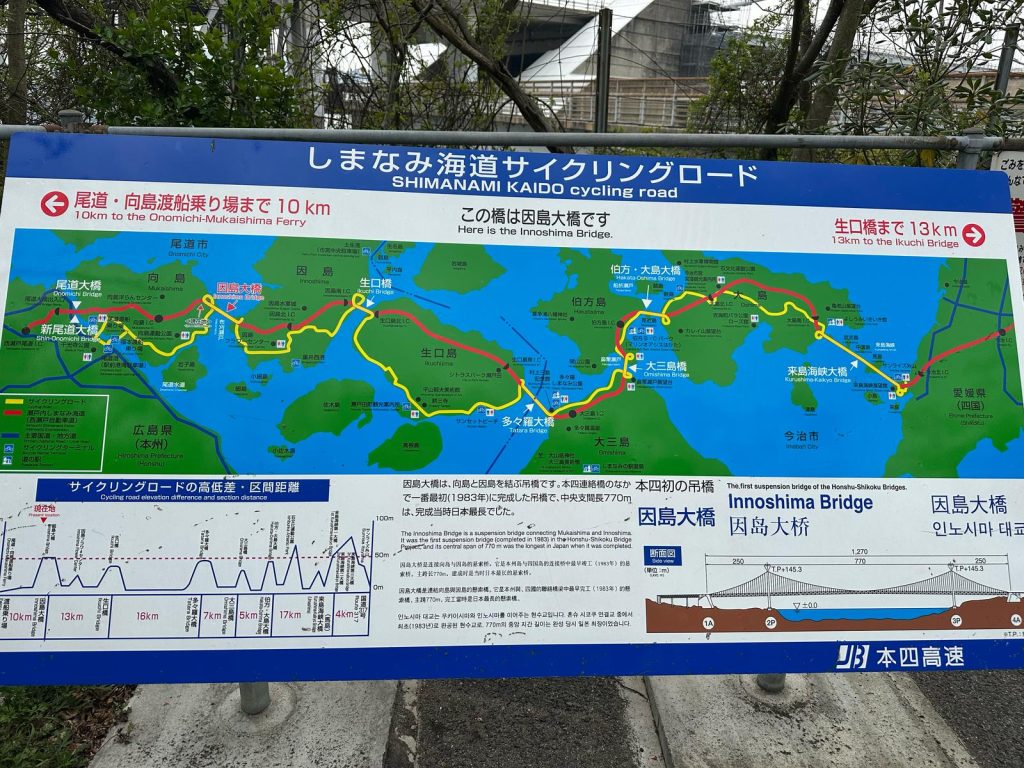
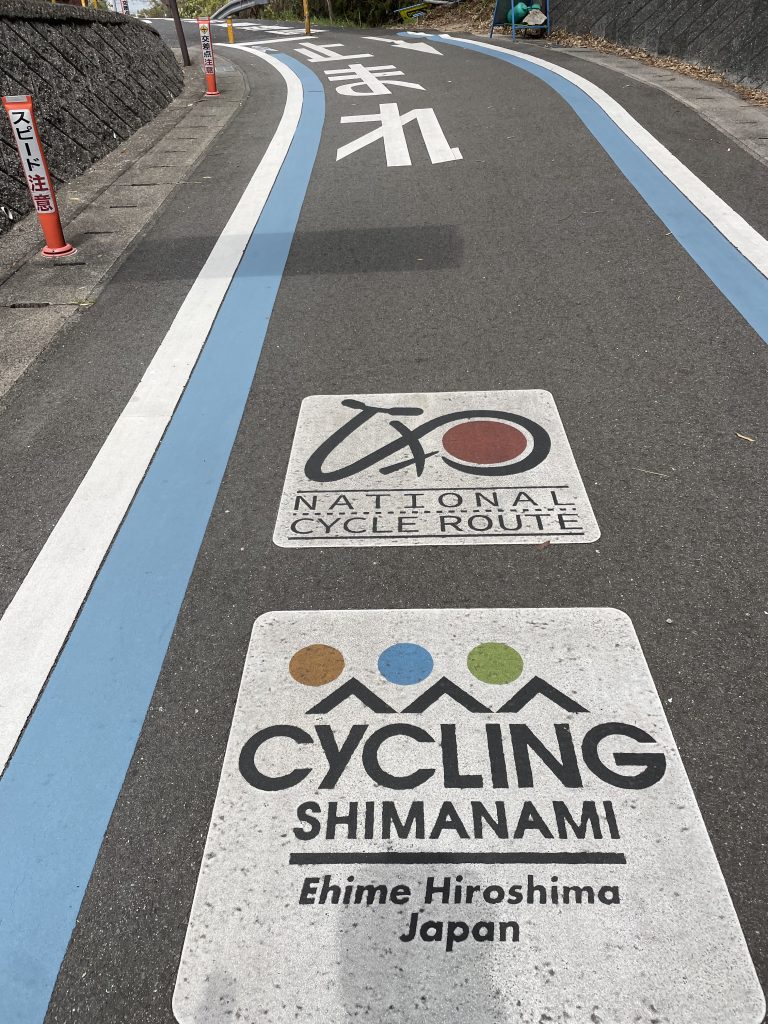
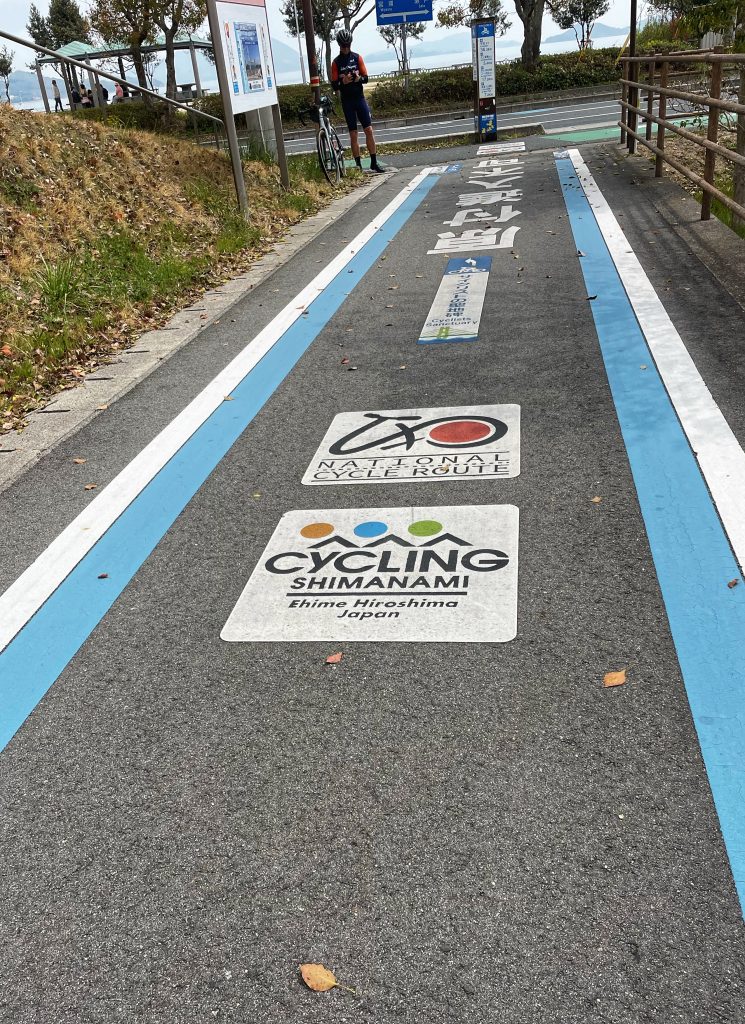
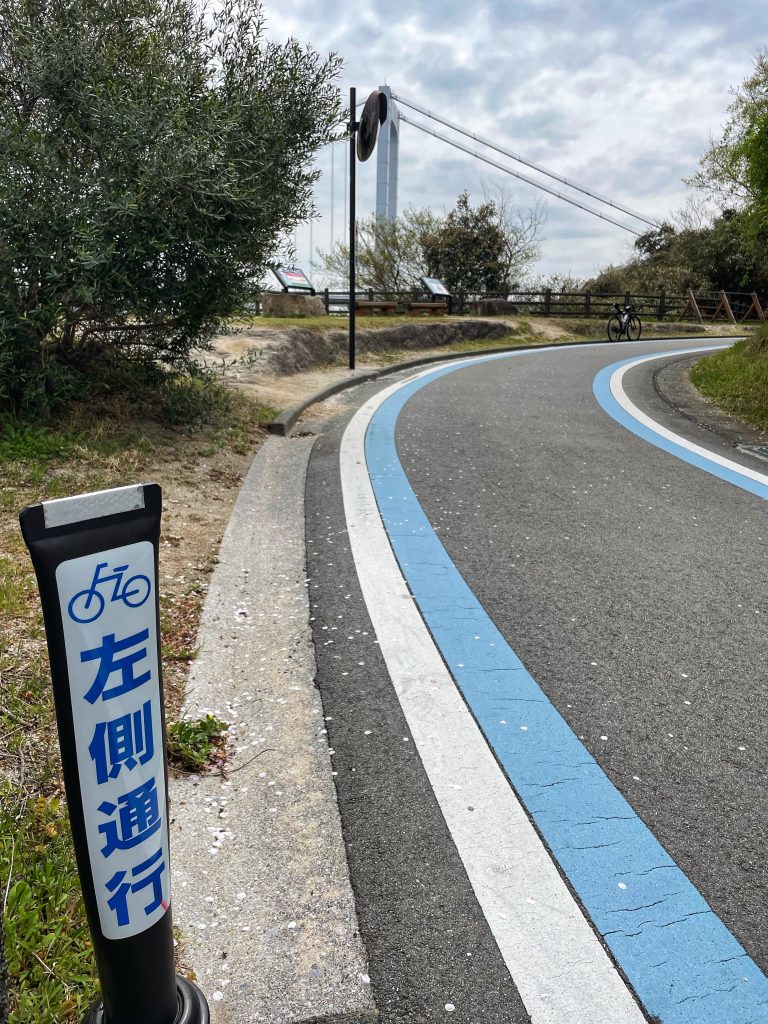
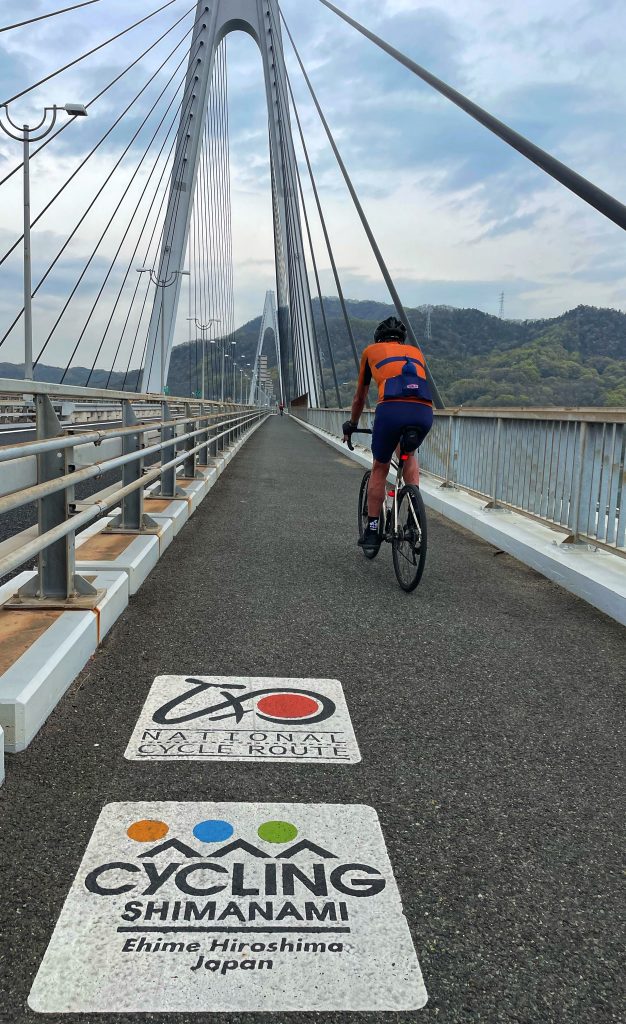
    Today we rode Japan’s premiere cycle route – The Shimanami Kaido!, probably the best bike trail system anywhere in the world. The route is well marked by a blue line on the road and the route links up to 6 long bridges.

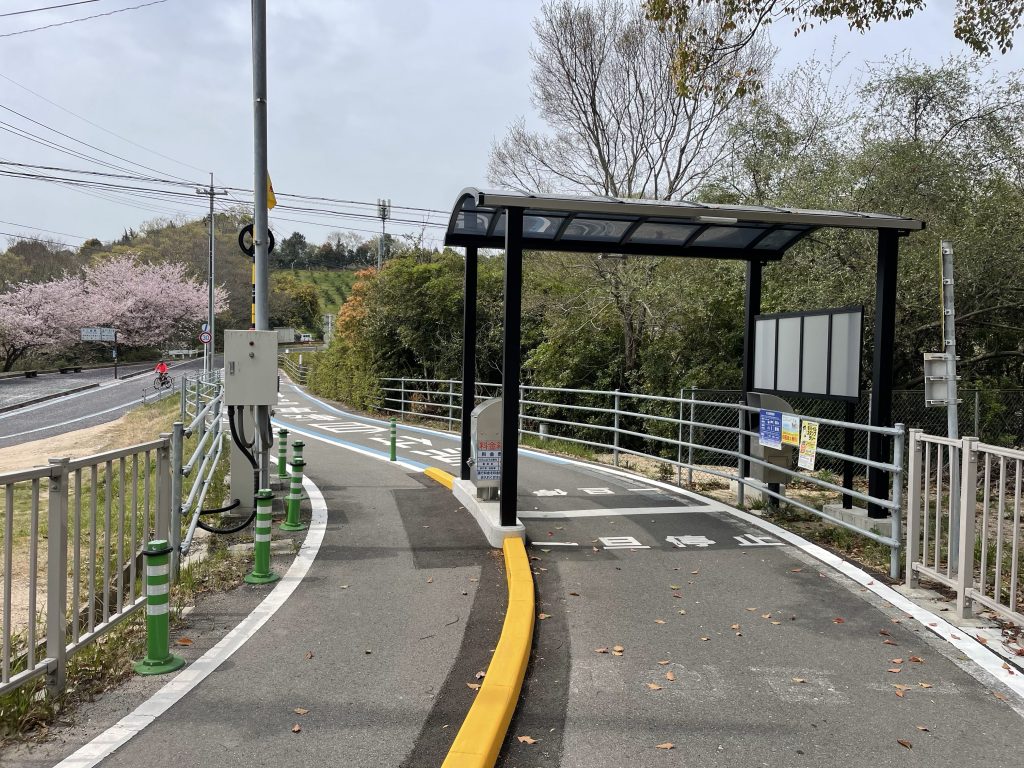
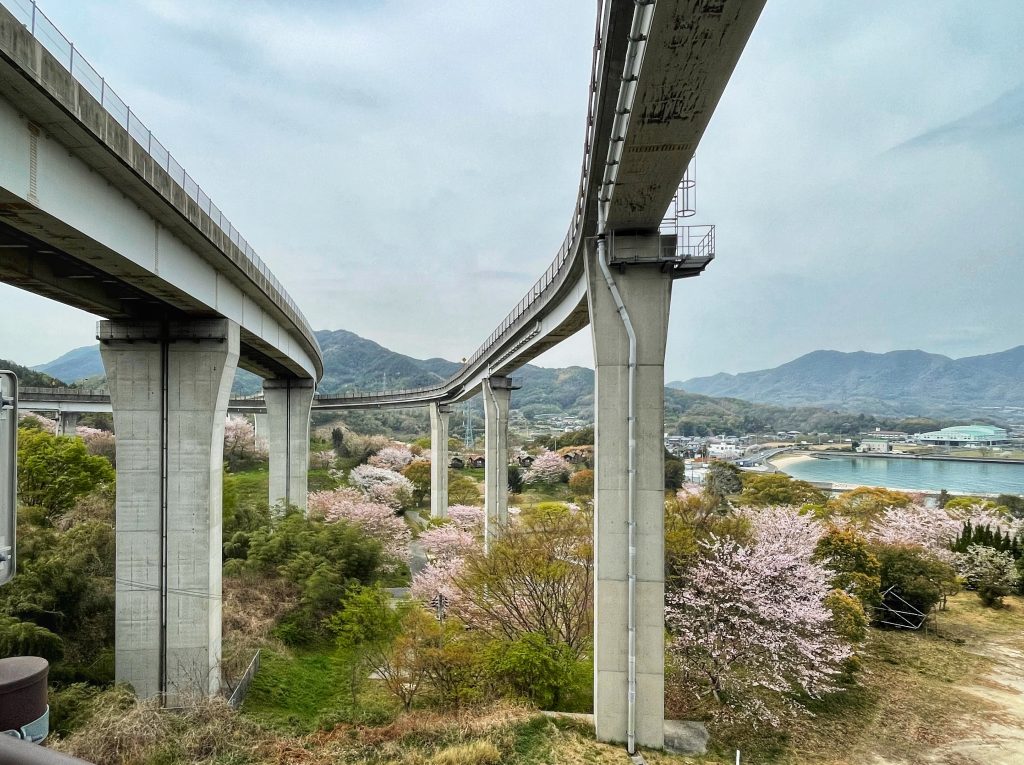
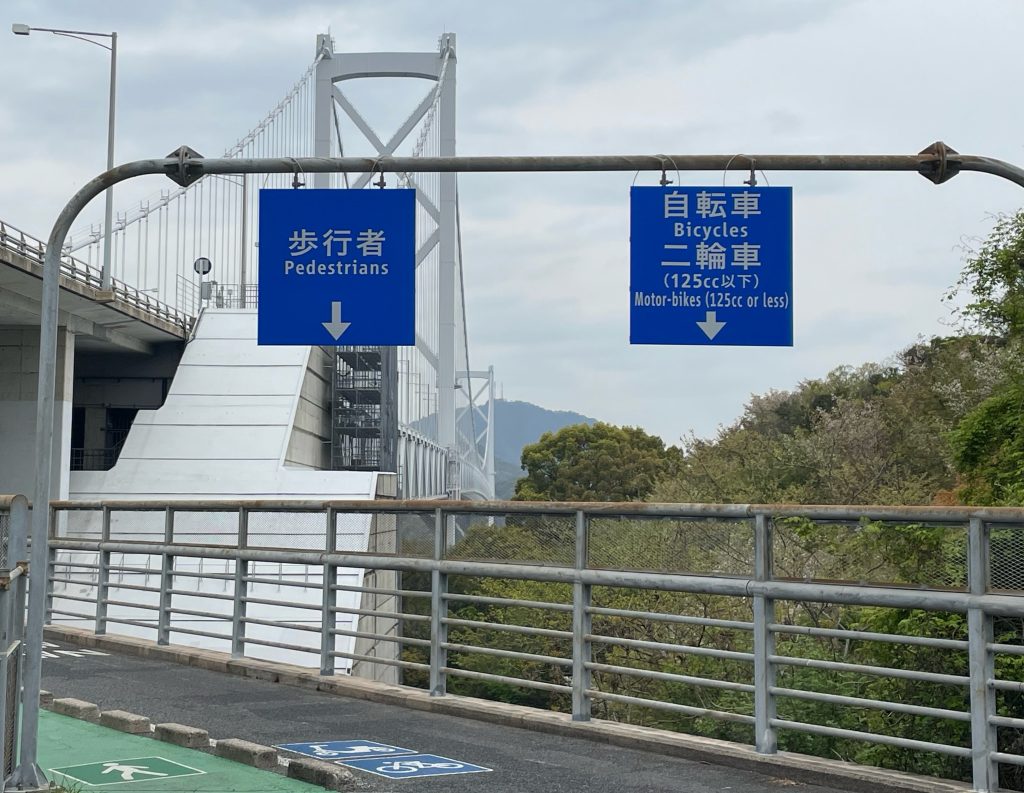
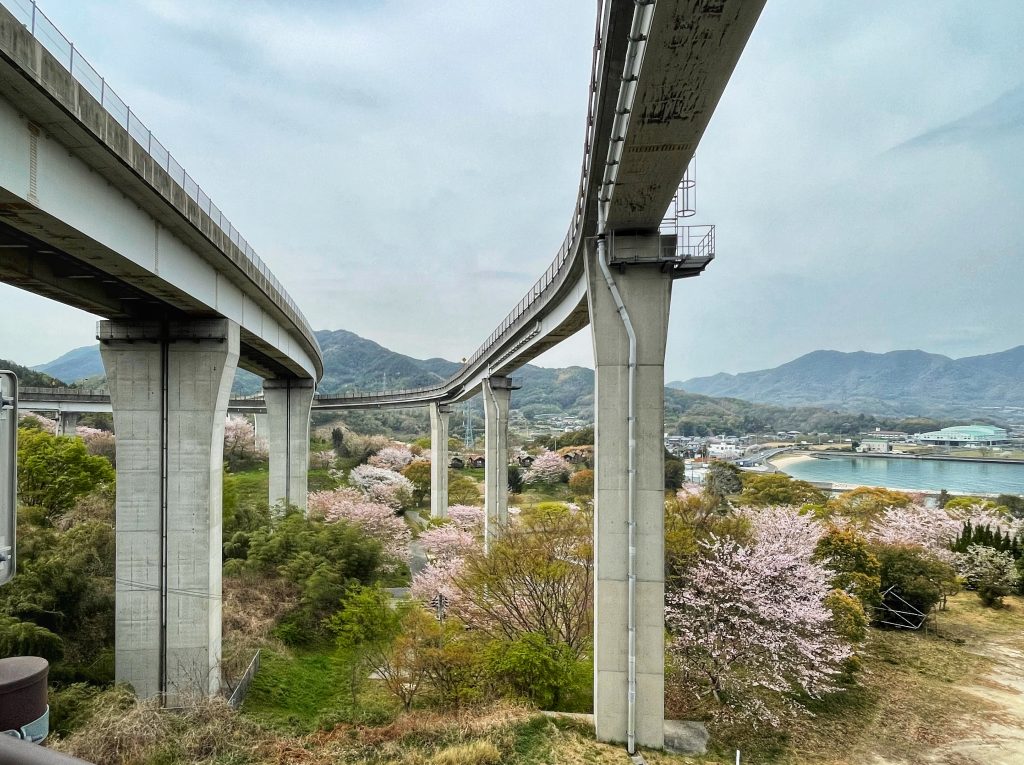
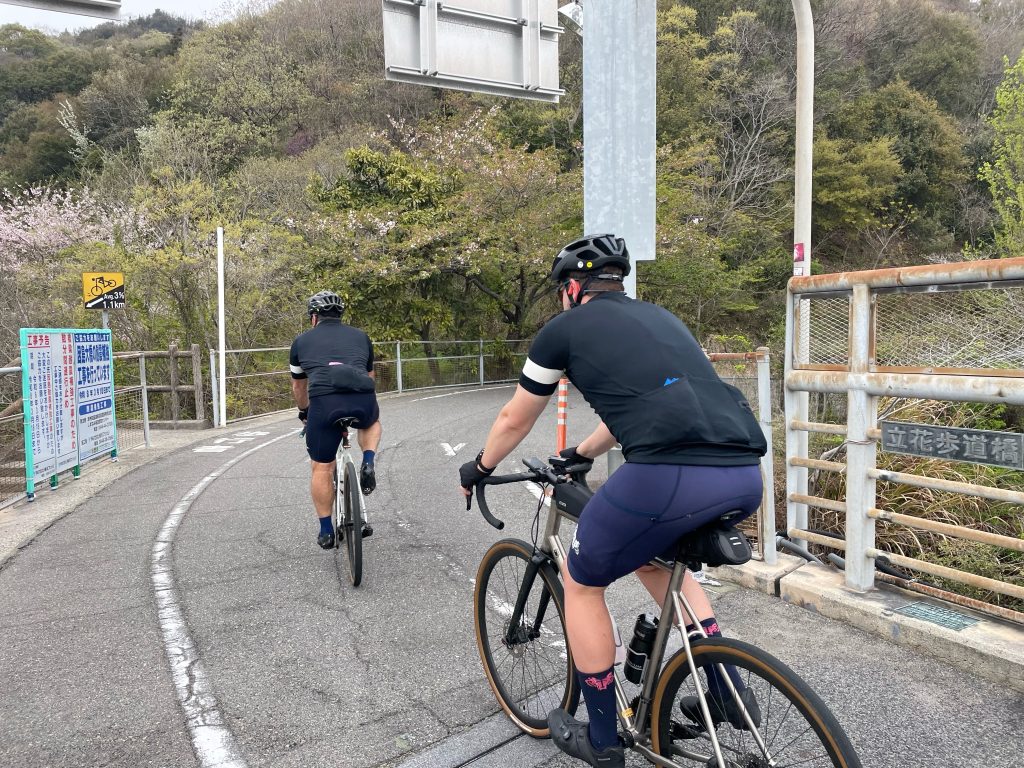
    As you approach each bridge the trail takes you off the paved road onto a dedicated and free paved bike paths (motor bikes pay toll) that winds up to each suspension bridge and back down on the other side.

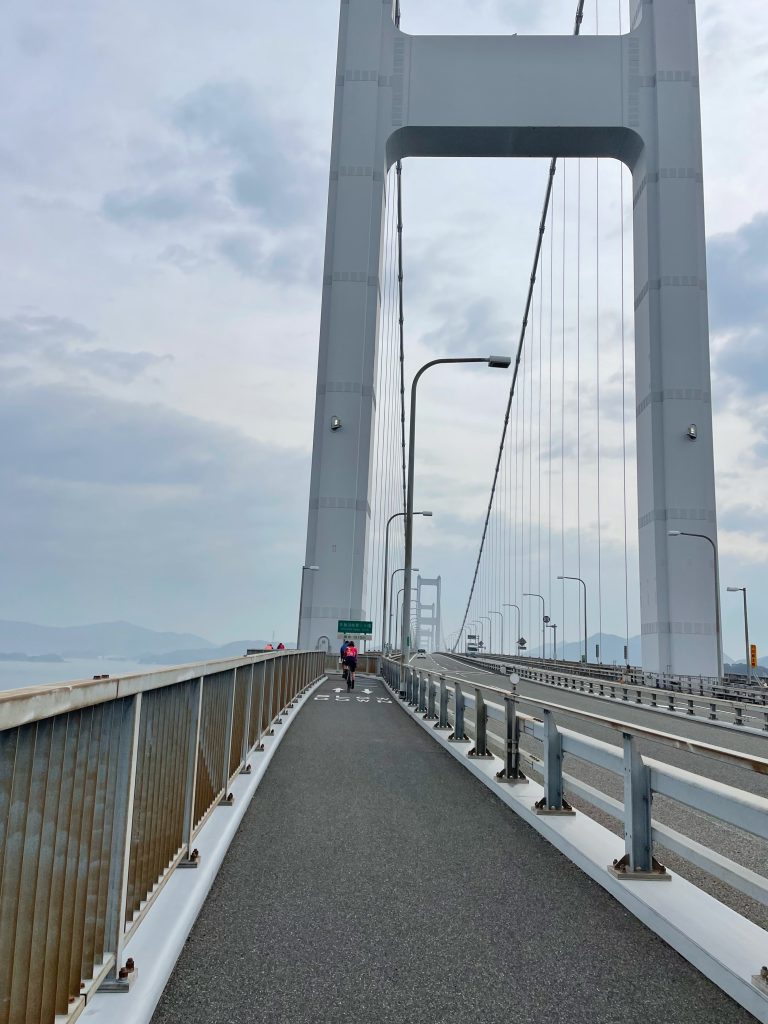
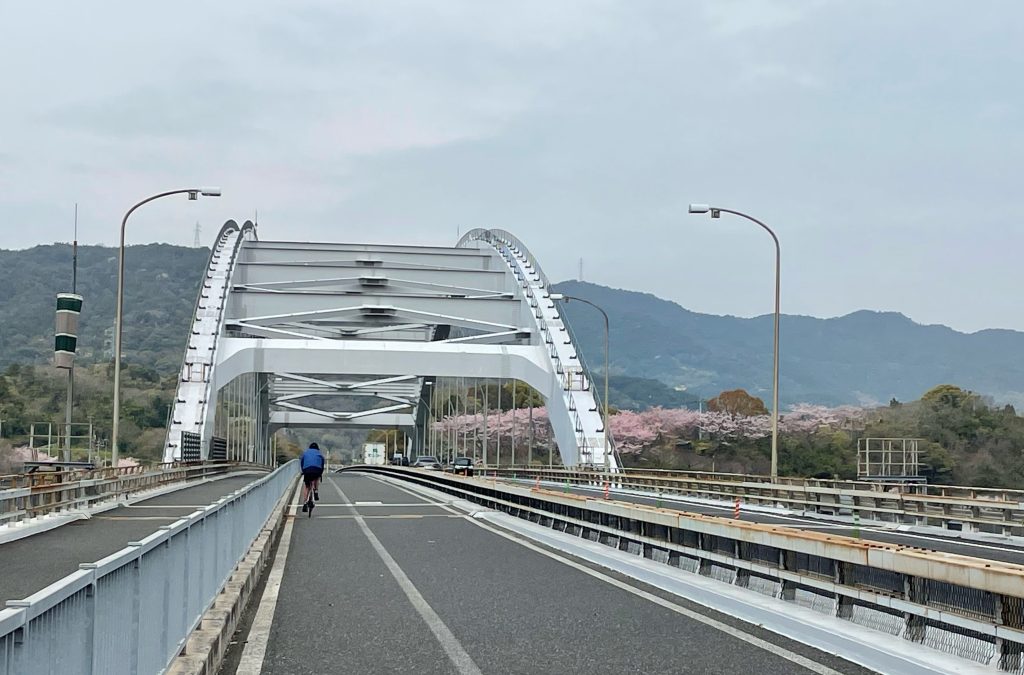
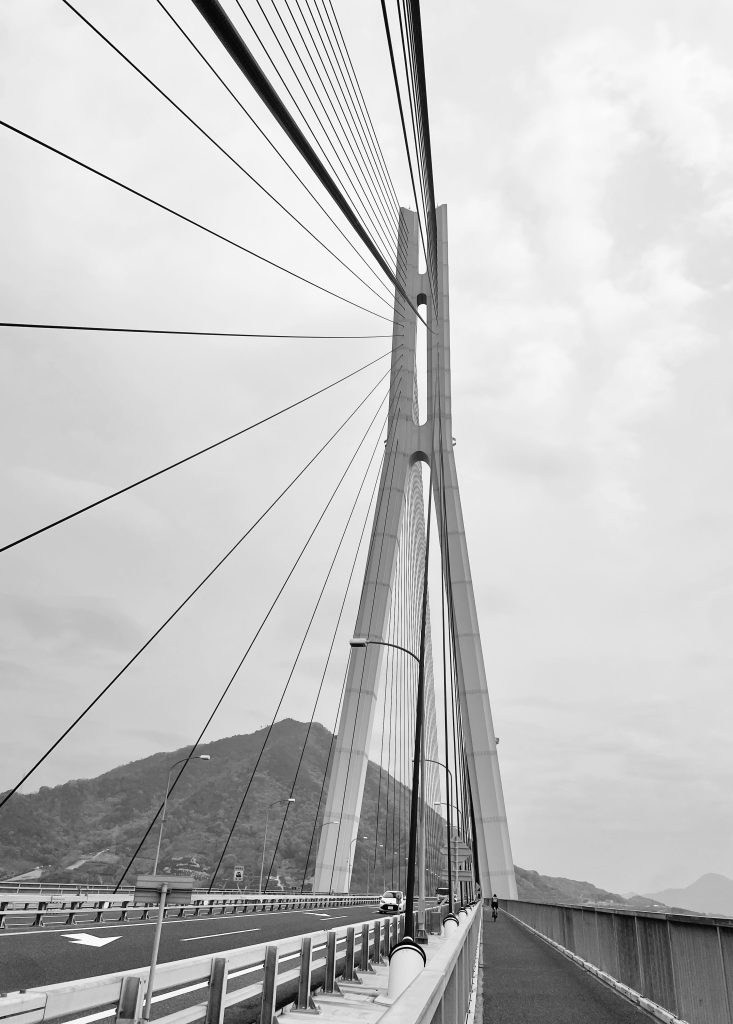
    The ramp ups are approximately 2 km of winding path at 3% grade. The first bridge we crossed was more than 6 km long, the other 5 were at least 2.5 km long. Each bridge had dedicated and separate cycling and walking lanes.


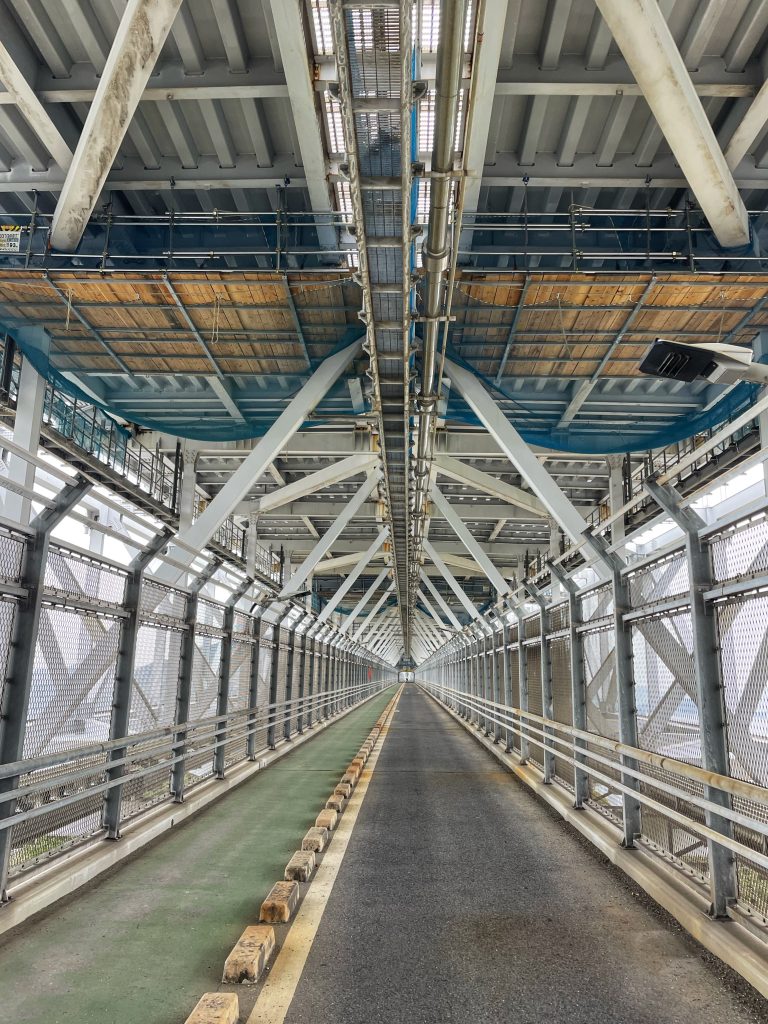
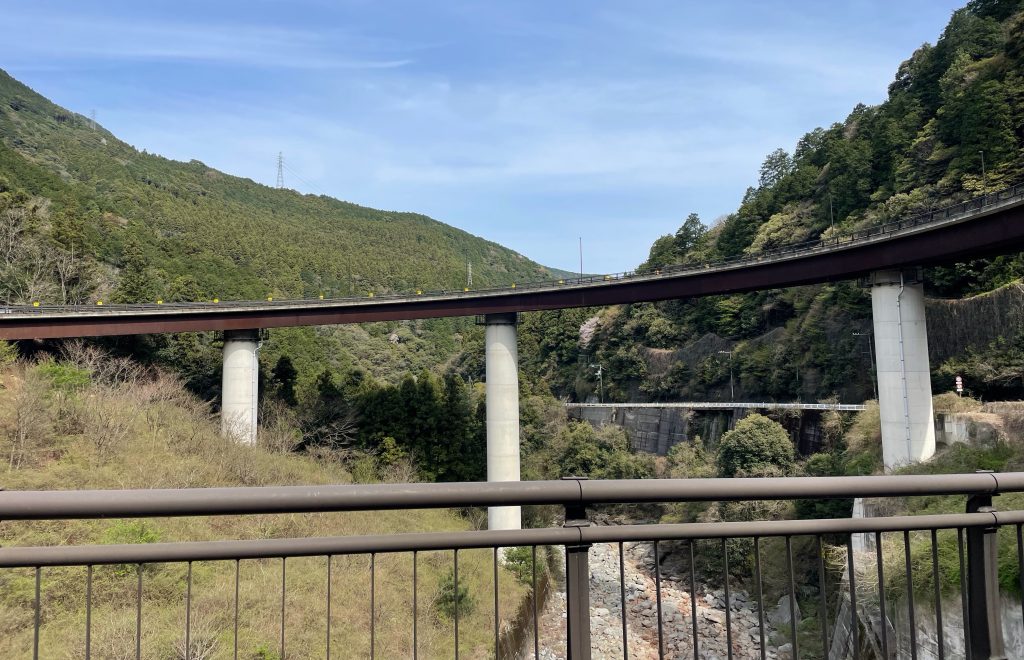
    The above photos shows the bike path as it winds under the bridge and up and around to meet up with it.

    The last bridge (below) we rode below the road surface, all others were at vehicle level.


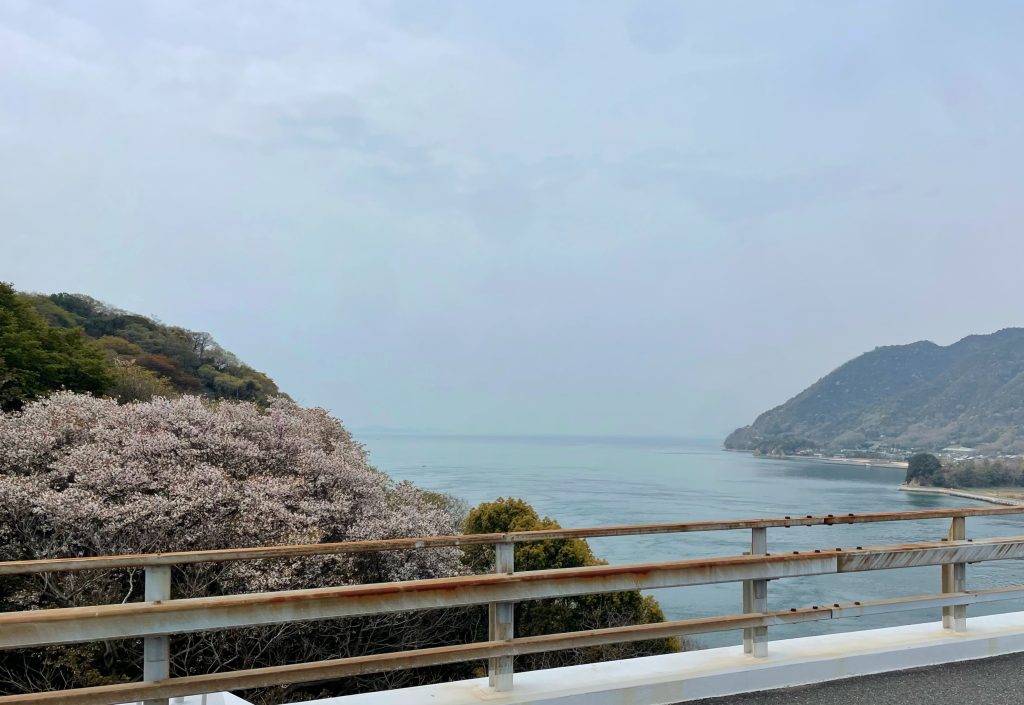
    The riding was soothingly comfortable and thoroughly enjoyable as we wound our way across the islands with great views, and fantastic cycling infrastructure.
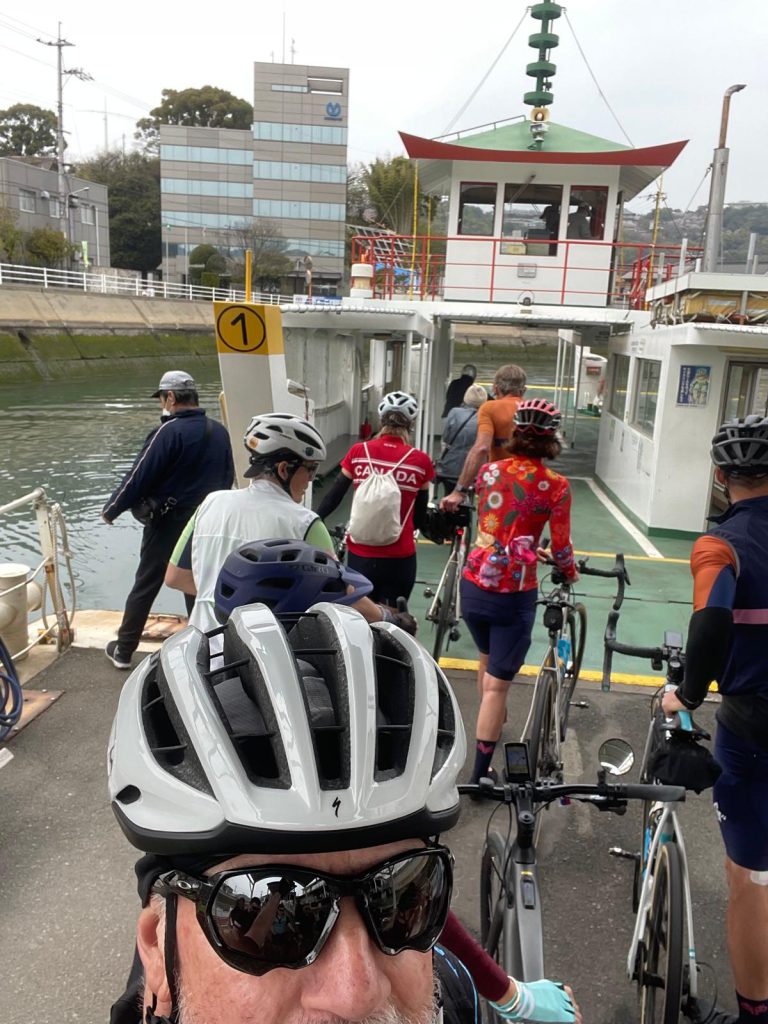
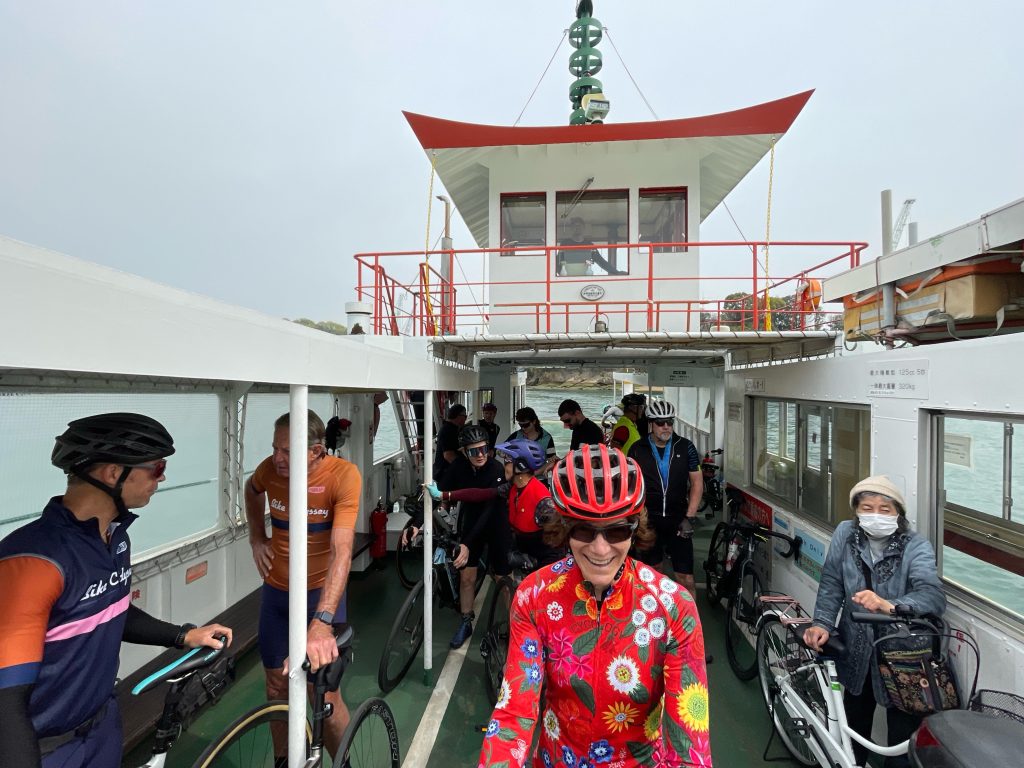
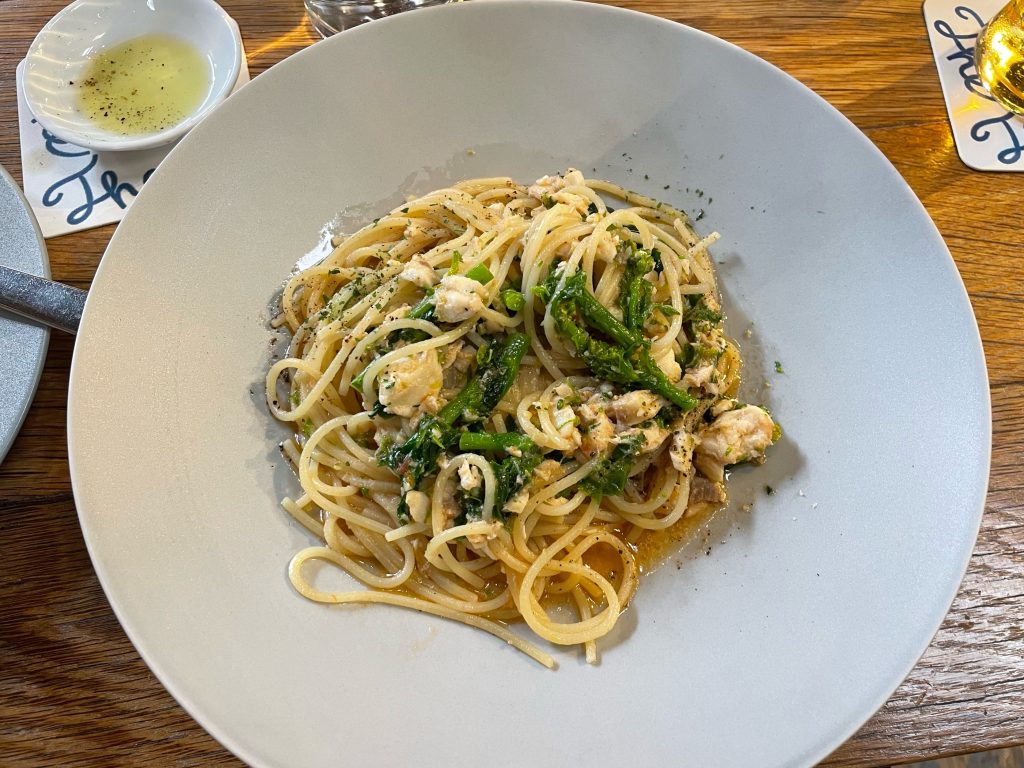
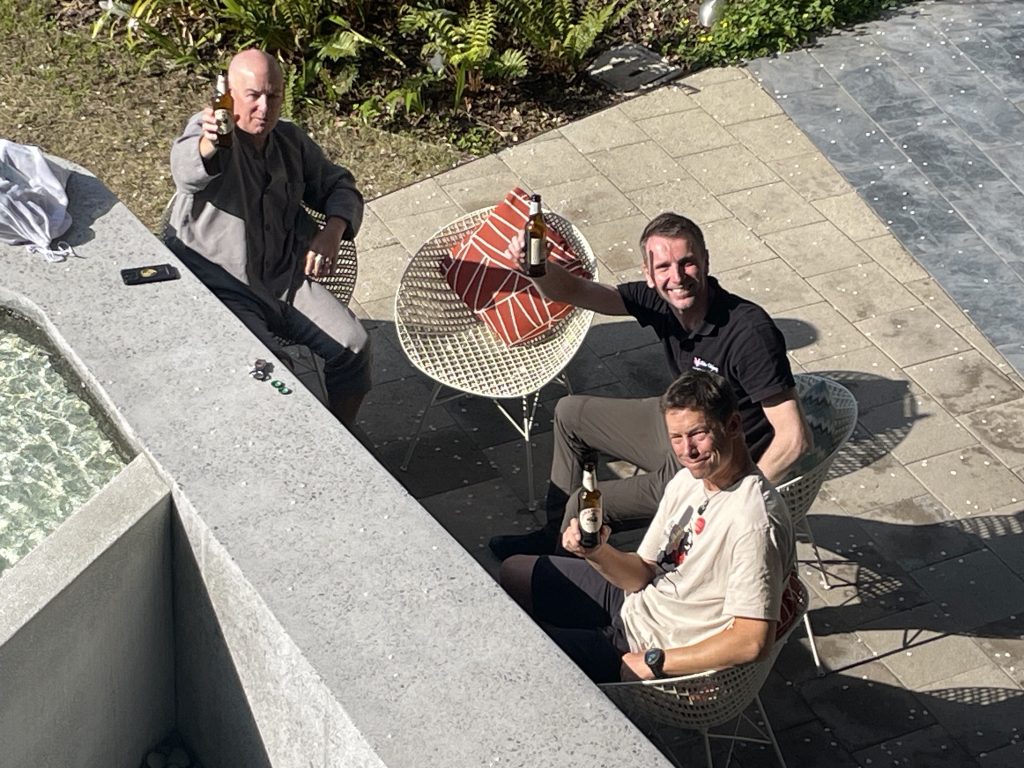
    The Shimanami ends at a small port on Mukaishima Island., where we ended our ride, took a short ferry to the mainland. There we had a great lunch and a beer, beside a Giant/Liv bike shop, our clothes and headed to the train station

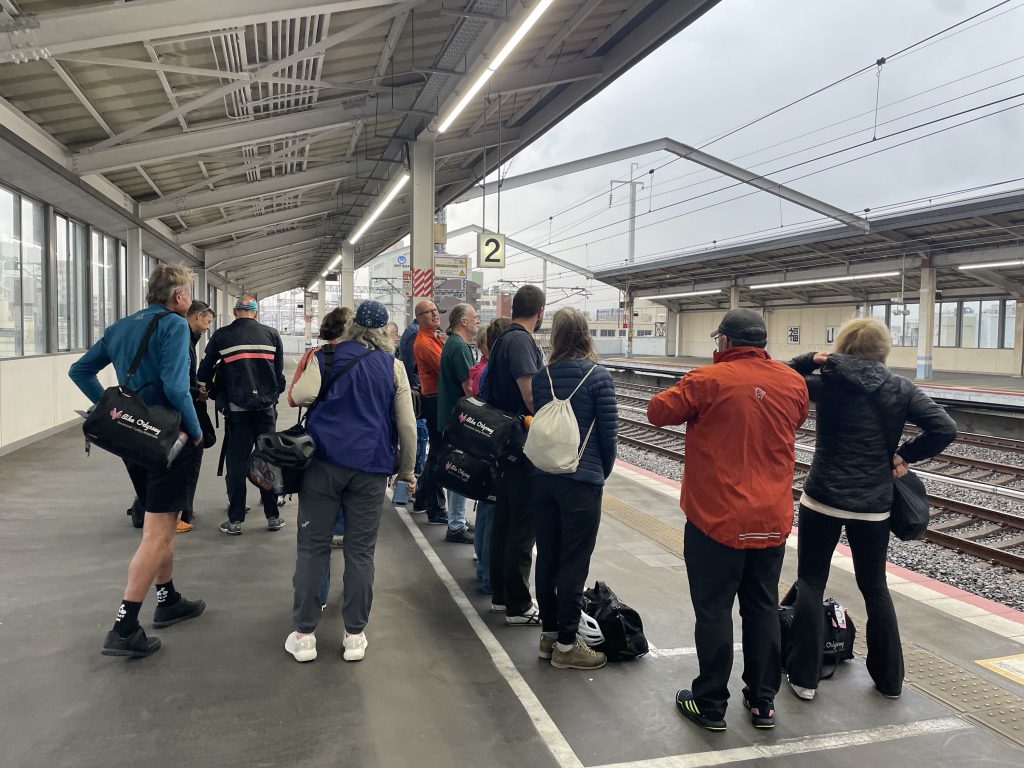
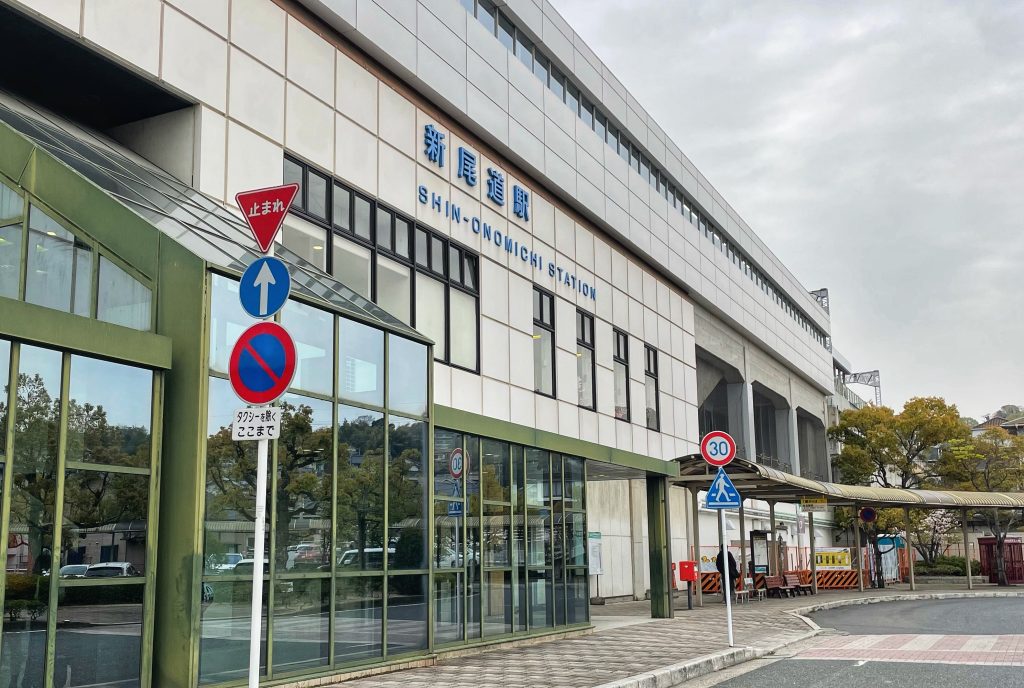
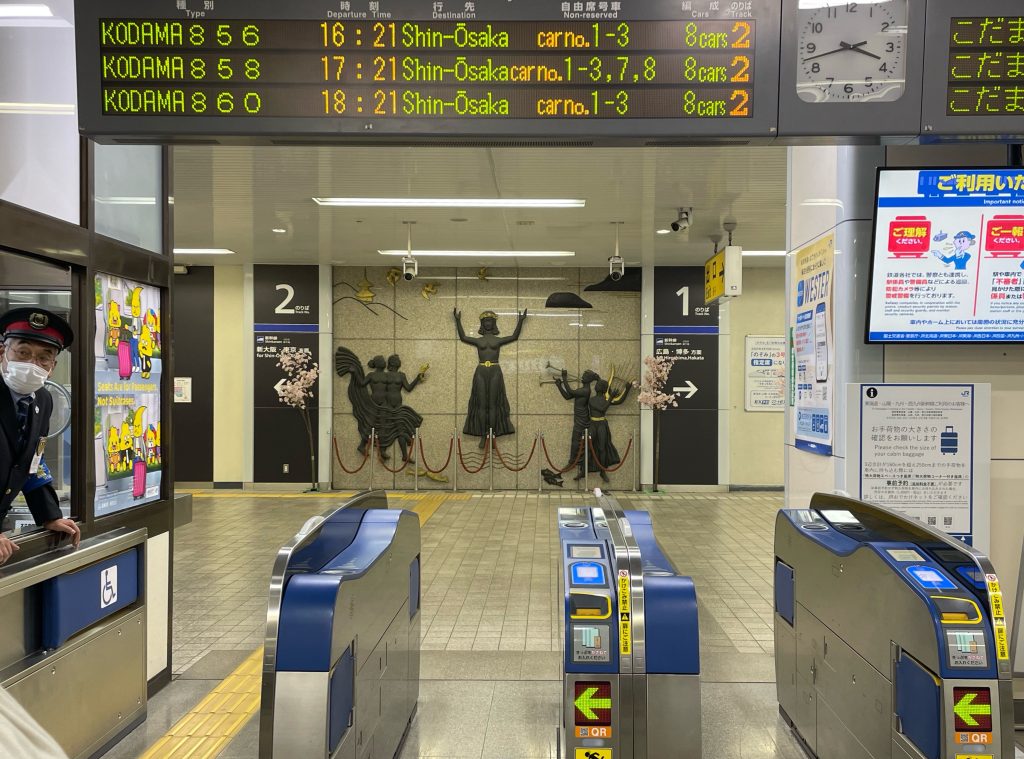
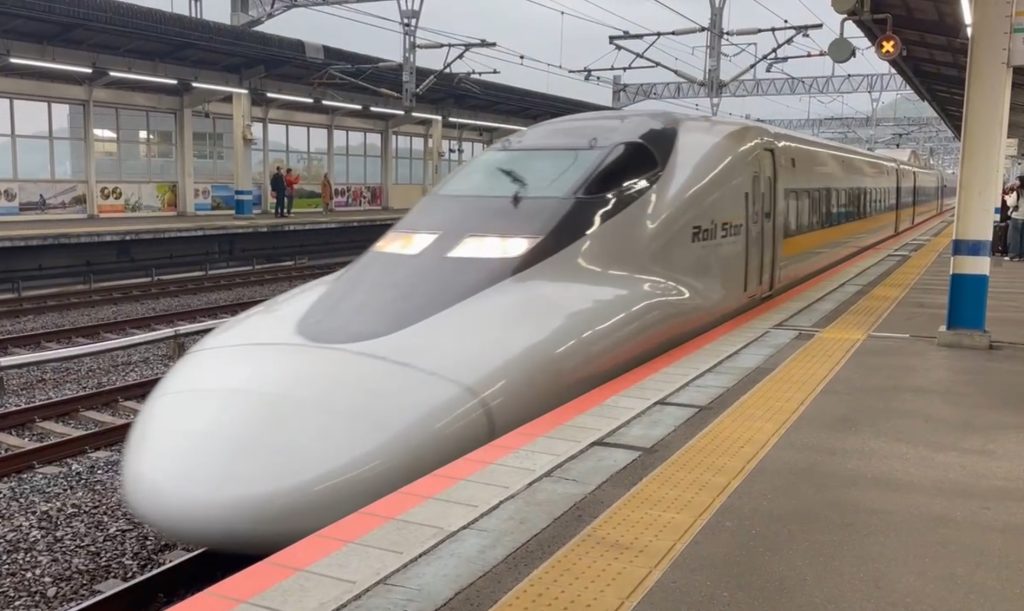
    On the Shinkansen – Shin-Onomichi to Shin-Osaka – 2 hours 

    What Japanese Odyssey would be complete without a quick 250km on the bullet train?  The train clocked in at 230km/hr!

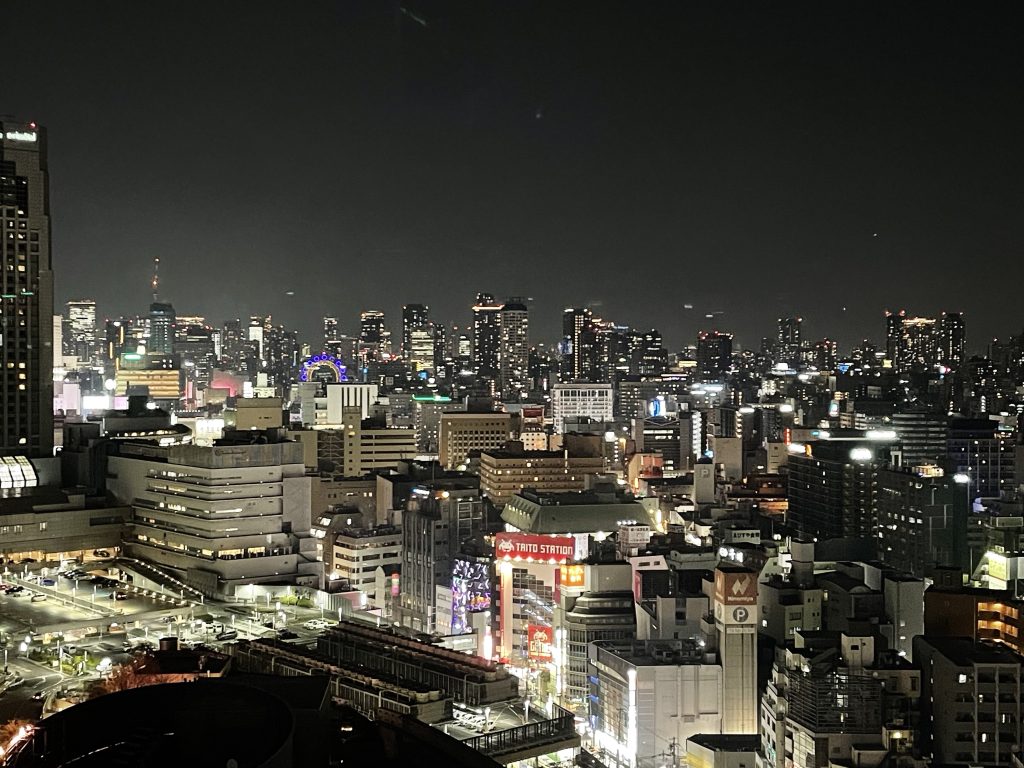
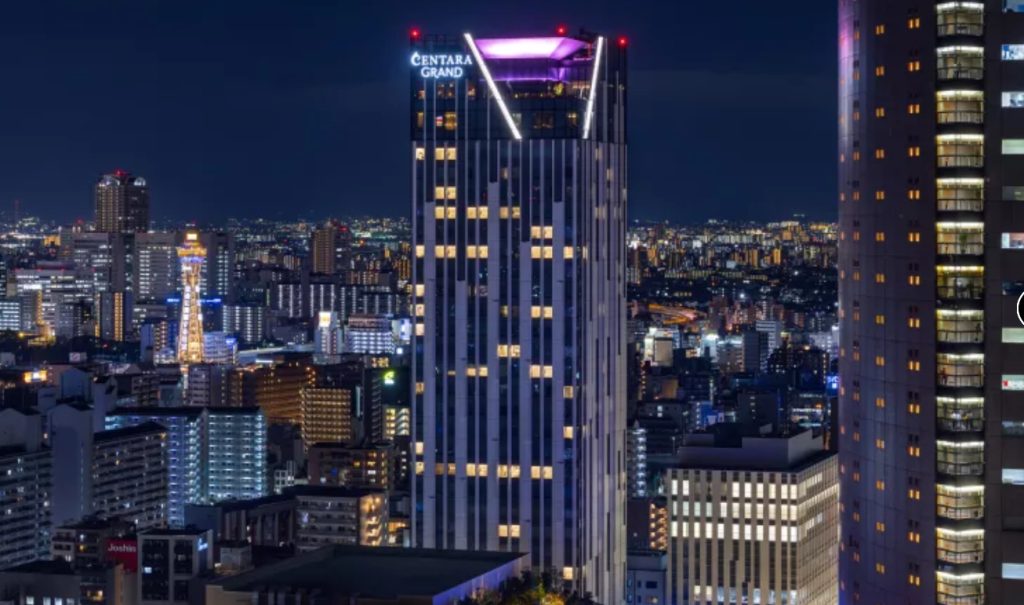
    We took advantage of this to get into the heart of Osaka and its most famous area Dotombori. Staying at the Centaria Grand Hotel

    Along the way on the train…rest day tomorrow

    Life is Good in Osaka

    Sayonara
  • Shogun Day 10: A Road Less Travelled Has Rewards!

    Watch the Relive video here: https://www.relive.com/view/v4OG8Ry15m6

    On the Road – Distance 86km/54mi | Elevation 1386m/4548ft

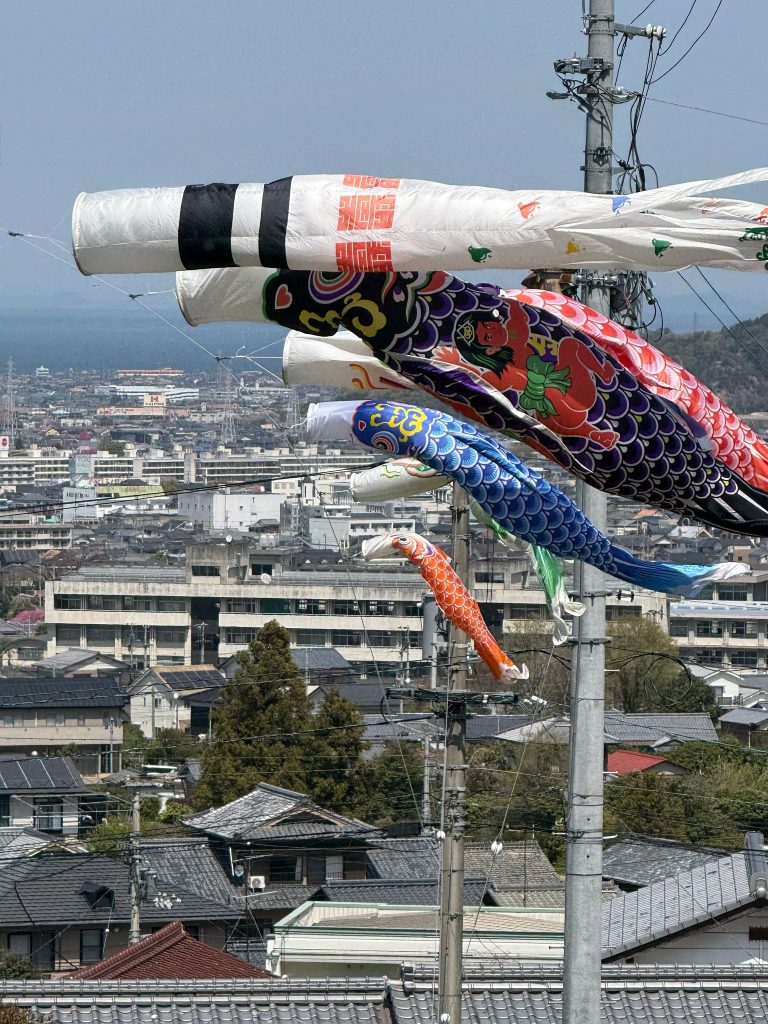
    As yesterday’s ride was finishing up in the last 5km the wind really picked up as shown by these beautiful wind socks…a much needed hydration was in order!

    We rolled on today, as always on the quiet and atmospheric rindo roads surrounded by forests as we cruised out of Saijo and made our way to more fantastic cycling. This was a magnificent ride bridging two cities in Ehime. Started fairly flat with a few small ups and downs, past rice paddy’s, nice landscaped homes and nesting cranes, the mountains looming.

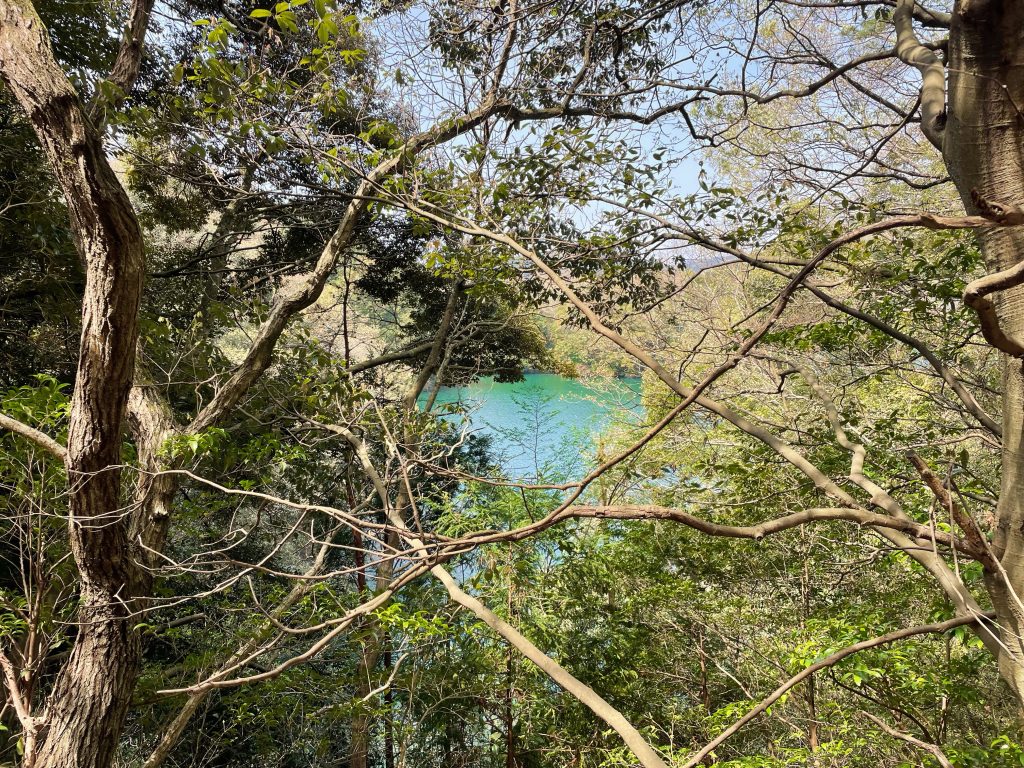
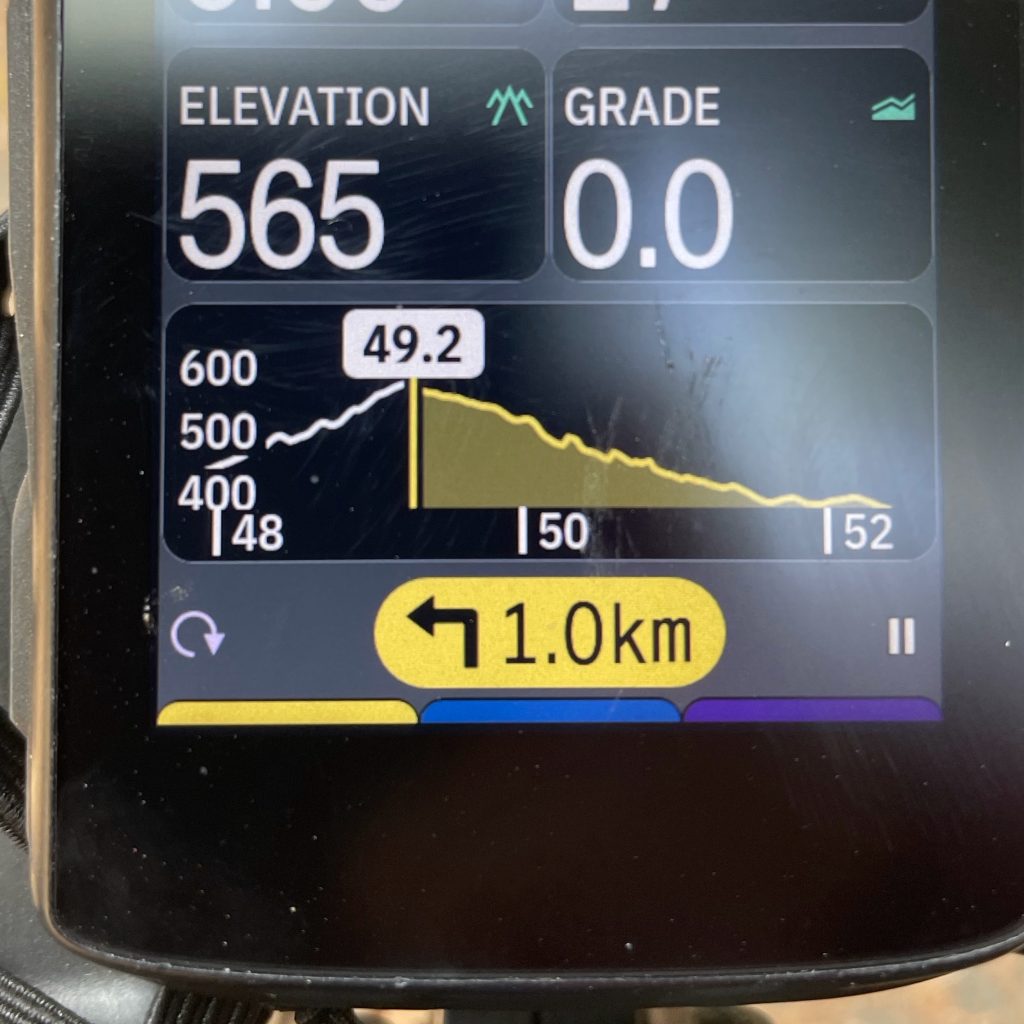
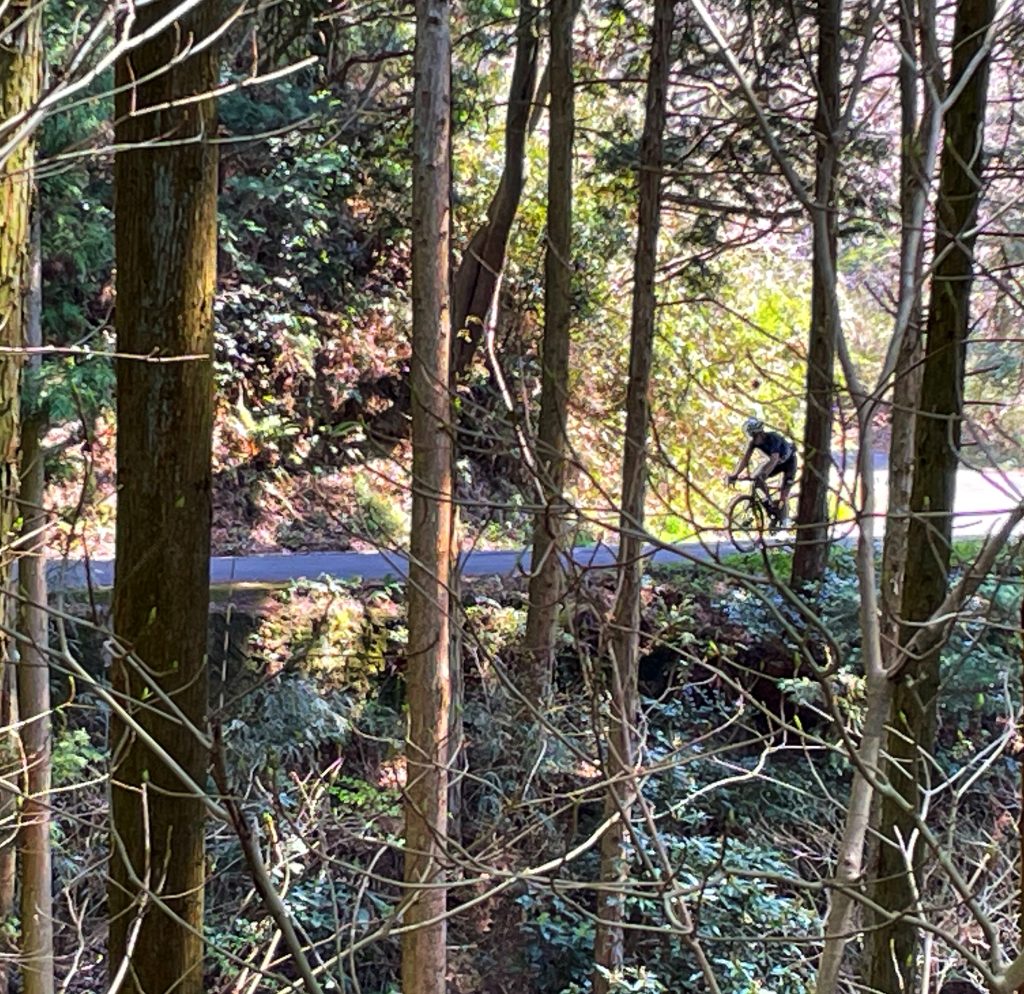
    At the 49 km mark we had an option to extend the route by 8 km and an extra 400 metres (1,312ft)of climbing on what was supposed to a poor road surface. I opted for this and except for an abundance of pine needles and tree branches it was a beautiful ride in the forest. Indeed, this road less travelled had many hidden gems!

    The road was steep through the forest, the pavement on this rindo was excellent…when you could see it! A mess of pine needles, twigs and branches made for a challenging climb at points reaching 17%, and the descent equally so. But some beautiful rock formations as we rode along in this river gorge.


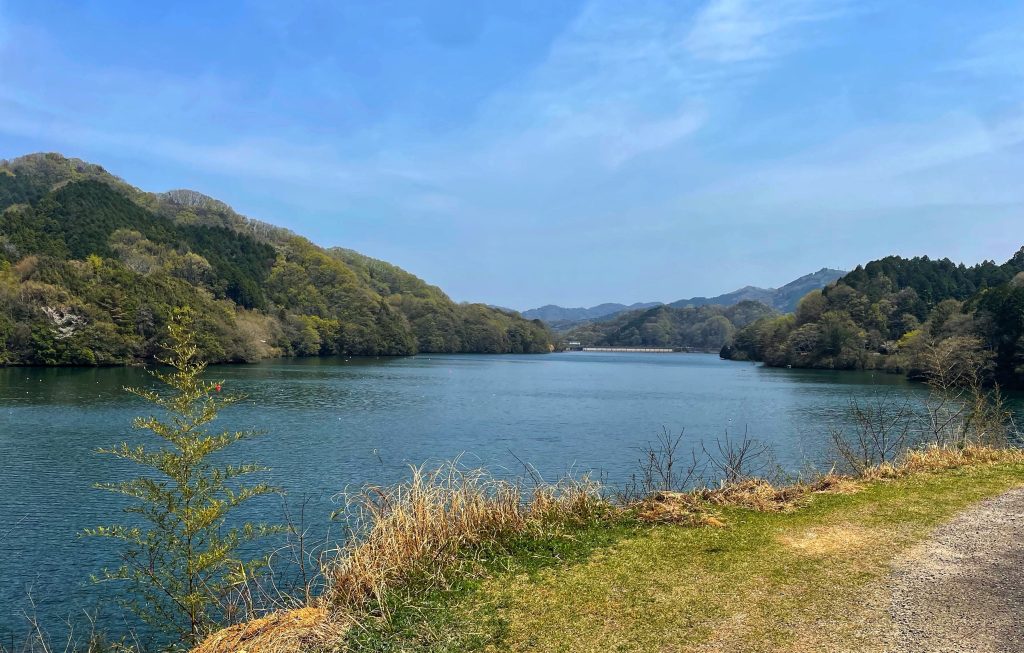
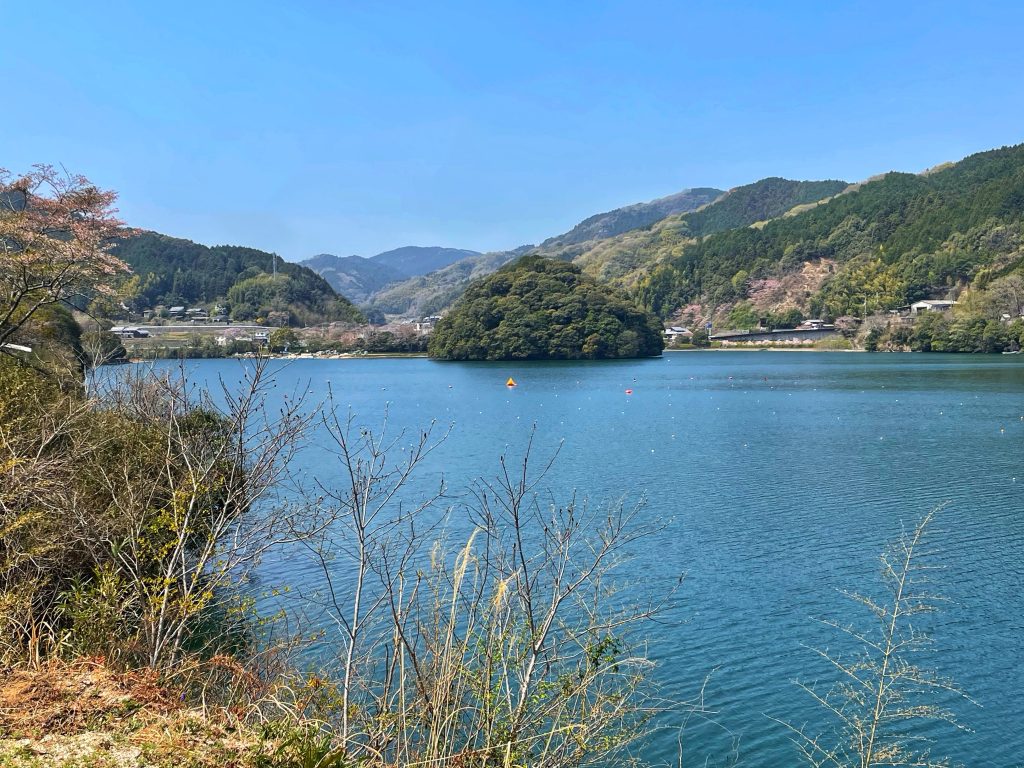
    We rode past the banks of Lake Tawagawa before heading down the tiny rindo roads where we were surprised by how these tiny roads instantly turned to city roads after lunch.

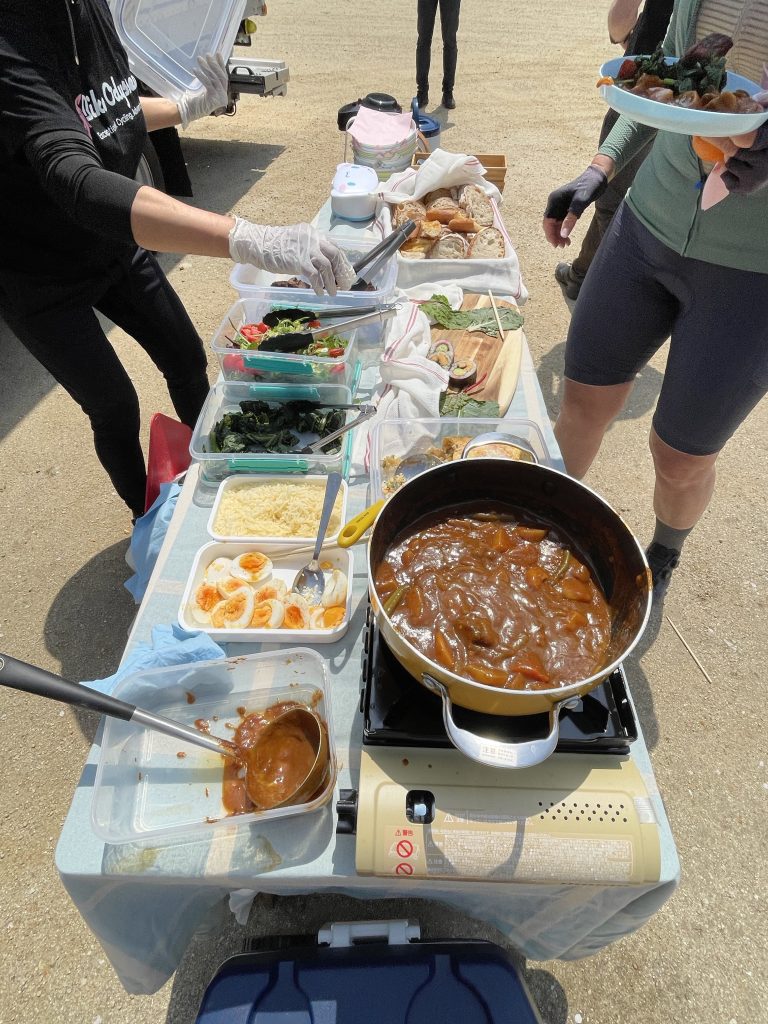
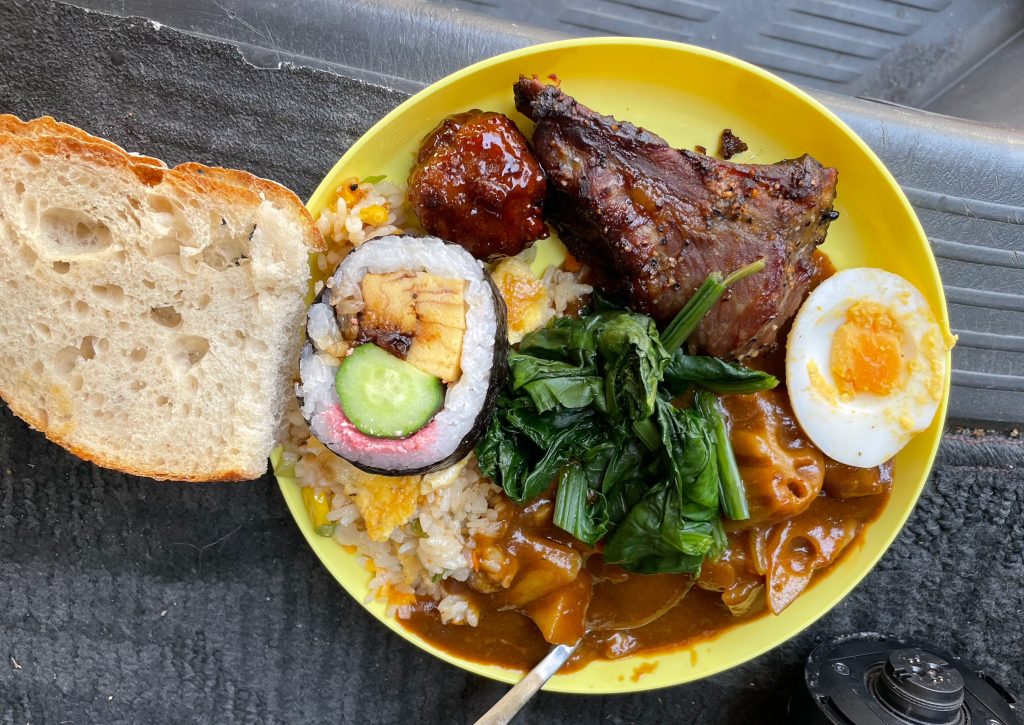
    A fantastic picnic lunch prepared by Gypsy, our Girl Friday, she does all kinds of things for us, especially keeping us nourished! Today she made a vegetable curry, garden salad, breads, cheese, meatballs,eggs, bread, sushi and ribs. We are so appreciative of her. Good thing we only had 20 km left in our ride for the day!

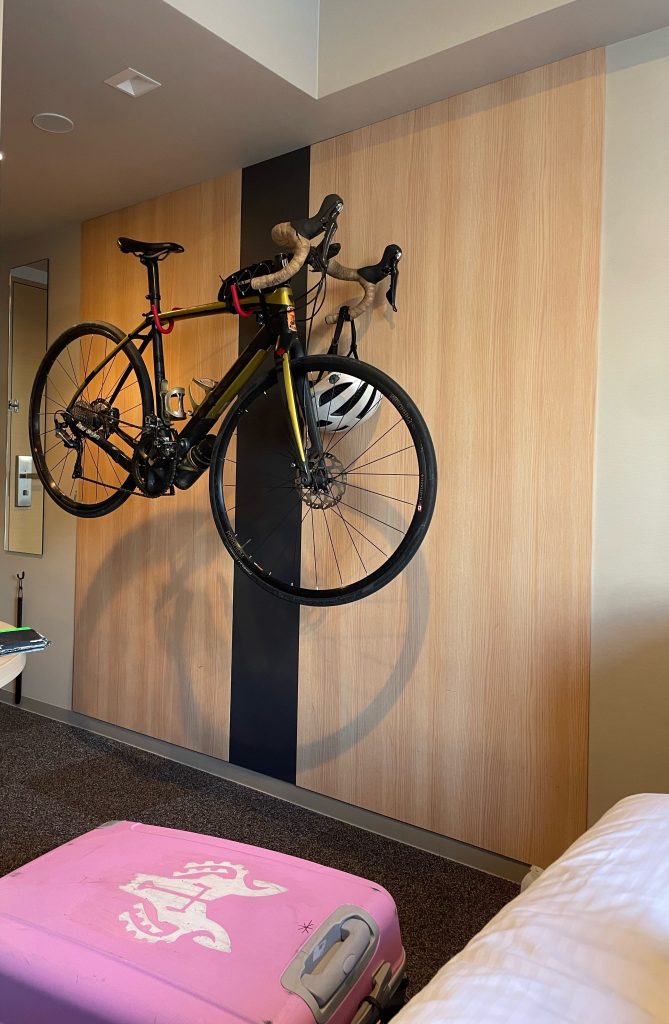
    We’re now in Imabari where we rest at the JR Clement Inn, a bike friendly hotel. There is a bike rack in the room, air pump and tools by the elevator on each floor as well as laundry facilities on each floor.


    Just steps from the hotel was the restaurant we ate at tonight, good thing it was close by because we were so full that we could hardly walk!

    This town is the gateway to the Shimanami Kaido – another world renowned Japanese cycling landmark!    And tomorrow we will ride it!

    Here is a synopsis about the Kaido
    Shimanami Kaido

    The Shimanami Kaido (しまなみ海道, Shimanami Kaidō) is a 60 kilometer long toll road that connects the island of Shikoku to Japan’s main island of Honshu, passing over six small islands in the Seto Inland Sea. It is also known as the Nishiseto Expressway.
    There are two other land connections between Shikoku and Honshu, but the Shimanami Kaido is the only one traversable by foot or bicycle.

    The Shimanami Kaido begins on Shikoku in Imbari City.  It then leads across the six islands of Oshima, Hakatajima, Omishima, Ikuchijima, Innoshima and Mukaishima, before terminating on Honshu in Onomichi City.
    The route was opened in 1999, so the bridges are modern and attractive. Along the way, travelers can enjoy the beautiful scenery of the Seto Inland Sea and the islands’ small towns. 

    The bicycle route is well marked and maintained, and diverges from the expressway on the islands. The ramps leading up to the bridges were built at small inclines with cyclists in mind. 

    Highlights beyond the cycling..

    Kurushima Kaikyo Ohashi

    First, the Kurushima Kaikyo Ohashi (Ohashi means big bridge) is the second longest suspension bridge in Japan. Besides having a dedicated cycling lane separate from the cars, this bridge also offers amazing views of the ocean below where Naruto whirlpools regularly form. Being the first bridge, there is a great observation deck just before you cross where you can soak in the views of your next accomplishments.

    Kosanji Temple Complex

    The Kosanji Temple Complex is one of a kind. More a museum than a temple, the Kosanji offers visitors a chance to go on a journey of redemption through the caves of Buddha! Also our lunch spot, this temple (yes I know you have seen a few!) is worth a post lunch wander.

    Senkoji Temple

    The Senkoji Temple rests on the hill behind the town of Onomichi where the Shimanami Kaido ends. It’s a beautiful walk or bike up the backside of the hill. It takes you to a beautiful Buddhist temple nestled in the rocks. Just above the temple is a large observation deck with sweeping views of the Onomichi Strait and the many islands of the Seto Inland Sea.

    More about this tomorrow.

    Life is Good in Imabari

    Sayonara
  • Shogun Day 9: Temples and Pilgrims and Monkeys ha ha

    Watch the Relive video here: (if you want to see the monkeys!
    https://www.relive.com/view/vYvEGAExBG6

    On the Road – Distance 56km / 35mi | Elevation 2295m / 7530ft


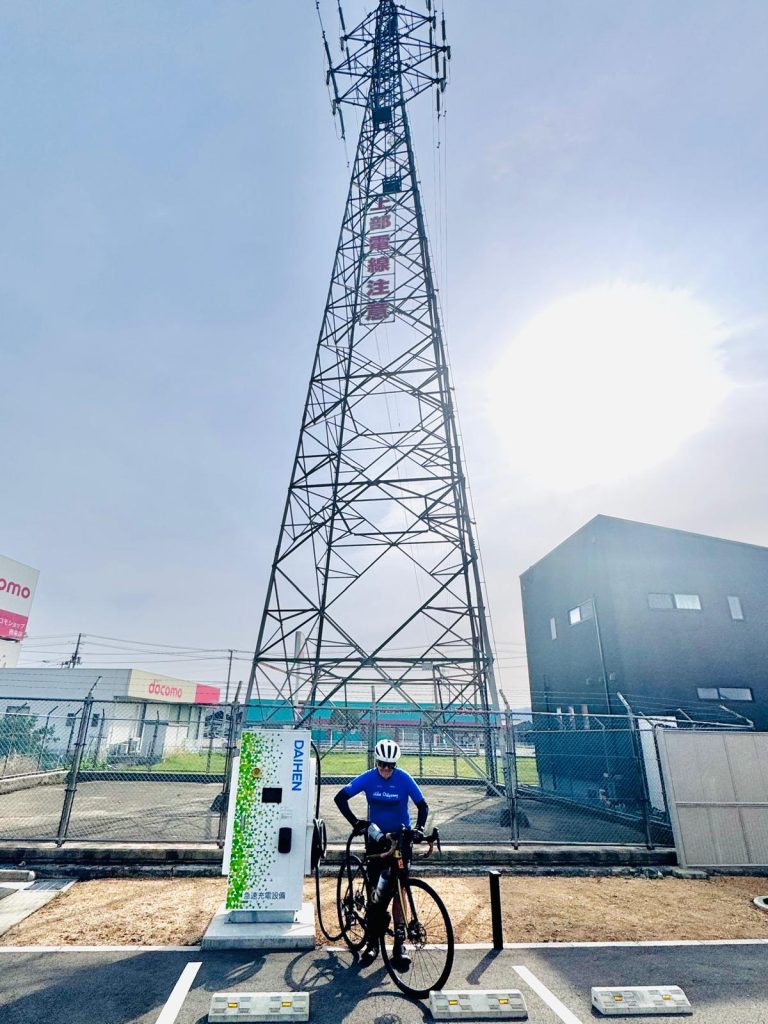
    I tried to power as best I could with a with a car charger and power tower but to no avail…


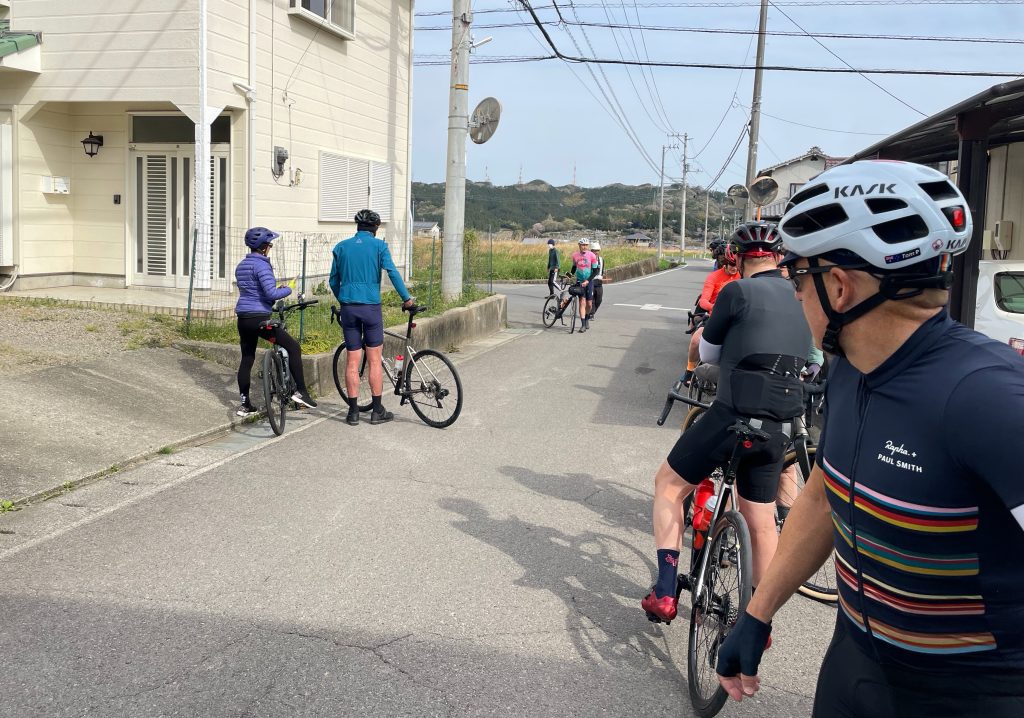
    After a little discussion with the construction worker, a slight detour got us on our way with first 4 km rollout pretty easy winding through a neighbourhood.

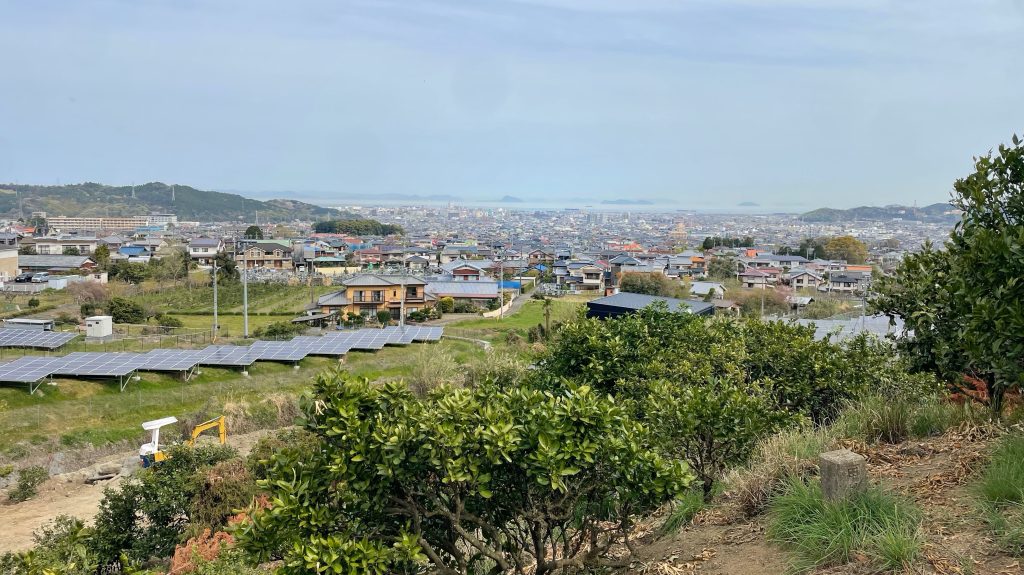
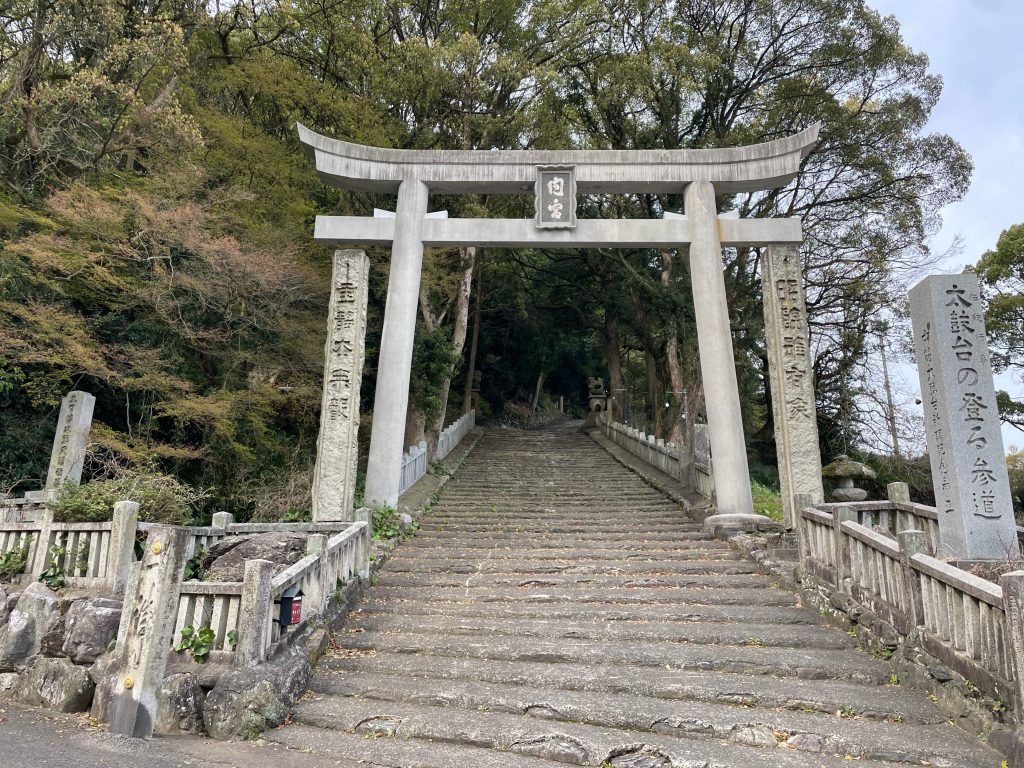
    Then the fun started…a 30 km climb with average grade of 8%. This was no Essex County ride! We are riding on the famous Shikoku 88 trail (88 temples pilgrimage). We rode past 8 temples today (another 9 were in Matsuyama).

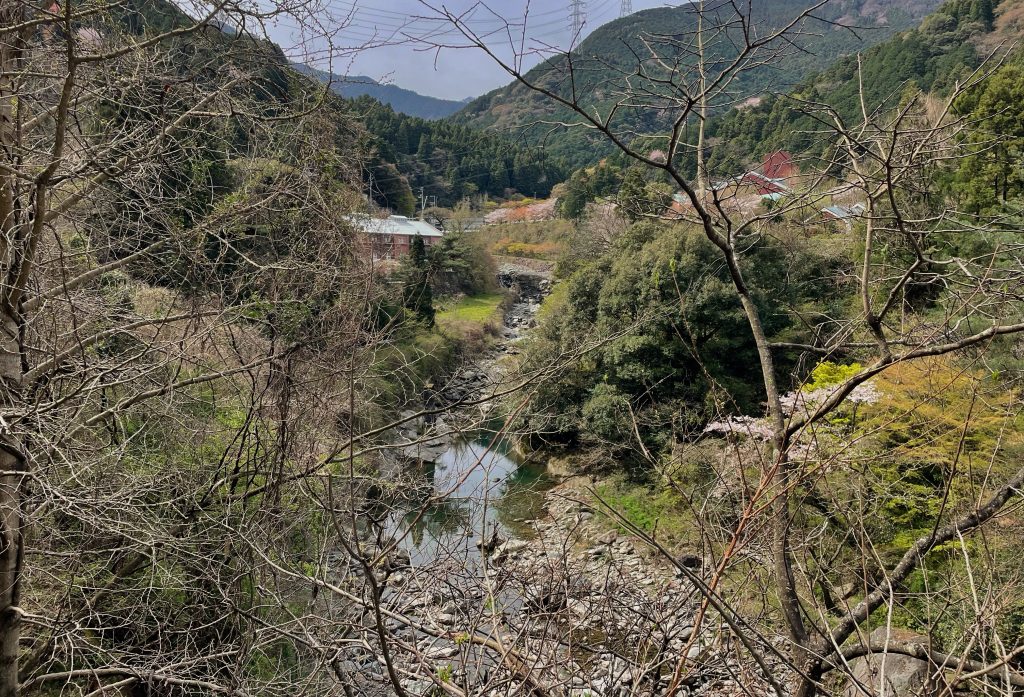
    This route featured breathtaking scenery throughout – beautiful forests and clear streams with vegetation that changed as we rolled through the hills.


    This was a fantastic opportunity to enjoy the views really make the most of this special ride, known as the most scenic in western Japan.

    After a 5km traverse of Saijo city we enter the forests and begin our ascent following the Tani River up and up.. past 5 shrines, rice terraces through dense forest. And we saw another couple of pilgrims.

    A quick pee break at an old copper mine turned into museum, then onward and upward


    It was also the biggest climb we are to attempt on this Shogun Odyssey! As we ascended 1700m (5,578 ft)of elevation from the coast rising over the course of the day to almost 2200m. (7,218 ft)

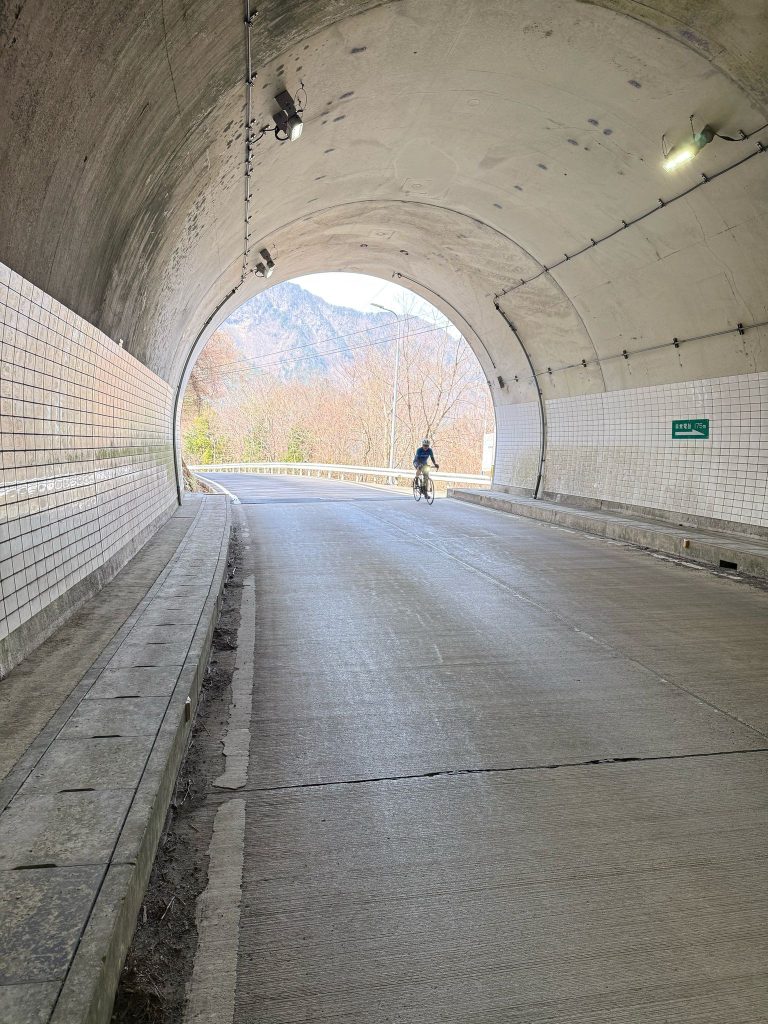
    And there were tunnels, 6 going up and then those same 6 coming back on this out and back ride. The lengths varied from 0.5 km to 1.5 km, and there was a drop of 10C in the tunnels compared to outside.

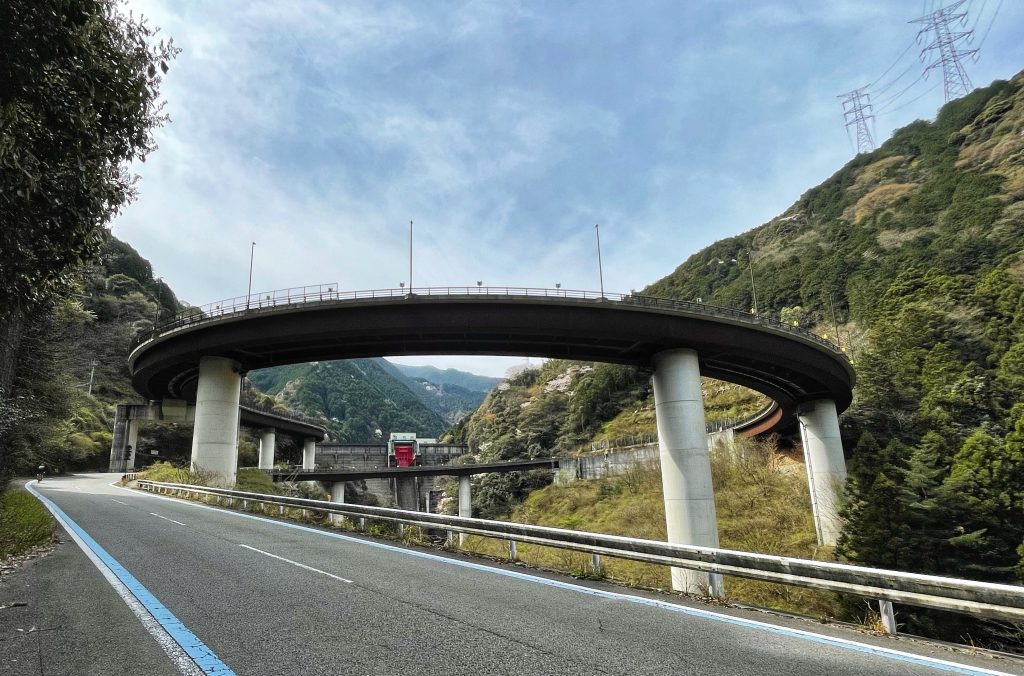
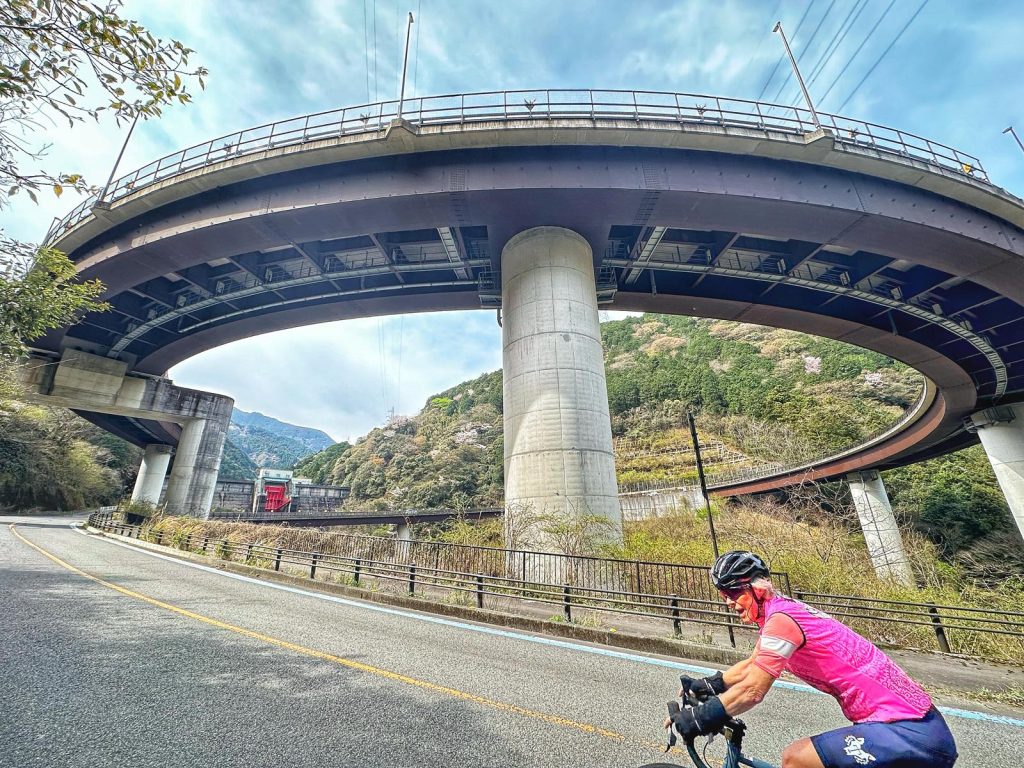
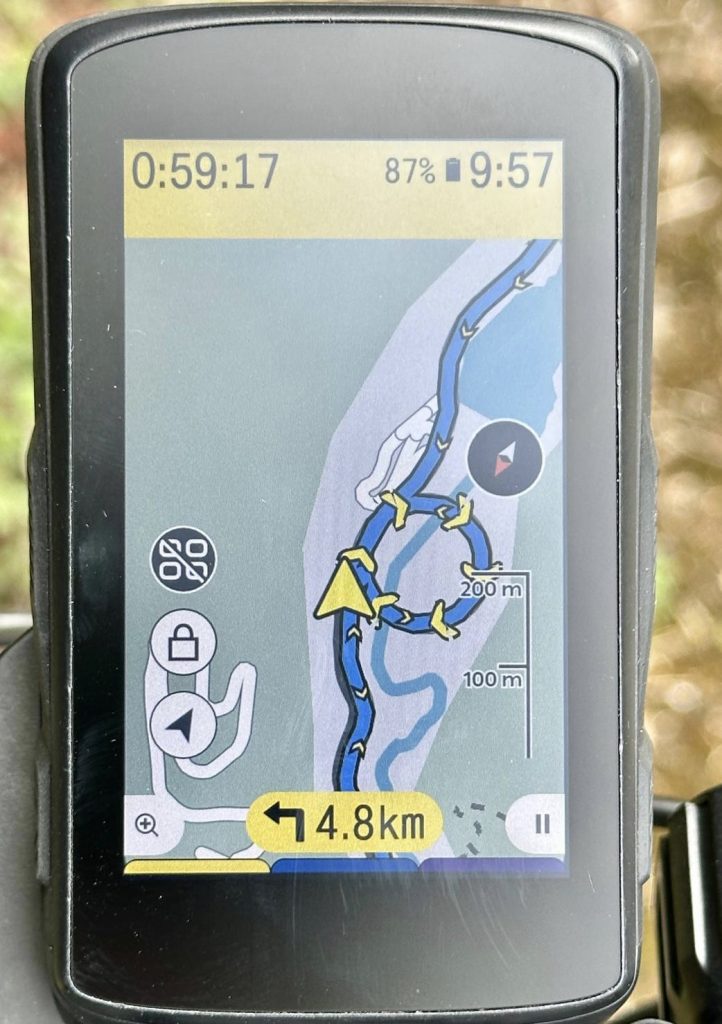
    Then we turned onto one of Japan’s most famous routes heading into the peaks along the Kamegamori Rindo, known as the UFO Line which follows along the ridge at an elevation of 1,700 meters – it was magnificent with views of the sea behind us. At one point the road rose up and made a spiral 360 degree turn!

    And we saw monkeys! Check out the Relive video at the top of the post to see the,!
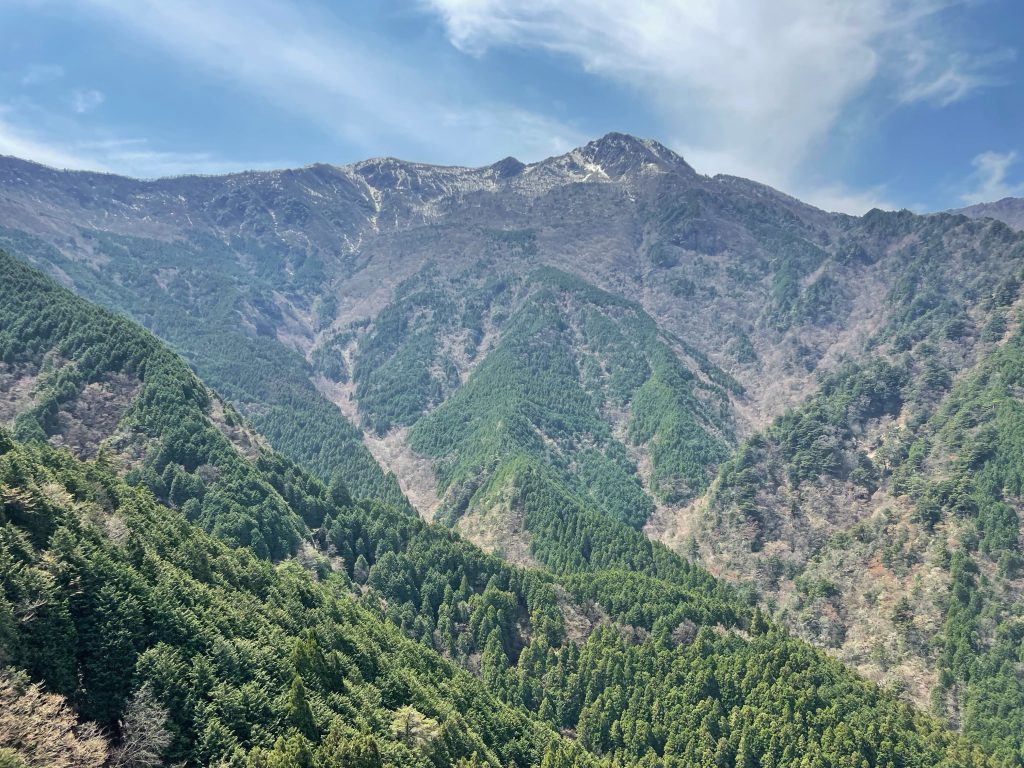
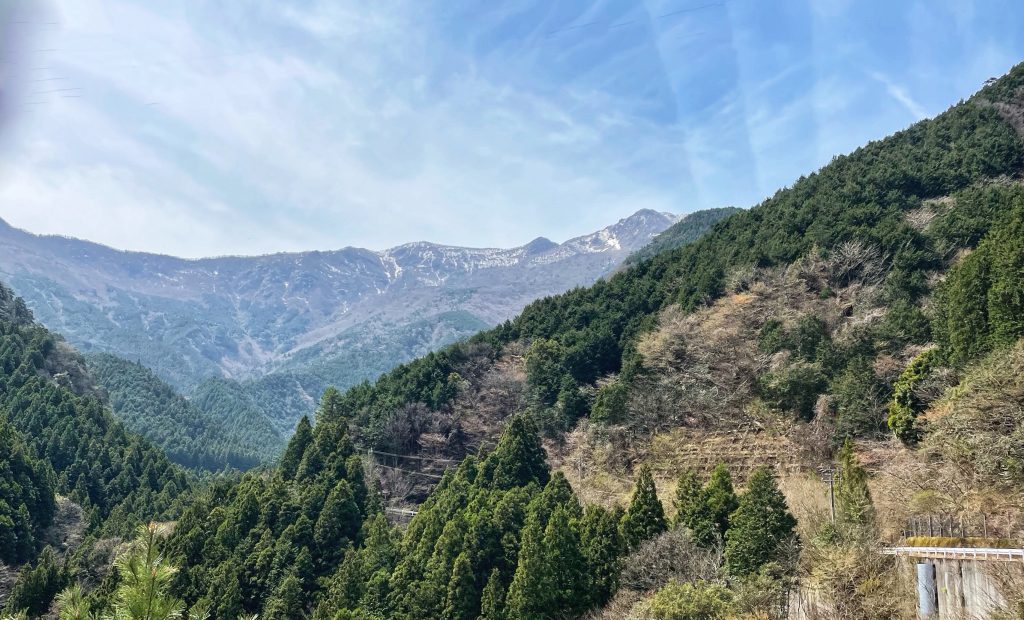
    The riding was superb with the snowy peaks always in our periphery.

    Our ride today finished at the Ishizuchi Shrine where we regrouped, filled our water bottle From there we enjoyed a long descent, after a rolling UFO line to our fine hotel in Saijo. 

    Life is good in Saijo

    Sayonara
  • Shogun Day 8: On Japan’s Camino de Santiago!…… Matsuyama to Saijo

    Watch the Relive video here:https://www.relive.com/view/vMq5wEnjn8O

    On the Road – Distance 75km / 47 mi | Elevation 1433m / 4701ft

    A traverse today along the base of holy Mount Ishizuchi through the valleys of Ehime to the city of Saijo..


    Some beautiful quiet riding this morning intermixed with villages and suburban fringe, and the sign pollution, so common in Japan.

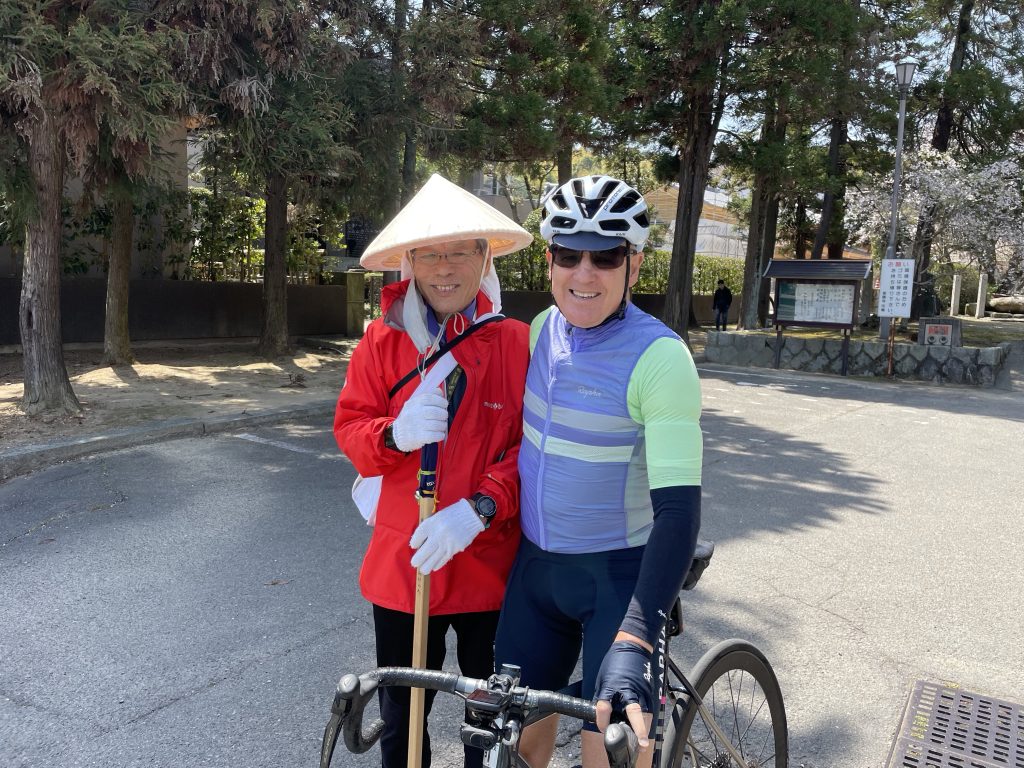
    We picked up sections of the famous and ancient Shikoku 88 Temple Pilgrimage (Japan’s answer to the Camino de Santiago) this afternoon with the option to experience and see the pilgrims and at 3 of the 88 temples just after lunch! We came upon this pilgrim on his pilgrimage and Tom and I got our photo with him…he needs a little work on his ‘elbows up’ pose!

    Today was supposed to have an extra loop extending our distance but the road to take was closed for maintenance. So we are in Saijo for 2 nights and tomorrow will be an out and back ride. But we had a great day especially on the Rindos.


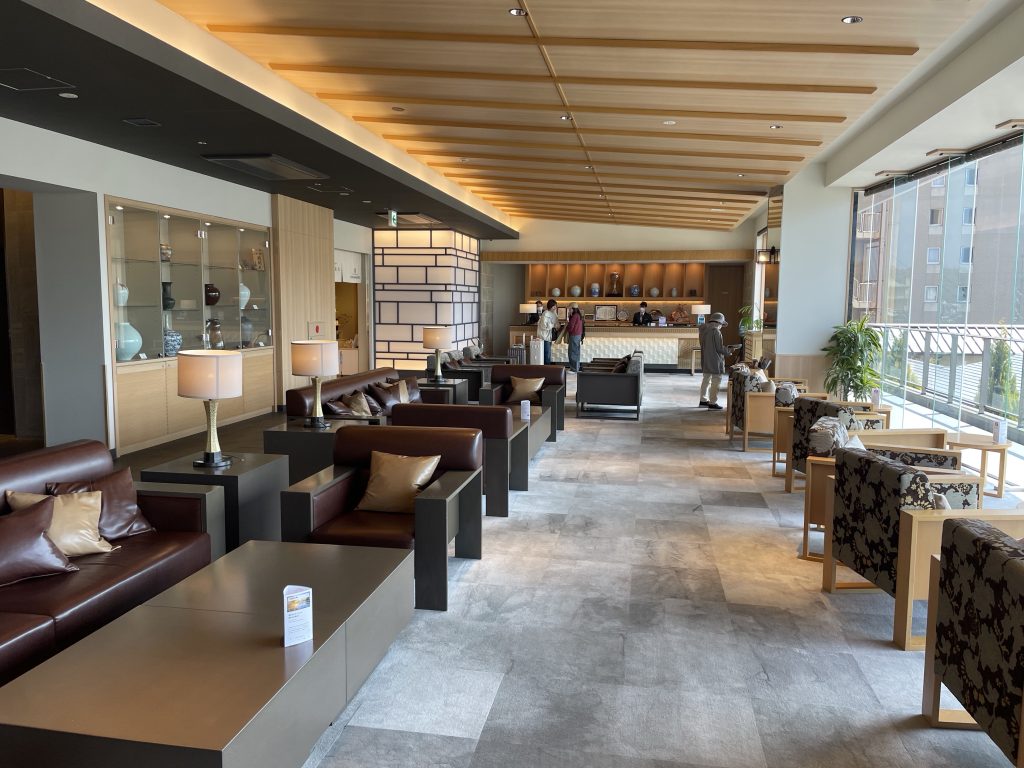
    A modern hotel, the design won an 2024 Good Design Award

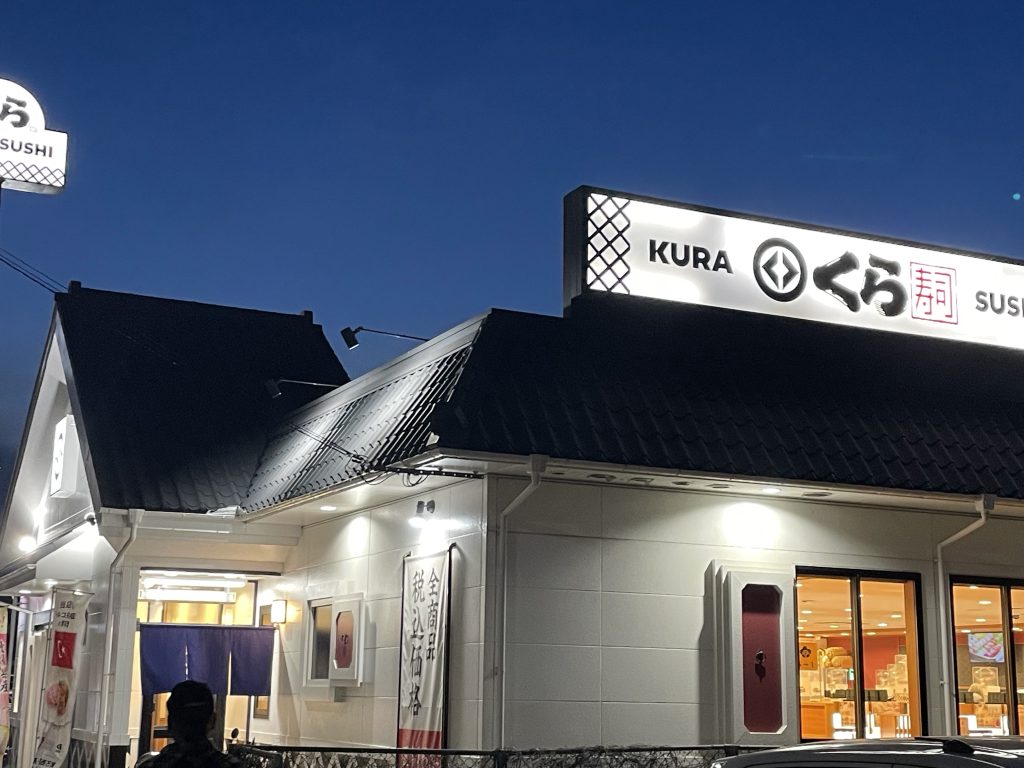
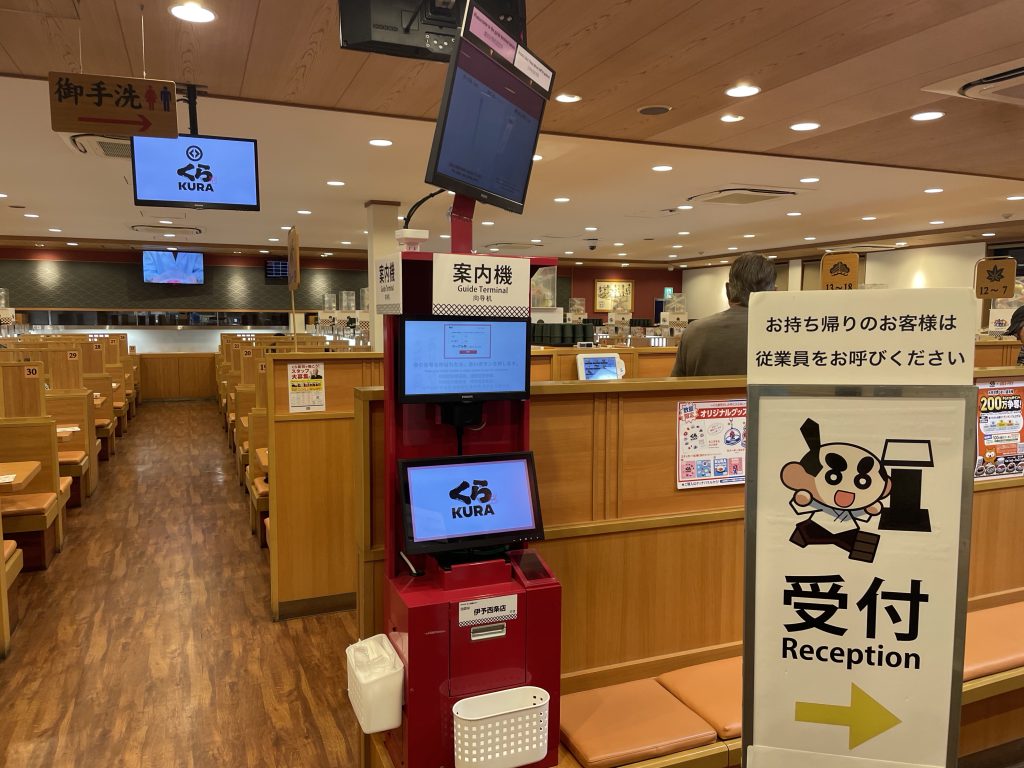
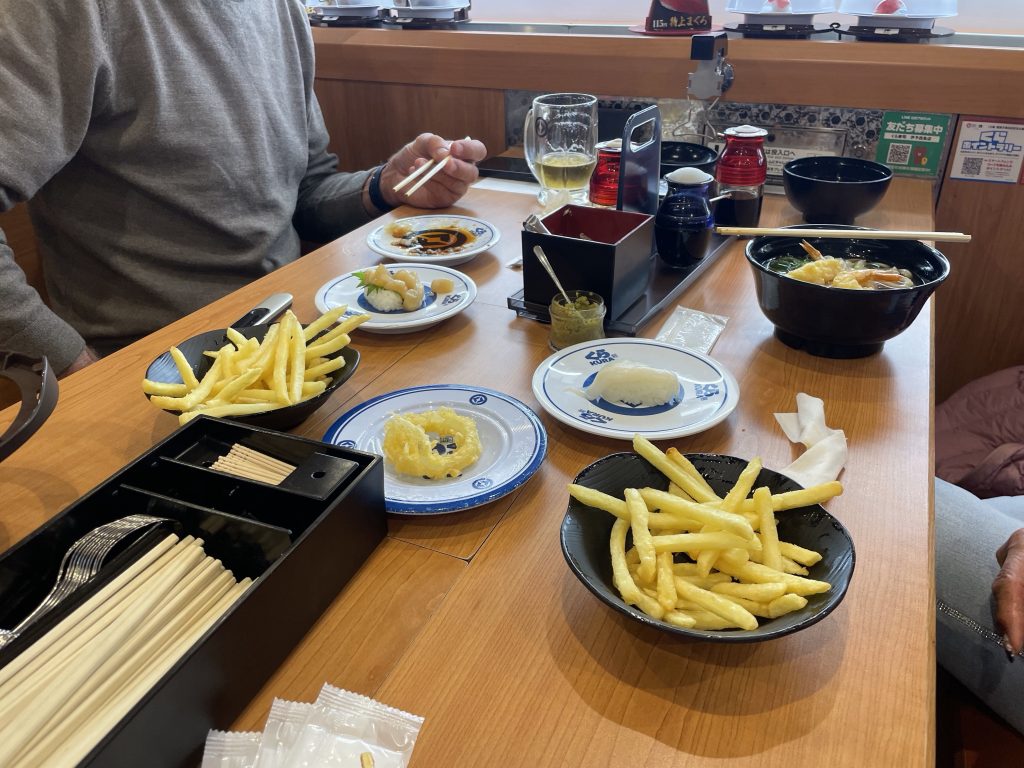
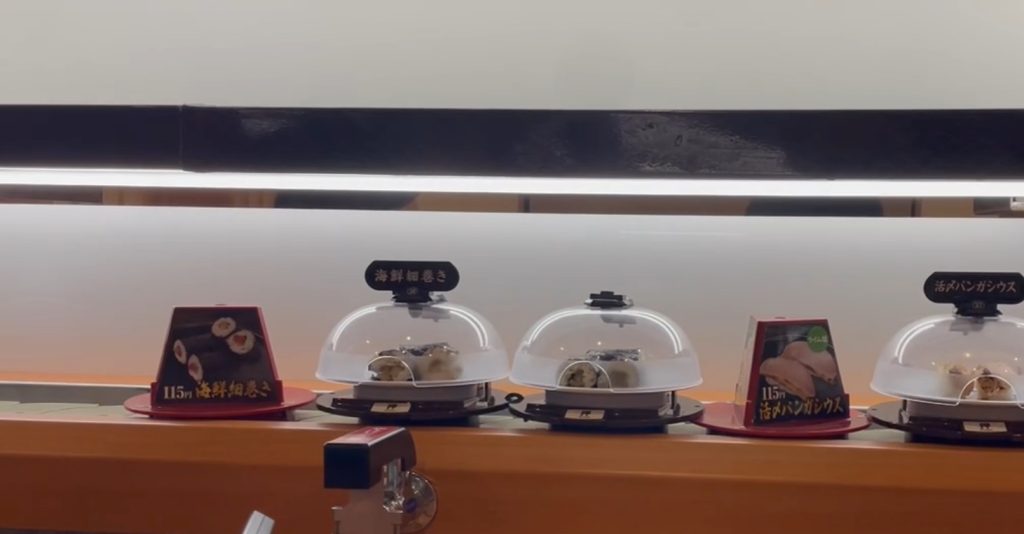
    Dinner tonight after a lovely walk along the river was at a ‘Sushi Train’, a buffet conveyor belt of Japanese fare…just take the food of choice as it passes by your table. Or order on an iPad and the food takes the upper conveyor belt and stops at your table! Great fun and the food was surprisingly good!

    Life is good on Saijo!

    sayonara
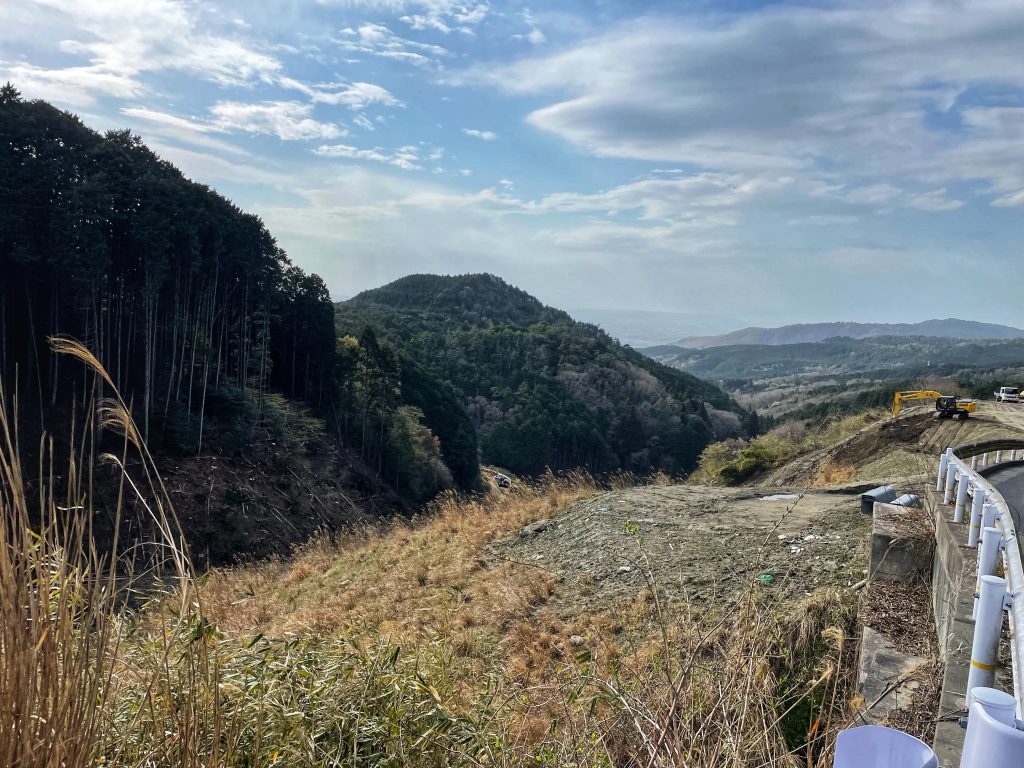
  • Rest, A Good 4 Letter Word!

    So 6 solid days of riding/climbing brought a very needed rest off the bike….698km (434 mi) and 9,100 metres (29,856 ft) climbing. For this flatlander who had only been outside on a bike twice since Jan 1st, I was ready to lay low.


    From a cycling standpoint, what I’ve found amazing are the Rindos (forest roads). These are a myriad of narrow, steep, winding old paved roads that have been forgotten for the most part since the building of major highways in Japan a few decades ago. So with very little vehicular traffic, these lanes are wonderful for cycling. However, they have not been maintained, so there can be areas full of pine needles and debris, or sections of broken up concrete, making descents dicey. We have had one rider go down receiving a severe sprain/ hairline fracture on a wrist.

    But no, after a nice breakfast Japanese style, a full day of sightseeing with 3 fellow riders, Moyra from Ottawa, Seth from NYC and Tom from Australia.
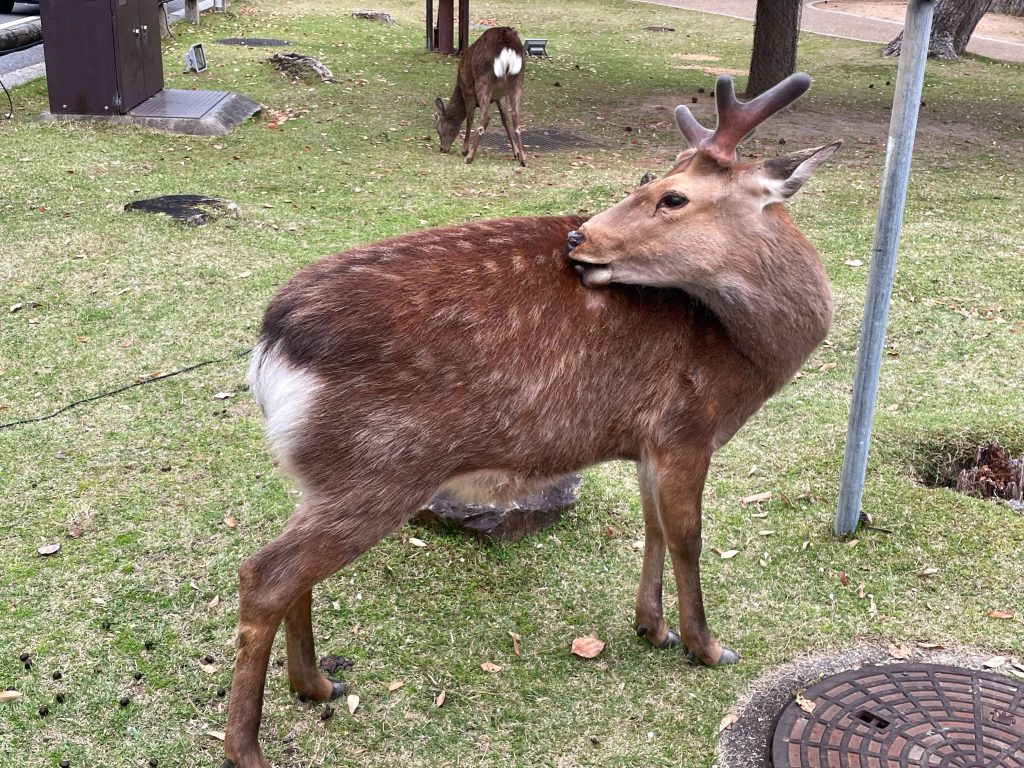
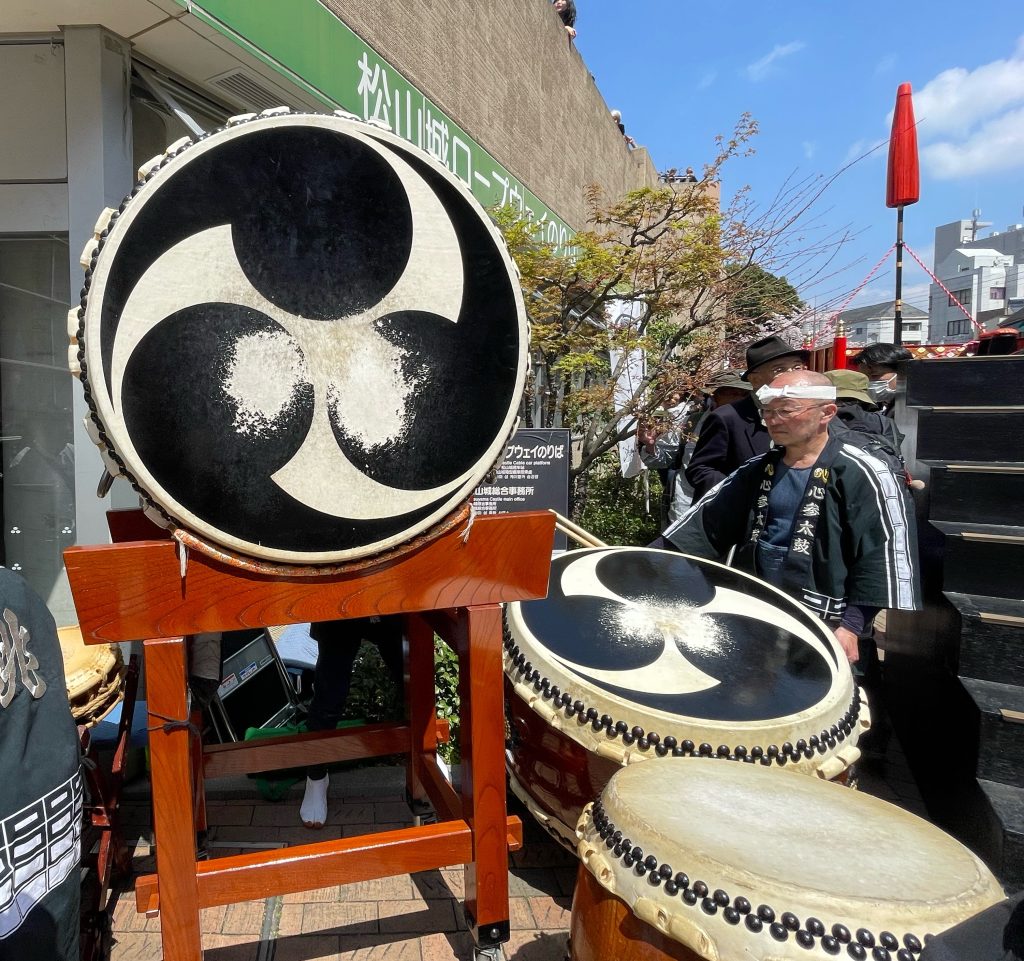
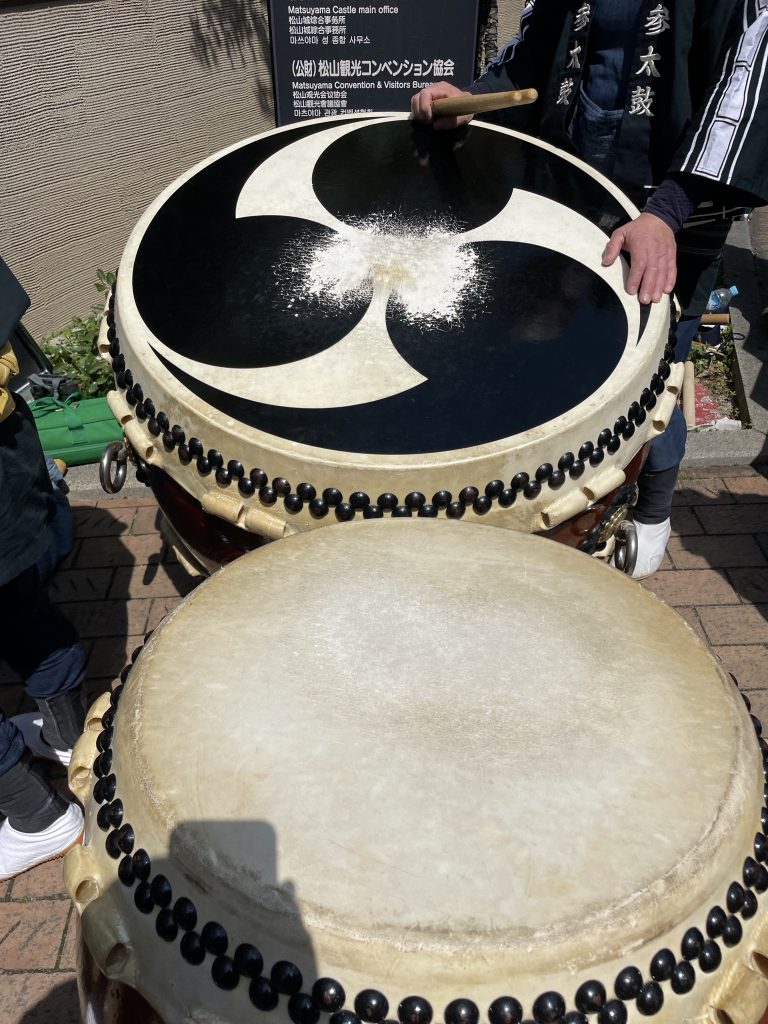
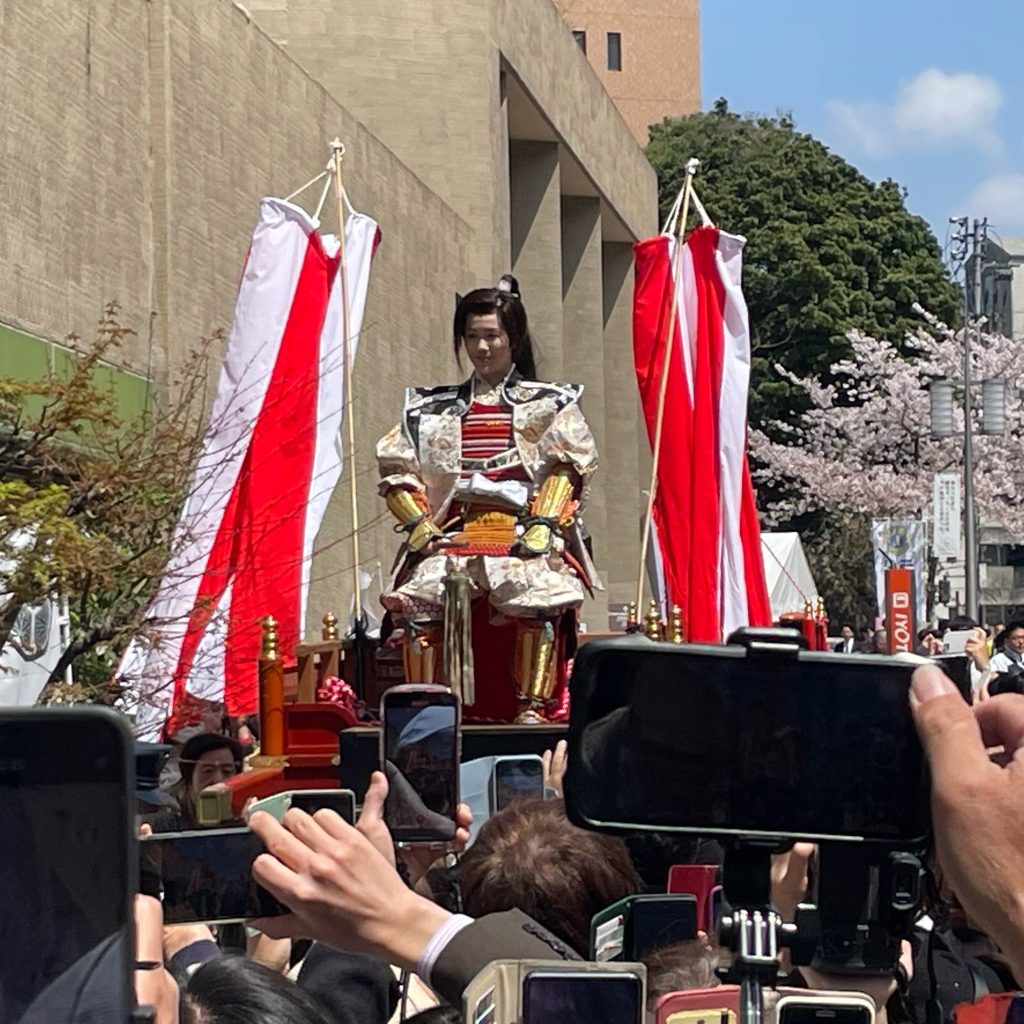
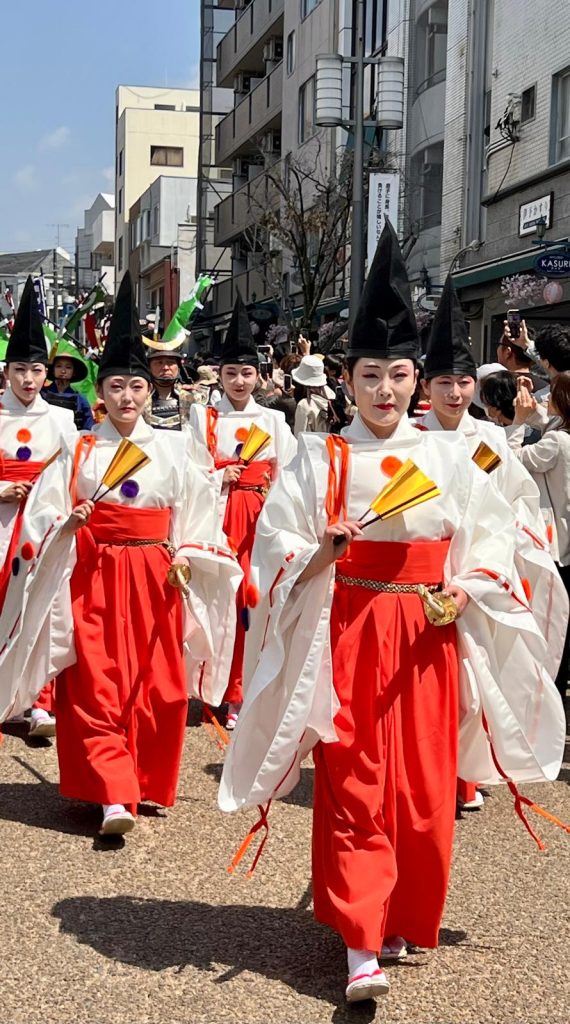
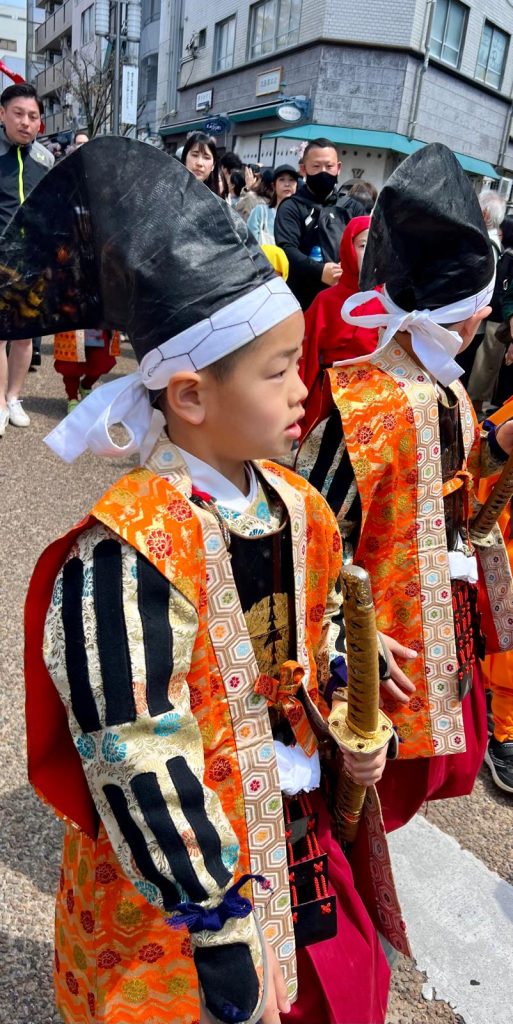
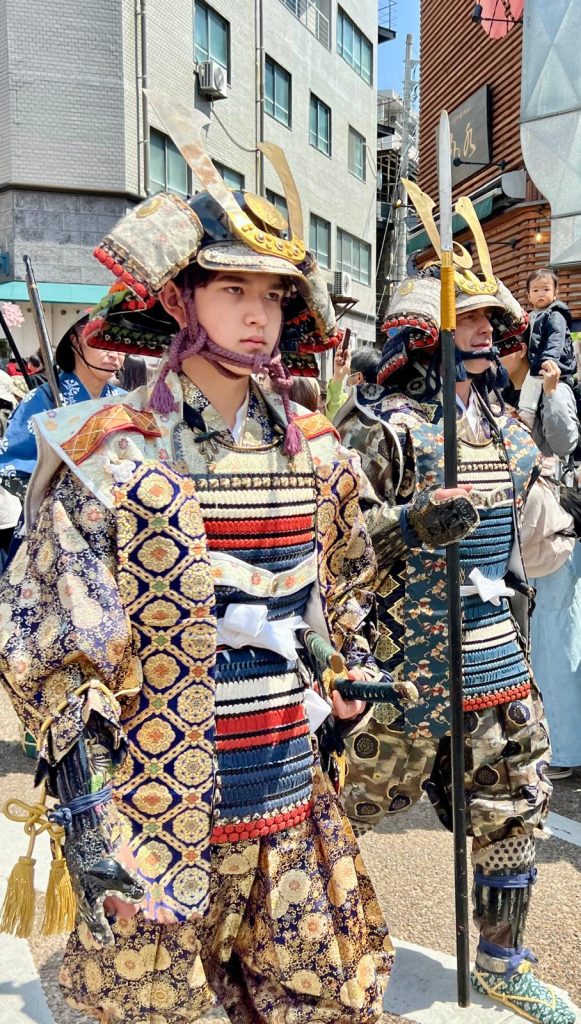
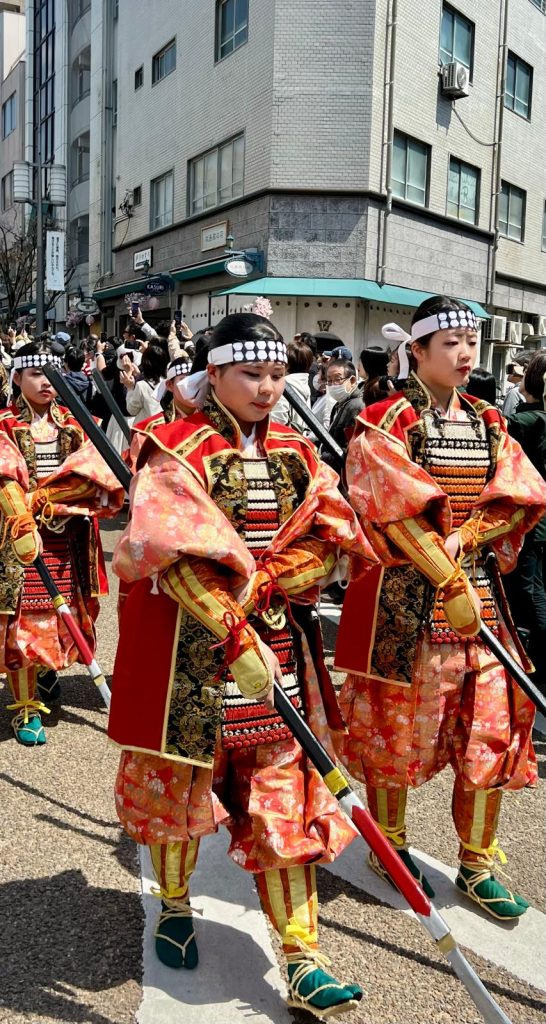
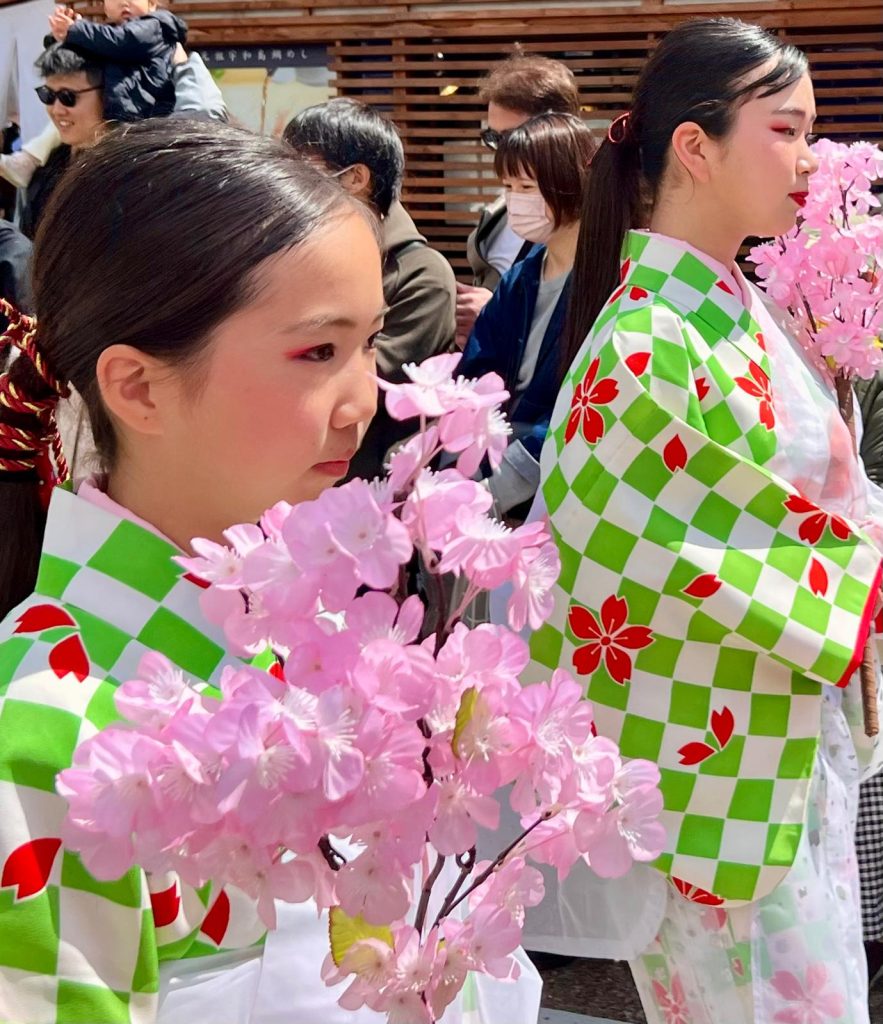
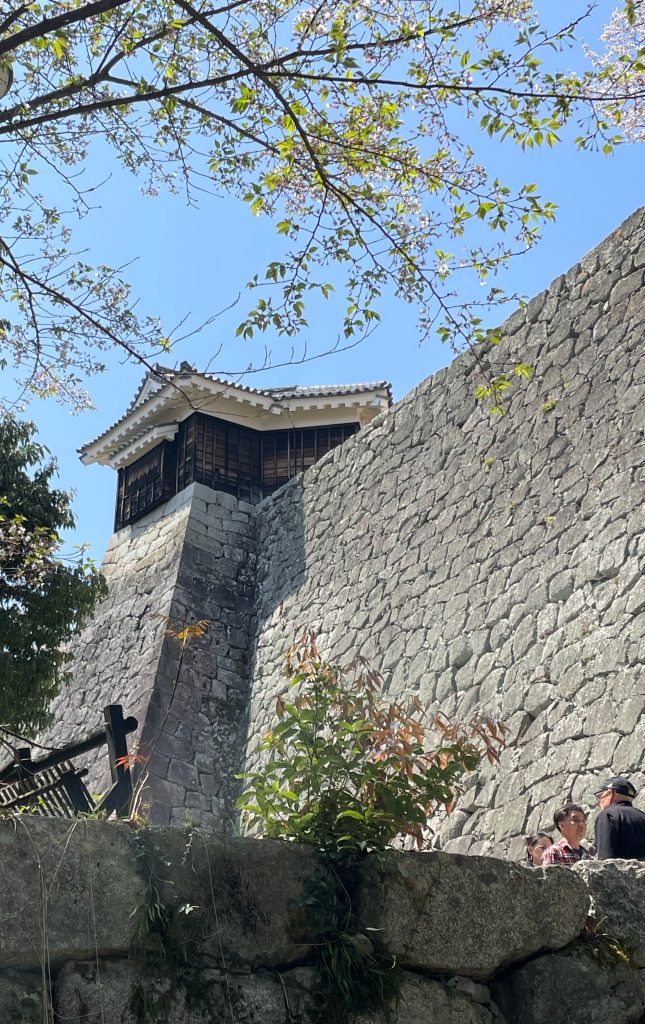
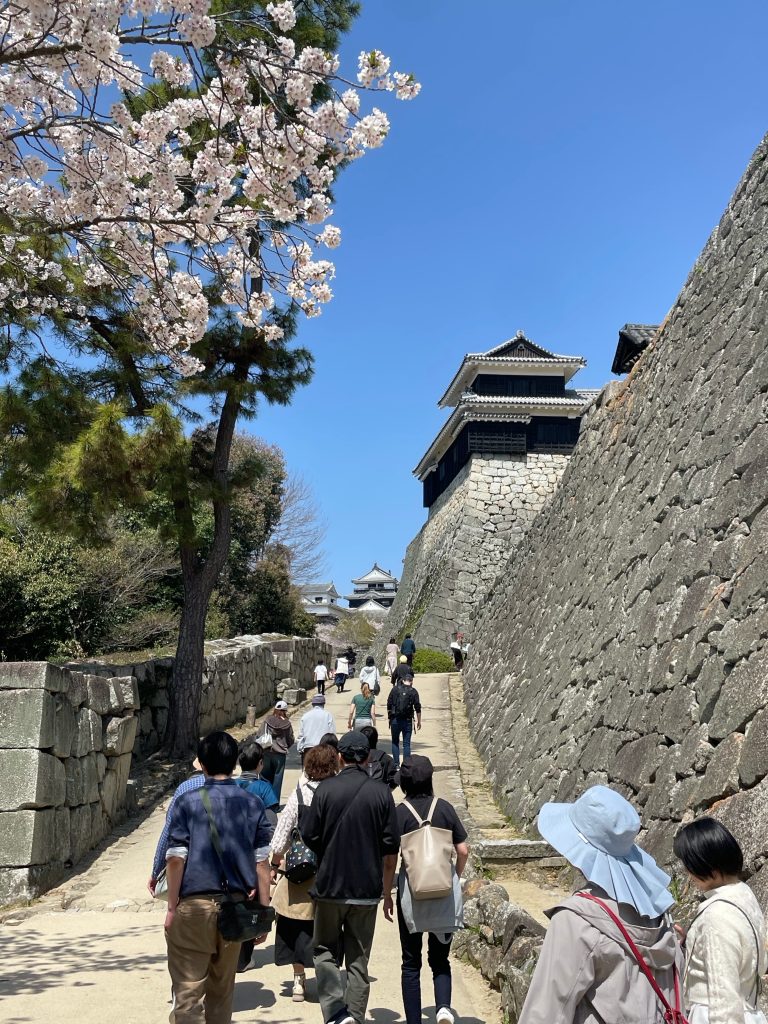
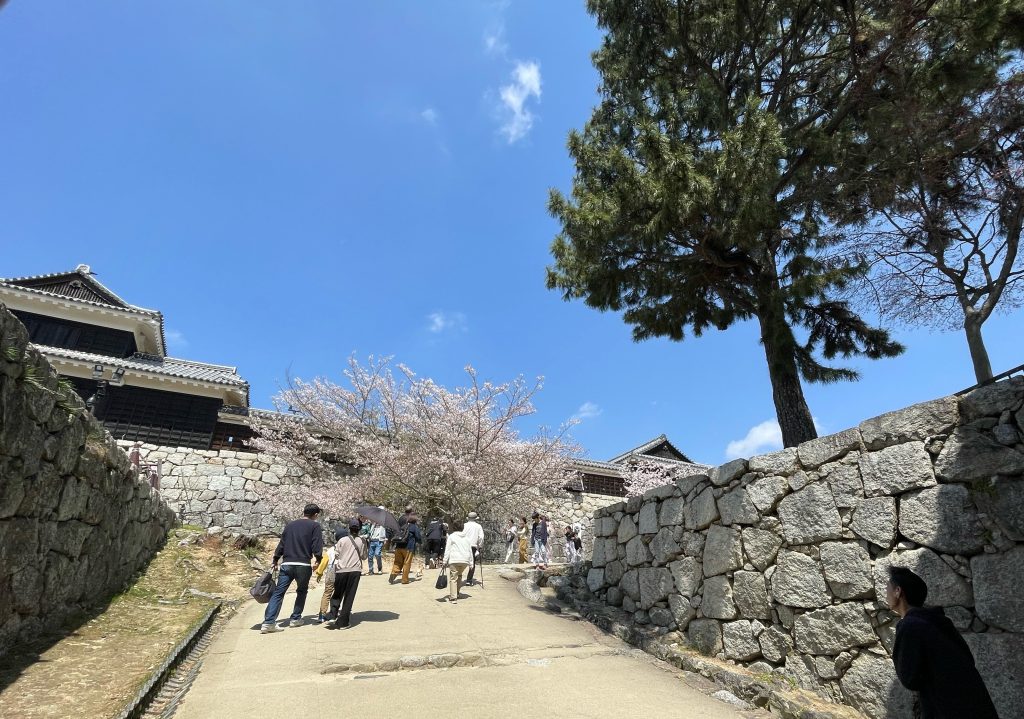
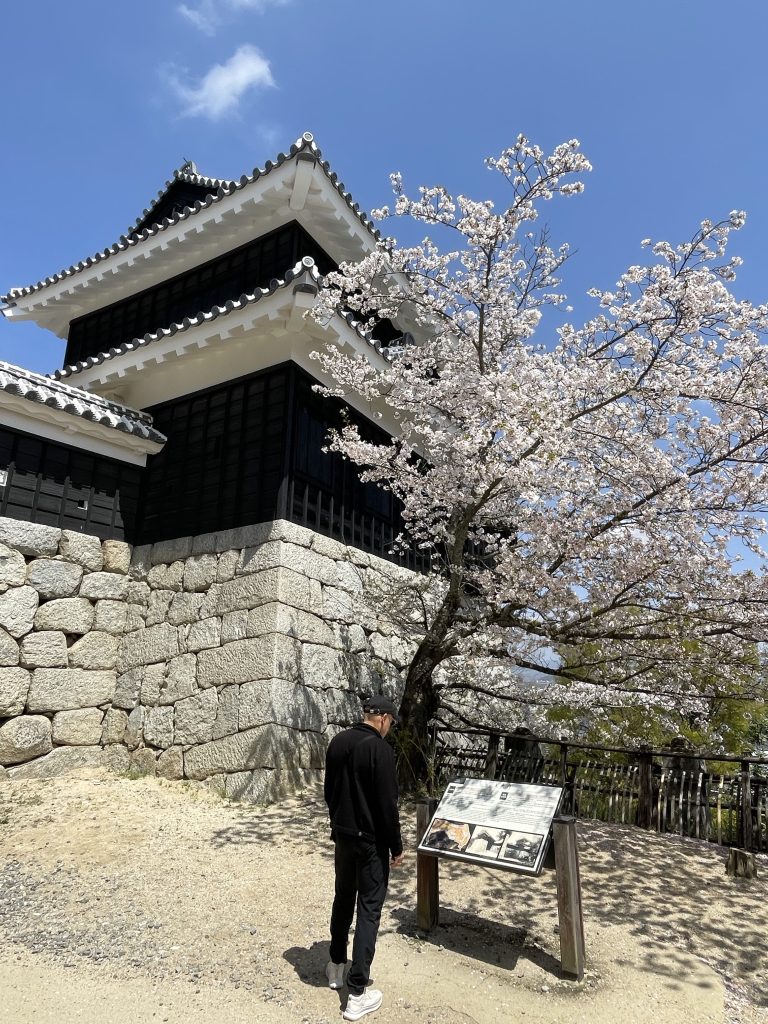
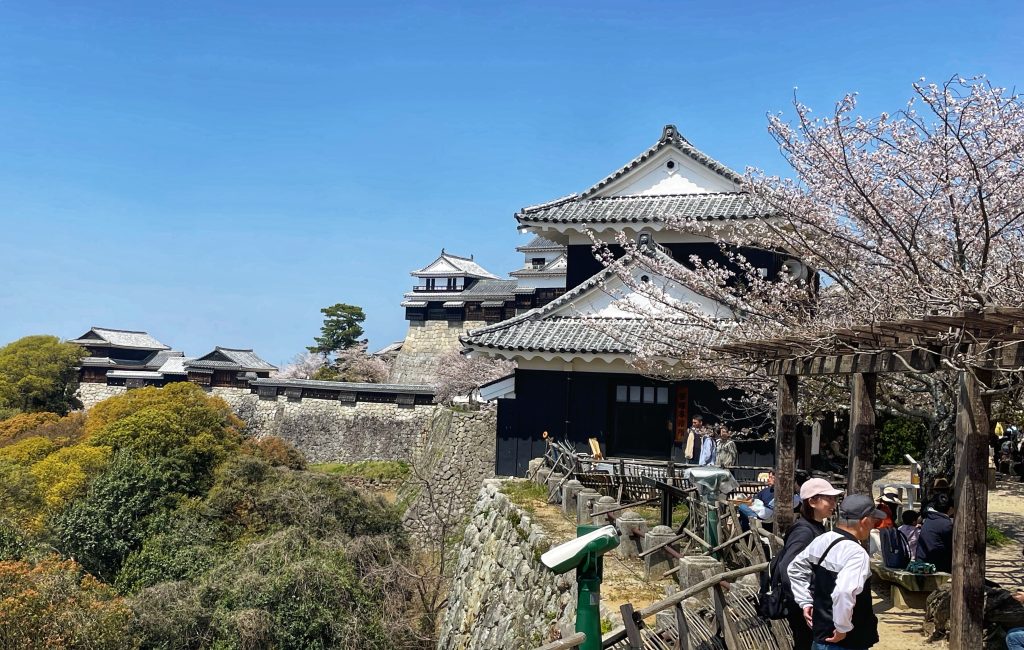
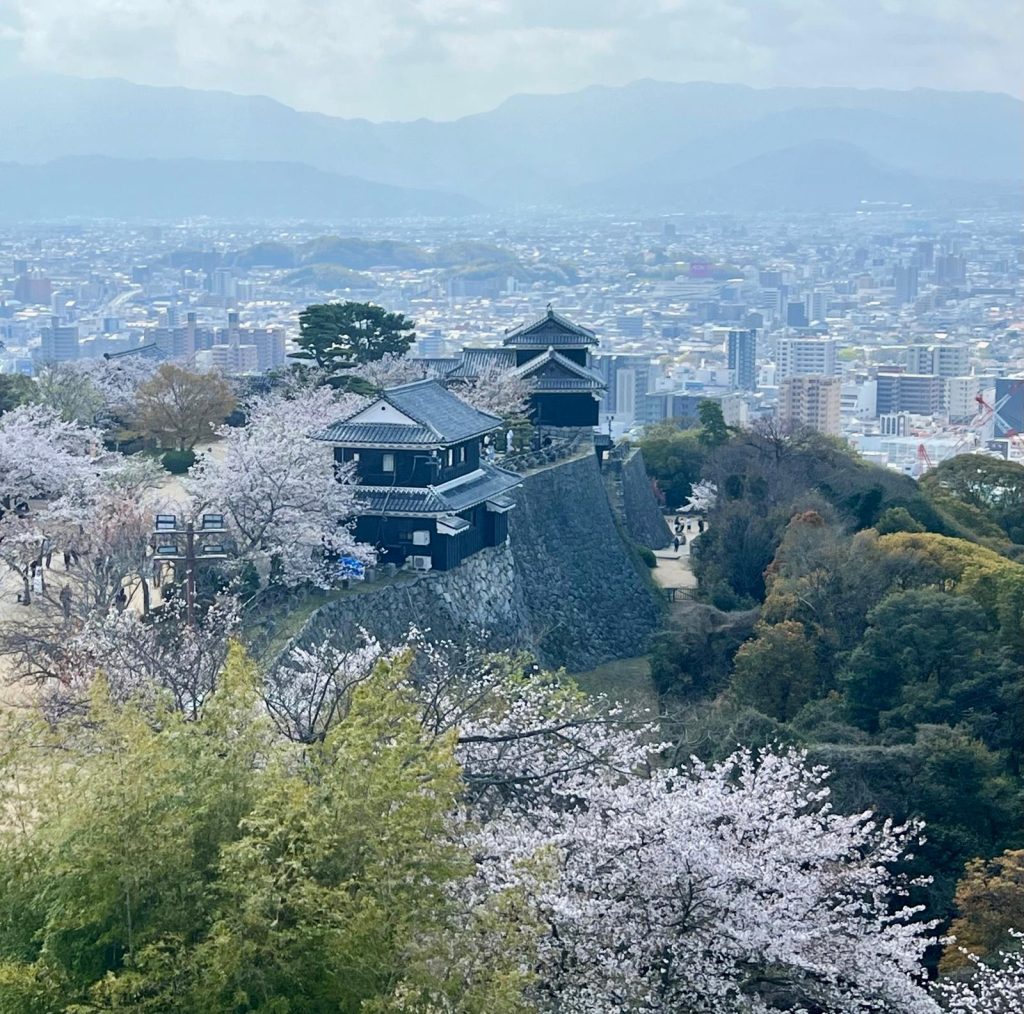
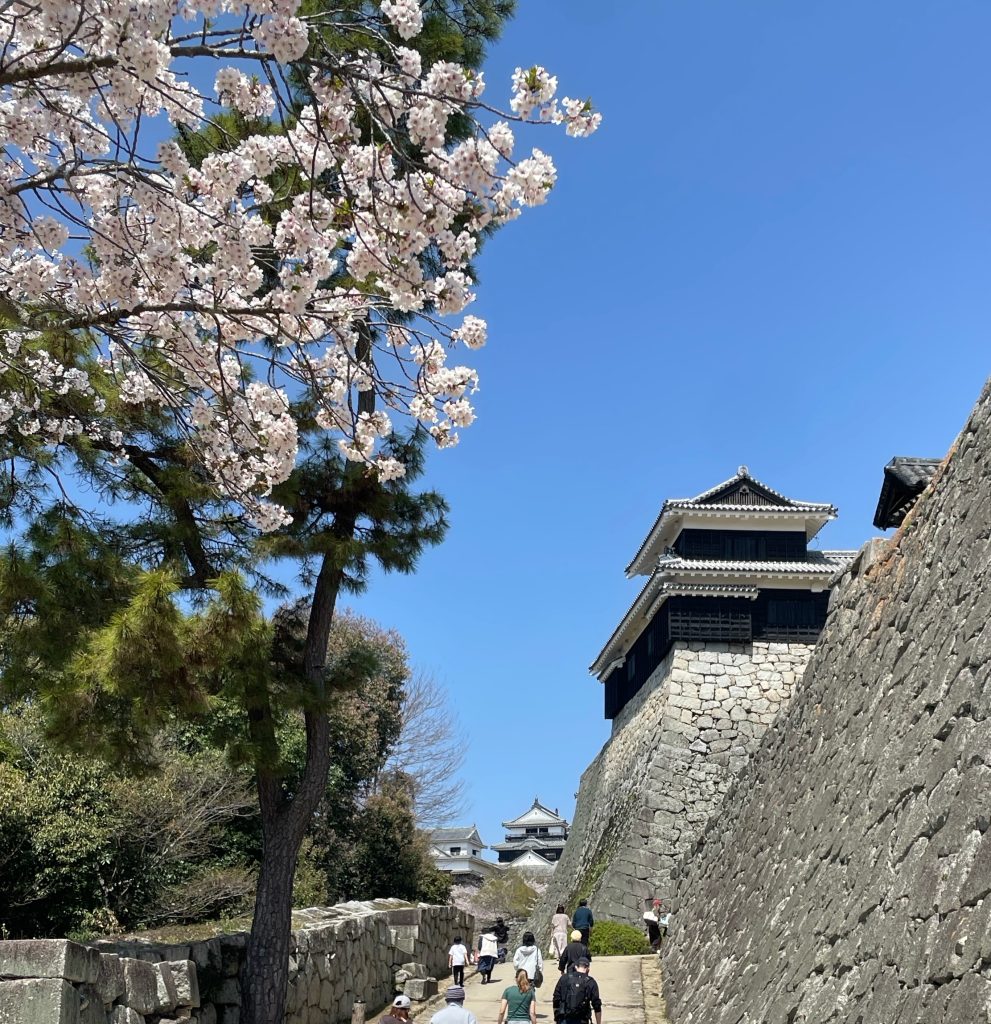
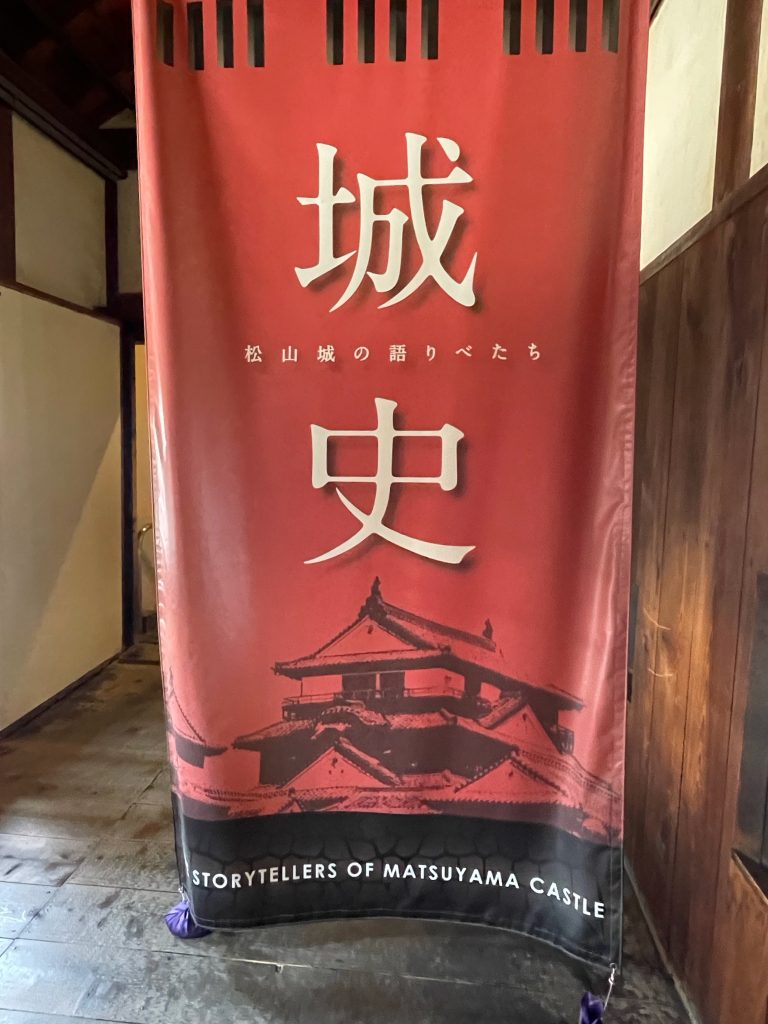
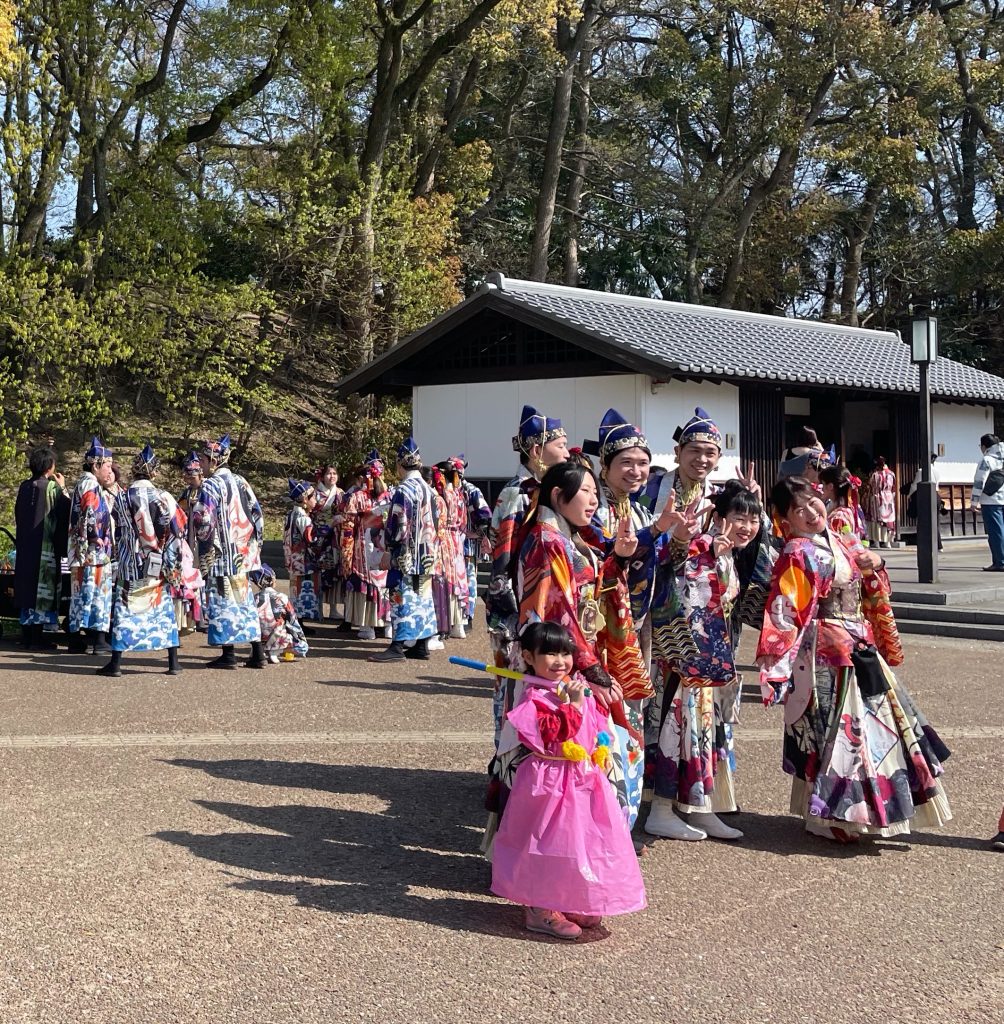
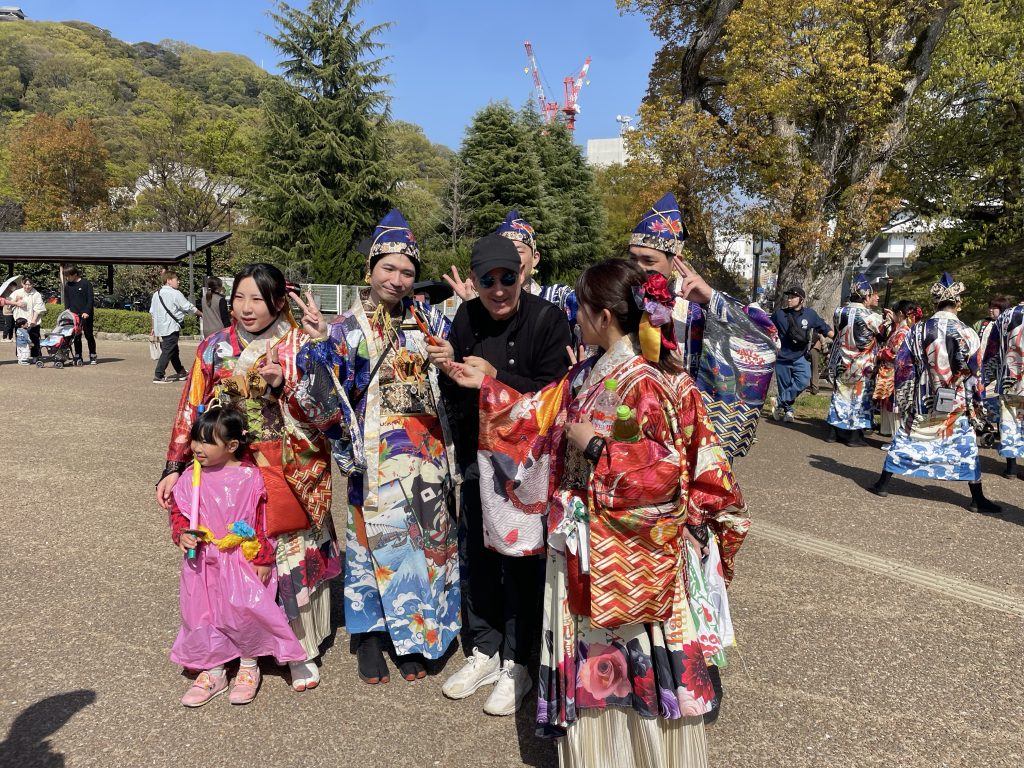
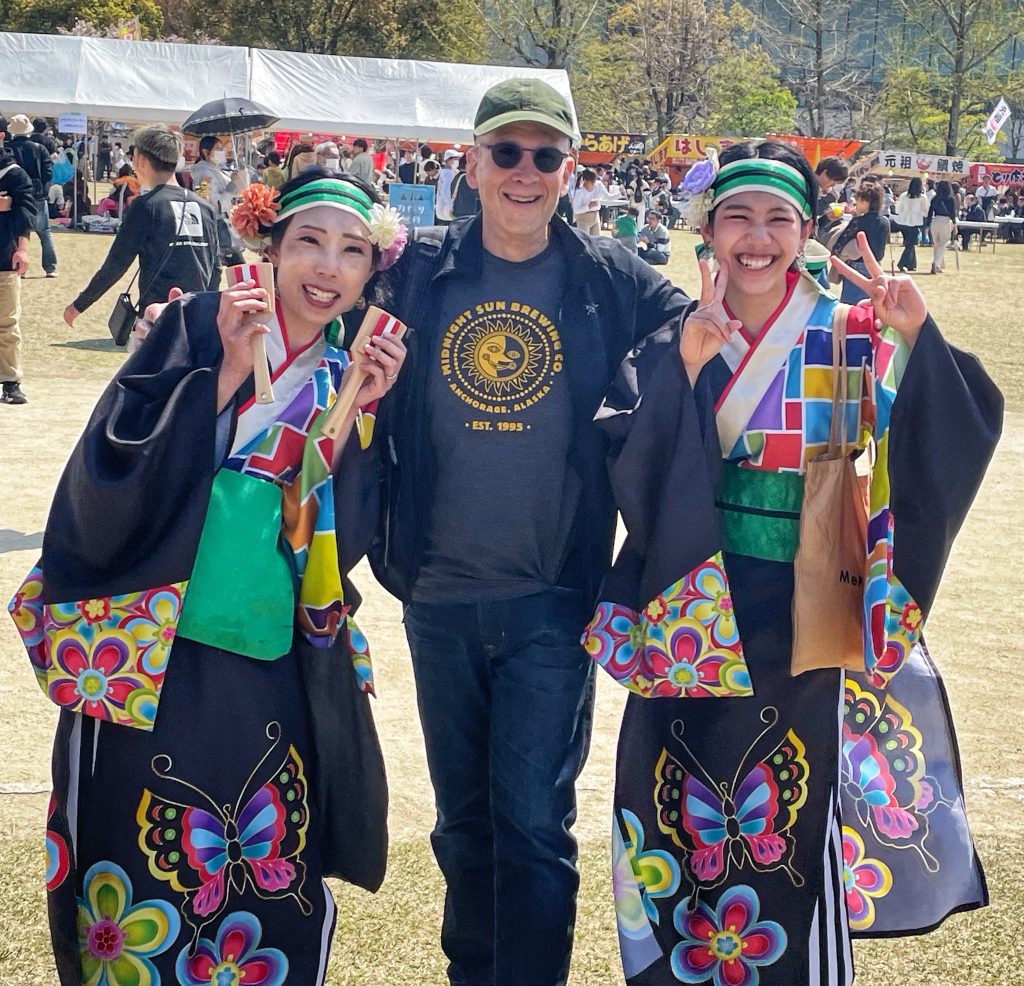
    We decided to take the tram car from the hotel to a stop close by the Matasuyama castle. The castle sits high on top of a hill in the centre of the city, and 8 of the eighty-eight temples in the Shikoku Pilgrimage are located in Matsuyama. Pilgrims are a common sight. We were fortunate to be in Matsuyama today for the annual Spring festival and parade…lots of tradition, fanfare and brilliant colours
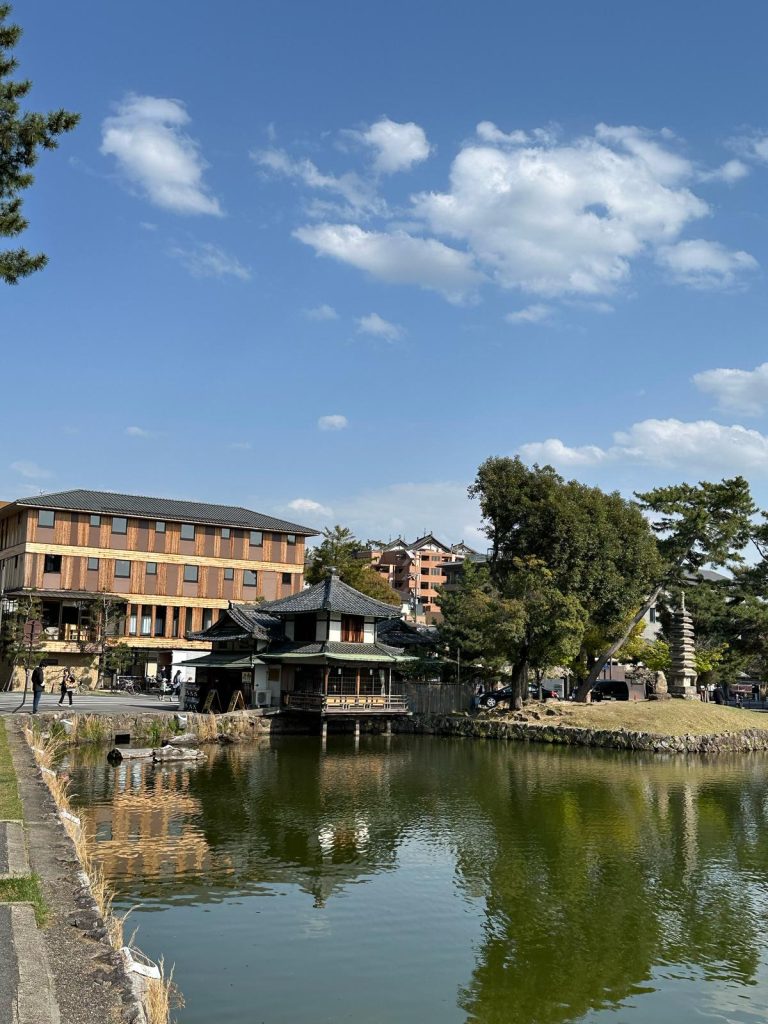
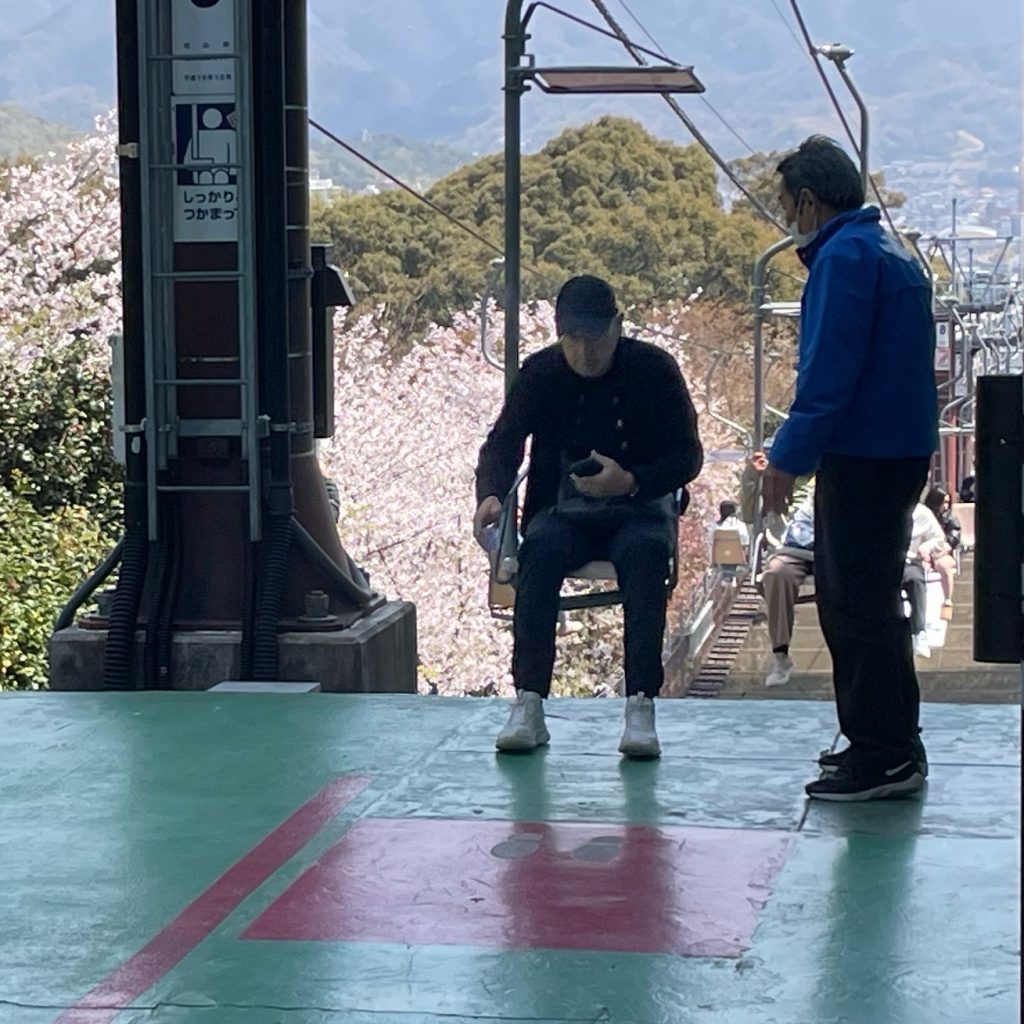
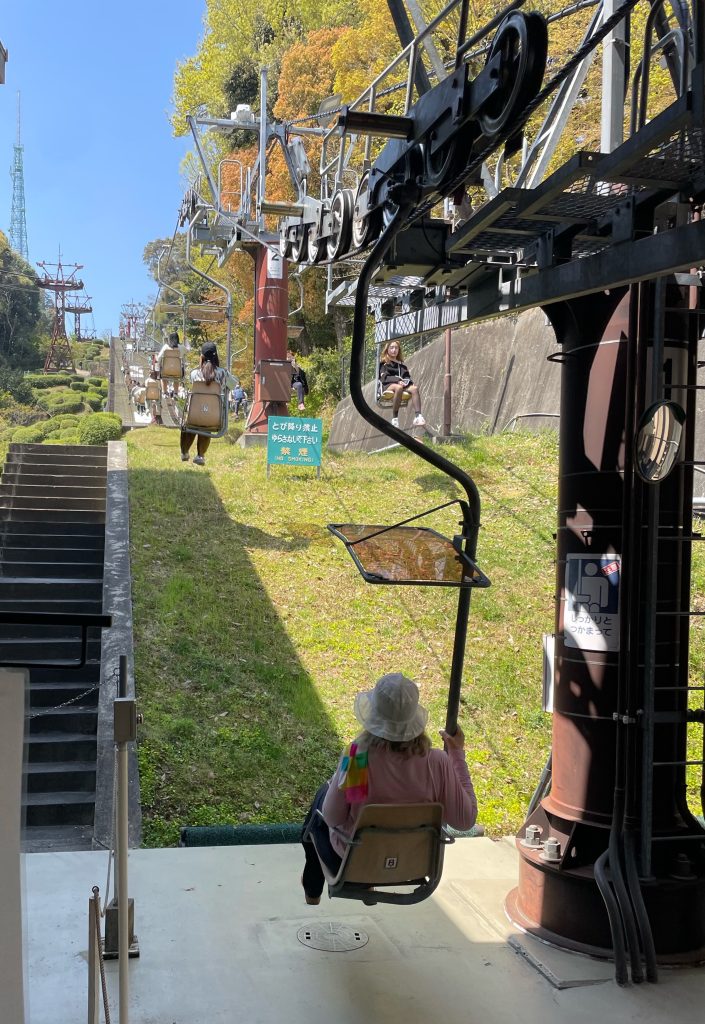
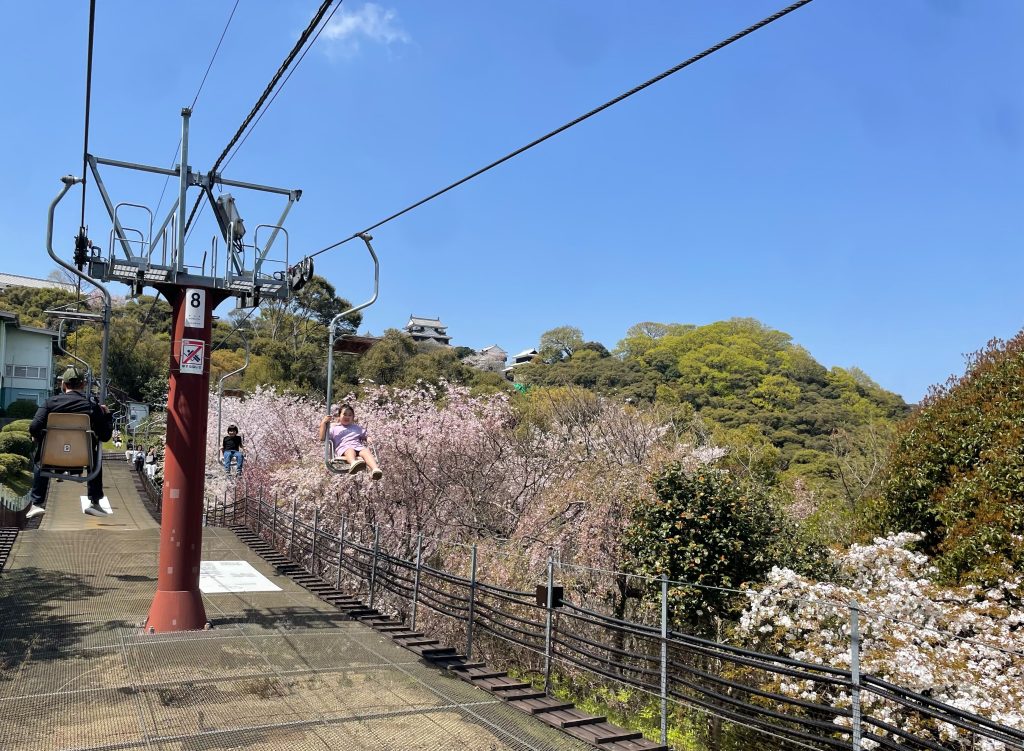
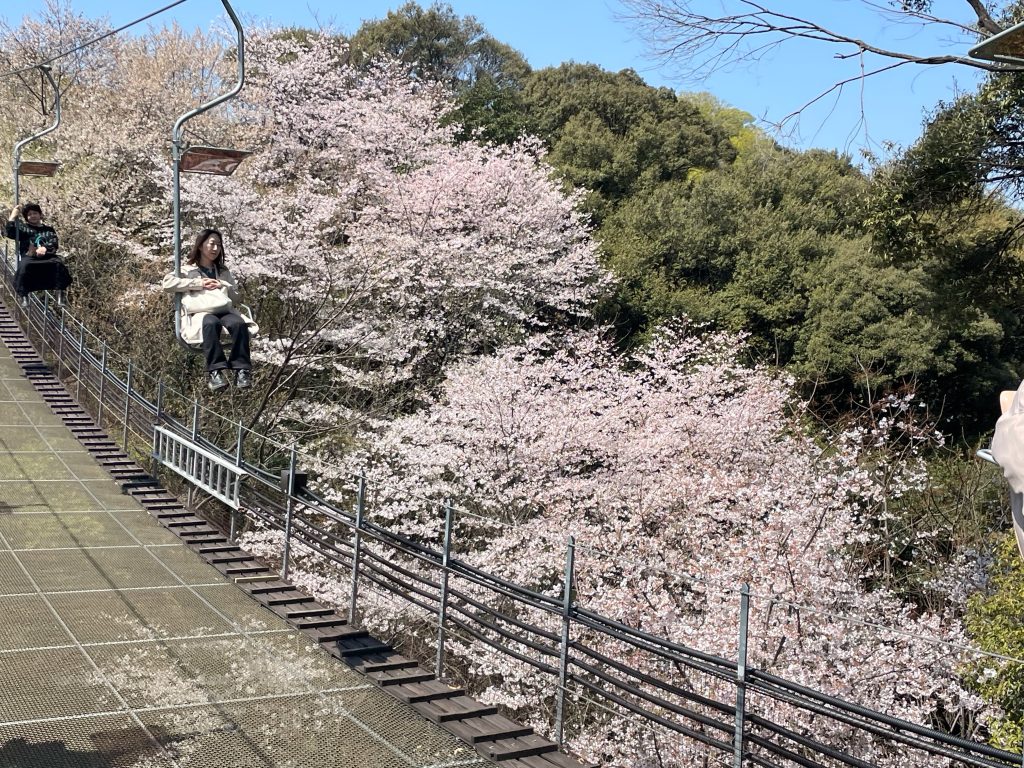
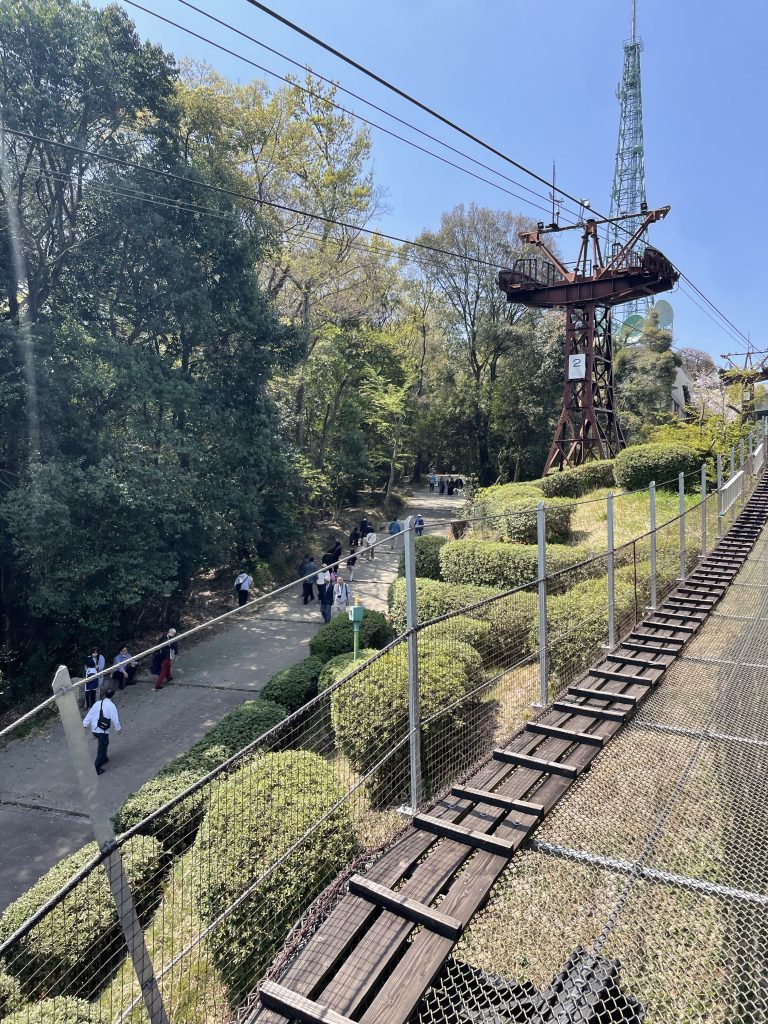
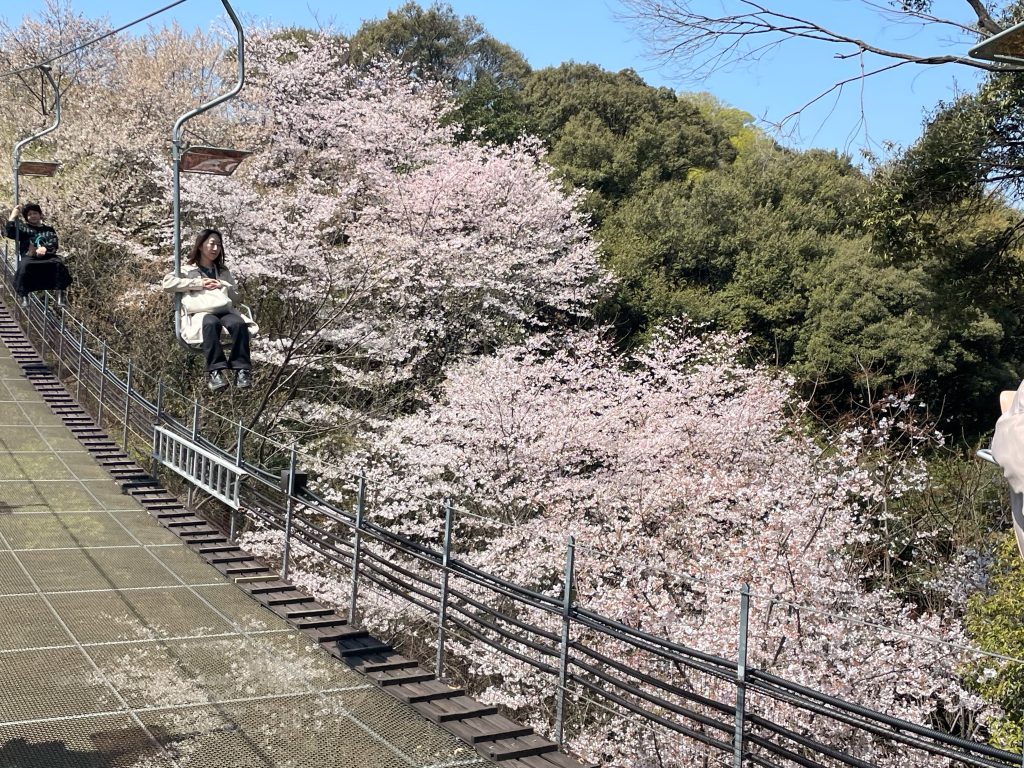
    To access the castle we had the choice of walking up a steep path, a cable car funicular or an open air chair lift…we opted for the latter.


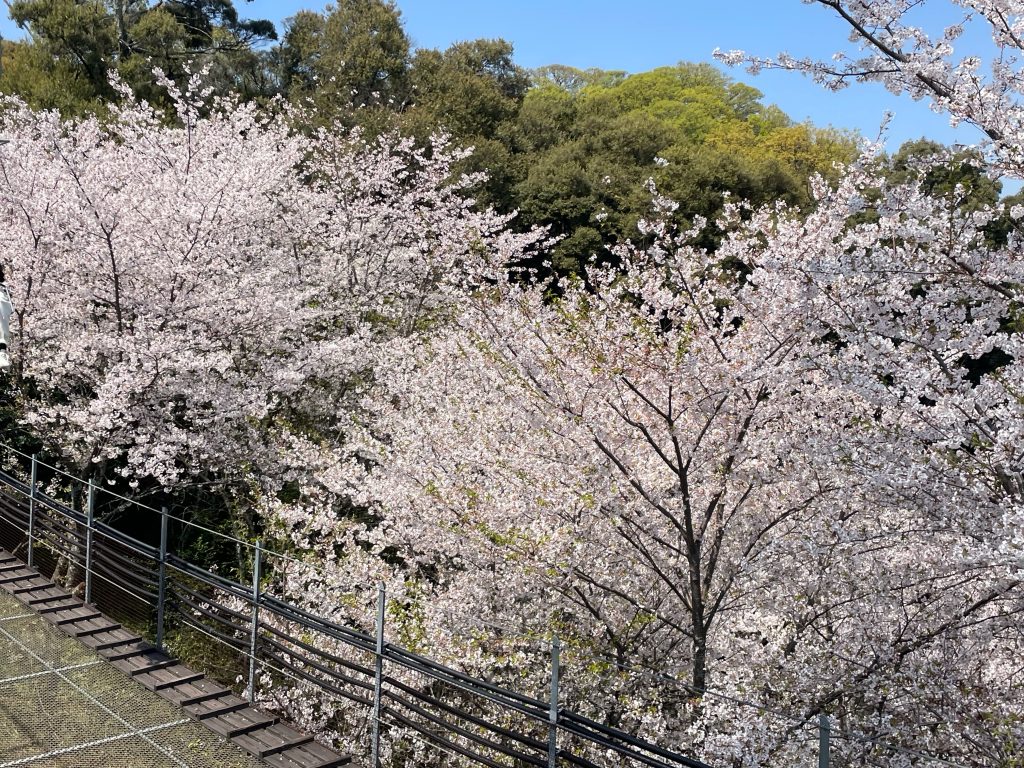
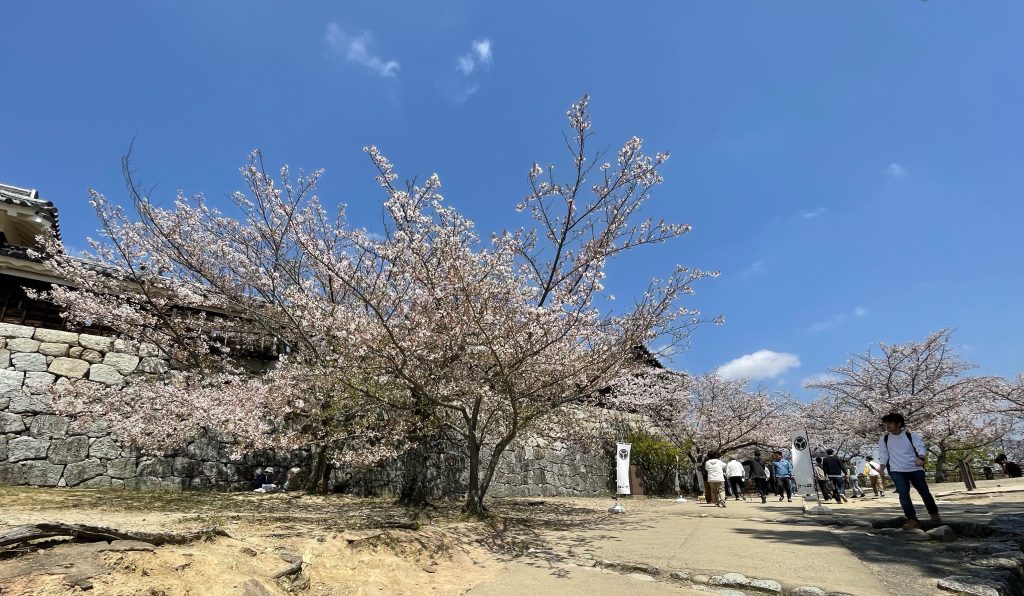
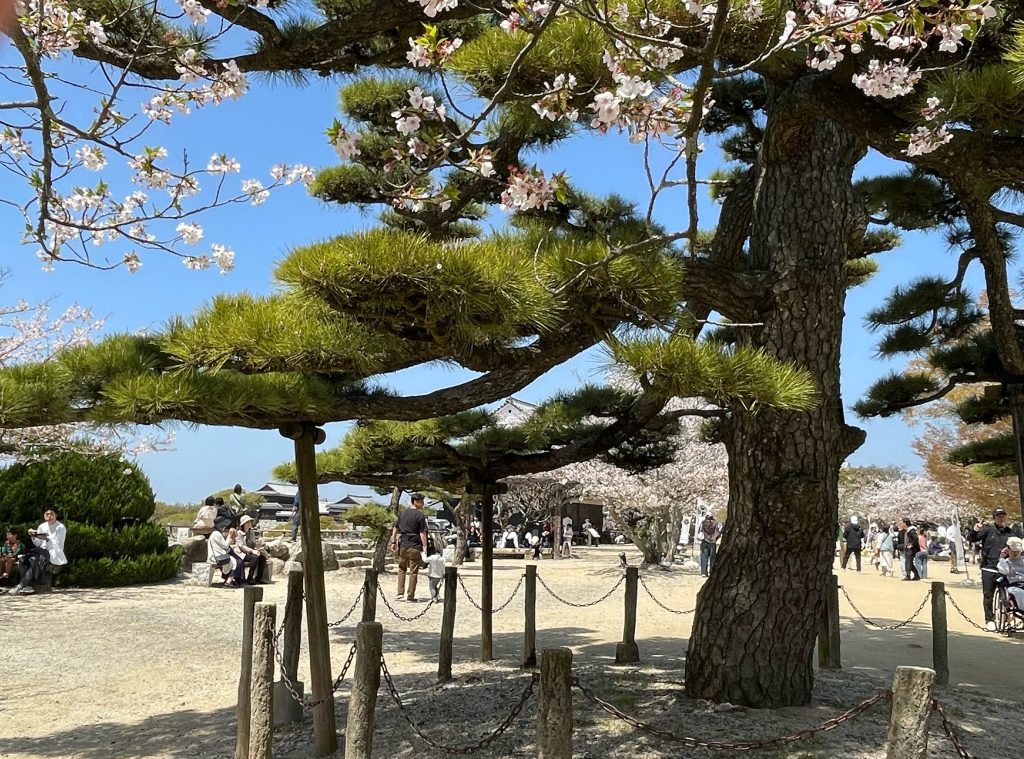
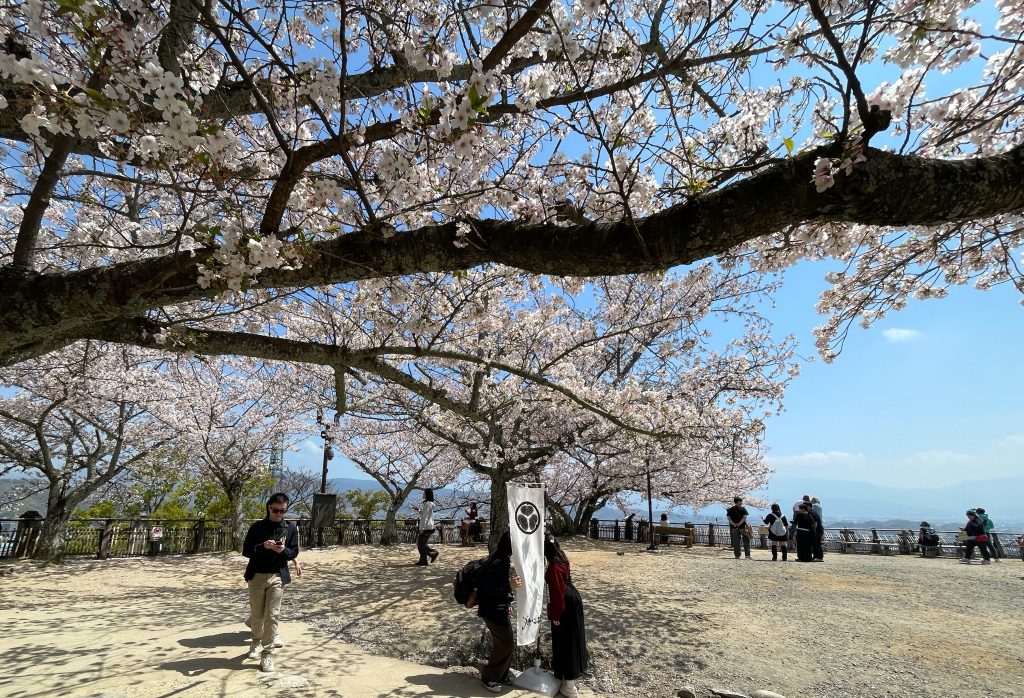
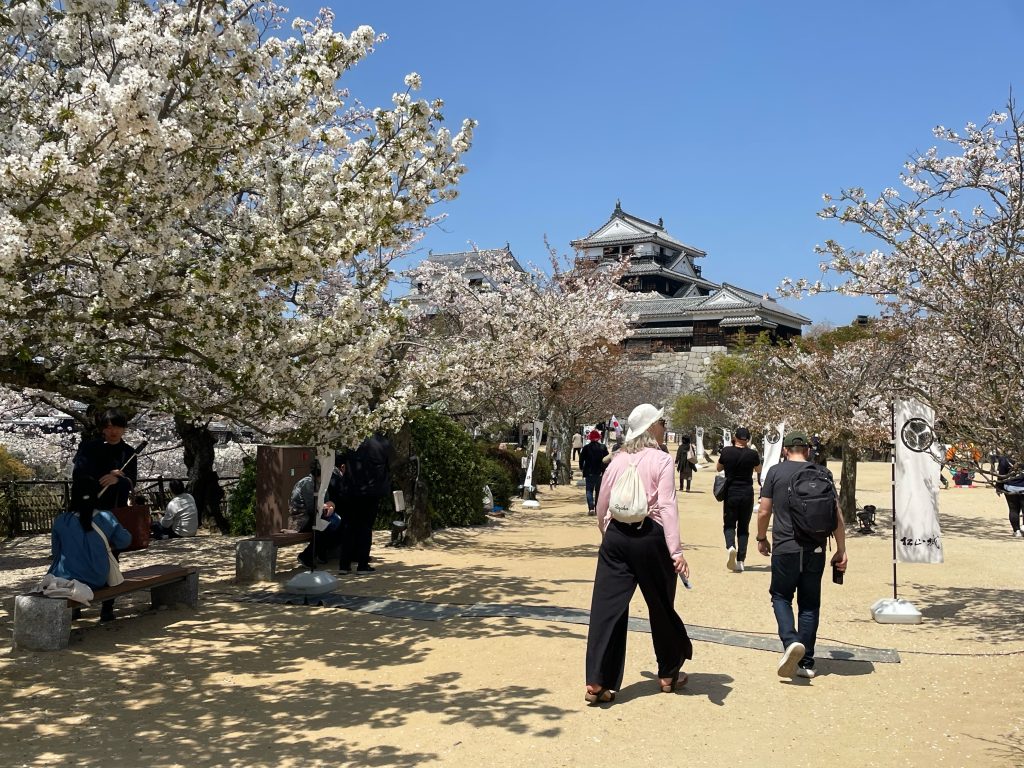
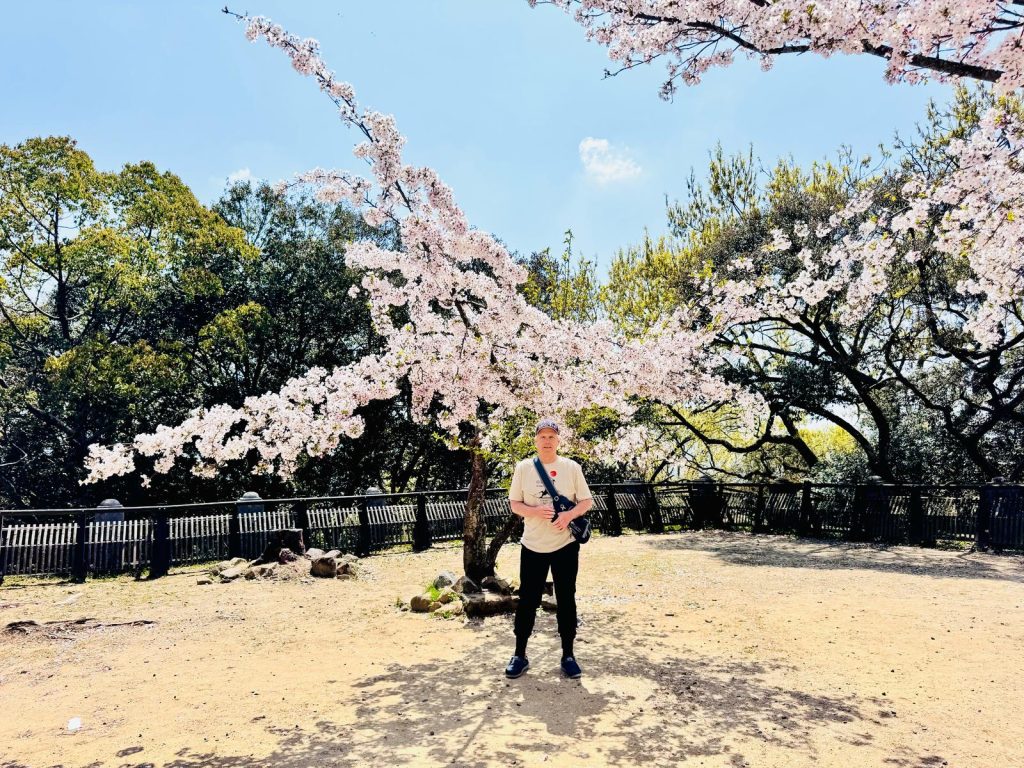
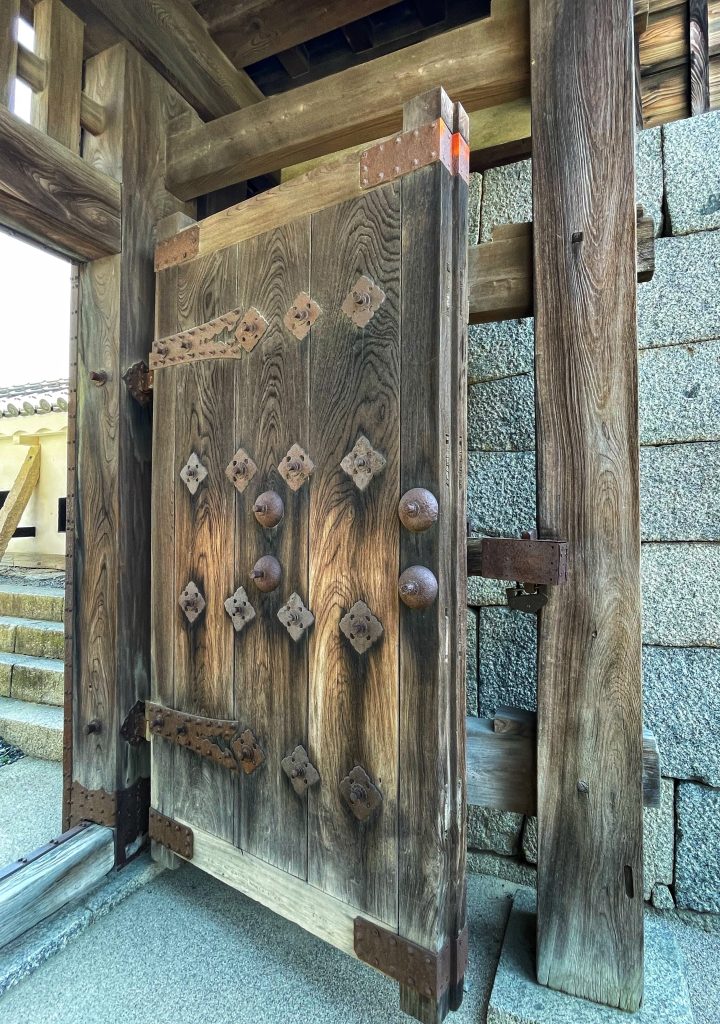
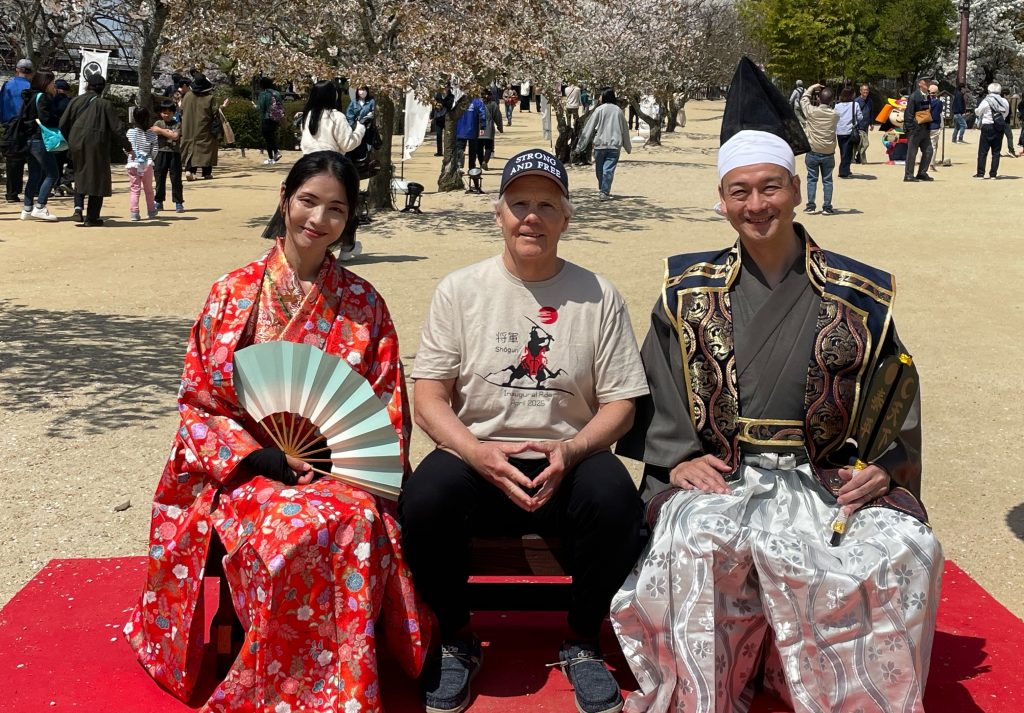
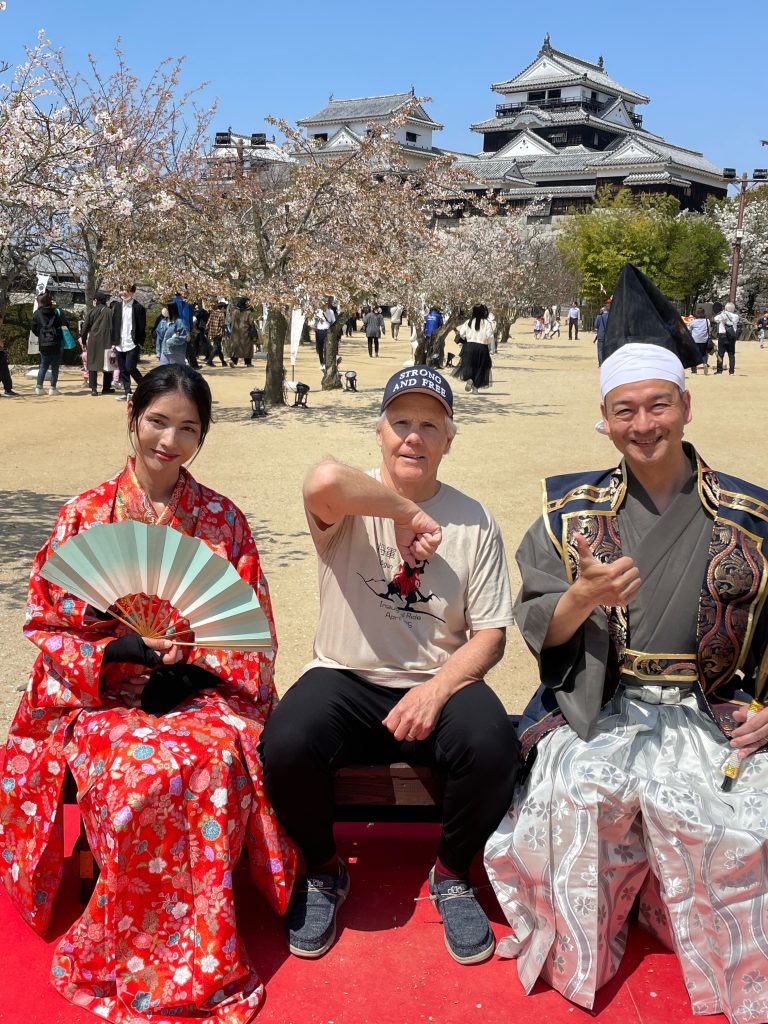
    The cherry blossoms on the way up to the castle were just a taste of what was to come once into the castle grounds. The following photos help describe what we experienced


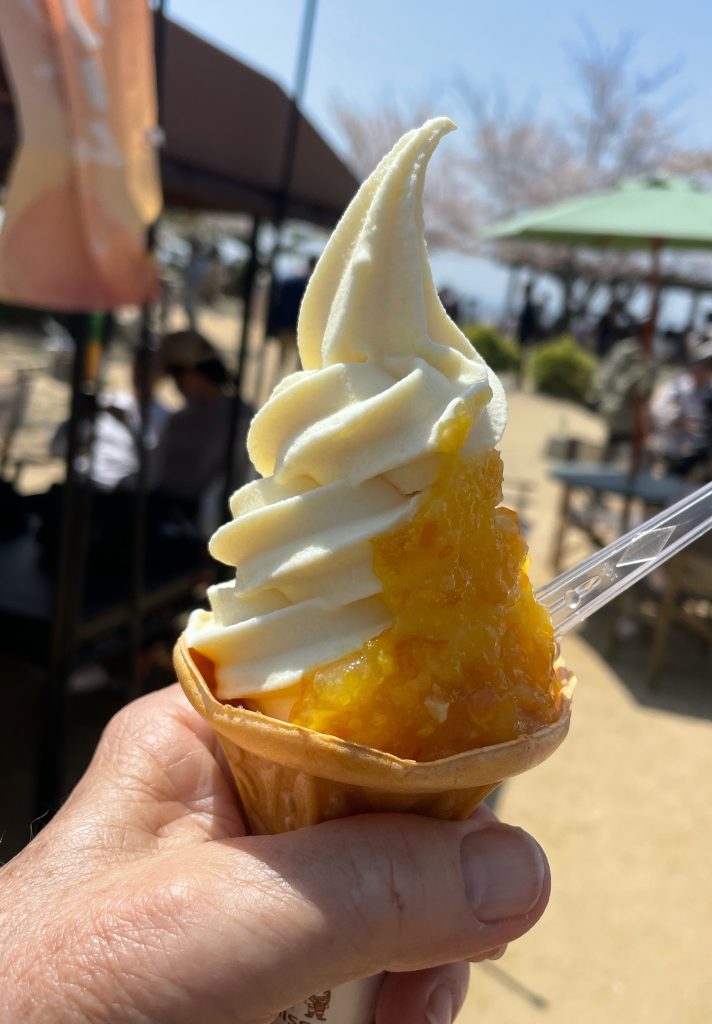
    lychee ice cream!

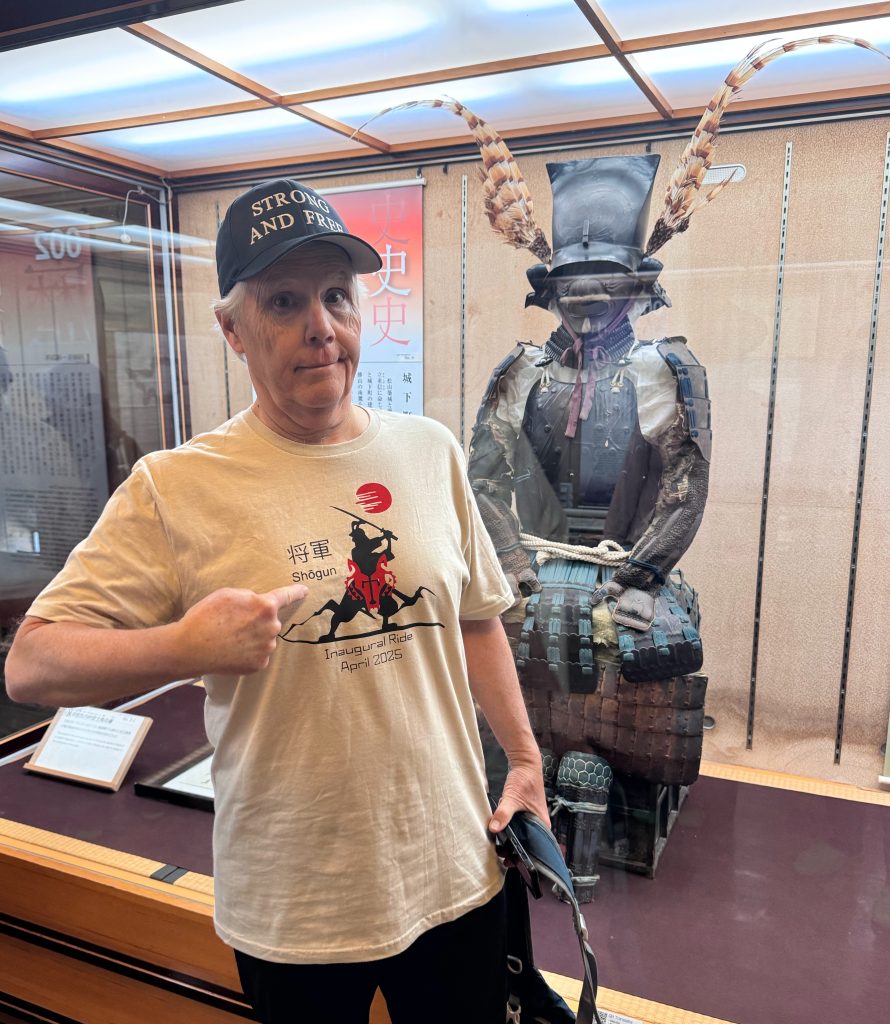
    what samurai do on a day off…

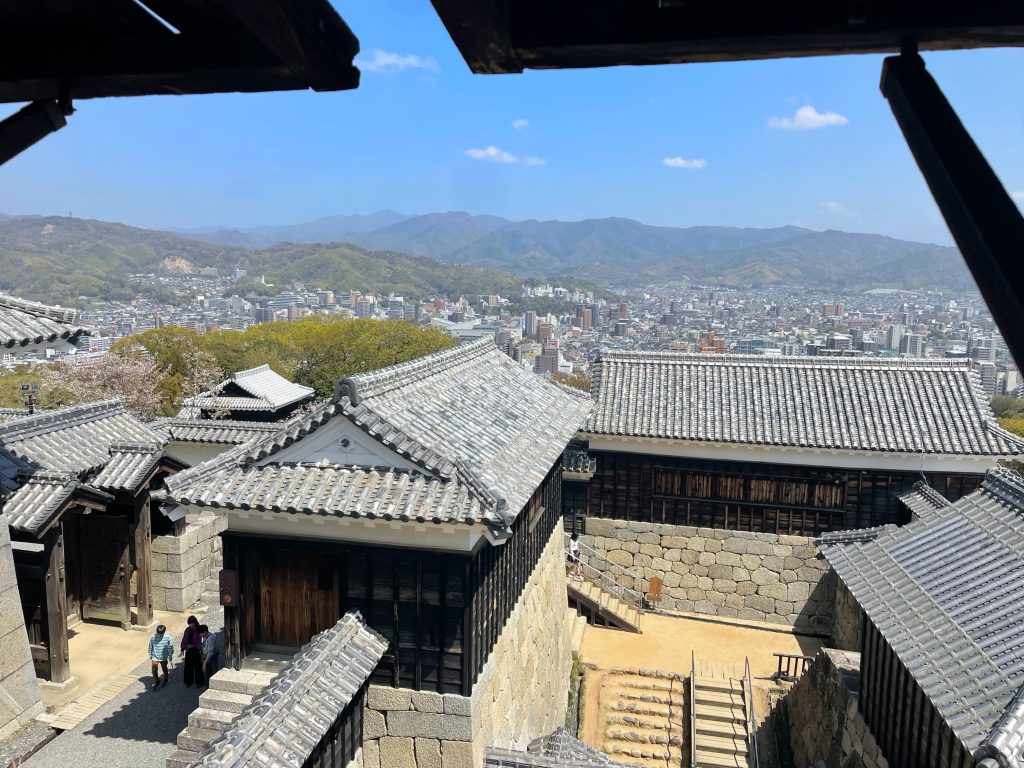
    A 360 degree view of the city can be had from atop the castle.

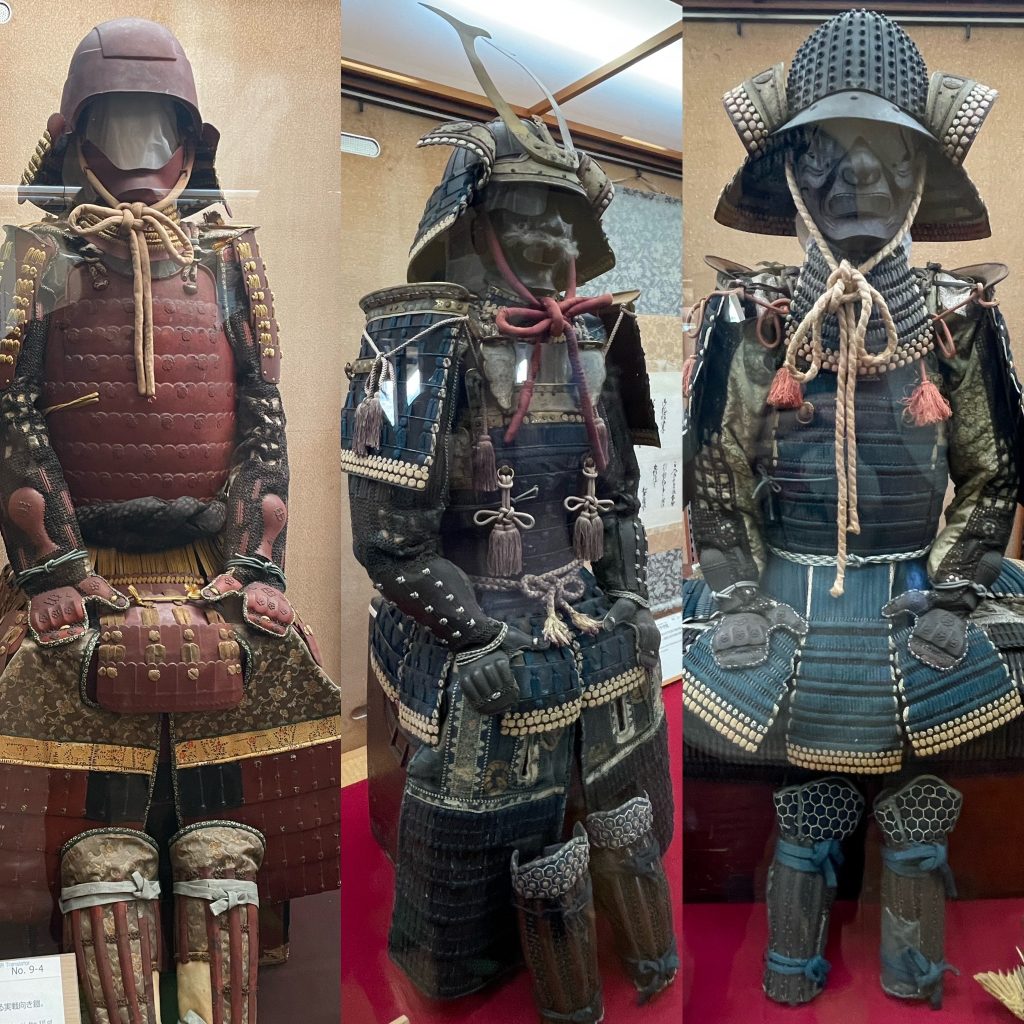
    Inside the castle has many artifacts and art, like these samurai uniforms.

    Coming down from the castle we were in the midst of the festival and had some lunch that many food trucks provided, and enjoyed the pageantry

    Wandering back to the hotel…


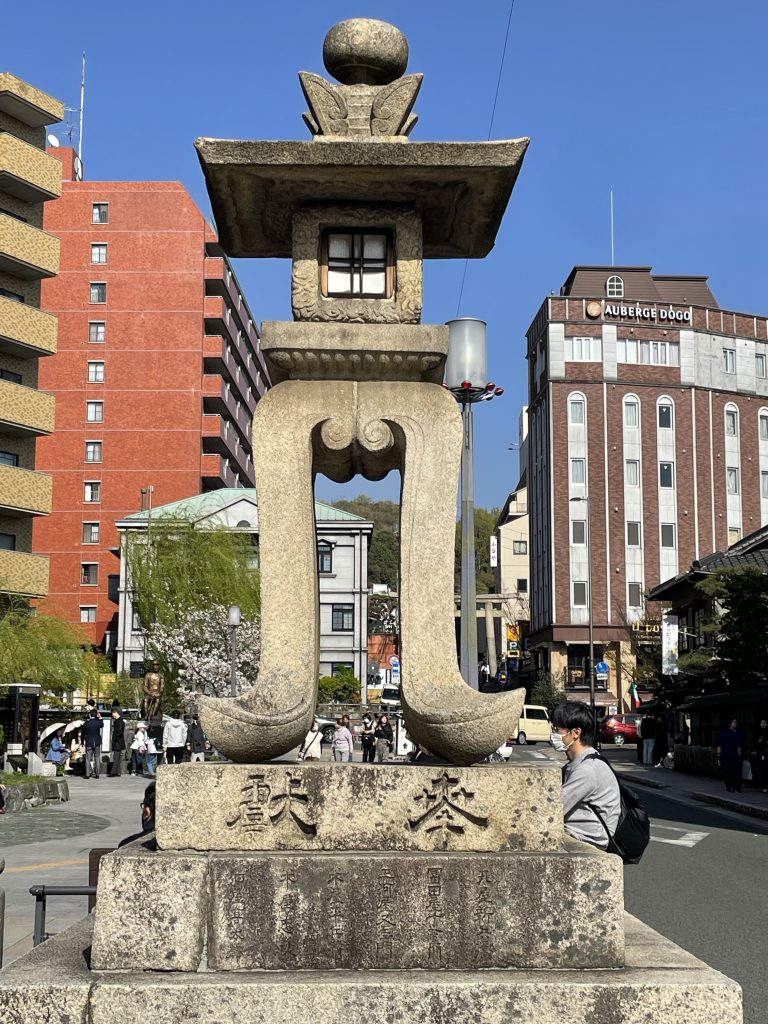
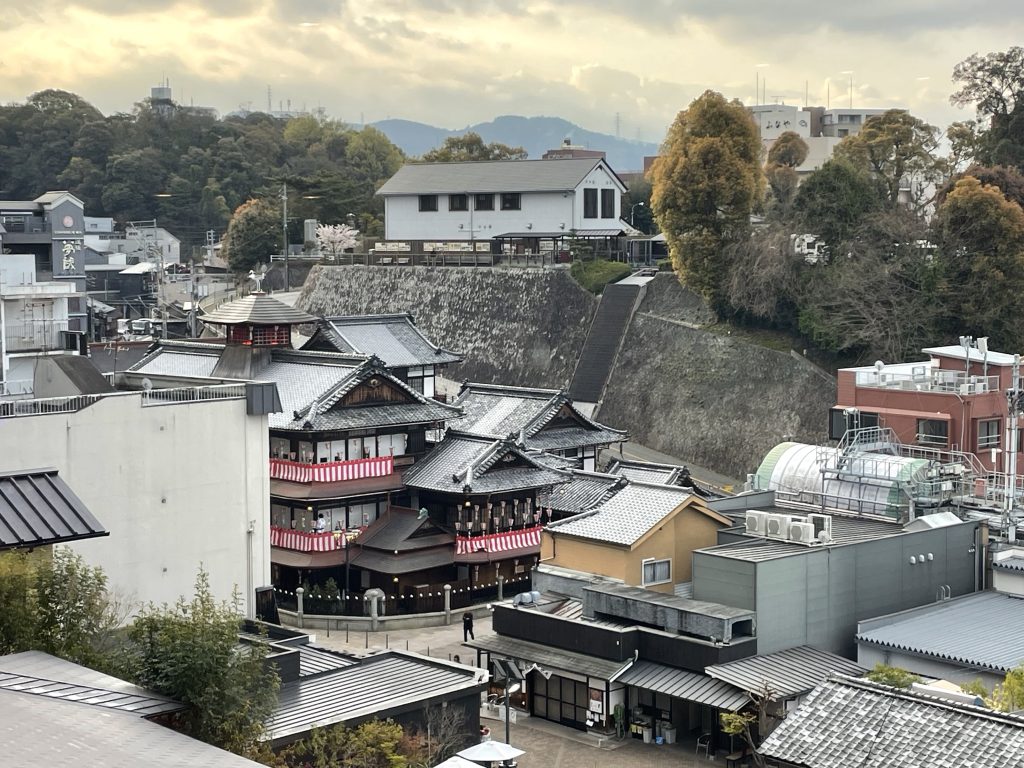
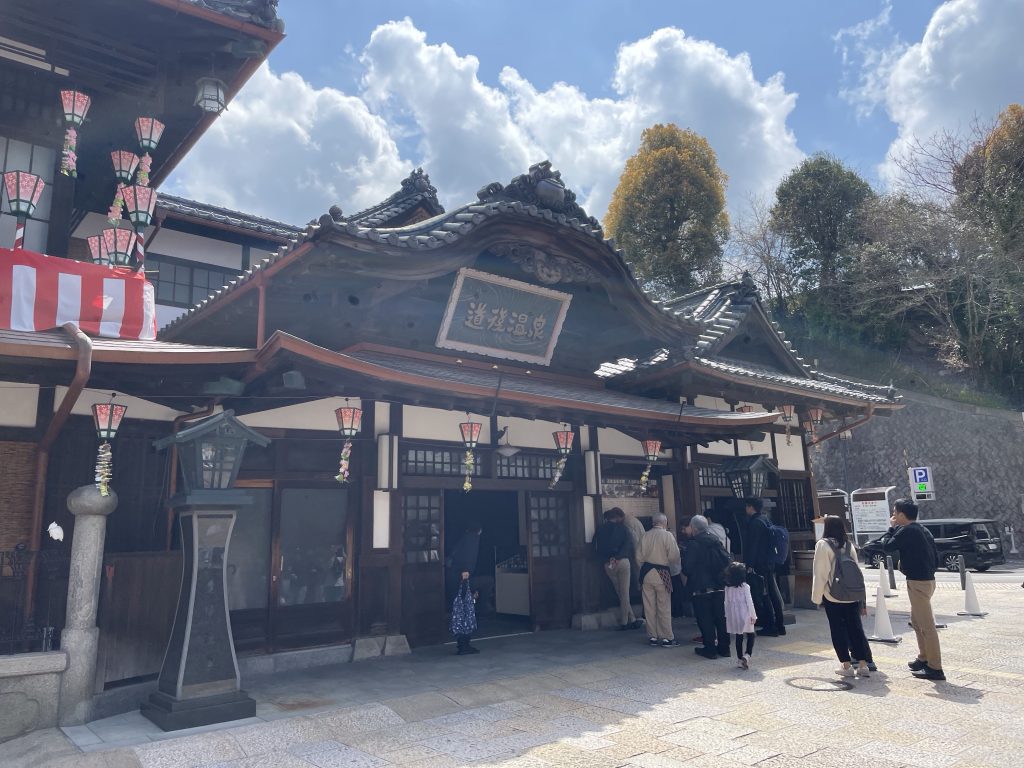
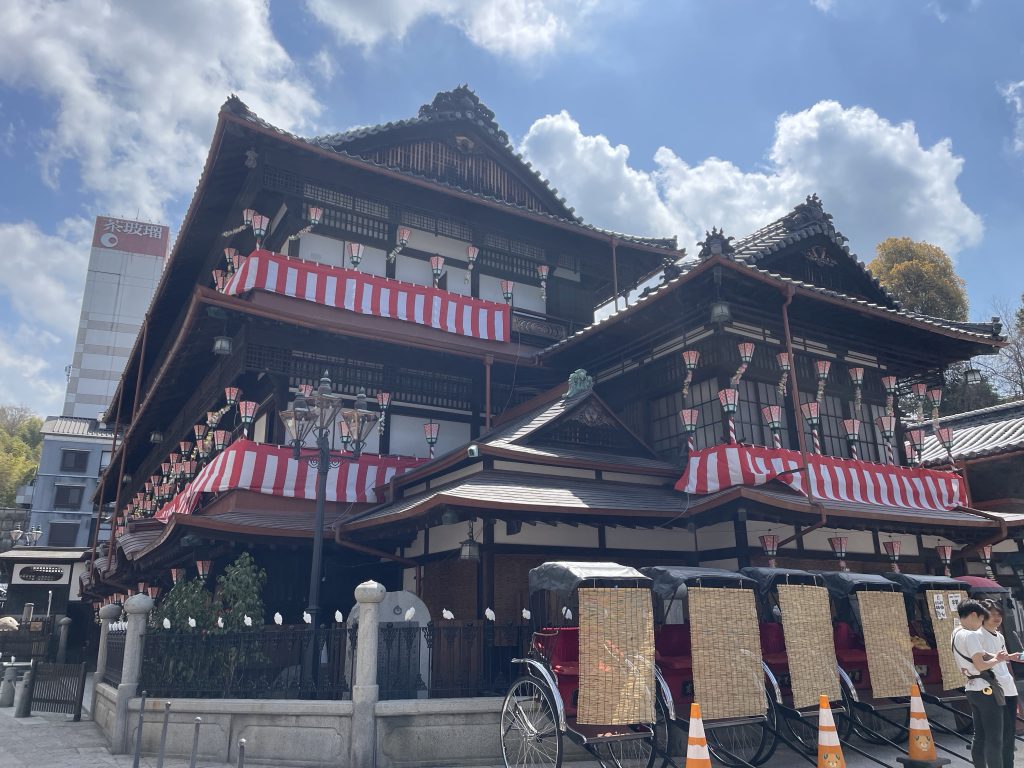
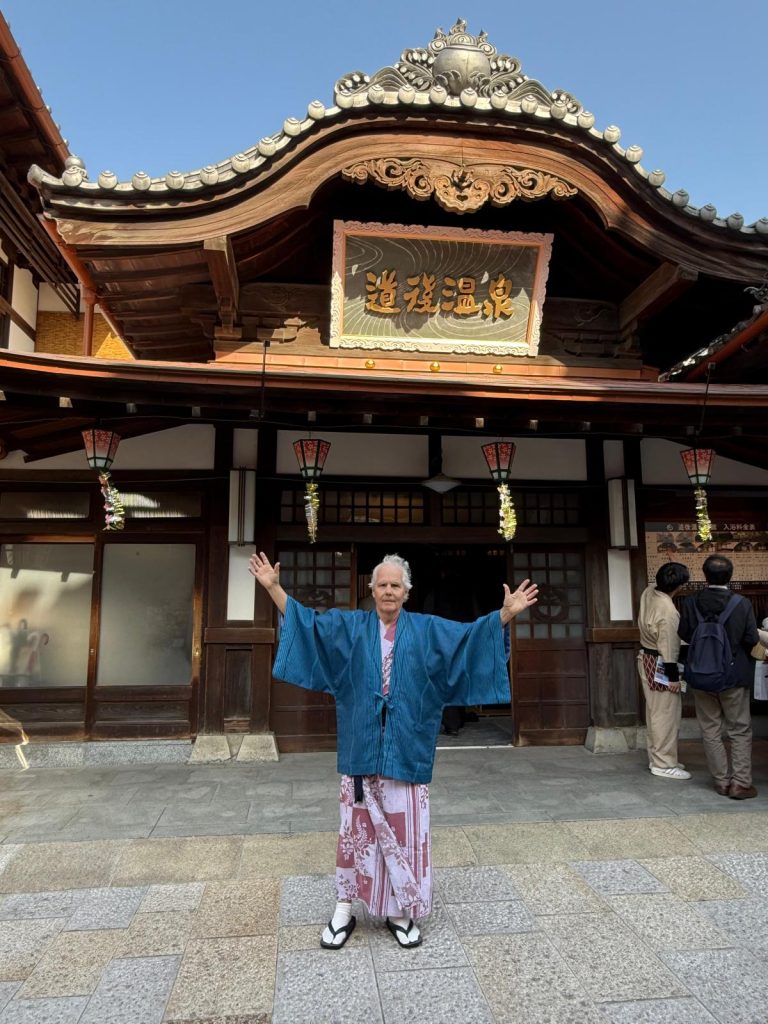
    Another main highlight of the many in Matsuyama is a visit and soak in the oldest and most famous onsen, the Dogo Onsen.

    It is a wooden public bath house dating back to 1894, and is a frequent visiting spot for the Imperial family. And today the Bike Odyssey samurai will be dipping in!!

    The interior of the Honkan is a maze of stairways, passages and rooms, all of which bustle with bathers and staff. This was a fabulous way to end our walking tour of the city. It was also a very different experience to be sitting in a small hot springs pool with 18 Japanese men, and of course bathing suits are prohibited!

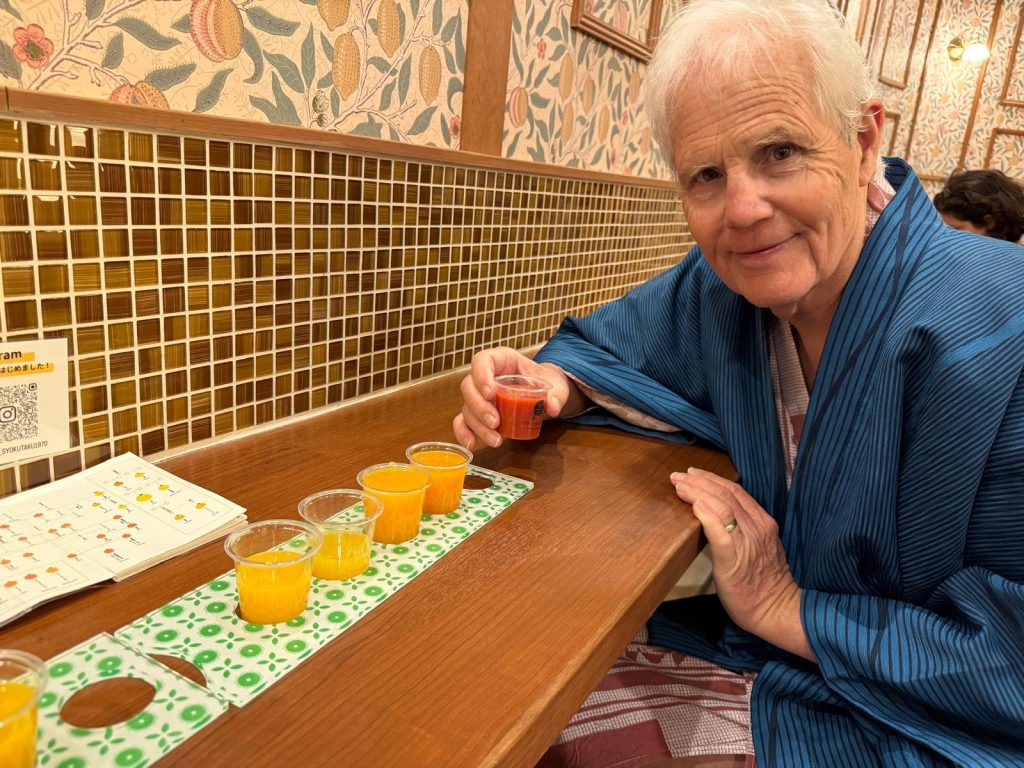
    One stop after the onsen was to a orange juice bar. 20 different varieties of oranges to choose from, each juice rated as to sweetness, acidity and bitterness…you make up a flight of juices of your choice…if only I had some Copper Rose vodka to slip in!

    Thus far on this tour we’ve been to a few ‘capitals’:

    Fukuoka….the Ramen capital of the world

    Okuhita…Apricot capital of Japan

    Aso… the largest caldera in the world and most active volcano in Japan…let’s call that the Hot capital of Japan.
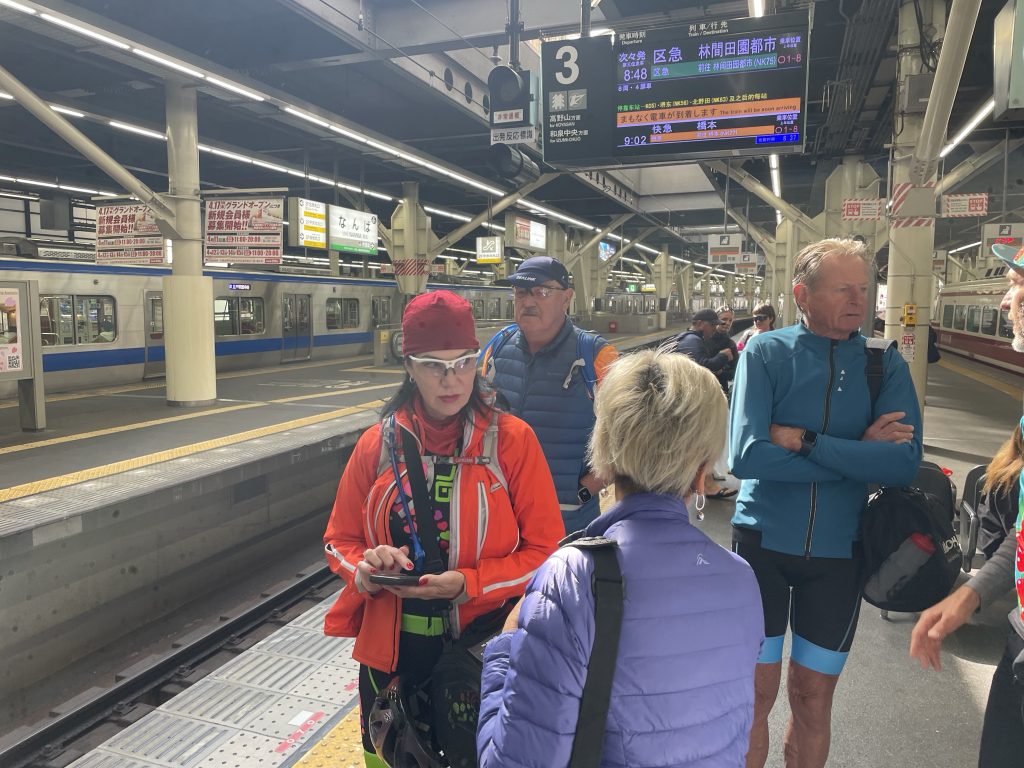
    Beppu … the hot springs capital of Japan

    Matsuyama…sea bream capital of Japan
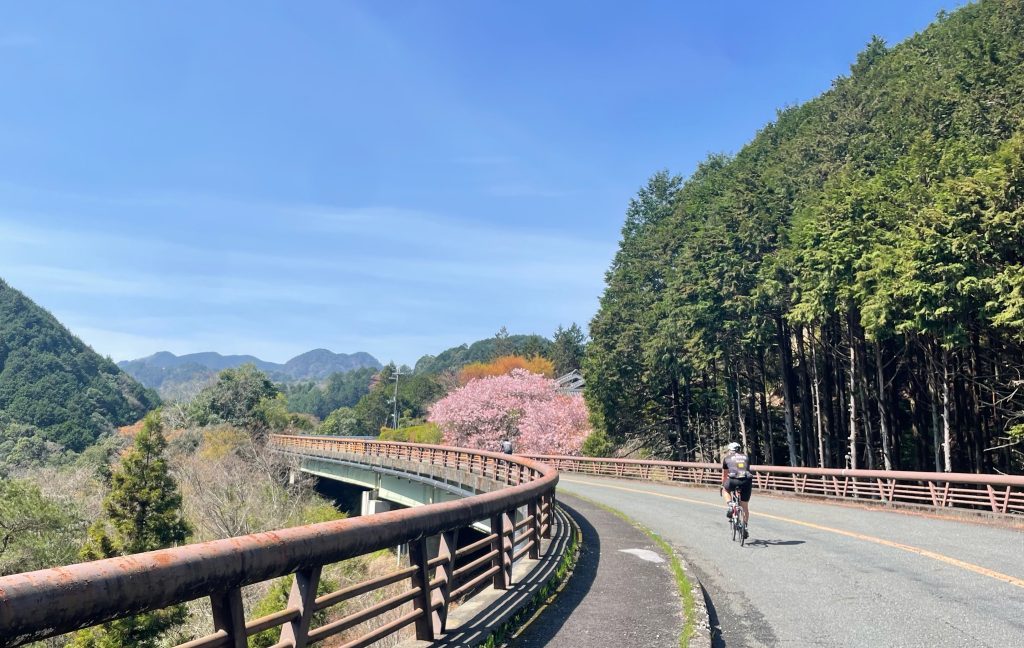
    Back to the bikes tomorrow, well rested and ready to kit up.

    Life is good in Matsuyama

    Sayonara!