Watch the Relive video here: https://www.relive.com/view/vXOnAK2X1Bv
On the Road – Distance 65km / 40mi | Elevation 2200m / 7288 ft
Dotombori to Mikkaichicho
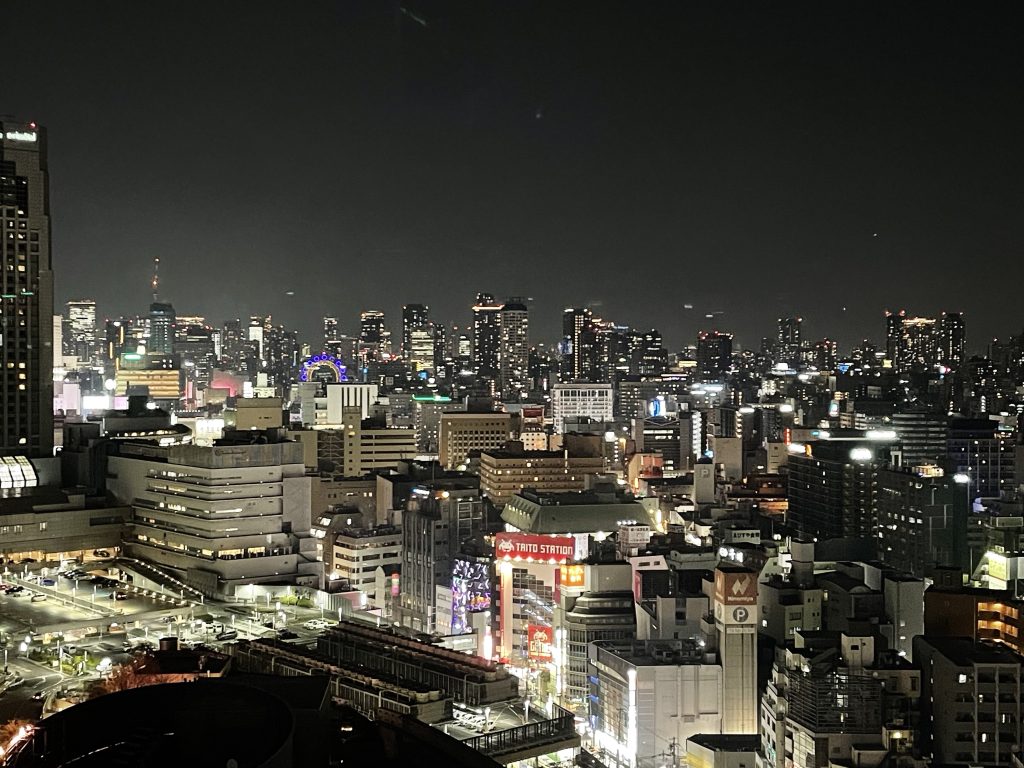
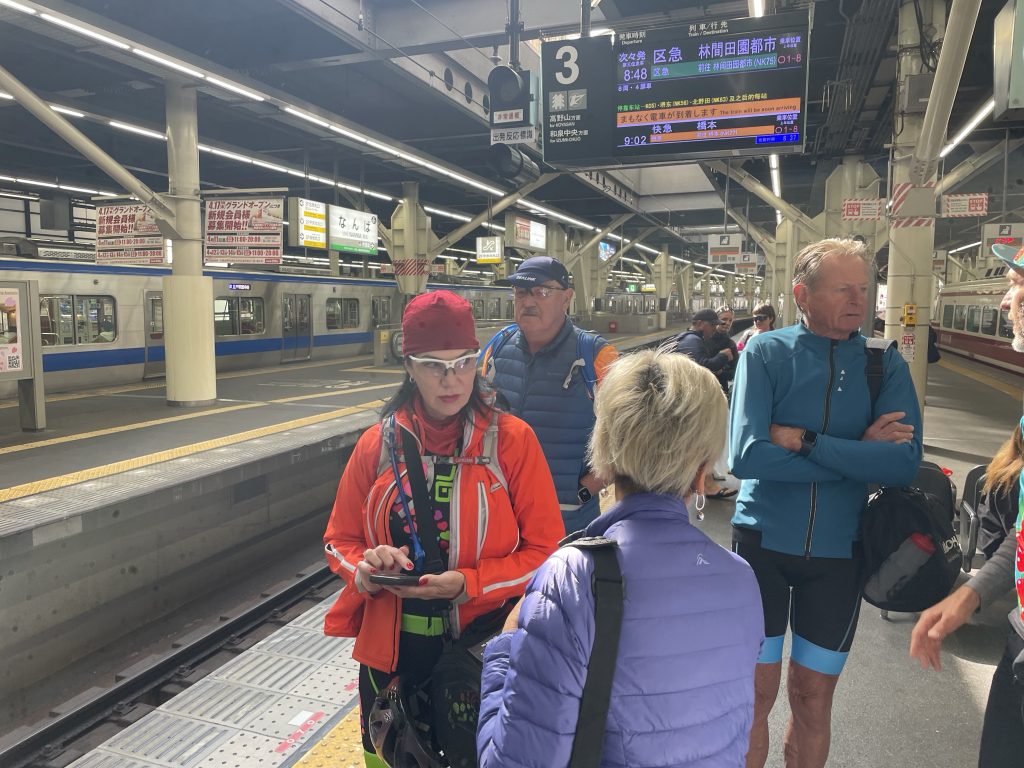
Japan has an amazing train network so we took advantage of this early morning rise to get from the heart of Osaka to start of our next ride adventure.
Upon arrival in Mikkaichicho, our bikes were waiting.

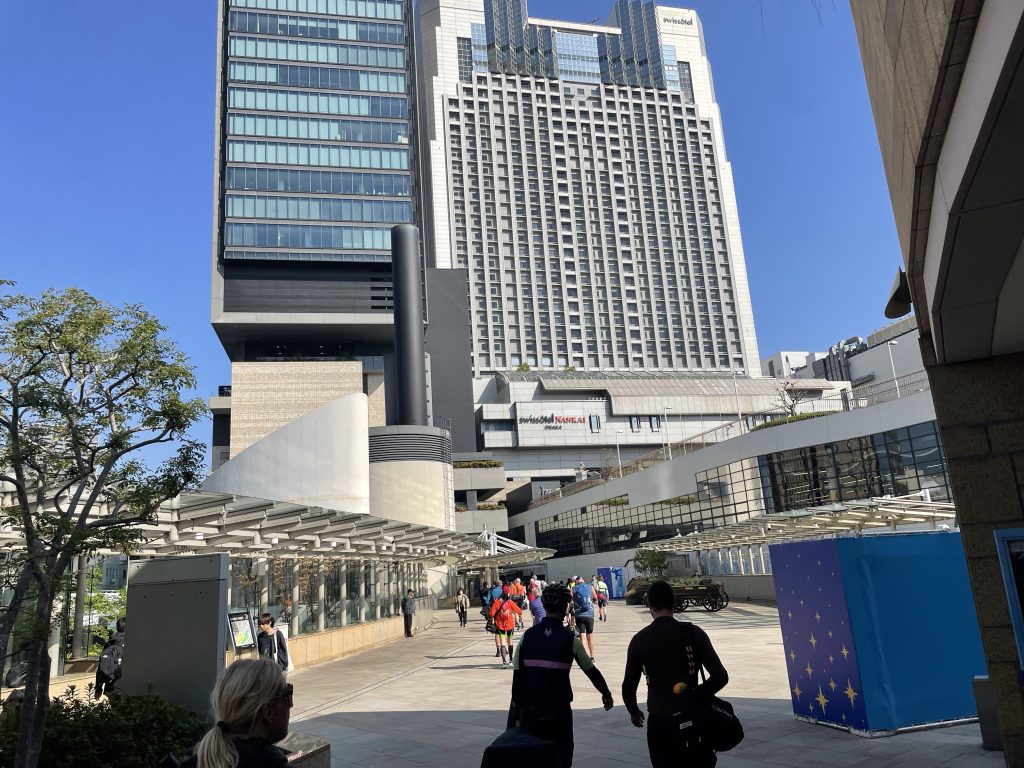
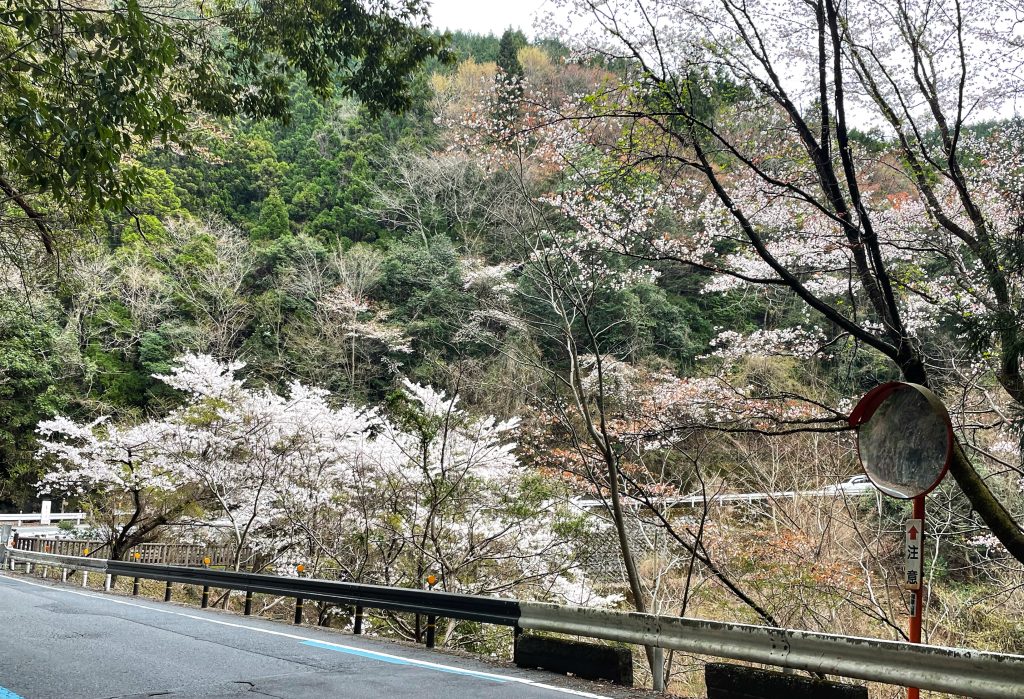
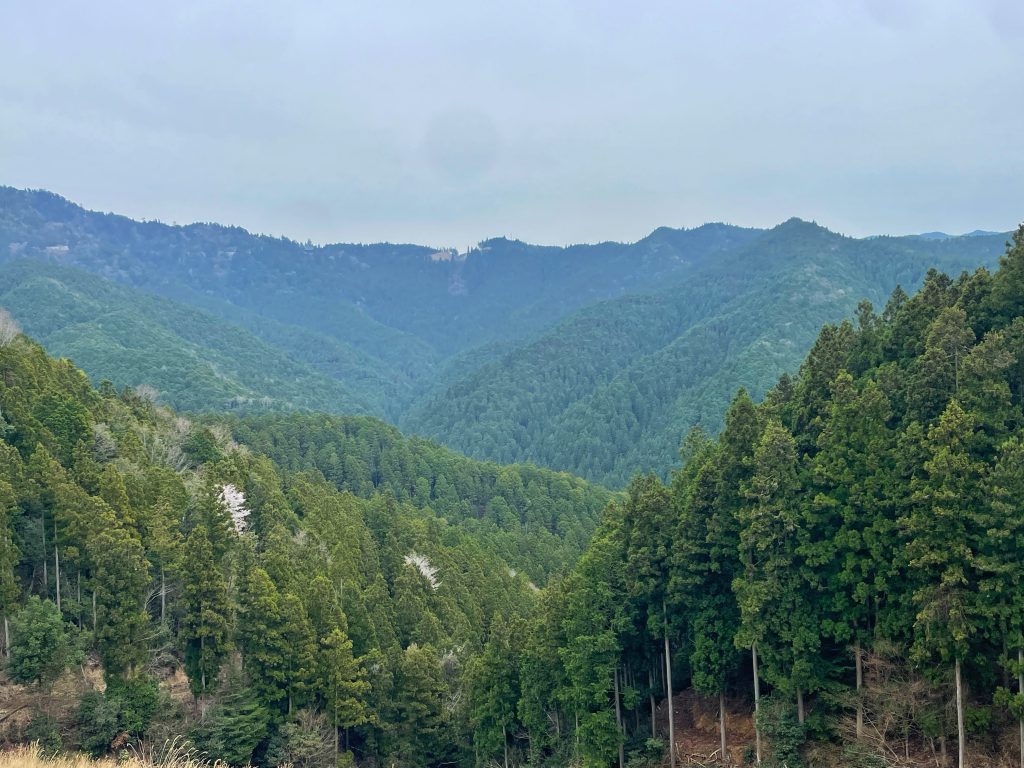
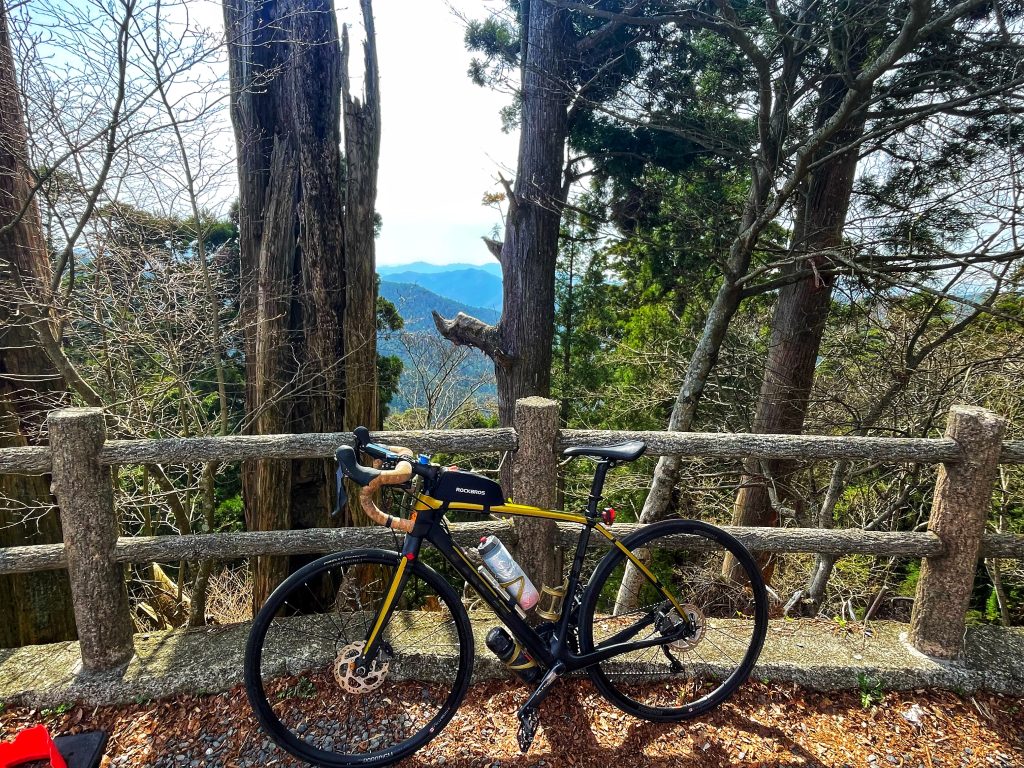
On the outskirts of Osaka, we began our ride with a slow, gentle climb towards the Kongo Range along a lovely rindo road and down again across the Wakayama Valley.
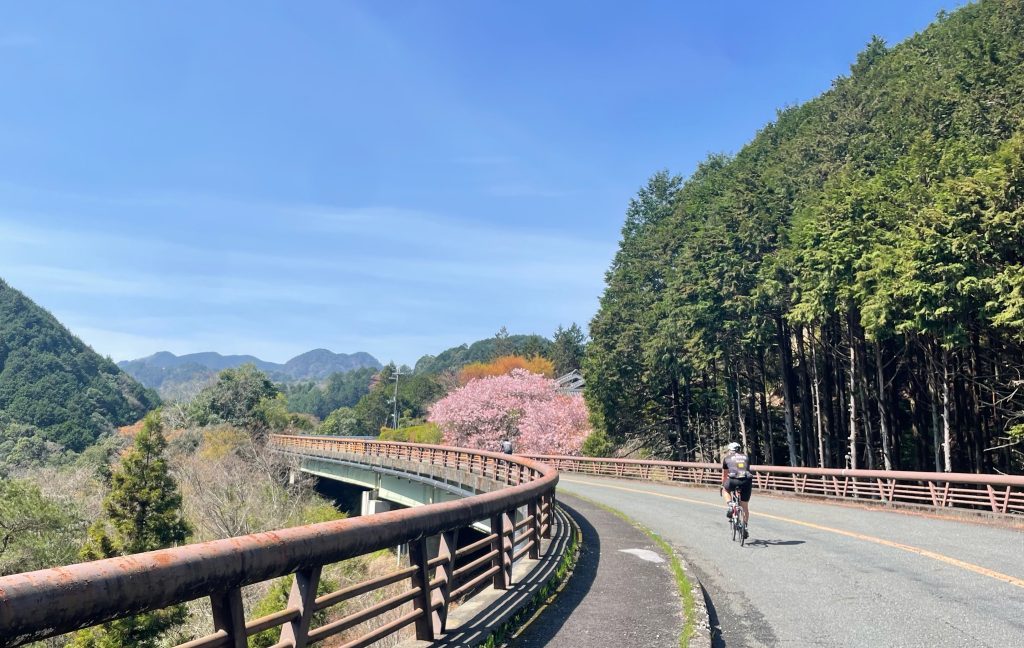
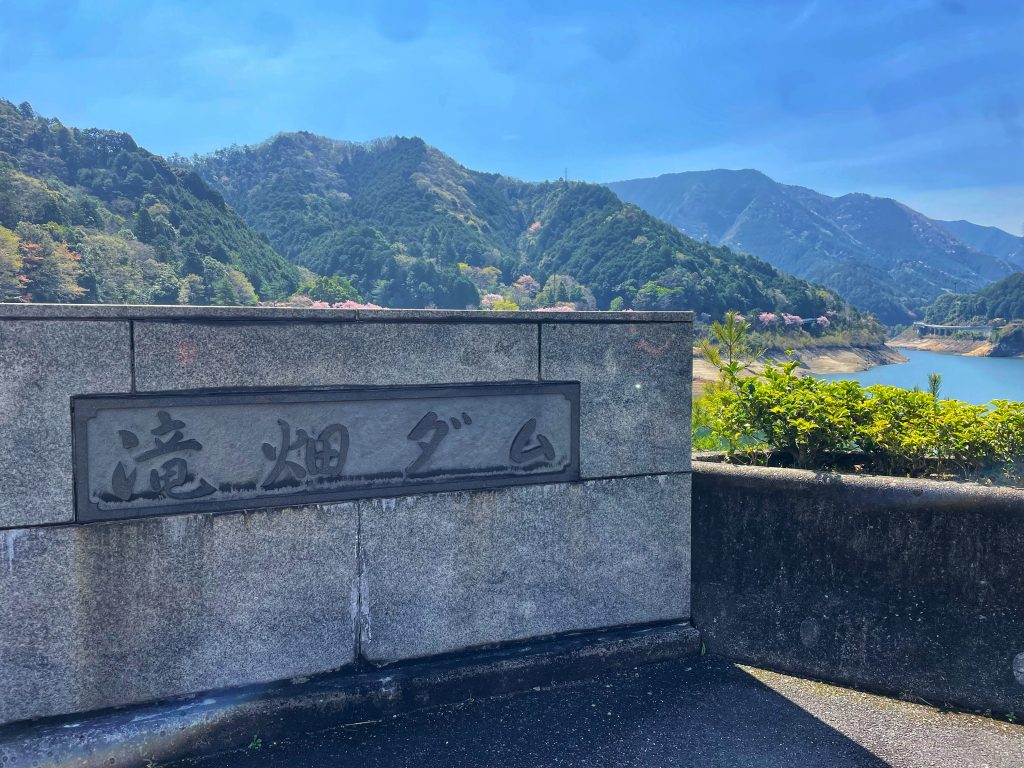
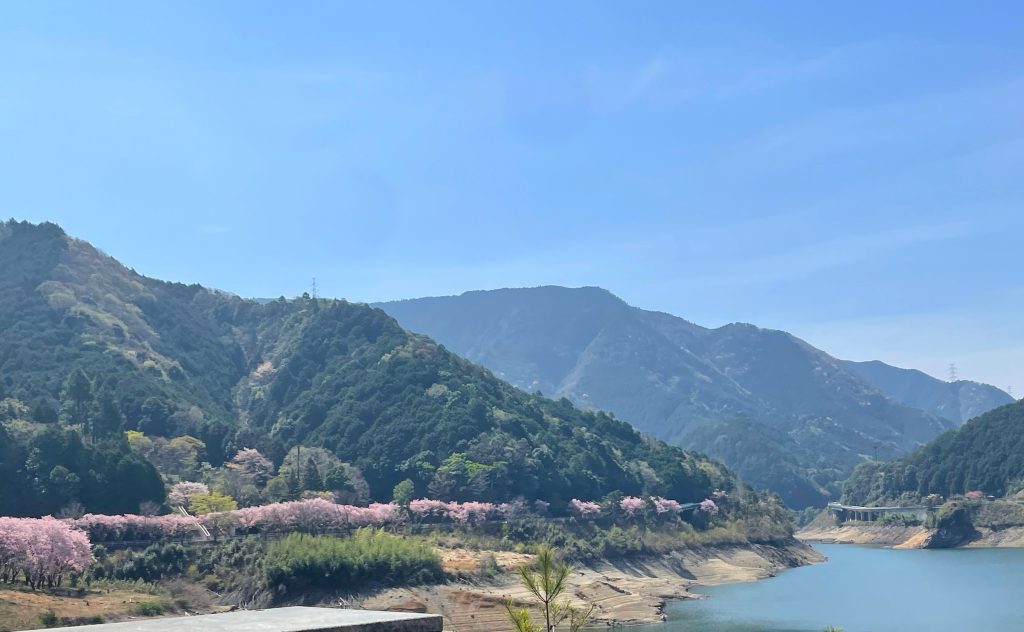
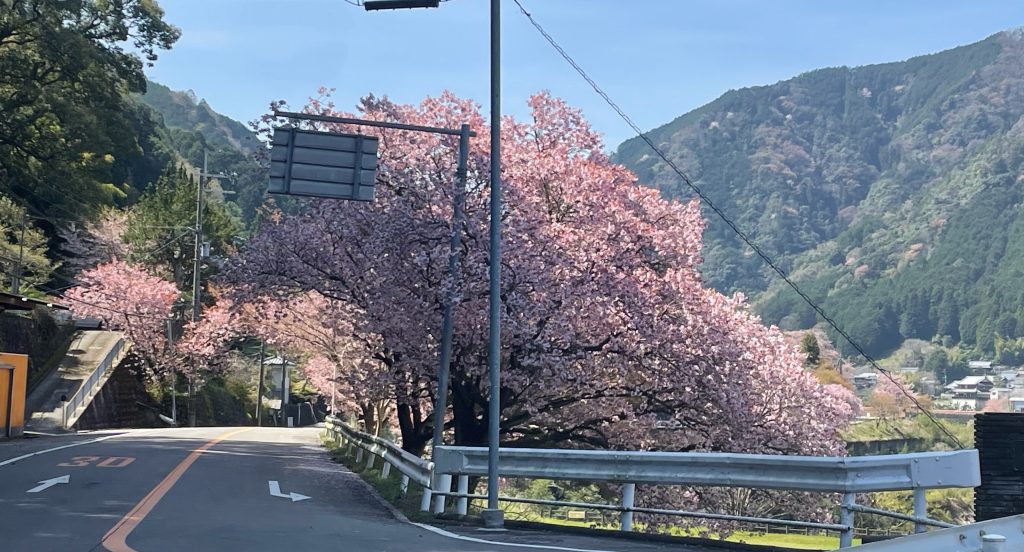
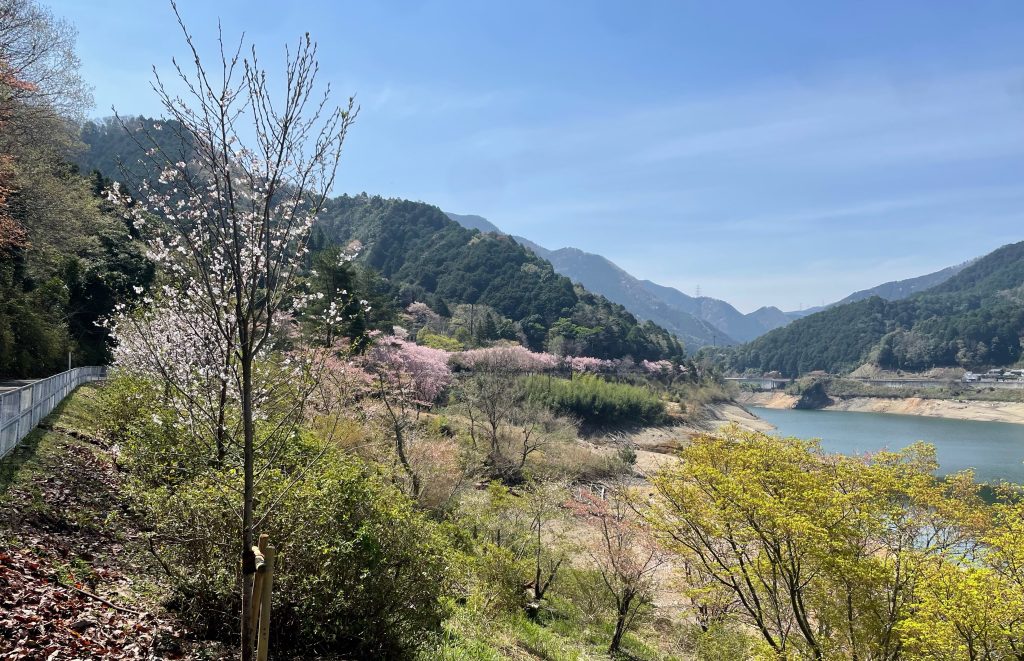
We ascended the Kii Mountains enjoying the peaceful tranquility after leaving one of the world’s busiest cities and cycling through lush rolling hills, dotted with remote temples.
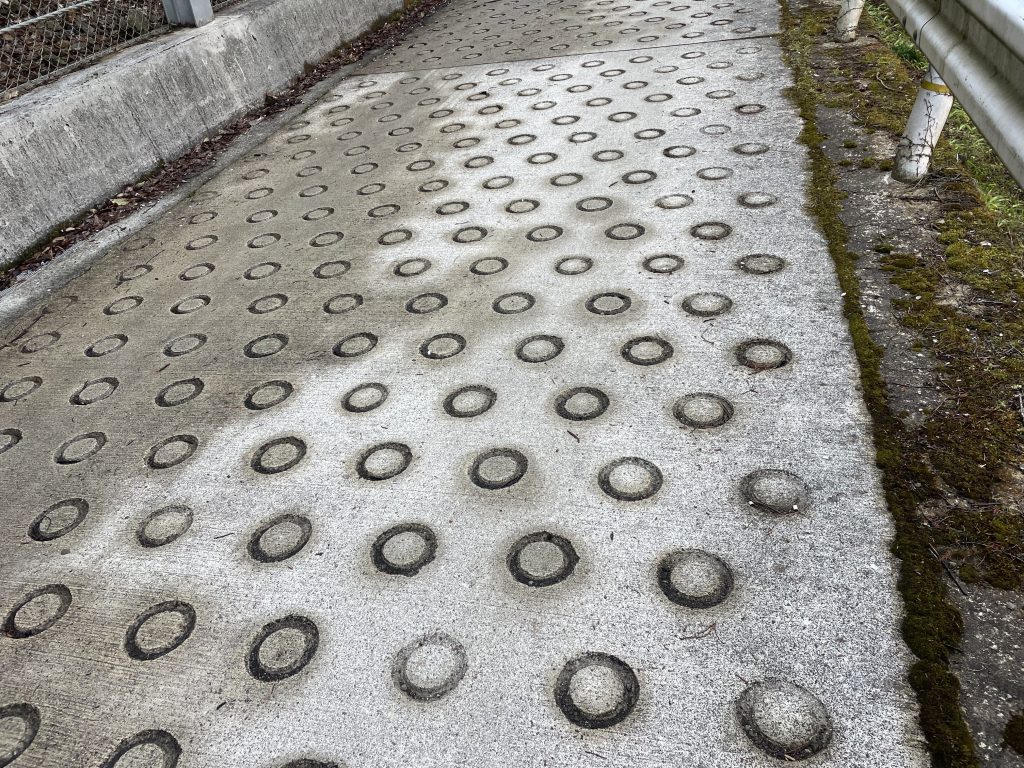
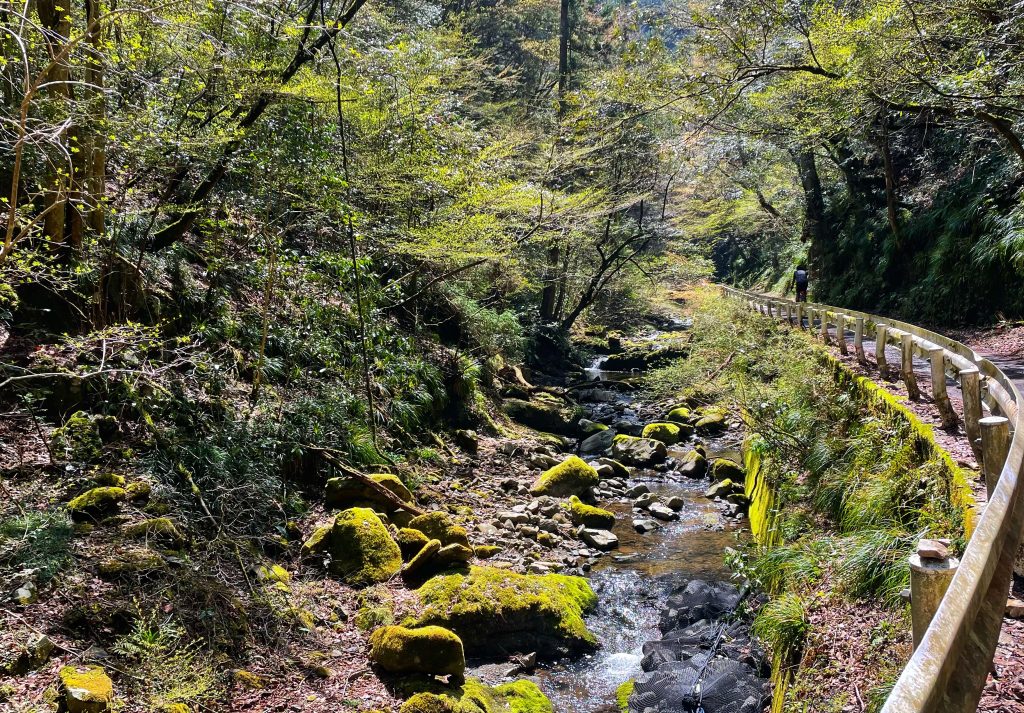
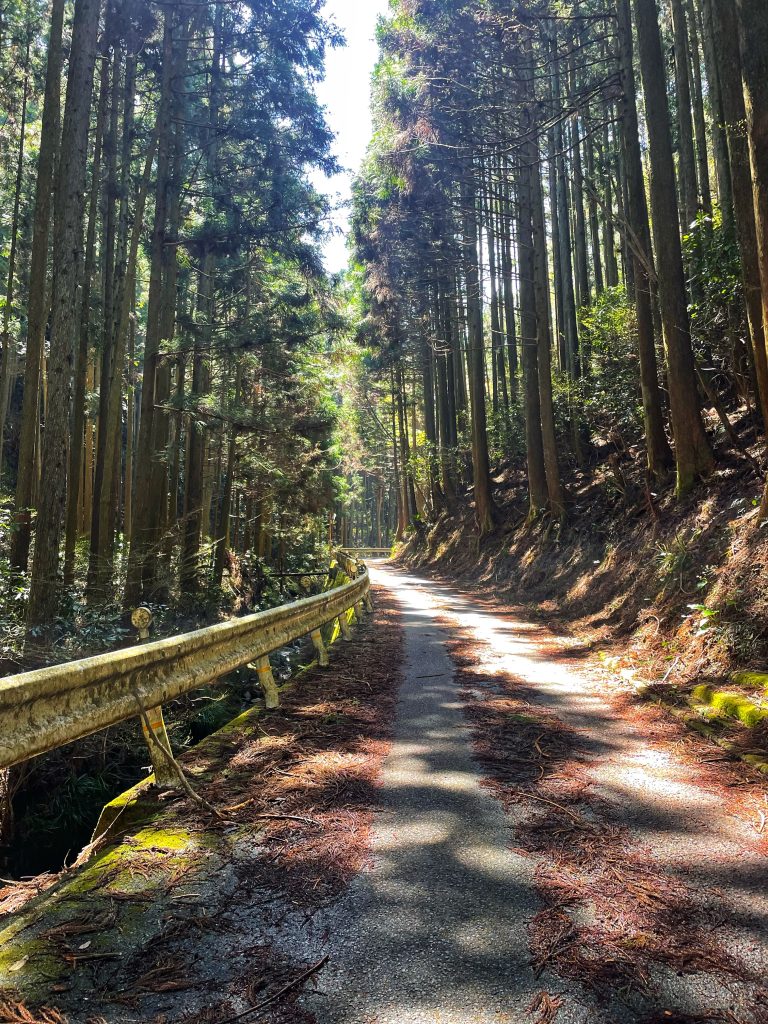
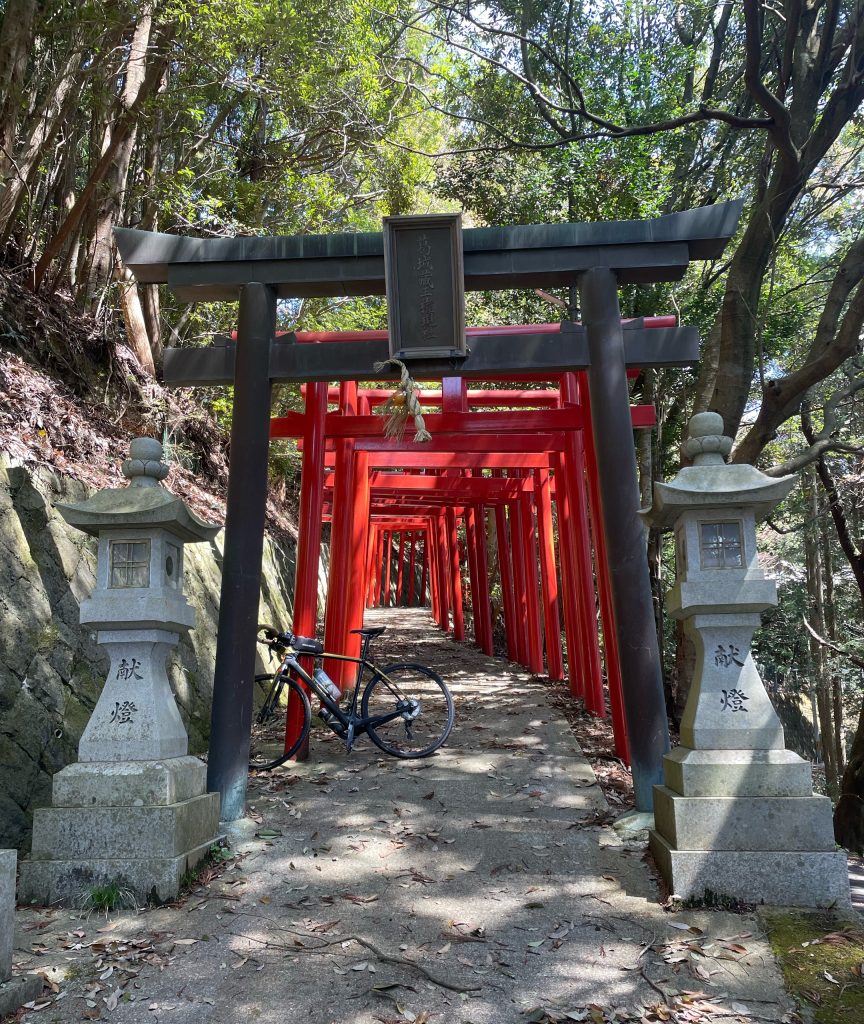
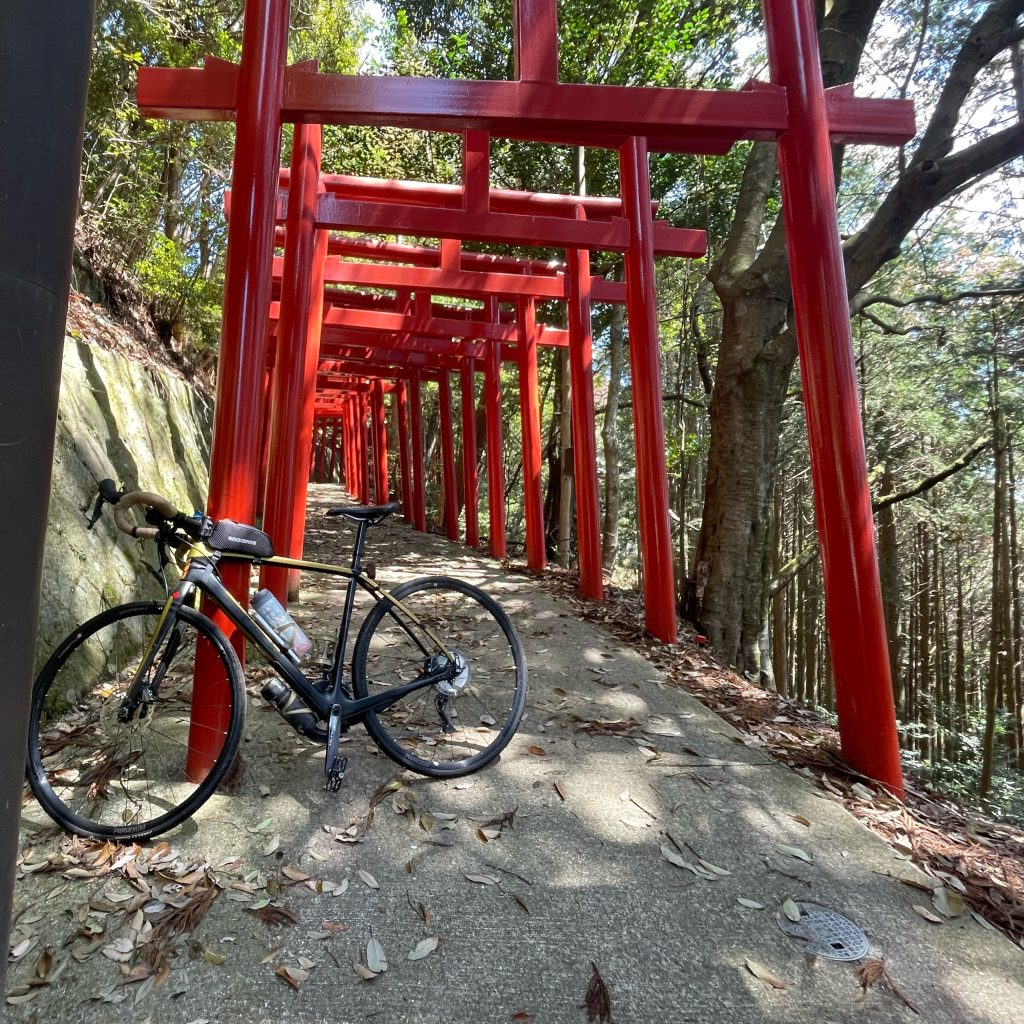
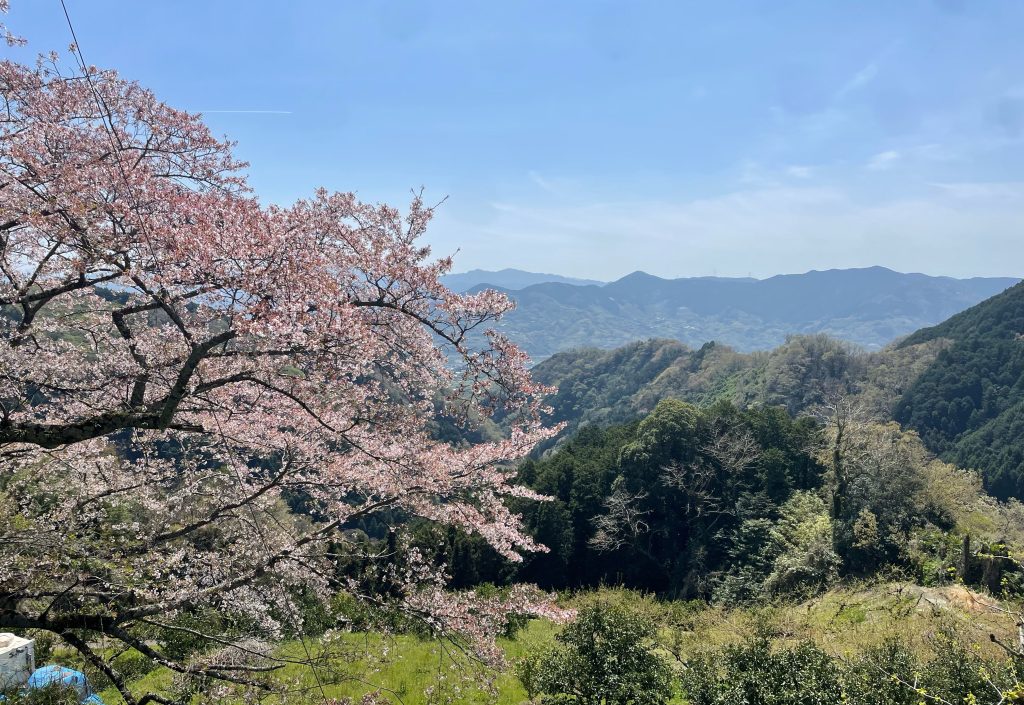
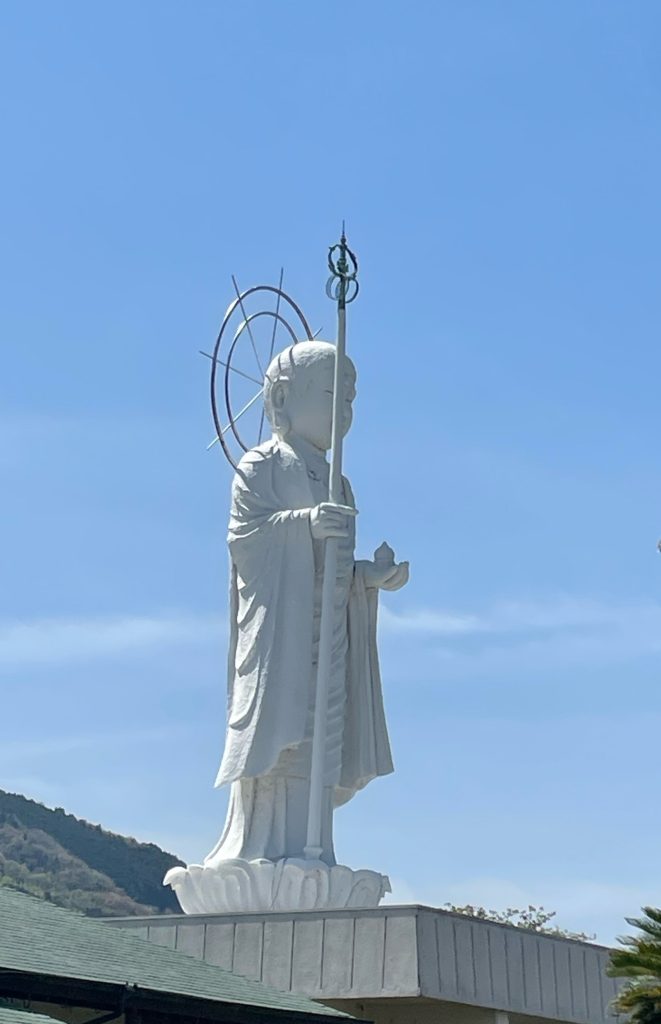
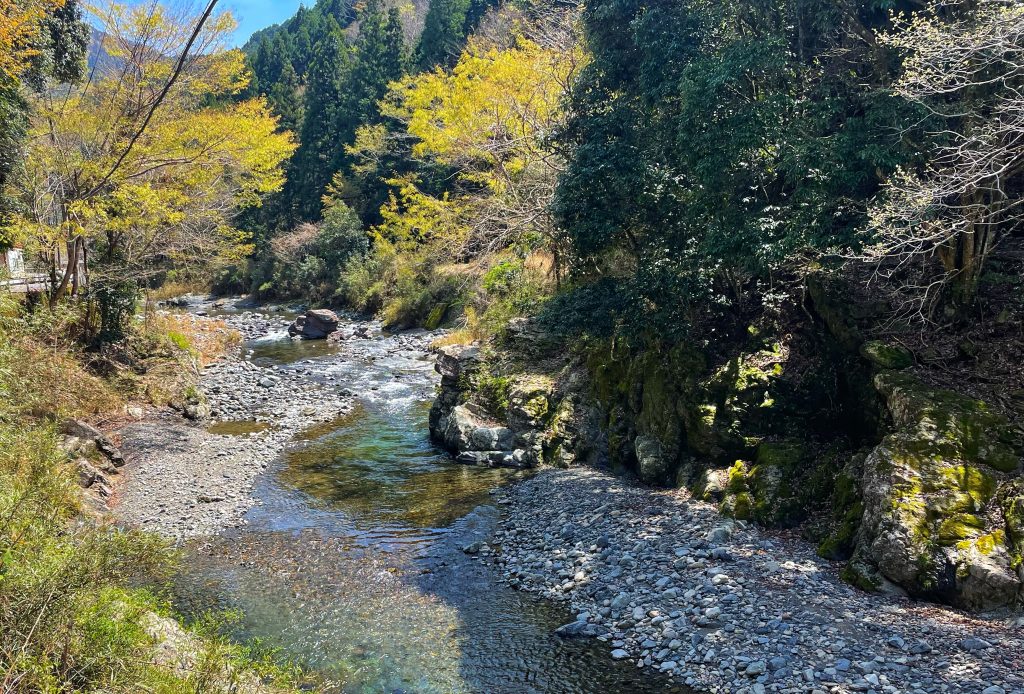
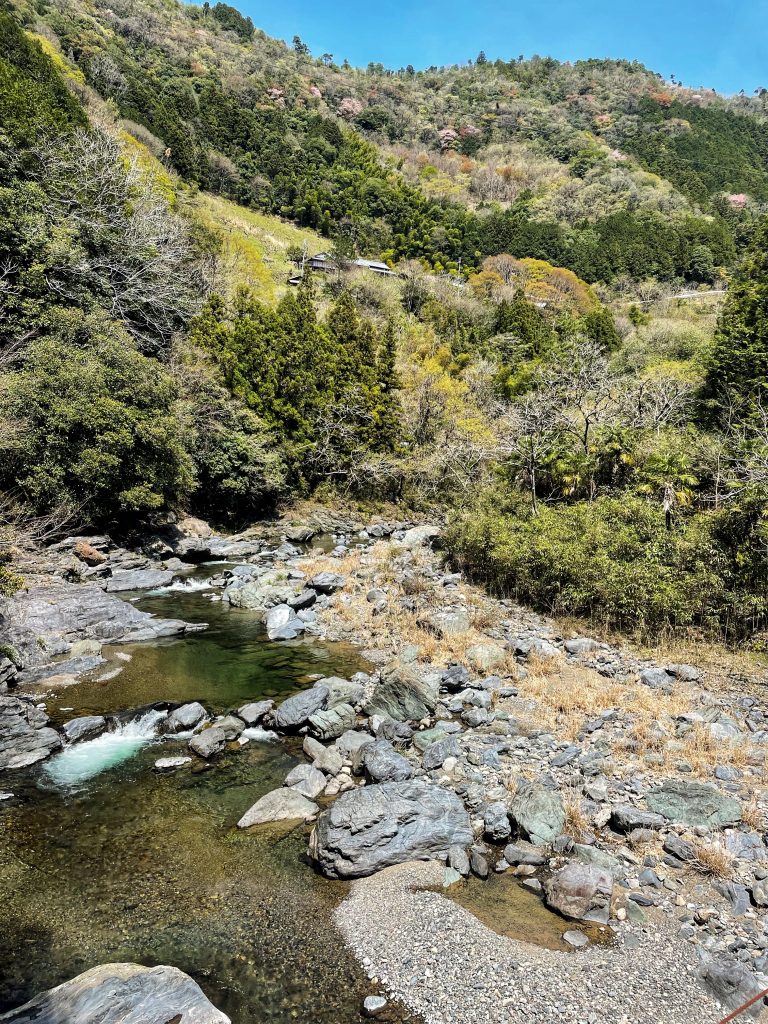
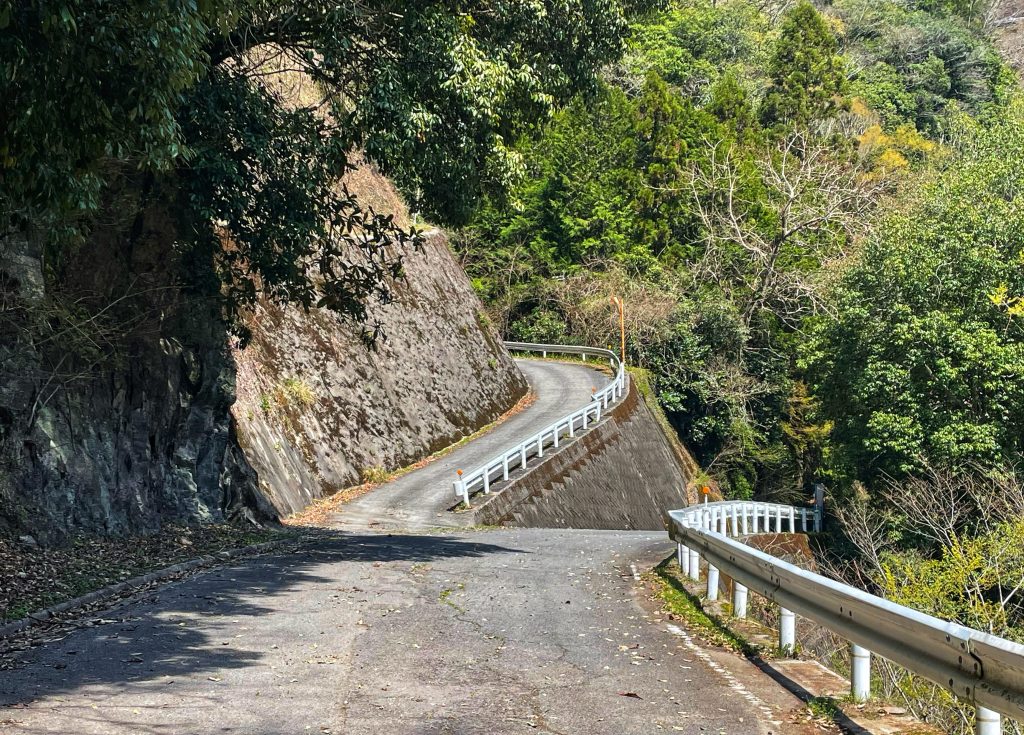
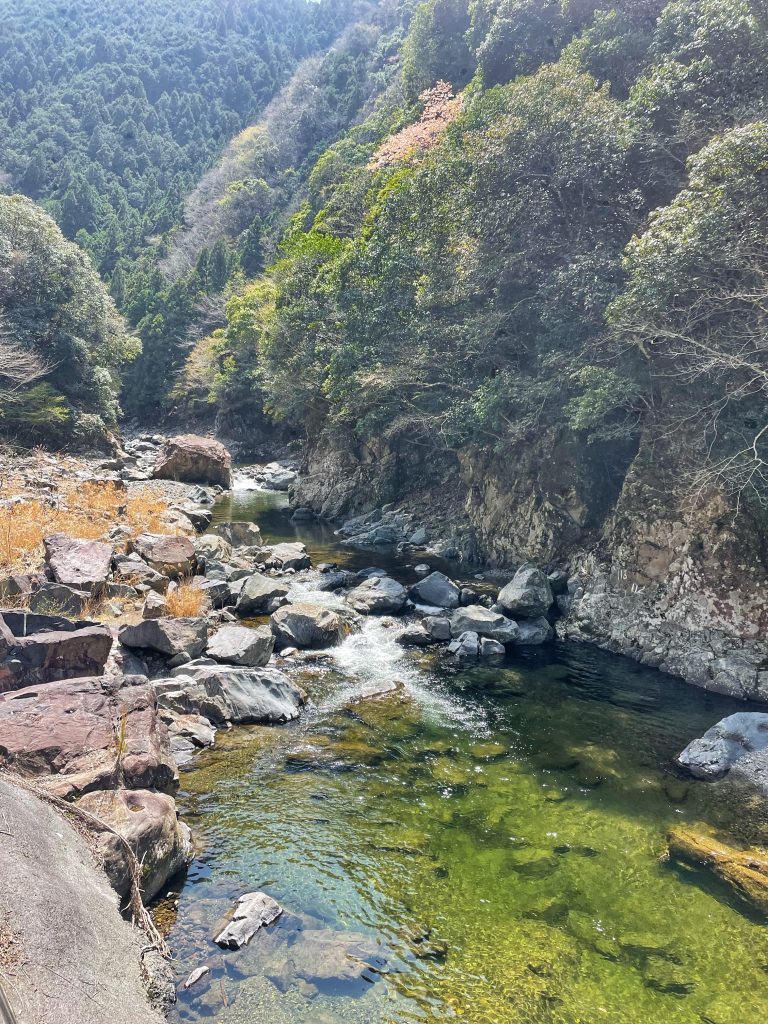
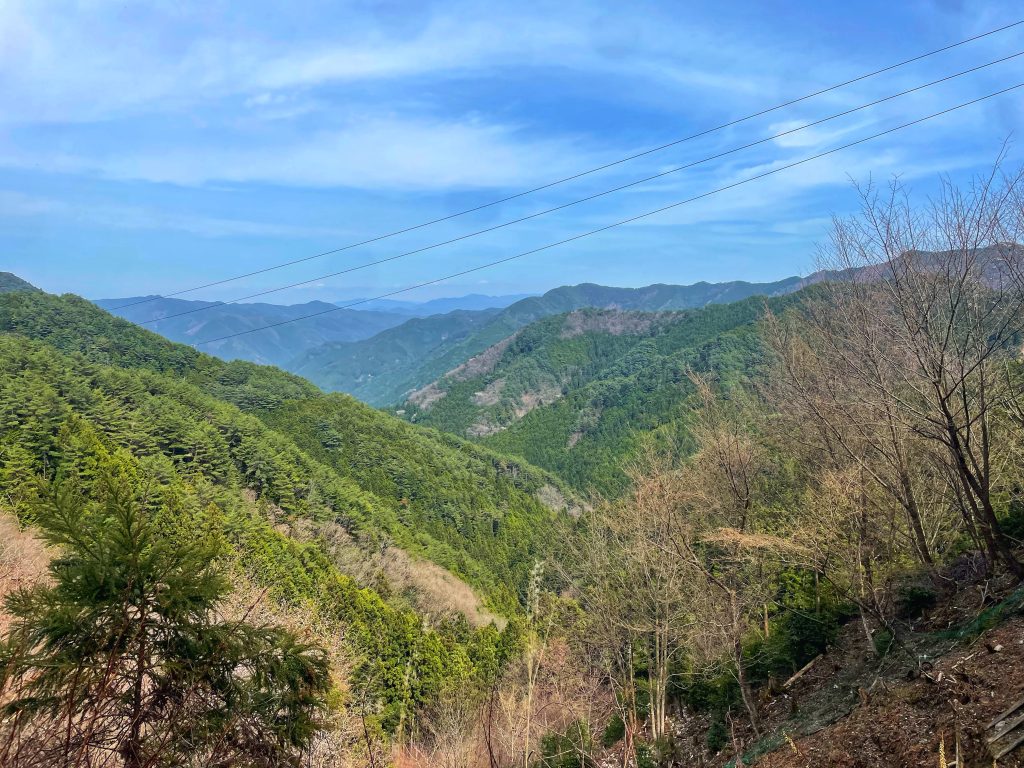
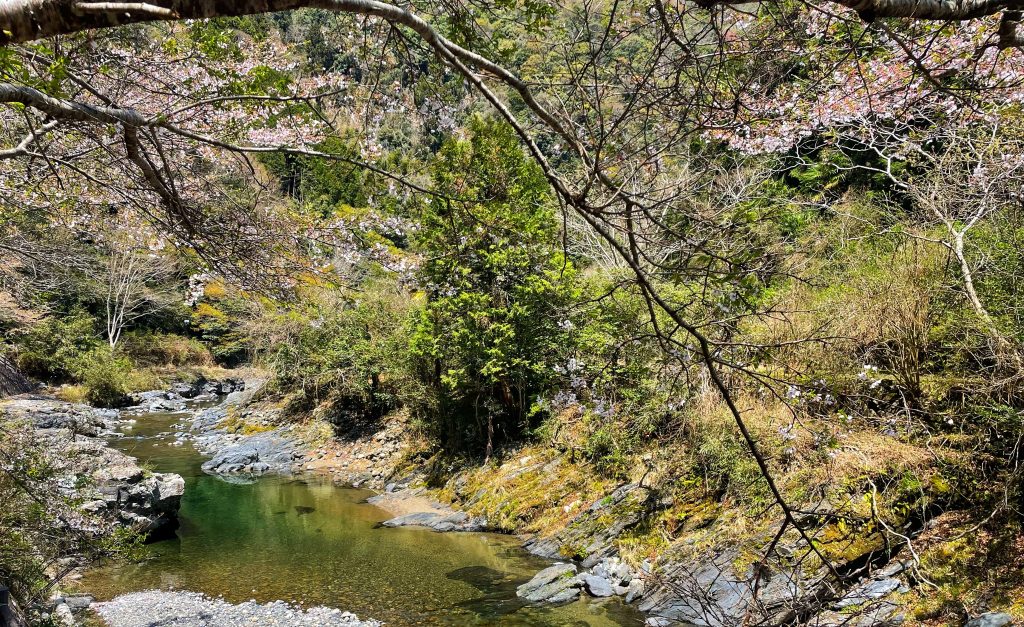
At the end of the uphill climb we arrived in Japan’s most sacred town – Koyasan. This is genuinely magic riding and a fantastic and unique destination.
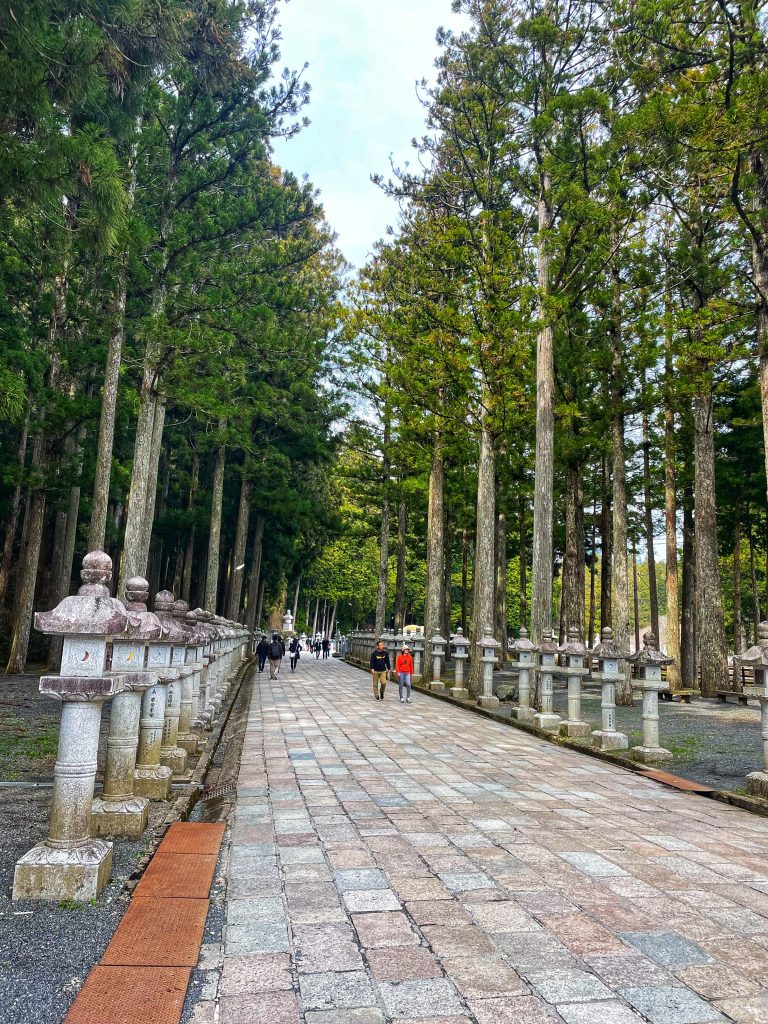
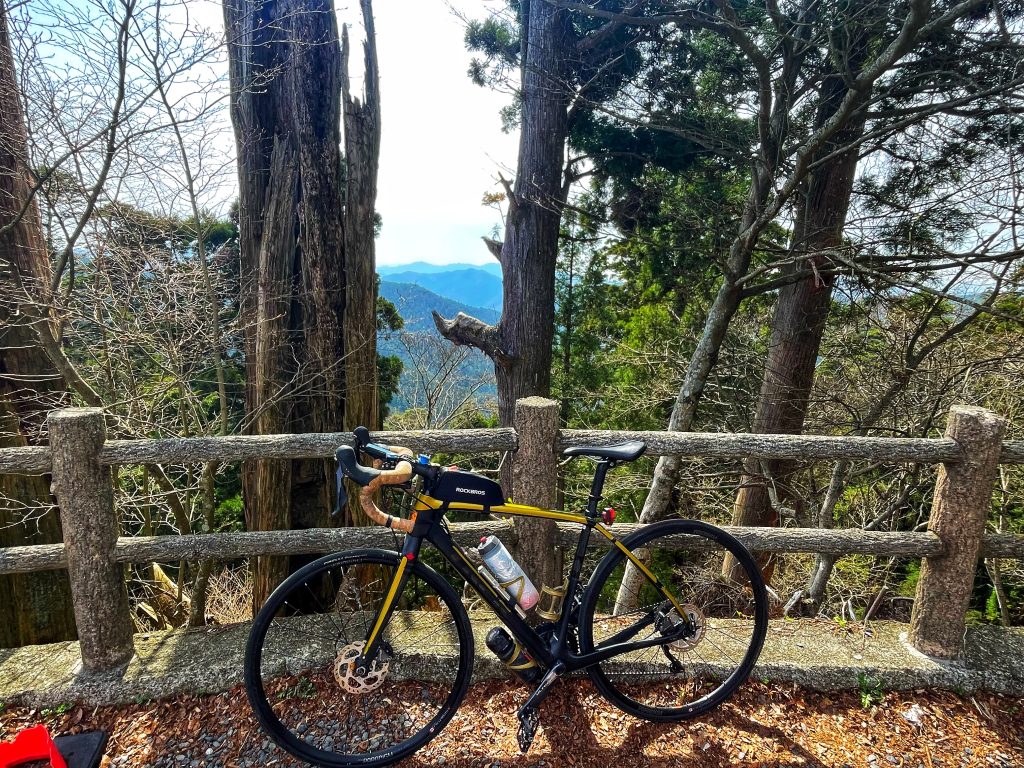
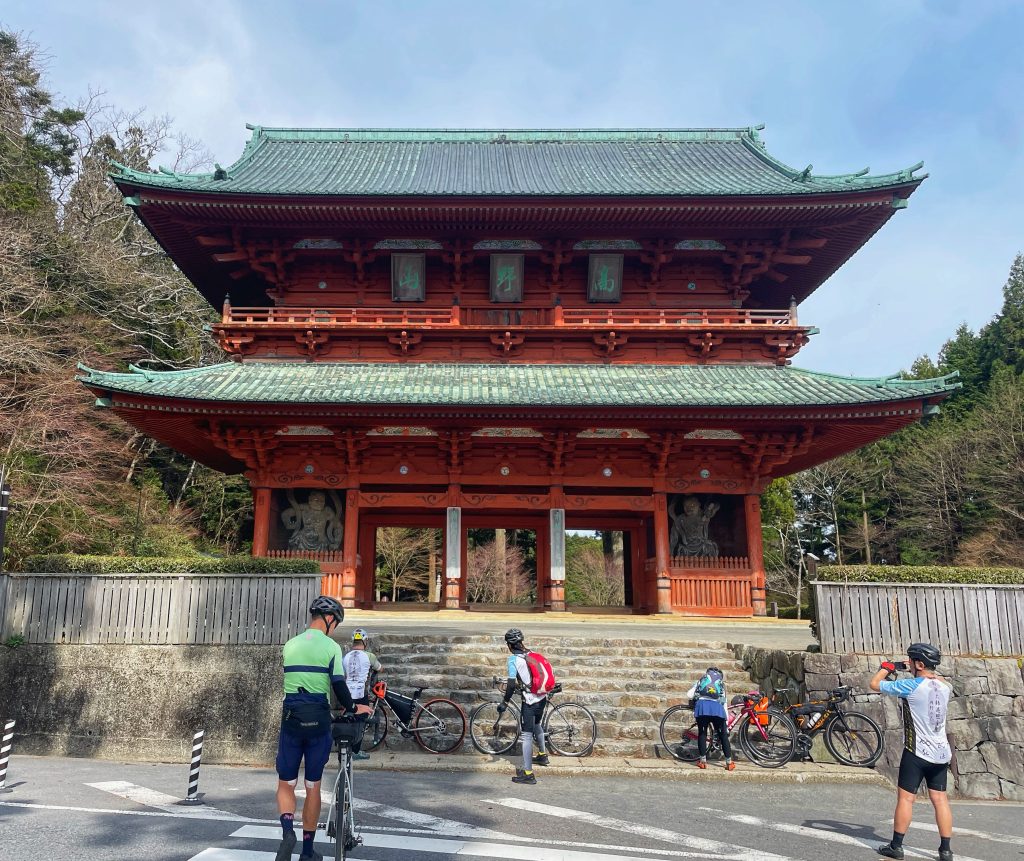
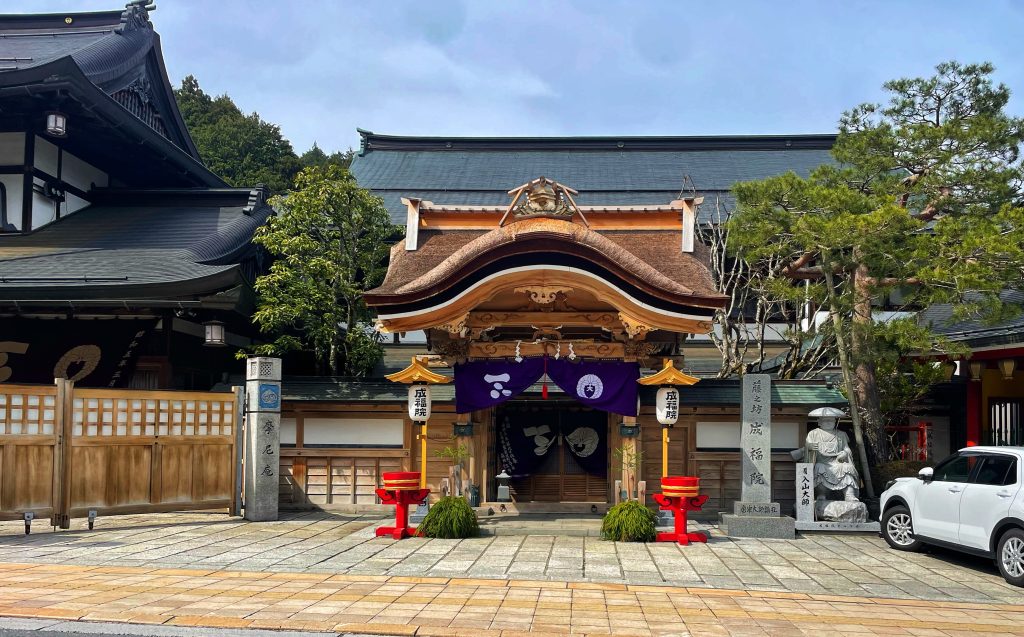
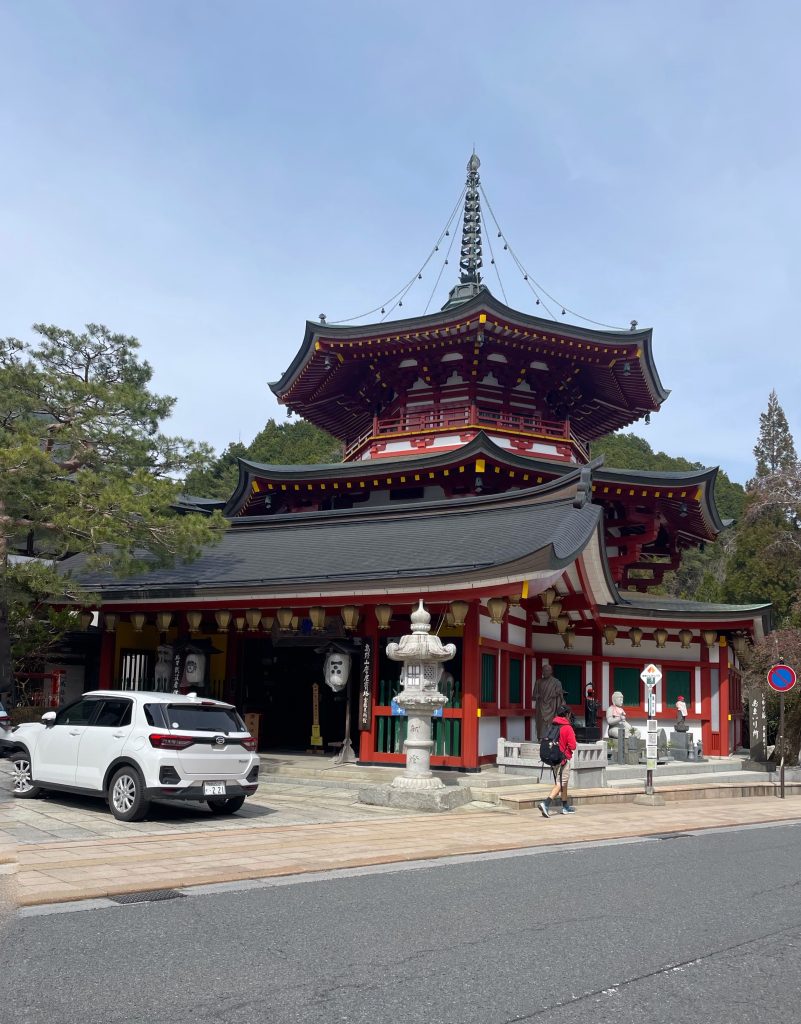
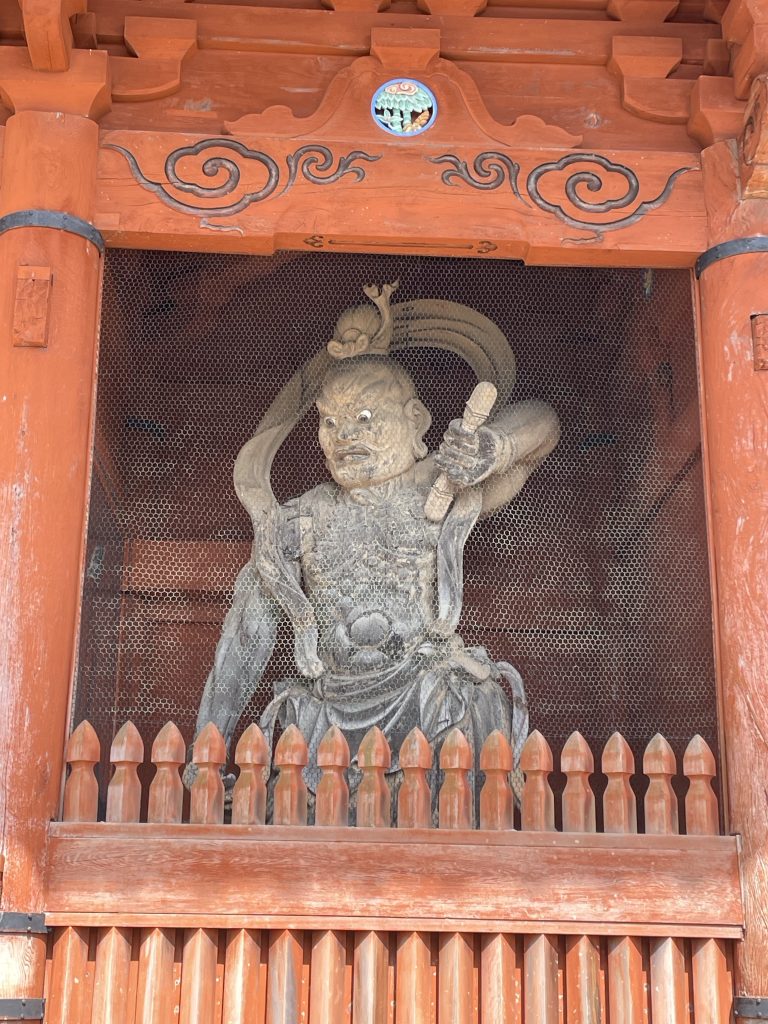
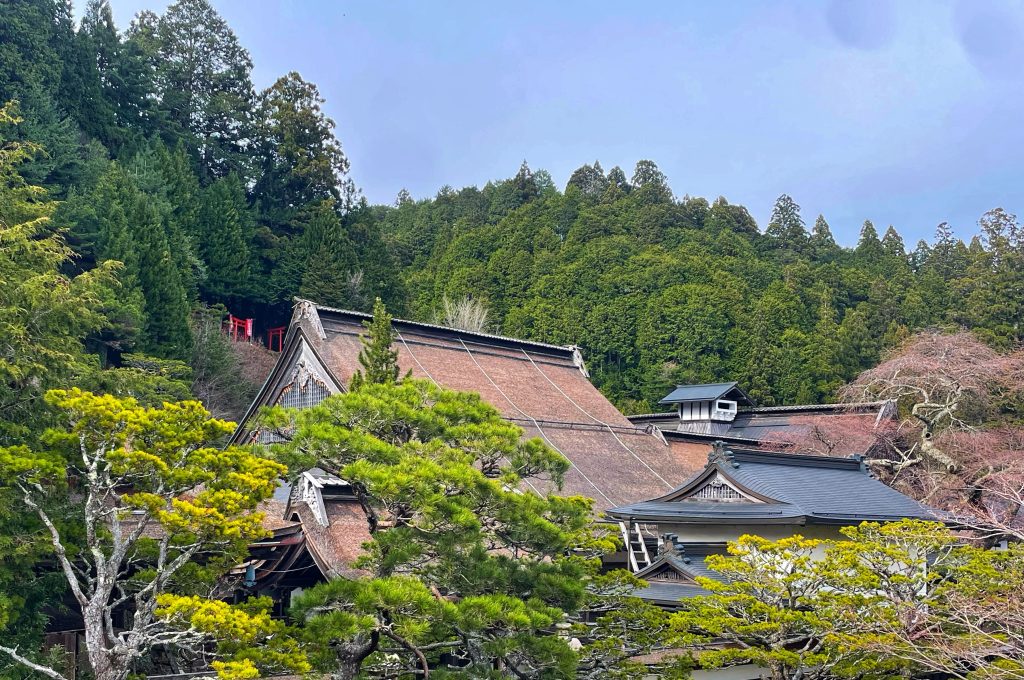
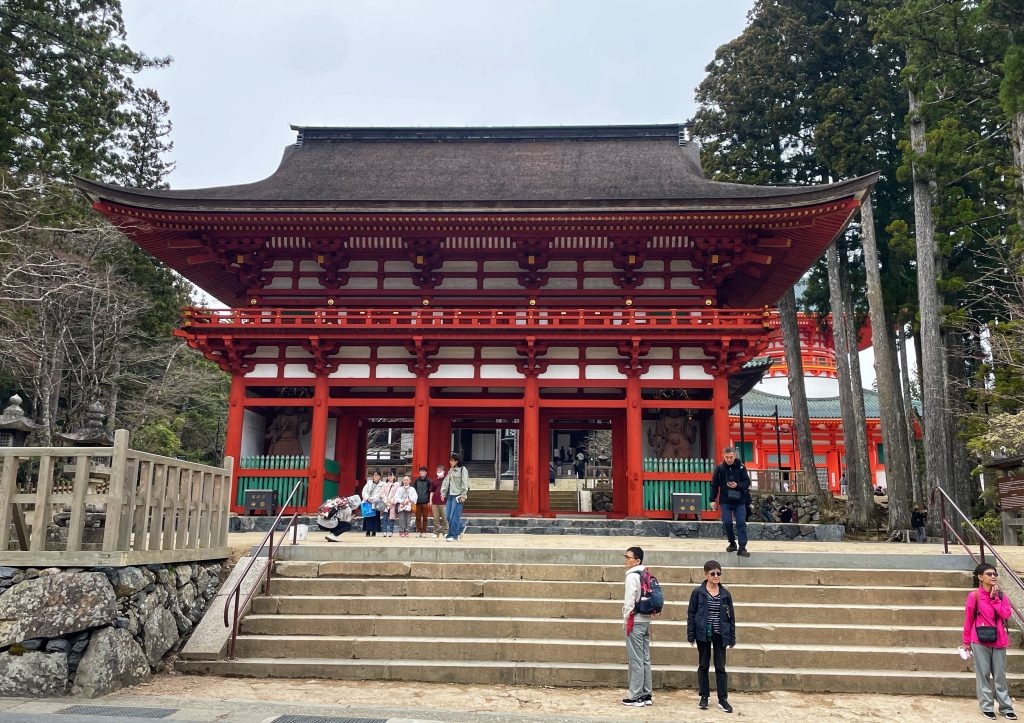
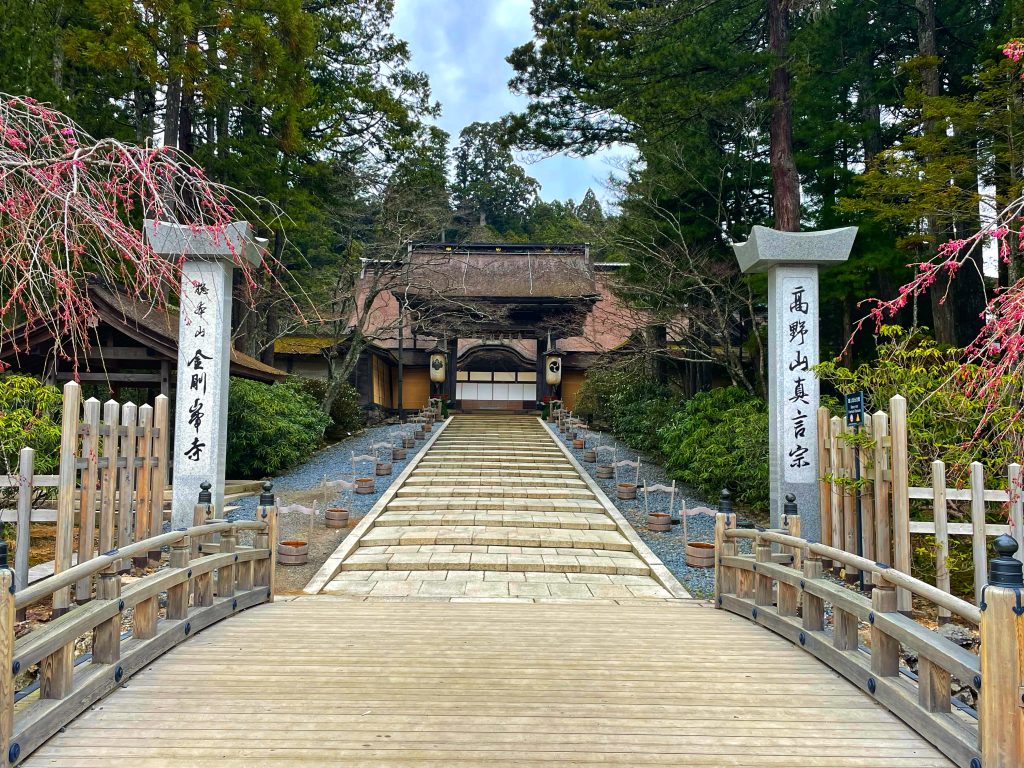
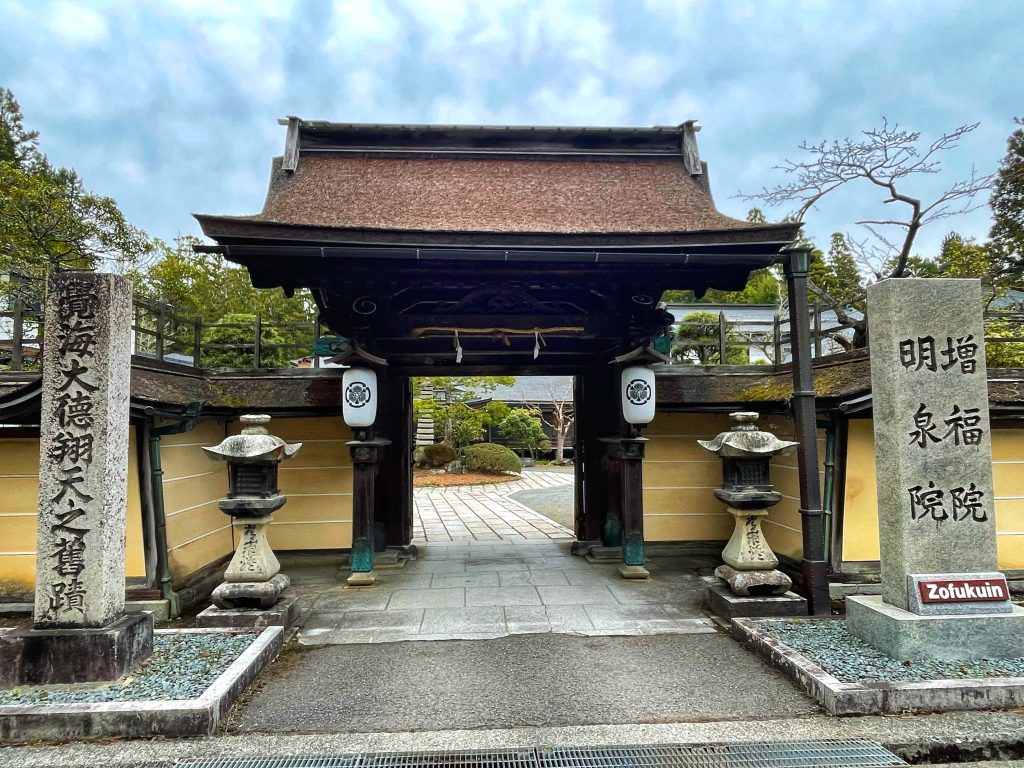
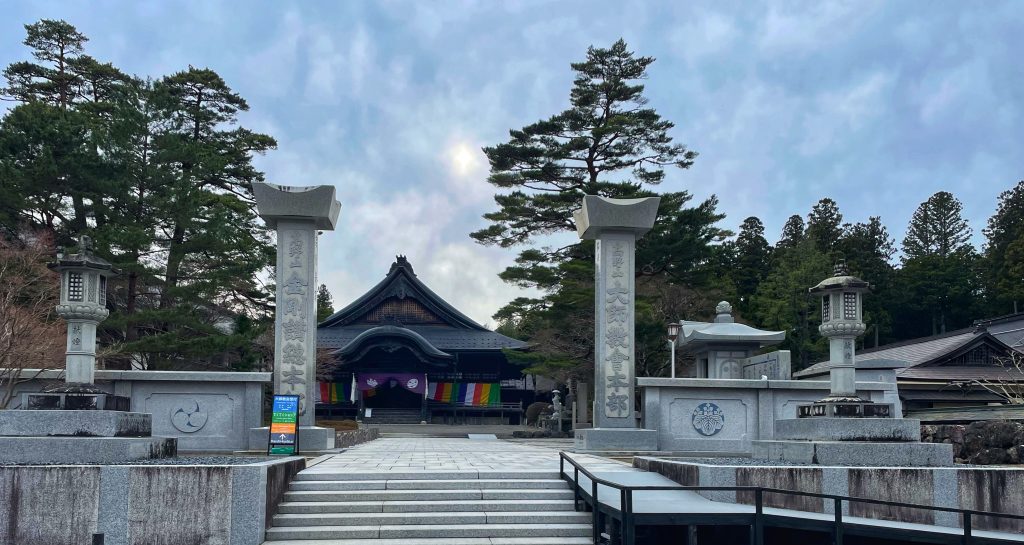
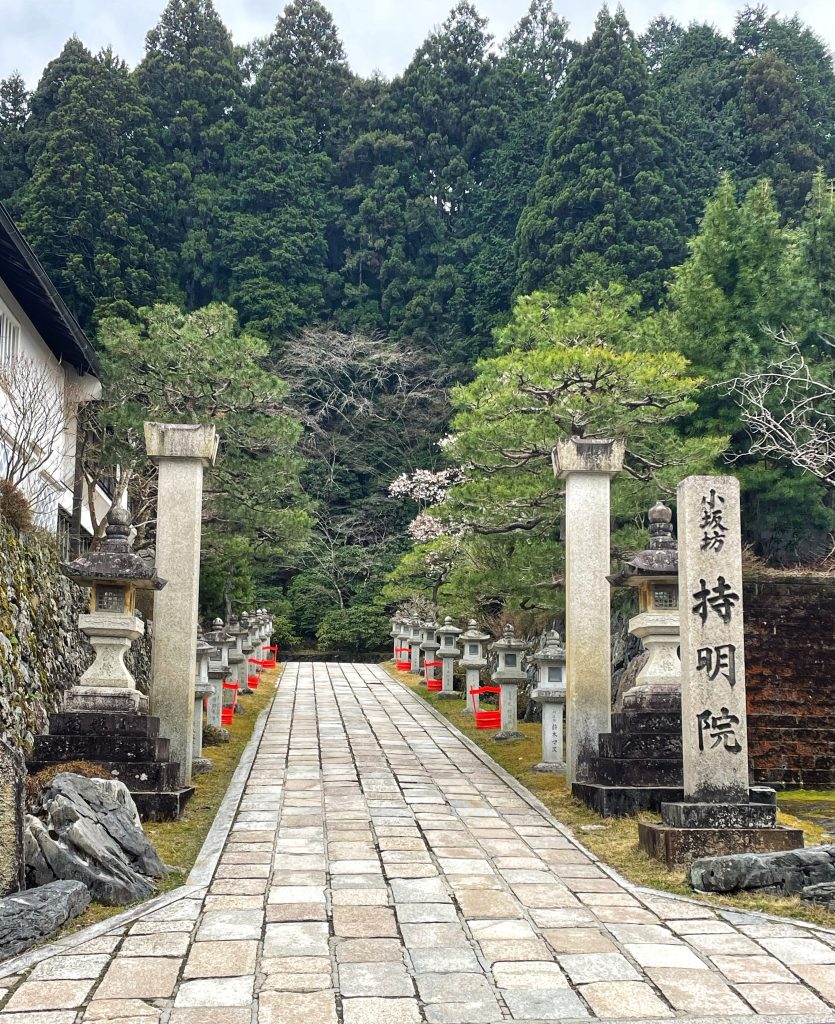
An optional 20km loop for me from Koyosan, at the end of our day’s ride from Koyasan.
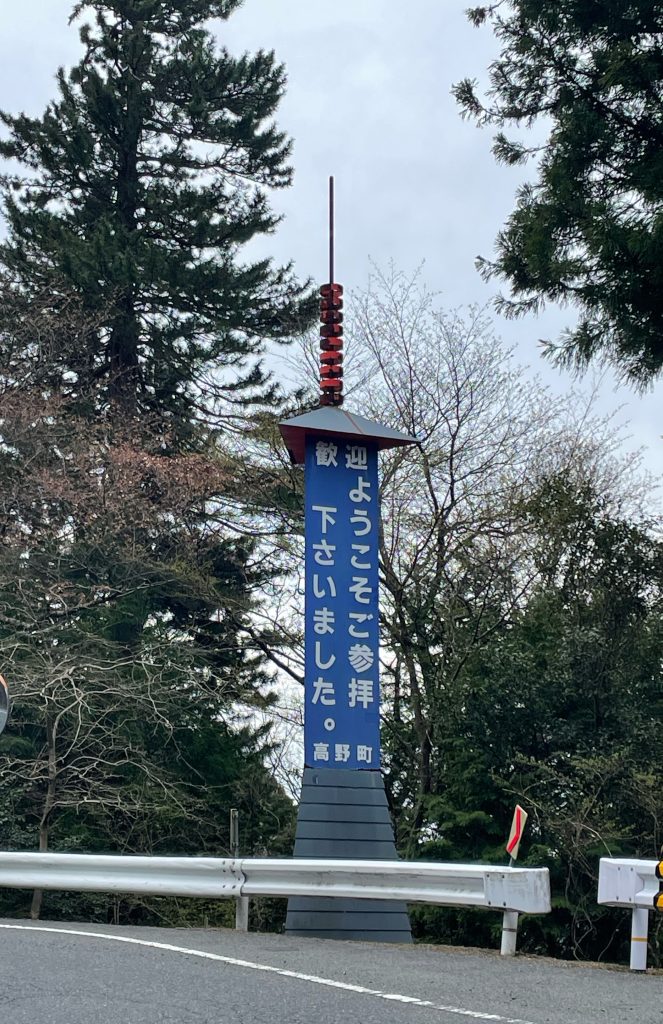
Destination Koyasan
Mount Koya (高野山, Kōyasan) is the center of Shingon Buddhism, an important Buddhist sect which was introduced to Japan in 805 by Kobo Daishi (also known as Kukai), one of Japan’s most significant religious figures. A small, secluded temple town has developed around the sect’s headquarters that Kobo Daishi built on Koyasan’s wooded mountaintop. It is also the site of Kobo Daishi’s mausoleum and the start and end point of the Shikoku 88 Temple Pilgrimage.
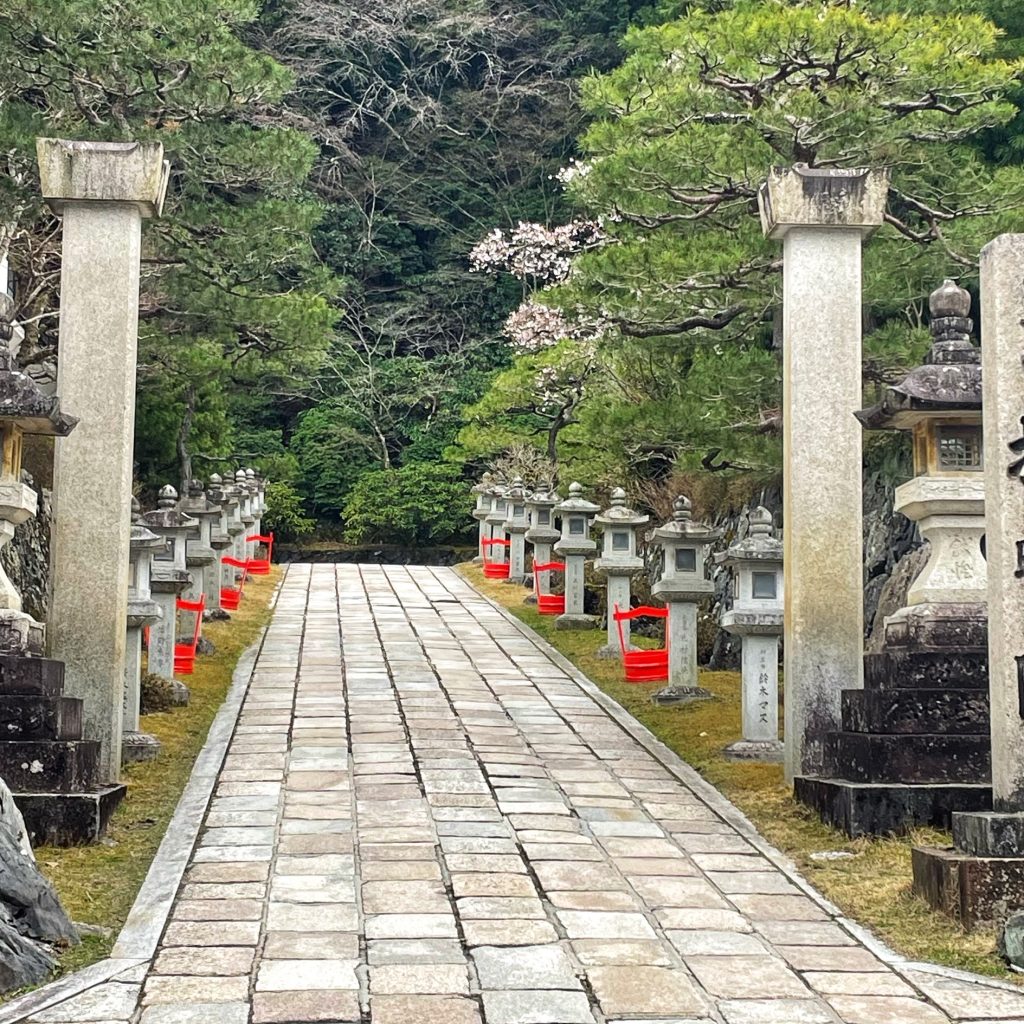
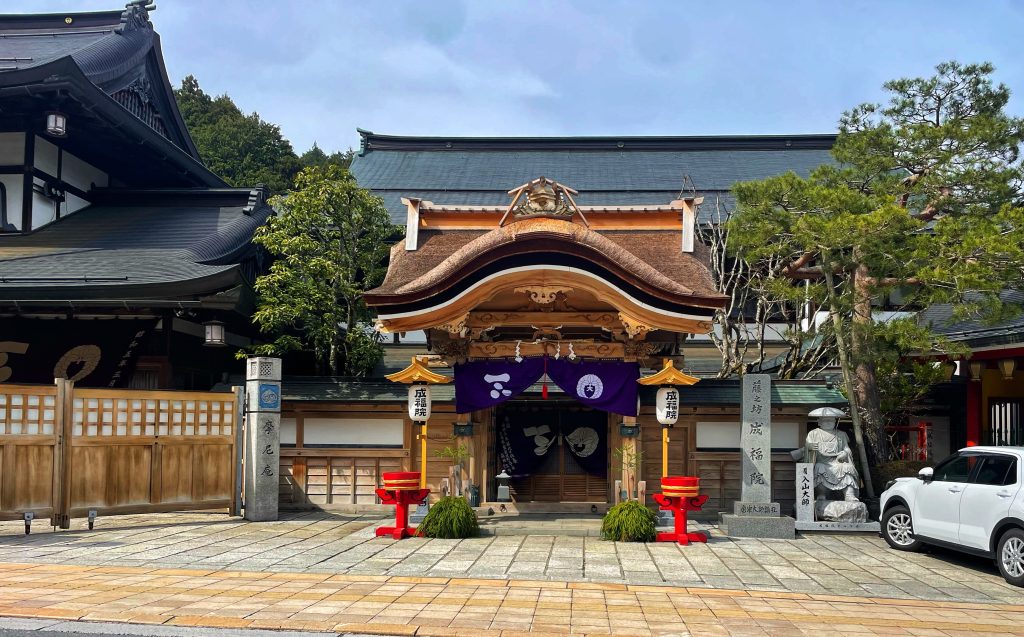
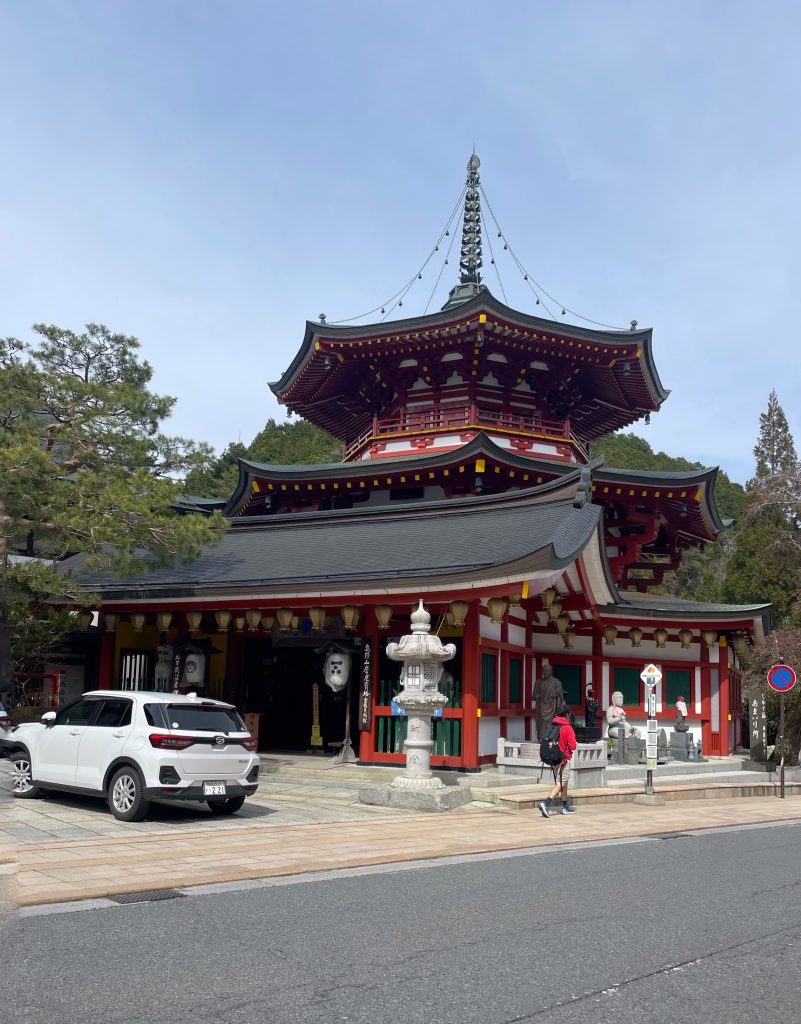
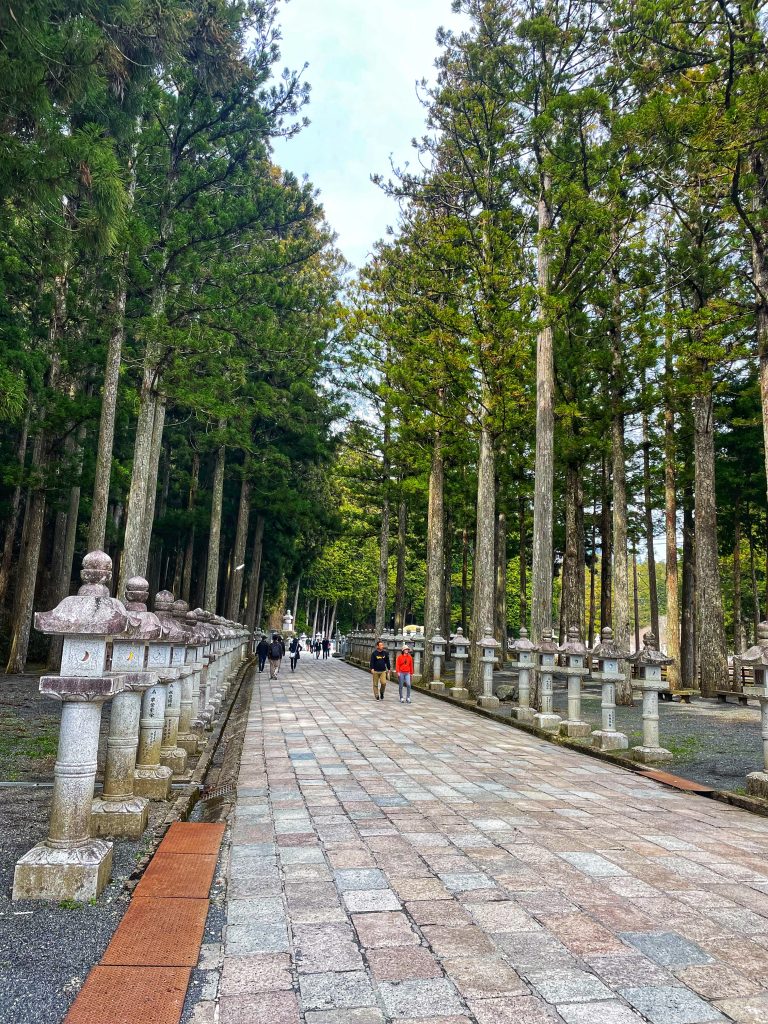
Kobo Daishi began construction on the original Garan temple complex in 826 after wandering the country for years in search of a suitable place to center his religion. Since then over one hundred temples have sprung up along the streets of Koyasan. The most important among them are Kongobuji, the head temple of Shingon Buddhism, and Okunoin, the site of Kobo Daishi’s mausoleum.
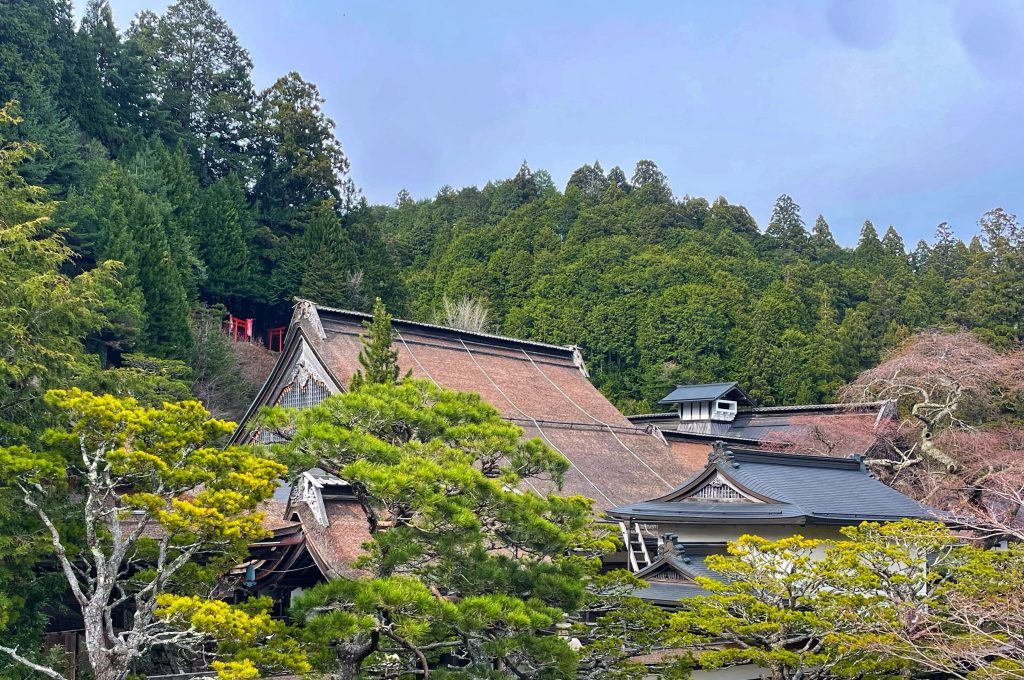
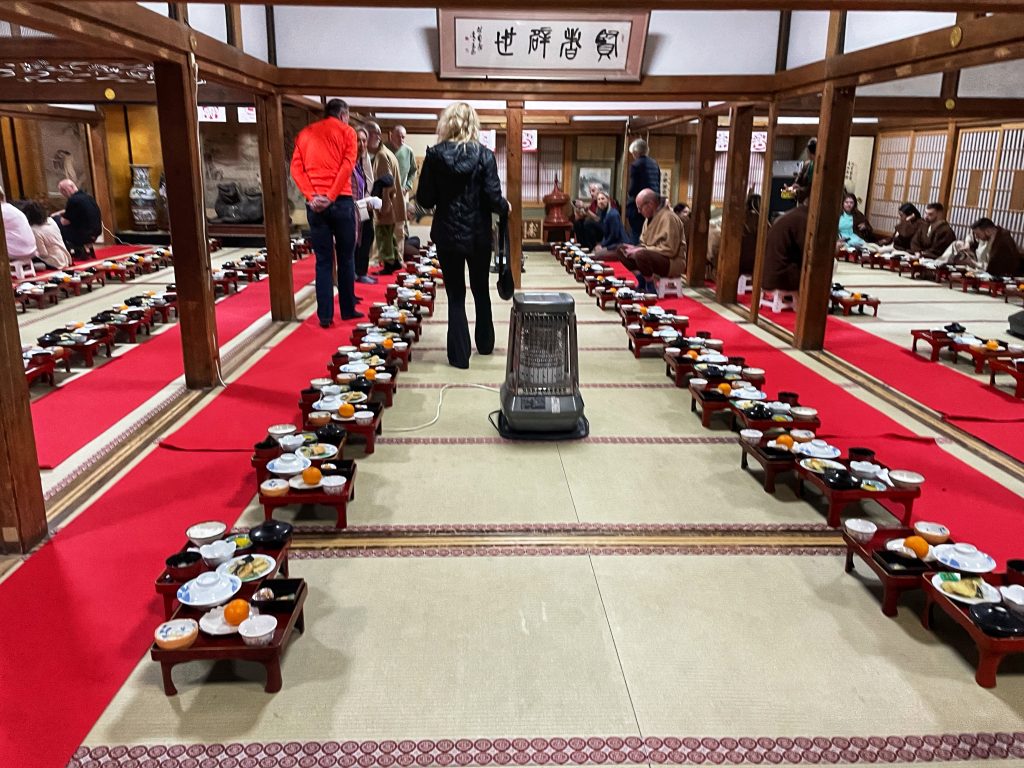
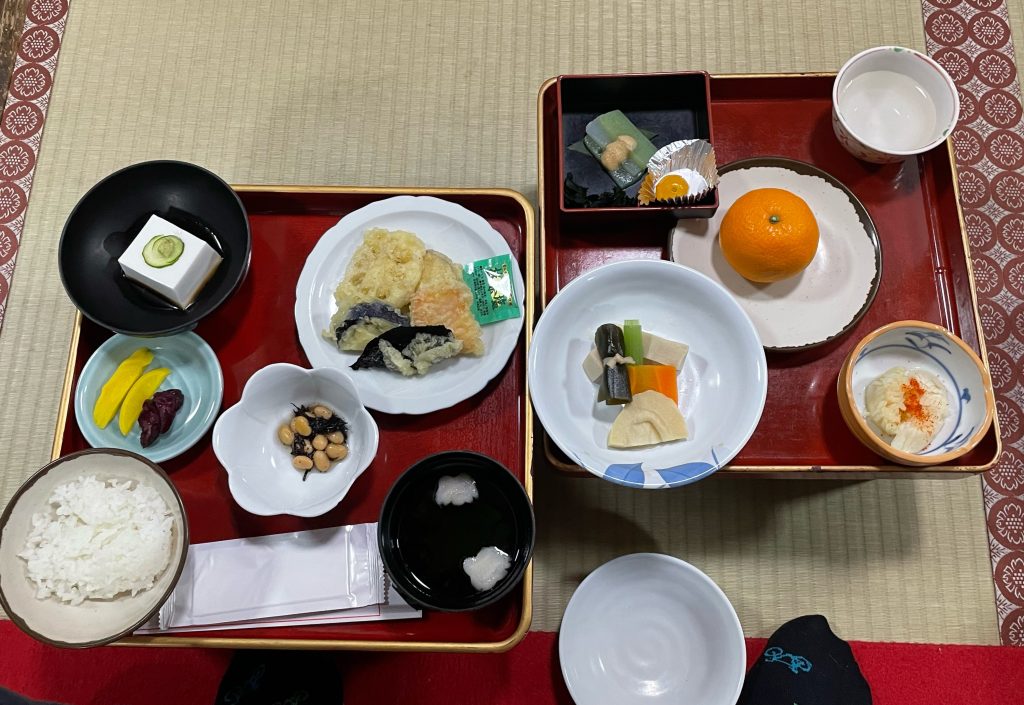
Koyasan is also one of the best places to experience an overnight stay at a temple lodging (shukubo) where we got a taste of a monk’s lifestyle, eating vegetarian monk’s cuisine (shojin ryori) and attending the morning prayers. Our temple accommodation and vegetarian dinnner for the night
Night walking tour – Okunoin
This is genuinely one of the great sites of not only Japan but the world. An amazing atmospheric graveyard best experienced in the night or very early morning when you have it to yourself. Wandering here is magic and one of our team’s favourite locations anywhere.
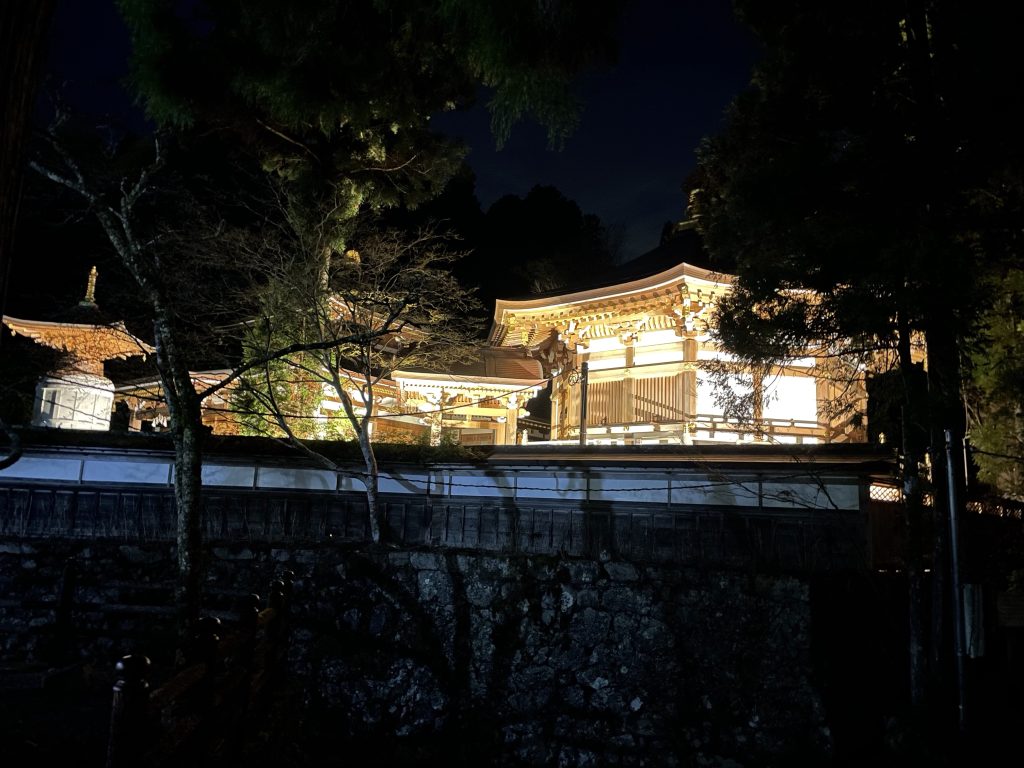
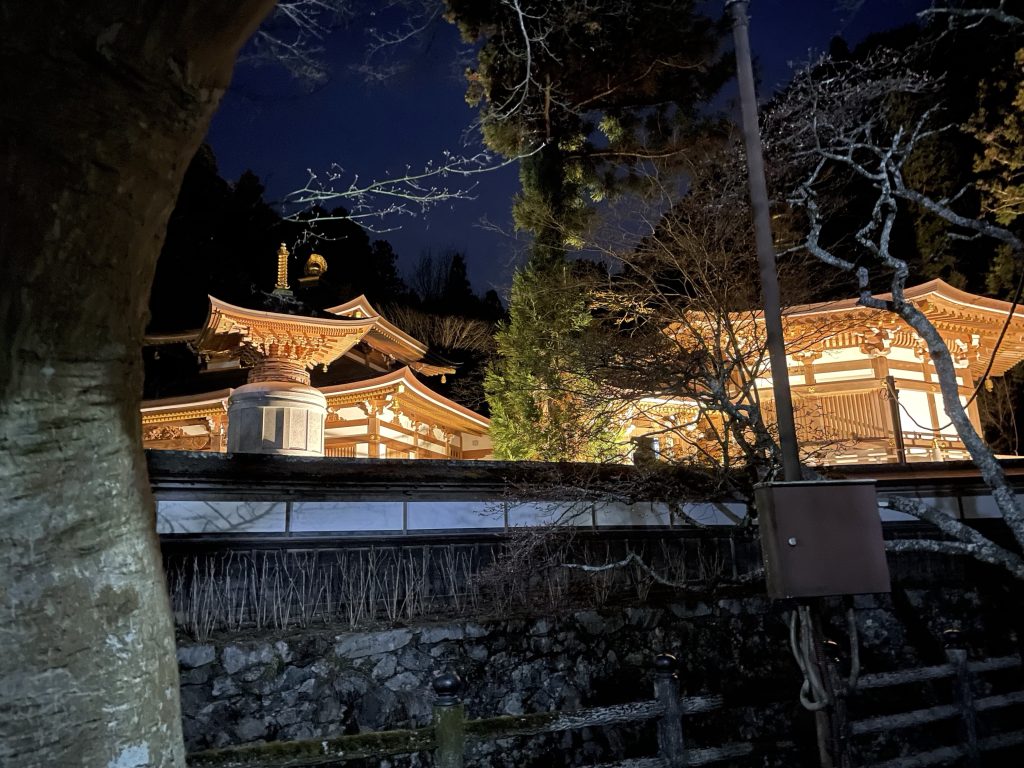
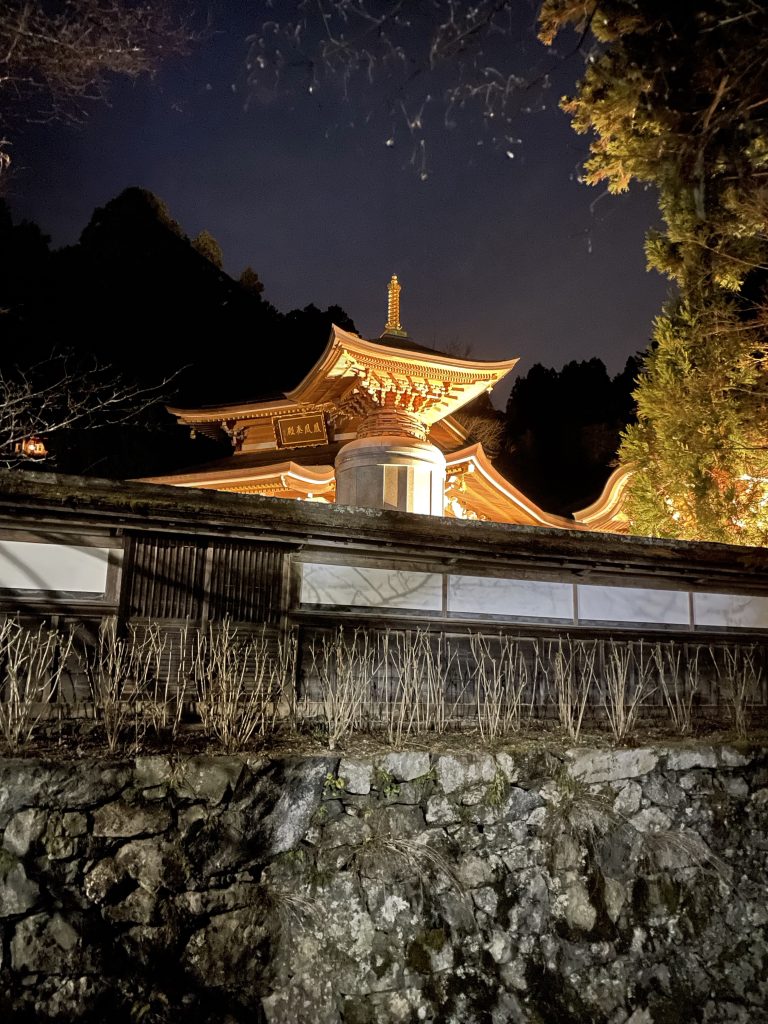
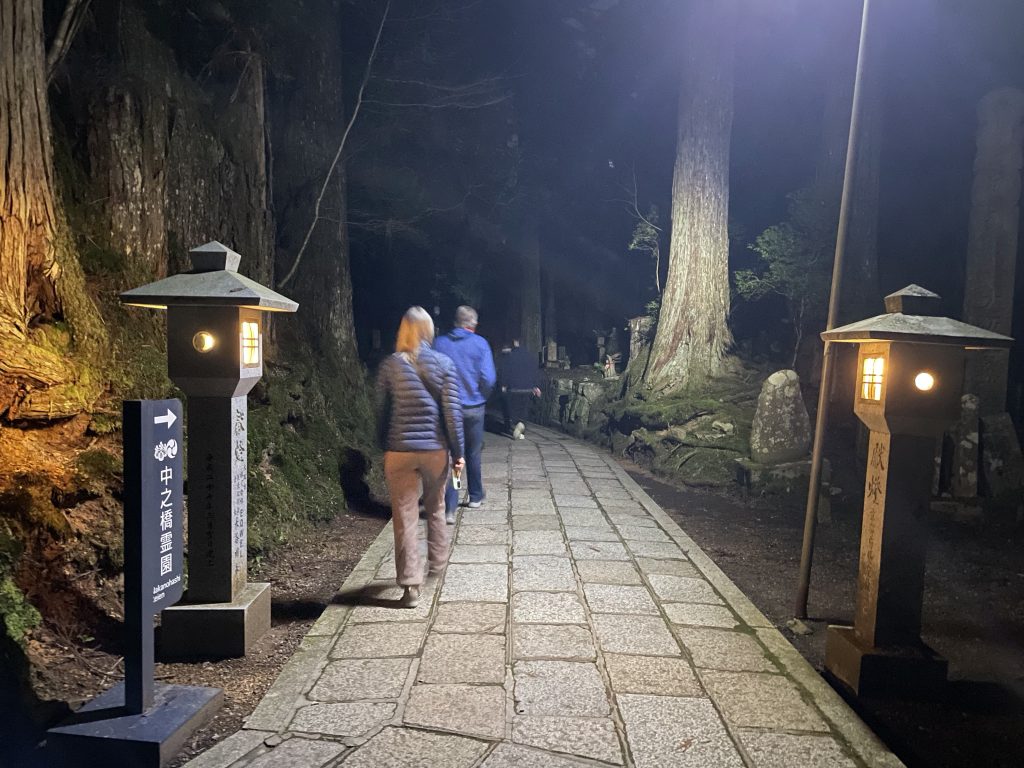
The Shingon (esoteric) sect of Buddhism that resides on Mount Koya has a succinct view of those who have passed, wherein their graveyard Okunoin is not home to the dead, but waiting spirits. Buddhism doesn’t consider the body and the spirit to be separate, but as one entity intertwined to form a complex individual. The bridge to Okunoin serves as a boundary between worlds, and the cedar trees lining the path seem to open a barrier that welcomes you into the spirit world.
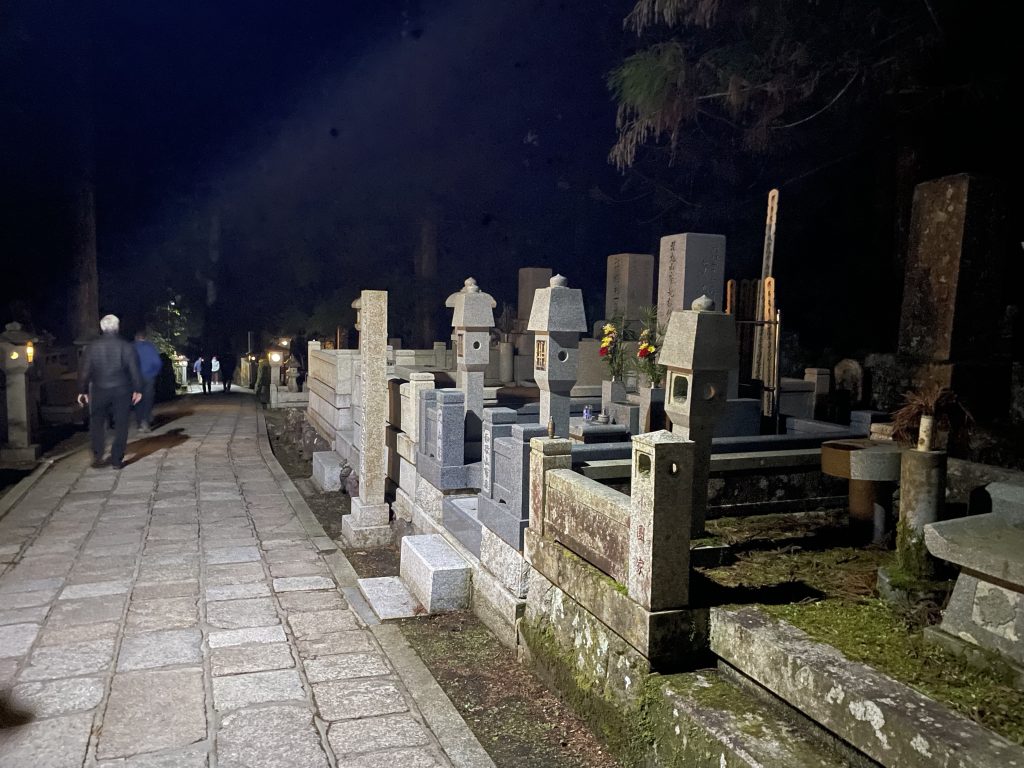
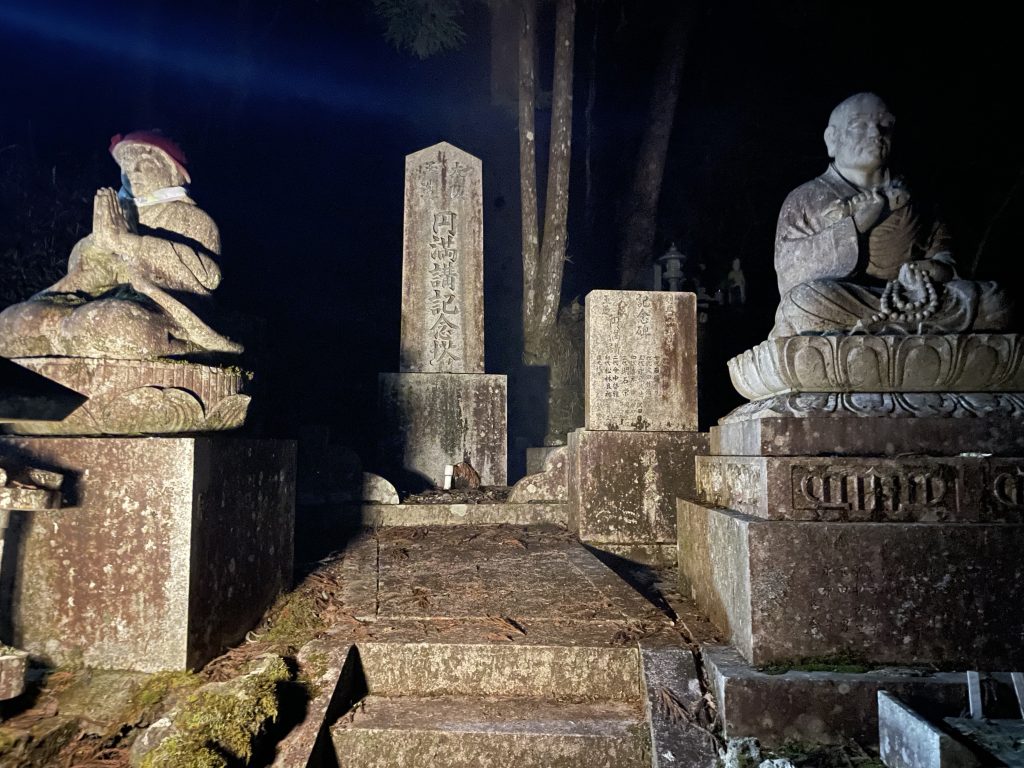
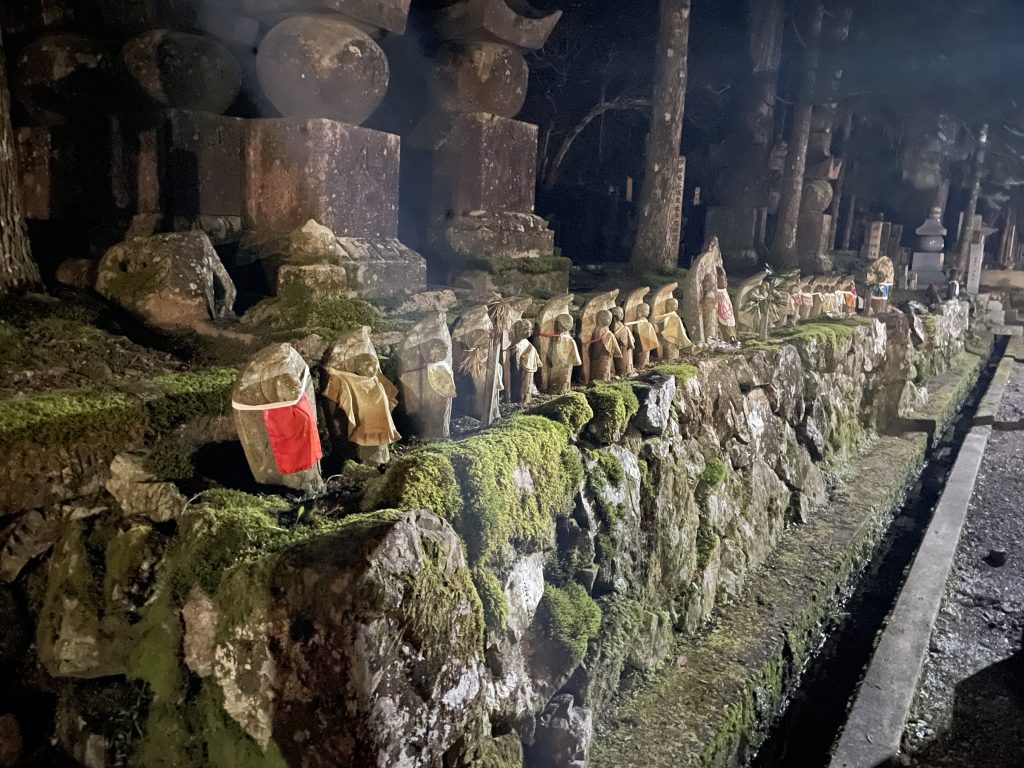
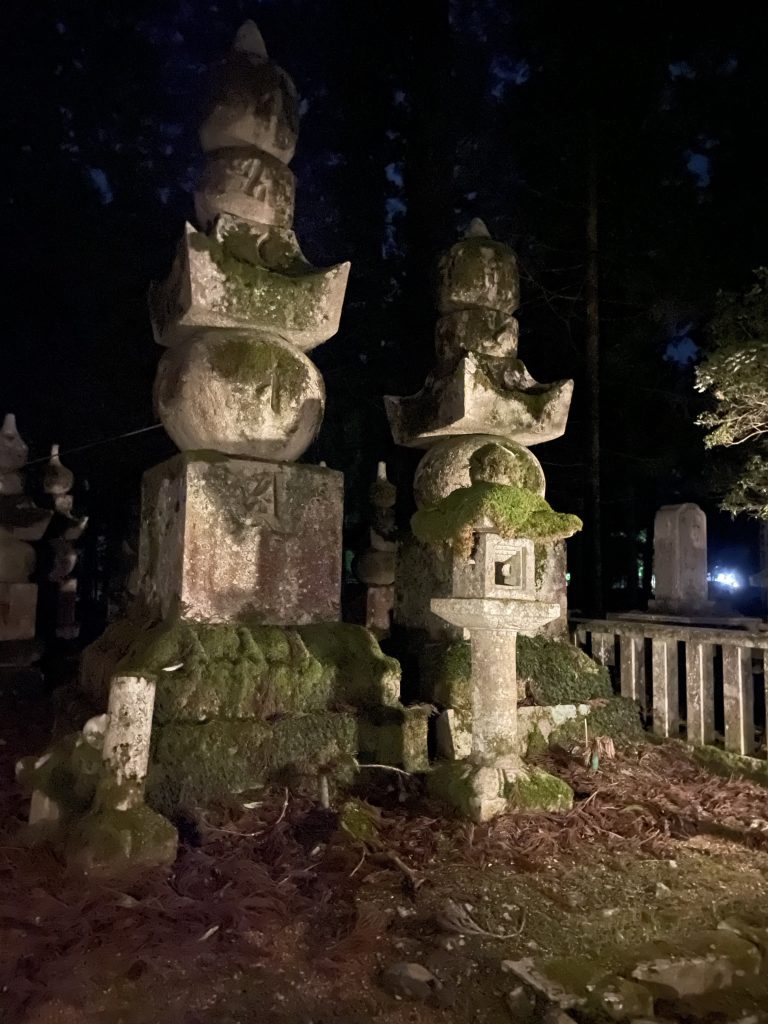
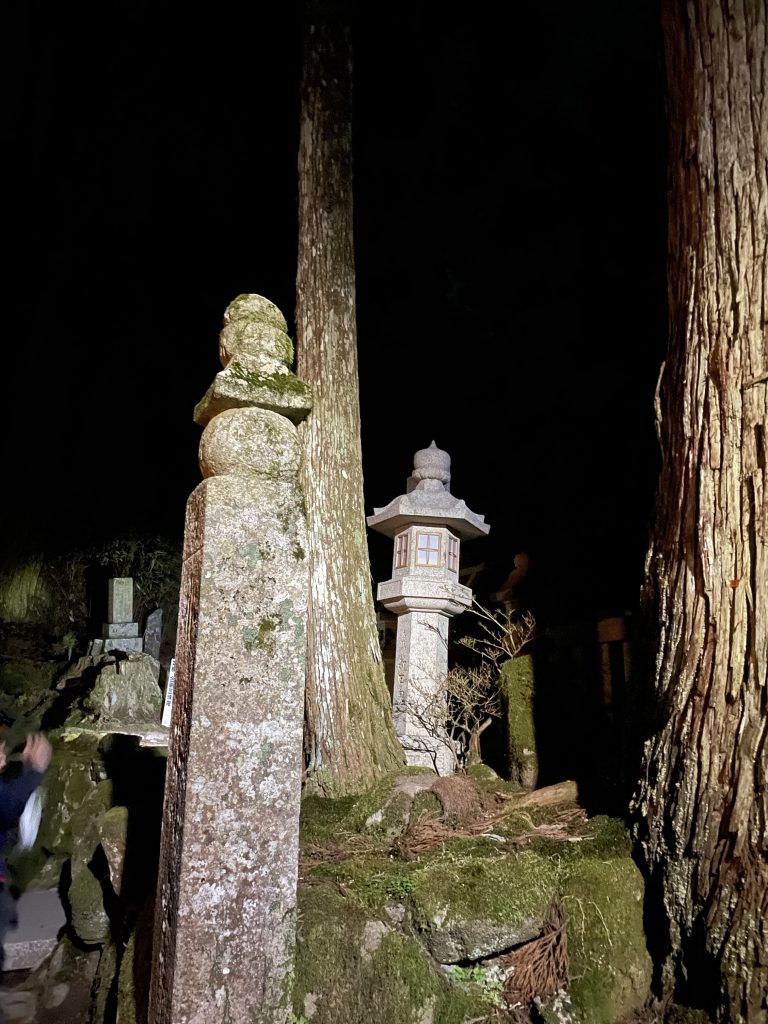
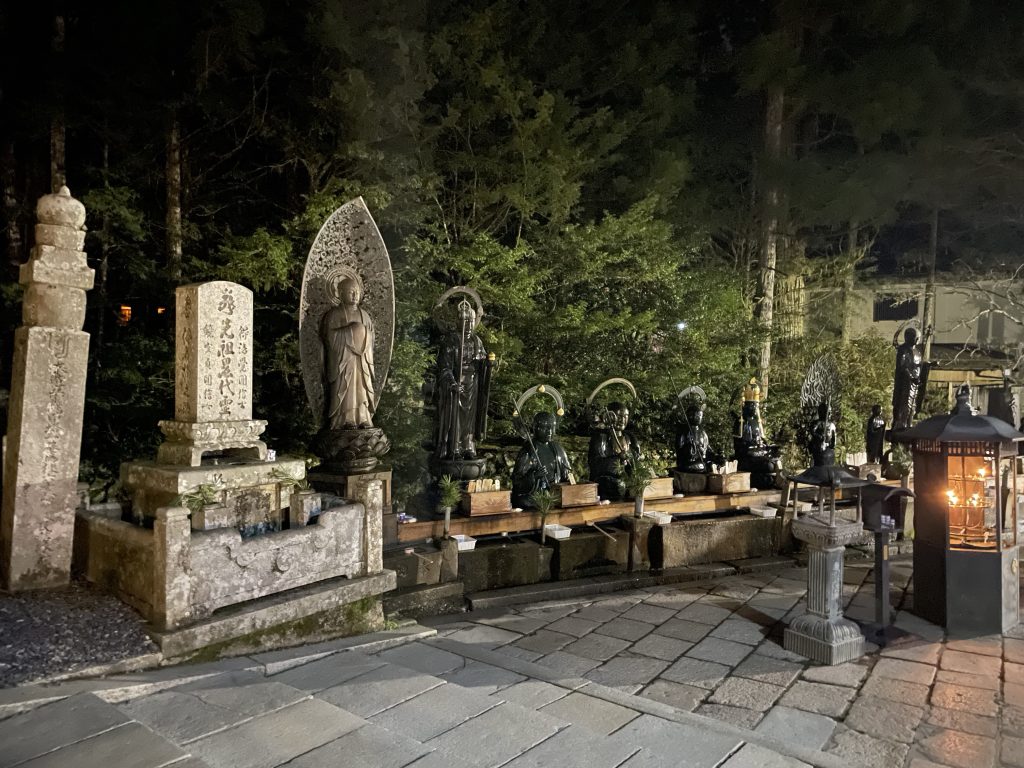
Traditionally, a Japanese grave consists of only a headstone and a collection of wooden sticks engraved with the posthumous Buddhist names belonging to the family. These headstones have a compartment to store the ashes of the deceased and a dedicated area for flowers, incense and the family seal. As such, a grave is considered a peaceful last resting place with members of the family visiting to routinely clean the headstone and leave drinks or snacks.
Venture deep into Okunoin and we encountered many different graves, some that don’t even match any of the previous descriptions. This is because there are more than 200,000 different graves gathered around the mausoleum of the founder of Shingon Buddhism, Lord Kukai (known posthumously as Kobo Daishi). Mount Koya’s temple complex is another creation of Kukai, to serve as the centre of Shingon Buddhism and as a retreat from worldly affairs.
The spectacular growth of Okunoin is attributed to his massive spiritual influence, inspiring many from all over Japan to request that their remains be placed as close to the mausoleum as possible. To the Shingon Buddhist sect, Kukai has not passed on but is in a state of eternal meditation. Food is offered to him every day and certain monks will enter the mausoleum once a year to trim his hair and change his clothing.
While Kukai’s mausoleum is considered to be the most important location in the graveyard, there are some other interesting artifacts to be found in Okunoin. The best time to learn about the stories surrounding this mystical final resting place is at night during one of the special tours offered by resident monks, where the lit lanterns at dusk really make it feel as though you have stepped into the home of spirits. There, your guide will teach you about the cemetery’s famous superstitions and otherworldly objects, such as the Miroku Stone, a large stone at the centre of Okunoin that judges your sins–heavier for the sinful and light for the righteous, challengers must attempt to lift it with just one hand.
It is interesting to note that not only monks are buried here. In fact, anyone regardless of background is permitted a final resting place on the mountain. Still, if eternity is too big of a commitment for now, the Shingon Buddhists of Mount Koya run various temple retreats known as Shukubo that give visitors a glimpse into what life is like on Mount Koya. Each temple has its own charm, but what stays the same is the spiritual experience. Entering the mountain and seeing the light shine through the thick forest canopy on the mossy ground really makes you feel like you have been transported to a different world.
One of the core beliefs of Shingon Buddhism is a love of present life and a search for the truth. Being in the presence of veneered spirits brings inspiration and knowledge to celebrate life and understand its mysteries. Shingon in Japanese means ‘true word’, because it challenges its followers to get closer to the unwritten eternal wisdom of Buddha. Thus, a visit to Mount Koya allows you to see the daily efforts of the monks up close and even participate. We invite you to open yourself to the mysticism of the mountain and the spiritual power of the more than 200,000 monks before you. .
Check in at Sekisho-in Temple
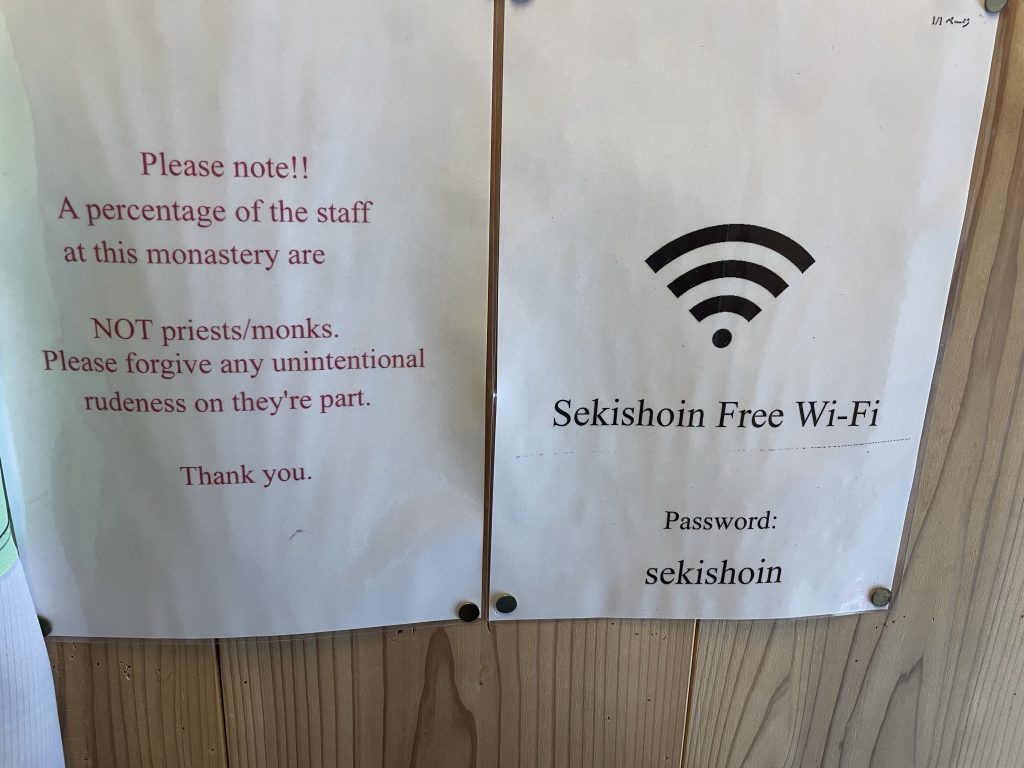
Sekishoin was founded by Seikai Ajari about 1,100 years ago. It was originally called “Yamamotobo.” In the Muromachi period, one of Emperor Godaigo’s sons, Prince Moriyoshi, became the chief Buddhist monk at the temple. One of his guards, Akamatsu Norimura, followed his master and also became a monk, adopting the name Enshin Nyudo. Renamed “Sekishoin,” the temple has been holding memorial services for the Akamatsu family ever since. (“Sekisho” is an alternative reading of the characters for “Akamatsu.”)
The temple’s main highlight is its vast 21,690 sq. ft garden. The garden is renowned for being one of the most beautiful places at Mt. Koya. The scenery takes advantage of the proximity to Okunoin Temple, and rewards visitors with stunning views of trees and a pond in perfect harmony with the surrounding landscape, with red maple leaves in autumn. The garden is home to a tea ceremony room that is famous for its “uguisubari” corridors, whose floors make a sound like birds singing as you walk on them.
Life is Good in Koyasan!
Sayonara
Leave a Reply