Watch the Relive video here:https://www.relive.com/view/vevY7Jn7ZJ6
On the Road – Distance 69km / 43mi | Elevation 1639`m / 5578ft

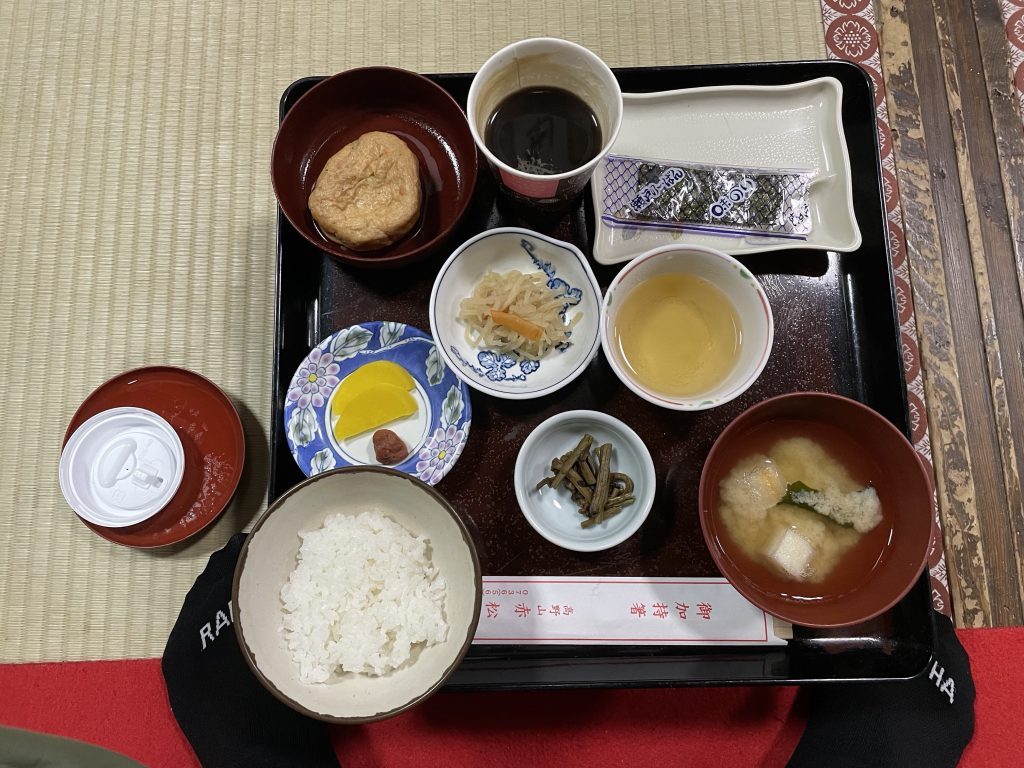
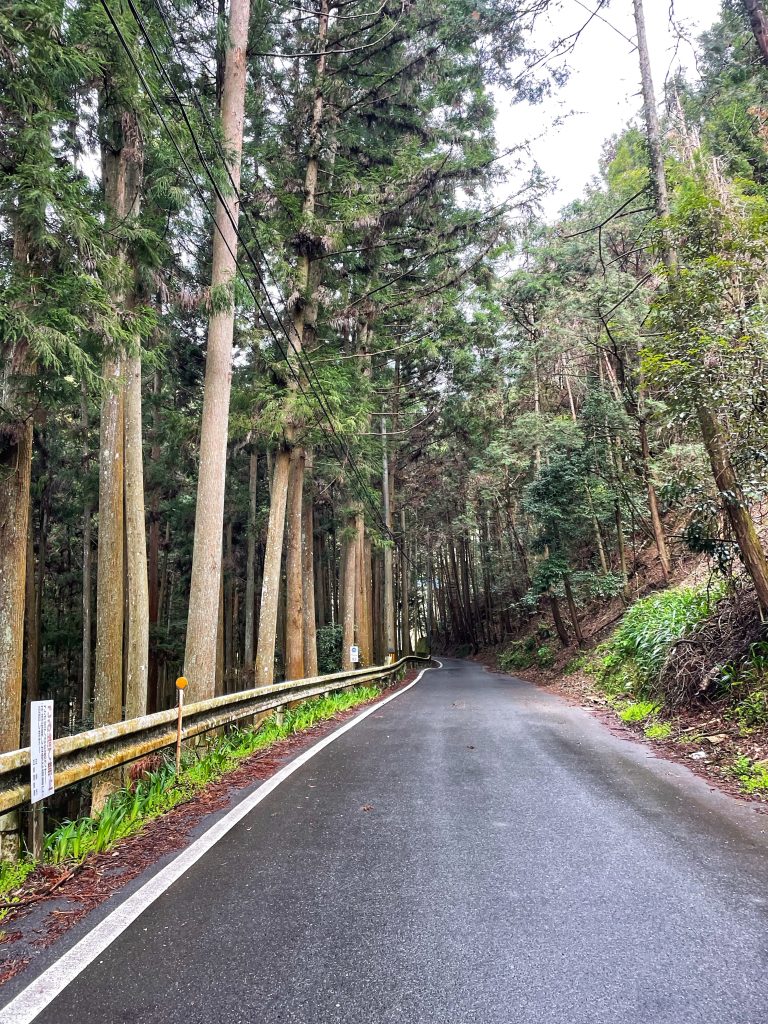
Light rain dampened our start today and made the roads wet and somewhat slippery when riding on fallen cherry blossoms and pine needles. The forest was darker because of this. We started out in rain gear after a vegetarian breakfast and coffee served at the temple
Remote rindo roads made this a special day on the bike as we descended down the Kii Mountains. We rarely left single lane roads today as we rode through dense, lush forests, along rivers and through tiny villages.
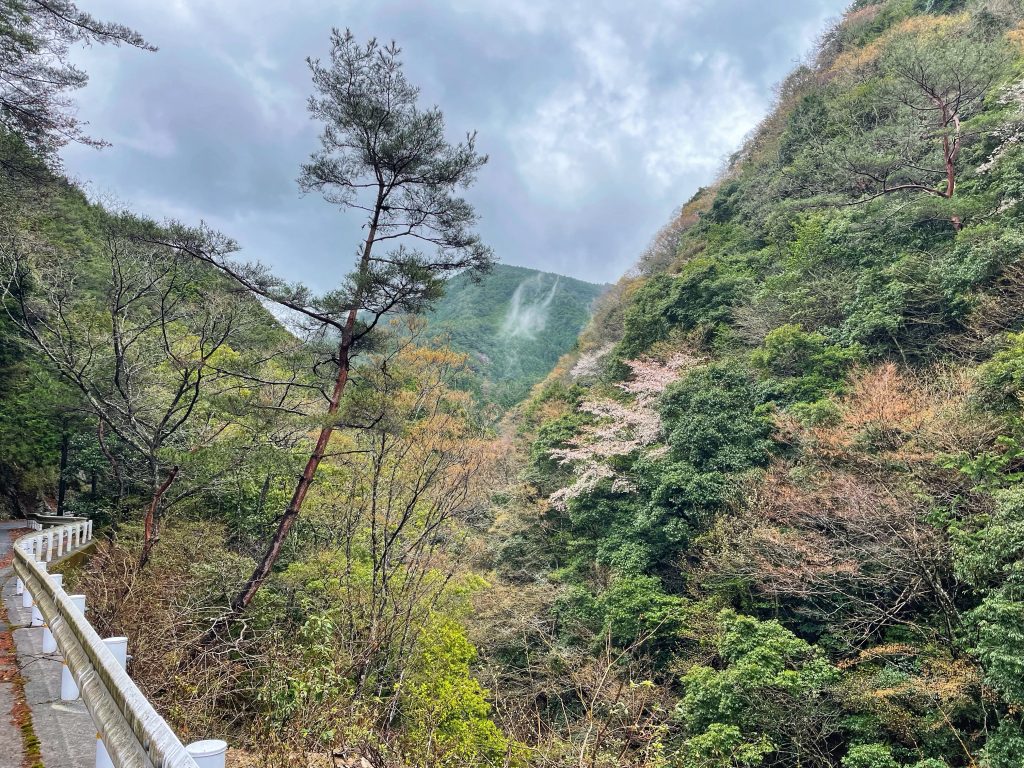
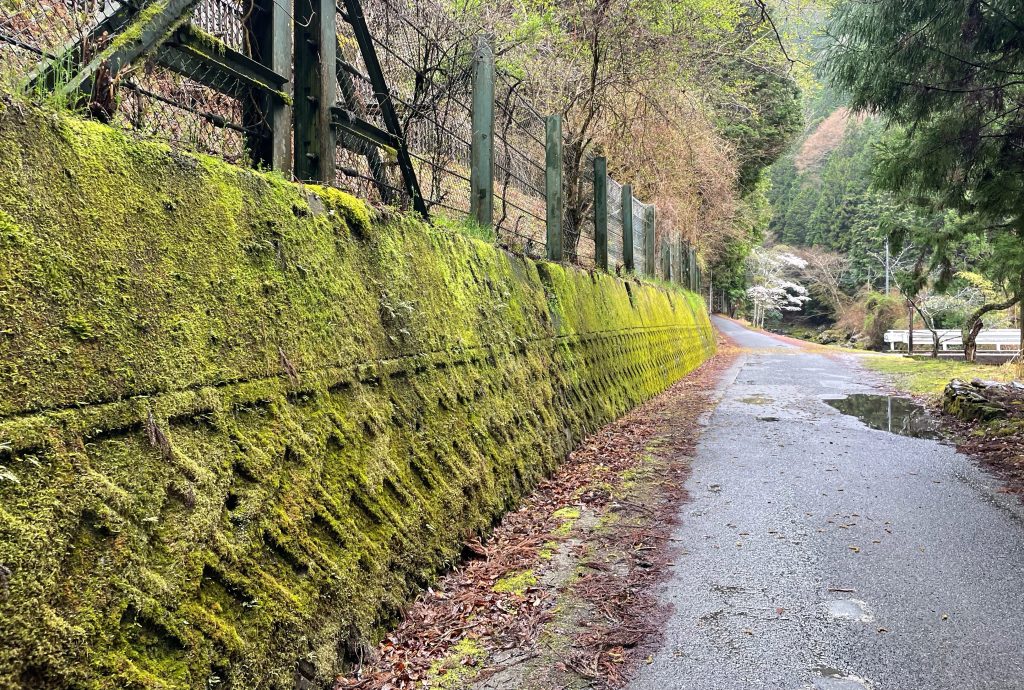
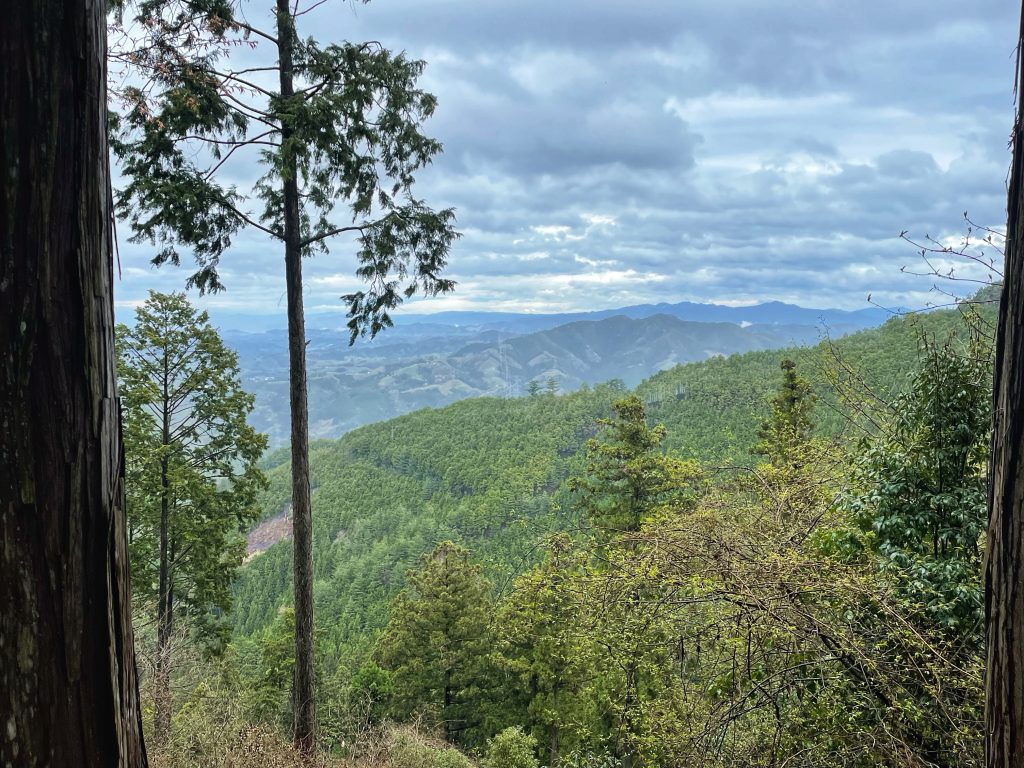
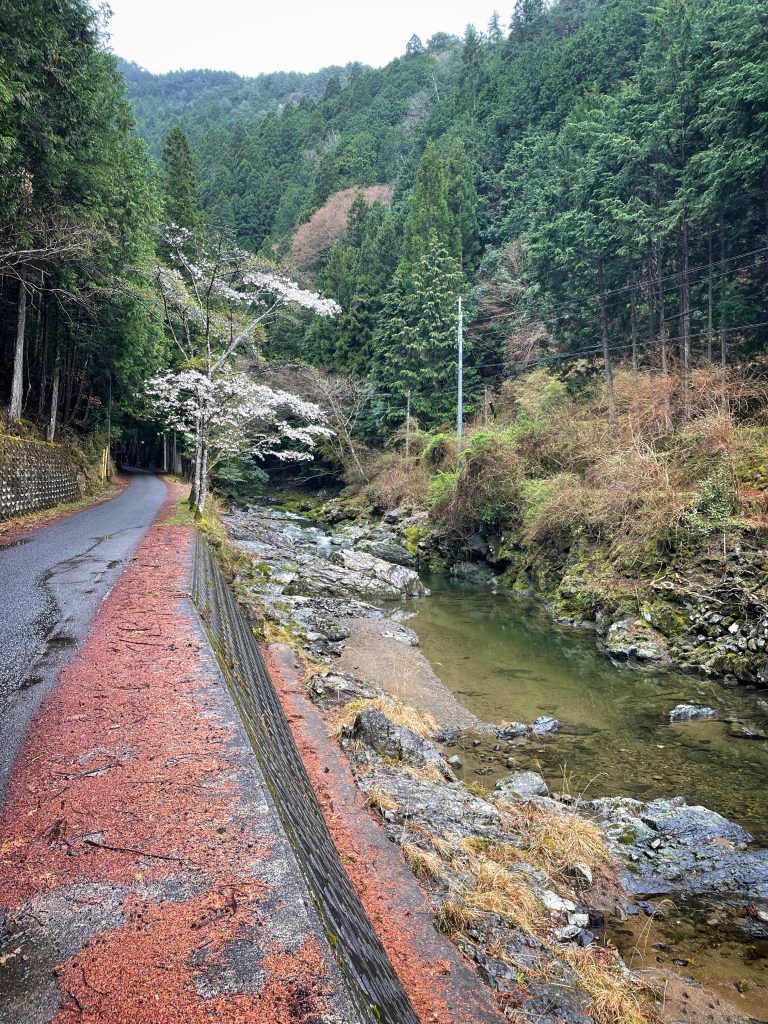
It was a great day on the bike despite the rain and wind, it felt Iike a ‘rolling recovery’ day with only 69km in the saddle. But it still had over 5,500 ft of climbing!
The day began with a short and steady descent leveling into undulating terrain with a couple of slowly rising gradients gently weaving through the countryside.
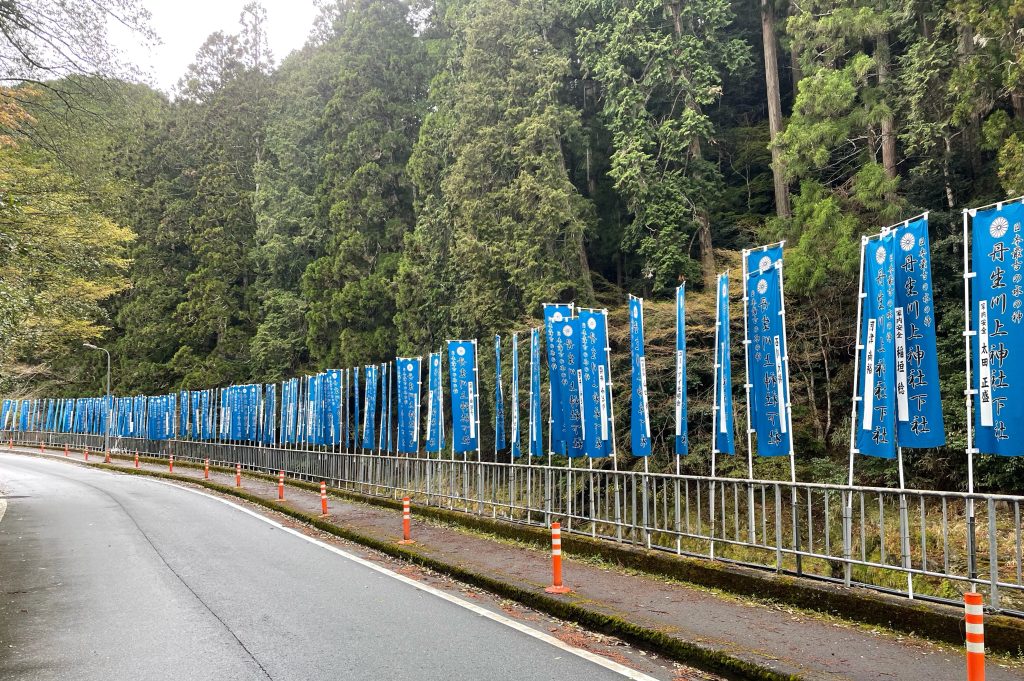
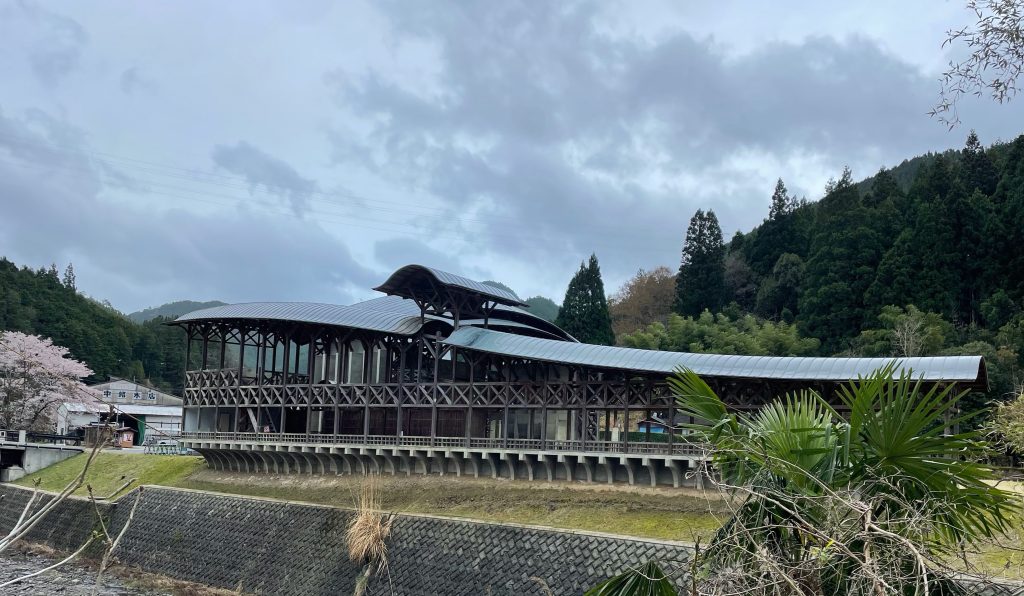
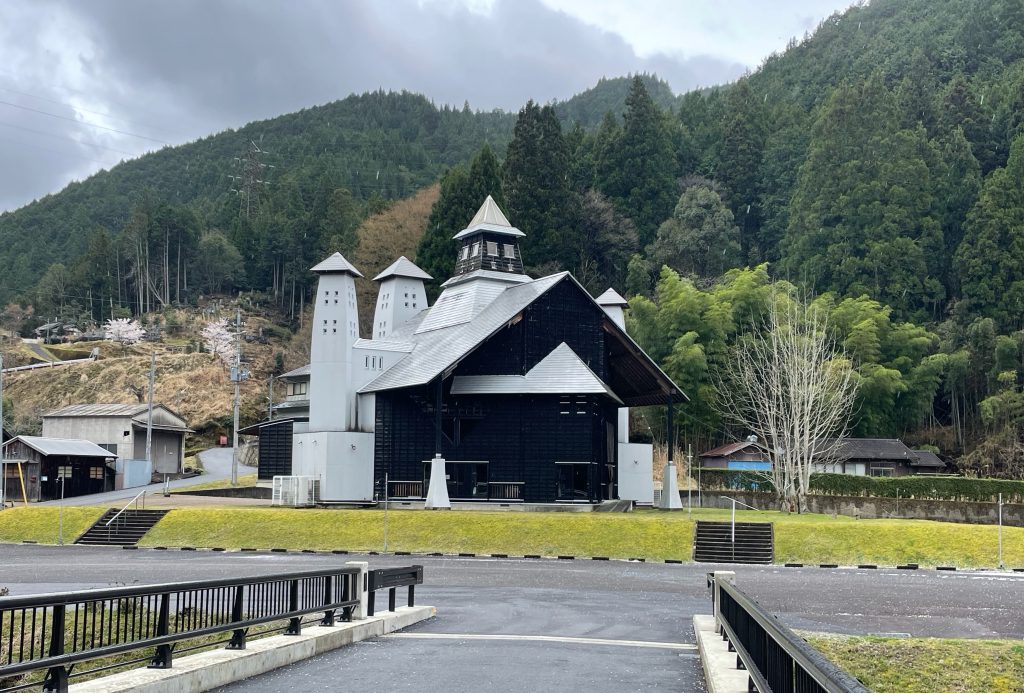
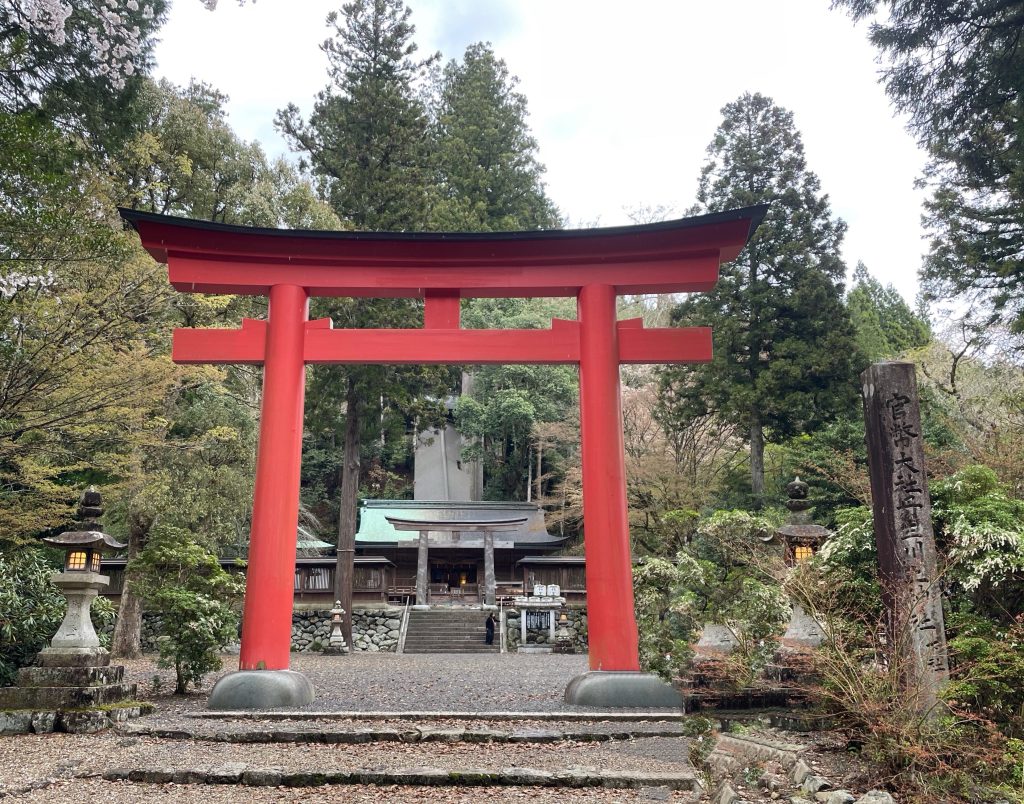
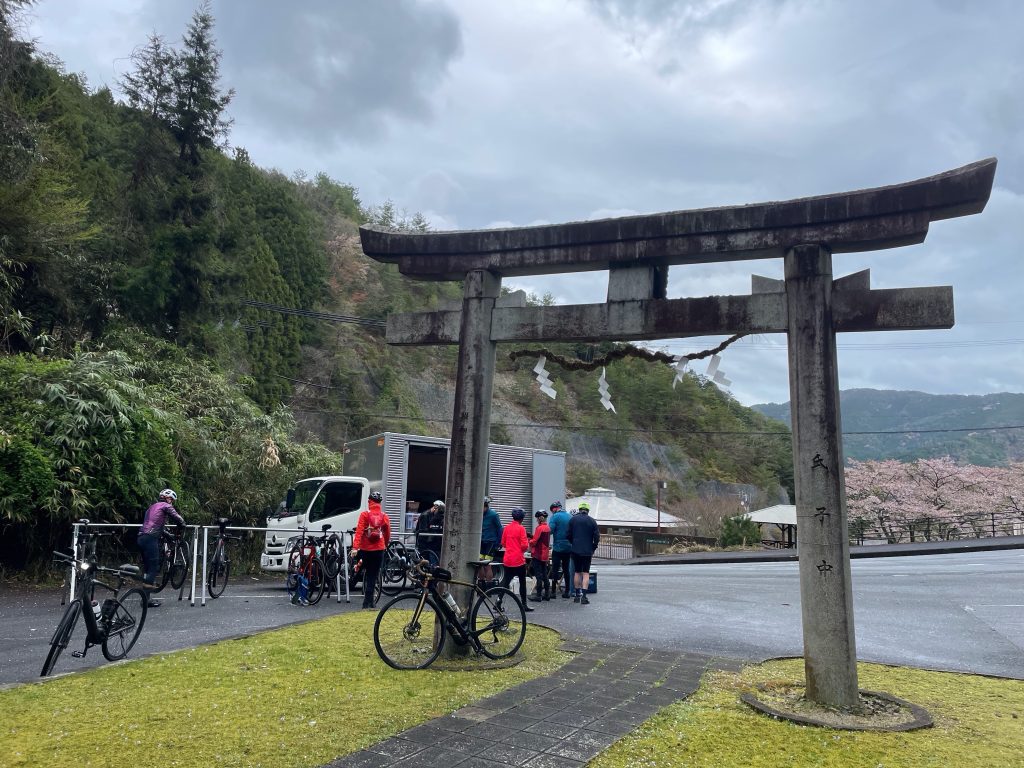
Even in the inclement weather we saw stunning, and famous, cherry blossoms as we rode into Mount Yoshino . Over 30,000 cherry trees were planted around the slopes which visitors can admire as they walk along the roads that lead up the mountain.
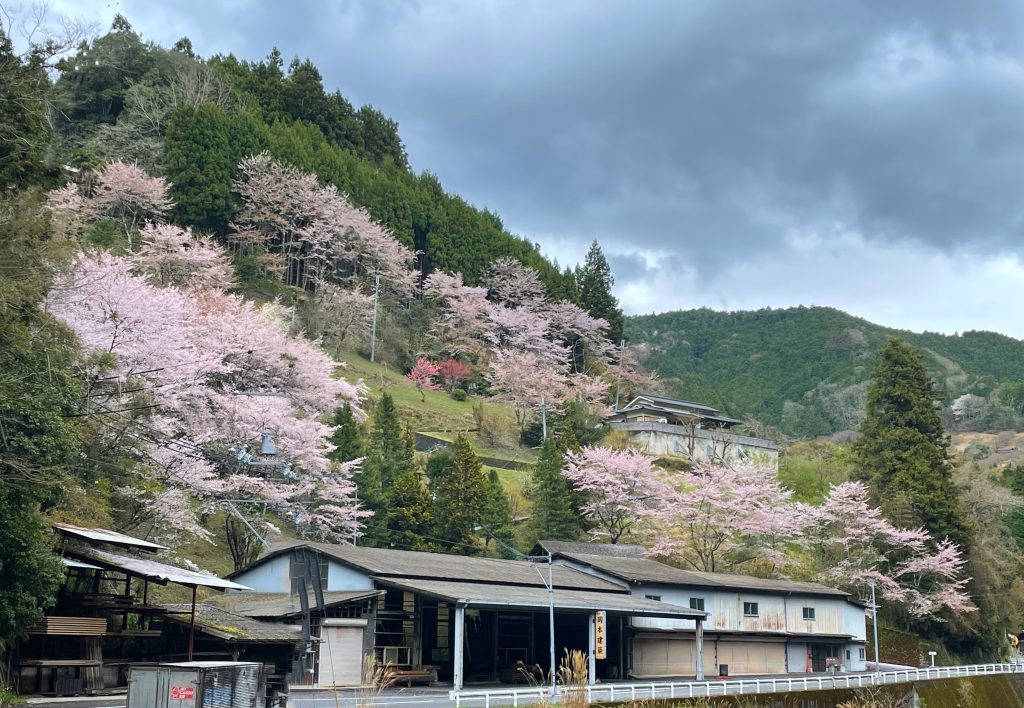
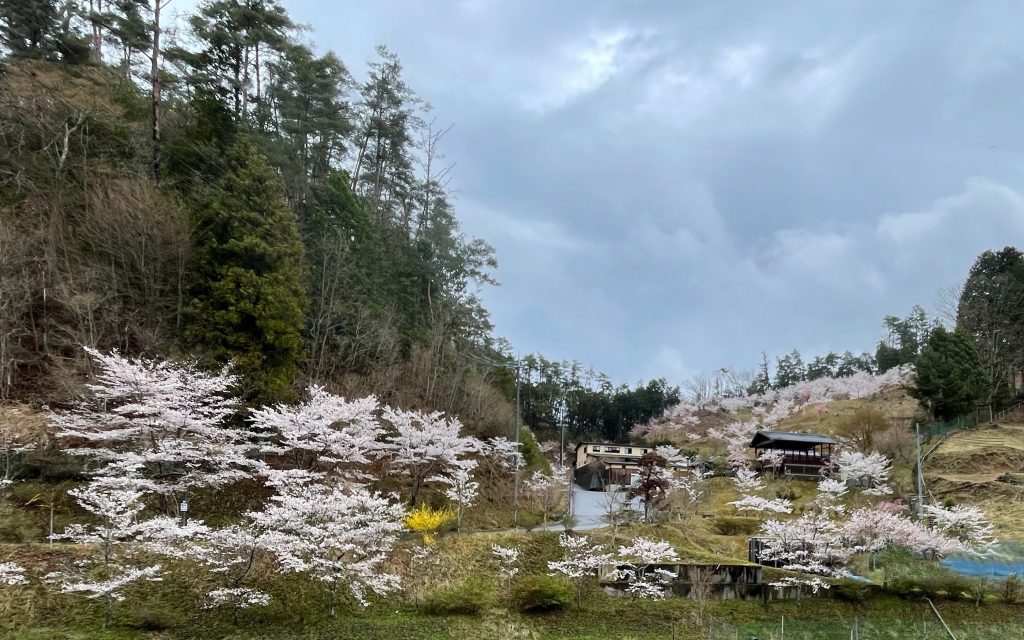
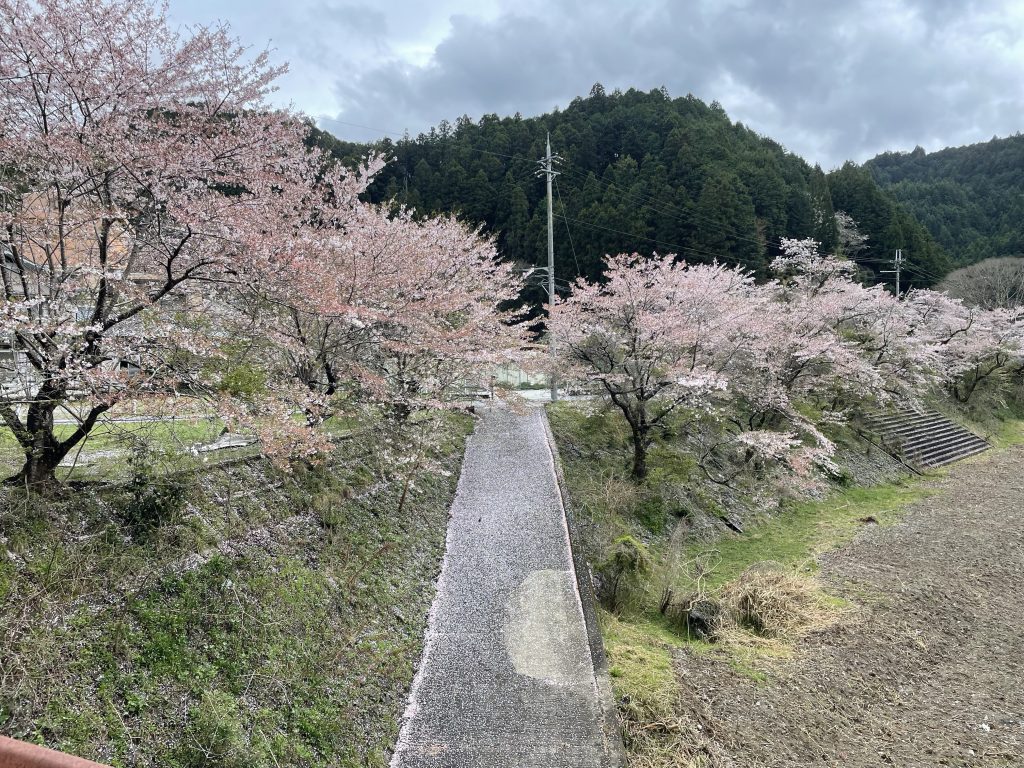
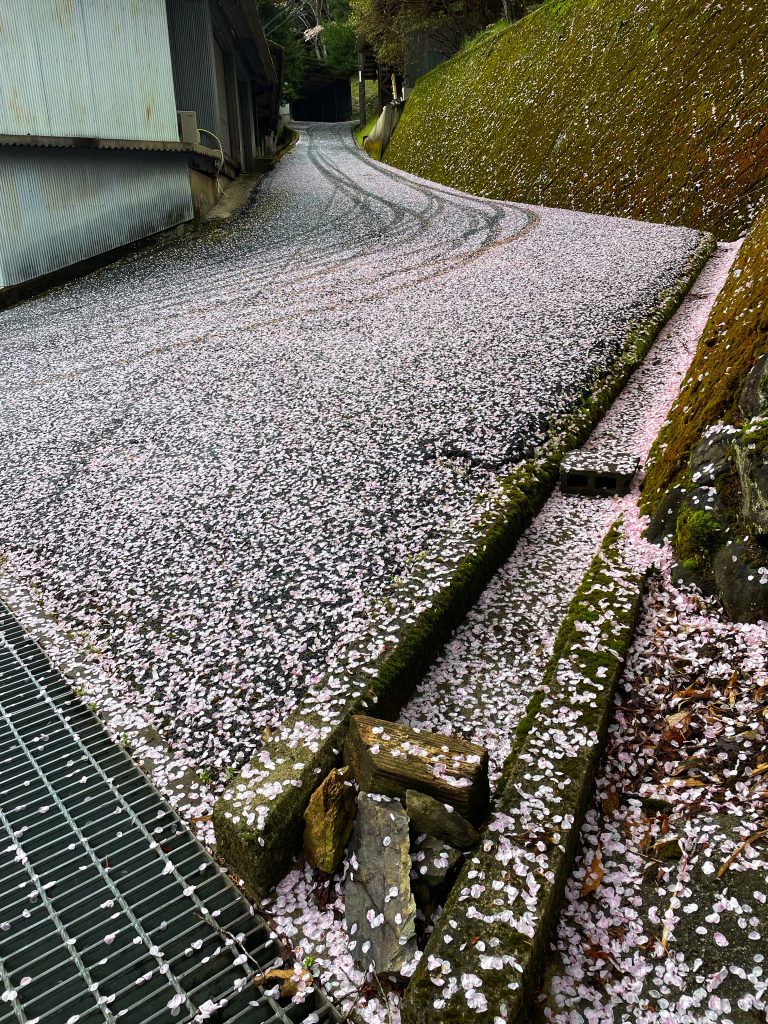
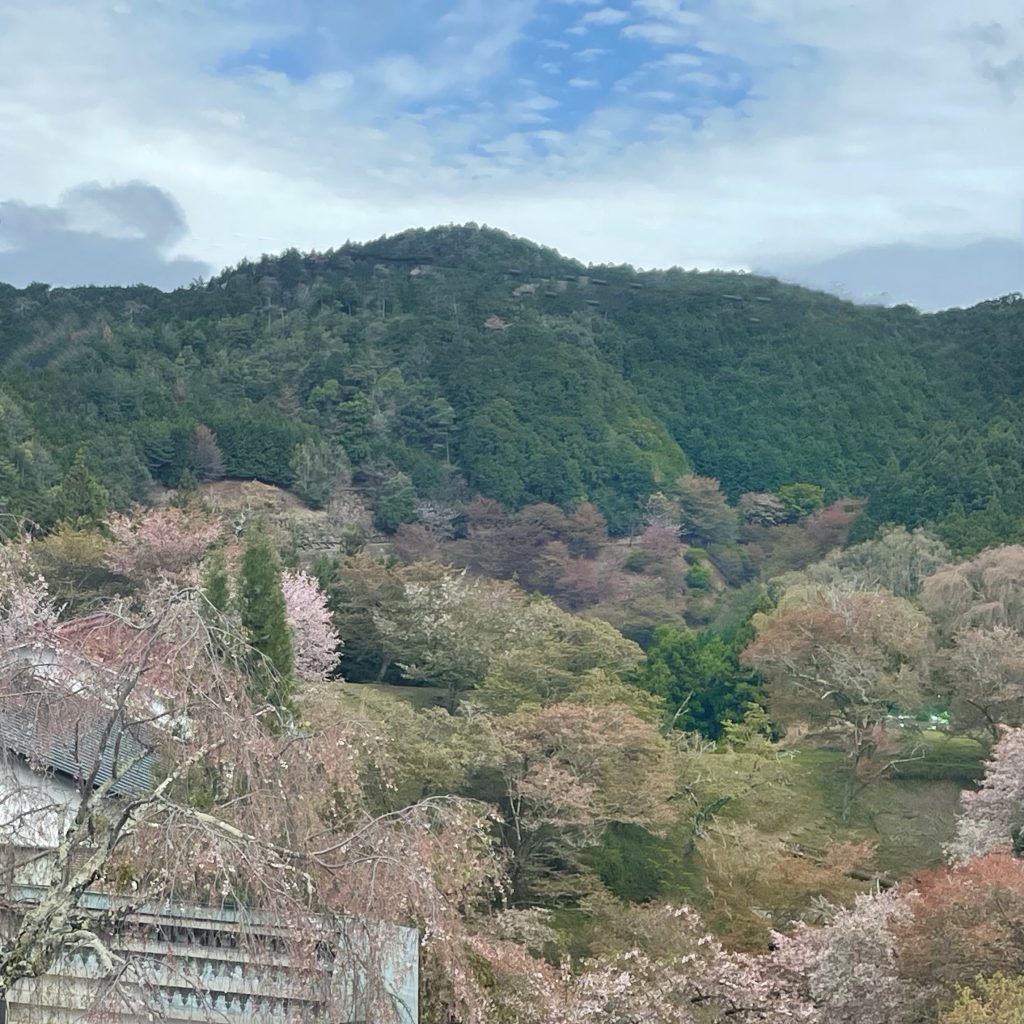
Mount Yoshino – Japan’s most famous cherry blossoms?
Mount Yoshino (吉野山, Yoshinoyama) has been Japan’s most famous cherry blossom spot for many centuries. It is said that the first trees were planted along its slopes more than 1300 years ago, and today the mountain is covered by approximately 30,000 cherry trees of many different varieties, especially of the Yamazakura variety.
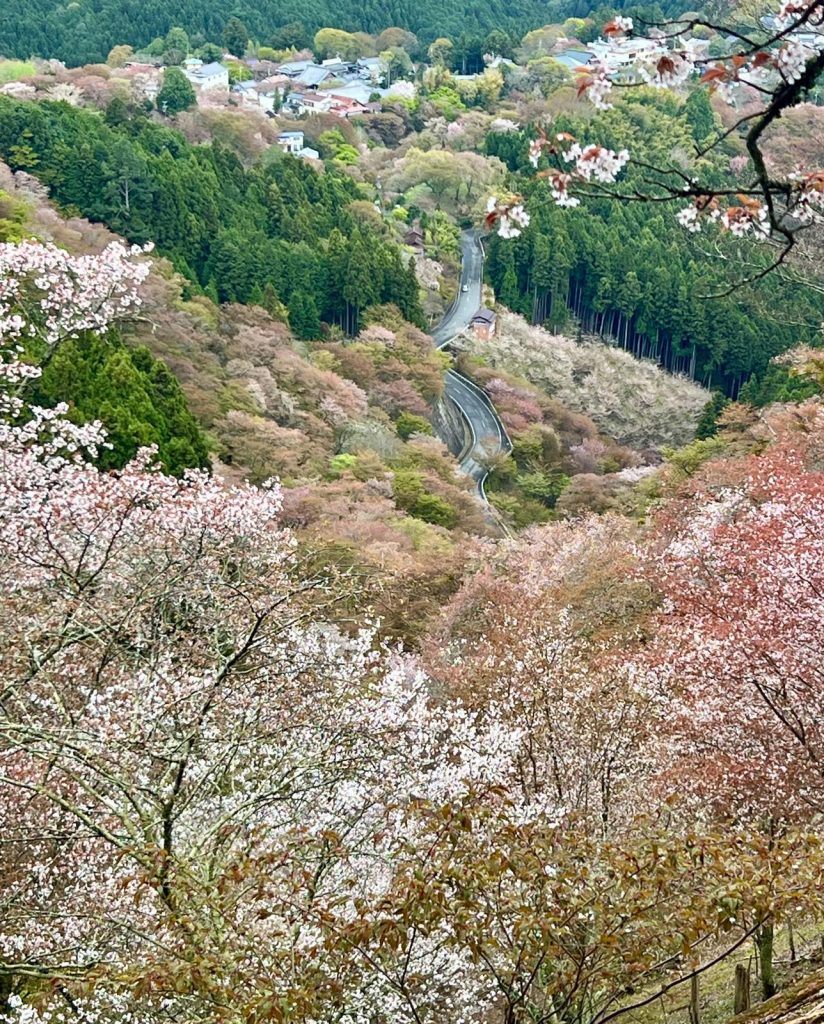
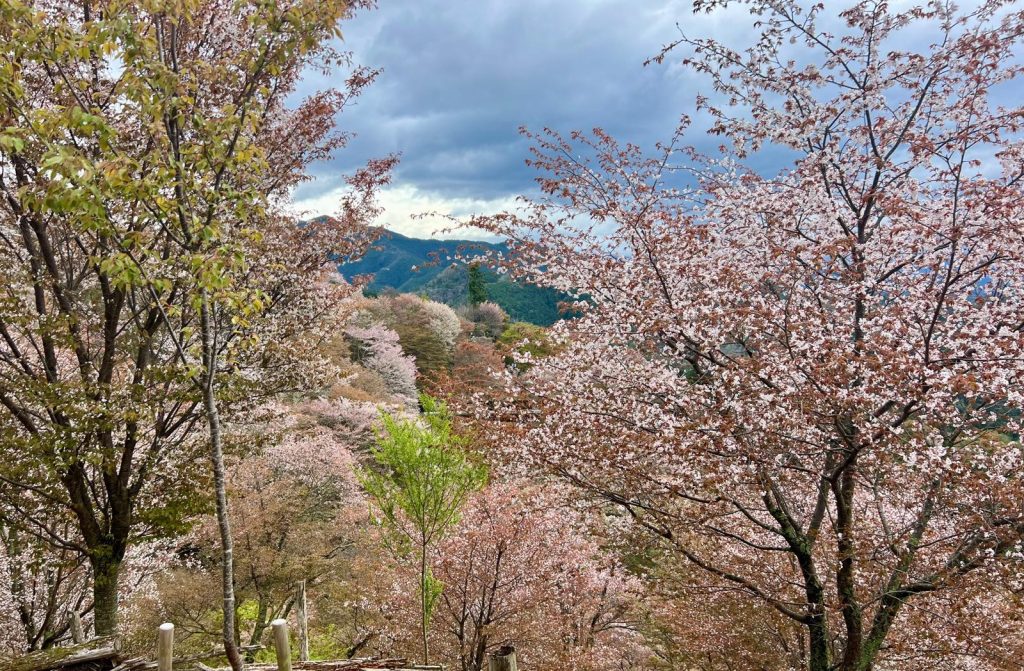
Rather than a free standing mountain, Yoshinoyama is a north-facing mountain slope. It is divided into four areas: the Shimo Senbon (lower 1000 trees) at the base of the mountain, Naka Senbon (middle 1000 trees), Kami Senbon (upper 1000 trees) and Oku Senbon (inner 1000 trees) at the top of the mountain. Visitors can enjoy the cherry trees as they ascend the mountain.
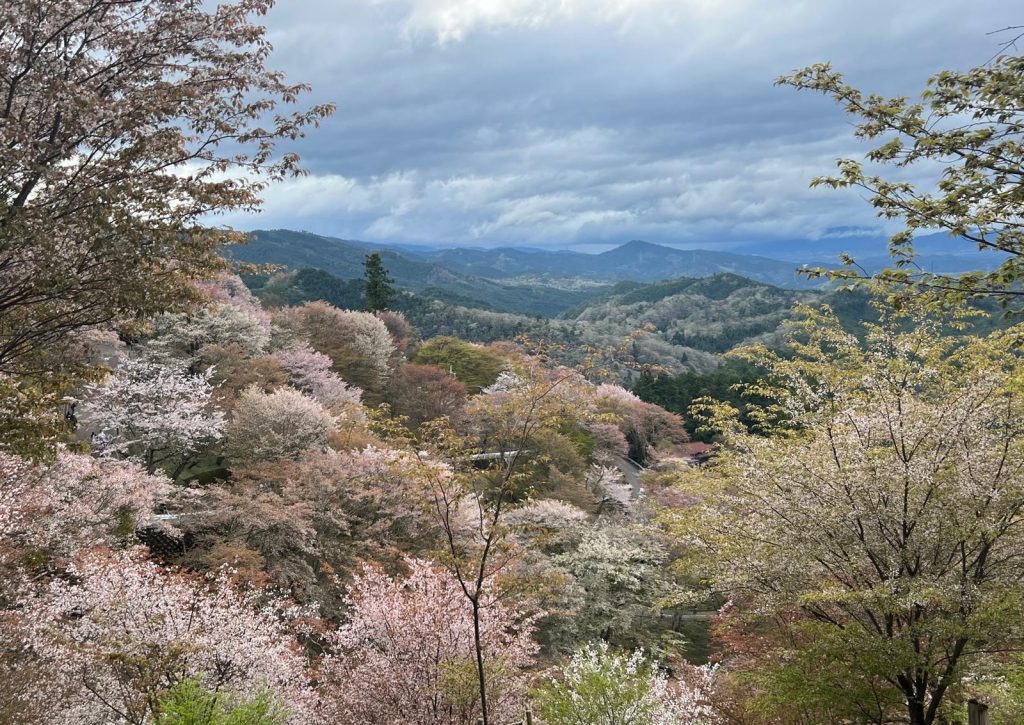
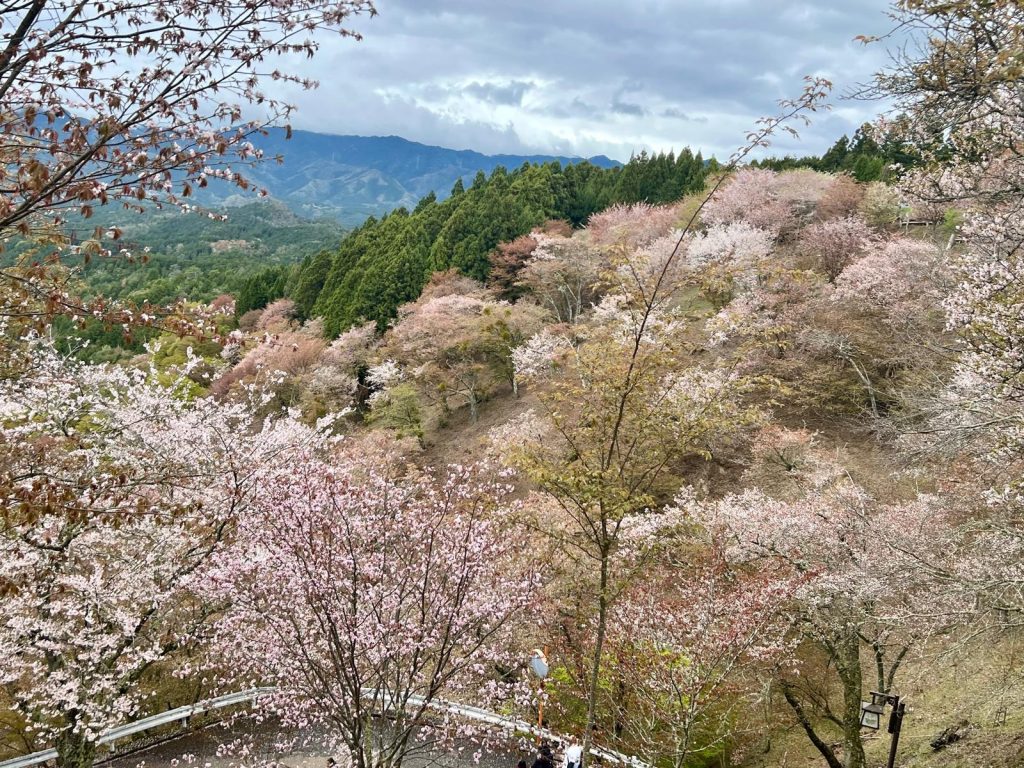
Yoshinoyama’s cherry blossoms typically start opening in late March or early April and reach full bloom around early to mid April. Because of the range of elevation, the blooming season is staggered by a couple of days between the Shimo (lower), Naka (middle) and Kami (upper) Senbon areas as the blossom front gradually moves up the mountain. The trees in the Oku Senbon area open considerably later.
Our route took us up to the higher regions along a quiet back road, avoiding the cherry blossom traffic! However we still got to see a lot and if you want more it is easy to find!
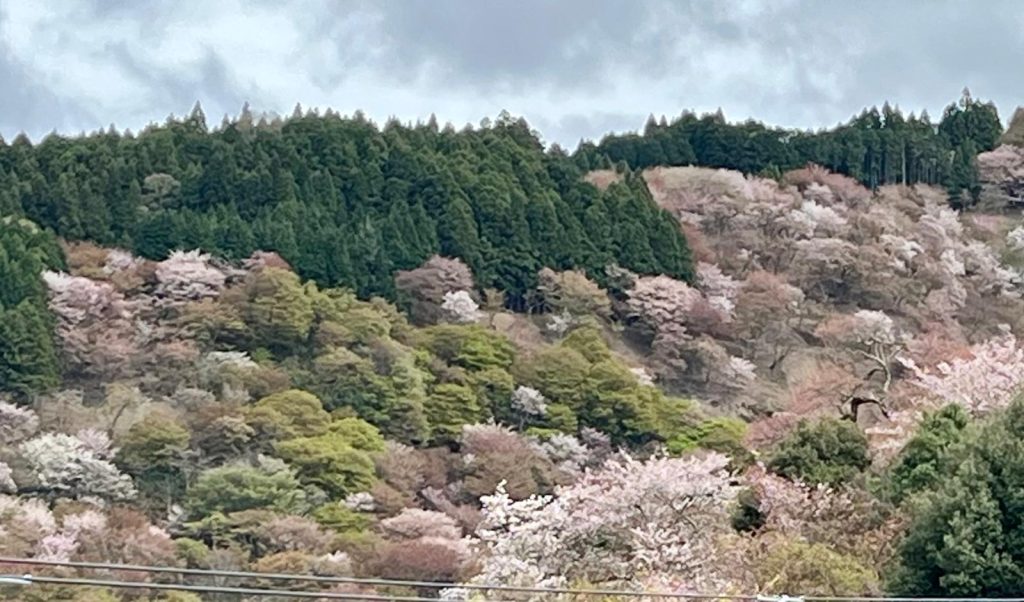
Yoshino also offers a rich history, which makes it an interesting destination at any time of the year. As the base of the pilgrimage trail to sacred Mount Omine, Yoshinoyama has been a center of Shugendo mountain worship for many centuries. The remote town also served various historical personalities as a refuge, including Emperor Go-Daigo who established a competing second imperial court there in the 14th century.
In 2004, Yoshino, together with Mount Koya (our previous destination) and Kumano, was designated a cultural UNESCO World Heritage Site named the “Sacred Sites and Pilgrimage Routes in the Kii Mountain Range”.
Check in at Chikurin-in Gunpoen
Chikurin-in (竹林院) is a Buddhist temple along the border of the Naka and Kami Senbon areas of Mount Yoshino. Having served for many years as accommodation for the practitioners of the Shugendo mountain worship, Chikurin-in these days also serves as an attractive ryokan open to all types of travelers. Like most accommodations in Yoshino, Chikurin-in gets booked out far in advance during the busy cherry blossom season.
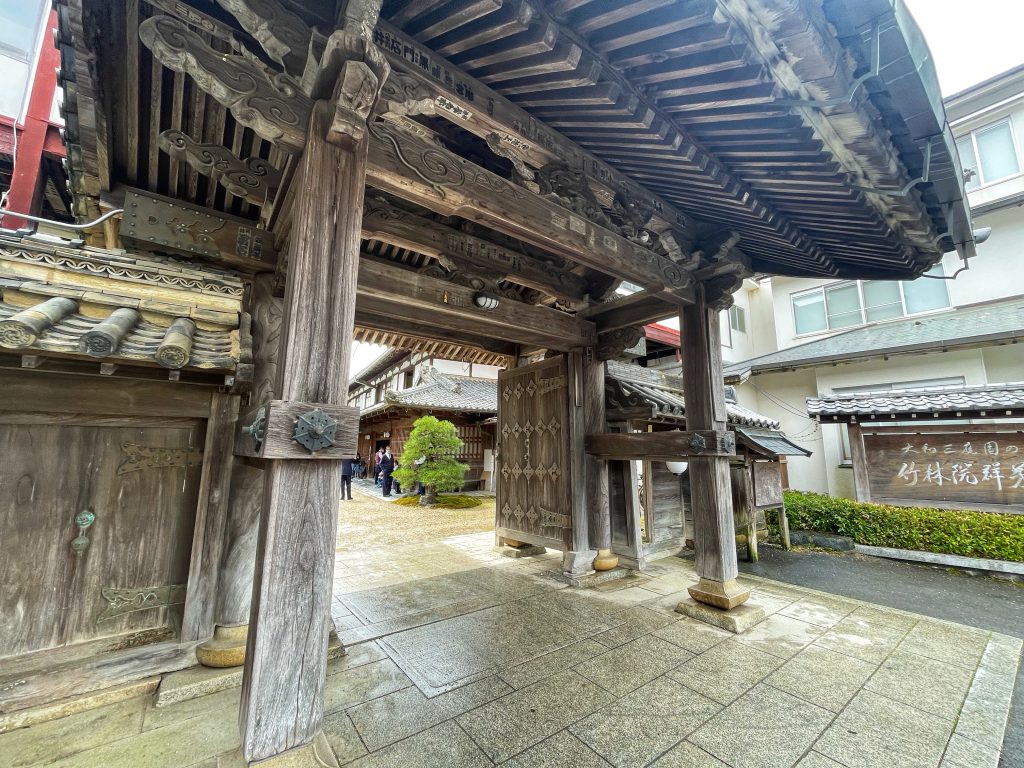
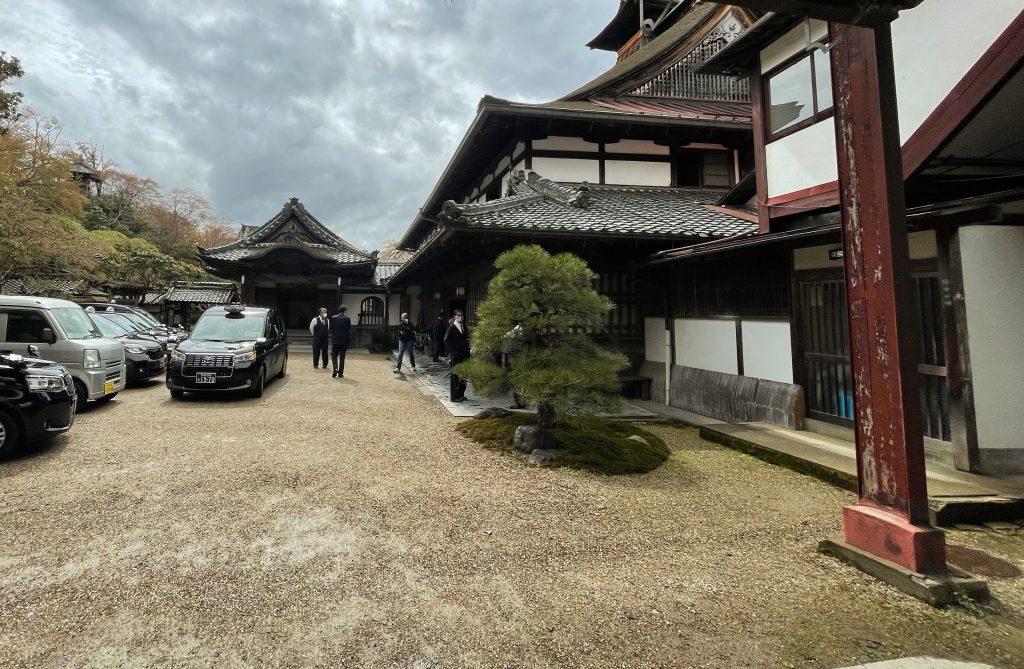
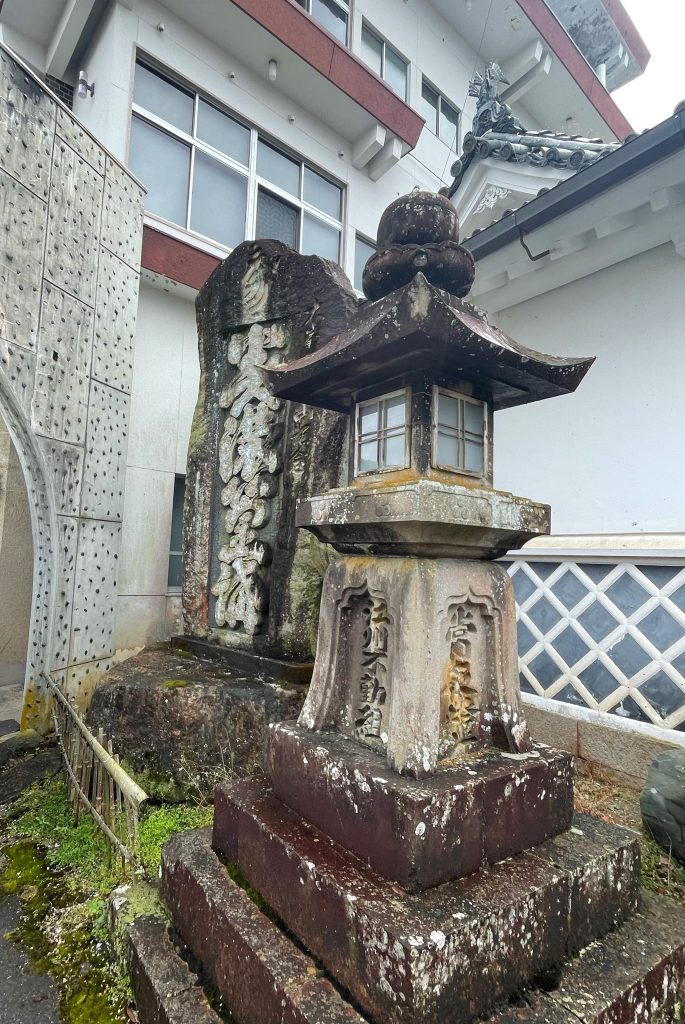
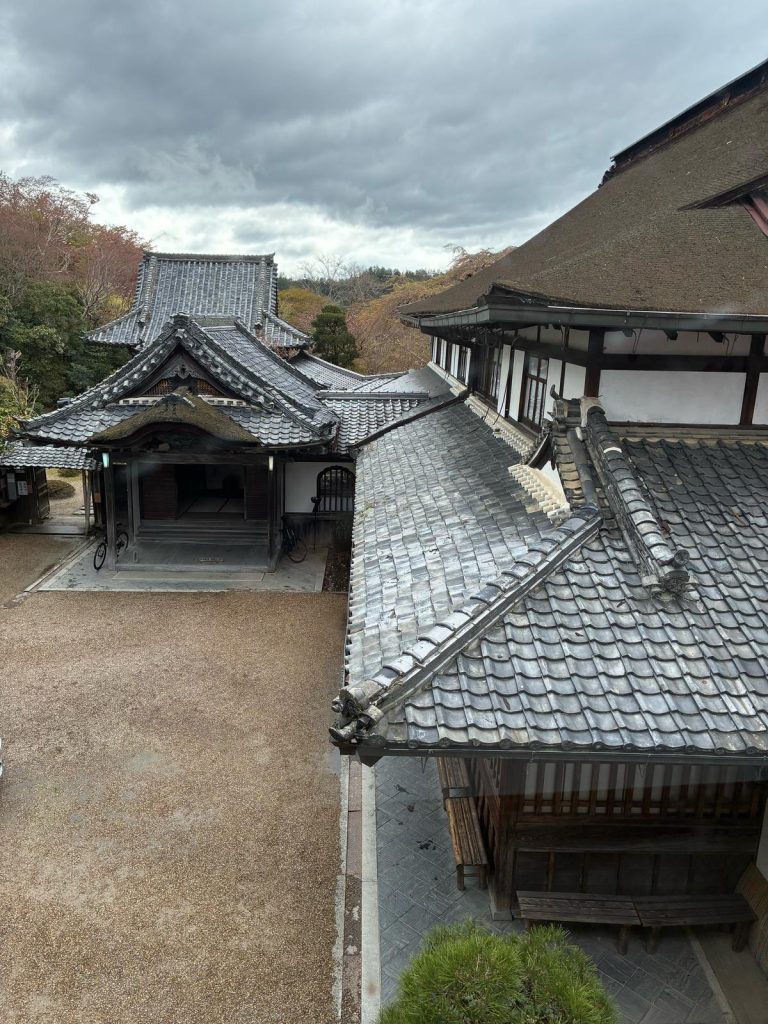
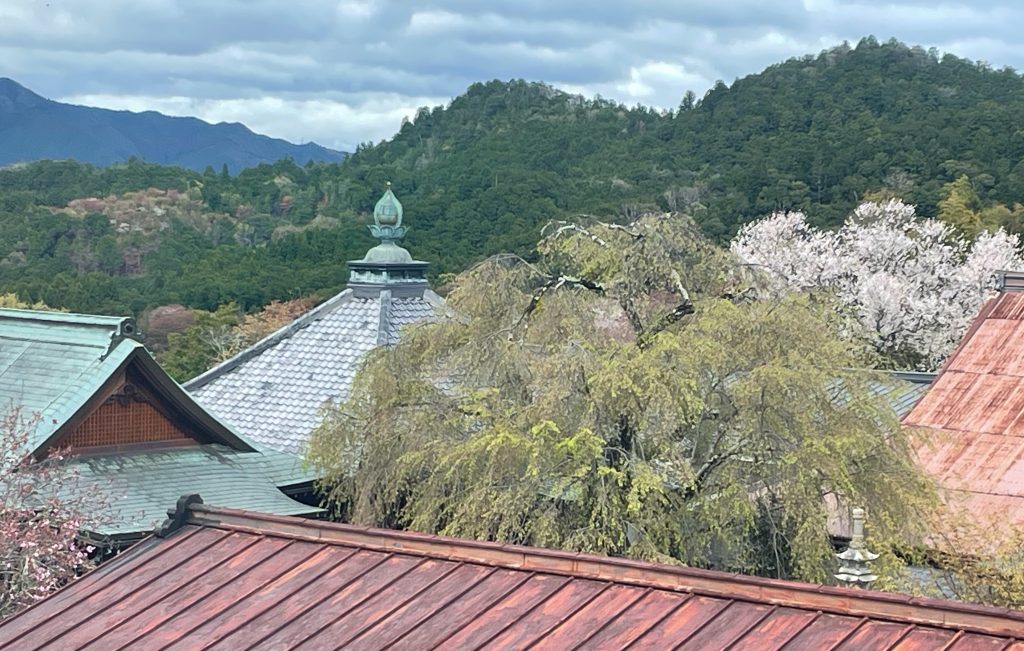
The temple is also well known for its beautiful landscaped garden, Gunpoen, which is said to have been designed by the famous tea master Sen-Rikyu. The garden surrounds a large pond lined by dozens of cherry trees and is open to visitors. Walking trails lead up the hill behind the pond to an archery ground, tranquil rest areas and viewpoints from where you can see out over the mountain slopes to Kinpusenji Temple.
Unfortunately shortly after checking in to the temple a hard rain started again.
Sen Rikyū
Sen Rikyū (born 1522, Sakai, Japan—died March 21, 1591, Kyōto) was a Japanese tea master who perfected the tea ceremony and raised it to the level of an art.
Sen Rikyū redefined the tea ceremony in all its aspects: the rules of procedure, the utensils, the teahouse architecture (of which he designed several styles), and even the tea-garden landscaping. He returned to the utter simplicity practiced by Shukō, a 15th-century monk who founded the Japanese tea ceremony. He firmly established the concepts of wabi (deliberate simplicity in daily living) and sabi (appreciation of the old and faded) as its aesthetic ideals. During his time the teahouse became smaller (from Shukō’s 4 1/2-mat room to a 2-mat room—i.e., 6 feet square [2 metres square]) and more secluded with the introduction of the small door. The tea bowls produced under his direction were characterized by a rustic simplicity. Rikyū’s influence on both artistic standards and social etiquette (his tea school was also a kind of finishing school for soldiers from the provinces) was so great that he has been considered one of the leaders of Japanese cultural history.
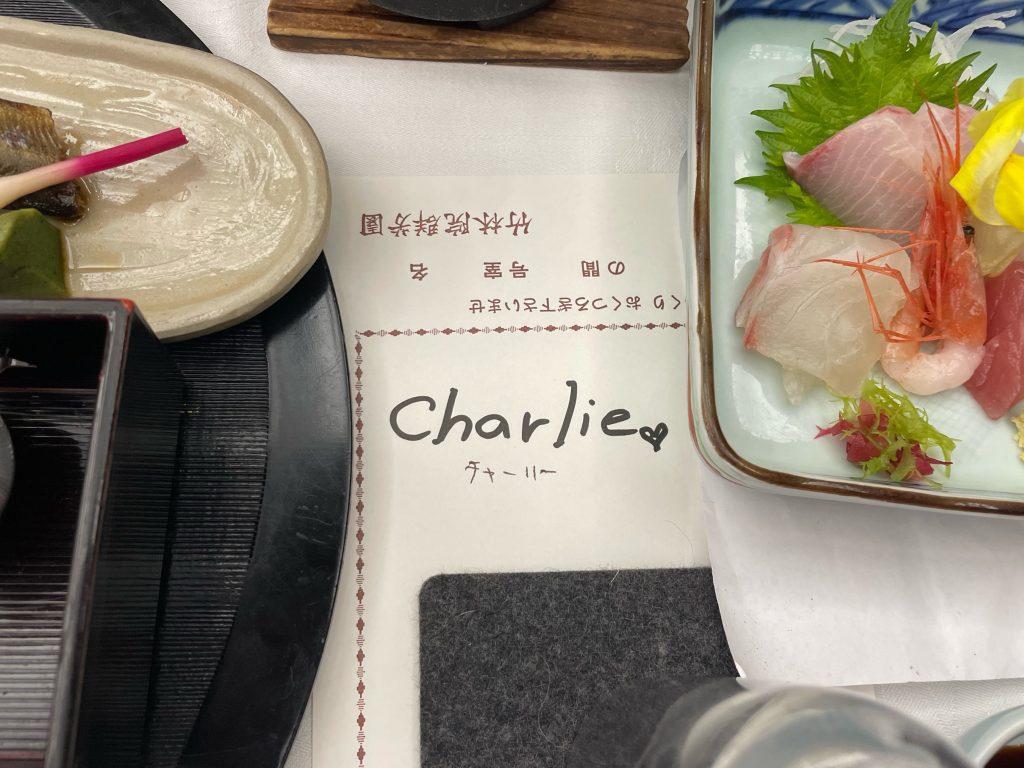
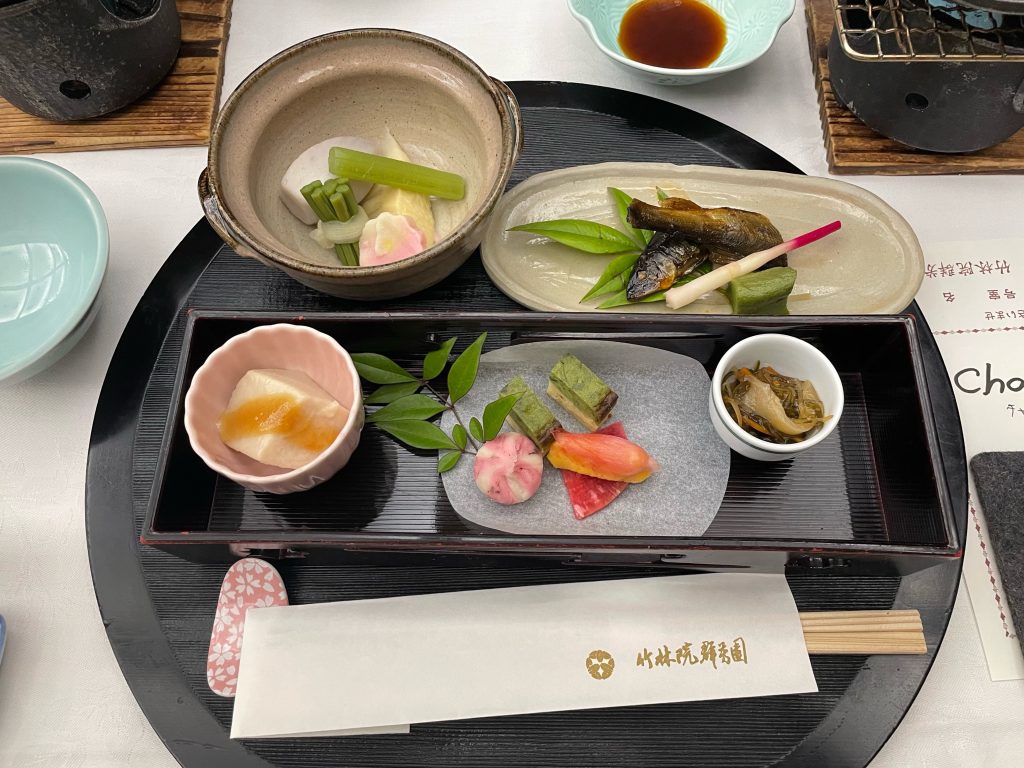
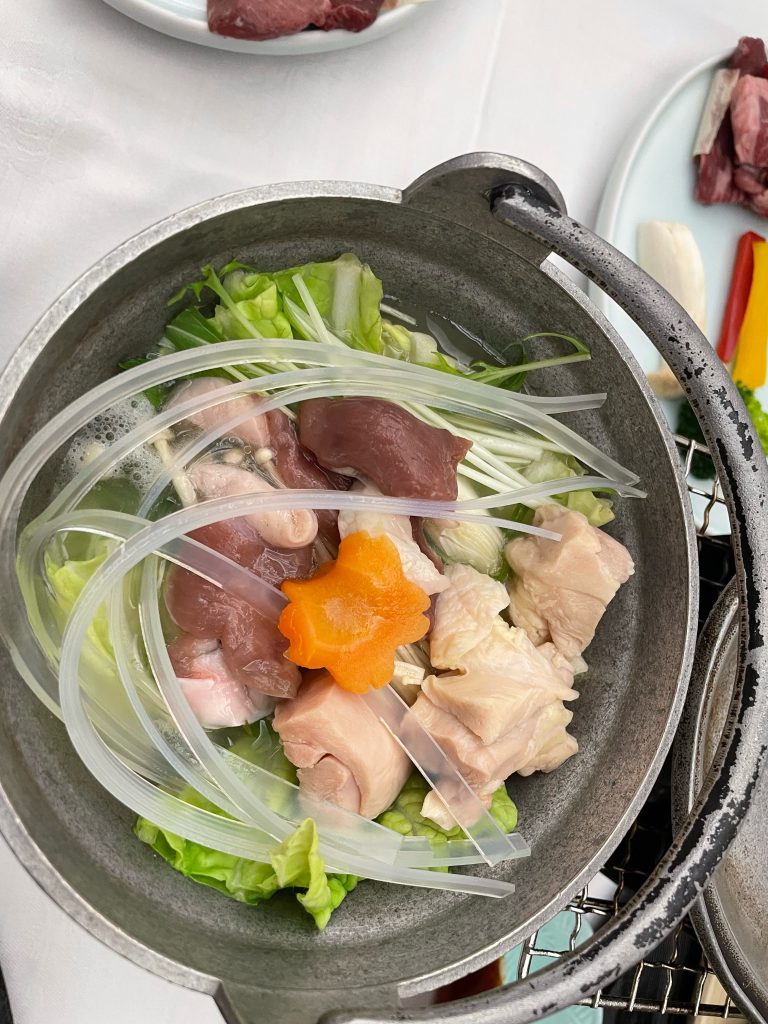
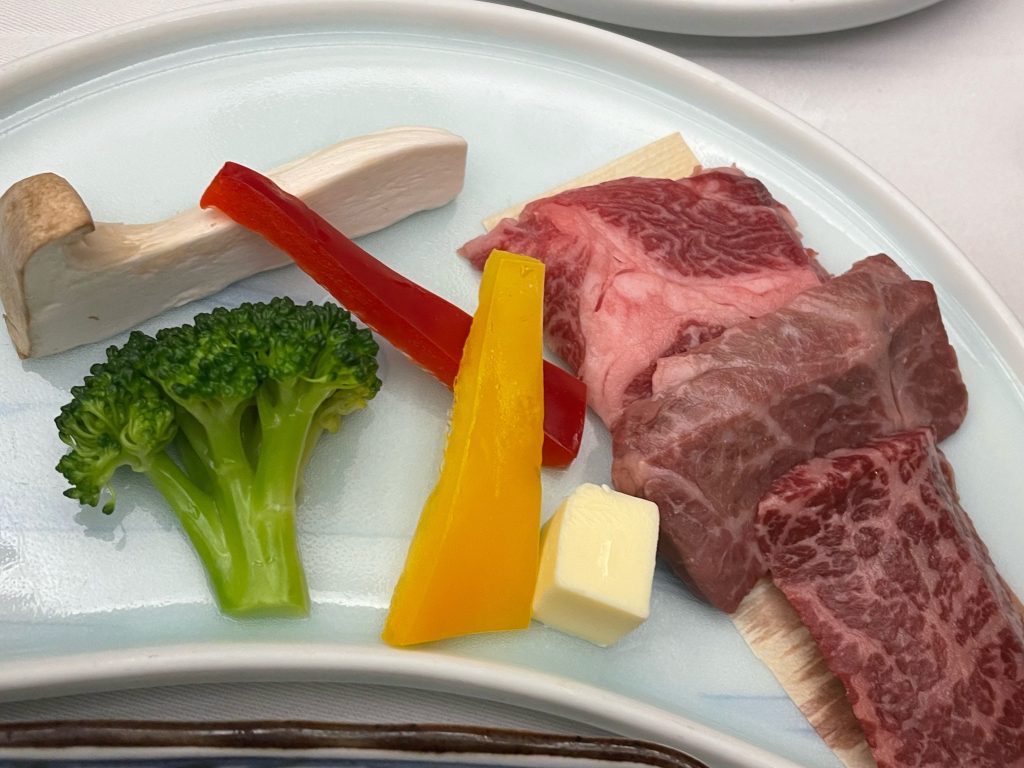
Dinner Japanese style…you know, for a change!…sushimi, sushi, wagu beef, Japanese chicken noodle soup, the latter 2 dishes we cooked ourselves.
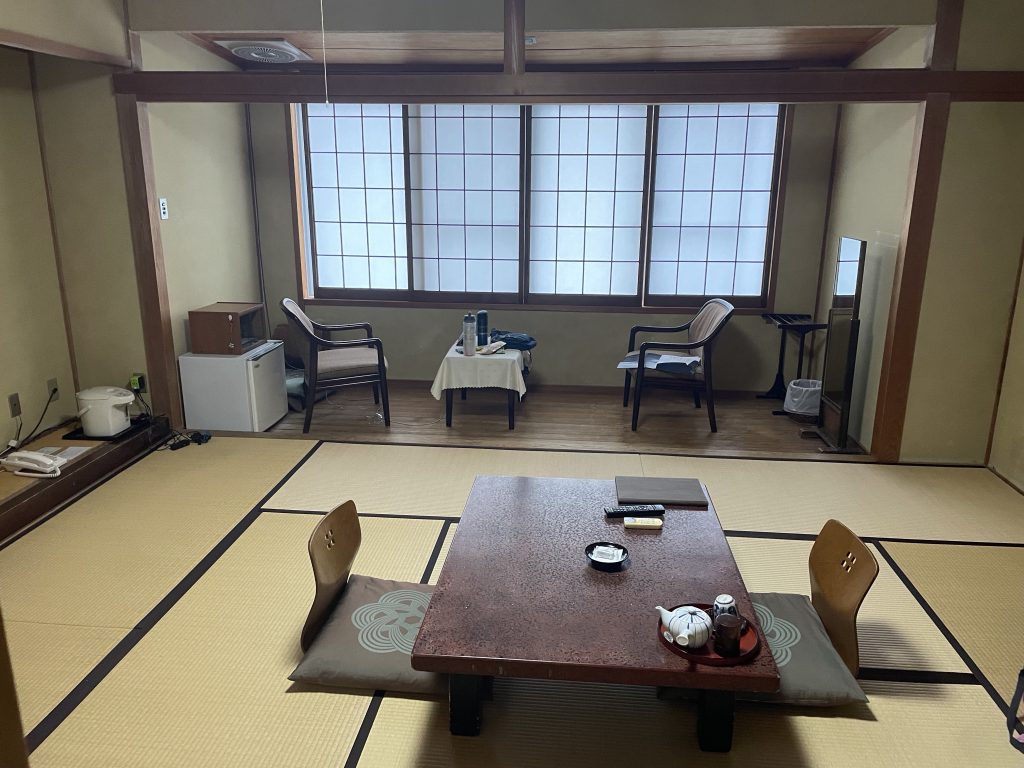
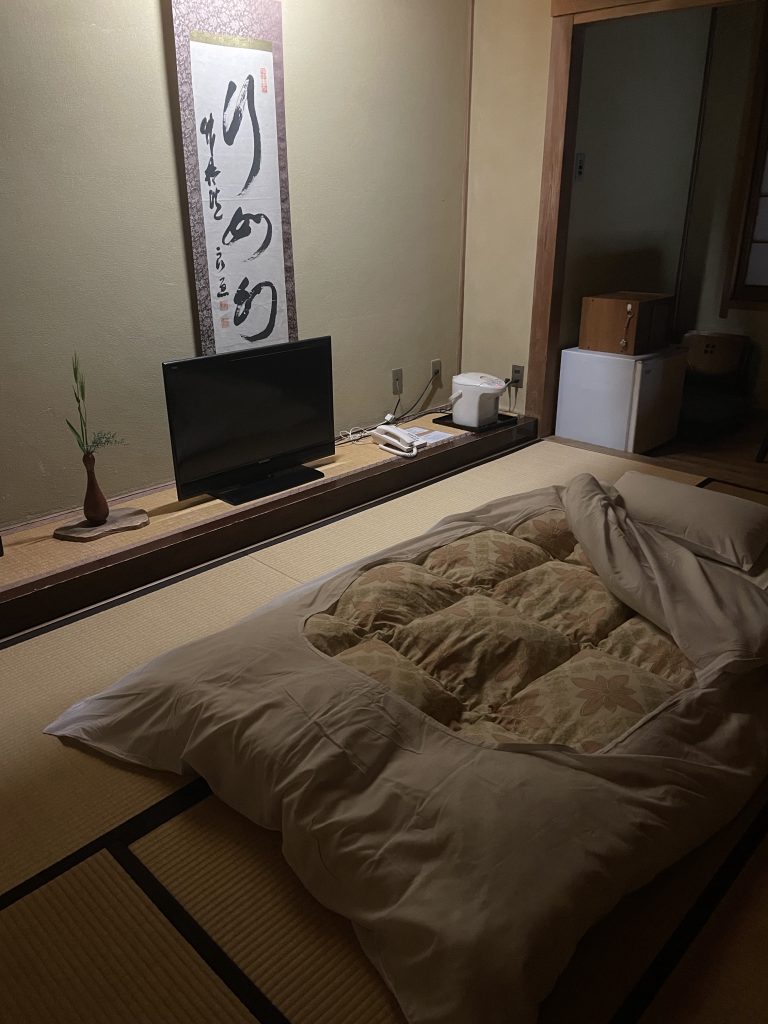
My room in the temple…while we are at dinner the room attendant will make a bed on the floor.
so we have done a temple to temple ride, a spiritual experience!
Life is Good on Mt. Yoshino!
Sayonara
Leave a Reply