• Shogun Day 6: Beppu to Matsuyama…a real Cherries Jubilee!

    Watch Relive video here:
    https://www.relive.com/view/vmqXJNBG2oO

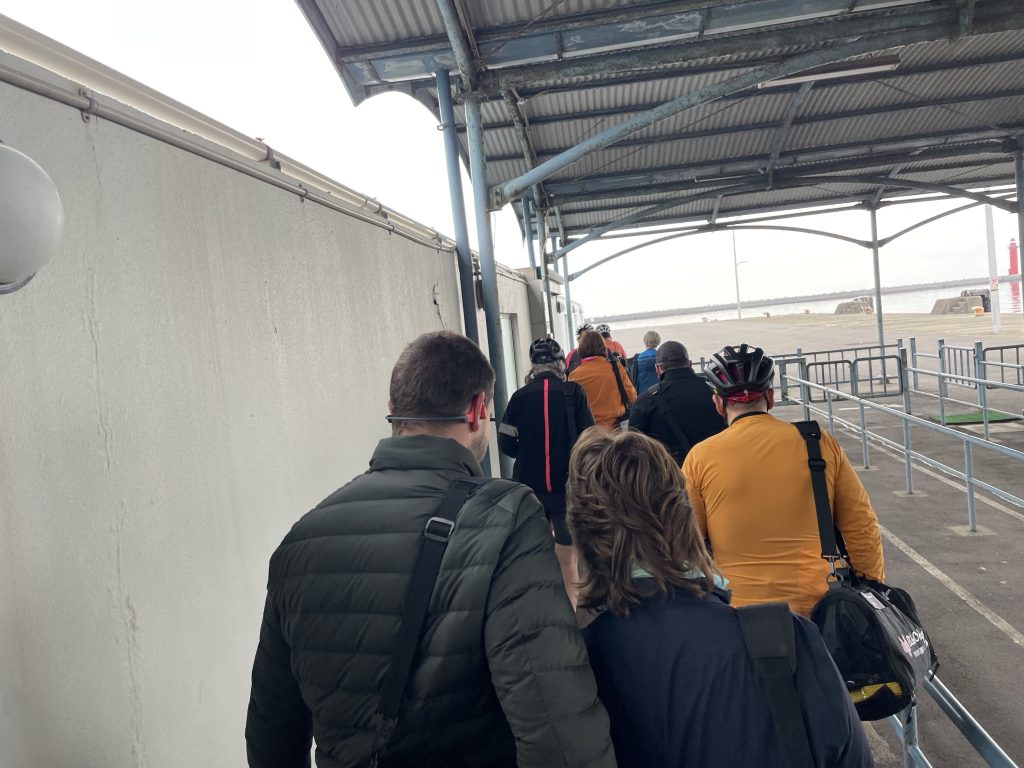
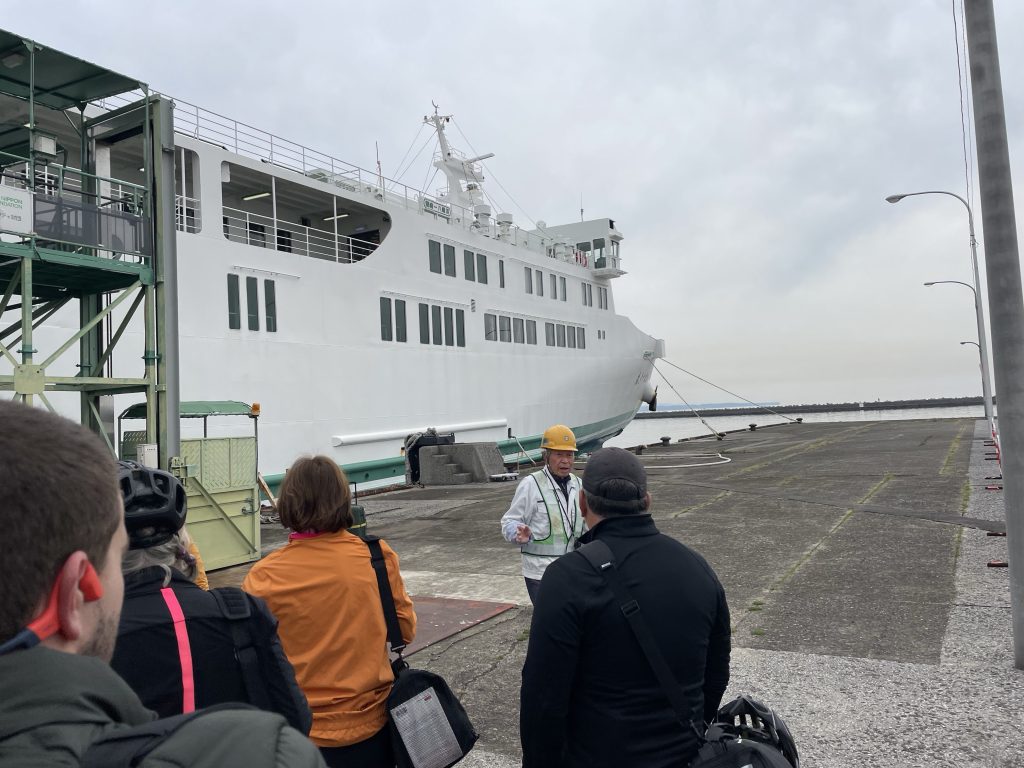
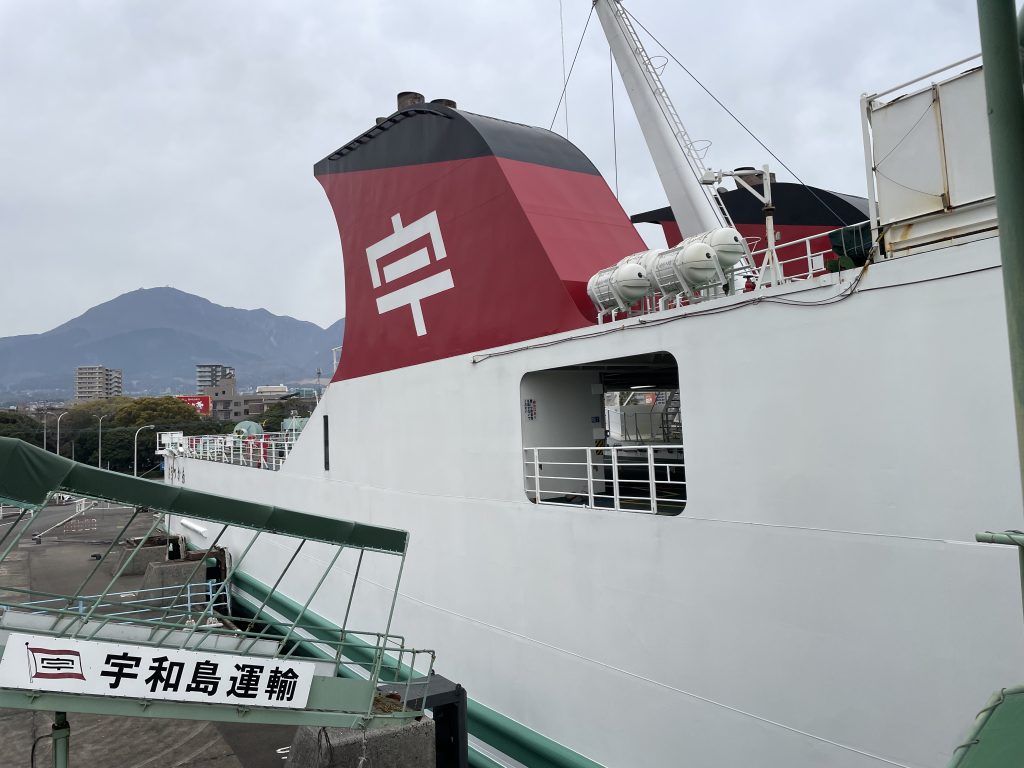
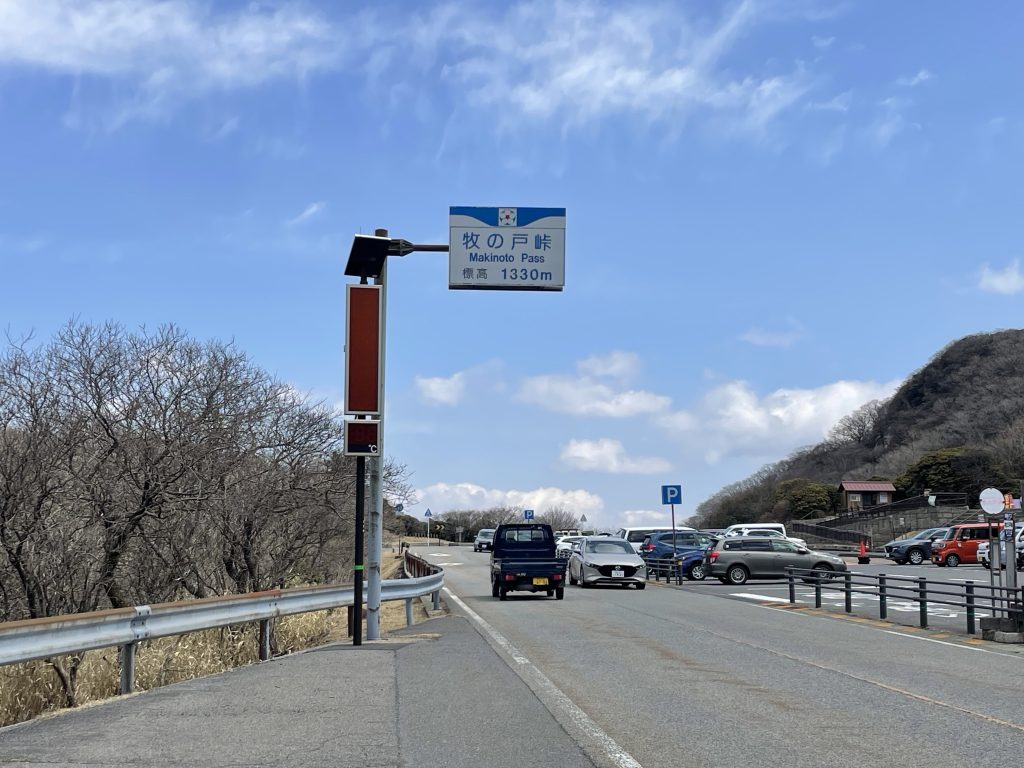
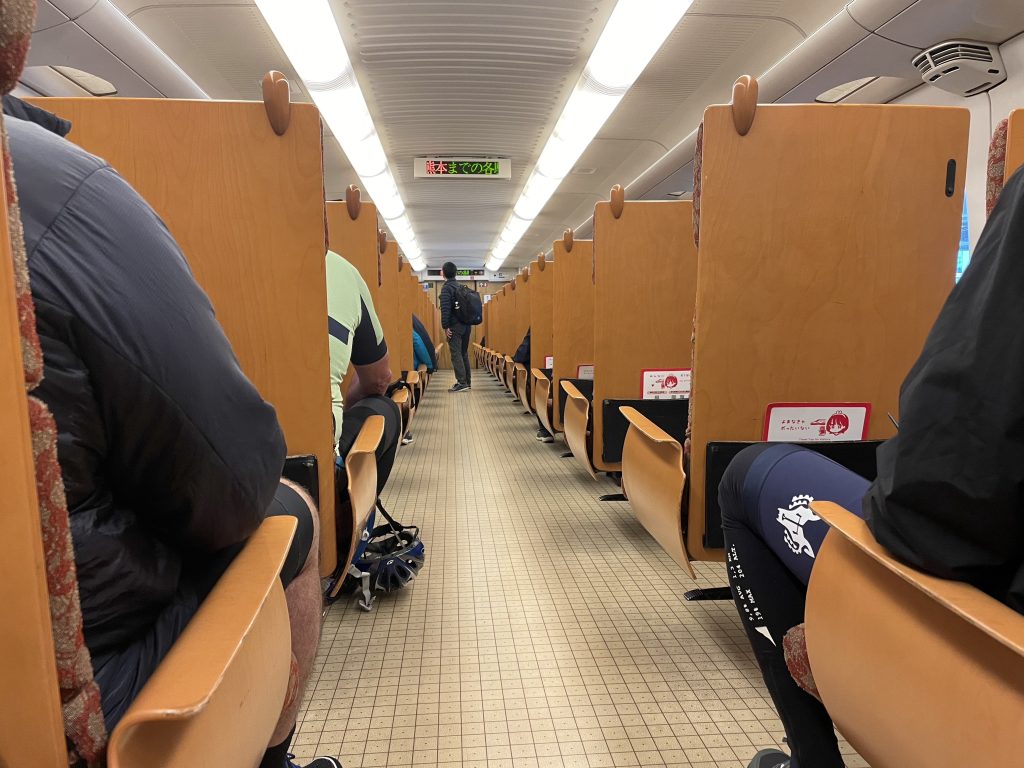
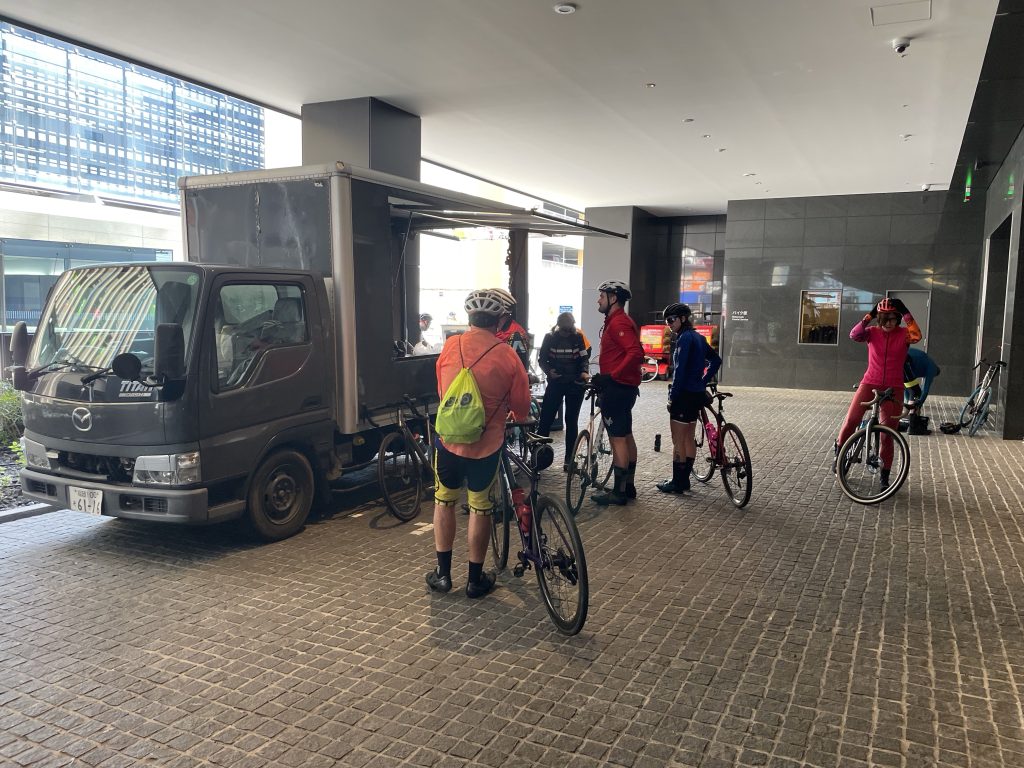
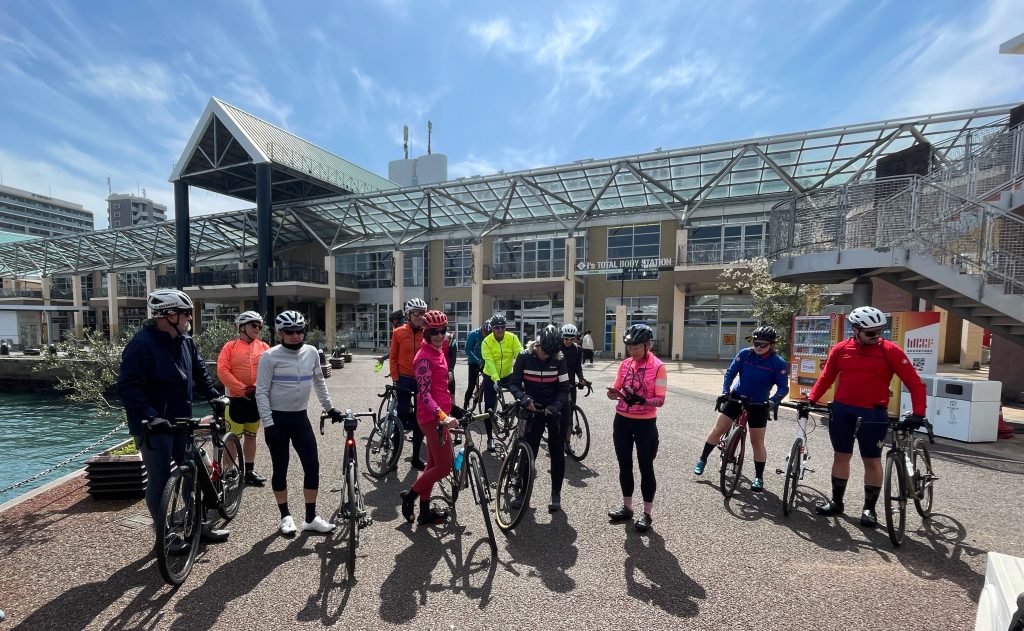
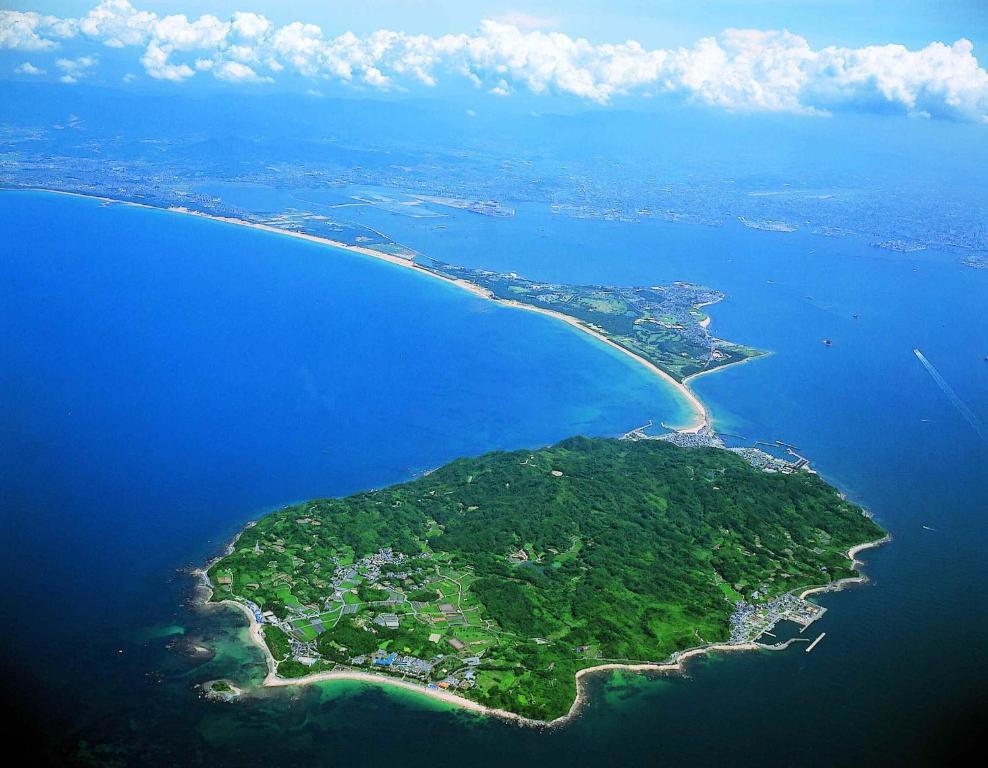
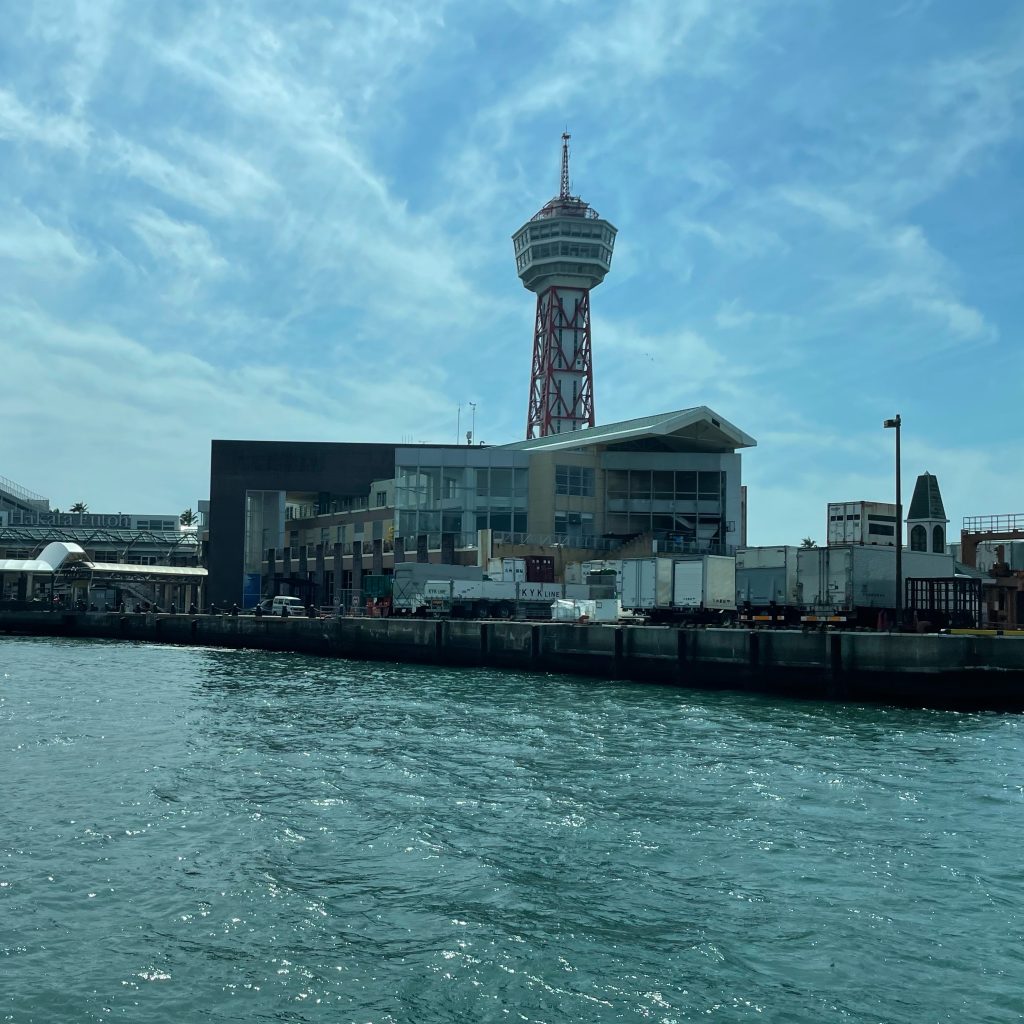
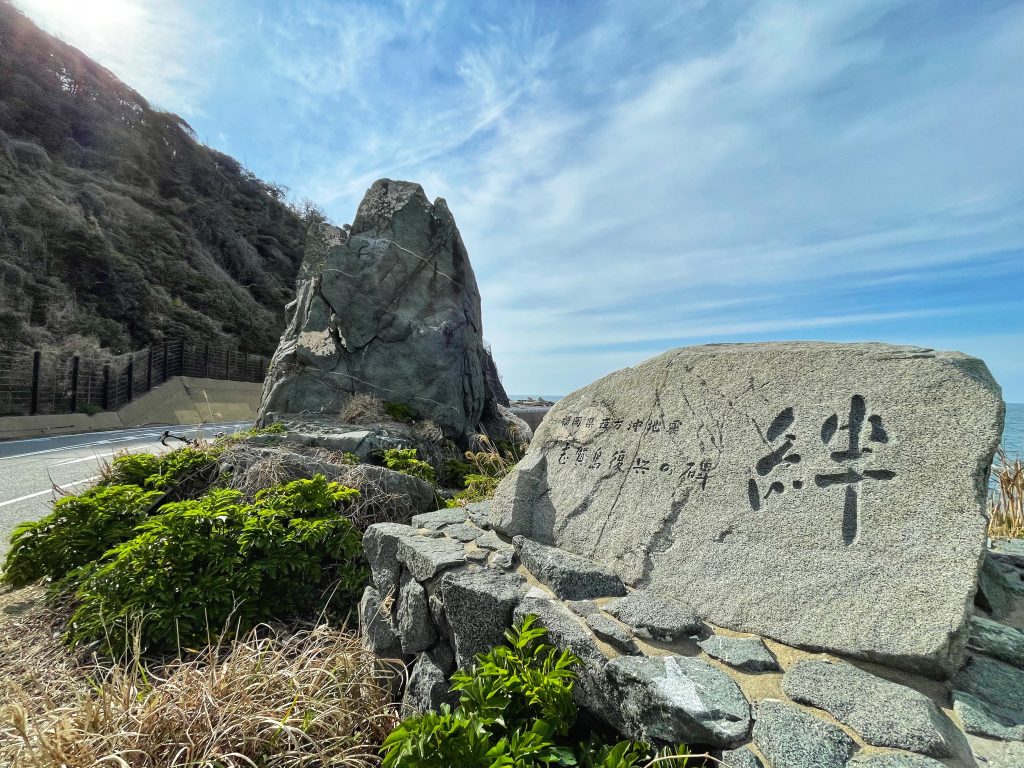
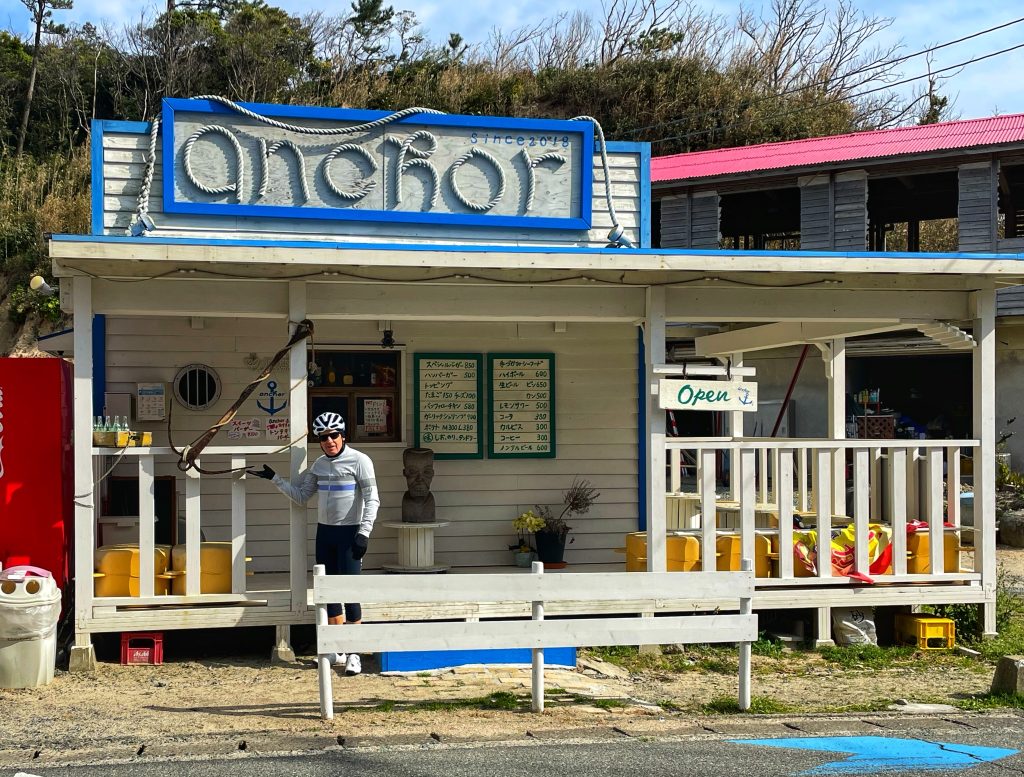
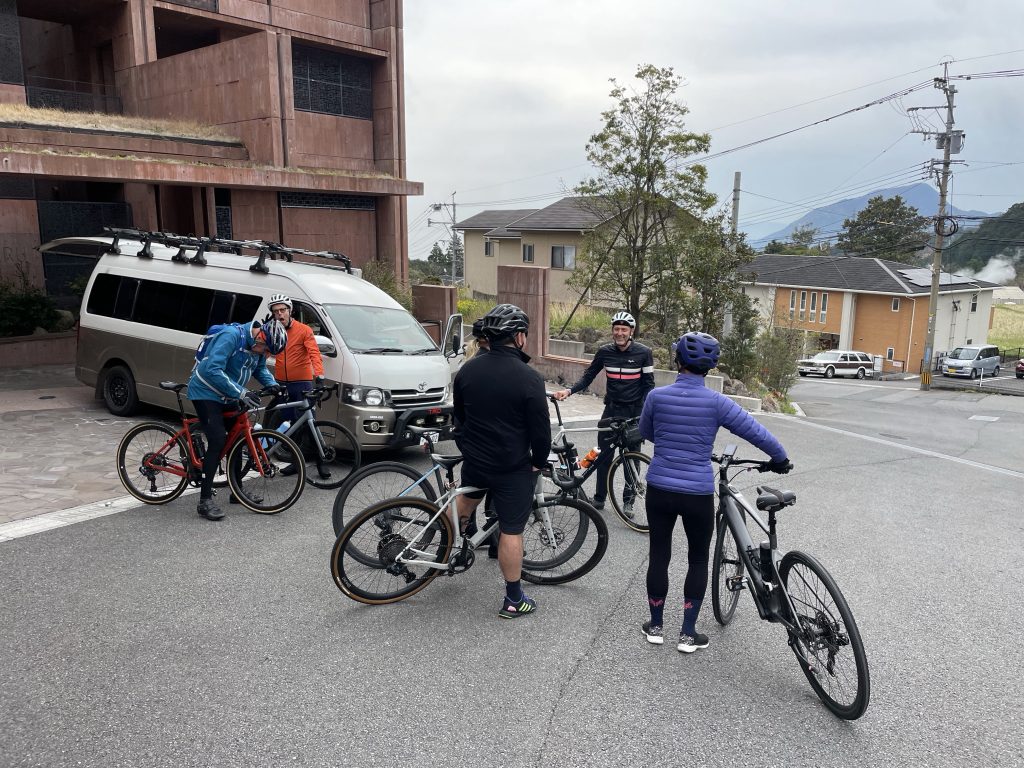
    A 6 km downhill ride through Beppu to the ferry dock, then load the bikes on the ferry and to sail 2hr 45 min to the port of Yawatahama. From there we started our ride in earnest.
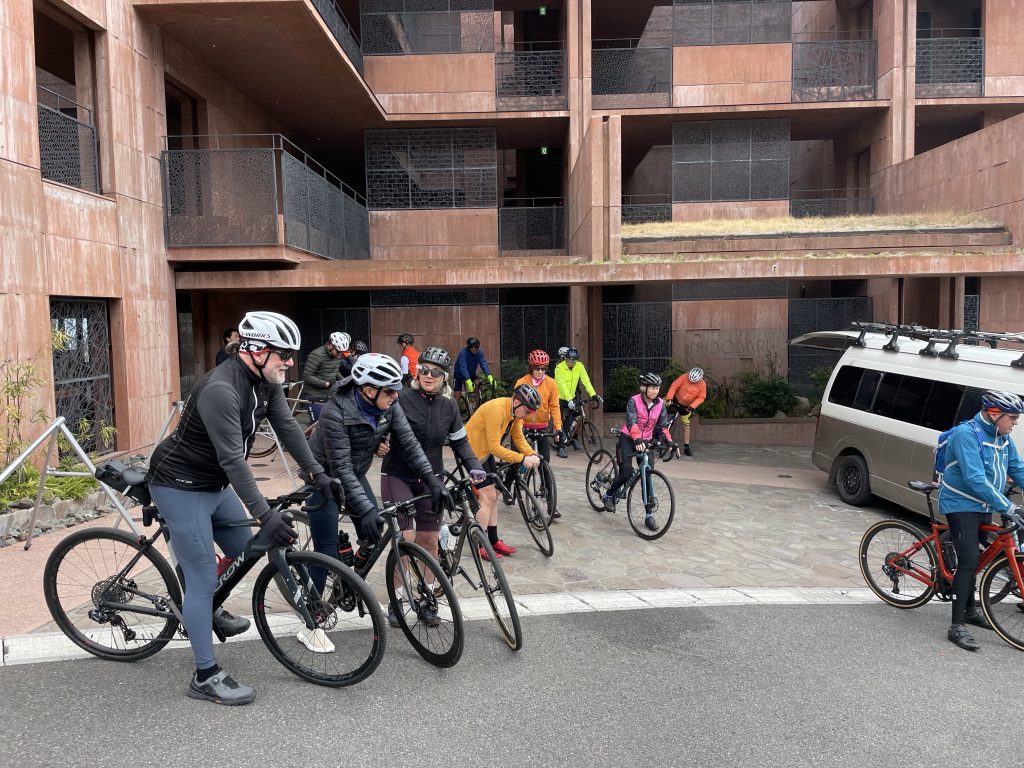
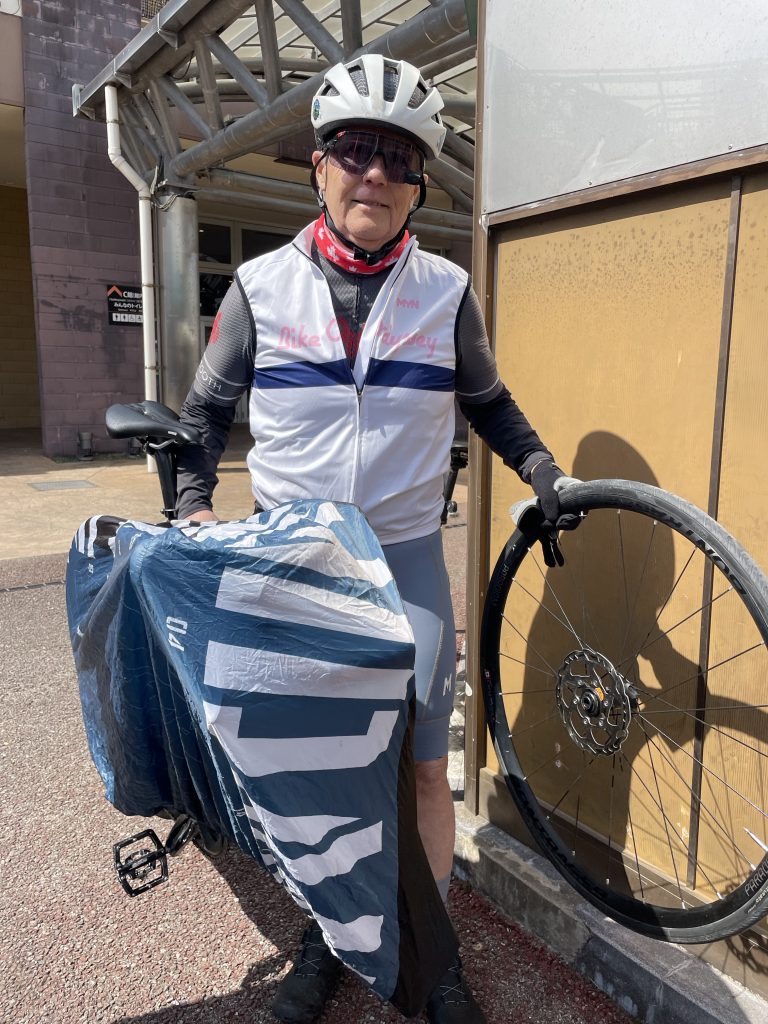
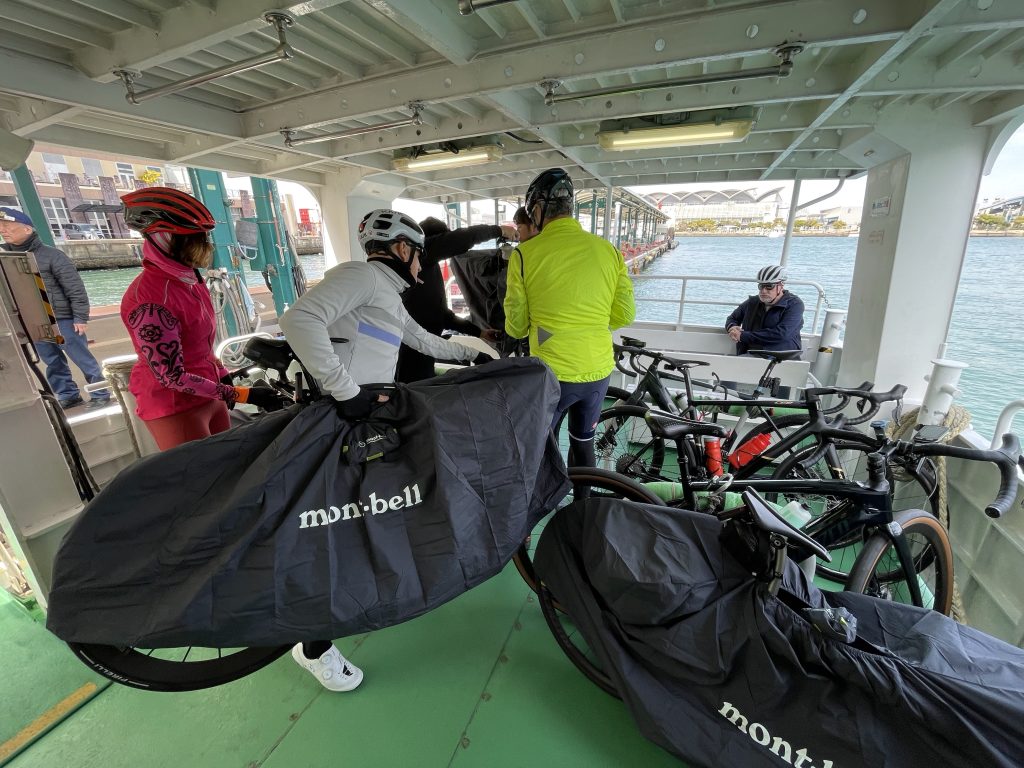
    As per ferry regulations, all bikes must be brought on board covered up and treated as hand luggage, unless they are on a vehicle.
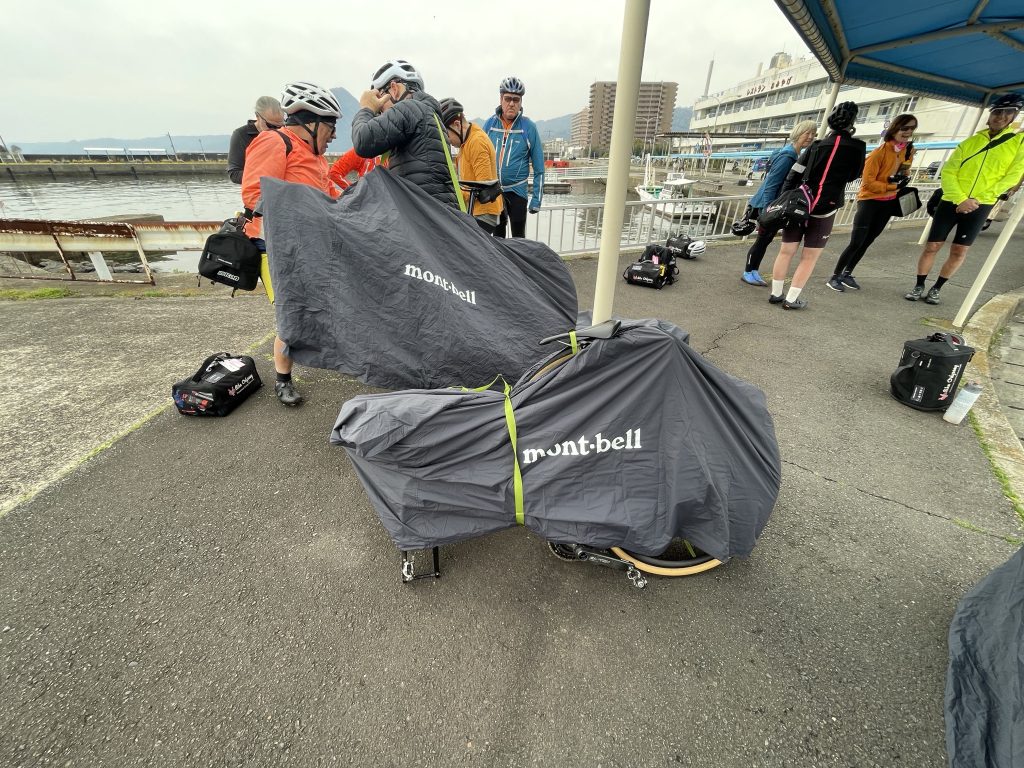
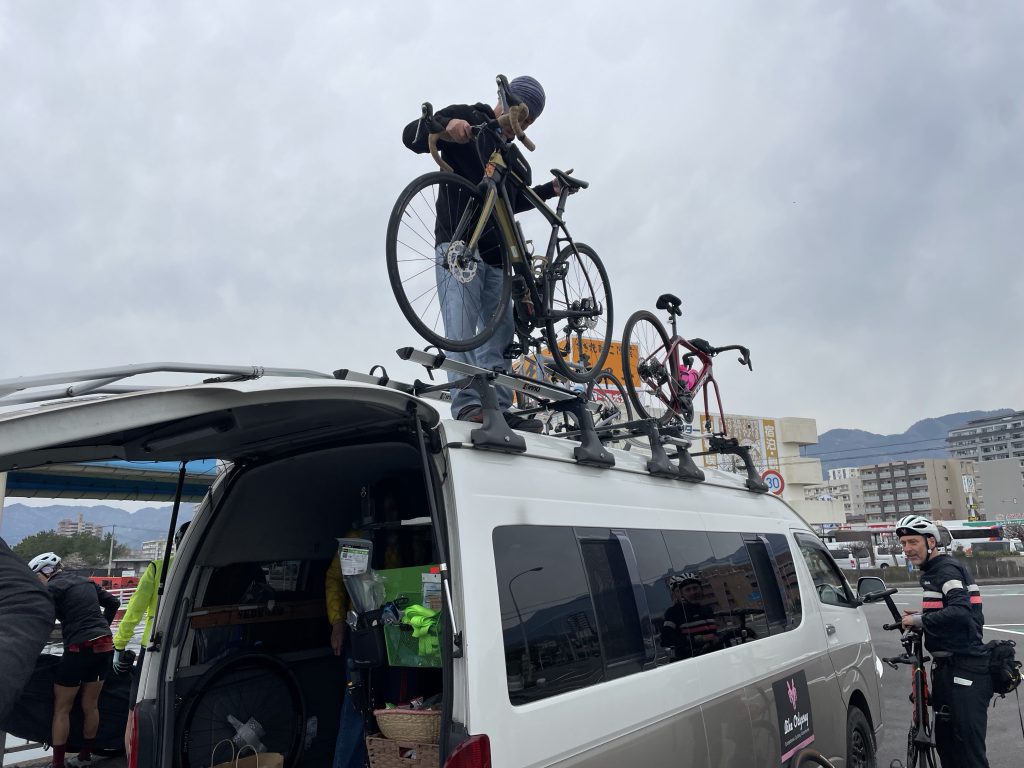
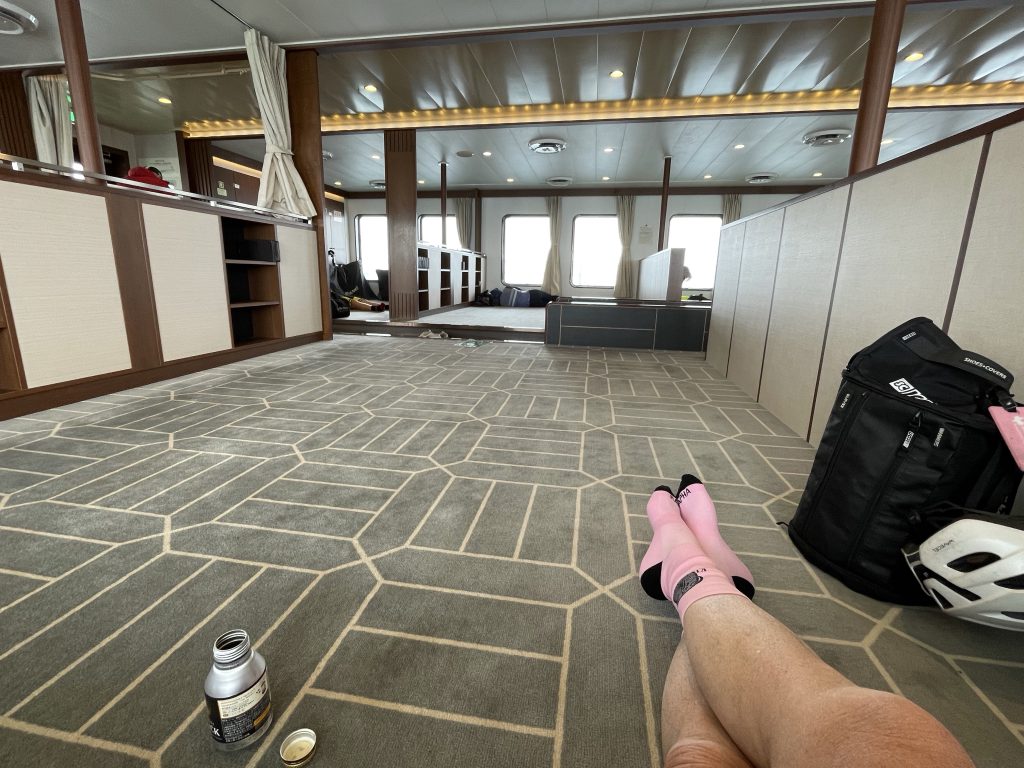
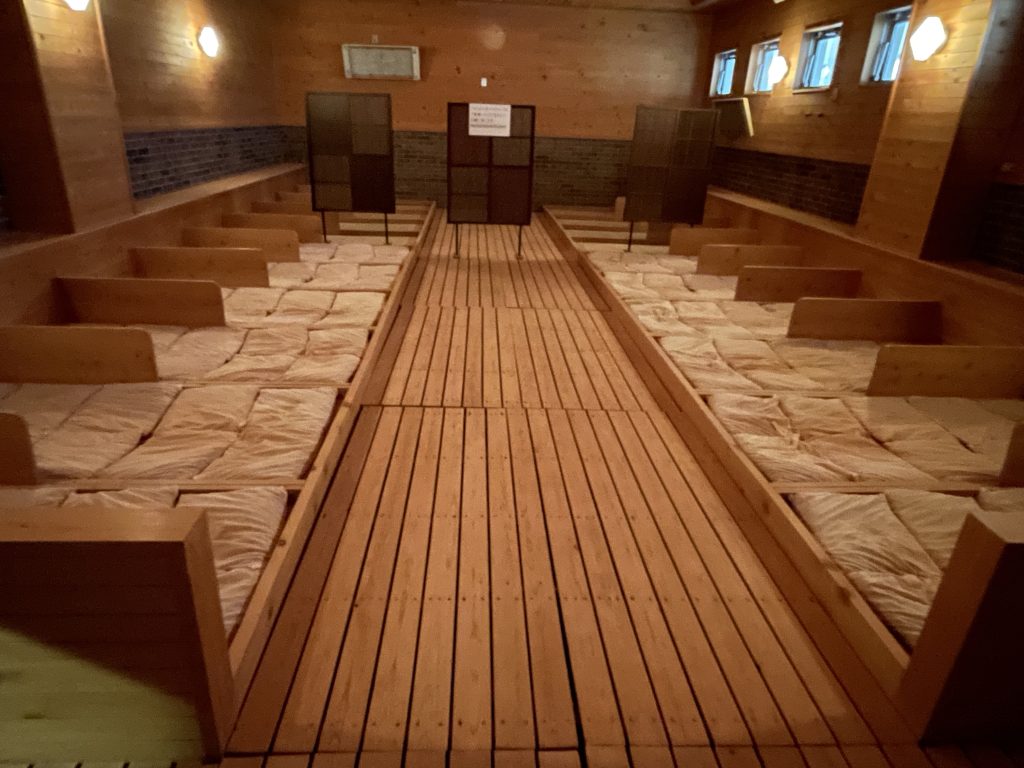
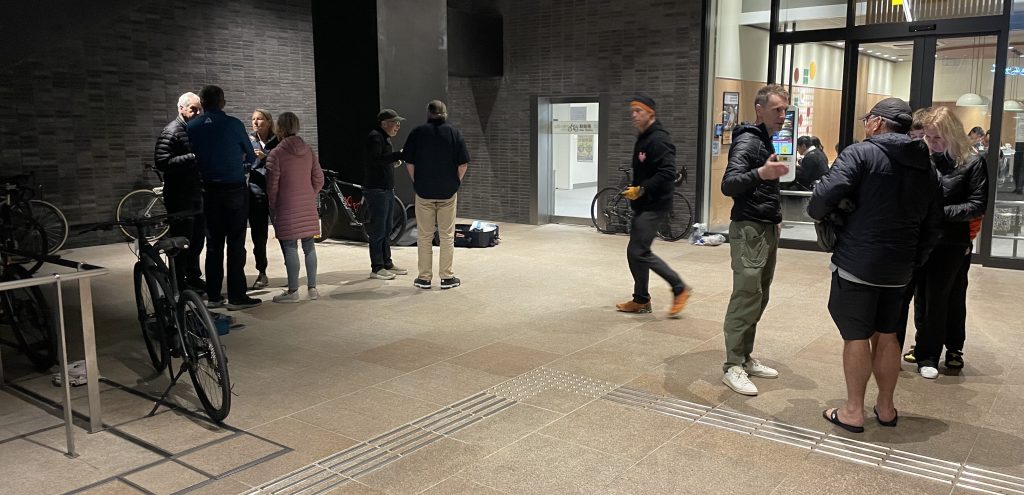
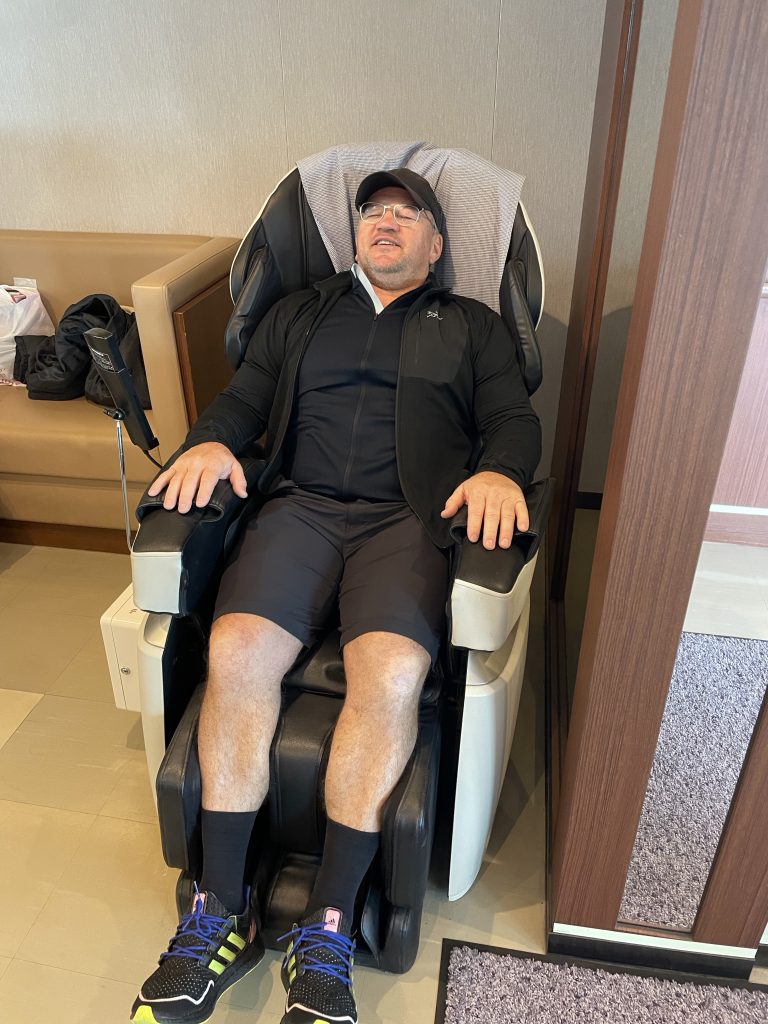
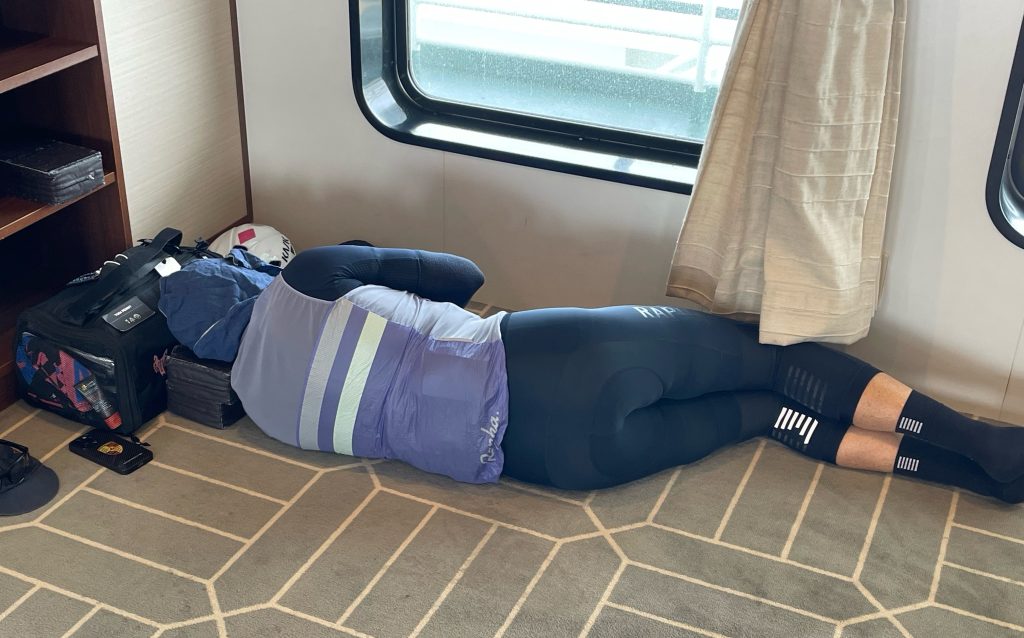
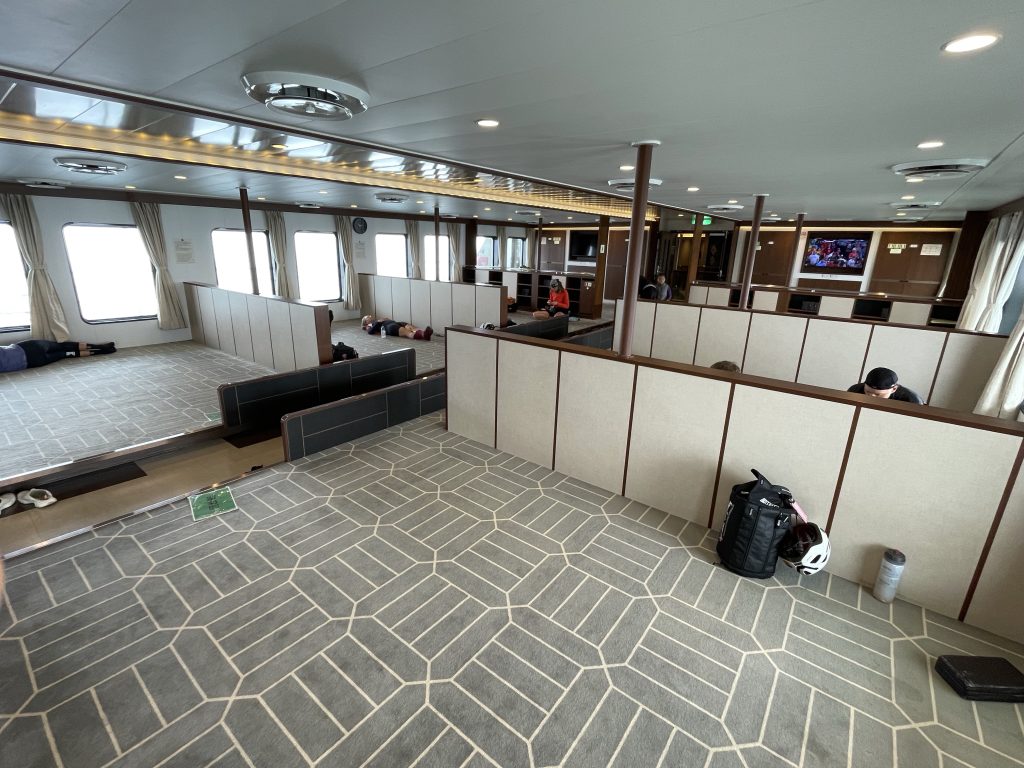
    So we rode down to the dock, half of us had to remove the front wheel and cover the bike, then enjoyed the ferry…some checked messages, lounged in massage chairs, and some caught a nap or stretched or relaxed in a cool area of carpeted cubicles. I opted for a nap.
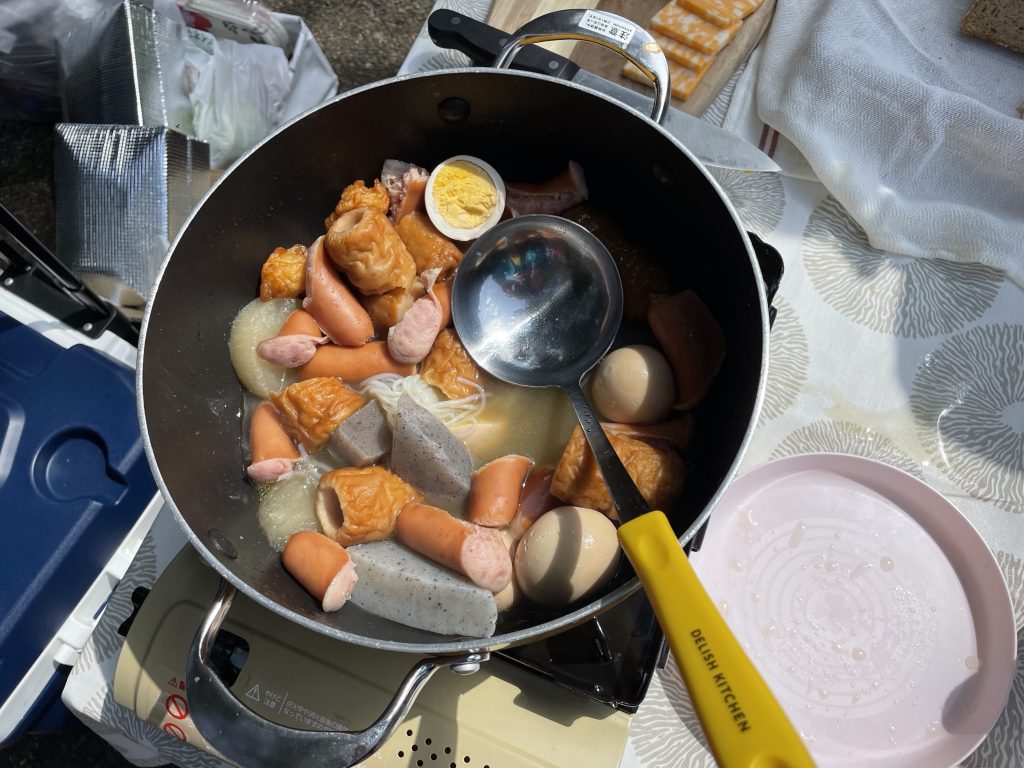
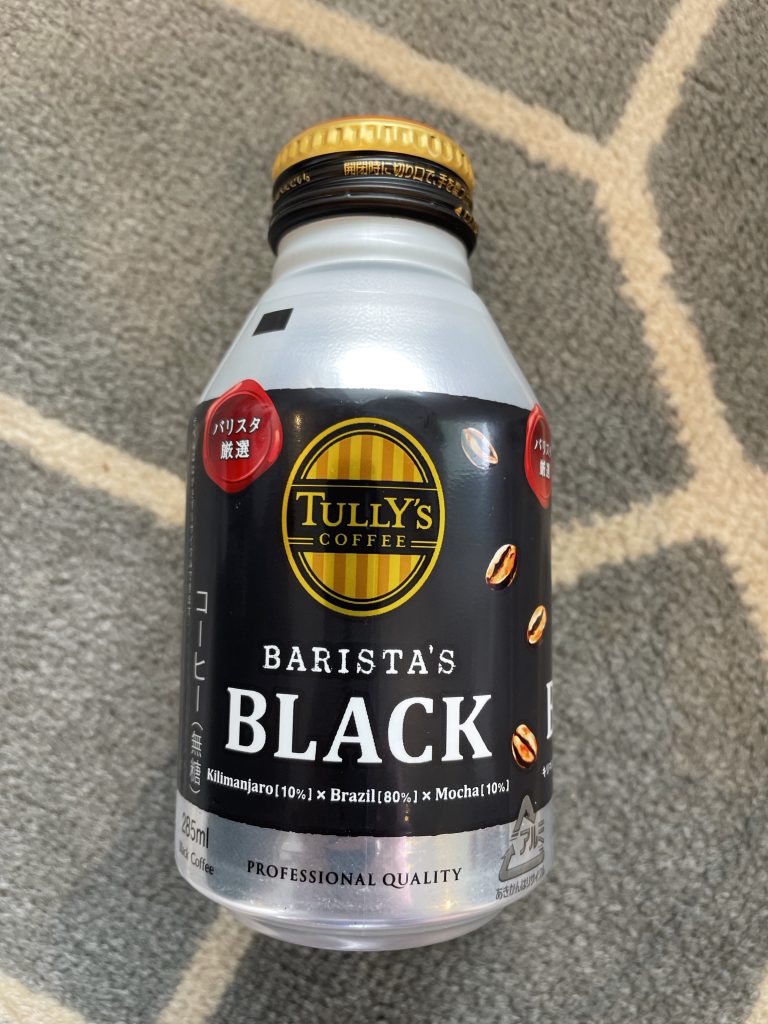
    Vending machines are everywhere in Japan as well on this ferry. I had a ‘coffee in a can’ which came out of the vending machine hot!


    On the Road – Distance 81km / 50mi | Elevation 1163m / 3816ft plus 6 km to the ferry = 87 km


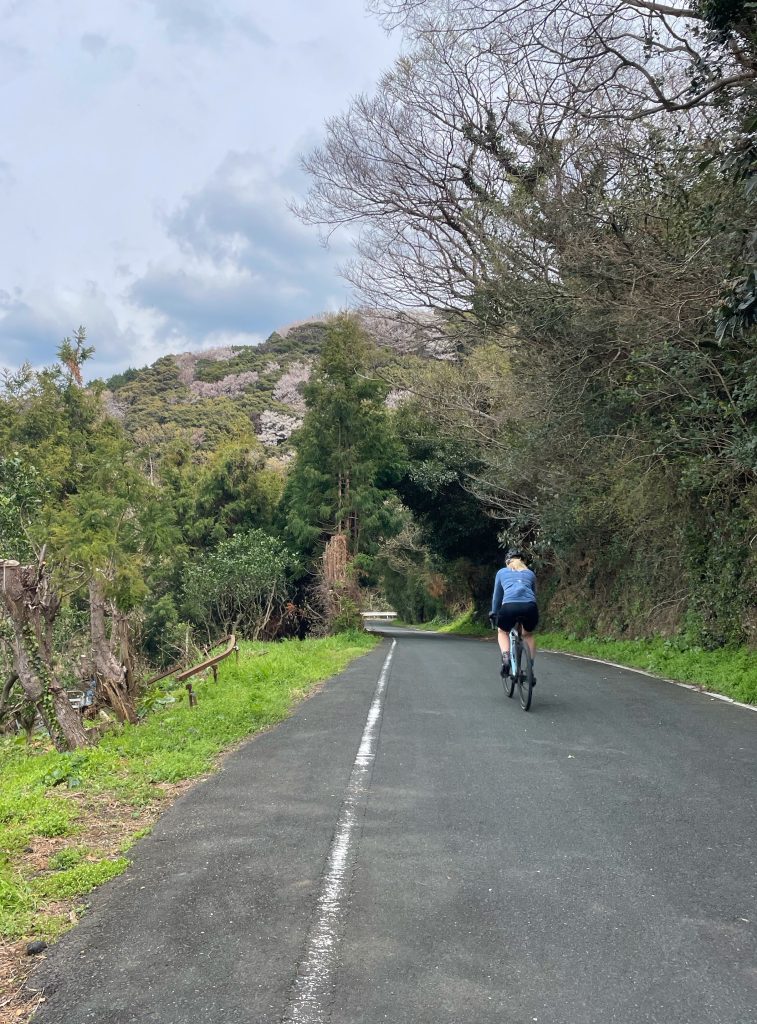
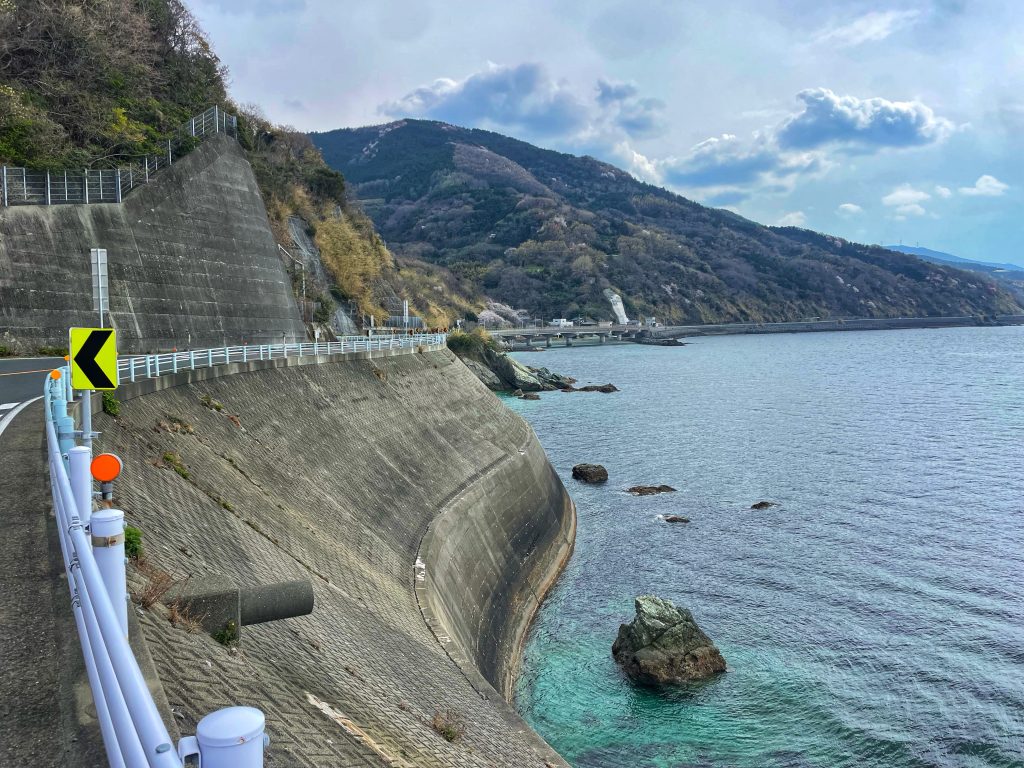
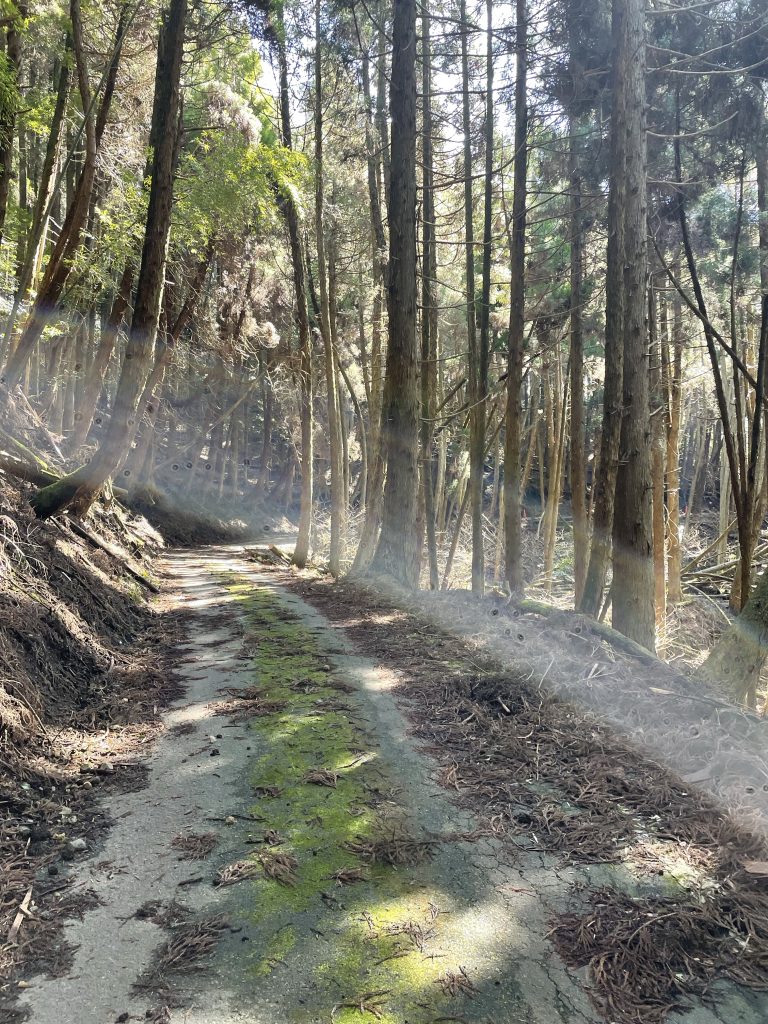
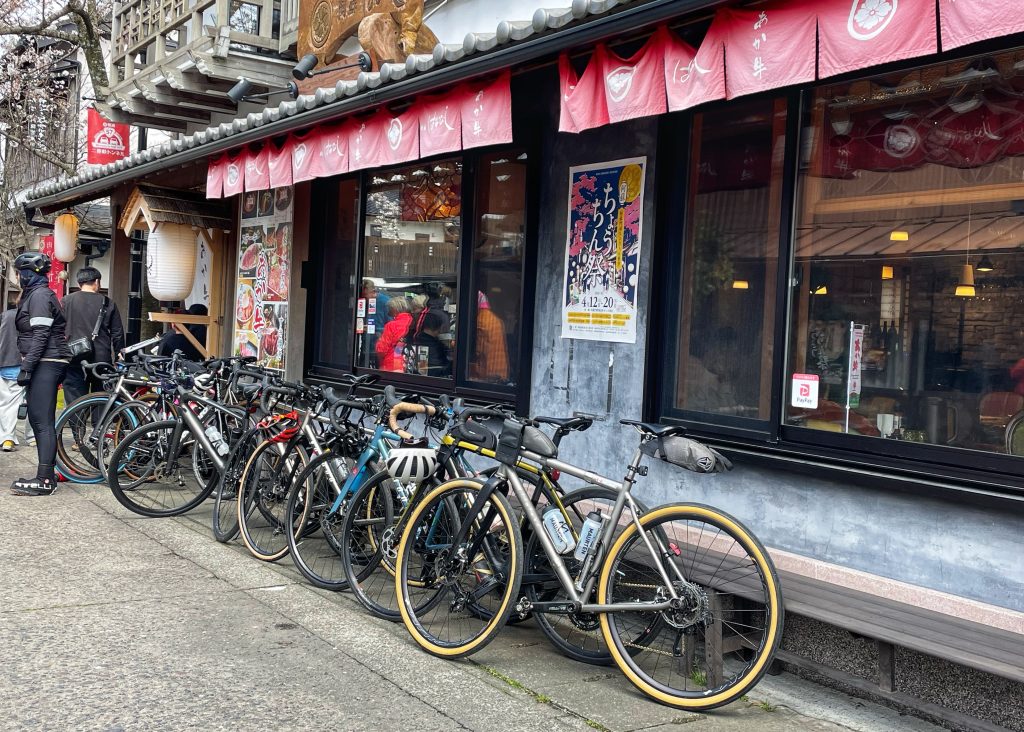
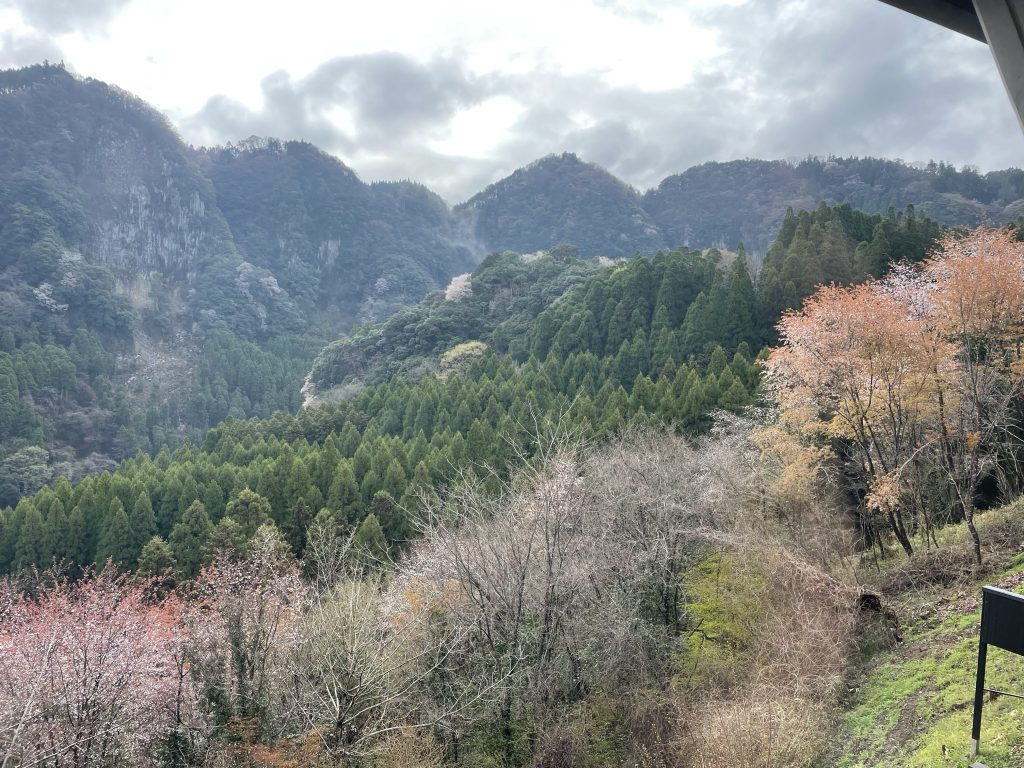
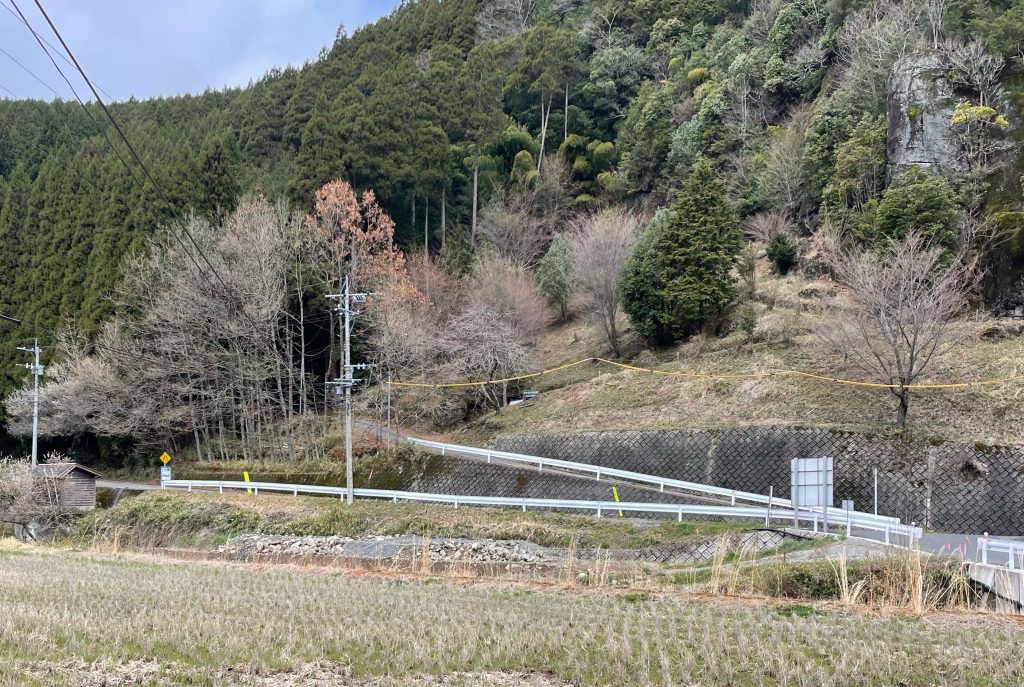
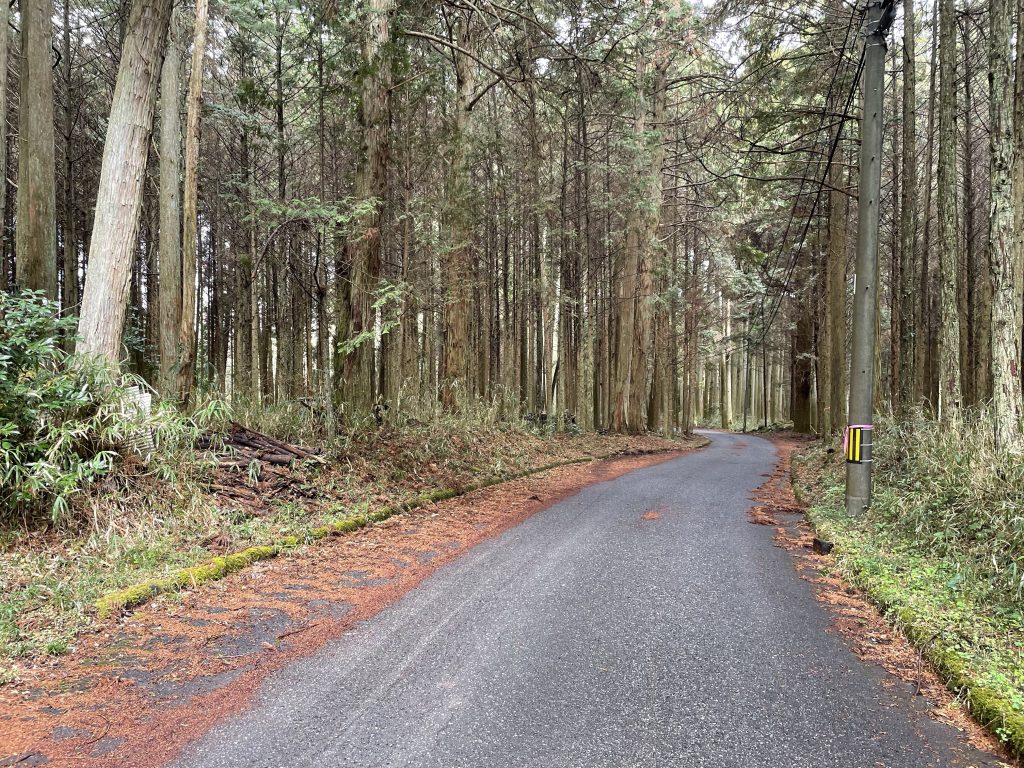
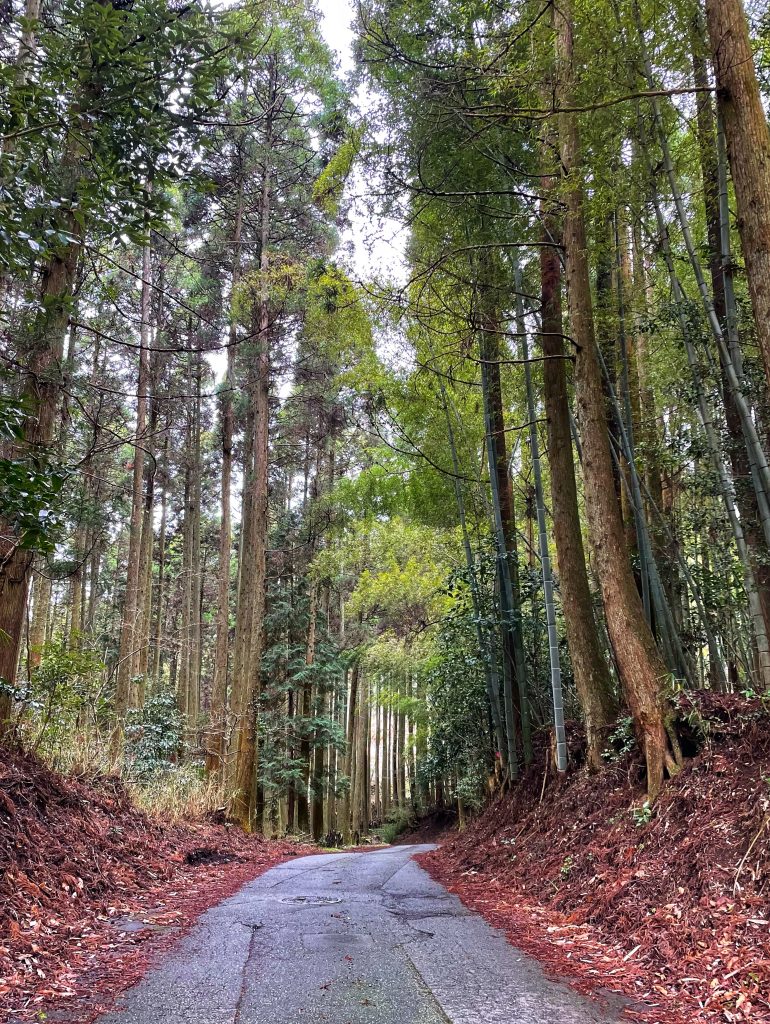
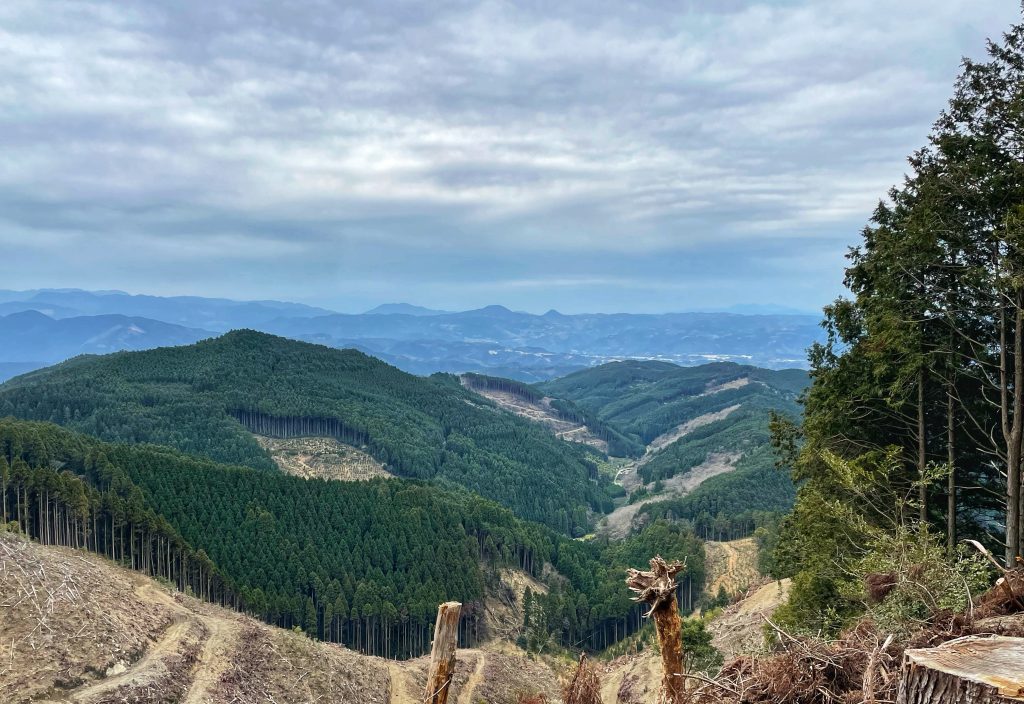
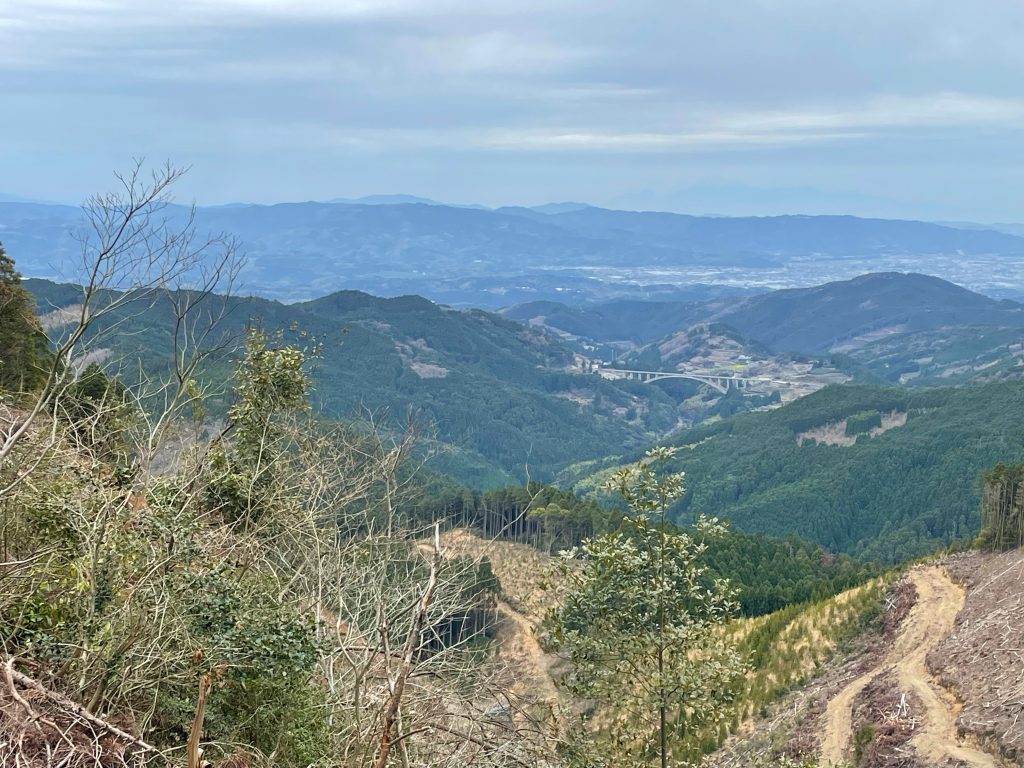
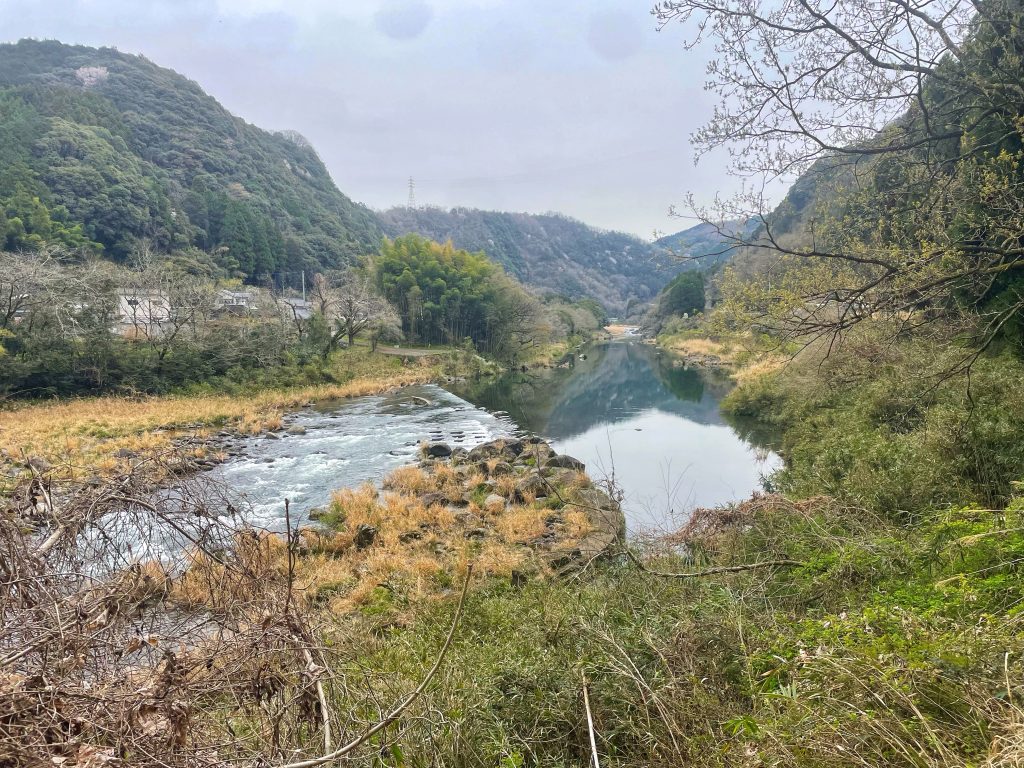
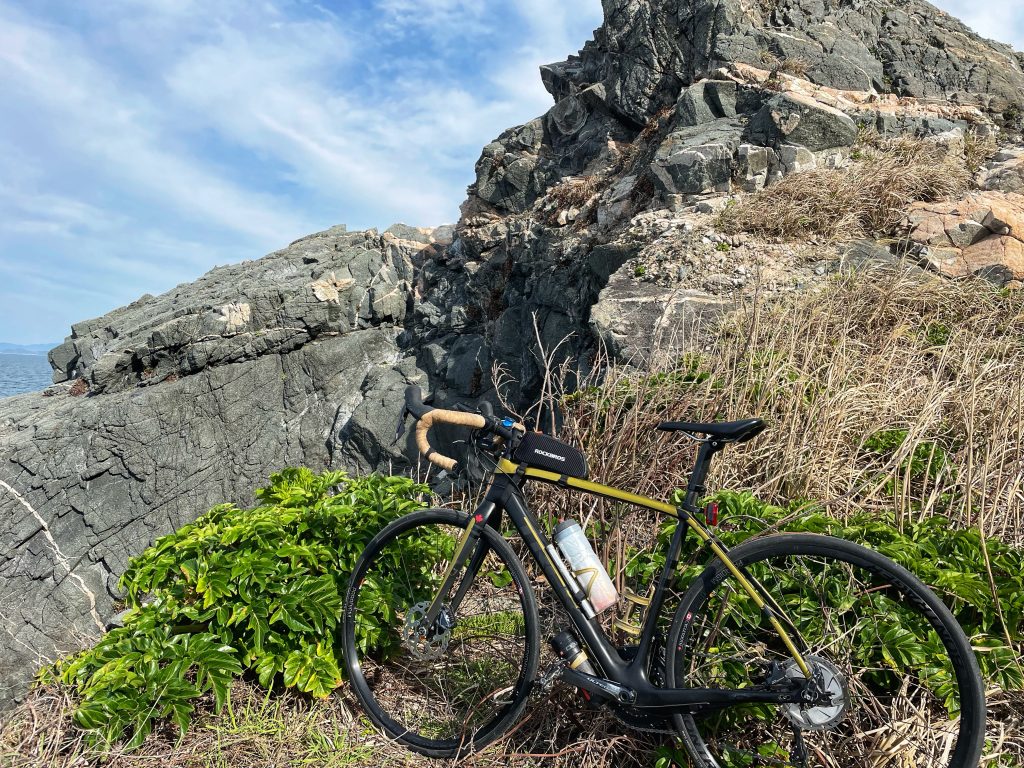
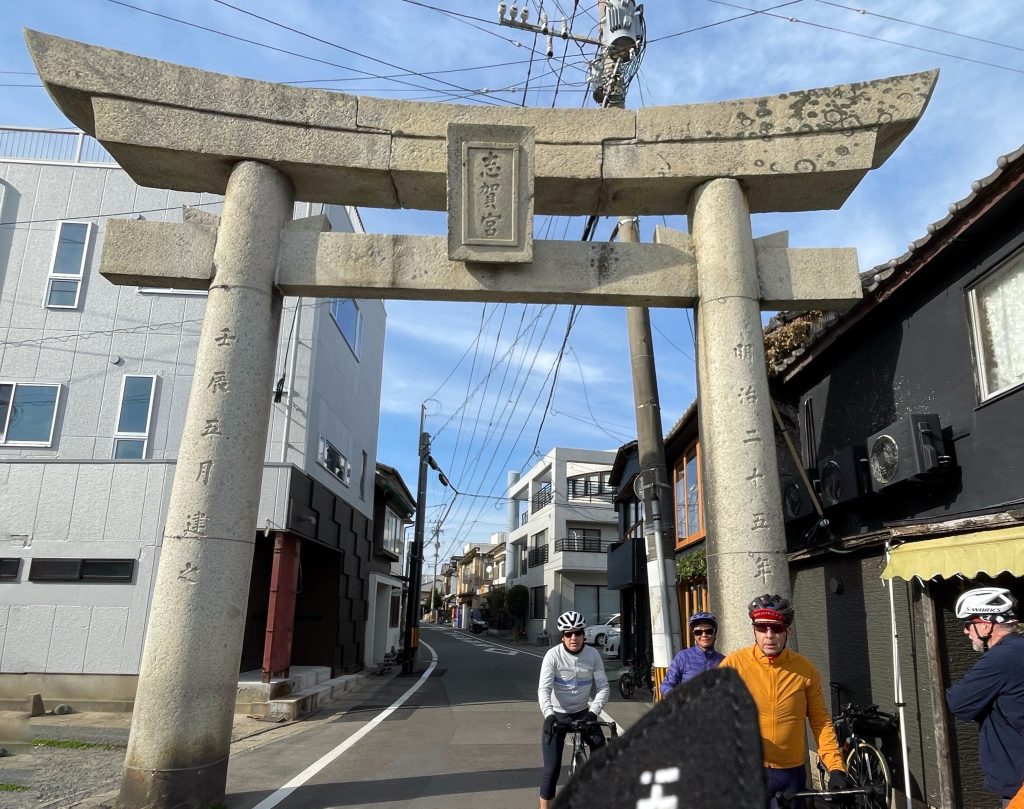
    Our major ride began in the functional port town of Yawatahama. Once we disembarked the ferry and are back on our bikes, we skimmed over the edge of the Ishizuchi Mountain Range, soon becoming our constant companion.
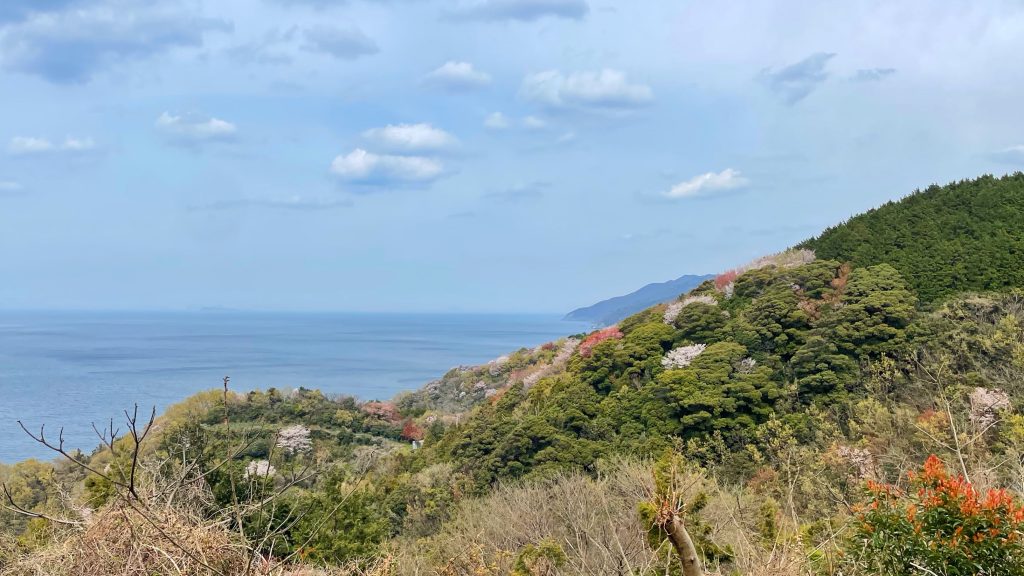
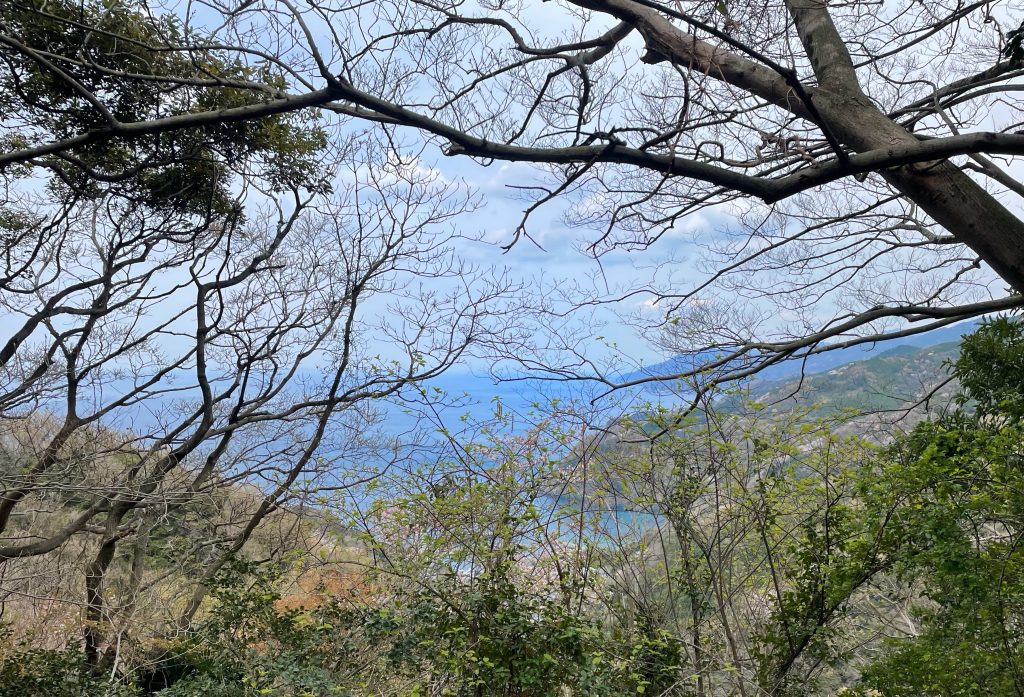
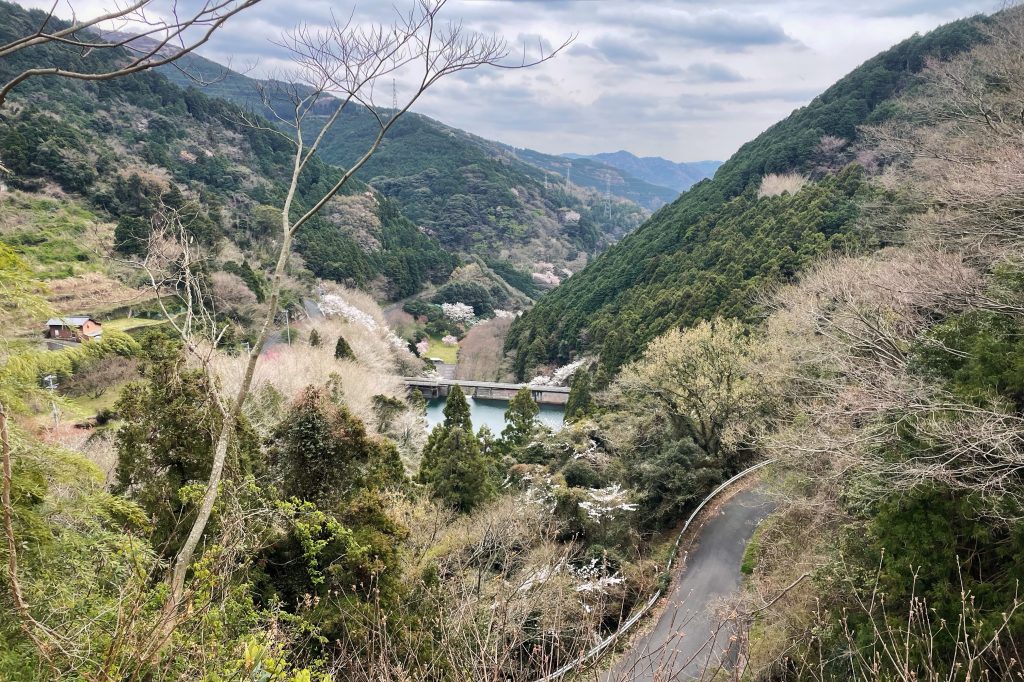
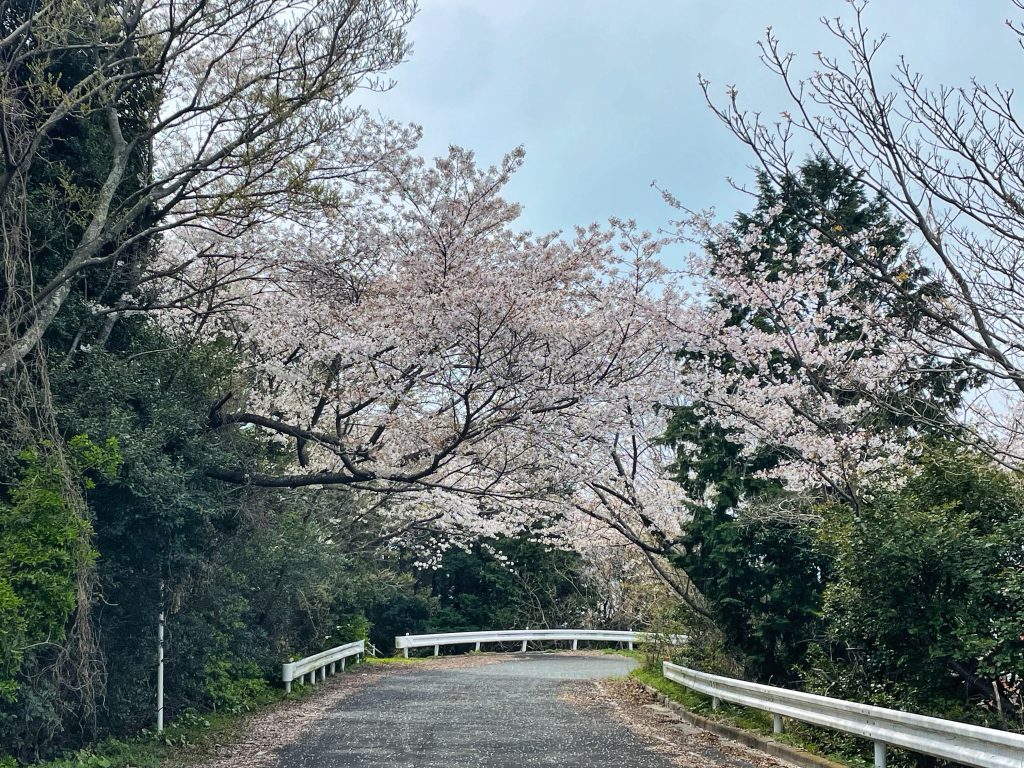
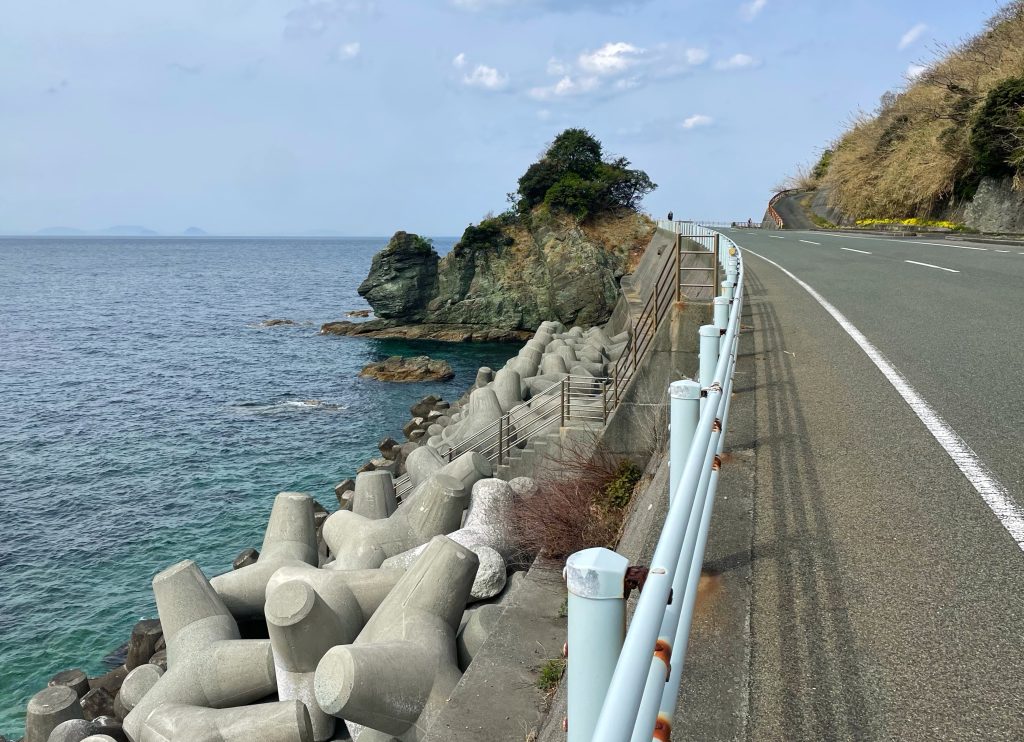
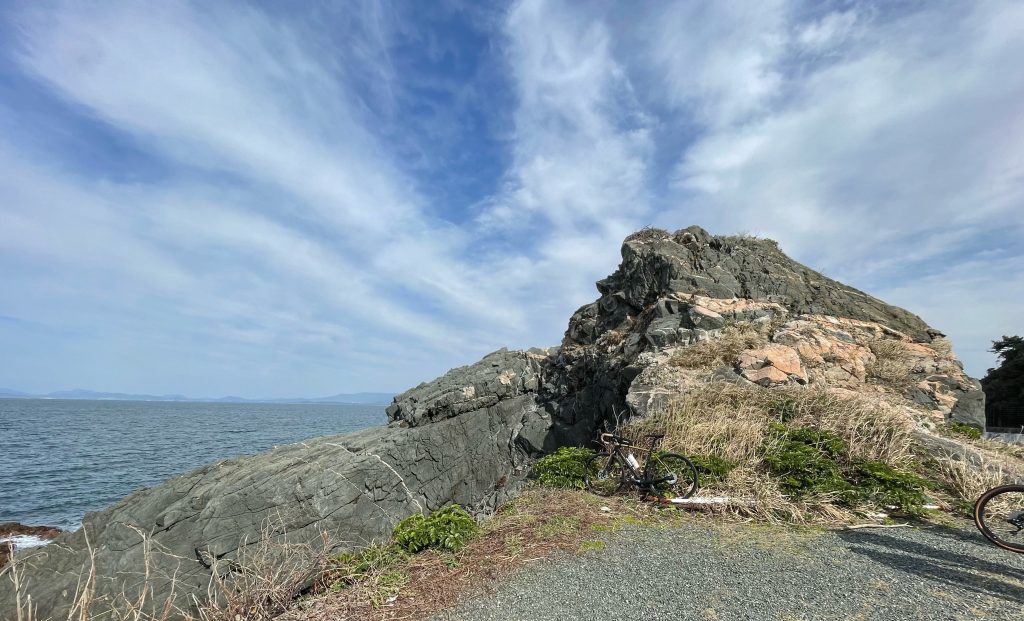
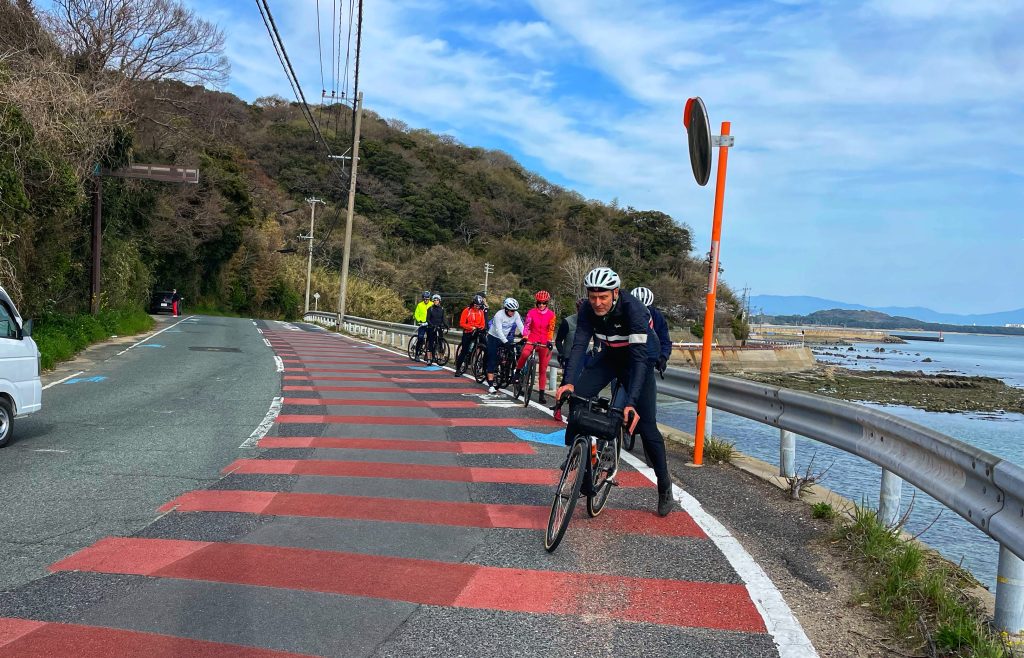
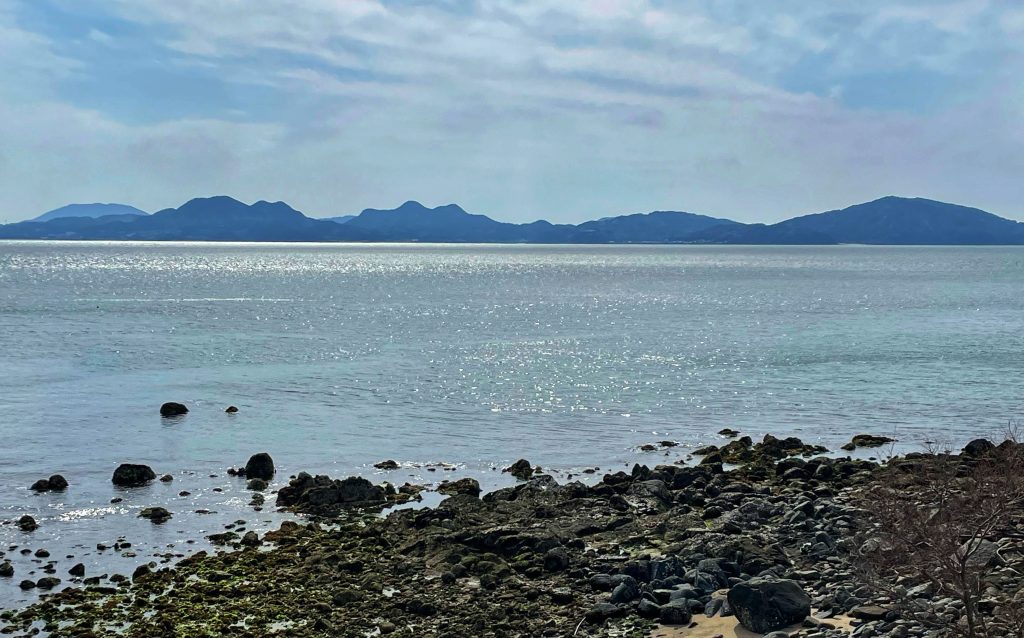
    We had one decent climb and then basically flat and with a bonus tailwind for most of the ride. The highest elevation today was a measly 345m. But we aren’t to get too comfortable because the best climbing days are yet to come and today we took advantage of the coast route along the Seto Island Sea.

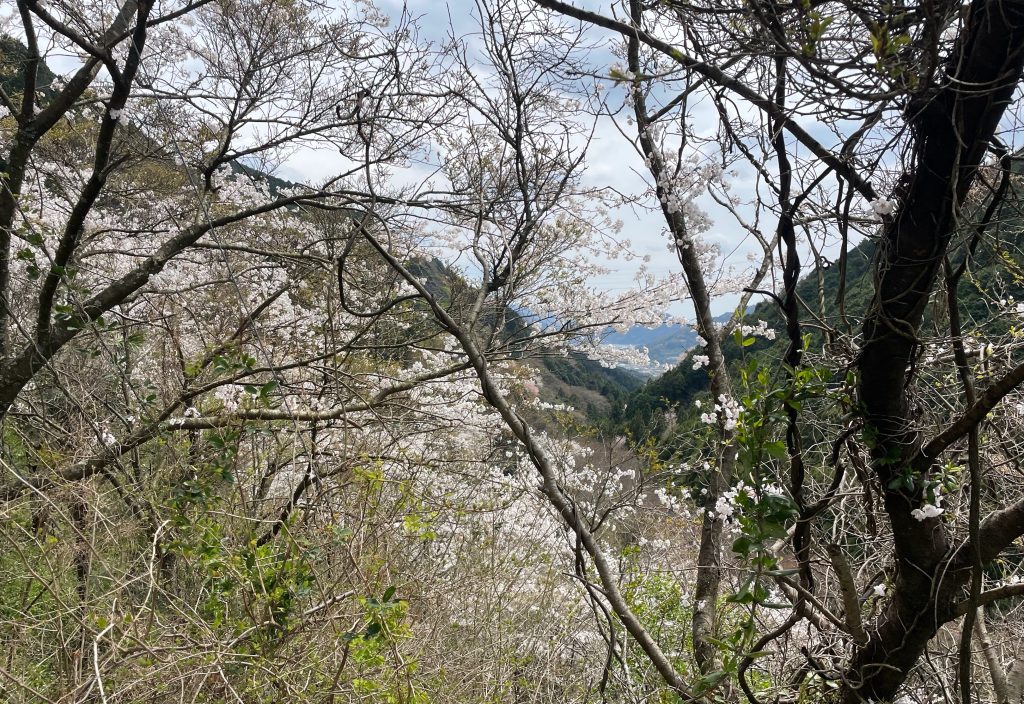
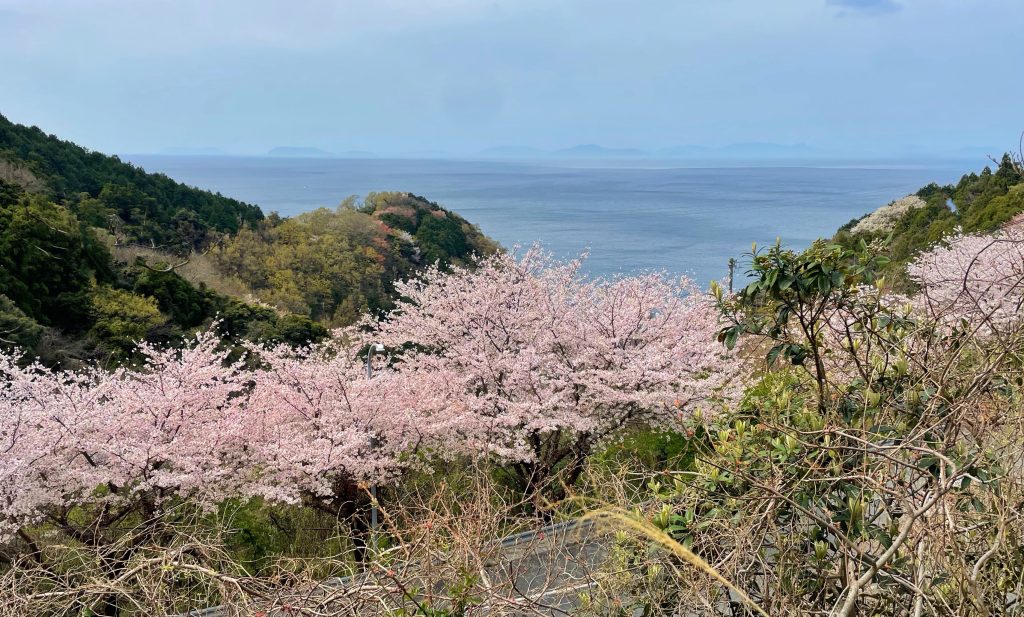
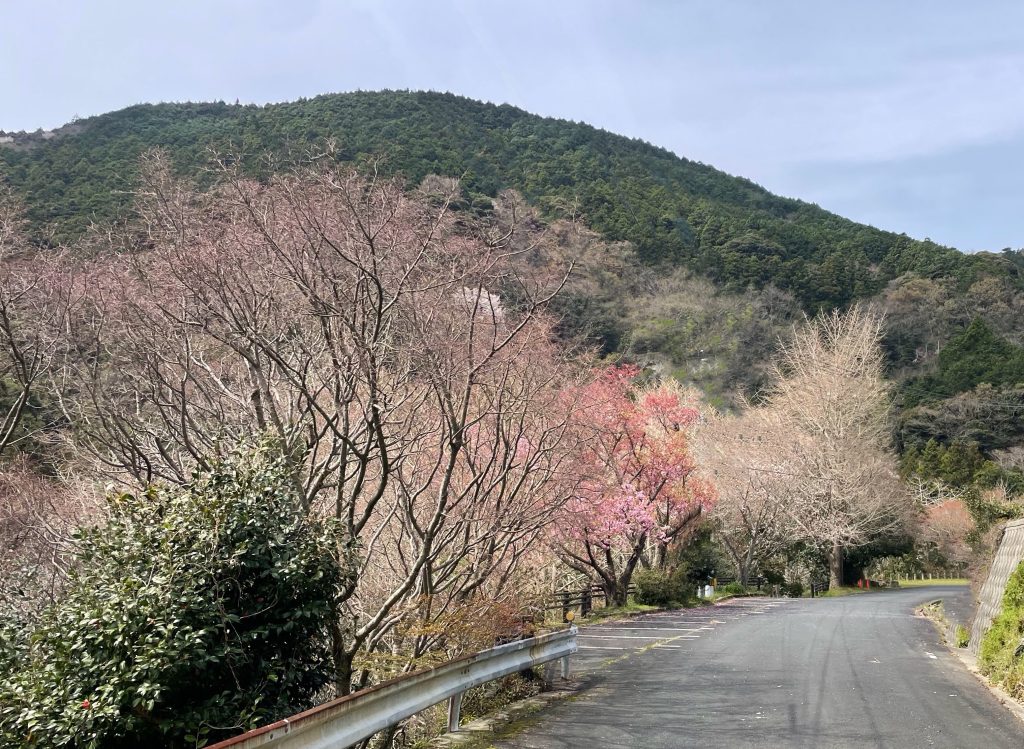
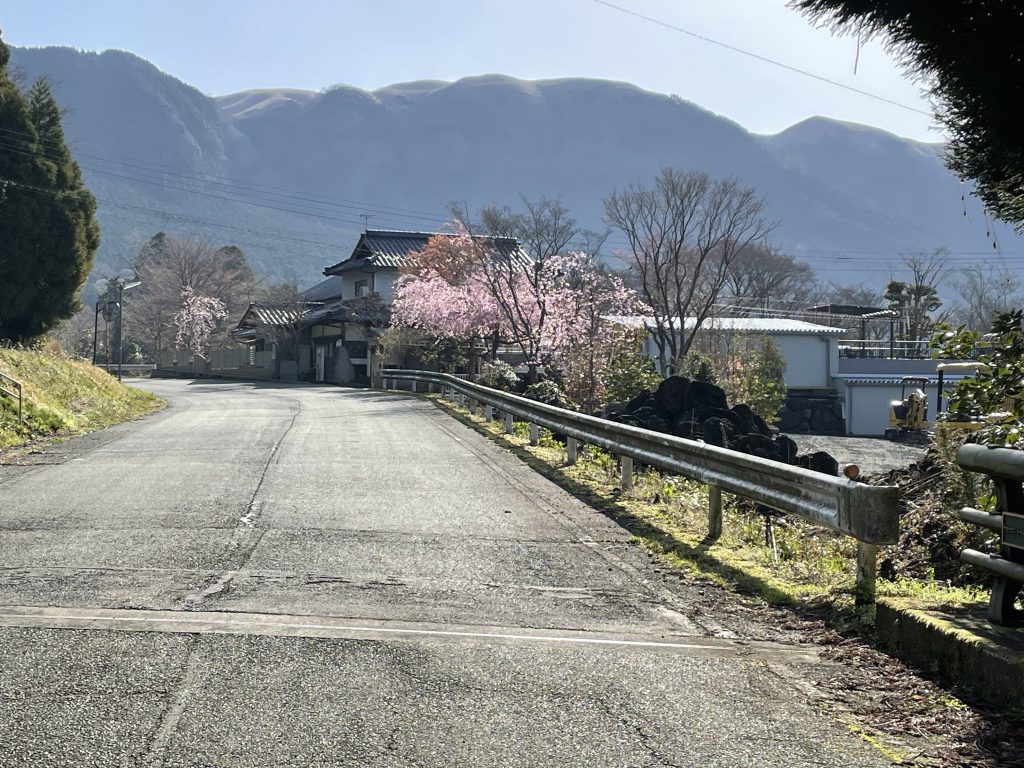
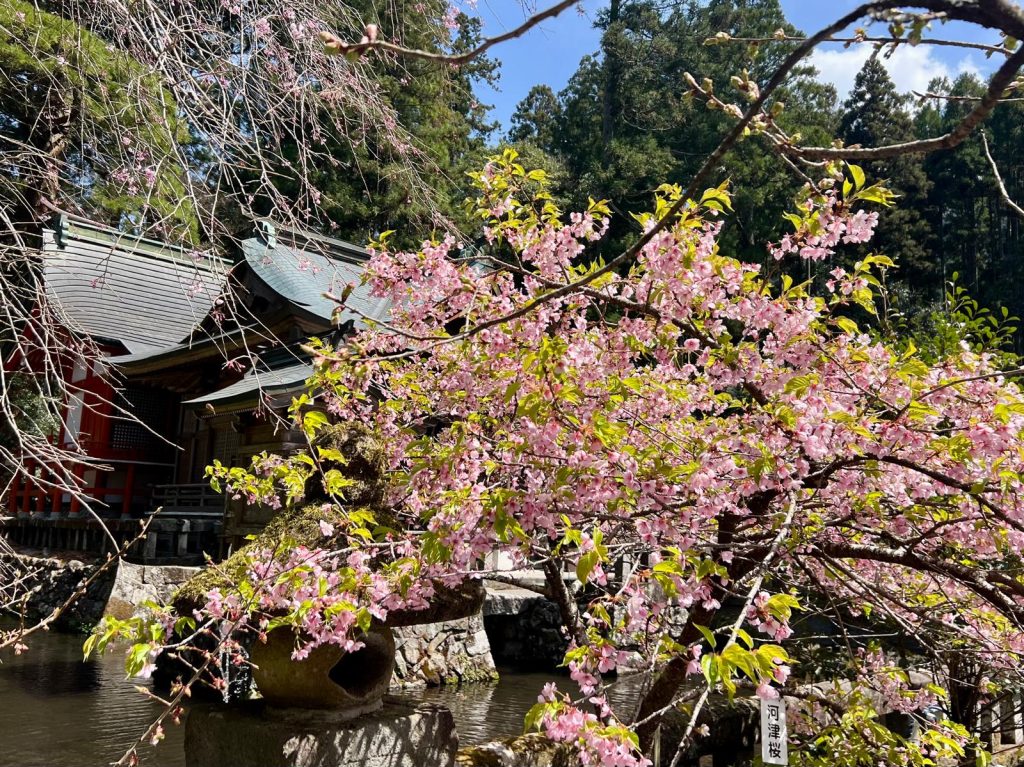
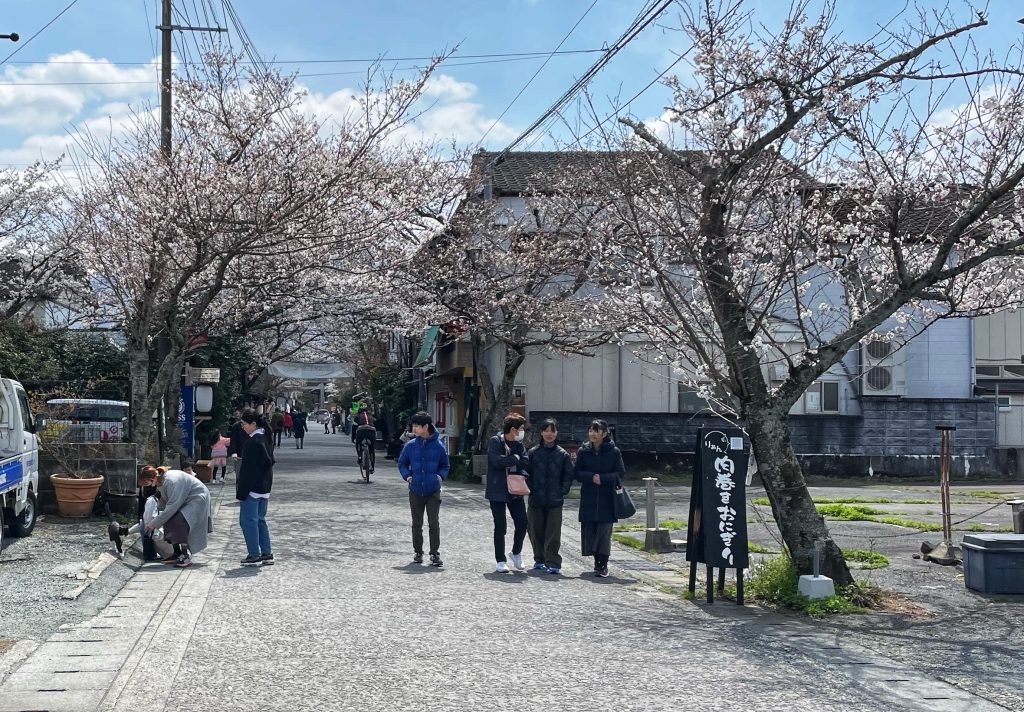
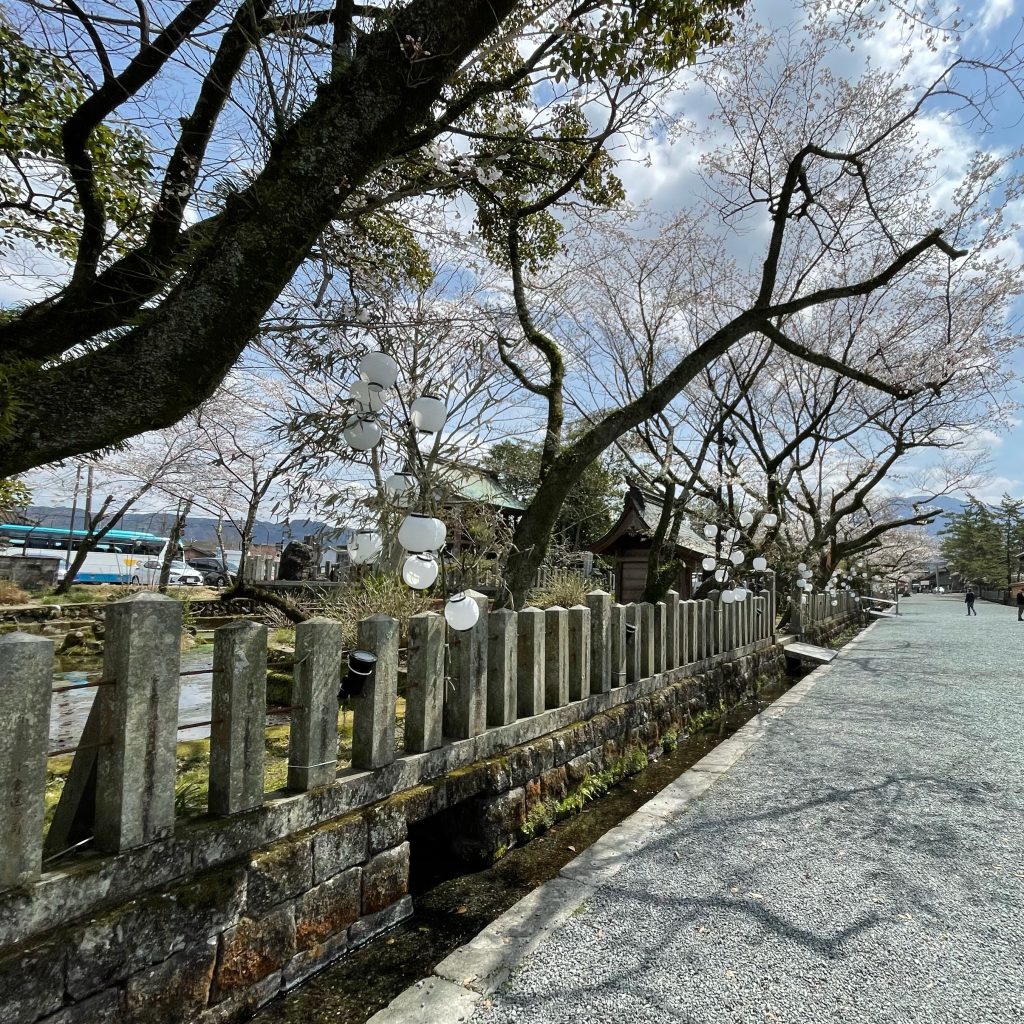
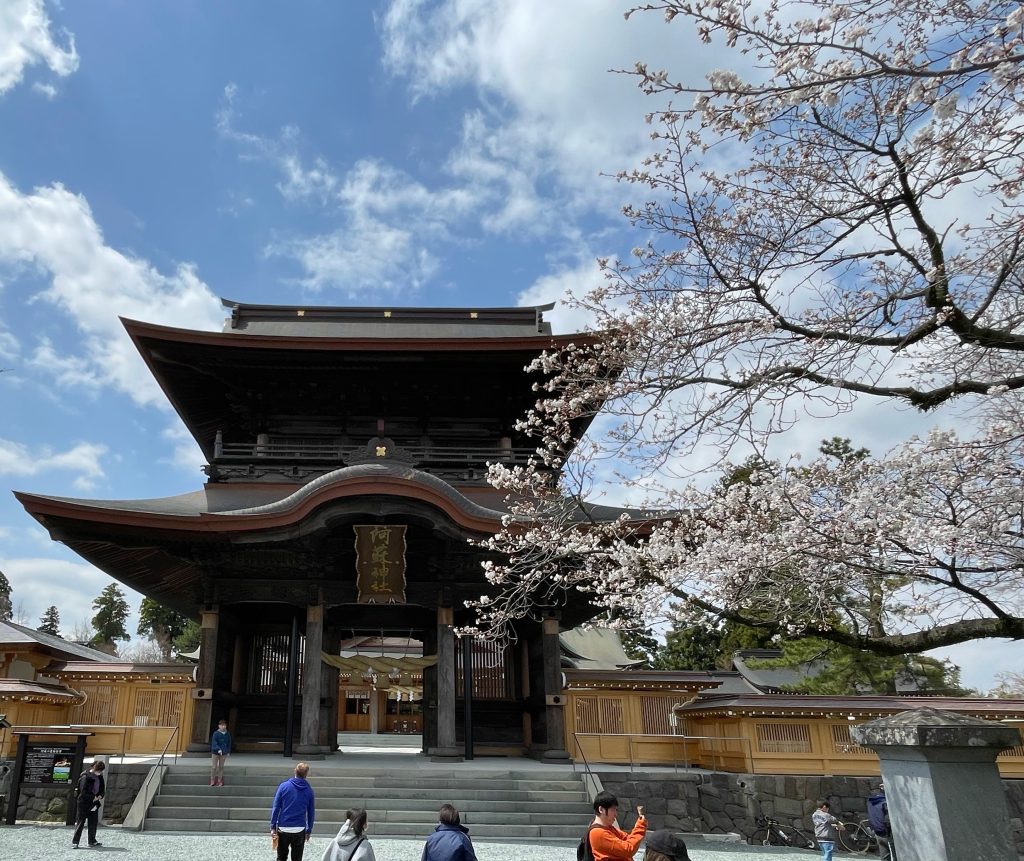
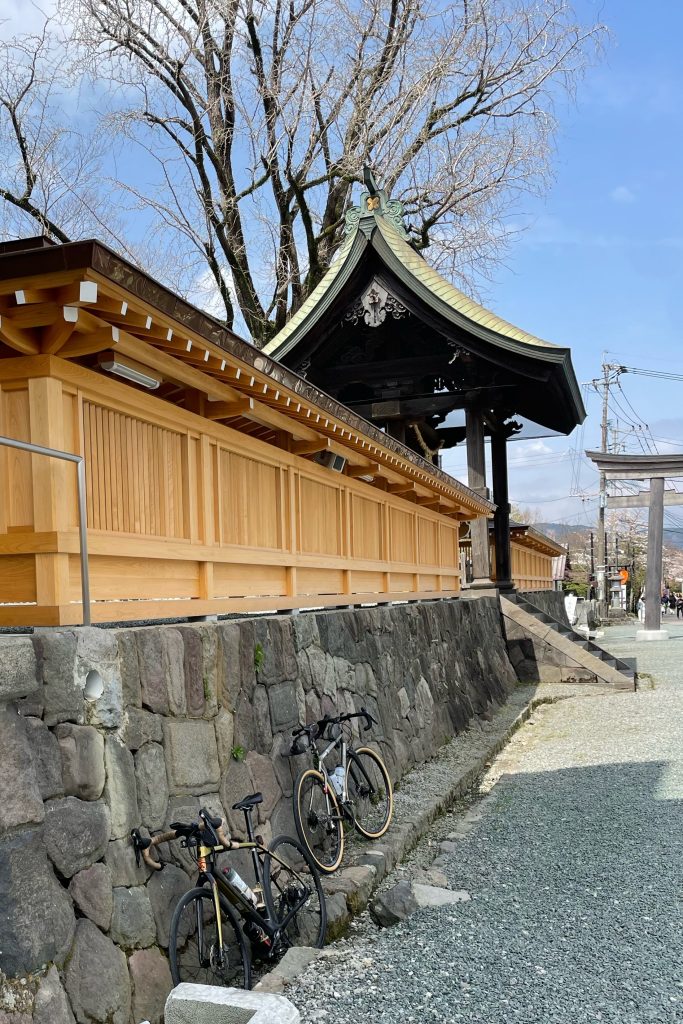
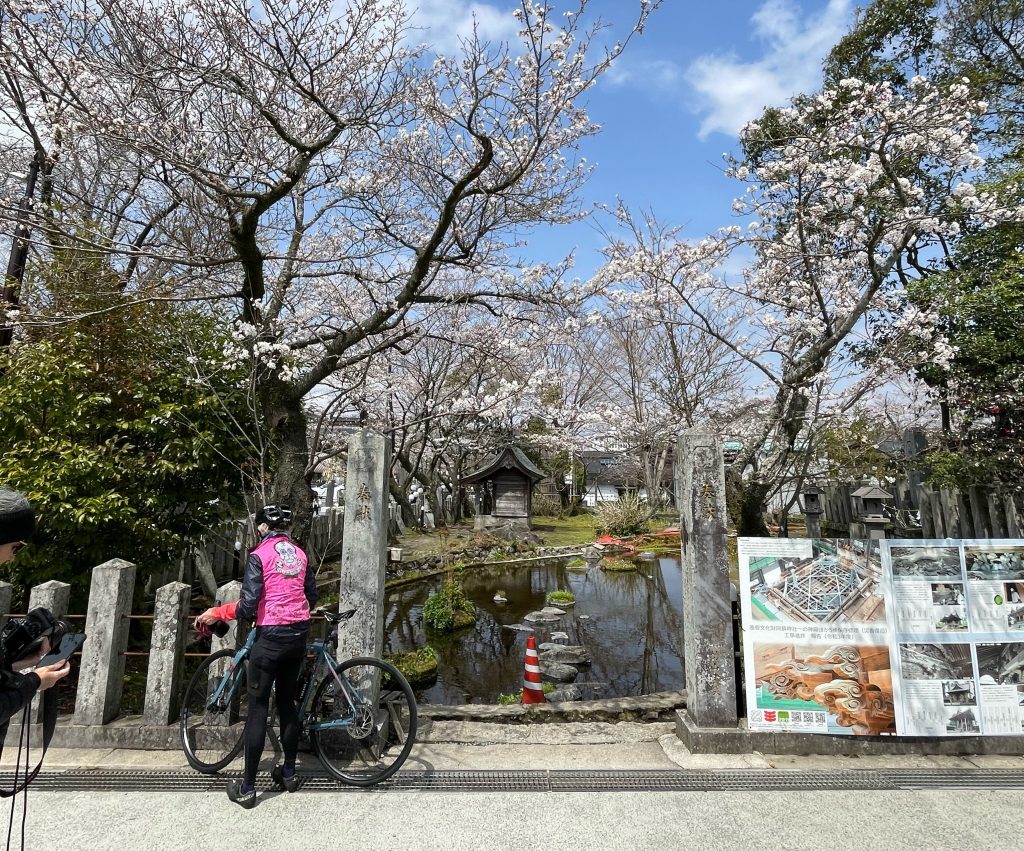
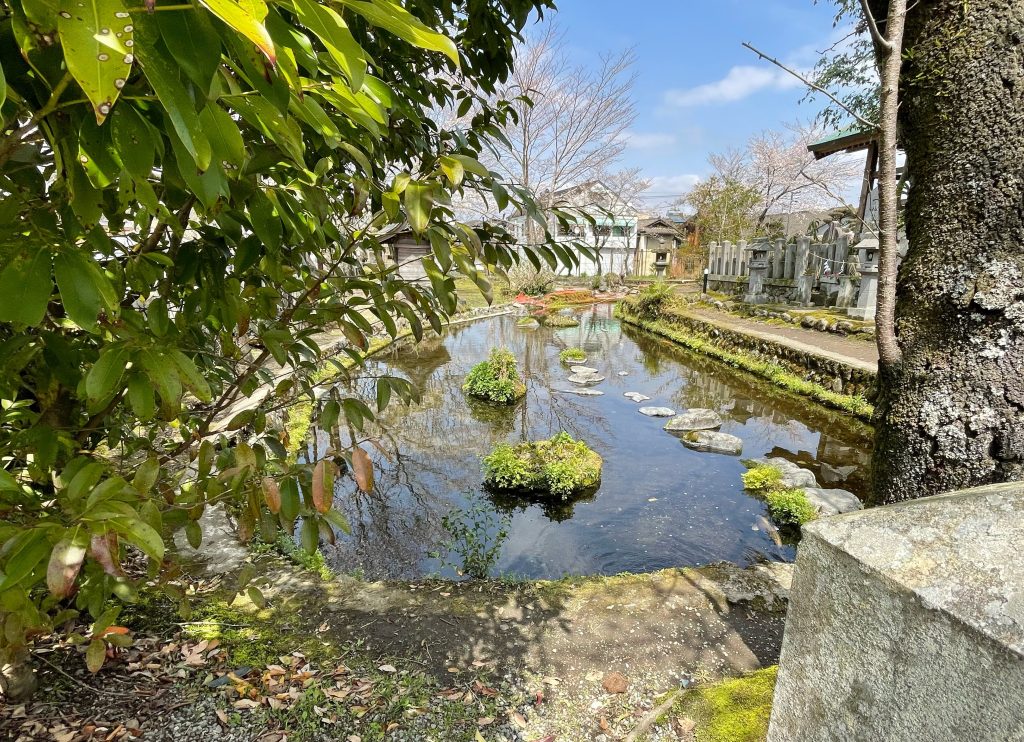
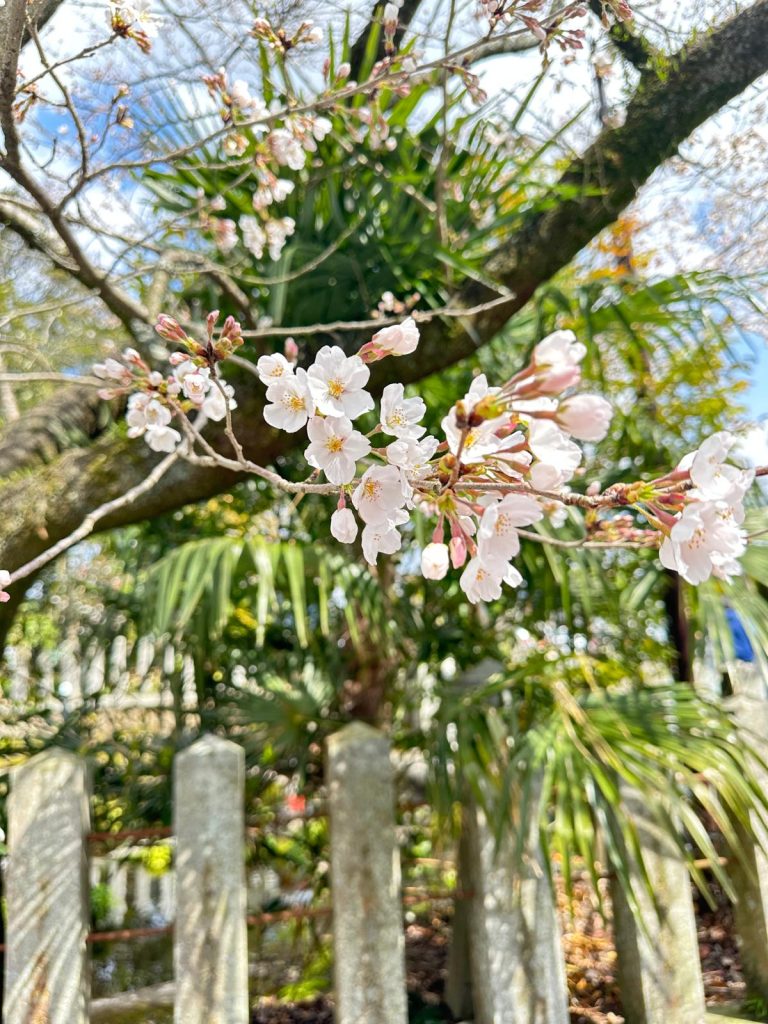
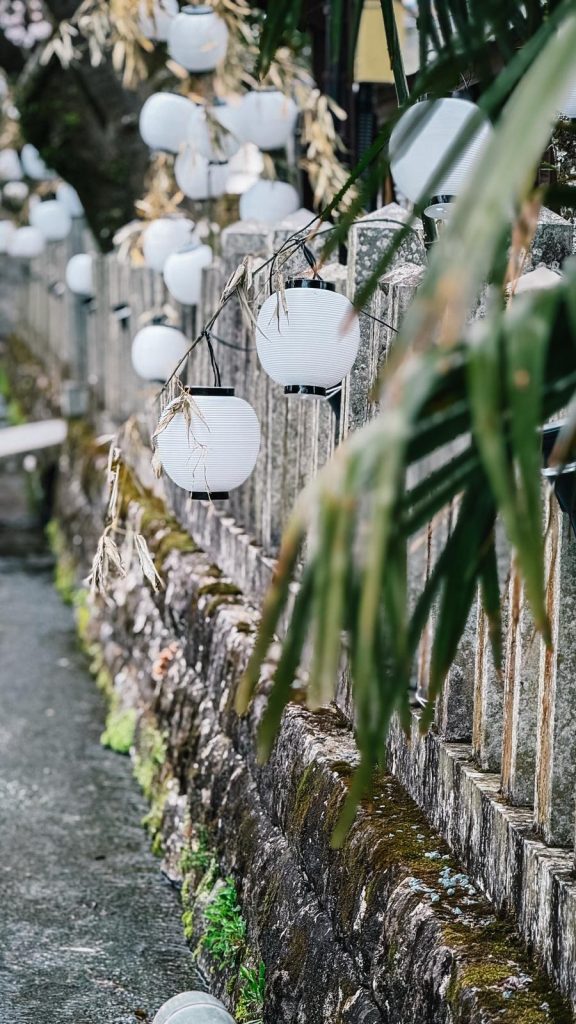
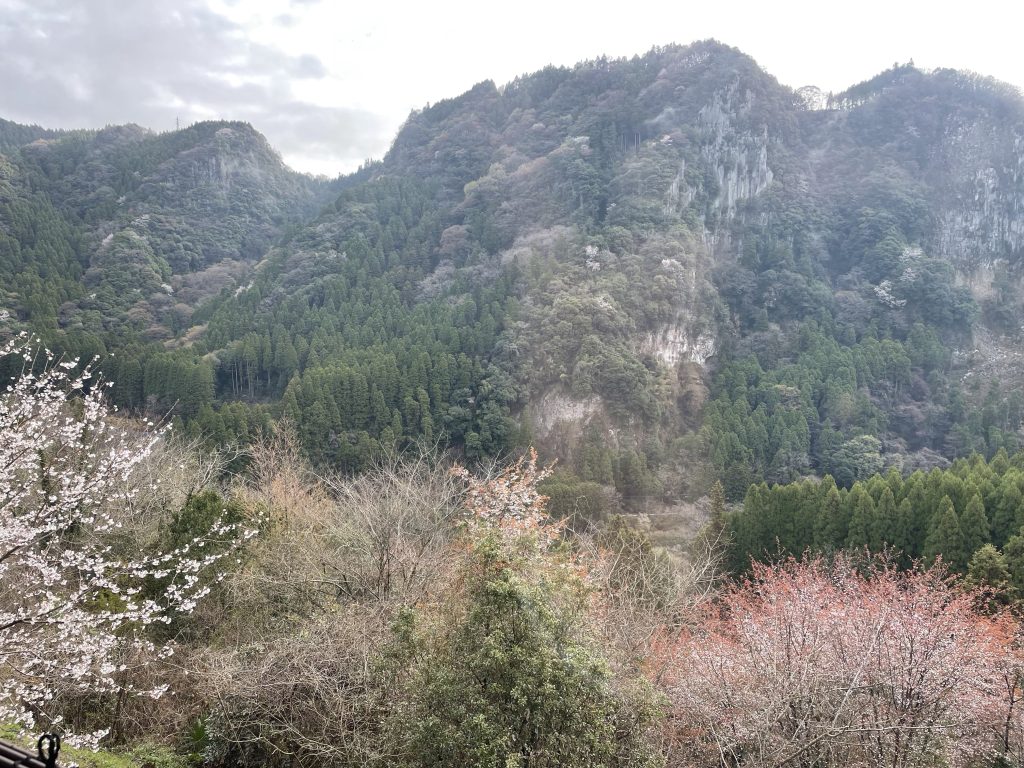
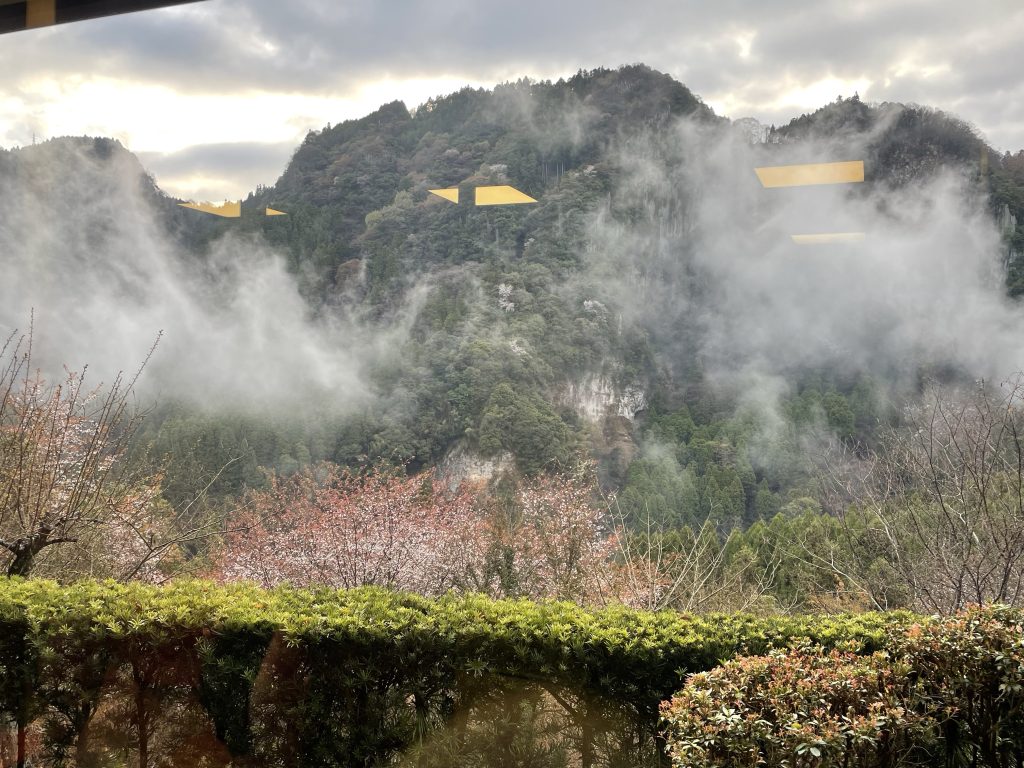
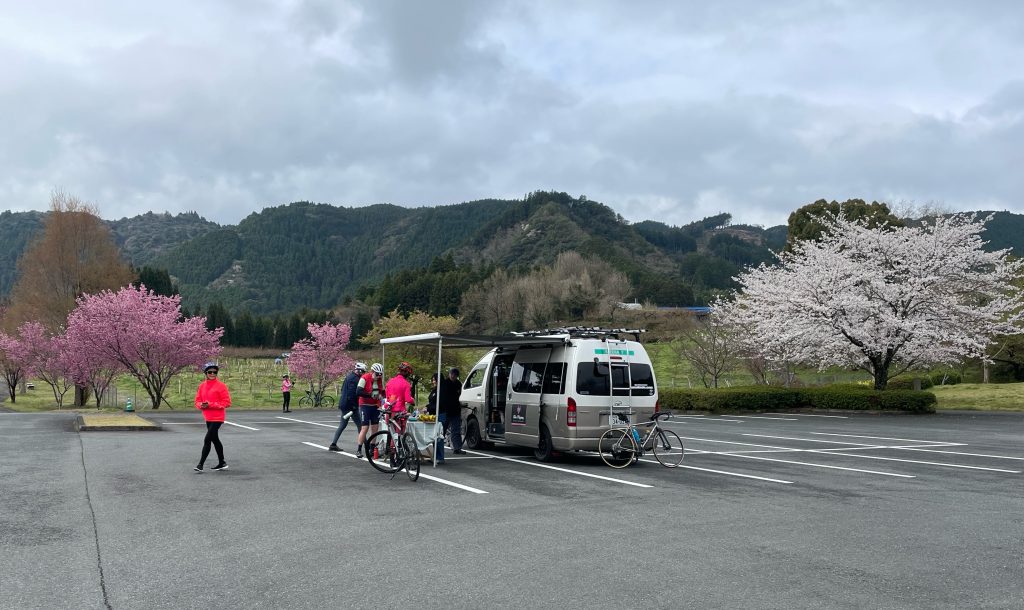
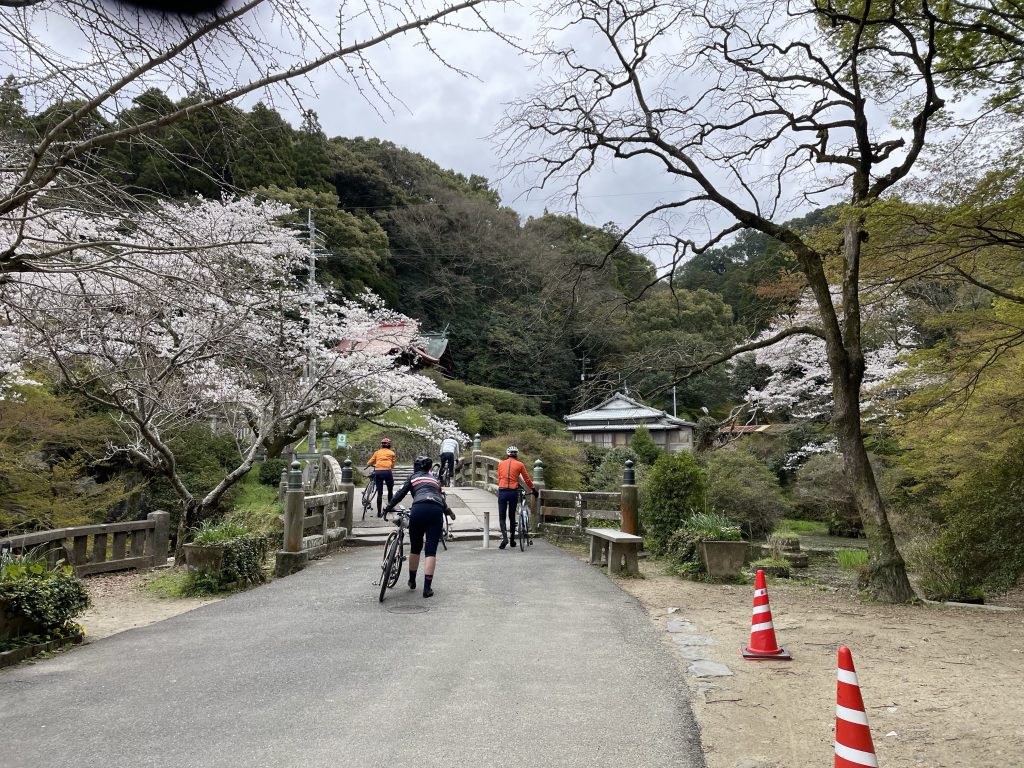
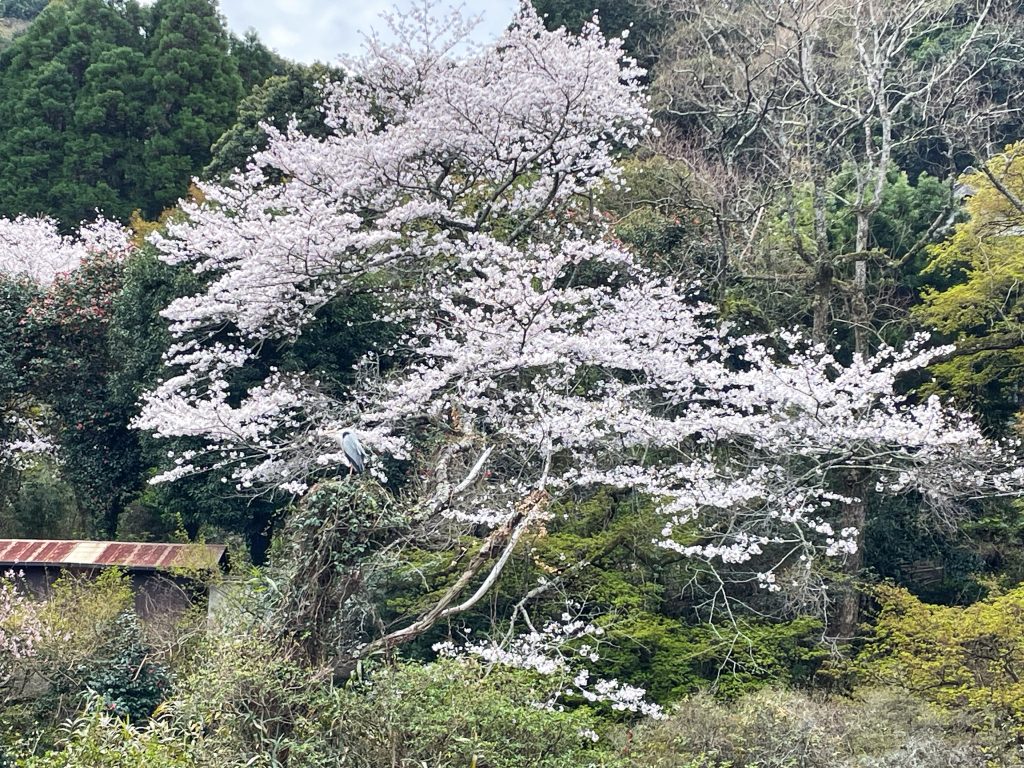
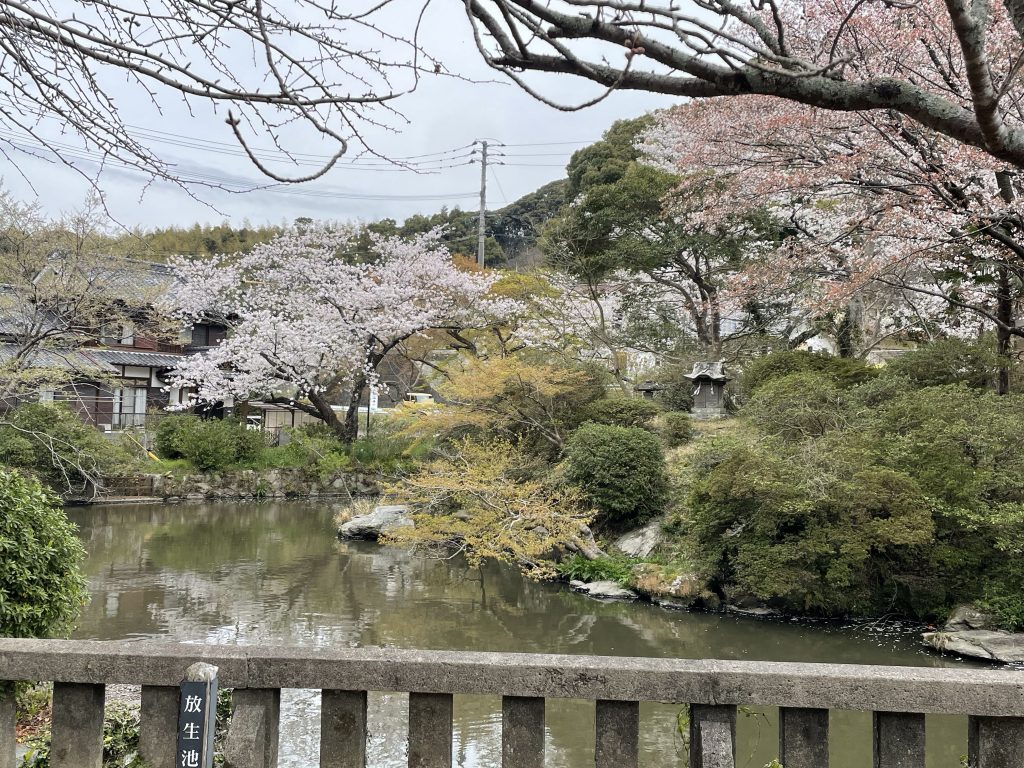
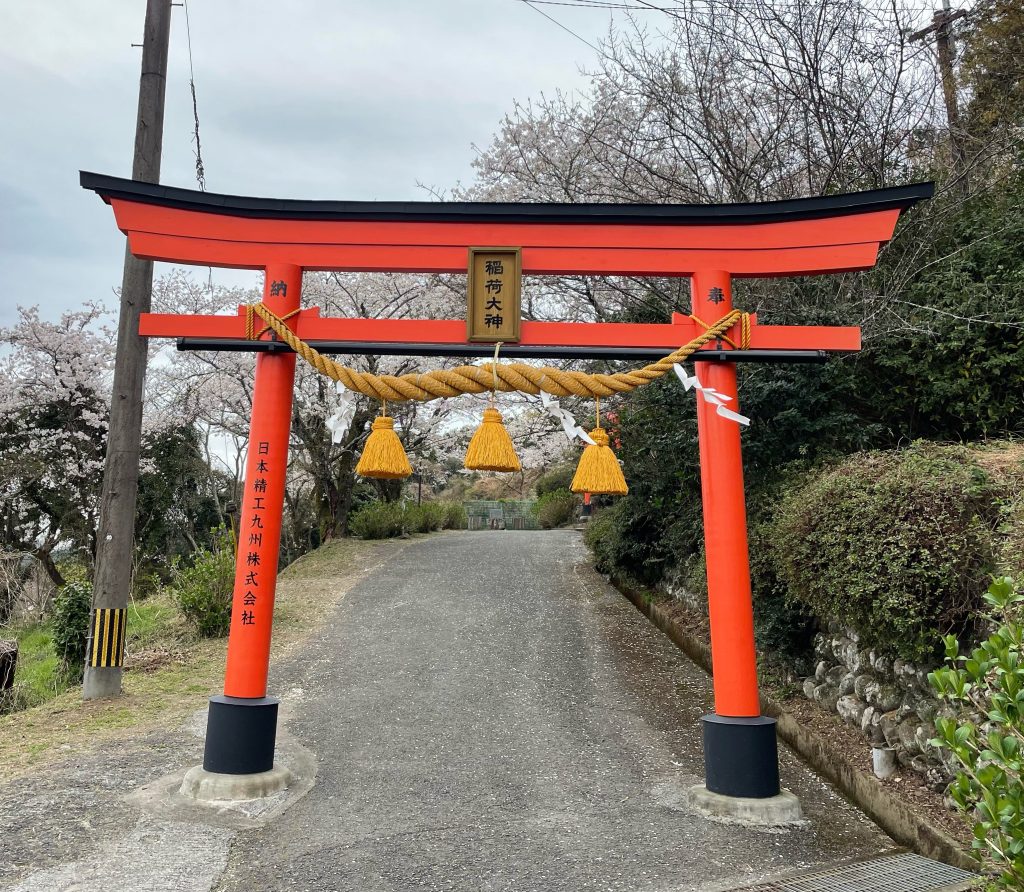
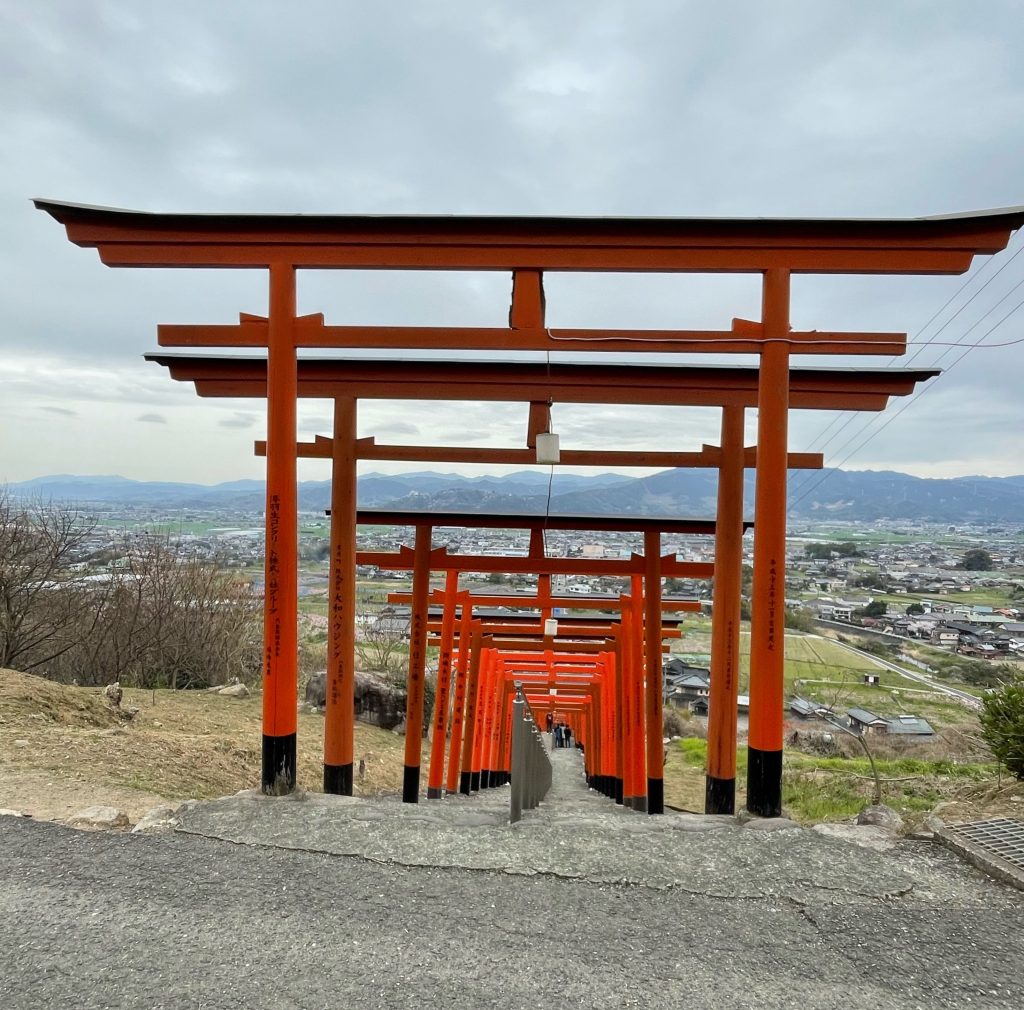
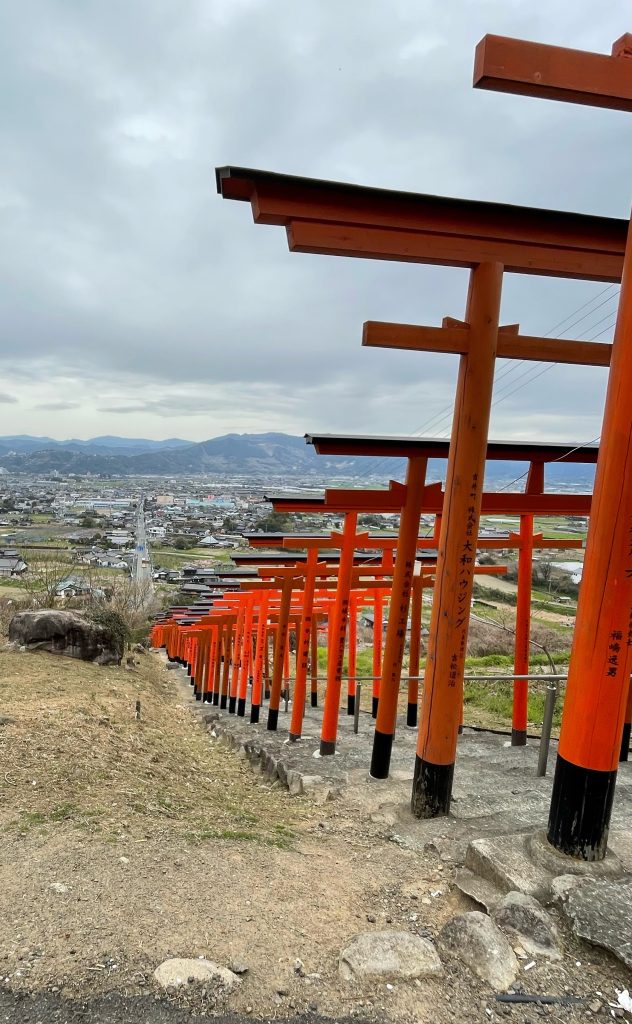
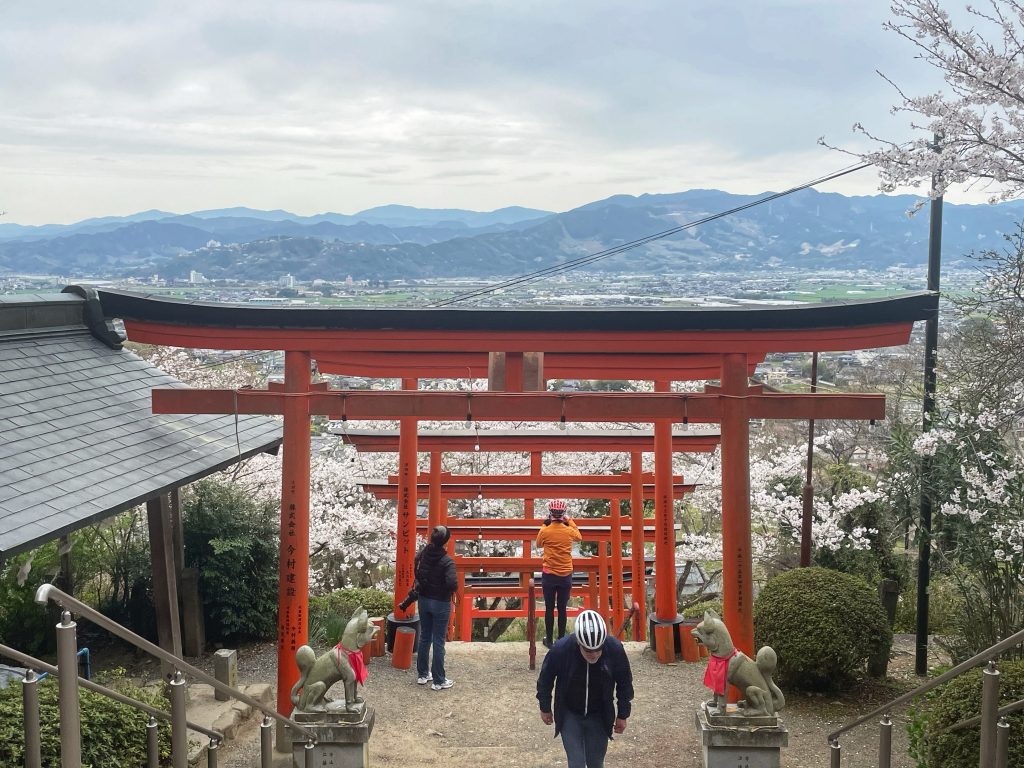
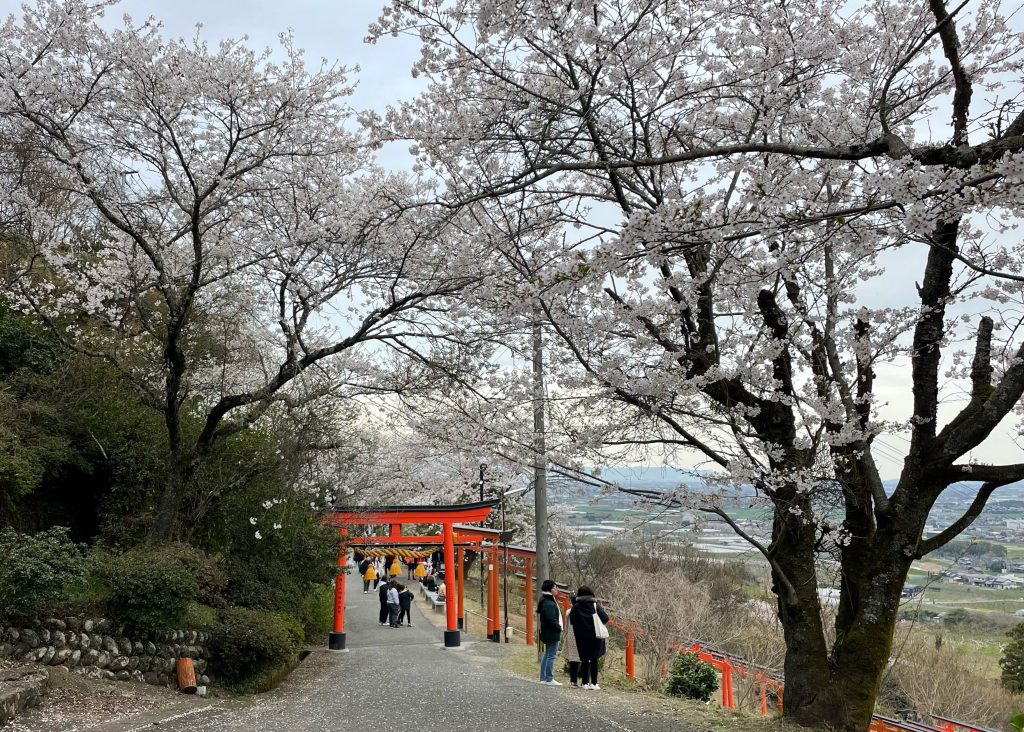
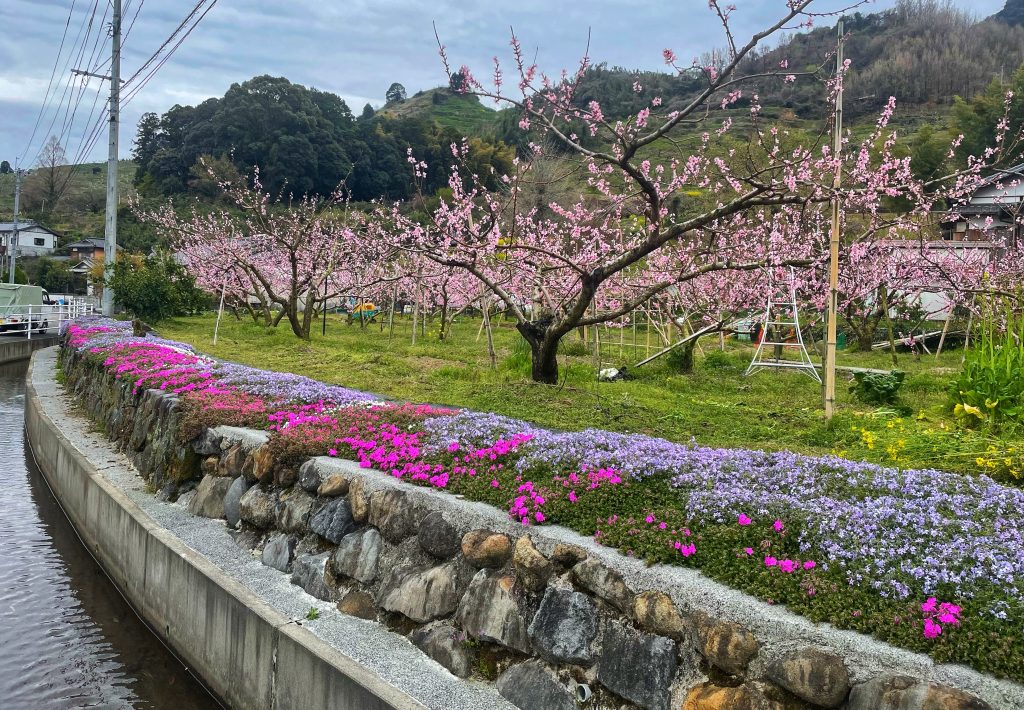
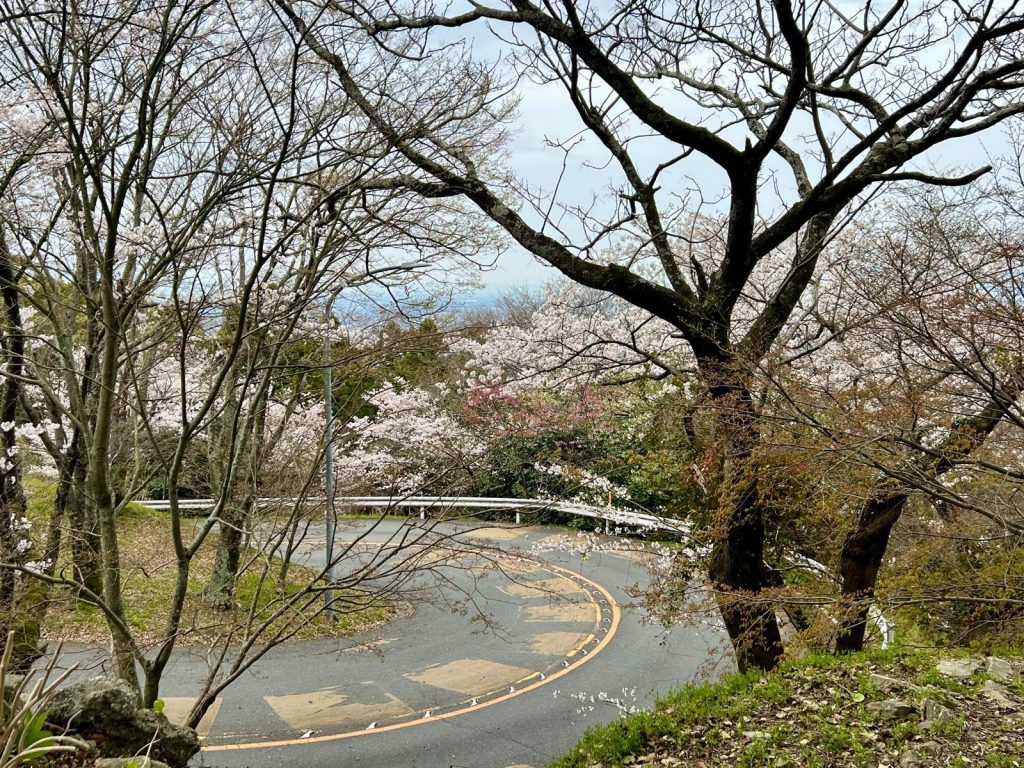
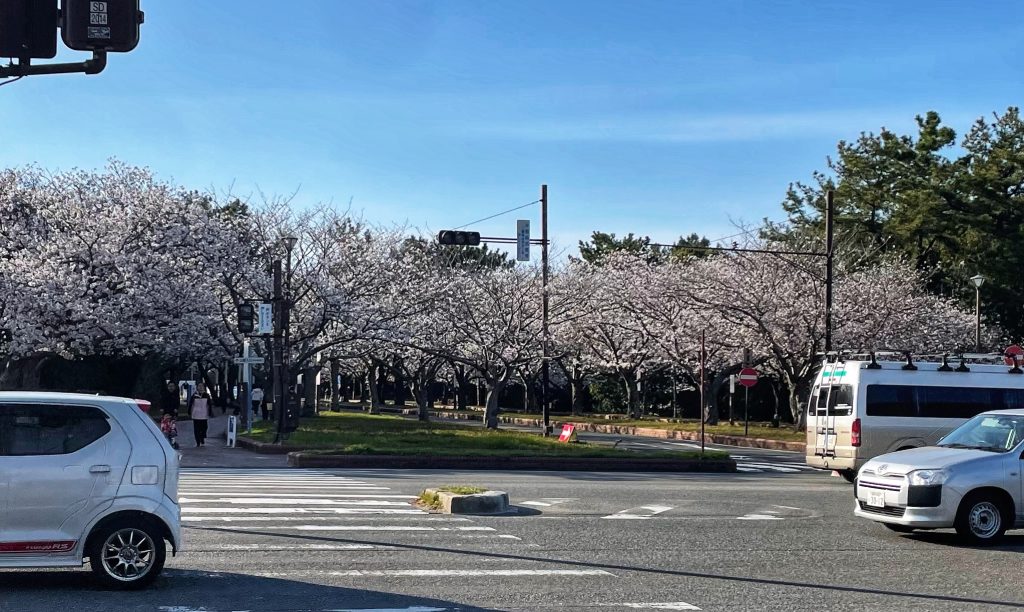
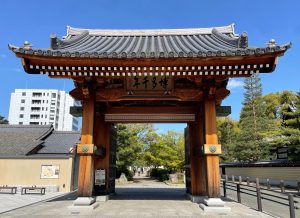
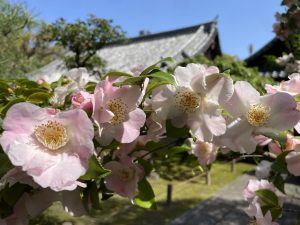
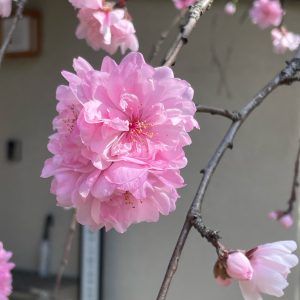
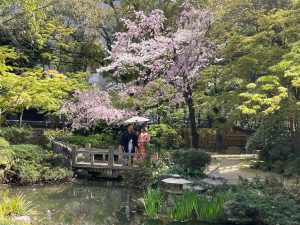
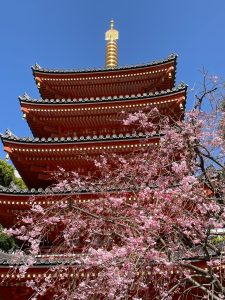
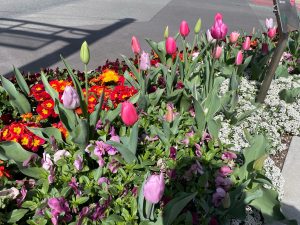
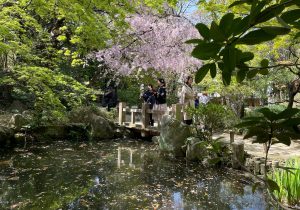
    We have seen a lot of blossoming trees in our rides but today was even more spectacular…a jubilation of cherry blossoms on a multitude of trees, in the air and on the ground( due to wind).
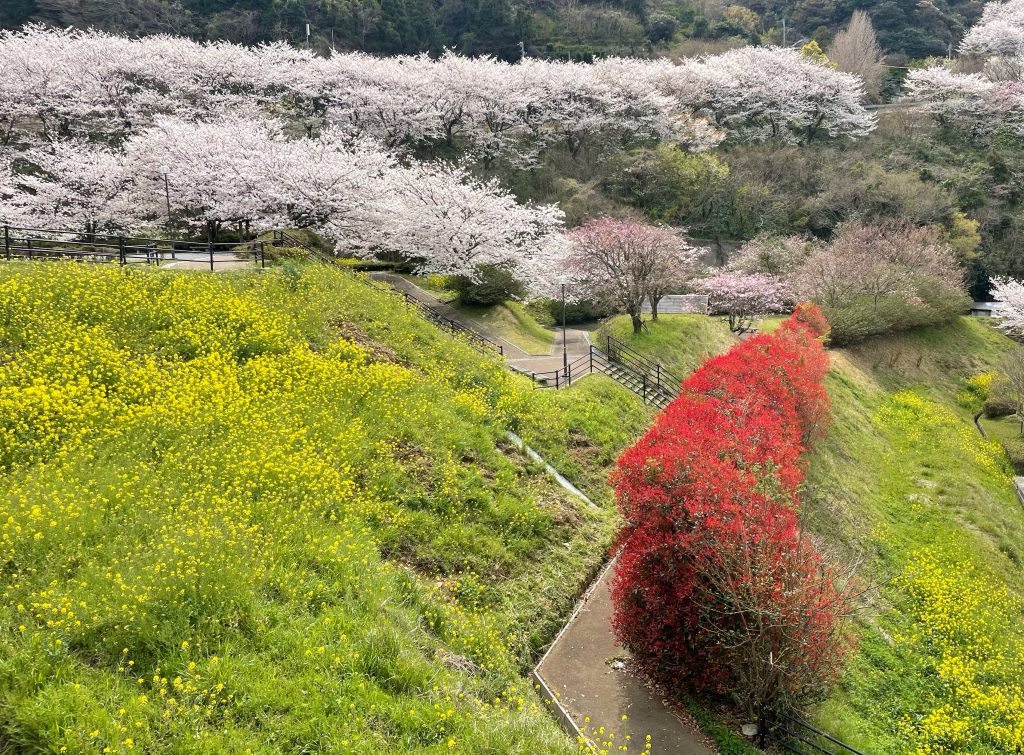
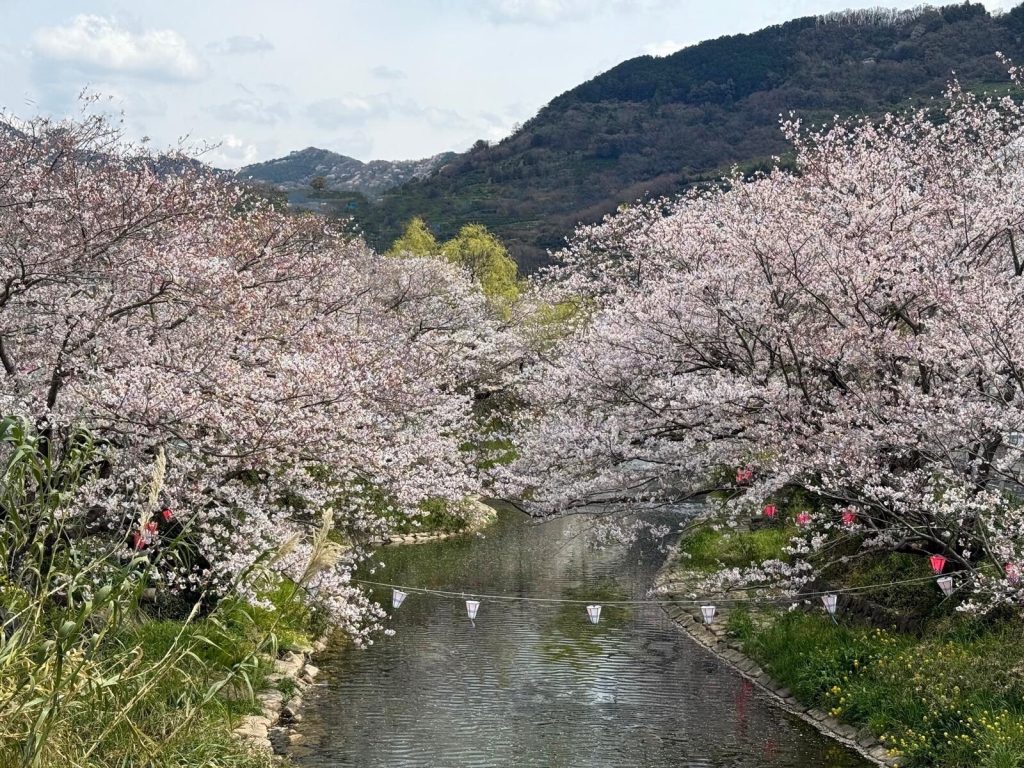
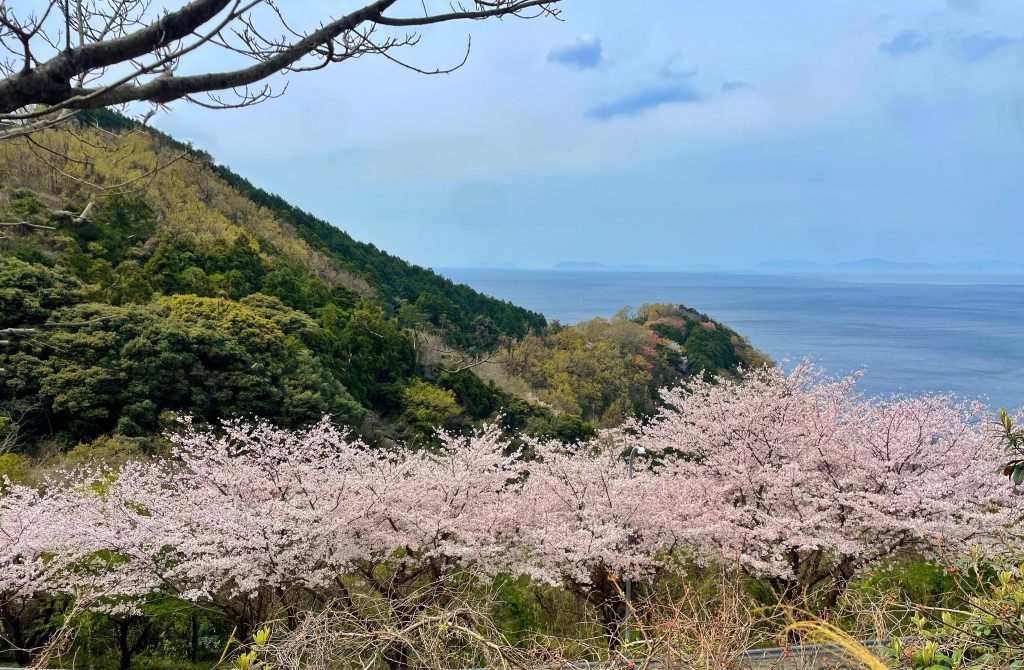
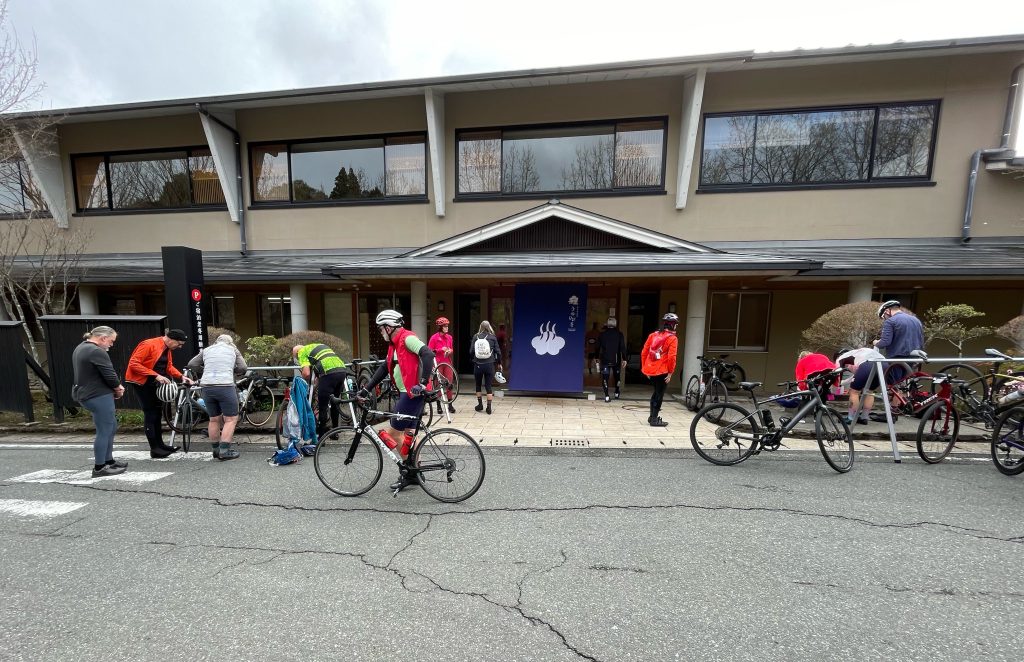
    In the afternoon, we enjoyed the sights as we rolled through the Dogo Onsen region all the way into Matsuyama, Ehime’s capital – a thoroughly suitable location for our first full rest day!
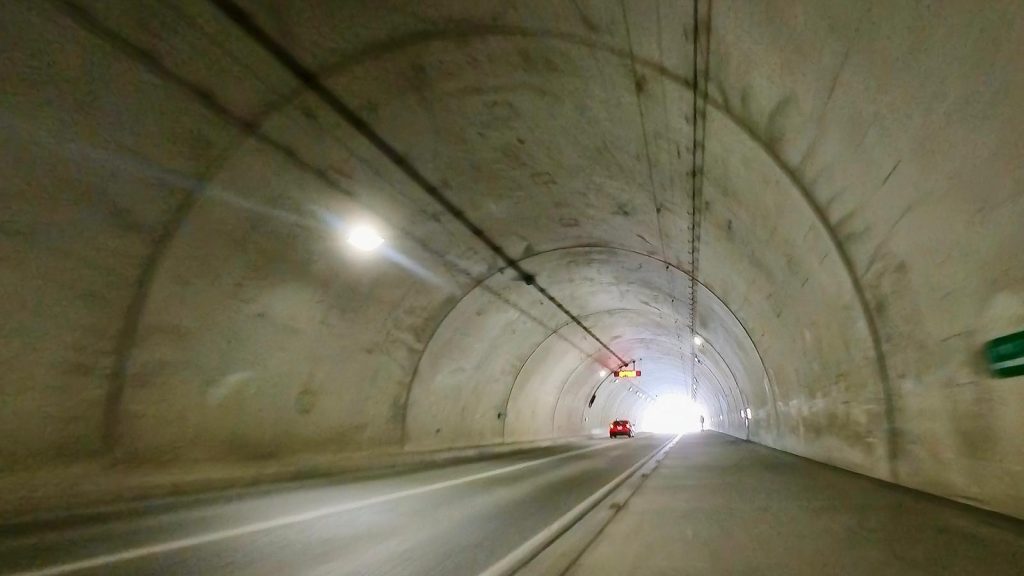
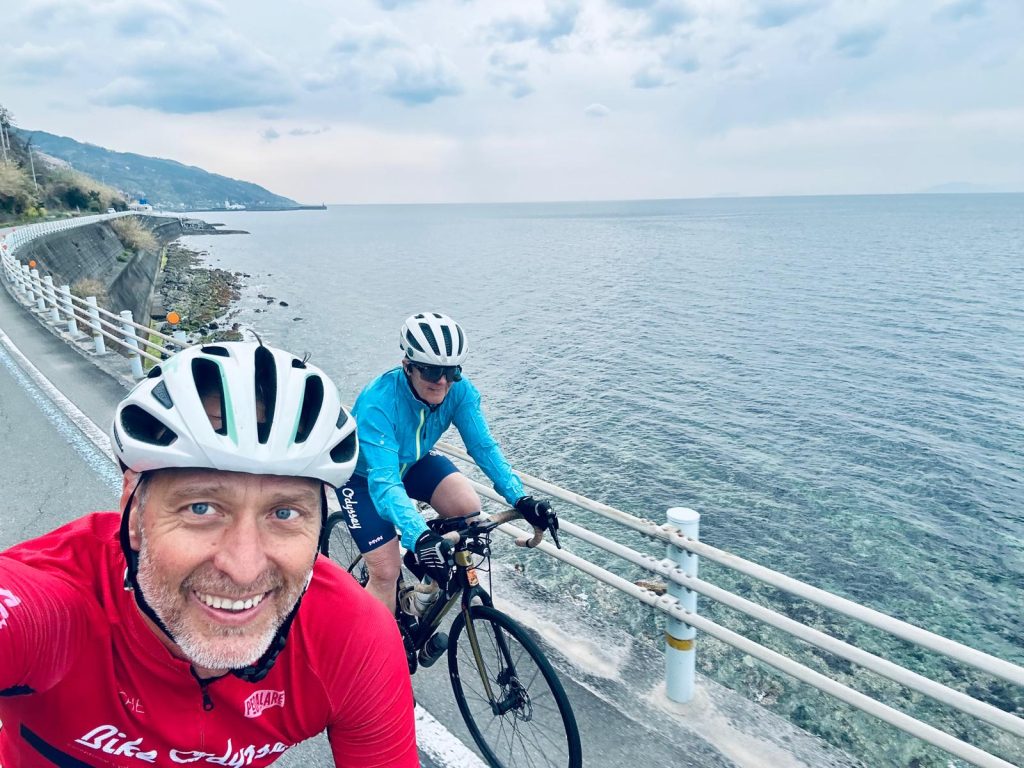
    Destination Matsuyama

    Matsuyama (松山) is the largest city on Shikoku and the capital of Ehime Prefecture. At the heart of the city stands Matsuyamajo, a beautiful, original castle. The castle’s hilltop vantage point offers a view of the city and a glimpse of the Seto Inland Sea.

    The city is also famed for being the setting of Natsume Soseki’s popular novel, entitled “Botchan”. Often read as part of the Japanese school curriculum, the novel describes Matsuyama during the turbulent Meiji Restoration. Natsume’s novel helped make the city renowned throughout Japan.

    Dogo Onsen is frequently mentioned in “Botchan” and is one of Matsuyama’s main tourist attractions. Located on the northeastern outskirts of the city, Dogo Onsen is one of Japan’s oldest hot spring resorts.

    Destination Matsuyama

    Matsuyama (松山) is the largest city on Shikoku and the capital of Ehime Prefecture. At the heart of the city stands Matsuyamajo, a beautiful, original castle. The castle’s hilltop vantage point offers a view of the city and a glimpse of the Seto Inland Sea.

    The city is also famed for being the setting of Natsume Soseki’s popular novel, entitled “Botchan”. Often read as part of the Japanese school curriculum, the novel describes Matsuyama during the turbulent Meiji Restoration. Natsume’s novel helped make the city renowned throughout Japan.

    Dogo Onsen is frequently mentioned in “Botchan” and is one of Matsuyama’s main tourist attractions. Located on the northeastern outskirts of the city, Dogo Onsen is one of Japan’s oldest hot spring resorts.

    Prefecture Shikoku

    Rural landscapes, ancient pilgrimage trails and celebrated contemporary art . 

    Shikoku might be the smallest of Japan’s four major islands, but it packs a big natural and cultural punch. It boasts picturesque coastline on the glittering Seto Inland Sea, legendary udon noodles, movie-inspiring onsen, the first step on the Shikoku 88 Temple Pilgrimage and a summer stage for Japan to dance. It also provides the setting for Japanese literary giant Natsume Soseke’s classic, “Botchan.” If you’re looking to delve into a more traditional Japan, it’s time to explore vibrant Shikoku.

    A one minute walk from our hotel is Dogo Onsen (道後温泉) which is one of Japan’s oldest and most famous hot springs. The area is popular for its beautiful bath house and many ryokan. Dogo Onsen has also been a frequent destination for Japan’s most prestigious guests, the Imperial Family.

    The main attraction in Dogo Onsen is the Dogo Onsen Honkan, a wooden public bathhouse, dating from 1894. The interior of the Honkan is a maze of stairways, passages and rooms, all of which bustle with bathers and staff. It is said to have served as inspiration for Miyazaki’s popular animated film “Spirited Away”.

    Life is Good in Matsuyama!

    Sayonara

  • Shogun Day 5: Aso to Beppu

    Watch Relive video here:https://www.relive.com/view/v8qkrk7JwK6

    On the Road – Distance 95km / 59mi | Elevation 1852m/6,077 ft


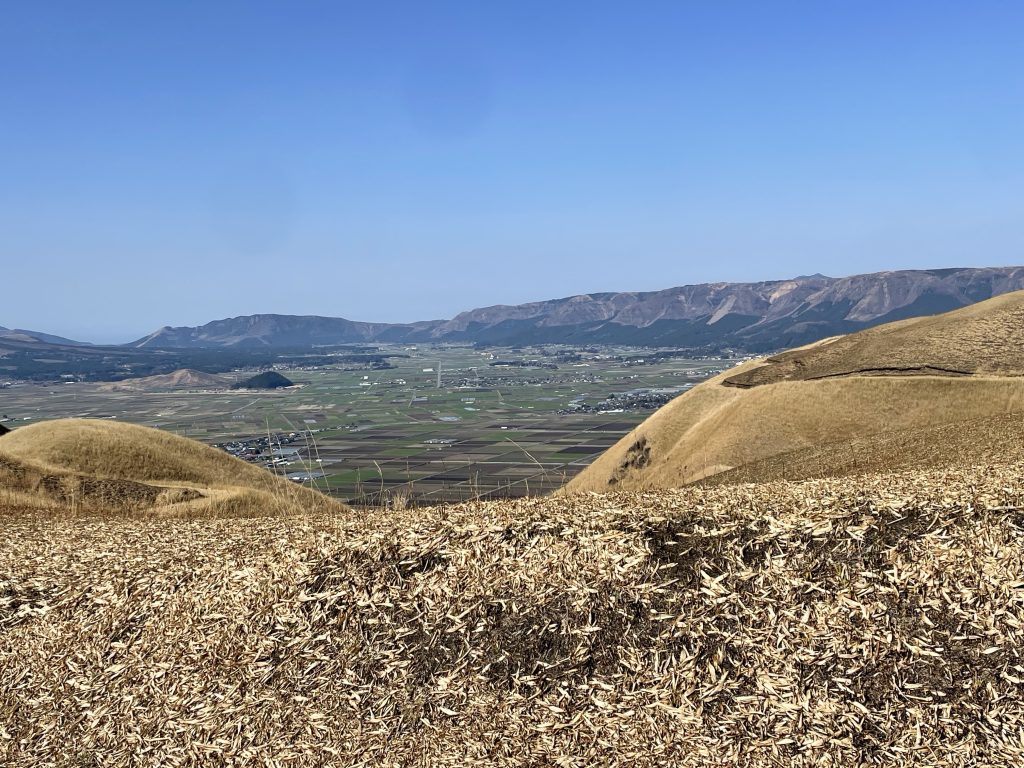
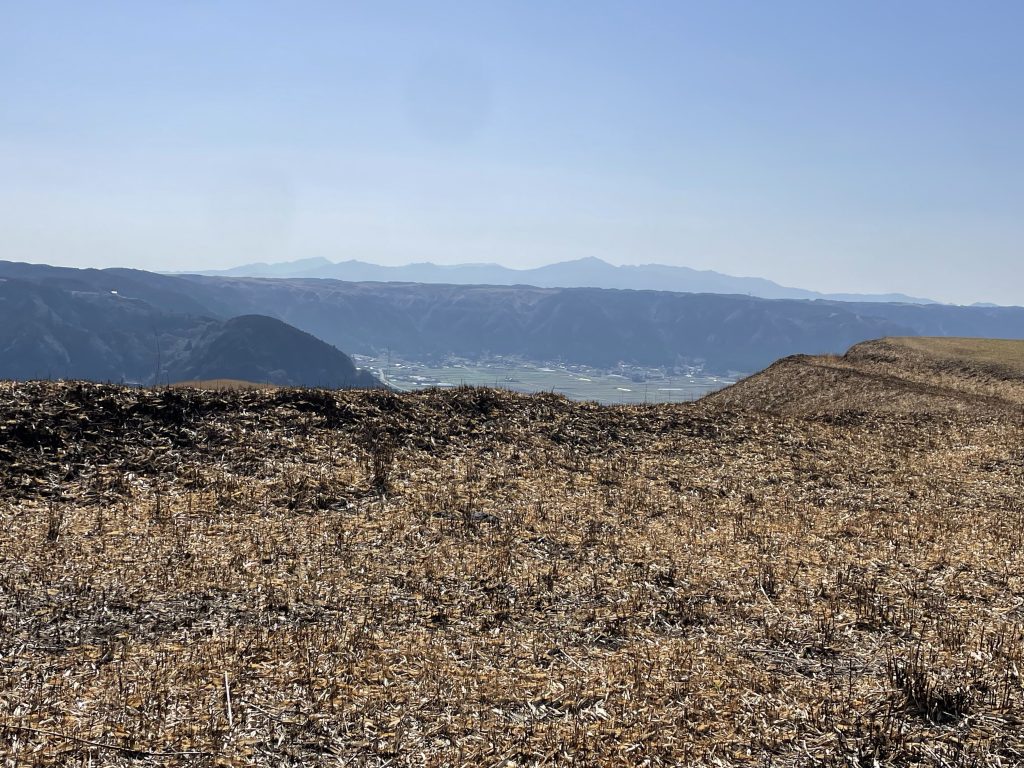
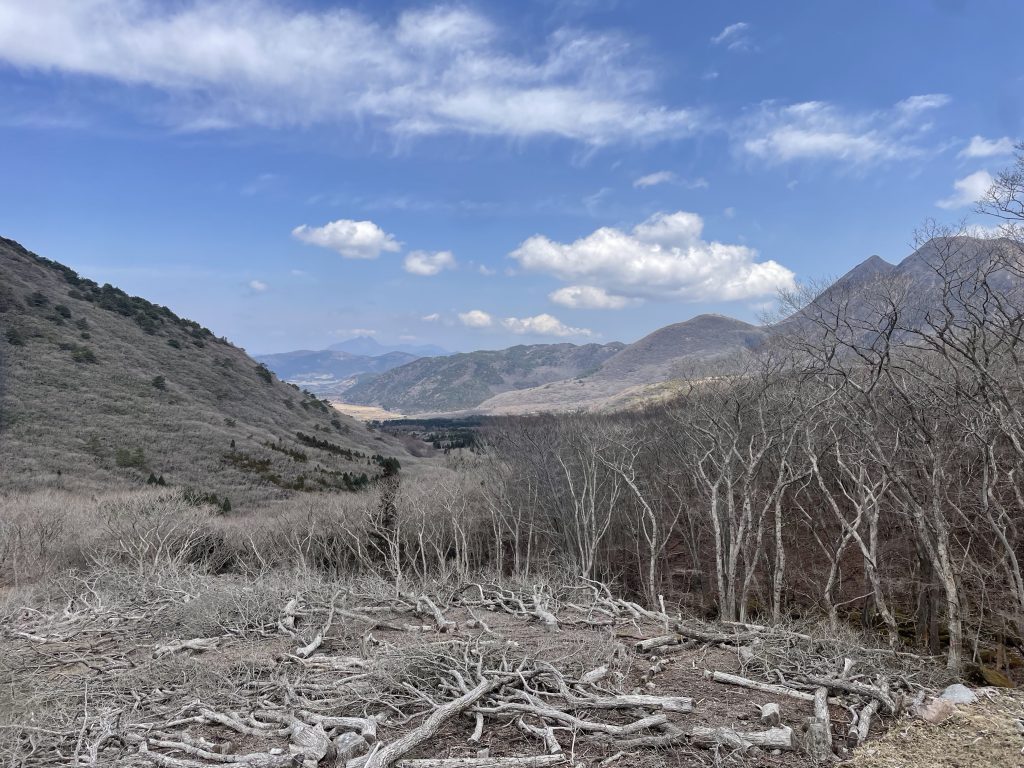
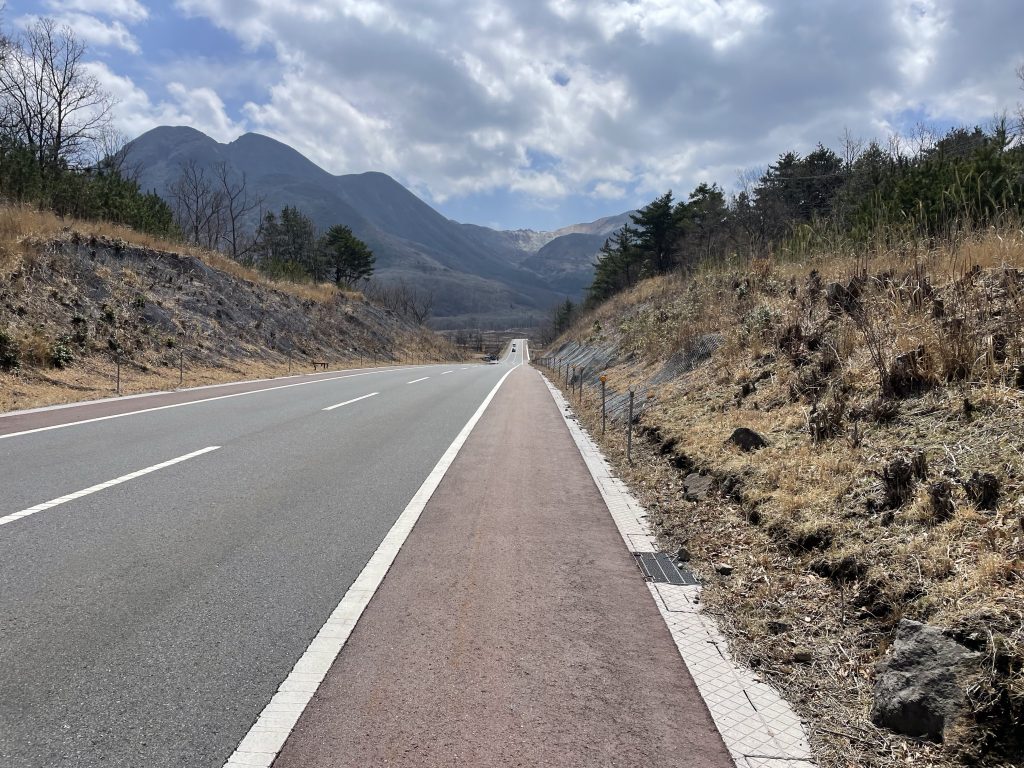
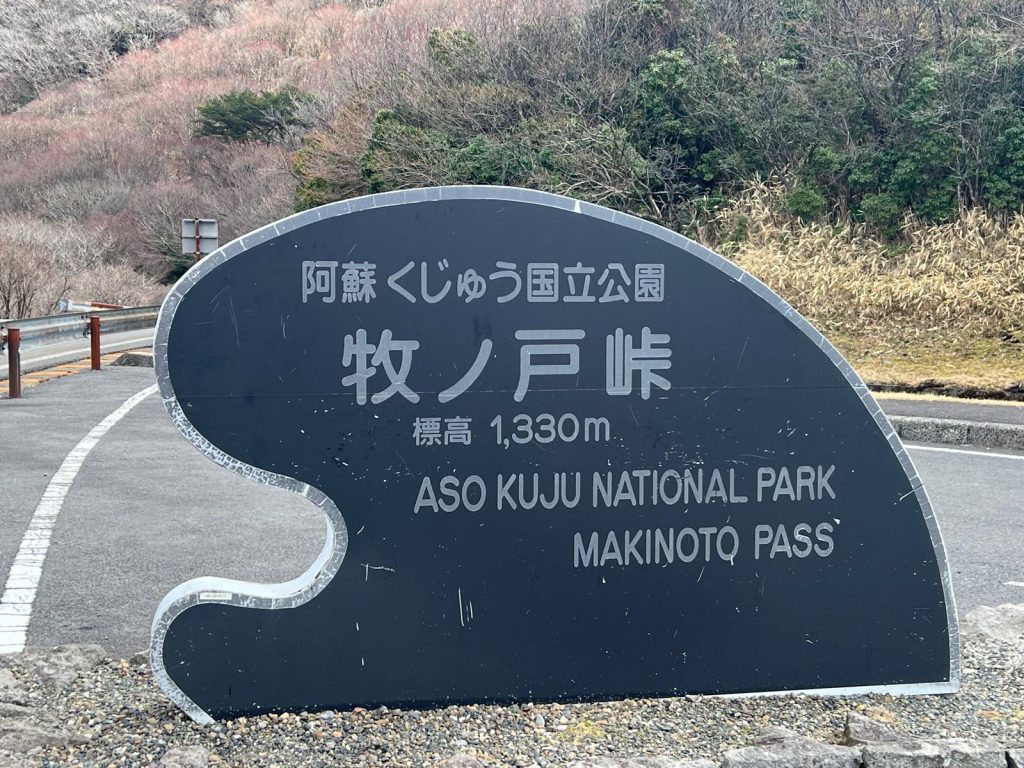
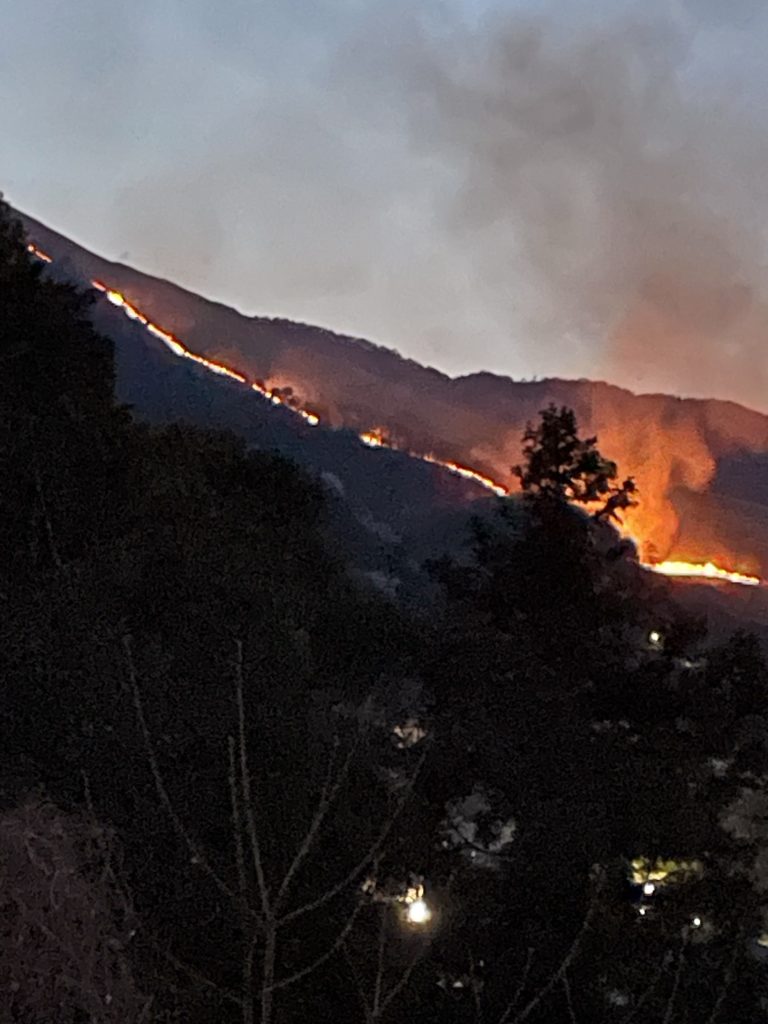
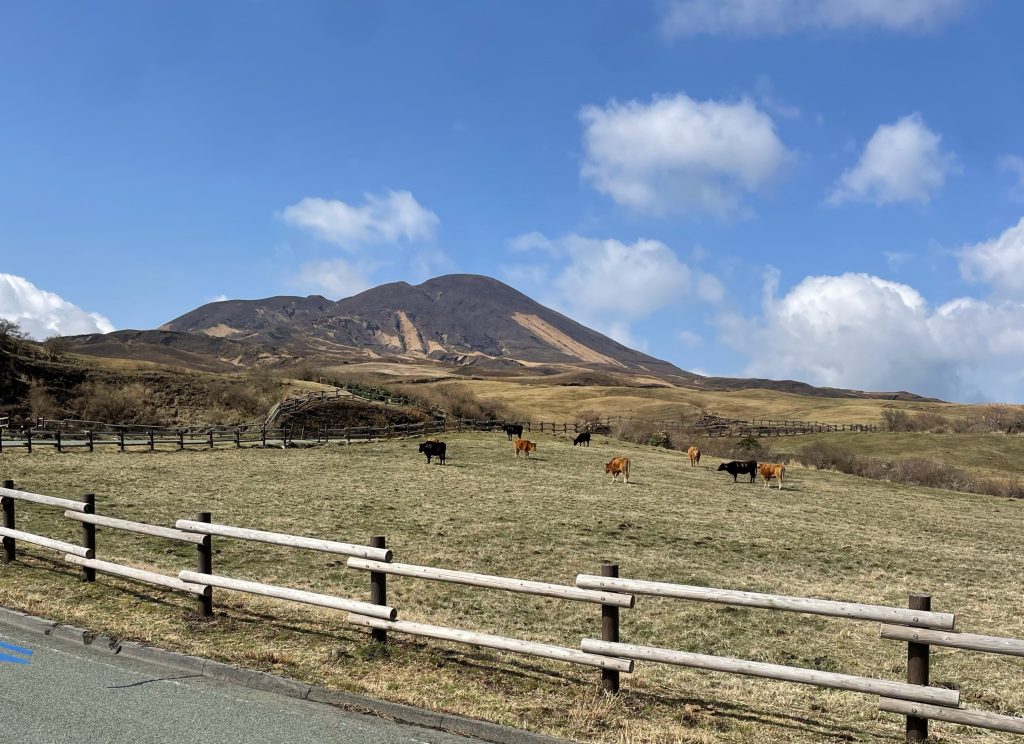
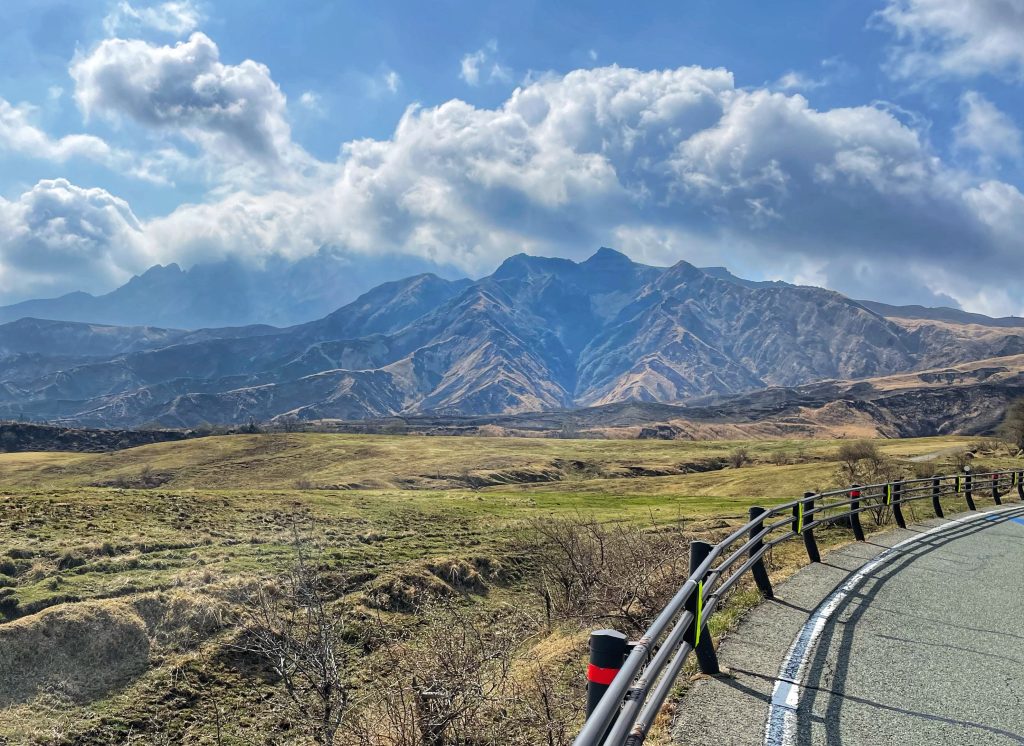
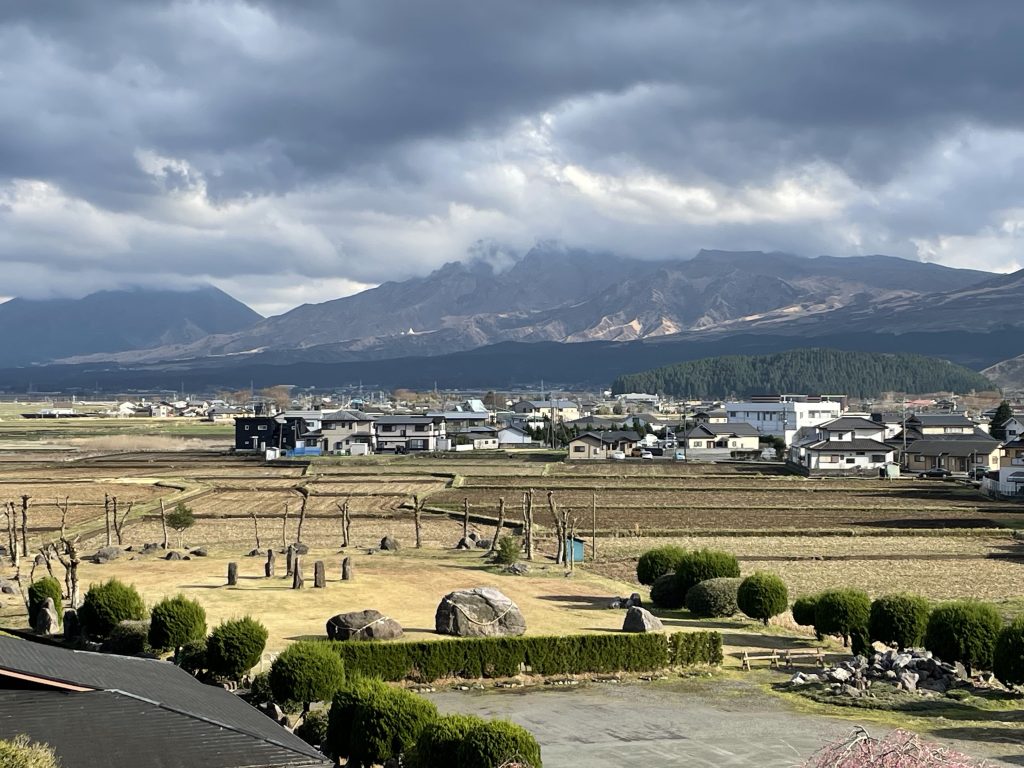
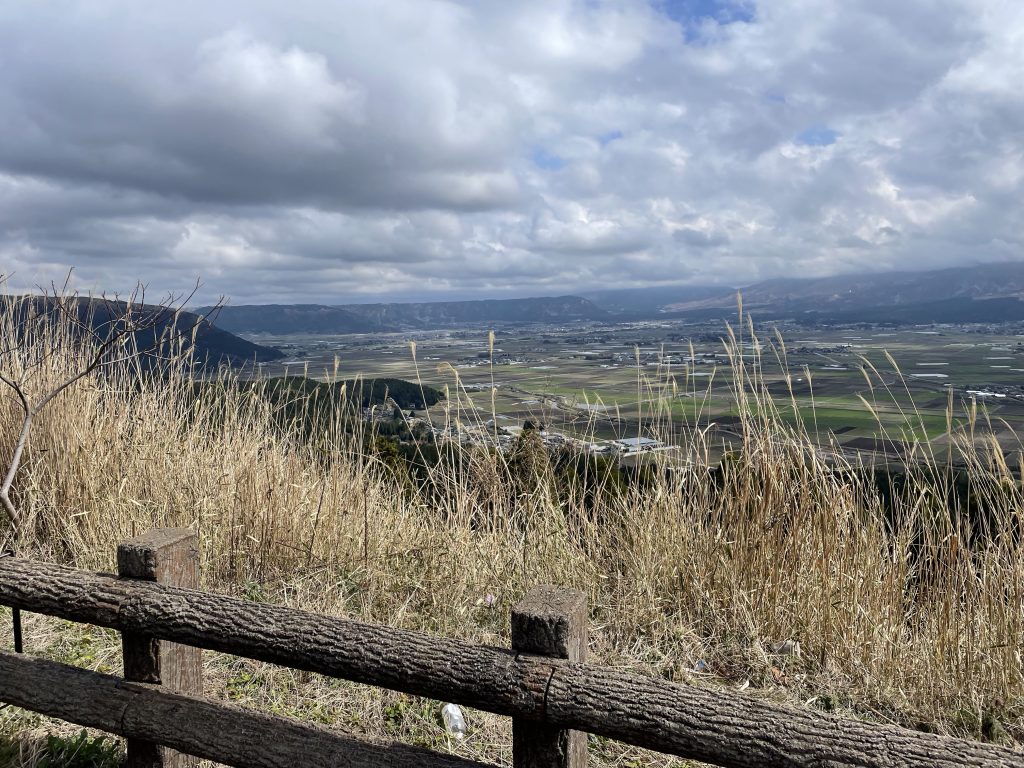
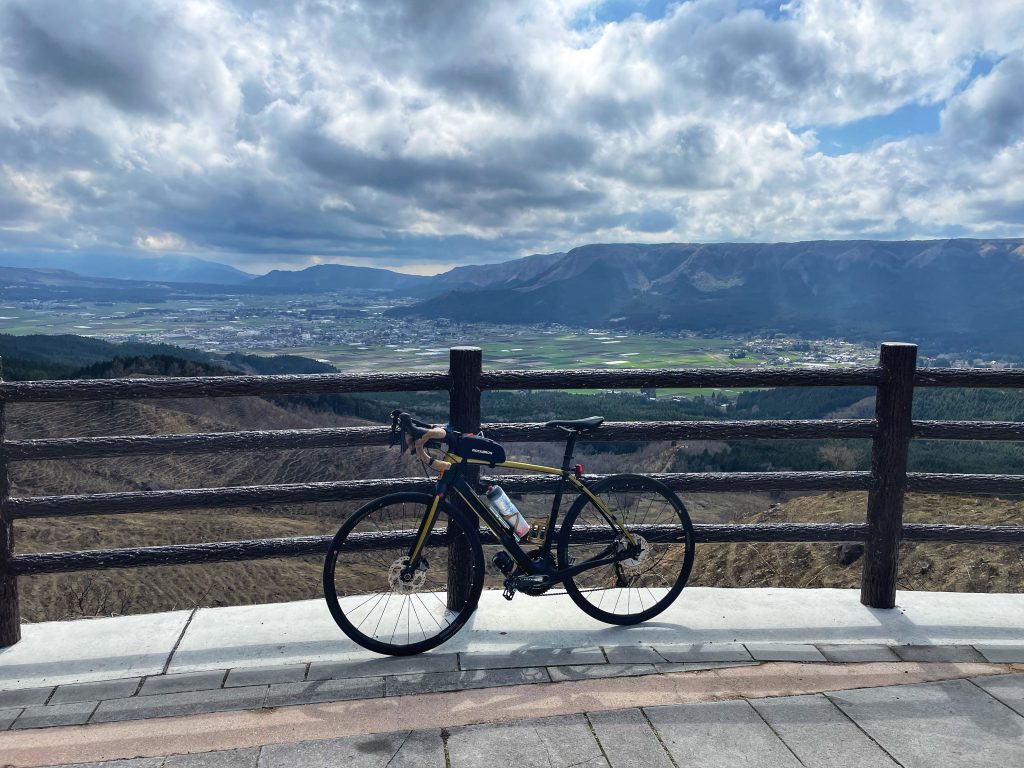
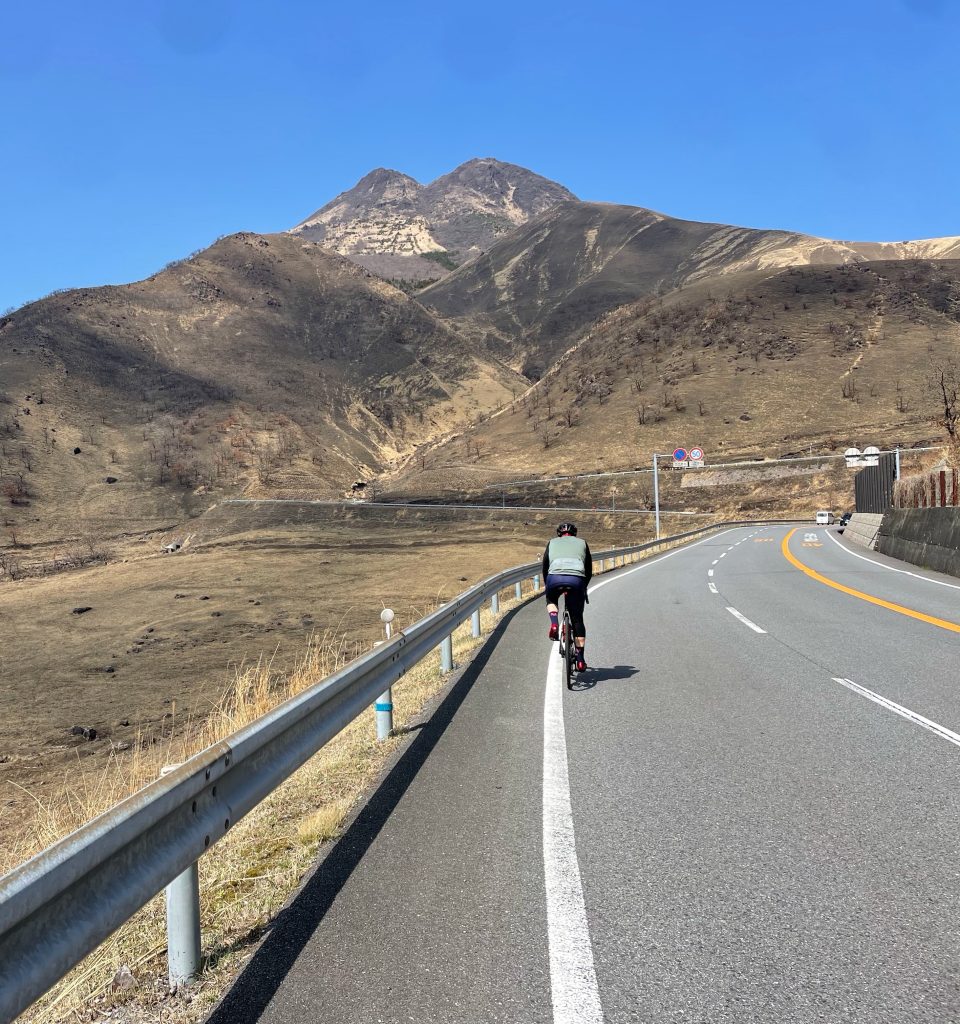
    A scenic day today as we left the smouldering Mount Aso volcano and ascended up into the changing terrain over the Kuju Mountains. It was a beautiful sunny day starting out cool but warming up nicely as the day progressed.


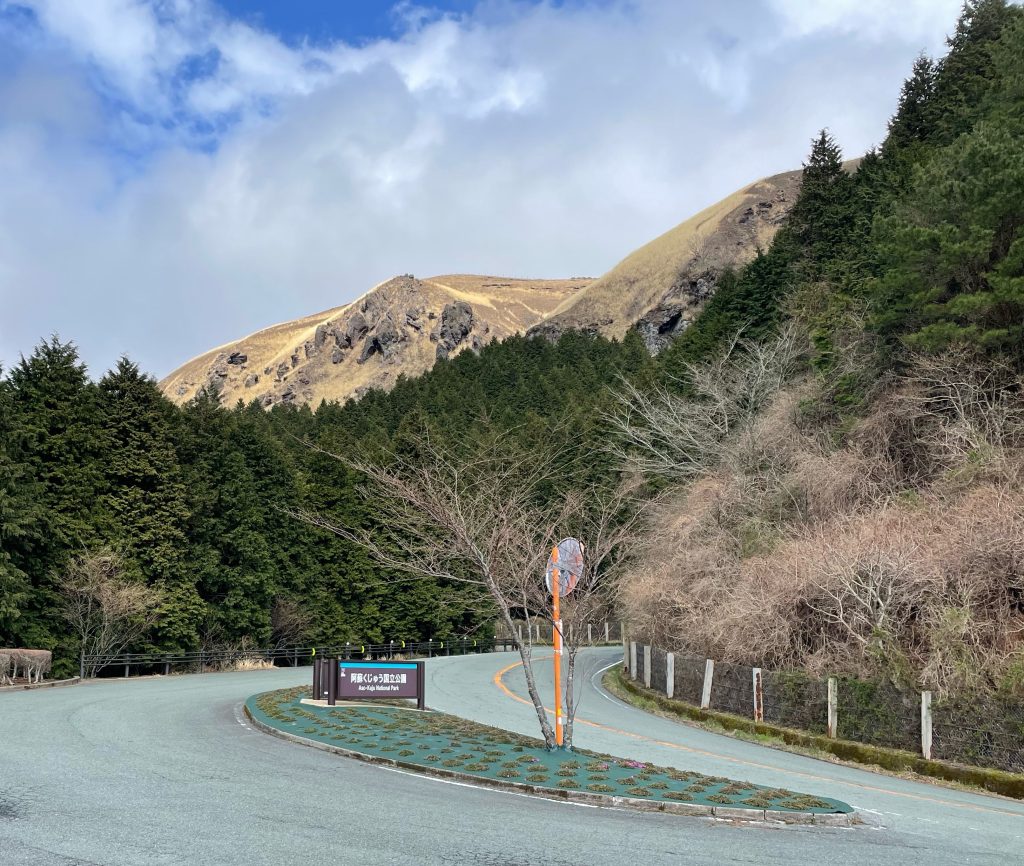
    We started out riding through the opposite side of the caldera from yesterday to a point where started a multi-switchback route up to the top ridge of the caldera.

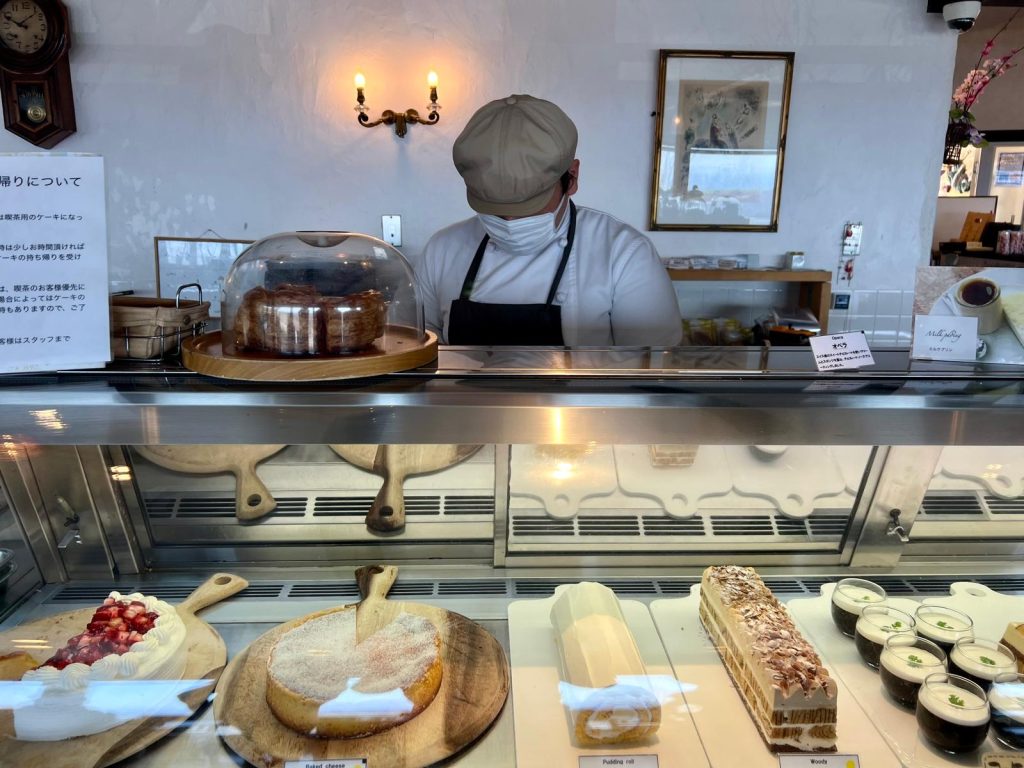
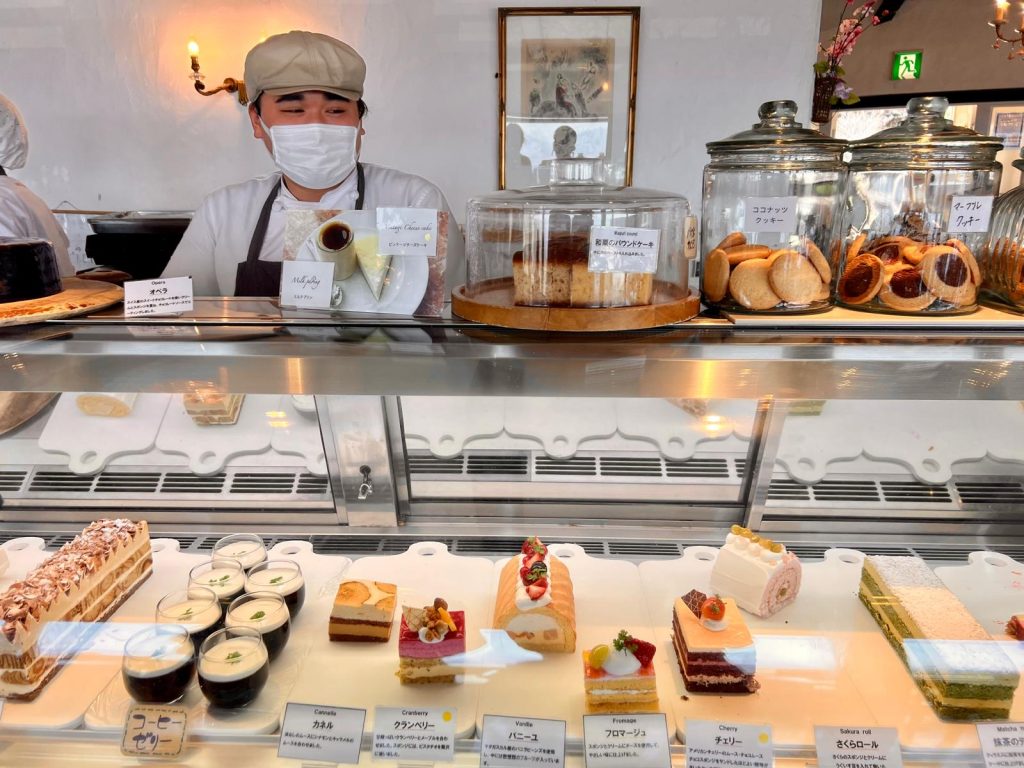
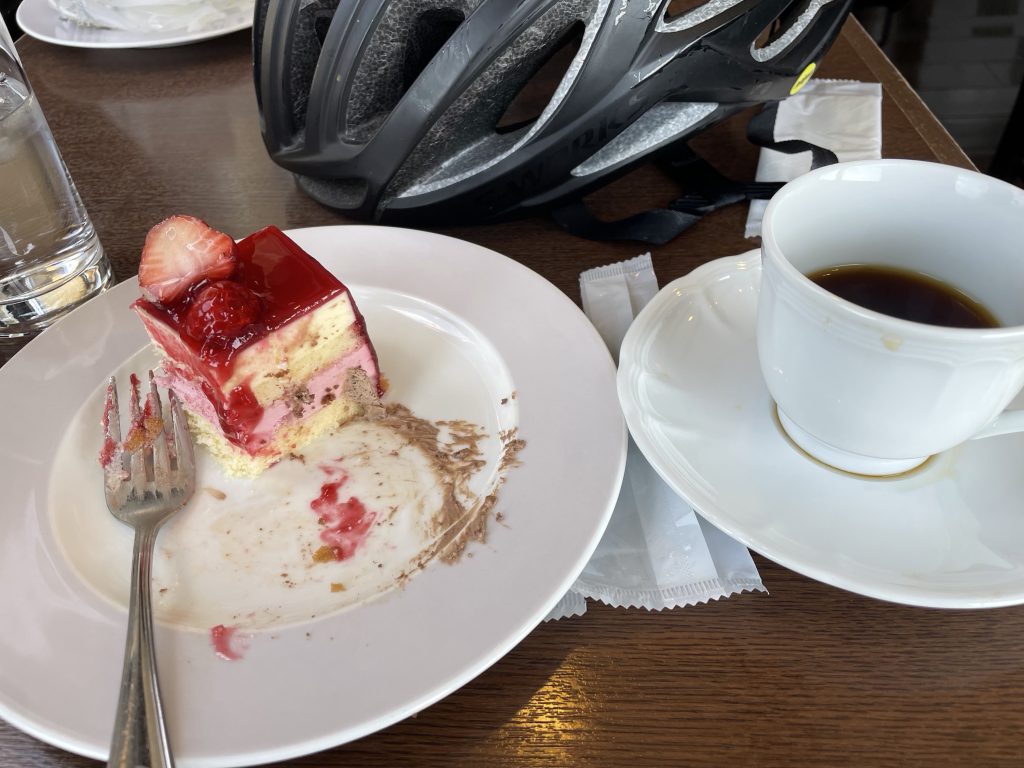
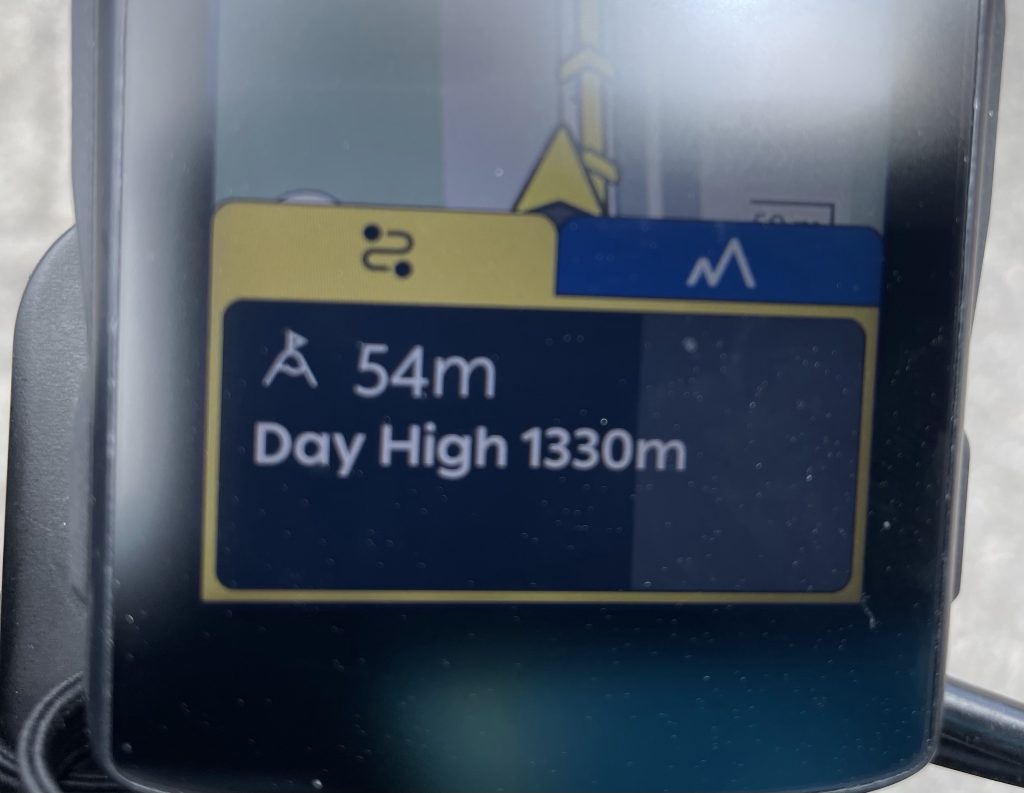
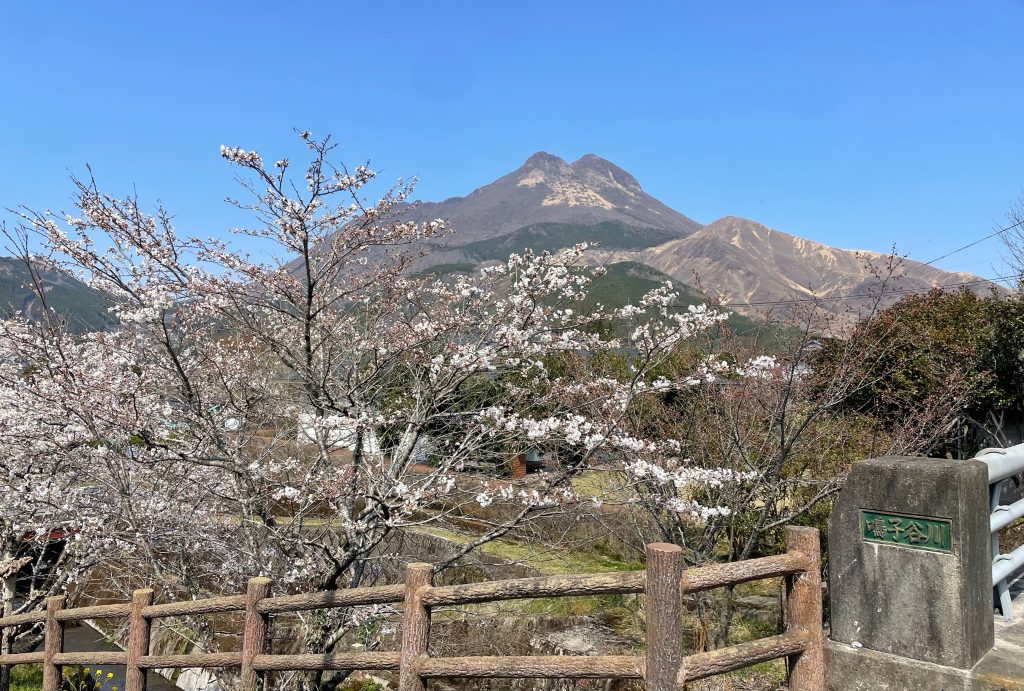
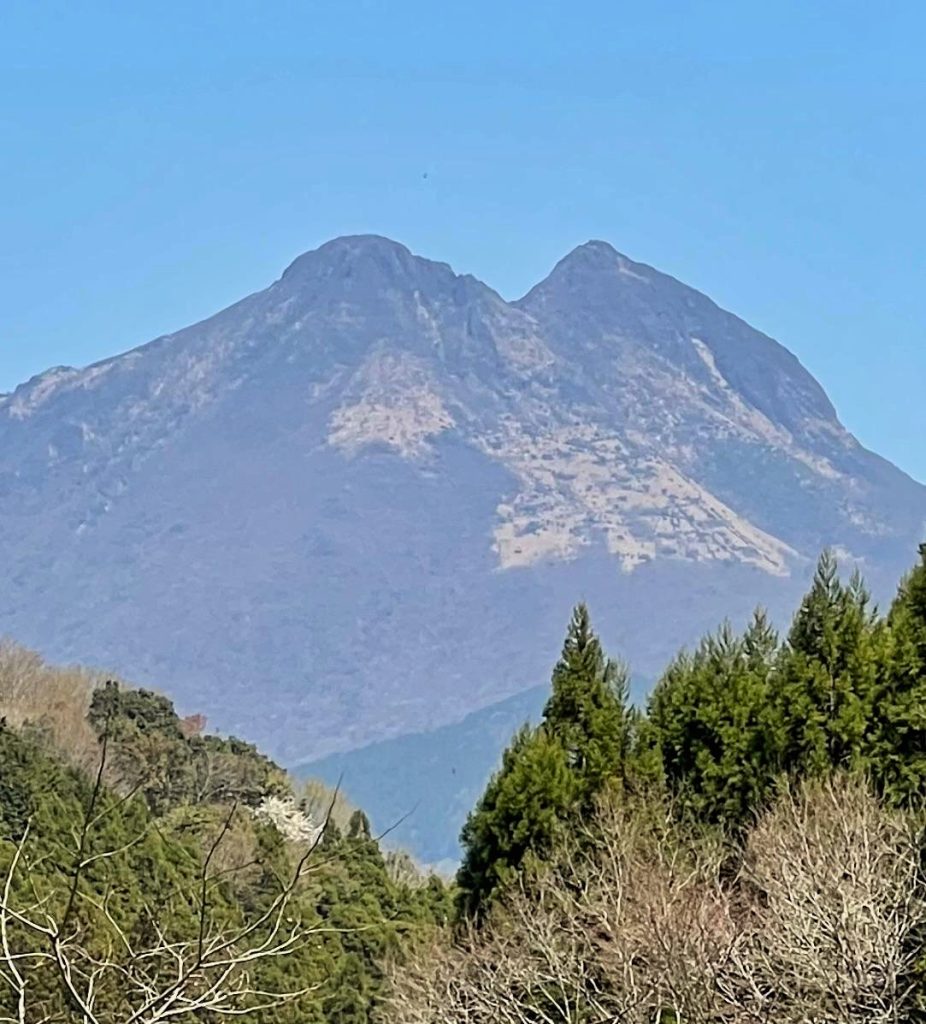
    From the Tadewara Wetlands we traverse the twin peak Mount Yuju and start our descent from the region of Kumamoto to Oita again. And a stop at km 32 for coffee and cake!


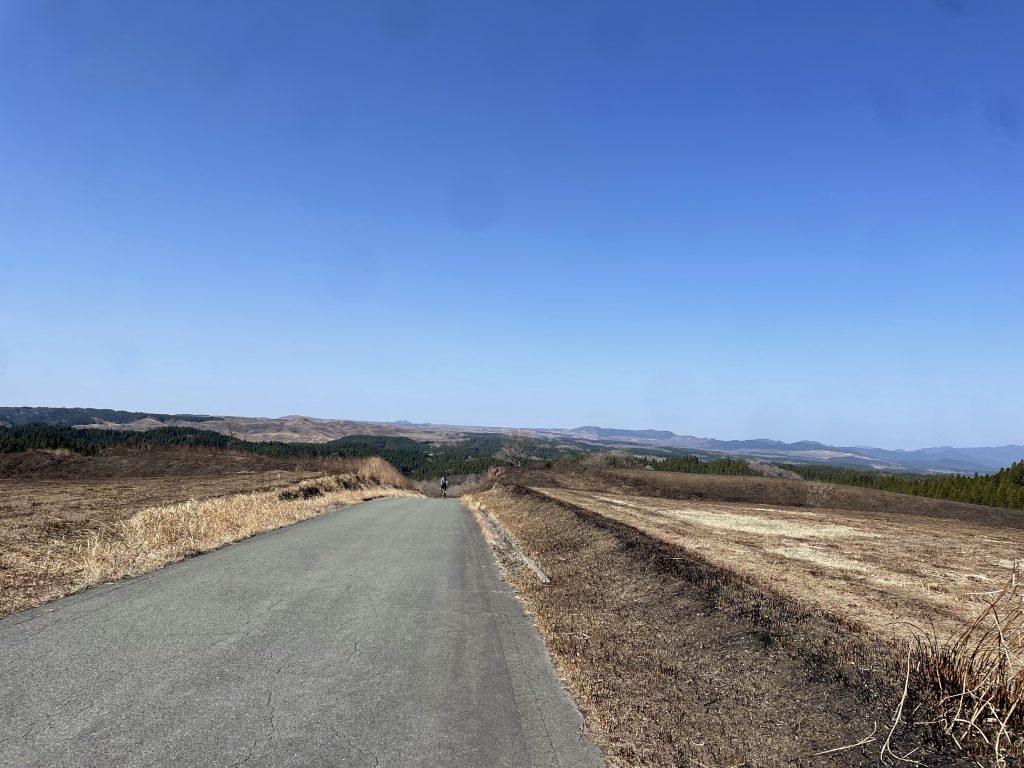
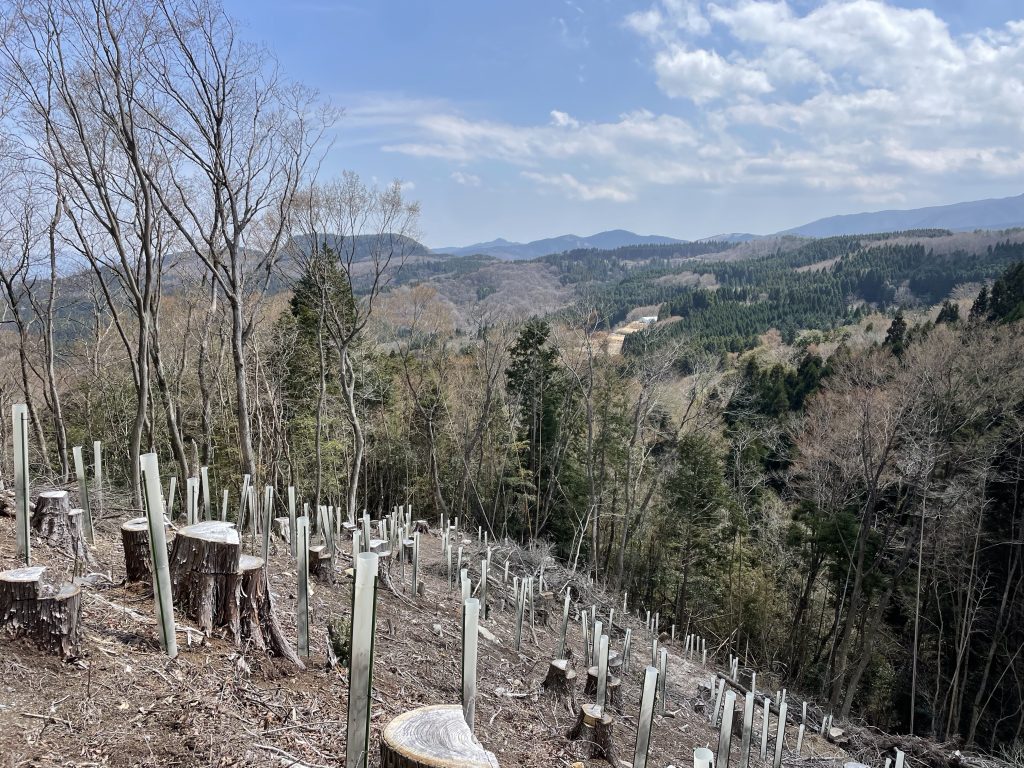
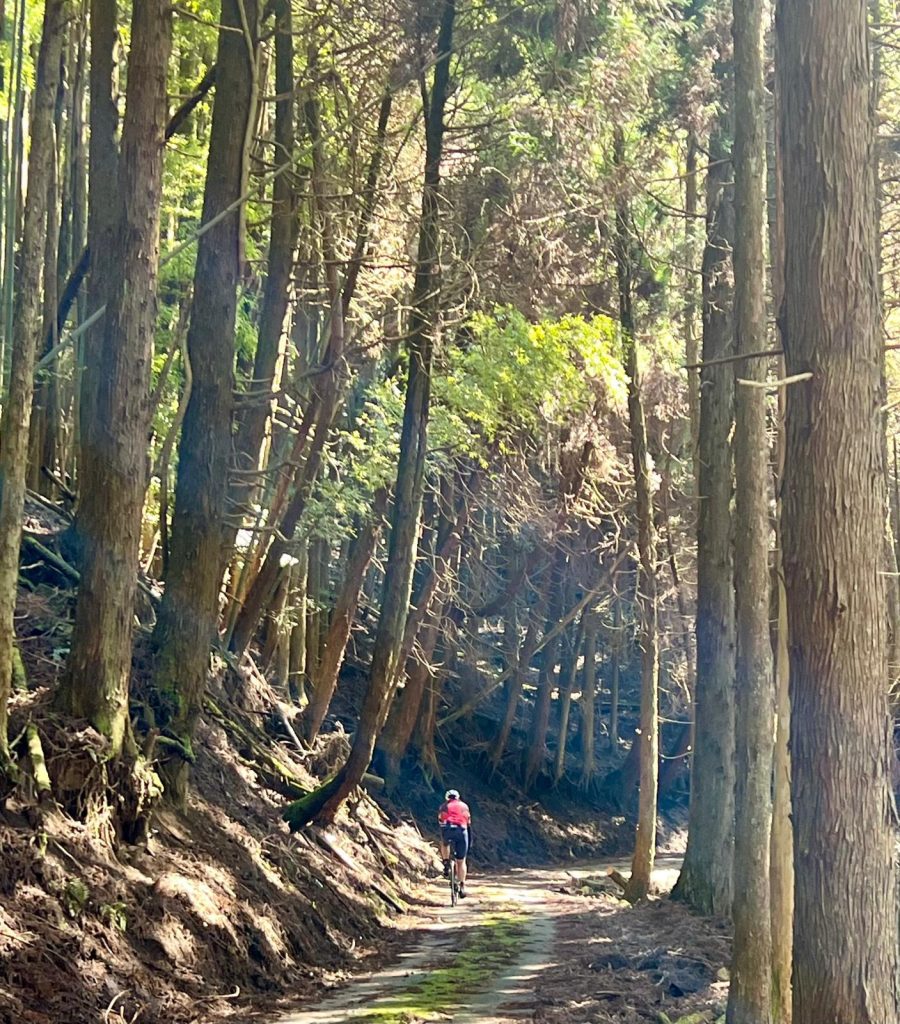
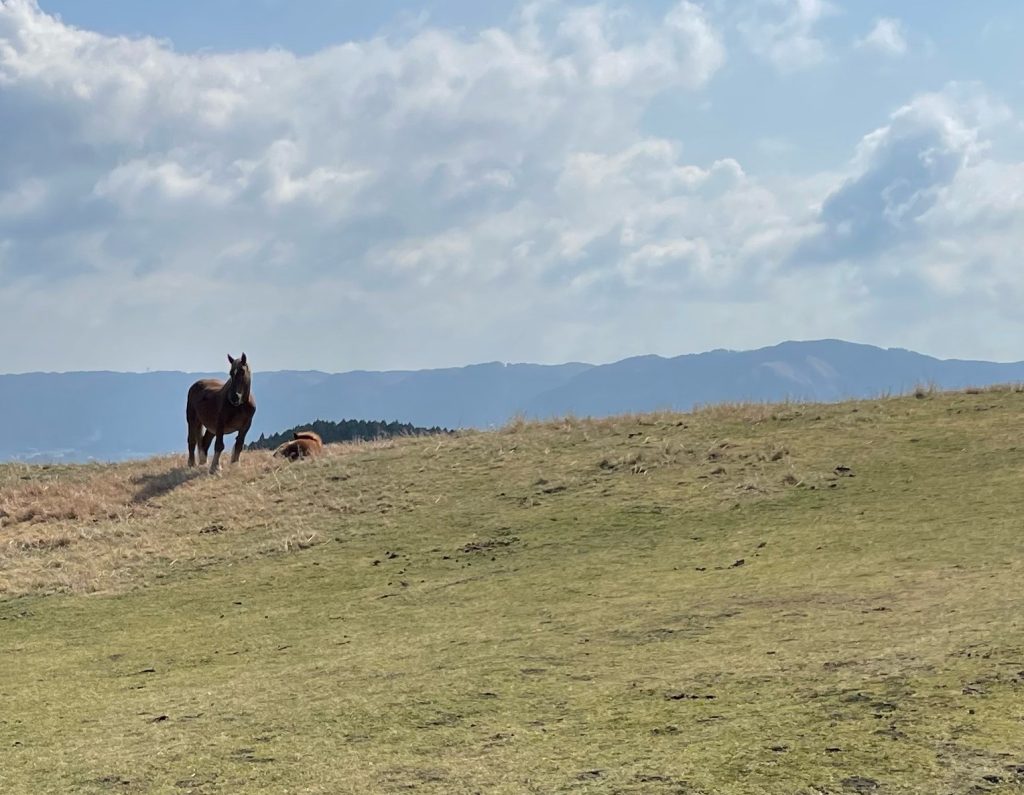
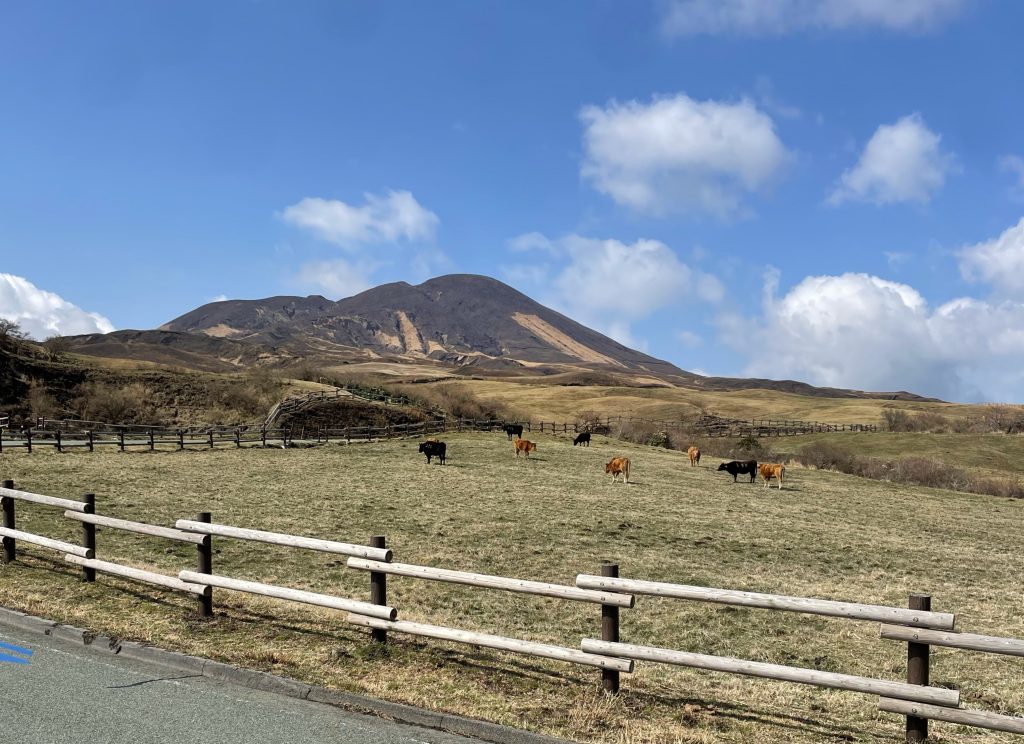
    With a mixture of forested roads and rolling grasslands, our riding is a little more open than our rindo roads, but no less spectacular. In fact, the area is Kyushu at its natural best – vast areas of mountainous terrain, varied beautiful landscapes, bubbling volcanoes and, of course, hot springs!


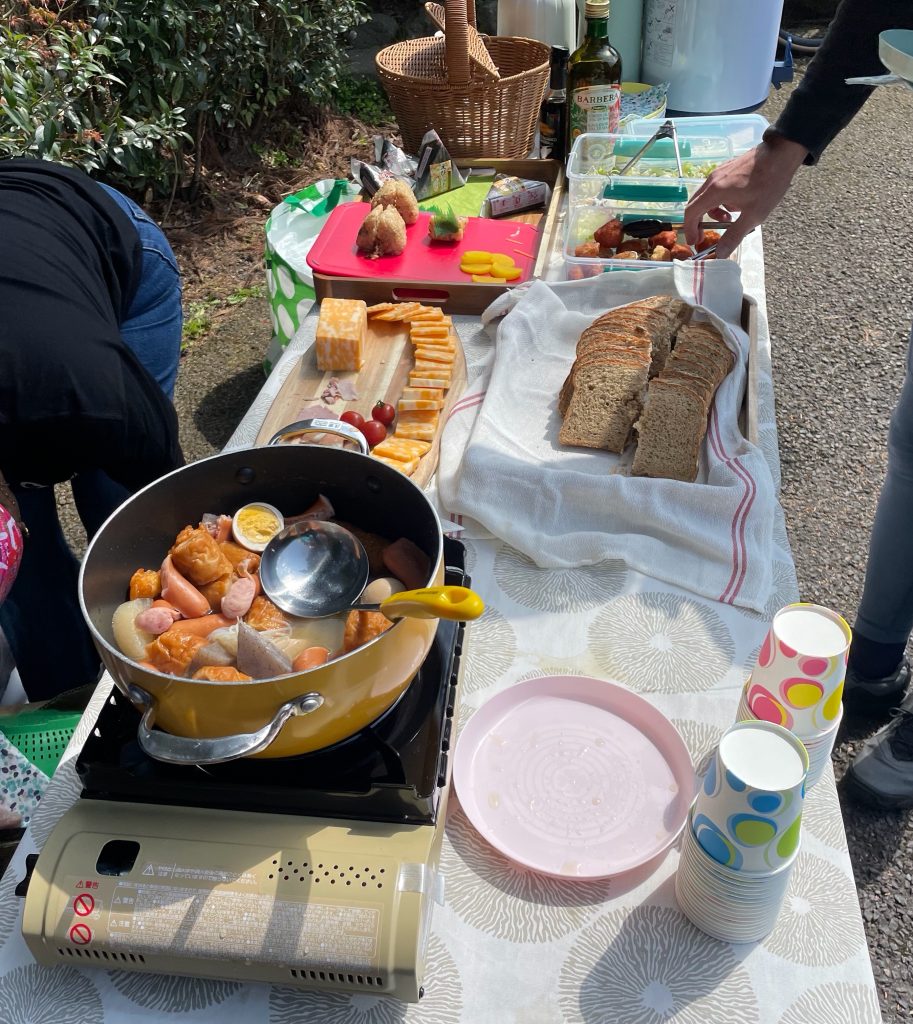
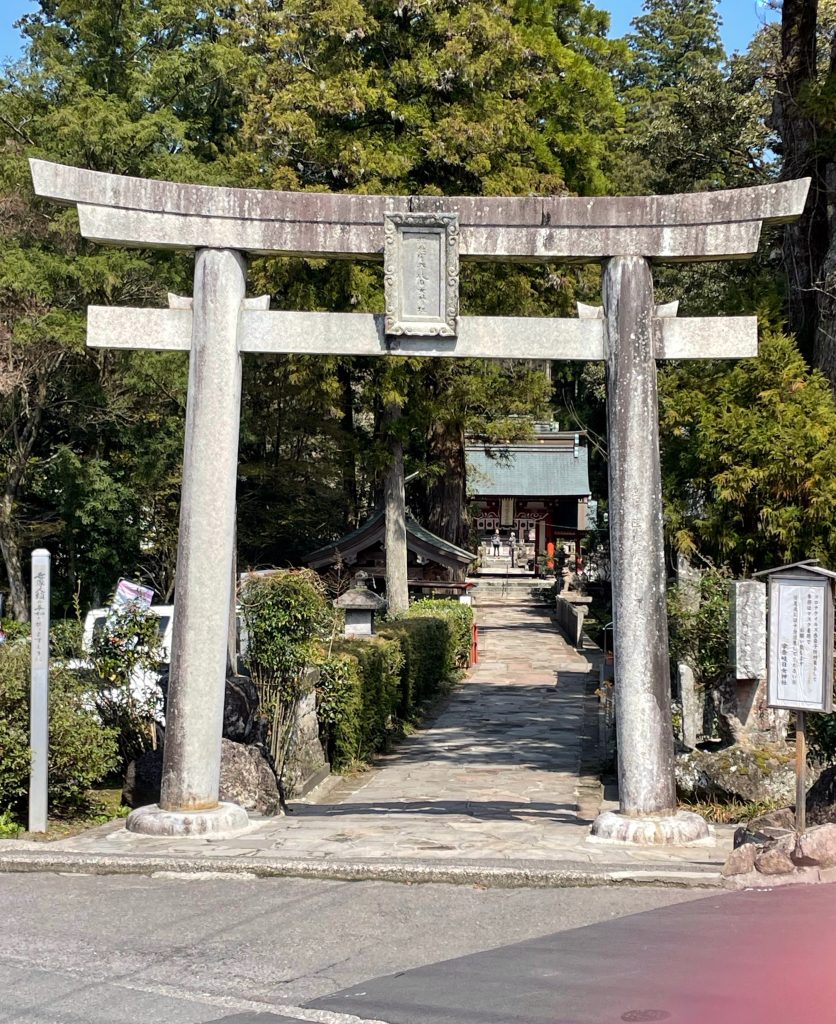
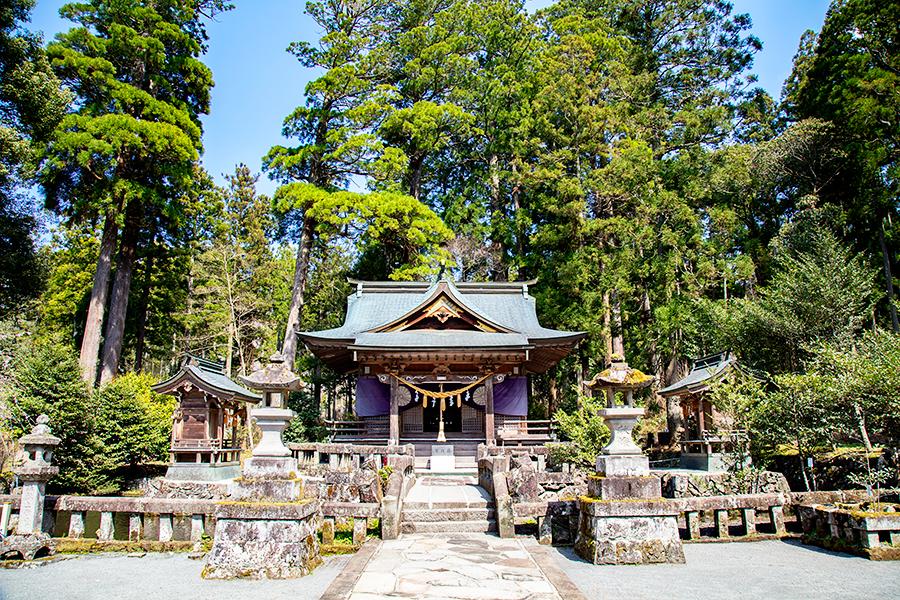
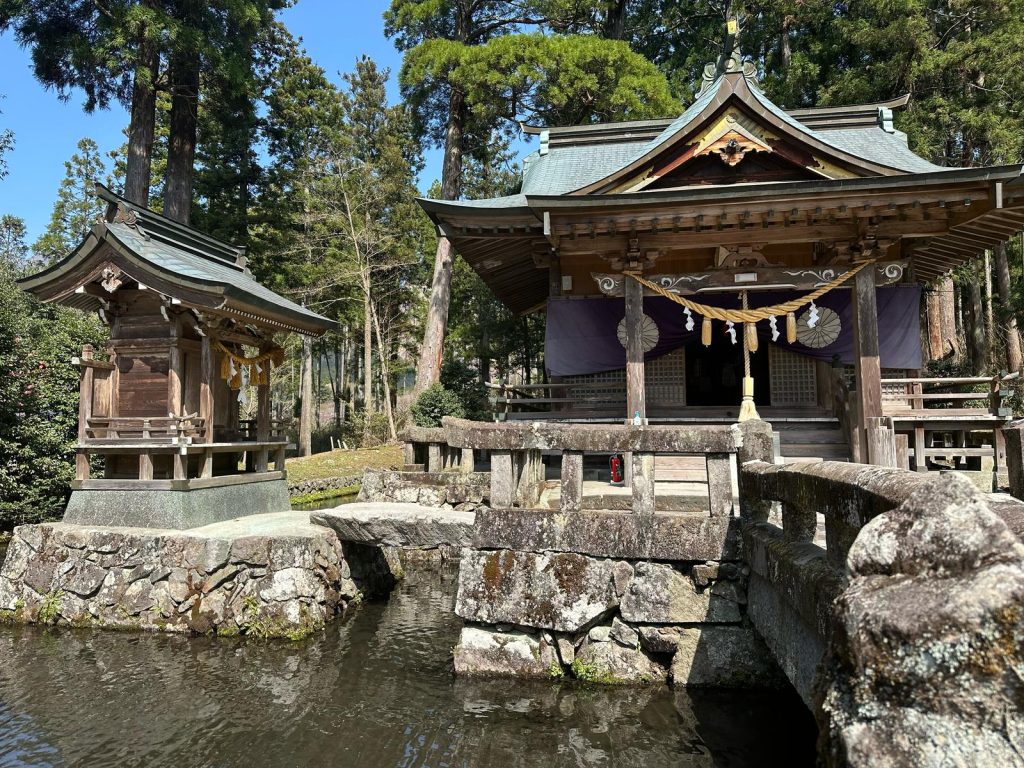
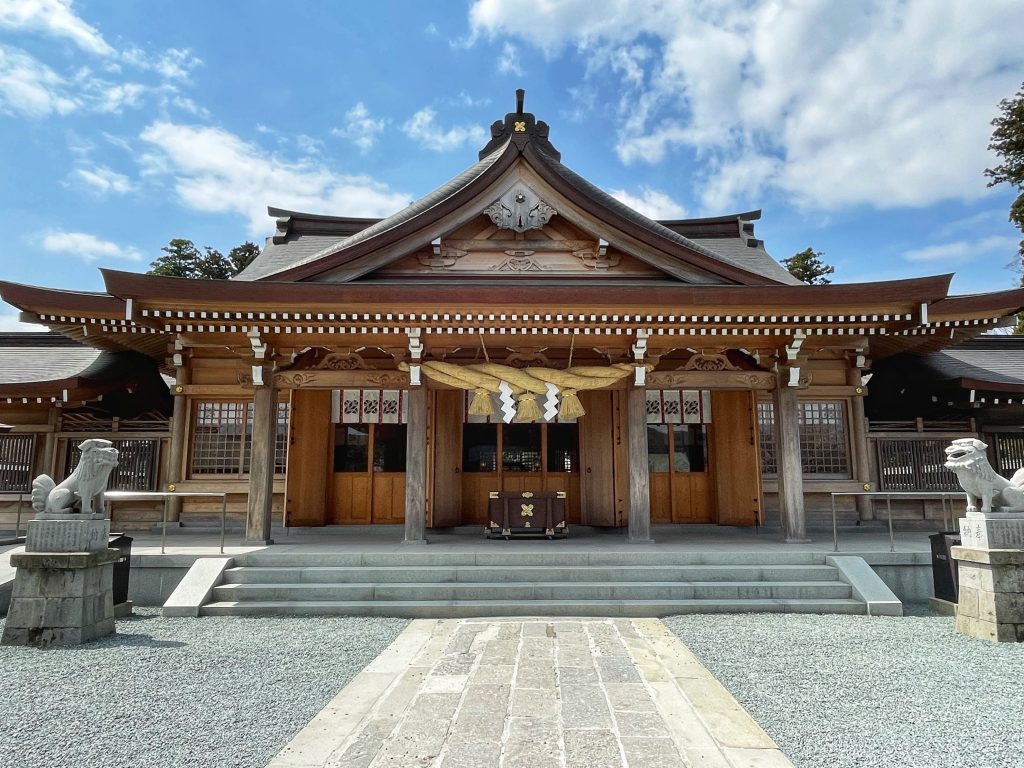
    Our picnic lunch was beside a Buddhist shrine…


    It was a longer day today with lots of climbing but just a spectacular one!


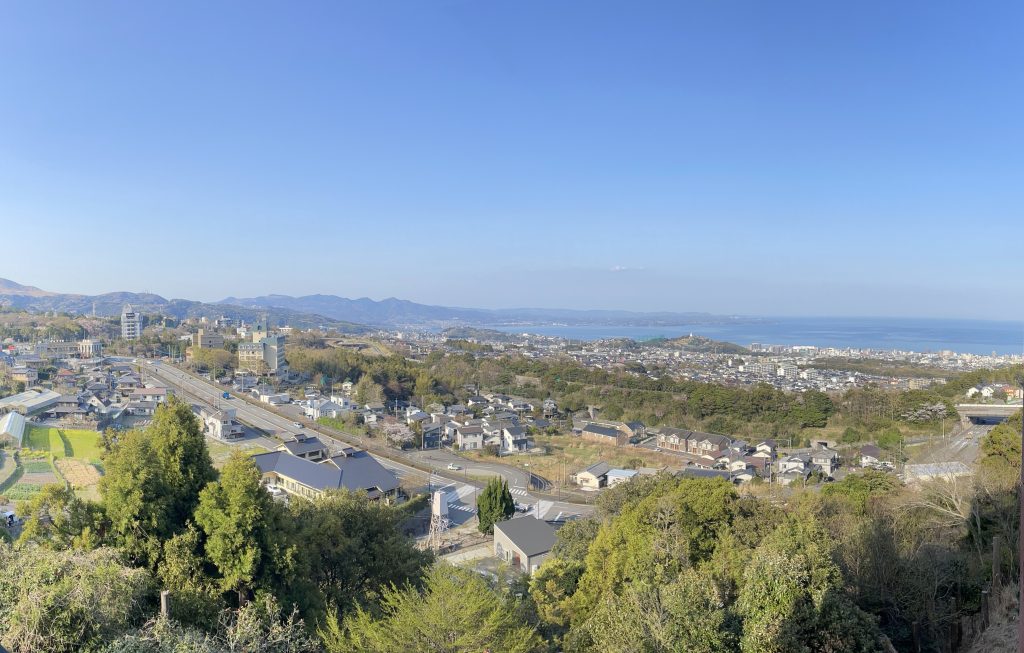
    After a last descent for the day we dropped into the city of Beppu at the seashore

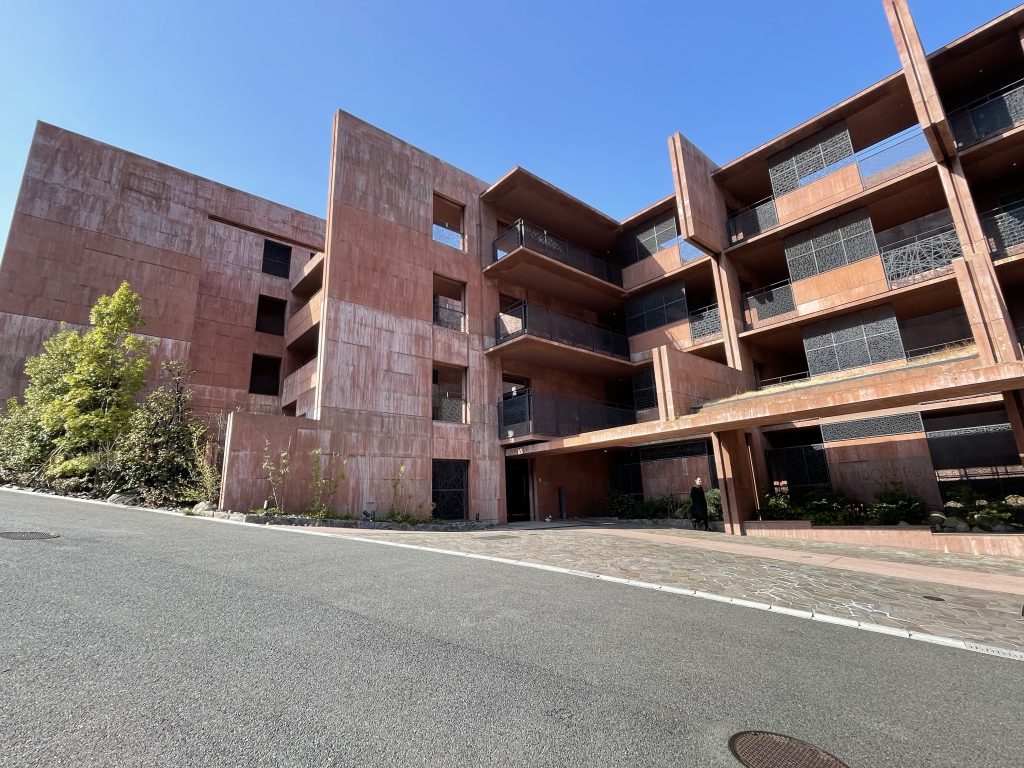
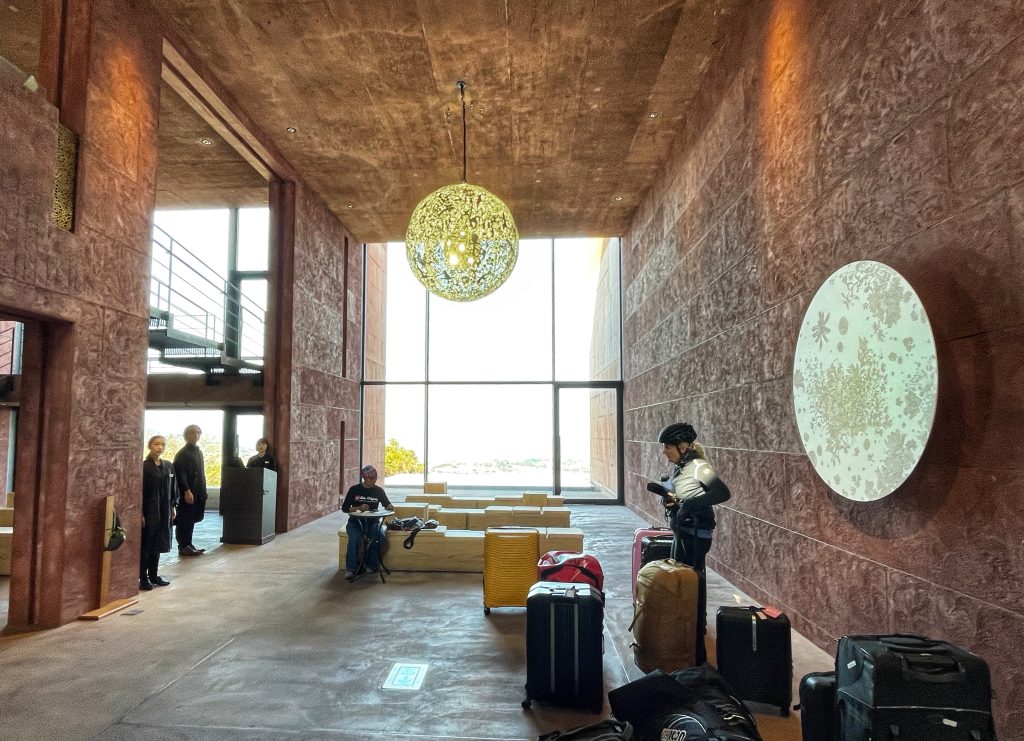
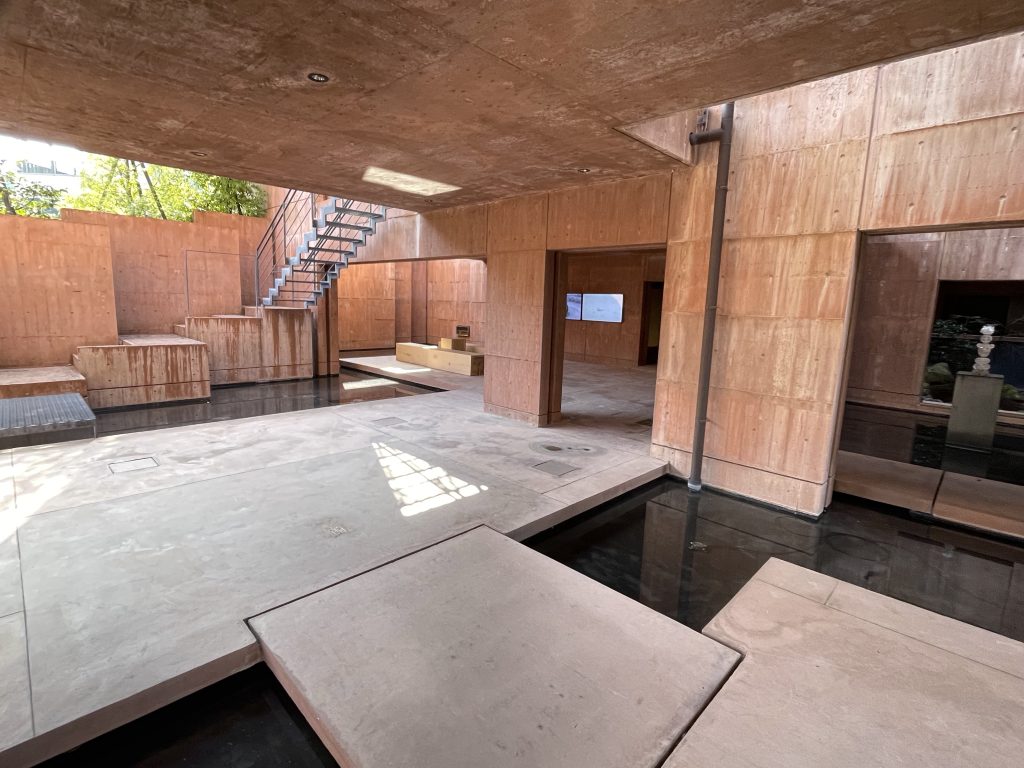
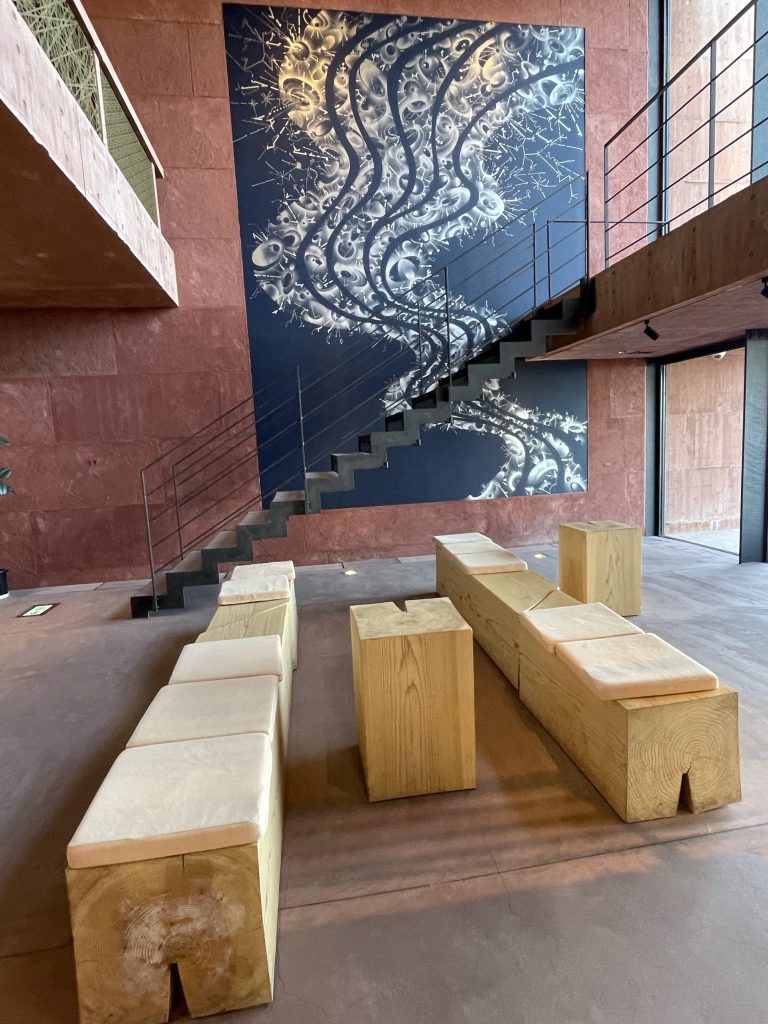
    Our hotel is the ultramodern Galleria Midabaru, constructed completely in concrete

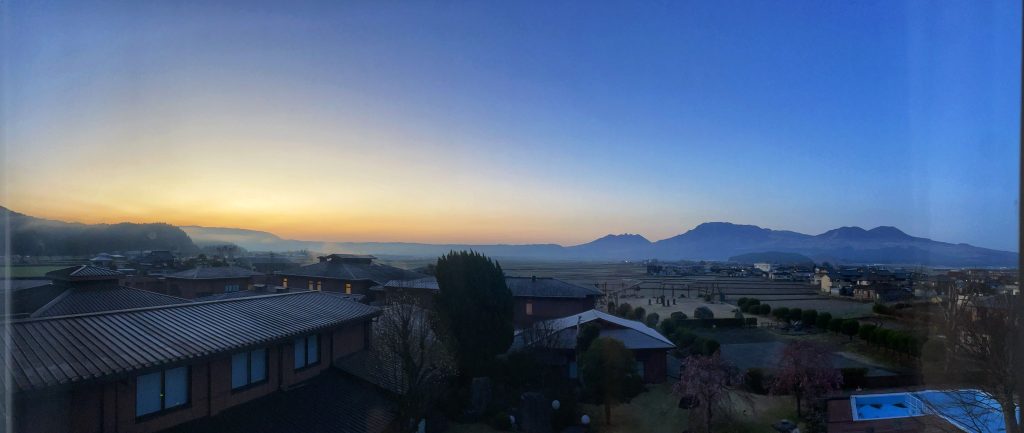
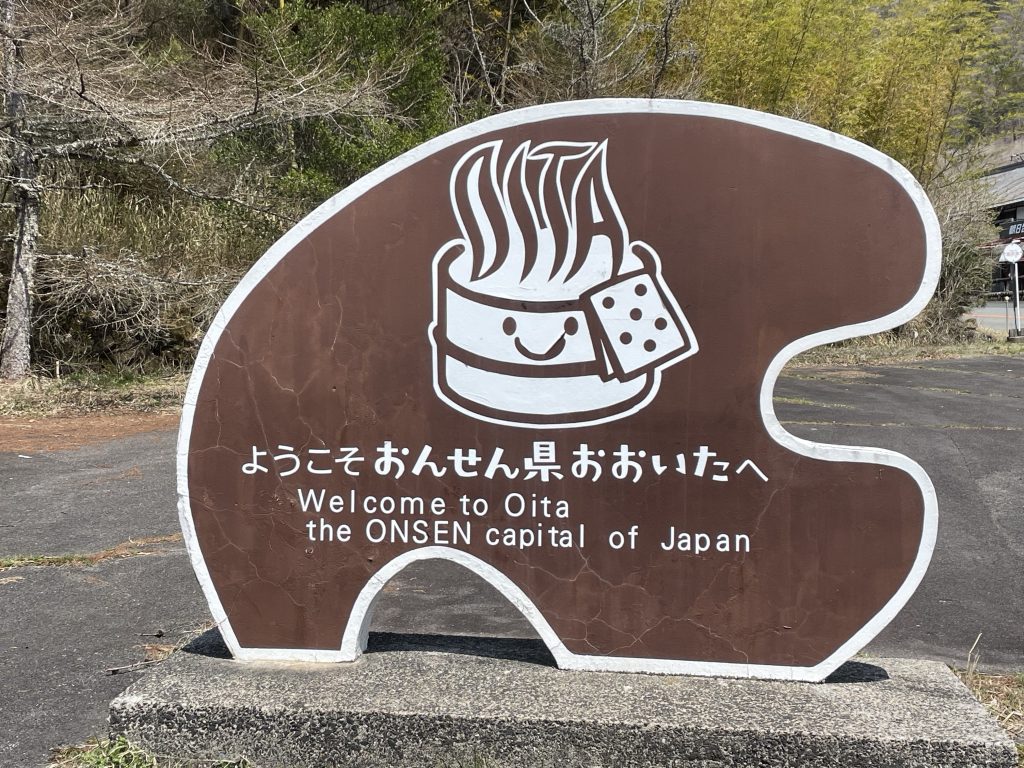
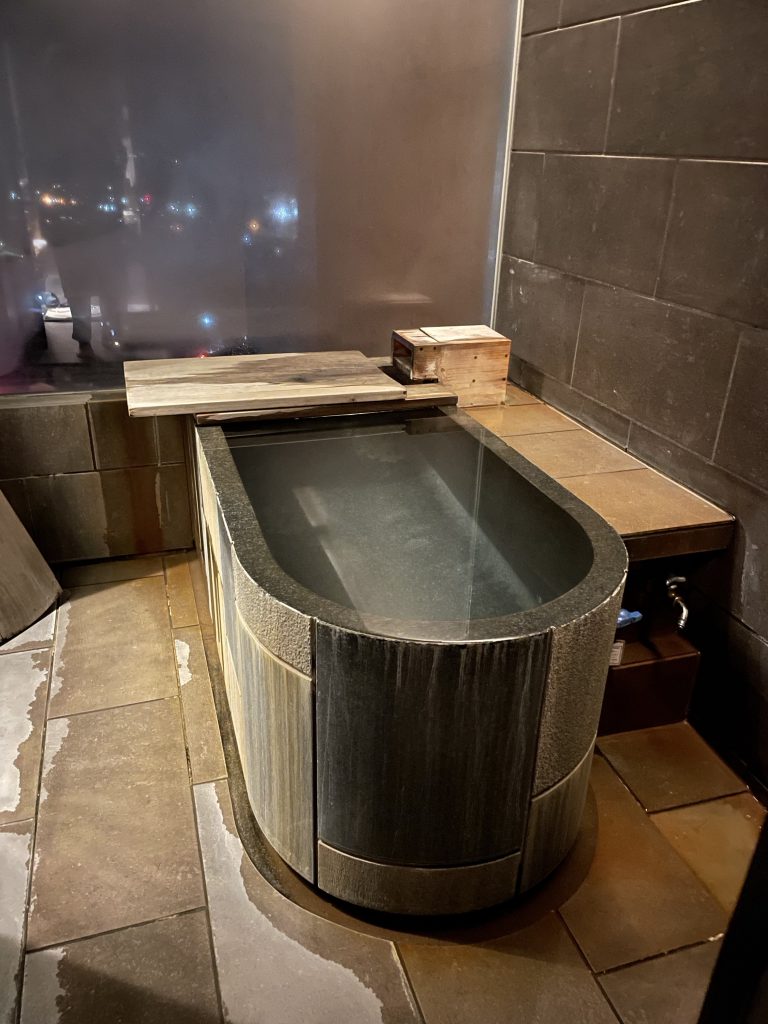
    A great view overlooking the city and out to the sea, and because this is the onsen capital of Japan, I even have my own private onsen in my room!…heated by the hot springs at about 120F.

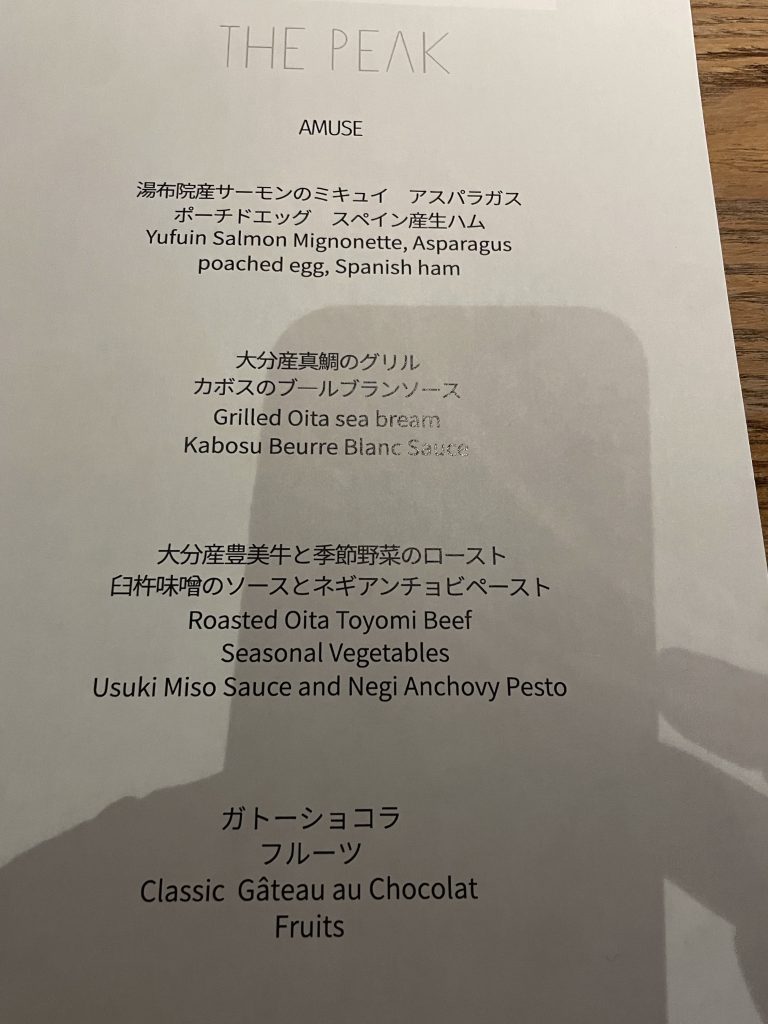
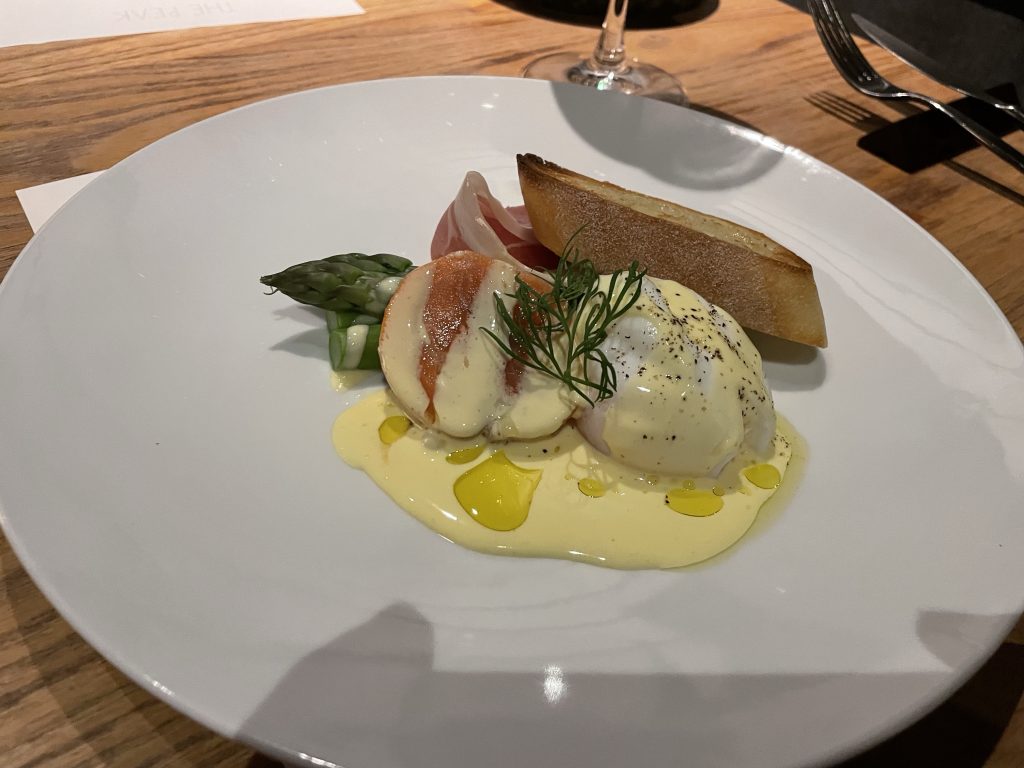
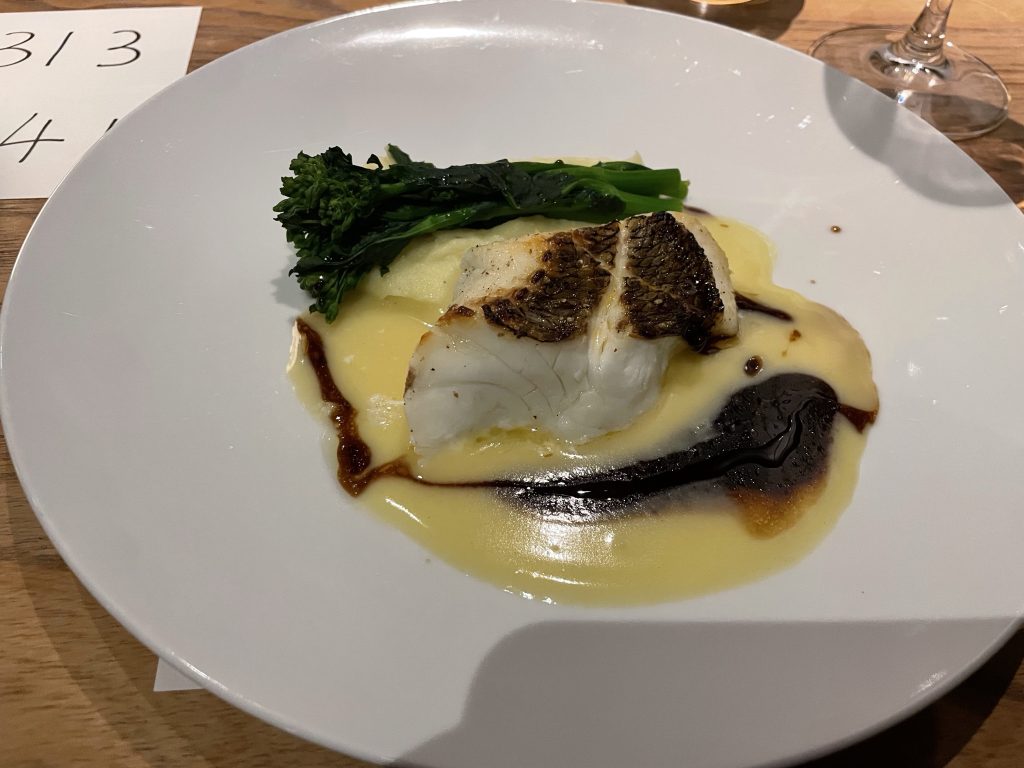
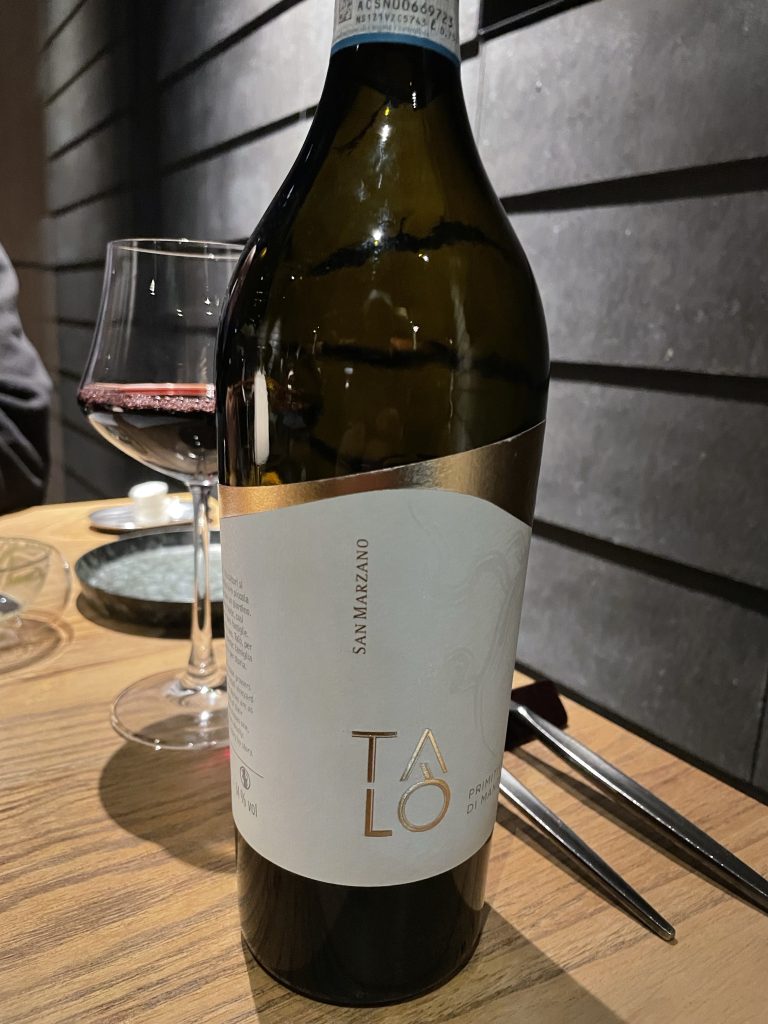
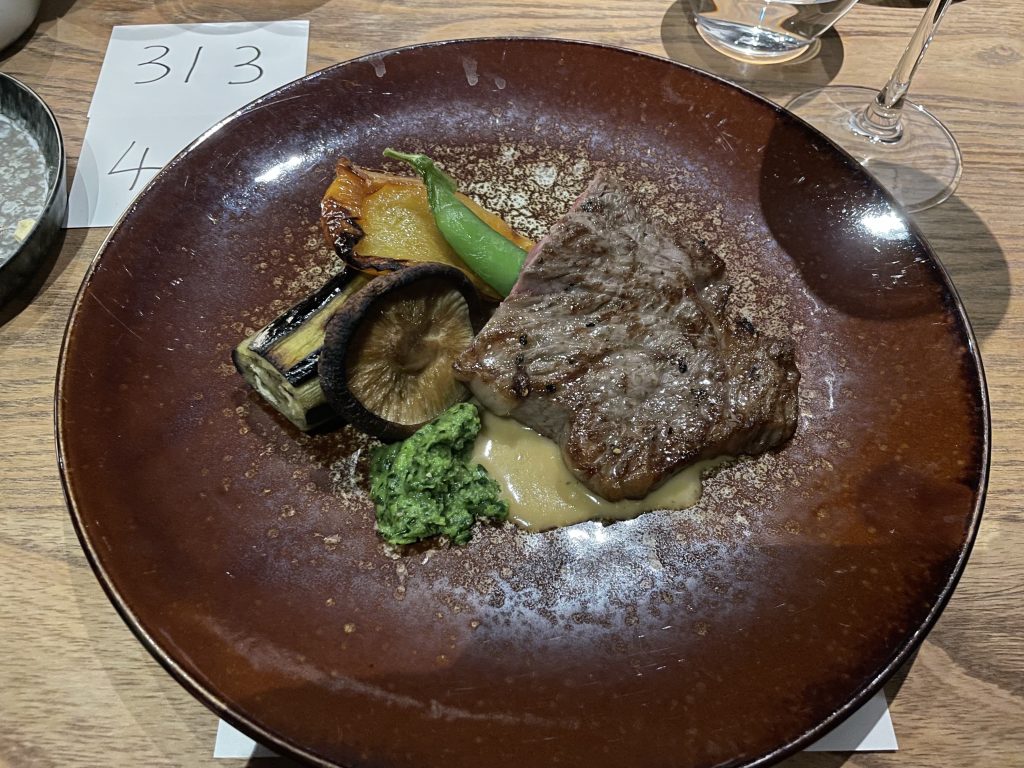
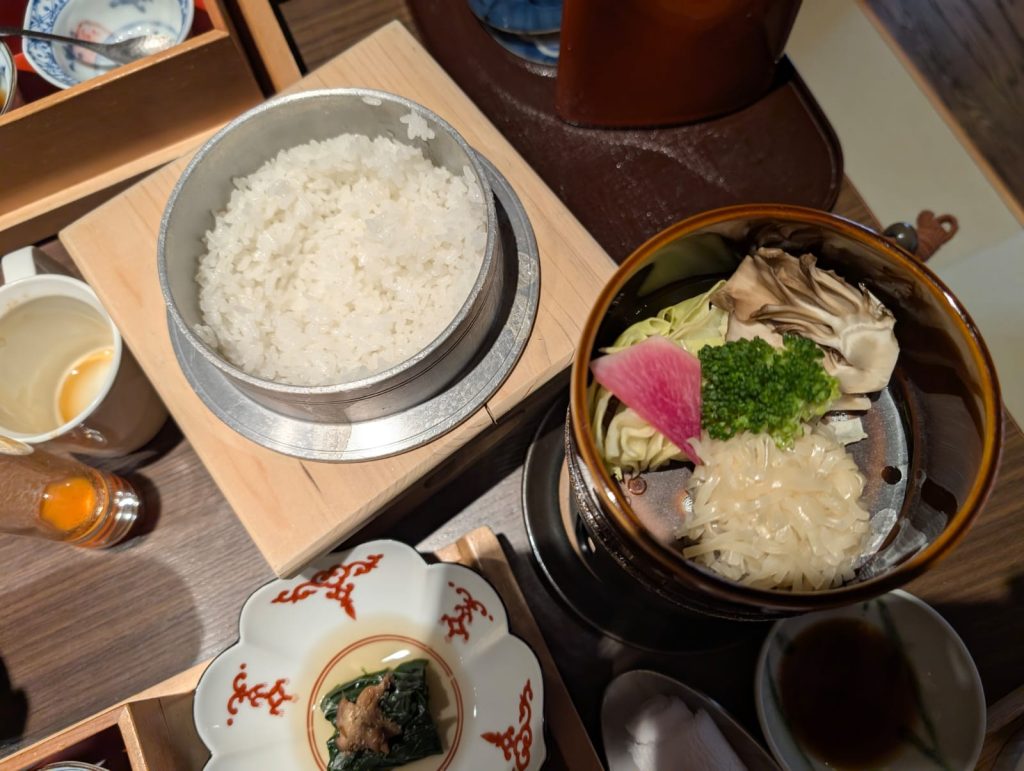
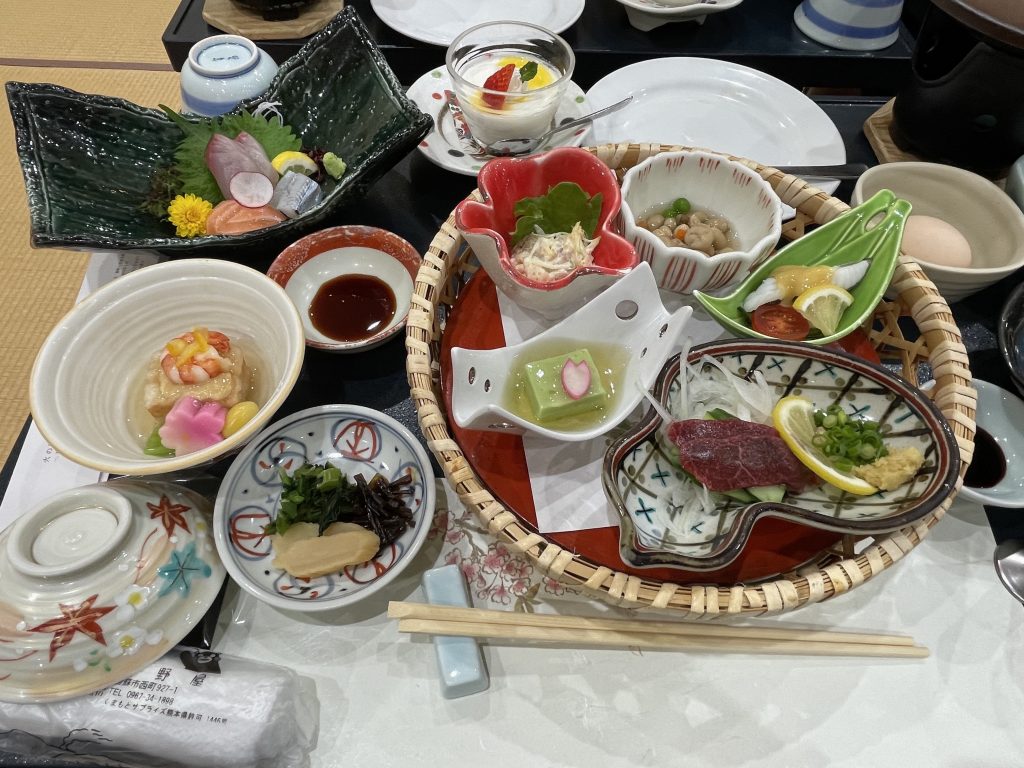
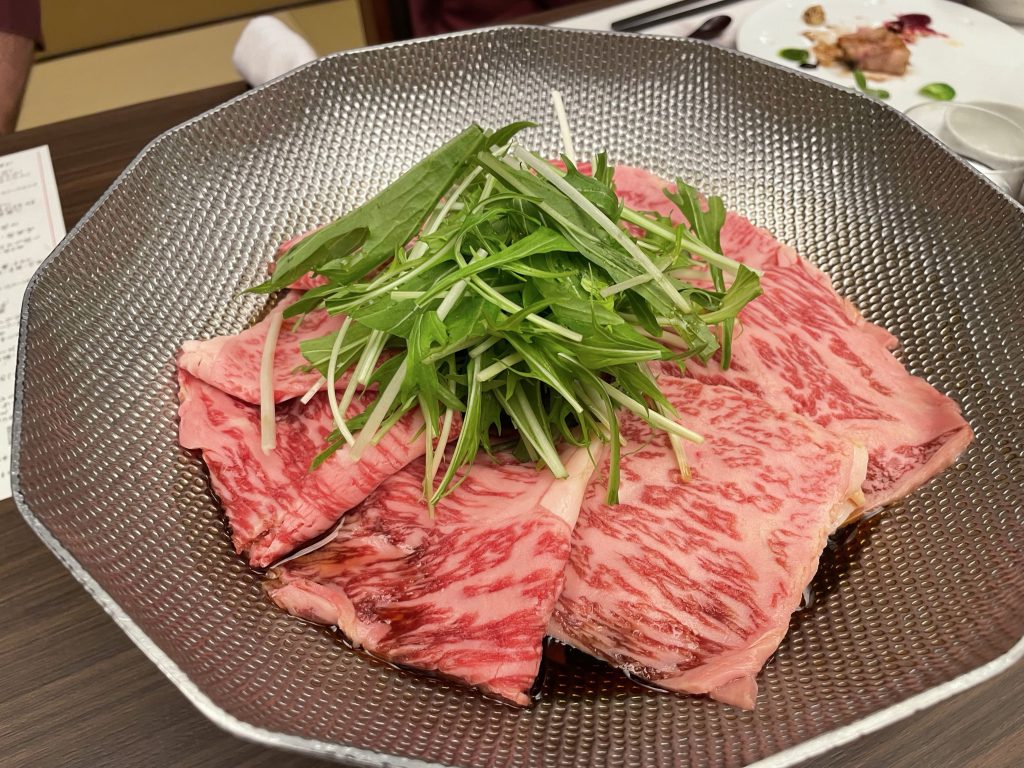
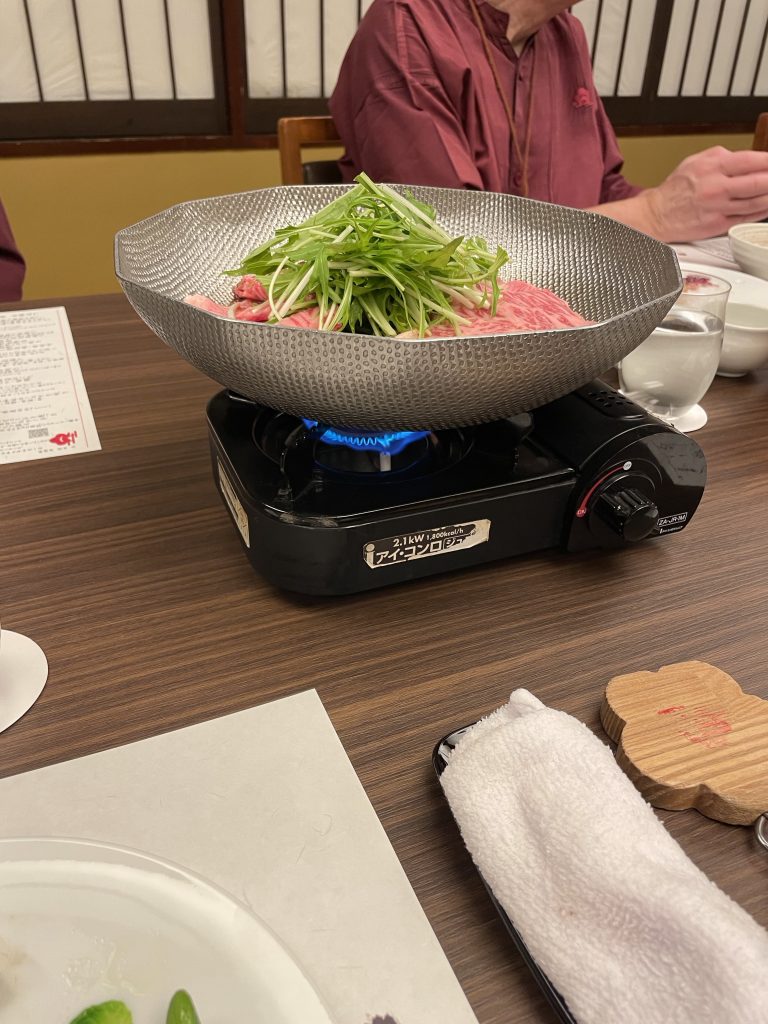
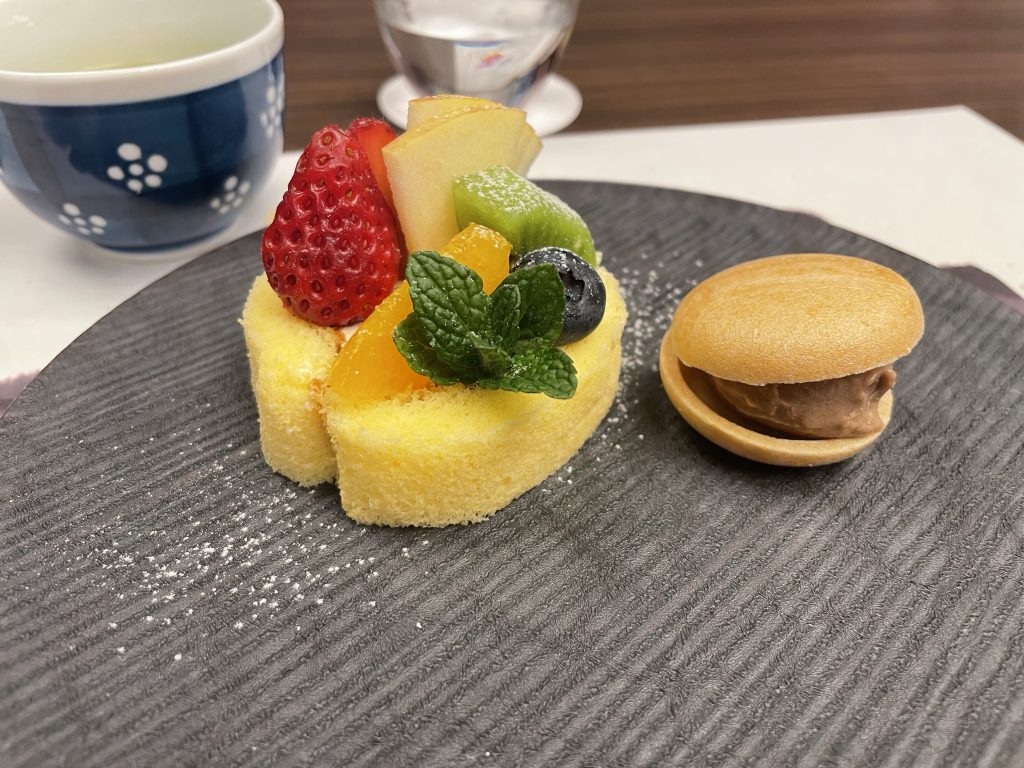
    Dinner was served in the dining room of the hotel

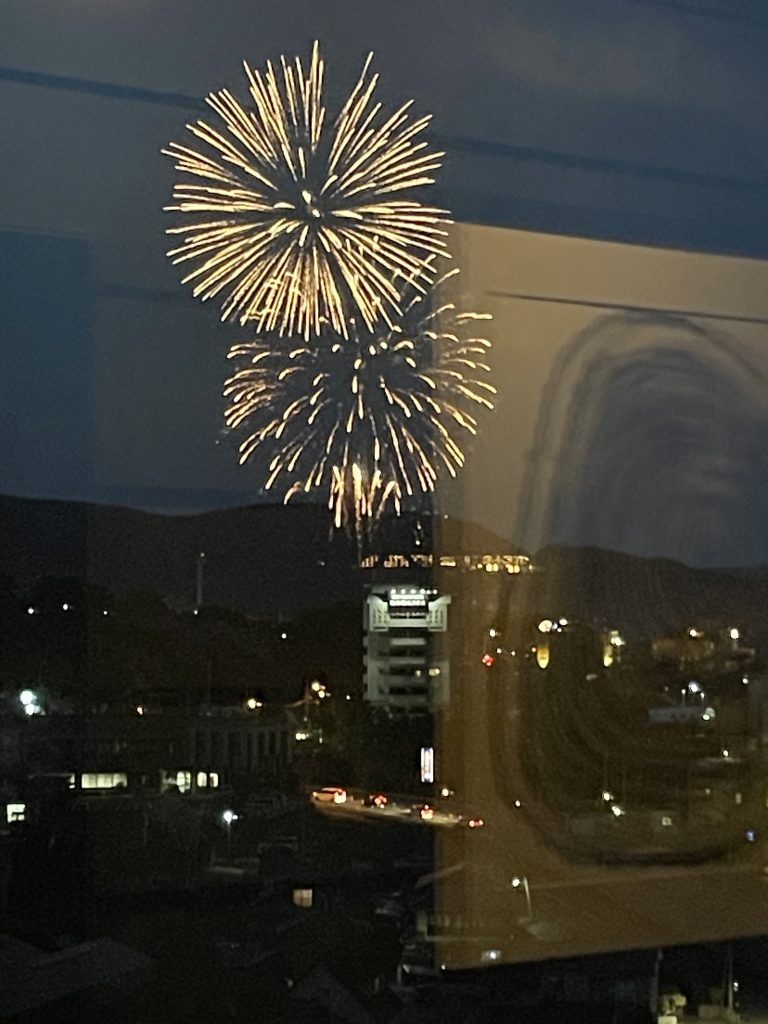
    Fireworks celebrating some occasion and then another type of interesting activity!! This is Japan after all 🤔

    Tomorrow another ferry ride and then another full day of riding

    Life is good in Beppu !

    Sayonara
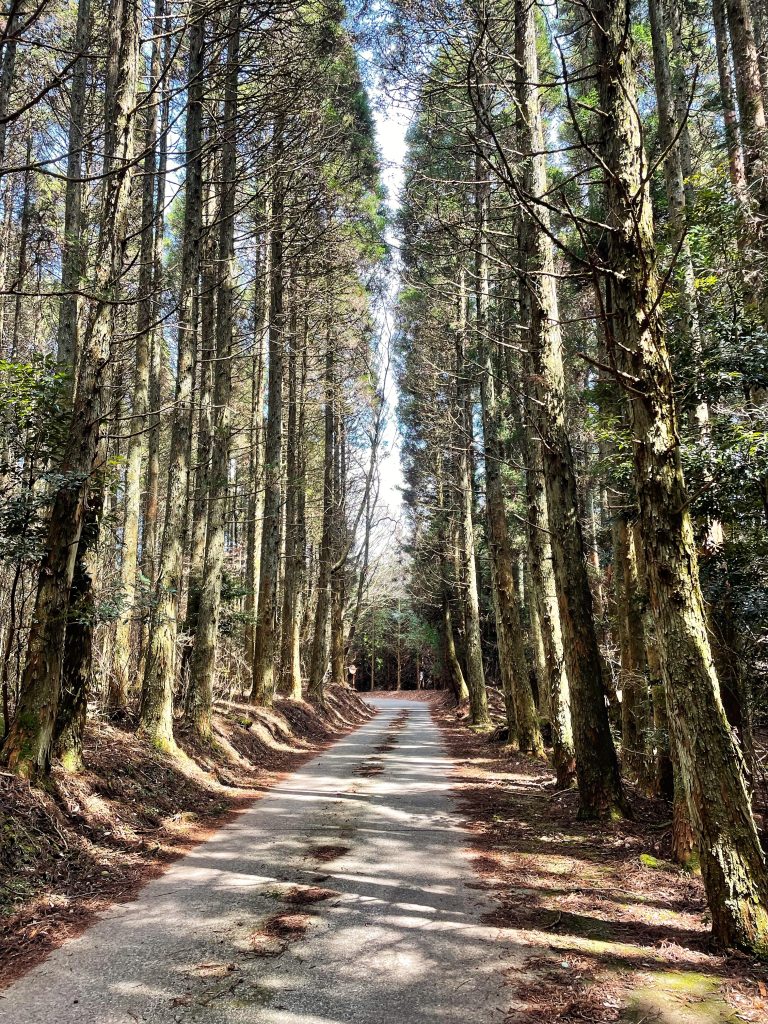
  • Shogun Day 4: Mt. Aso…Cycle Hits the Trifecta!

    Watch Relive video here:https://www.relive.com/view/veqzdBJP27O

    On the Road – Distance 69km / 43mi | Elevation 1457m / 5098ft

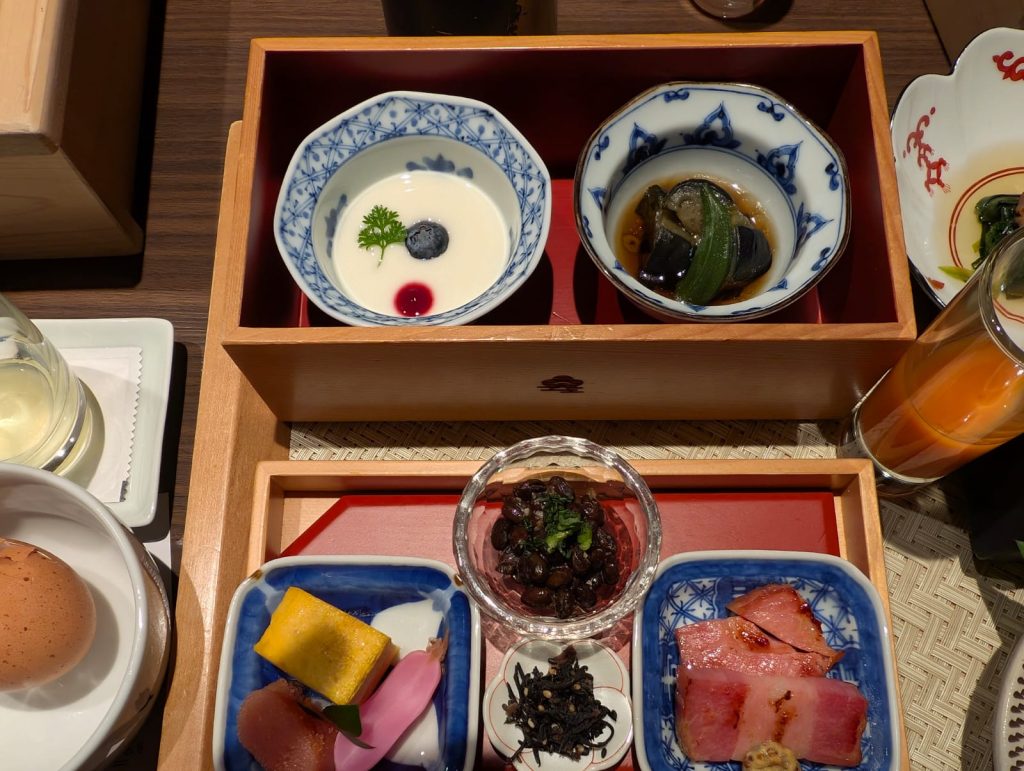
    Early 6am onsen and shower, then breakfast and of course a Japanese breakfast!


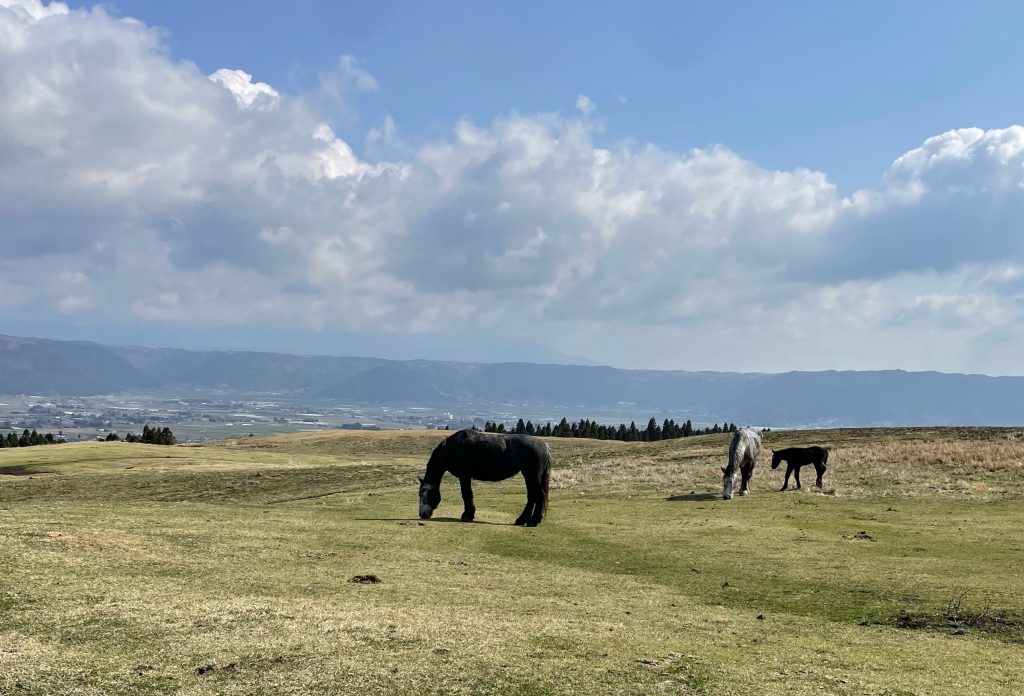
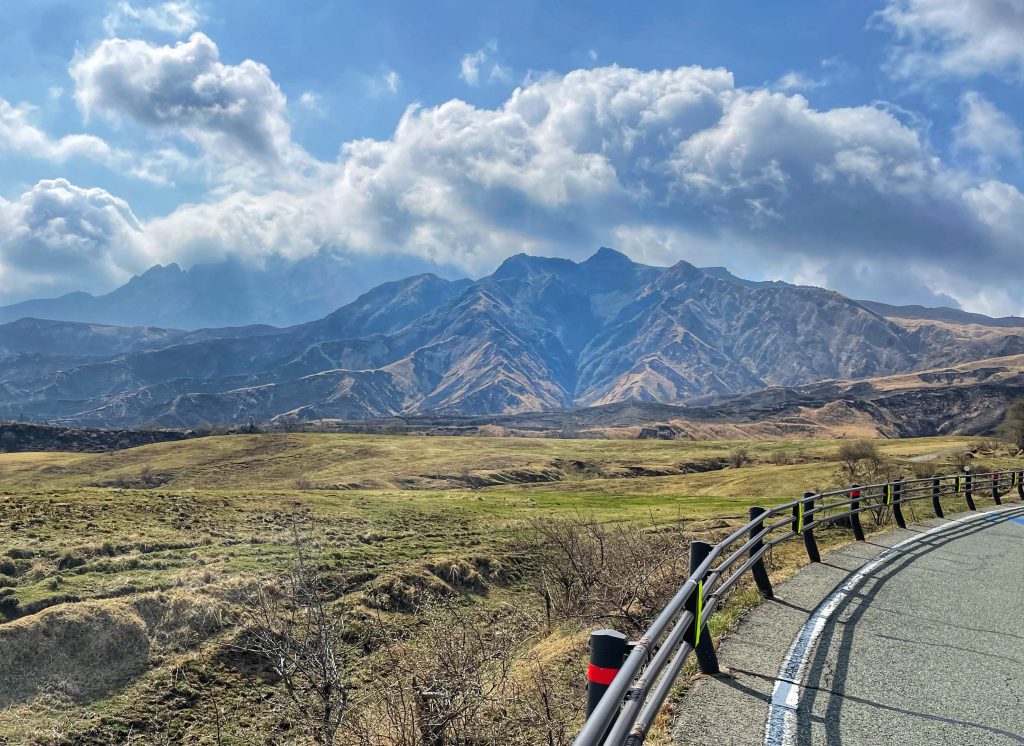
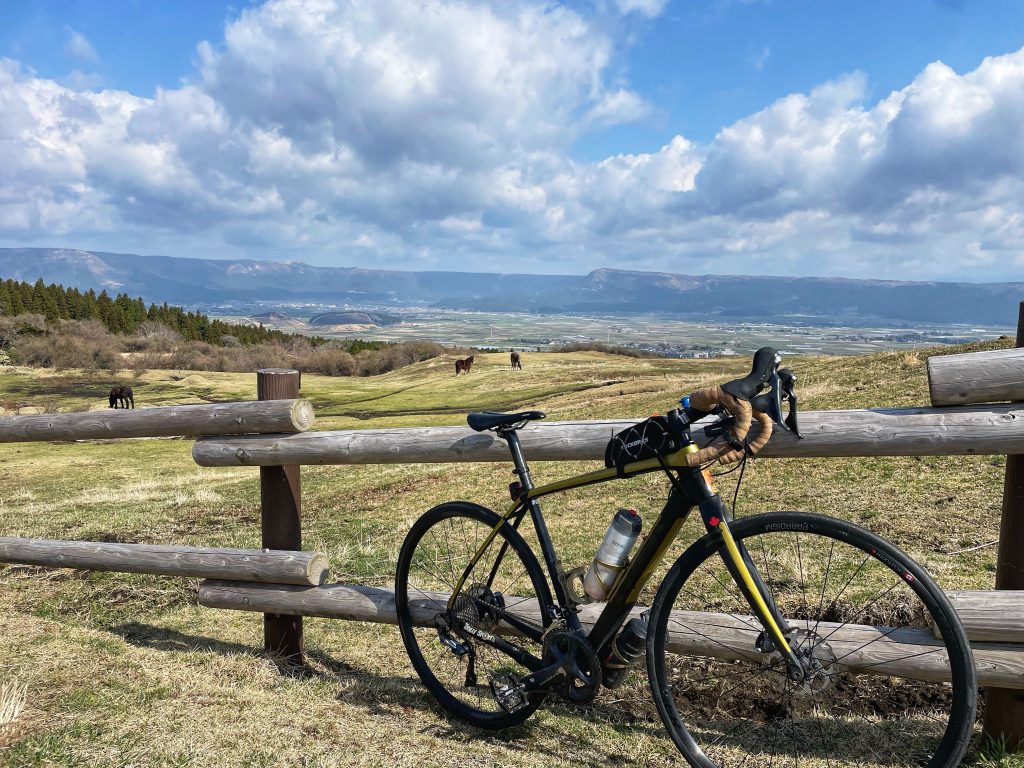
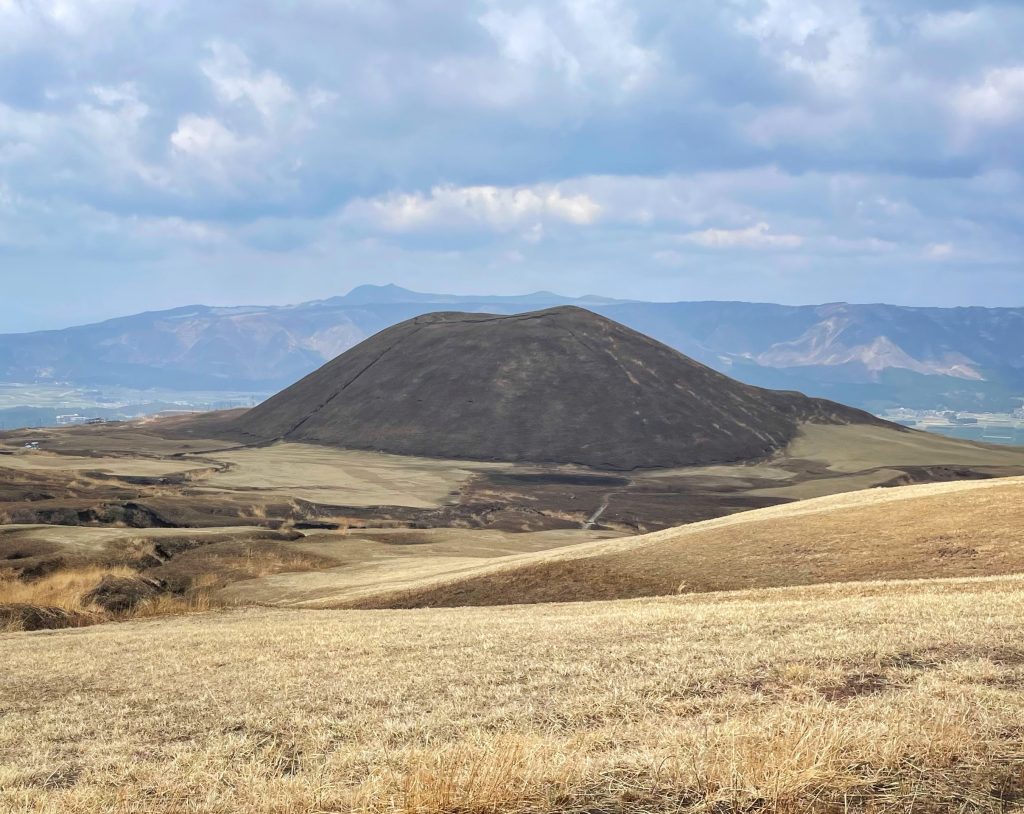
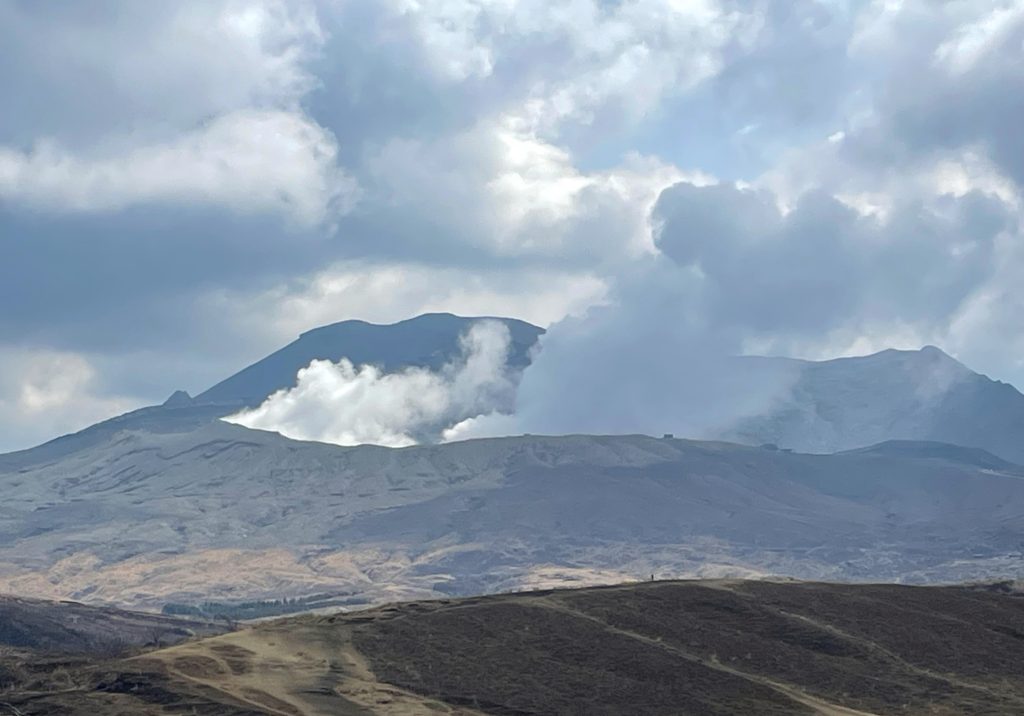
    Our ride today was a blend of mountain scenery, rolling lush grasslands and bubbling moonscapes! We started gently rolling towards the confluence of Mountains which make up the Aso-Kuju National Park.

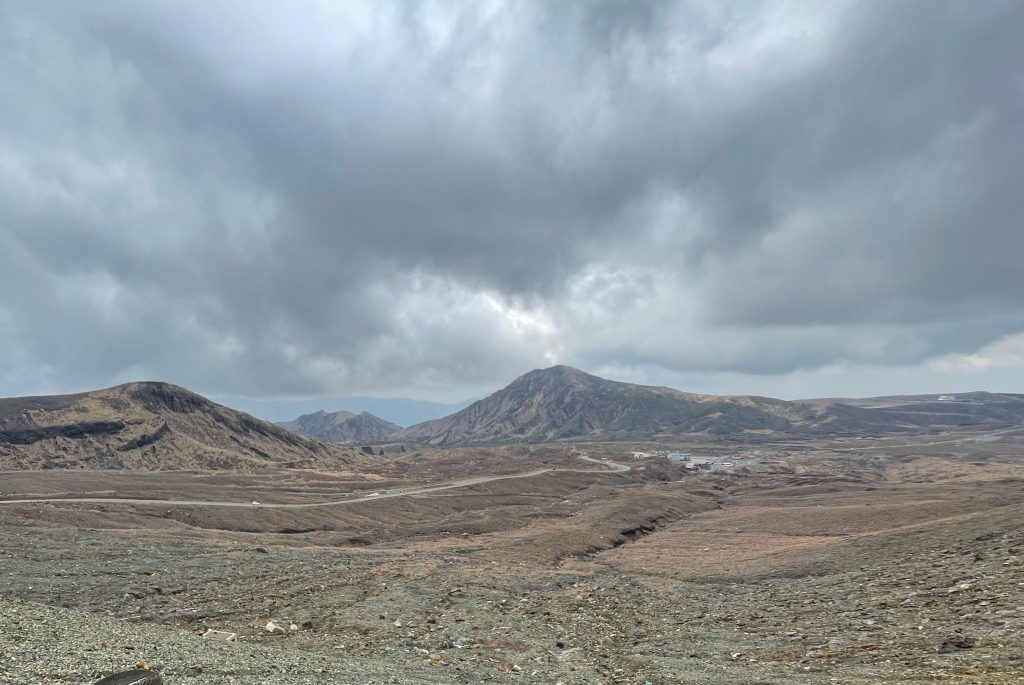
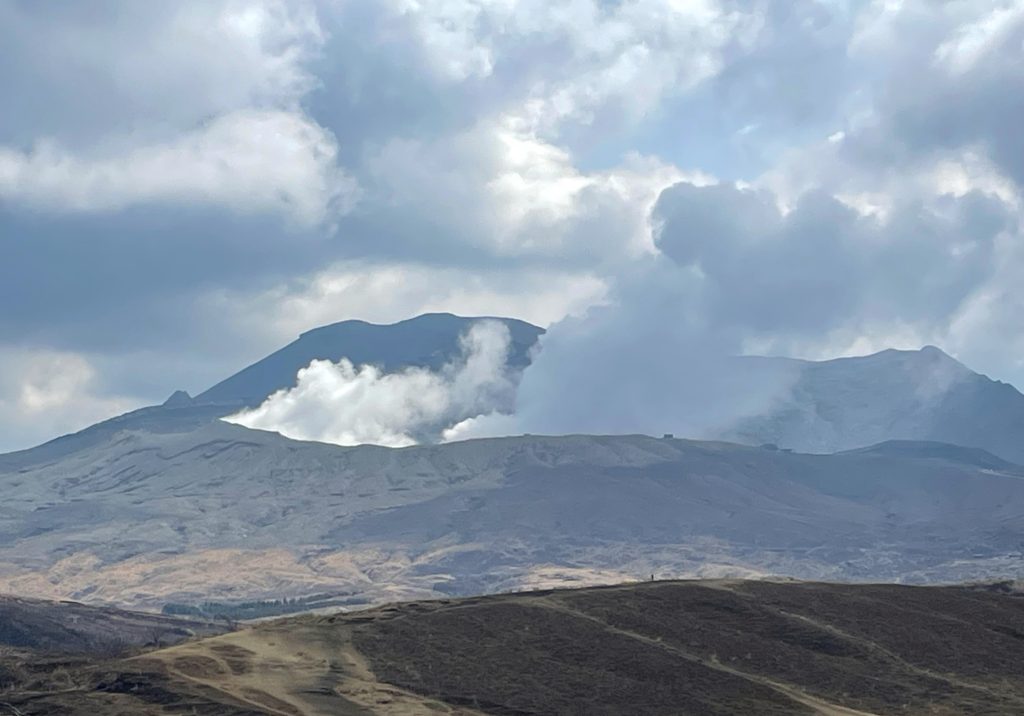
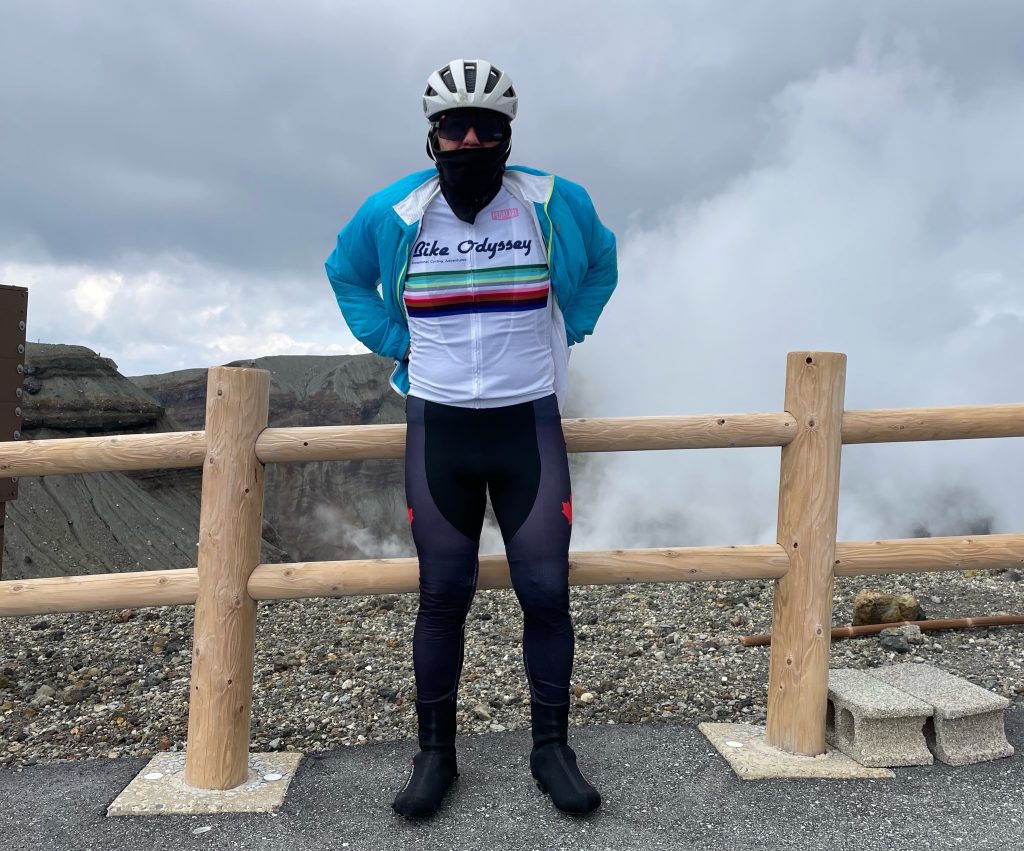
    Our route took us between Mt Taka and Mt Neko in an anti-clockwise loop around the major crater of Aso Nakadake Crater.


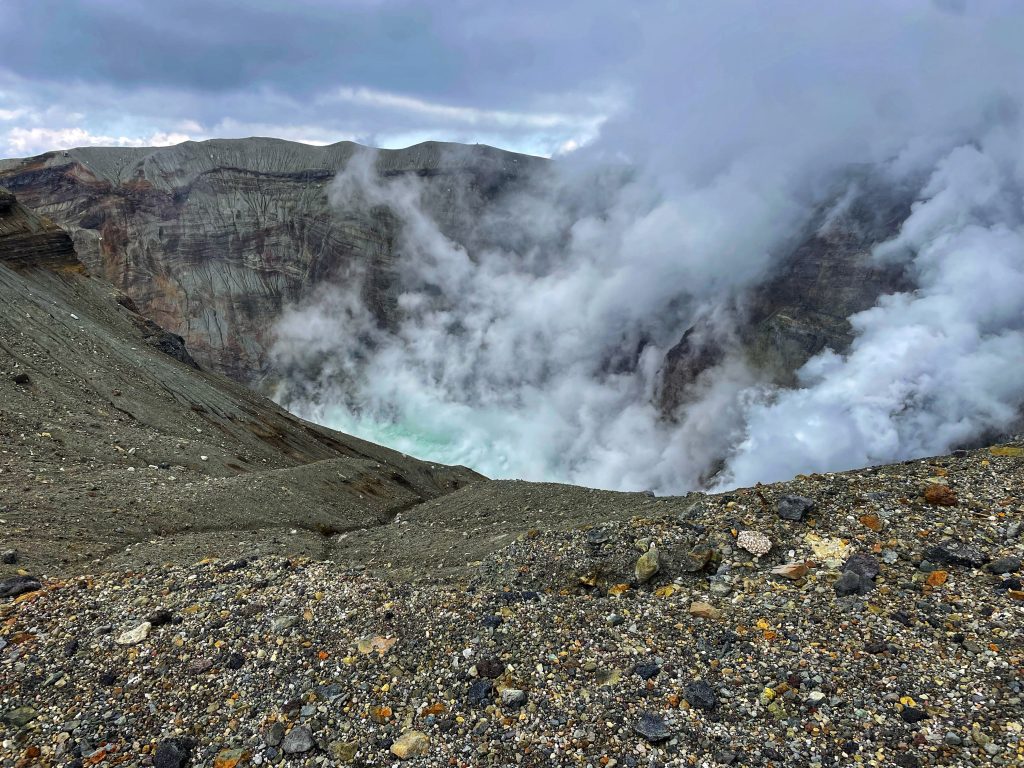
    The crater, very potent gases given off in the steam, irritated my eyes after a short time.

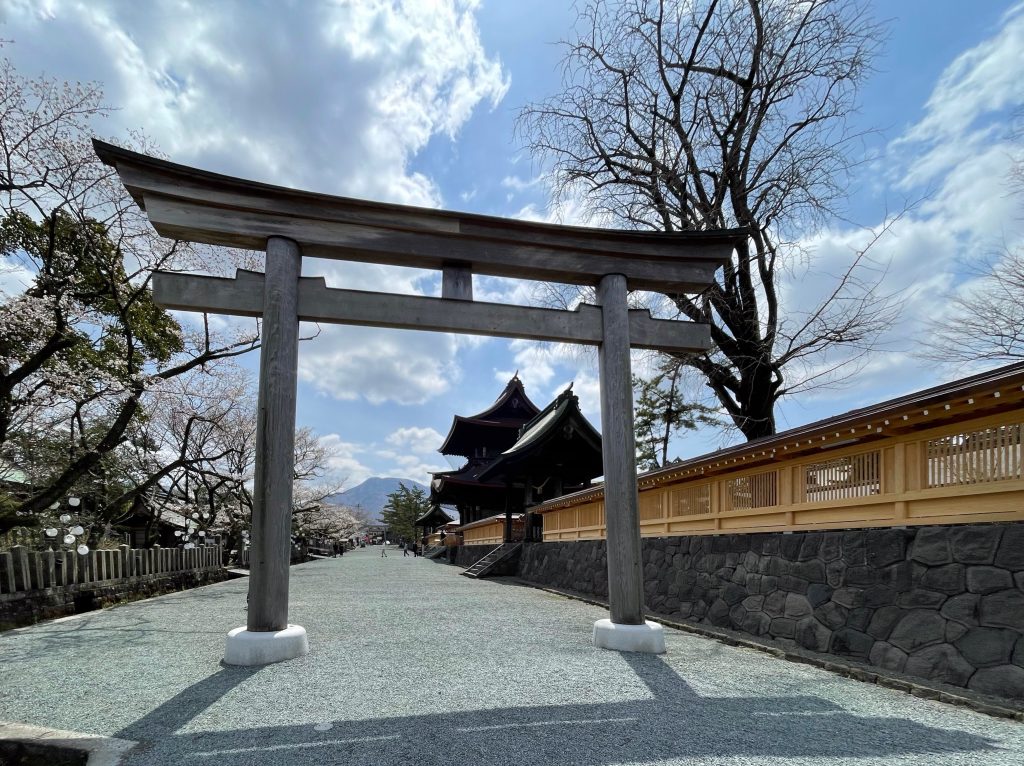
    We finished with a thrilling descent through the waving grass back down to the town of Aso. Along the return was a visit to the Shrine of Aso


    There is certainly something poetic about riding from one volcano to another, here at Mt Aso to the other later in this trip, Mt Fuji! Here the billowing smoke from the 30km wide crater makes very clear the enormous power and destructive potential of this, Japan’s biggest volcano.

    This region is visually fascinating in so many ways – it is vital, verdant and volcanically lush, barren, like a smouldering, smoking moonscape and mountainous rough and rugged! It is nature at its best! 

    The Trifecta

    This is my 3rd trip that involves riding through volcanic areas and climbing up a volcano. first in Argentina with Orsono, then in Greece with Niseros and Mt. Ainos. Today, Mt. Aso and later Mt. Fuji to complete the trifecta of world volcanos!


    Life is still good in Aso

    Sayonara
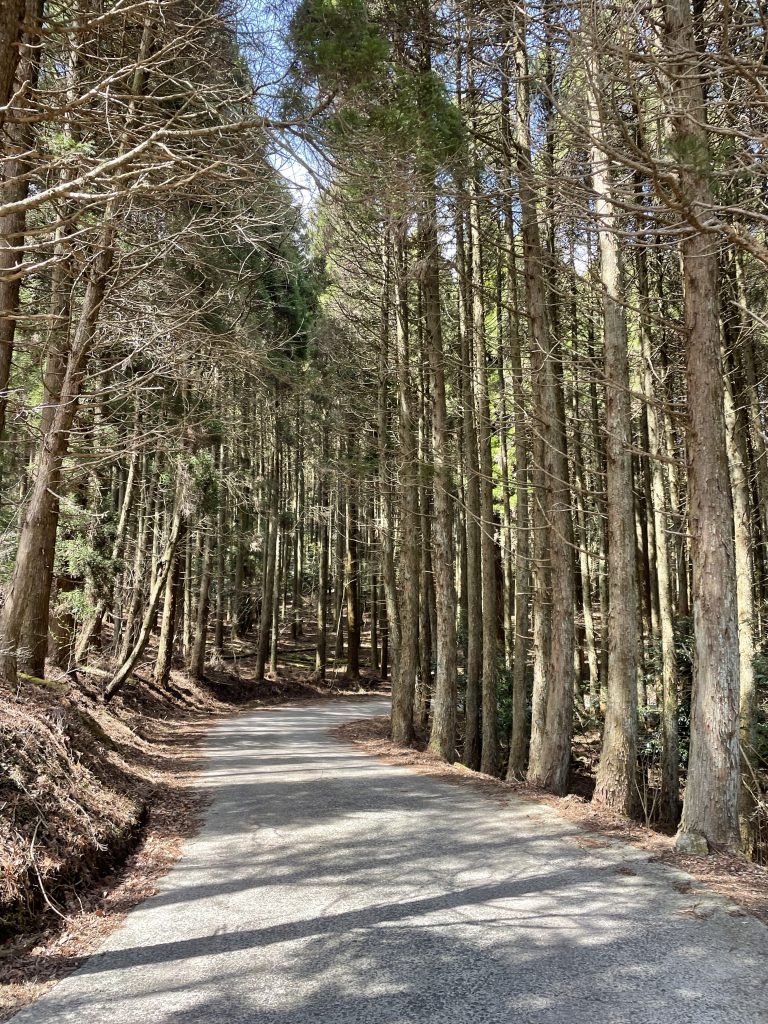
    Note: Both Strava and Relive cut out shortly after the descent from the crater and caldera, so quite a bit missing.

  • Shogun Day 3: Okuhita to Mt. Aso


    Watch the Relive video here:

    https://www.relive.com/view/vYvrw4n87LO


    On the Road – Distance 68km / 42mi | Elevation 1791m / 5876ft


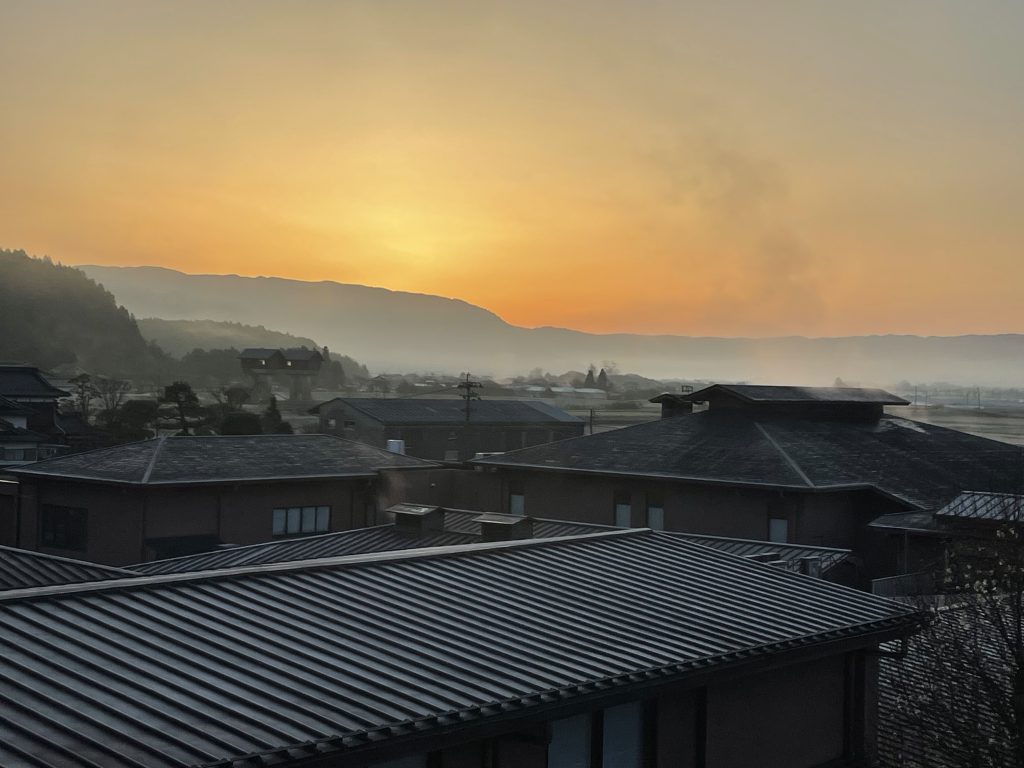
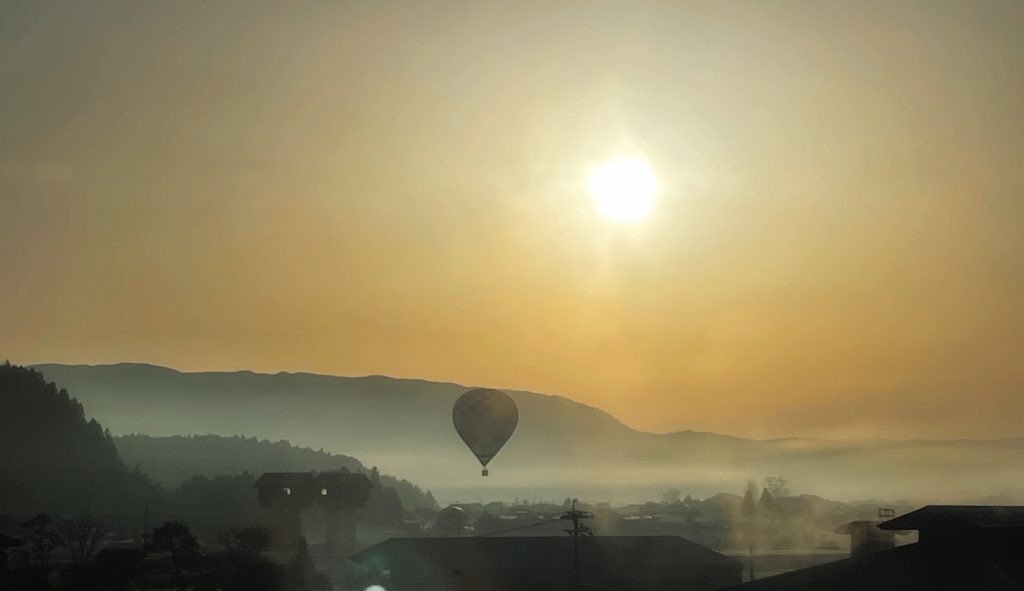
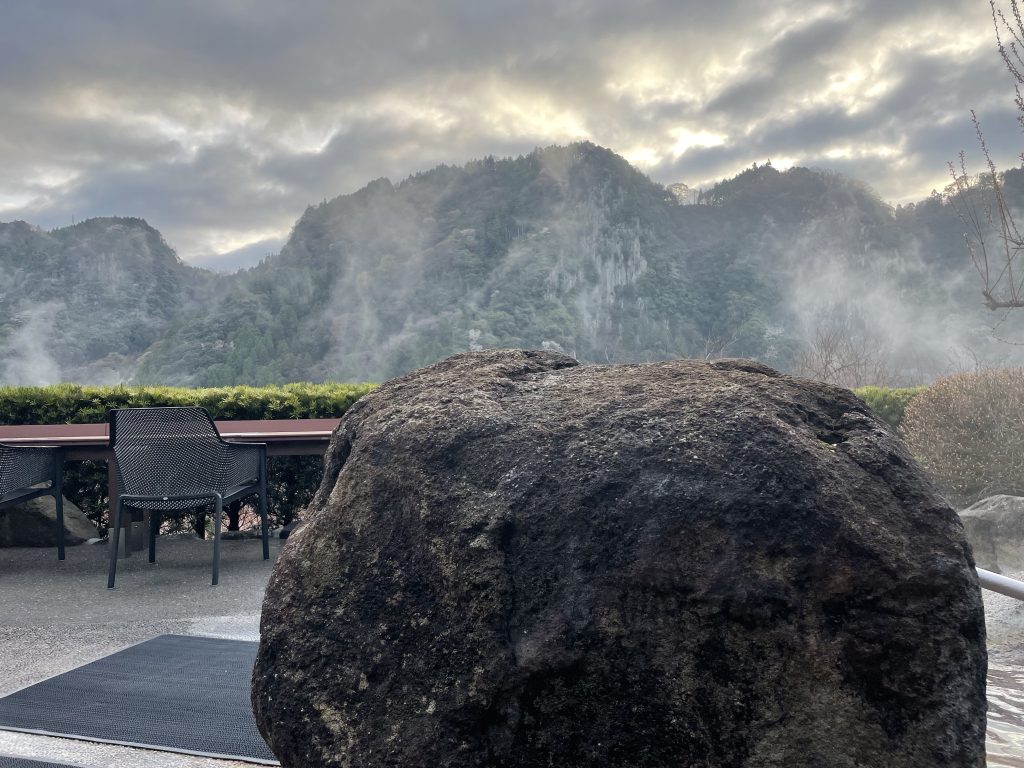
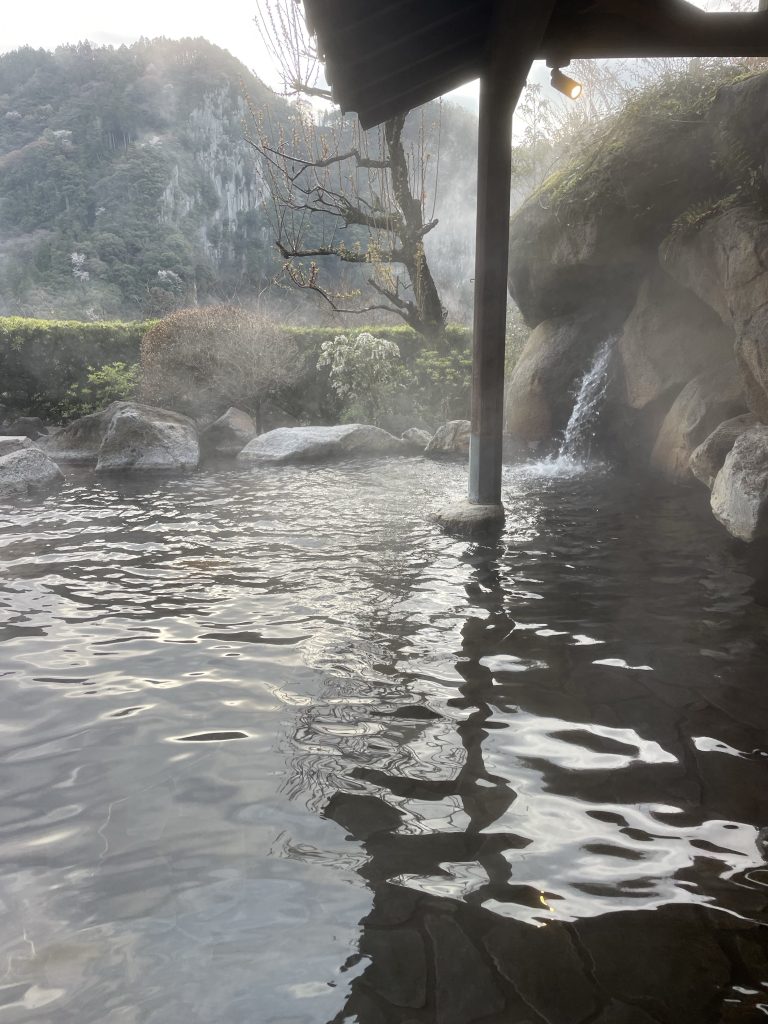
    Early this morning before breakfast and no one around, I managed to take an onsen and grabbed a couple of photos while having a nice soothing soak.

    And then had a sumptuous if not unique Japanese breakfast . Our bikes were waiting for us as were our bike shoes that had been taken away from us when we checked in

    The challenging but beautiful day started with a 17km rolling ascent as we departed from Okuhita – the first 1 km of the climb was 20% grade, not an easy thing to start right out of the hotel!

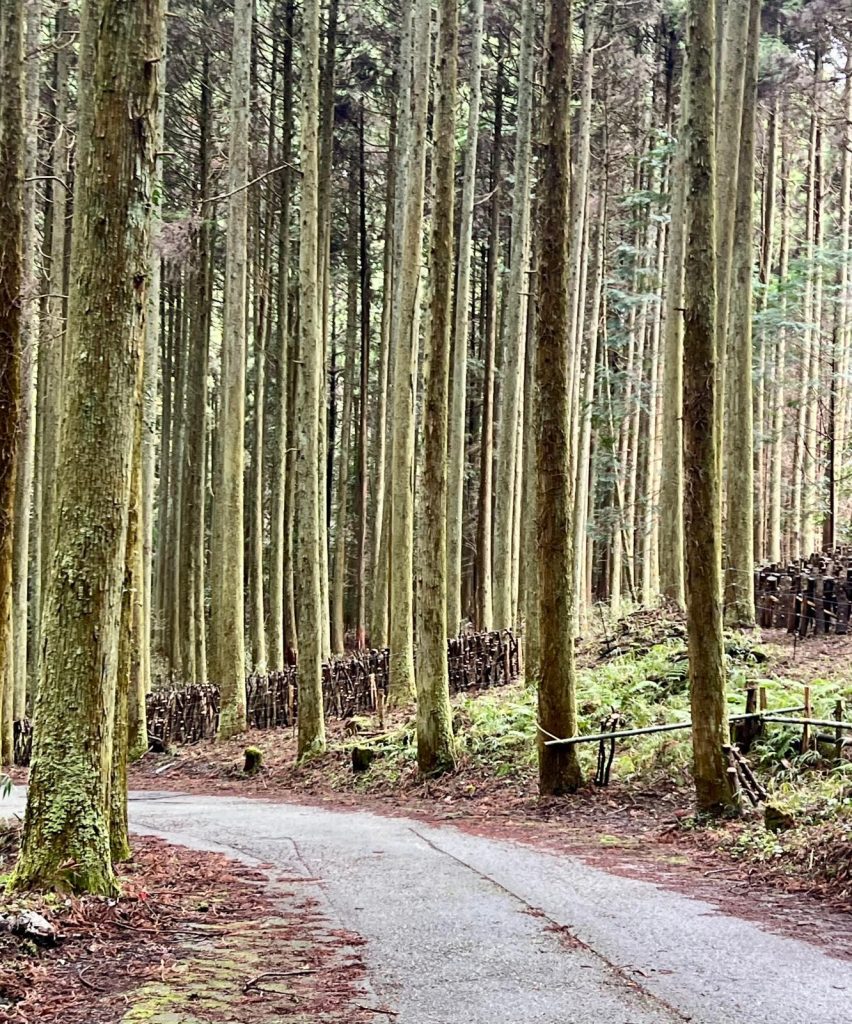
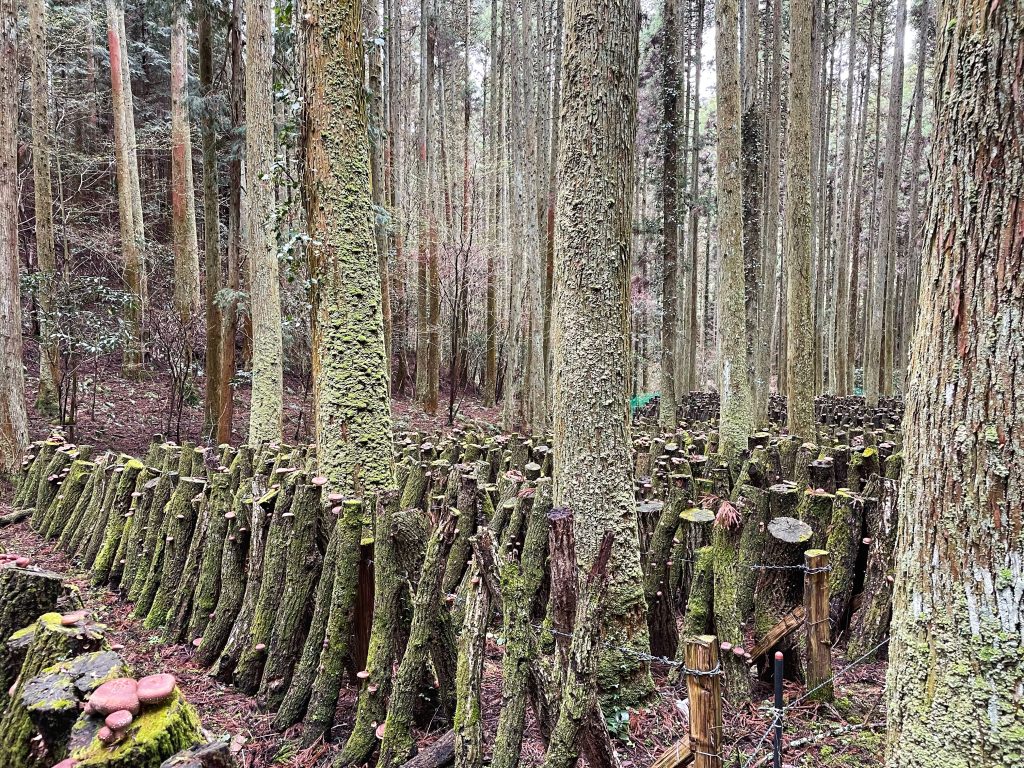
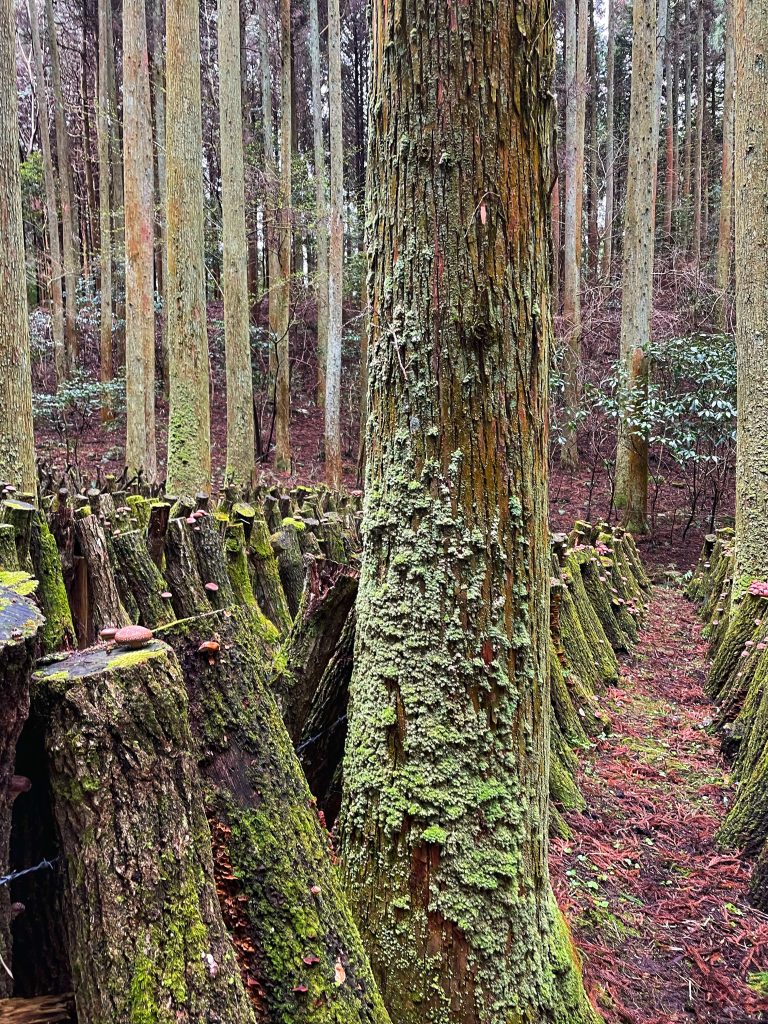
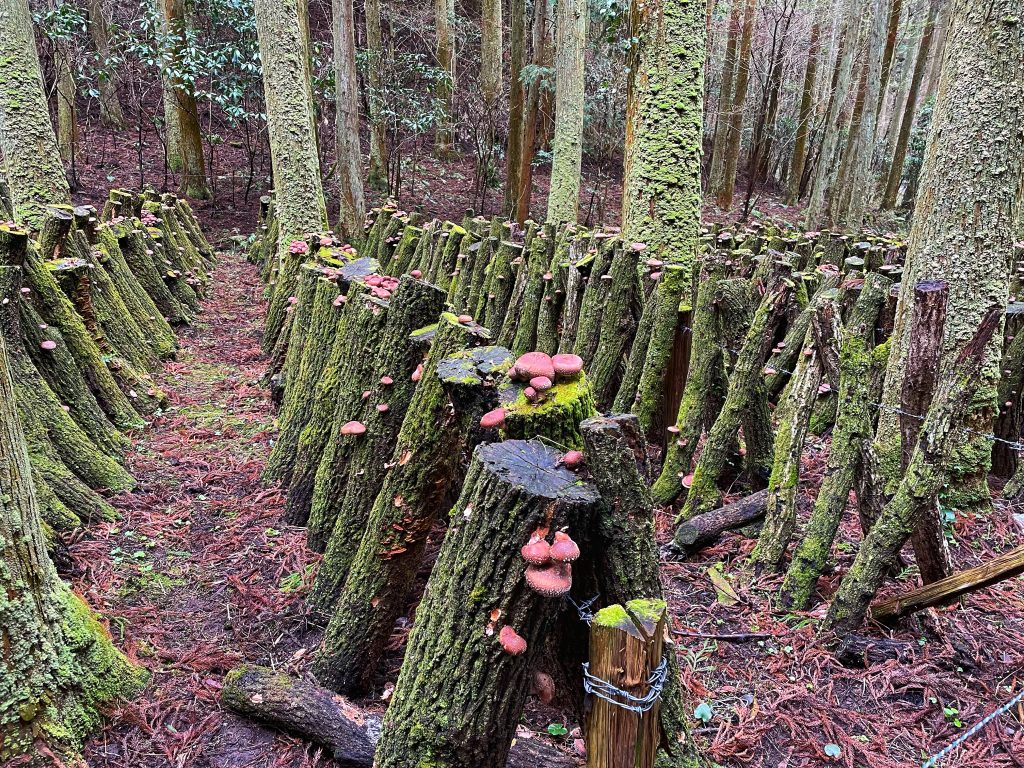
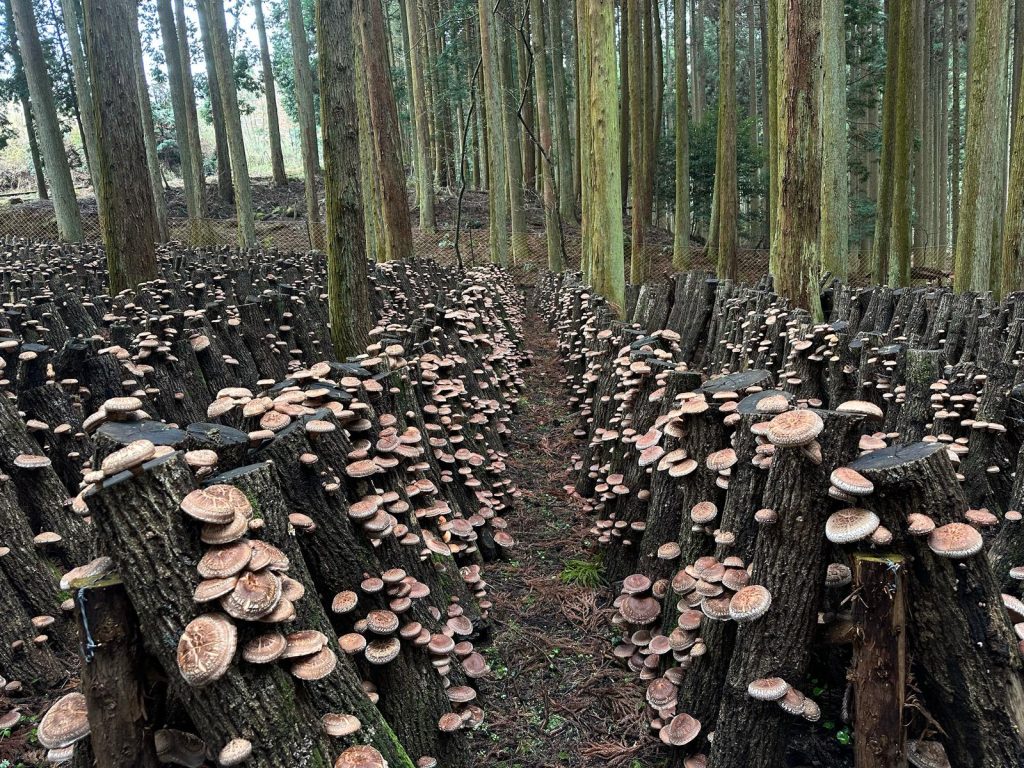
    Today’s rindo road was smooth spectacular and it passed through some commercial mushroom farms…trees are cut and stacked and the spores form and the mushrooms are harvested ( don’t know what kind they were). Below shows various stages of mushroom development.


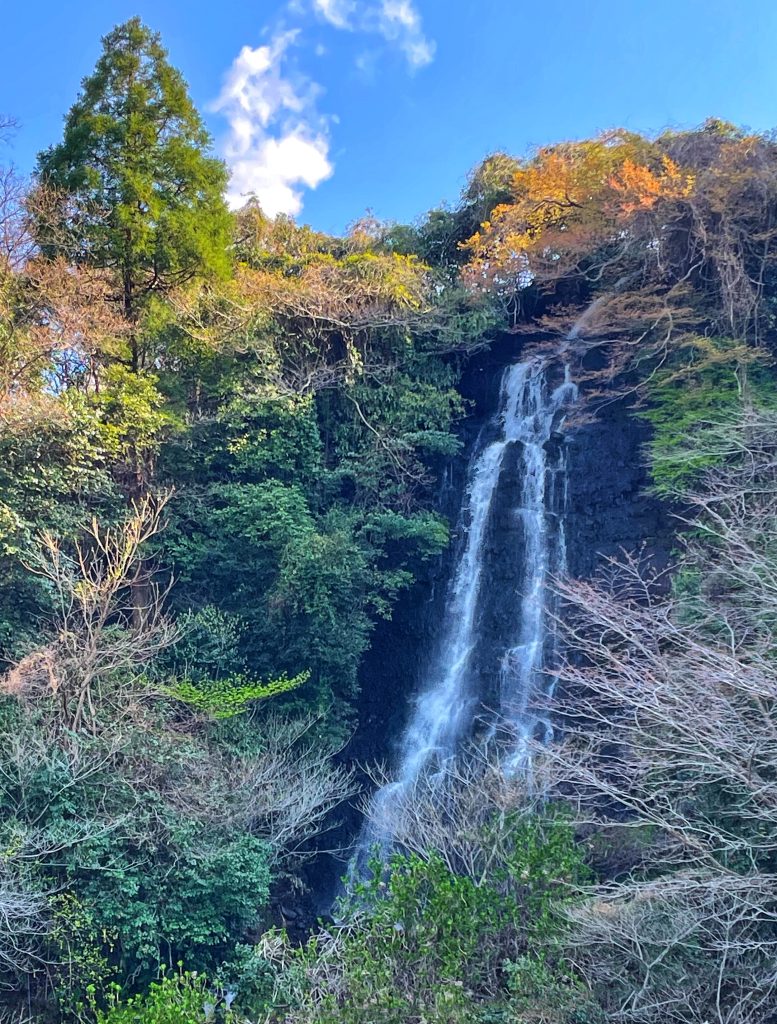
    We then journied south, riding through Oita, a region renowned for its abundance of hot springs. The route took us through ancient forests, alongside waterways and waterfalls, along the peaceful rindo roads of Kyushu, Japan’s third largest island and a true testament to the country’s natural beauty. Continuing south, we passed back through the Kumamoto region, gently gliding into the caldera.

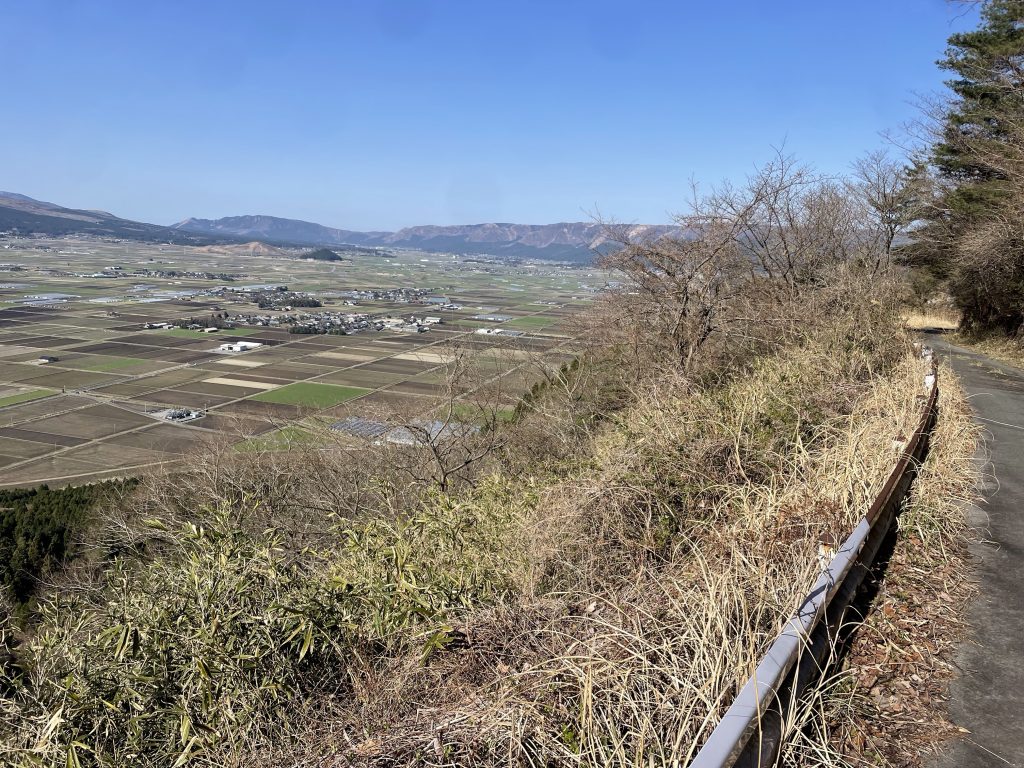
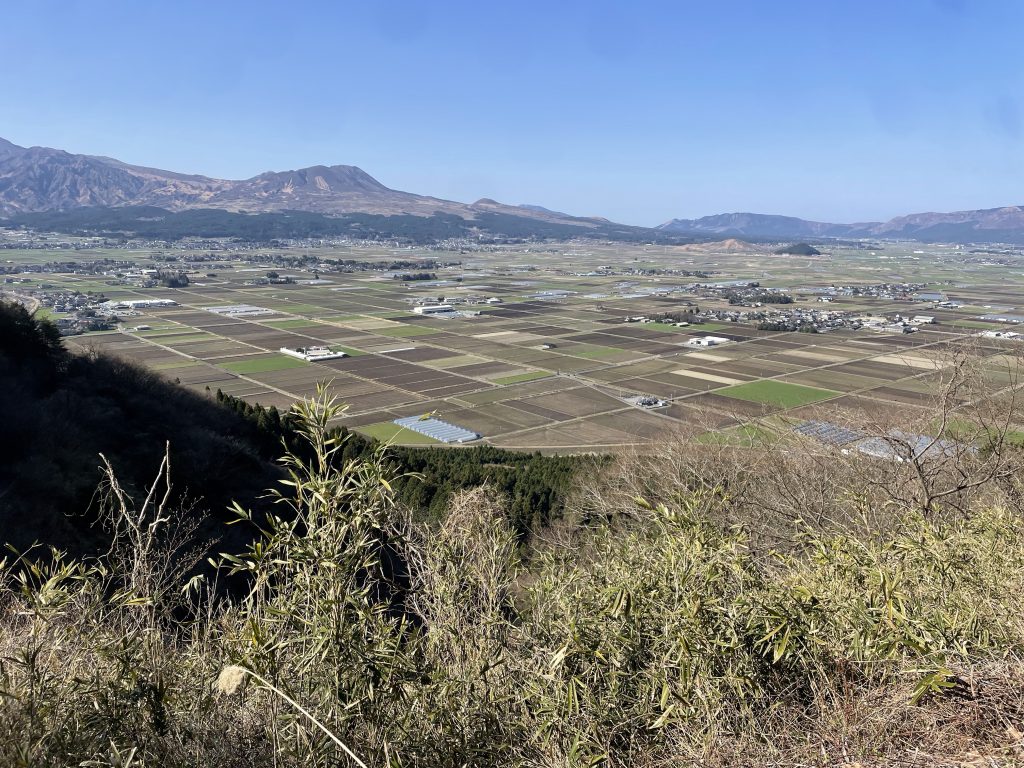
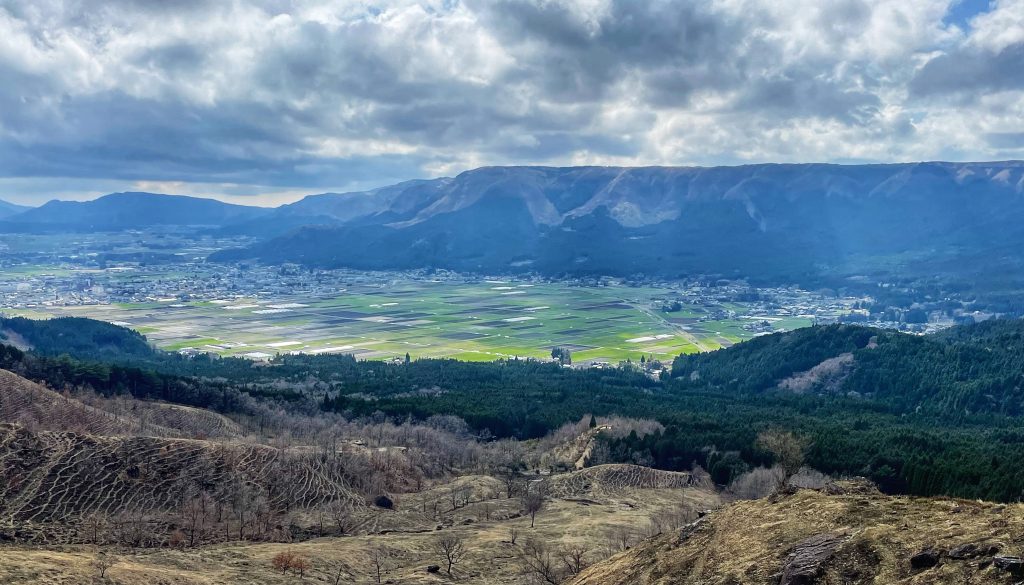
    Looking down on the lush green caldera, the remaining rim in the background.

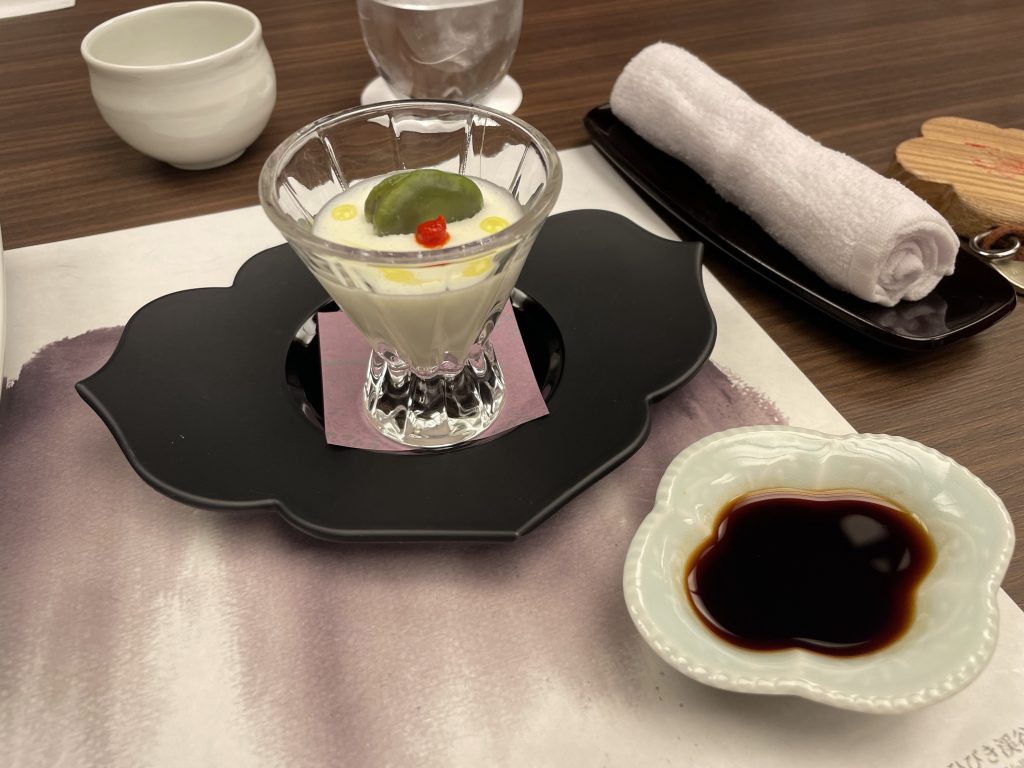
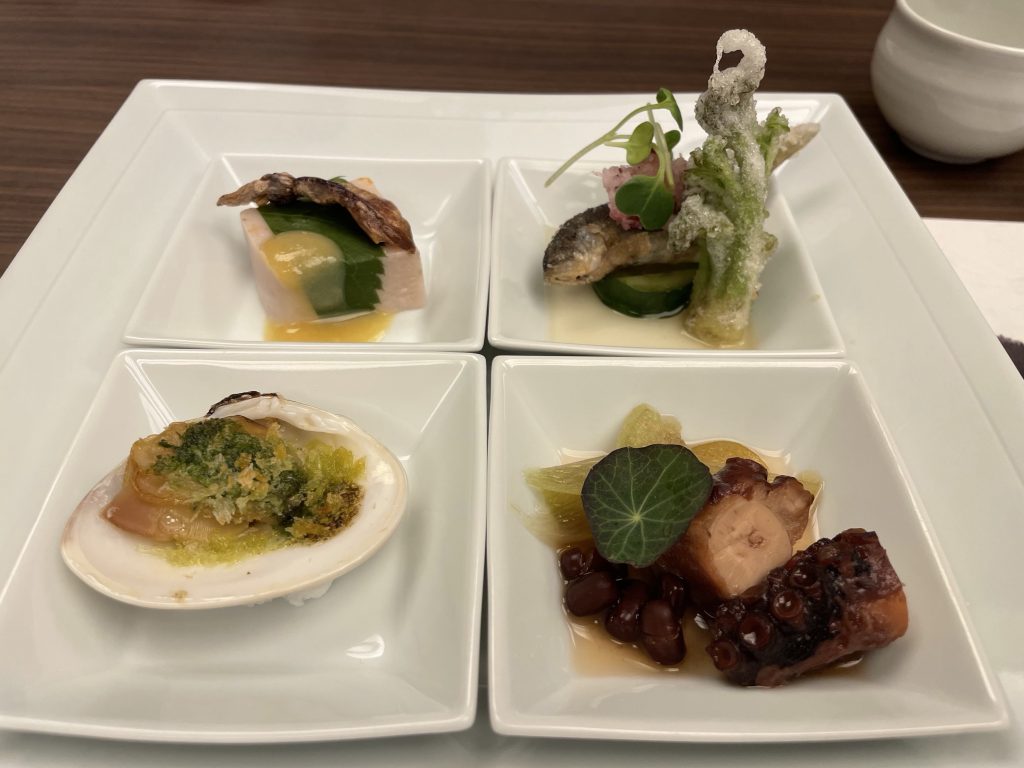
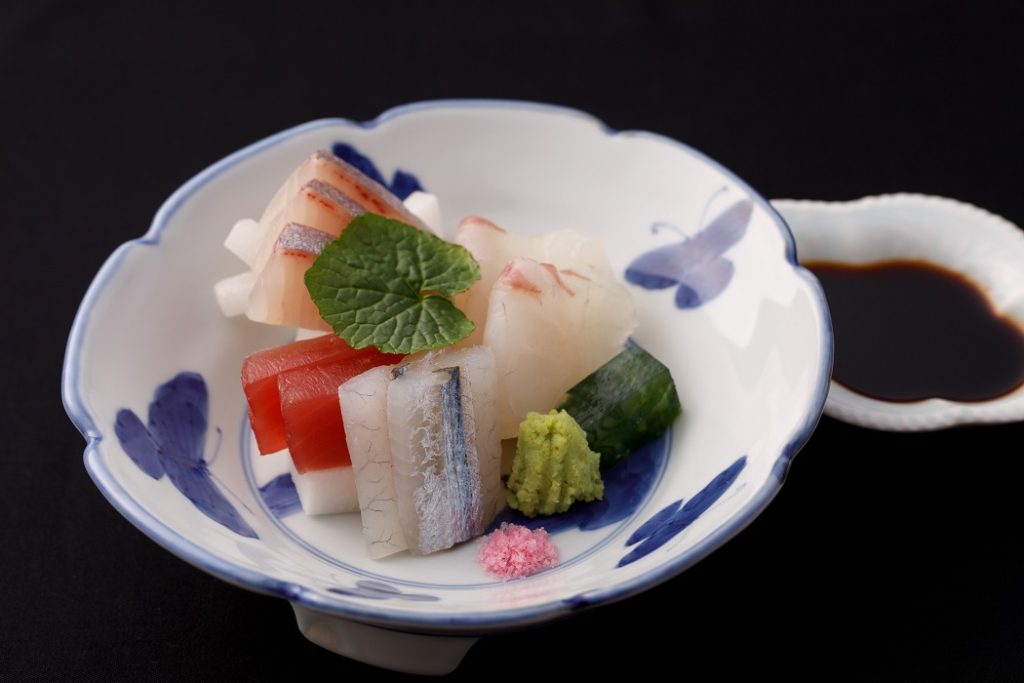
    Another fabulous Japanese dinner tonight in the hotel after a long soothing onsen which I needed after another big climb day… this was all for me including wagu beef and rice not shown in the photo. Everyone served the same platter!

    Destination – Mt Aso

    Mt. Aso, the name given to a collection of volcanic peaks in the center of Kyushu, the southern-most of Japan’s four main islands, is Japan’s most active volcano. It’s also one of the best places in Japan to experience the impact of fire and water on the landscape and the lives of the people who live here.

    Stretching 18km east-to-west and 25km north-to-south, the Mt. Aso caldera is one of the world’s largest. It resulted from the mega-eruption of several volcanoes in the center of the island of Kyushu between 270,000 and 90,000 years ago, the force of which scattered ash and rock fragments across thousands of kilometers (about 10 cm of ash from this eruption has been found in far-away Hokkaido).

    The impact of that ancient eruption can still be seen across Kyushu today, but especially in Kumamoto Prefecture, home to the caldera created when the volcano collapsed in on itself from the force of the eruption.

    The Aso range is still active, and the summit is frequently off-limits. But if you visit, don’t worry – the volcano’s activity is closely monitored and the surrounding safety zone is regularly adjusted to allow you to get the closest possible look without undue danger.

    From the Aso Volcano Museum, it is often possible to see massive clouds billowing from Mt. Aso’s Nakadake Crater, not quite three kilometers away. On most days, the clouds emitting from the volcano are white – predominately steam produced by the heat of the volcano. But in October 2021 the volcano had a more significant eruption, shooting gray clouds of ash some 3.5km into the air.

    Although there was a lot of climbing over a short distance, it was very manageable and enjoyable.

    Life is Good at Mt Aso!
    Sayonara
  • Stay Left Charlie, Stay Left!

    Watch Relive video here: https://www.relive.com/view/vr63eyxXo8v

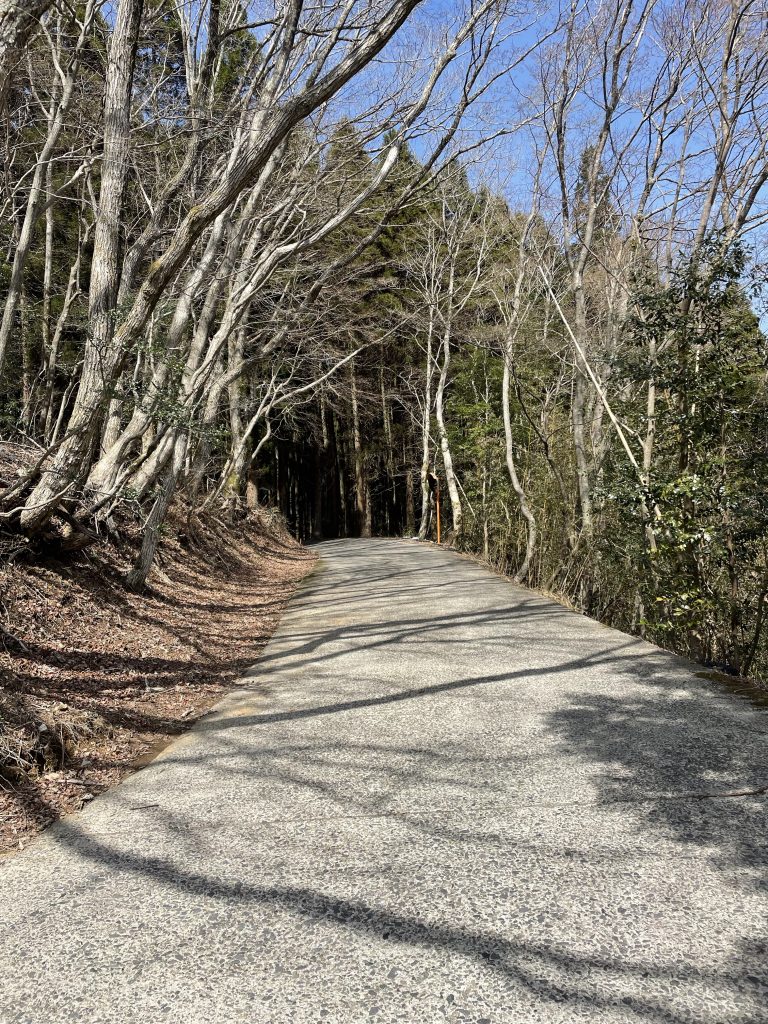
    in Japan, drivers drive on the left side of the road, so a daily reminder to me and my fellow Canadians and lone American is so Stay Left…2 days of this it is slowly kicking into our muscle and brain memory! This also we pass each other on the bikes to the left, not the right.

    The tour began in earnest today.

    Distance 68km / 42mi | Elevation 1523m / 4996ft

    Weather was not what was forecast(full sun, high of 18C) rather it was cold, windy and cloudy, with a few sprinkles at the end. About 5C but never increased due to the elevation we rode to.

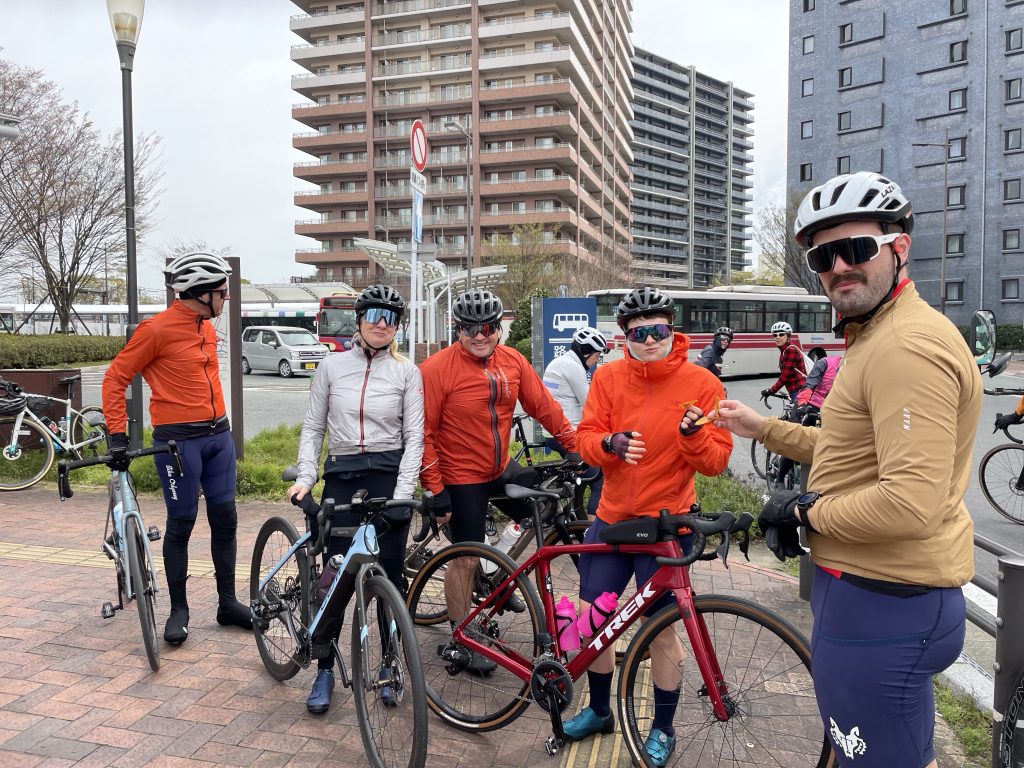
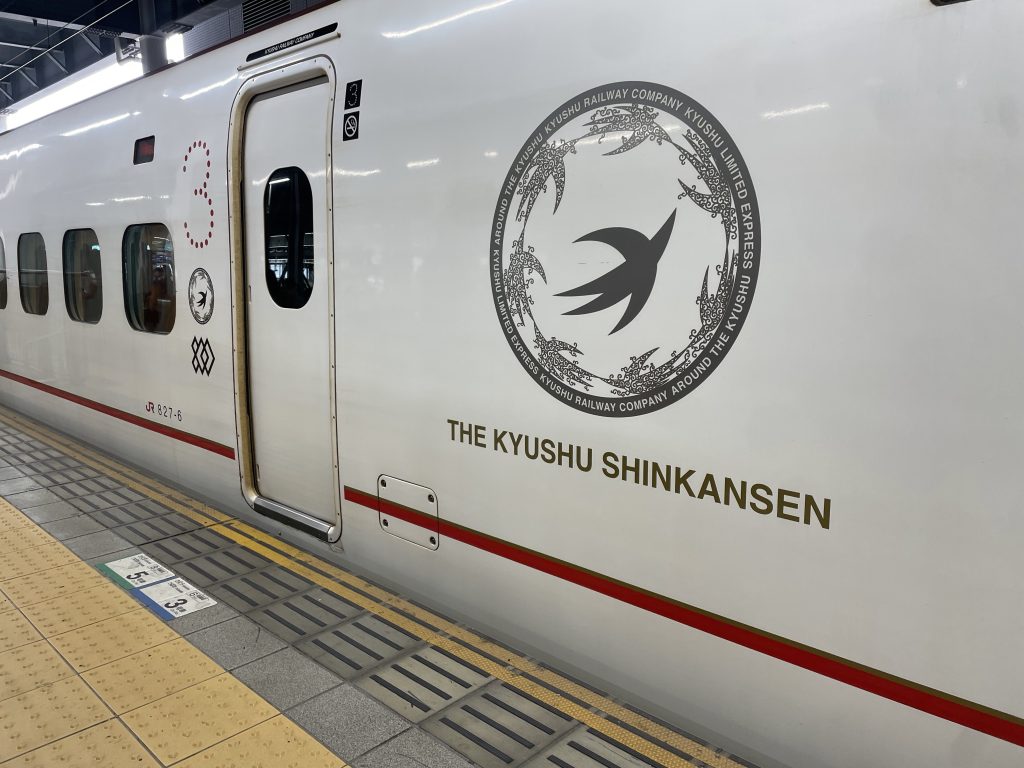
    This morning we jumped on the super fast Shinkansen train to escape the city before ascending to Mount Kora through Kurume Forest Tsutsuji Park.

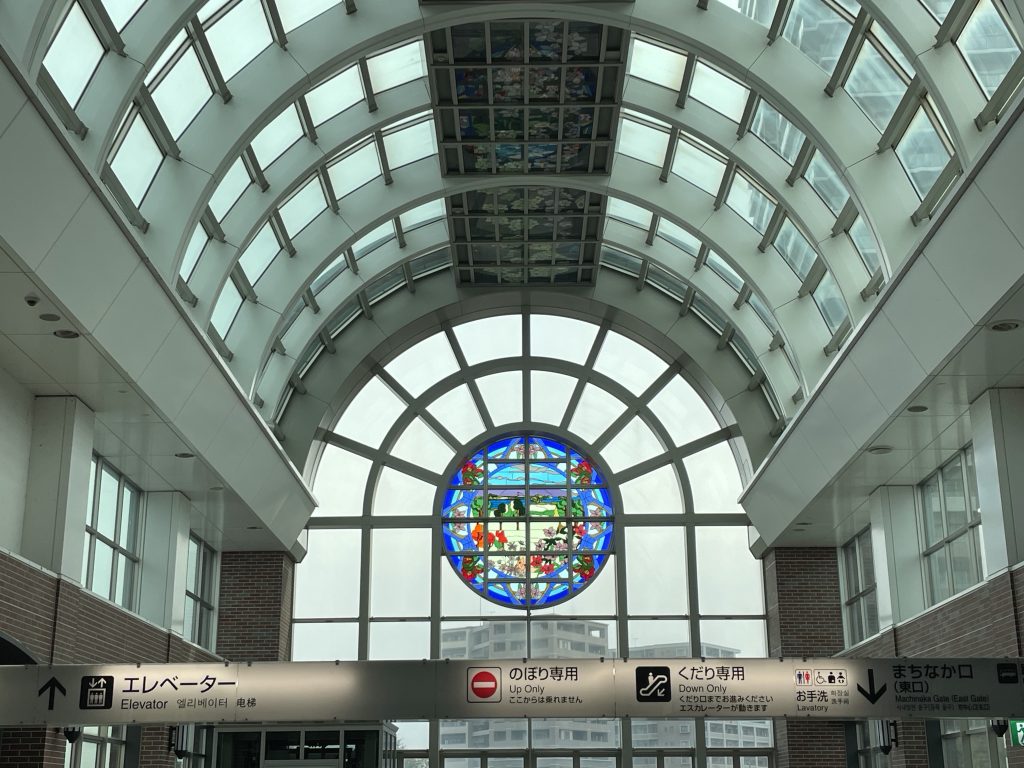
    As we exited the train and negotiated our last serious Japanese city (for a week or so!) we got our first glimpse of Kyushu mountains.


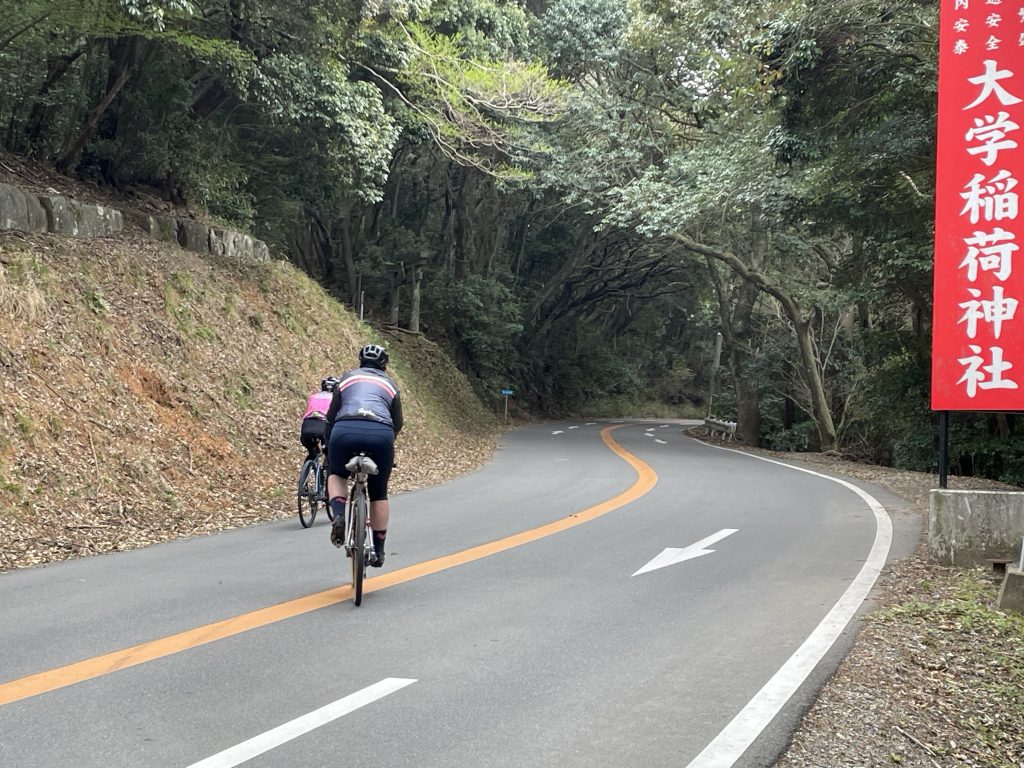
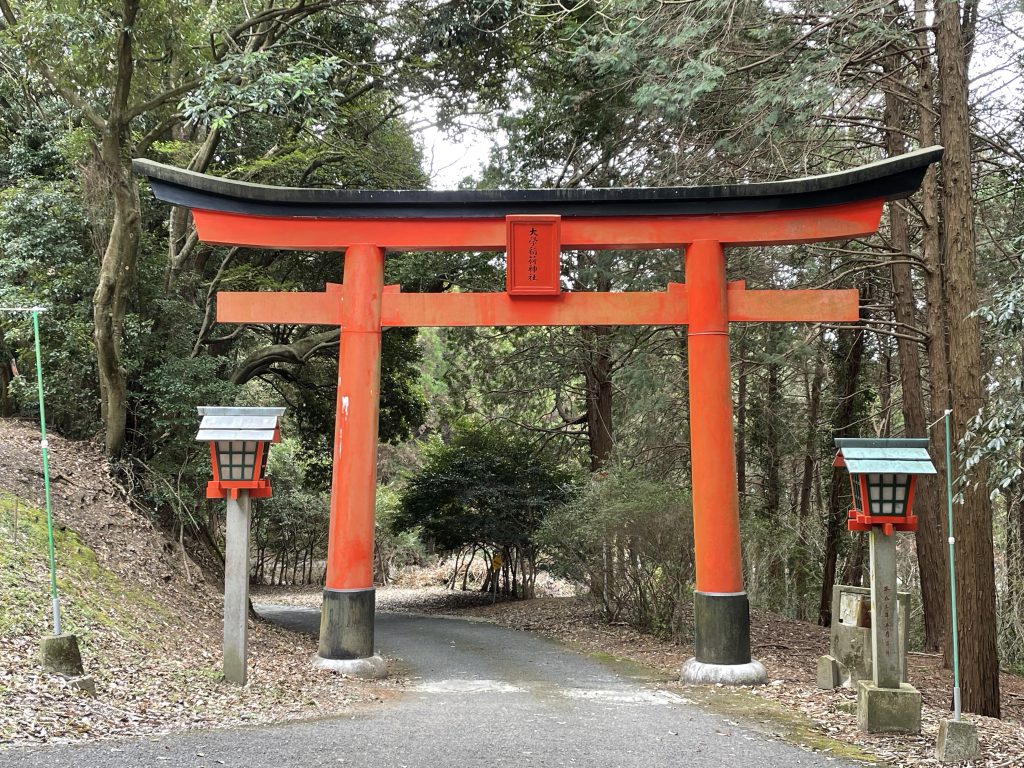
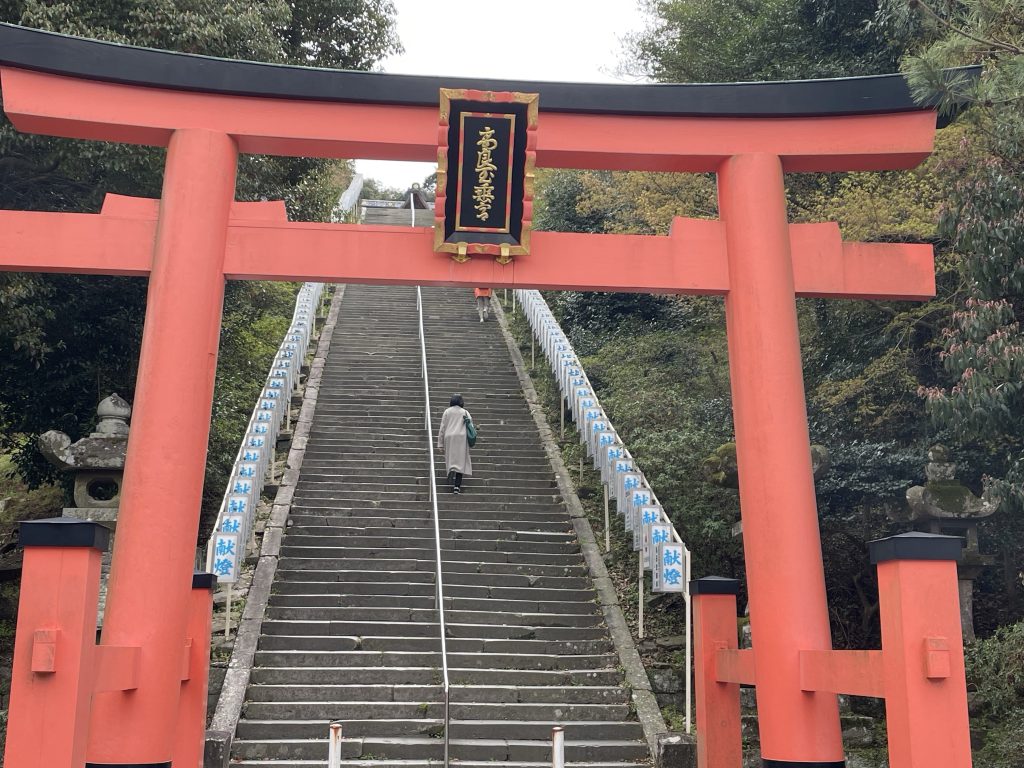
    We started climbing alongside the Oyama river, heading up the back way to one of Japan’s most revered shrines – Kora Tamataregu Shrine – where hundreds of stairs can be climbed directly from the city – or you can roll up this hill like we will!

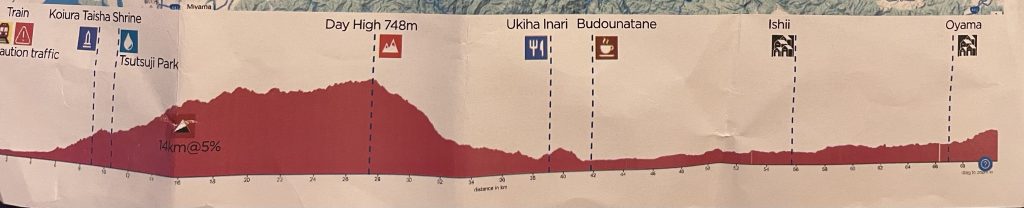
    The summit shown below was at 748 metres elevation, 21 km into the ride!


    Kora Tararegue shrine

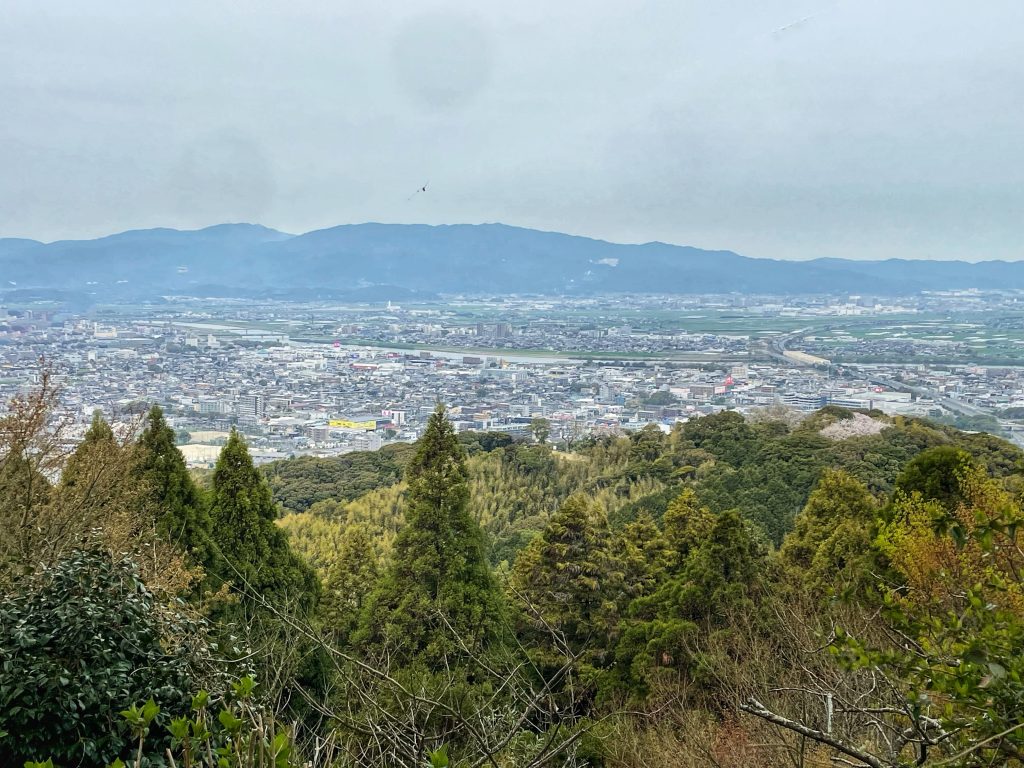
    Then we rolled along the ridgeline getting filtered views of the sprawling city we are left behind.


    Descending out of the hills we headed to a perfect Japanese experience, the Okuhita Onsen Resort.

    Kora Tamataregu Shrine

    Located at the westernmost point of the Mino foothills, rising 312 meters above sea level, Mount Kora is enshrined here as a major shrine of the Chikugo region. In the past, this ancient shrine received support from the government. Said to have been constructed in 400 A.D. during the reign of Emperor Richu, Kora Tamataregu Shrine received the highest ranking of a shrine in 897, maintaining its high status by being listed in the Engishiki, an ancient book of Japanese laws. In the Middle Ages, Kora Taisha enjoyed such influence that it could compete with provincial governors. During the Nanboku-cho period of Northern and Southern Courts (1336-1392), this historical shrine received the prayers of Prince Kaneyoshi, a shogun who placed his residence at the base of the mountain. The current inner sanctuary, offertory and hall of worship were built by Yoritoshi Arima, the 3rd feudal lord of the Kurume Clan. The Japanese government has designated all of these structures as Important Cultural Assets. In addition, the shrine houses treasures such as a handwritten copy of the Tale of the Heike, another Important Cultural Asset of Japan, as well as a colored silk hanging scroll depicting the foundation of Kora Taisha, which is a Cultural Asset of Fukuoka Prefecture. On Mount Kora itself, precious natural assets such as Moso Kinmei bamboo grove, a National Natural Treasure, and the sacred rock remains of Kogo-ishi, designated a National Cultural Asset, are preserved.

    Okuhita Onsen Resort

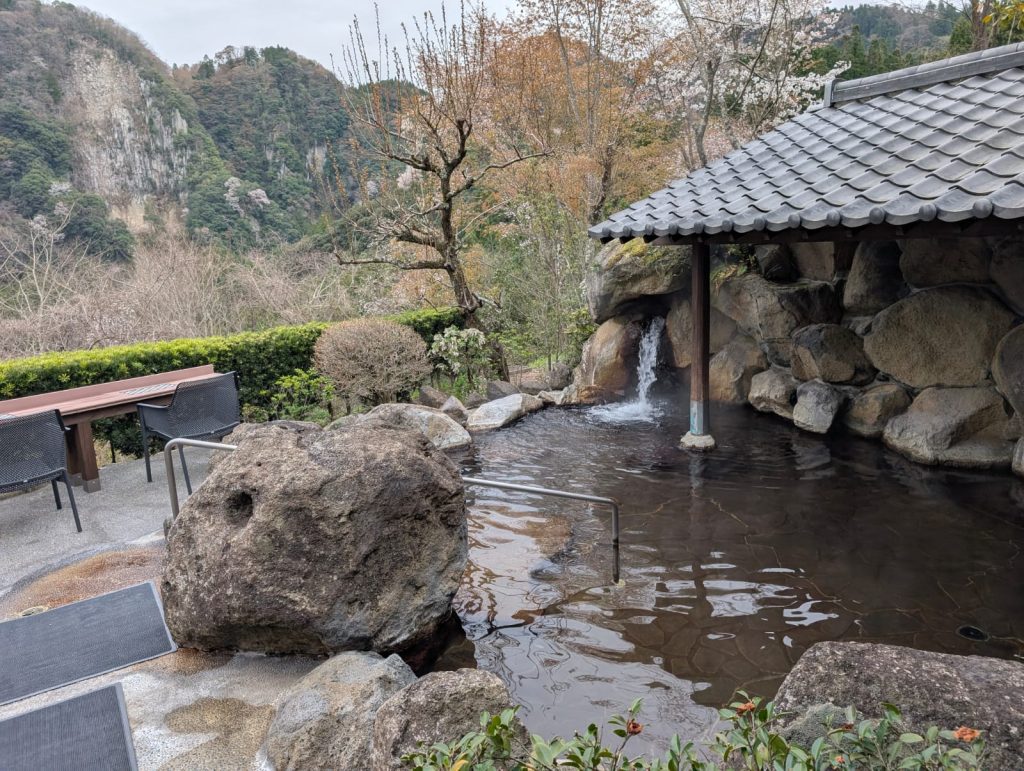
    Oyama, once an Imperial Retreat, is a scenic area area blessed with Hibiki Gorge and plum trees. Its appearance in the morning haze creates an atmosphere of China watercolor painting. This hotel was an amazing start to our journey with magic hot springs and views across the valley.  I took full advantage of the onsen after a long climbing day!

    What is an onsen?
    Onsen are hot baths, fed by the innumerate hot springs – there are over 3000 in Japan. For centuries hotels, resorts and ryokan have set up around the hot springs. They can be indoors or outdoors and they are an integral part of Japanese culture, as well as, a brilliant way to relax post ride!

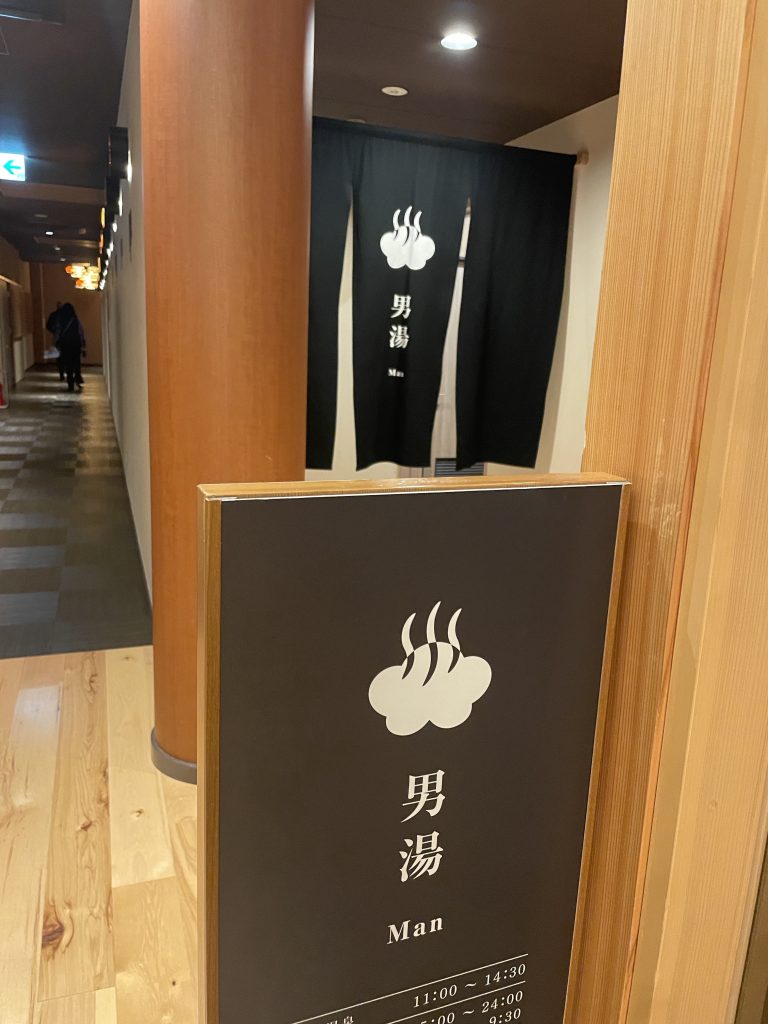
    Men’s access to the onsen above, one small section of the outdoor hot springs, a much larger indoor hot springs bath as well as sauna and cold plunge.


    But a Japanese Onsen is more. It is believed that a combination of natural beauty, health benefits, and centuries of tradition create a special soothing experience. the key is to the appeal lies in its waters. And the water has to have at least one of the 19 designated chemicals that naturally occur in the water and have a beneficial effect on health. Then there is the ambiance with a blend of nature and tradition. And the onsen is enjoyed in the nude!…no bathing suits allowed!! This is part of ancient Japanese culture of purity and cleanliness. At one time onsen we’re not gender specific, but they are now.

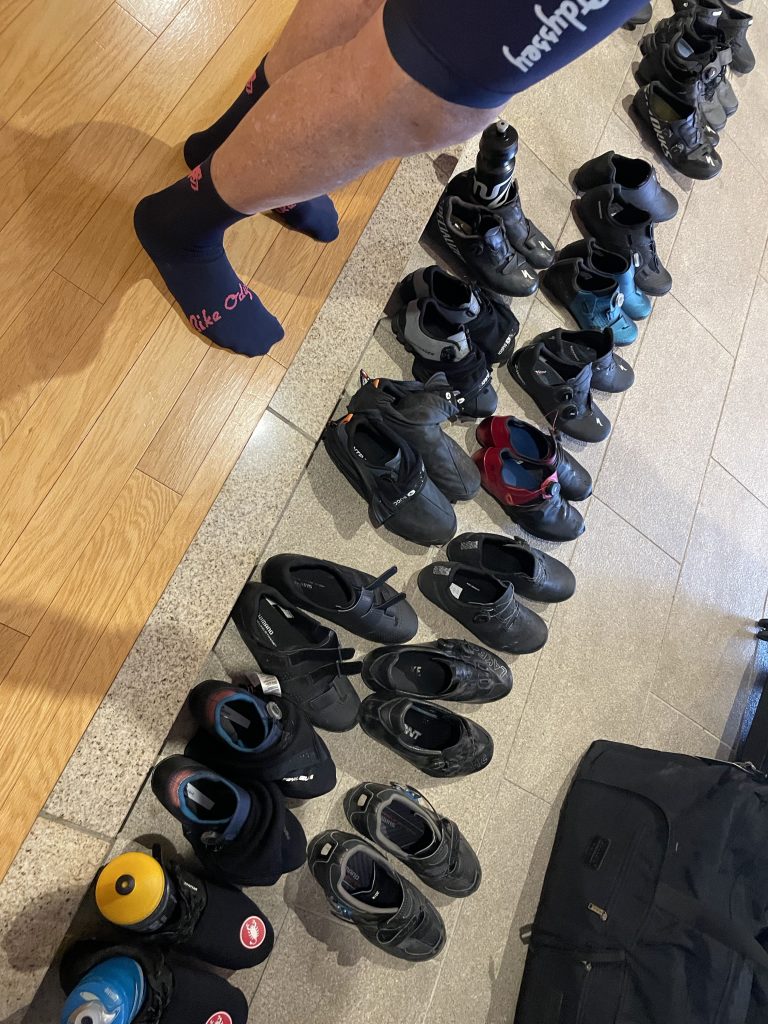
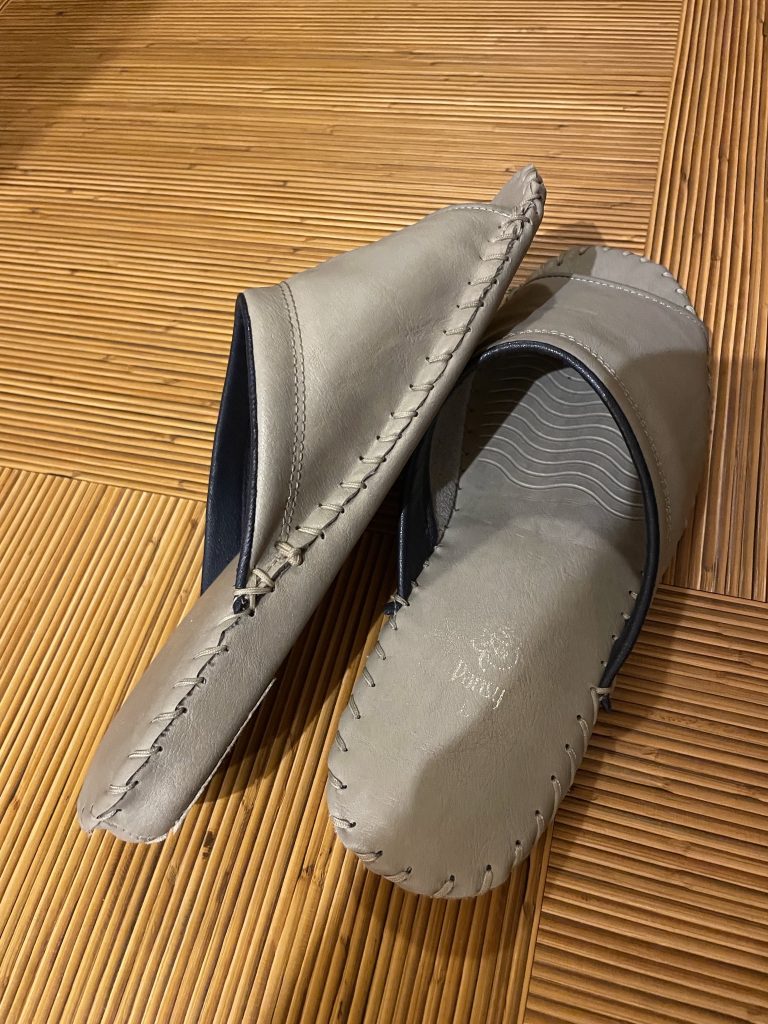
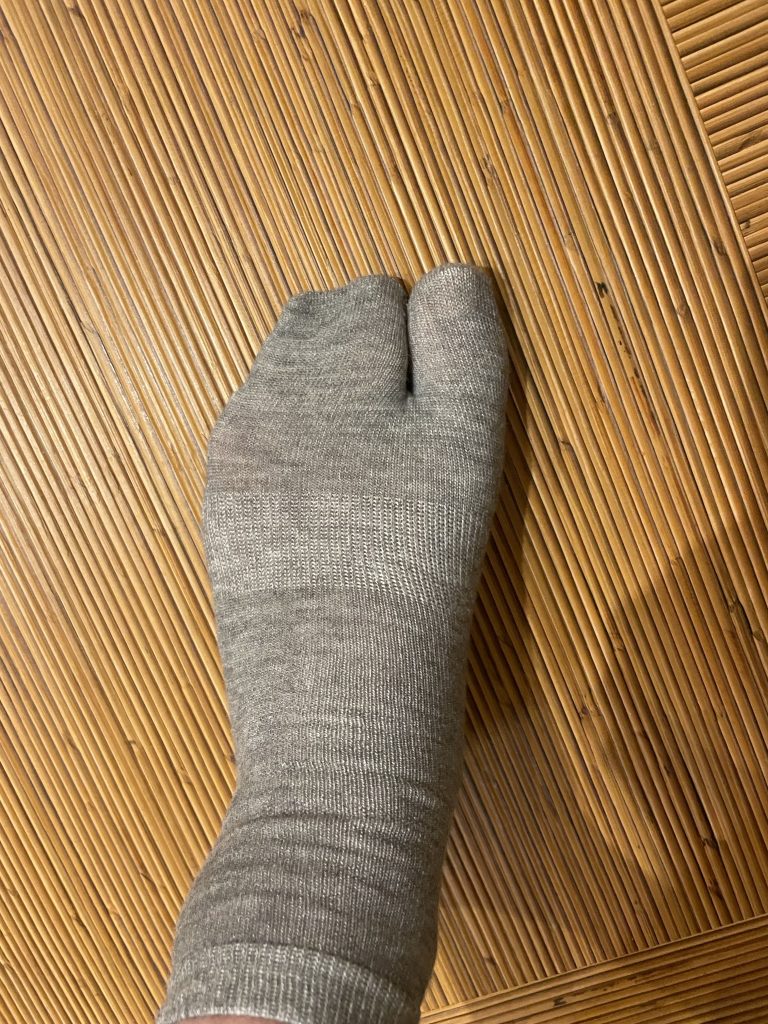
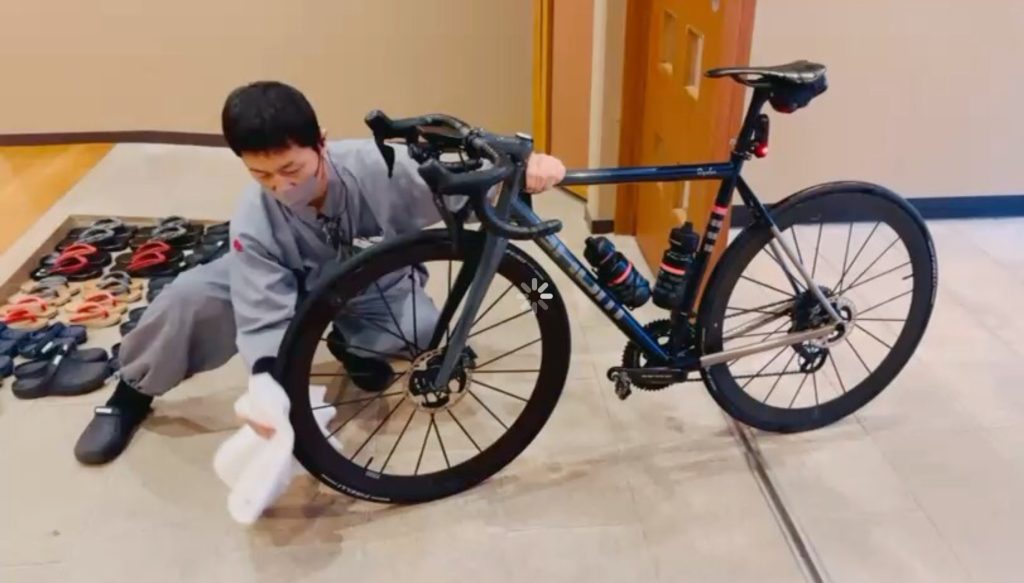
    At this onsen resort, shoes must be removed at the entrance…slippers and/or socks are provided for use in the entire facility.

    Even the bikes’ wheels were given a wipe down before being taken to the secure bike room! (where the wood floors starts is the spot that shoes can continue on).

    Another fabulous 8 course Japanese meal was served to us

    to finish an incredible ride on the rindo roads. (Rin = forest, Do = road) of Kyushu island, even in many areas of poor road conditions

    Sayonara
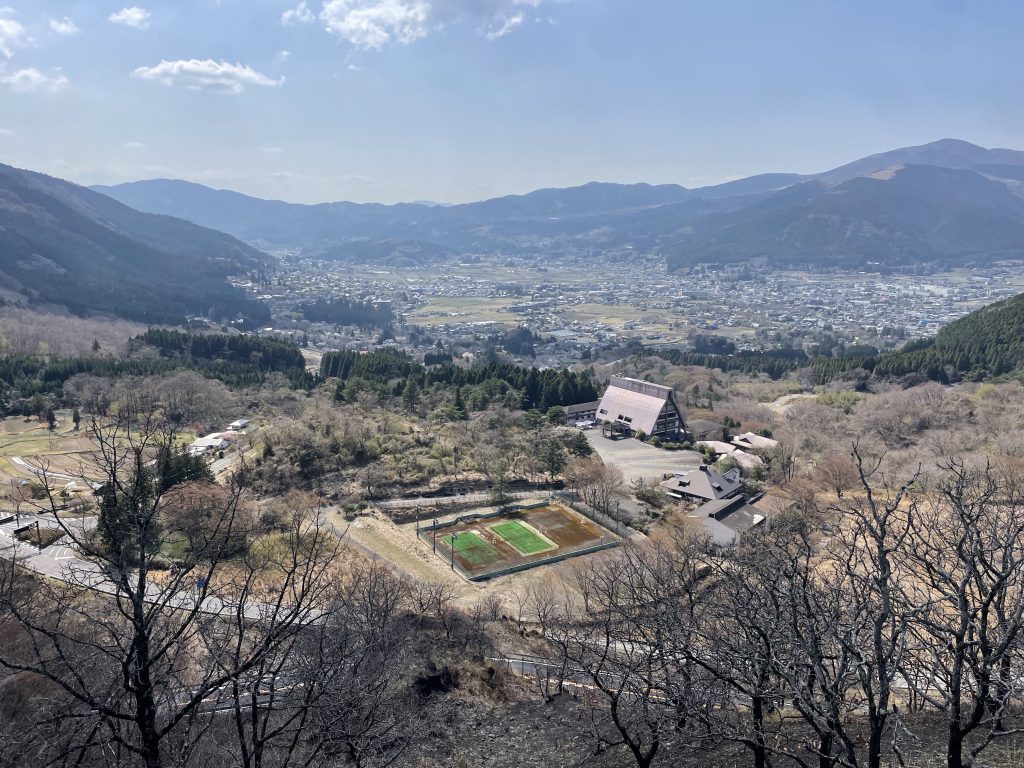
    Life is good in Okuhita!

  • 🎶What’s Yo Name? Who’s Yo Shogun?🎶

    Meet & Greet, bike fit and warm up ride – Distance: 50km / 31 miles | Elevation 225metres / 738 ft

    Watch Relive video here: https://www.relive.com/view/v7O9ZDZAxL6

    Lo 2C, Hi 12C, wind 5km E gusts to 12km/hr, sunny

    Early night last night a few of the riders and guides met to assemble our bikes, the rest will be here today to do the same. Bike bags then will be transported to Mt. Fuji waiting for us to re-pack at the end of the tour.

    Once everyone was ‘put together’, we all gathered at midday for a Welcome Chat over a 3 course light lunch.

    So the question around the lunch table was,”What’s yo name and who’s yo daddy?”
    To answer that question, a little background first. For over 700 years Japan was ruled by supreme leaders, the Shogun. They traversed the country warring, ruling and dominating the spectacular landscape and culture.

    The samurai, whom the Shōgun ruled, are often depicted as stoic warriors whose legacy rarely extended beyond the battlefield. Yet their period of feudal history is remarkably recent and therefore intimately linked to all things modern and Japanese. Only 150 years ago, Japan was in a state of transition as foreigners were first let into the country and the feudal system dominated by the Shōgun collapsed (comparatively feudal Europe ended roughly 500 years ago).
    OK OK, here’s my answer: there are 29 people in our entourage, 1 Emperor/lead guide Sean, 6 Shogun/guides who are Henrick, Mikey, Daigo, Tina, Gypsy and Kusaba.
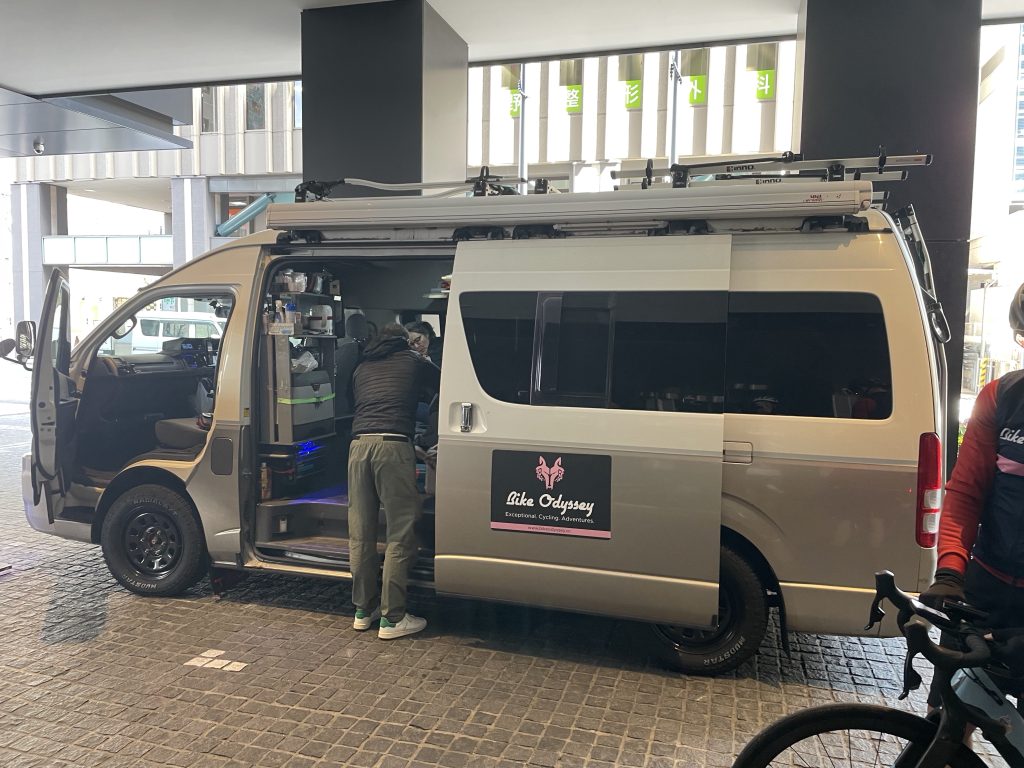
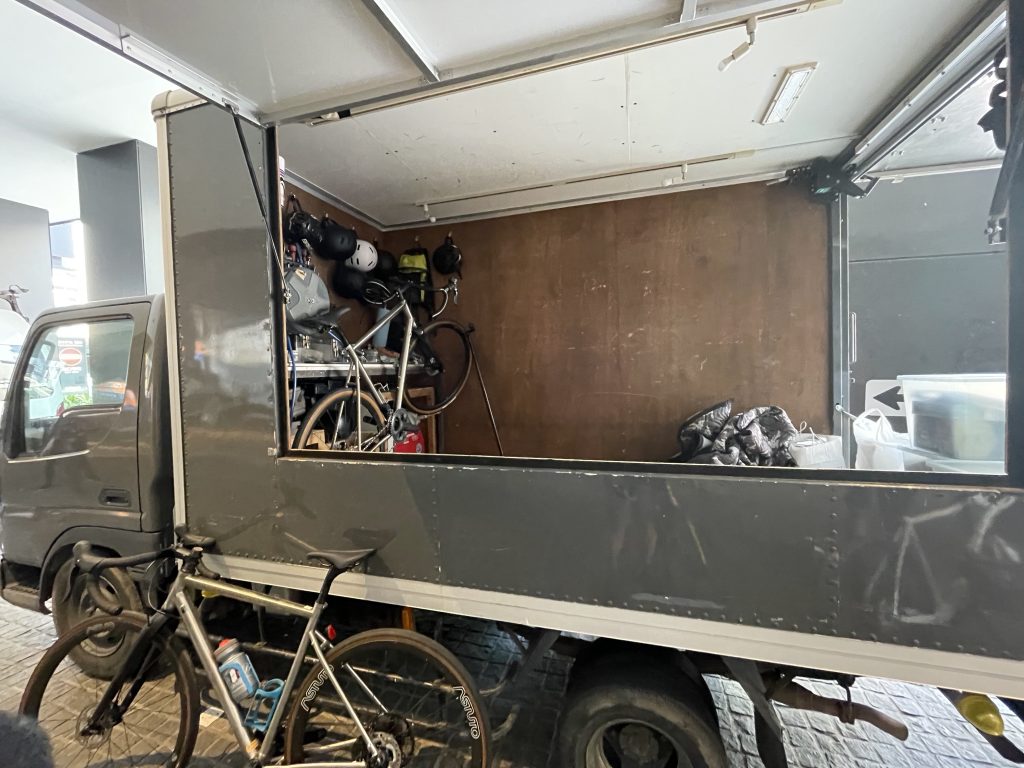
    The remaining 22 of us are the Samurai!! We hail from Canada, Australia, New Zealand, Austria and USA. We will kick as and take no prisoners! Two support vans, one is a bike shop repair van.


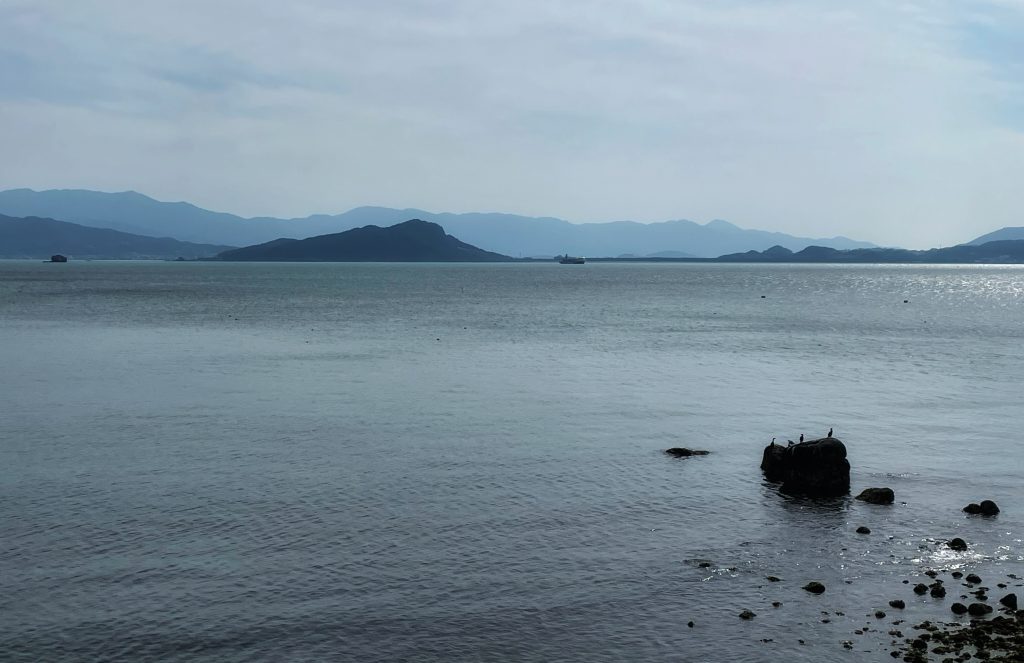
    The afternoon was spent on our bikes for a warm up loop that gave us a taste of many things Japanese. We are in the middle of this bustling city, so roads were busy, but we found drivers in Japan extremely considerate and slow moving. We meandered through the city towards the waters edge where we jumped on a ferry

    to cross over and to loop Shika Island (Shikanoshima). Interestingly, ferries will only carry 5 bikes, but if a bike is covered up then it is not considered a bike and more can be brought in. So some us covered our bikes with a thin stretchy bike cover for the short ferry ride. ( we will have to do this again a couple of times.

    We landed and crossed a 1km isthmus only metres wide where we could see on one side out to the Sea of Japan and the other across the bay back to the city.


    Looping the island we decided not to take the ferry back to the city, and instead went a longer way back by riding.


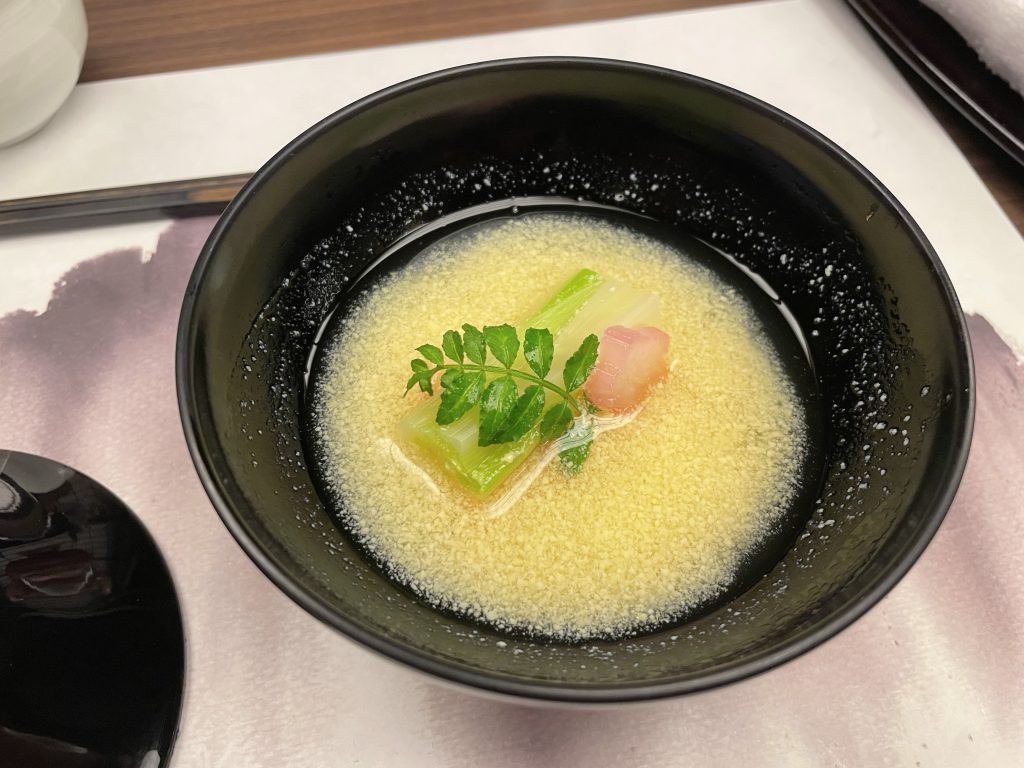
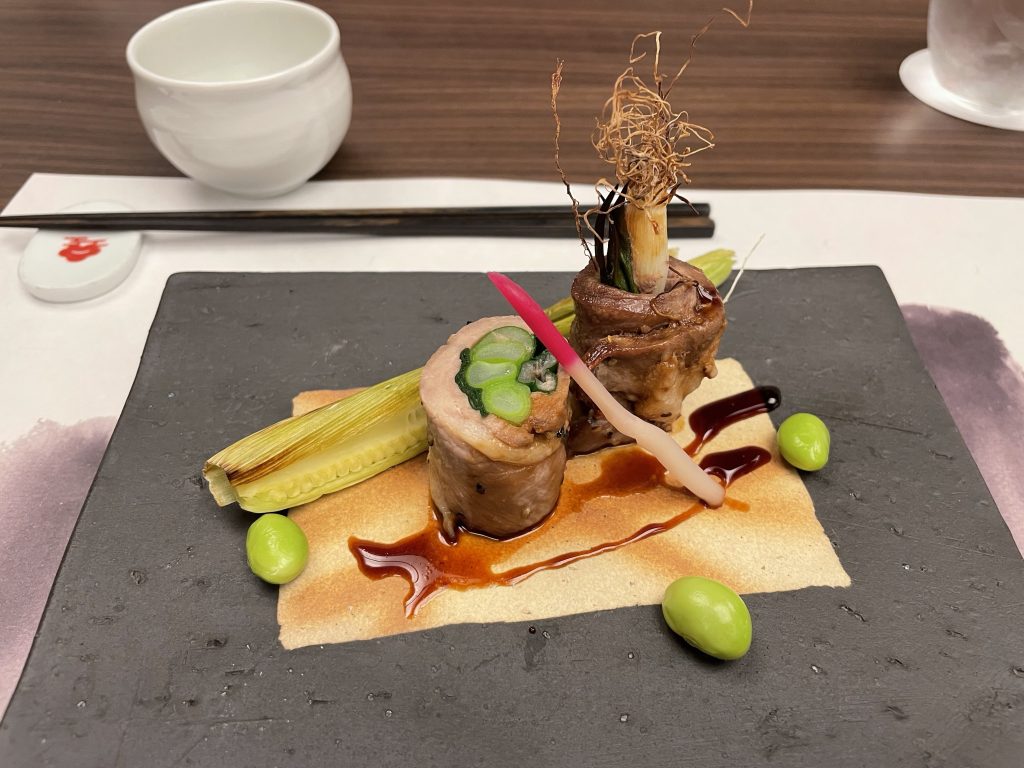
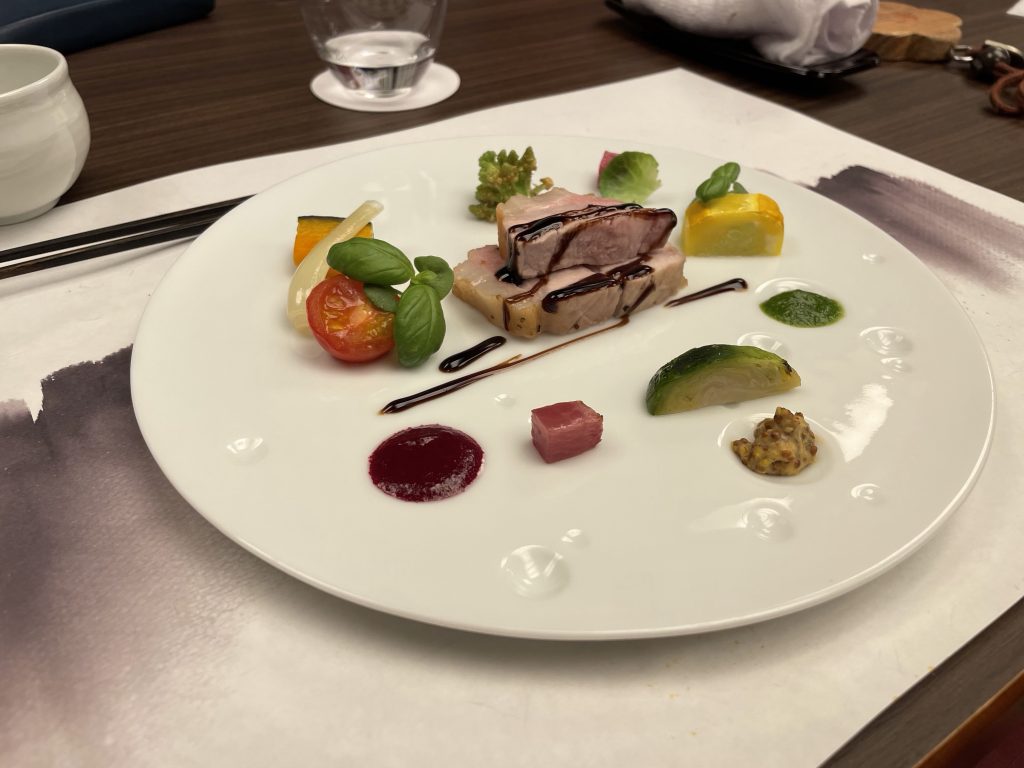
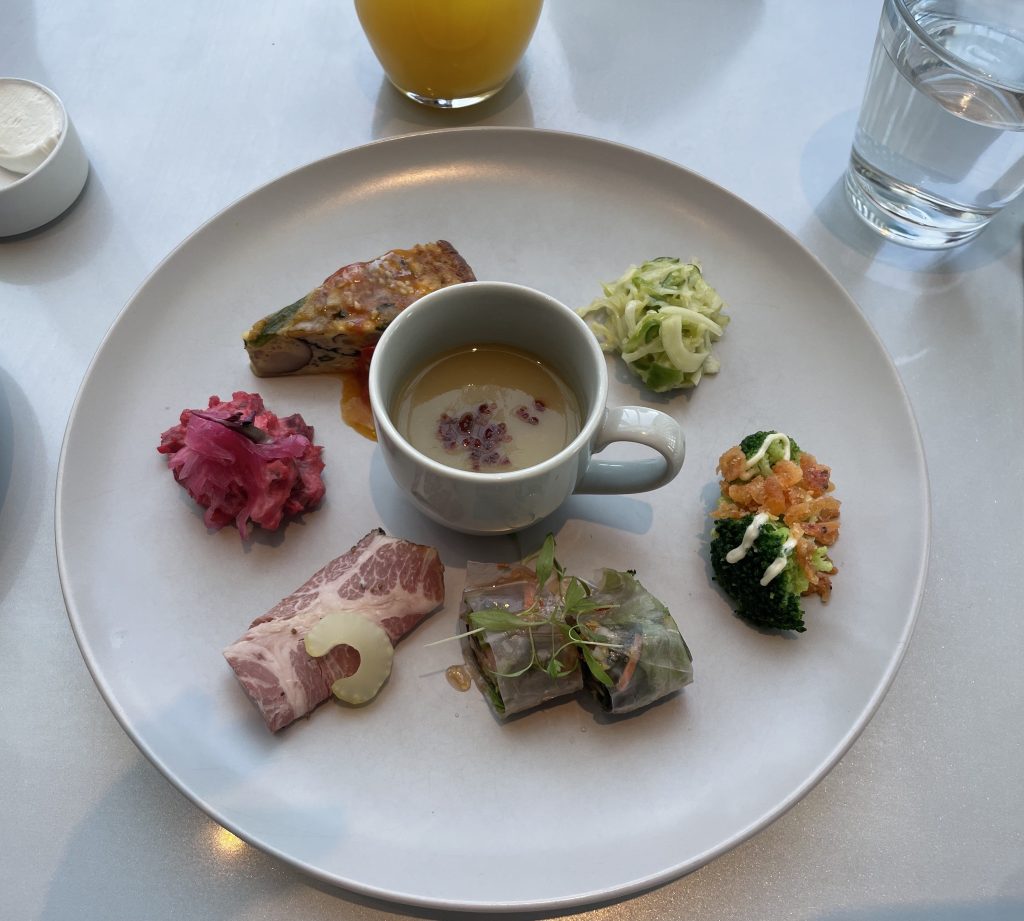
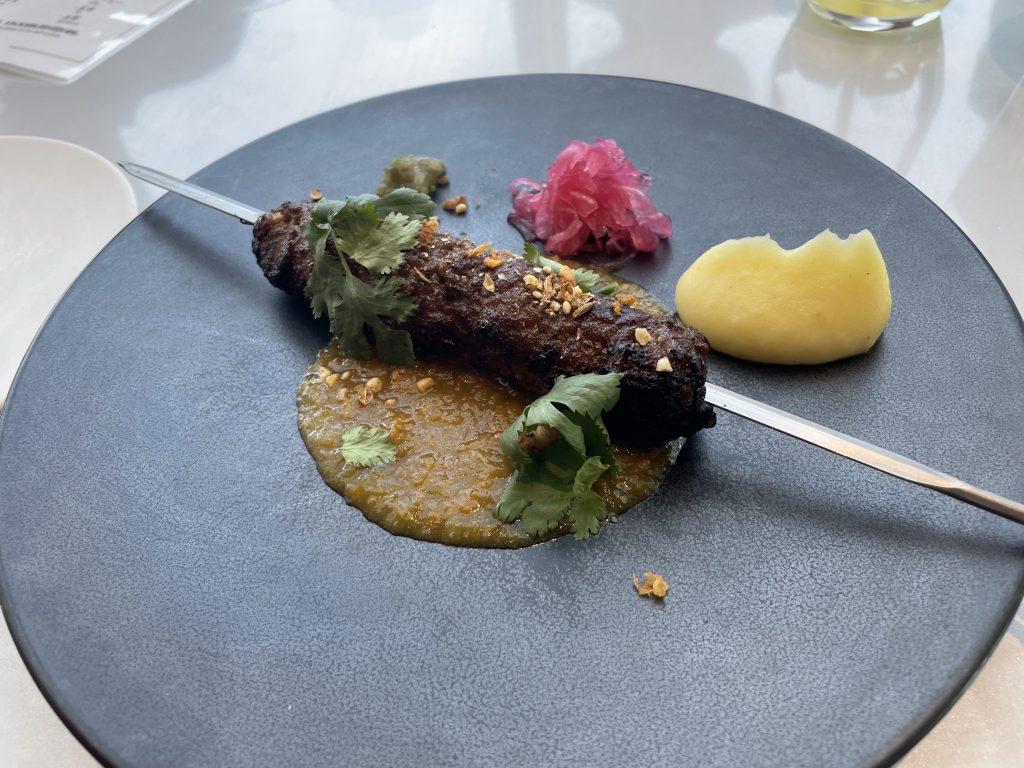
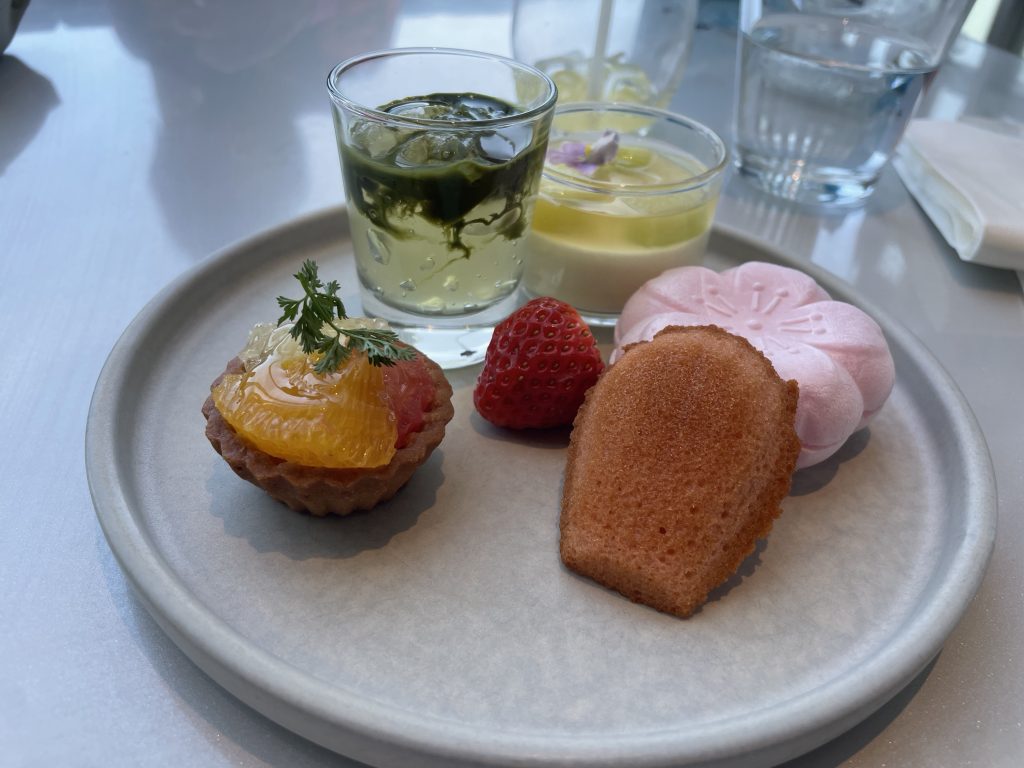
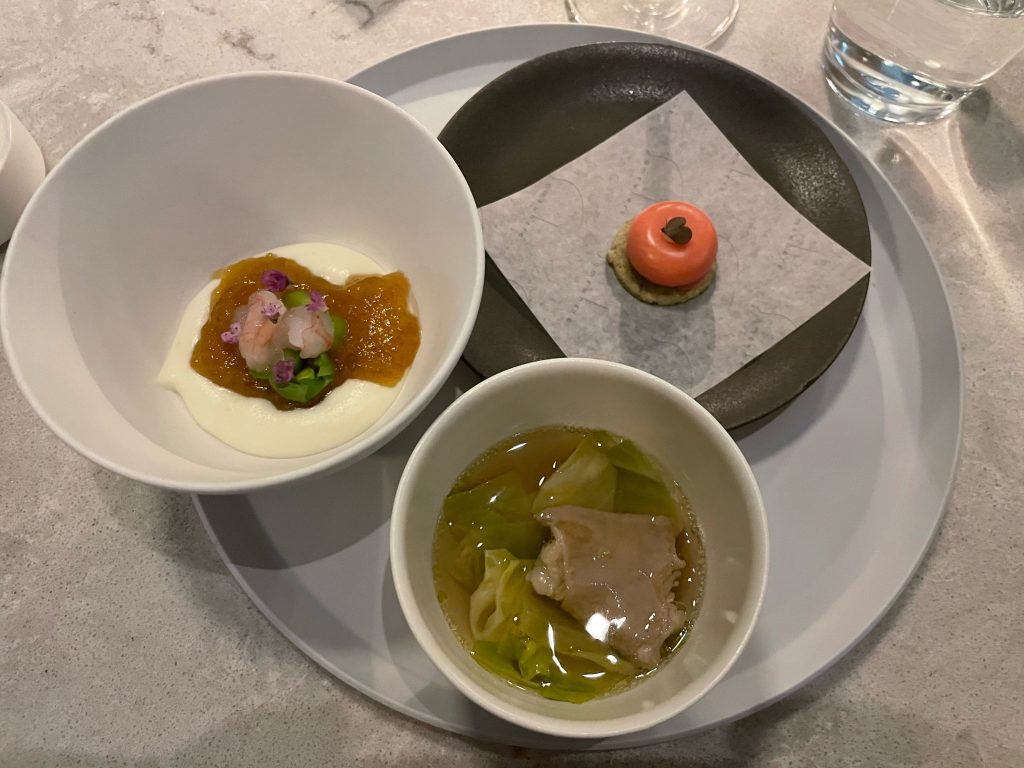
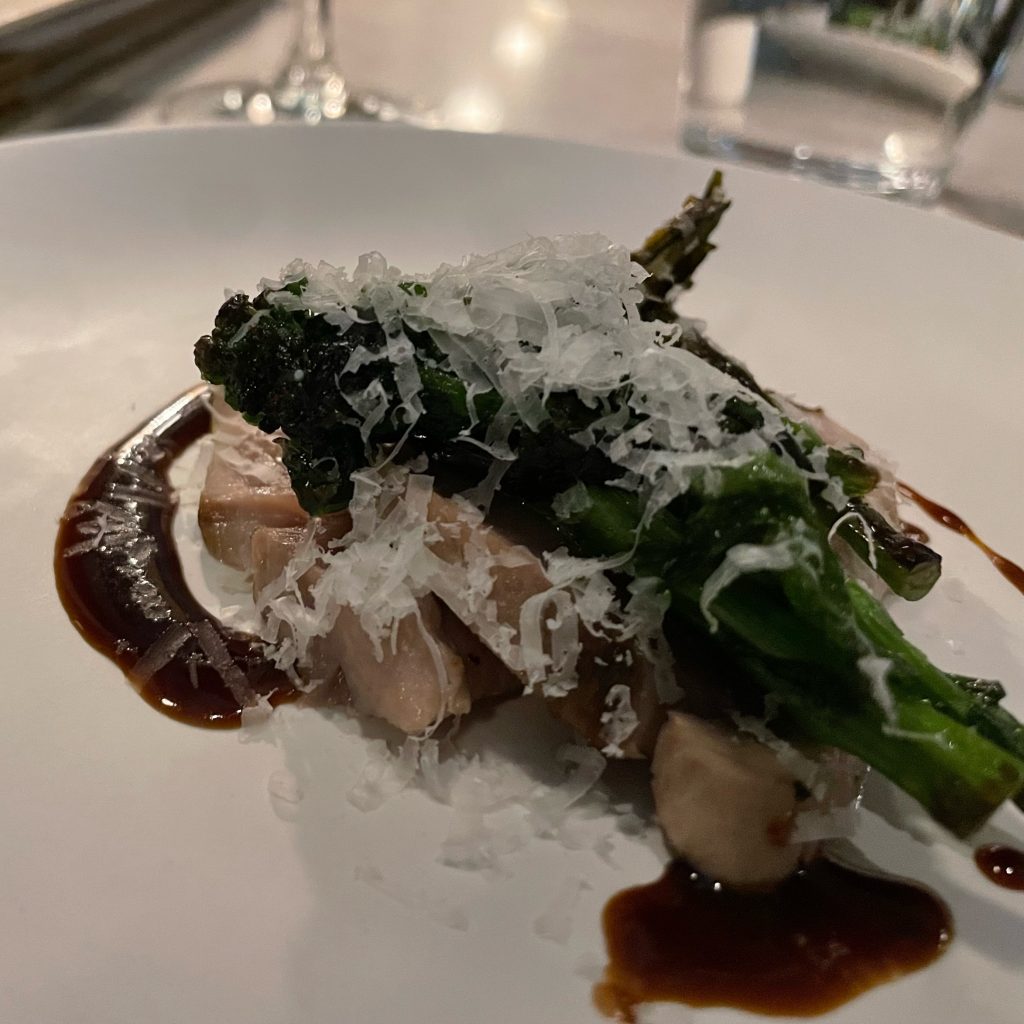
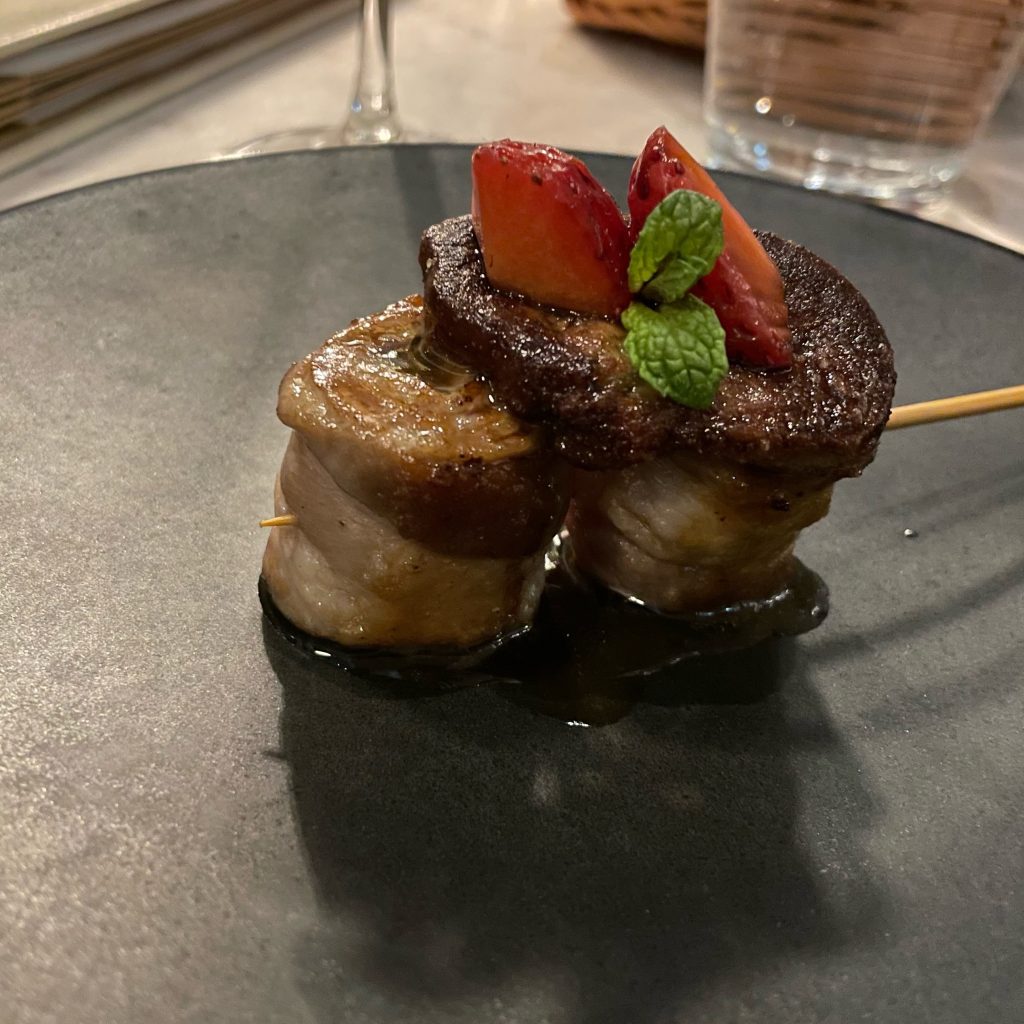
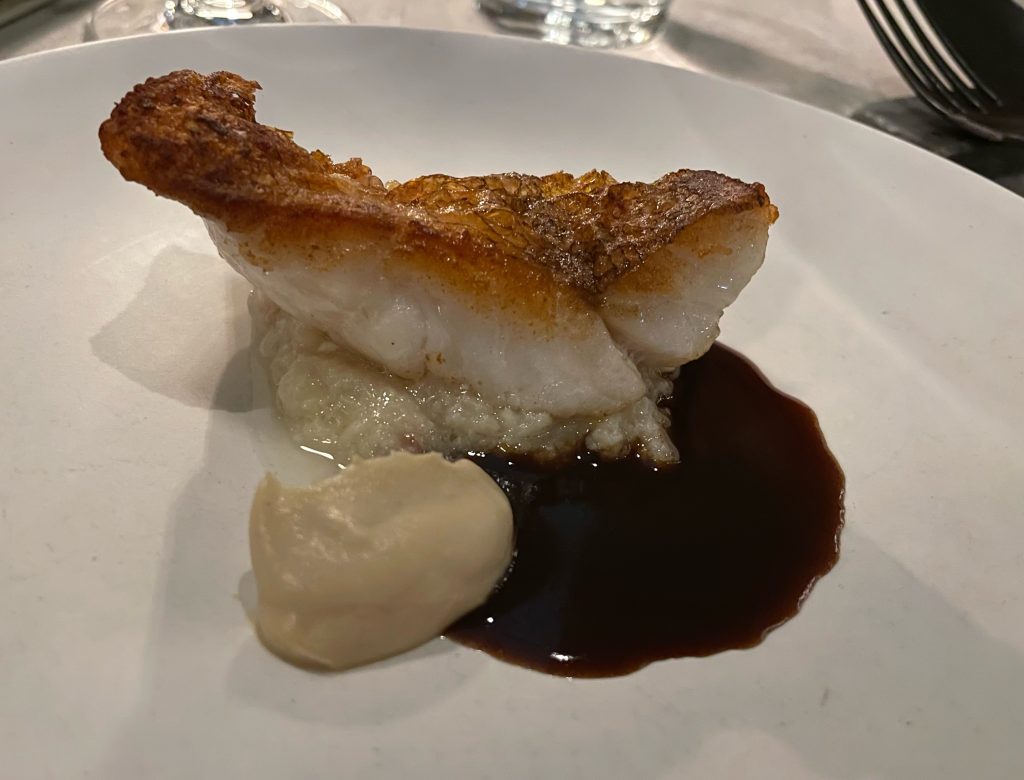
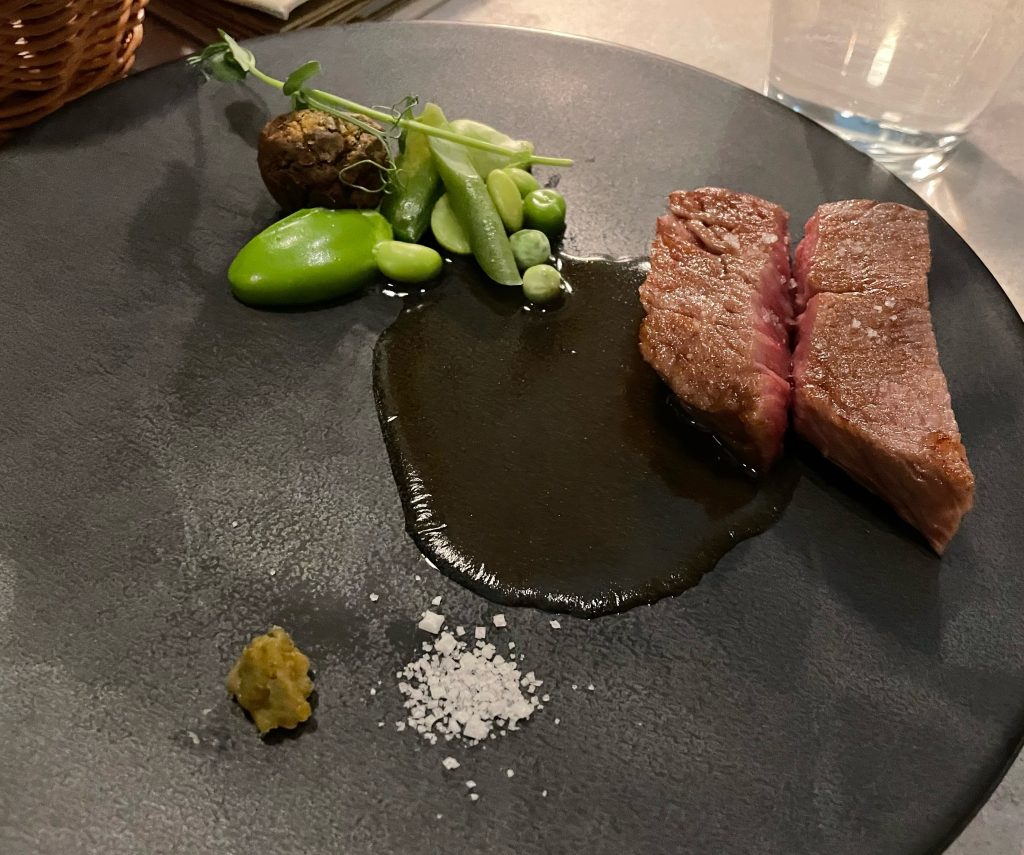
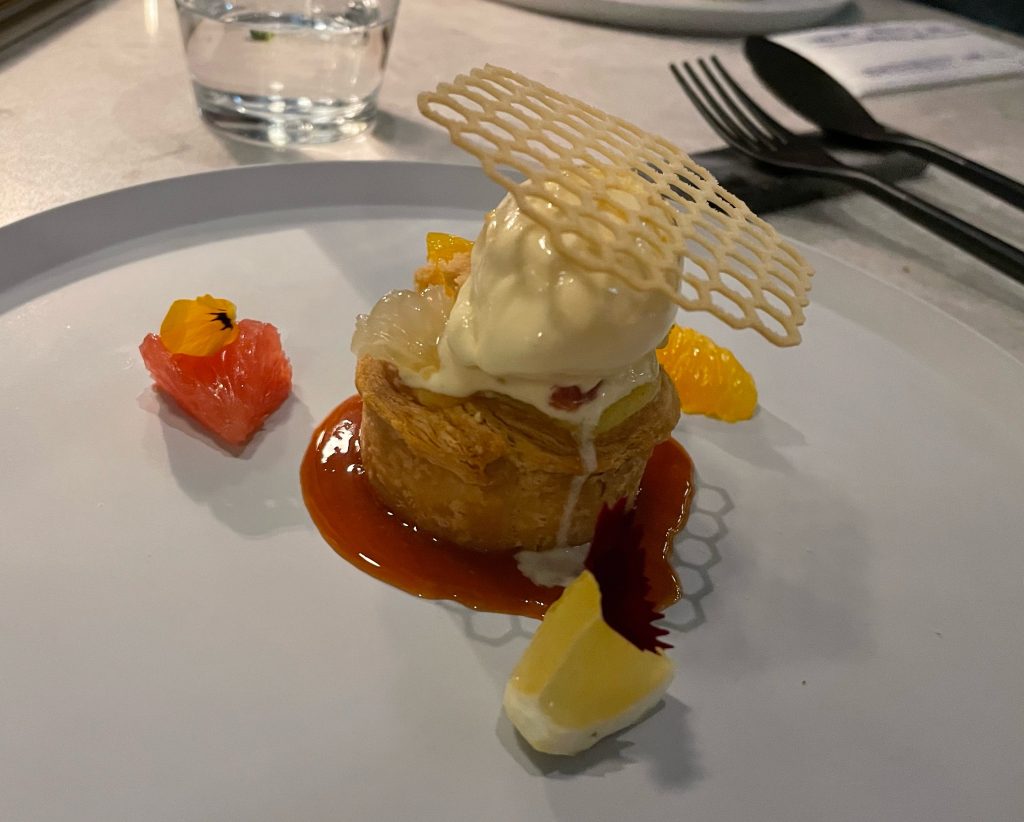
    Dinner in the hotel restaurant, a 6 course Japanese cuisine; shrimp, onion soup, bonito fish w rapeseed, pork belly brochette w foie gras, scorpionfish, wagu beef and citrus tart.

    Tomorrow we start in earnest with our first long A to B route., with some serious climbing…sayonara
  • We’re Off!

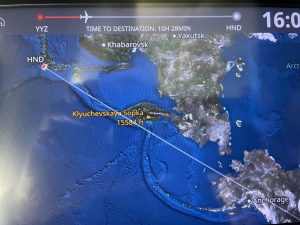
    An uneventful 4 hr drive to Toronto Pearson Airport to catch a nonstop Air Canada flight #AC 001 to Tokyo Haneda Airport…14 hr, 10 min.
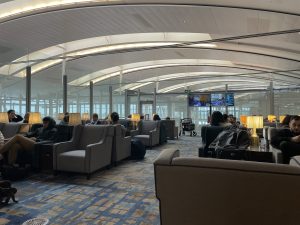
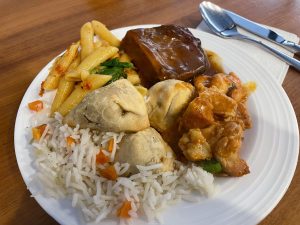
    A little lunch in the lounge before takeoff!

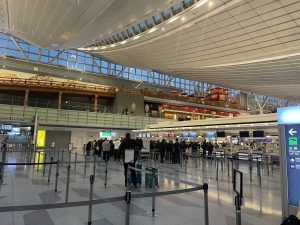
    Tokyo Haneda Airport…

    Missed the connecting flight AC 6271. ( operated by All Nippon Airways) but got on the next one an hour later (AC 629) to Fukuoka Airport… 2 hr flight time.

    I must say that workers at both Japan airports were extremely helpful and friendly, like they really enjoyed their job…completely opposite to Pearson Airport! They even delivered my bike bag to me from the oversized area to the luggage carousel (opposite ends of the Baggage Hall) while I waited for my checked bag!

    So I left Friday afternoon at 1:30pm arrived at the final destination at 10pm Saturday night!  There is a 16 hr time difference between Japan and Ontario.


    Needless to say, some rest in the hotel was in order before exploring a little bit of the city of Fukuoka.

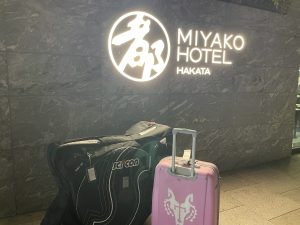
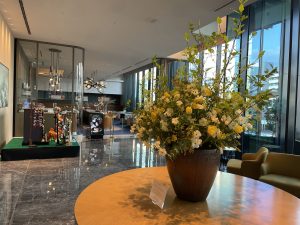
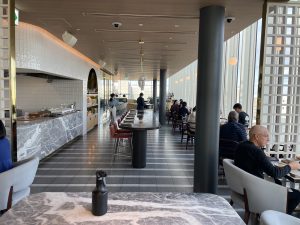
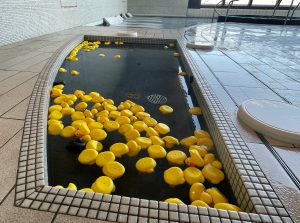
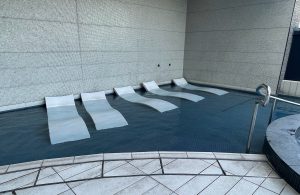
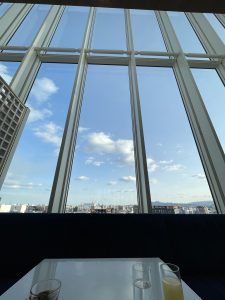
    The Miyako Hotel Hakata is quite nice with rooftop pool, spa and restaurant.

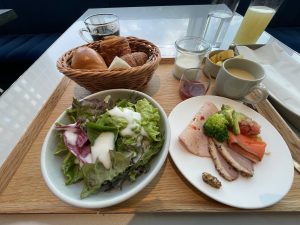
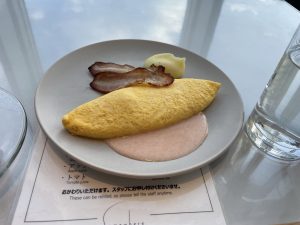
    Breakfast gave two choices, ‘American’ or ‘Japanese’, I opted for the former…it was not the typical Bob Evans breakfast!…it was fresh and excellent.


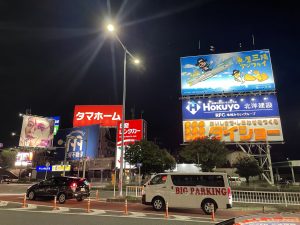
    Fukuoka, what a beautiful city!…very busy and modern but with historic sections still intact, and spotlessly clean(no litter, no cigarette butts or gum on the sidewalks!).  Lots of cool modern architecture and tons of signs and neon!! . People are very courteous and polite.


    wedding photos in the park  

    They said to come in the Spring to see the cherry blossoms…I think we are off to a good start in that department.

    Assembly of the bikes today, wheels down tomorrow, and the Shogun begins!

    https://youtu.be/W2R27rDRhfw?si=qdRCFadsvFfNLo__

  • Here We Go Again!

    Another year, another cycling trip!…this time to the Land of the Rising Sun…Japan
    We will ride 22 days(+3 rest days), 1,744 km (1,082 miles) and climb 34,684 metres(113,792 ft)

    If I survive the exhaustion at the end of each day I will post about the experience and add some photos and video.
    Daily average 79.3 km (50 miles), 1577 metres (5,174 ft) of climbing.

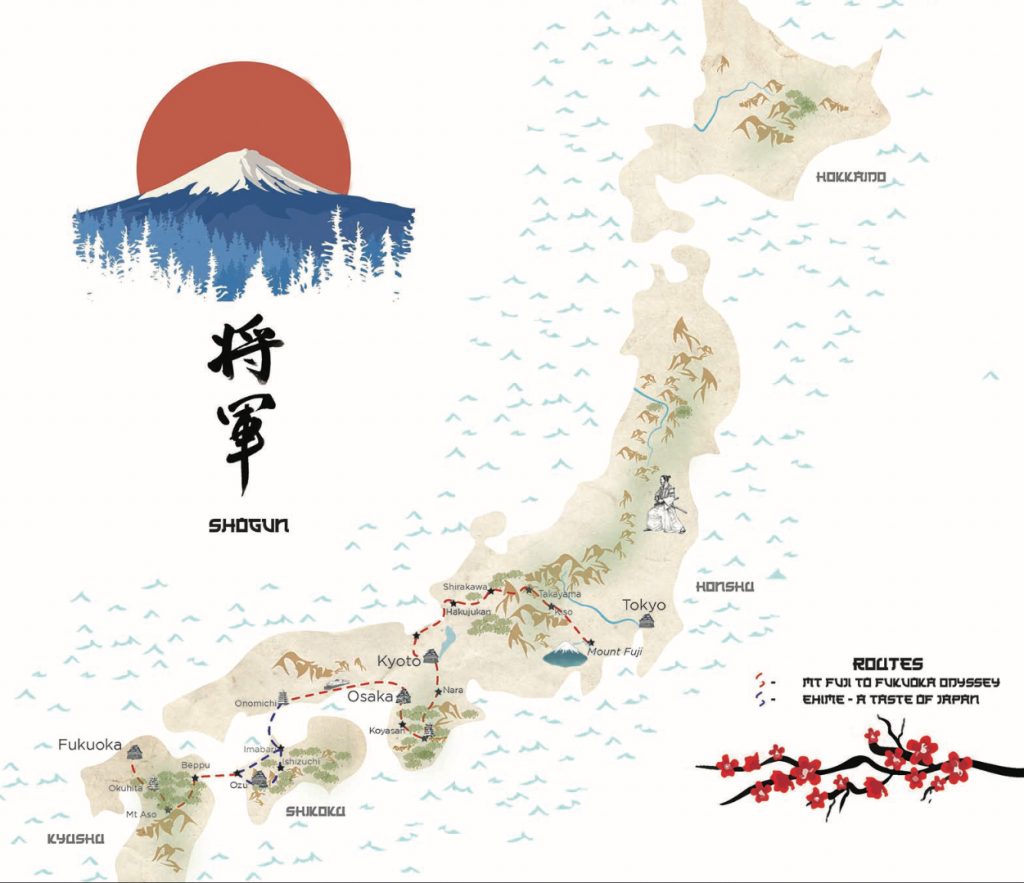
    The tour is named Shōgun. The Shogun was the supreme commander of all Japan. The reins of power rested firmly in their hands for over 700 years. They traversed the country warring, ruling and dominating this spectacular landscape and culture.

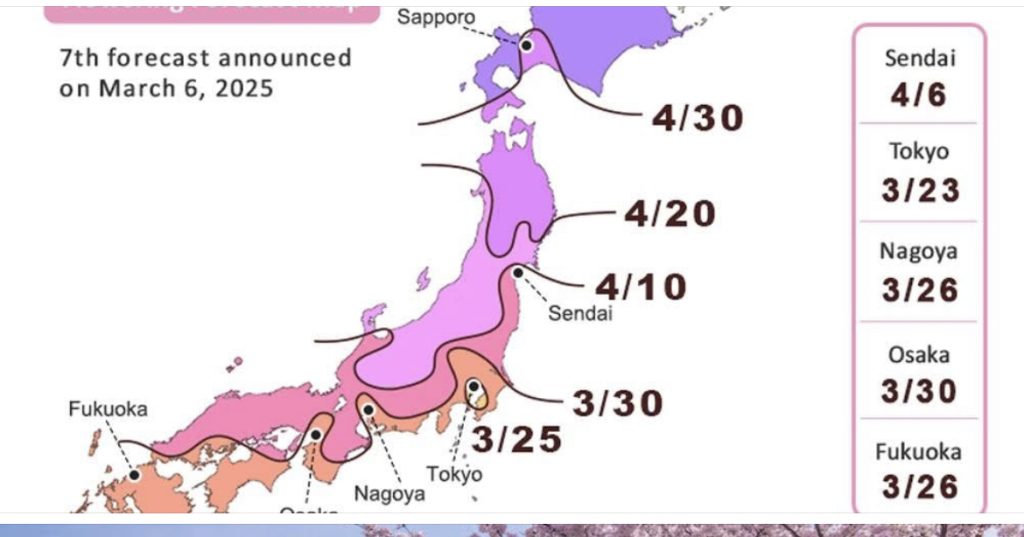
    And because it is April, we will follow a tortuous route south to north to see the cherry blossom migration (as shown in zone map below)

    Starting point is the Kyushu island city of Fukuoka and final destination Mt. Fuji, 1 hour from Tokyo.

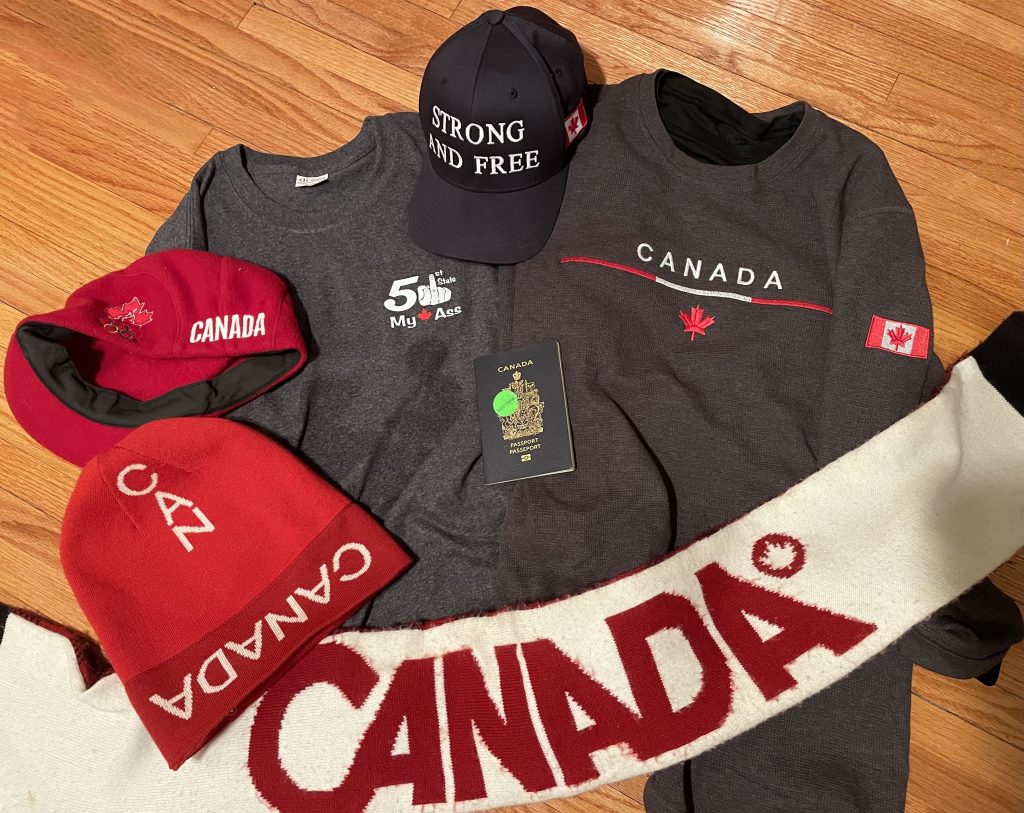
    I have all my necessary international prerequisites ready…

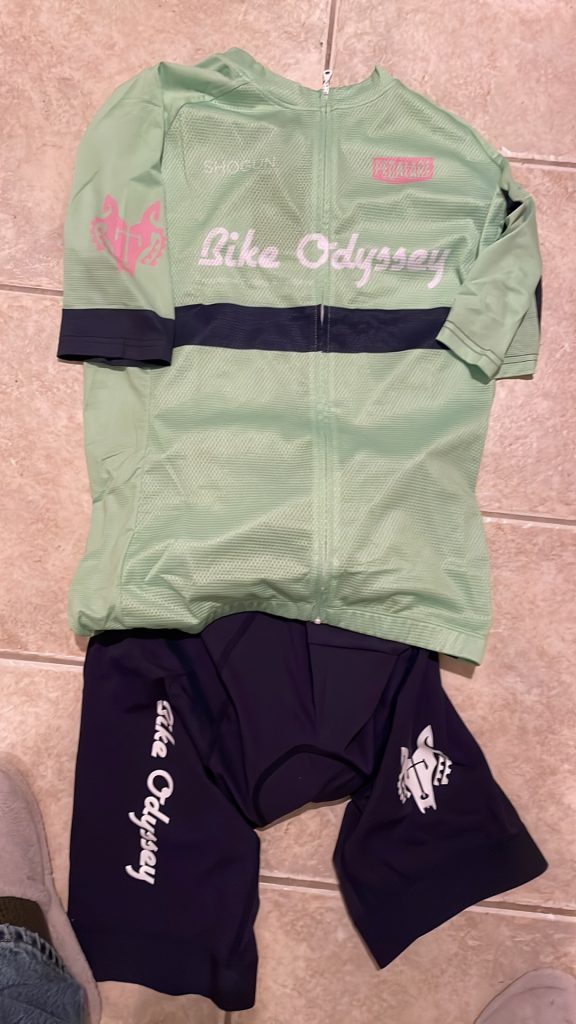
    Our team kit: navy bibs and light green jerseys, navy socks


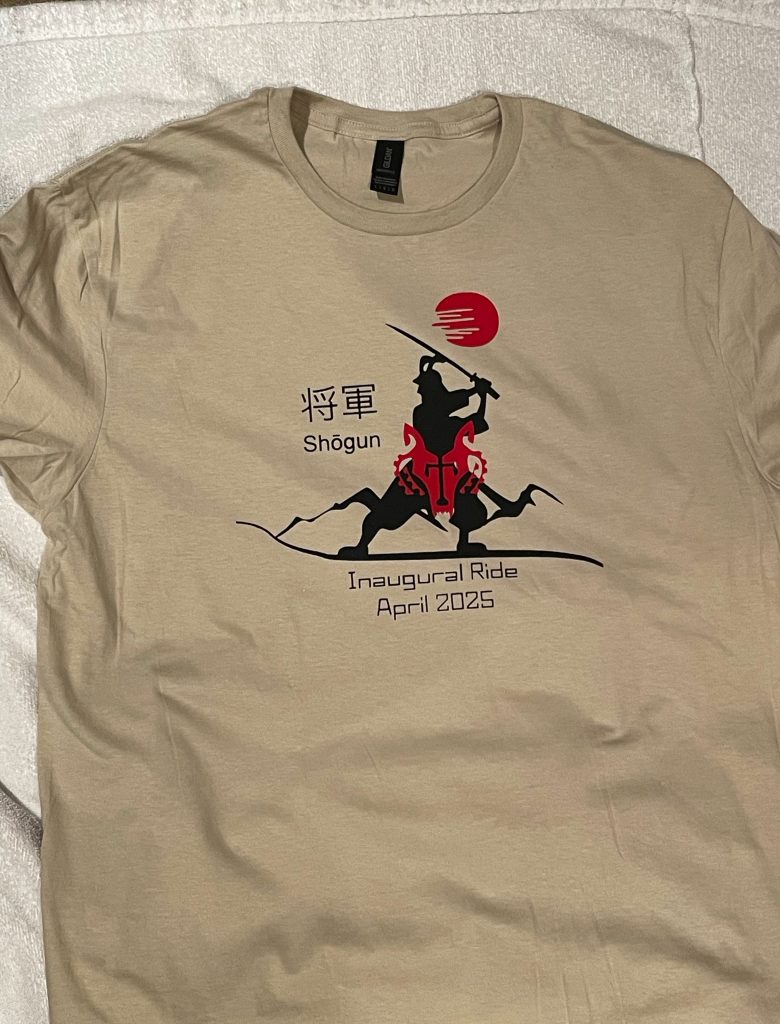
    One off inaugural Shogun t-shirt.

    So follow along at https://bikeodyssey.cc/whos-yo-shogun/ and leave comments if you wish.

    Kanpai!a