Watch the Relive video here:https://www.relive.com/view/v26Md7KJE3O
On the Road – Distance 75km / 47mi | Elevation 1479m / 4853ft
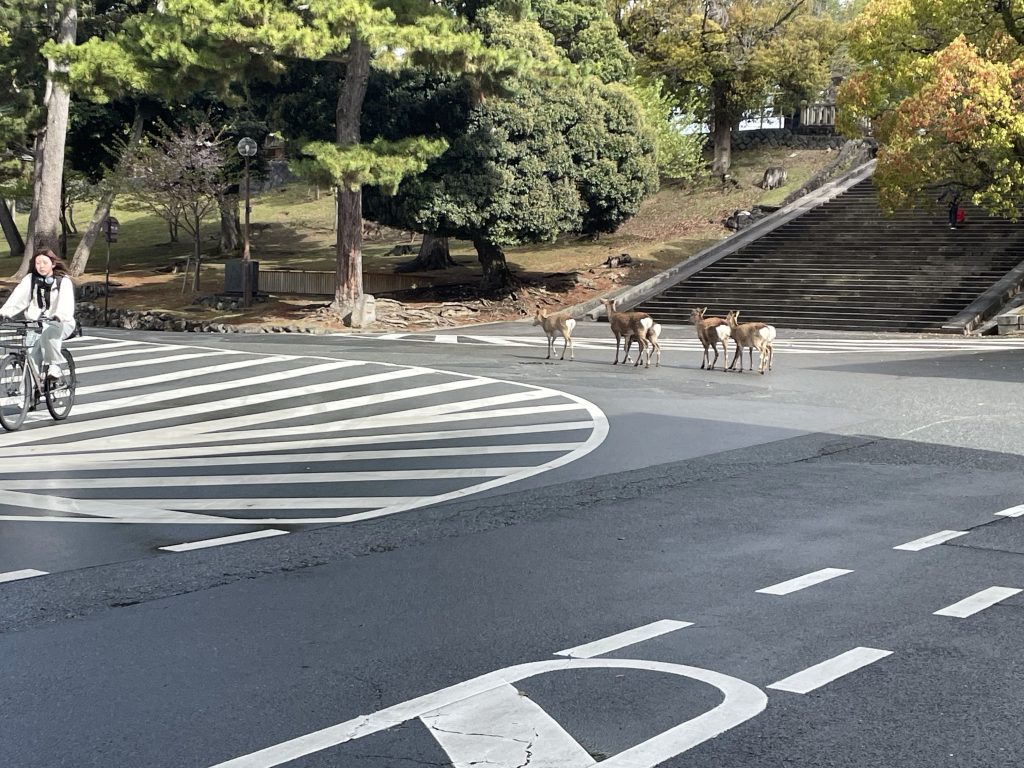
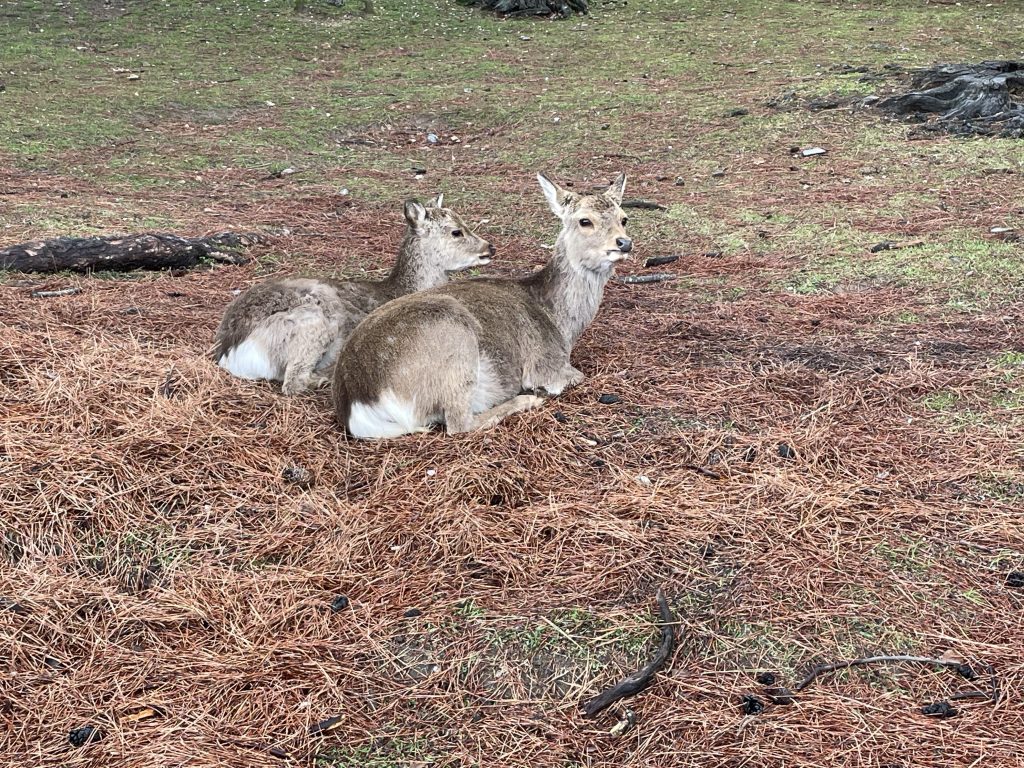
Today had a mixed forecast, starting out with a cold drizzle as we departed this city through Nara deer park where the animals roam, fed by locals and tourists alike. They are protected and have right of way!
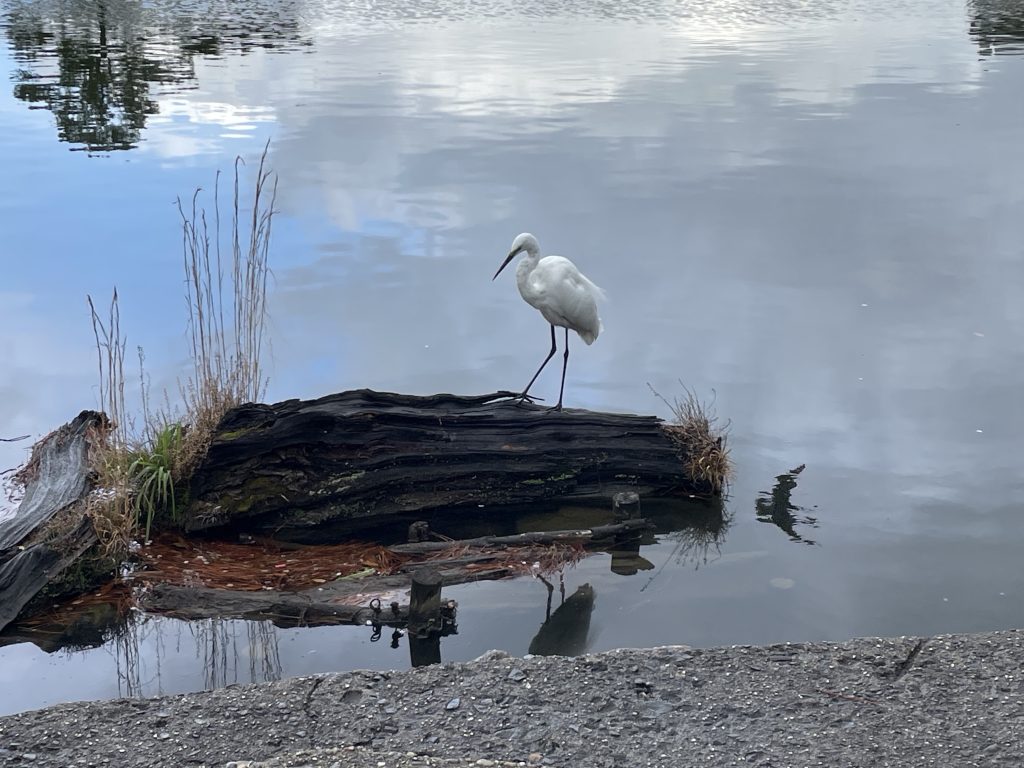

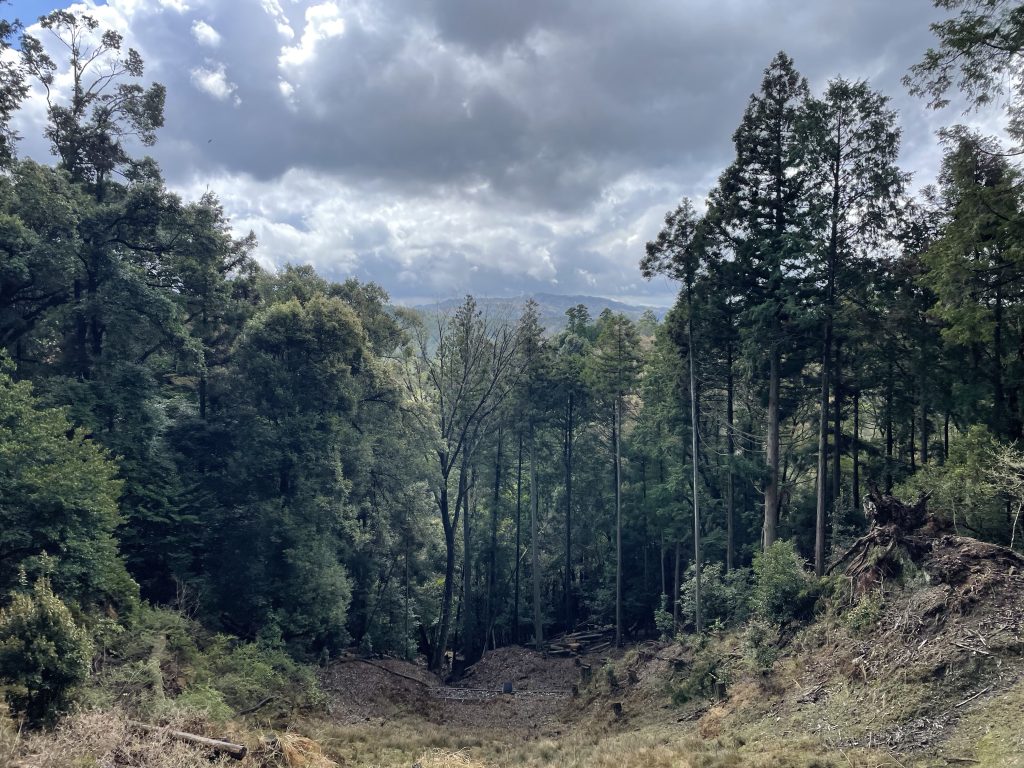
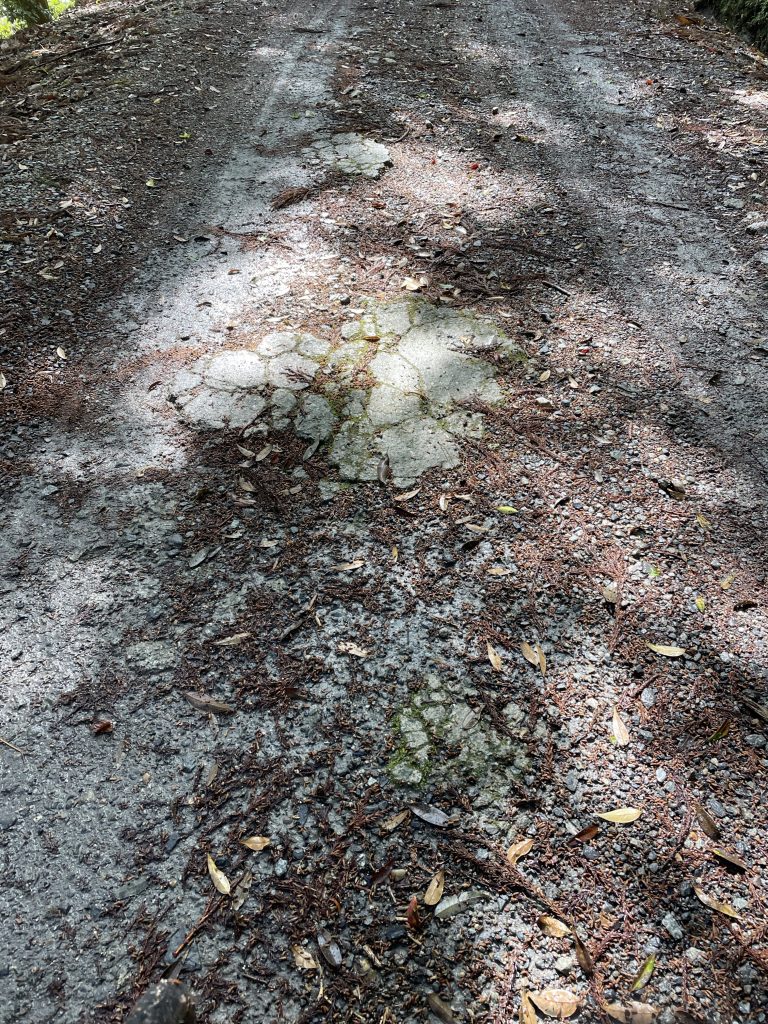
Shortly after leaving the hotel we started the first and largest climb of the day, 10 km with 6km on gravel through a UNESCO protected forest. The sun filtered down through the forest for one of the few times we saw the sun. The gravel road was wet and rocky.
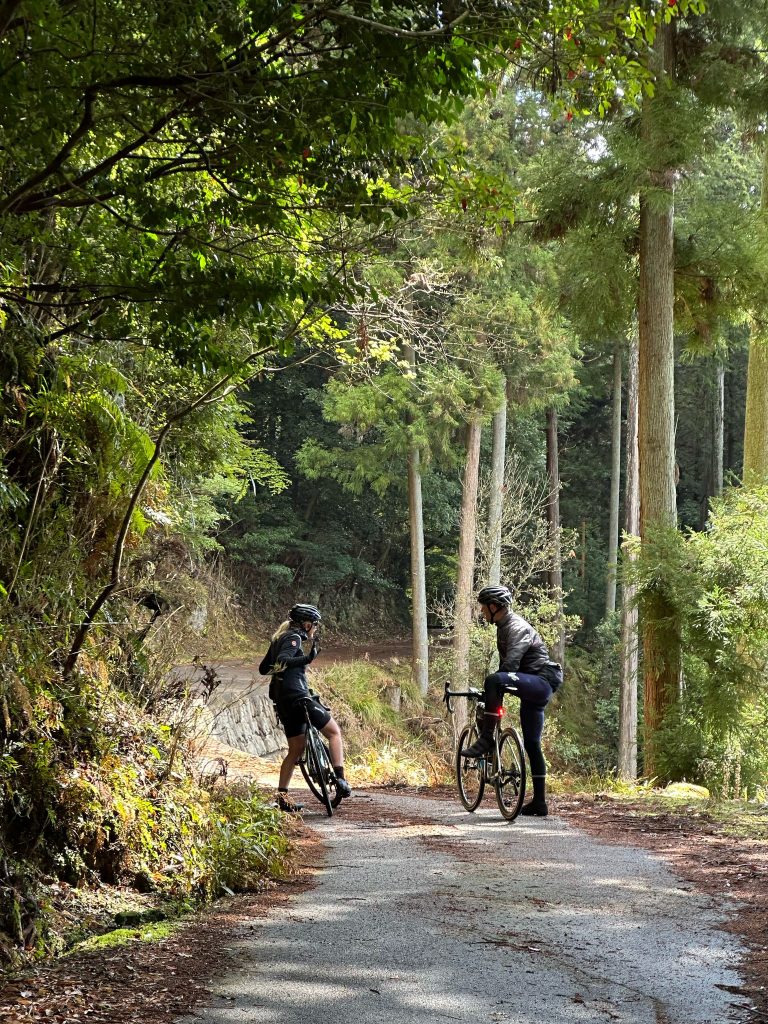
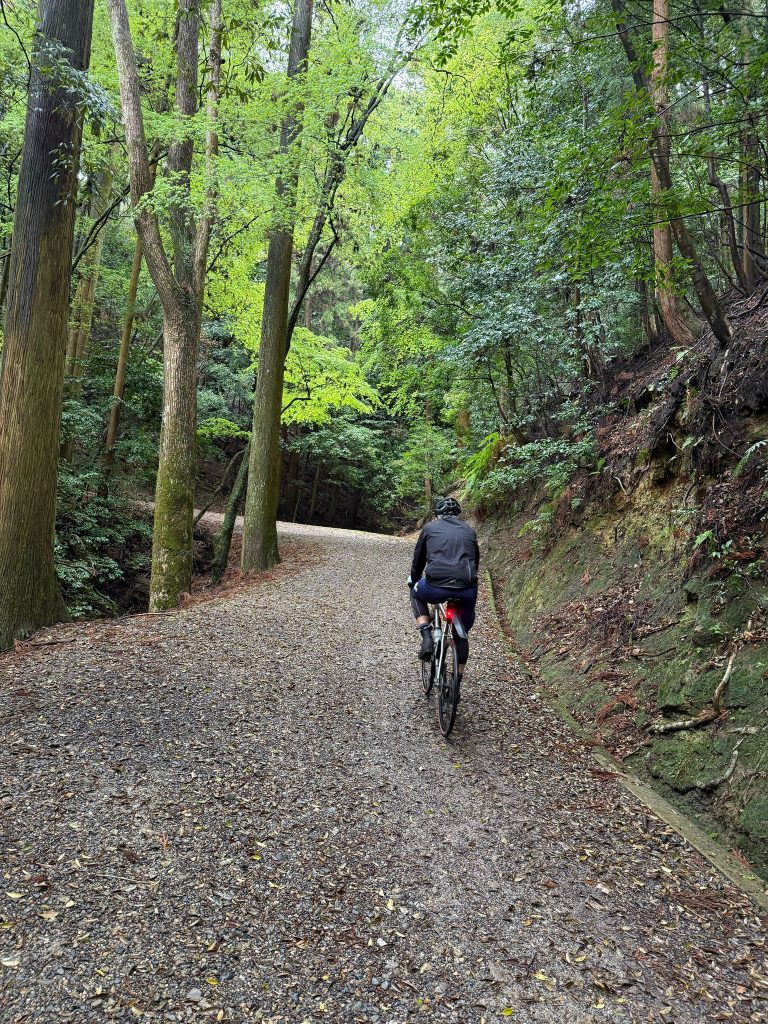
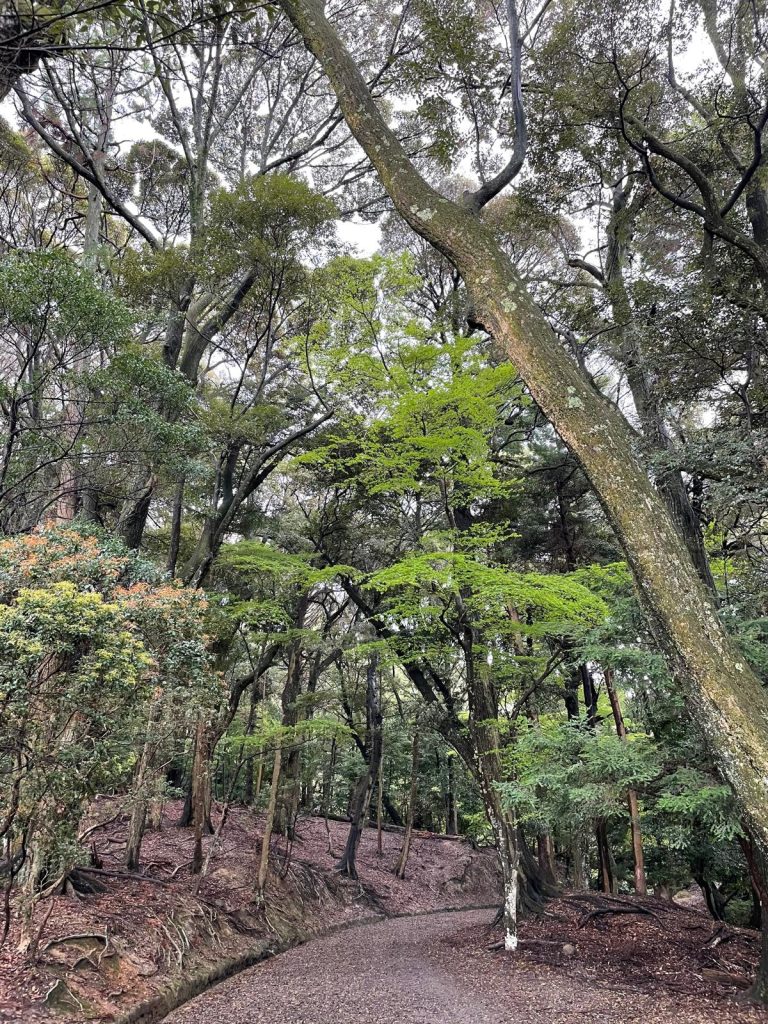
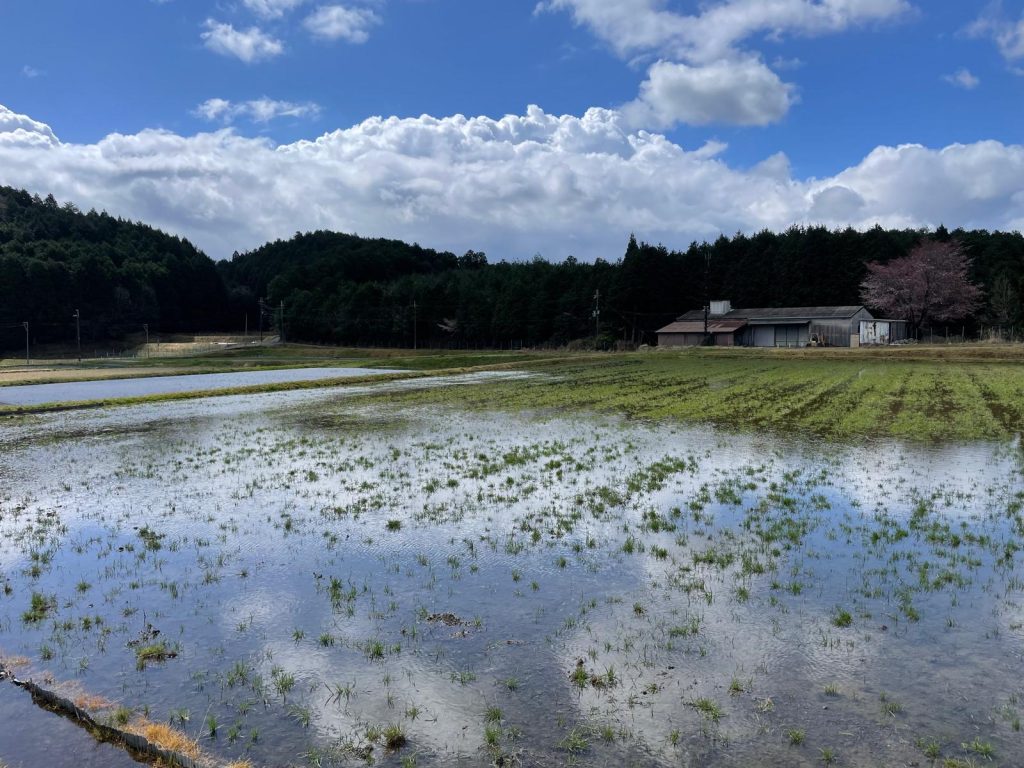
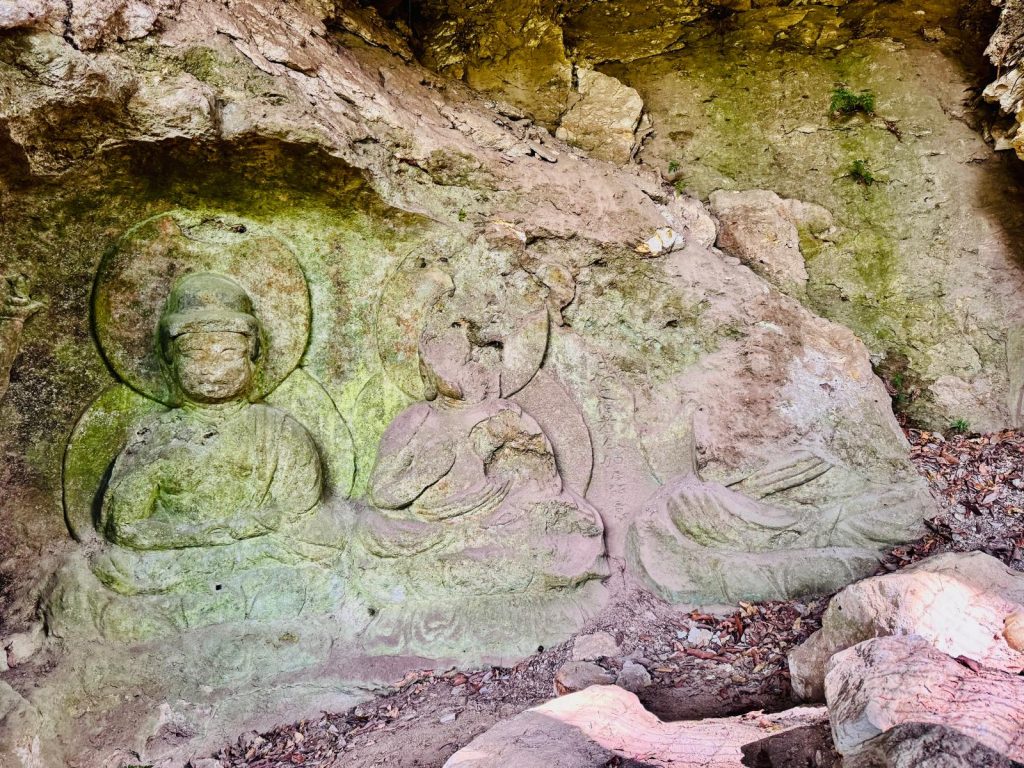
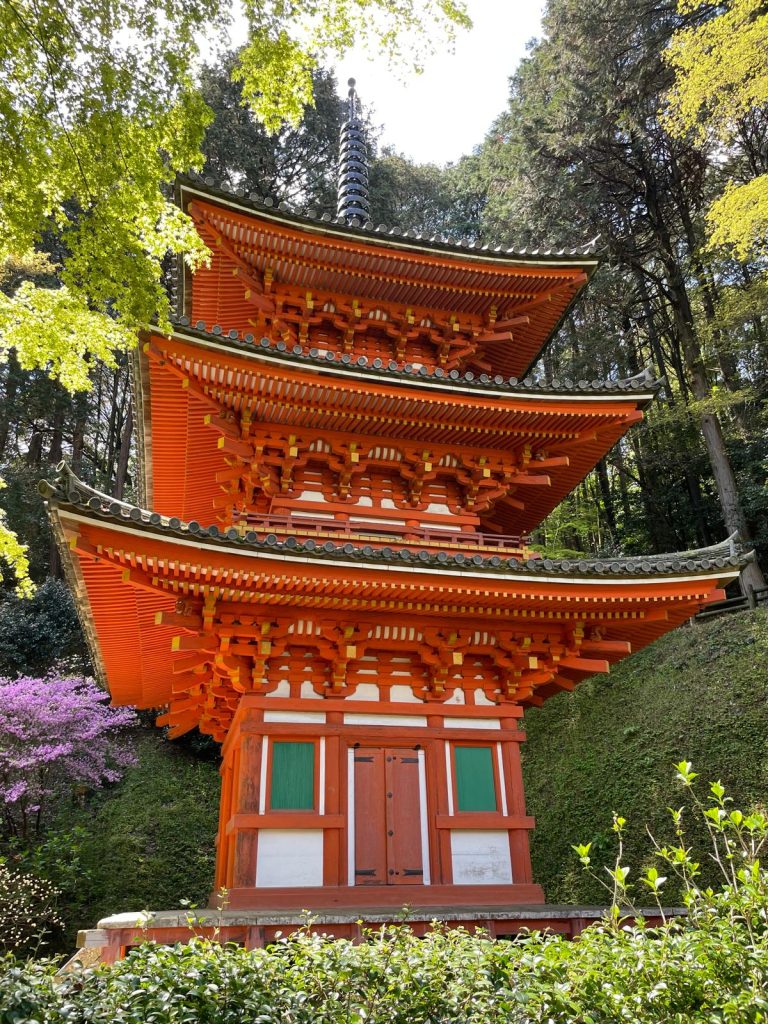
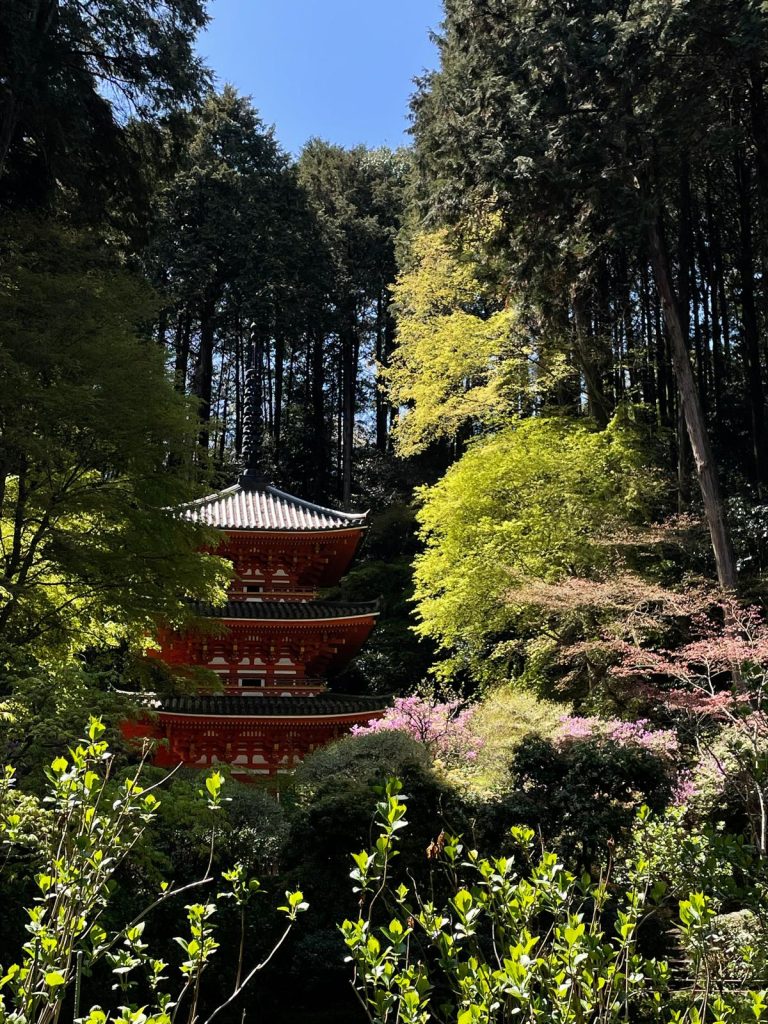
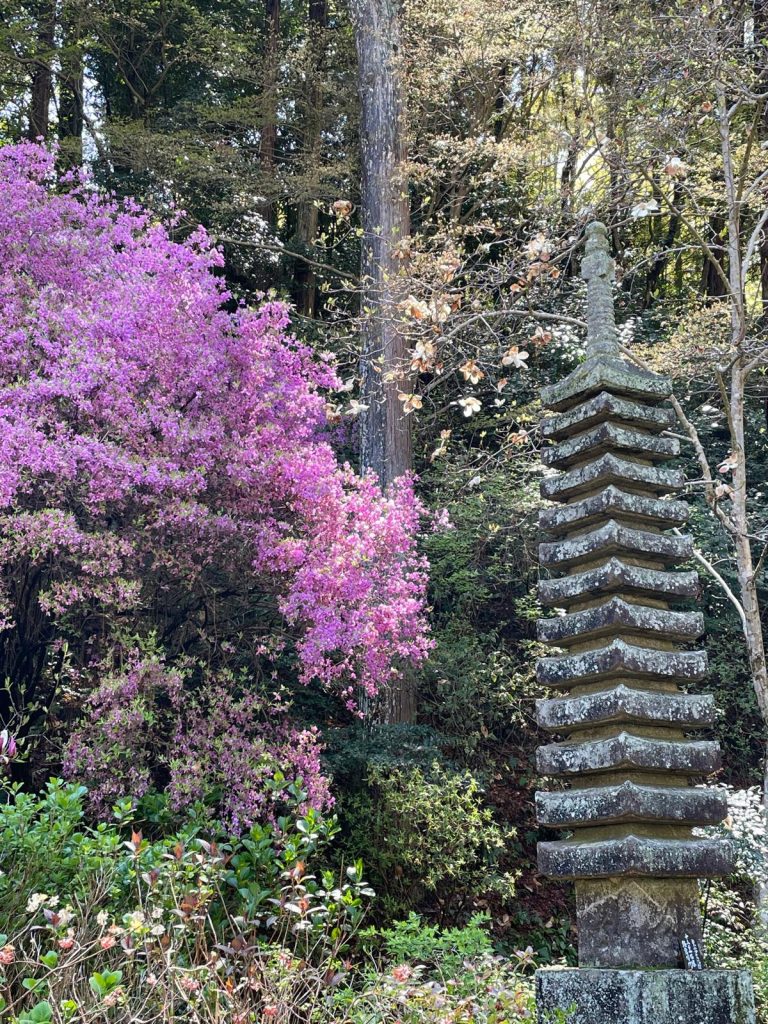
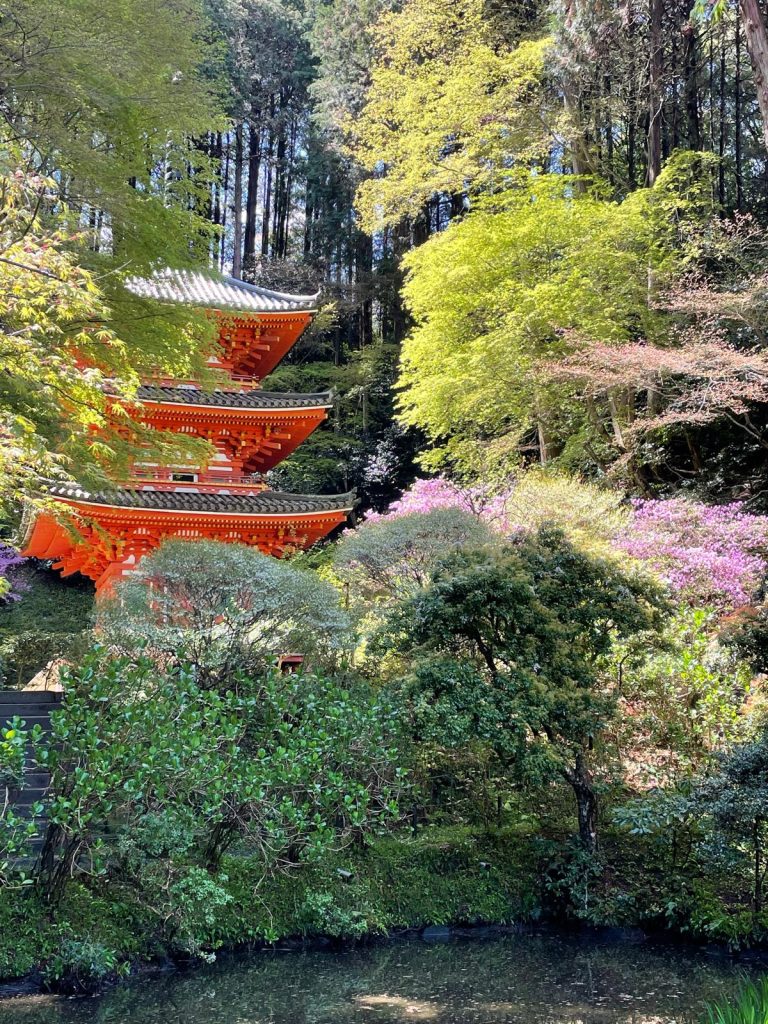
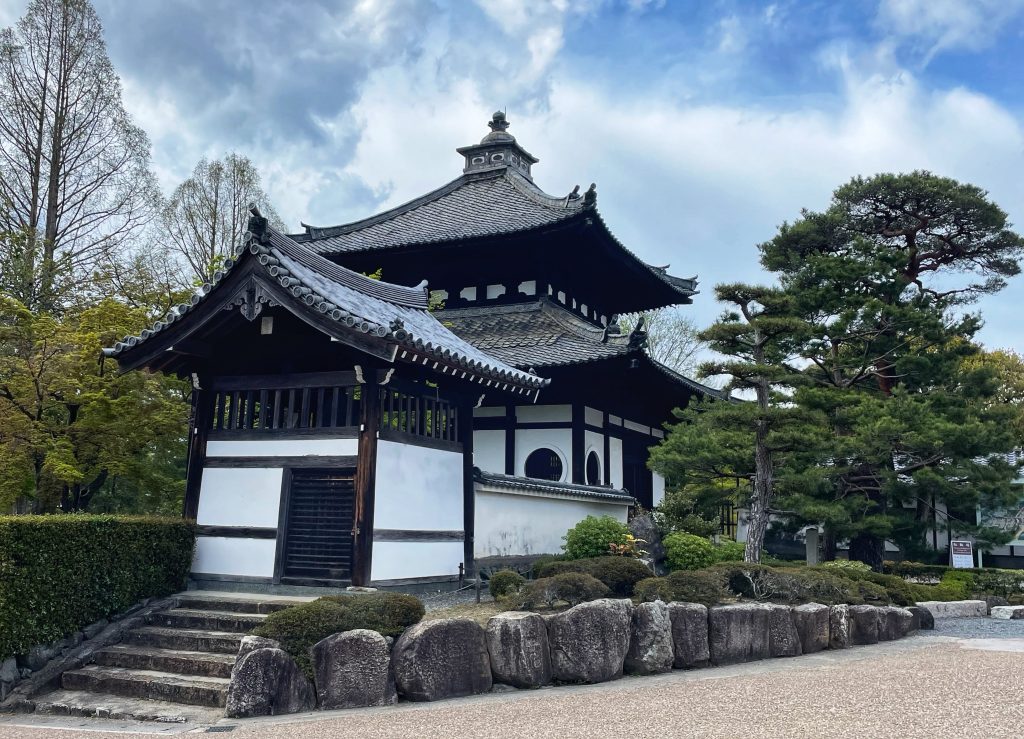
Temples and shrines are numerous in the area…
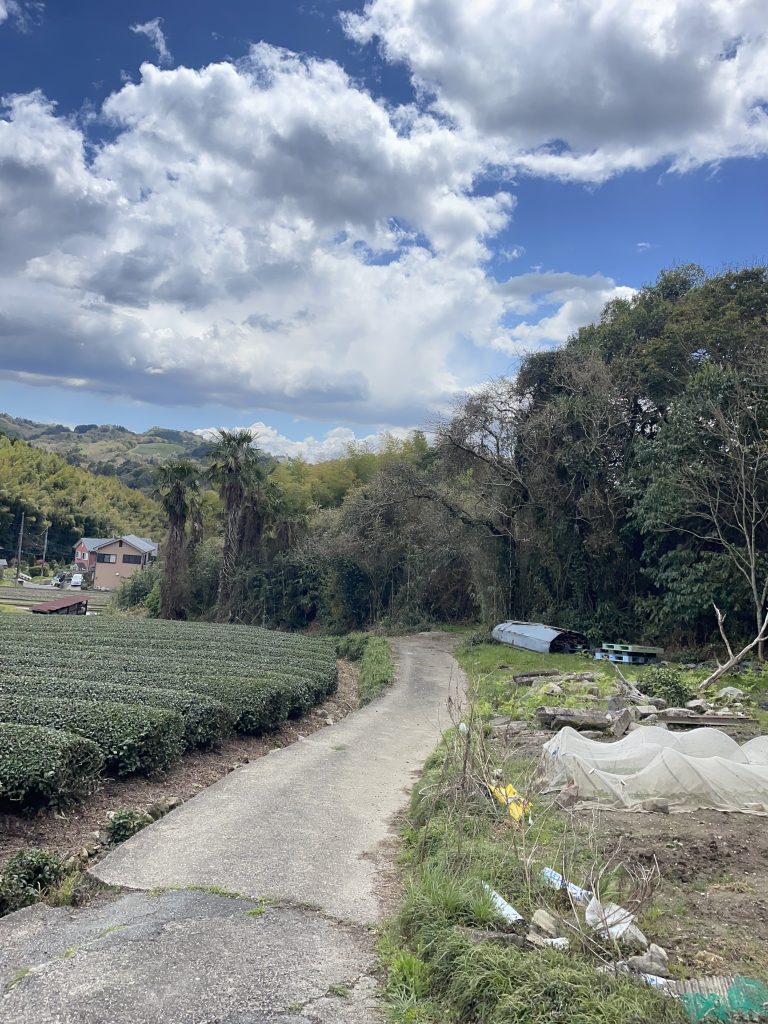
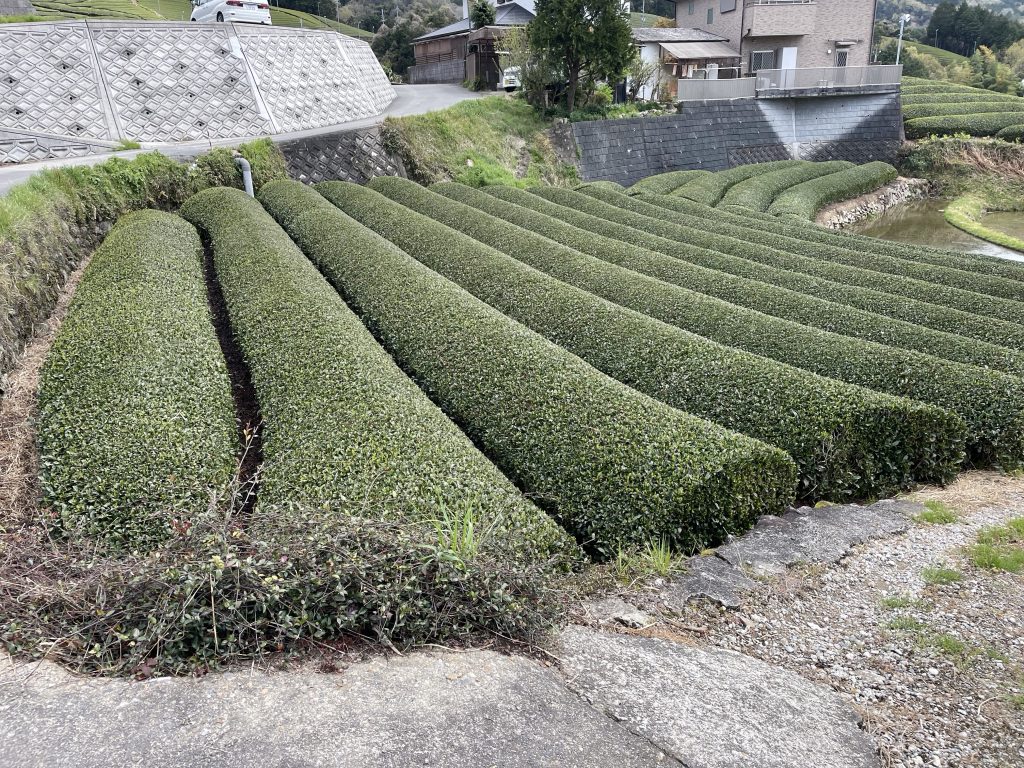
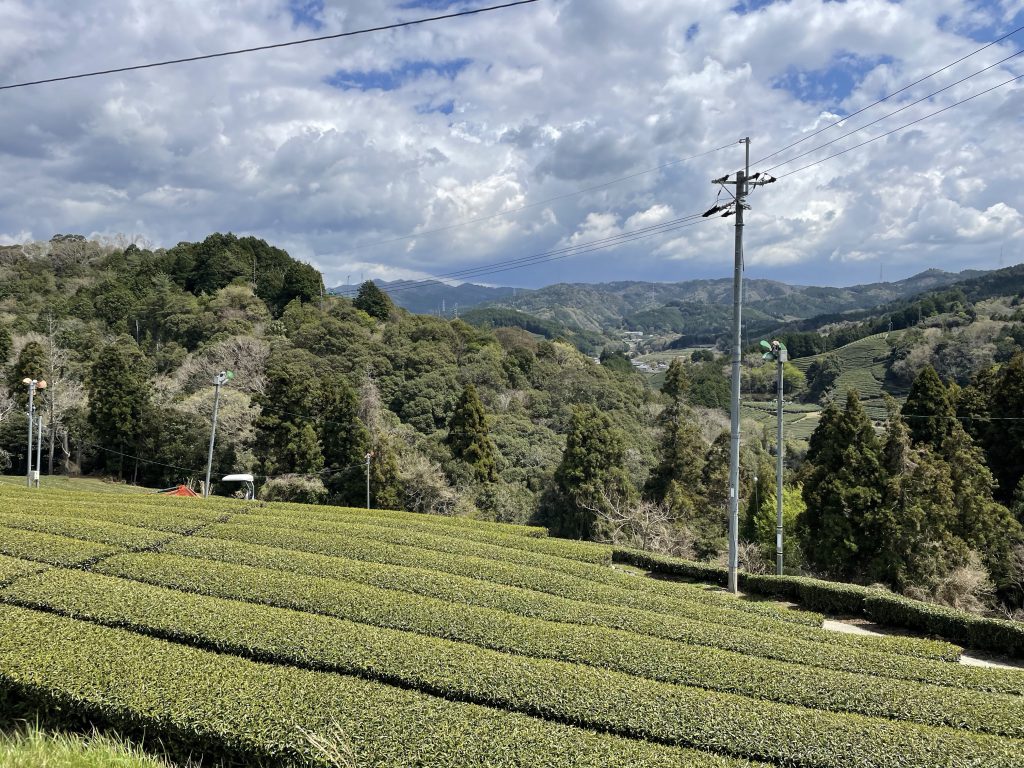
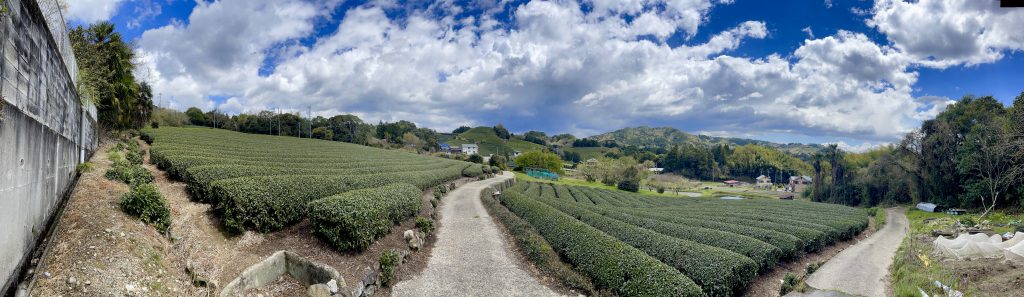
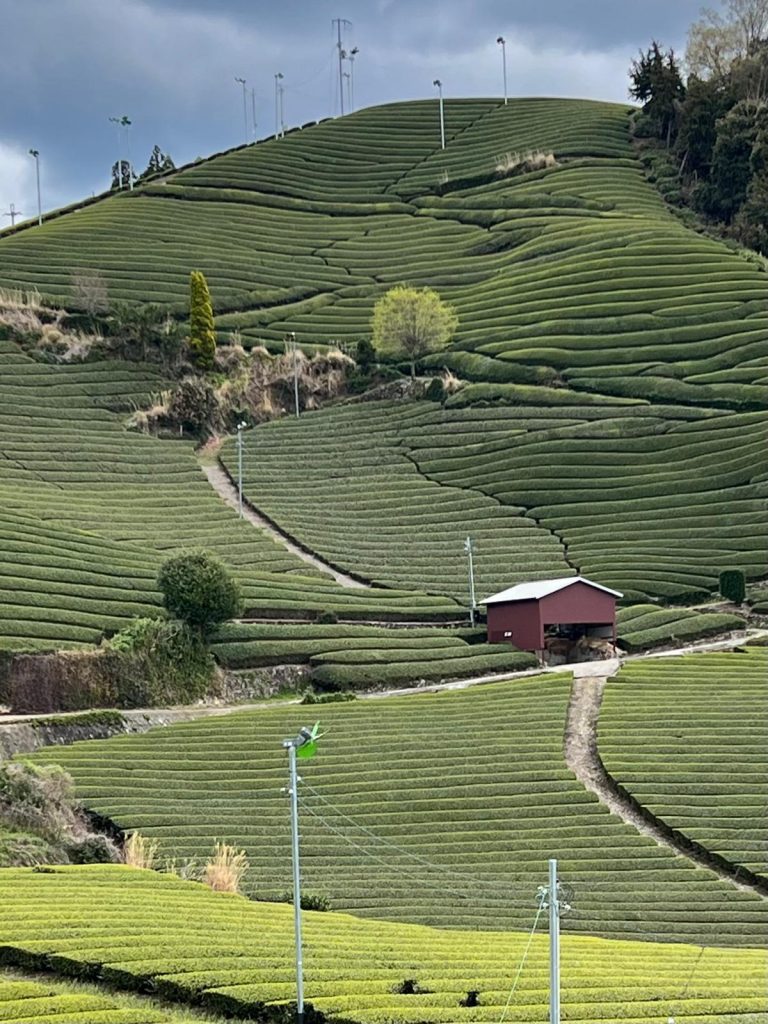
Continuing north our roads were tiny – winding and rolling through matcha tea fields. The systematic planting of this crop is reminiscent of the cork trees of Portugal or vineyards of Tuscany, creating a stunning cycling landscape filled with memorable vistas and earthy aromas.
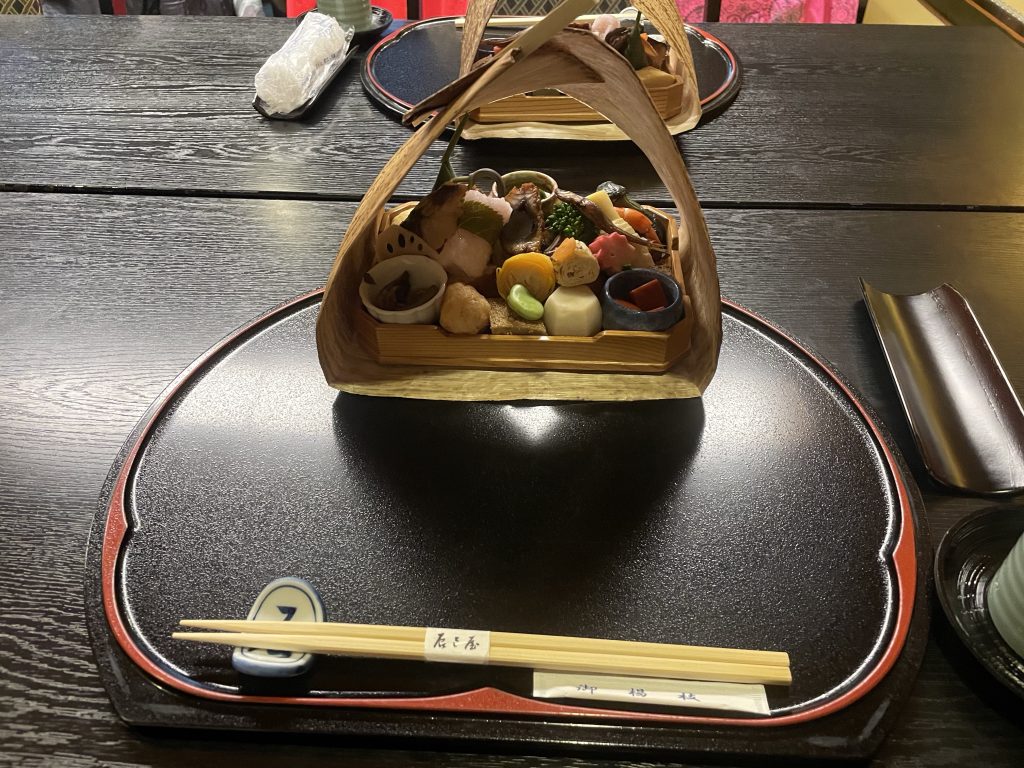
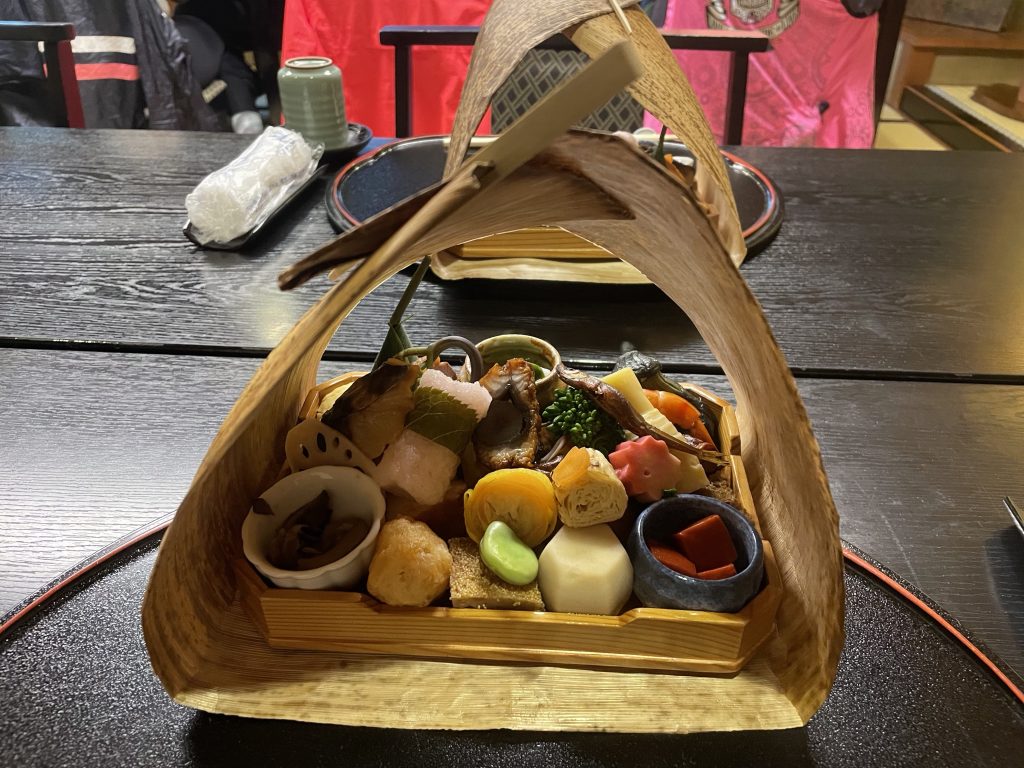
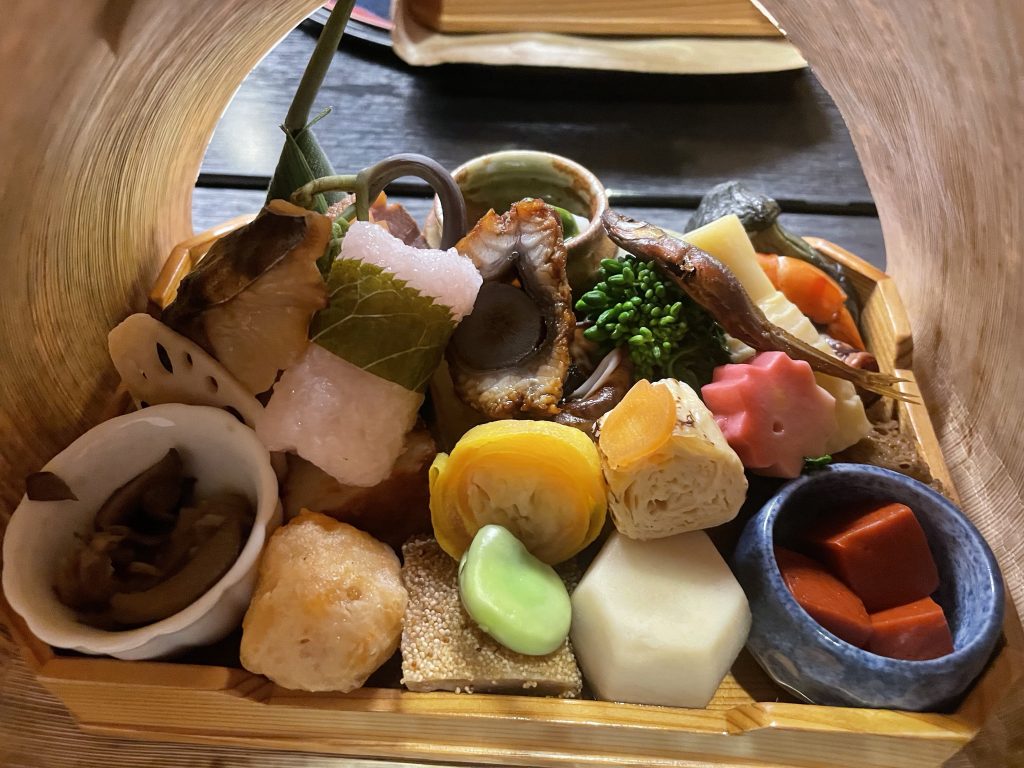
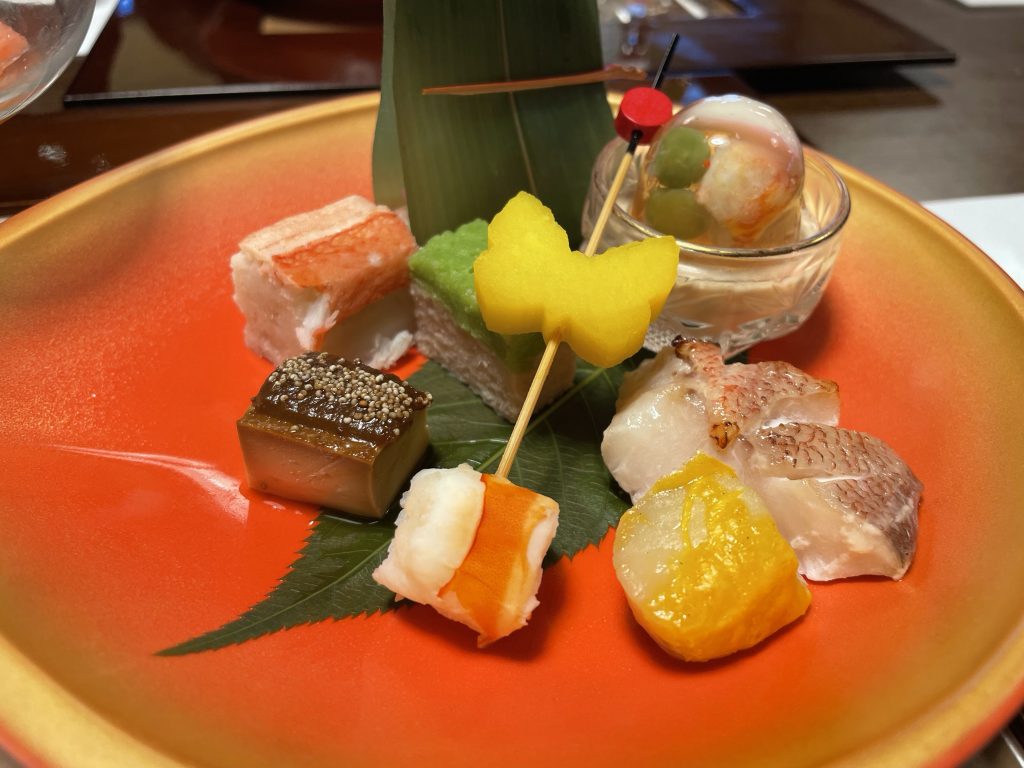
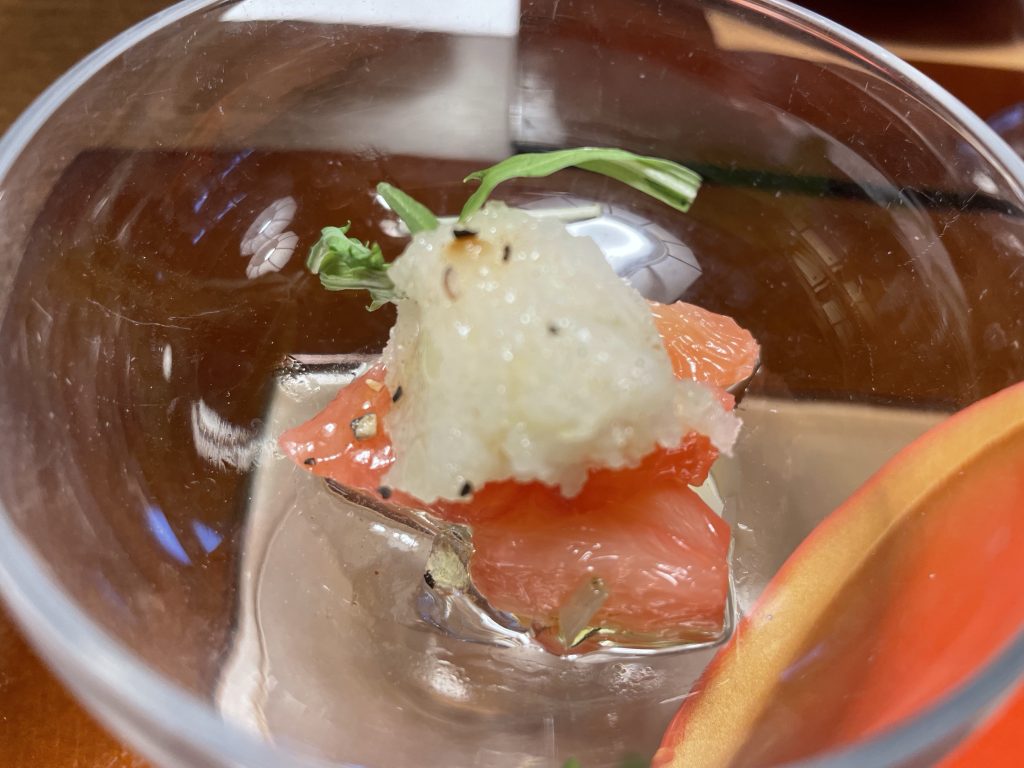
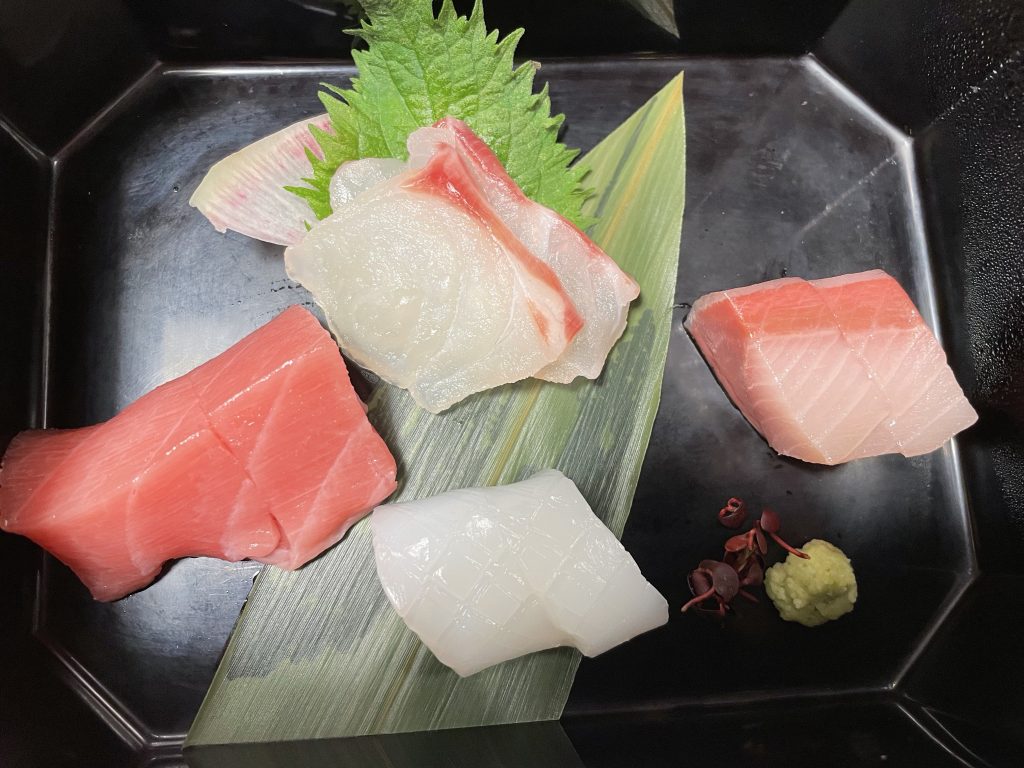
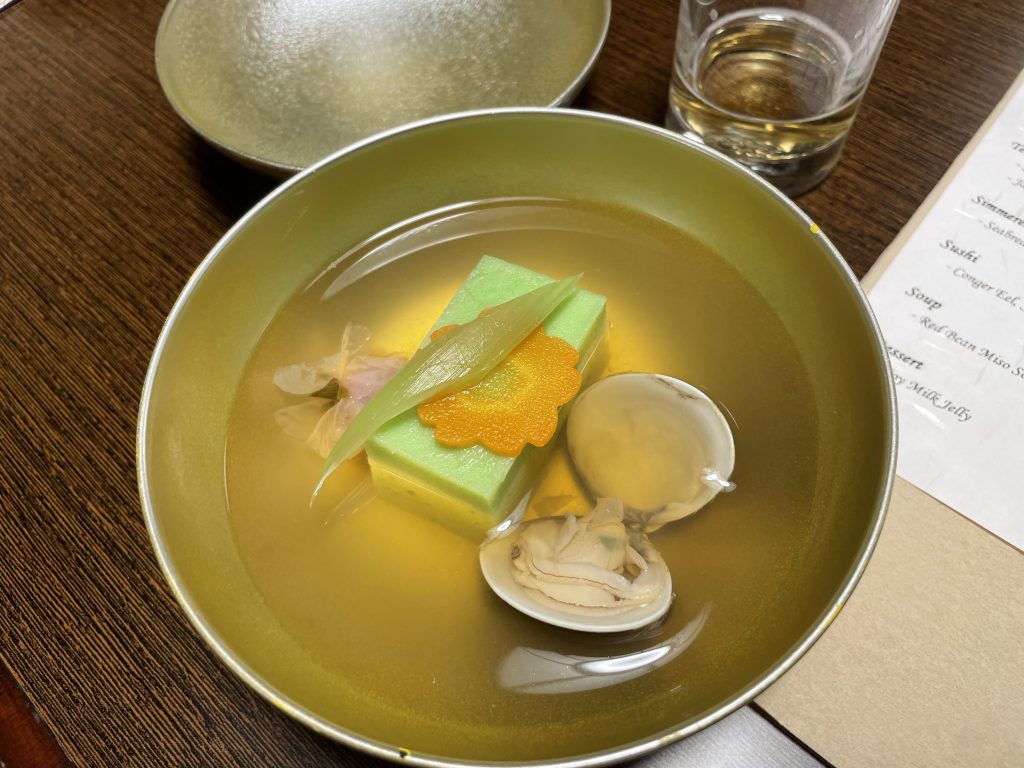
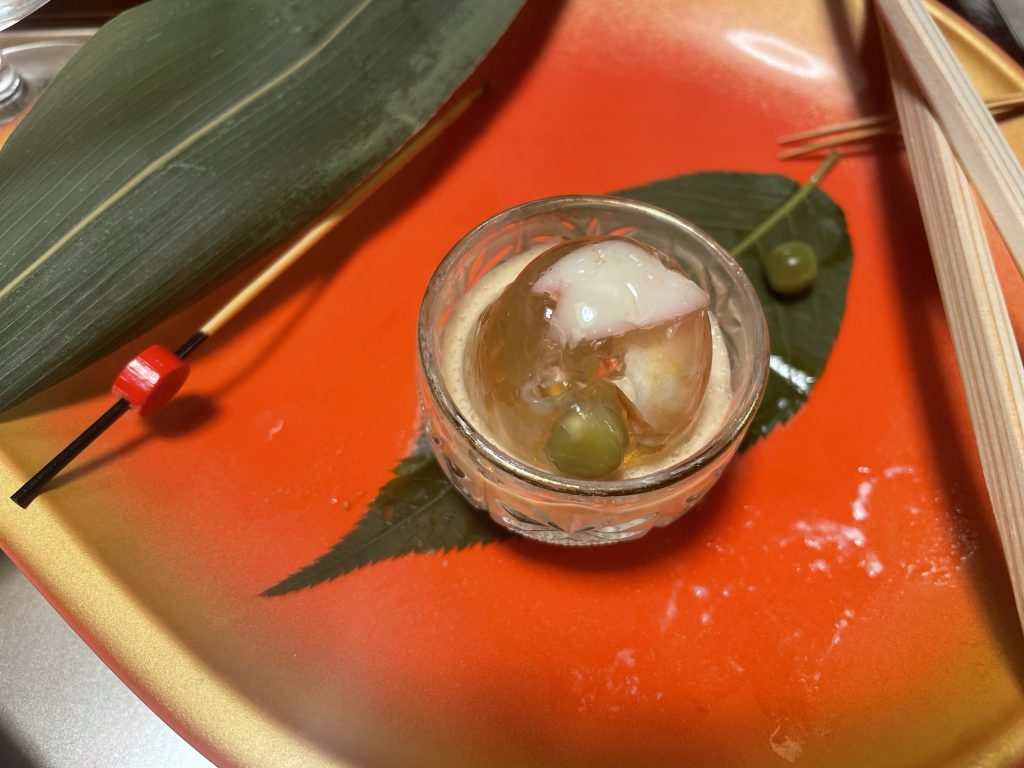
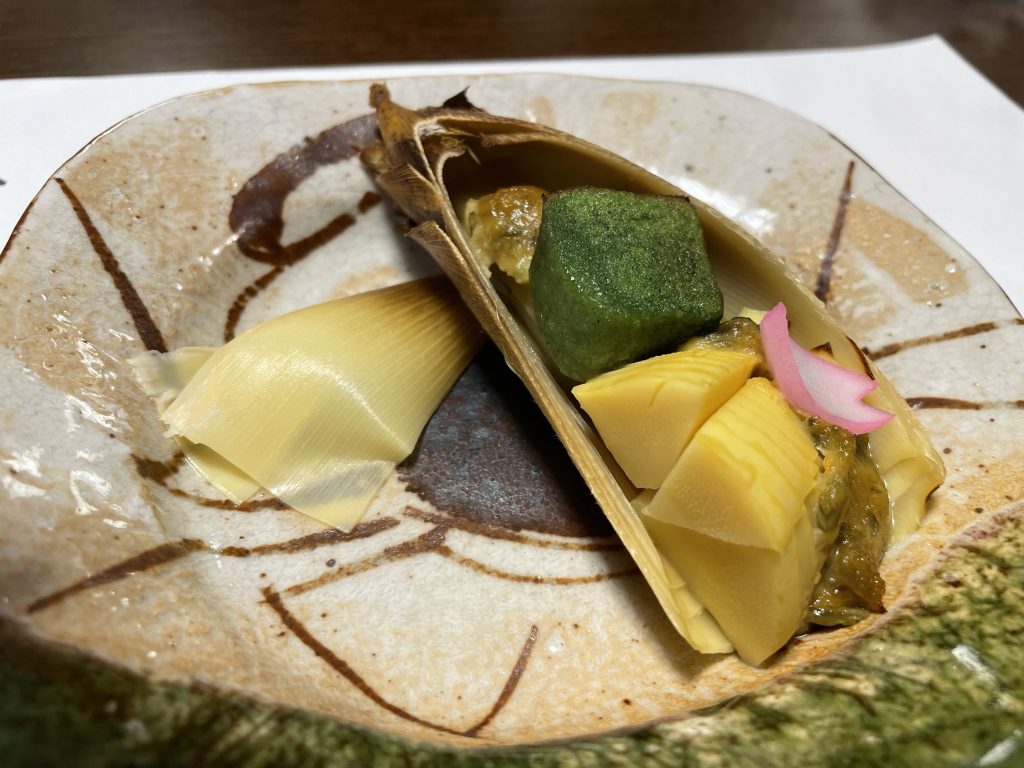
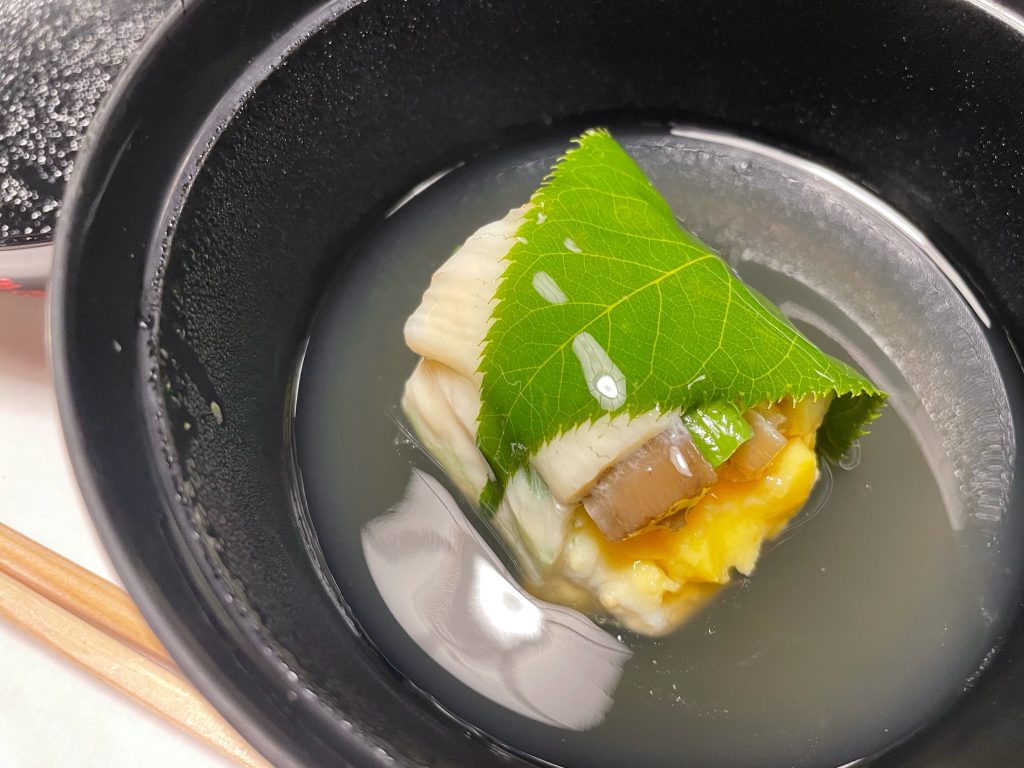
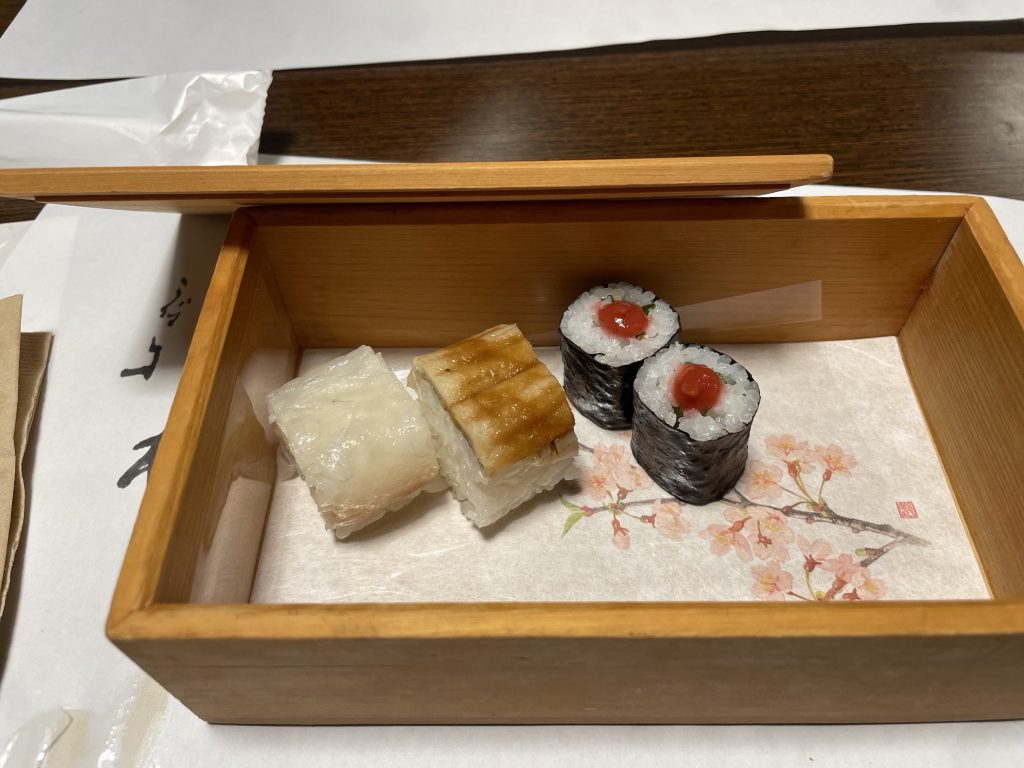
Lunch was at a very nice restaurant with a set menu, a variety of Japanese ‘tapas’.
Eventually we came to the river pathways and back streets that lead us to Kyoto where we’ll spend a wonderful 2 nights. Along the way we passed by the largest Temple in Japan with almost 10,000 Torri gates, each one progressively built closer together and smaller. As you can see, it was extremely crowded.
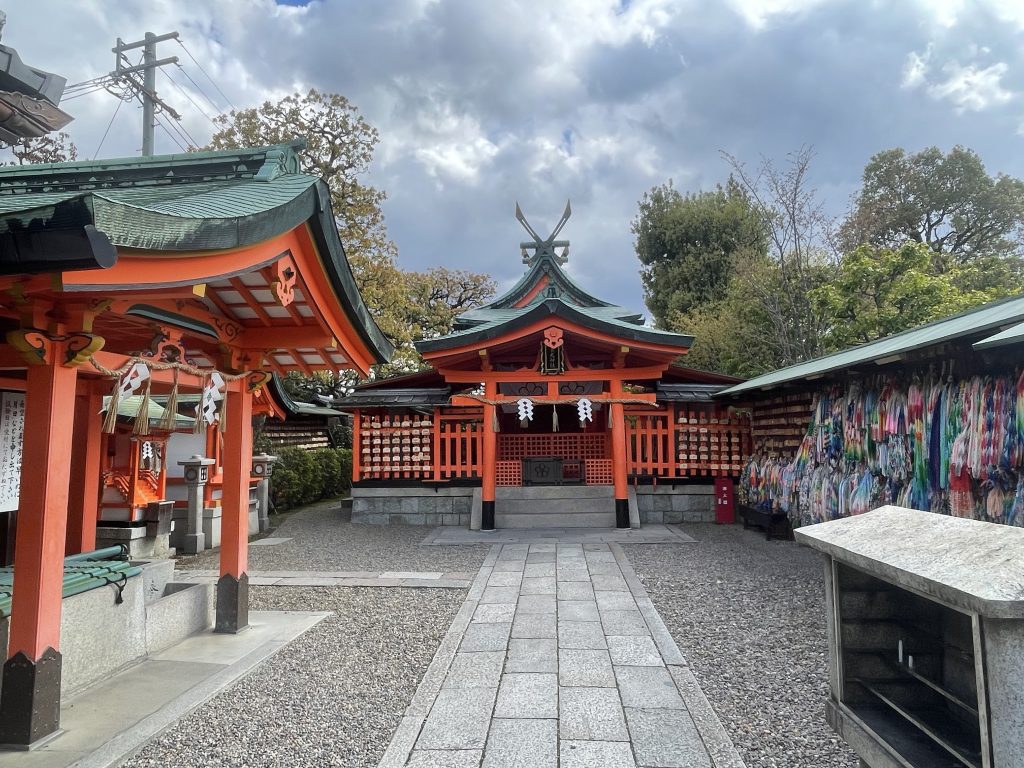
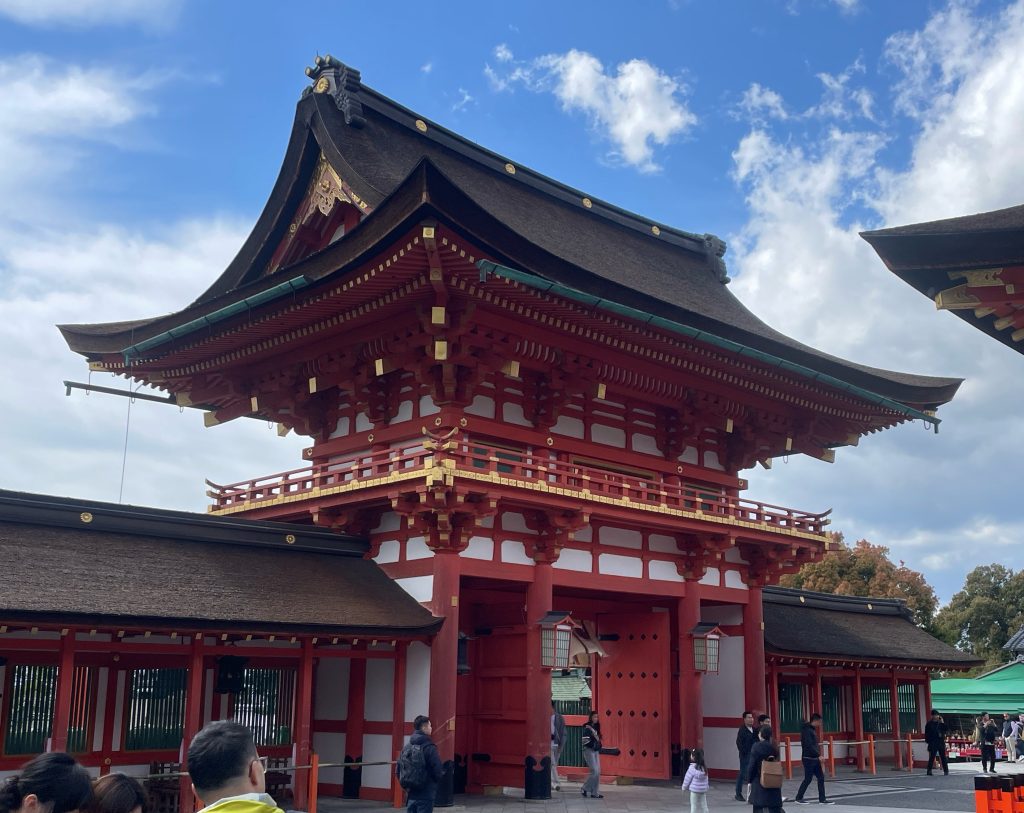
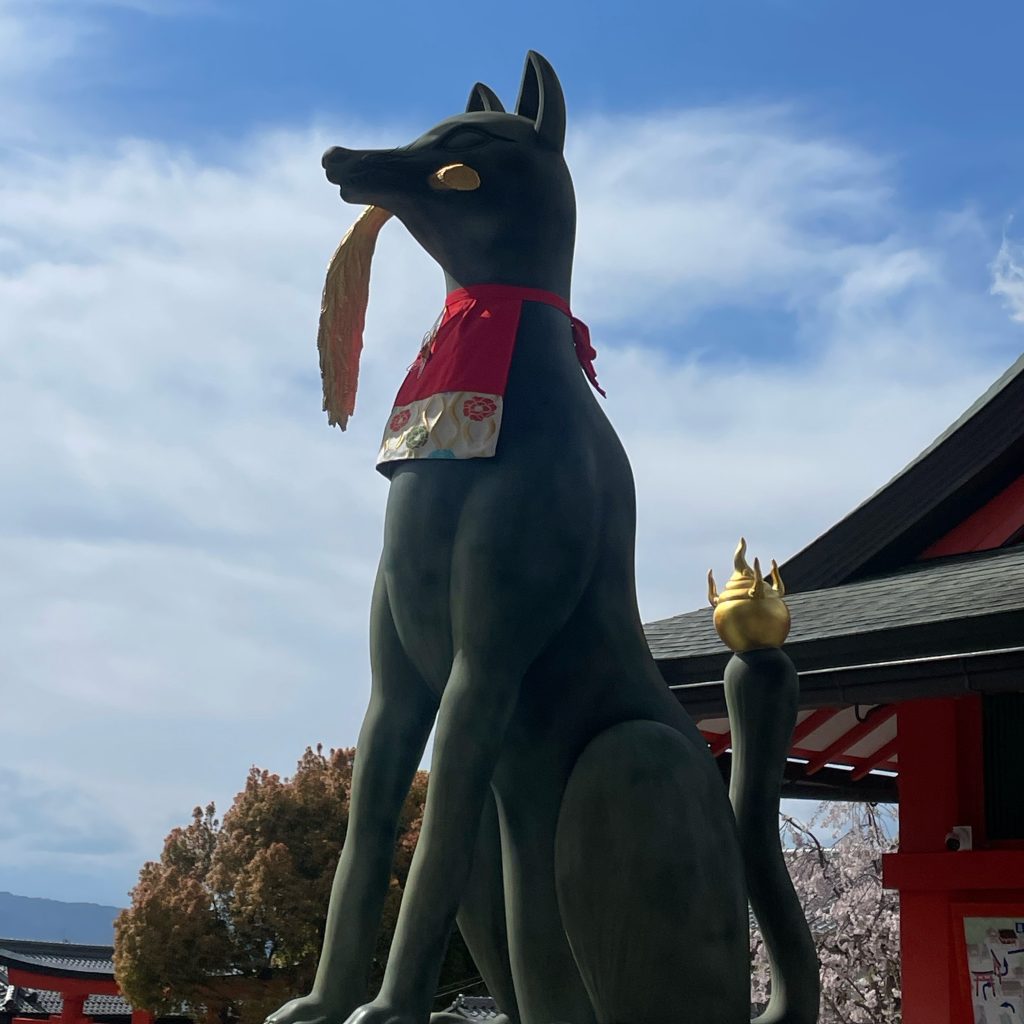
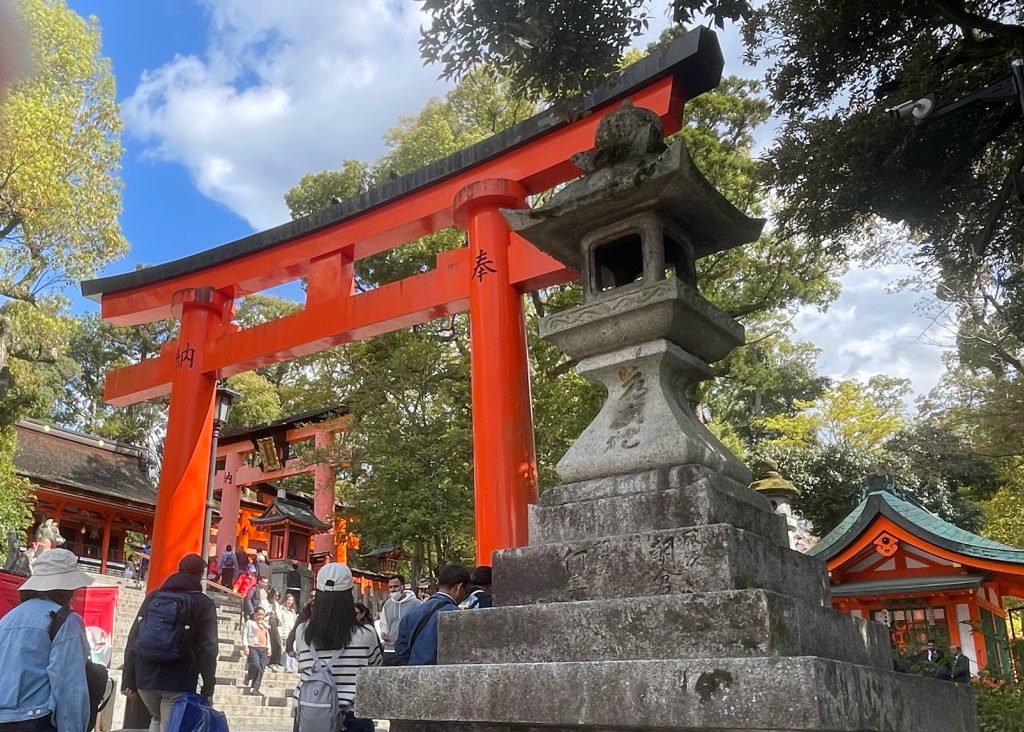
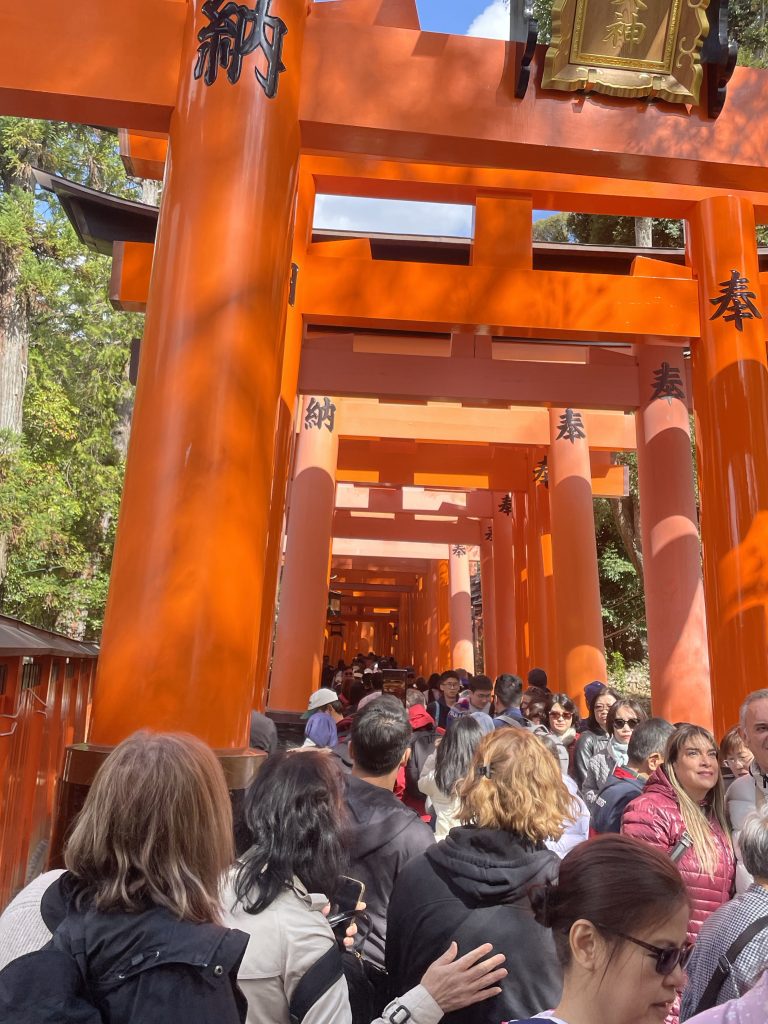
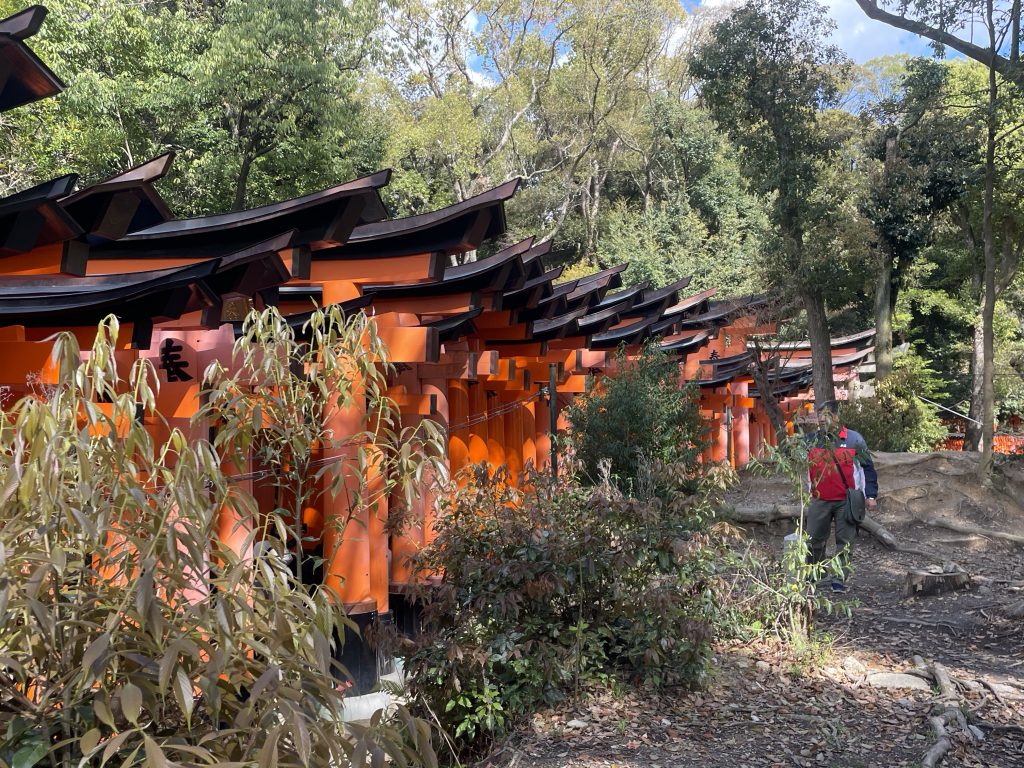
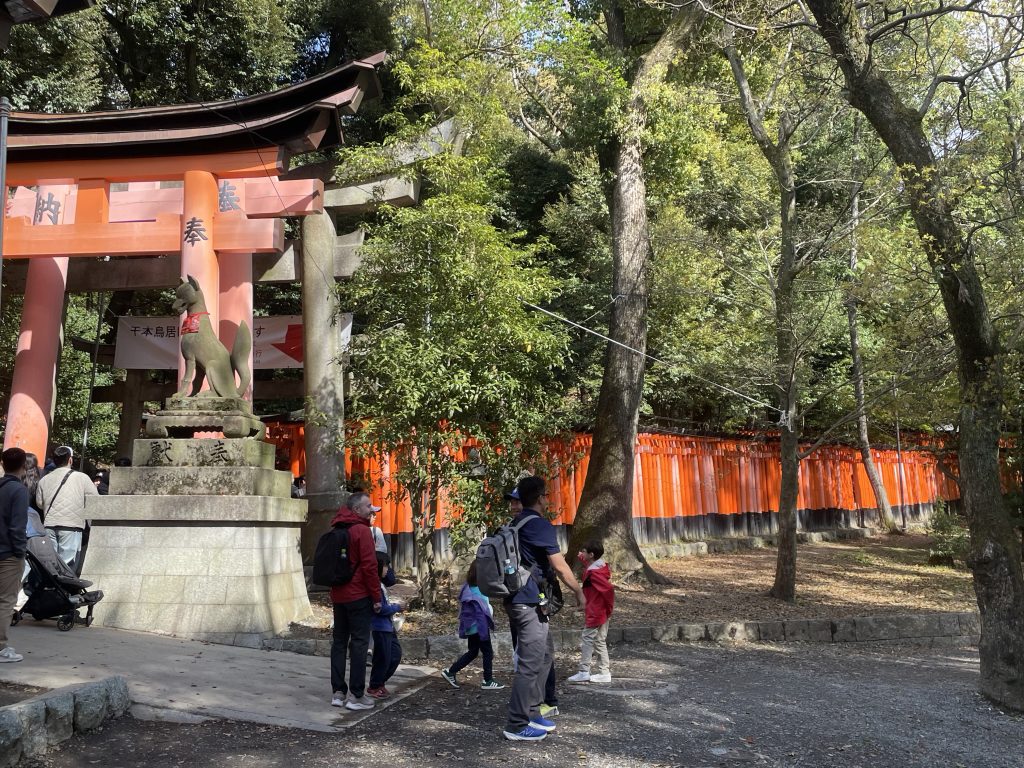
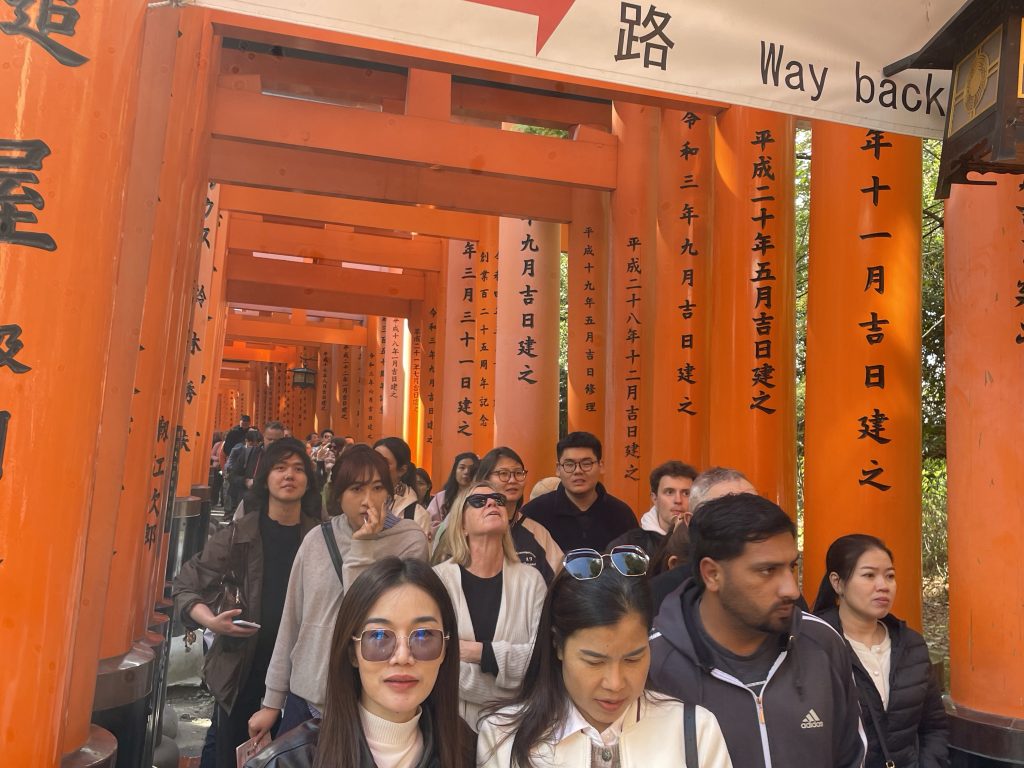
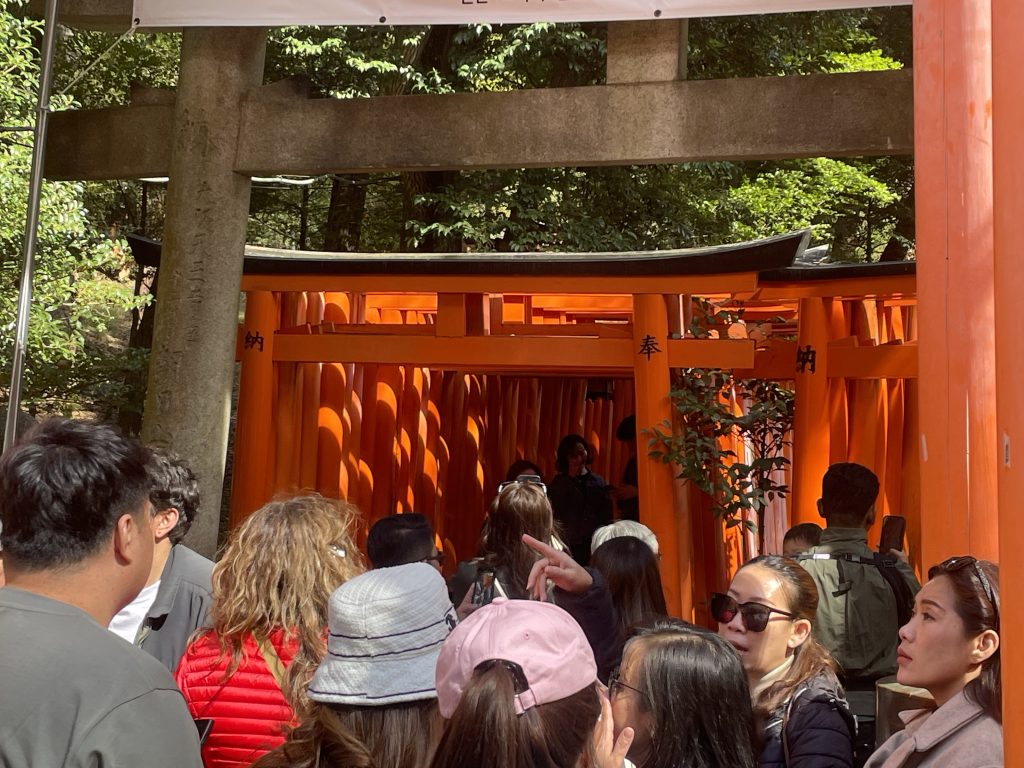
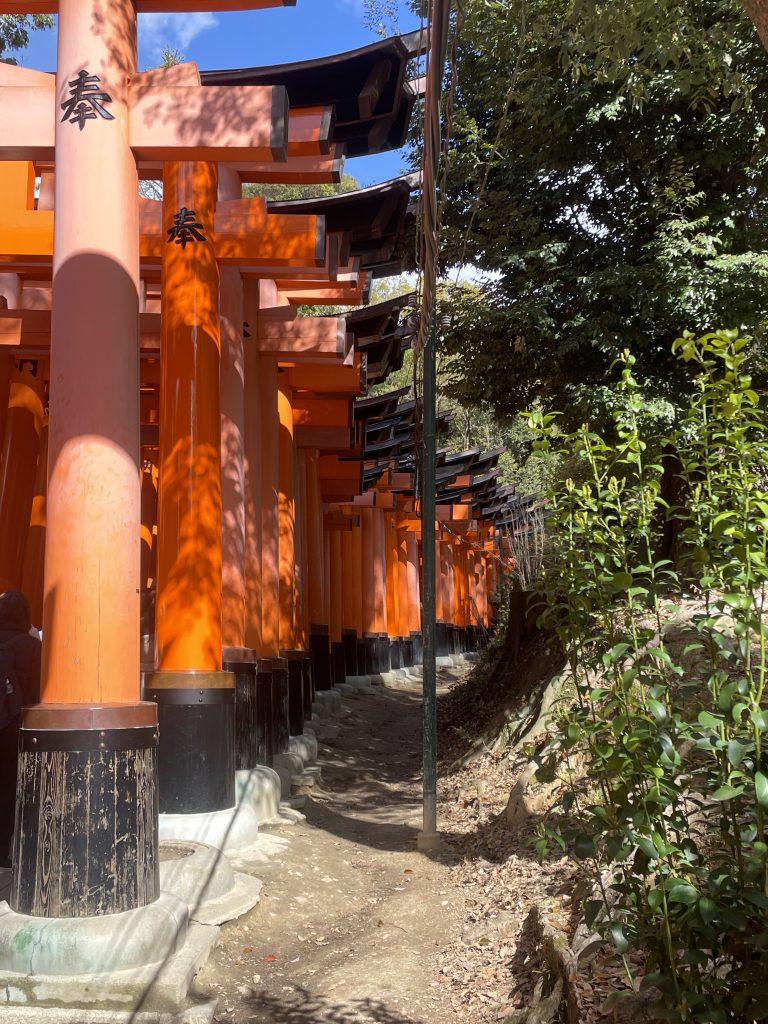
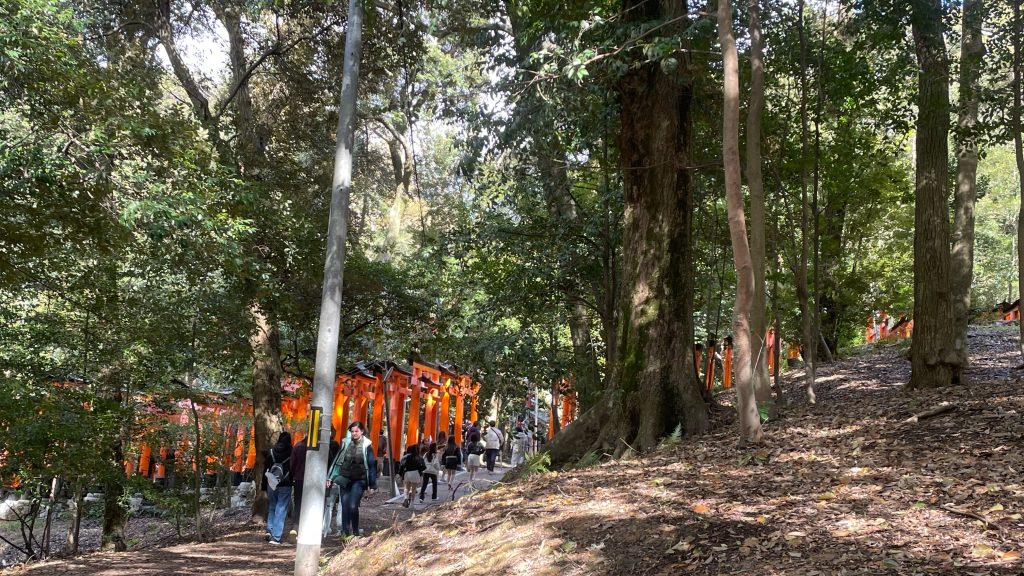
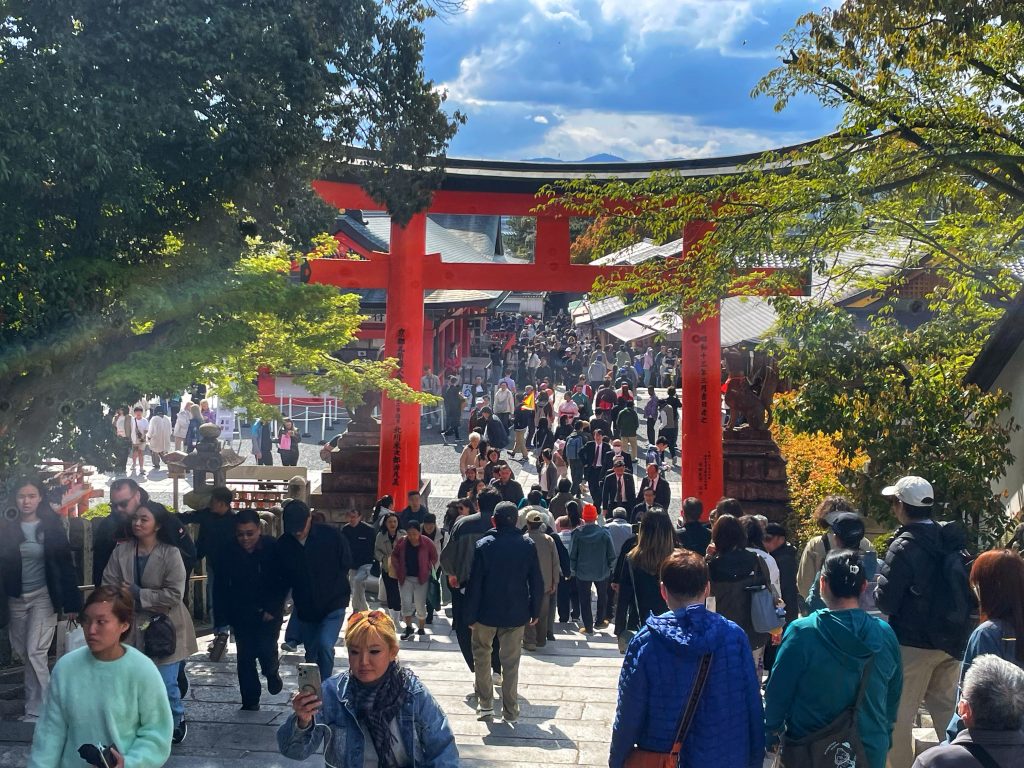
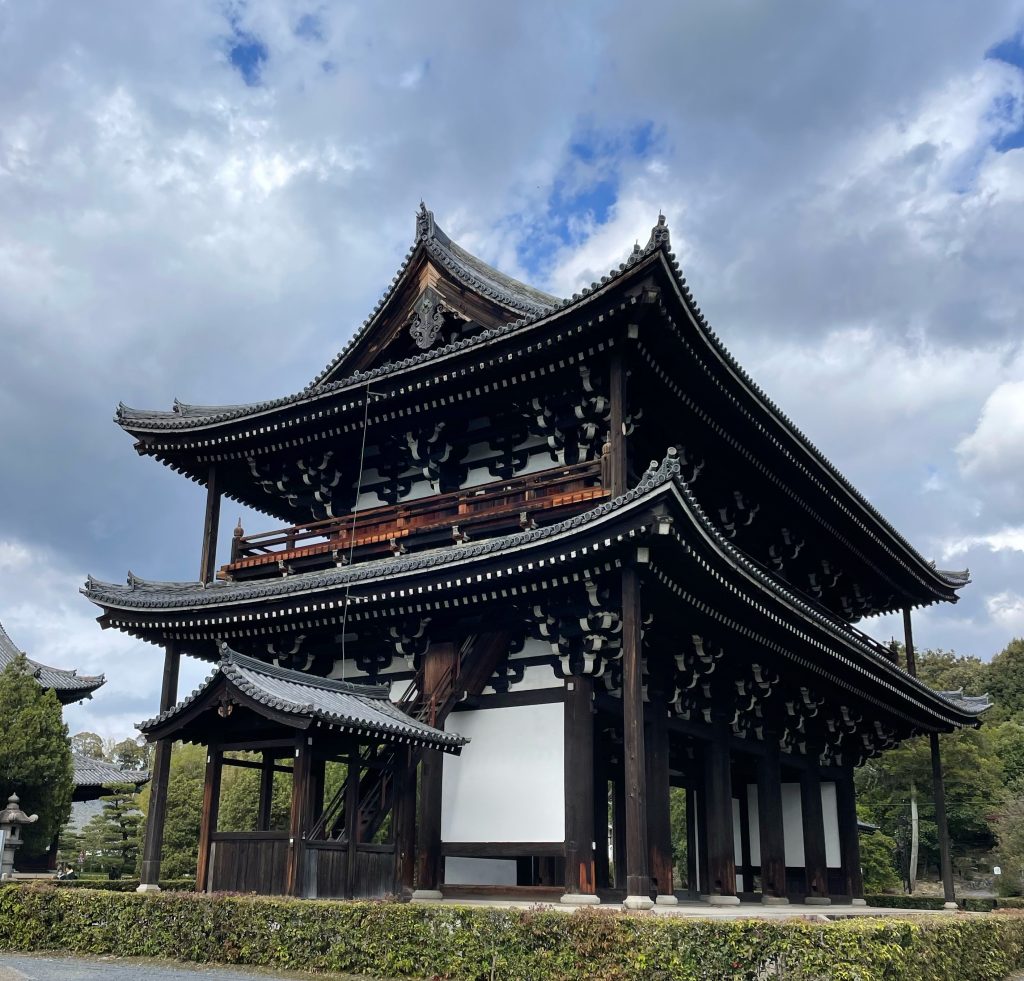
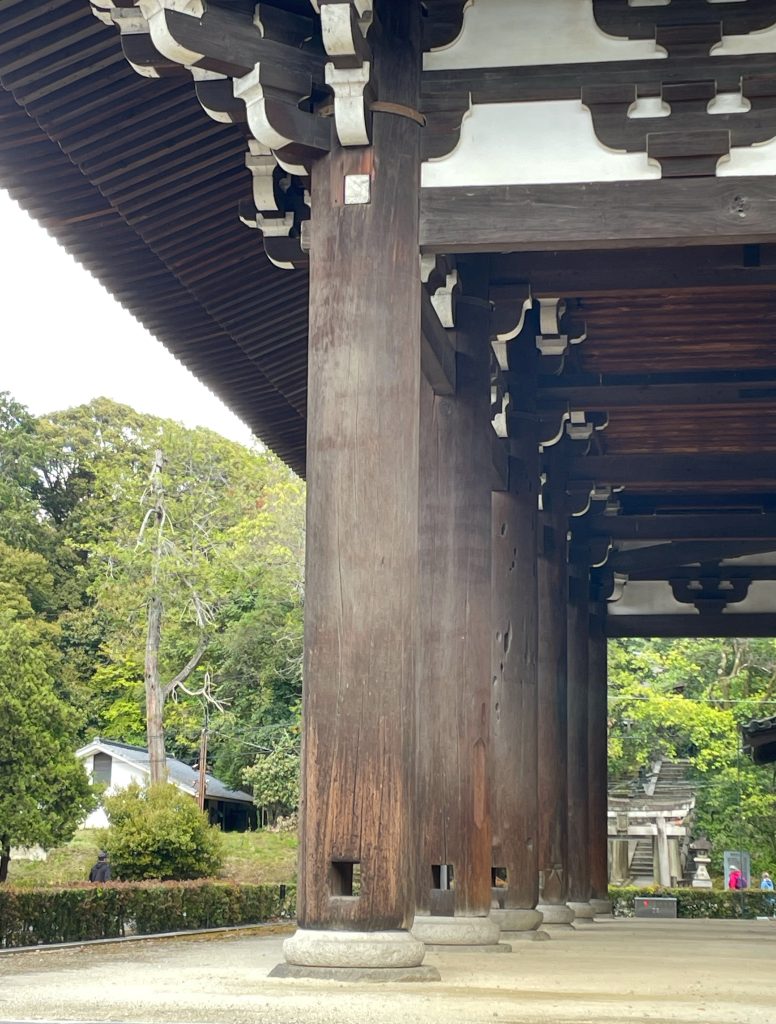
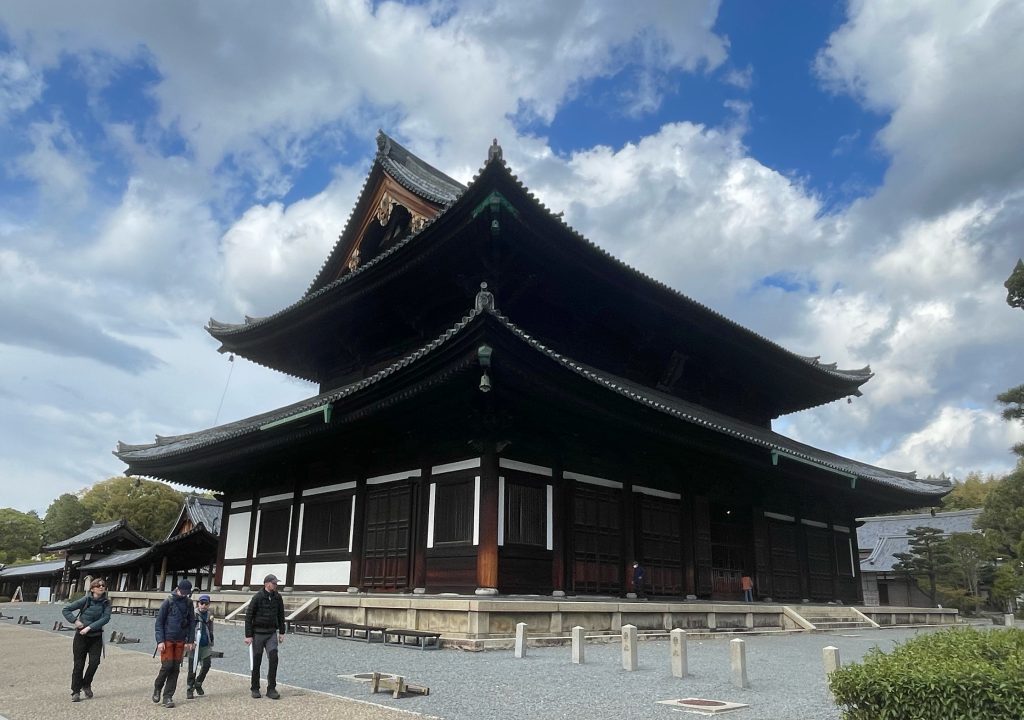
Blocks away where more temples and shrines, and much less crowded
Matcha Tea
A Japanese green tea powder made from finely powdered dried tea leaves. It has a slightly bitter, vegetal taste and a vibrant green color that results from the leaves’ high chlorophyll levels. It’s been the cornerstone of traditional Japanese tea ceremonies for centuries, but it recently became popular elsewhere because of its health benefits.
Regular green tea is already touted as an antioxidant powerhouse, but matcha has even more benefits. Here’s why: when you make other forms of green tea, you steep the leaves in hot water and then discard them. When you make matcha, you whisk the powder into hot water or milk. As a result, you actually consume the entire tea leaf when you drink it. The antioxidants it contains supposedly lower blood pressure, reduce your risk of heart disease, and even boost your metabolism.
However I think most people drink it just for its vibrant colour! We suggest the matcha ice-cream if you aren’t a tea drinker, it is certainly worth a try.
Tea Ceremony with a Geisha
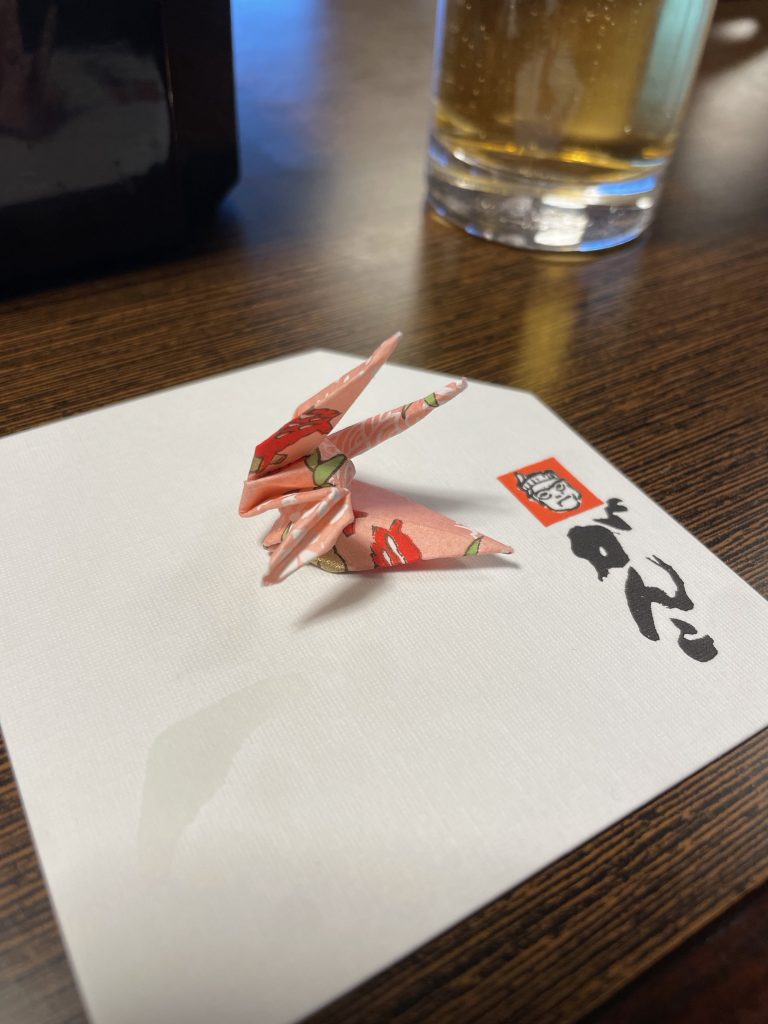
Tonight we will head to the Gion District of Kyoto to experience one of Japan’s most ancient arts. We enjoyed dinner and an authentic traditional tea ceremony hosted by a real Kyoto geisha, also called a geiko, or their apprentice called a maiko!
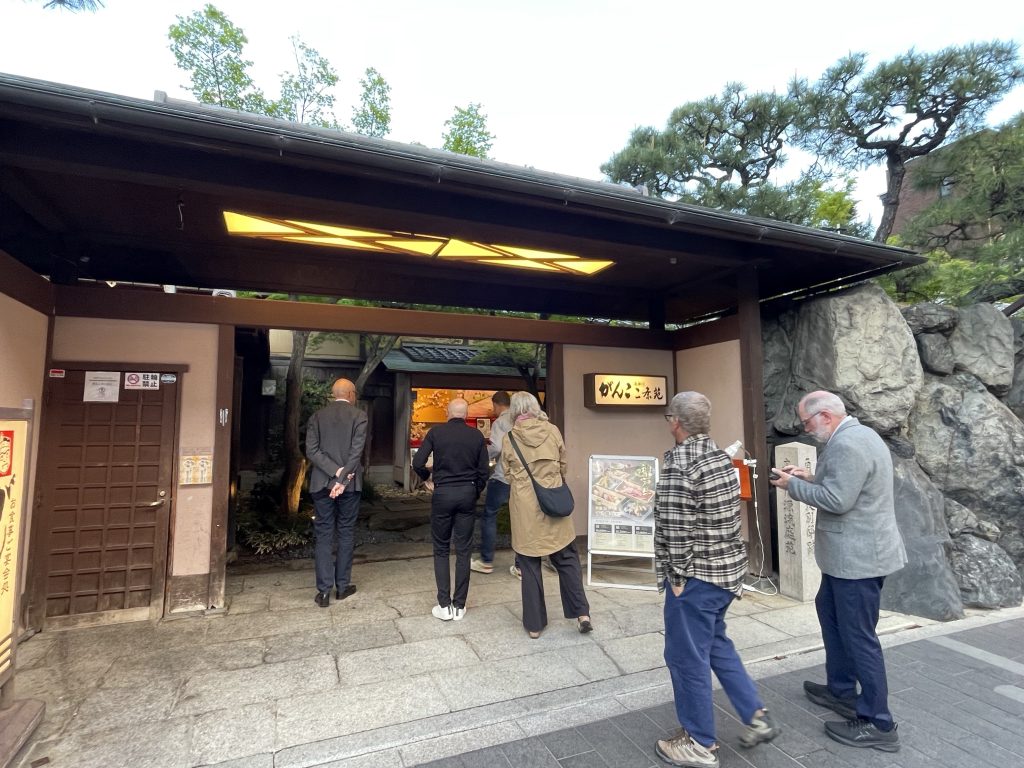
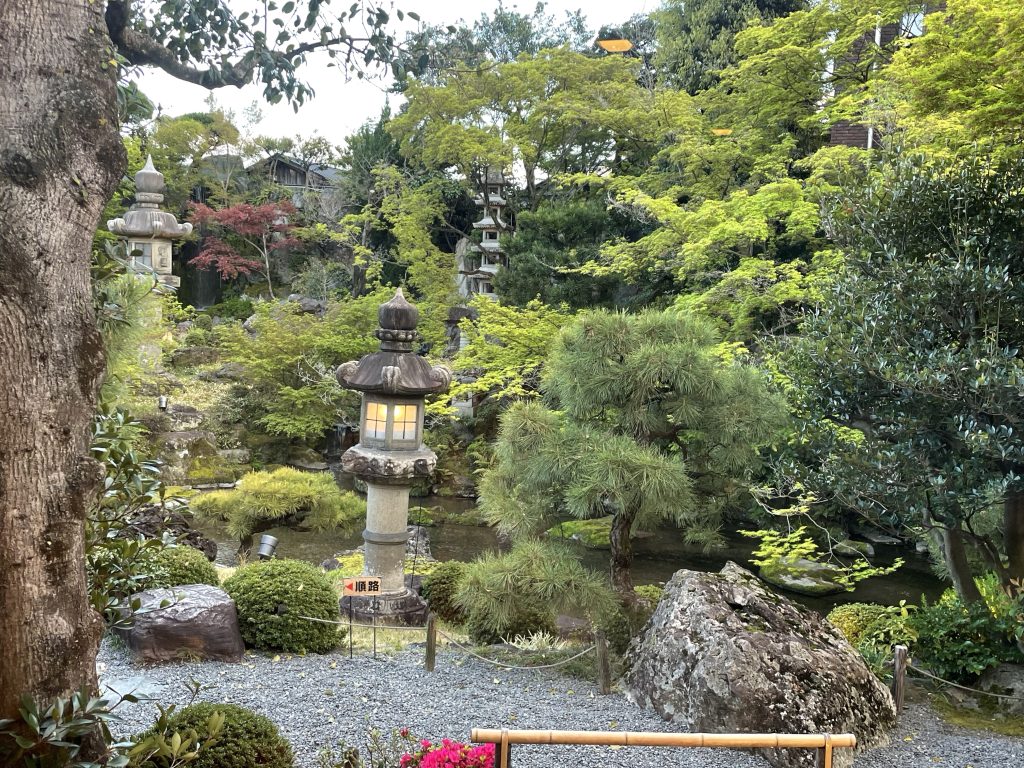
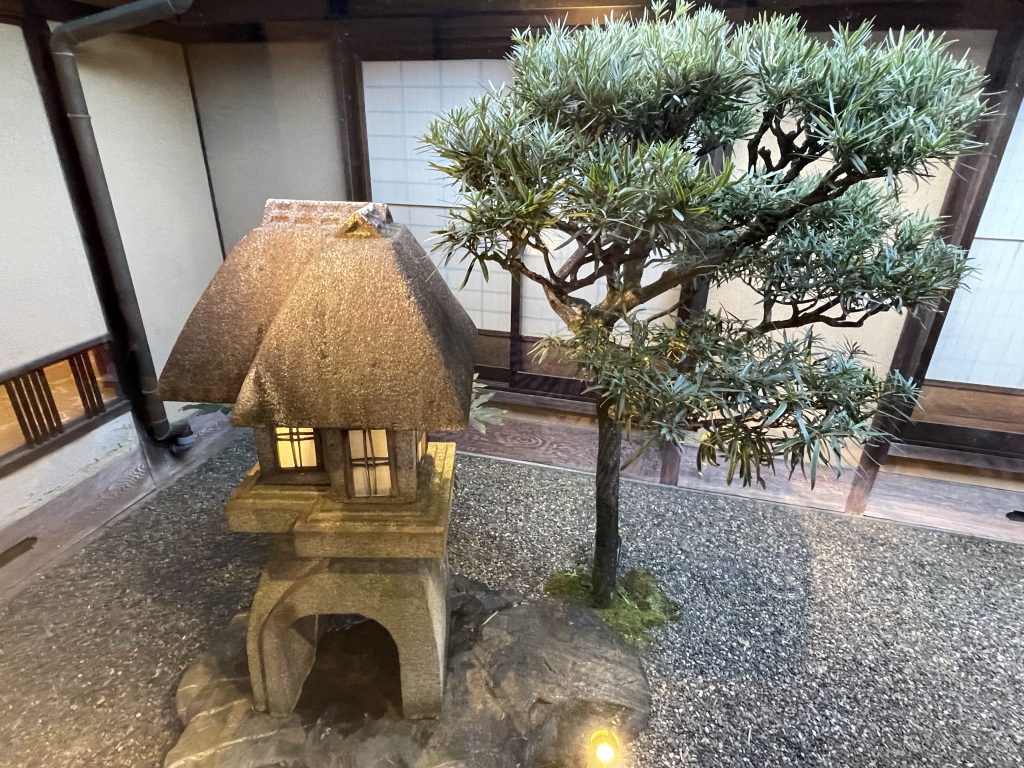
This was a great experience and view into ancient Japan!
What is a Giesha?
Geisha (芸者) means “Person of Art” or “Artist.” Also called geiko (sounds like geico) in Kyoto dialect, they still maintain a traditional lifestyle similar to the Edo Period. While geishas are sometimes mistaken for concubines in the Western literature, geishas are well respected cultural performers in Japan because of their skills that require so much training and effort. According to historian Lesley Downer, first geisha were males who emerged in the 1600s as theatrical entertainers that performed skits on the riverbed of Kamogawa in Kyoto. Later in the 1700’s geisha became elite dancers and teahouse owners creating the floating world where everything is run and controlled by women. Today geisha are the cultural ambassadors of Japan and the symbol of Kyoto.
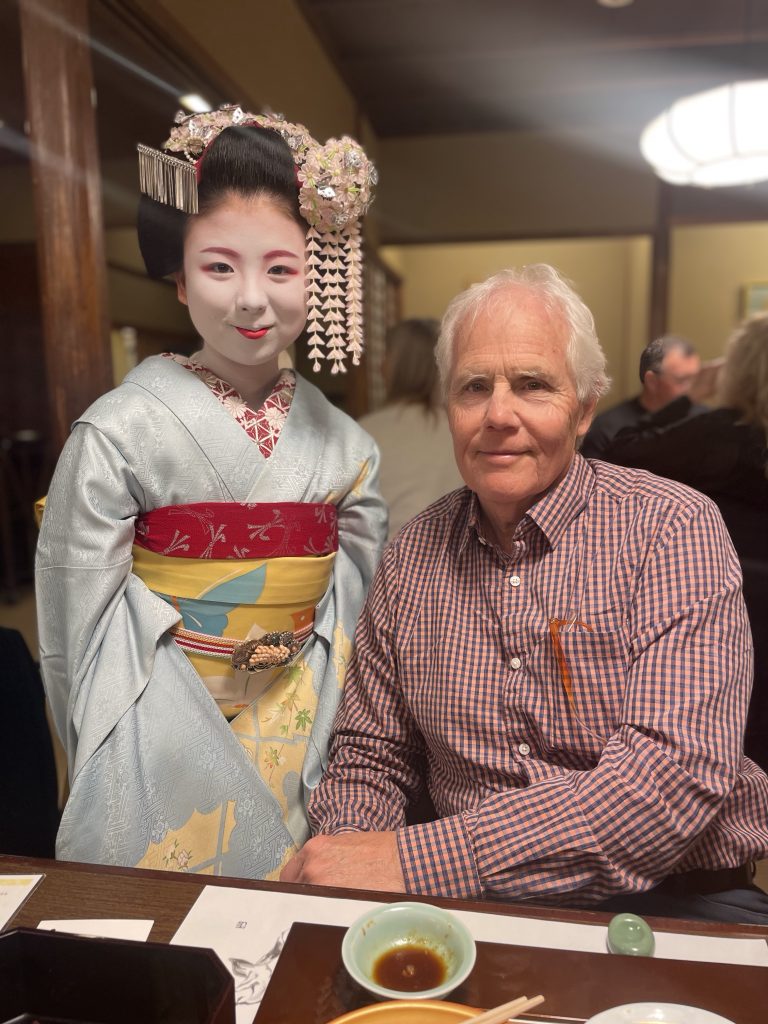
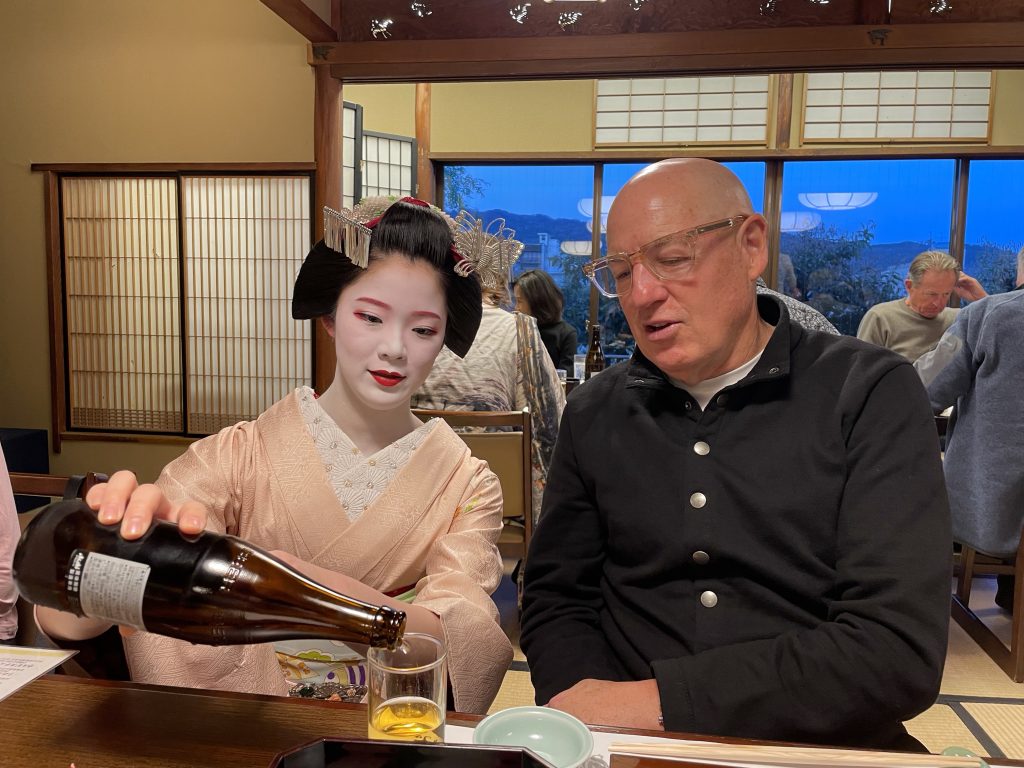
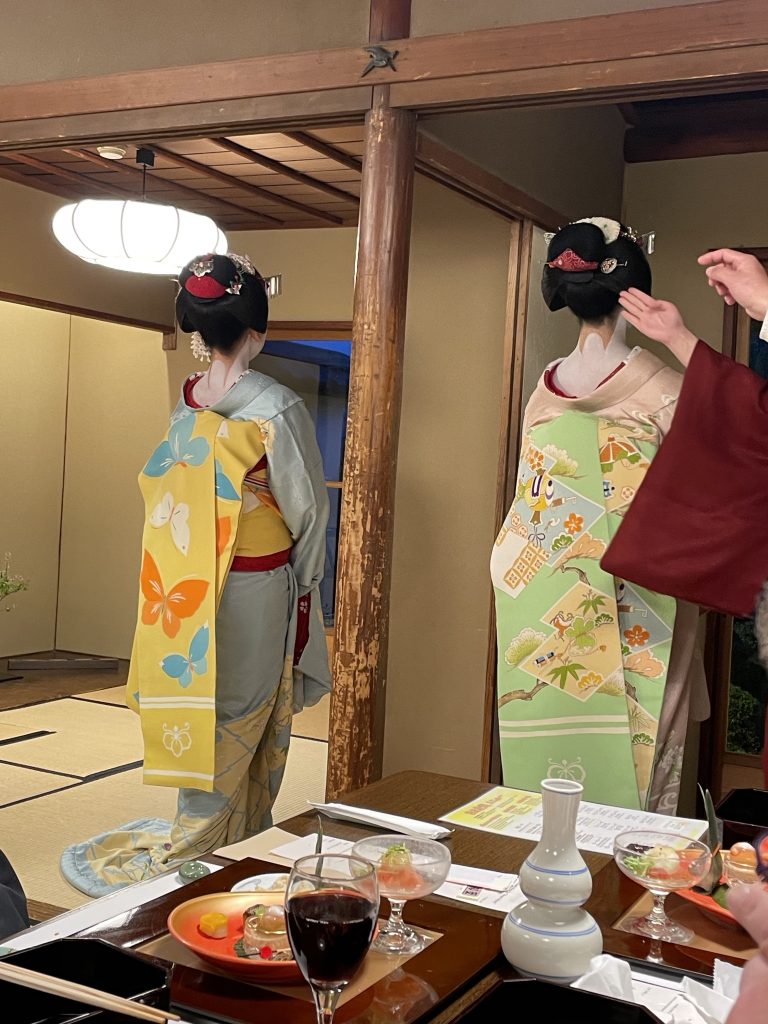
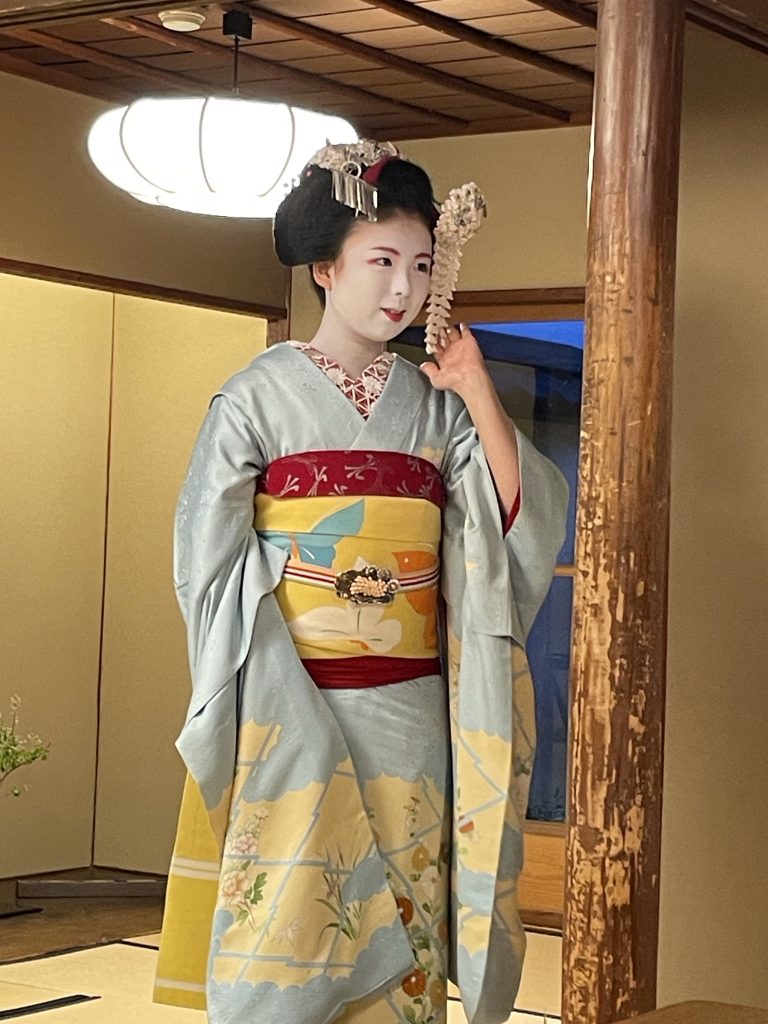
Geishas dedicate their lives to traditional Japanese arts such as tea ceremony, flower arrangement and buyo dance. Geishas entertain their guests with dance, music, conversation, and other arts at banquets held at teahouses. While these terms are quite vague, they have come to be identified with highly trained women who entertain exclusive clientele in special districts. Each geisha is registered to work in a Hanamachi (花街), which means “Flower Town,” and will live and train in these districts while they remain active in the profession. Geisha take classes in various art forms six days a week and get two days off from work each month. The number of geisha is 254 (by April, 2020) based on the figures provided by Ookini Zaidan down from tens of thousands in the early 1900’s. Among the existing geisha, around 70 are called maiko or “apprentice geisha” who mostly come from different towns outside Kyoto. There are some rumors that some maiko may quit after the Coronavirus pandemic.
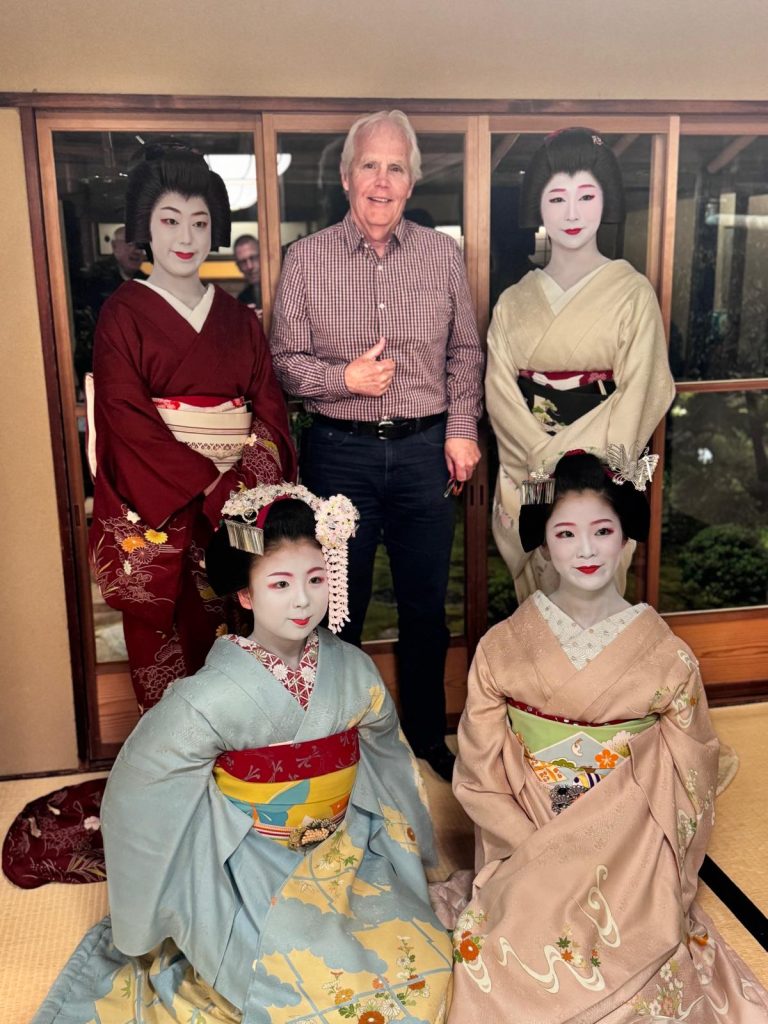
A welcomed Rest day tomorrow.
Life is good in Kyoto!
Sayonara
Leave a Reply