Watch the Relive video here:https://www.relive.com/view/vKv2dQjDEo6
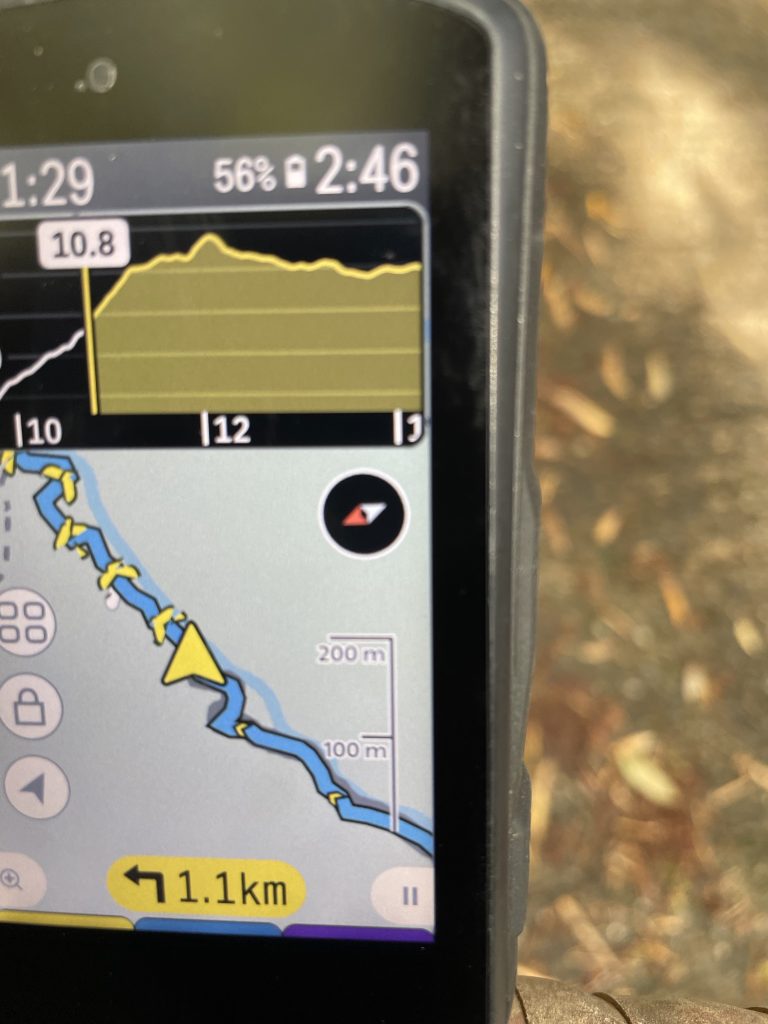
On the Road – Distance 100.5 km / 63mi | Elevation 1705m / 5594f

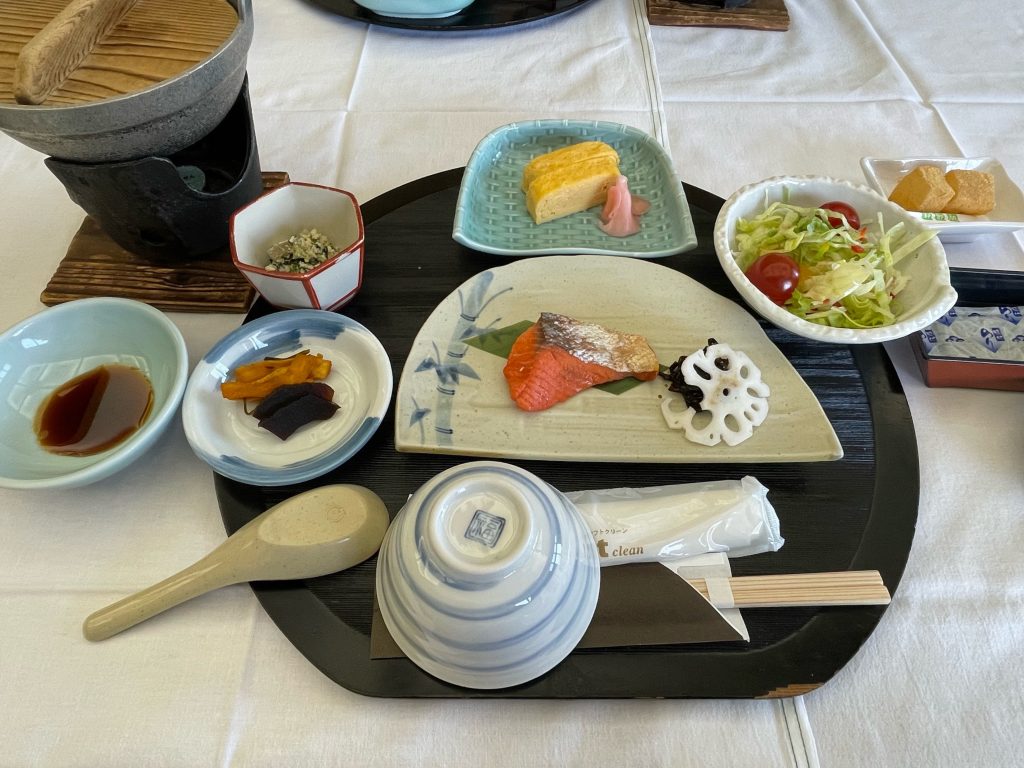
A sunny morning but cool morning greeted. After a good Japanese breakfast.
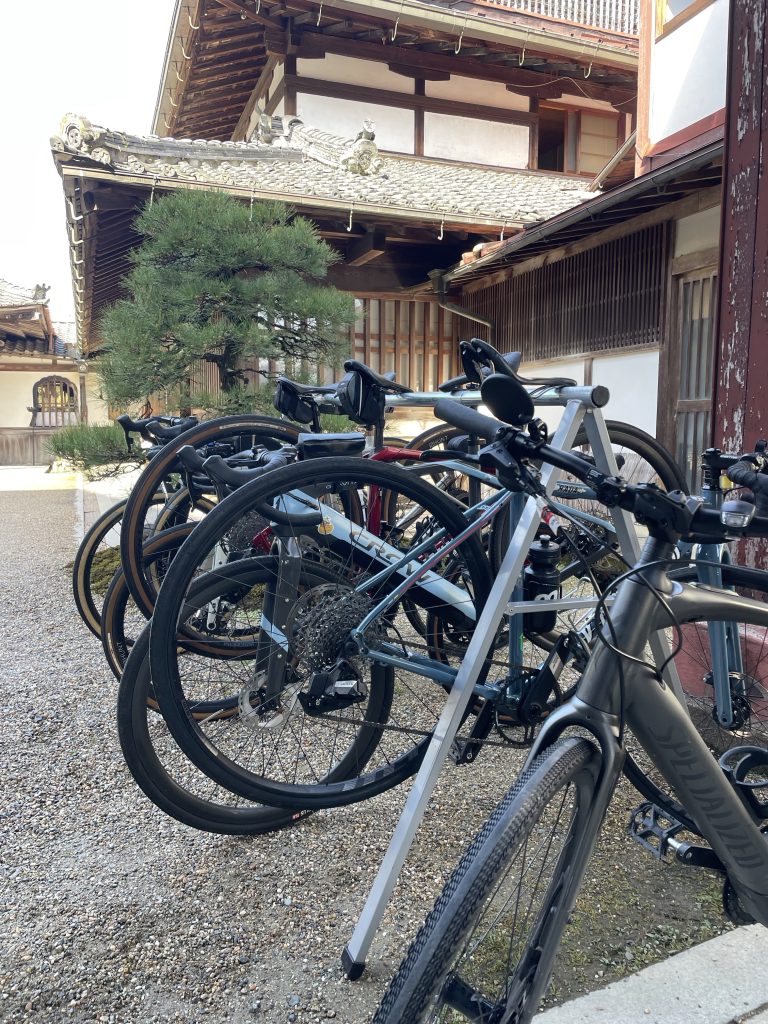
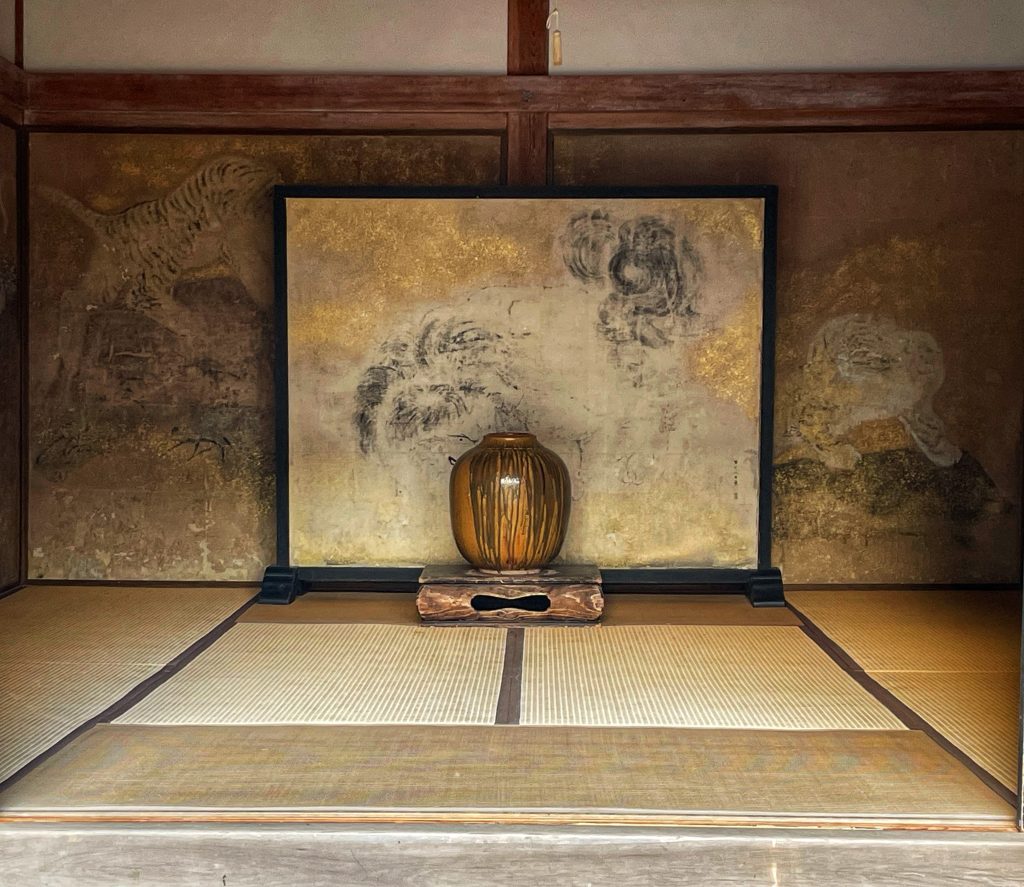
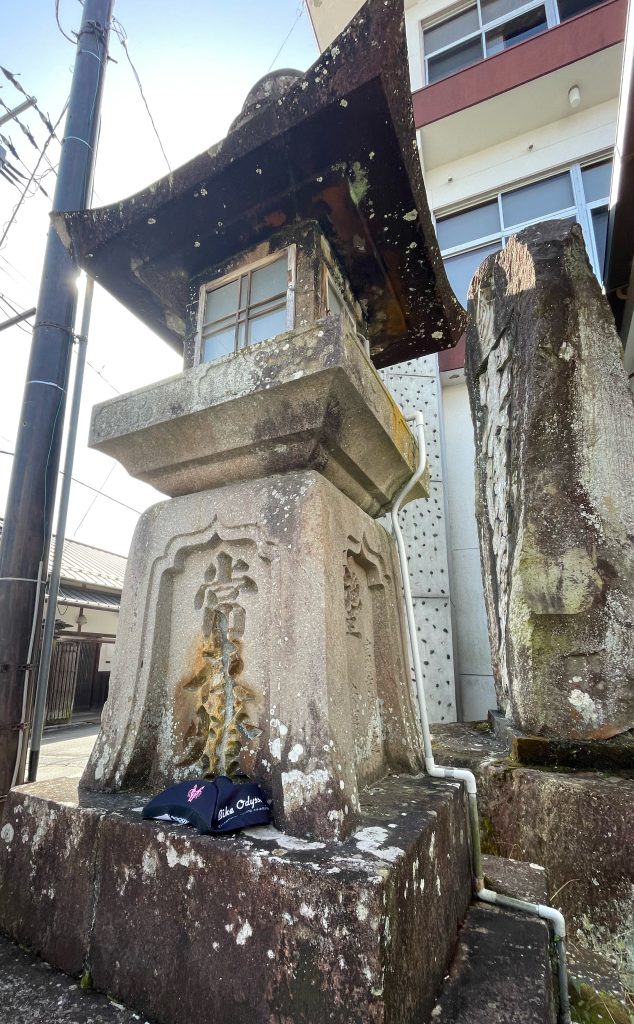
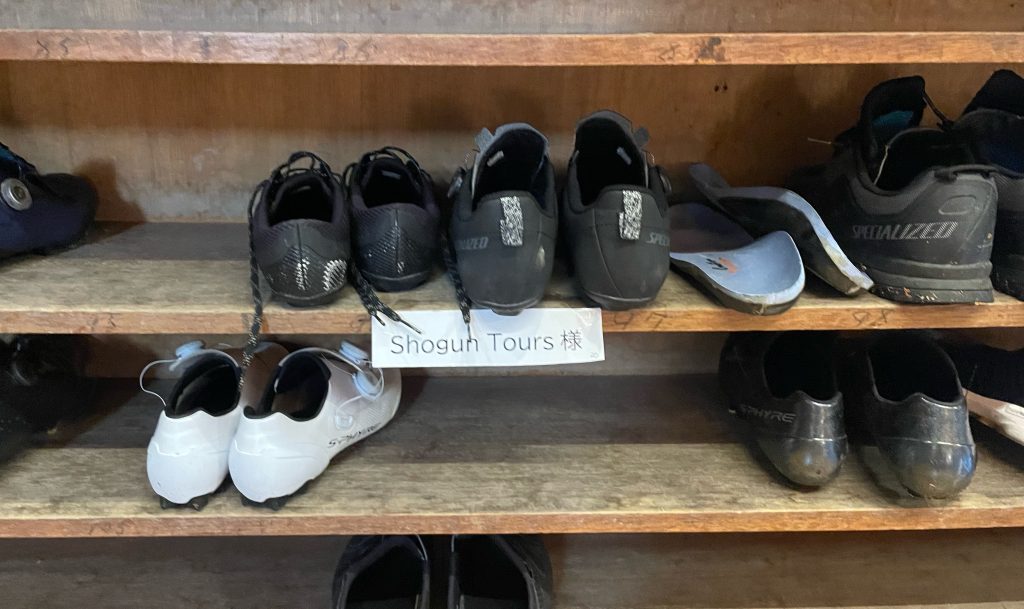
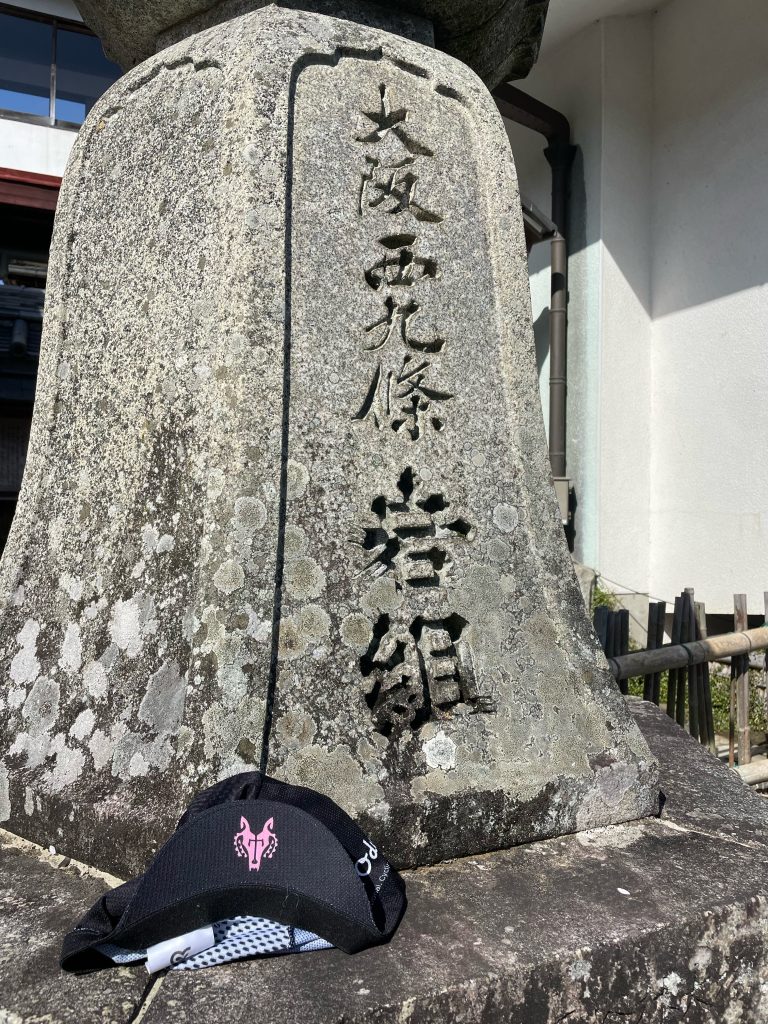
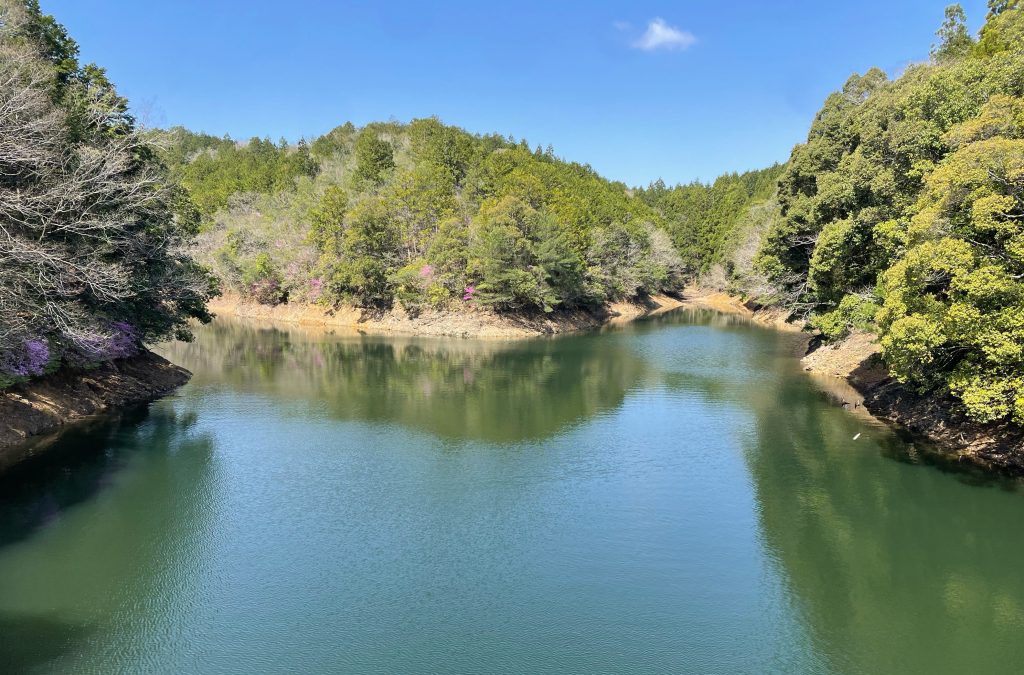
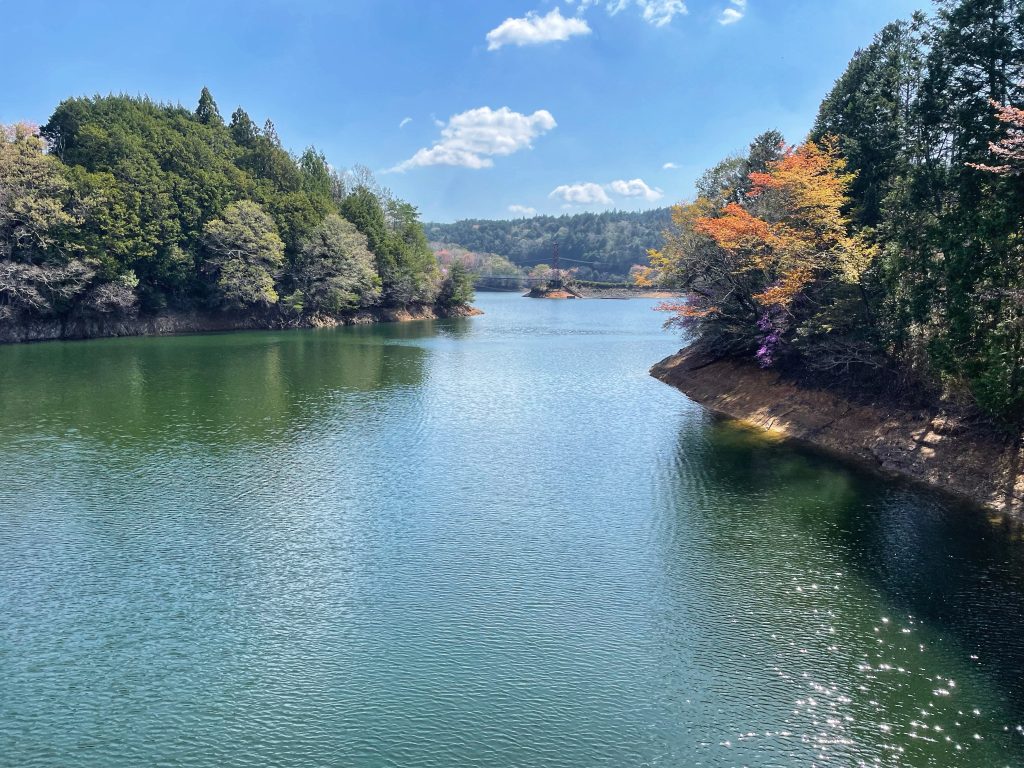
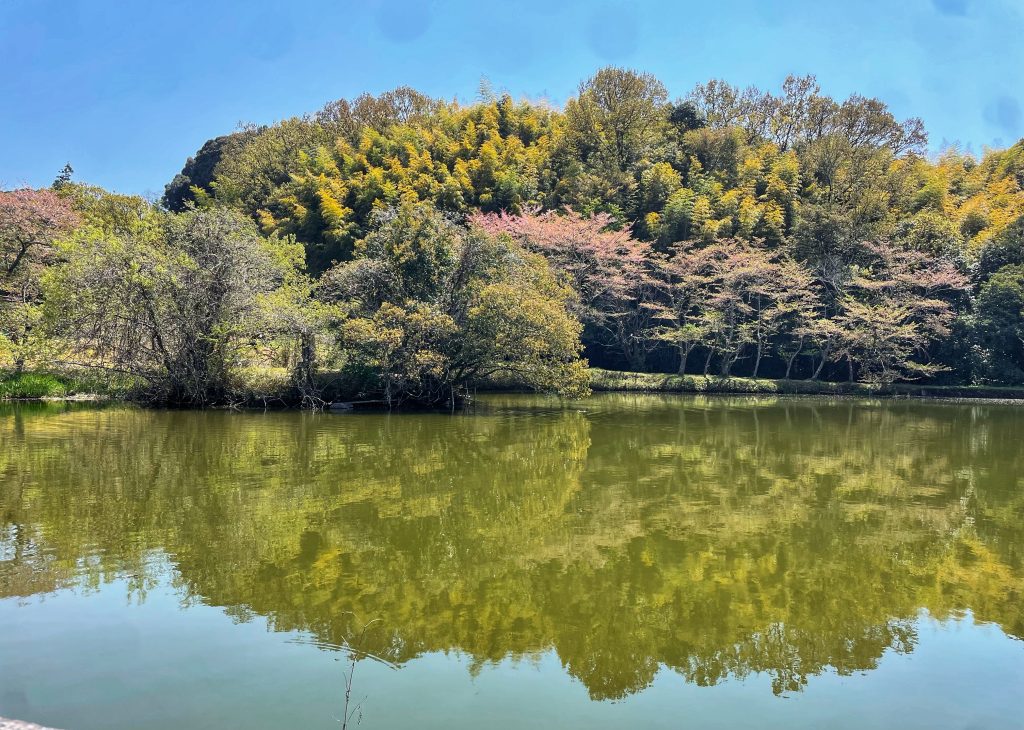
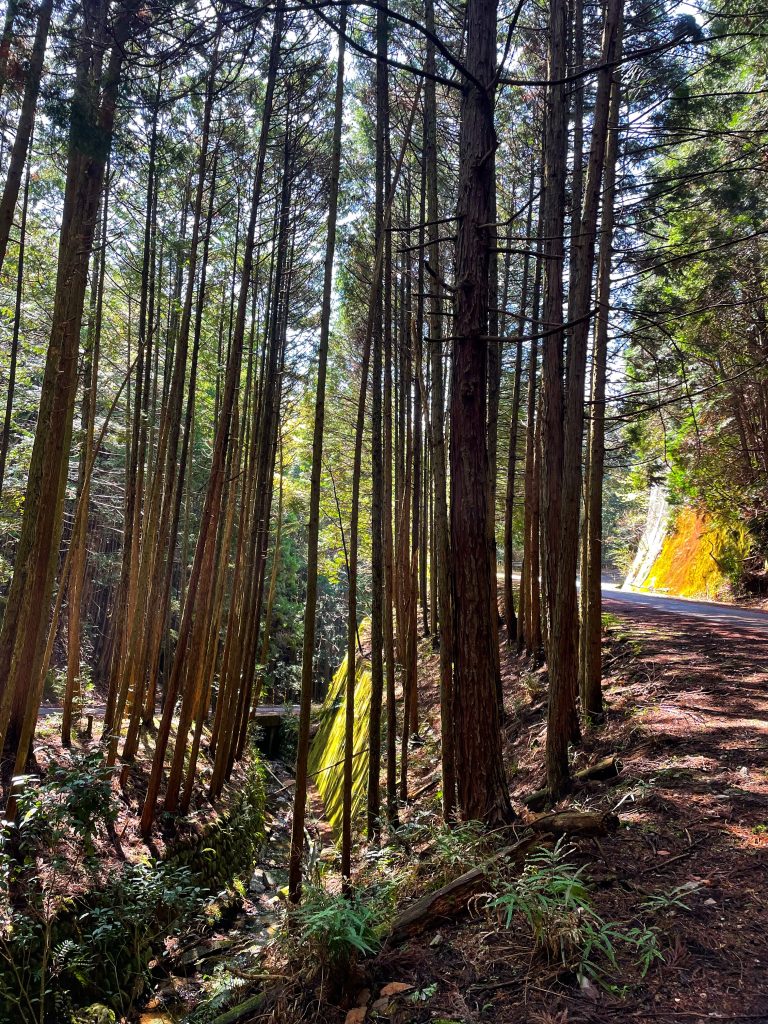
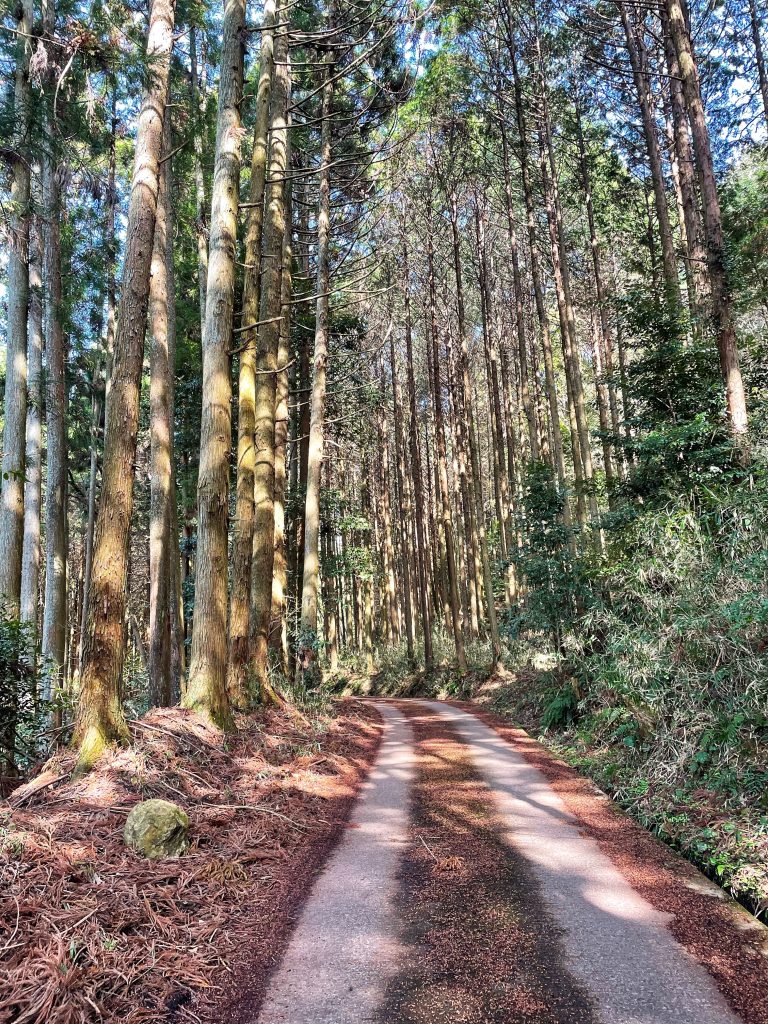
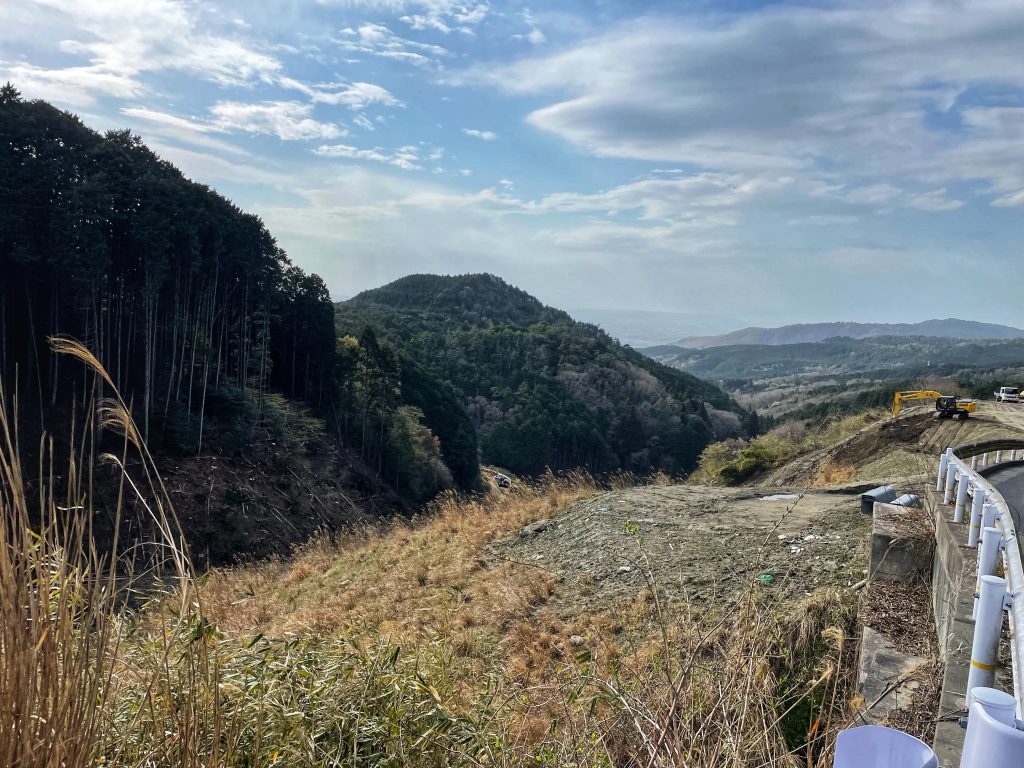
A genuinely fantastic day exploring on the bike with scenery that changed around every corner. Heading out of the Kii Mountain Range we descended past Lake Tsiburo along another magic forested rindo road.
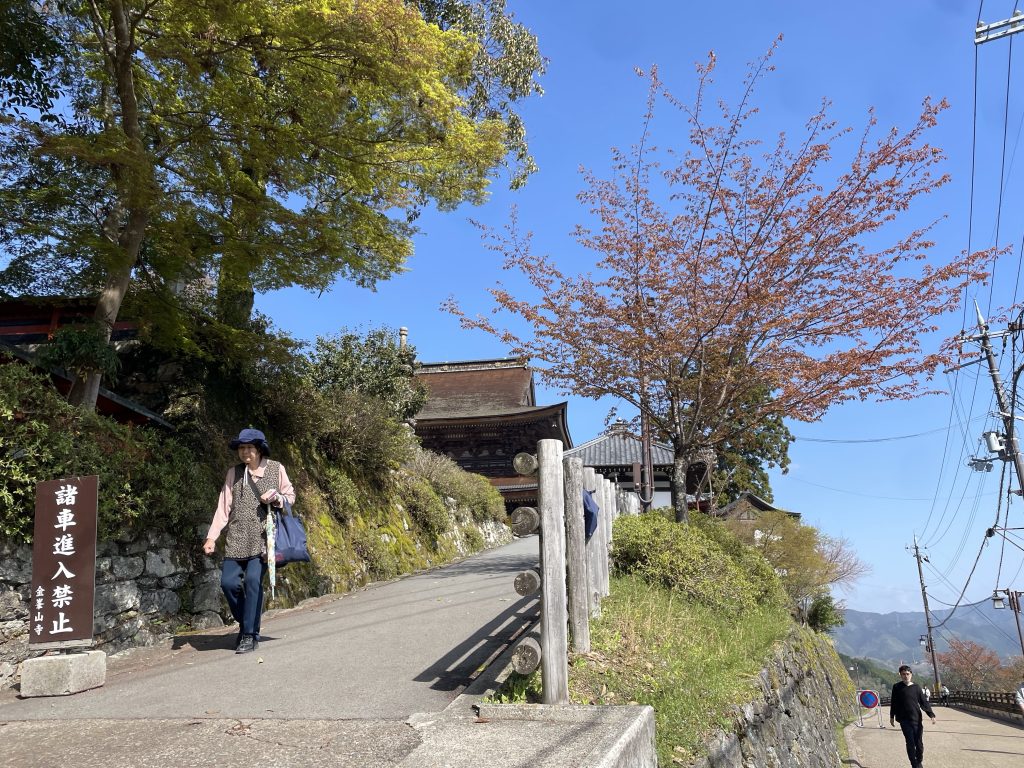
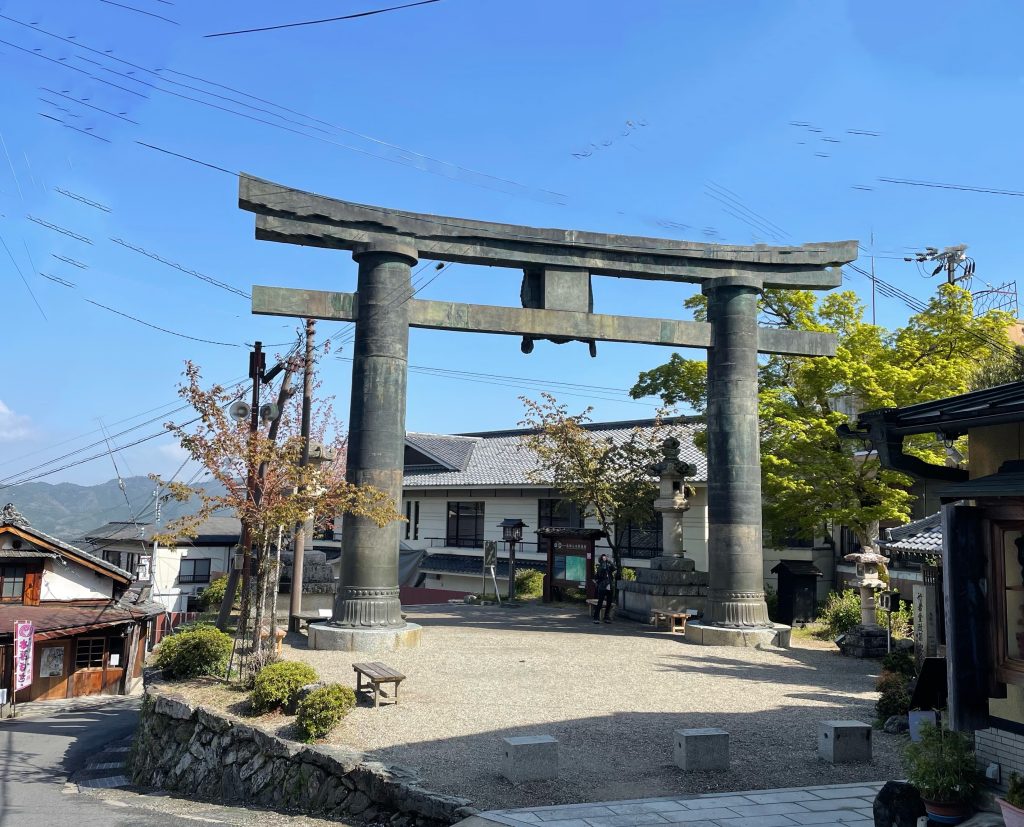
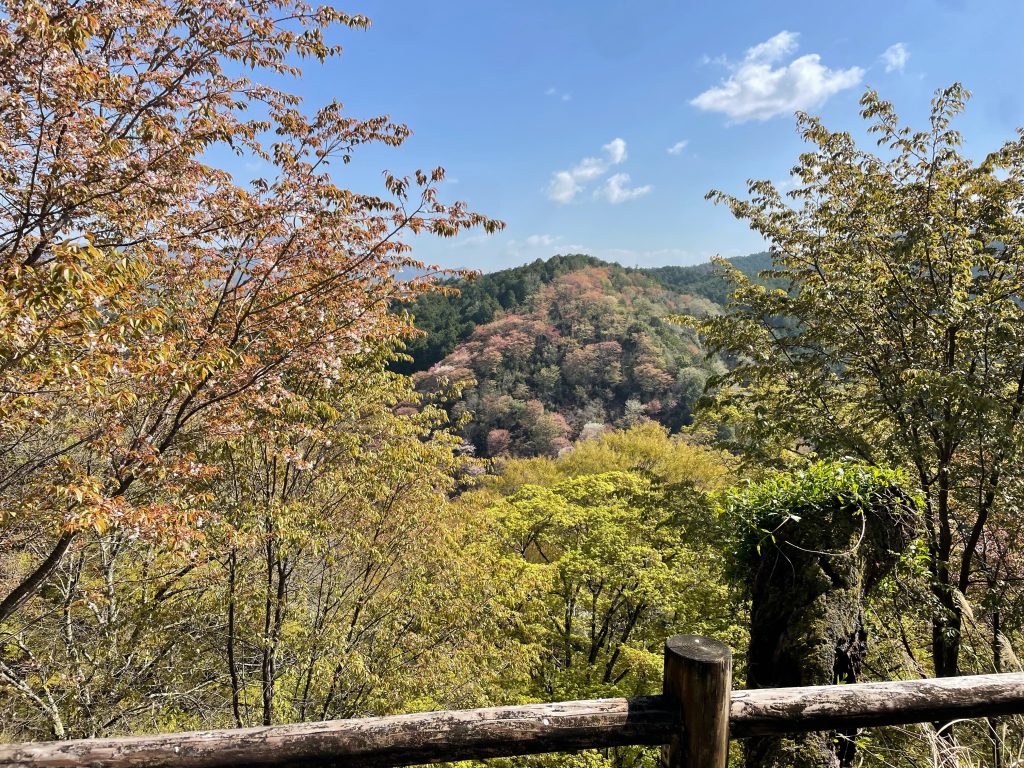
The ride was dramatic as we rolled through Asuka and Sakurai – the region known as the Cradle of Japanese Civilization.
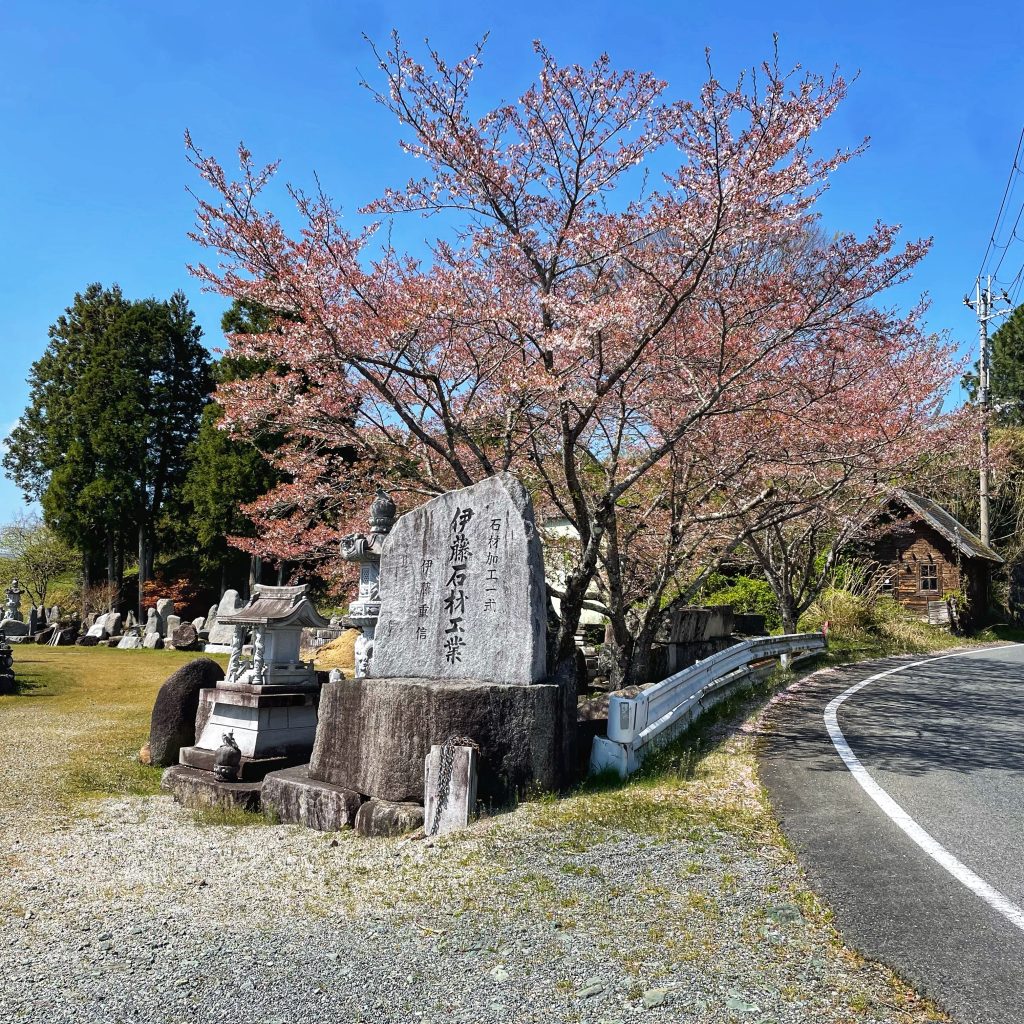
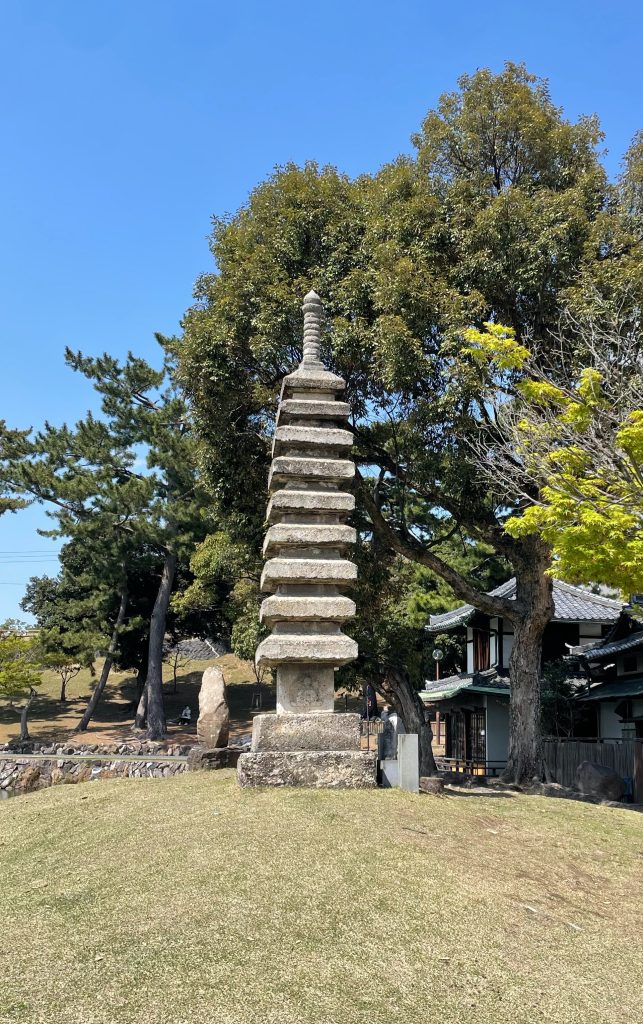
It is here where the first Japanese emperors established their capitals and where many of the country’s oldest shrines, temples, tombs, stone monuments and archaeological excavations can be found.
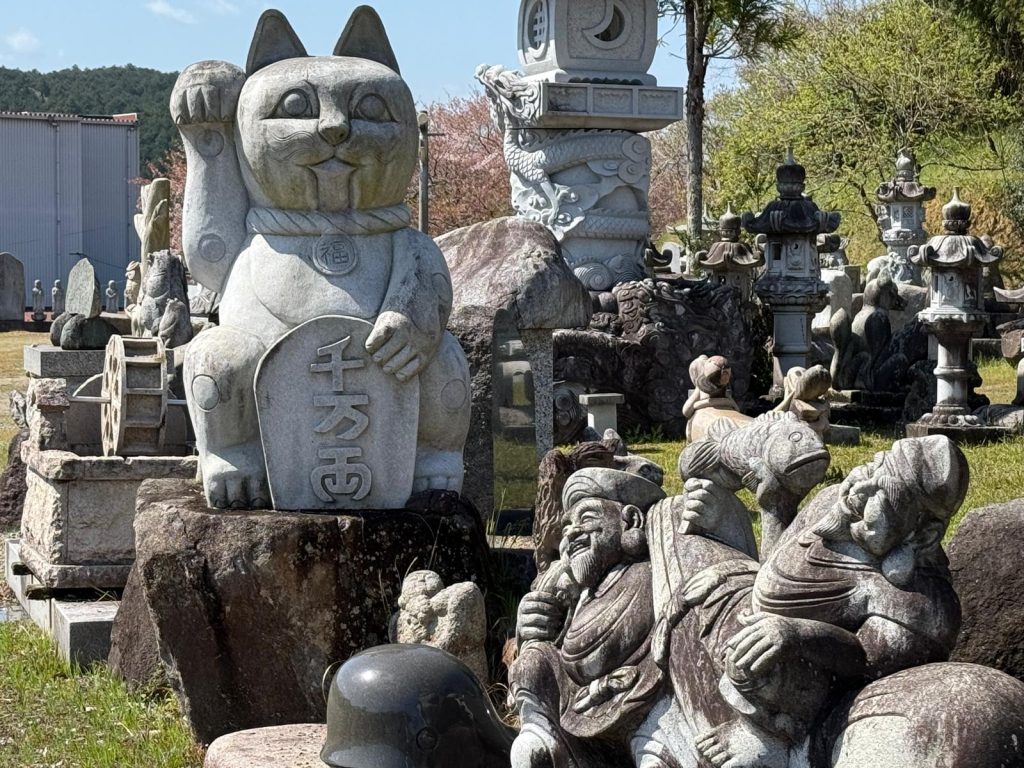
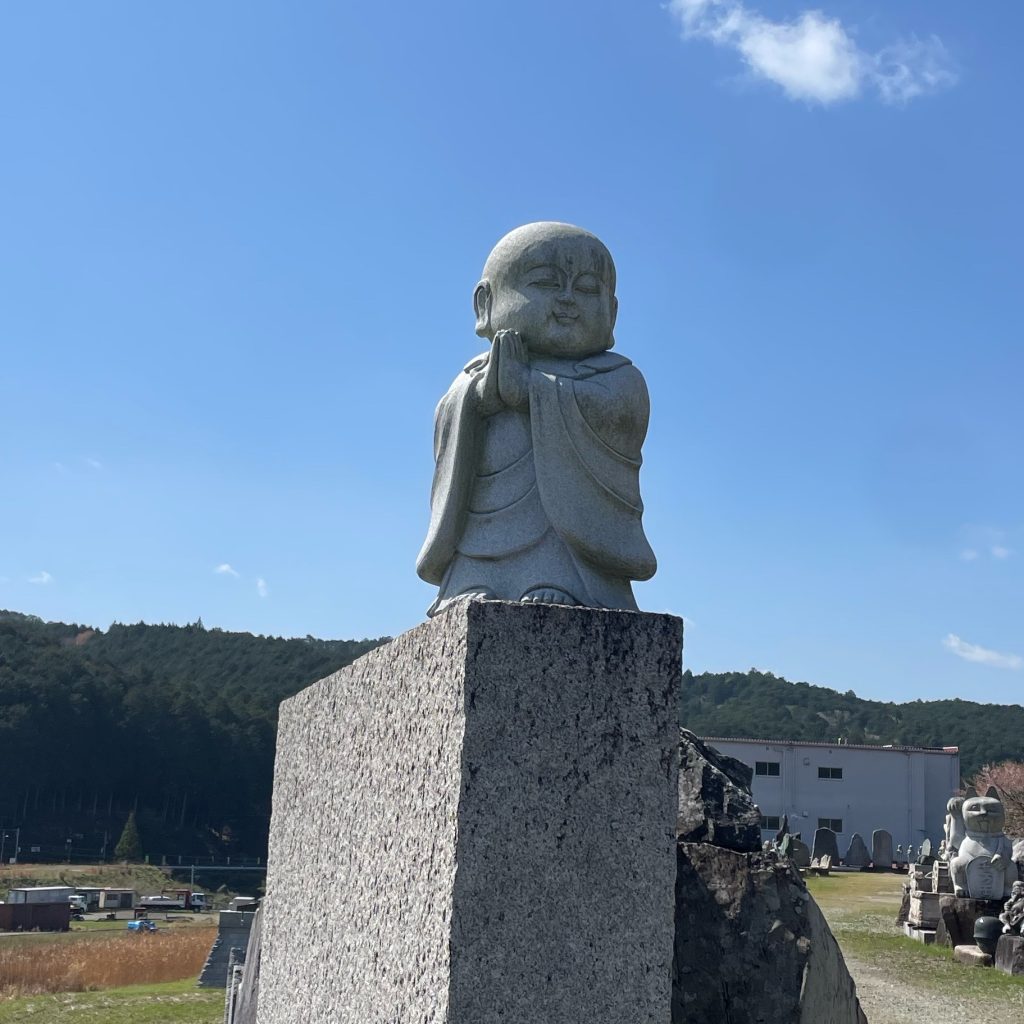
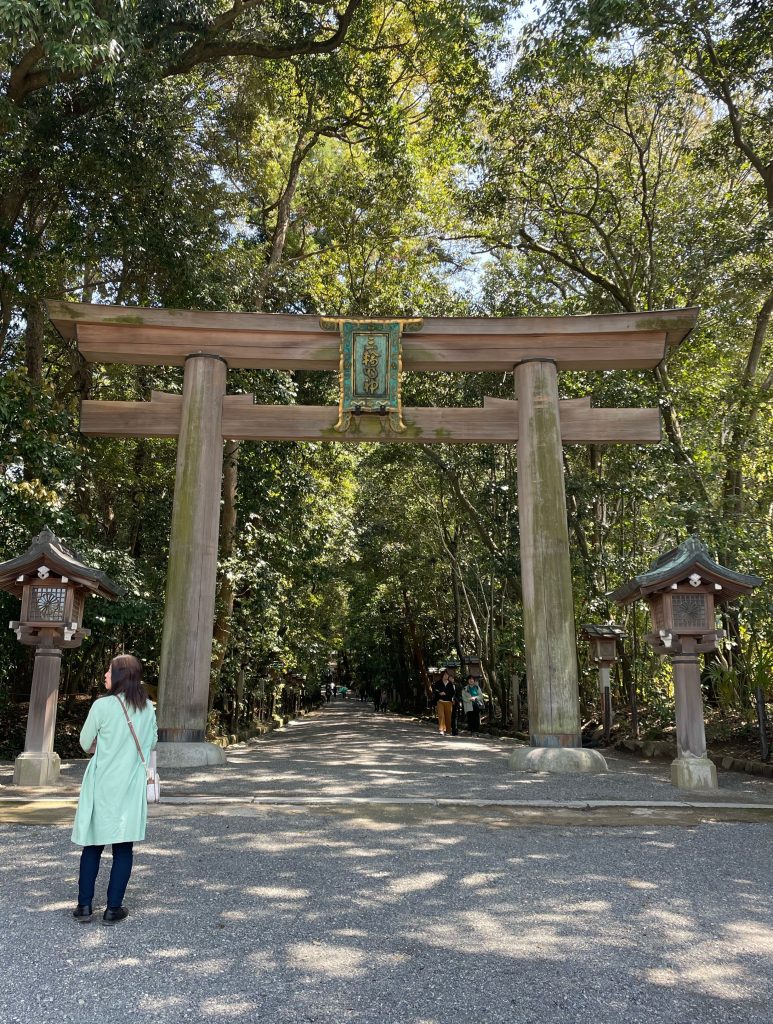
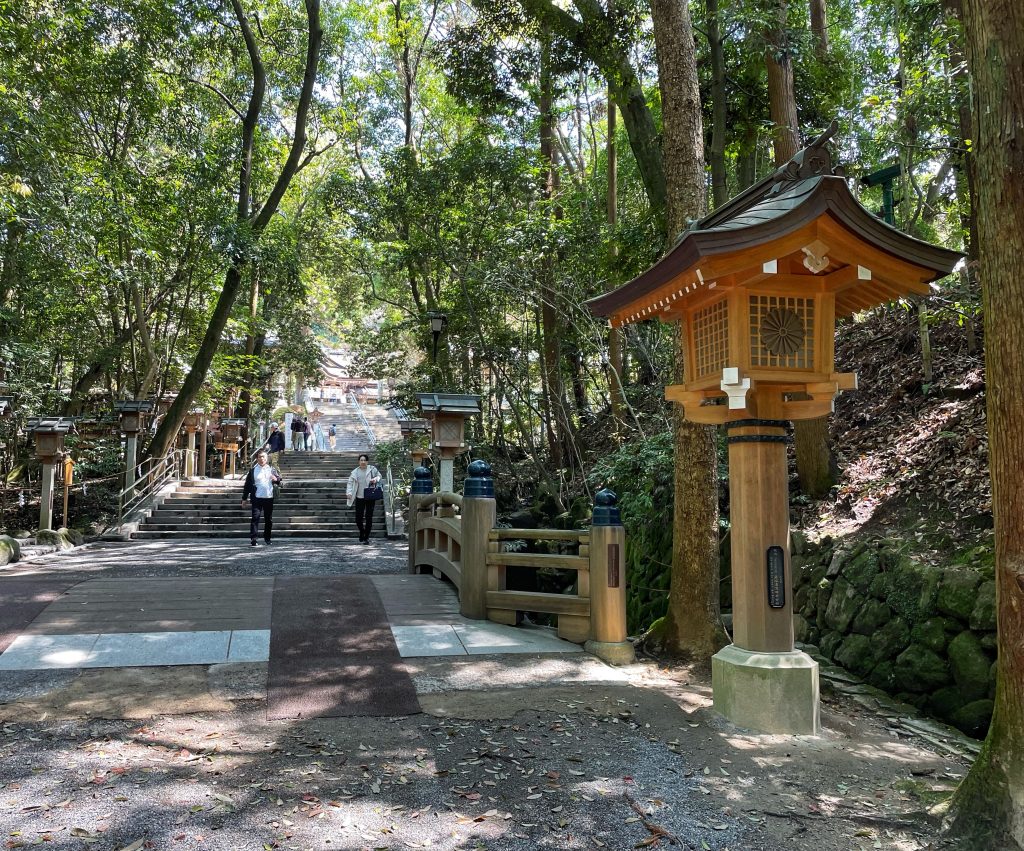
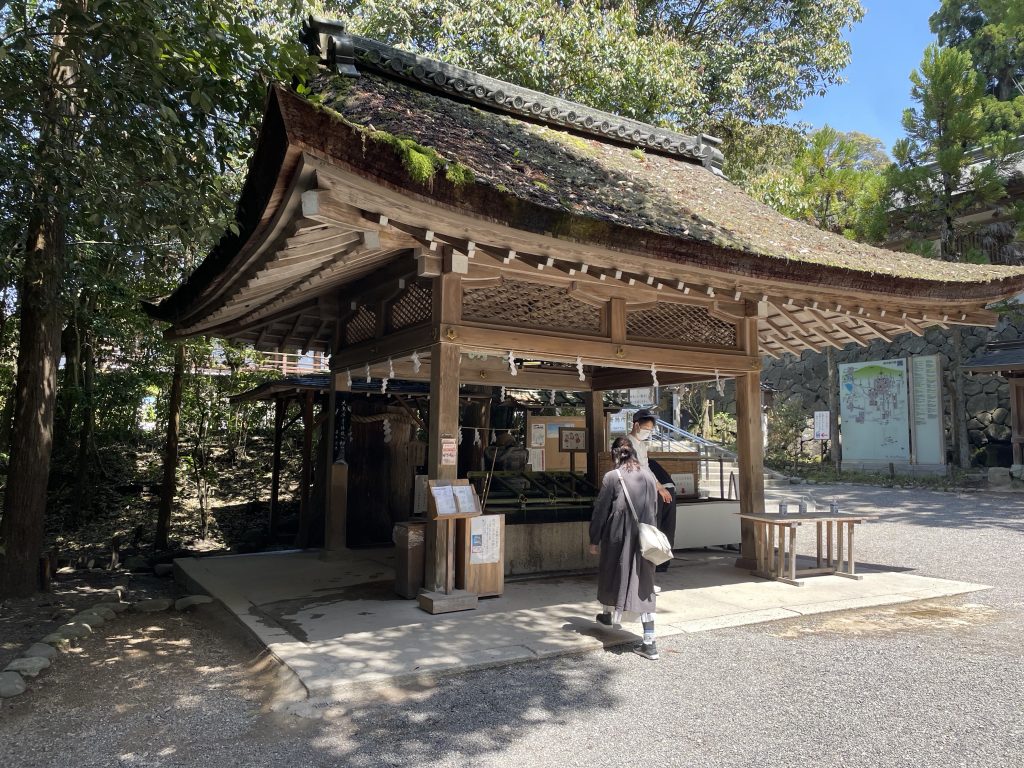
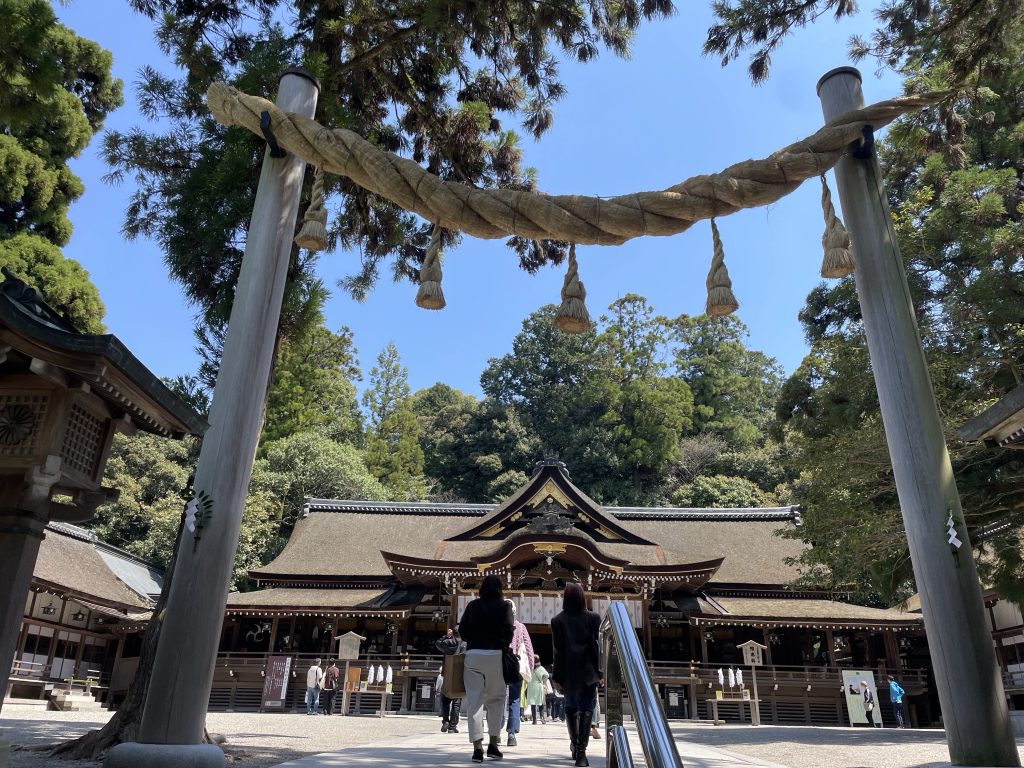
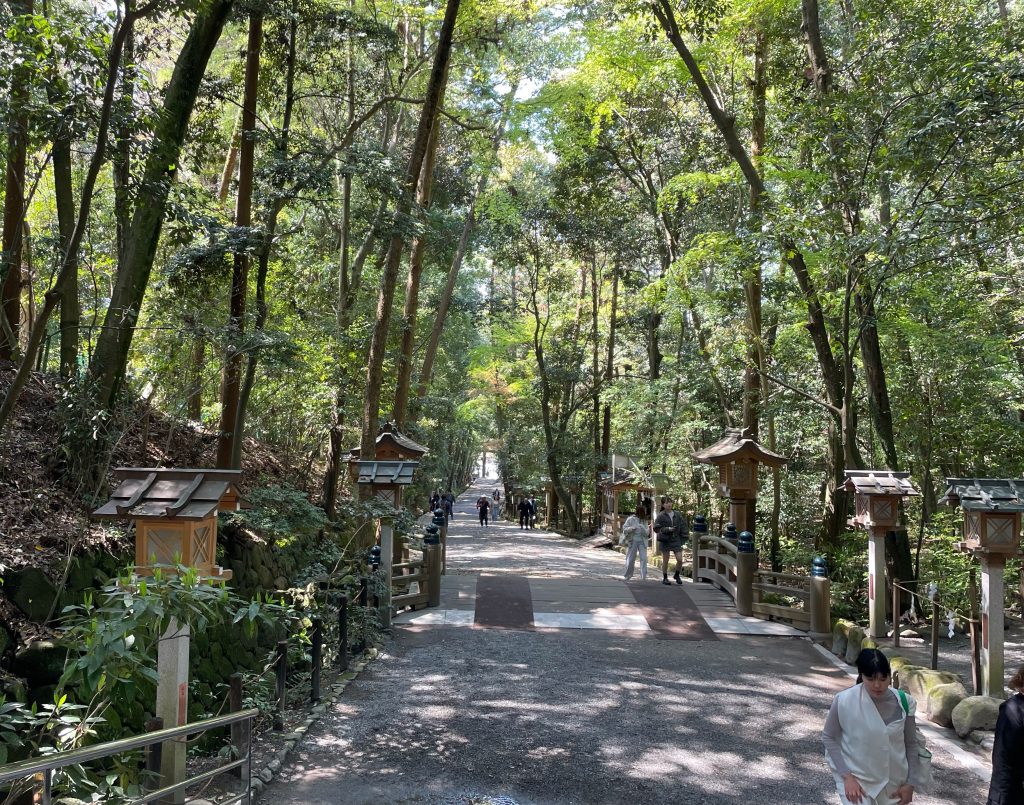
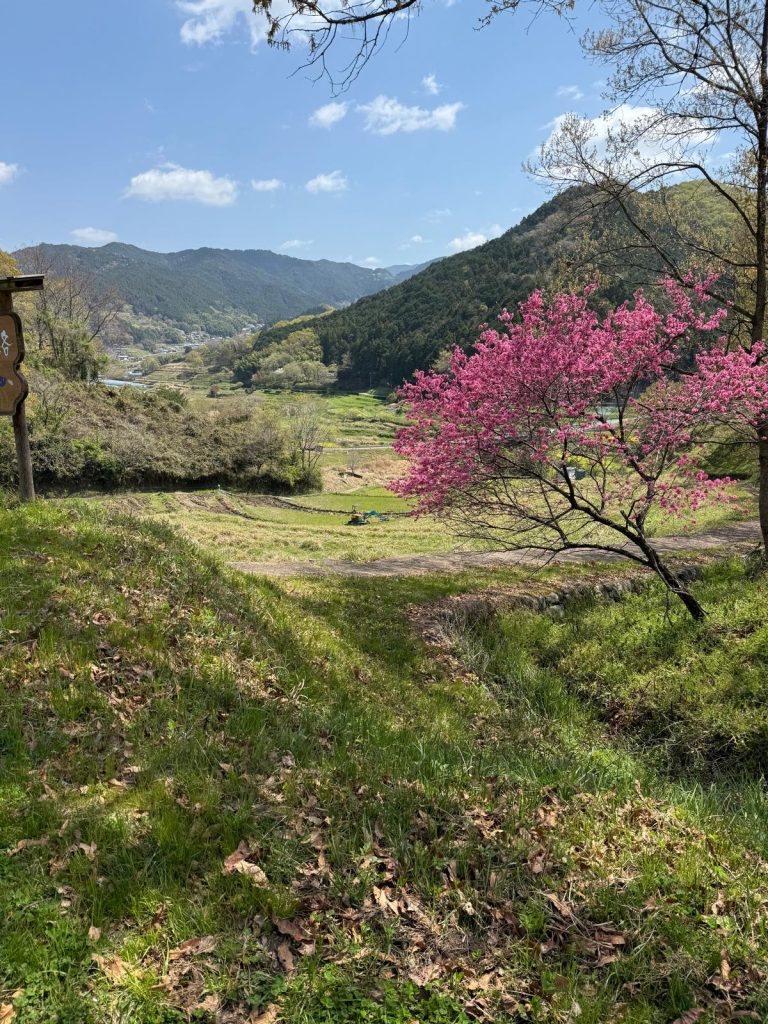
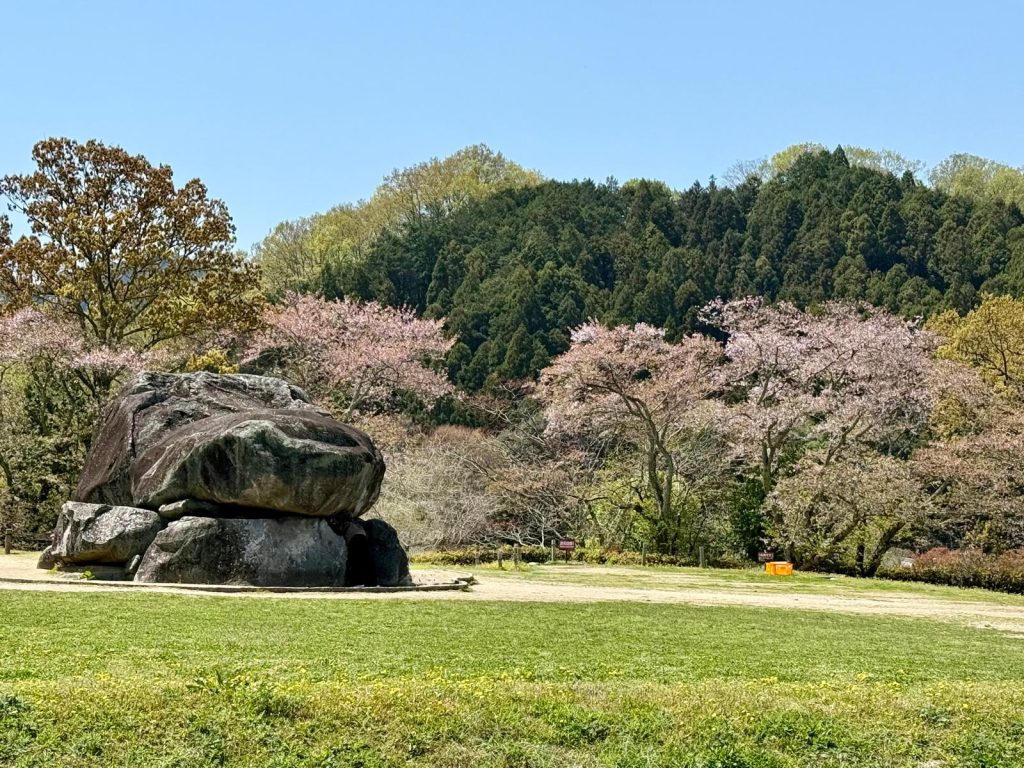
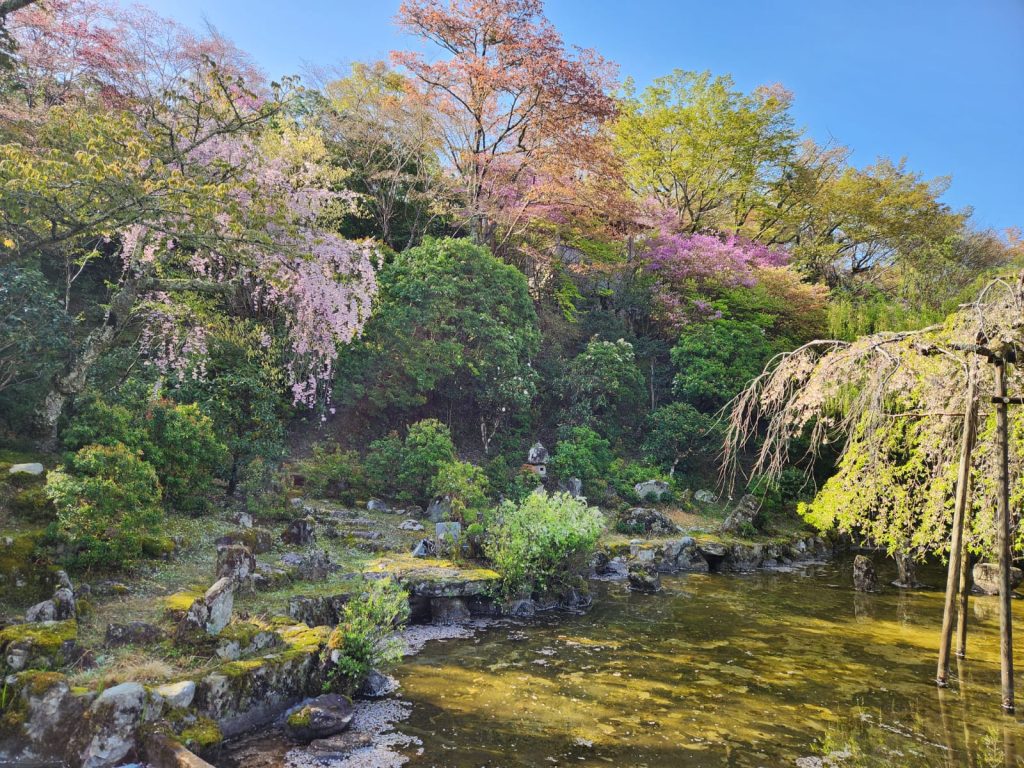
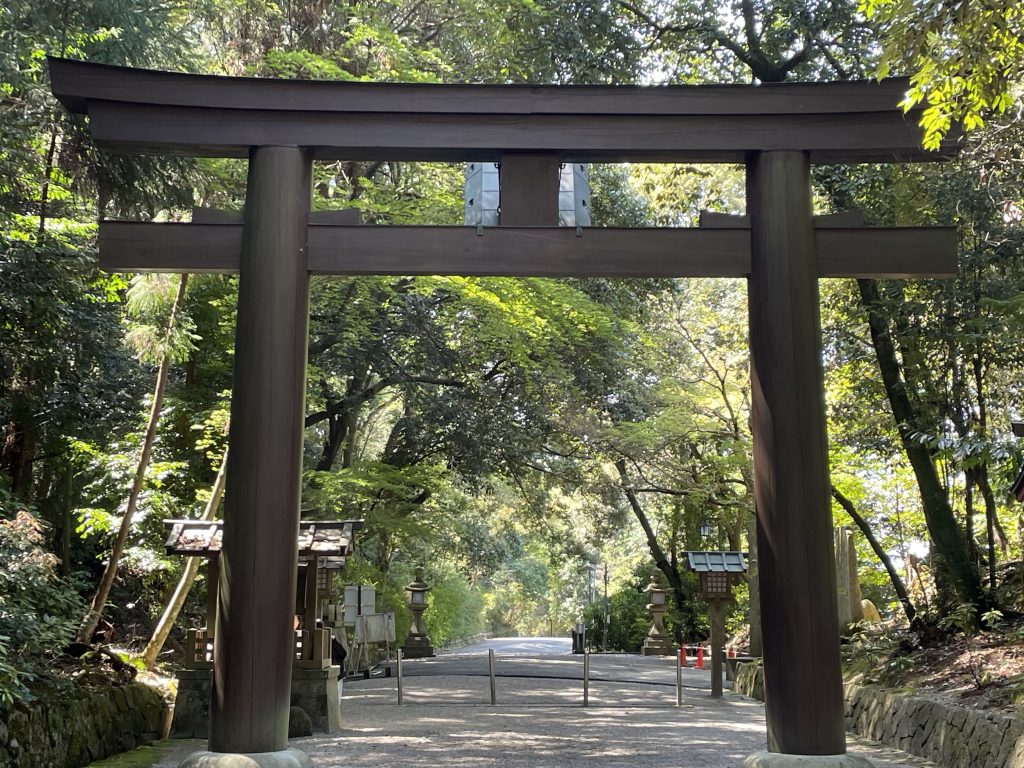
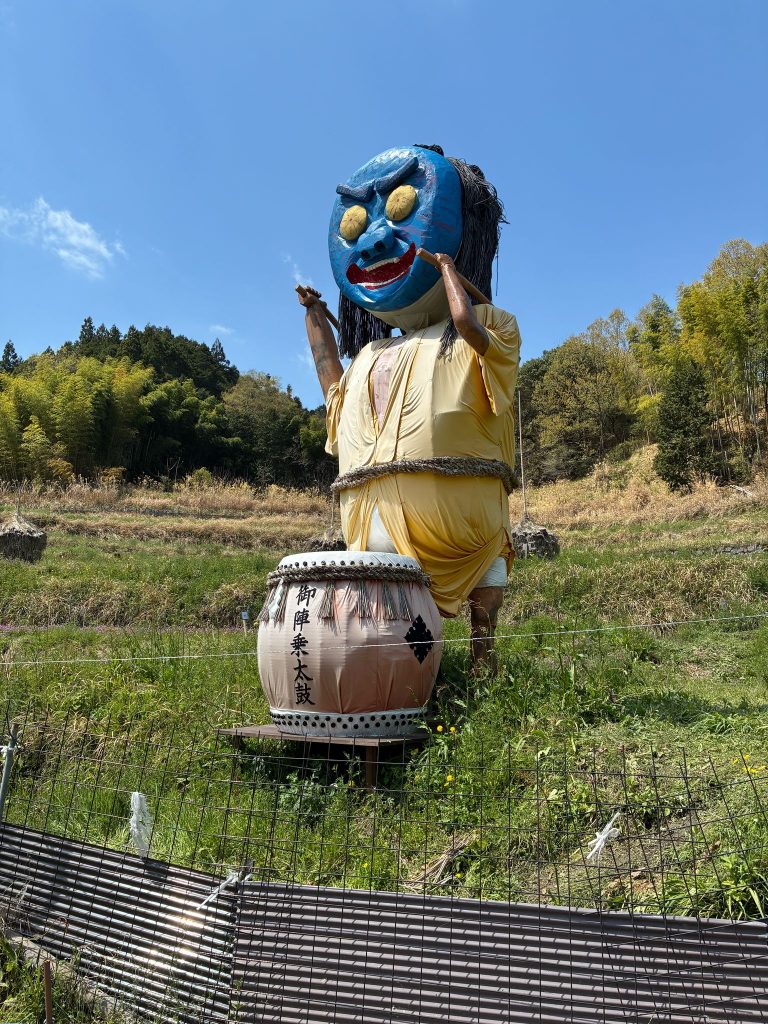
Soon the ride changed as we levelled out and slipped past rice fields and authentic villages with shrines and temples dotting the landscape.
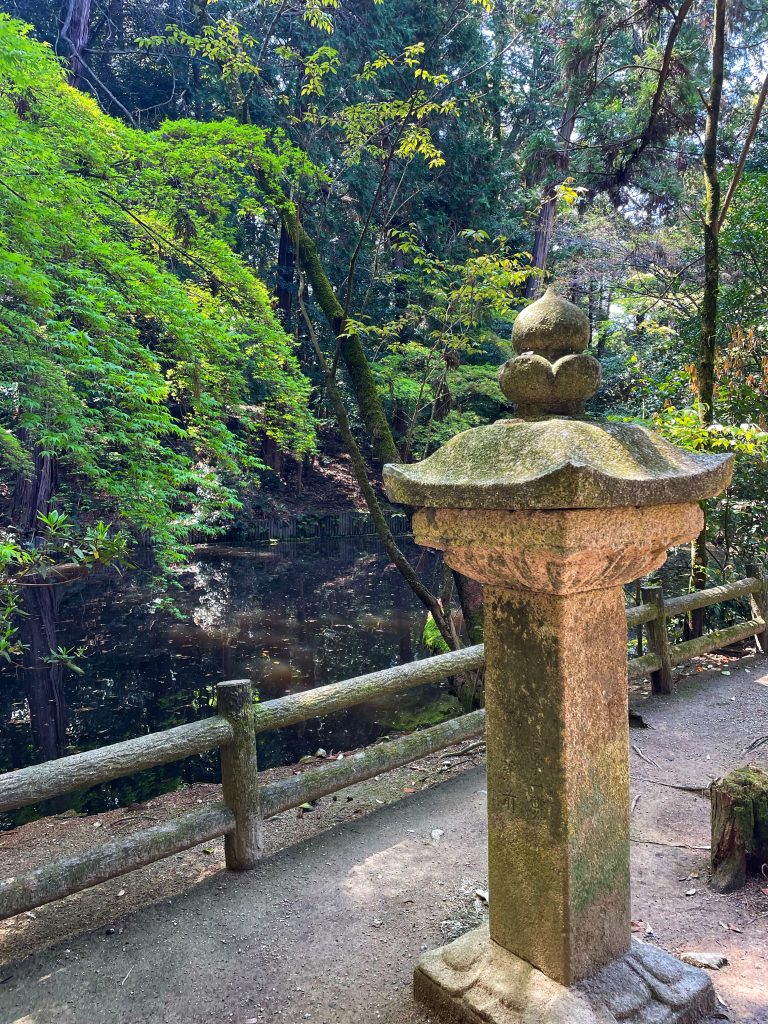
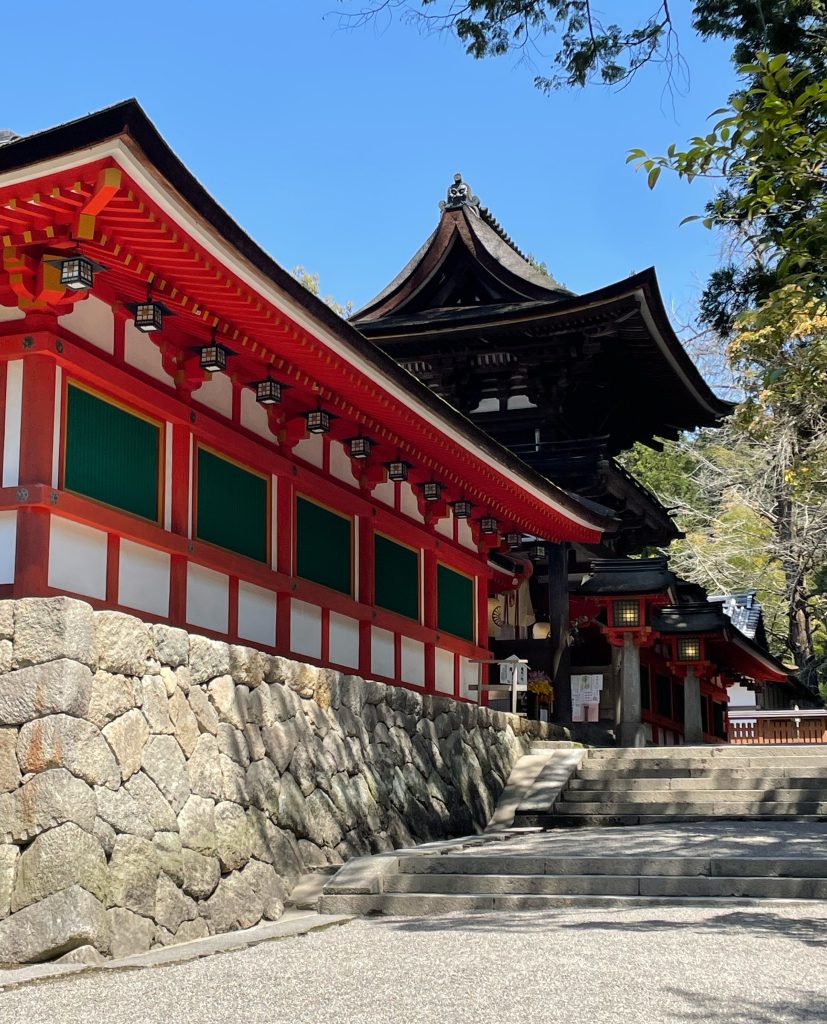
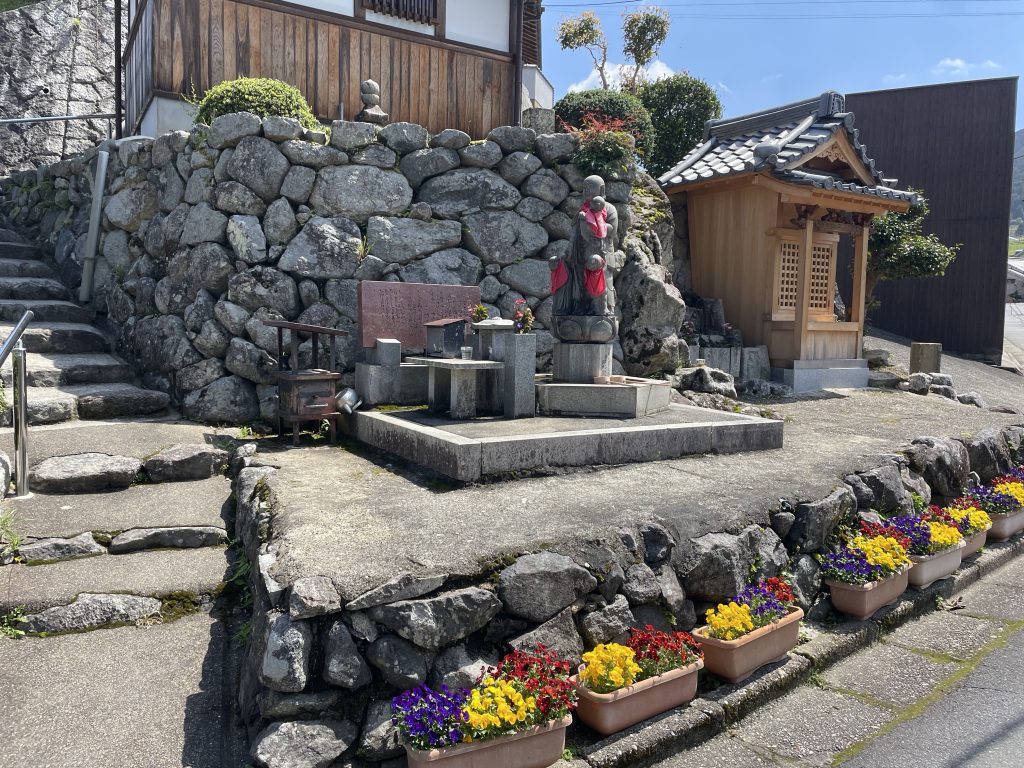
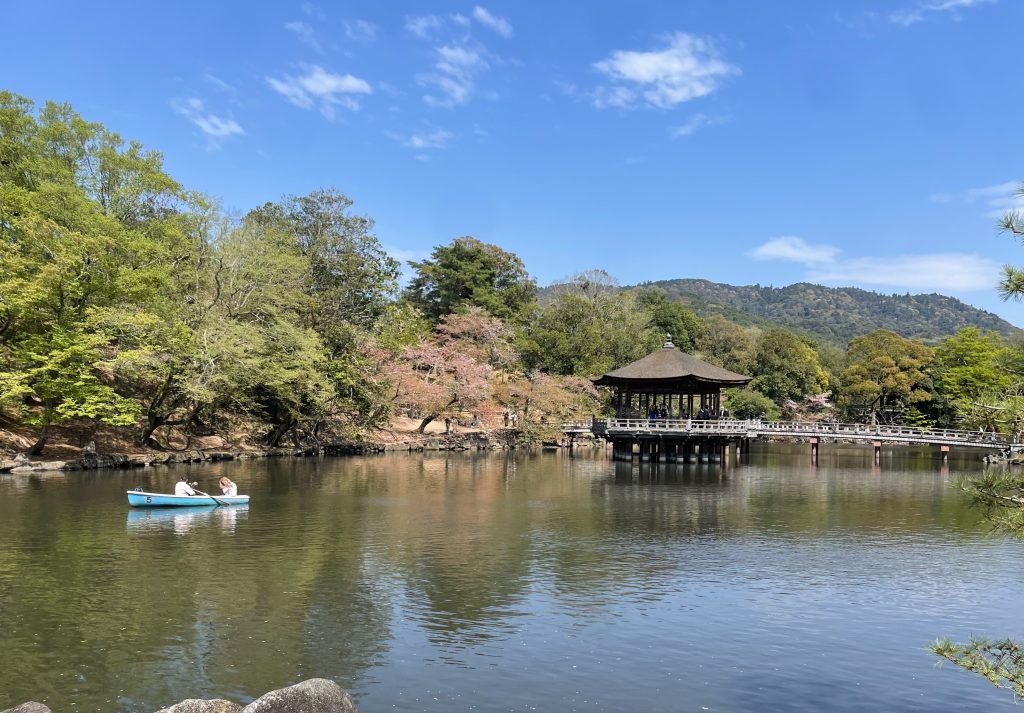
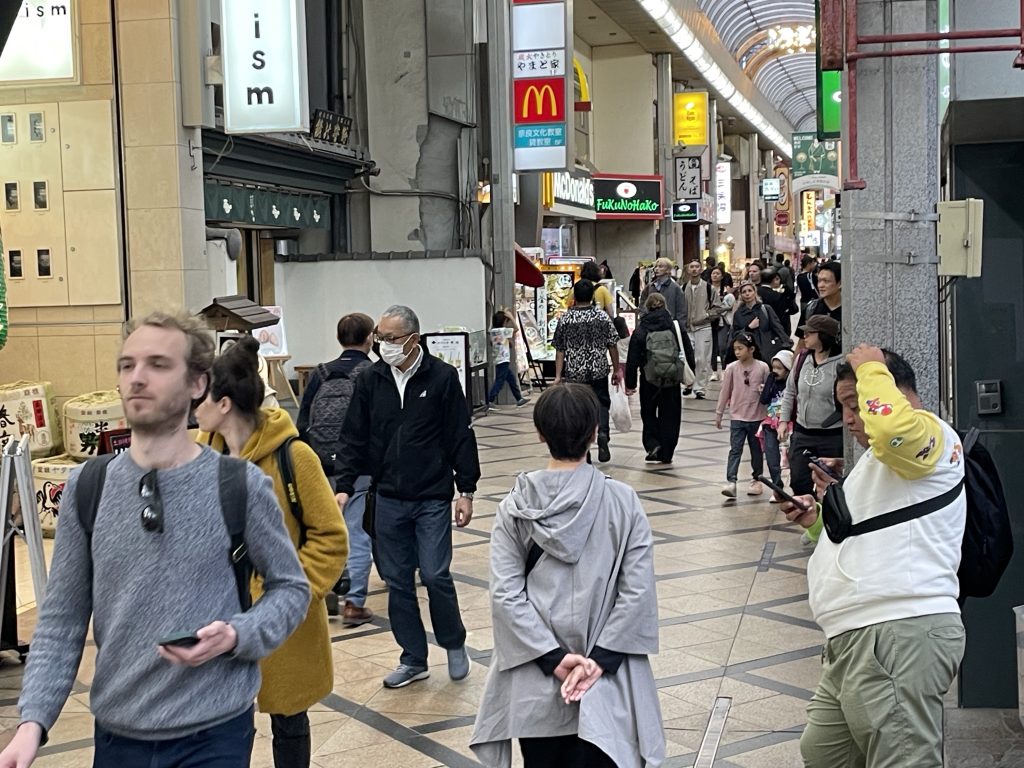
Continuing north, we headed for Nara, the ancient capital of Japan. We are staying i
Asuka and Sakurai
Kyoto served as the Japanese capital for over a thousand years froma 794 to 1868, and Nara was the first permanent capital from 710 to 784. Before 710, the center of power was first located in the area around Sakurai and then around Asuka. During the period, there was much influence from the Asian mainland, and Buddhism was introduced to the country via the Korean peninsula.
Destination Nara
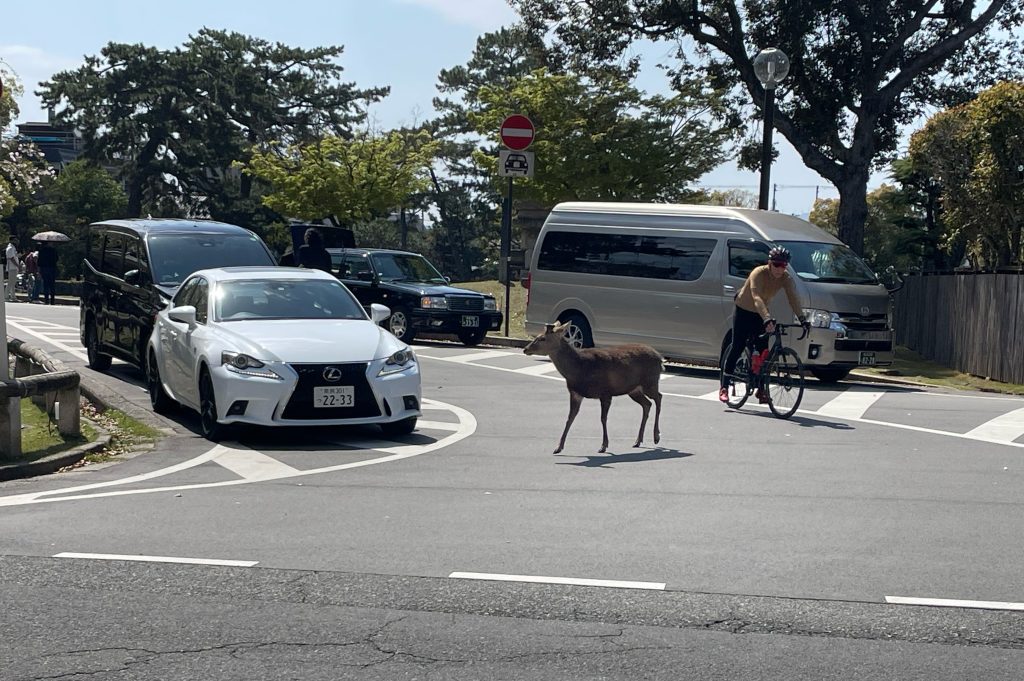
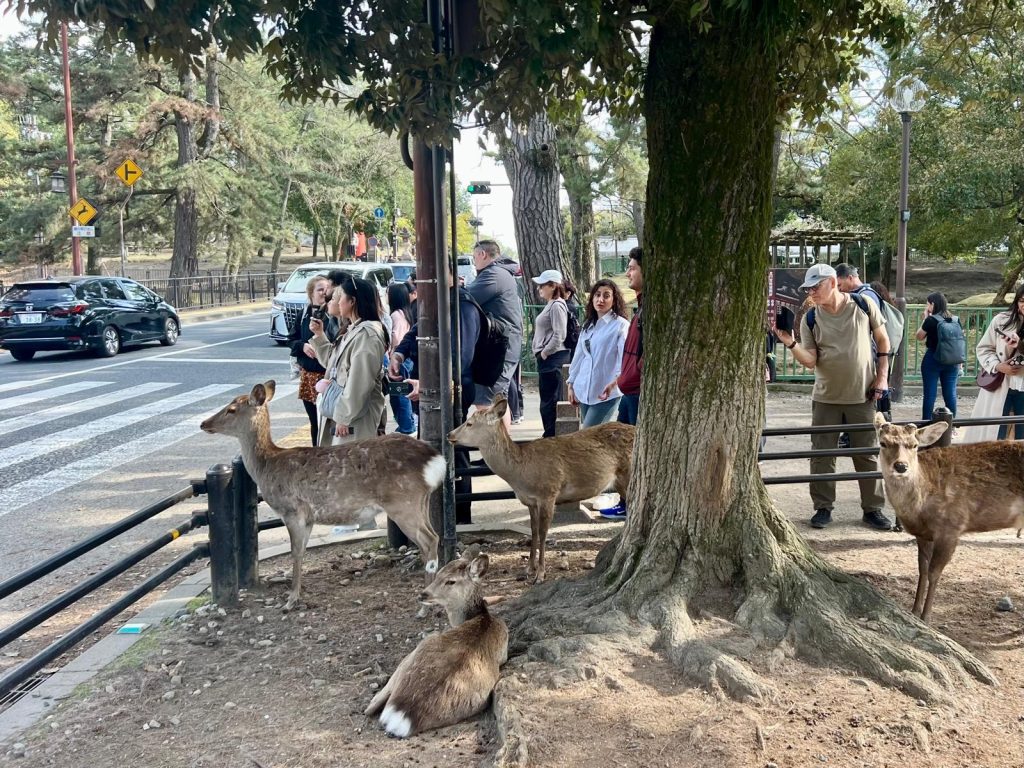
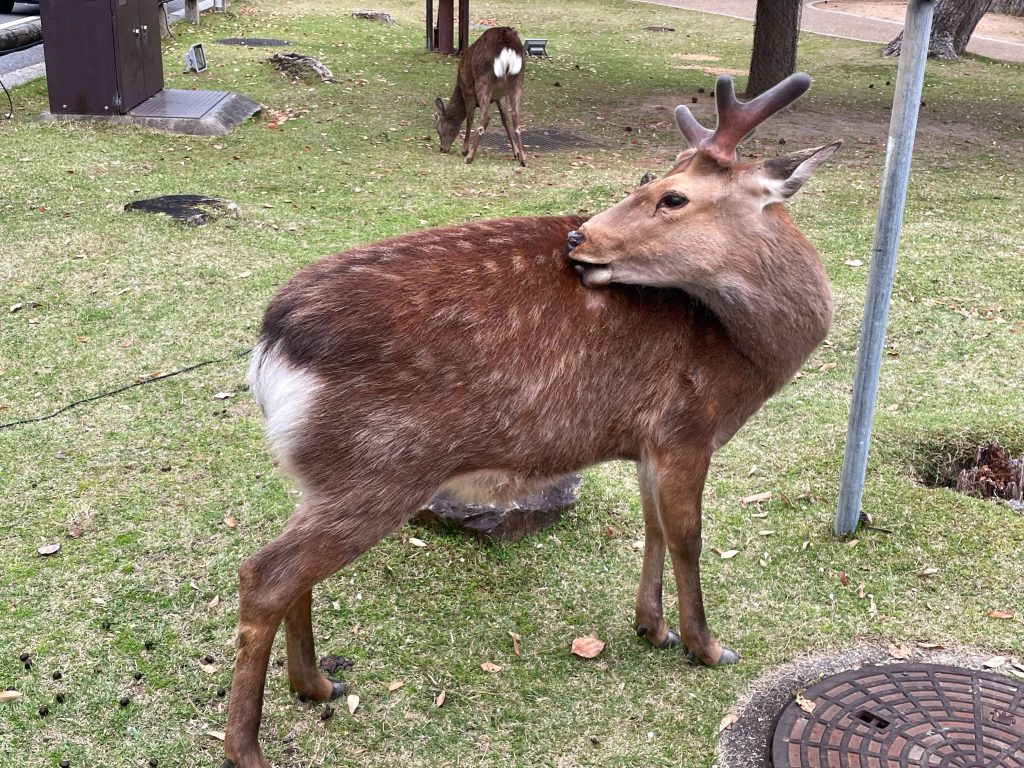
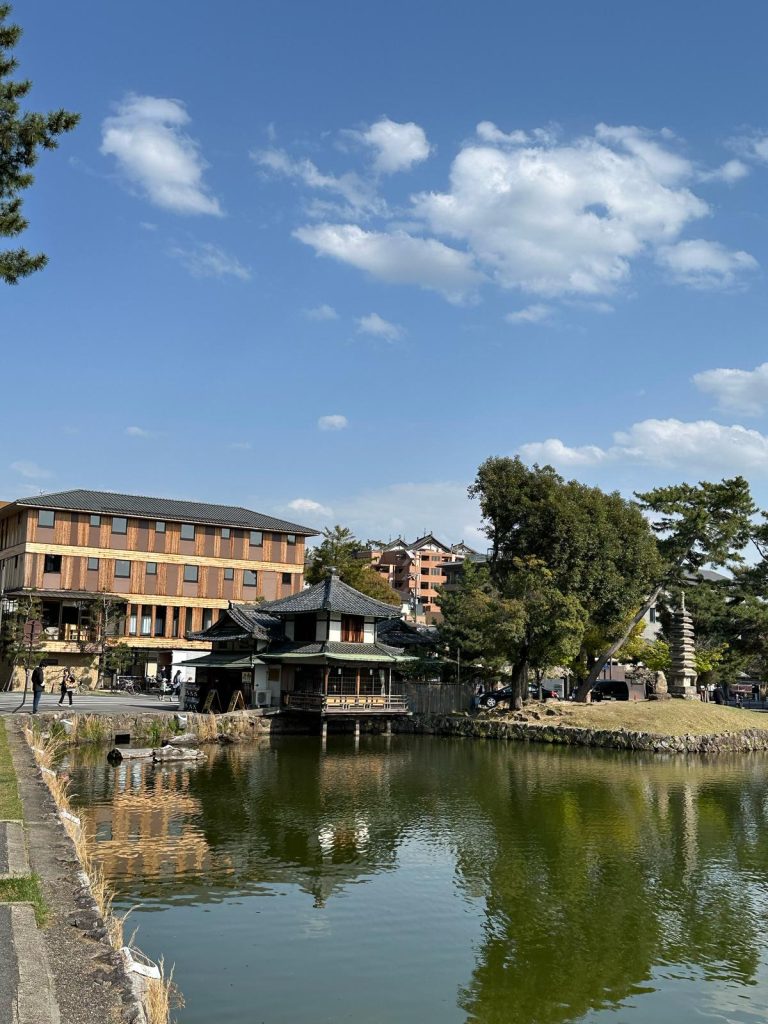
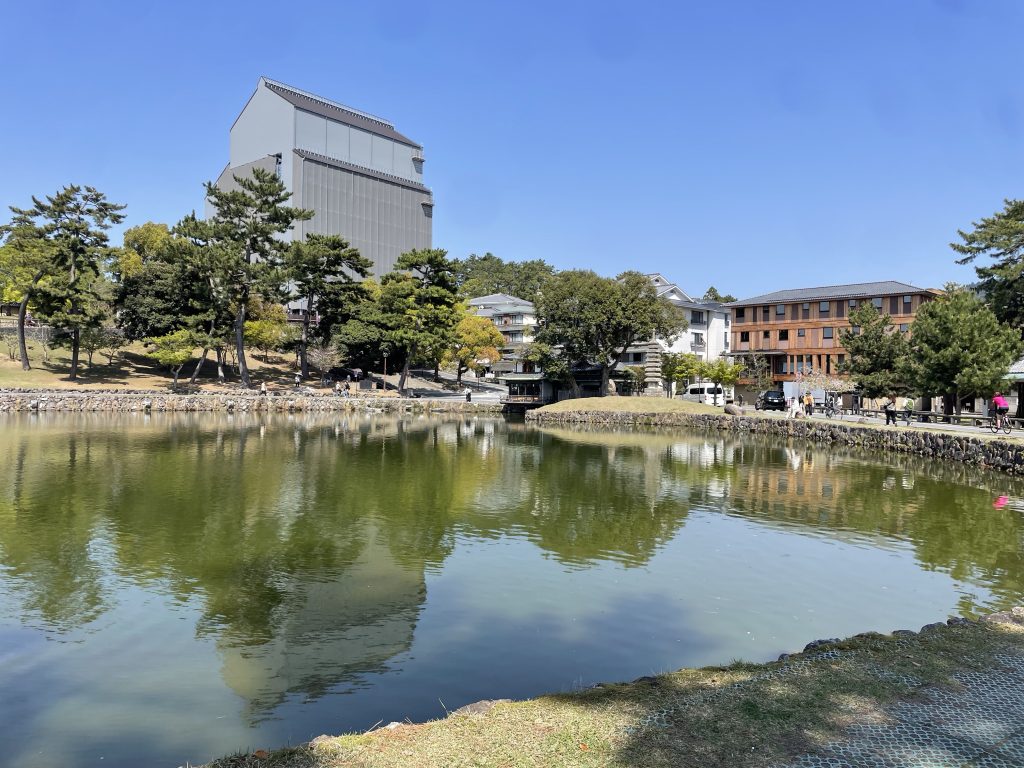
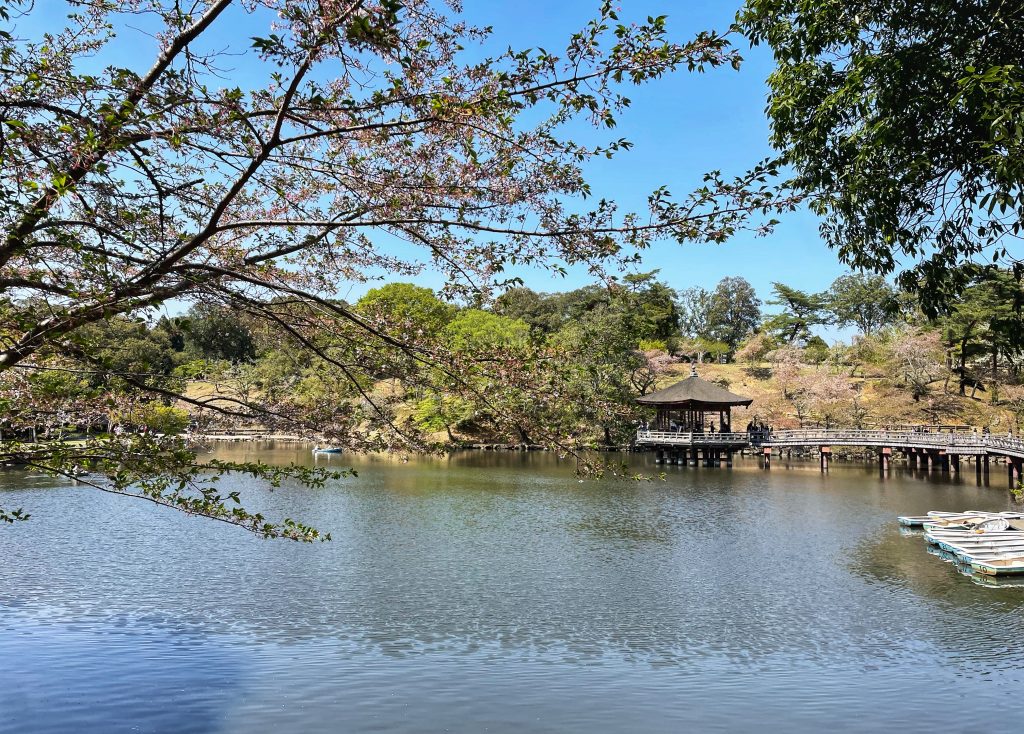
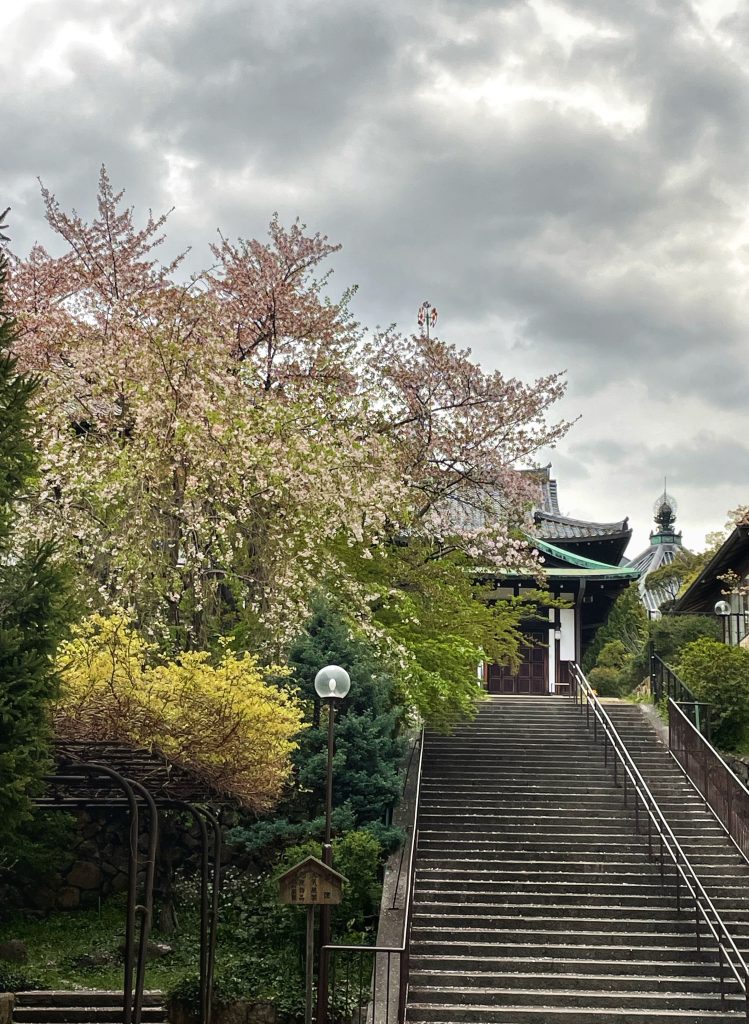
Japan’s first permanent capital, Nara (奈良) is one of the country’s most rewarding destinations. The biggest draw is the awe-inspiring Daibutsu (Great Buddha), a towering effigy first cast in the 8th century. Historically important temples and shrines house treasures of Buddhist art, and more can be found in the excellent Nara National Museum. All of this occupies a compact area in and around Nara-kōen, a large, grassy park home to many (somewhat) tame deer.
Tōdai-ji
Nara’s star attraction is its Daibutsu (Great Buddha), one of the largest bronze statues in the world. It was unveiled in 752, upon the completion of the Daibutsu-den (大仏殿, Great Buddha Hall), built to house it. Both have been damaged over the years; the present statue was recast in the Edo period. The Daibutsu-den is the largest wooden building in the world; incredibly, the present structure, rebuilt in 1709, is a mere two-thirds of the size of the original.
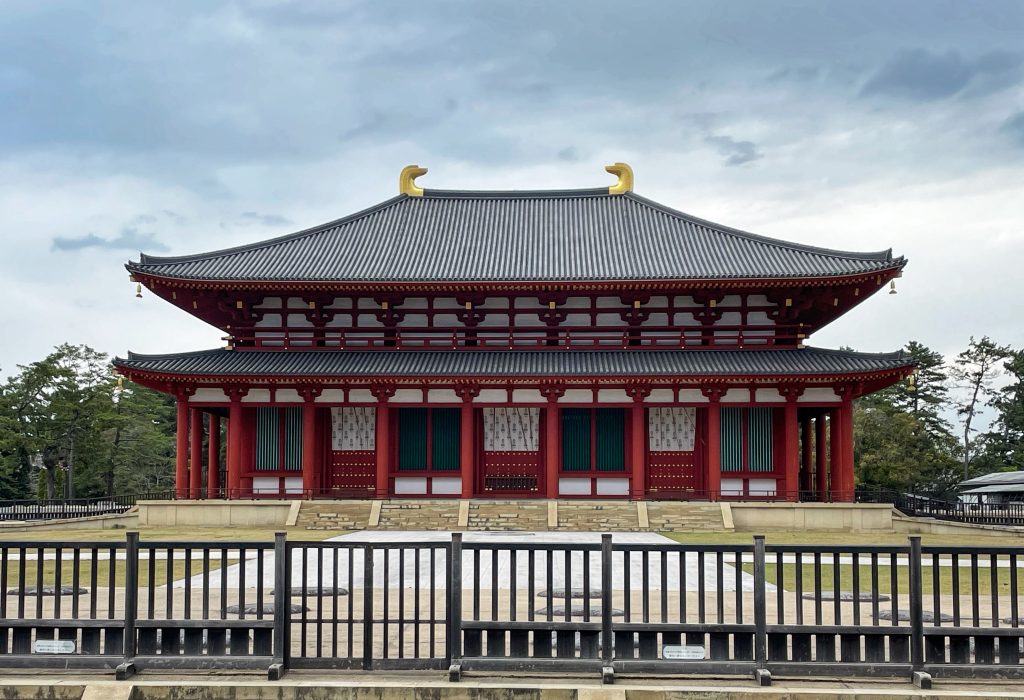
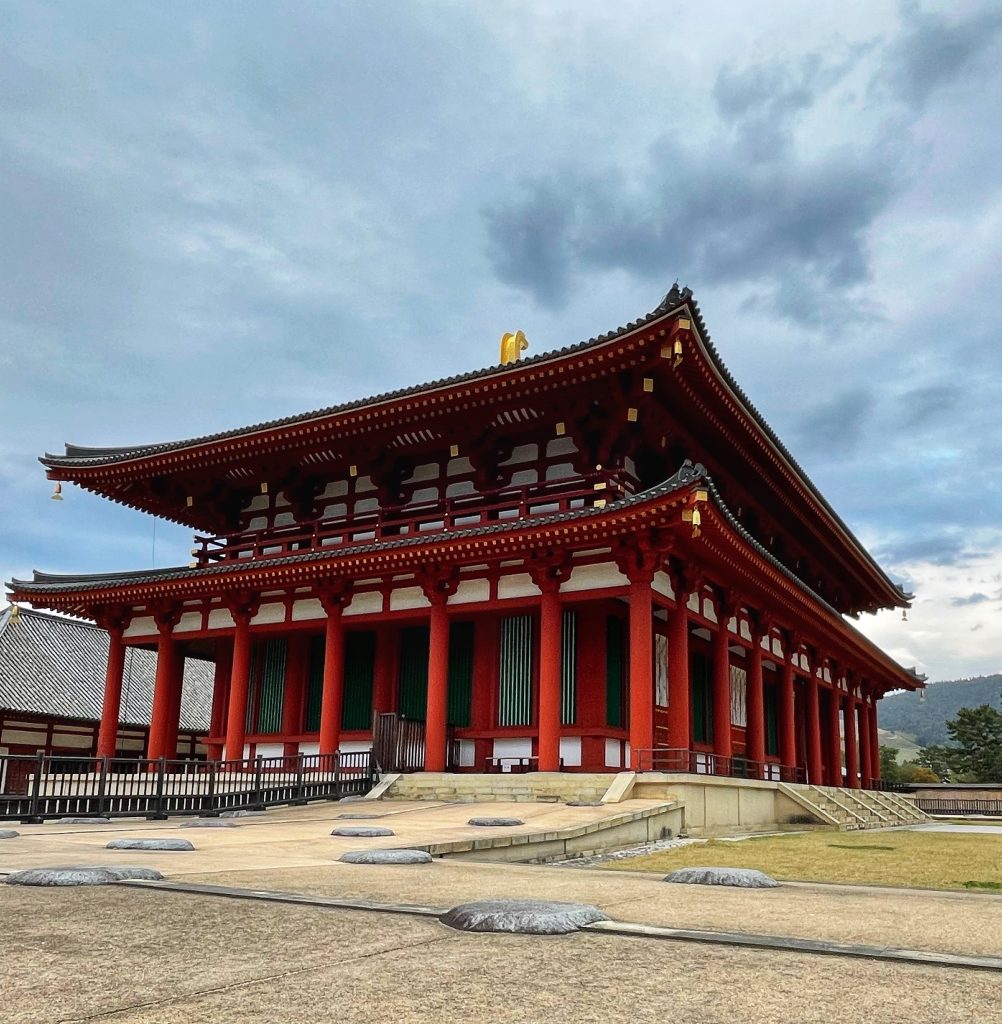
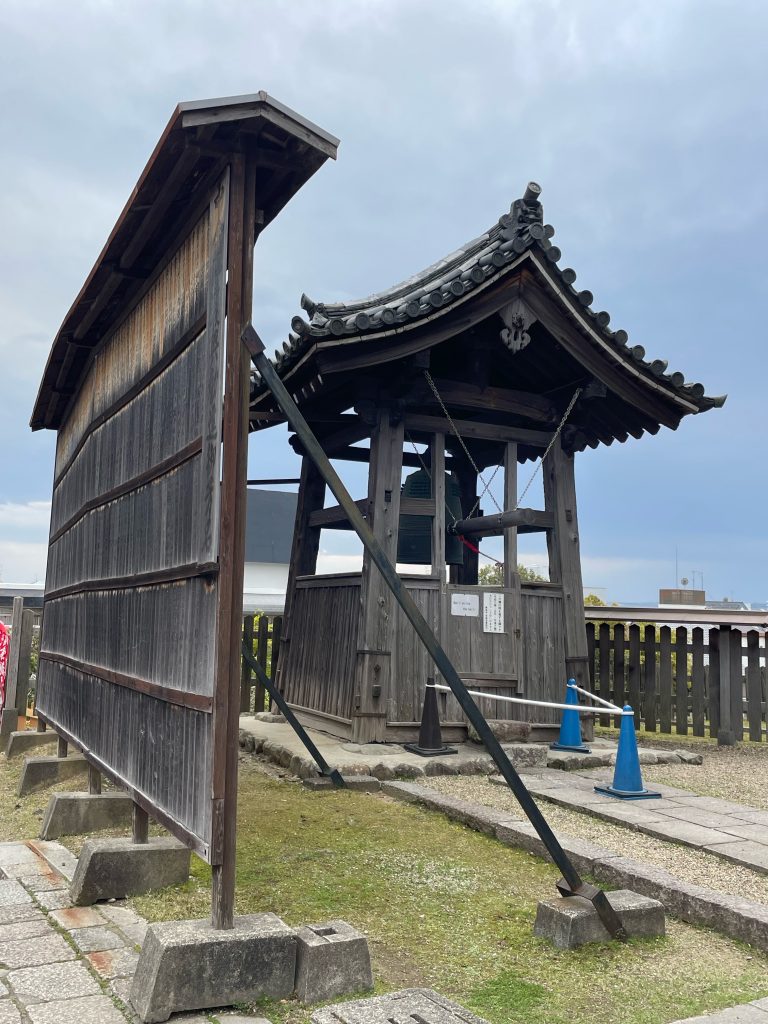
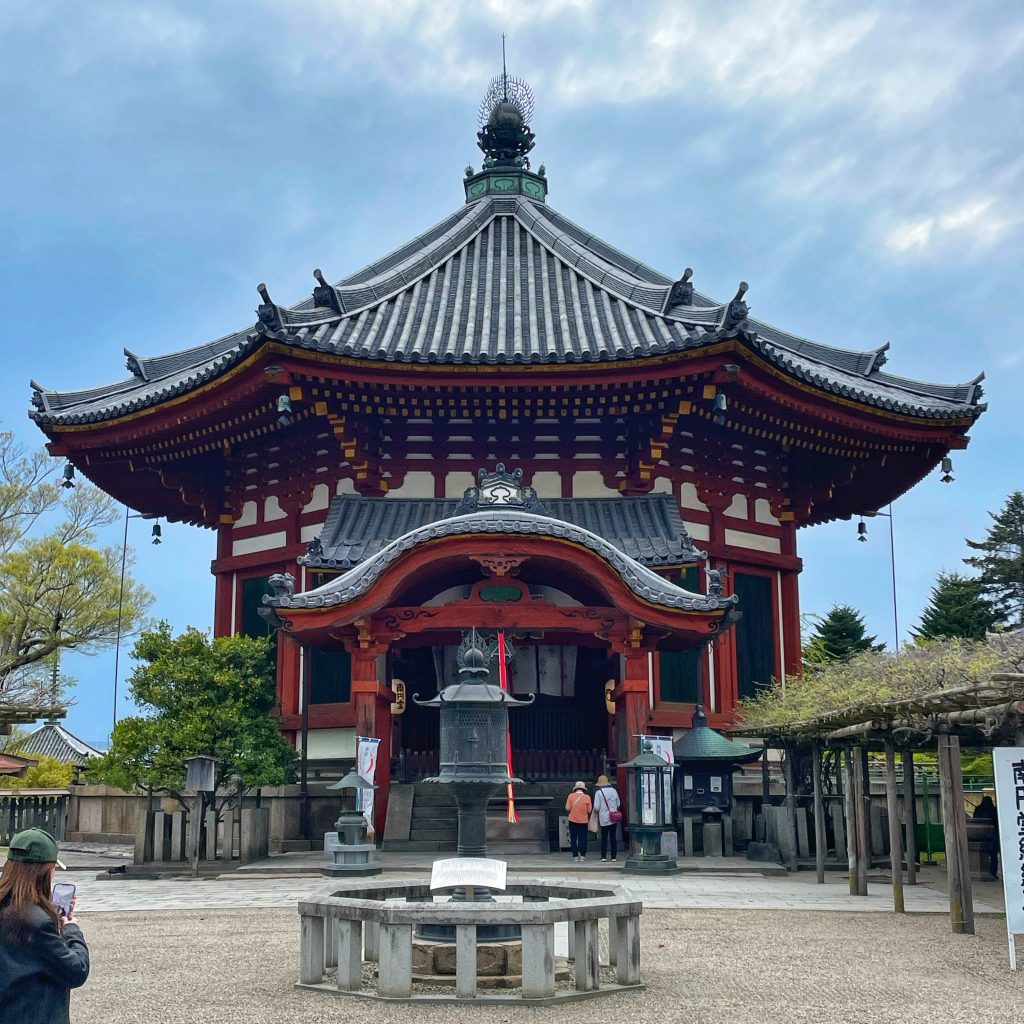
The Daibutsu stands just over 16m high and consists of 437 tonnes of bronze and 130kg of gold. It is an image of Dainichi Nyorai (also known as Vairocana Buddha), the cosmic Buddha believed to give rise to all worlds and their respective Buddhas. Historians believe that Emperor Shōmu ordered the building of the Buddha as a charm against smallpox, which ravaged Japan in preceding years. Over the centuries the statue took quite a beating from earthquakes and fires, losing its head a couple of times (note the slight difference in colour between the head and the body).
As you circle the statue towards the back, you’ll see a wooden column with a hole through its base. Popular belief maintains that those who can squeeze through the hole, which is exactly the same size as one of the Great Buddha’s nostrils, are assured of enlightenment. There’s usually a line of children waiting to give it a try and parents standing ready to snap their picture. A hint for bigger ‘kids’: try going through with one or both arms above your head – someone on either end to push and pull helps, too.
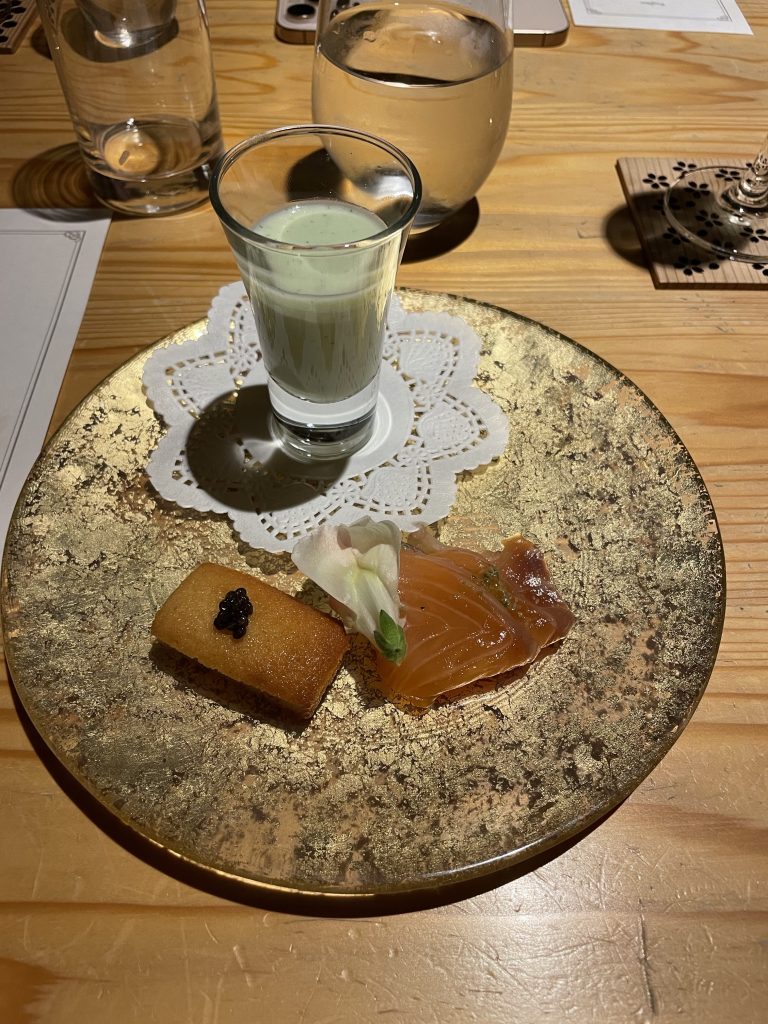
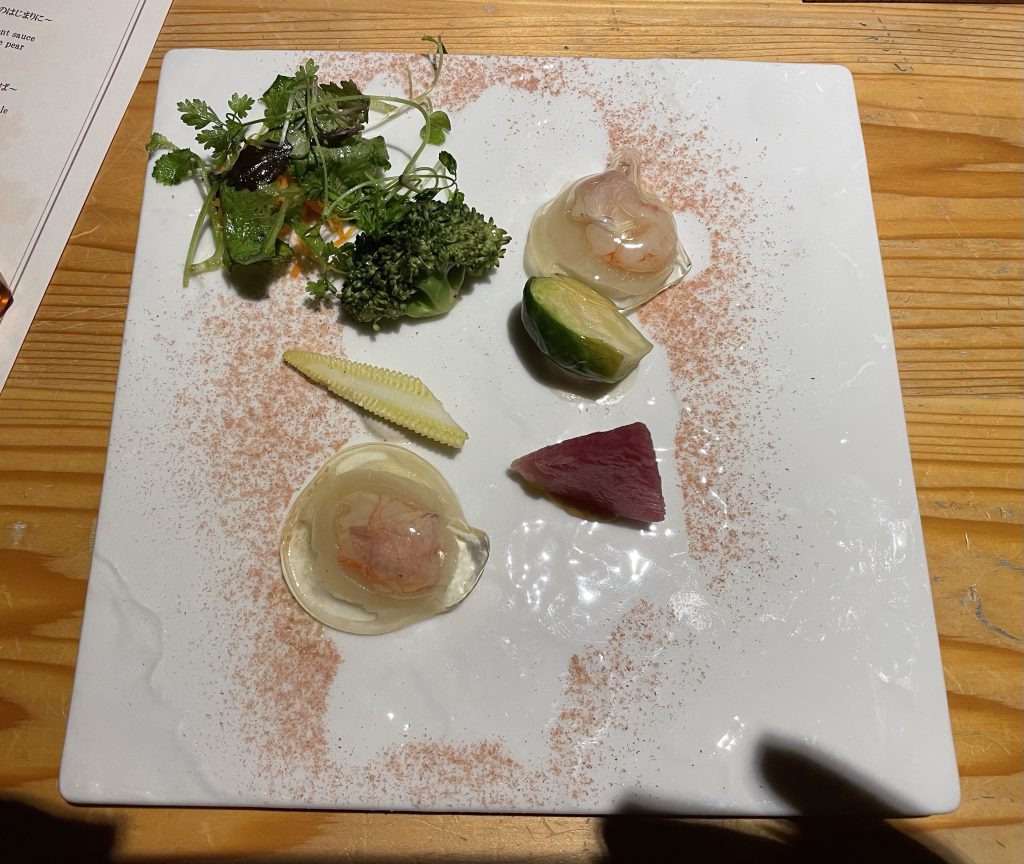
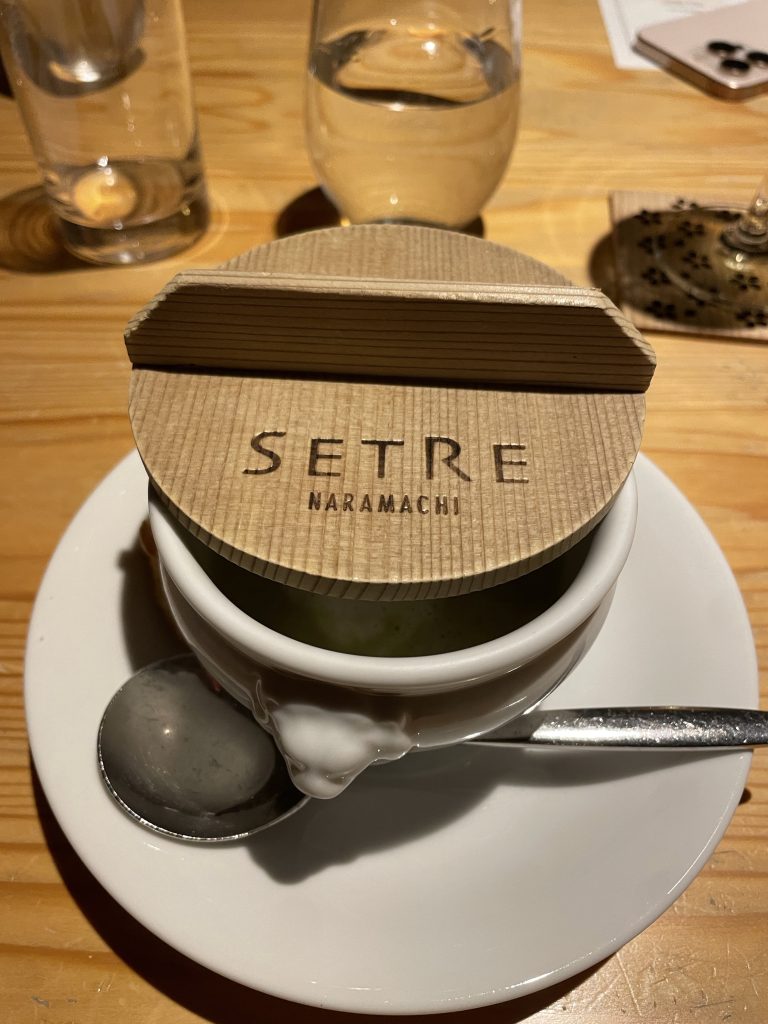
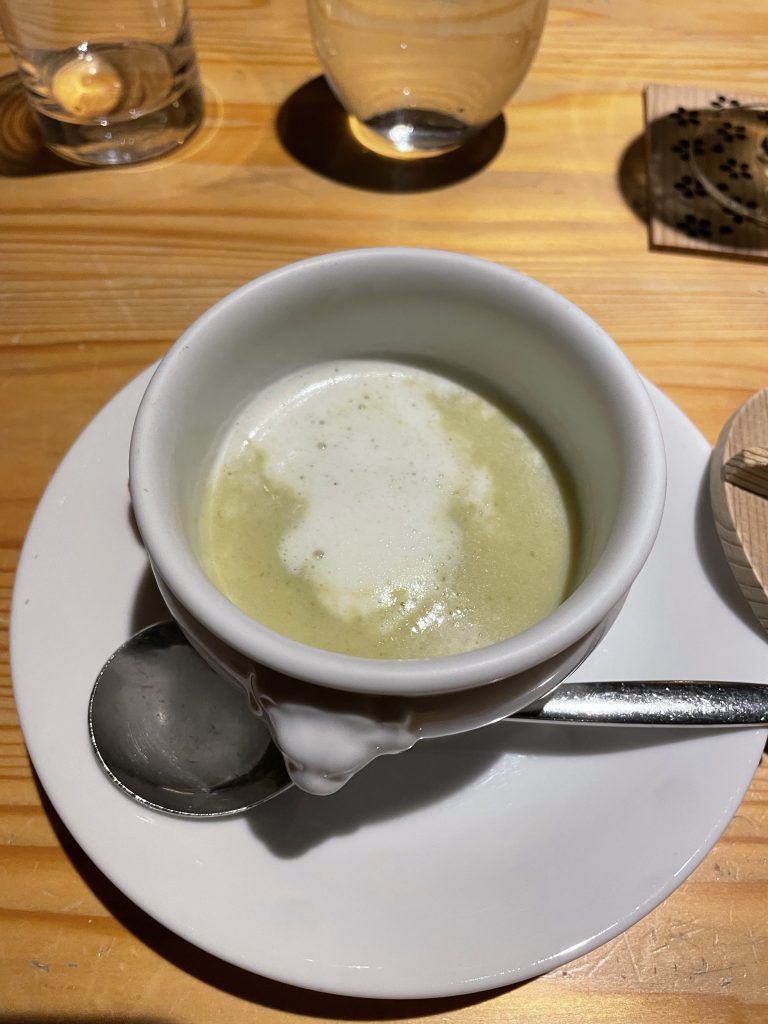
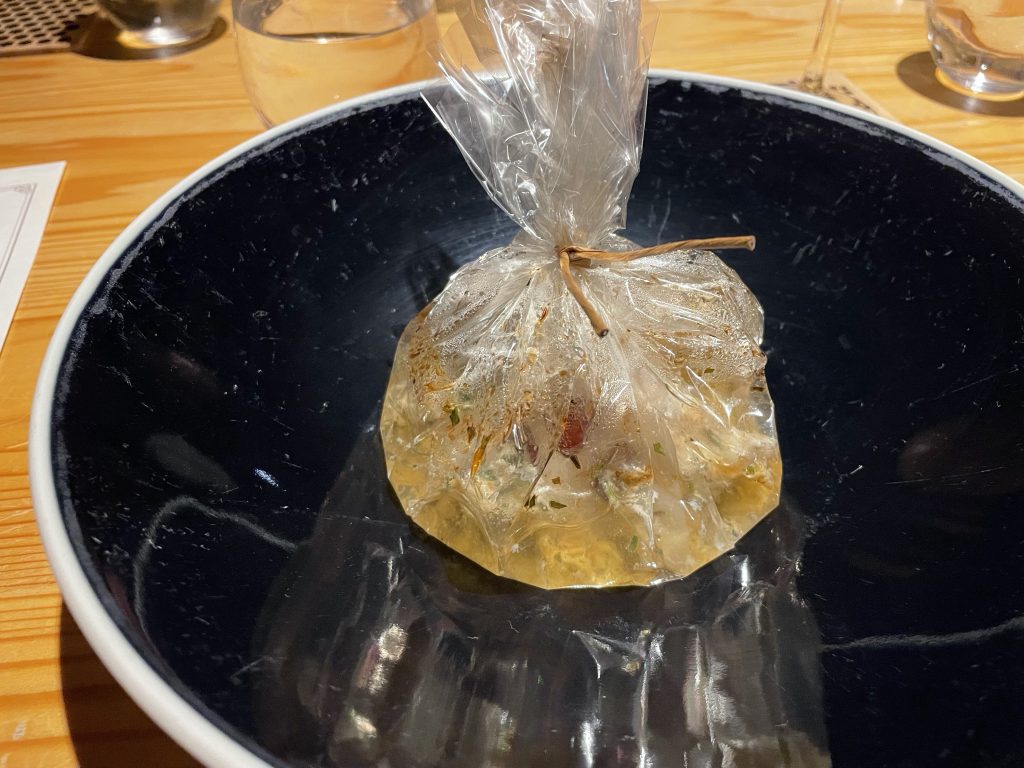
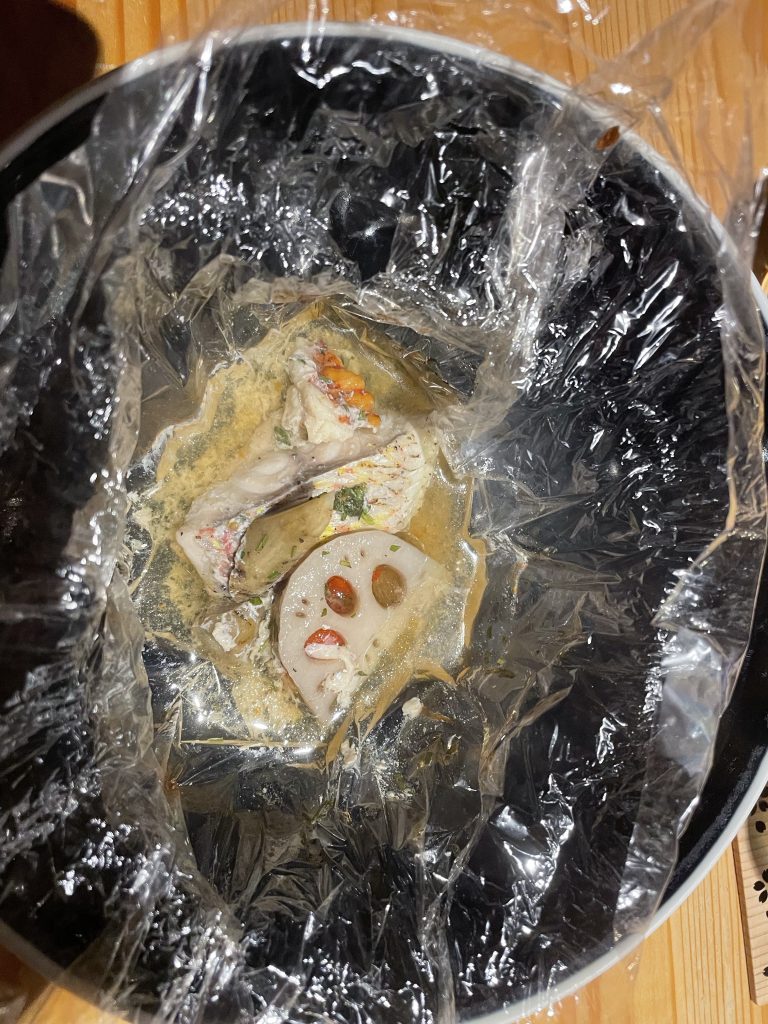
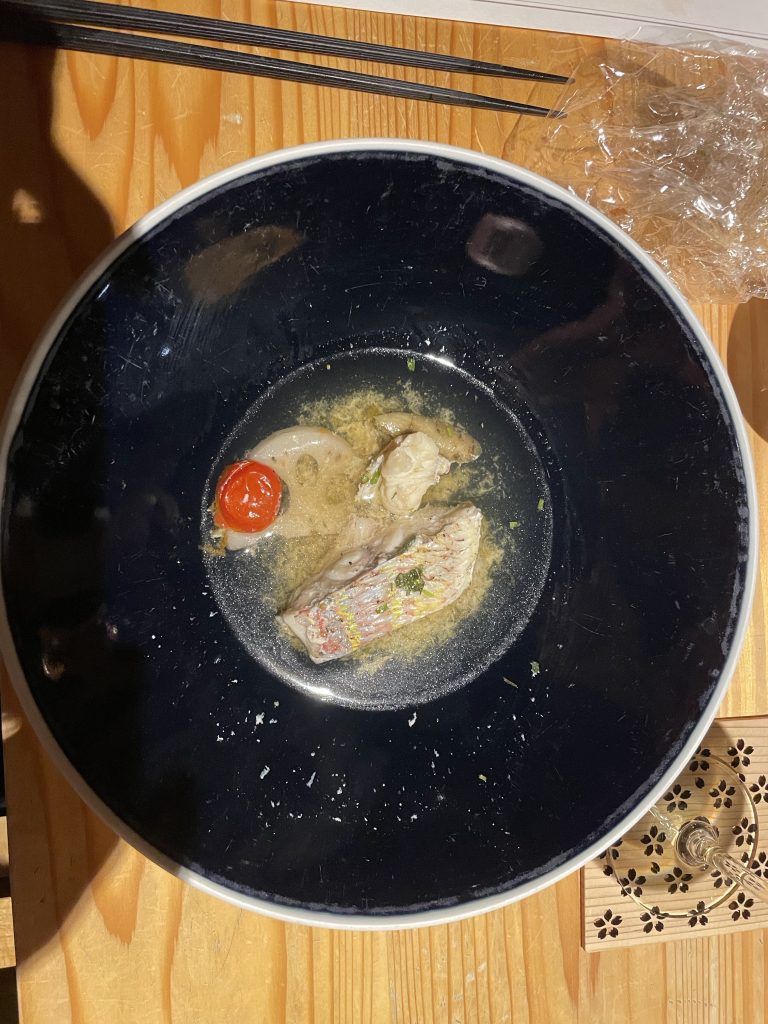
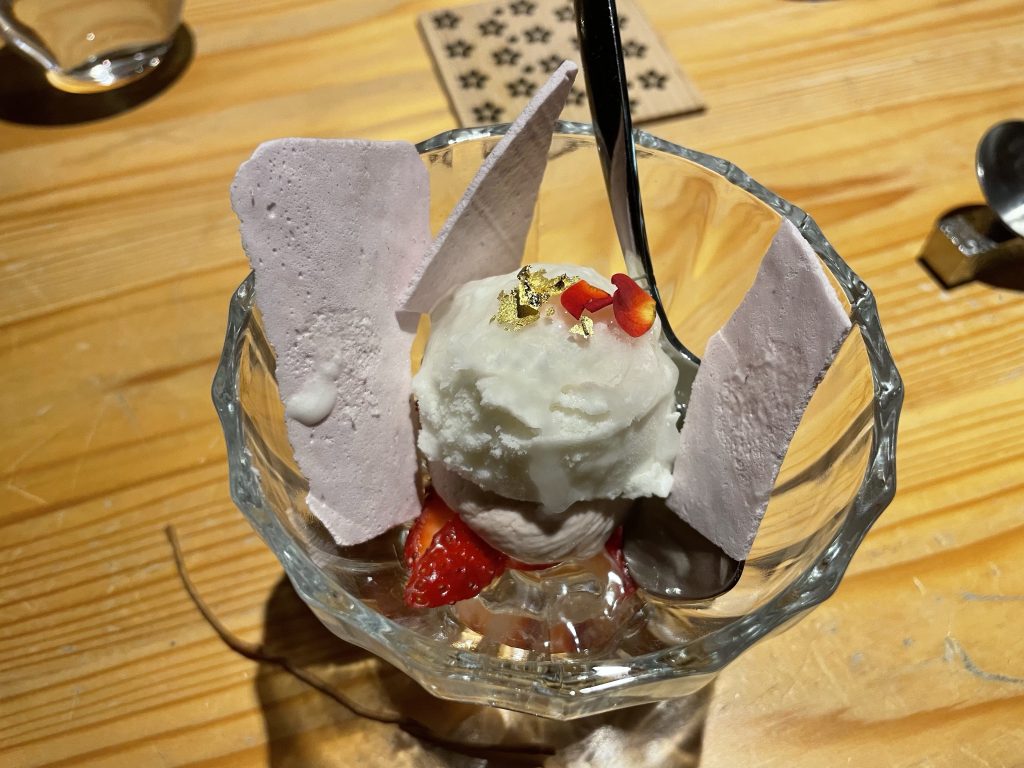
Another fine dinner on our next to last day of Stage 1.
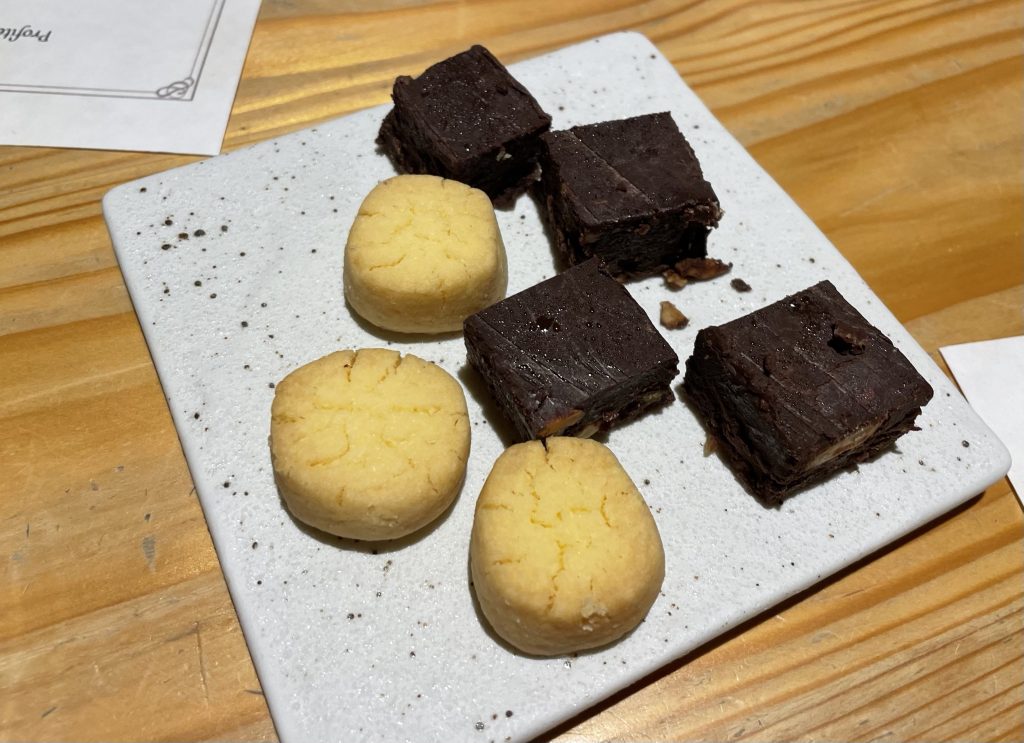
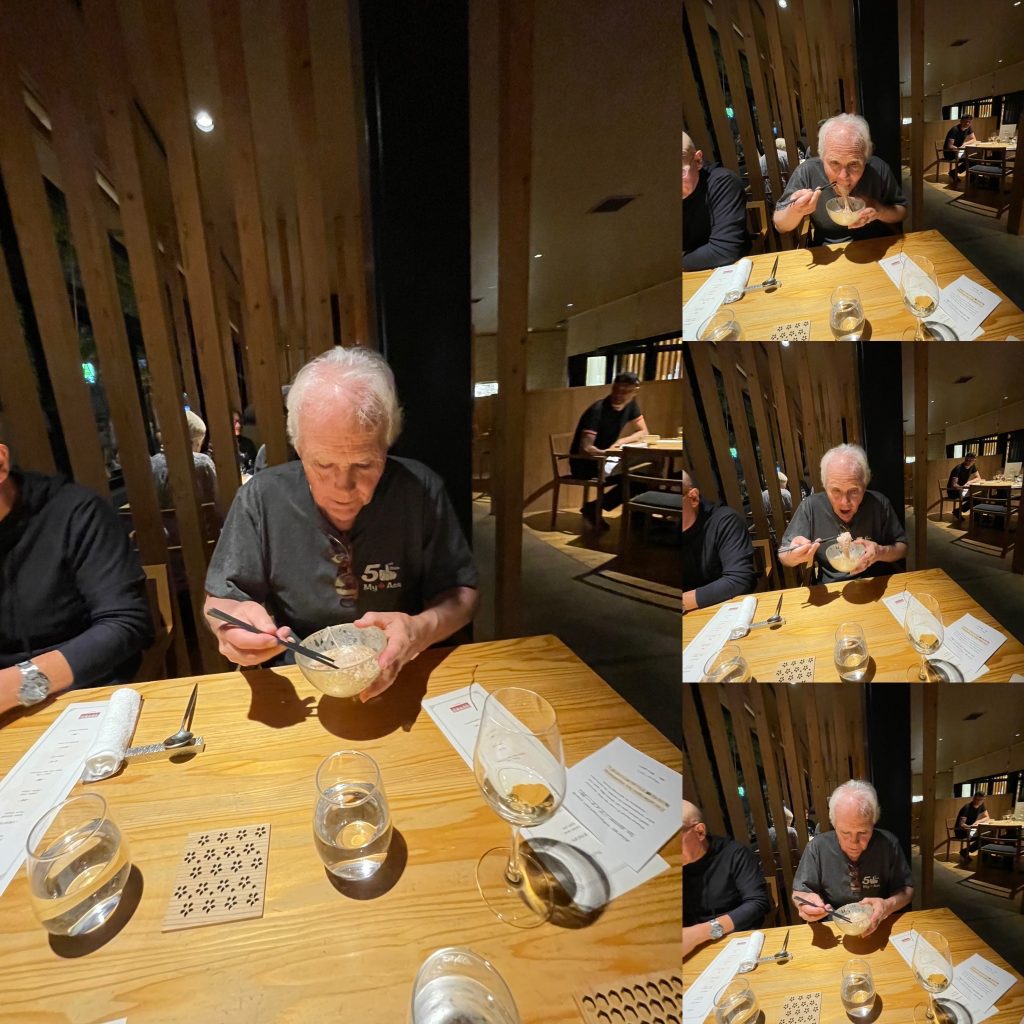
Life is Good in Nara!
Sayonara
Leave a Reply