Watch the Relive video here:https://www.relive.com/view/vAOZ7wEdyo6
On the Road – Distance 75km / 47mi | Elevation 1179m / 3700ft
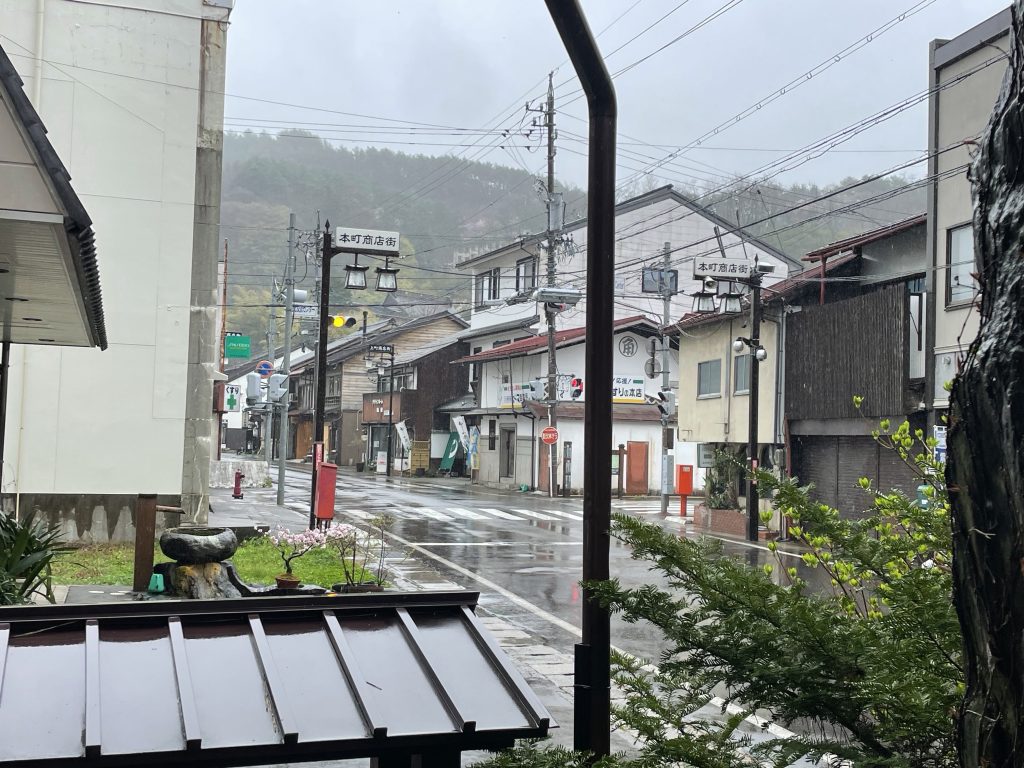

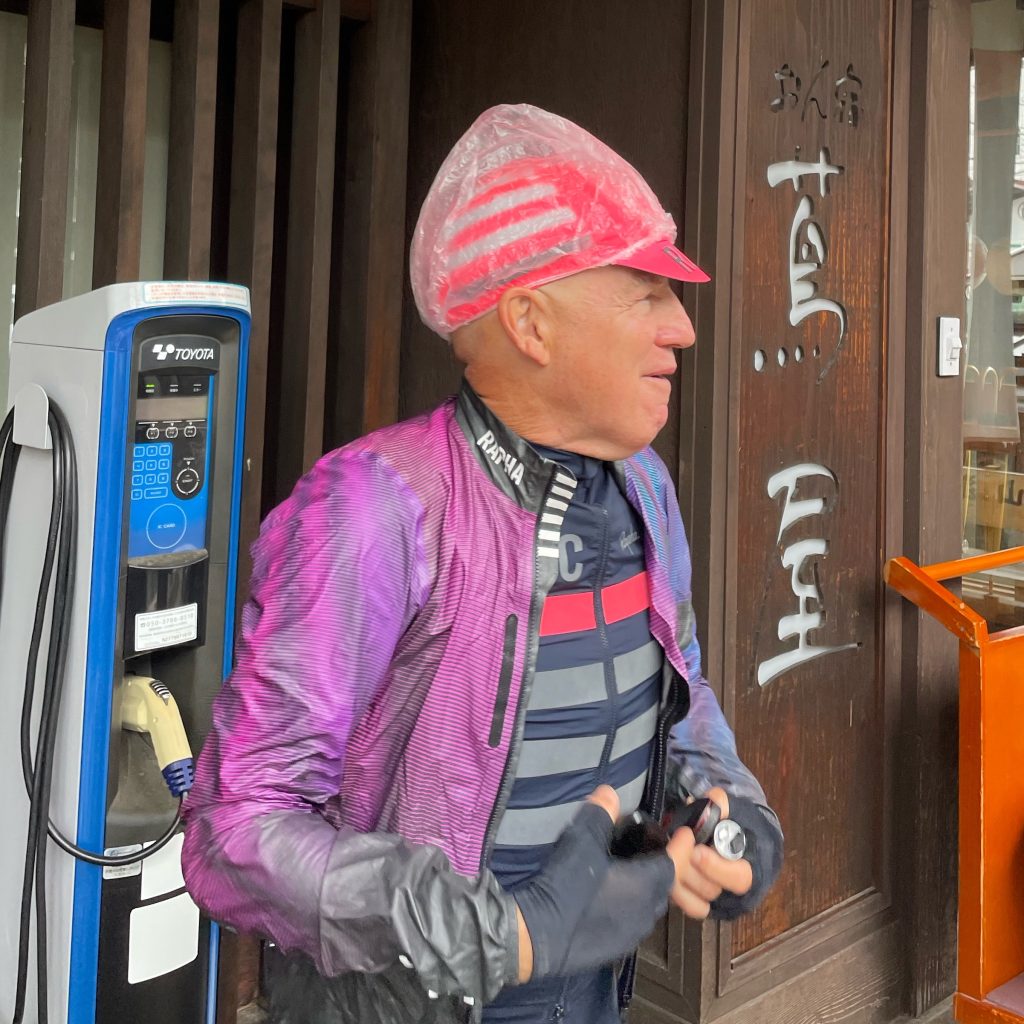
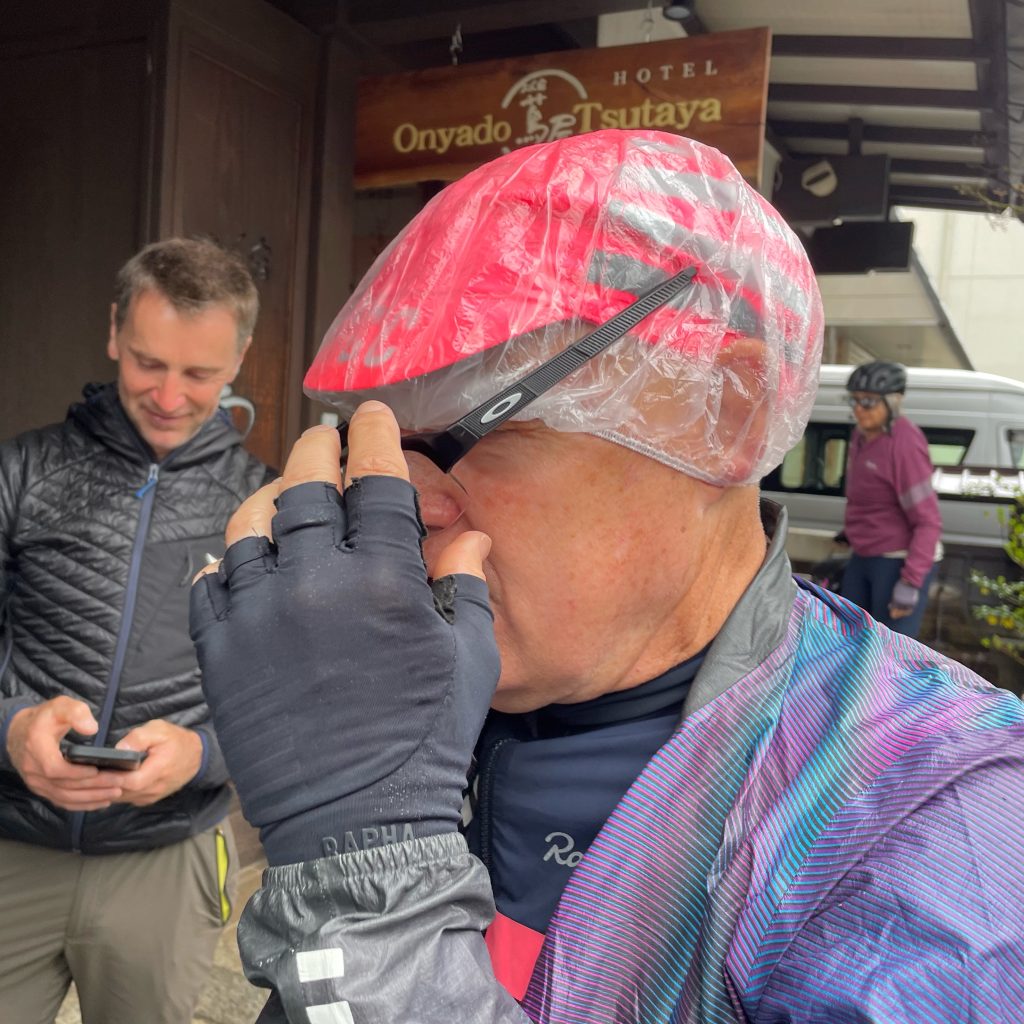
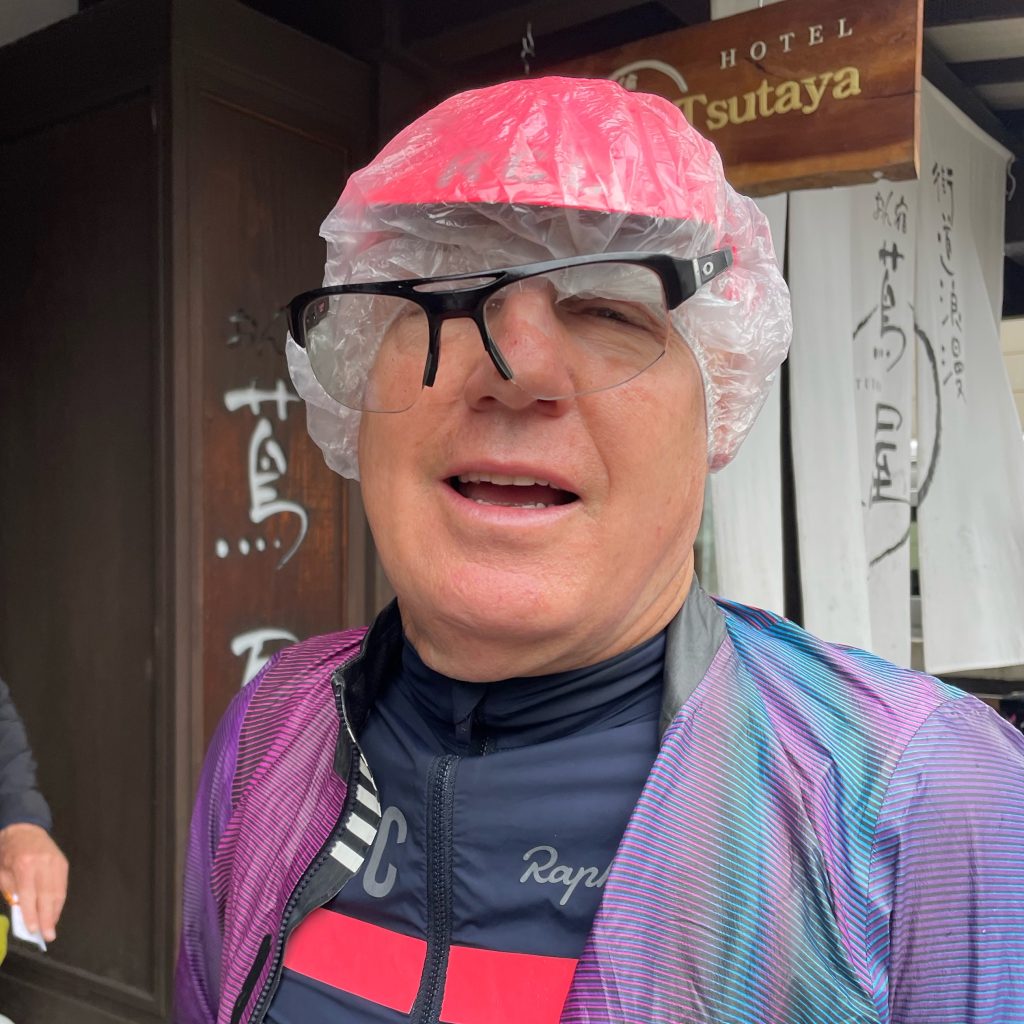
Rain! We delayed our start by 1 hour to hopefully see the rain stop. It didn’t…Tom experimenting with a hotel room shower cap for under his helmet to keep his head dry. It didn’t.
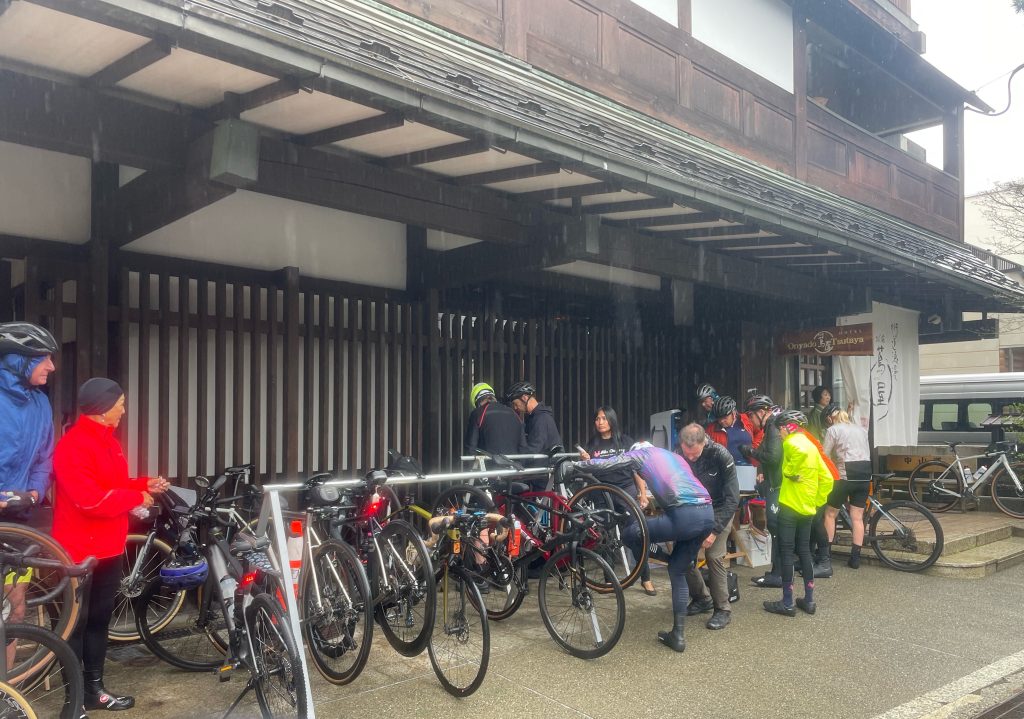
Heading on we had a decision to make, potentially directed by the seasonal weather! Our route today depended on whether we could ride the high road or not! It should have been open by now, but if it has been particularly cold spring, and there was still snow in the pass so we had to take the low road!
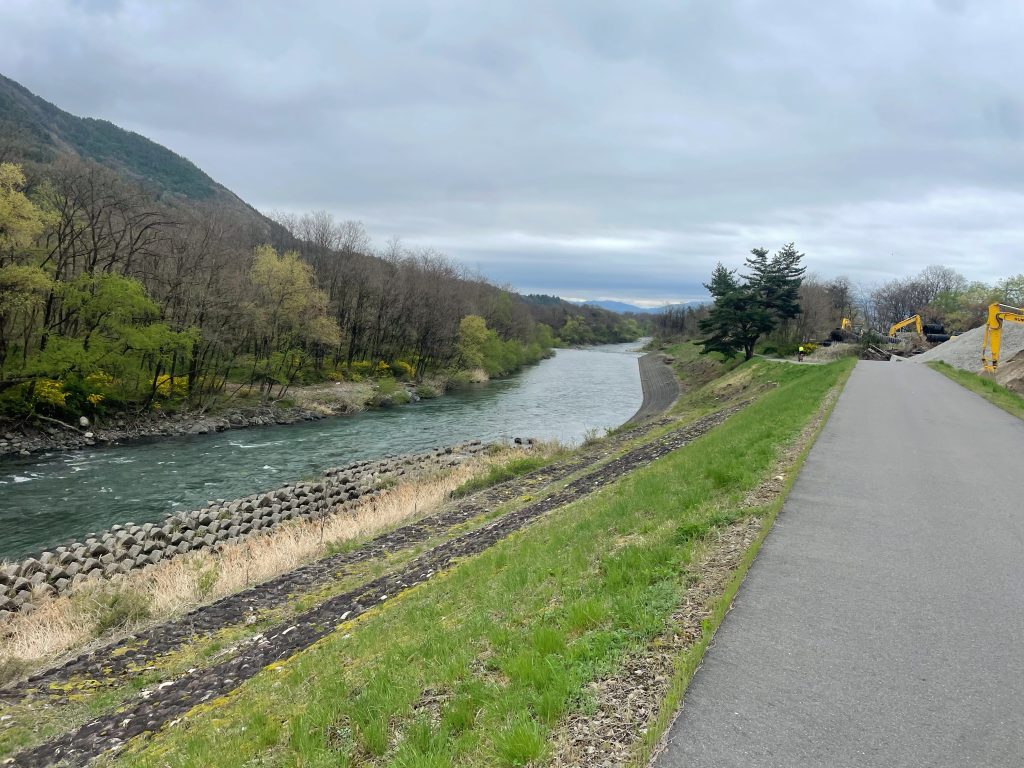
The Low Road: Coming out of Kiso, the first 10kms were the same for all routes, joining the historic Nakasendo, which we rode on and parallel to a few times in the next few days! Taking the low road, we continued along the valley, following and crisscrossing first the Kiso, then the Narai Rivers all the way until we turned off into Matsumoto.
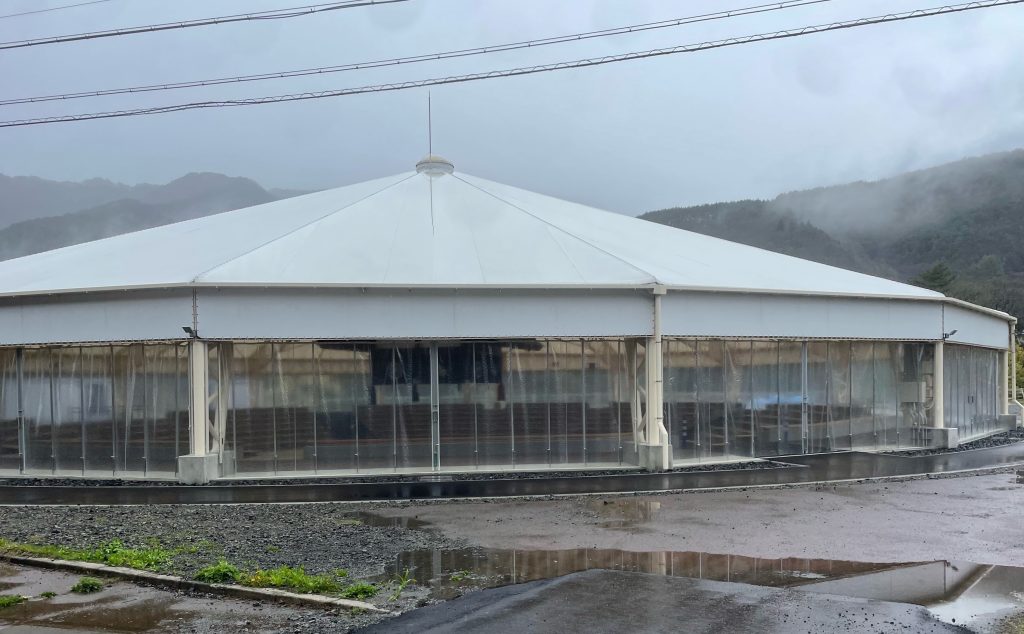
A sumo wrestling practice centre left below…
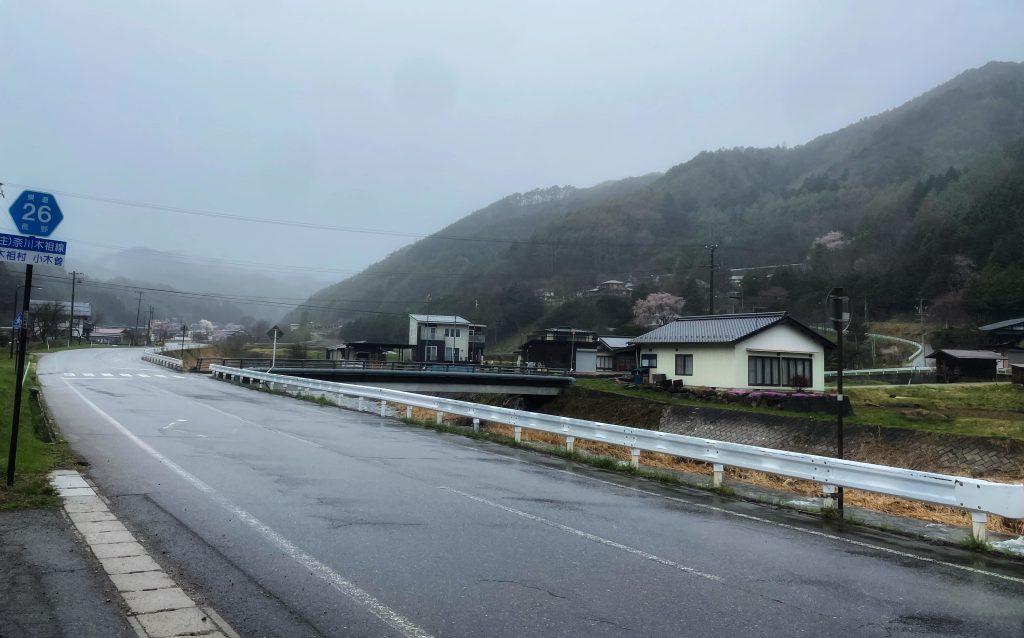
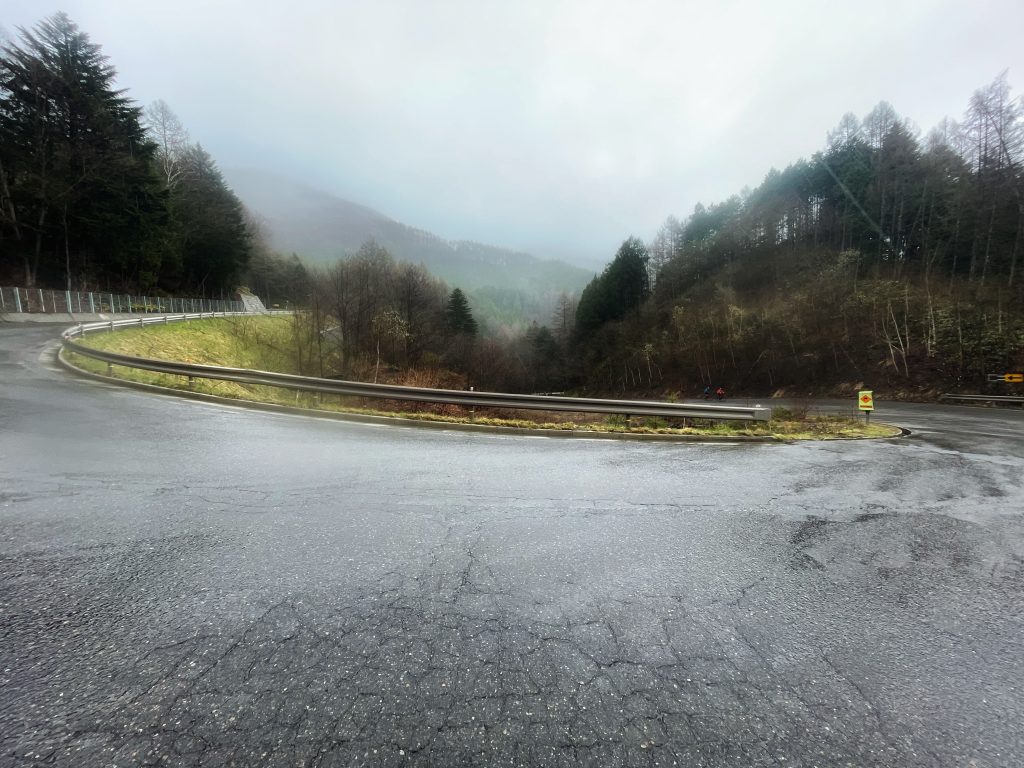
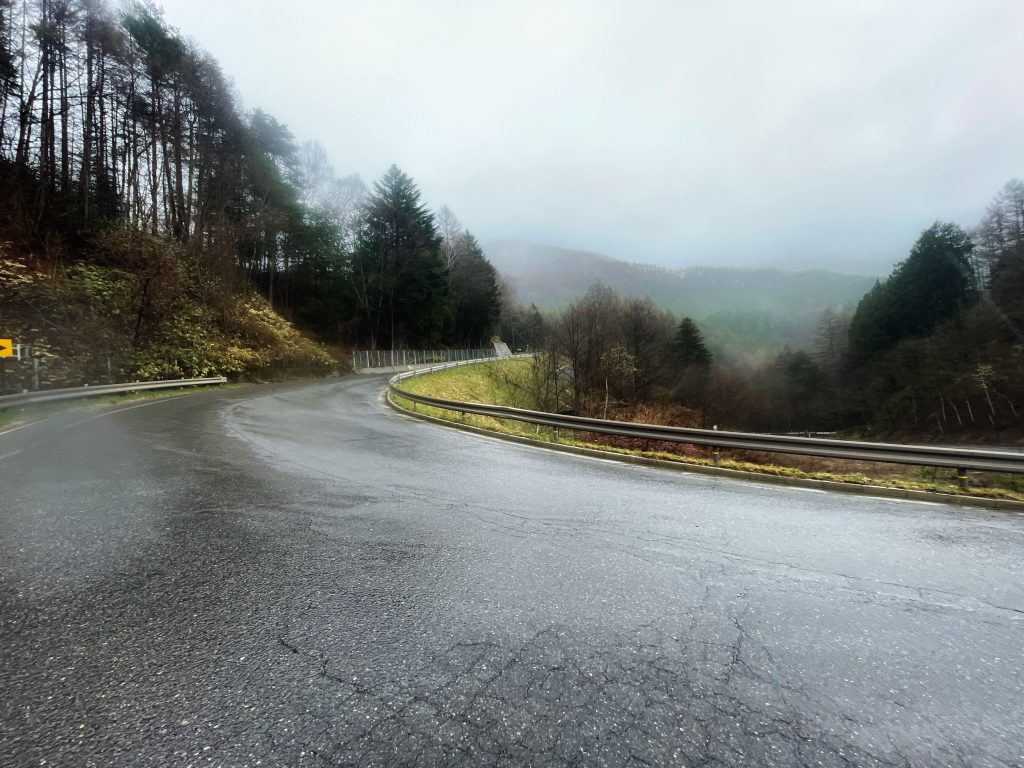
After hitting our day day high at km 30, (with a few small undulations) we descend for a staggering 46kms all the way into Matsumoto, through the famous apple orchards of Nagano which sit at the base of the Alps and glimpsing its famous castle as we headed into the rice paddies.
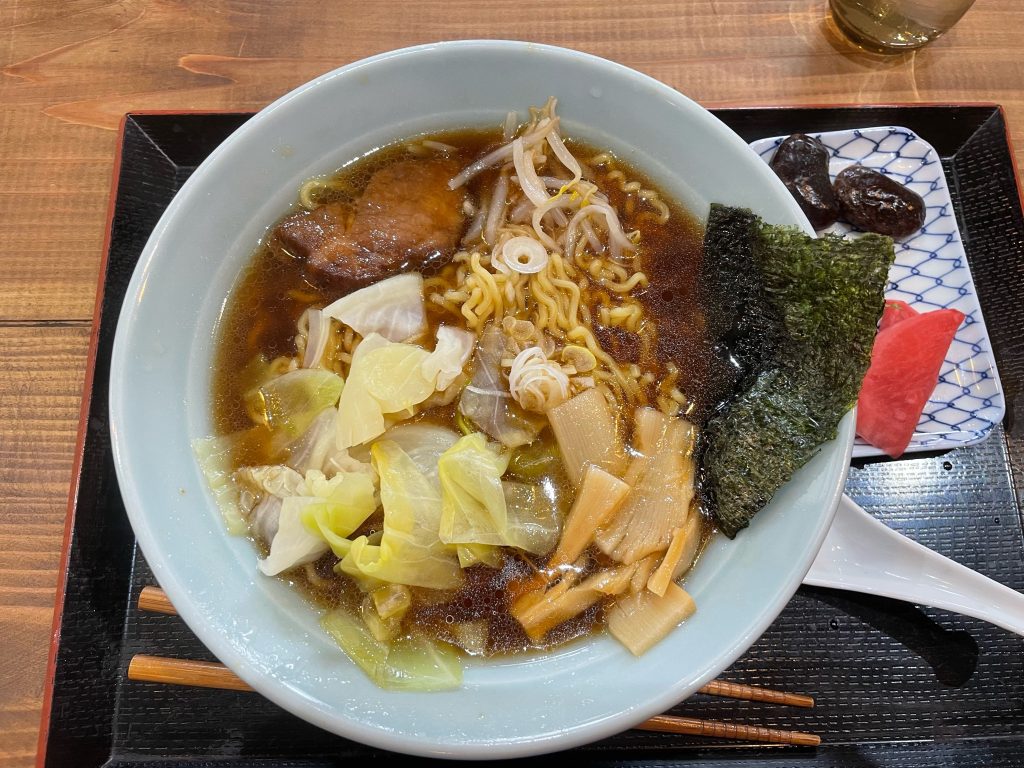
But before we did that we had lunch at at cafe at the summit, hot ramen with beef and vegetables, and changed out the wet kit for a dry one.
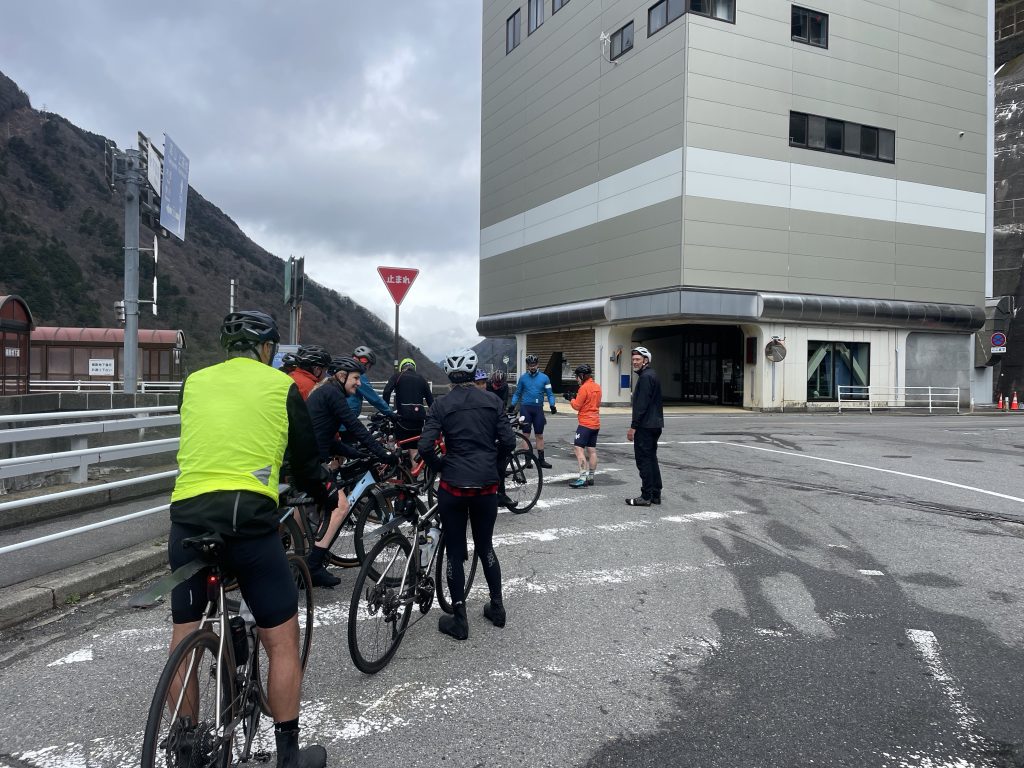
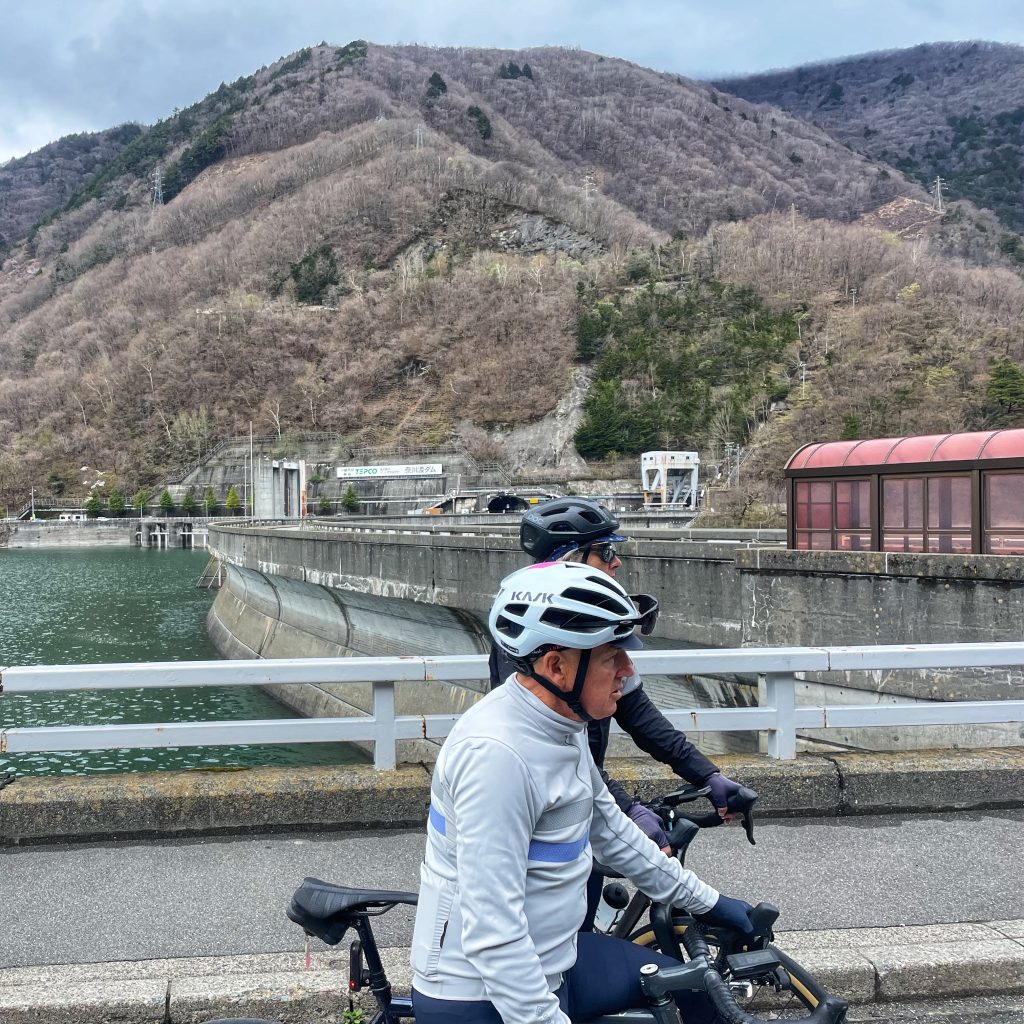
The descent was rough for the first half but then became quite smooth, speed topping out only at 60km/hr. As mentioned earlier, we rode through 7 more tunnels today, a couple of long ones were dark and only one lane, so we regrouped at a dam and went through en masse.
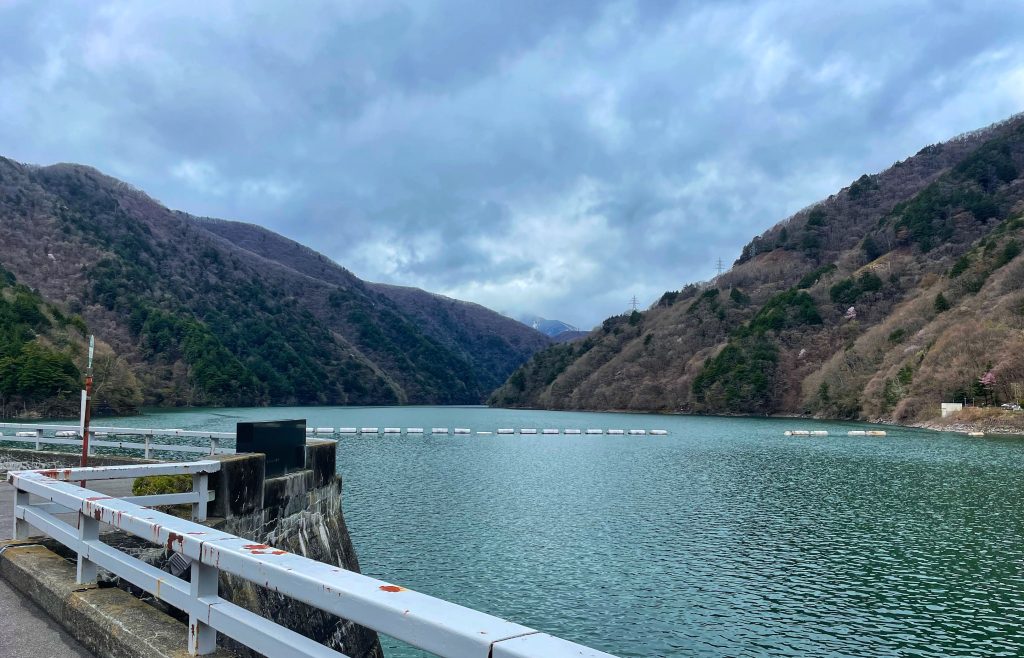
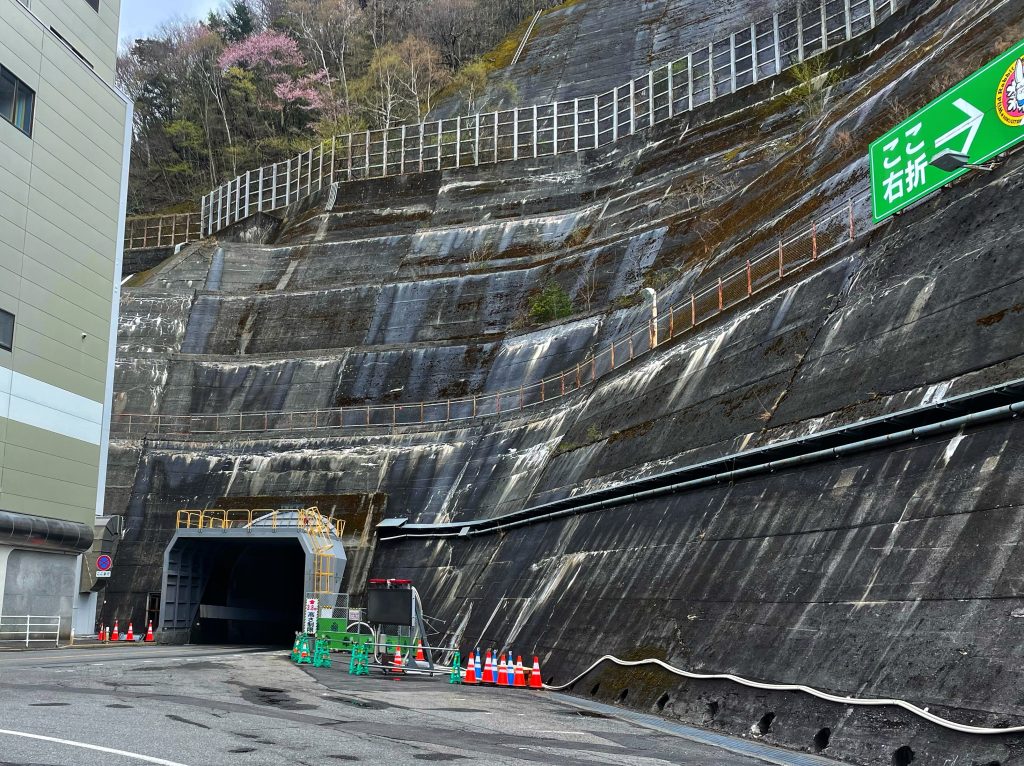
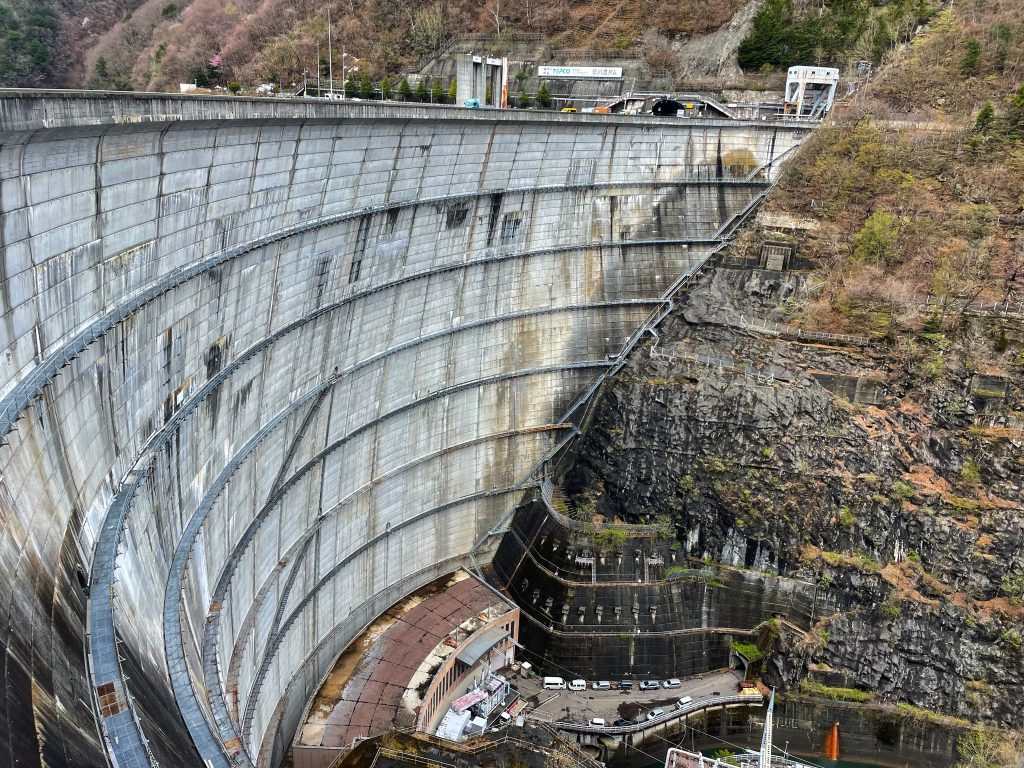
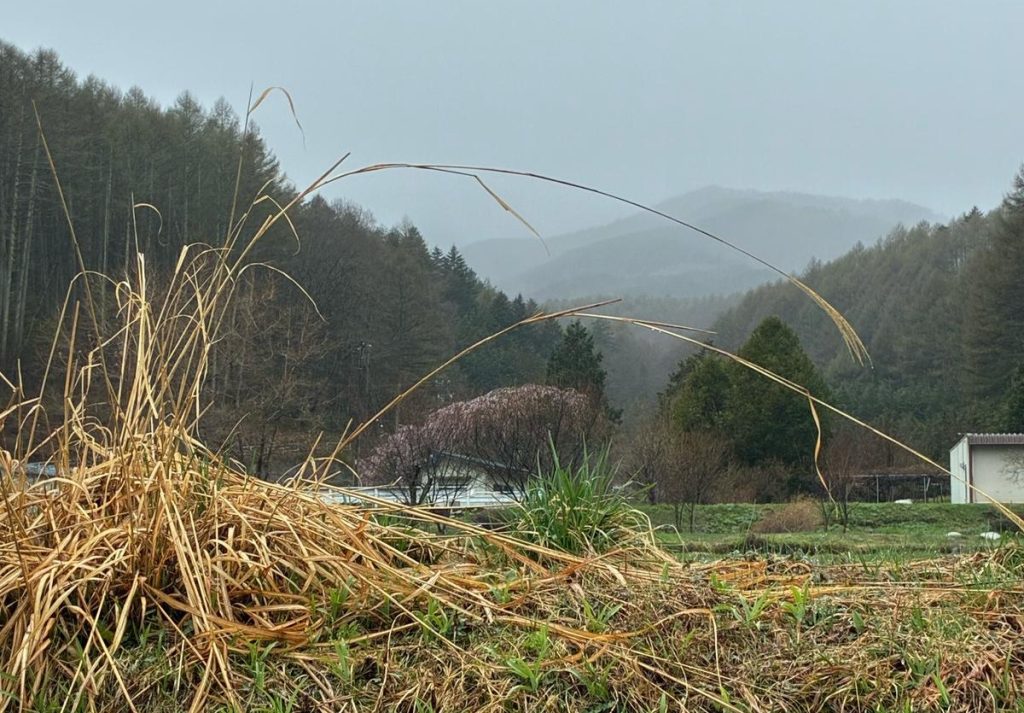
There was an extra high road option but on the highest paved road in Japan, the Norikuradake Super Forest Road, but the weather was rainy and foggy so not worth the climb
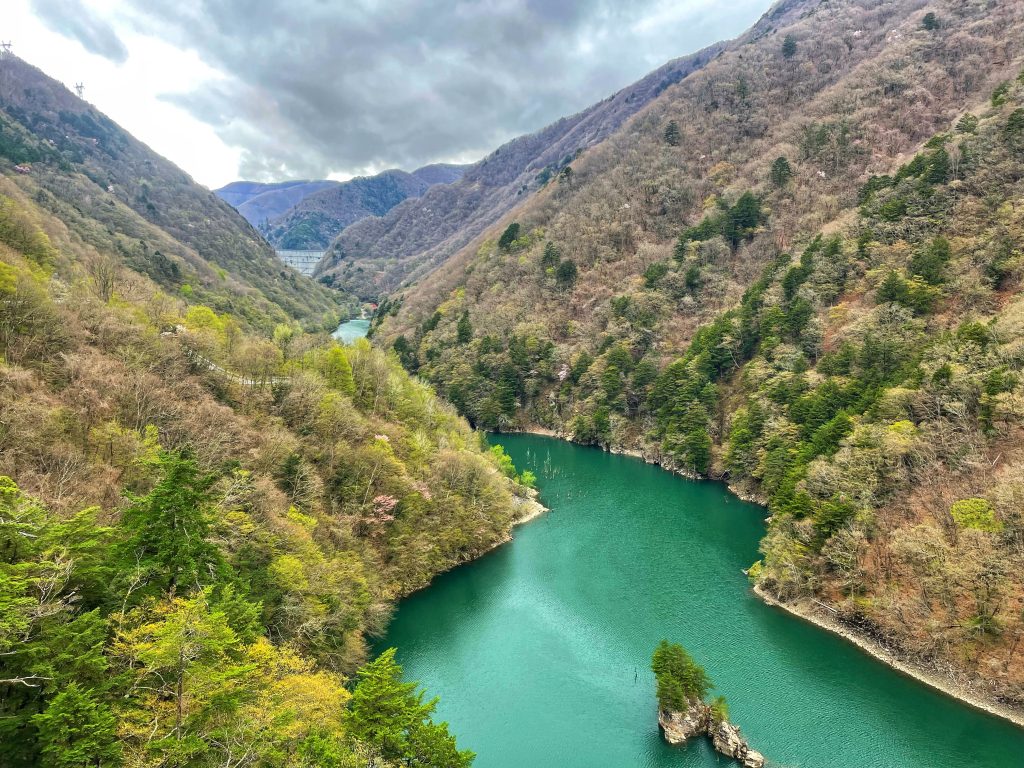
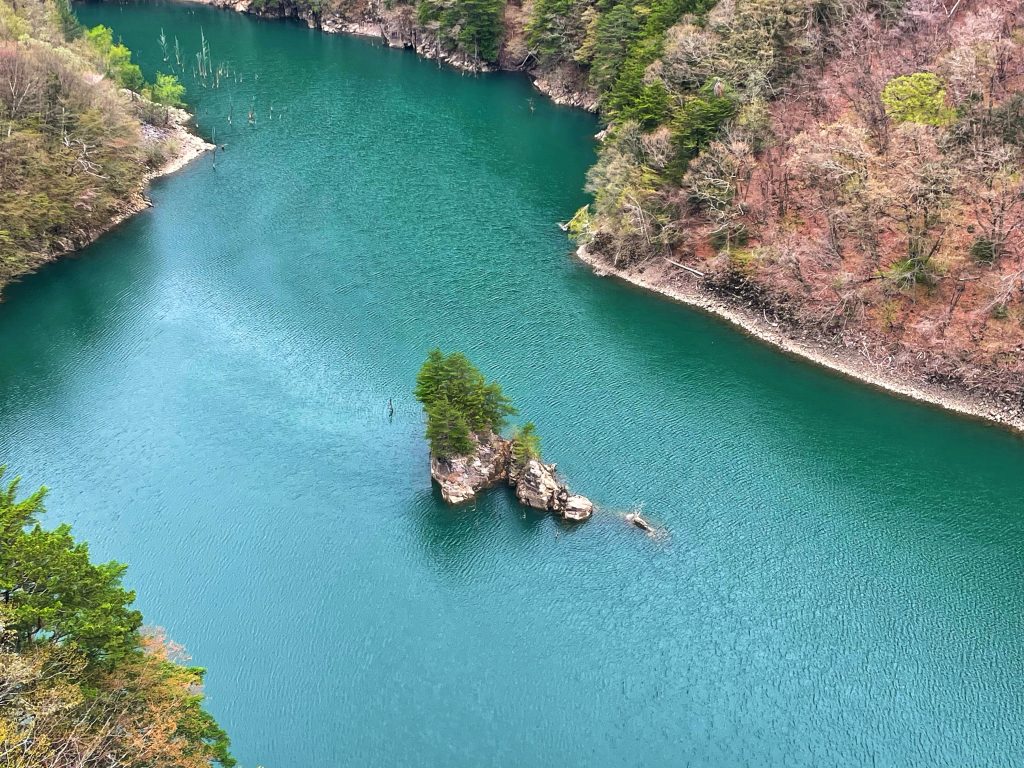
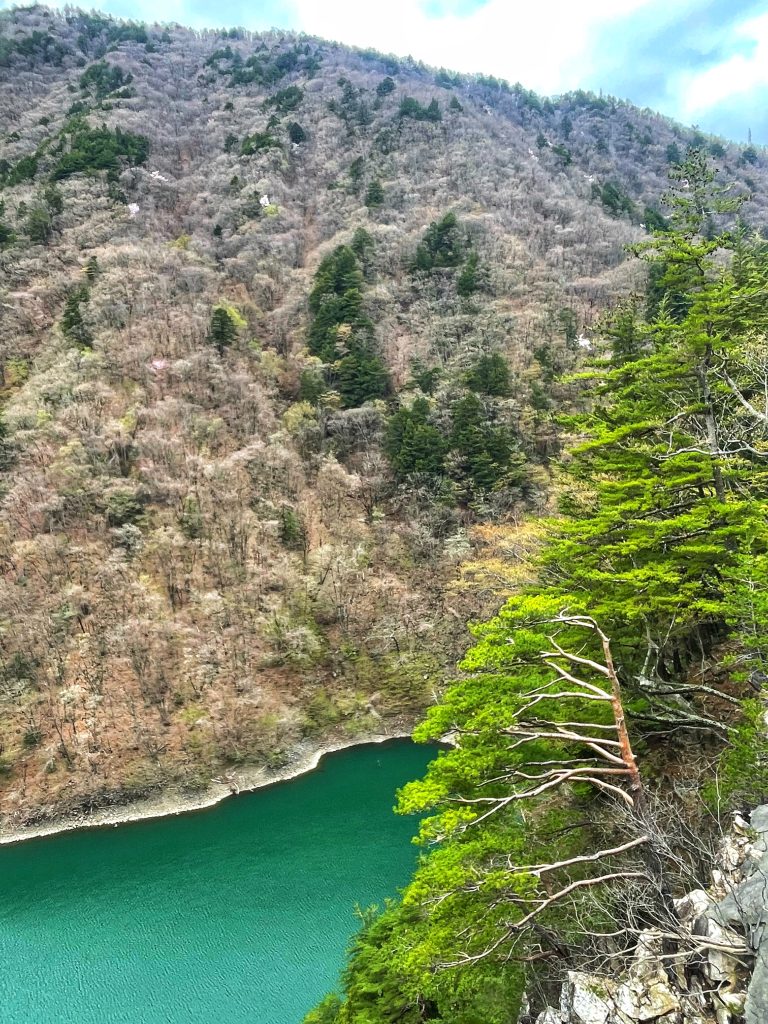
Mt Norikura
Mt. Norikura is a massive volcanic mountain that, despite its 3,026-meter height, is known as a relatively easy hiking climb. Ascend the mountain, rising through birch forest via Japan’s highest road, beyond the tree line at 2720m. Lucky visitors might catch a glimpse of Japanese rock ptarmigans, alpine birds that have become beloved mountain mascots.
Each season awards visitors with breathtaking scenery. Alpine flowers bloom in abundance from early June to mid-August, and stunning autumn foliage reigns from mid-September to the beginning of winter.
Mt. Norikura rose to fame in Japan’s cycling community in 1986 with the first Norikura Hill Climb held on the Echo Line. The race’s twisting curves and spectacular scenery are reminiscent of the Tour de France’s Alps and Pyrenees courses. Held the last weekend of August, the annual race now attracts more than 4,000 participants—from elite racers who complete the course in less than an hour to amateur cyclists who simply wish to conquer the peak. Many return year after year to improve their own best times.
In 2004 the Norikura Skyline Cycle Hill Climb in Gifu was added to the regional cycling calendar. This 18.4-kilometer-long course climbs 1,342 meters and has an average gradient of 7.2 percent. It, too, attracts cyclists of all ages and abilities, some of whom even don costumes to participate. Recently the race has introduced a category for electric bikes, meaning that even less athletic participants can race to the summit—with a little electro-mechanical assistance.
The last km of the ride took us past the Matsumoto Castle
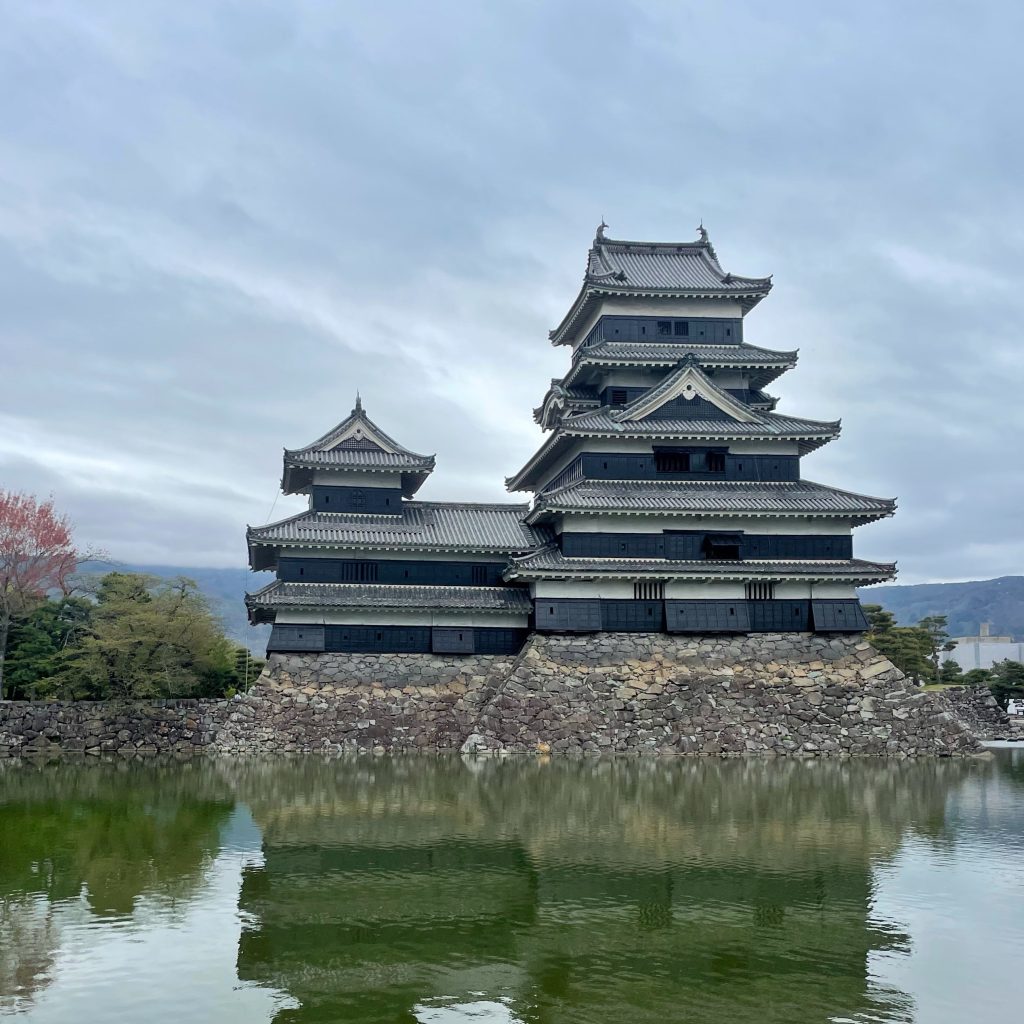
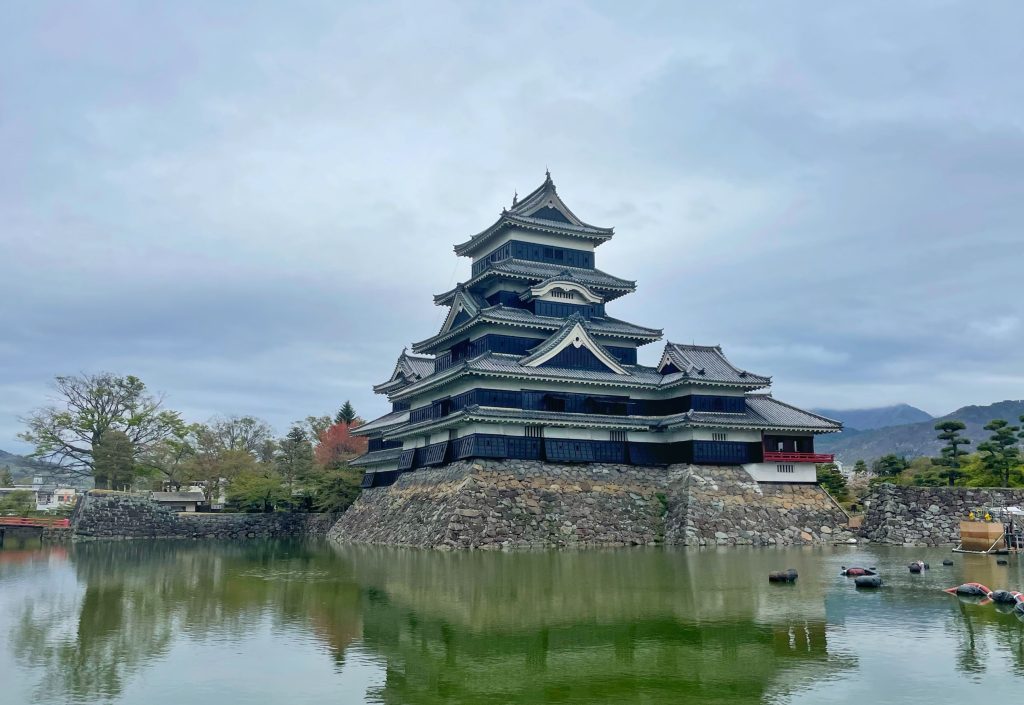
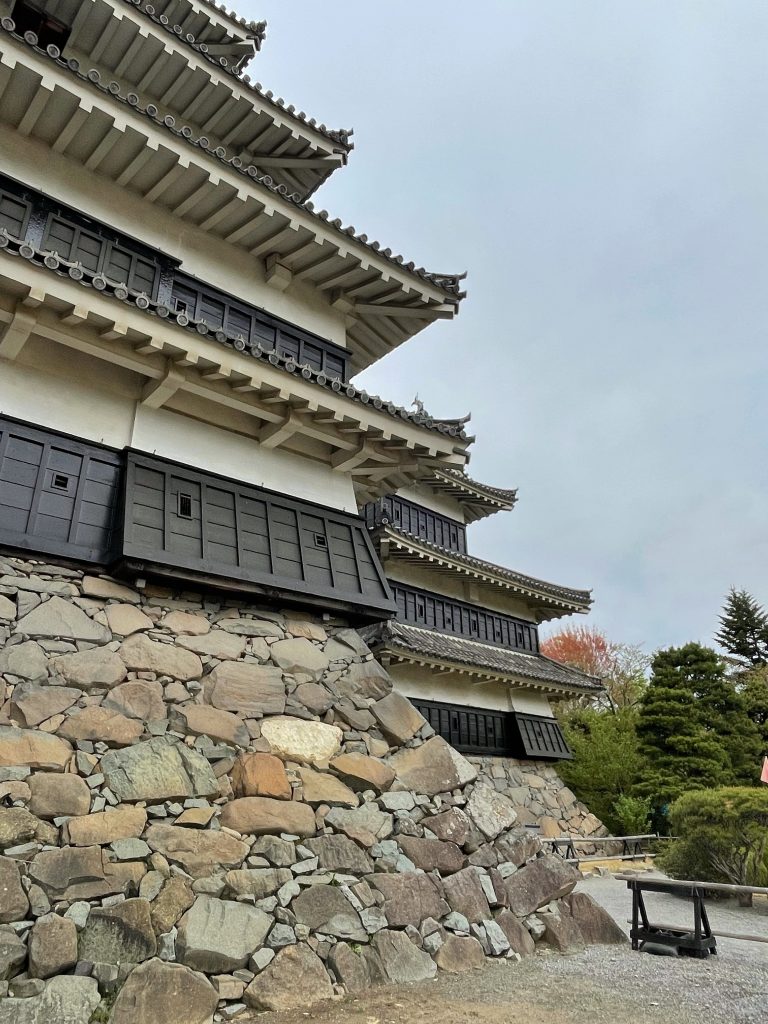
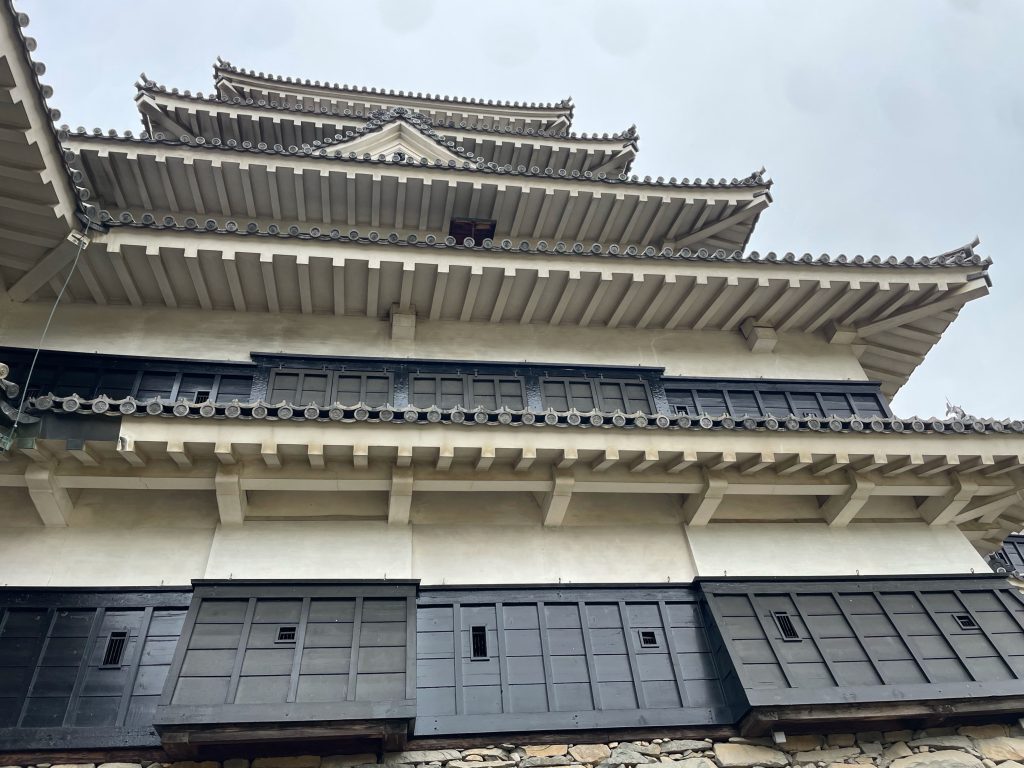
We racked the bikes at the hotel and walked a few blocks back to tour the Matsumoto Castle, the largest in Japan and entirely in its original form (no elevators or easy stairs to get to the 6th floor, just very steep original ones.
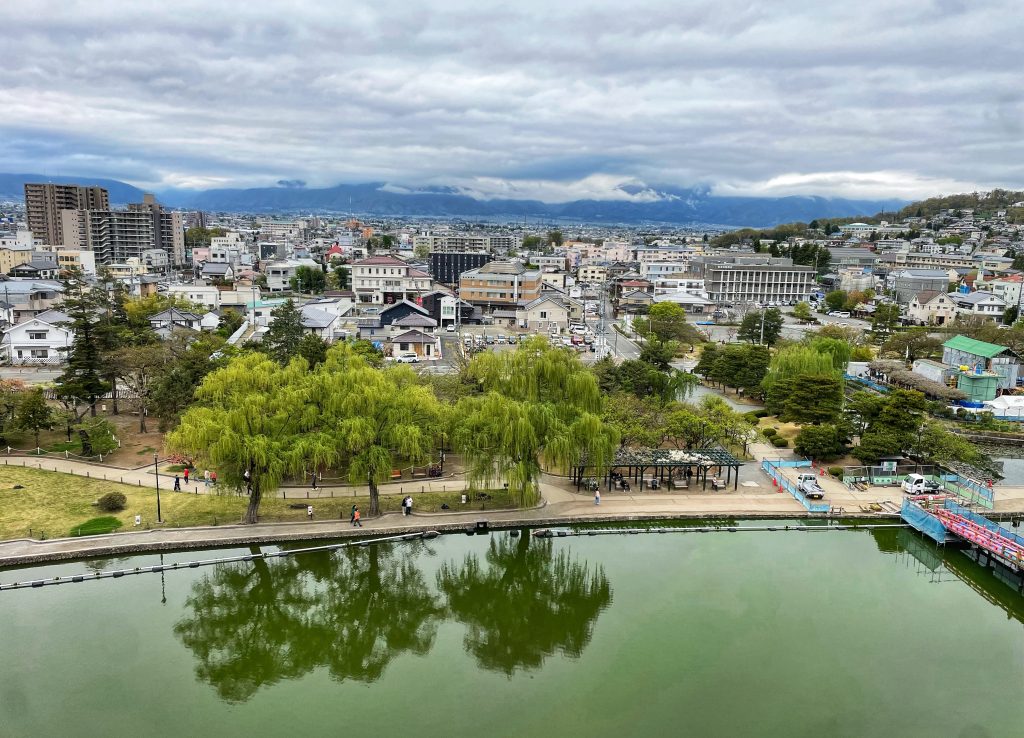
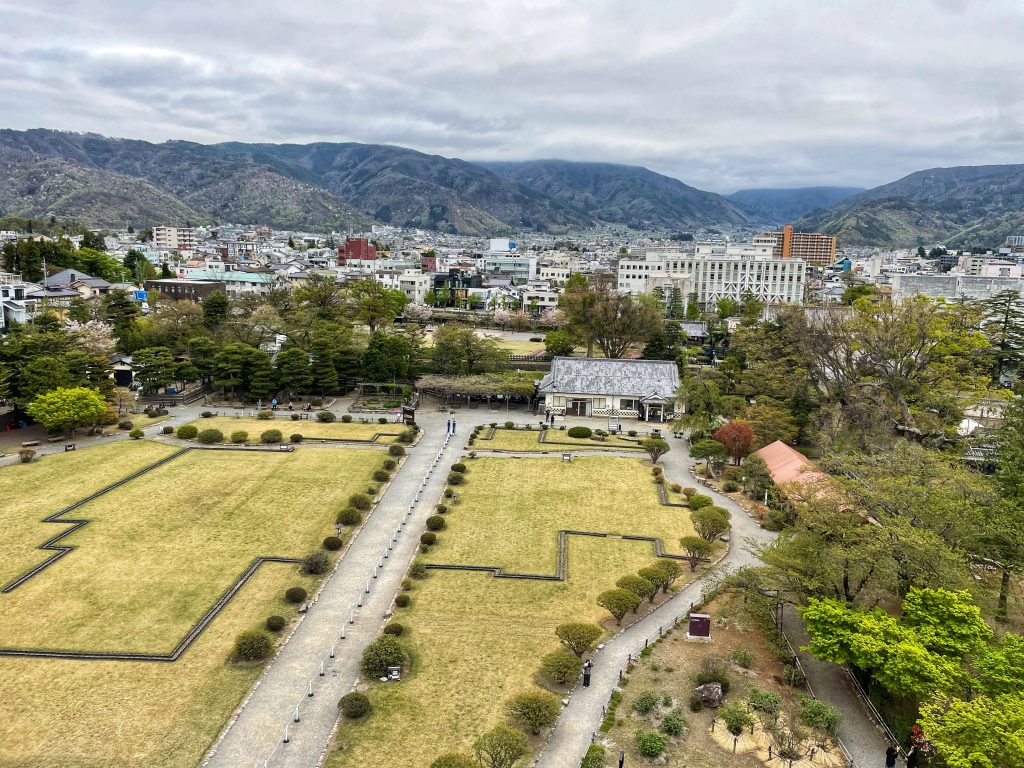
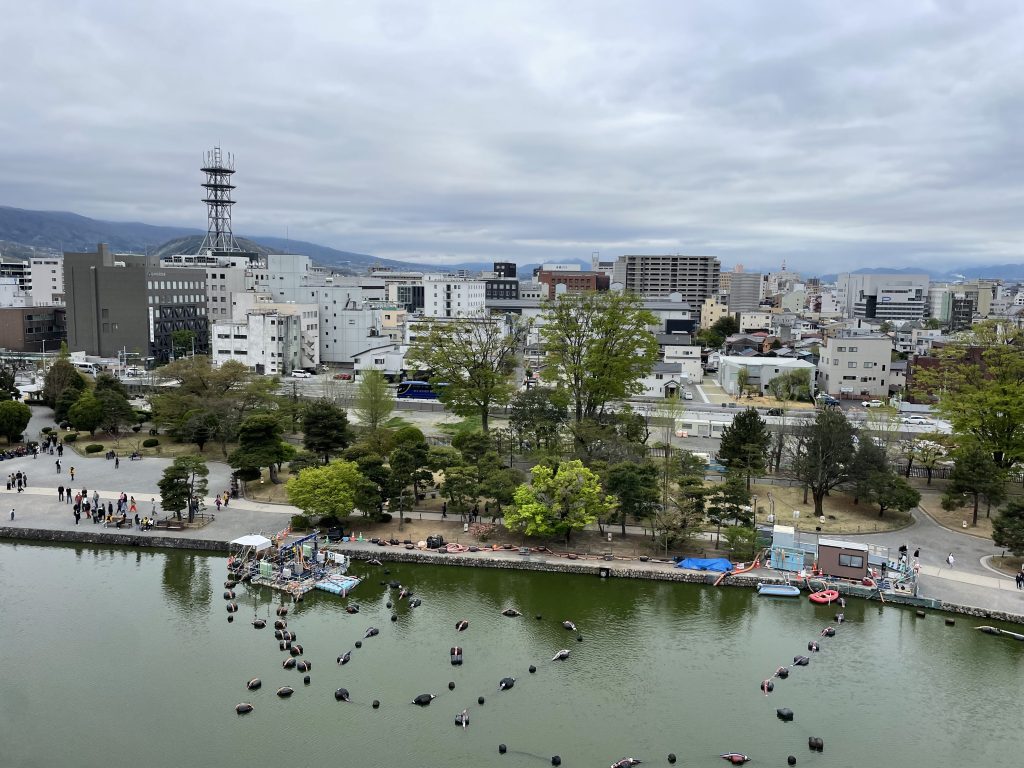
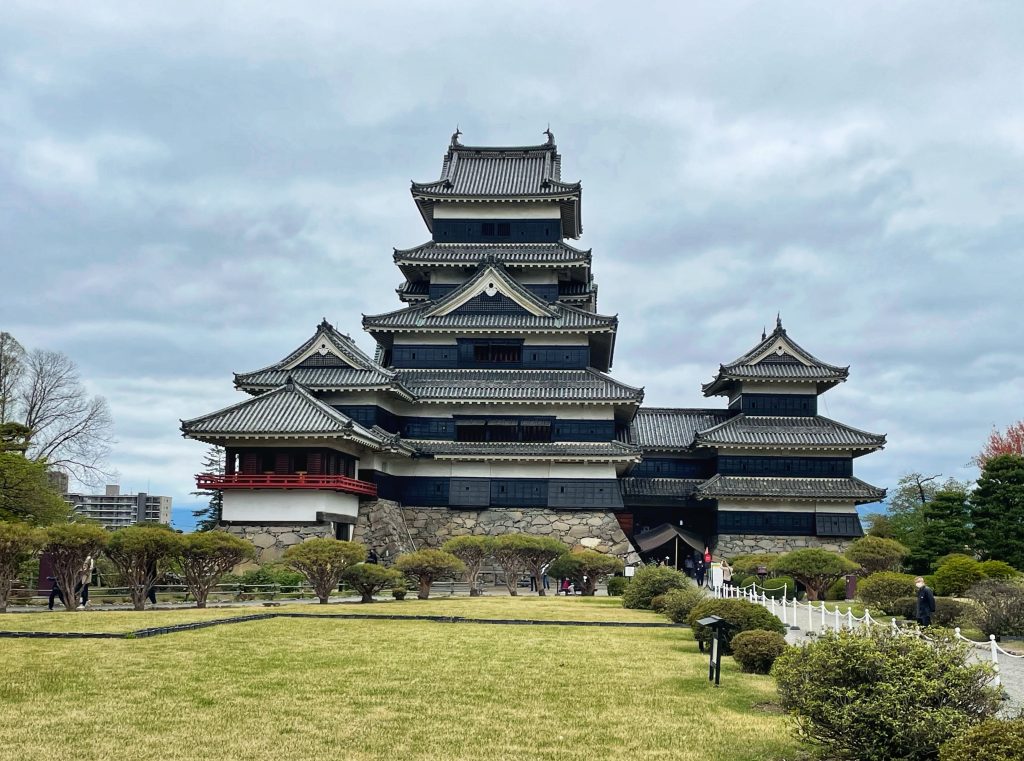
Life is Good in Matsumoto!
Kenny Wayne Shepherd’s ‘Baby the Rain Must Fall’ seemed appropriate this morning…
https://youtu.be/h-XxfLQ4wwA?si=FDInZjcFhlDGvY5I
Sayonara!
Leave a Reply