Watch Relive video here: https://www.relive.com/view/vr63eyxXo8v
in Japan, drivers drive on the left side of the road, so a daily reminder to me and my fellow Canadians and lone American is so Stay Left…2 days of this it is slowly kicking into our muscle and brain memory! This also we pass each other on the bikes to the left, not the right.
The tour began in earnest today.
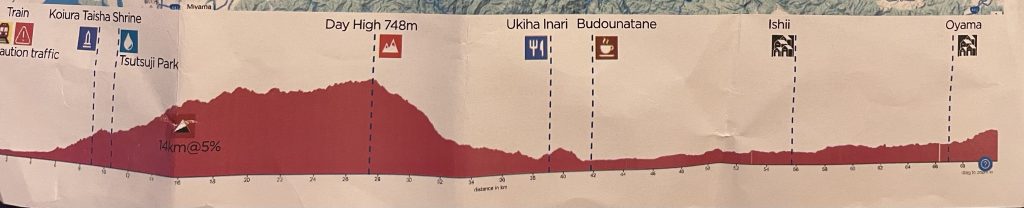
Distance 68km / 42mi | Elevation 1523m / 4996ft
Weather was not what was forecast(full sun, high of 18C) rather it was cold, windy and cloudy, with a few sprinkles at the end. About 5C but never increased due to the elevation we rode to.
This morning we jumped on the super fast Shinkansen train to escape the city before ascending to Mount Kora through Kurume Forest Tsutsuji Park.
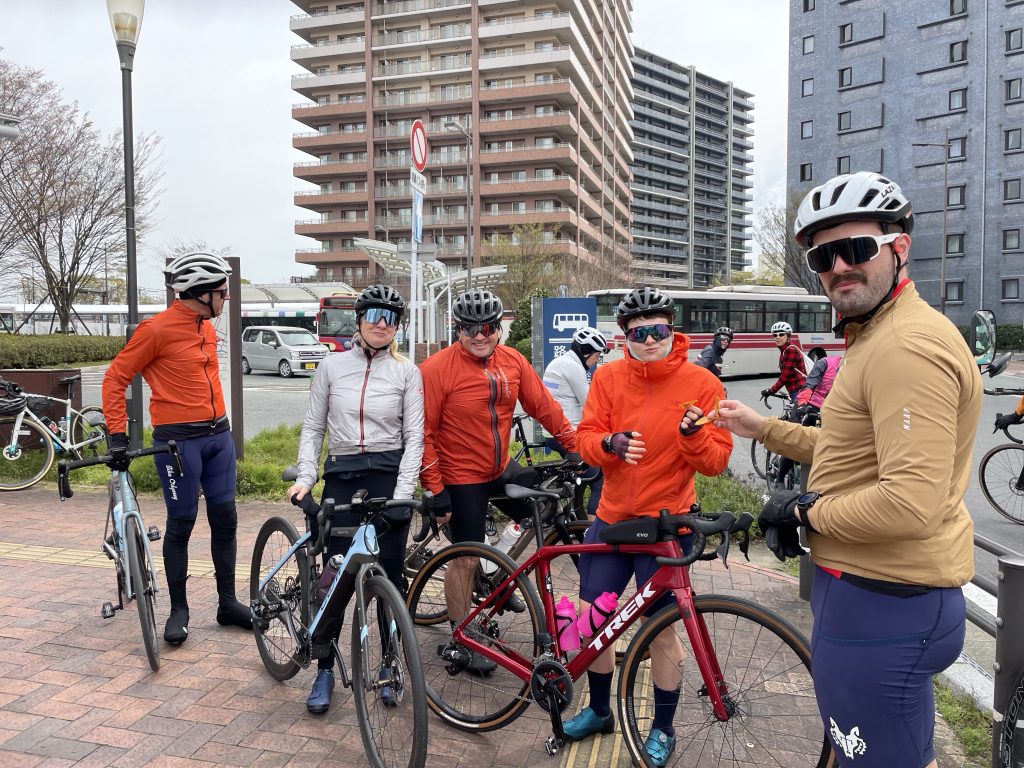
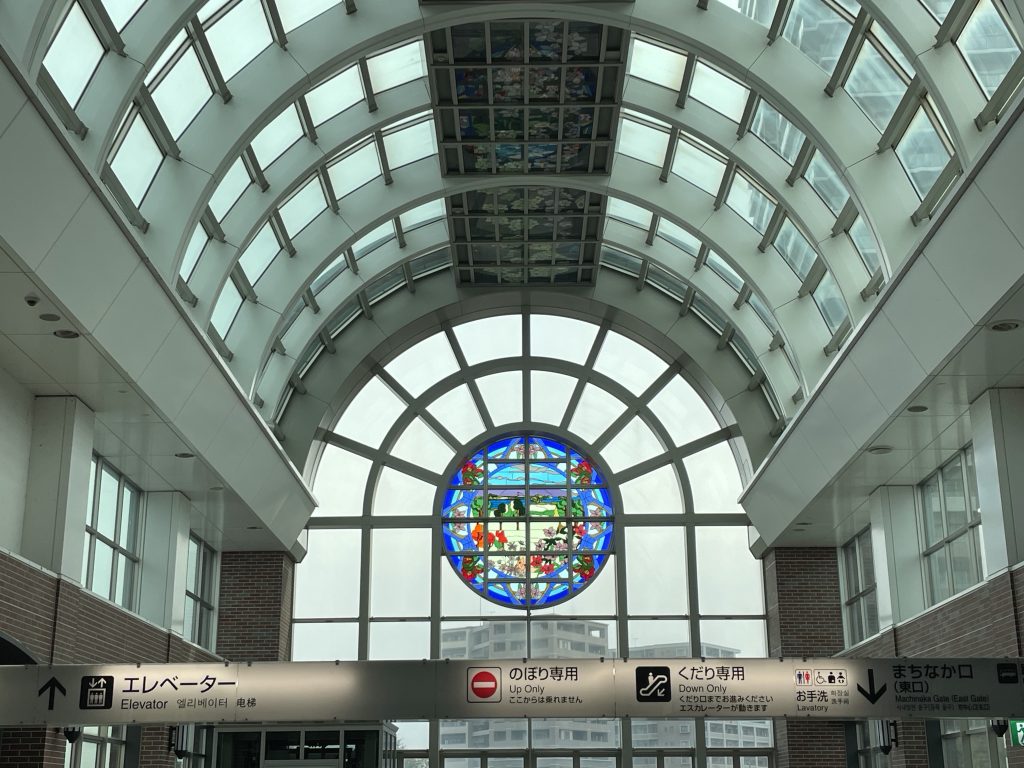
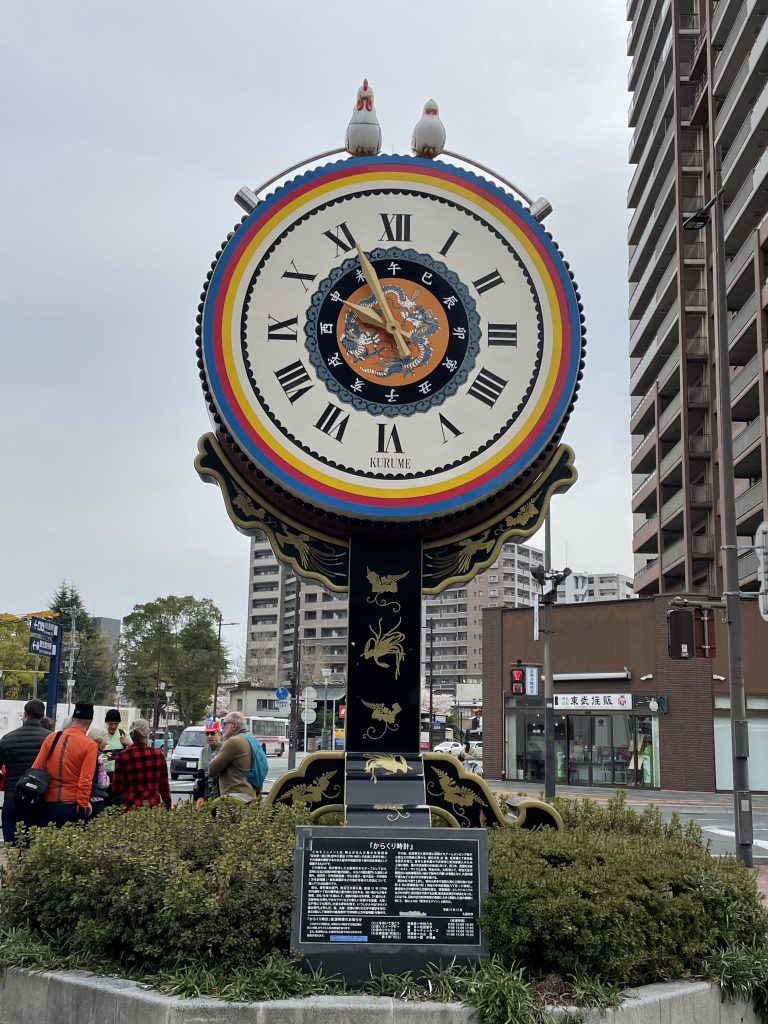
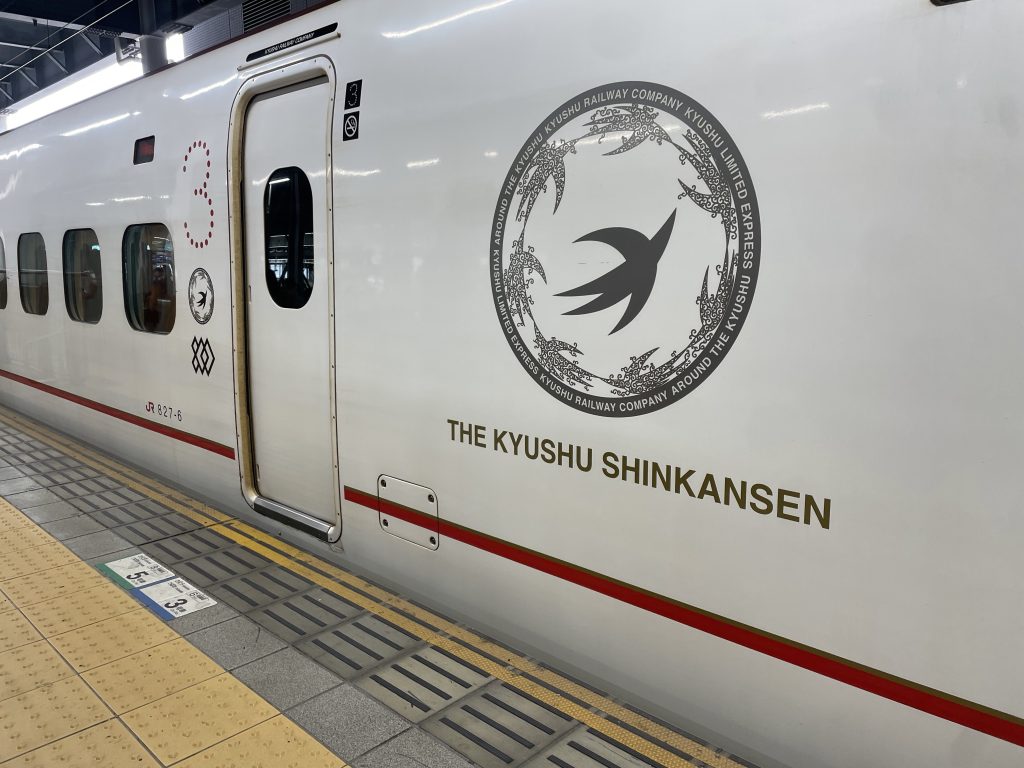
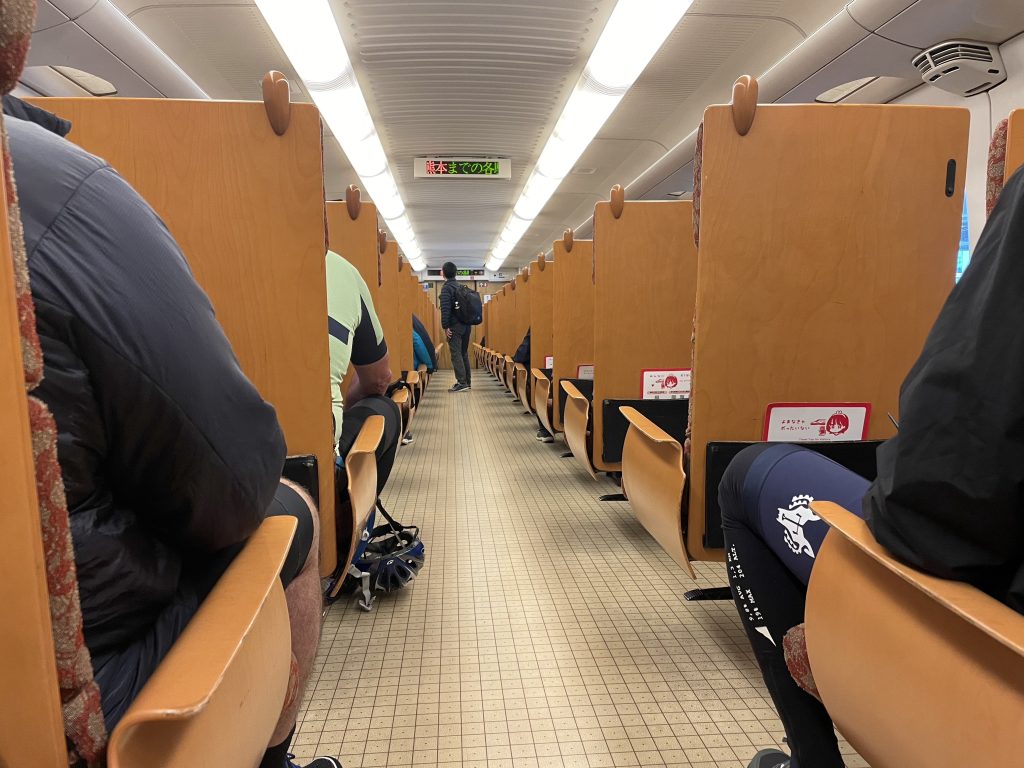
As we exited the train and negotiated our last serious Japanese city (for a week or so!) we got our first glimpse of Kyushu mountains.
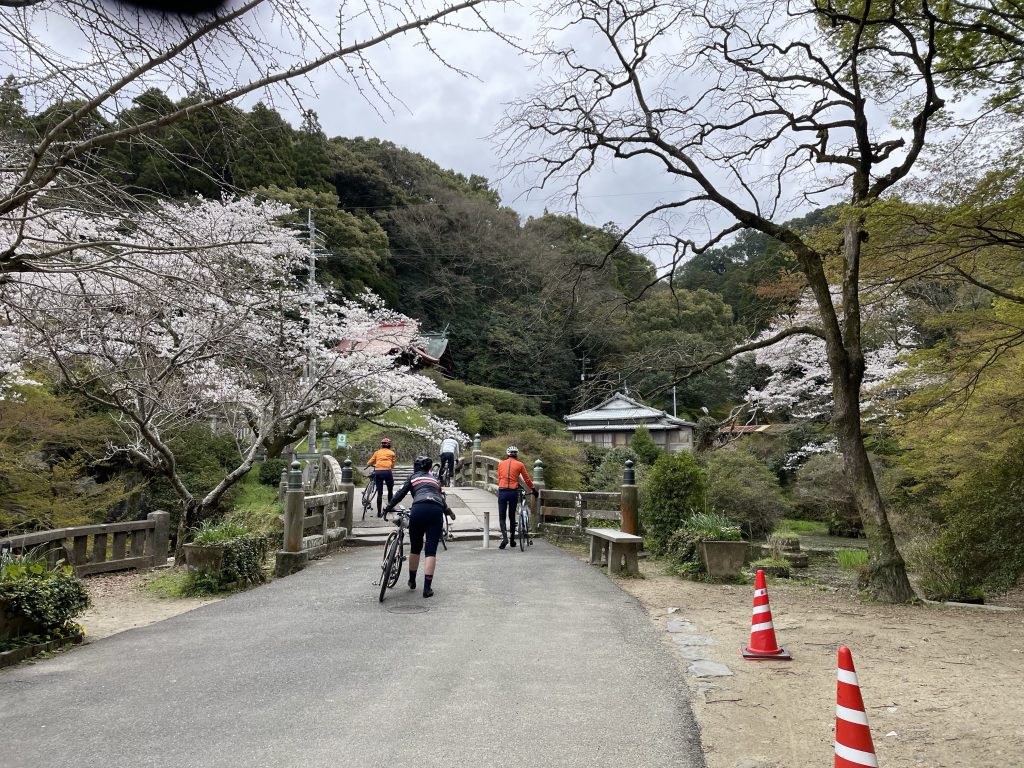
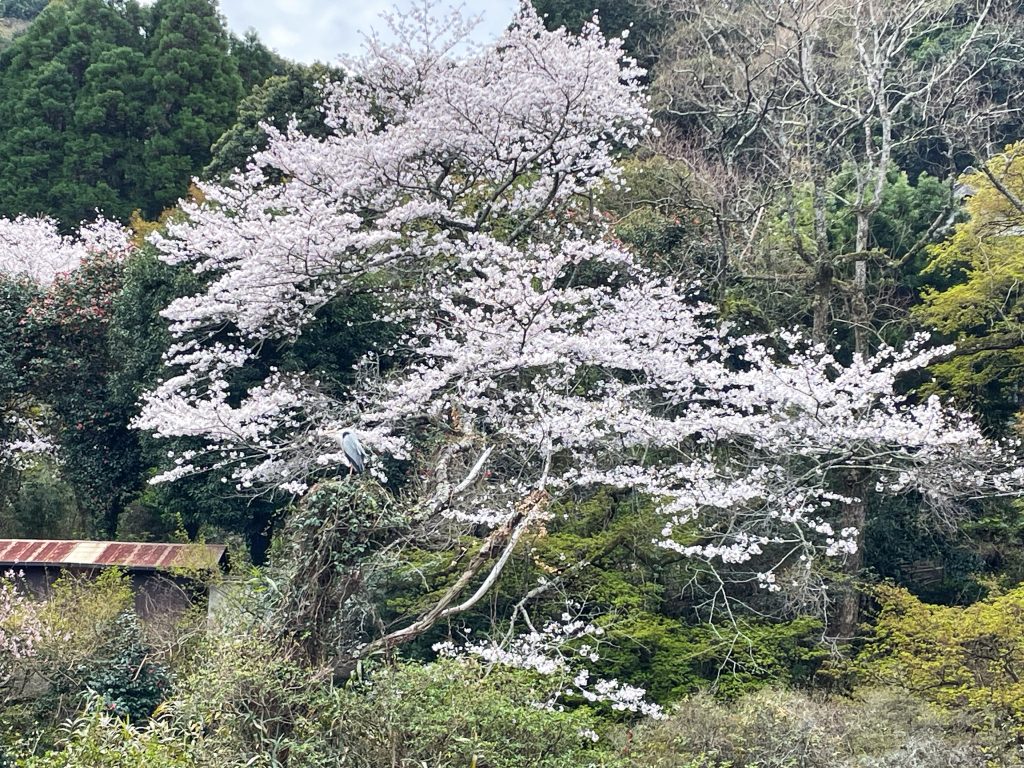
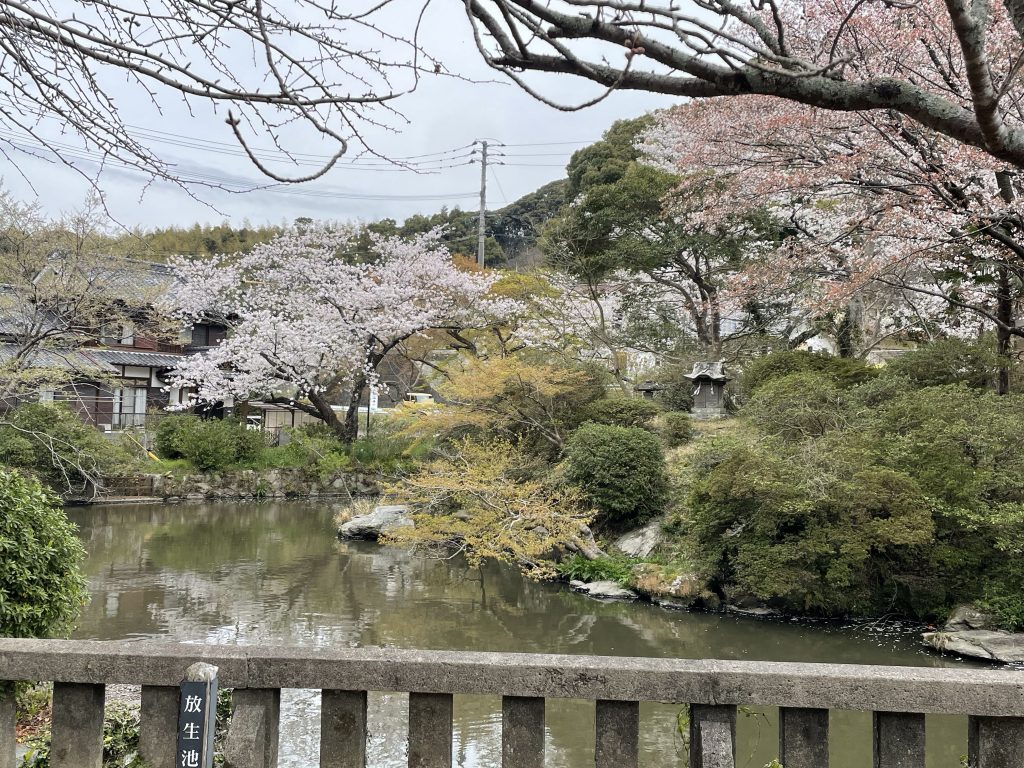
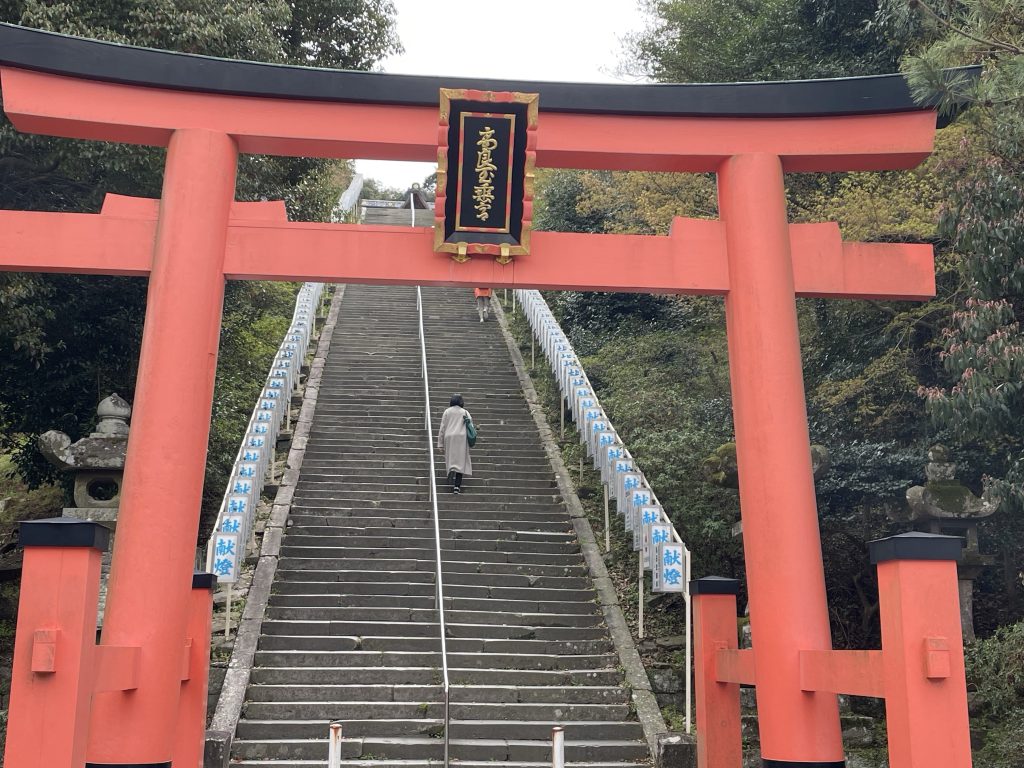
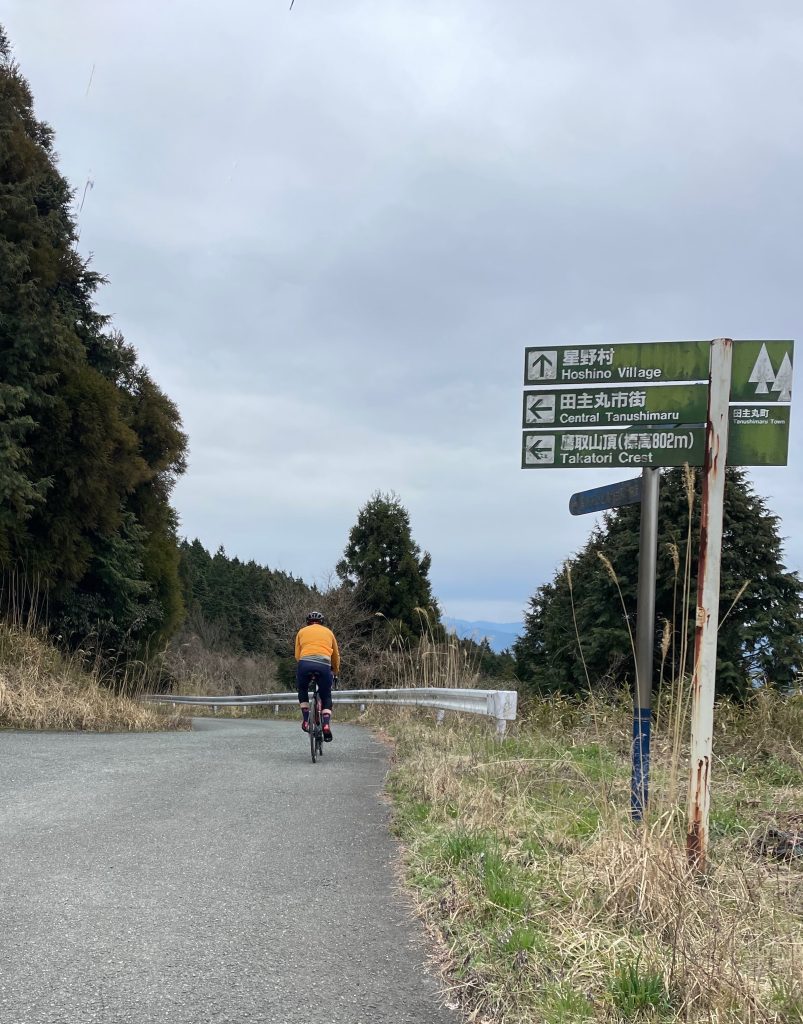
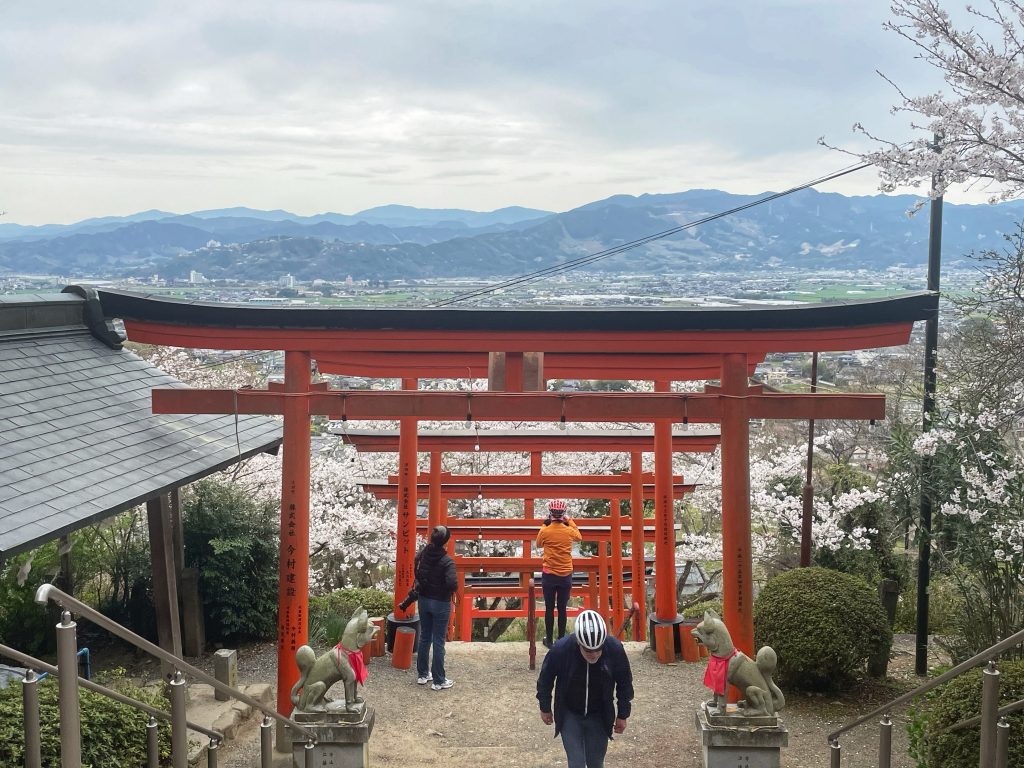
We started climbing alongside the Oyama river, heading up the back way to one of Japan’s most revered shrines – Kora Tamataregu Shrine – where hundreds of stairs can be climbed directly from the city – or you can roll up this hill like we will!
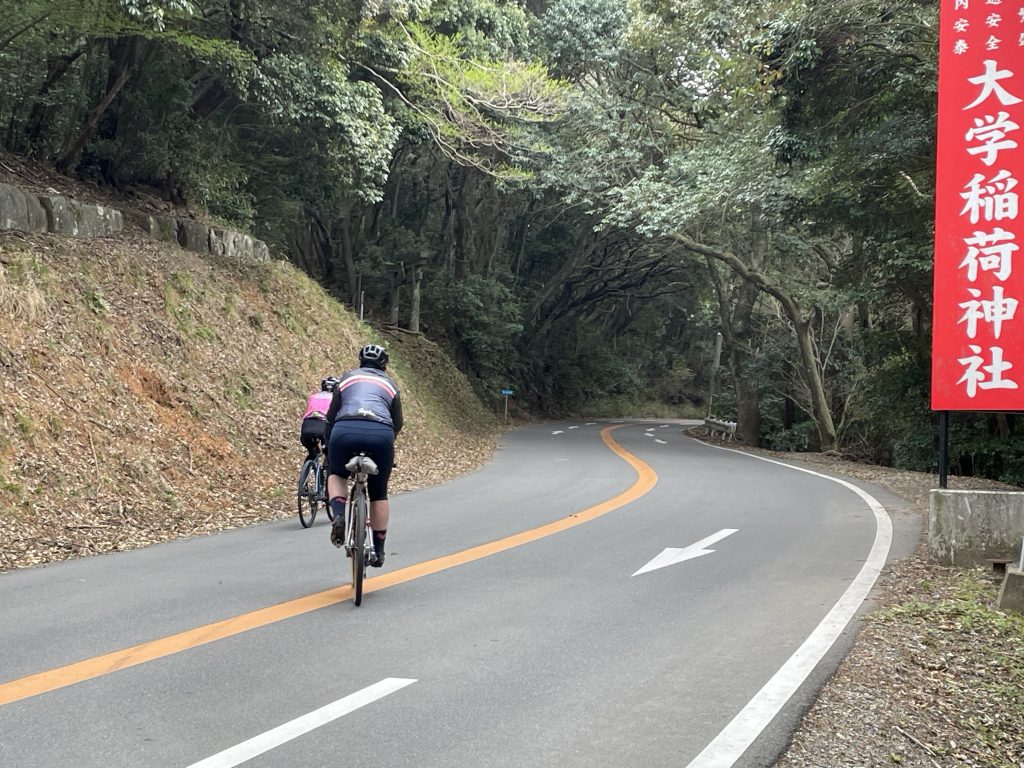
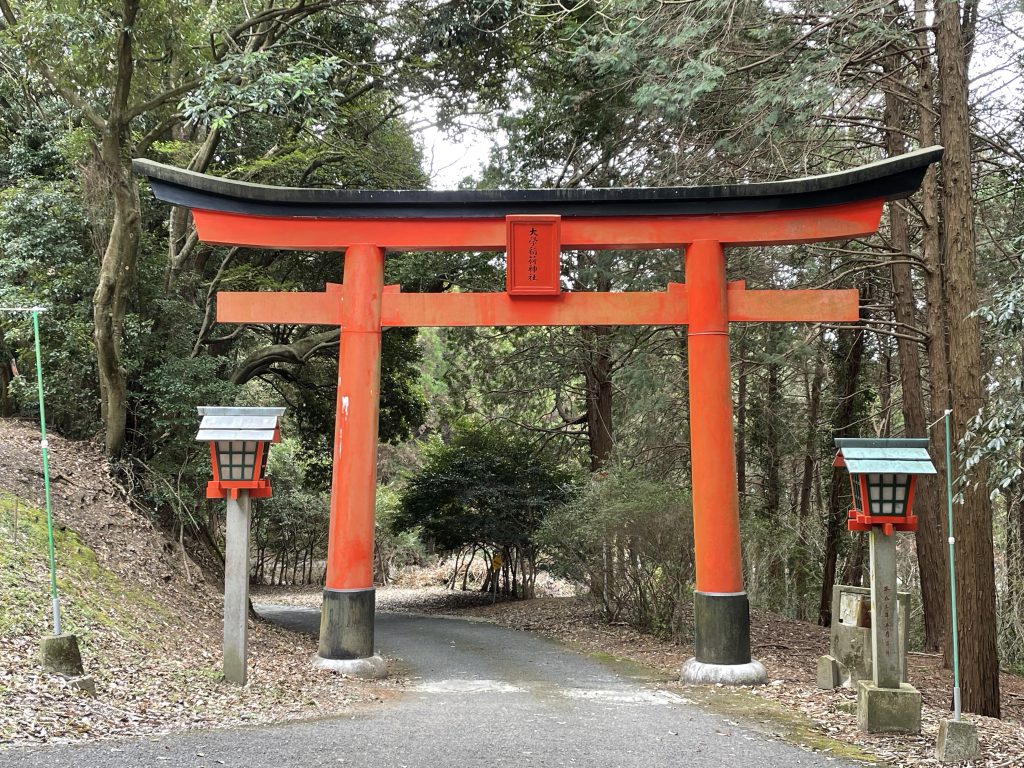
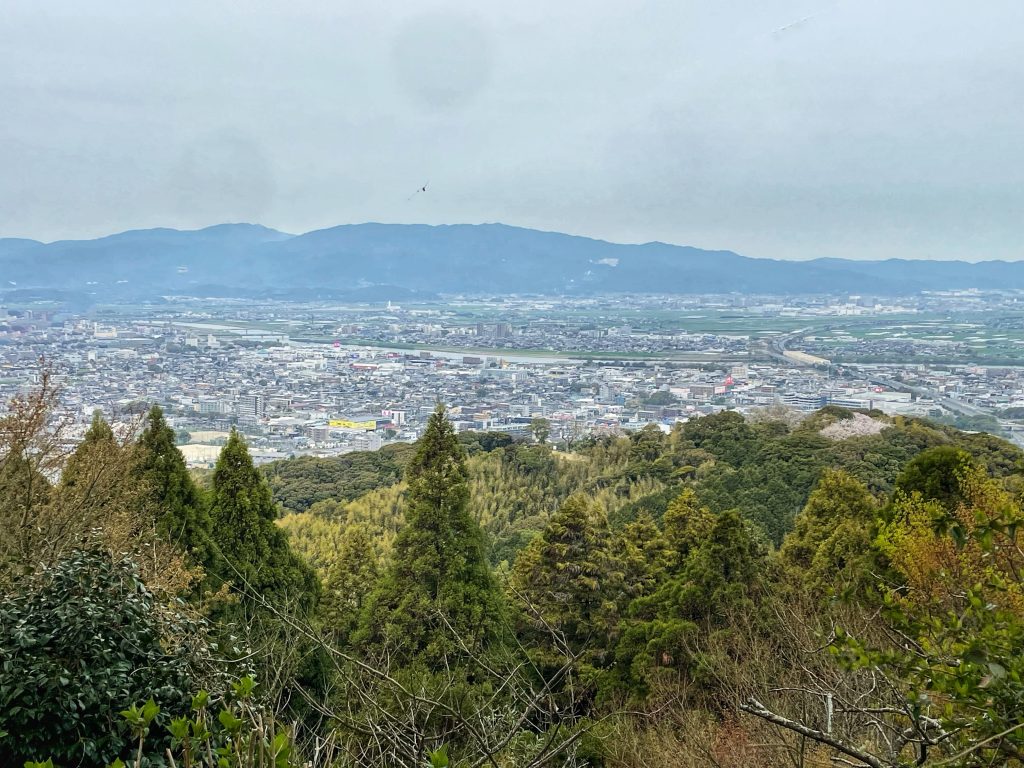
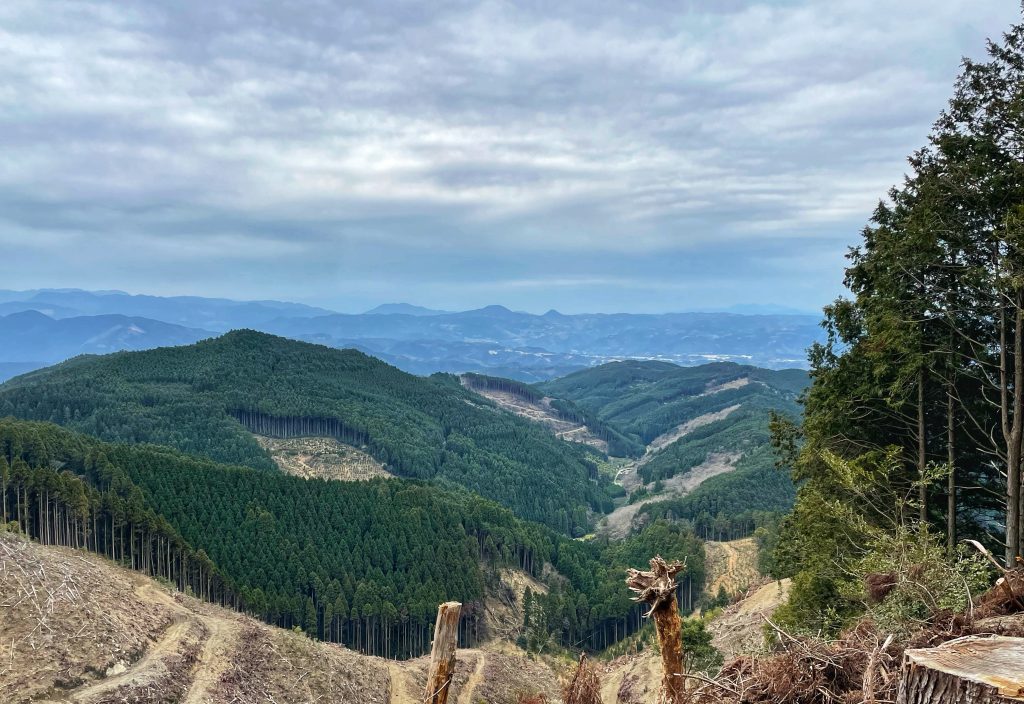
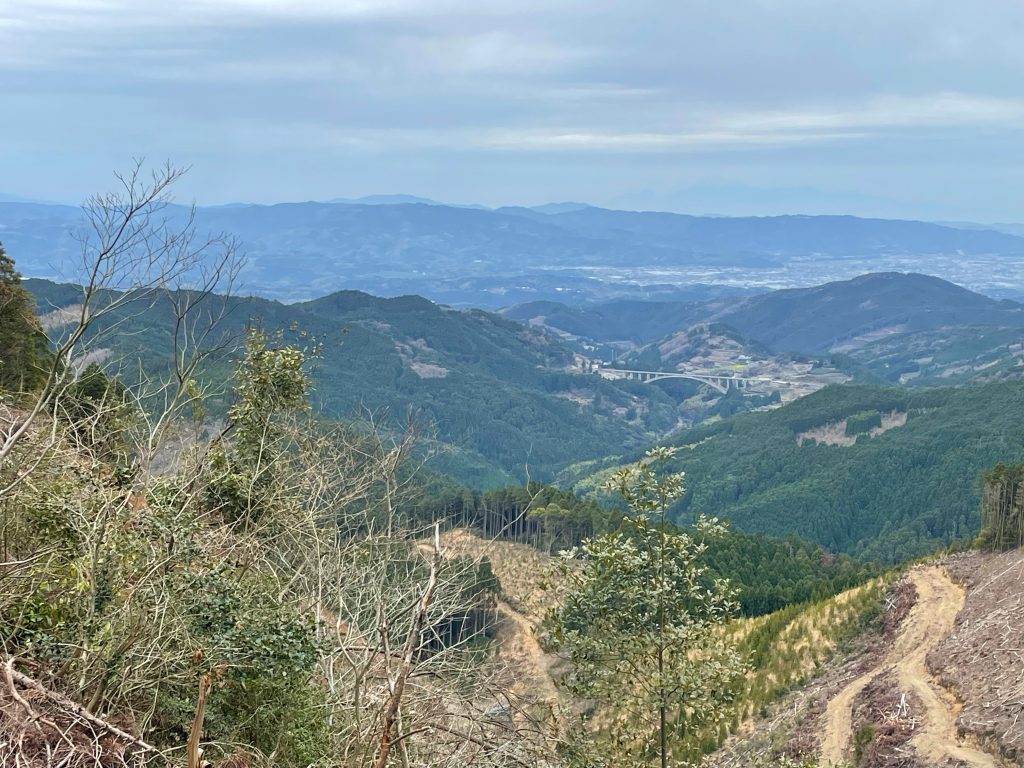
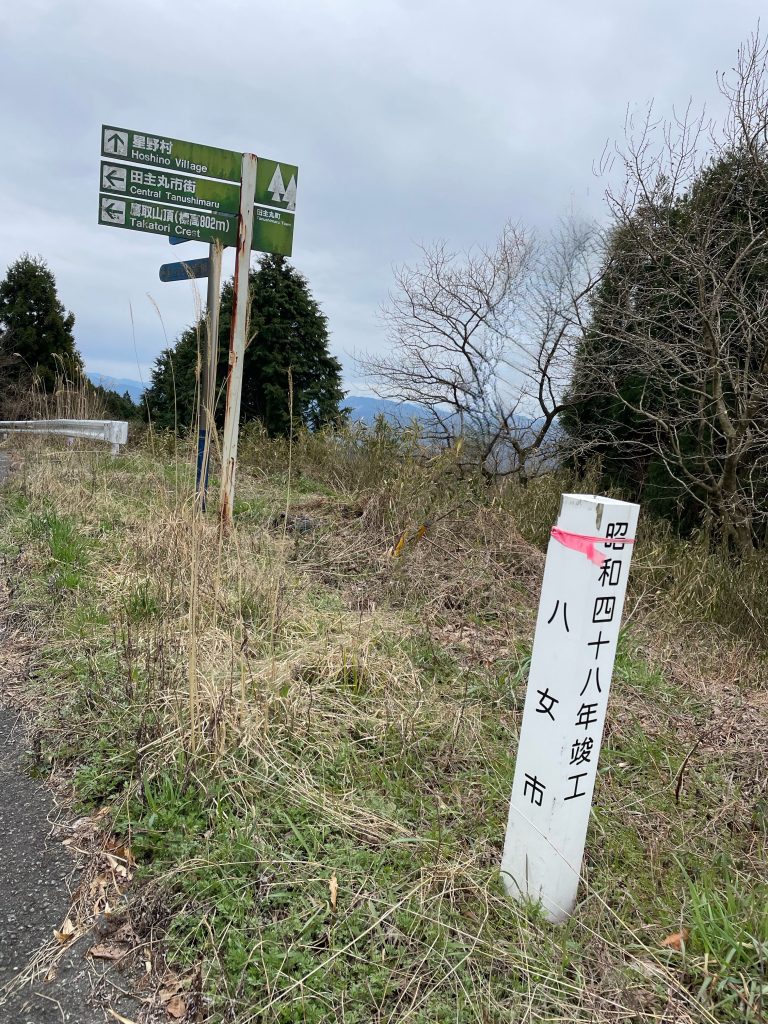
The summit shown below was at 748 metres elevation, 21 km into the ride!
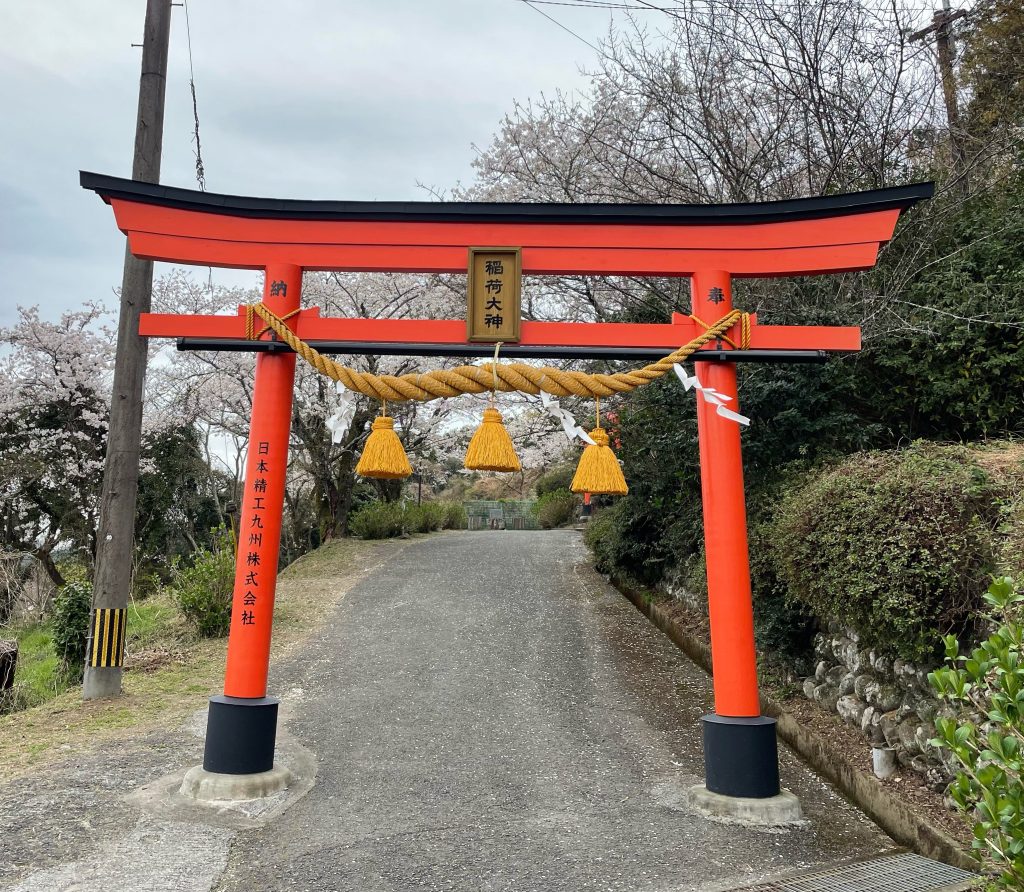
Kora Tararegue shrine
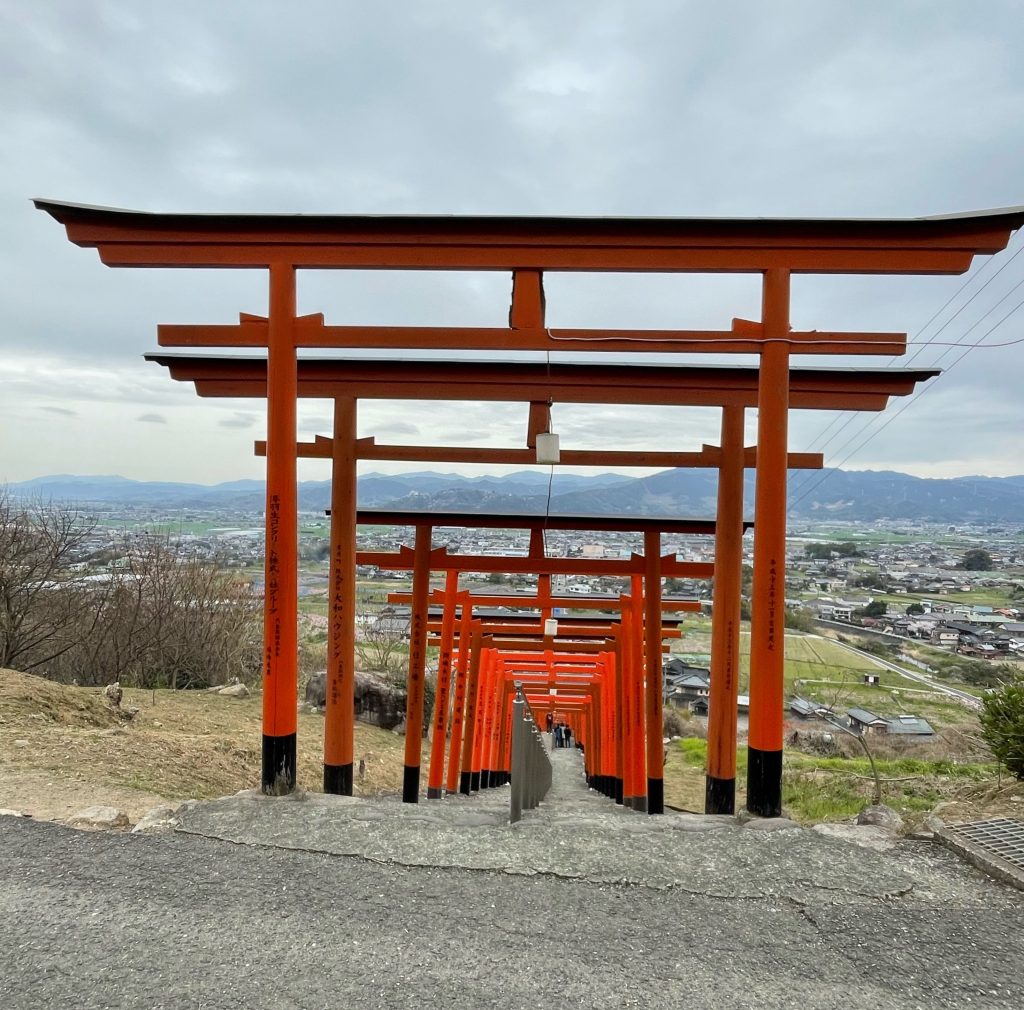
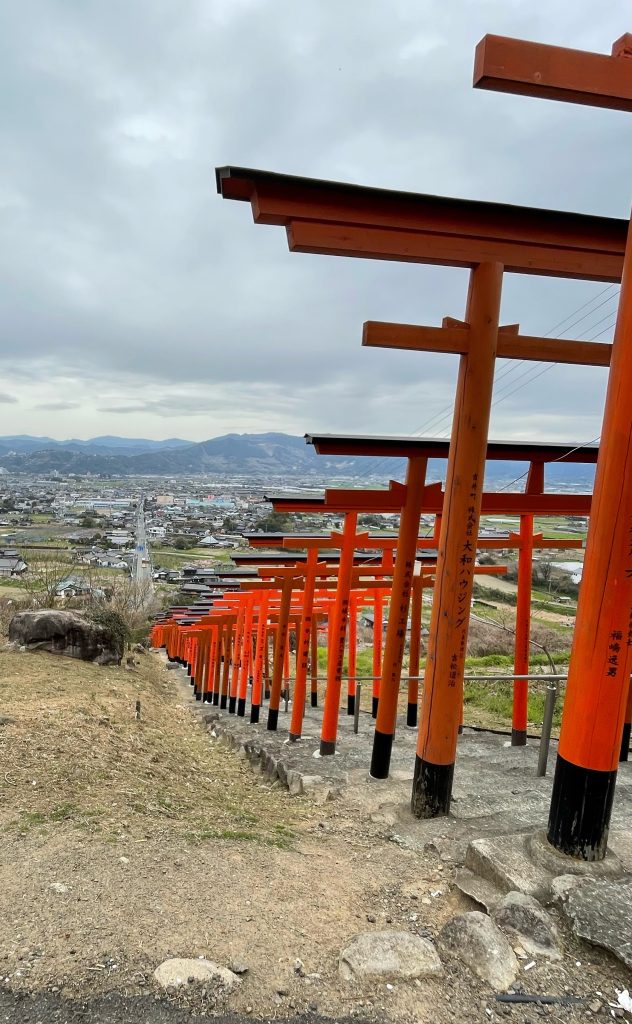
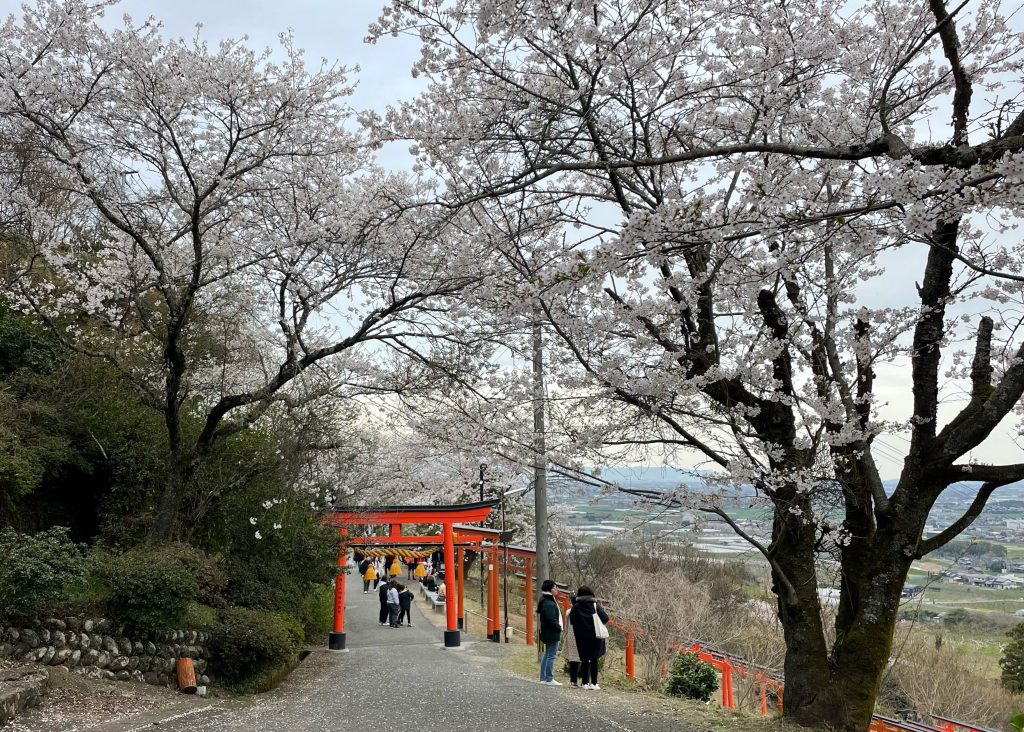
Then we rolled along the ridgeline getting filtered views of the sprawling city we are left behind.
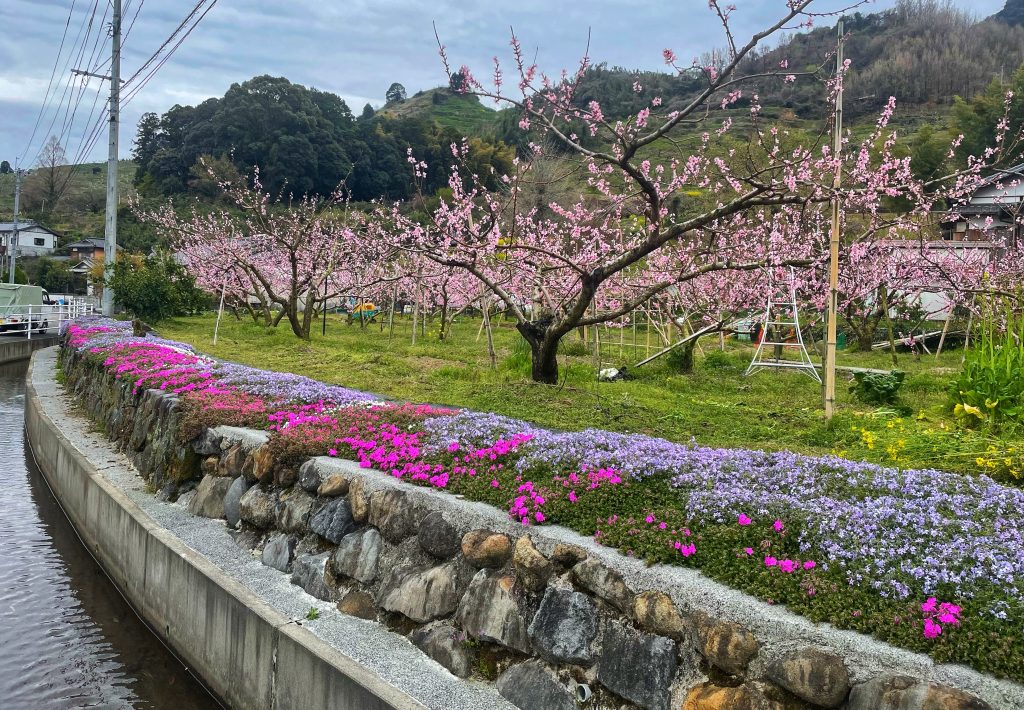
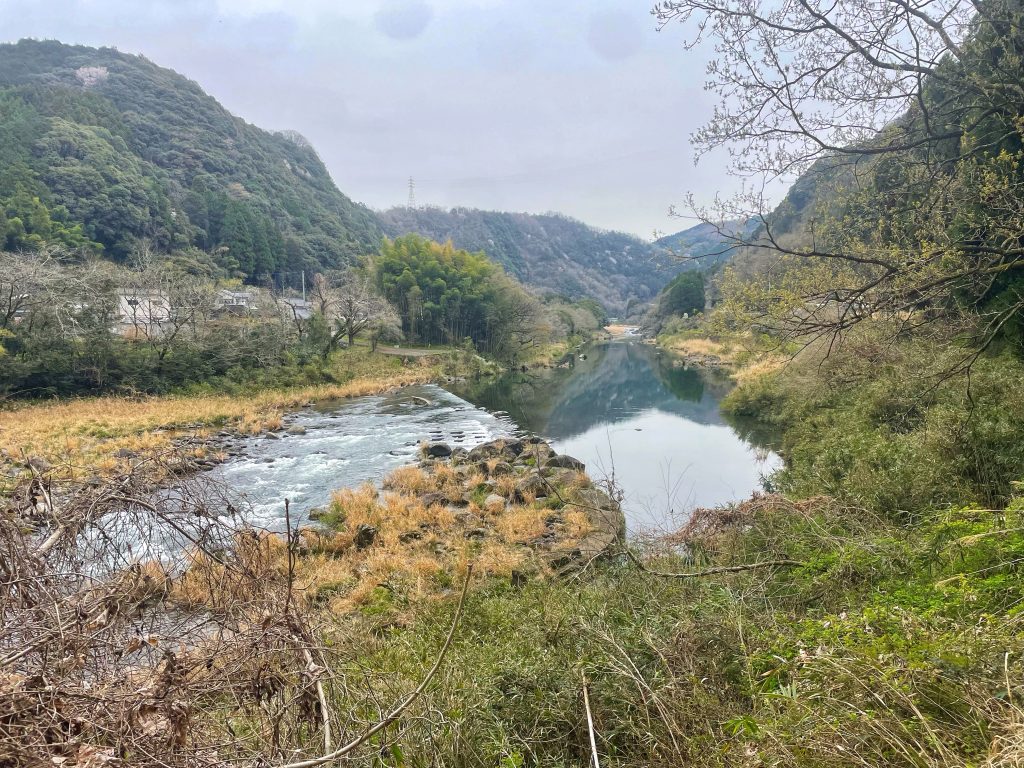
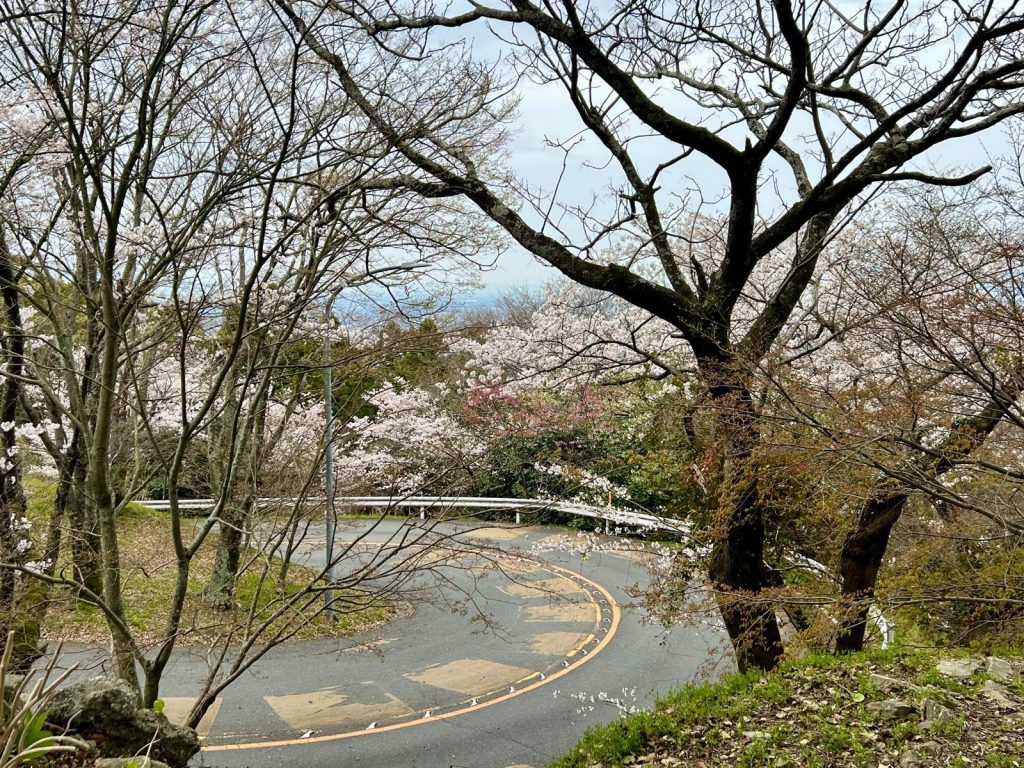
Descending out of the hills we headed to a perfect Japanese experience, the Okuhita Onsen Resort.
Kora Tamataregu Shrine
Located at the westernmost point of the Mino foothills, rising 312 meters above sea level, Mount Kora is enshrined here as a major shrine of the Chikugo region. In the past, this ancient shrine received support from the government. Said to have been constructed in 400 A.D. during the reign of Emperor Richu, Kora Tamataregu Shrine received the highest ranking of a shrine in 897, maintaining its high status by being listed in the Engishiki, an ancient book of Japanese laws. In the Middle Ages, Kora Taisha enjoyed such influence that it could compete with provincial governors. During the Nanboku-cho period of Northern and Southern Courts (1336-1392), this historical shrine received the prayers of Prince Kaneyoshi, a shogun who placed his residence at the base of the mountain. The current inner sanctuary, offertory and hall of worship were built by Yoritoshi Arima, the 3rd feudal lord of the Kurume Clan. The Japanese government has designated all of these structures as Important Cultural Assets. In addition, the shrine houses treasures such as a handwritten copy of the Tale of the Heike, another Important Cultural Asset of Japan, as well as a colored silk hanging scroll depicting the foundation of Kora Taisha, which is a Cultural Asset of Fukuoka Prefecture. On Mount Kora itself, precious natural assets such as Moso Kinmei bamboo grove, a National Natural Treasure, and the sacred rock remains of Kogo-ishi, designated a National Cultural Asset, are preserved.
Okuhita Onsen Resort
Oyama, once an Imperial Retreat, is a scenic area area blessed with Hibiki Gorge and plum trees. Its appearance in the morning haze creates an atmosphere of China watercolor painting. This hotel was an amazing start to our journey with magic hot springs and views across the valley. I took full advantage of the onsen after a long climbing day!
What is an onsen?
Onsen are hot baths, fed by the innumerate hot springs – there are over 3000 in Japan. For centuries hotels, resorts and ryokan have set up around the hot springs. They can be indoors or outdoors and they are an integral part of Japanese culture, as well as, a brilliant way to relax post ride!
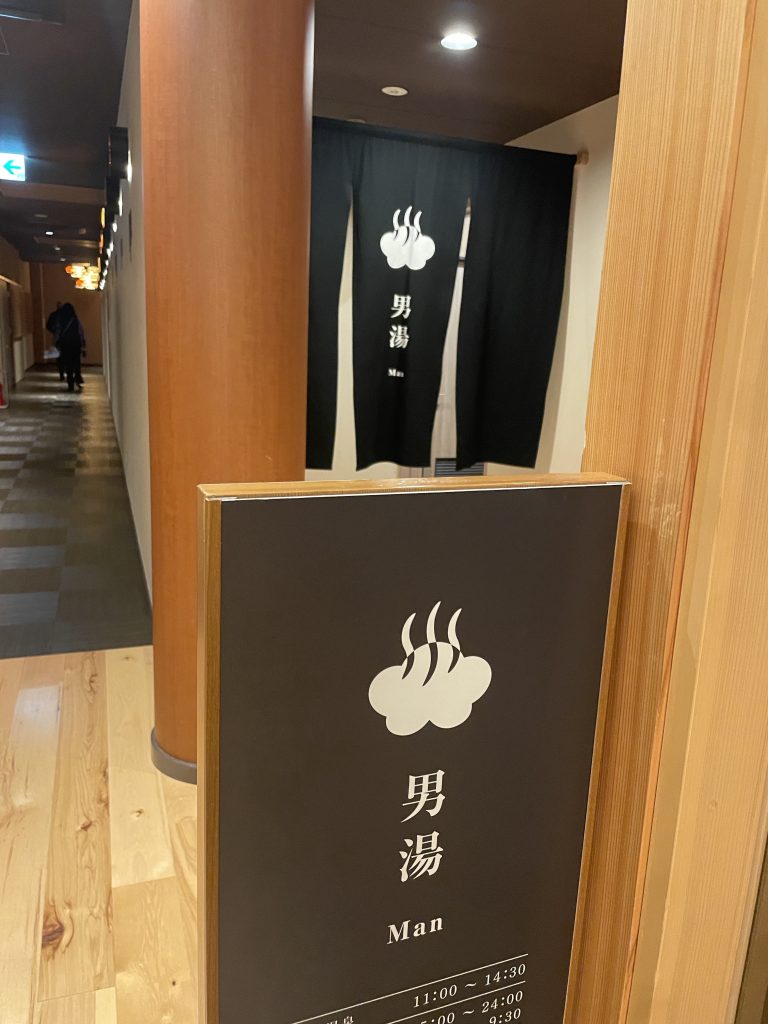
Men’s access to the onsen above, one small section of the outdoor hot springs, a much larger indoor hot springs bath as well as sauna and cold plunge.
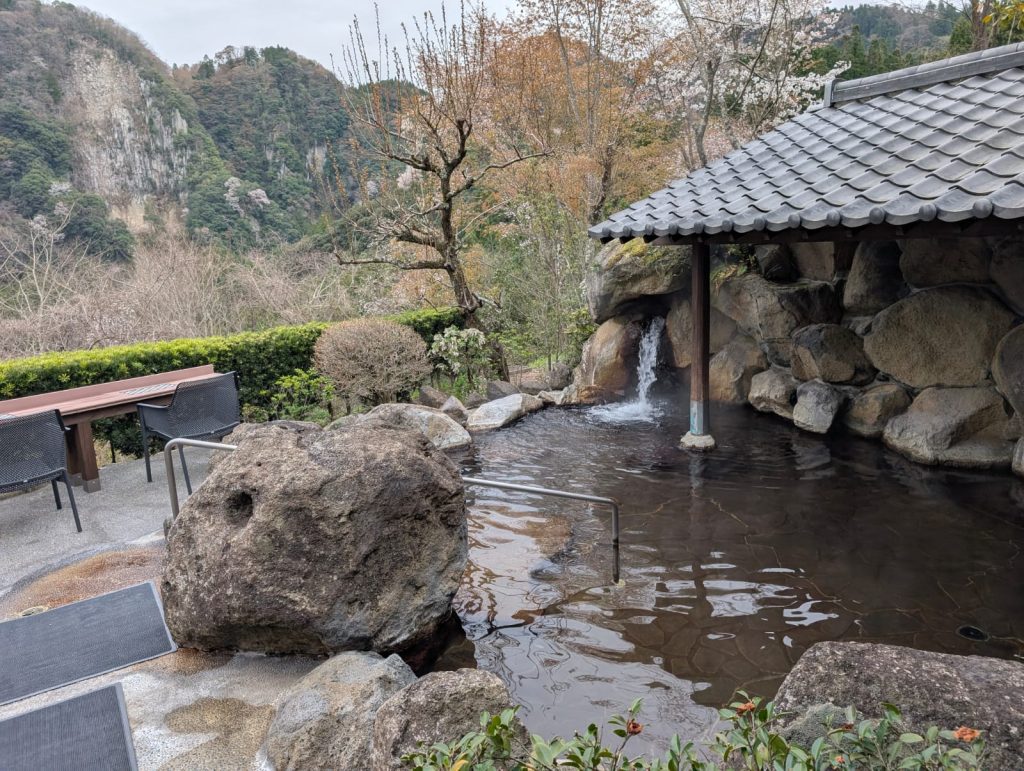
But a Japanese Onsen is more. It is believed that a combination of natural beauty, health benefits, and centuries of tradition create a special soothing experience. the key is to the appeal lies in its waters. And the water has to have at least one of the 19 designated chemicals that naturally occur in the water and have a beneficial effect on health. Then there is the ambiance with a blend of nature and tradition. And the onsen is enjoyed in the nude!…no bathing suits allowed!! This is part of ancient Japanese culture of purity and cleanliness. At one time onsen we’re not gender specific, but they are now.
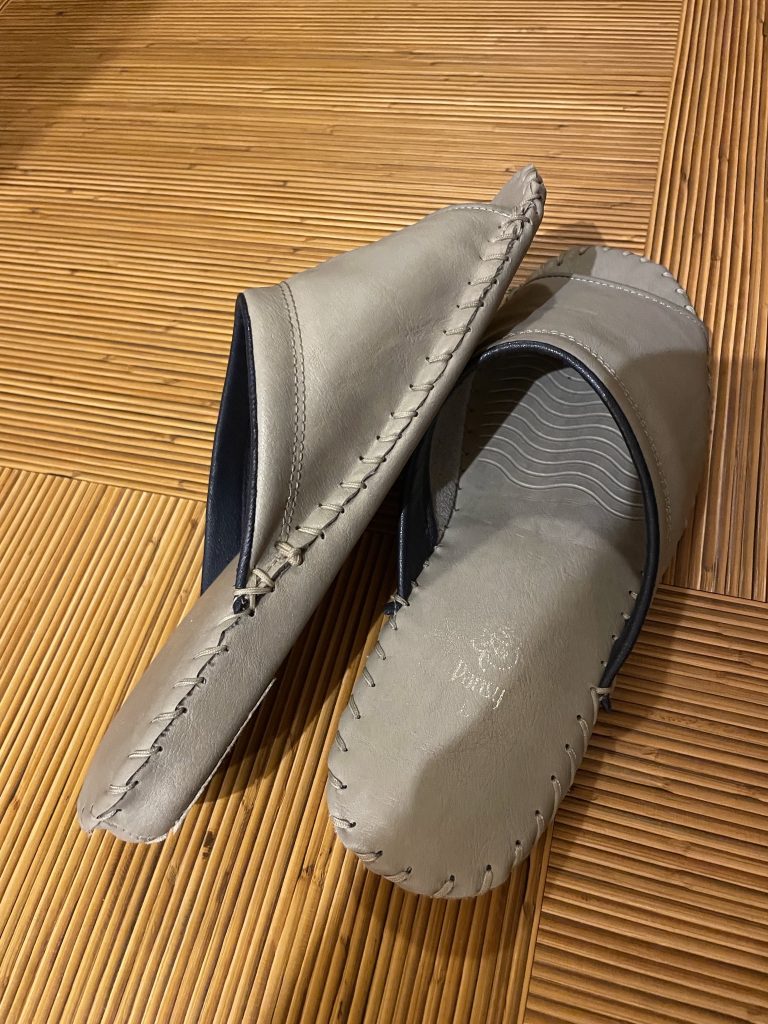
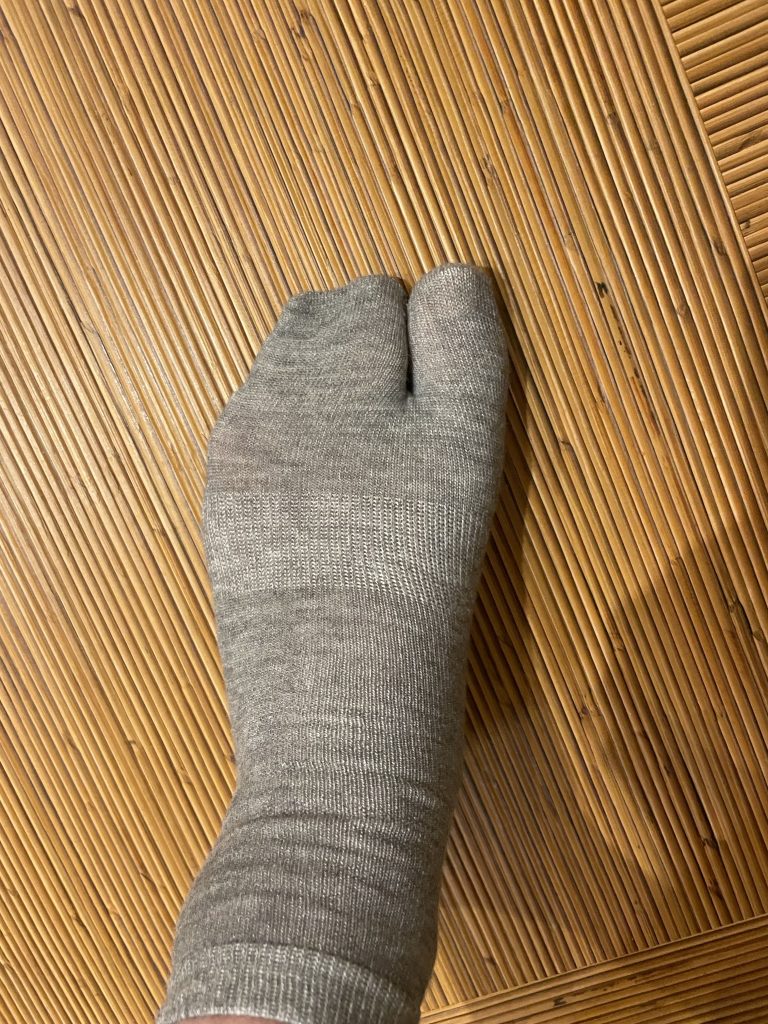
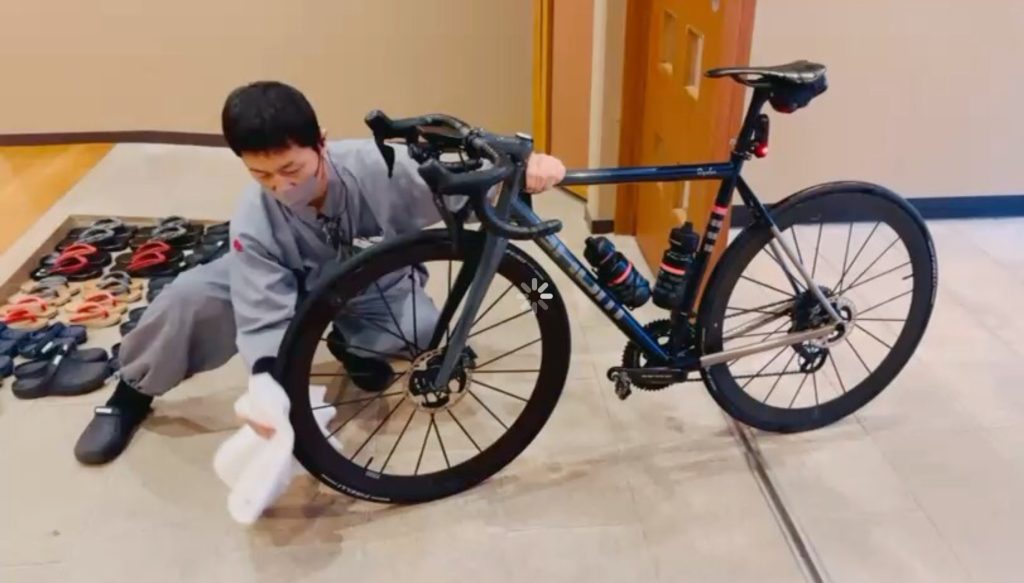
At this onsen resort, shoes must be removed at the entrance…slippers and/or socks are provided for use in the entire facility.
Even the bikes’ wheels were given a wipe down before being taken to the secure bike room! (where the wood floors starts is the spot that shoes can continue on).
Another fabulous 8 course Japanese meal was served to us
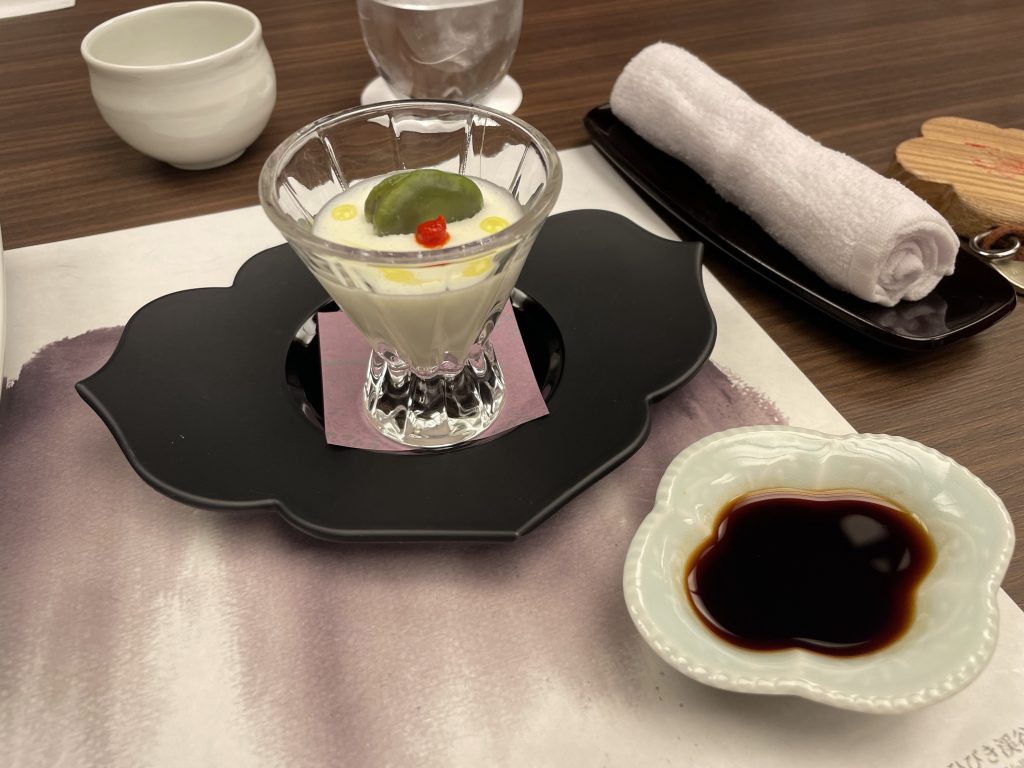
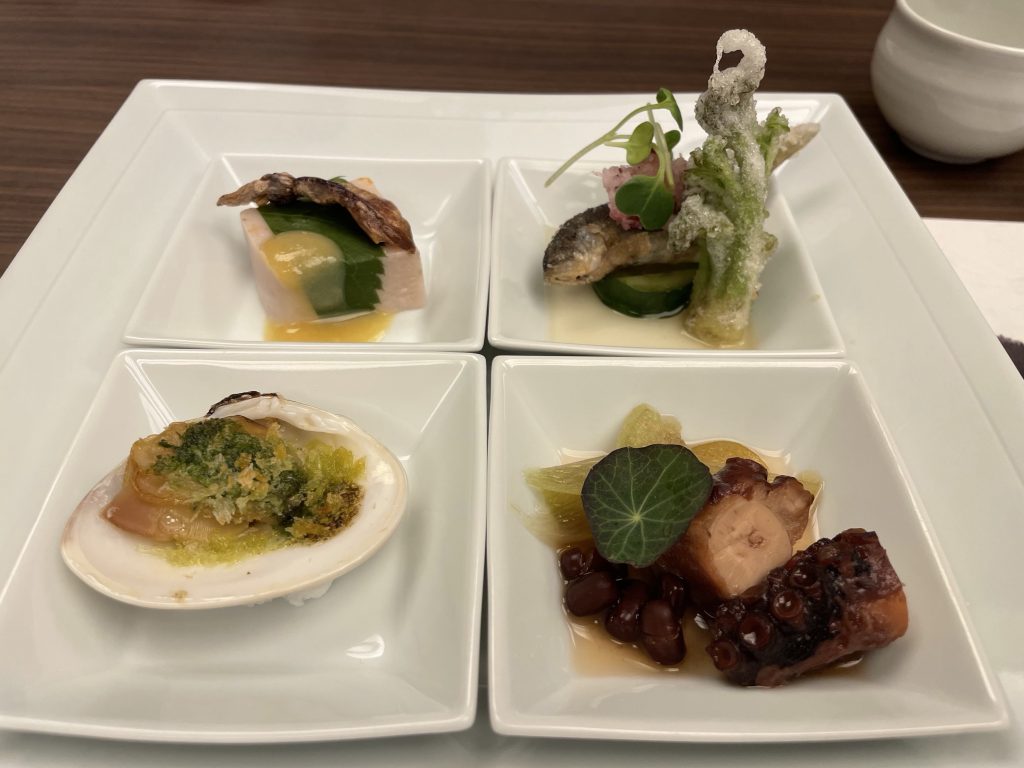
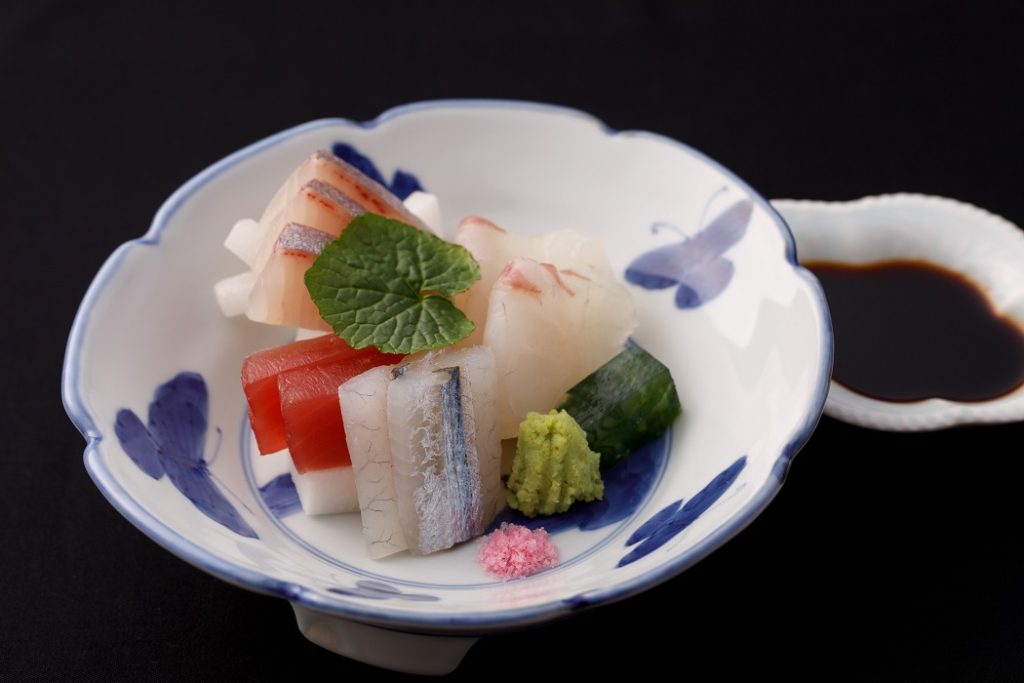
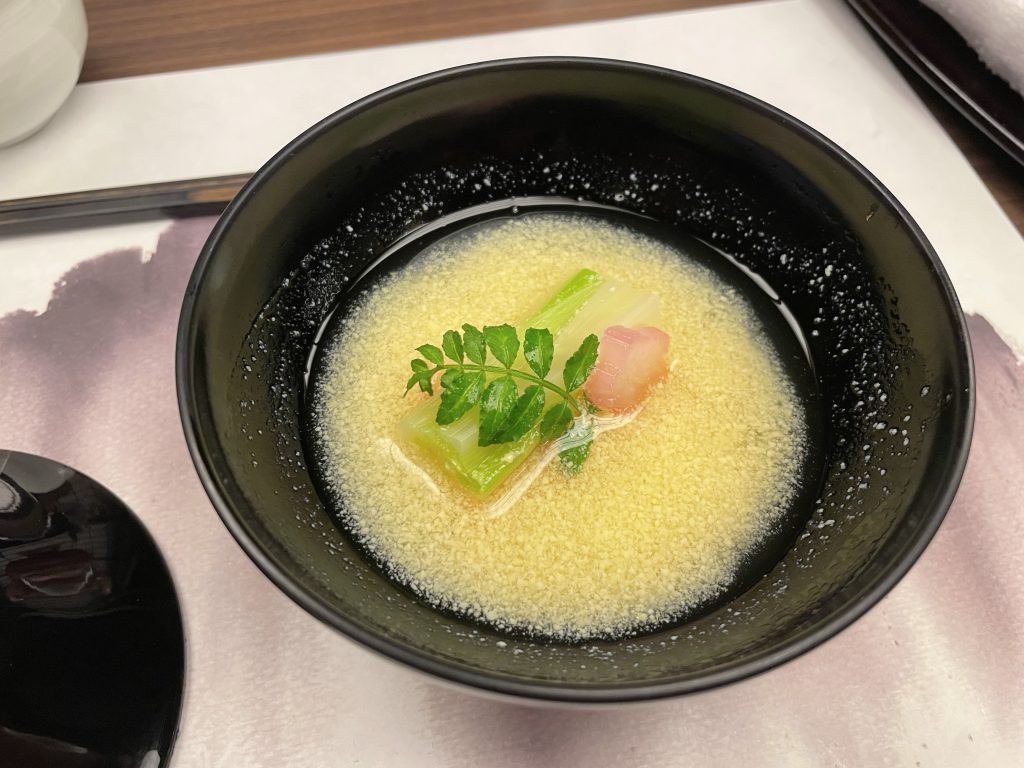
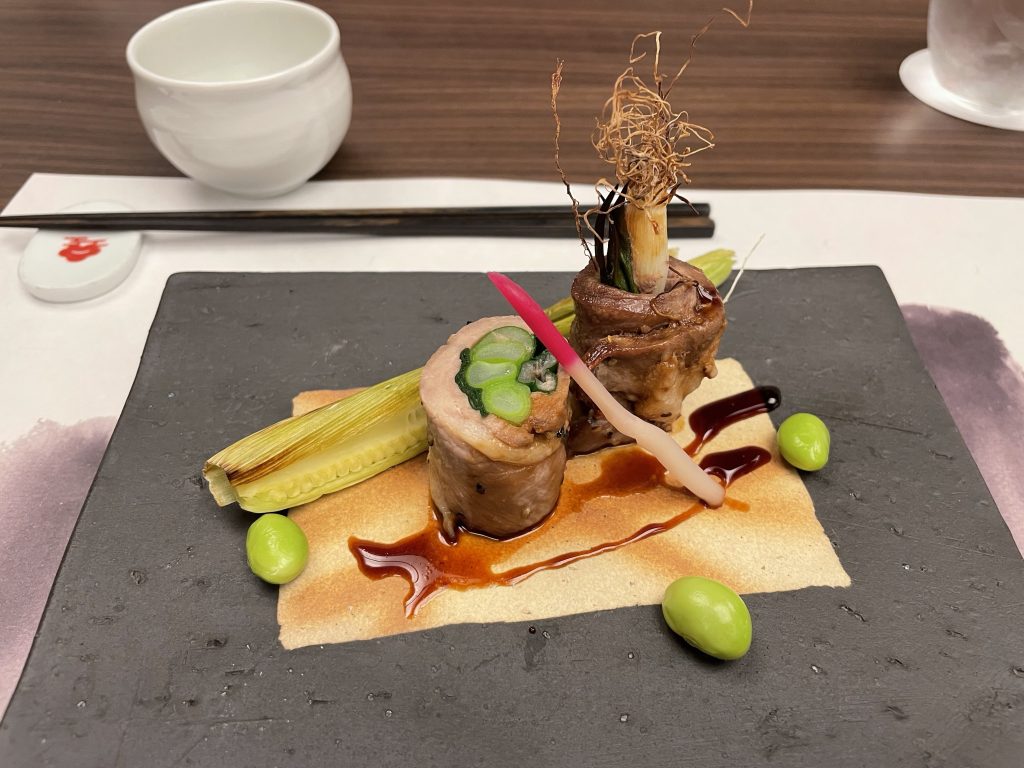
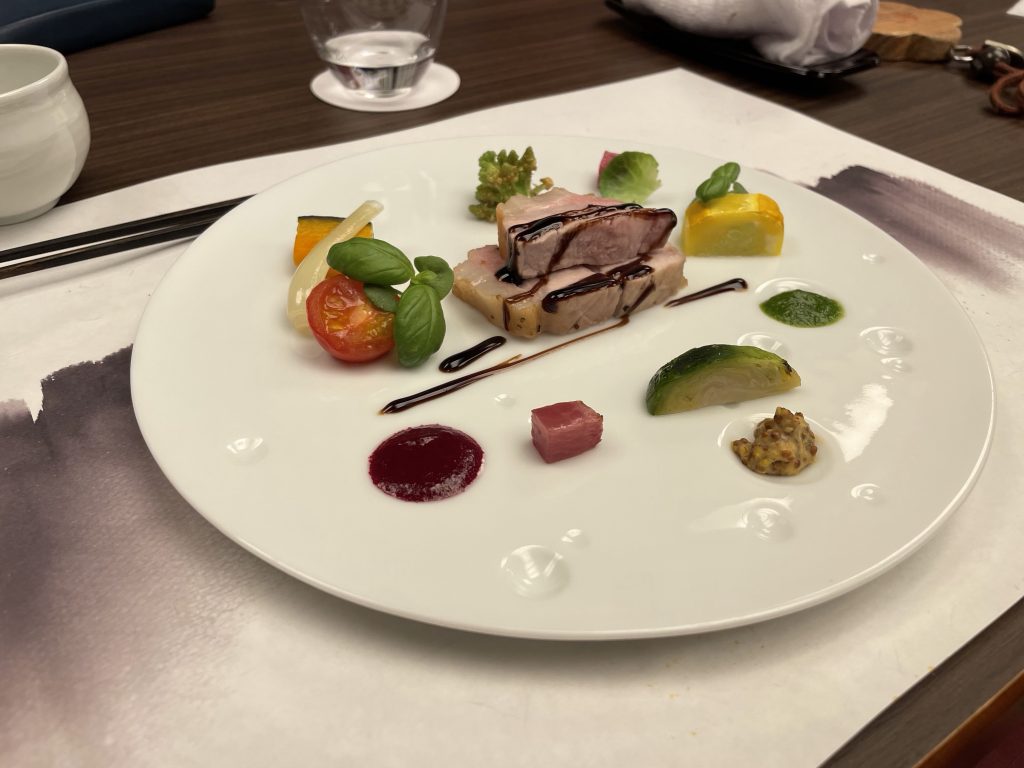
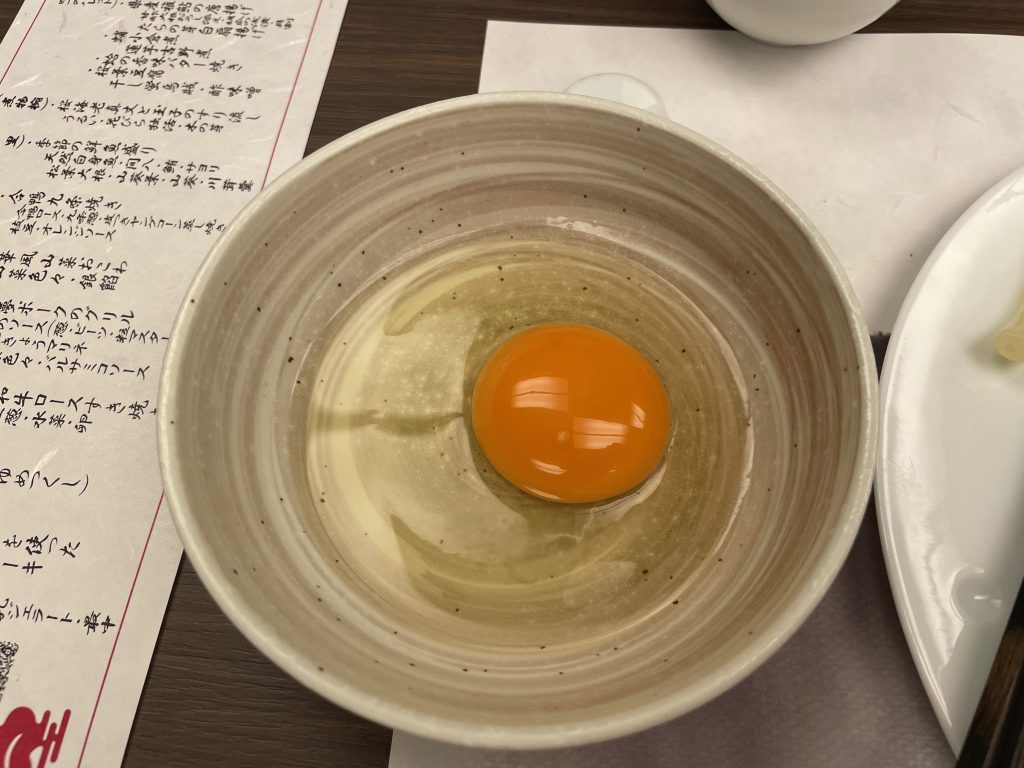
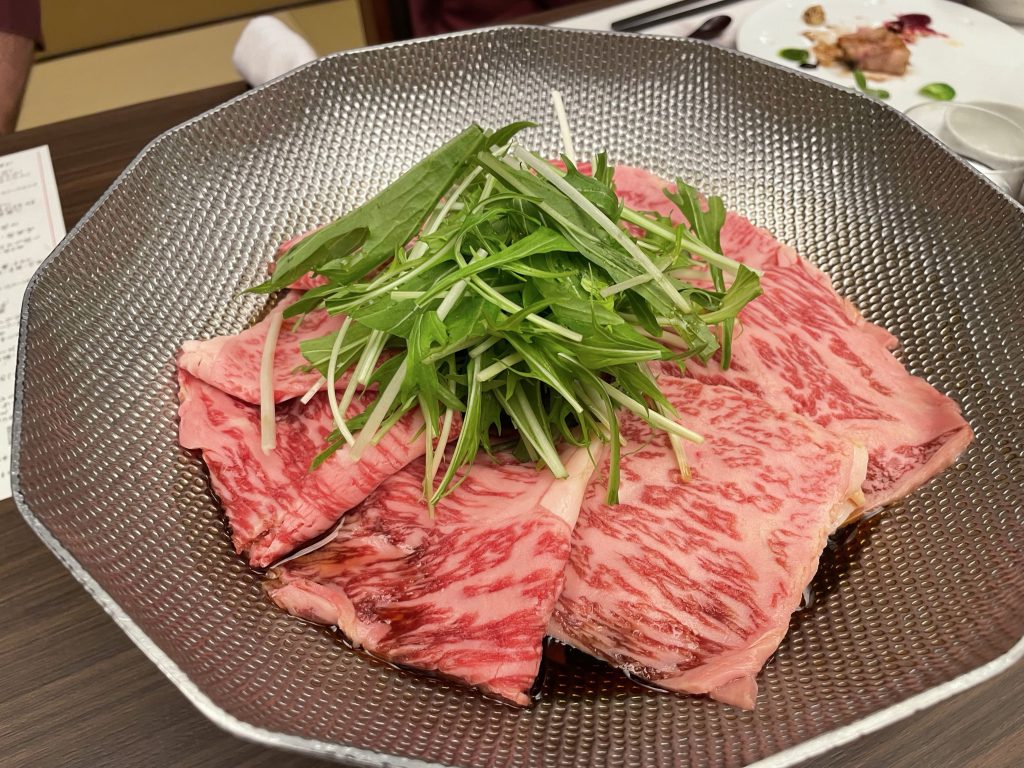
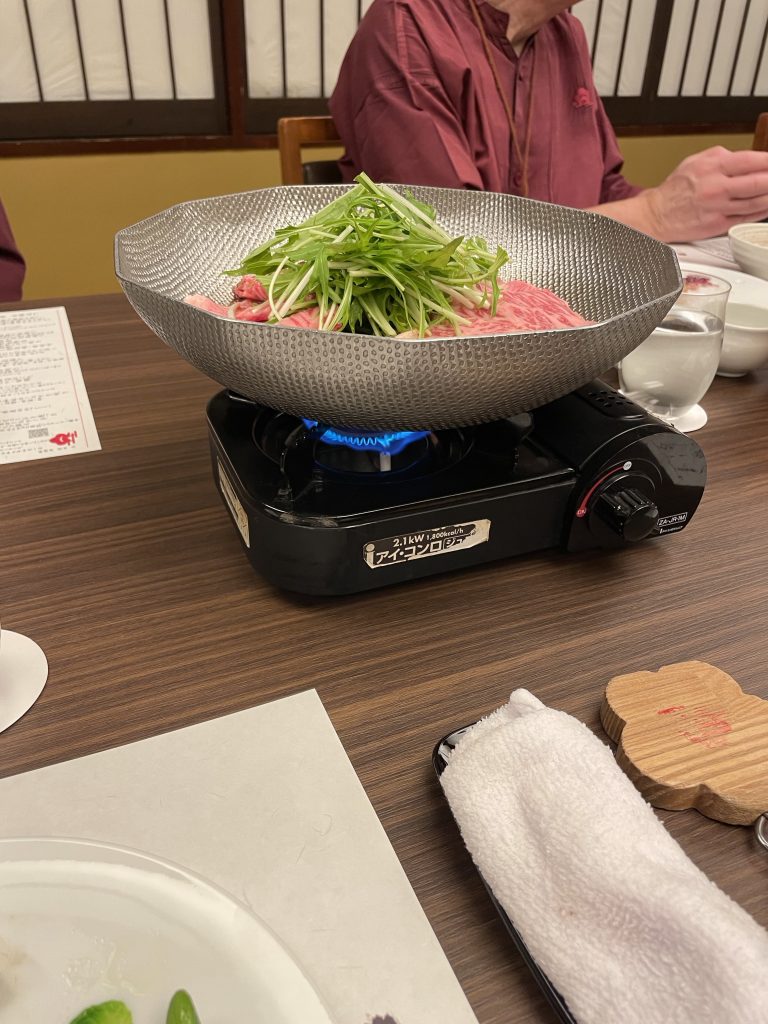
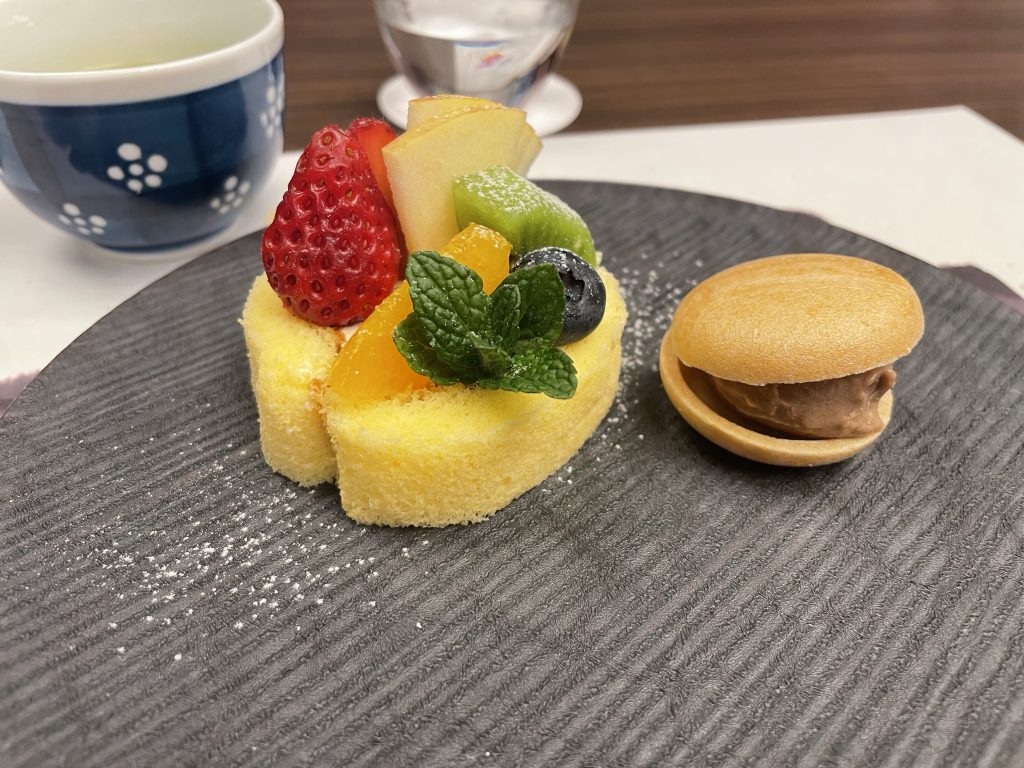
to finish an incredible ride on the rindo roads. (Rin = forest, Do = road) of Kyushu island, even in many areas of poor road conditions
Sayonara
Life is good in Okuhita!
Leave a Reply