Watch the Relive video here:
https://www.relive.com/view/vYvrw4n87LO
On the Road – Distance 68km / 42mi | Elevation 1791m / 5876ft

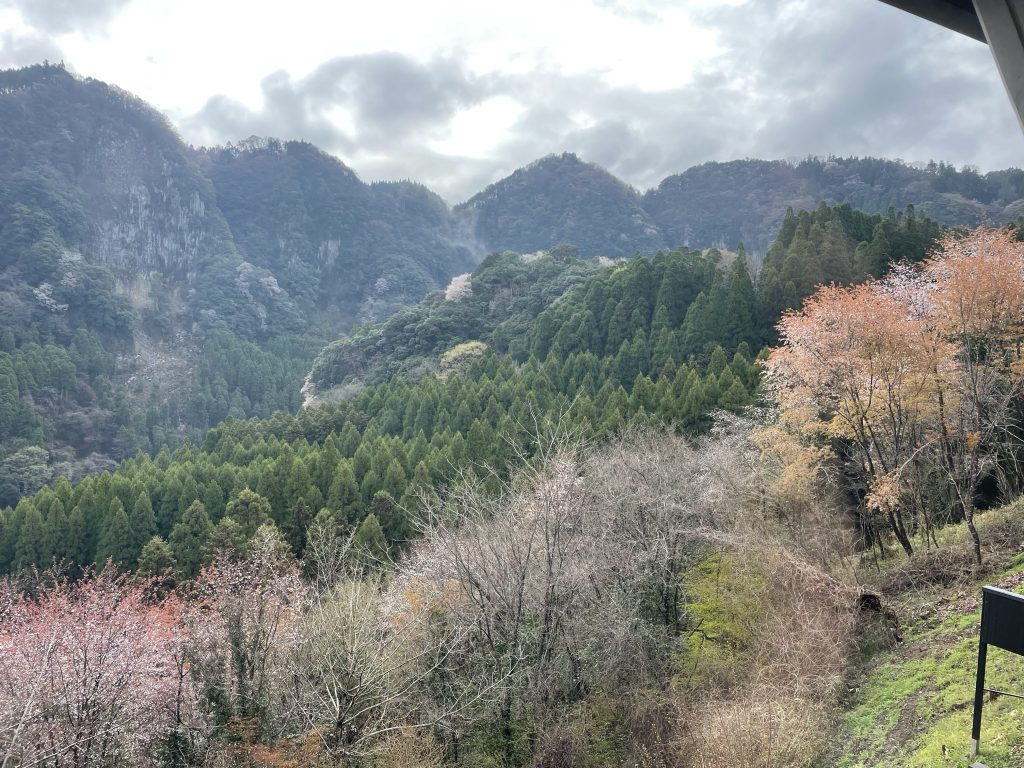
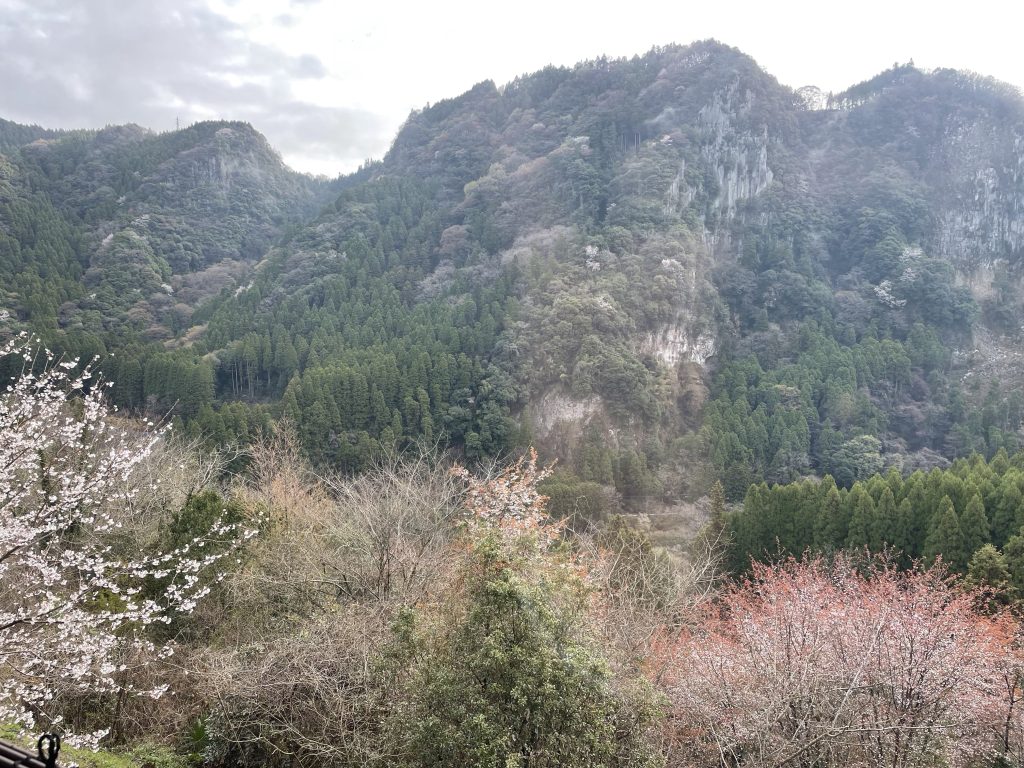
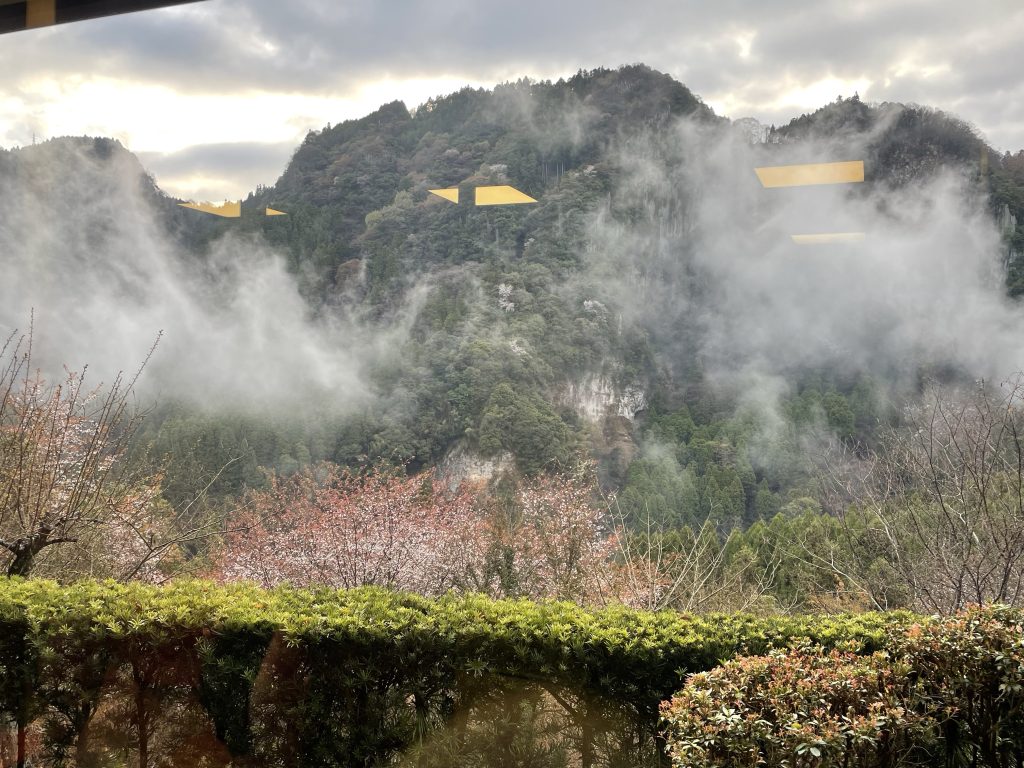
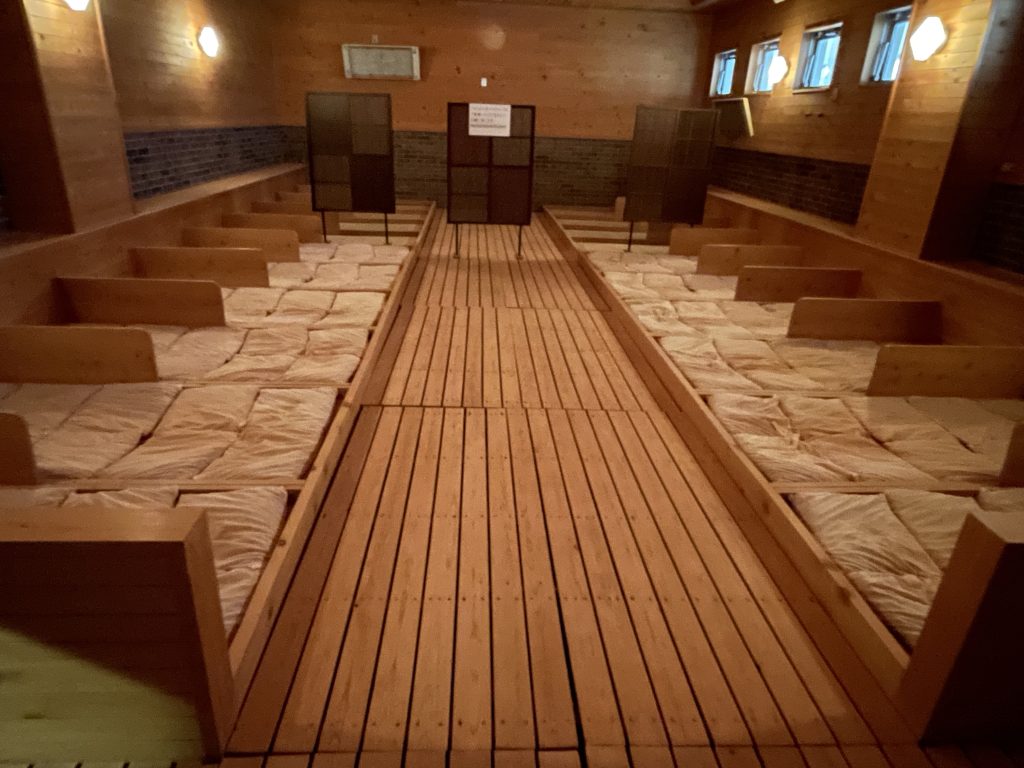
Early this morning before breakfast and no one around, I managed to take an onsen and grabbed a couple of photos while having a nice soothing soak.
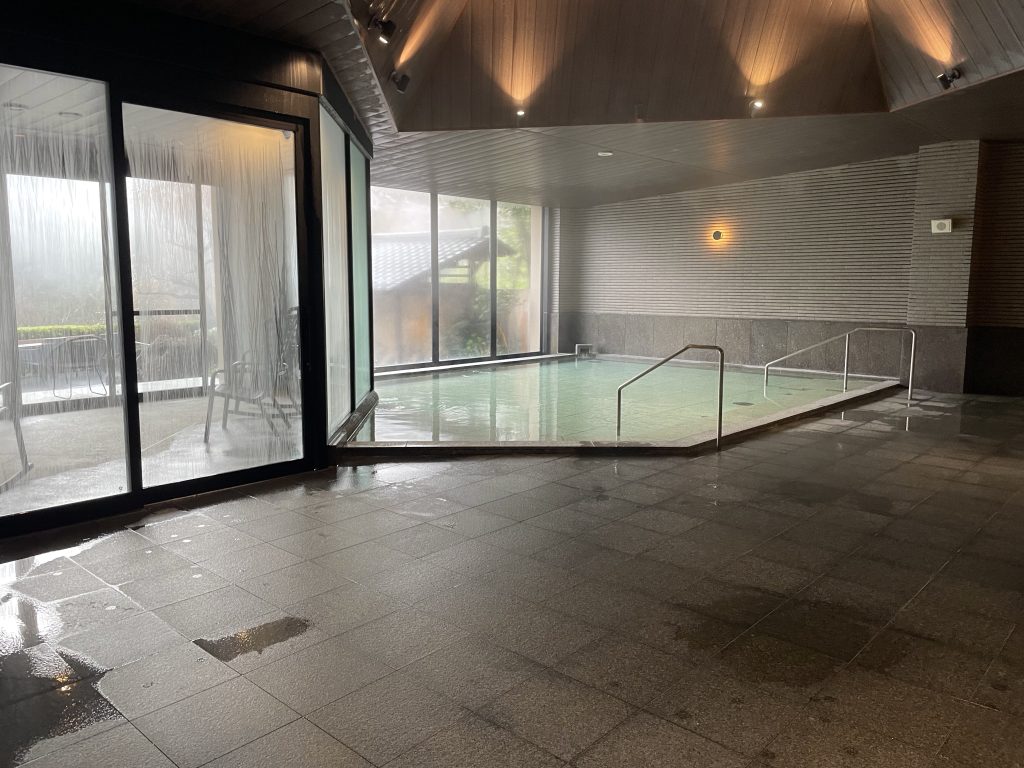
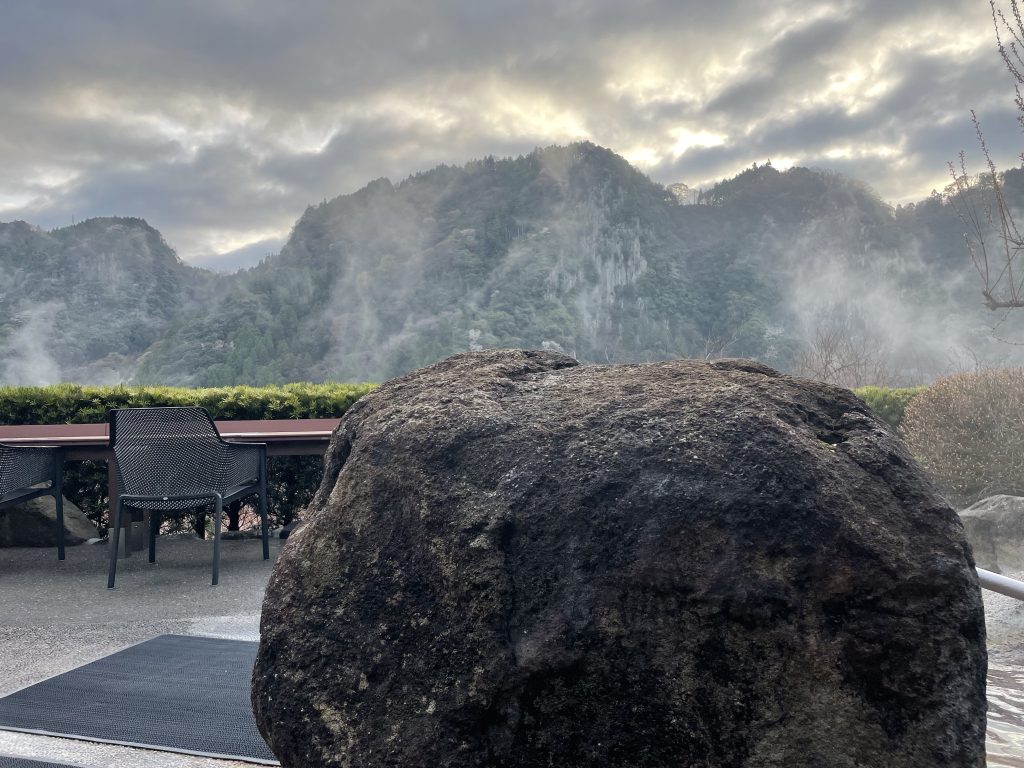
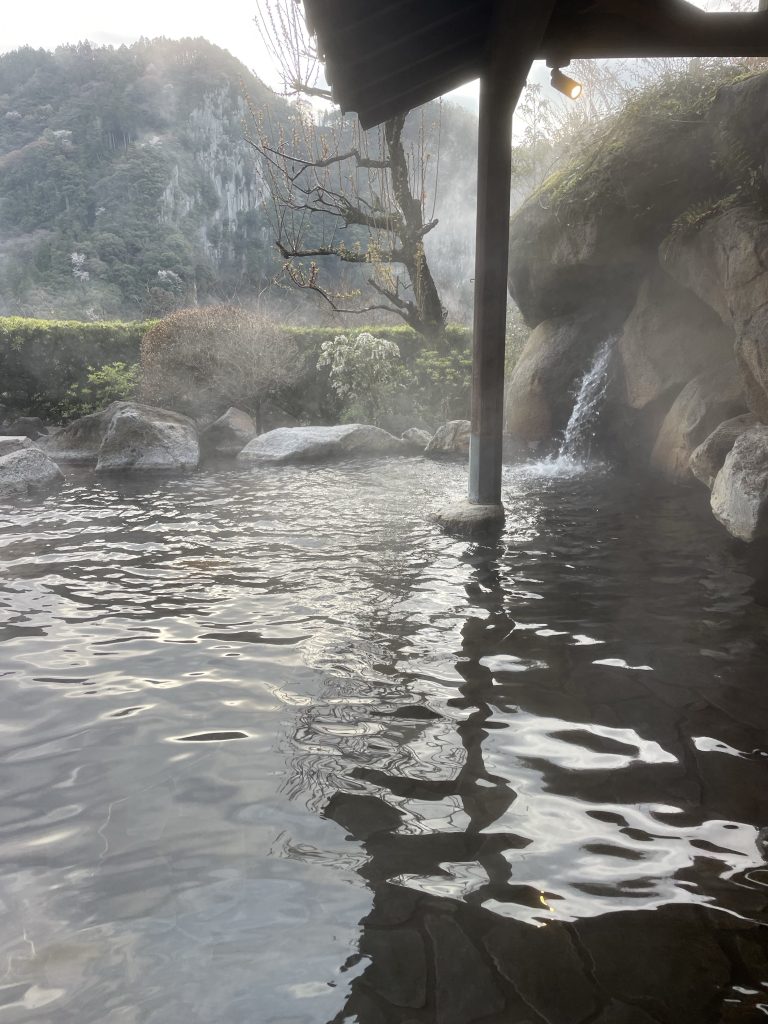
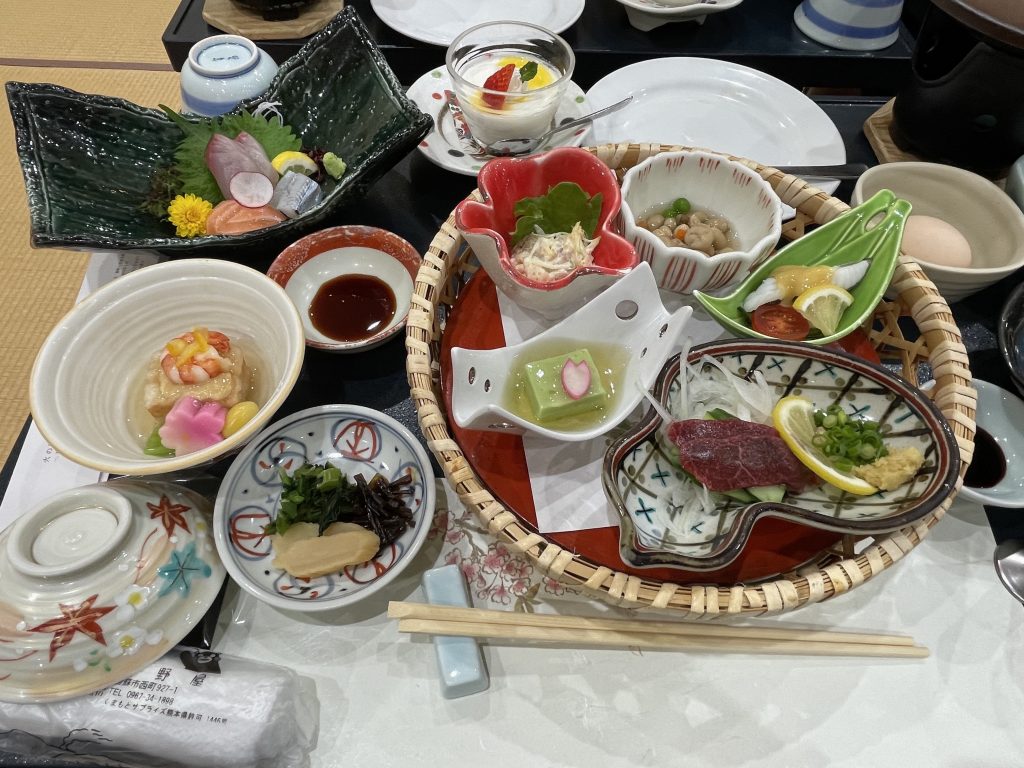
And then had a sumptuous if not unique Japanese breakfast . Our bikes were waiting for us as were our bike shoes that had been taken away from us when we checked in

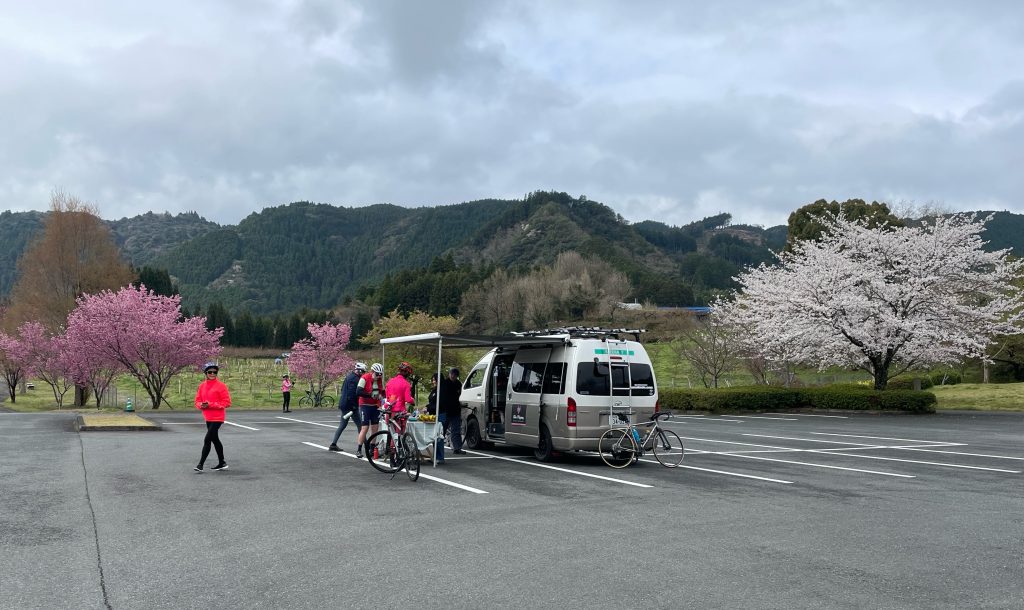

The challenging but beautiful day started with a 17km rolling ascent as we departed from Okuhita – the first 1 km of the climb was 20% grade, not an easy thing to start right out of the hotel!
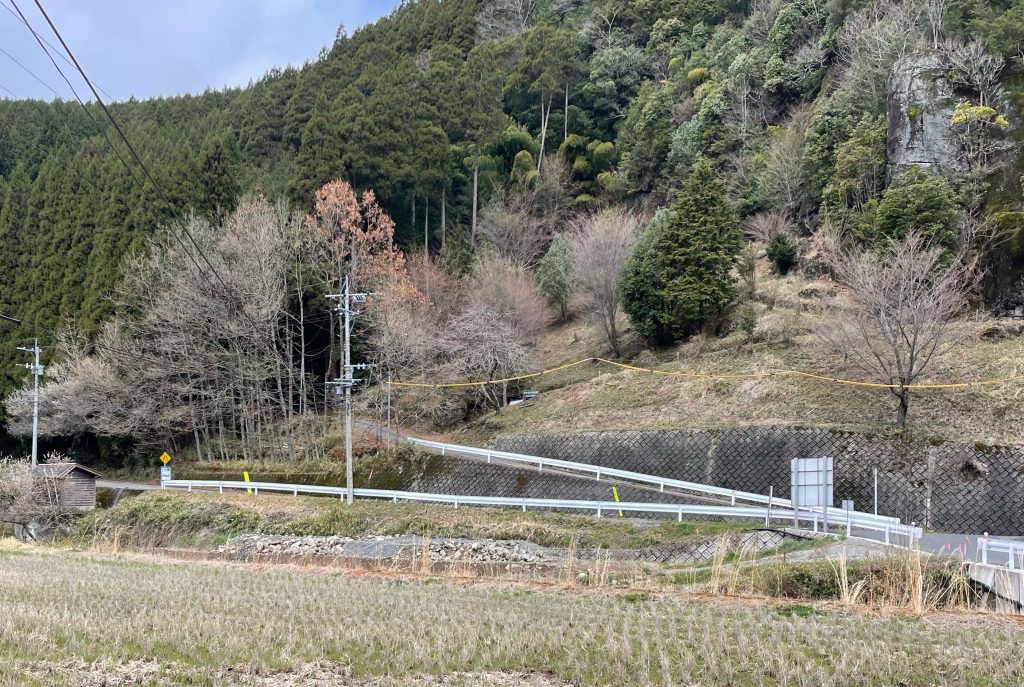
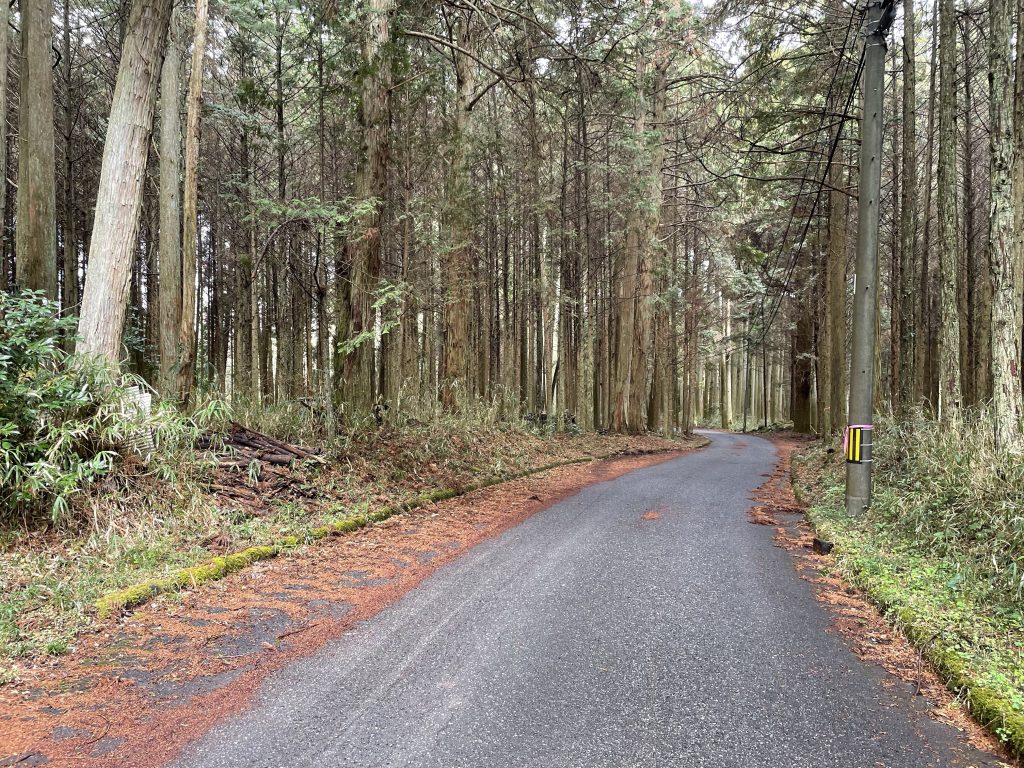
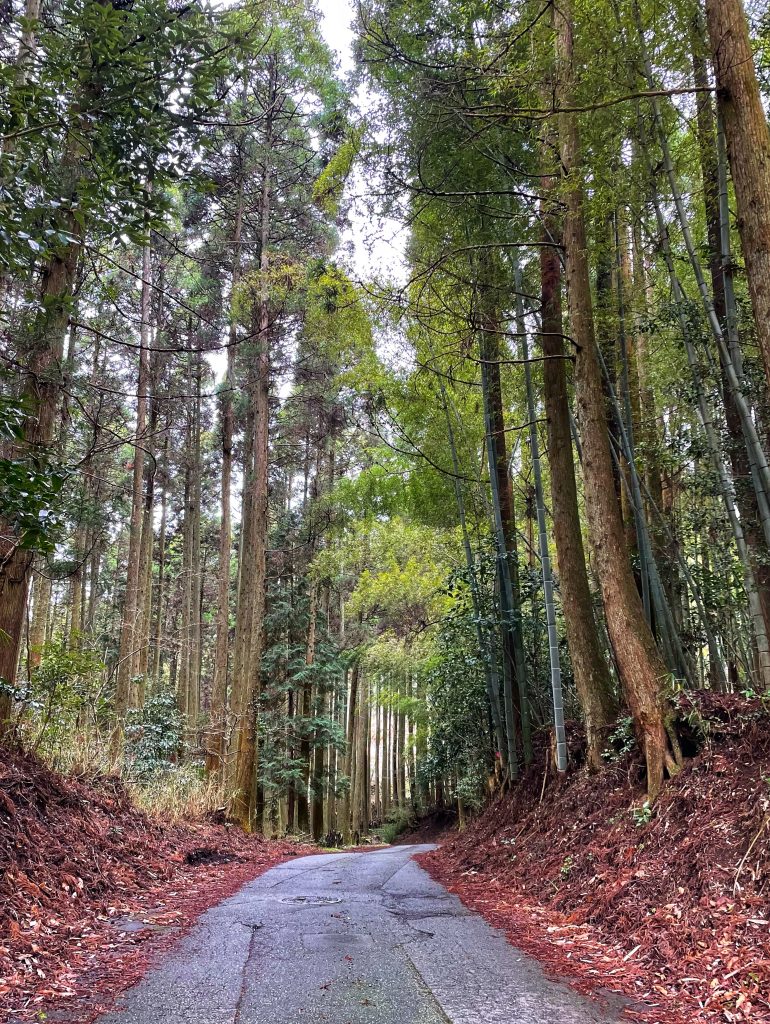
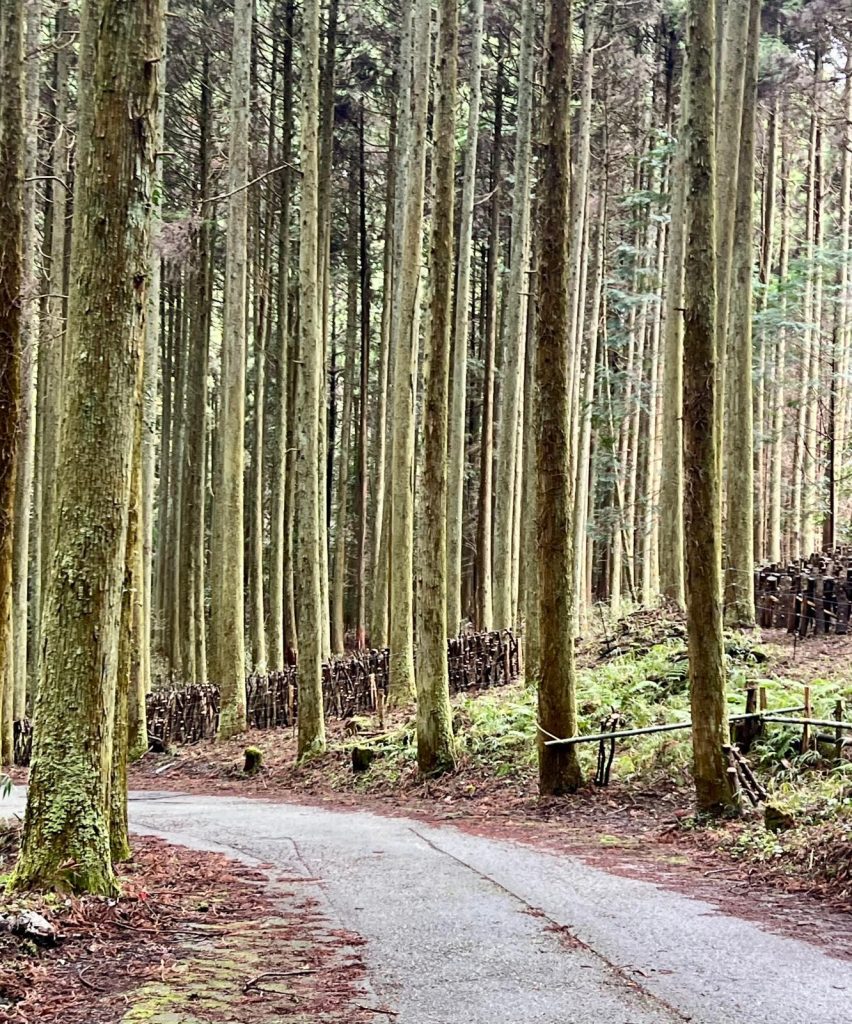
Today’s rindo road was smooth spectacular and it passed through some commercial mushroom farms…trees are cut and stacked and the spores form and the mushrooms are harvested ( don’t know what kind they were). Below shows various stages of mushroom development.
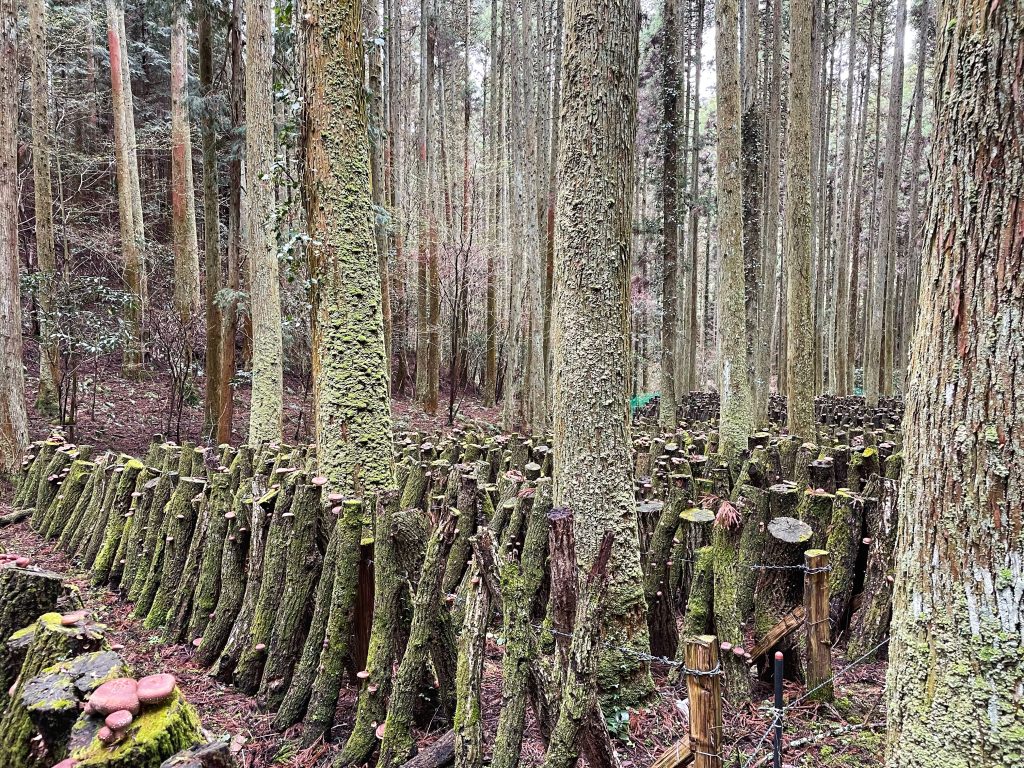
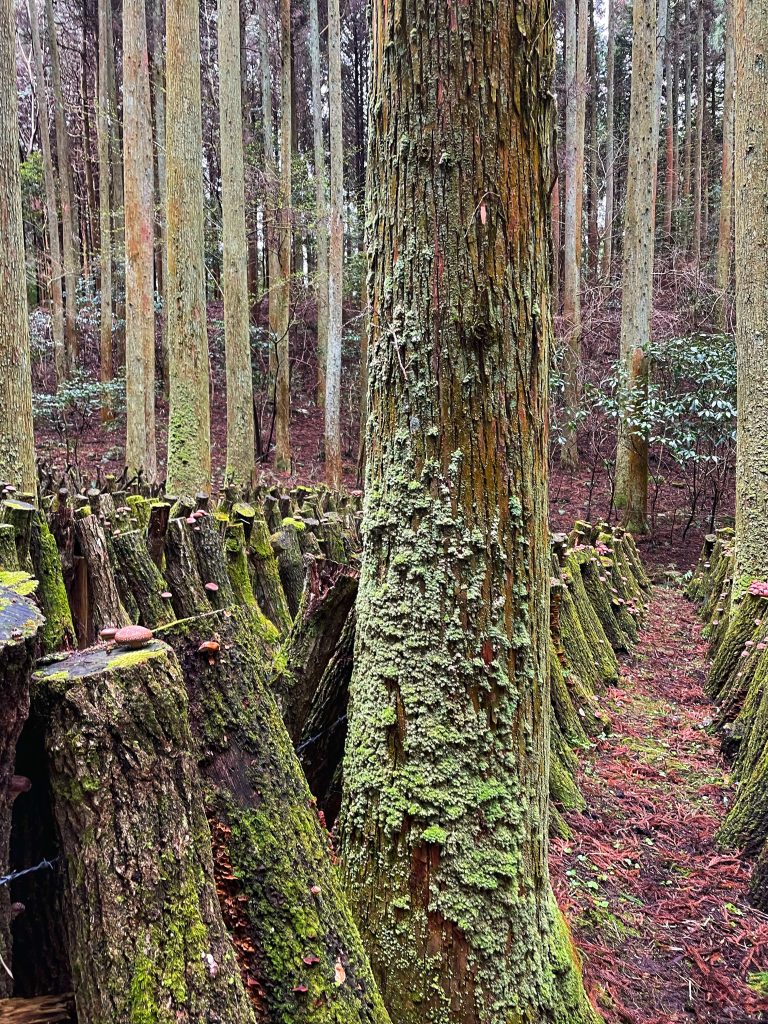
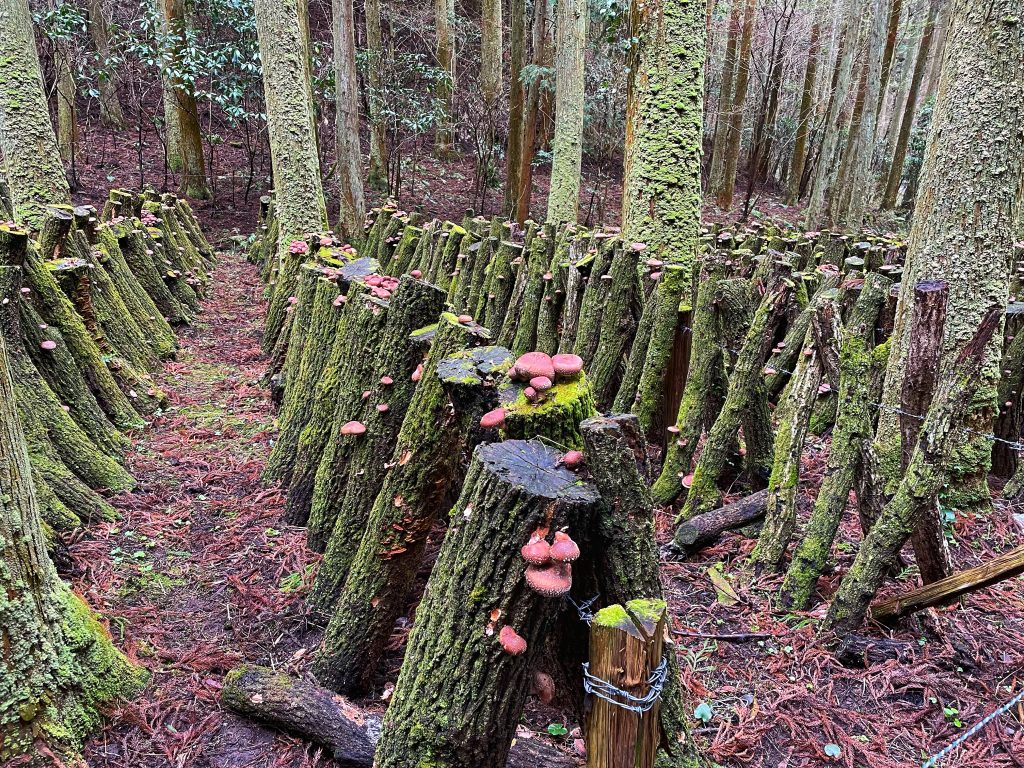
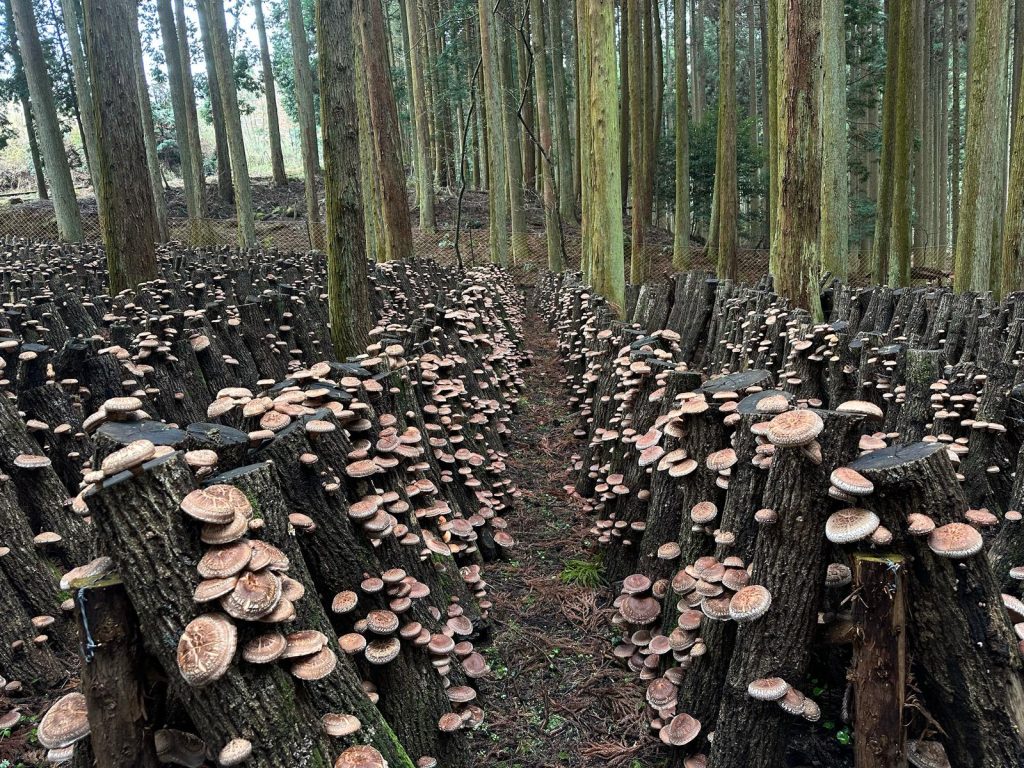
We then journied south, riding through Oita, a region renowned for its abundance of hot springs. The route took us through ancient forests, alongside waterways and waterfalls, along the peaceful rindo roads of Kyushu, Japan’s third largest island and a true testament to the country’s natural beauty. Continuing south, we passed back through the Kumamoto region, gently gliding into the caldera.
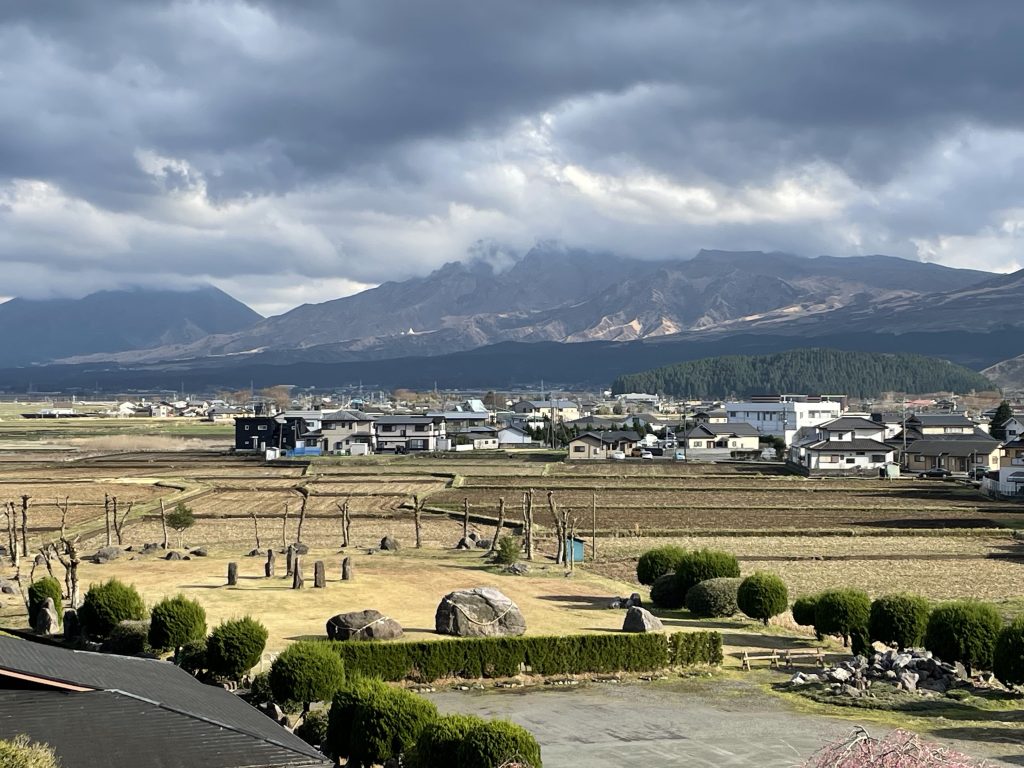
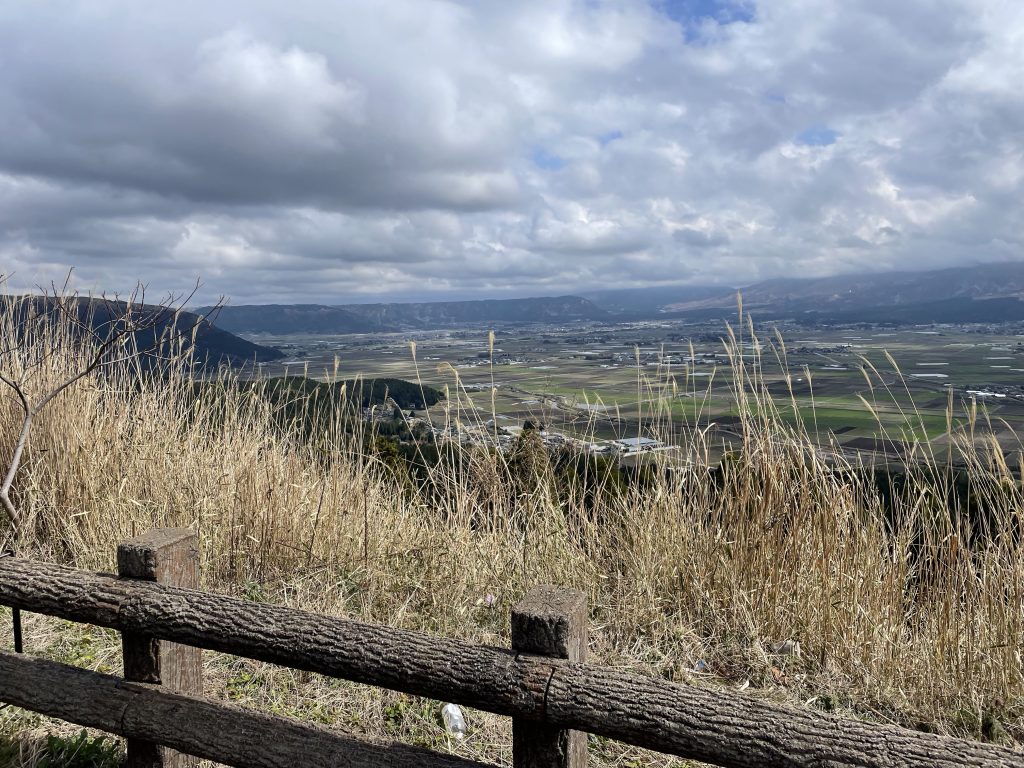
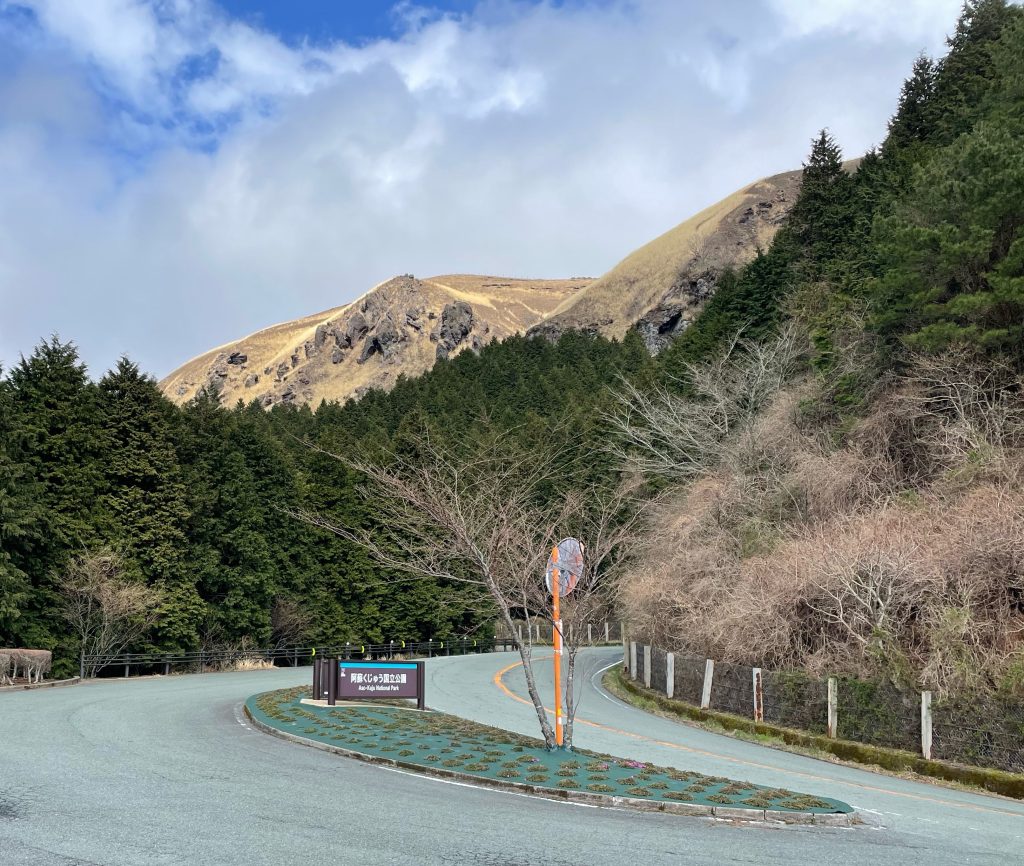
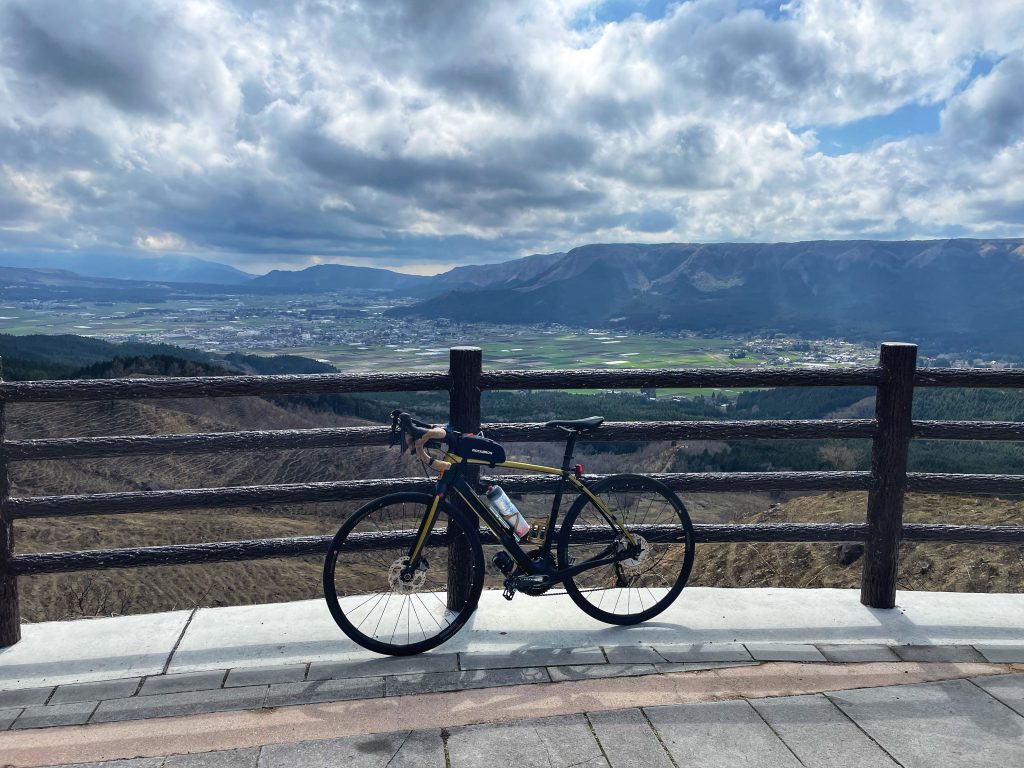
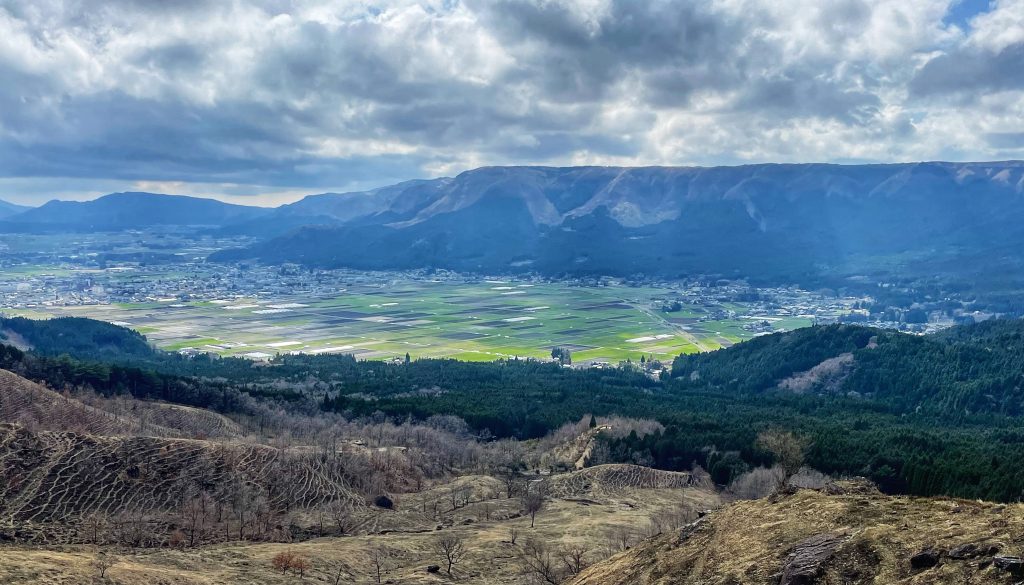
Looking down on the lush green caldera, the remaining rim in the background.
Another fabulous Japanese dinner tonight in the hotel after a long soothing onsen which I needed after another big climb day… this was all for me including wagu beef and rice not shown in the photo. Everyone served the same platter!
Destination – Mt Aso
Mt. Aso, the name given to a collection of volcanic peaks in the center of Kyushu, the southern-most of Japan’s four main islands, is Japan’s most active volcano. It’s also one of the best places in Japan to experience the impact of fire and water on the landscape and the lives of the people who live here.
Stretching 18km east-to-west and 25km north-to-south, the Mt. Aso caldera is one of the world’s largest. It resulted from the mega-eruption of several volcanoes in the center of the island of Kyushu between 270,000 and 90,000 years ago, the force of which scattered ash and rock fragments across thousands of kilometers (about 10 cm of ash from this eruption has been found in far-away Hokkaido).
The impact of that ancient eruption can still be seen across Kyushu today, but especially in Kumamoto Prefecture, home to the caldera created when the volcano collapsed in on itself from the force of the eruption.
The Aso range is still active, and the summit is frequently off-limits. But if you visit, don’t worry – the volcano’s activity is closely monitored and the surrounding safety zone is regularly adjusted to allow you to get the closest possible look without undue danger.
From the Aso Volcano Museum, it is often possible to see massive clouds billowing from Mt. Aso’s Nakadake Crater, not quite three kilometers away. On most days, the clouds emitting from the volcano are white – predominately steam produced by the heat of the volcano. But in October 2021 the volcano had a more significant eruption, shooting gray clouds of ash some 3.5km into the air.
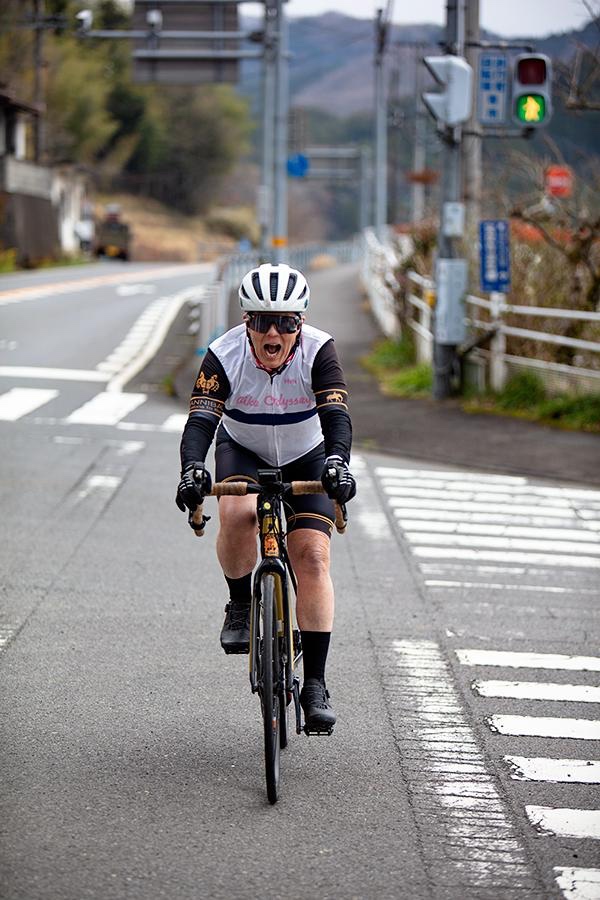
Although there was a lot of climbing over a short distance, it was very manageable and enjoyable.
Life is Good at Mt Aso!
Sayonara
Leave a Reply