Watch the Relive video here: https://www.relive.com/view/vdvm4XNPgNq
On the Road – Distance 110km / 68mi | Elevation 1356m / 4449ft
After breakfast…
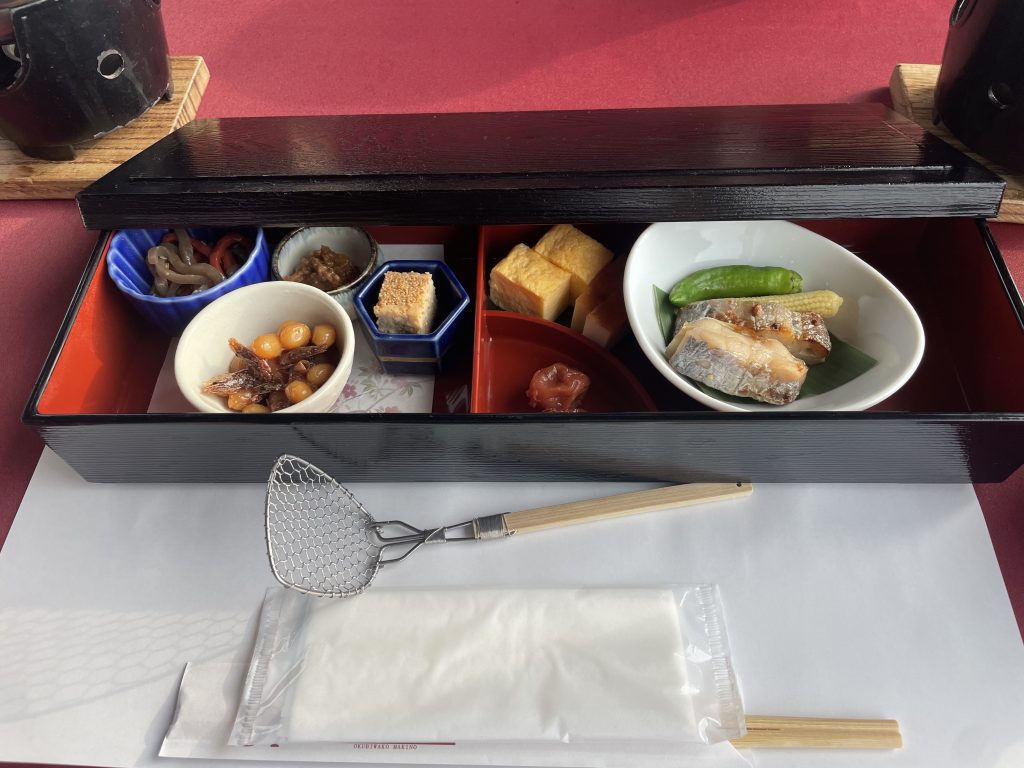
we departed from the beachfront and got straight back onto the Lake Biwa Ichi Cycling route which took us through the older parts of Makino and then back onto the lake front and amongst the cherry trees winding through the Oku-Biwako Parkway Tsuzura Ozaki. Some macaque monkeys were spotted early on. ( see them in the Relive video above).
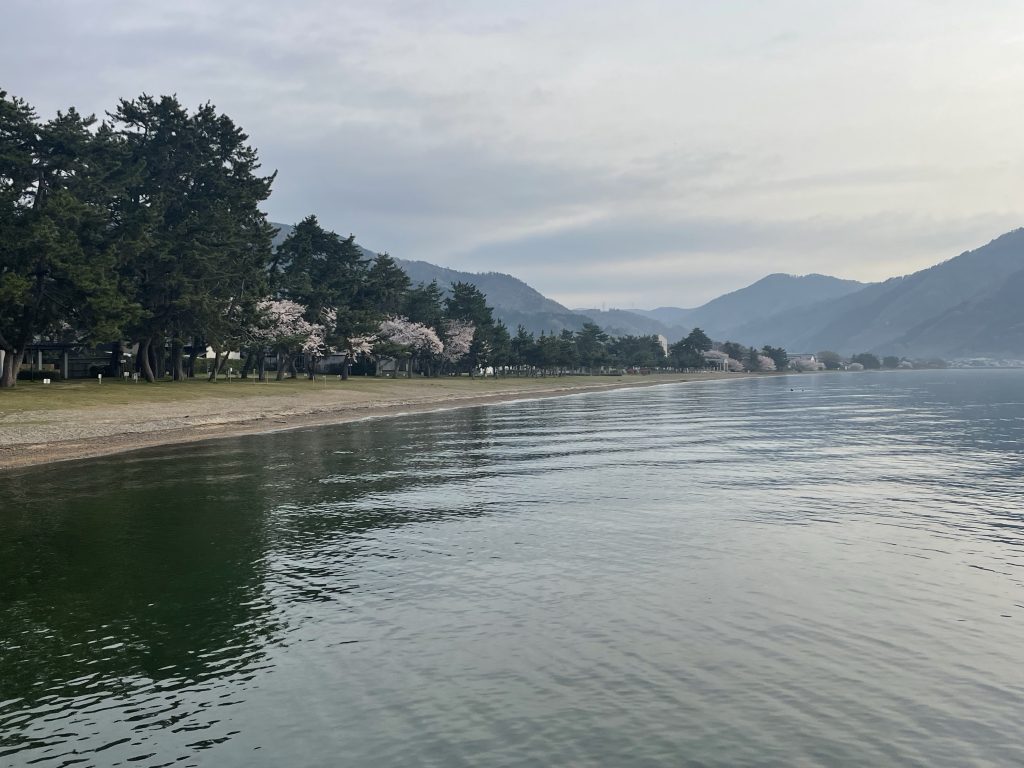
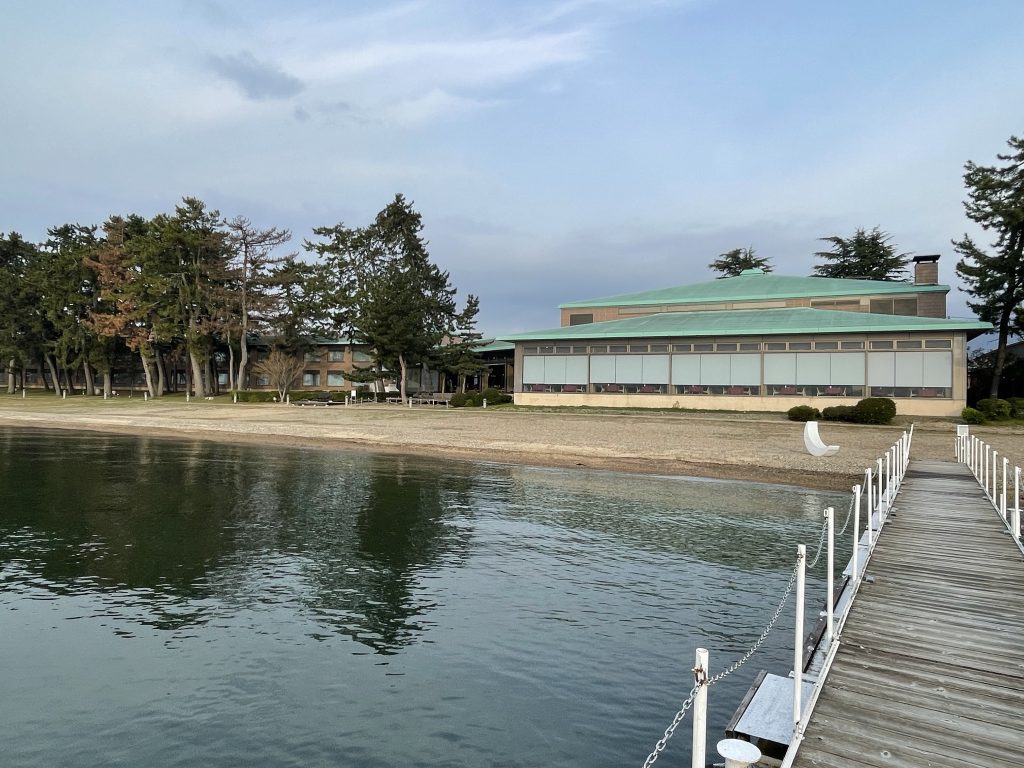
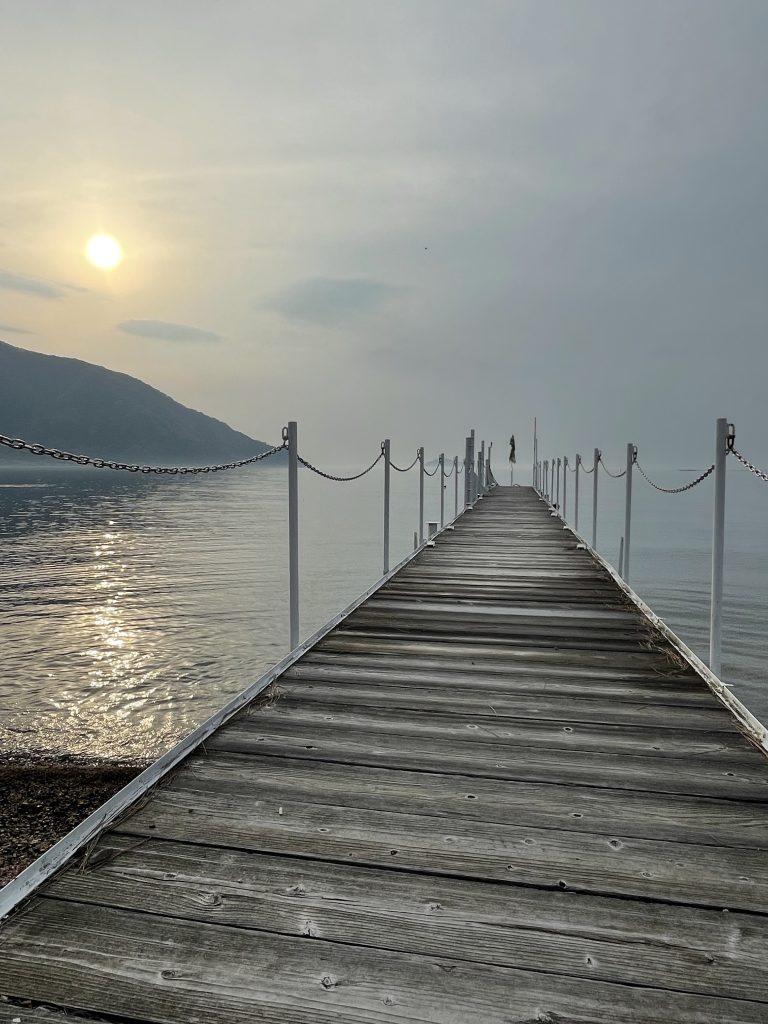
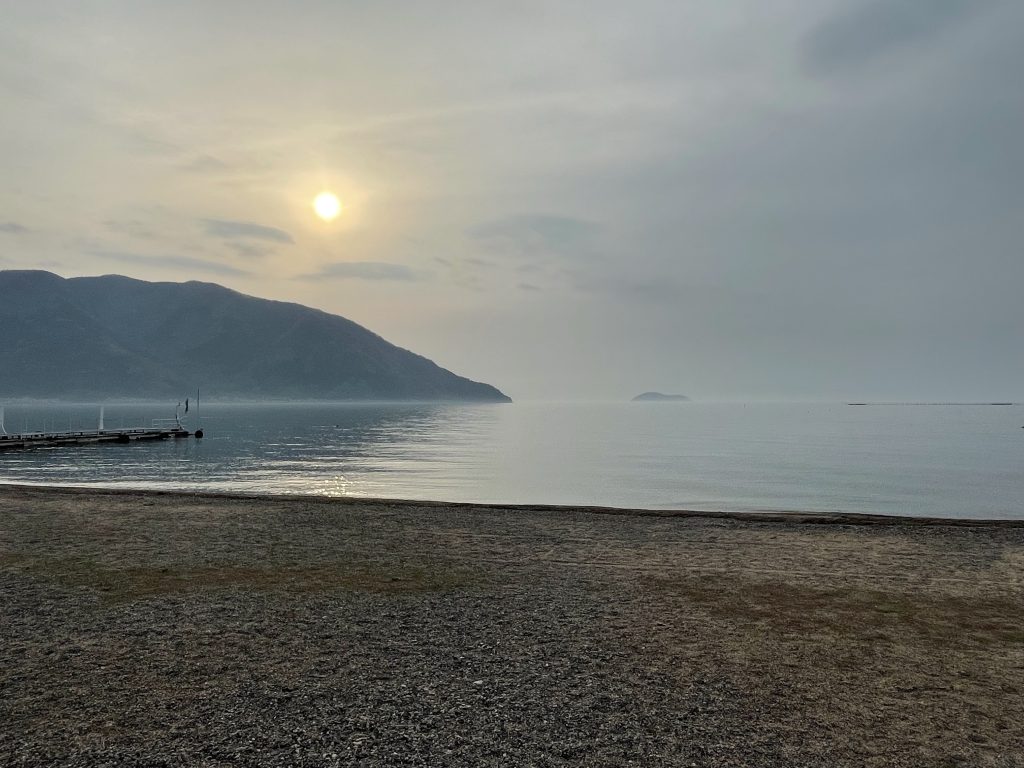
We basically followed a solid line of cherry tree in bloom for the first 24 km, along the lake and up into the mountains. It was magical with the pink blossoms and the slightly foggy views over the lake.
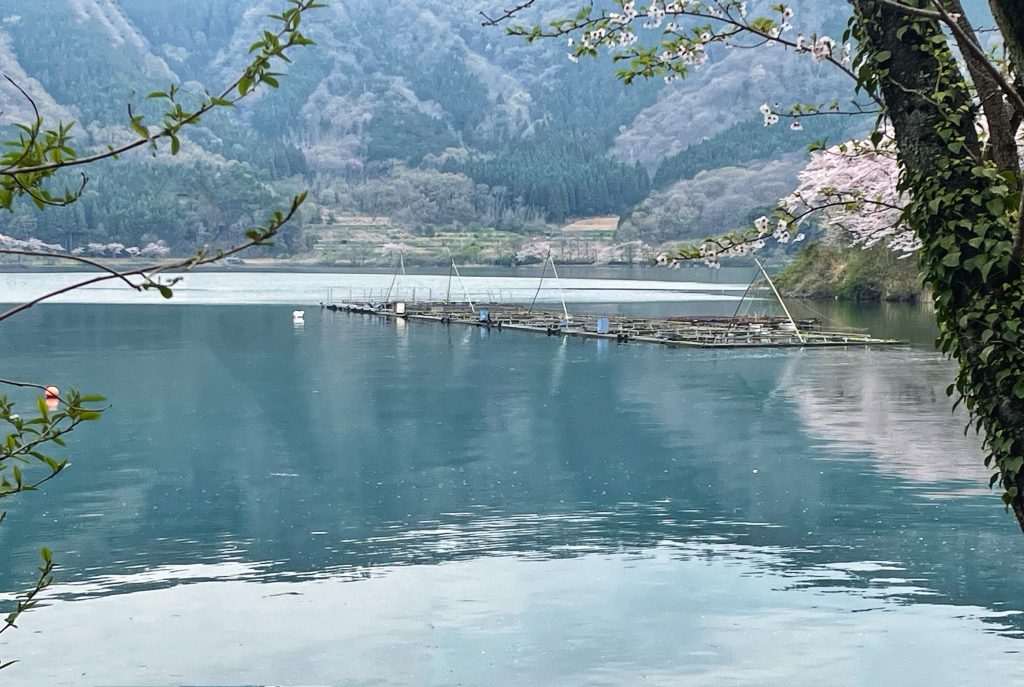
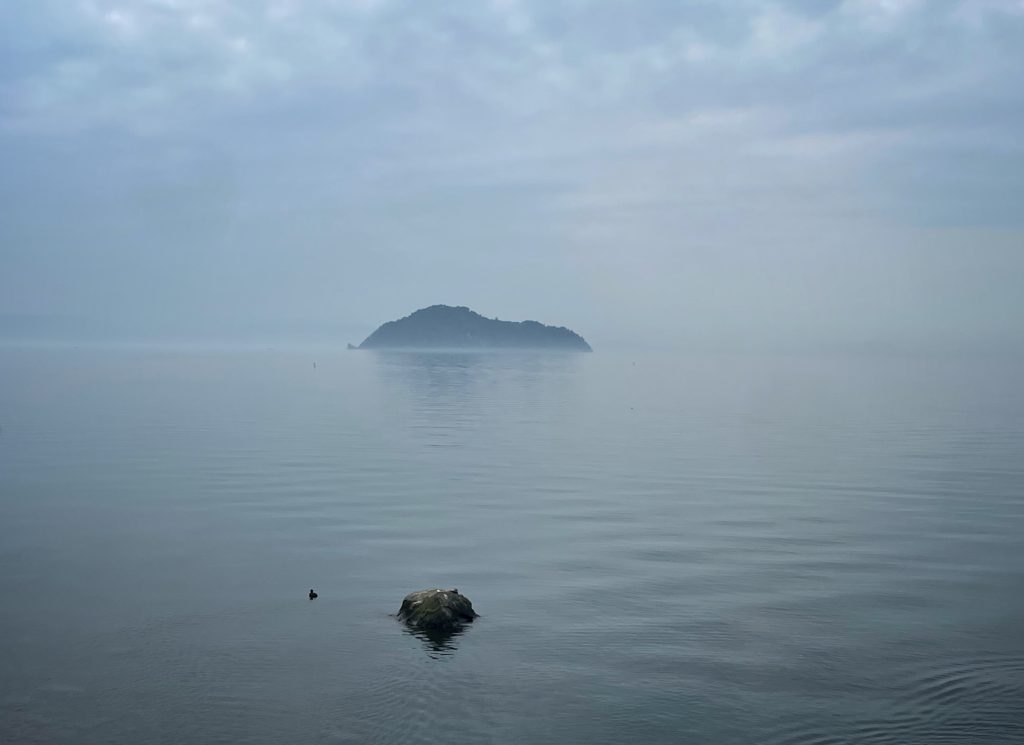
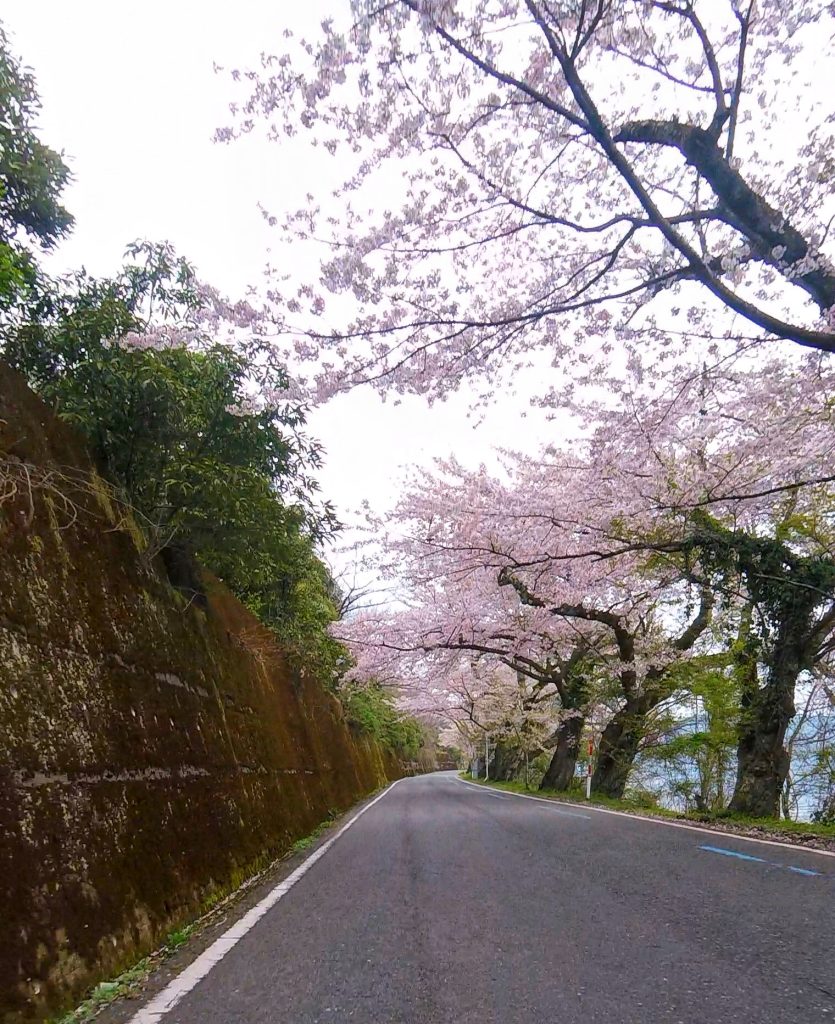
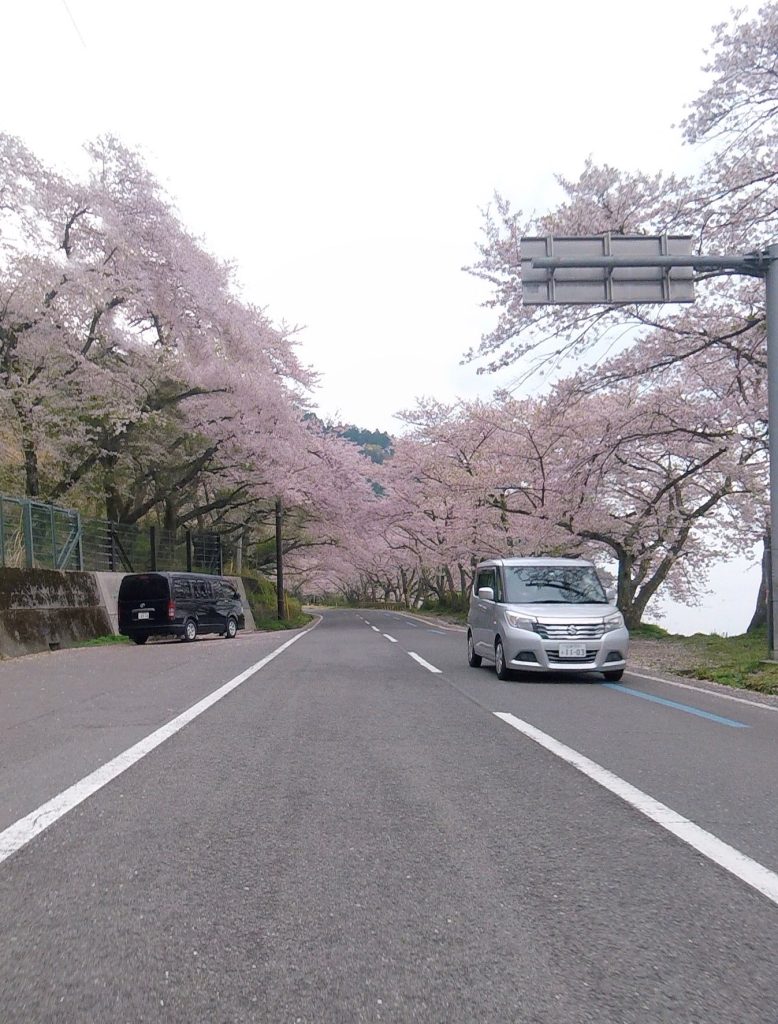
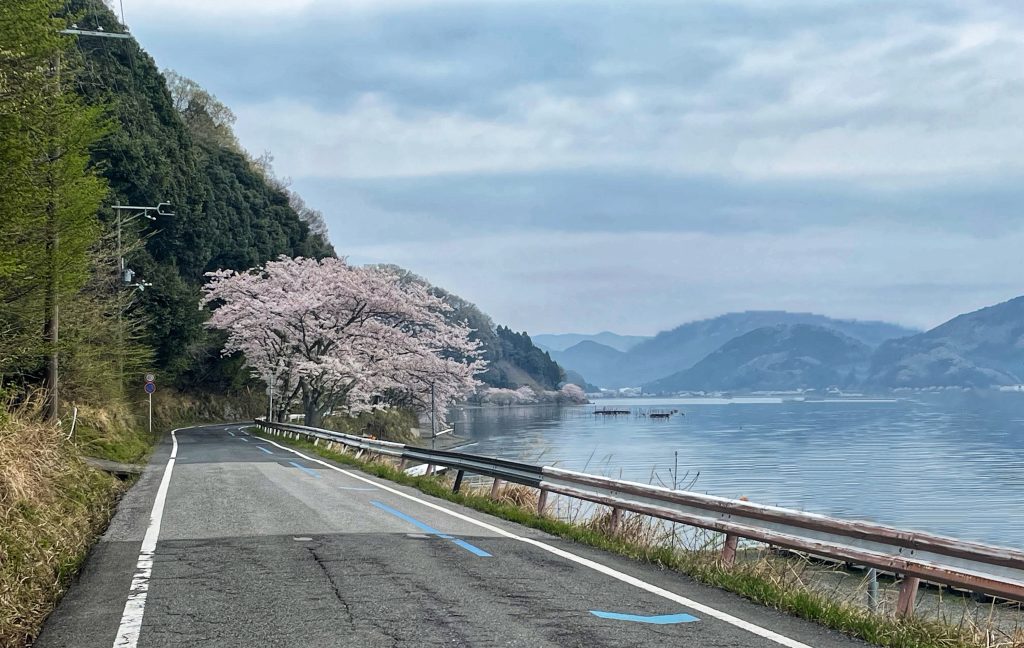
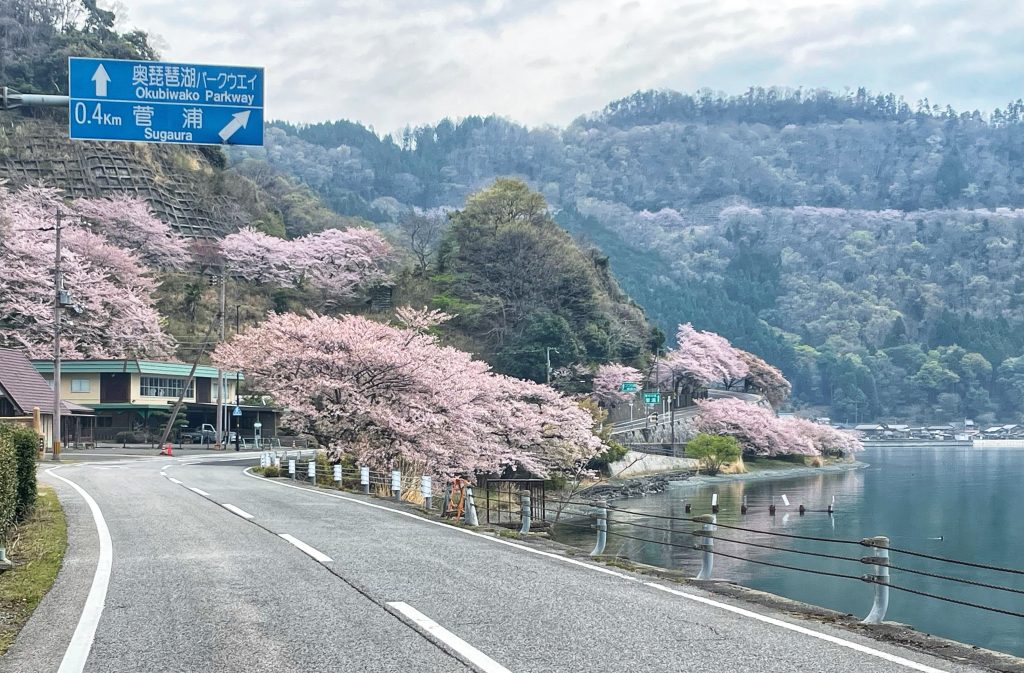
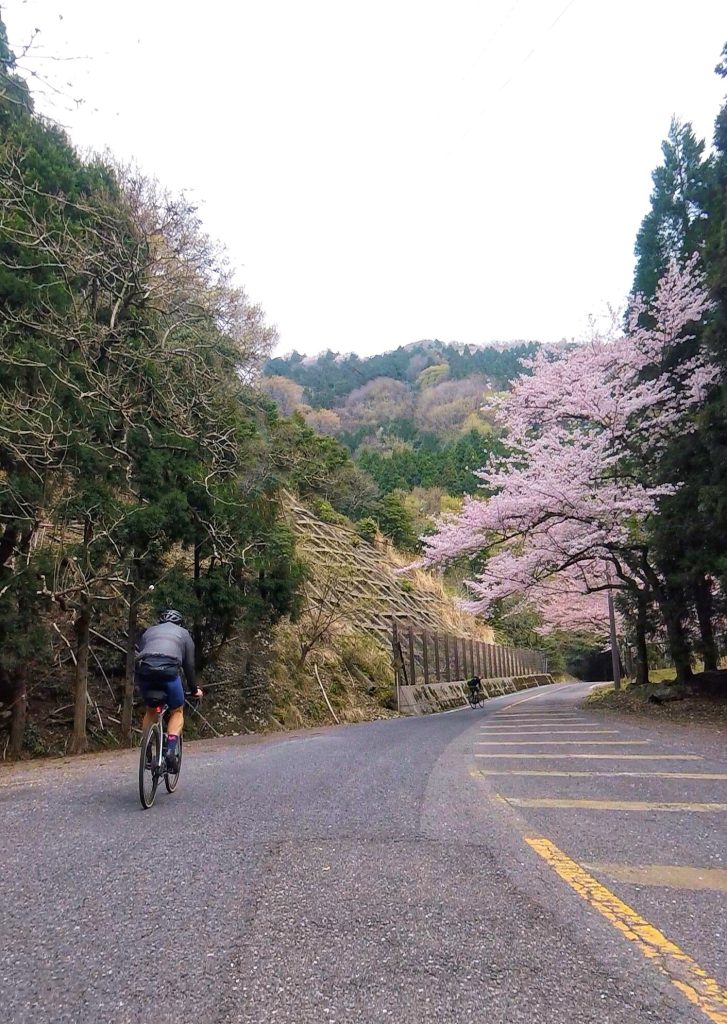
The winding down had us with more views of the lake before passing a collection of temples and shrines and a couple of tunnels
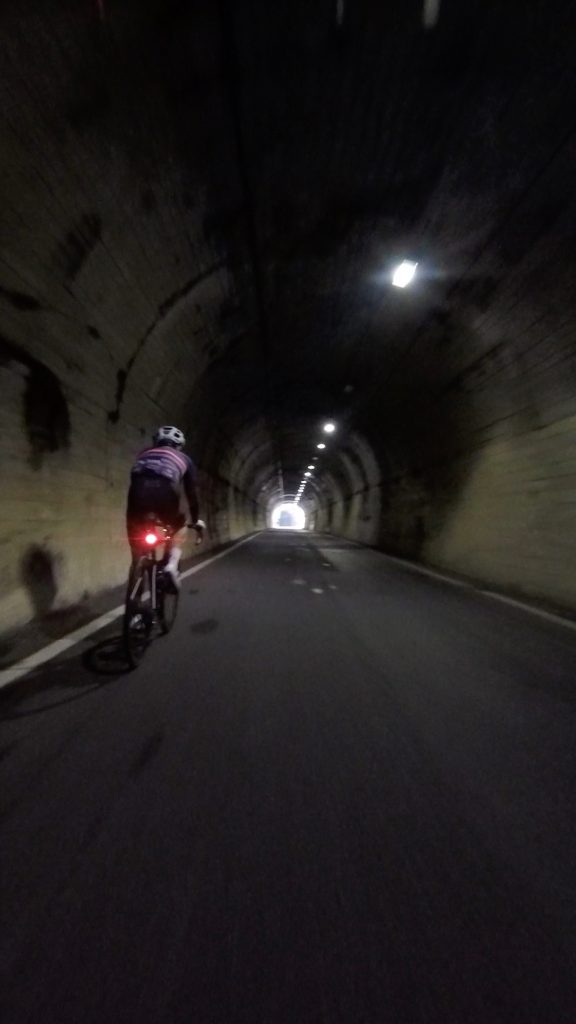
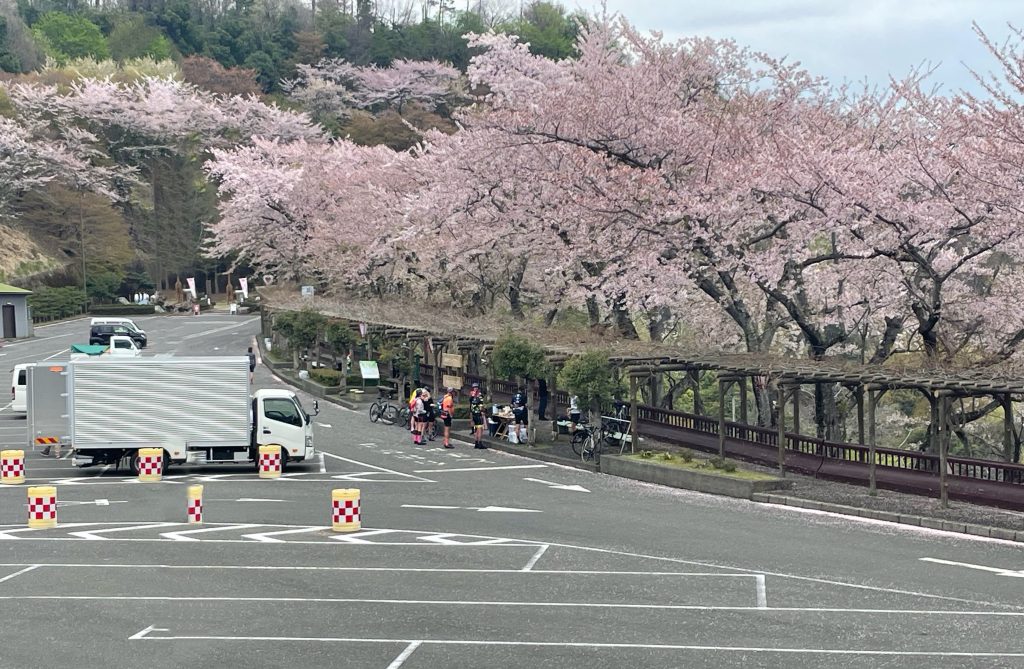
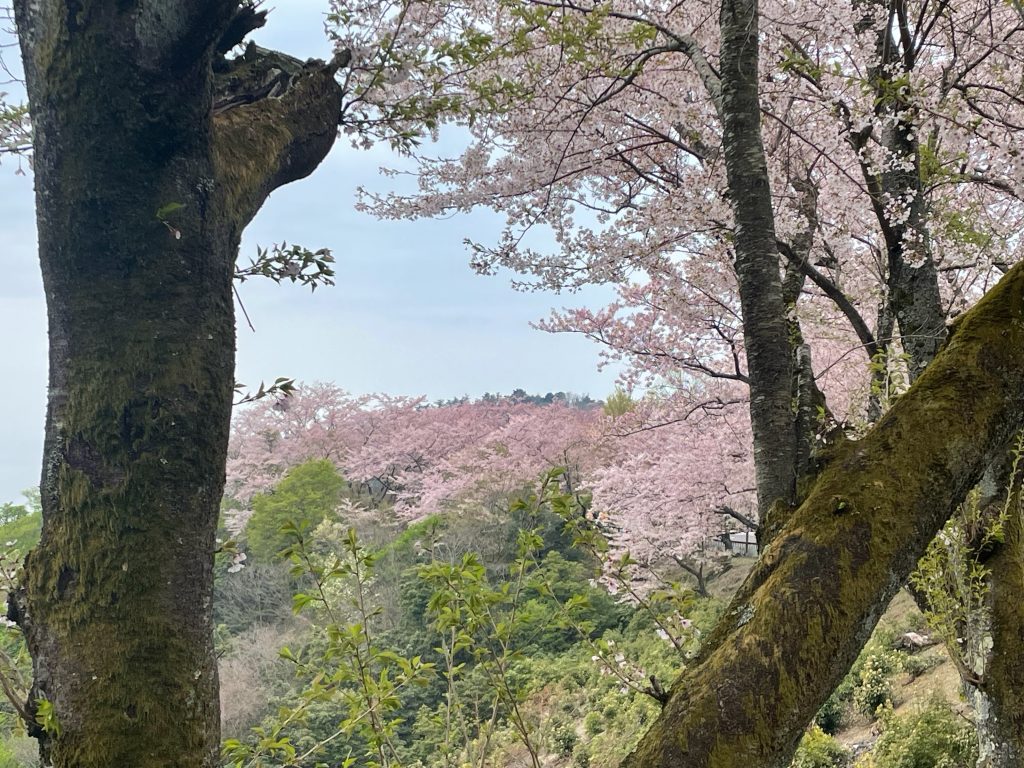
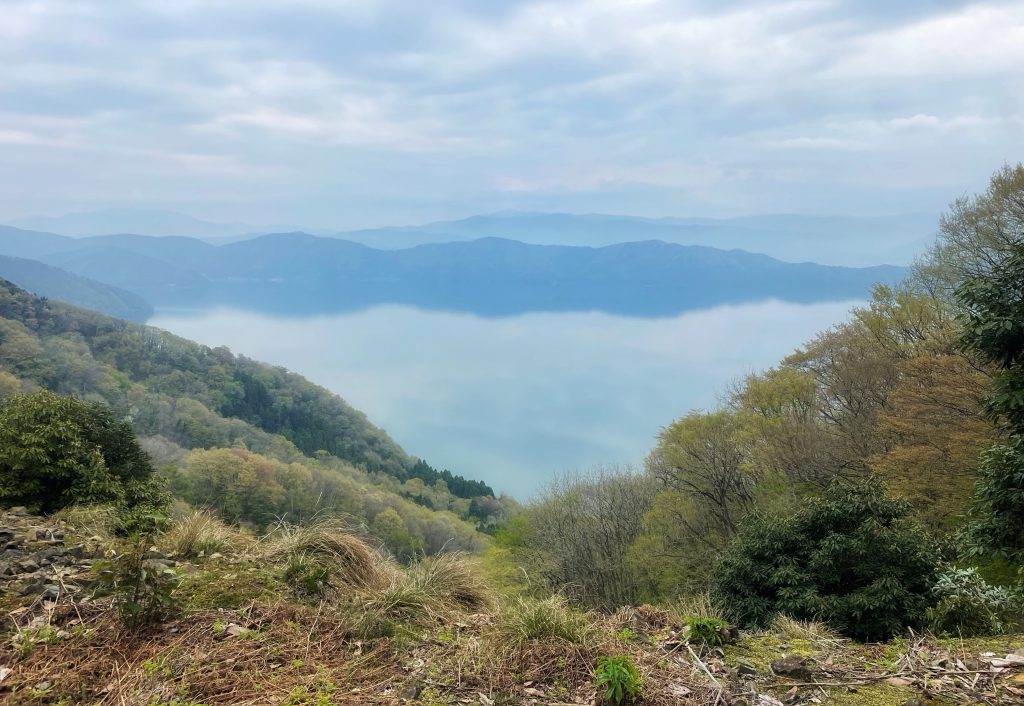
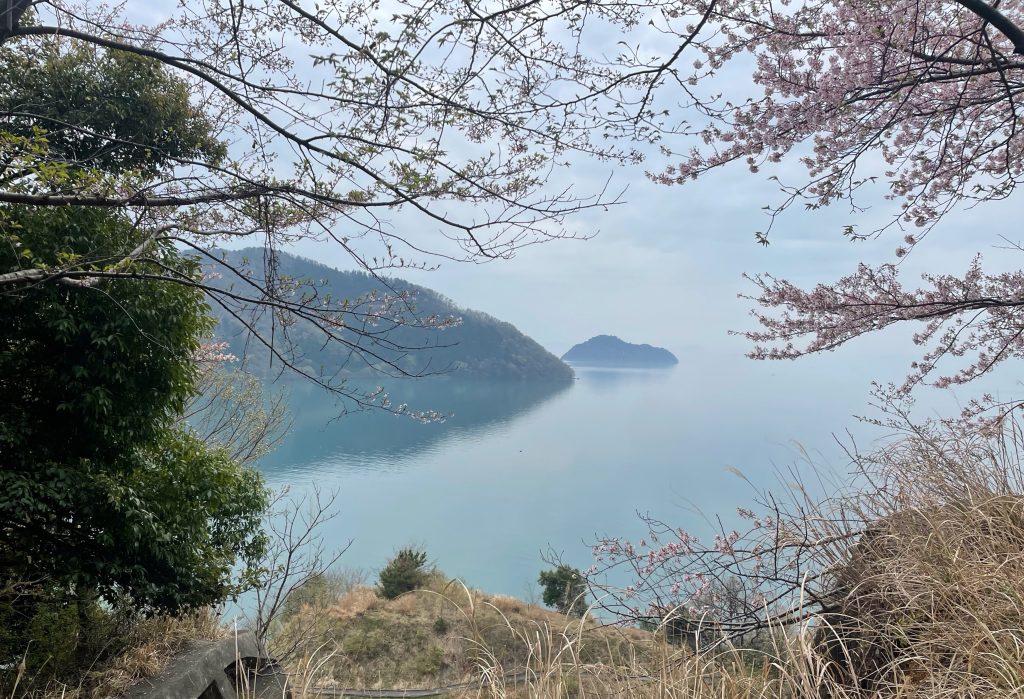
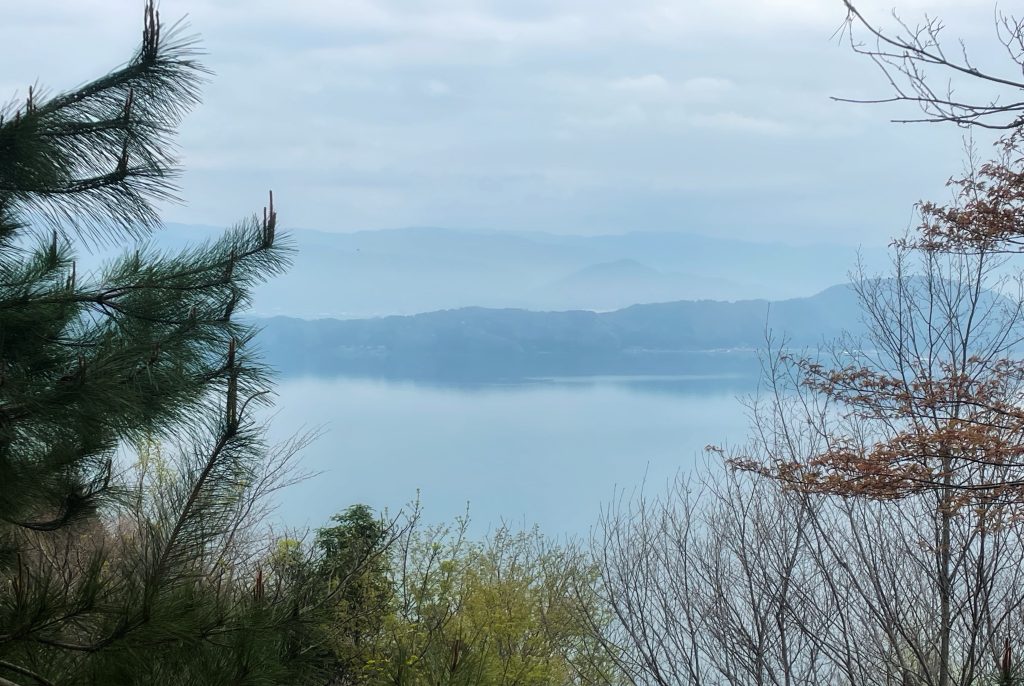
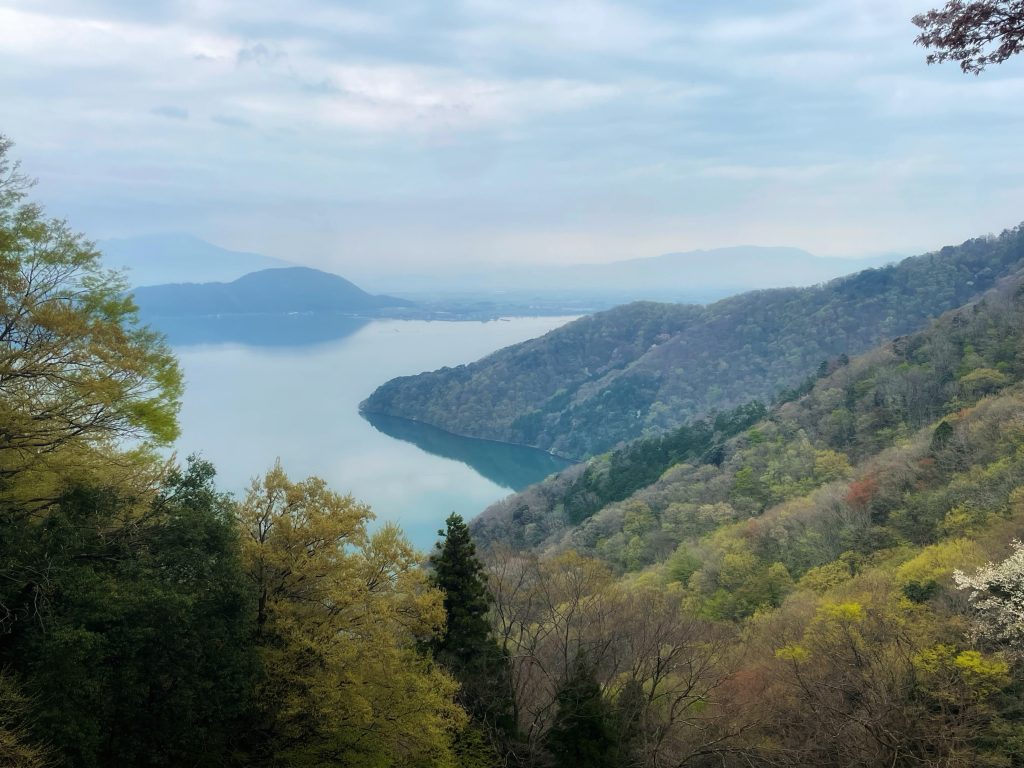
Followed the pink line of trees upwards as seen in these photos below
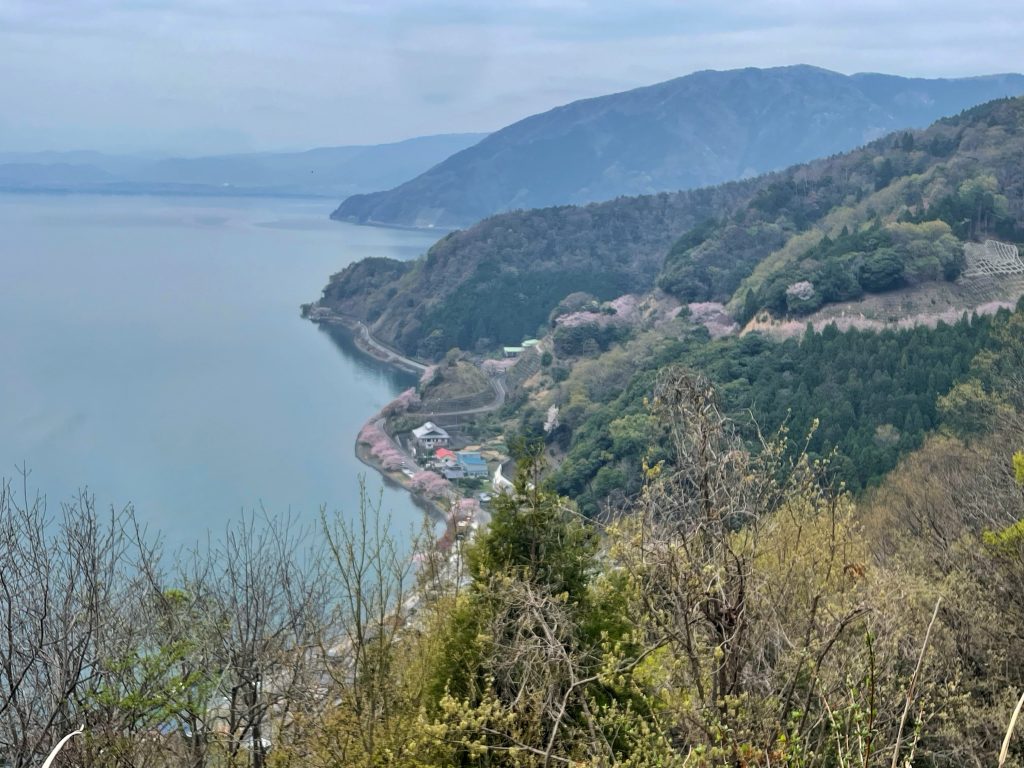
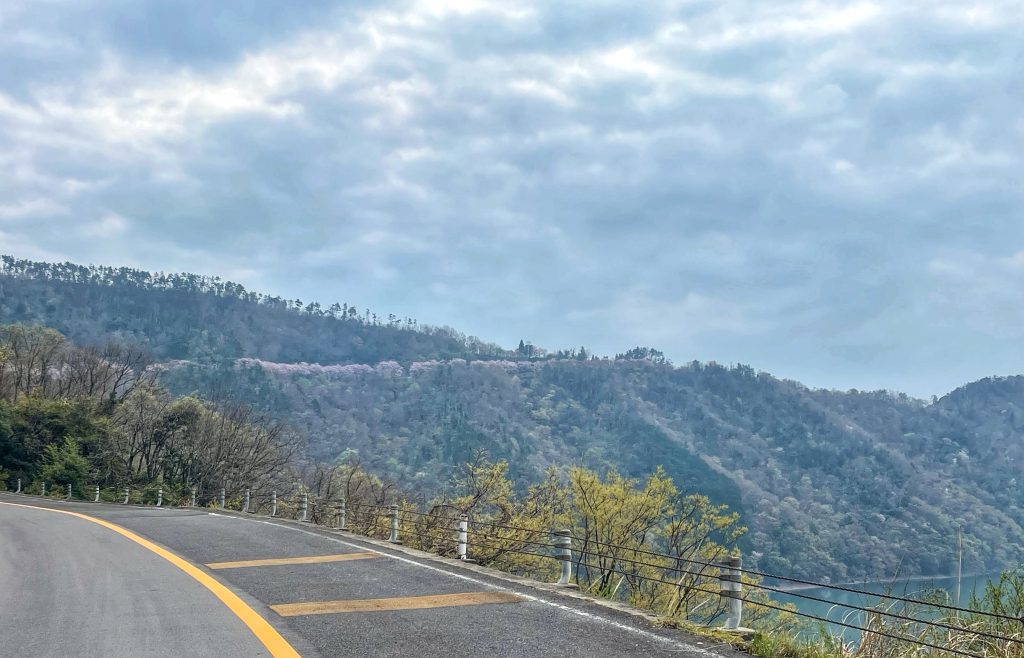
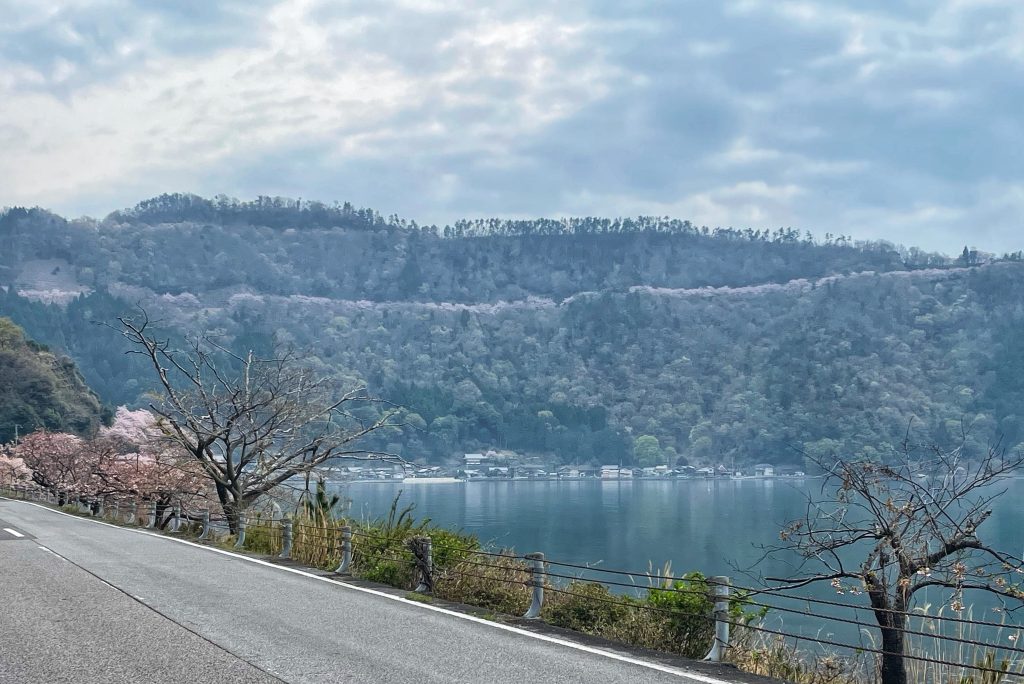
We then picked up the lake shore again before another small climb through lovely forest and back down onto the cycle path. The small flat roads zig and zag through the paddy fields and villages which took us east towards Gifu.
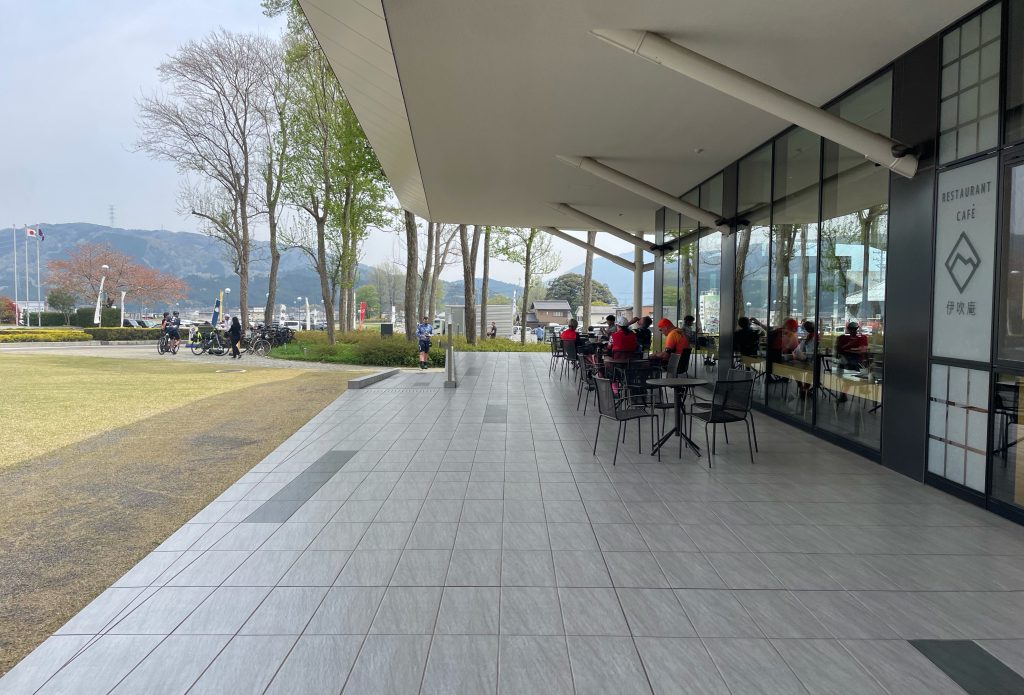
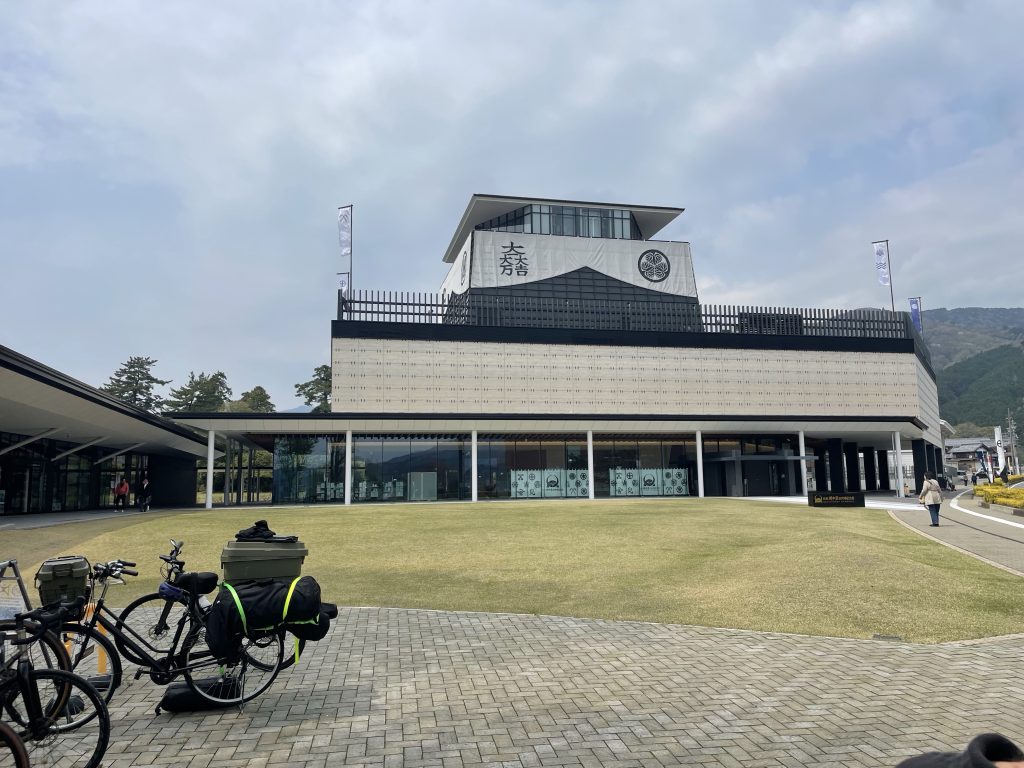
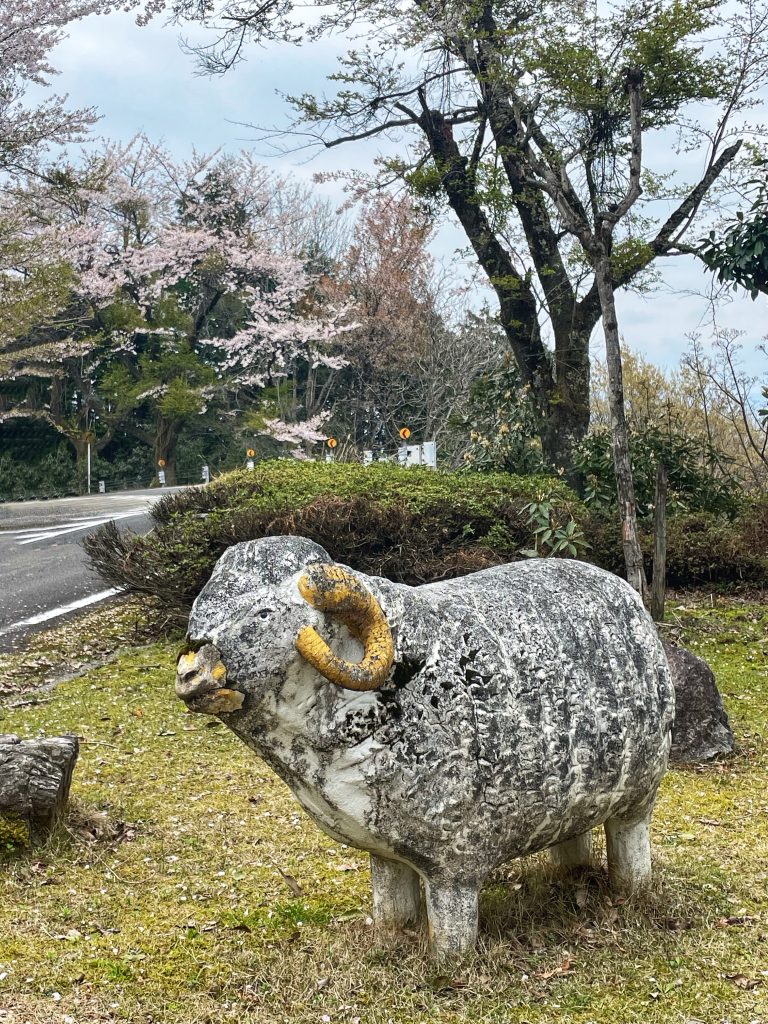
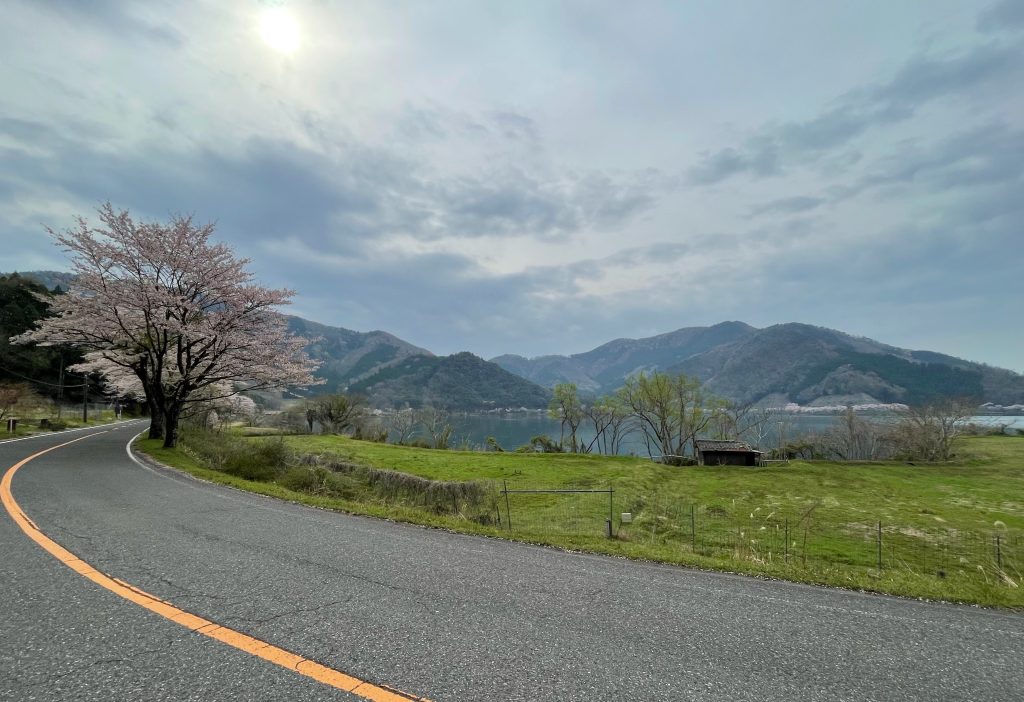
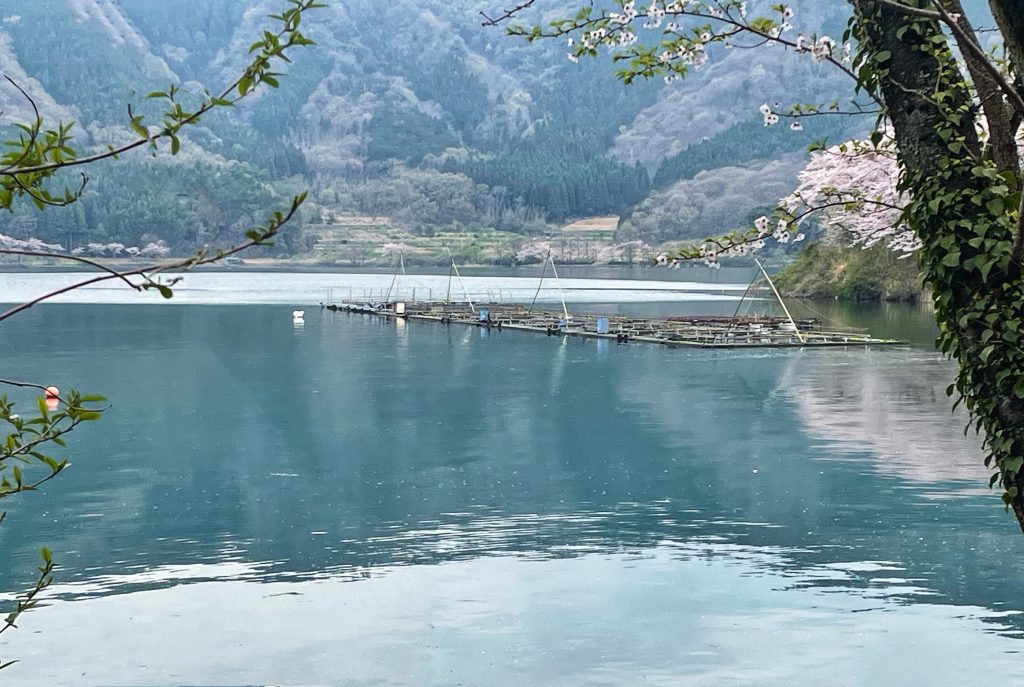
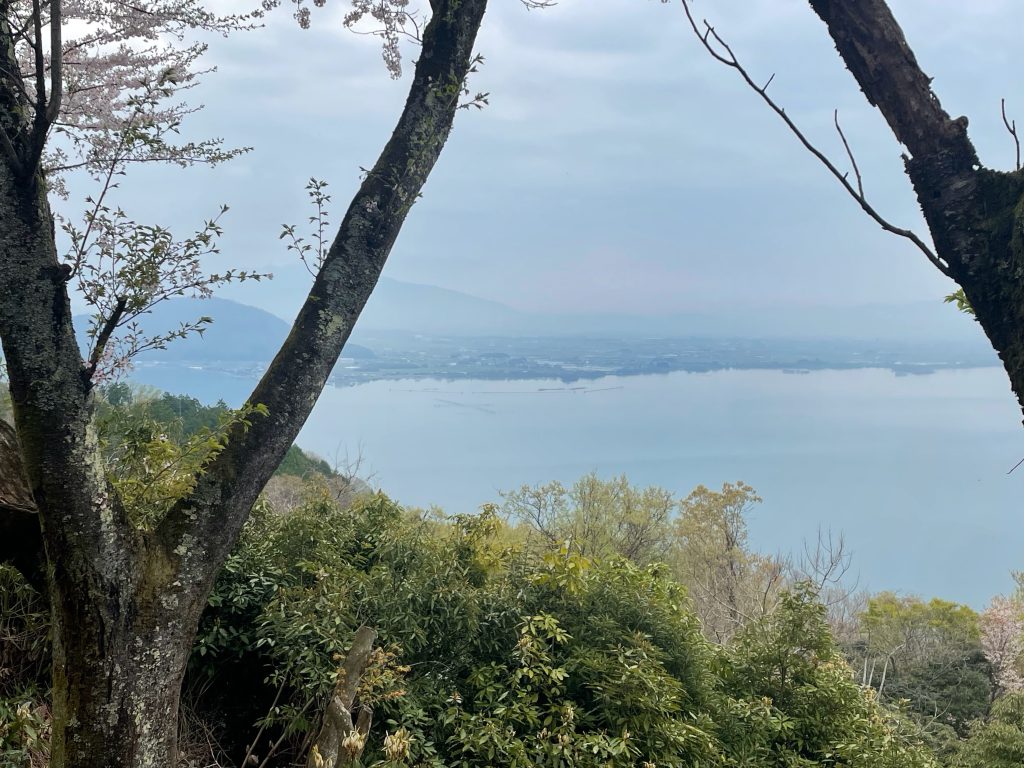
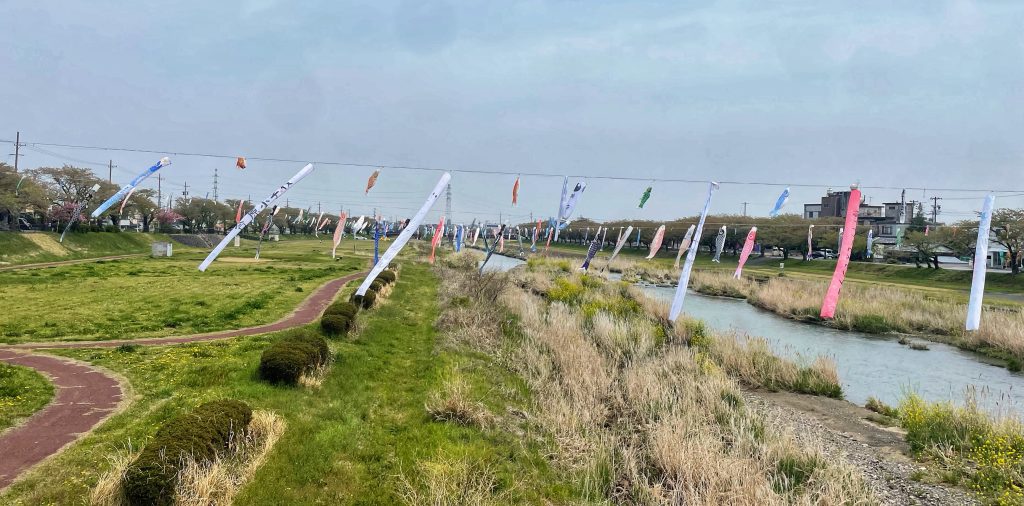
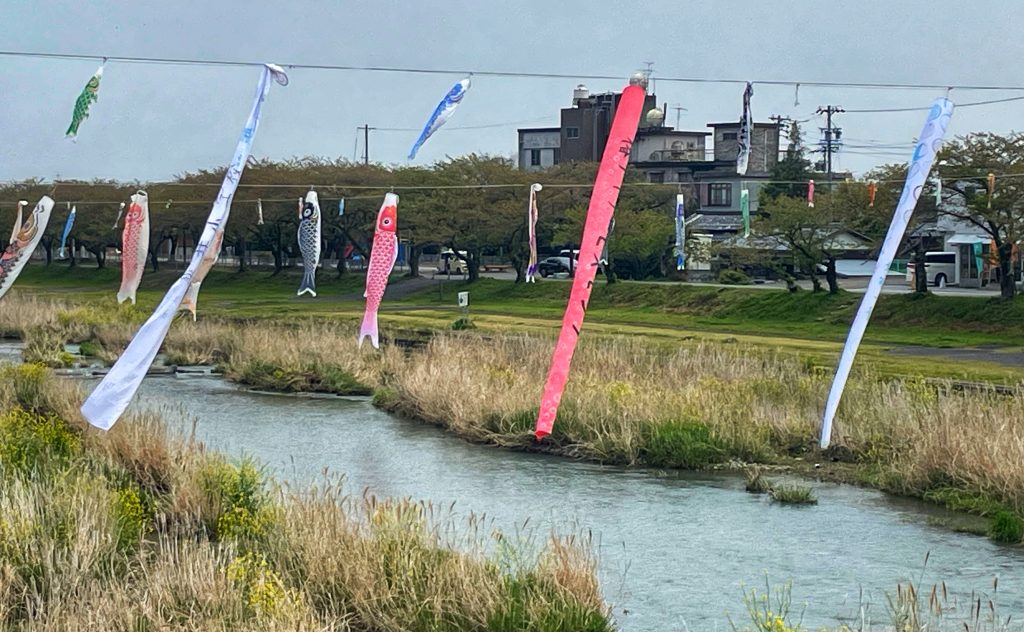
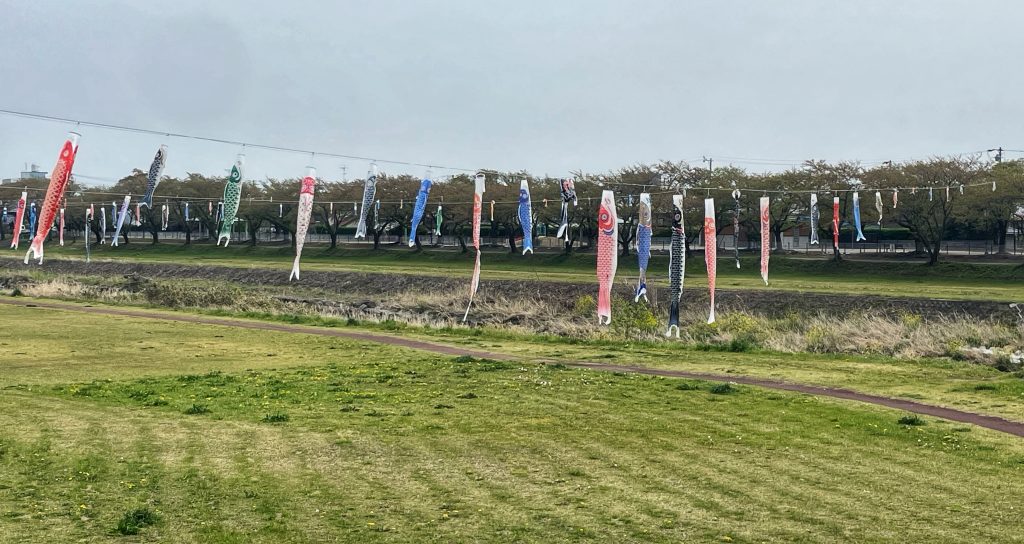
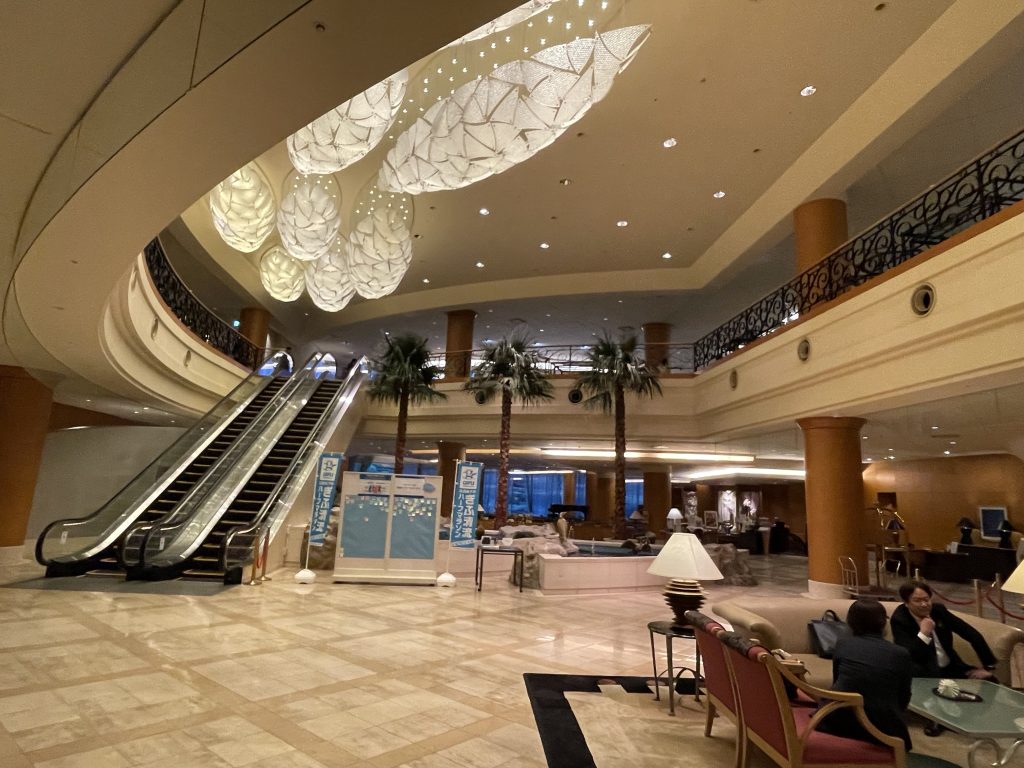
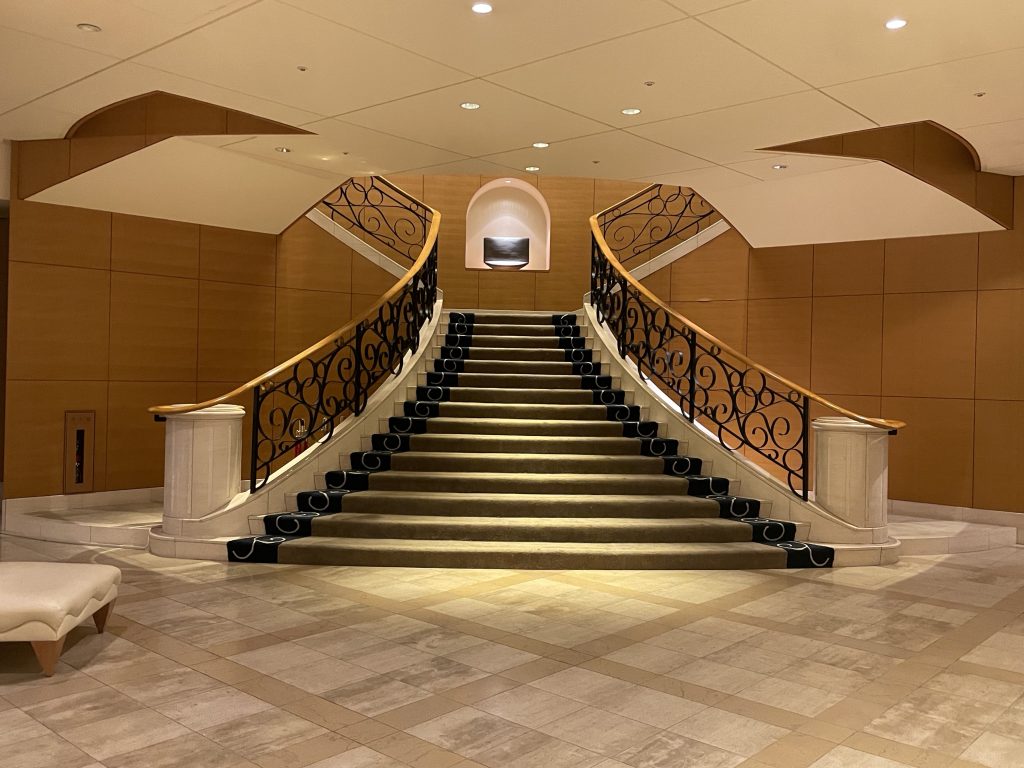
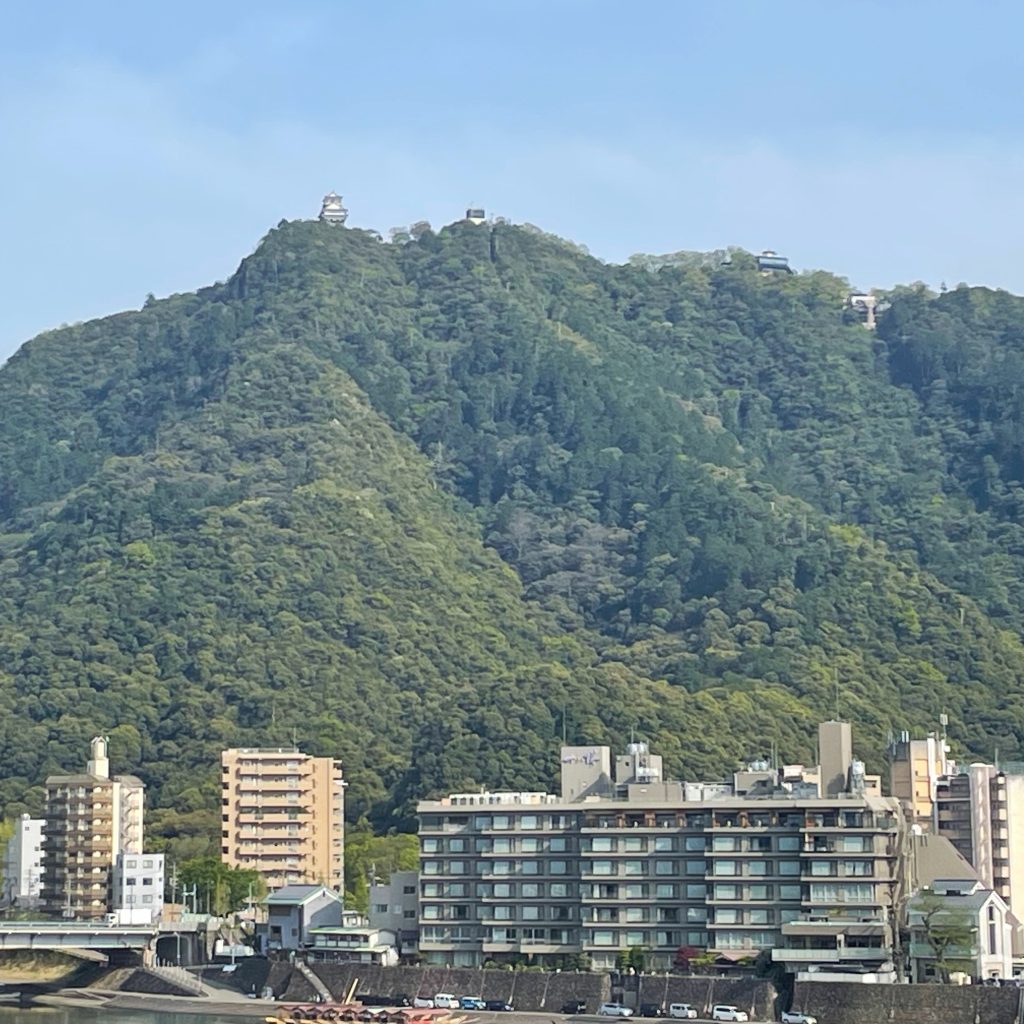
The busier outskirts of Gifu allowed us to use a combination of cycle ways and paths finishing along the Nagara river right behind our accommodation for the night, the Miyako Gifu.
Sekigahara Battlefield Memorial
Whether you have read Musashi, watched Shogun, Sekigahara or the Seven Samurai, this period of history is as vicious as it is popular.
The year is 1600 and Japan is divided into countless factions vying for power in an age of violence and turmoil known as the Warring States period. One foggy October morning, 160,000 samurai belonging to the eastern forces of Ieyasu Tokugawa and western forces of Mitsunari Ishida came head to head in a battle that ended up deciding the fate of Japan.
The Battle of Sekigahara was the largest battle of Japanese feudal history and is often regarded as the most important. Mitsunari’s defeat in the battle of Sekigahara is generally considered to be the beginning point of the Tokugawa shogunate, which ruled Japan for another two and a half centuries until 1868.
Leave a Reply