Watch the Relive video here:https://www.relive.com/view/vPOpKrXQmRv
On the Road: Distance 141km / 89mi | Elevation 1555m / 5102ft
The Queen Stage of Shogun, 98km @3%, that started us off today!

After taking full advantage of our early buffet breakfast we continued along the river using some large then small cycleways and some slightly busier roads to get us out of the city.
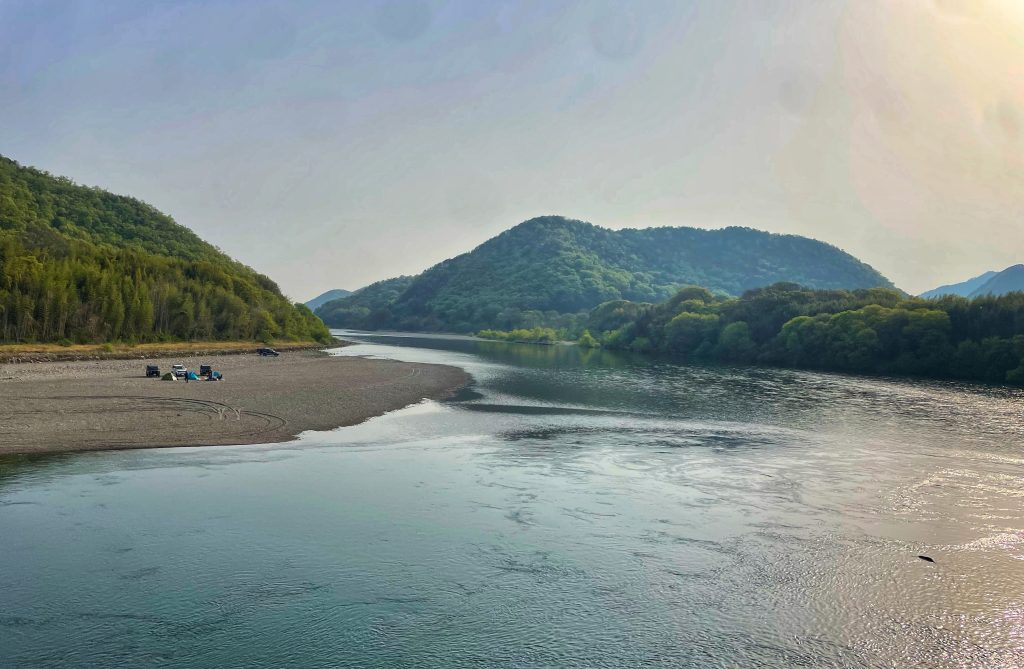
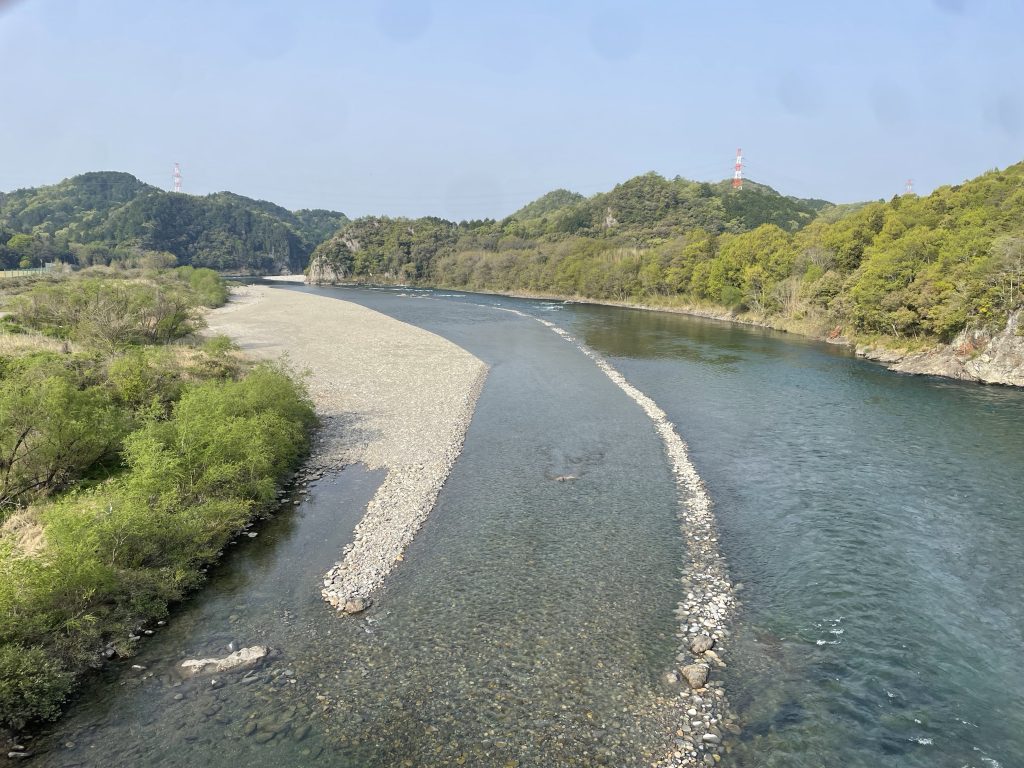
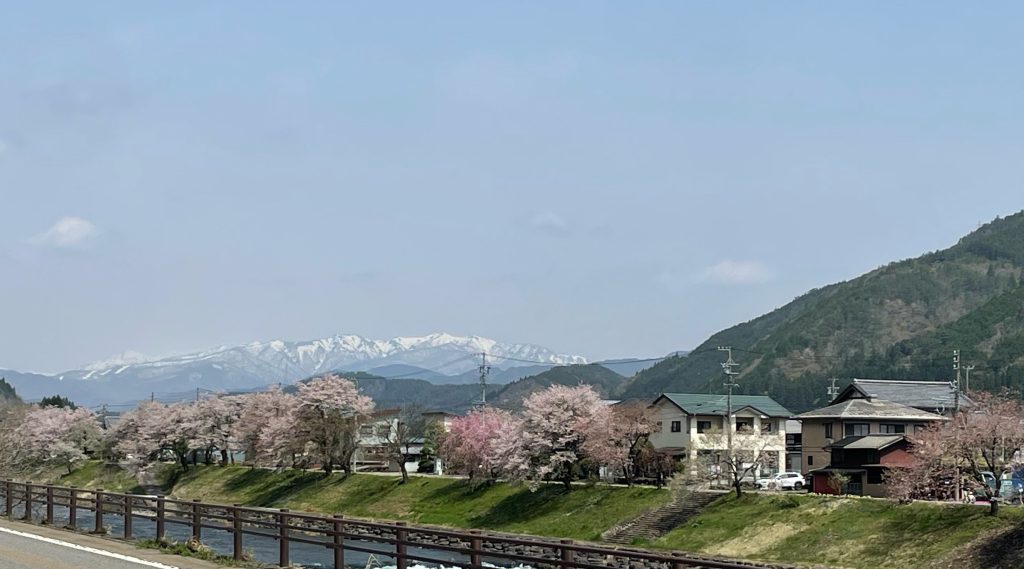
As the city limits approached we’ got onto quieter roads and found our way to a tiny coffee stop. cherry blossoms still abound, even some with pinK and white flowers on the same tree.
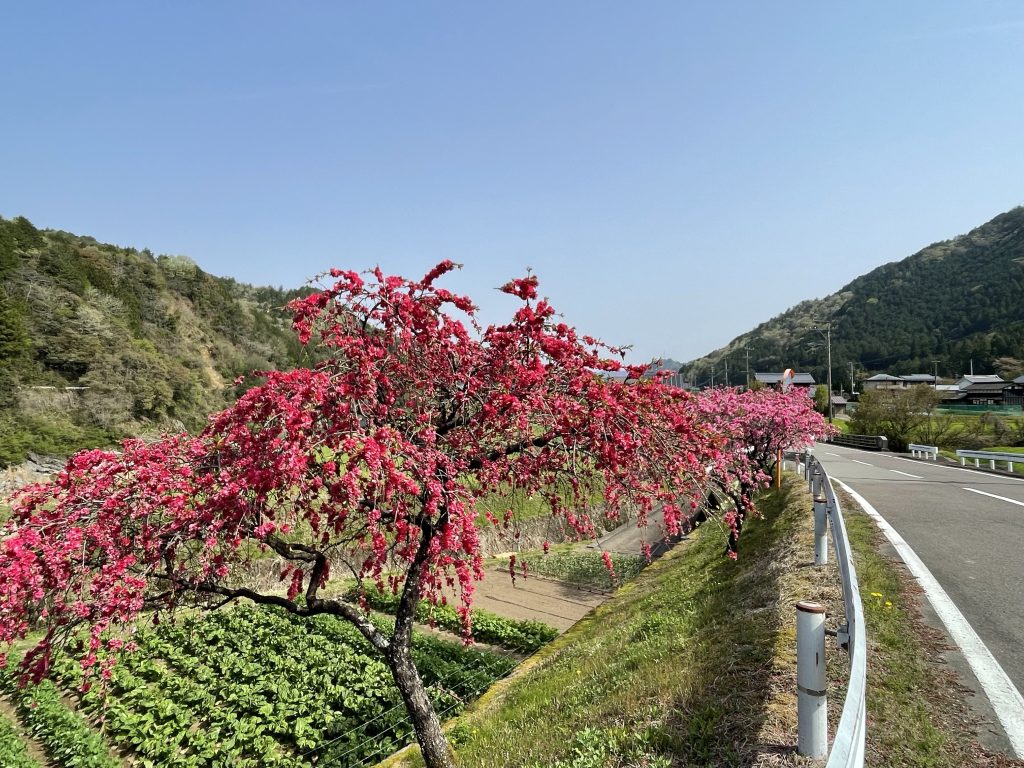
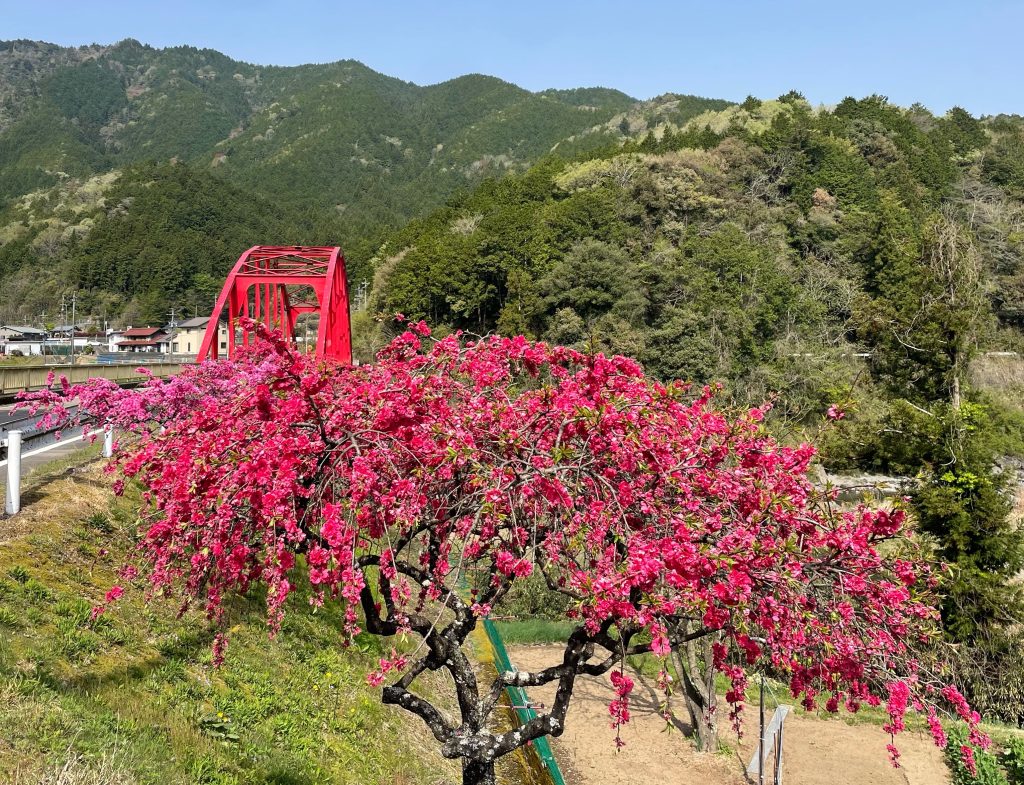
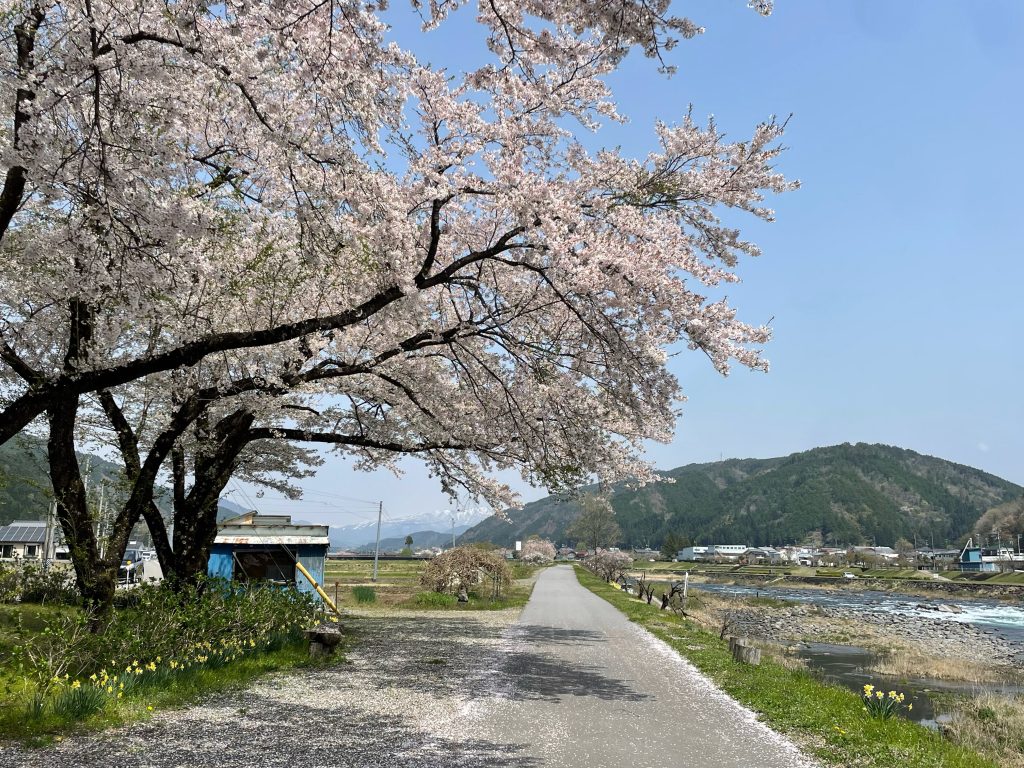
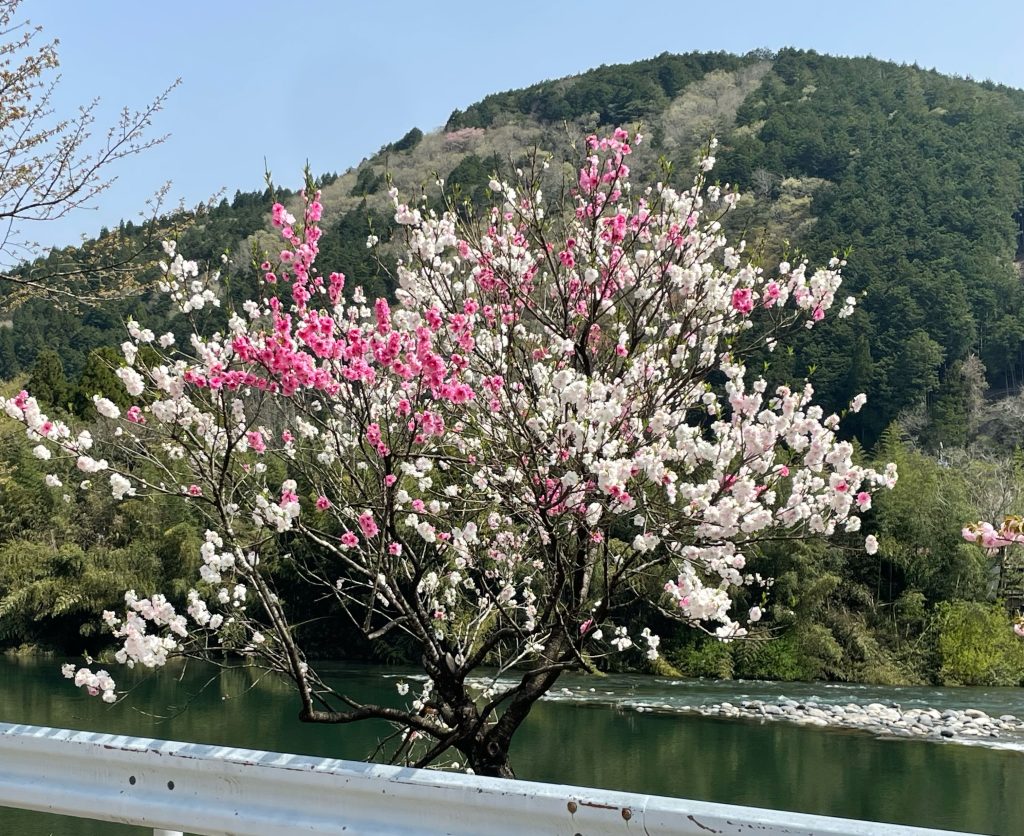
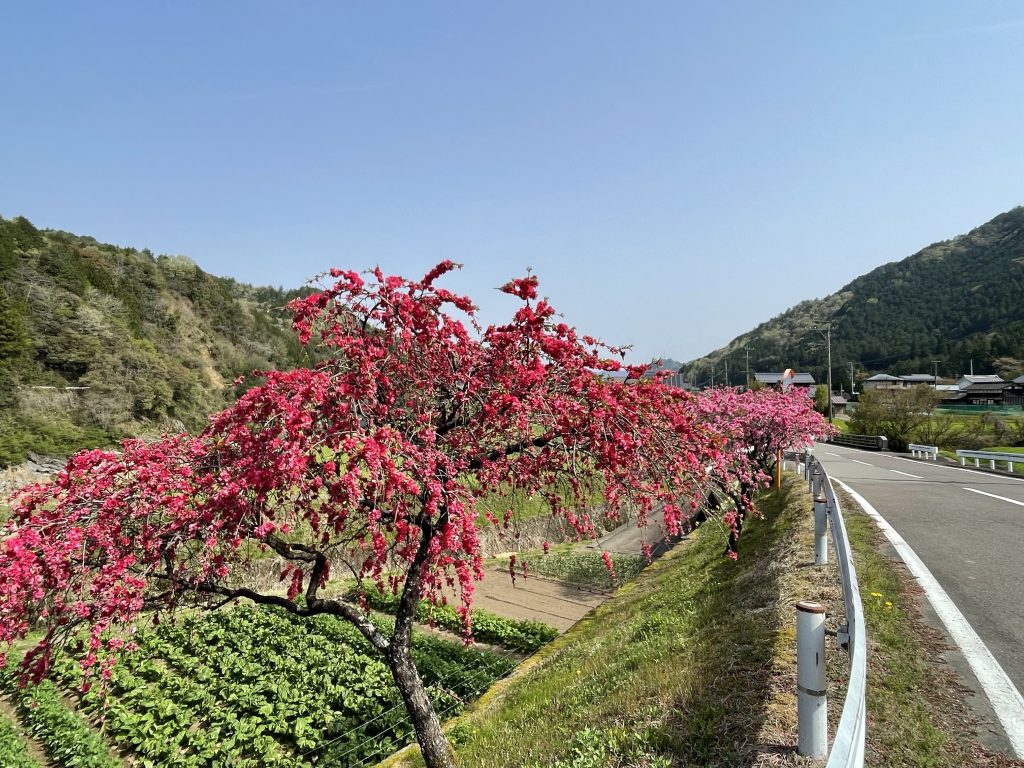
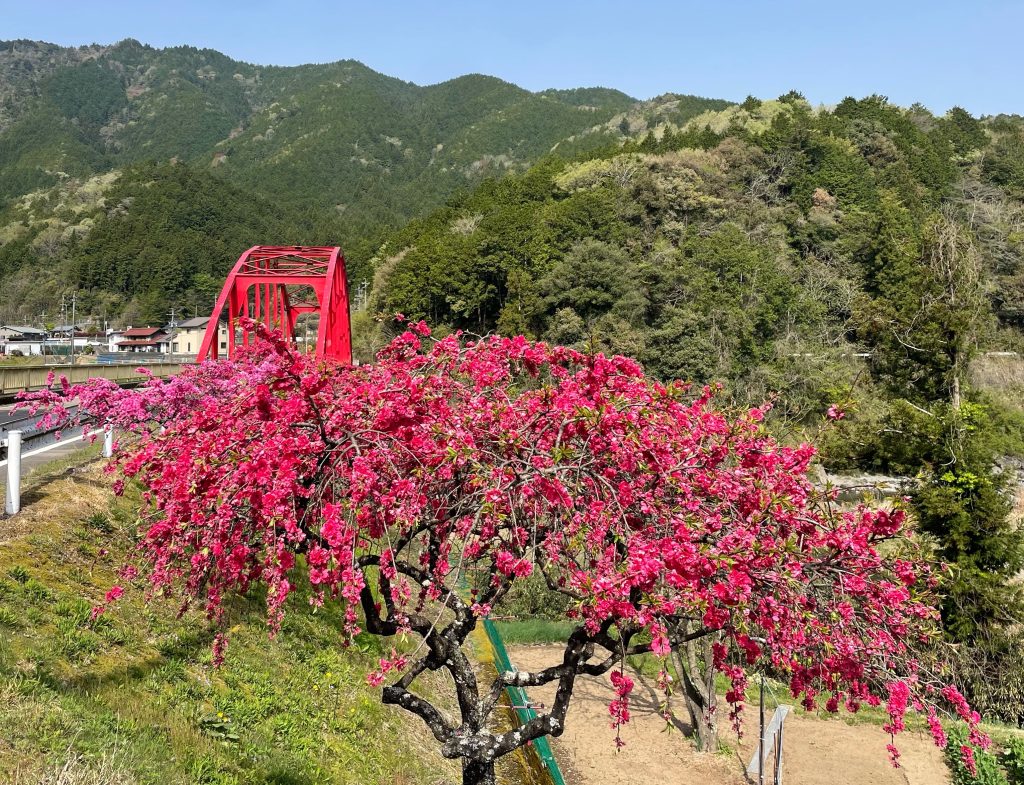
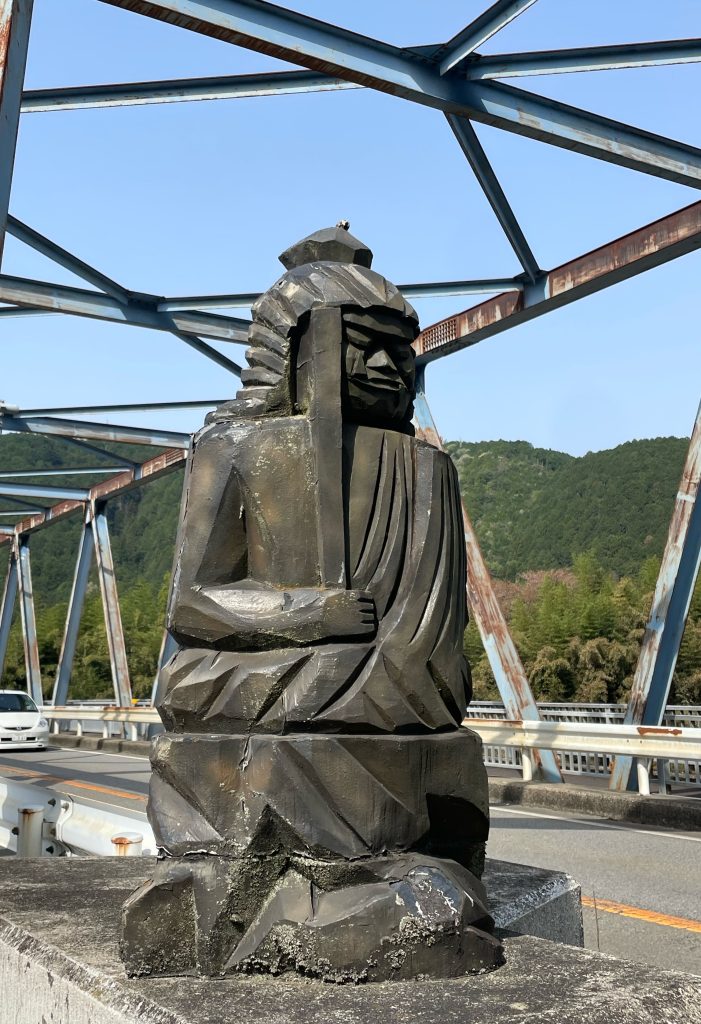
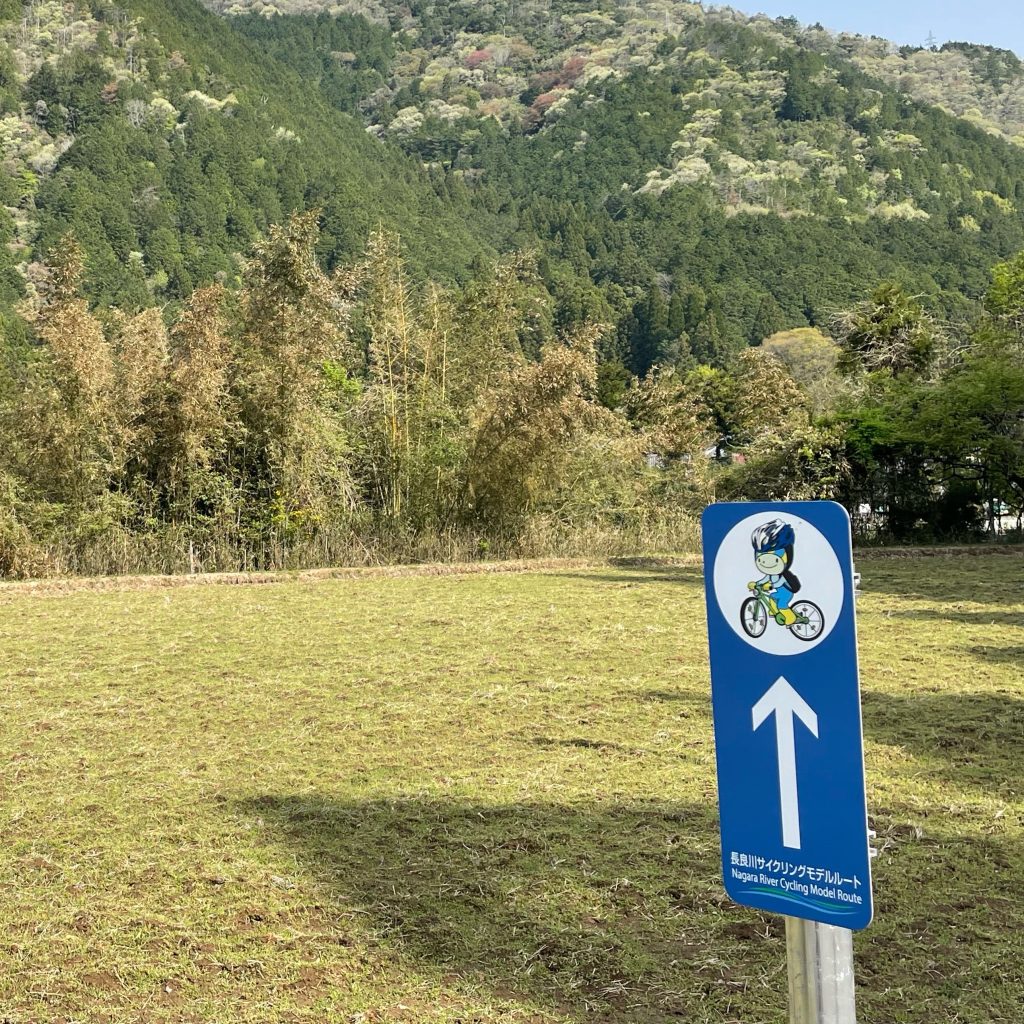
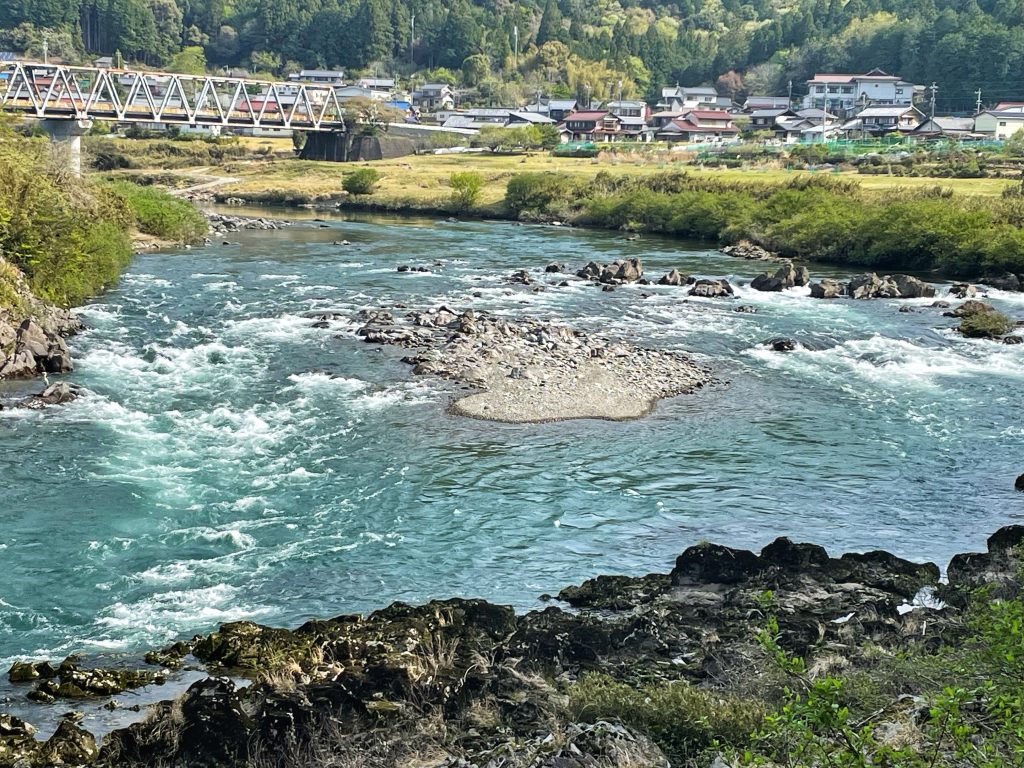
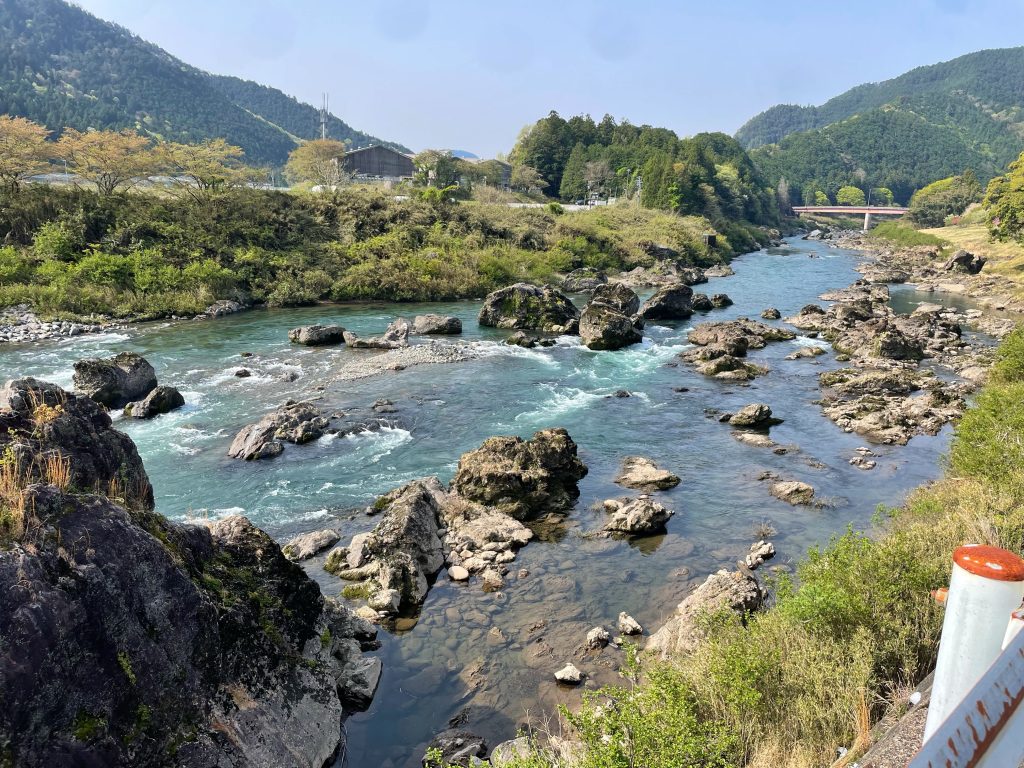
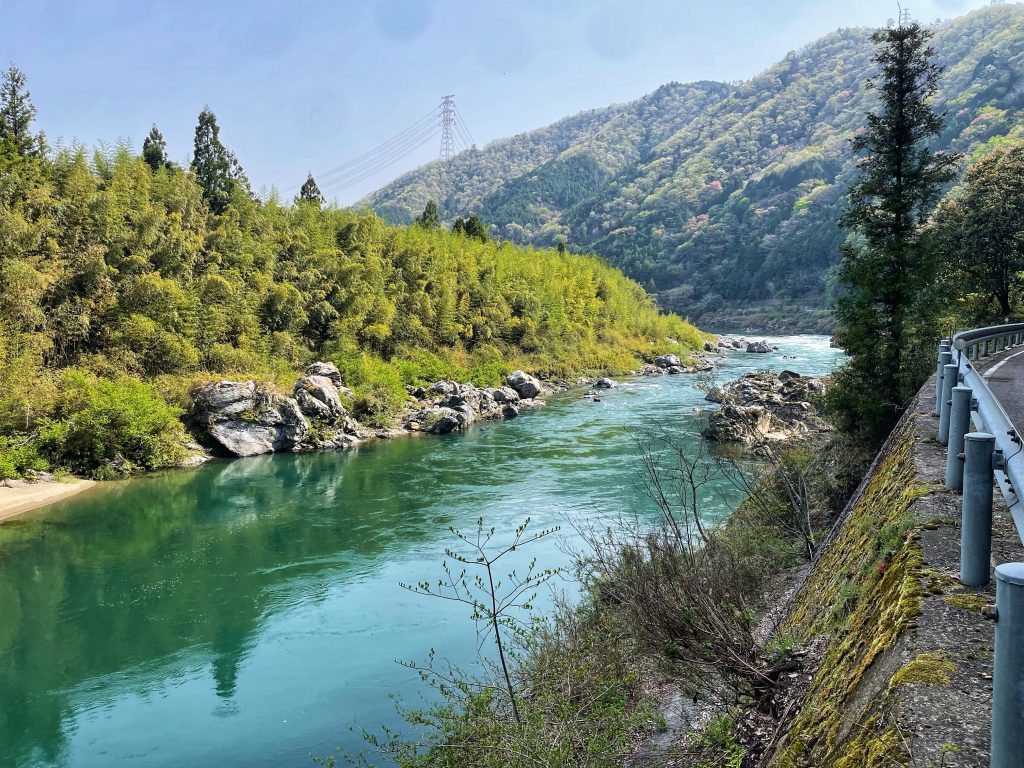
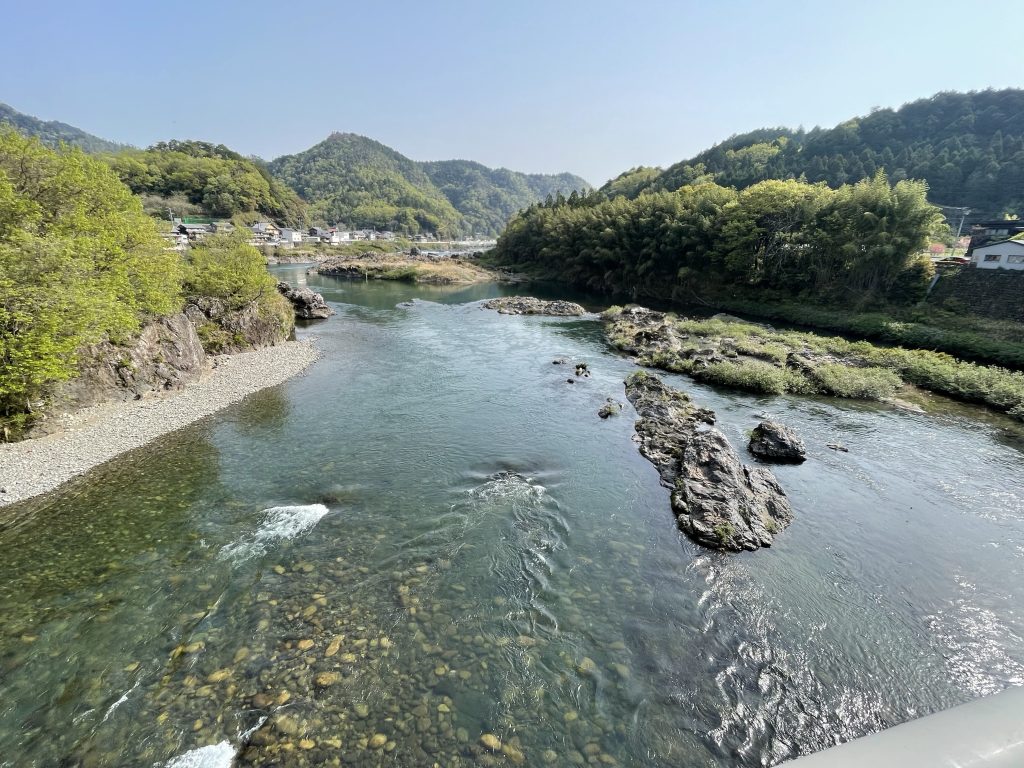
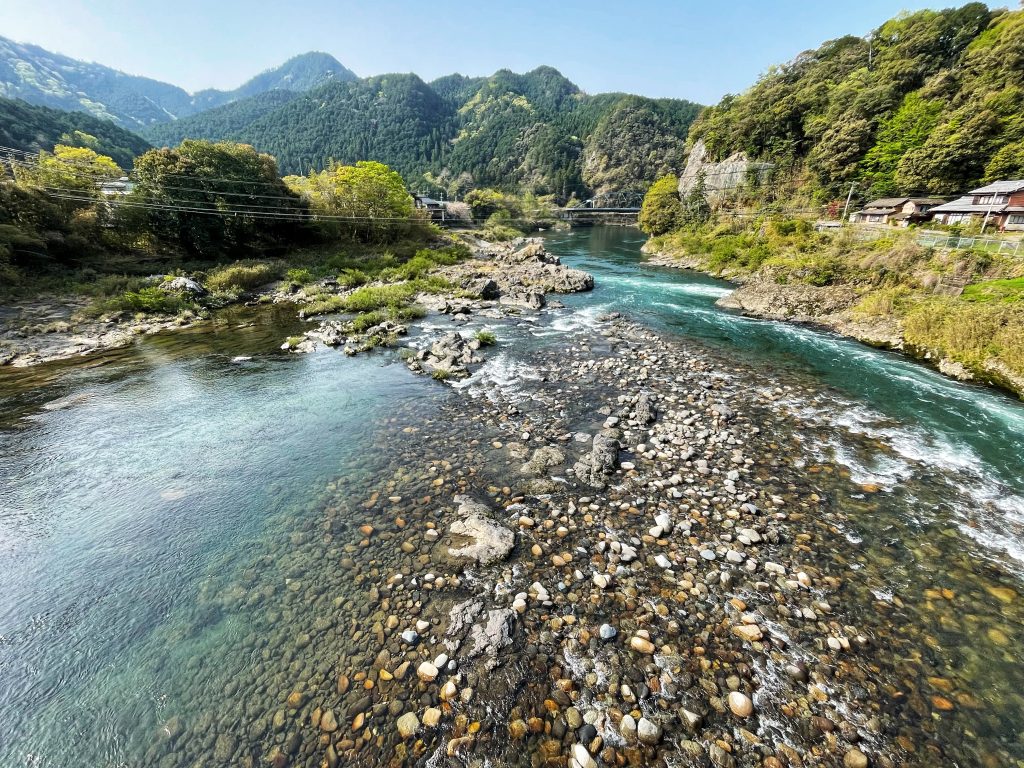
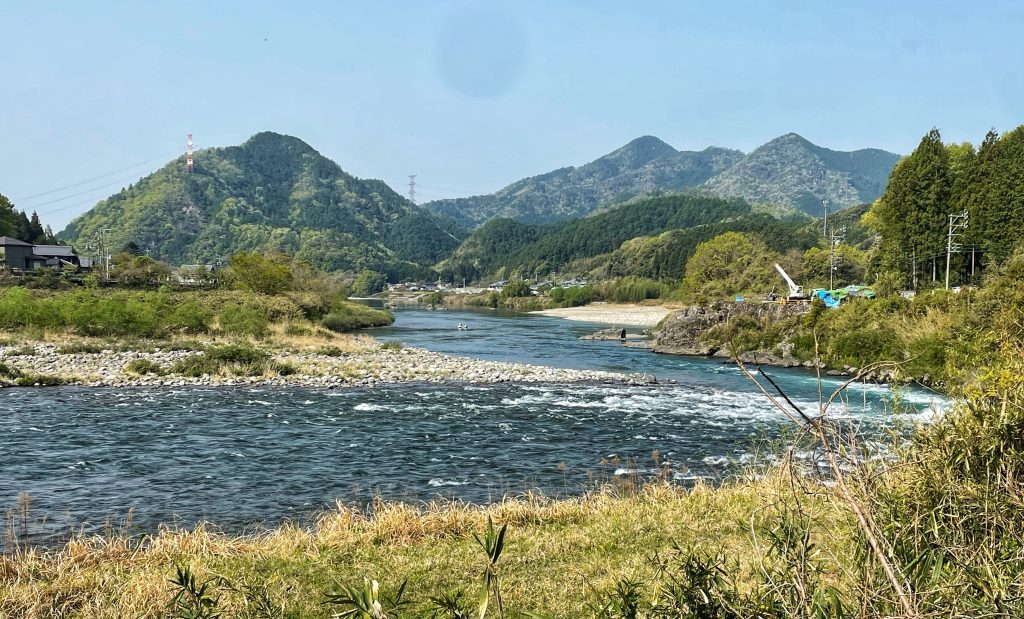
From here we gently climbed most of the day on a mixture of quiet lanes and wider roads, a lot of the ride was on the Nagara River Cycling Route. As you can see, we are inching our way into the Japanese Alps, snow still on the ground.
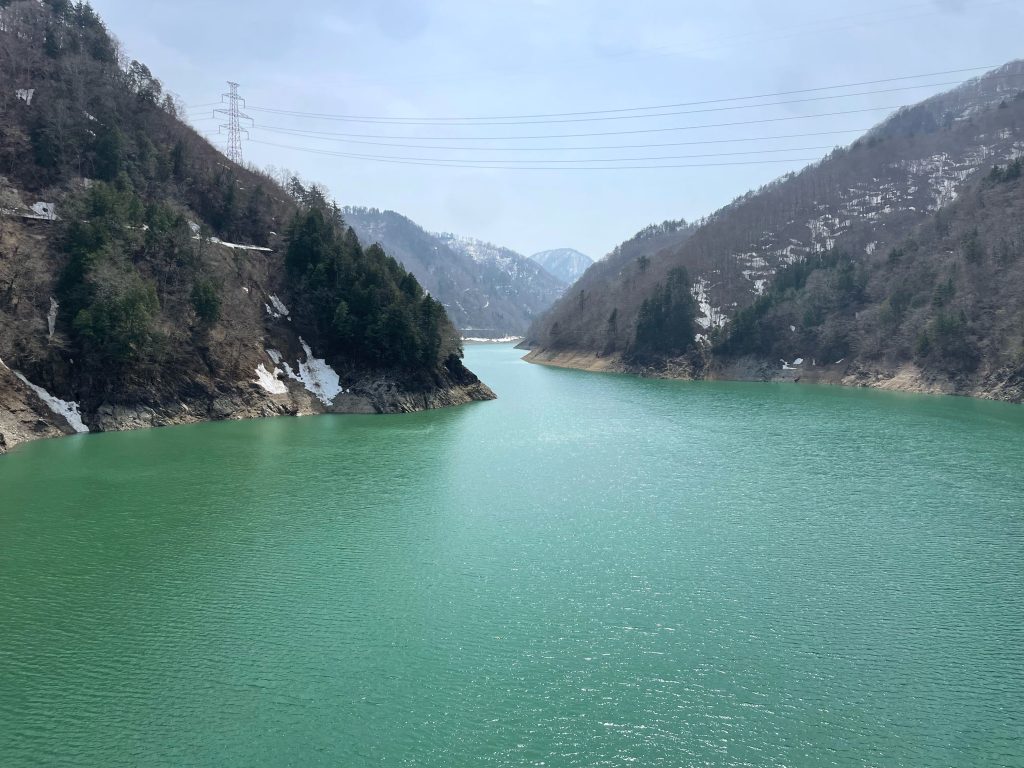
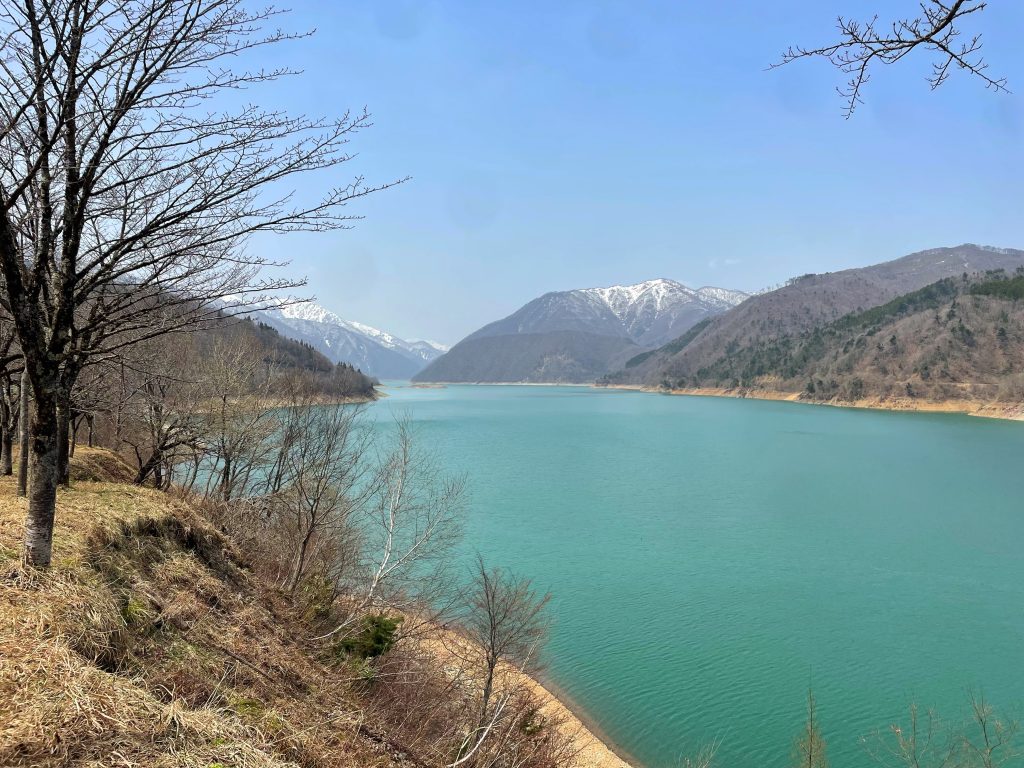
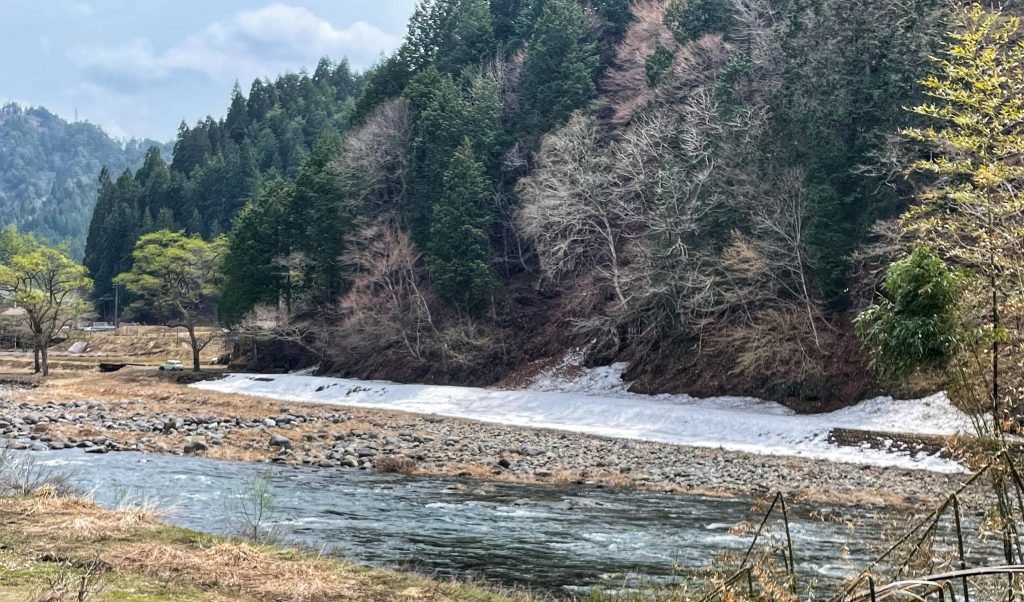
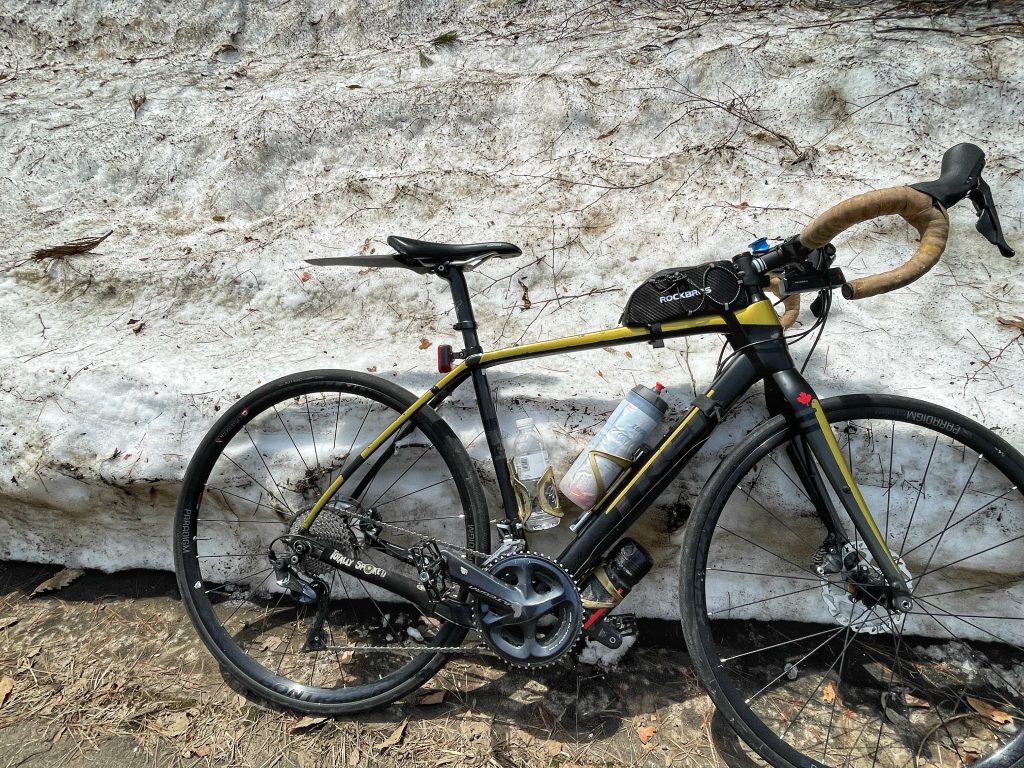
As we followed the river upstream we also were riding on a stretch of road used during Stage 4 of the Tour of Japan 2024.
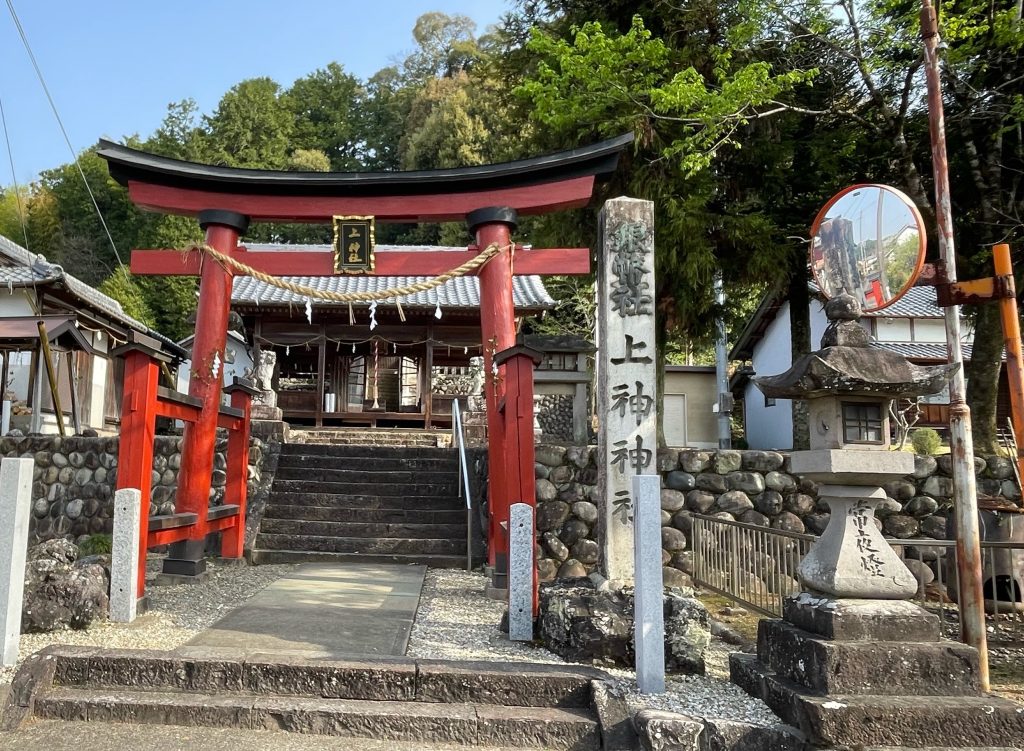
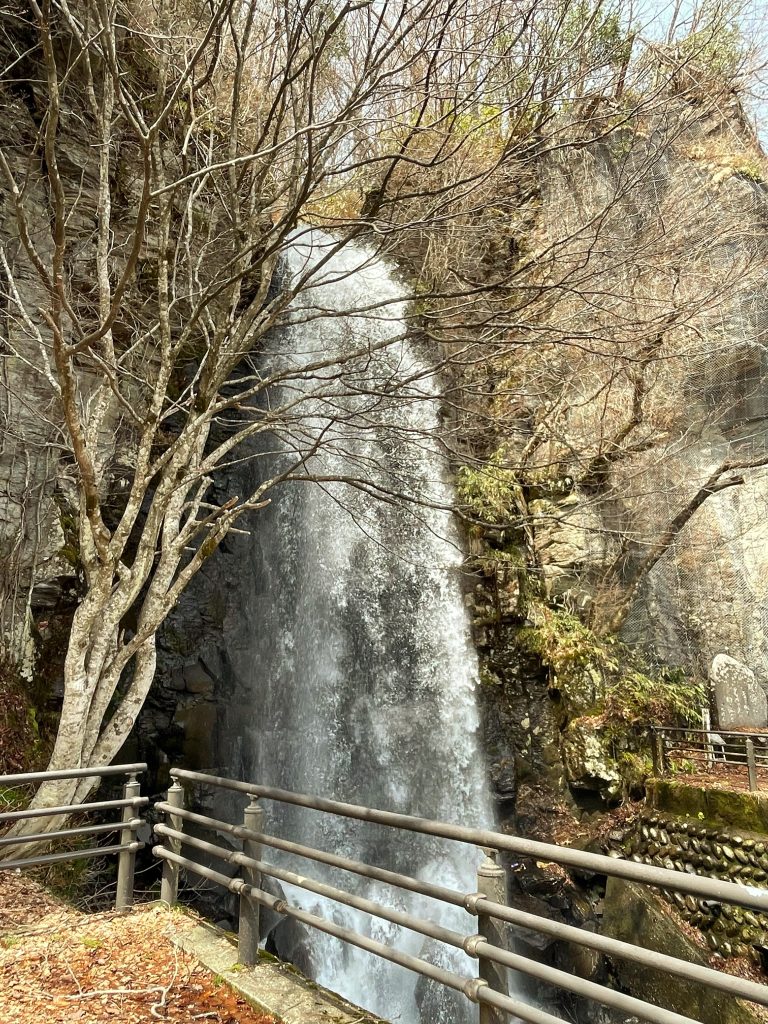
A magnificent afternoon on the bike as we skirted the Hakusan National Park with the Ryōhaku Mountains, multiple lakes, rivers and waterfalls always around us!
Heading north towards Shirakawa along Miraboro lake, cherry blossoms again lined the roads – in fact on the lakeside stood two 500-year-old Shokawa-zakura cherry trees. They were moved here, when the dam was constructed, from two shrines which originally stood in a village located at the bottom of what is now the lake. It is said that each petal represents the memory from someone who lived in the villages before they were flooded.
We’ll saw our first gassho style houses with 17km to go, a taste of what was to come; as we finished our ride through the centre of the UNESCO village.
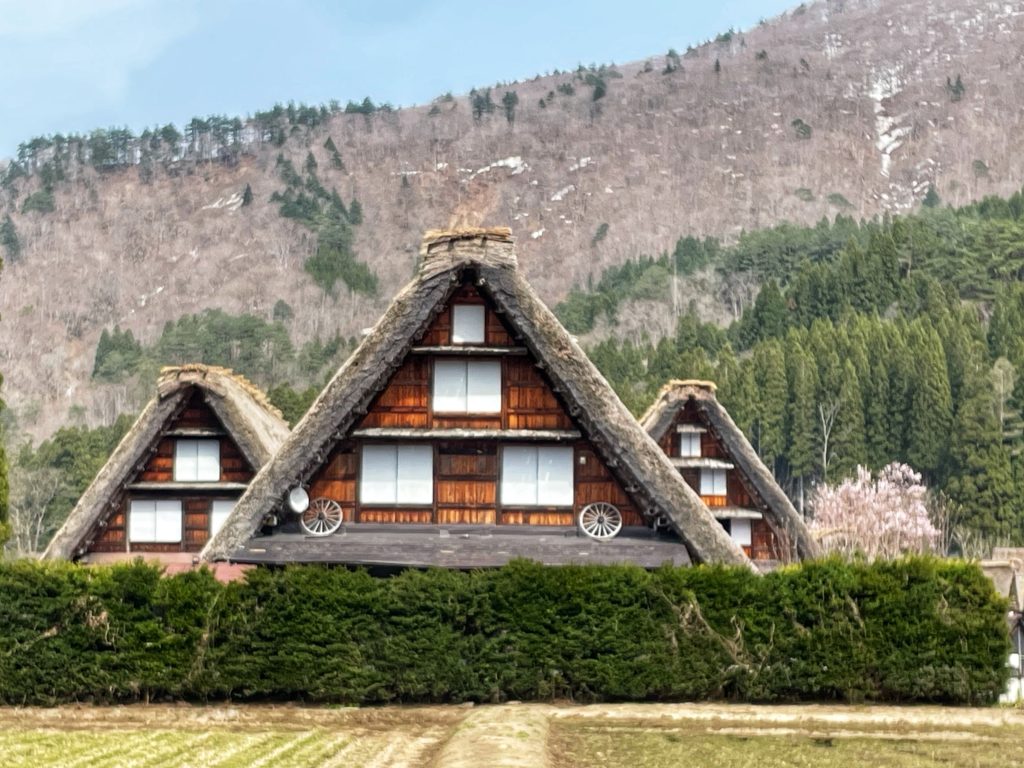
Our destination is the historic World Heritage site of Shirakawa-go (白川郷, Shirakawagō), famous for their traditional gassho-zukuri farmhouses, some of which are more than 250 years old and tonight we enjoyed the amazing authentic hospitality of a traditional ryokan.
UNESCO Shirakawa-go
The remote mountain village with its gassho-style houses in Shirakawa-go on the Hida Highlands were registered as UNESCO World Cultural Heritage sites in 1995. The scenery of the mountain village with their traditional houses standing side-by-side is like a fairytale.
Houses built in the gassho style are defined as having a roof in the shape of a triangle, like hands folded in prayer. In the multilayer structures, the third and fourth floors are particularly characteristic as they demonstrate the foresight of the farmers. With this type of architecture, farmers could raise silkworms even in the harsh winters. Silkworms would be kept up in these attics where the heat from the first floor rises. The roof has an impressive slope of 60 degrees to allow the heavy snow (sometimes as much as four meters) to slide off more easily.
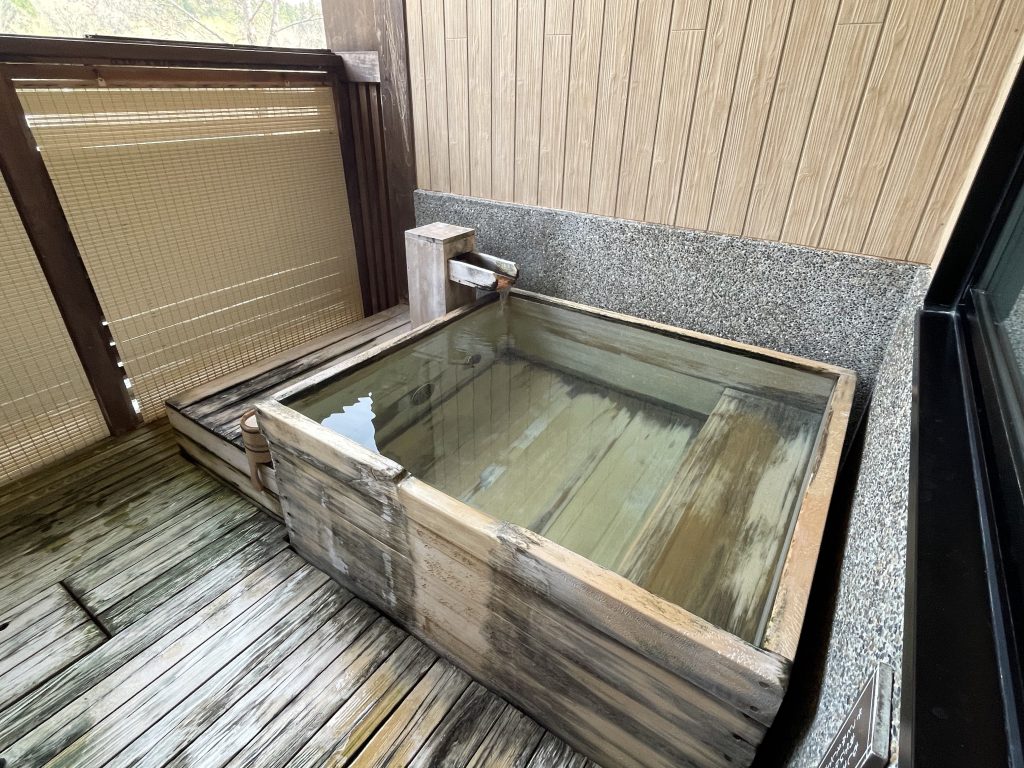
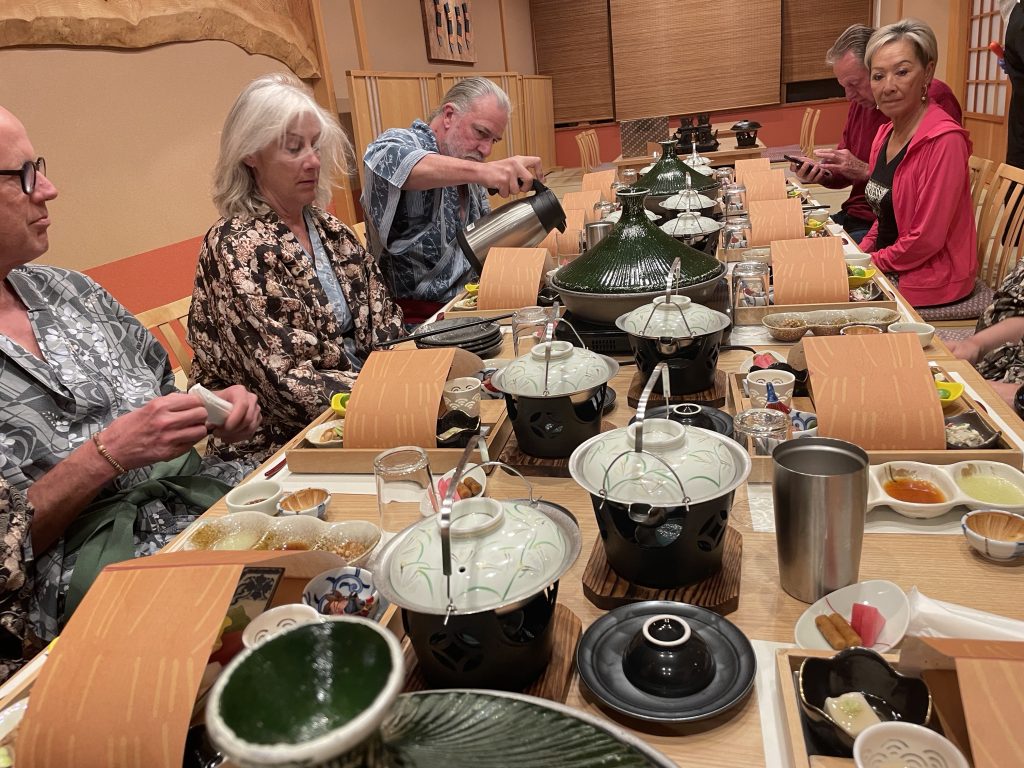
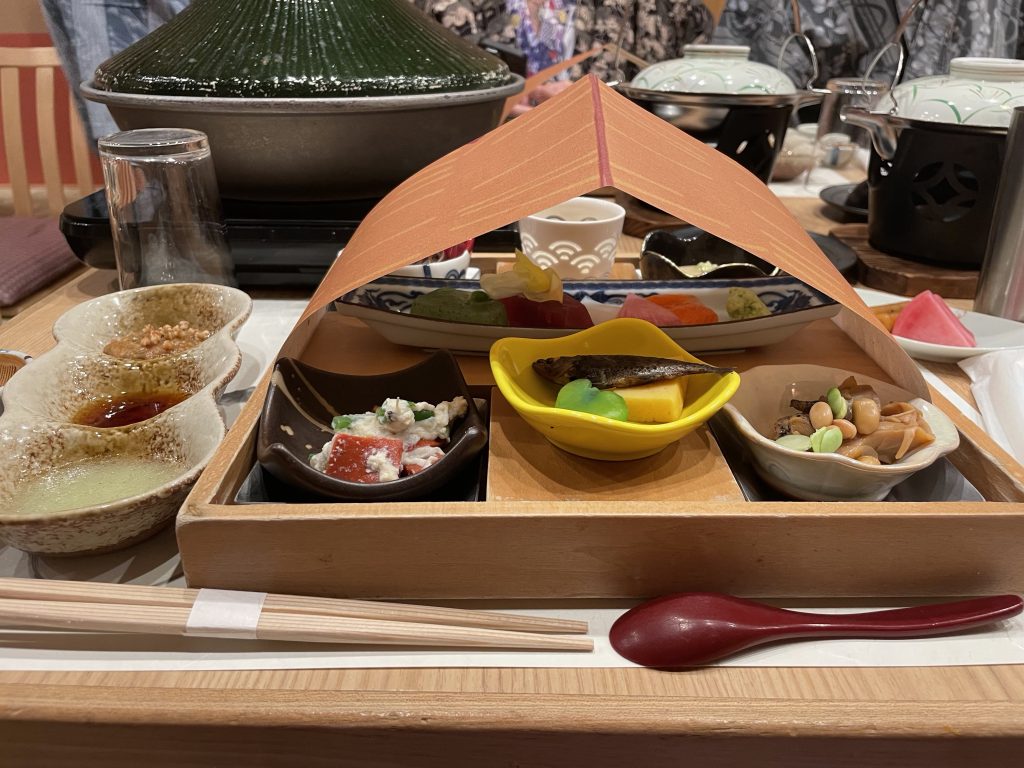
We had another great meal and we dressed in Japanese garb…most of the hotels we’ve stayed at give us pyjamas and robes to wear, not for in the room but to move around the hotel…very comfy! And since we are up in the mountains again, there are onsen at the hotel.
What a great way to end another great and long day with a soothing hot onsen and a beautiful meal with the group
Life is Good in Swarwakawa!
Sayonara
Leave a Reply