Watch the Relive video here:https://www.relive.com/view/vRO7ZeEJzyv
On the Road – Distance 104km / 65mi | Elevation 2562m / 8406 ft
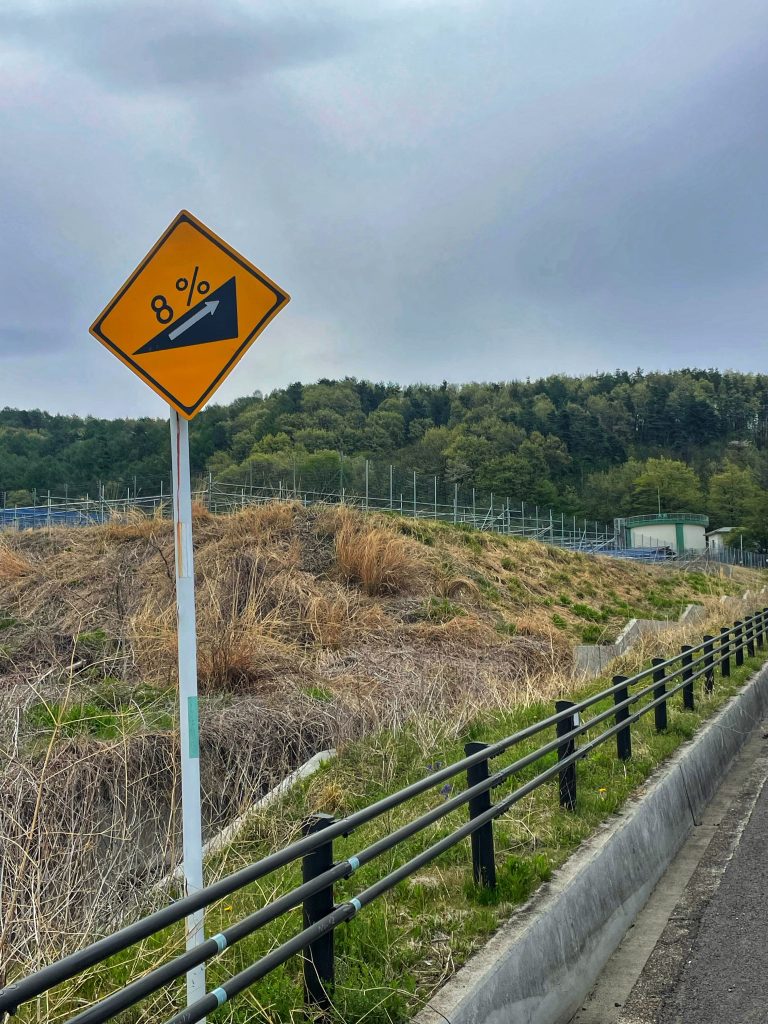
Four major climbs today with lots of steep rollers in between:
3.2 km @ 4%….
8 km @6.4%…this was a killer with early 20% grade and immediately after lunch
3 km @5.8%…
and 21 km @ 5.6%…although not crazy, this climb just wore me down.
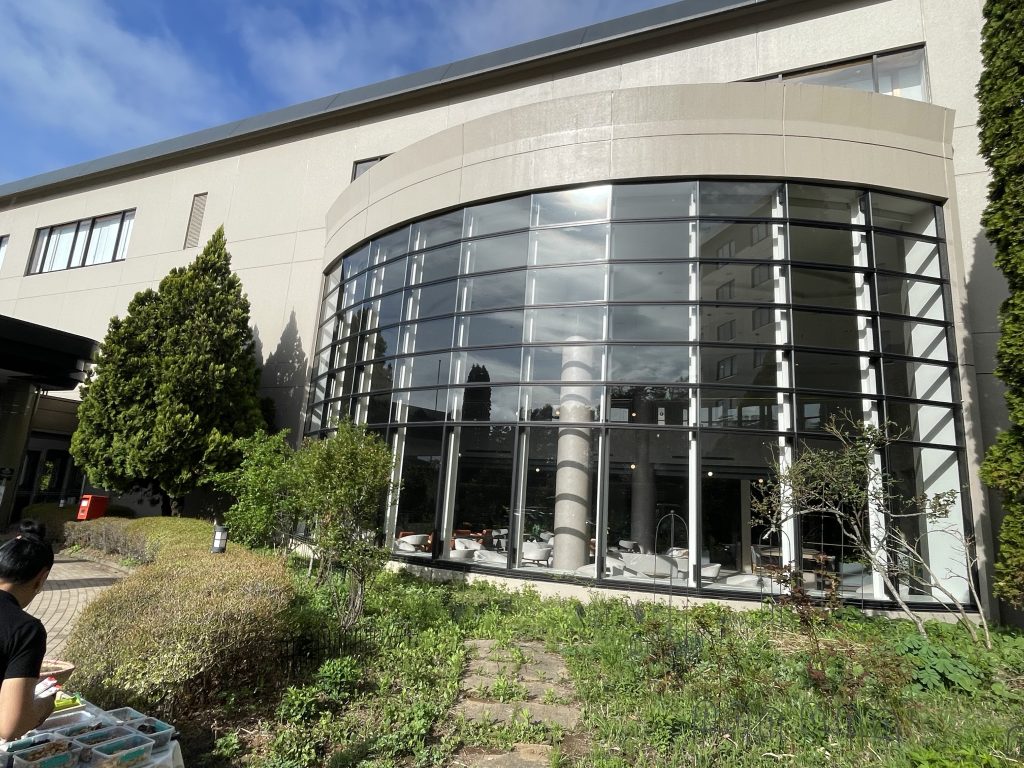


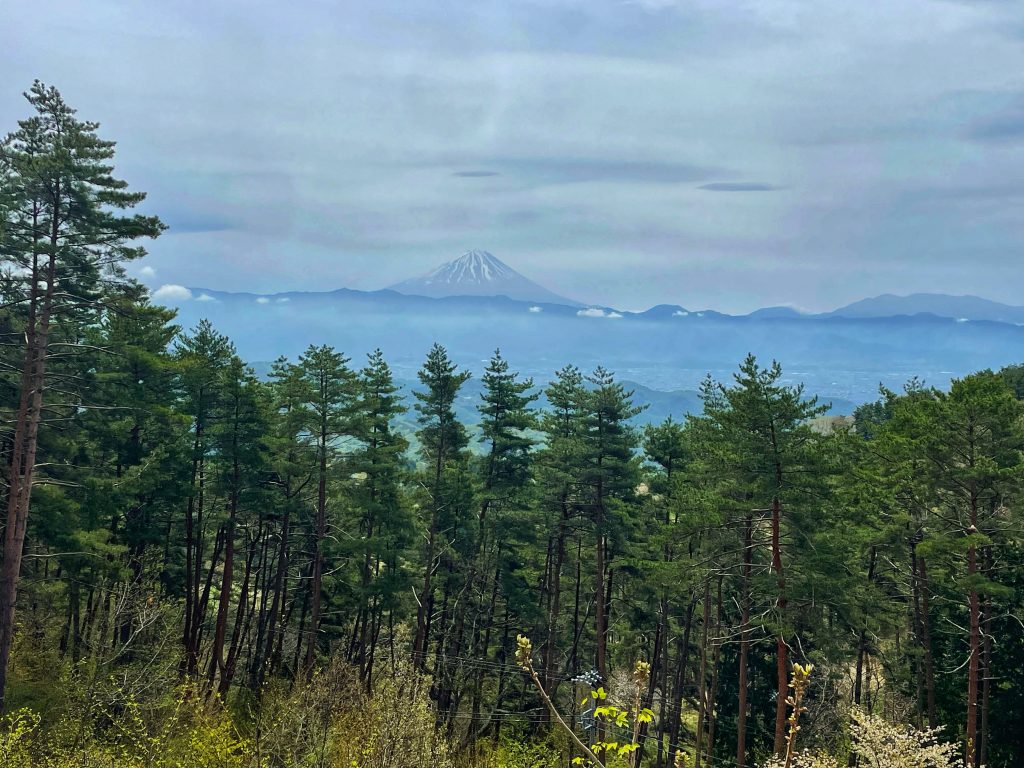
A spectacular and challenging day to finish the bike trip. Were we to be lucky enough to see Fuji San up close today or will it be hidden in the fog?
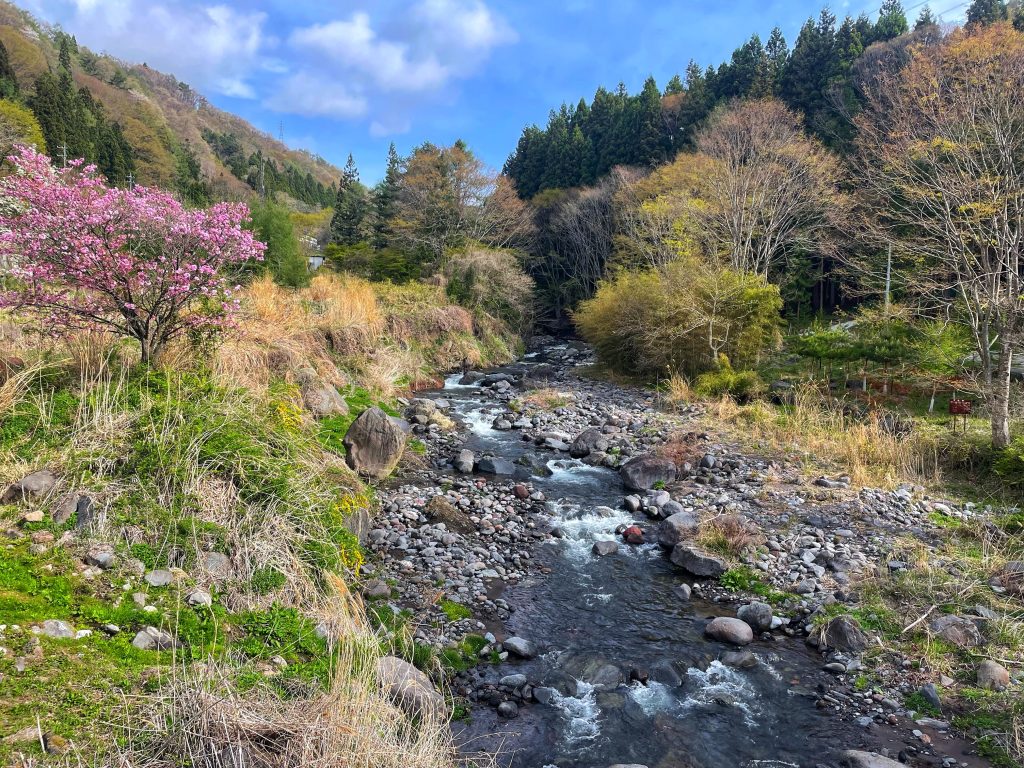
Rolling out of the Yatsgatake Mountains through farmers markets, strawberry fields and lettuce fields with fantastic vistas.
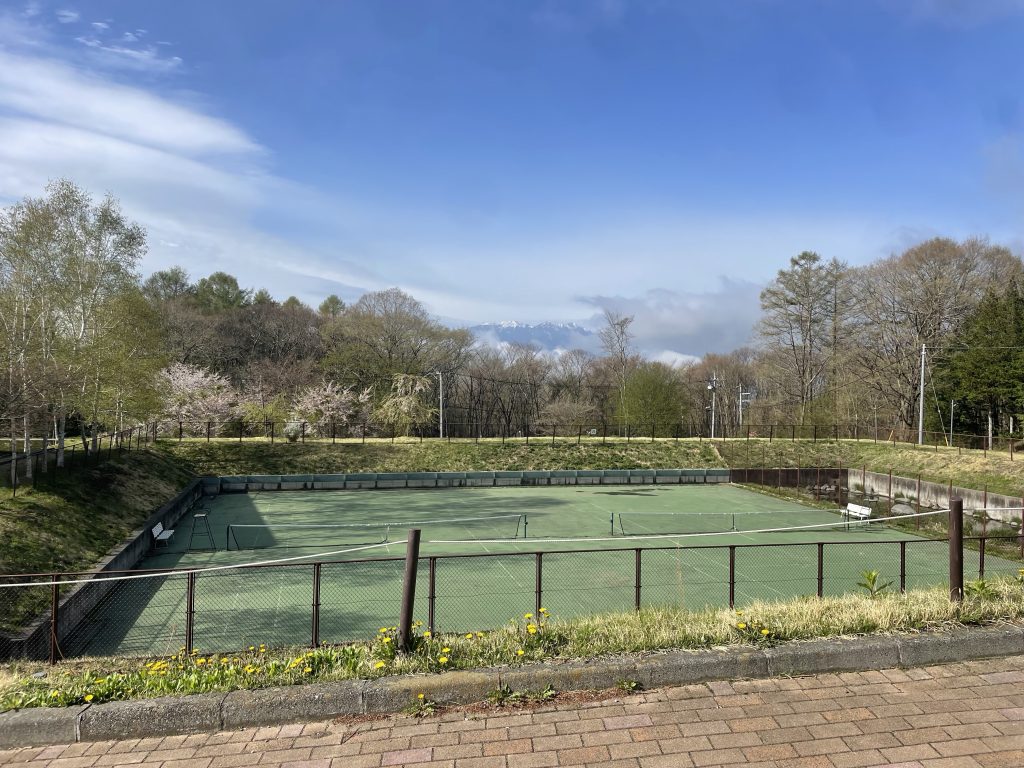
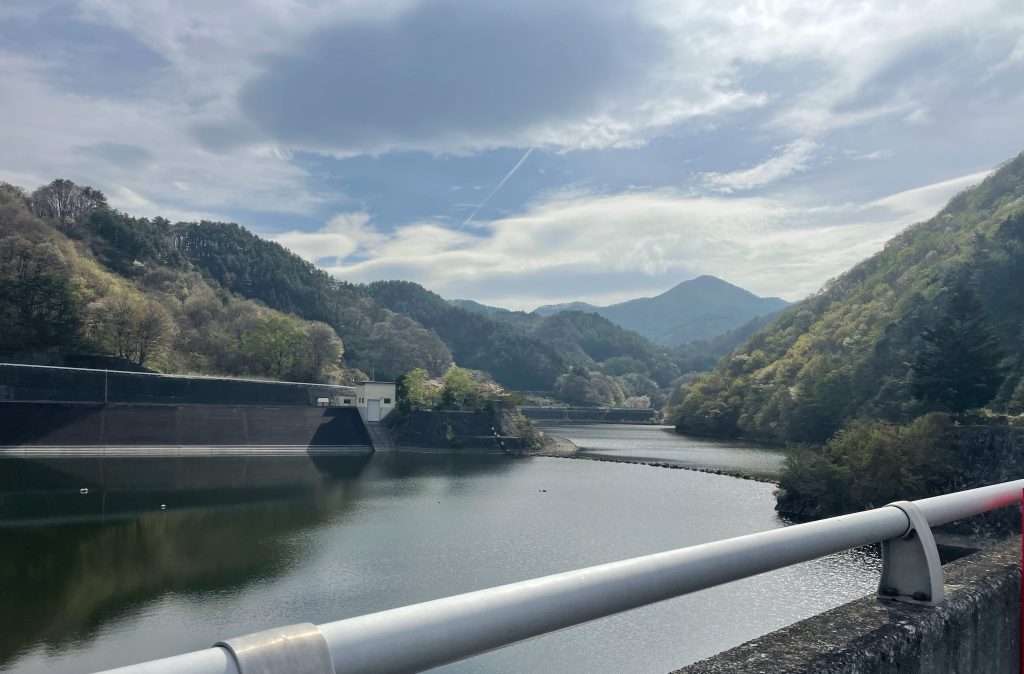
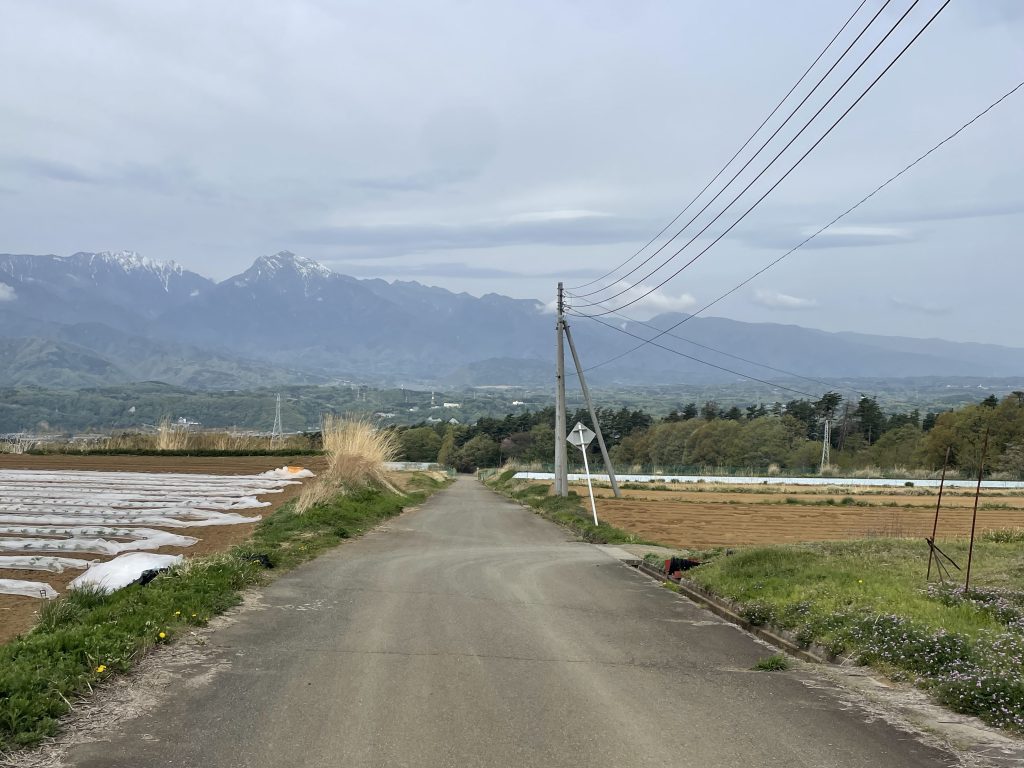
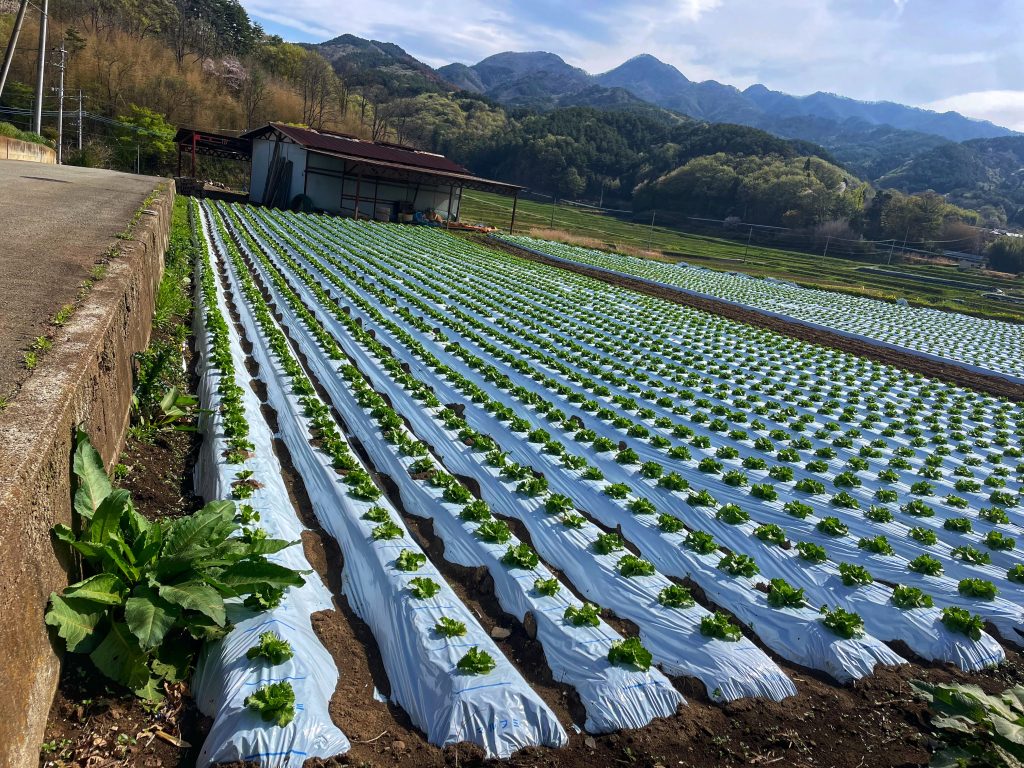
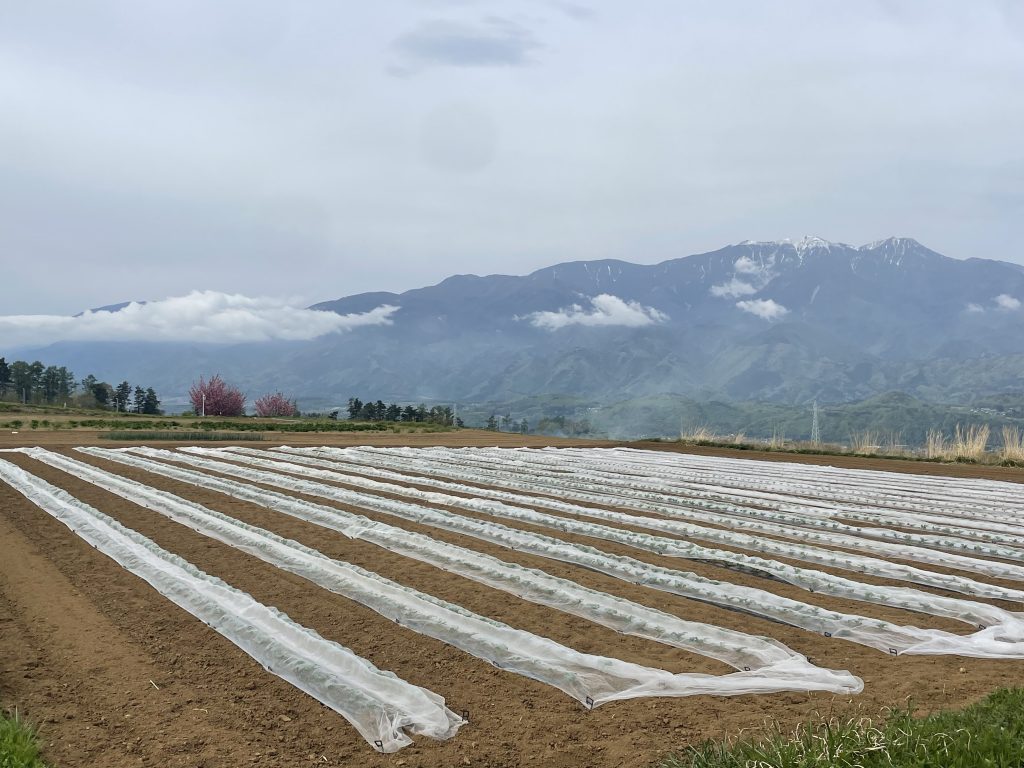
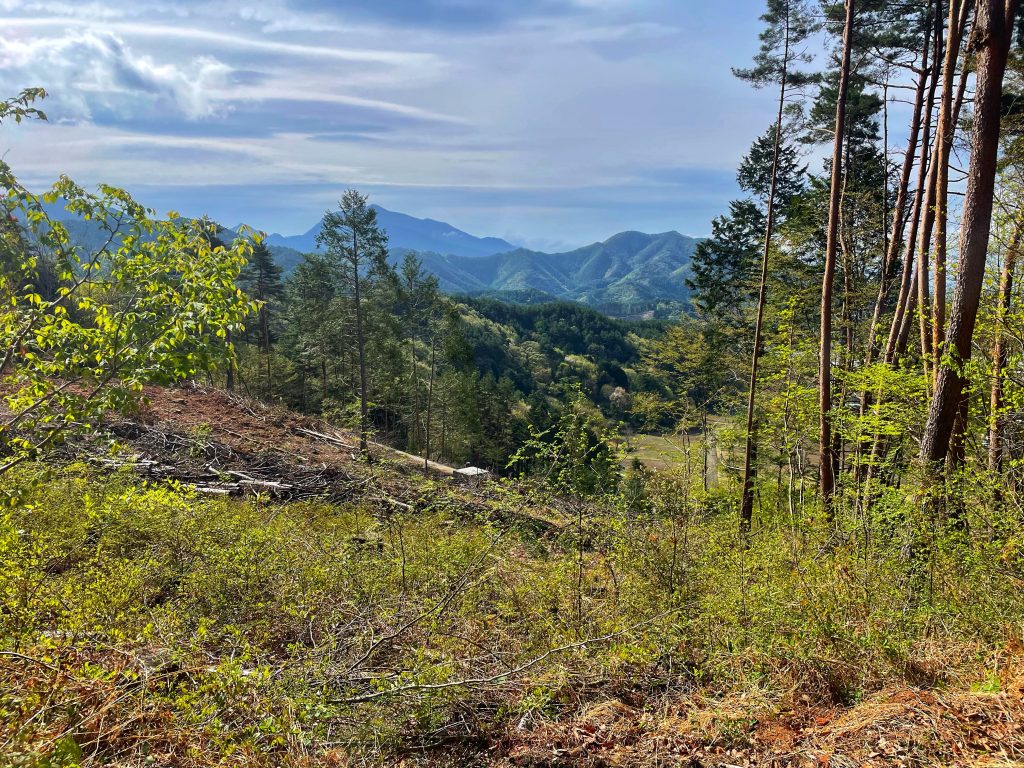
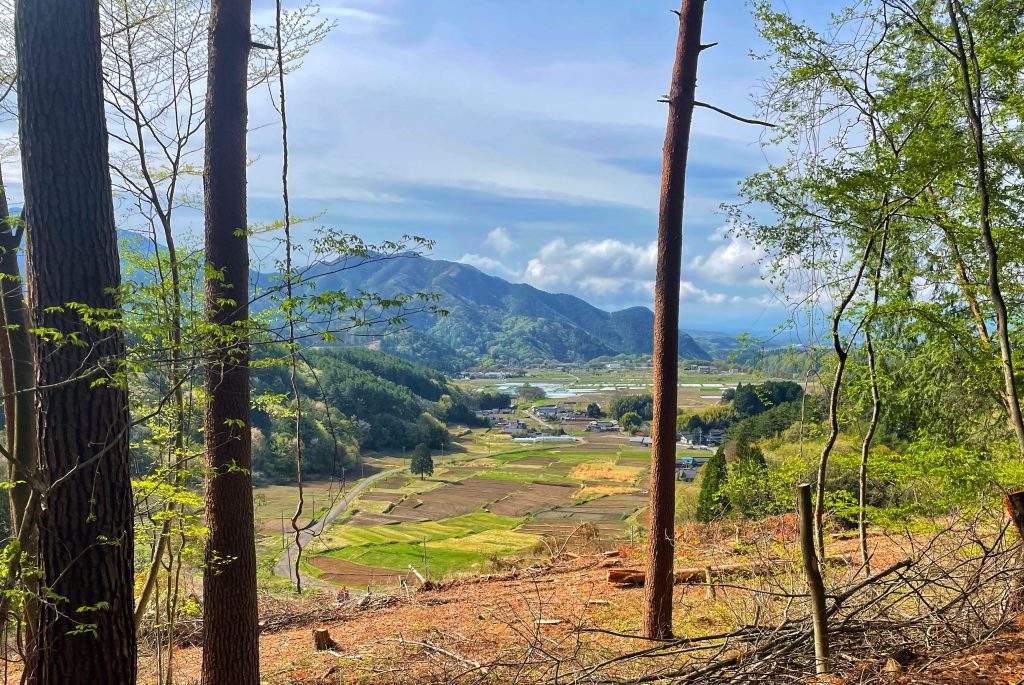
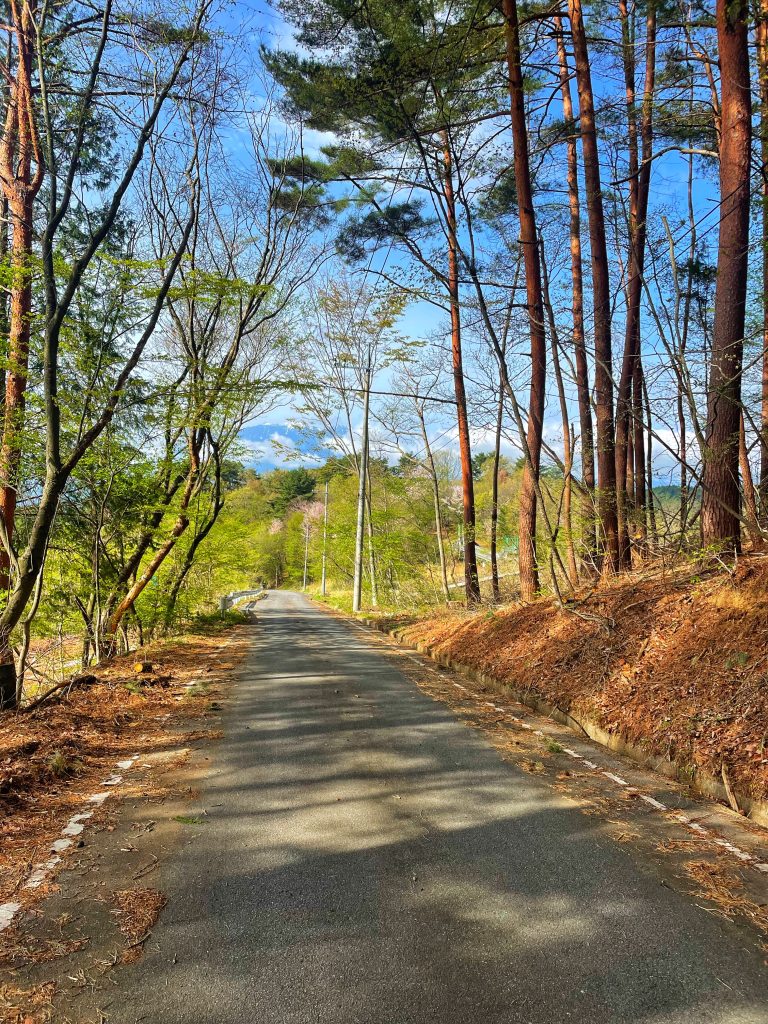
A first far off sighting of our target at the 52 km mark…
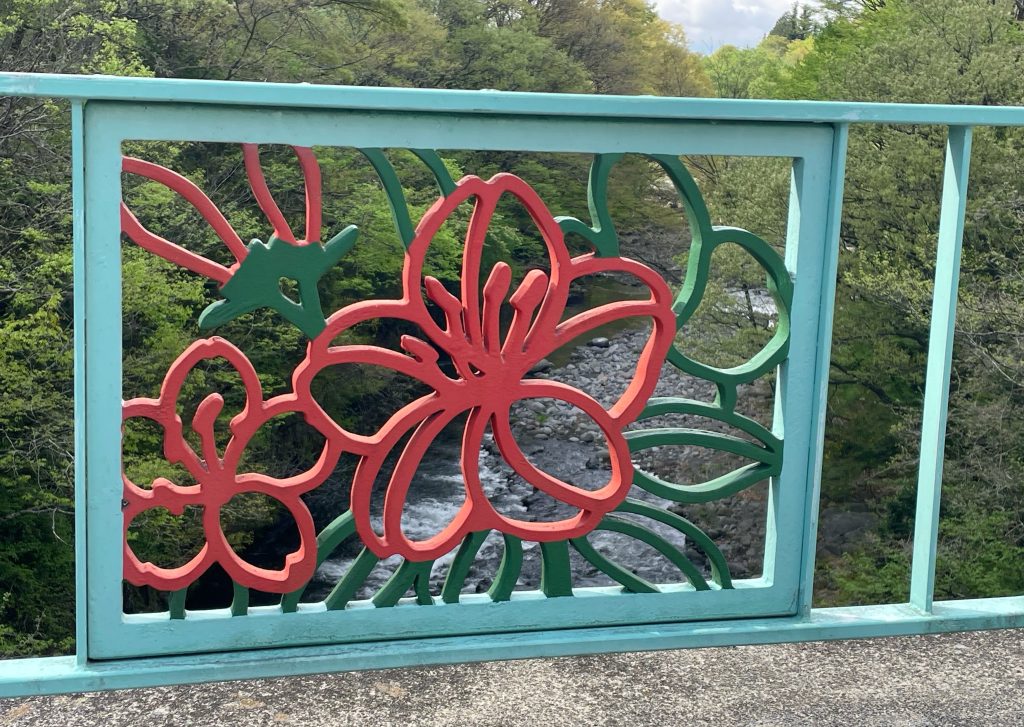
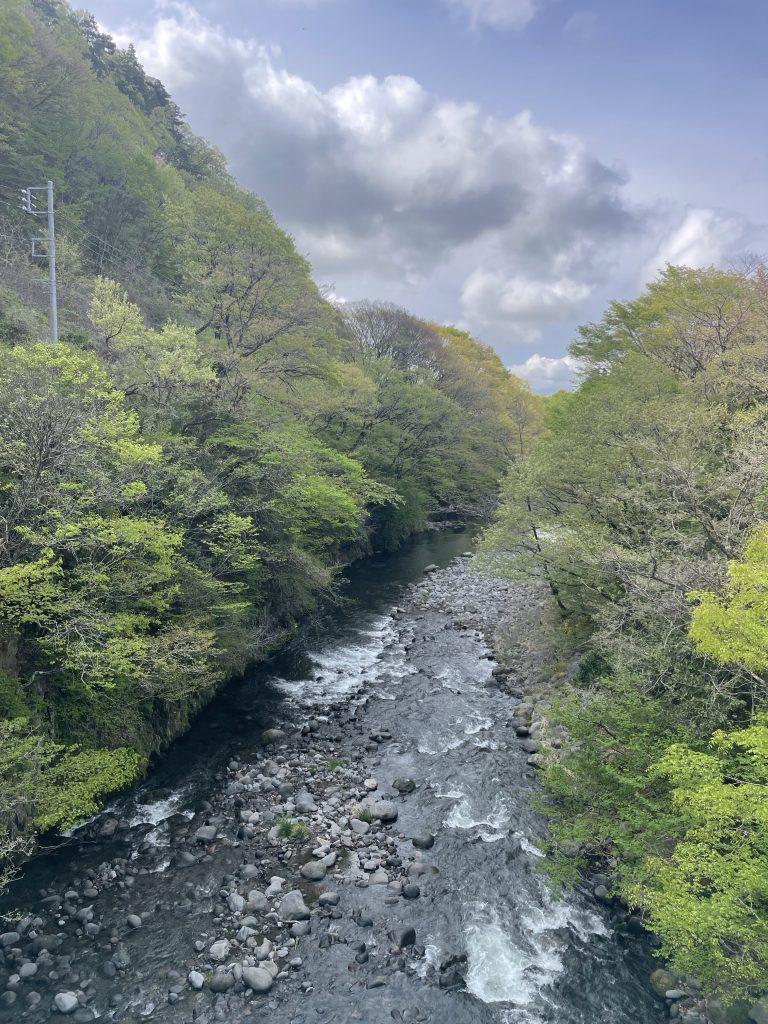
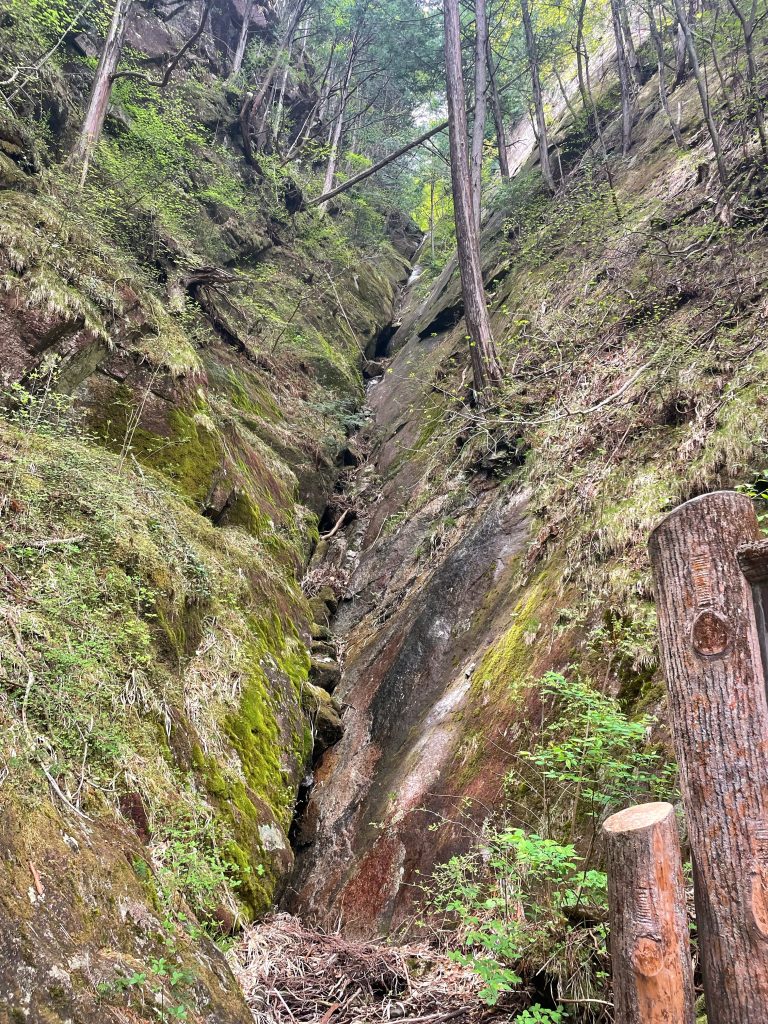
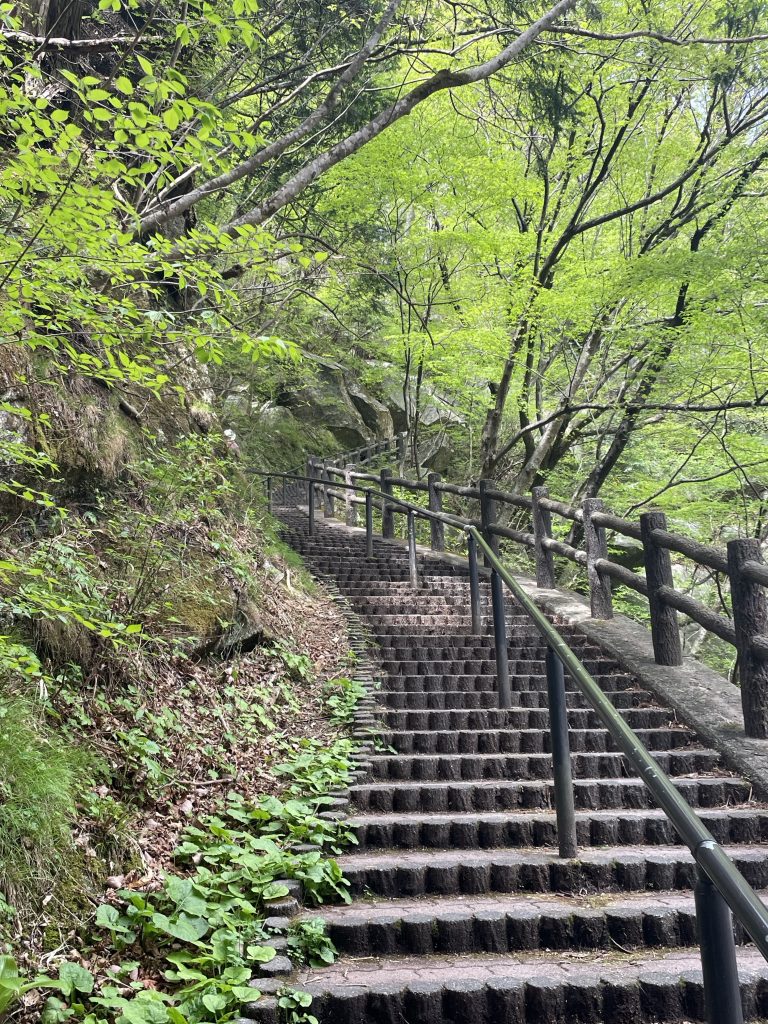
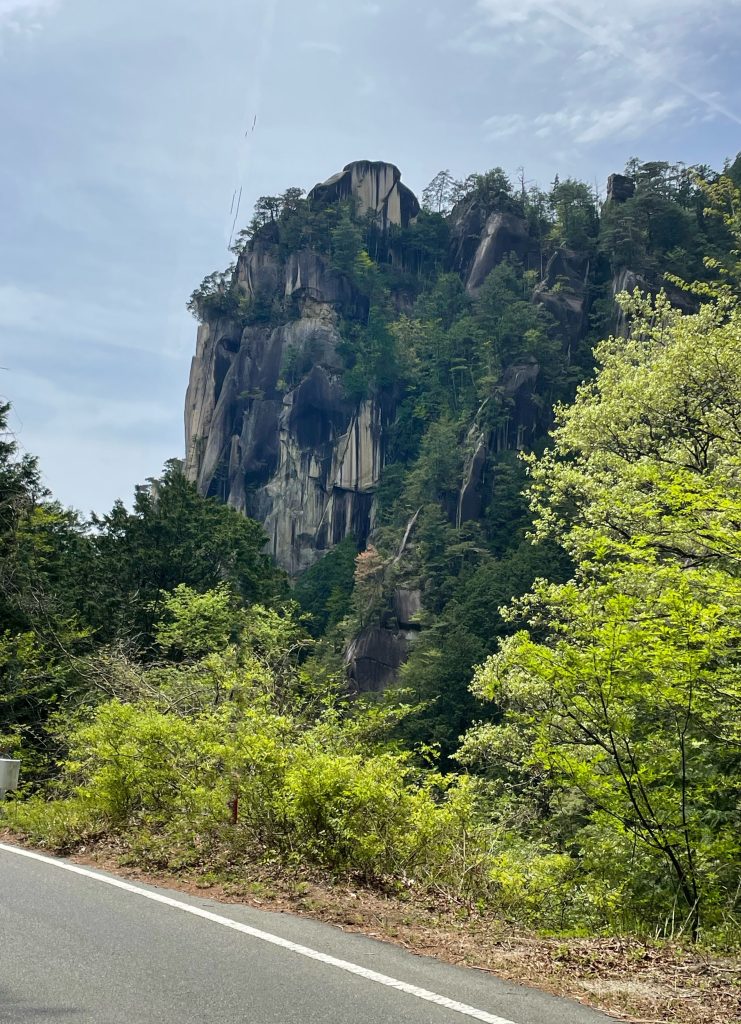
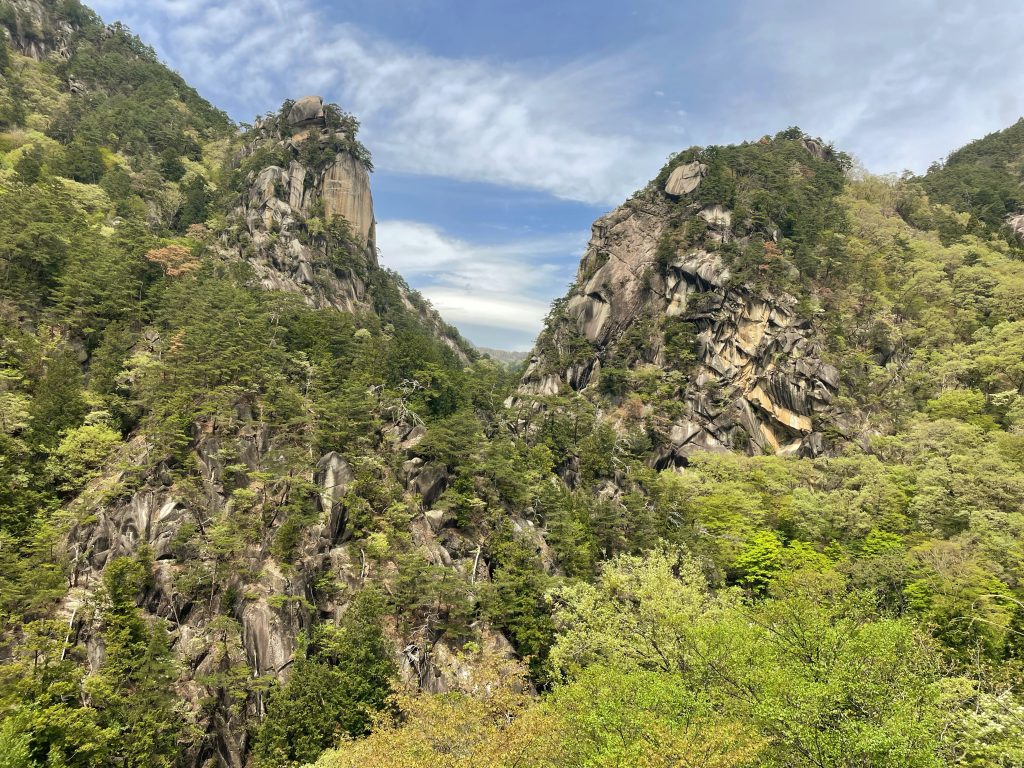
We immediately descended the Kai Valley and looped into spectacular Shosenkyo Gorge with rocky vistas, and waterfalls.
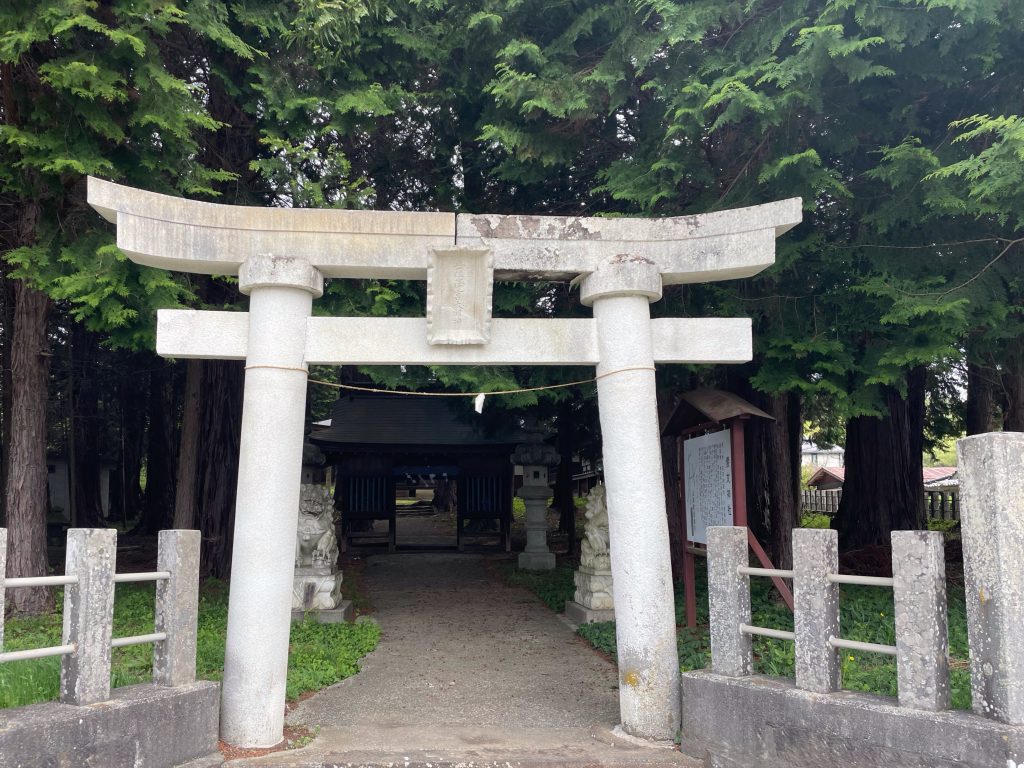
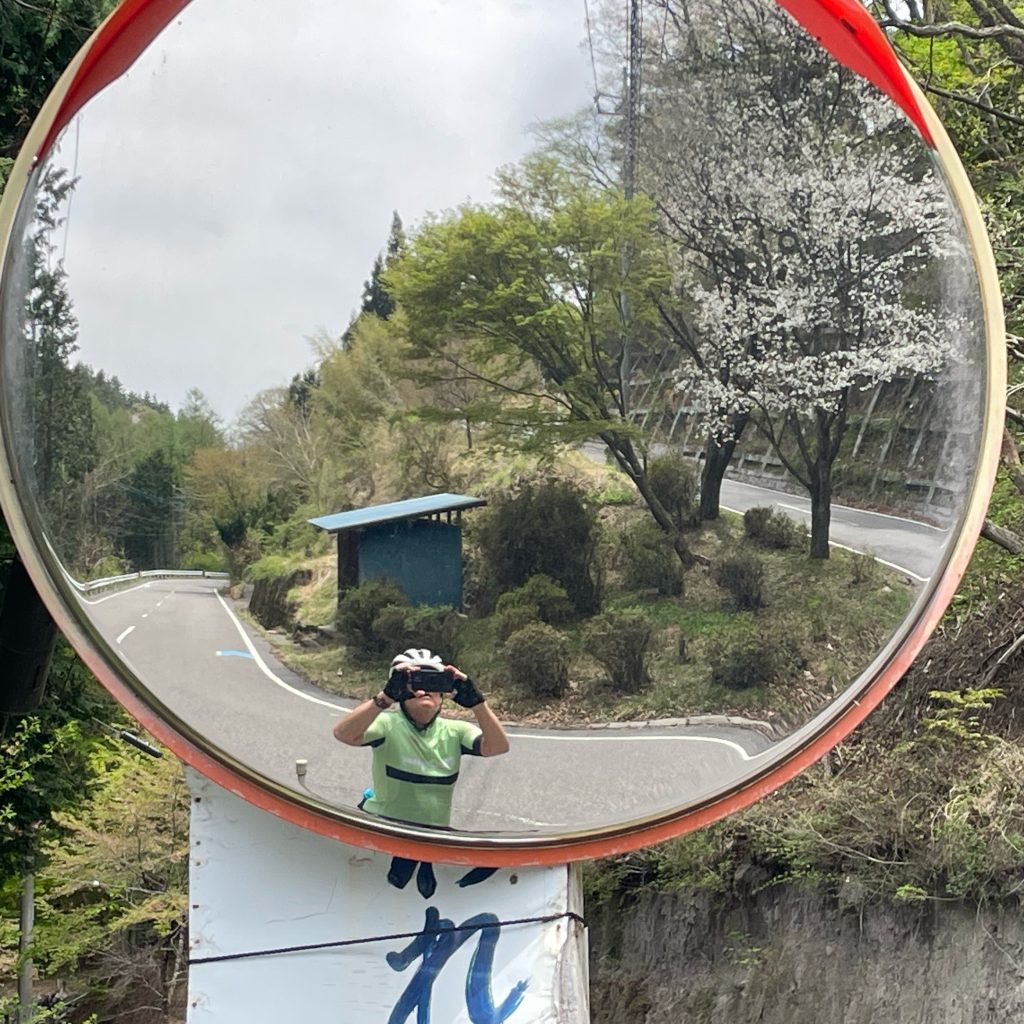
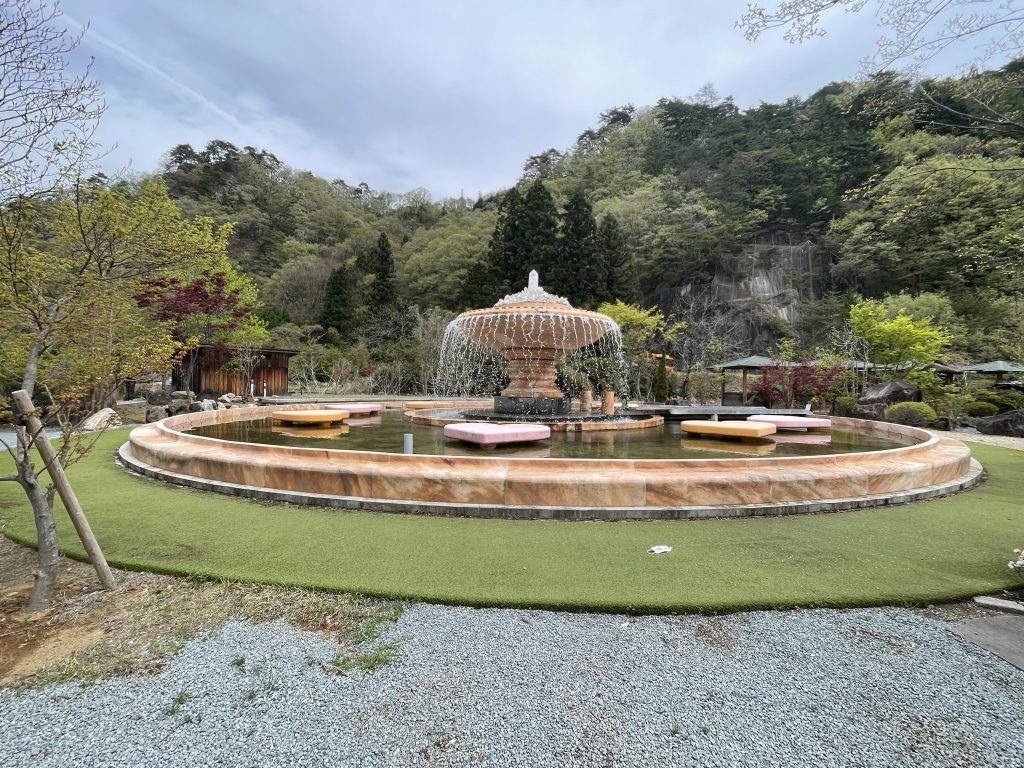
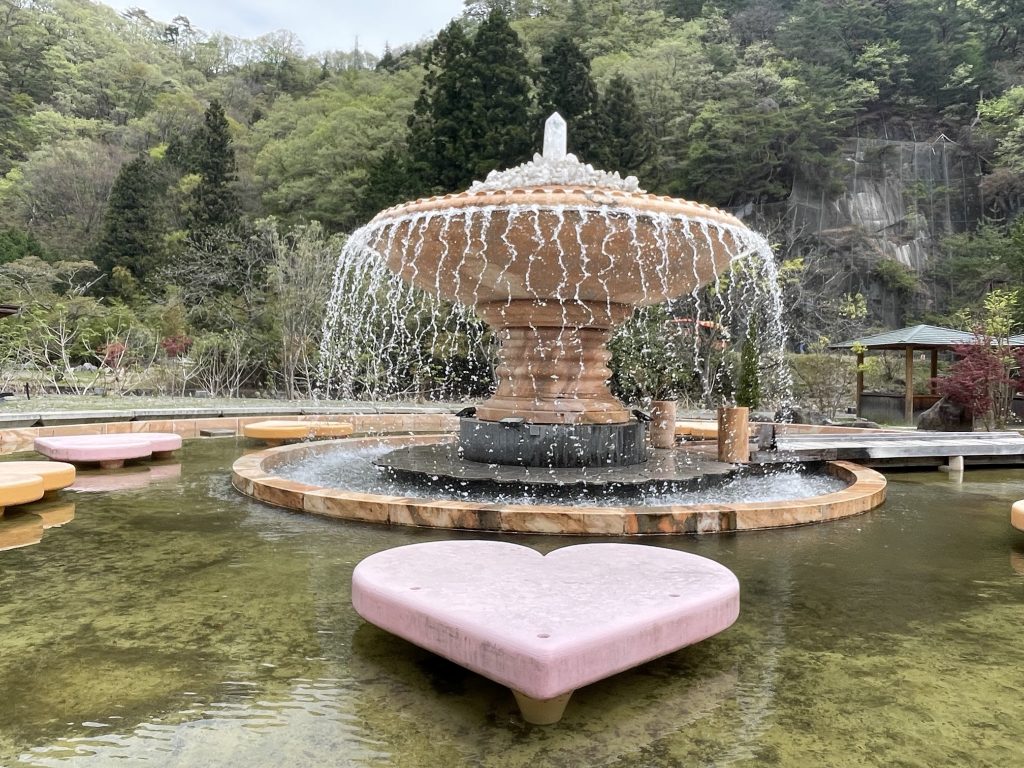
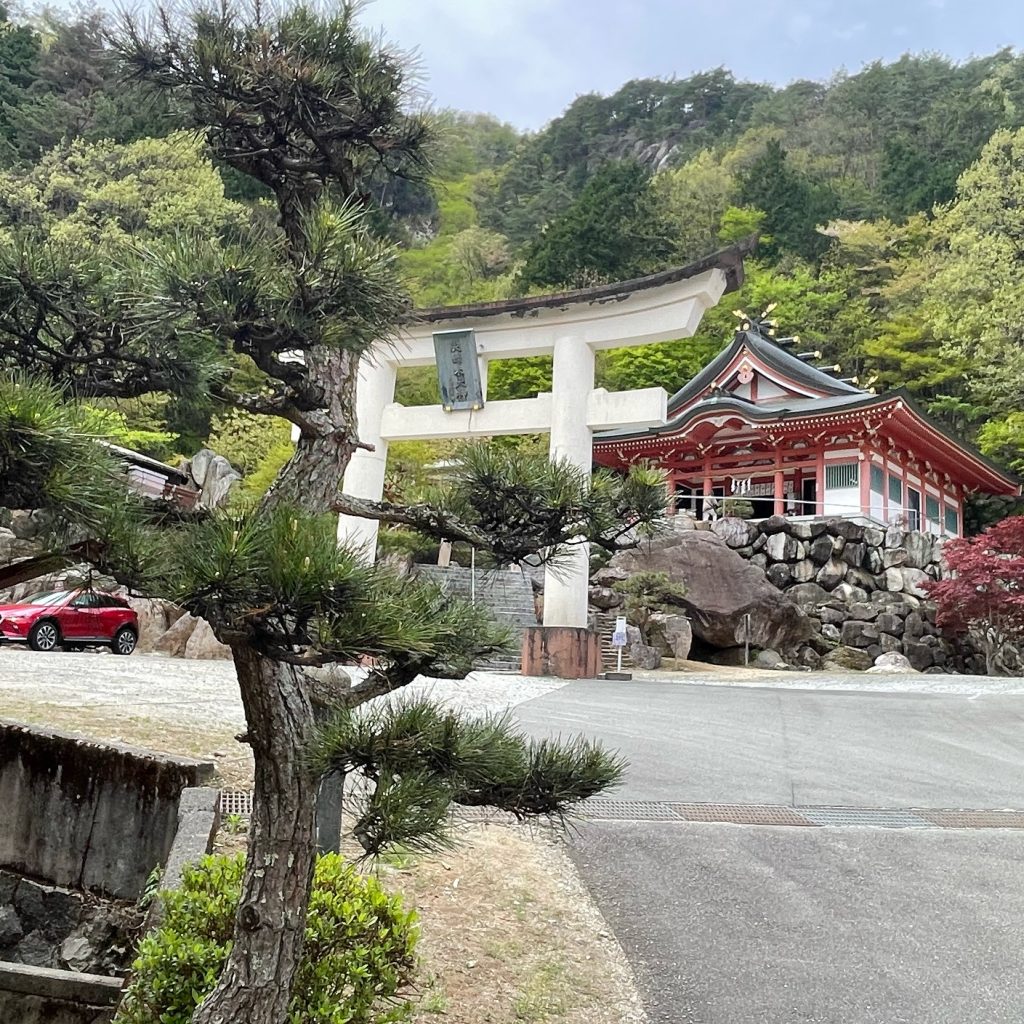
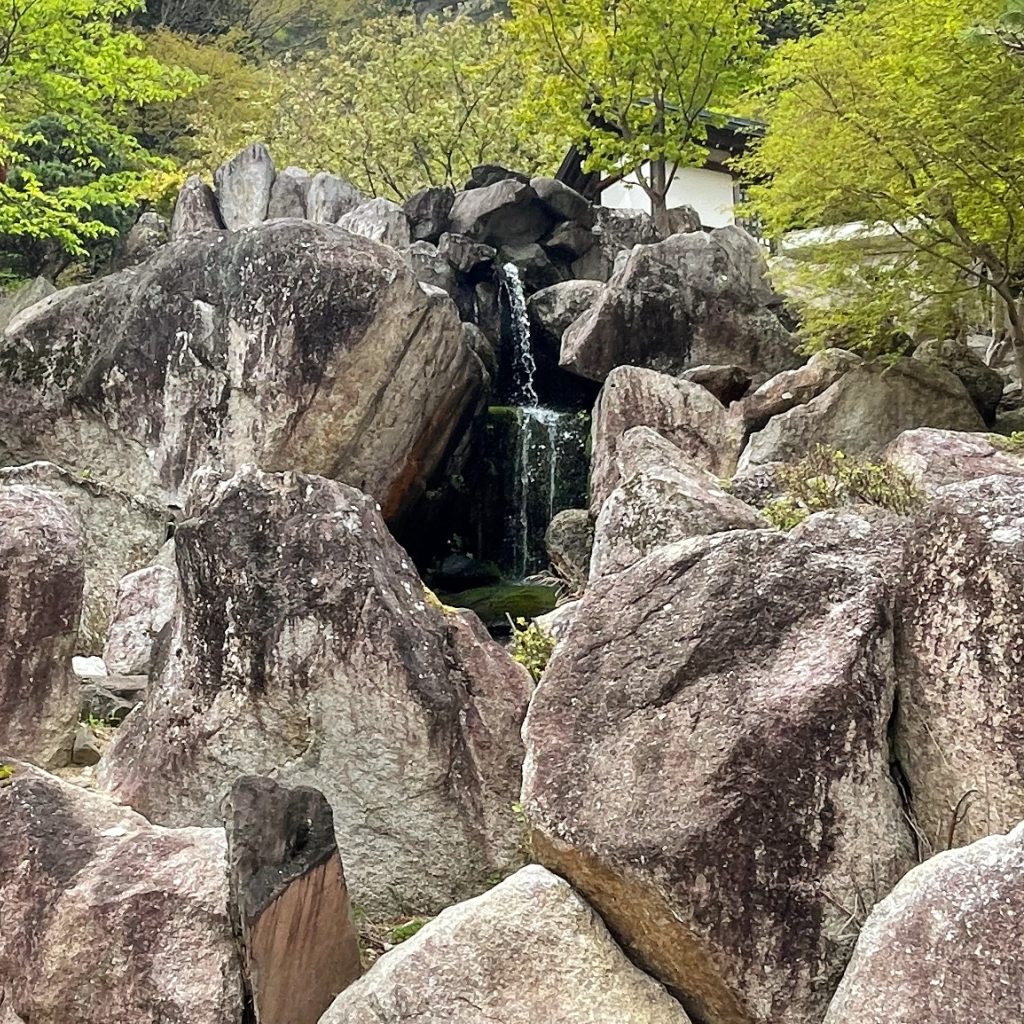
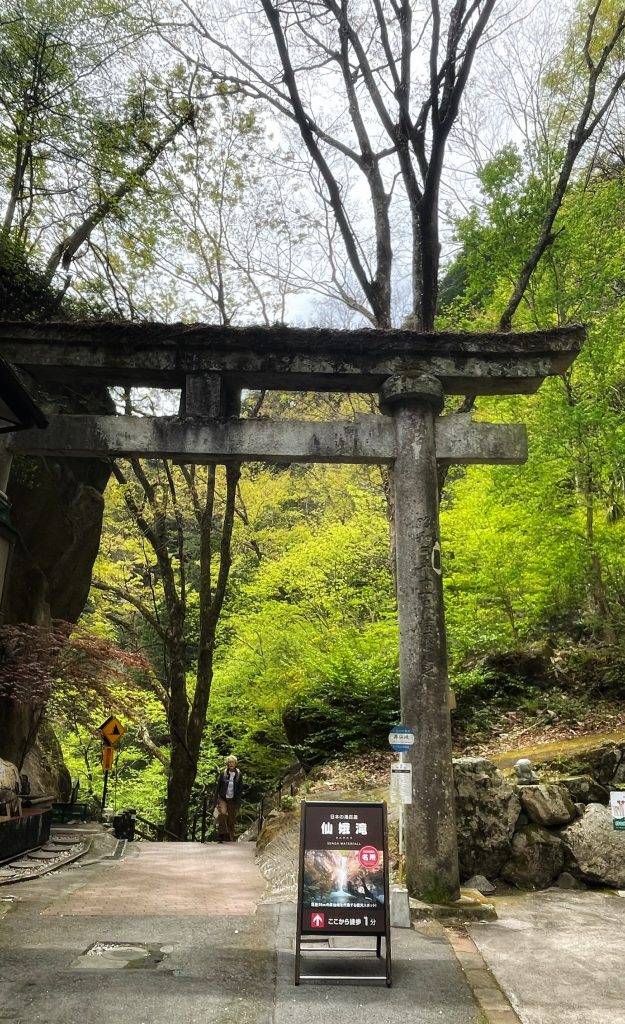
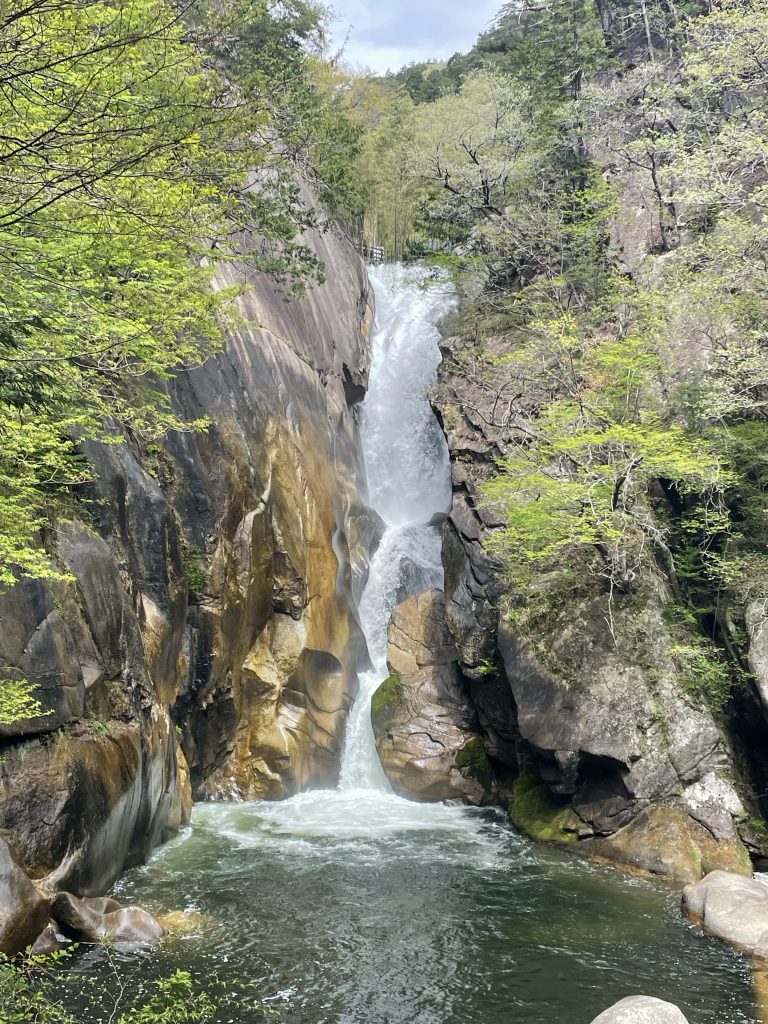
After lunch here we descended to one of Japan’s finest coffees – it can be quite an art form at the right location and this was one of those places!
Our coffee shop celebrates this ancient building method, in fact the coffees and sandwiches are black and named in their honour! These coffees are made this way with charcoal bamboo, supposedly good for the digestion!
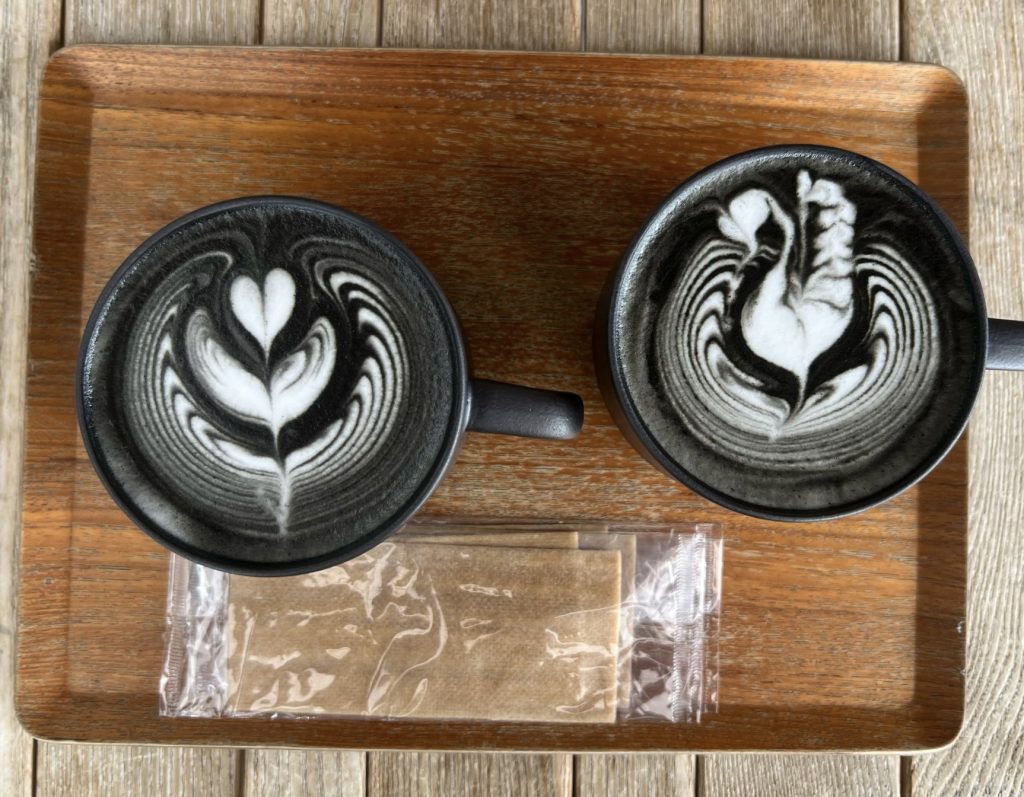
While you might think climbing Mount Fuji to be the ultimate, but the reality is the roads surrounding Fuji are where you get the best views of the stunning volcano.
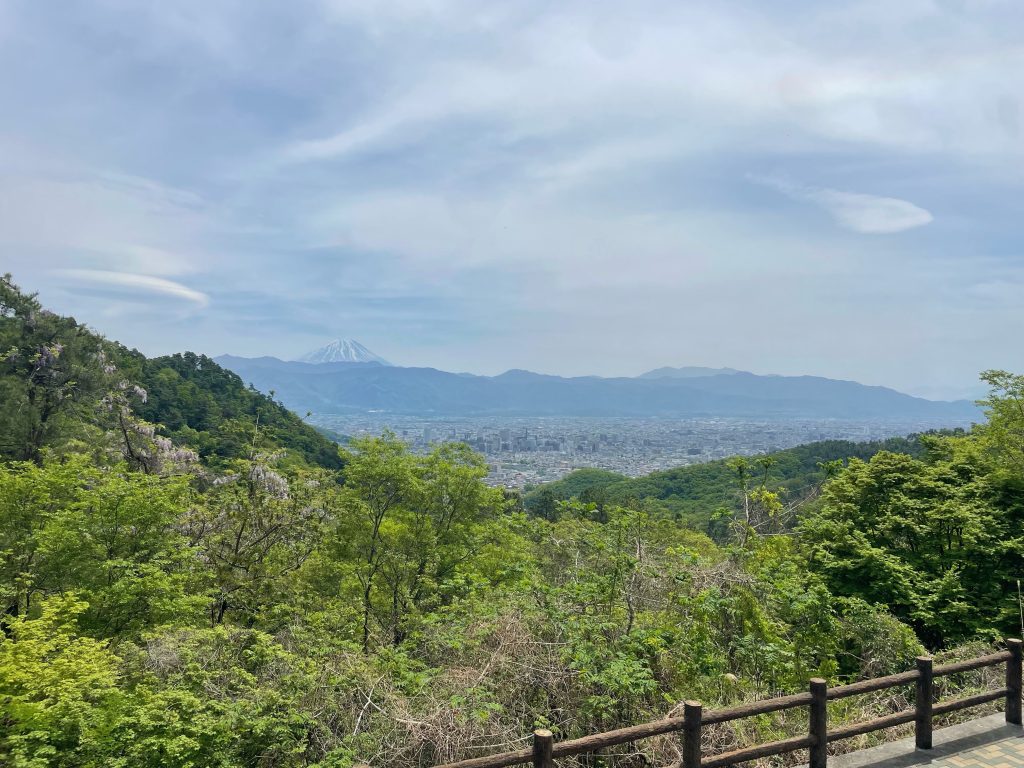
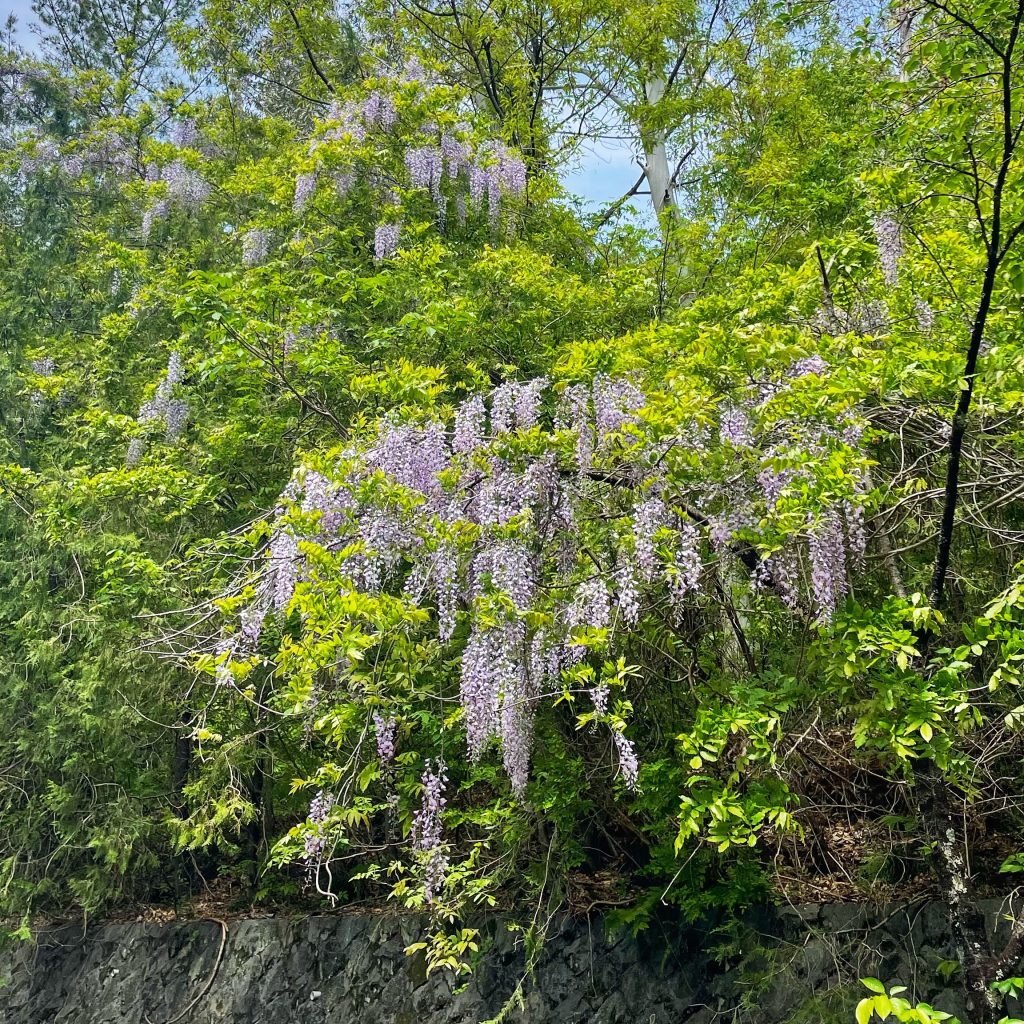
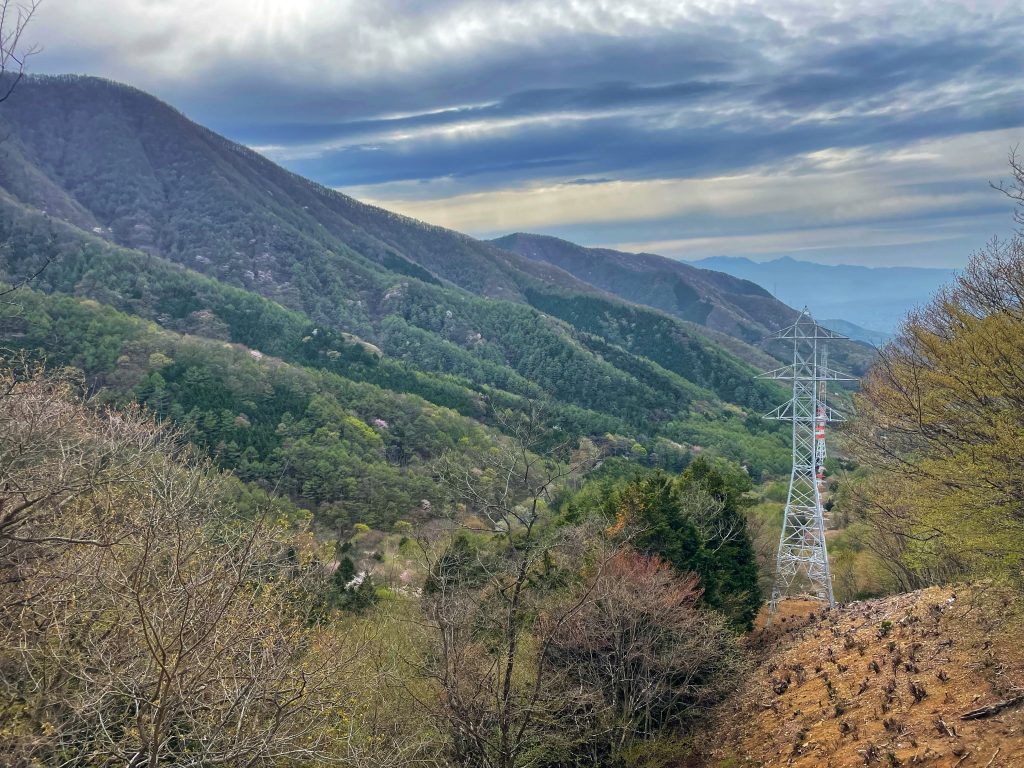
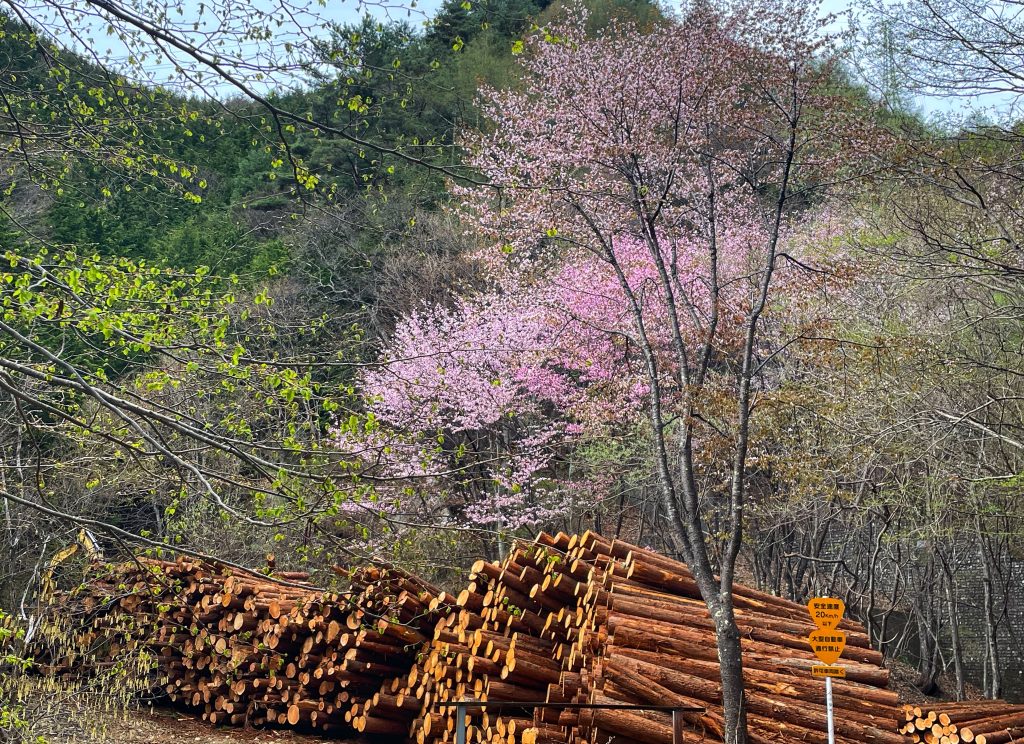
We ascended our final long 21km climb through the Mikasa Pass, the summit being just in front of a tunnel entrance(#5 today for trip grand total of 36).
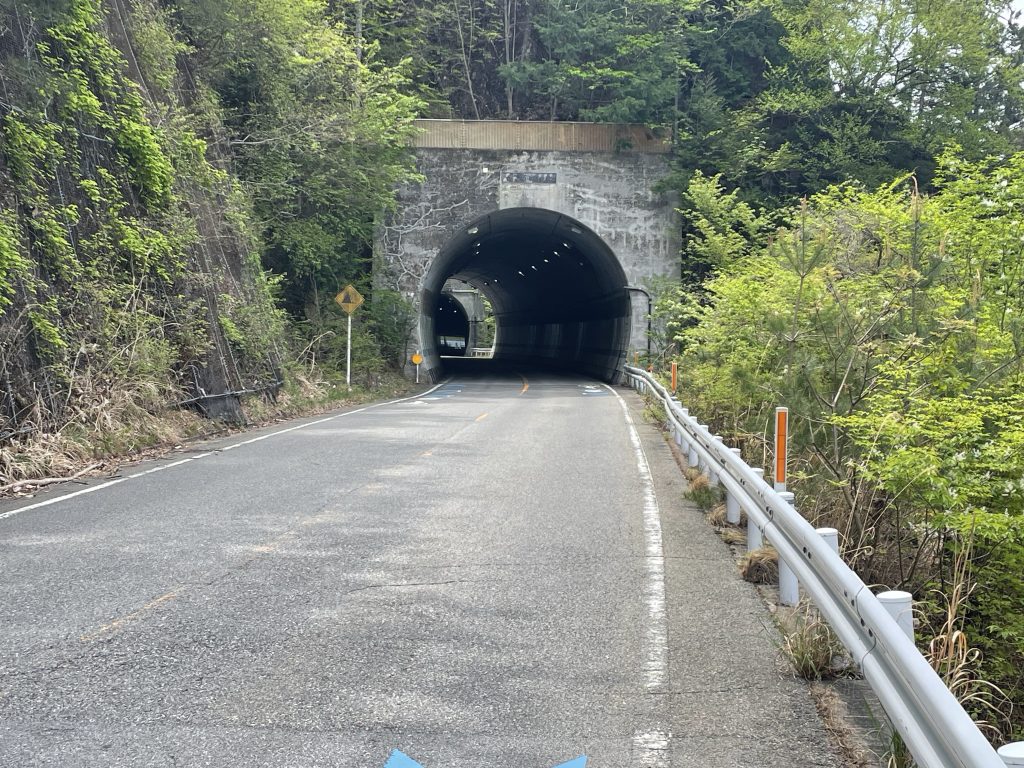
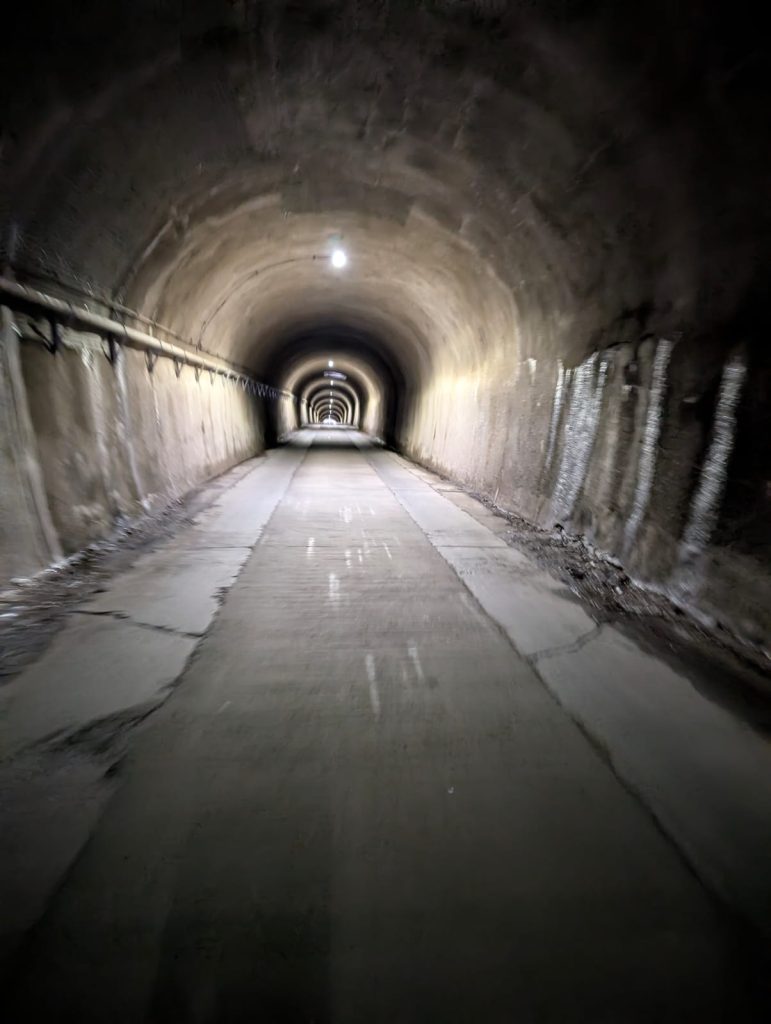
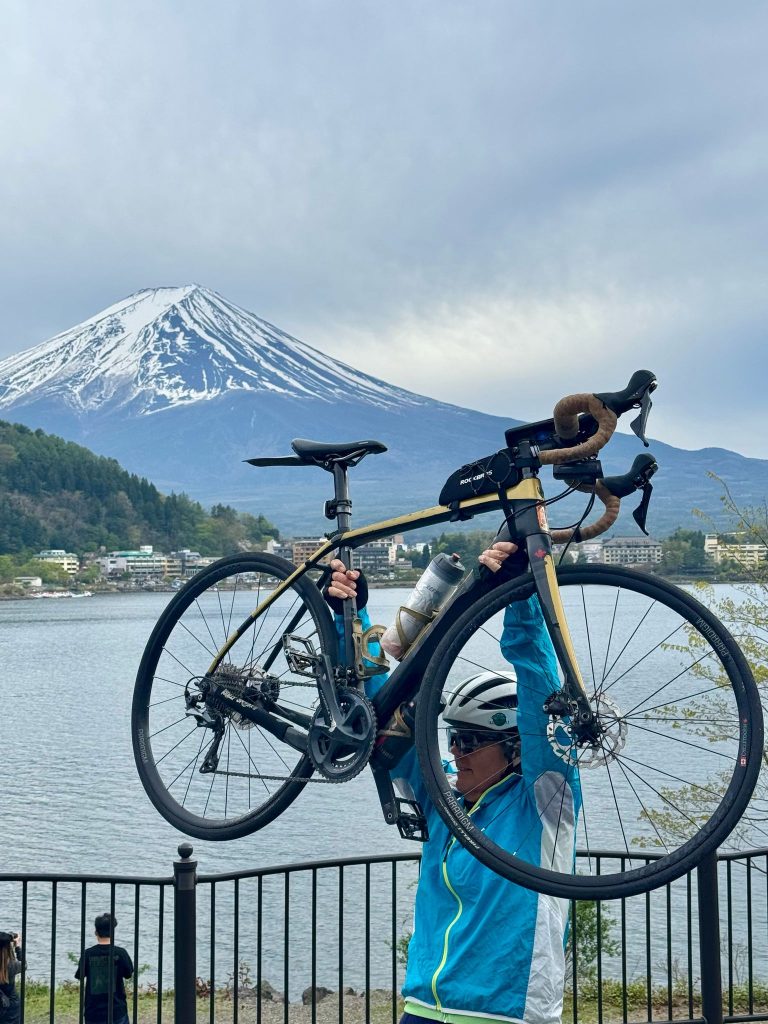
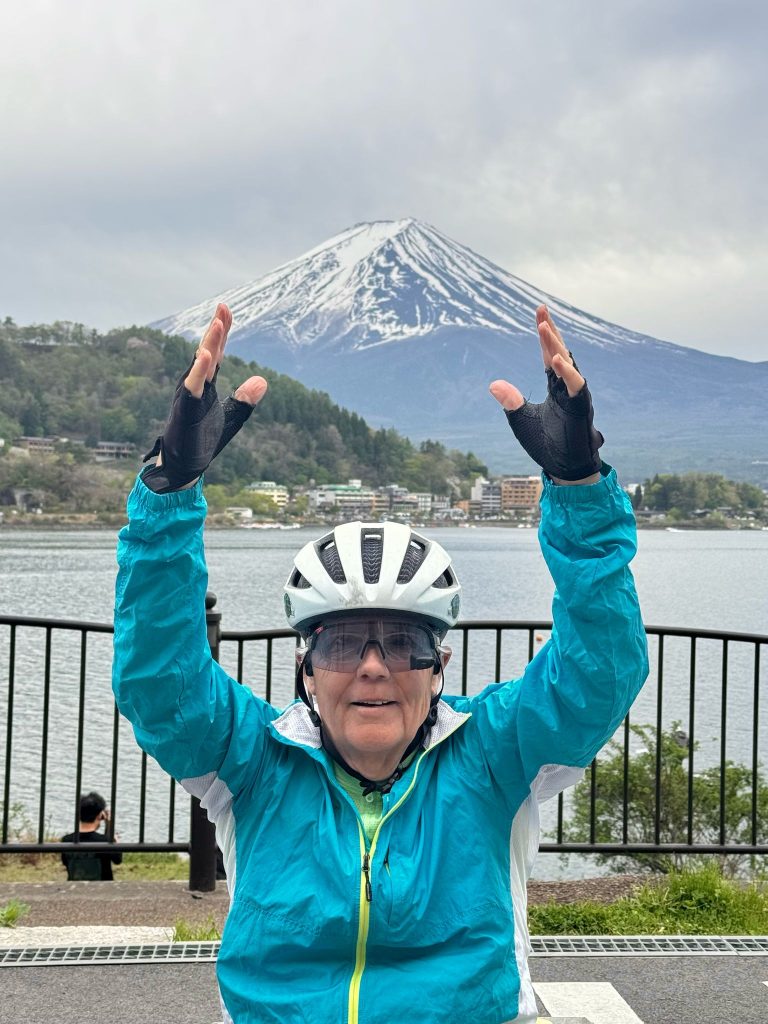
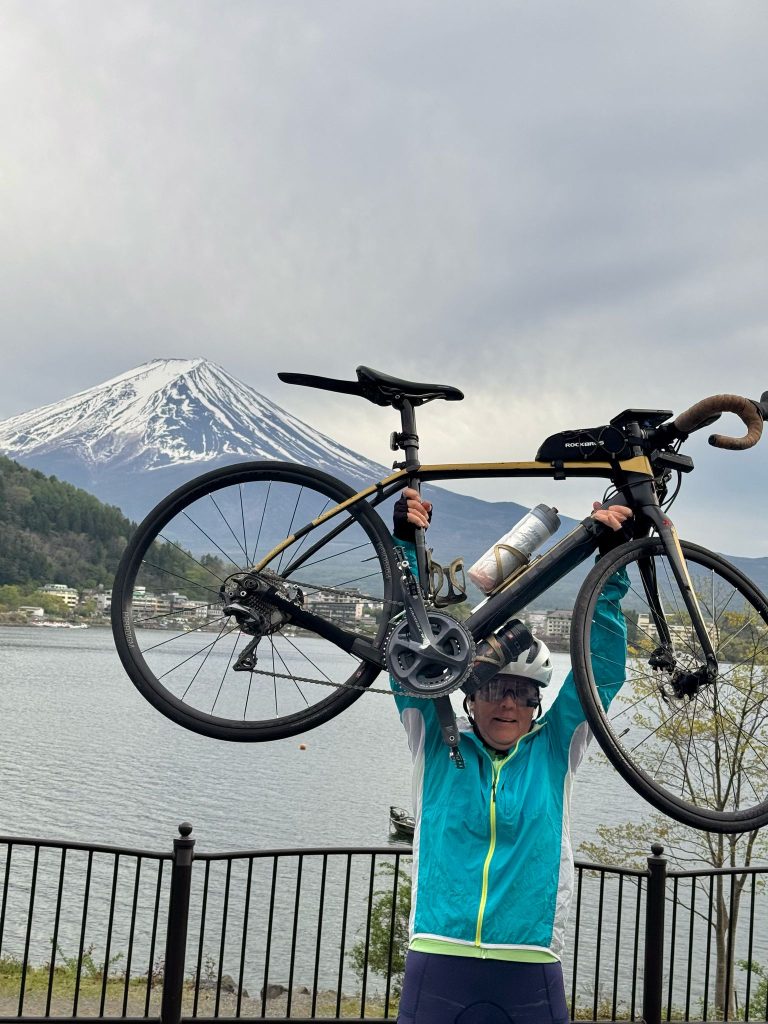
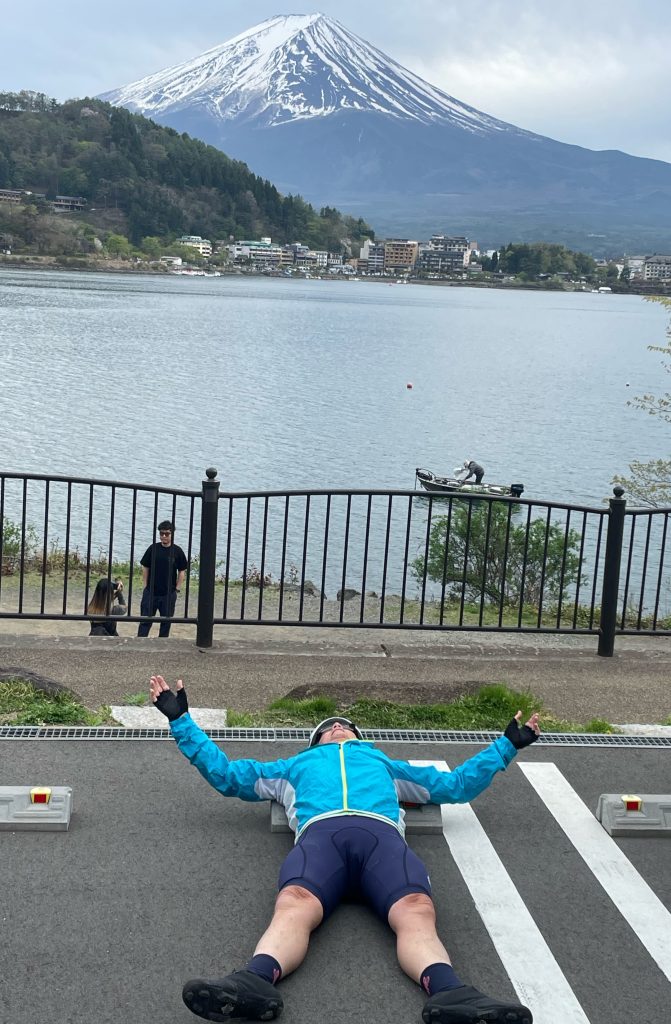
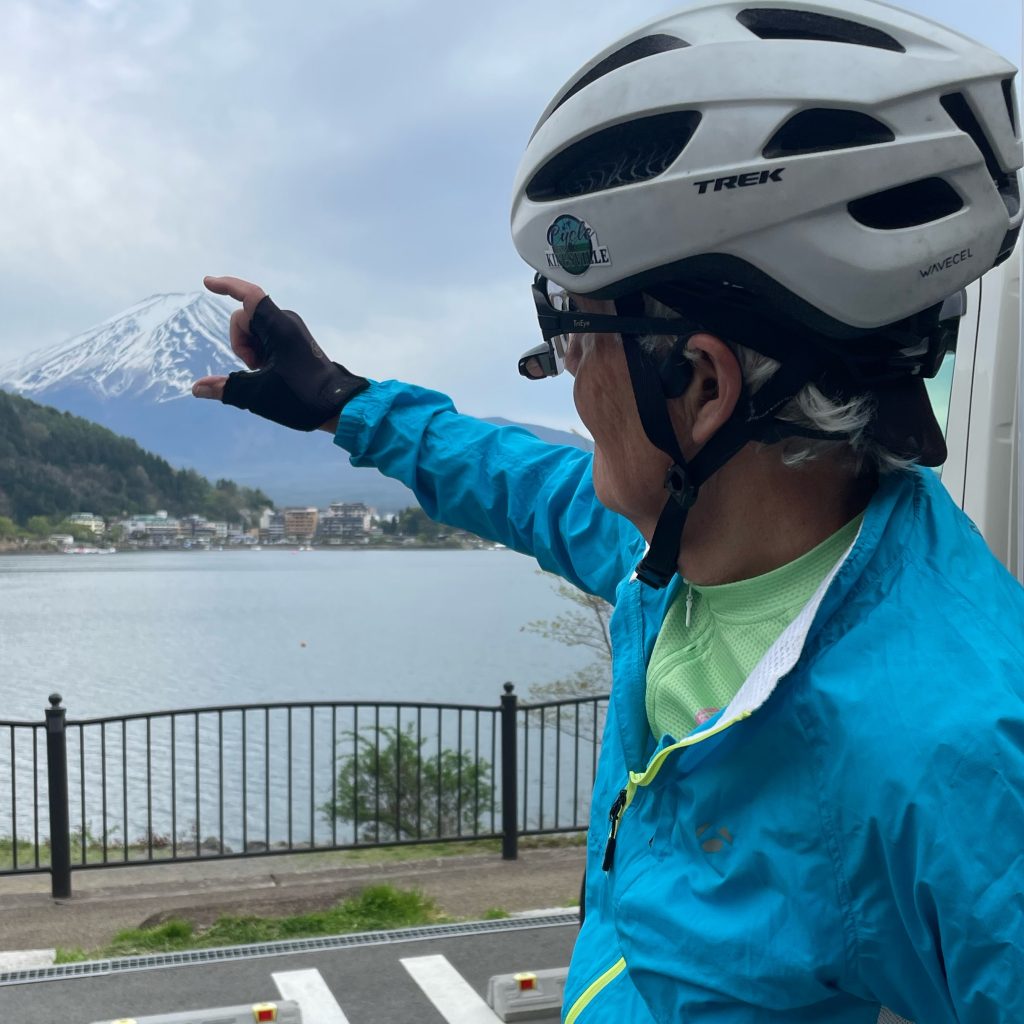
Upon exiting the tunnel we were immediately greeted by Fuji San and to be sure, it was an emotional moment for all of us to see what we had been riding 26 days to find. He did not disappoint!
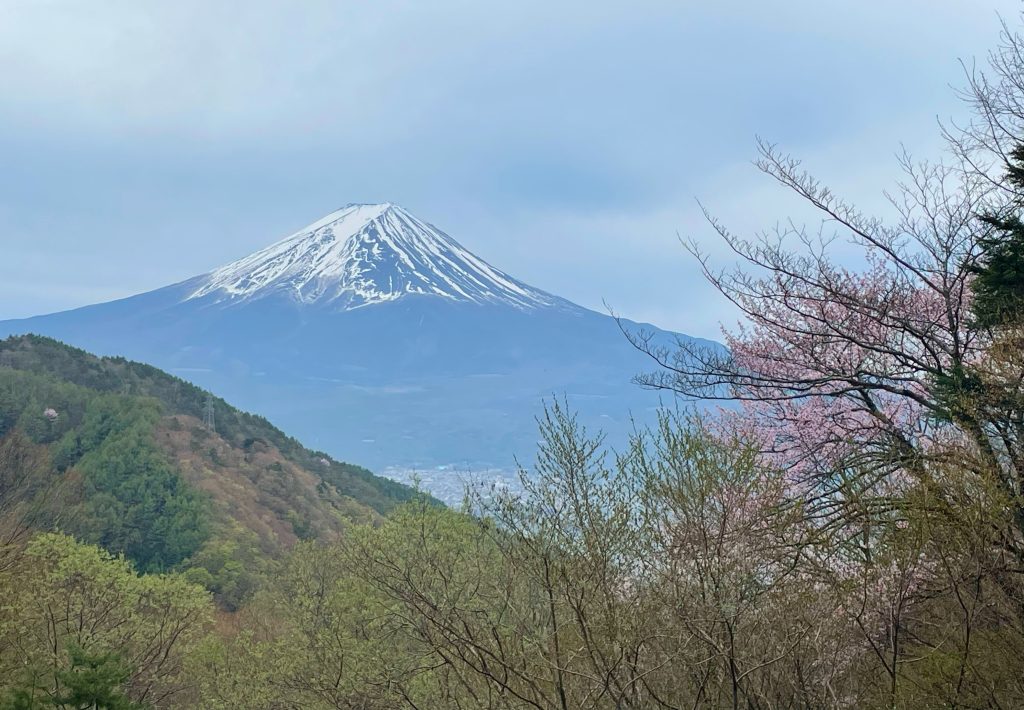
We finished with an exhilarating 15 km descent to our hotel on the shores of Lake Kowaguchi, 104 km with 8406 ft of climbing…what symbology for the completion of our bike trip….we bow to you Fuji San!
The view from my hotel room after arriving at 4 pm…
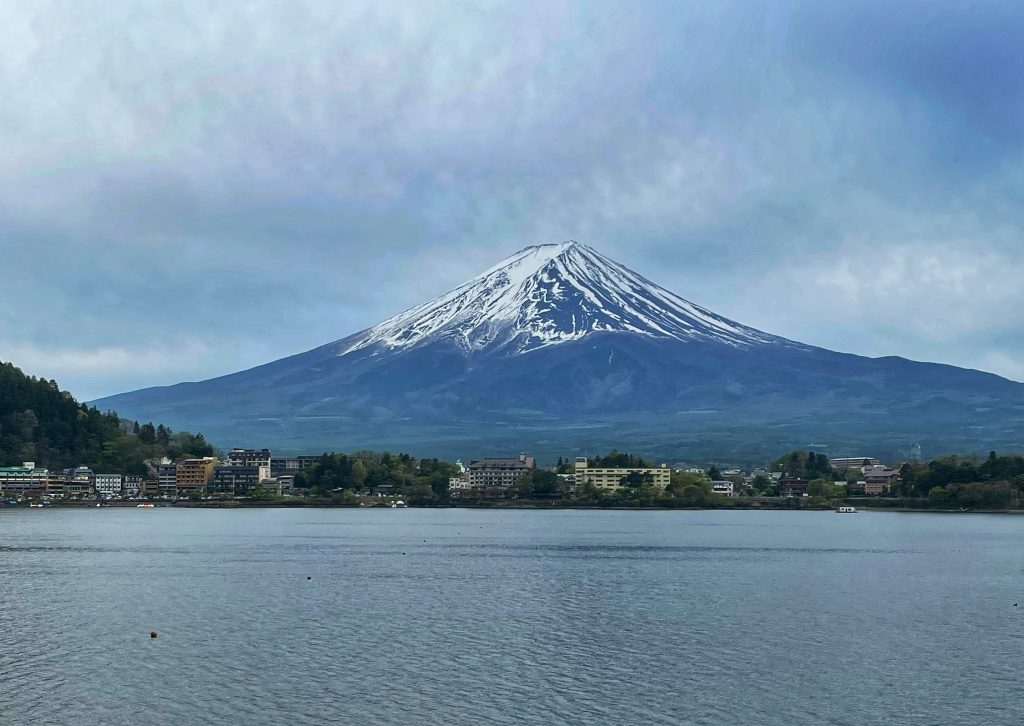
A spectacular and challenging day to finish.
Exhausted but happy to have accomplished what for many reasons could have been the toughest cycling I’ve ever done.
Tiles
The Japanese roof tiles, called kawara, are one of the most noticeable elements of the Japanese landscape, especially in Kyoto, which still has many traditional houses. These roof tiles have high cultural importance, since they have been decorating the Japanese scenery for more than 1,400 years. There is some evidence that the Japanese started using kawaraas early as the 6th century, after the introduction of Buddhism by an ancient Korean kingdom. Buddhism brought with it new architecture and special building methods, one of which was the kawara roof tiles. Although many people think the tiles are made out of some kind of metal, they’re actually fired clay.
Through the hundreds of years that the Japanese have been using kawara, the compound for the tiles has evolved to fit the local climate and environment. In a country like Japan, which suffers greatly from natural disasters such as typhoons and heavy rains every year, along with occasional earthquakes and fires, the building method was adjusted for these unexpected events. Today, kawara are used for roofing in traditional Japanese buildings, such as houses and temples, and are expected to last for around 75 years with only minor repairs.
Mount Fuji
Mount Fuji, Japan’s sacred mountain, is a symbol of Japanese culture and one of the world’s most recognisable mountains.
Mount Fuji appeared 600,000 years ago as an active volcano (even though it’s still an active volcano, it hasn’t erupted since 1707). During the Jomon Period, there were 4 major eruptions:
- Sengoku
- Osawa
- Omuro
- Sunazawa
This was around 3,000 years ago but around 2,300 years ago, the eastern face of the volcano collapsed creating the Hoei-Zan on the south-east of the mountain. The mudflows flowed down to the Gotemba area which is why it was called the Gotemba mudflow.
Mountain Fuji has been considered a sacred mountain since the 7th century. In the Shinto religion, the emperor gave the order to destroy its summit to release the elixir that it contained. The smoke escaping was this elixir.
Mount Fuji is also home to Konohanasakuya-hime, the goddess of Mount Fuji and all volcanoes. This is why there are several shrines on the mountain.
There were sixteen recorded eruptions between 800 and 1083 during the Heian era. Periods of inactivity at Mount Fuji can last for centuries like between 1083 and 1511.
The most recent eruption was recorded in 1707 in the Hoei era. This was known as the great Hoei eruption and took place 49 years after the Great Hoei earthquake, one of the biggest earthquakes to have ever hit Japan. This created three new volcanic vents. This eruption caused lava flows and spread volcanic ash across the Edo region (now Tokyo) sixty miles from the volcano. This was a 4 on the Volcanic Explosivity Index.
Since the last eruption, earthquakes are monitored, with the last one of note being a 6.4 on the Richter Scale in 2011. These natural catastrophes haven’t stopped the Japanese from regularly climbing the mountain.
An Object Of Religious Worship
Mount Fuji has occupied a prominent place in Japanese religions since ancient times. The first ascent of Mount Fuji was thus, according to legend, made by En no Gyoja in 663, a monk who founded the Shugendo sect. A temple dedicated to the fiery goddess was built there in 806, which feeds the theory that the name Fuji comes from the word ainu “fuchi”, which means fire. During the Heian period (794-1185), the Court gave an honorary rank to the mountain in order to appease it, which was moreover venerated like Shingen Okami.
It was during this same period that the mountain became a center for Shugendo teaching and that the practice of ascension by ascetics developed, and even opened to laymen from the Muromachi period (1333-1573). This openness to ordinary Japanese was accentuated during the Edo period (1603-1868) with the creation of the Fuji-ko sect by Hasewaga Kakyugo, draining populations from the Kanto to the sacred mountain. A popularity which still cannot be denied today.
The Ubiquity Of Mount Fuji
The influence of Mount Fuji in Japanese arts and letters also goes back a long way. You can find a description written about the mountain in the man’yoshu (-760) – the oldest compilation of Japanese poems composed between the 4th and 8th centuries. Mount Fuji is also mentioned in other classical writings as the Ise Monogatari, compound 9th century, or the Taketori Monagatari ( “The Tale of the Bamboo Cutter”) dated 10th century. In modern times, both Natsume Soseki and Osamu Dazai used Mount Fuji as inspiration for their work.
It is in the graphic arts, and in particular through print, that Mount Fuji best expresses the importance it has in the Japanese artistic imagination and where it acquired an international reputation. The most famous works are obviously those produced by Katsushika Hokusai (the thirty-six views of Mount Fuji, where we find, for example, the Great Wave of Kanagawa) or the five-three stations of Tokaido by Utagawa Hiroshige. A large number of more minor prints also took Mount Fuji as a subject, further increasing its status as an art figure.
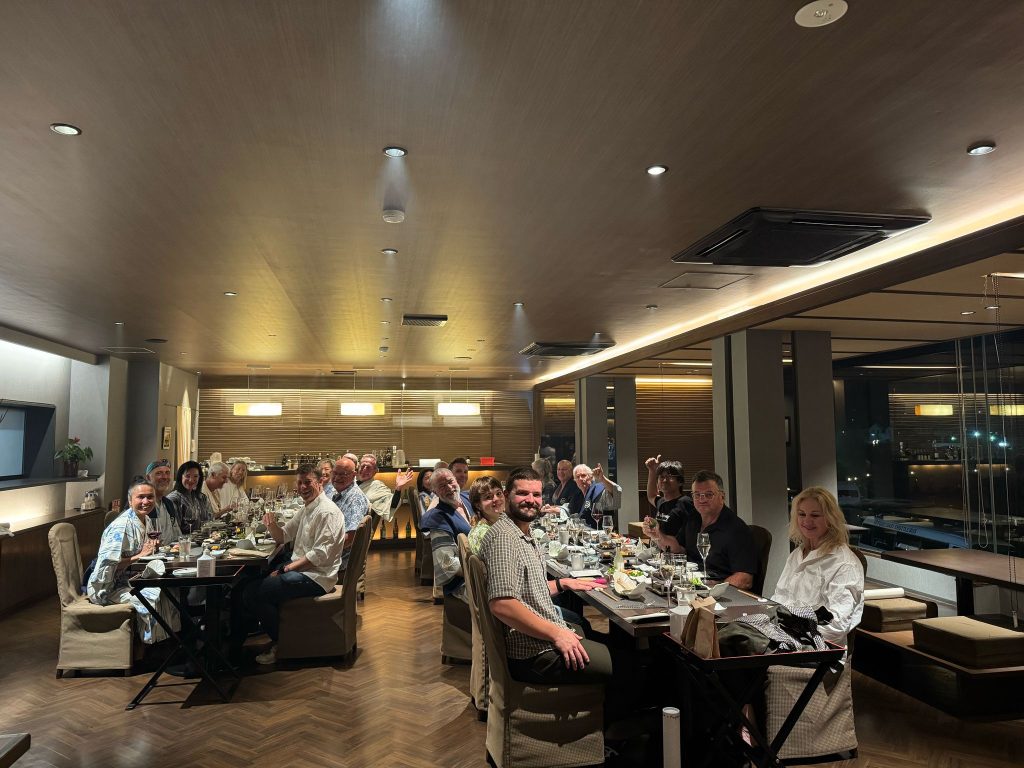
Our final team dinner…great food, new friends, good times!
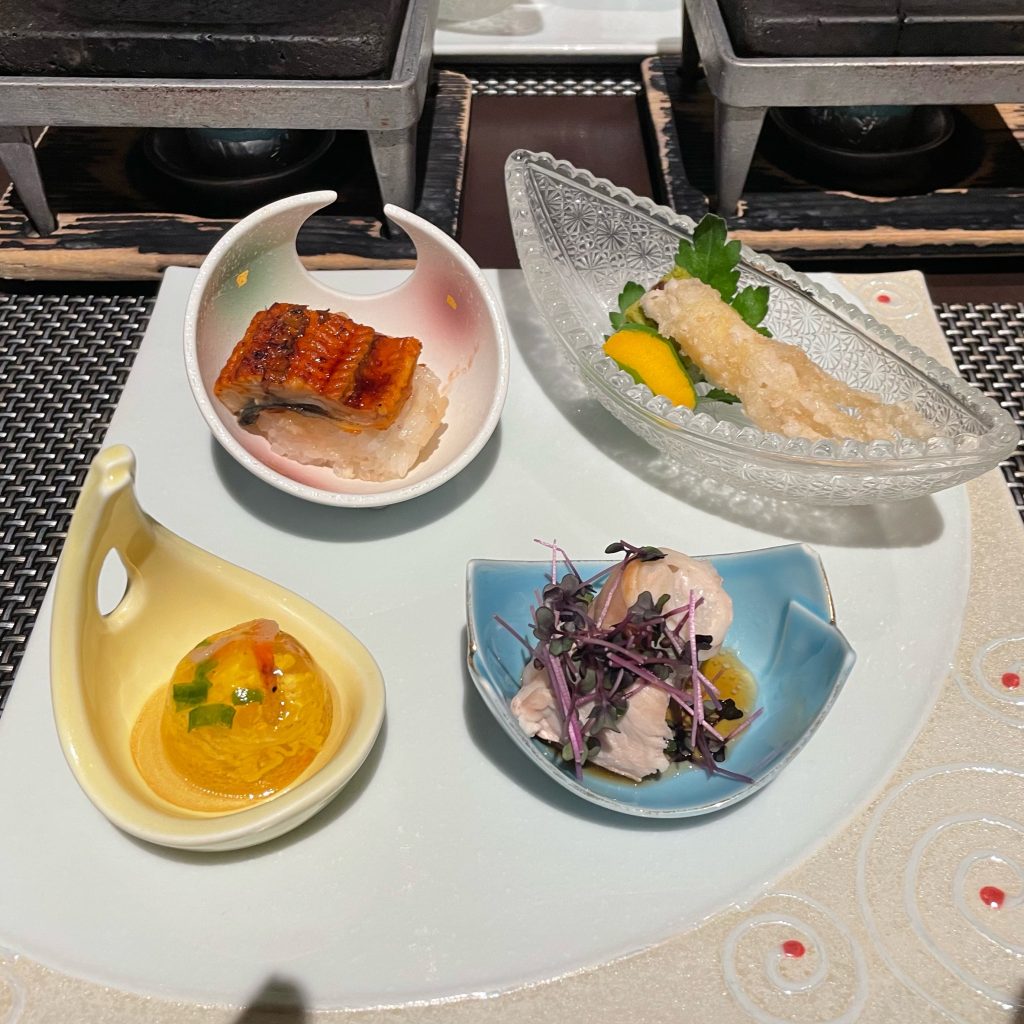
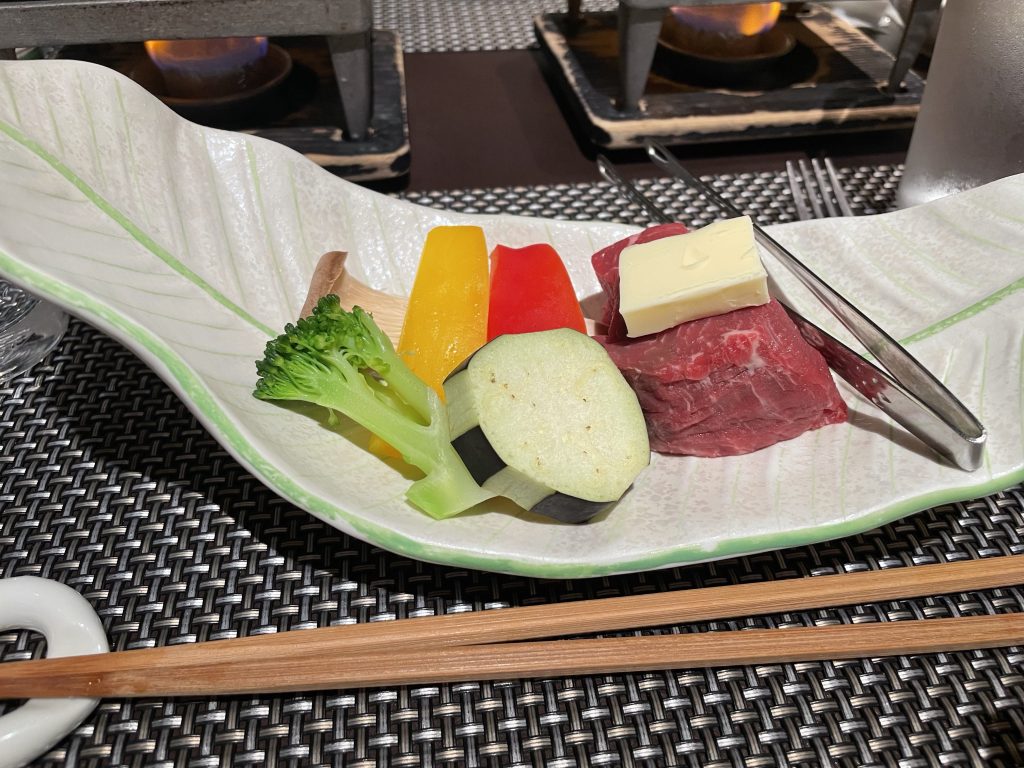
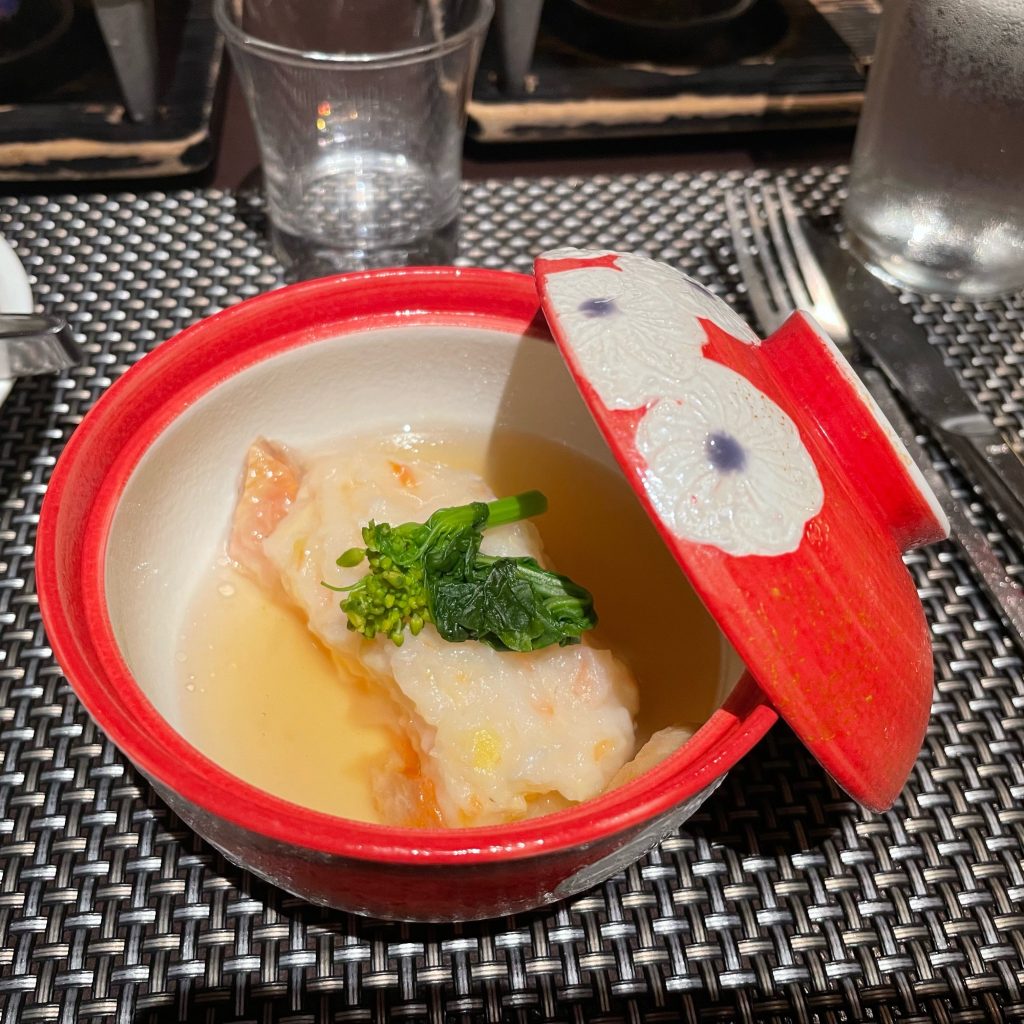
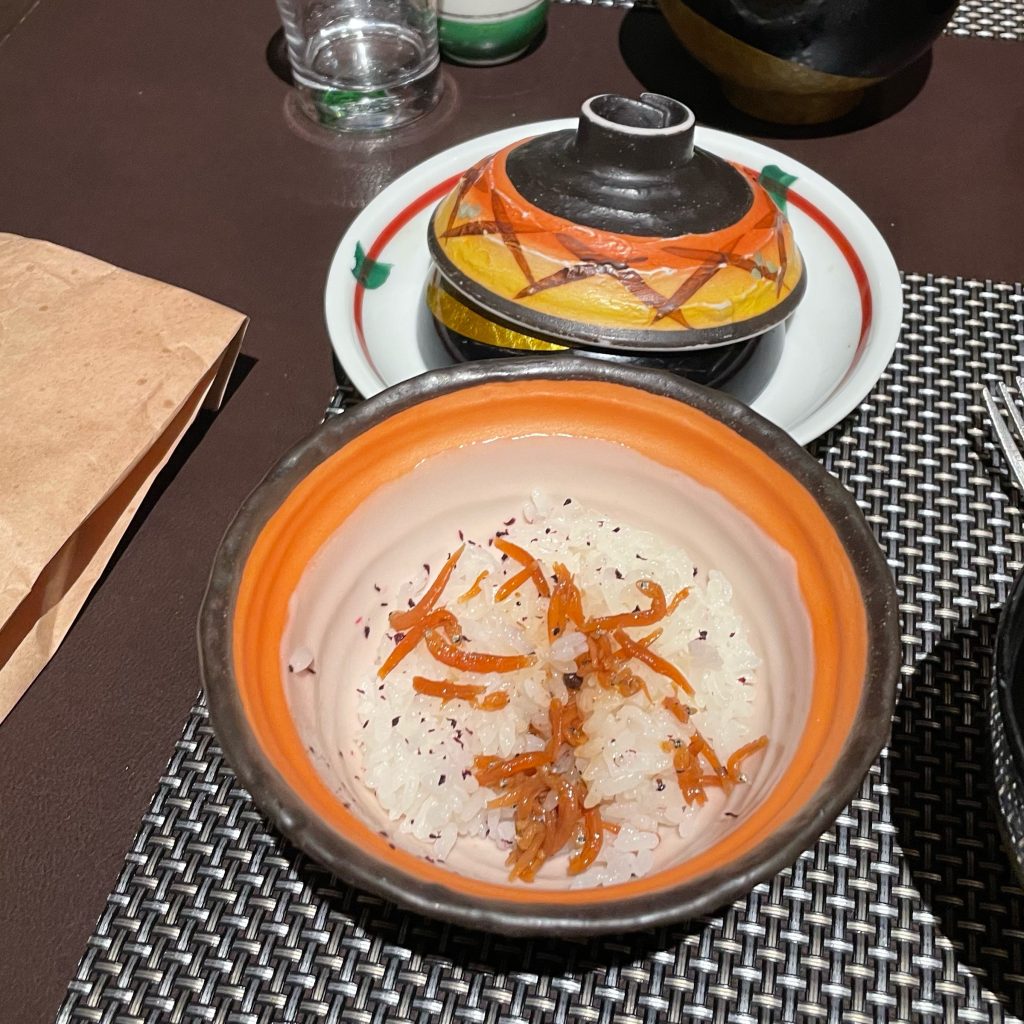
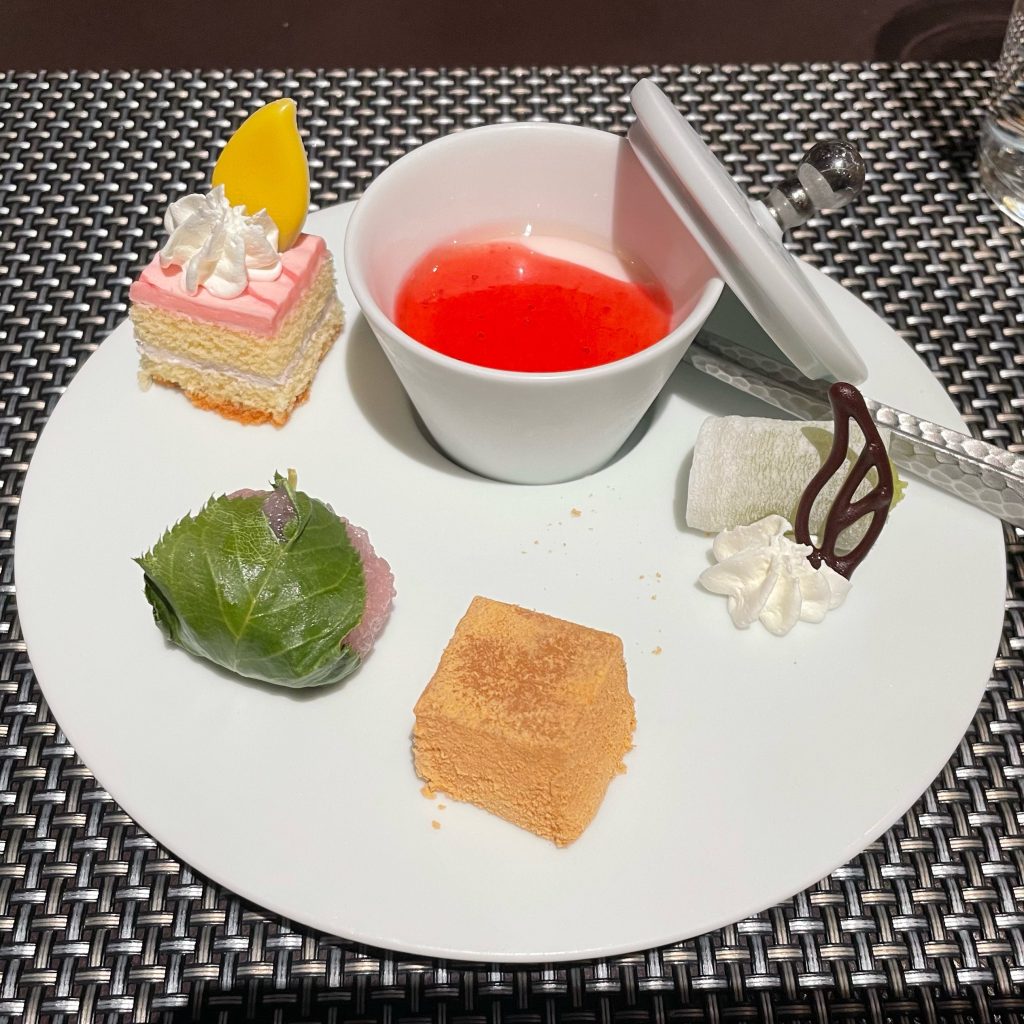
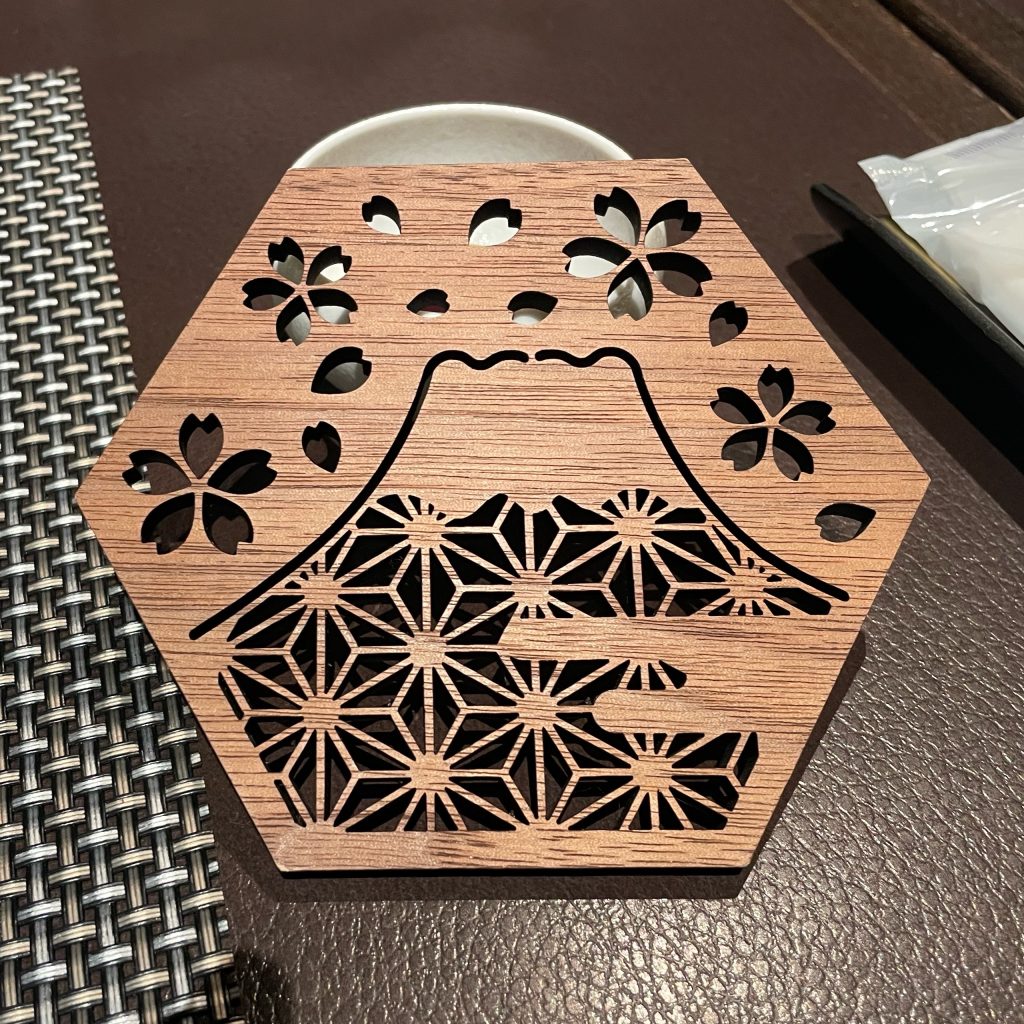
Life is good in Fuji!
Sayonara
We think of Mt Fuji as this gigantic volcano, but is it really??
Leave a Reply